




 461
/ 8 MIN READ


The idea of the conventional high street across India’s urban landscape is now undergoing an evolution. The traditional rows of retail shopfronts, once limited to pure commerce, are now evolving into multifunctional destinations that blend retail with food, culture, and everyday life. Modern high streets are redefining the role of public spaces in metropolitan areas, setting a new benchmark for integrated urban living.
Design for connection and exploration
Unlike enclosed malls, modern high streets thrive as open-air promenades, drawing inspiration from European streetscapes. The environmental features include landscaped patios, greenery, pet-friendly pathways, water features, and generous walkways, all designed to encourage residents and visitors to explore and interact. These elements not only elevate the aesthetic appeal but also encourage visitors and residents to slow down, explore, and engage in community interactions beyond retail transactions.
From Transactional to Experiential
This evolution is closely tied to the rise of master-planned urban developments, especially townships engineered around the principles of New Urbanism. These new neighbourhoods prioritise walkability, mixed-use spaces, and human-scale design. In this context, high streets have shifted from mere premium transactional spaces to experiential destinations that reflect a growing appetite for community, lifestyle, and ease of access.
Evolving Consumer Expectations
The transformation of high streets is not sudden. It is the result of a gradual but powerful shift in consumer behaviour. Today’s urban shoppers, especially the younger cohorts, value experiences over utility. A visit to the high street is no longer just about premium shopping, but a blend of leisure, food exploration, cultural stimulation, and social connection. Supporting this trend, a CBRE survey reveals that over 70% of consumers across age groups actively prefer retail destinations that offer experiential and activity-driven spaces.
Recognising this, destinations like The Walk in Hiranandani Estate, Thane, Khan Market in Delhi, Kalaghoda in Mumbai or Brigade Road in Bengaluru offer delightful moments for their visitors rather than simply maximising foot traffic or tenant occupancy. The survey also noted a rising popularity of high streets, where Gen Z respondents prefer high streets over retail experiences and standalone experience centres. Supporting the evolving consumer preferences, brands are encouraged to develop richer, experience-focused environments that go beyond traditional shopping.
Curating a Multidimensional Tenant Mix
A successful high street demands thoughtful tenant curation. The goal is to create a vibrant ecosystem that appeals across demographics—young professionals, families, seniors, and even pets. A mix of retail, eclectic dining, wellness outlets, co-working spaces, and essential services ensures broad appeal. From a morning coffee stop to an evening musical jam, the high street becomes part of one’s daily rhythm. Strategic zoning helps guide visitors through lifestyle, culinary, and entertainment sections, creating a seamless, intuitive flow of experiences.
Experience-led zoning
Modern high streets are increasingly becoming cultural and social anchors. Weekly flea markets, art exhibitions, music nights, fitness meetups, and pet carnivals all contribute to their dynamic identity. These curated experiences go beyond footfall generation—they create memory, loyalty, and local character. A high street thus becomes a destination in its own right, alive with rhythm and story.
Sustainability and Inclusivity at the Centre
Open-air formats offer greater access to natural light and ventilation, reducing energy loads and improving comfort. Integrated greenery, climate-responsive design, and smart waste systems make these places environmentally sound. Accessibility is also key: wide ramps, pet stations, family zones, and design that considers the needs of individuals with disabilities ensure that no one is left out. These choices reflect the values of today’s conscious, progressive communities.
Social Anchor for Integrated Townships
The rise of townships in India reflects a significant shift driven by rapid urbanisation and changing lifestyle preferences. This unprecedented expansion is reshaping not only residential habits but also the face of modern retail. As a direct result, experience-driven retail is also on the rise. A premium high street situated within a well-integrated township will surely report consistently high visitor footfalls, driven by curated events, open-air layouts, and premium dining and cultural offerings. The high street here acts as the vital link within townships— connecting homes, offices, schools, and recreation—and not only serves the residents but also the wider city.
The Future: Beyond Retail to Community
The evolution of these dynamic high streets signals a fundamental shift in urban Indian life, from retail spaces that were designed simply for transactional purposes to places where people come to belong, experience, and celebrate. The current consumer group continuously seeks convenience and community engagement; modern high streets answer this call. With contextually intelligent design, curated programming, and a focus on experiential value, these reinvented high streets are setting the stage for how lifestyle and leisure will evolve in Indian cities.
In the end, the future of retail is not simply about adding more stores or bigger brands. It’s about curating places that feel open, inclusive, and alive — where people come to shop, dine, unwind, and belong.

Authored by: Prashin Jhobalia, Chief Marketing Officer, House of Hiranandani


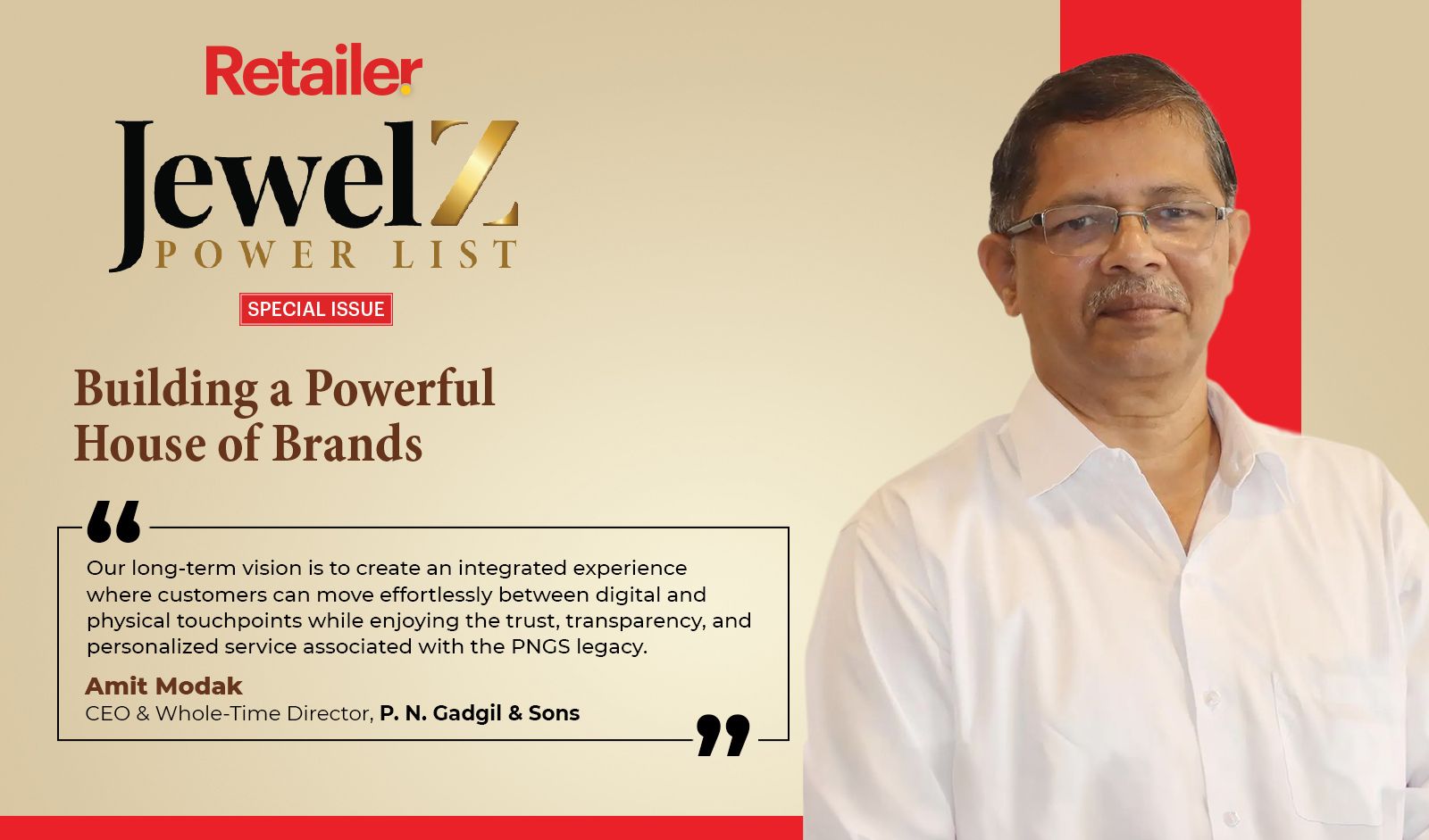
Reva Diamonds is carving a niche in India's evolving jewelry market with a specialized retail model focused exclusively on certified natural diamonds. Backed by the 193-year legacy of P. N. Gadgil & Sons (PNGS), the brand is expanding its retail presence as consumers increasingly look beyond traditional wedding purchases toward certified, contemporary diamond jewelry.
Blending Heritage with Modern Luxury
PNGS launched Reva Diamonds after observing a growing preference among consumers for specialized natural diamond retail experiences centered on trust, certification, transparency, and personalized service.
"Modern customers were looking for brands that offered not only beautiful designs but also transparency, certification, trust, and a deeper understanding of the value of diamonds," explained Amit Modak, CEO & Whole-Time Director, P. N. Gadgil & Sons.
Launched in December 2024, Reva Diamonds started as a dedicated destination for certified natural diamond jewelry, offering thoughtfully curated collections across engagement rings, bridal jewelry, occasion wear, and everyday luxury. Today, the brand has expanded to 37 stores, leveraging PNGS's longstanding reputation while building a distinct identity focused exclusively on natural diamonds.
Expanding Through Specialized Retail
Retail expansion remains central to Reva Diamonds' growth strategy. The brand currently operates through exclusive Reva Diamonds boutiques alongside dedicated diamond jewelry sections within select P. N. Gadgil & Sons stores, allowing it to combine specialized retail experiences with the trust associated with the PNGS brand.
According to Modak, the objective is to make certified natural diamonds more accessible while delivering expert guidance throughout the buying journey.
"Exclusive Reva Diamonds stores serve as dedicated destinations where customers can explore our complete range of certified natural diamond and platinum jewelry in an environment designed specifically around the diamond buying experience. Customers receive personalized consultations and expert guidance to make informed purchase decisions," he shared.
As the company expands, it plans to strengthen its presence across key markets through scalable retail formats while maintaining consistency in customer experience, product quality, and brand values.
Building an Omnichannel Experience
Recognizing that today's consumers begin their purchase journey online, Reva Diamonds is steadily strengthening its omnichannel capabilities.
Customers increasingly research diamond characteristics, compare designs, and seek inspiration digitally before visiting a store. While digital platforms help educate consumers and showcase collections, physical stores remain central to delivering personalized consultations and allowing customers to experience the craftsmanship and brilliance of natural diamonds firsthand.
"Our long-term vision is to create an integrated experience where customers can move effortlessly between digital and physical touchpoints while enjoying the trust, transparency, and personalized service associated with the PNGS legacy," Modak noted.
As part of this strategy, the company is also working toward developing a dedicated Reva Diamonds e-commerce platform to further strengthen its digital ecosystem.
Long-term Vision
Reva Diamonds plans to expand its retail footprint across high-potential markets, strengthen its digital and omnichannel capabilities, and introduce contemporary collections that cater to evolving consumer aspirations. Customer education will remain a key focus as the company continues building awareness around the uniqueness, certification, craftsmanship, and enduring value of natural diamonds, particularly among younger consumers.
"Our ambition is to build a future-ready natural diamond jewelry brand that contributes meaningfully to the growth of India's organized jewelry retail sector while creating lasting relationships with customers for generations to come," Modak concluded.
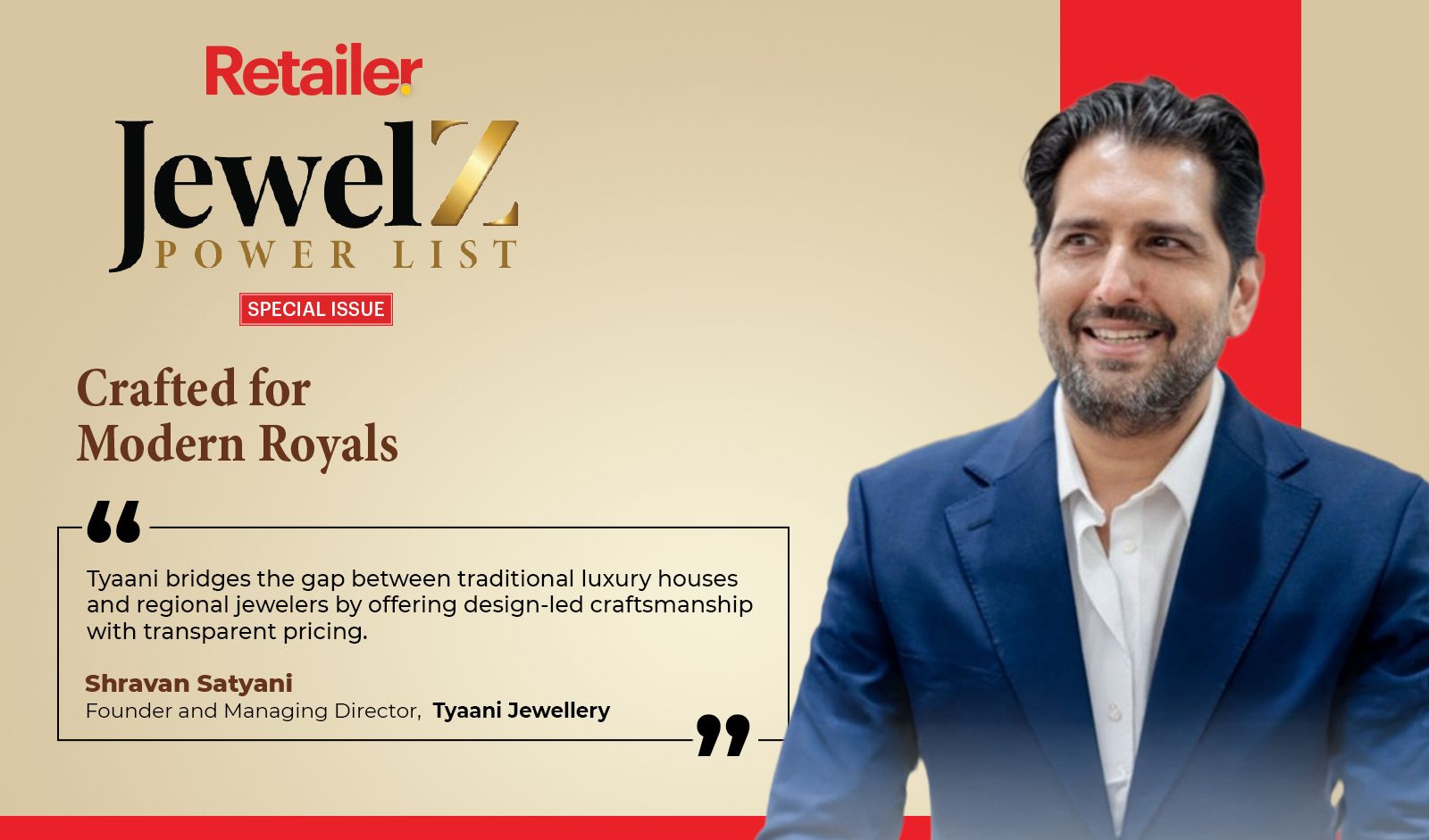
Tyaani Jewellery – A Karan Johar Brand is redefining India's contemporary fine jewelry landscape by blending traditional craftsmanship with modern design sensibilities. Positioned between heritage luxury houses and conventional jewelry retailers, the brand has built a distinct identity with handcrafted uncut diamond jewelry, certified gemstones, transparent pricing, and timeless designs that appeal to today's discerning consumers.
With a growing network of exclusive boutiques and an ambitious expansion strategy, Tyaani is strengthening its presence in the premium jewelry segment while making contemporary heirloom pieces more accessible to a wider audience.
"The organized sector still represents only 40 percent of India's jewelry market, which means there is significant room for branded players to grow. Tyaani bridges the gap between traditional luxury houses and regional jewelers by offering design-led craftsmanship with transparent pricing," said Shravan Satyani, Founder and Managing Director, Tyaani Jewellery.
Building a Contemporary Heirloom Brand
Founded in 2017, Tyaani was built on the vision of combining India's rich uncut diamond heritage with contemporary creativity. Rather than designing around standardized settings, the brand creates each piece around the unique character of every stone, resulting in distinctive heirloom jewelry.
Over the years, the company has rapidly expanded its footprint from six boutiques to 12 exclusive stores across Mumbai, Delhi, Hyderabad, Bengaluru, Chandigarh, Pune, Lucknow, Ahmedabad, Kolkata, Jalandhar, Surat, and Jammu. It now aims to reach 20 stores in 2026 while expanding into several new markets across the country.
Financially, the company reported ₹250 crore in topline revenue and ₹37.5 crore in bottom-line profit in FY25, with ambitious growth targets over the next three years.
"Our growth strategy has always been centered on creating timeless jewelry while expanding thoughtfully into markets where consumers appreciate craftsmanship and contemporary design," Satyani said.
Retail Expansion Powered by Omnichannel Growth
Physical retail continues to anchor Tyaani's business, contributing nearly 85 percent of total sales, while digital channels account for the remaining 15 percent. Rather than viewing e-commerce as a standalone sales channel, the company sees digital as the first touchpoint that inspires customers before they experience the brand in-store.
To support this strategy, Tyaani is investing in technologies that create a unified customer experience across online and offline channels, ensuring consistent service, pricing, and personalized engagement.
The company is also accelerating expansion through a franchise-led model, providing partners with end-to-end support in store design, visual merchandising, staff training, operations, and marketing while maintaining centralized brand standards.
Building Brand Equity Through Storytelling
Celebrity-led storytelling has become a key pillar of Tyaani's brand strategy. With Karan Johar serving as Visionary and Founder, the brand has strengthened its visibility through the "Forces of Tyaani" campaign, partnerships with Bollywood productions, editorial features, and celebrity collaborations.
"Karan Johar's association is foundational to the brand rather than a conventional endorsement. It reflects the design philosophy and aspirational identity that Tyaani represents," Satyani explained.
Looking Ahead
As India's organized jewelry retail market continues to expand, Tyaani is focused on strengthening its national presence through franchise-led growth while maintaining its emphasis on craftsmanship, design innovation, and premium customer experiences.
"The opportunity isn't about creating new demand—it's about converting existing jewelry spending into the organized, design-led segment. That's where we believe Tyaani is well positioned for the future," Satyani concluded.
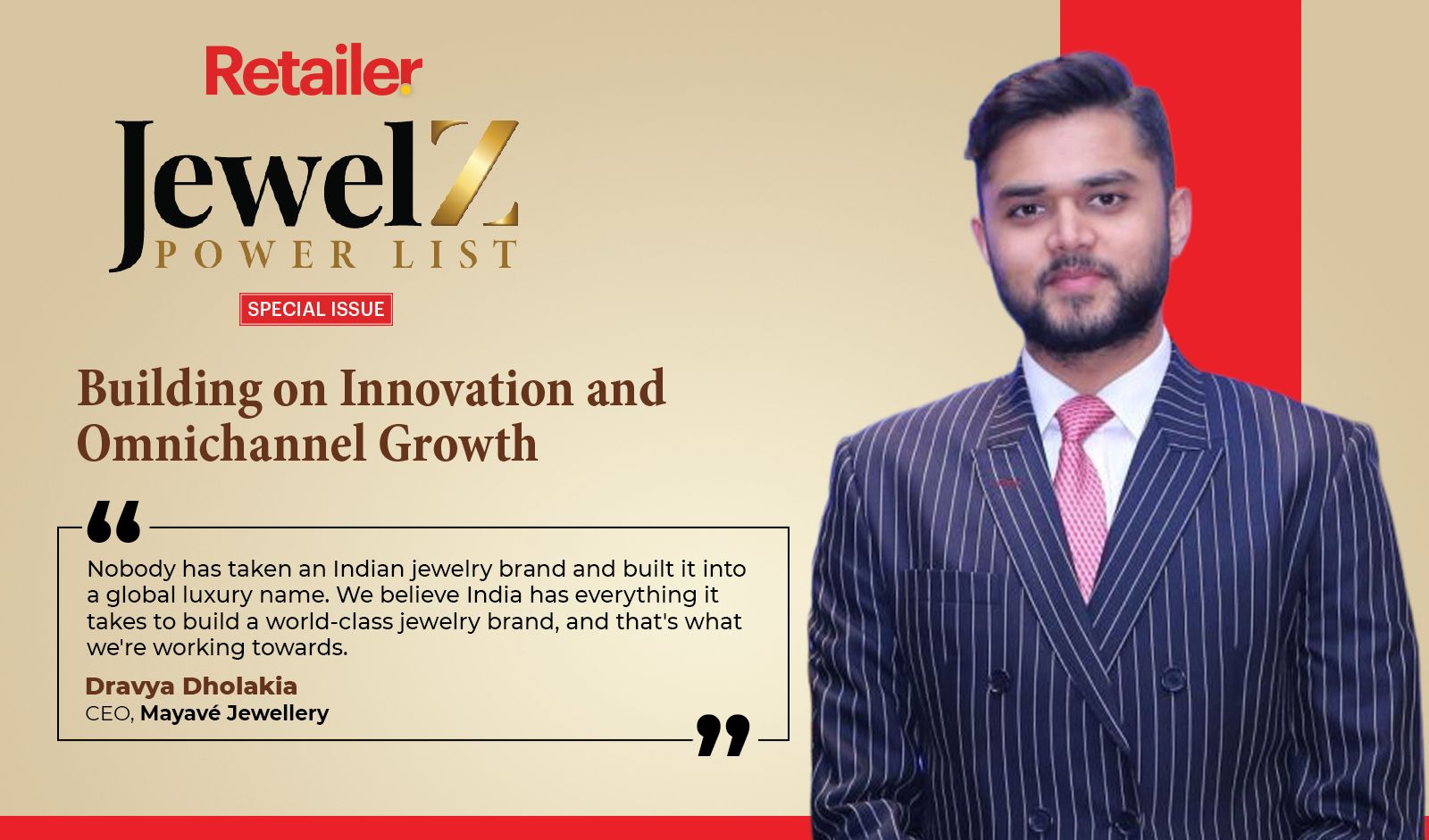
India's jewelry retail landscape is undergoing a transformation as changing consumer preferences, omnichannel commerce, and the growing acceptance of lab-grown diamonds reshape the industry. For Mayavé Jewellery, the future of jewelry retail lies not just in selling products but in creating memorable experiences that resonate with modern consumers.
Launched by Dholakia Lab Grown Diamonds. (DLGD), Mayavé marks the company's entry into experiential consumer retail with an omnichannel strategy that places physical stores at its core.
Experience Over Transactions
The traditional jewelry retail has remained largely unchanged for decades, with stores focused on product displays rather than customer engagement. Mayavé aims to break that mold through larger, experience-led stores spanning 2,200–2,500 sq. ft., offering spacious layouts, greater privacy, and immersive storytelling.
"Buying jewelry is one of the most significant purchases in a person's life, yet the experience often lacks privacy and emotional engagement. We want to bring a different flavor to how jewelry is sold in India," expressed Dravya Dholakia, CEO, Mayavé Jewellery.
Omnichannel with Offline at the Core
While digital channels have become indispensable, Dholakia believes jewelry remains a category where physical retail plays a critical role. Consumers often want to touch, try on, and experience jewelry before making high-value purchases, making offline stores an integral part of the buying journey. "You have to be digital whether you're digital-first or offline-first. But we're going very aggressive on offline retail while maintaining a strong online presence," he shared.
To support its retail-first approach, Mayavé plans to launch its first stores in the NCR before expanding nationwide, targeting more than 100 stores over the next two-and-a-half to three years.
Design as the Differentiator
Beyond affordability, Dholakia believes design will be the defining factor for success in the lab-grown diamond segment. Instead of focusing solely on bridal jewelry, Mayavé is positioning itself around contemporary everyday luxury, with collections developed under the guidance of a Milan-based creative director.
"Gold is gold and diamonds are diamonds. What ultimately differentiates one brand from another is design," Dholakia noted.
The brand's portfolio starts at around Rs 30,000 and extends to exclusive creations priced above Rs 20 lakh, with the majority of collections positioned in the Rs 80,000–1 lakh range.
Expanding the Diamond Market
Dholakia also believes lab-grown diamonds will create an entirely new consumer base rather than compete directly with natural diamonds. With diamond ownership still limited in India, affordability can help attract first-time buyers and expand the overall market.
Looking ahead, his ambition extends beyond domestic growth. As experiential retail, omnichannel strategies, and design-led innovation redefine jewelry retail, Mayavé aims to build an Indian jewelry brand with global aspirations.
"Nobody has taken an Indian jewelry brand and built it into a global luxury name. We believe India has everything it takes to build a world-class jewelry brand, and that's what we're working towards," Dholakia concluded.
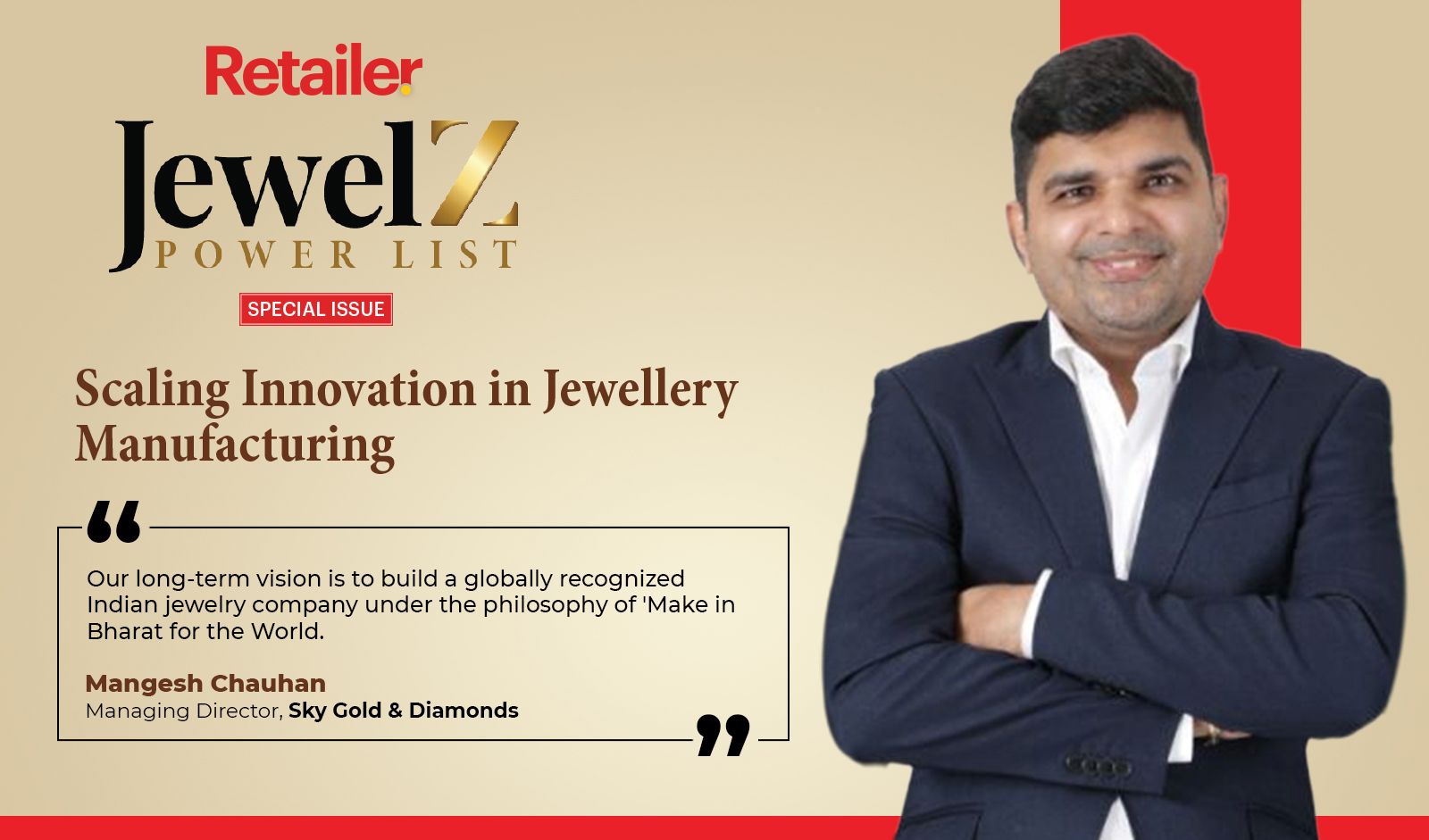
India's jewelry industry is undergoing a structural transformation as consumers increasingly gravitate toward organized, branded players that offer transparency, quality assurance, and contemporary designs. While retail brands remain at the forefront of customer engagement, manufacturers are quietly becoming the backbone of this evolution. Among them, Sky Gold & Diamonds has emerged as a key player, combining manufacturing scale, design innovation, and strategic partnerships to strengthen India's organized jewelry ecosystem.
Riding the Wave of Organized Growth
The shift from the unorganized to the organized jewelry market is creating unprecedented opportunities for manufacturers with strong operational capabilities. Mangesh Chauhan, Managing Director of Sky Gold & Diamonds, said that rising disposable incomes, evolving consumer preferences, and growing trust in branded jewelry were accelerating this transition.
"One of the most important shifts we are witnessing is the movement from the unorganized to the organized market, as consumers increasingly prefer reliable, design-led, and quality-assured jewelry brands," Chauhan said.
He added that the company had built a robust manufacturing platform and was now focused on creating sustainable, long-term value by expanding production capacity while strengthening its financial position through improved cash generation, enhanced working capital efficiency, and debt reduction.
From Zaveri Bazaar to a Rs 6,295 Crore Enterprise
Founded in 2005, Sky Gold & Diamonds traces its origins to Chauhan's early experience in Mumbai's iconic Zaveri Bazaar, where he gained firsthand insight into the jewelry trade. What began as a professionally managed manufacturing venture has since evolved into one of India's fastest-growing organized B2B jewelry manufacturers.
The company's growth journey has been marked by several milestones, including its SME listing in 2018, migration to the Main Board in 2023, and the achievement of a market capitalization exceeding ₹7,000 crore. Today, it partners with some of India's largest jewelry retailers while continuing to expand its manufacturing capabilities and design expertise.
"Our vision has always been to bring greater organization, innovation, and manufacturing excellence to India's jewelry industry while building long-term partnerships with leading retailers," Chauhan said.
He noted that these milestones reflected the company's commitment to building a professionally managed organization focused on long-term, sustainable growth.
A B2B Model Built for Scale
Unlike consumer-facing jewelry brands, Sky Gold & Diamonds has adopted a manufacturing-led business model. The company supplies jewelry to leading organized retailers, including Tanishq, Kalyan Jewellers, Malabar Gold & Diamonds, Senco Gold & Diamonds, PNG Jewellers, and Joyalukkas.
This partnership-driven approach provides nationwide market reach without the capital-intensive investment required to operate an extensive retail store network. At the same time, the company is leveraging digital capabilities to enhance product visibility, streamline supply chain operations, and accelerate product development, enabling retail partners to respond more quickly to evolving consumer demand.
Chauhan said the company's priority was to deepen relationships with organized retailers while using technology to improve efficiency across the value chain.
Design Innovation as a Competitive Advantage
Product innovation remains one of the company's strongest differentiators. Backed by a team of more than 150 designers and an extensive design library of over 900,000 SKUs, Sky Gold continuously develops collections across lightweight, value-added, natural diamond, and lab-grown diamond jewelry categories.
A notable example is its 24KT diamond jewelry collection, which combines the purity of 24-karat gold with lightweight diamond designs tailored for modern, everyday wear. Such innovations not only strengthen the company's portfolio but also help retail partners offer differentiated collections that resonate with the next generation of jewelry consumers.
"Innovation is at the heart of our strategy. Our focus is to build design-led, commercially relevant collections that help our retail partners meet rapidly evolving consumer demand," Chauhan explained.
He added that the company's design ecosystem and manufacturing excellence continued to be its biggest competitive strengths.
The Road Ahead: Sky Gold 3.0
Looking ahead, the company is executing its "Sky Gold 3.0" strategy, which goes beyond capacity expansion to focus on professionalizing management, strengthening corporate governance, improving cash flow, enhancing working capital efficiency, and driving operational excellence.
Exports are also expected to play an increasingly important role in the company's growth strategy as India strengthens its position in global jewelry manufacturing through favorable trade agreements and rising international demand for design-led Indian jewelry.
"Our long-term vision is to build a globally recognized Indian jewelry company under the philosophy of 'Make in Bharat for the World.' By combining creativity, technology, manufacturing excellence, and disciplined capital allocation, we are confident of sustaining healthy growth while expanding our presence in both domestic and international markets," Chauhan said.
As India's jewelry market continues its shift toward organized retail, Sky Gold & Diamonds is positioning itself to play a pivotal role in shaping the industry's next phase of growth through manufacturing excellence, innovation, and strategic partnerships.

Lukson, part of JK Star Group, is building a new proposition in India's jewelry market by combining vertically integrated manufacturing with contemporary design and accessible pricing. Launched in January 2025, the brand is focused on making certified lab-grown diamond jewelry part of everyday consumption rather than limiting diamonds to special occasions.
With more than 11 stores across Delhi NCR, Mumbai, Hyderabad, Pune, Bengaluru, Ahmedabad, and Chennai, Lukson is expanding through a mix of exclusive outlets, shop-in-shop formats, marketplaces, and its own D2C platform.
"The consumer between 25 and 45 does not want jewelry locked away for occasions. They want real diamonds they can live in, layer and style every day, ethically made and transparently priced," said Anand Lukhi, CEO and Co-Founder, Lukson.
From Diamond Heritage to a New-Age Brand
Lukson's foundation is rooted in the family's three-decade diamond industry experience. Anand Lukhi is a third-generation diamantaire, while JK Star Group, co-founded by his father Nandesh Lukhi in 1993, has grown across natural diamond manufacturing, B2B jewelry, international exports, and lab-grown diamond production.
Building on this expertise, Anand and his co-founder Vedant launched Lukson with the vision of democratizing diamond ownership. Each Lukson piece begins with a diamond seed grown at the group's CVD facility in Surat, followed by cutting, polishing, grading, and retail—all handled within the group's integrated ecosystem.
The strategy has delivered early traction. Lukson crossed ₹75 lakh in D2C sales within its first 100 days and has since expanded its retail presence to more than 11 stores across seven cities, alongside its marketplace presence.
"We launched Lukson with a simple conviction: diamond ownership in India should be democratized. Our vertical integration allows us to offer certified diamonds with transparency while maintaining control over quality and pricing," Lukhi expressed.
An Omnichannel Retail Strategy
Lukson's retail strategy combines exclusive brand outlets, shop-in-shop formats, and digital channels. Its stores offer the complete brand experience, while shop-in-shop locations in premium malls provide access to high-intent consumers.
Digital serves as the brand's broader discovery and engagement platform, with its D2C website complemented by marketplaces including Amazon, AJIO, and Eternz. Try-at-home services and video consultations further connect digital discovery with physical retail.
"For us, omnichannel is not a buzzword. It is how the modern jewelry customer actually shops," Lukhi explained.
The company is also investing in AI-driven personalization and augmented reality try-on capabilities to further integrate online and offline experiences.
Expanding the Everyday Diamond Wardrobe
Beyond retail expansion, Lukson is broadening its portfolio across everyday fine jewelry, bridal and mangalsutra collections, men's jewelry, and accessible gold formats. Design-led collections and cultural collaborations are helping the brand remain relevant throughout the year, while creator-led content and customer experiences continue to strengthen brand visibility.
Looking Ahead
Over the next two years, Lukson plans to deepen its presence across India's major urban markets through new exclusive stores and shop-in-shop formats while expanding its product categories and technology capabilities.
"We are not just building a jewelry brand; we are building the infrastructure of how India will buy and wear diamonds for the next generation," Lukhi concluded.

Your investment statement shows a gain, but working out what you earned each year takes more than dividing that gain by the number of years invested. The calculation becomes trickier when you add money or make withdrawals along the way.
An XIRR calculator accounts for dated cash flows, while a CAGR calculator measures annualised growth between a starting amount and an ending value. The suitable choice depends on your transaction history and what you want to assess.
What does a CAGR calculator measure?
Compound Annual Growth Rate, or CAGR, expresses growth as an equivalent annual compounded rate. It is useful when you make one investment and have no intermediate contributions, withdrawals or cash distributions.
The formula is:
CAGR (%) = [(Ending value / Beginning value)^(1 / Years) − 1] x 100
Suppose ₹1 lakh grows to ₹1,21,000 over two years:
CAGR = [(₹1,21,000 / ₹1,00,000)^(1/2) − 1] x 100 = 10%
The total gain is 21%, while the equivalent annual compounded return is 10%. Dividing 21% by two would give 10.5%, which overlooks compounding.
A CAGR calculator does not show the journey between those values. The investment could have risen steadily or experienced sharp fluctuations.
The figures shown are for illustrative purpose only
What does an XIRR calculator measure?
Extended Internal Rate of Return, or XIRR, measures an annualised return using the amounts and dates of cash flows. It considers how long each contribution was invested and when money was withdrawn.
This makes an XIRR calculator useful for SIPs, irregular contributions, partial redemptions and investments that pay cash distributions.
XIRR is a money-weighted measure: the timing and size of your transactions influence the result. Two people investing in the same mutual fund can therefore earn different personal returns, even over broadly similar periods.
It describes your experience with the investment rather than isolating the fund manager’s performance.
Why can CAGR mislead when you add money?
Imagine investing ₹1 lakh and adding another ₹50,000 shortly before your review date. The holding’s final value reflects both market movements and the additional contribution.
Entering ₹1 lakh as the beginning value would incorrectly treat the contribution as growth. Entering ₹1.5 lakh would also be unsuitable because the full amount was not invested from the start.
An XIRR calculator handles this distinction by assigning a date to each transaction. The additional ₹50,000 is recognised as money you contributed, with its own investment period.
The same principle applies when withdrawals reduce the remaining holding. A lower closing value does not automatically mean a poor return if you have already received money.
How should you enter XIRR cash flows?
Prepare the information from your investment statements, using a consistent perspective:
● Contributions: Enter money paid into the investment as negative amounts.
● Withdrawals: Enter redemption proceeds and cash distributions received as positive amounts.
● Closing value: If you still hold the investment, enter its value as a positive amount on the review date.
● Transaction dates: Use the actual dates rather than approximate monthly or annual intervals.
If you have sold the entire holding, include the sale proceeds without adding another closing value. Check for omitted or duplicated transactions before interpreting the result.
For a whole-portfolio calculation, transfers between investments inside that portfolio are internal movements, rather than fresh contributions or withdrawals.
Can both calculators give the same result?
Yes. With one initial investment and one ending value, XIRR and CAGR can give the same result when their time-period conventions match.
Small differences can arise because an XIRR calculator uses transaction dates, while a CAGR calculator may accept a rounded number of years. Check the dates, valuation and calculation basis before assuming either result is wrong.
XIRR is not restricted to SIPs, and CAGR is not unsuitable merely because the investment is a mutual fund. The pattern of cash flows determines the appropriate measure.
What should you check beyond the return?
Neither calculator tells you whether the investment suits your needs. Review risk, costs, liquidity and progress towards your goal alongside the annualised figure.
Be careful with short periods. Annualising a gain earned over a few weeks can produce an impressive percentage without establishing a sustainable yearly return.
For scheme comparisons, use matching periods, plans, options and methods. Comparing your personal SIP XIRR directly with a fund’s published lump sum CAGR can obscure the effect of contribution timing.
Conclusion
Use a CAGR calculator for a single investment without intermediate cash flows. Choose an XIRR calculator when contributions, withdrawals or distributions occur on different dates. Complete records and consistent assumptions matter more than choosing the higher percentage. Read either result alongside the risks taken and your financial goal.
Mutual Fund investments are subject to market risks, read all scheme related documents carefully.
This document should not be treated as endorsement of the views/opinions or as investment advice. This document should not be construed as a research report or a recommendation to buy or sell any security. This document is for information purpose only and should not be construed as a promise on minimum returns or safeguard of capital. This document alone is not sufficient and should not be used for the development or implementation of an investment strategy. The recipient should note and understand that the information provided above may not contain all the material aspects relevant for making an investment decision. Investors are advised to consult their own investment advisor before making any investment decision in light of their risk appetite, investment goals and horizon. This information is subject to change without any prior notice.
The content herein has been prepared on the basis of publicly available information believed to be reliable. However, Bajaj Asset Management Limited (formerly known as Bajaj Finserv Asset Management Limited) does not guarantee the accuracy of such information, assure its completeness or warrant such information will not be changed. The tax information (if any) in this article is based on prevailing laws at the time of publishing the article and is subject to change. Please consult a tax professional or refer to the latest regulations for up-to-date information.
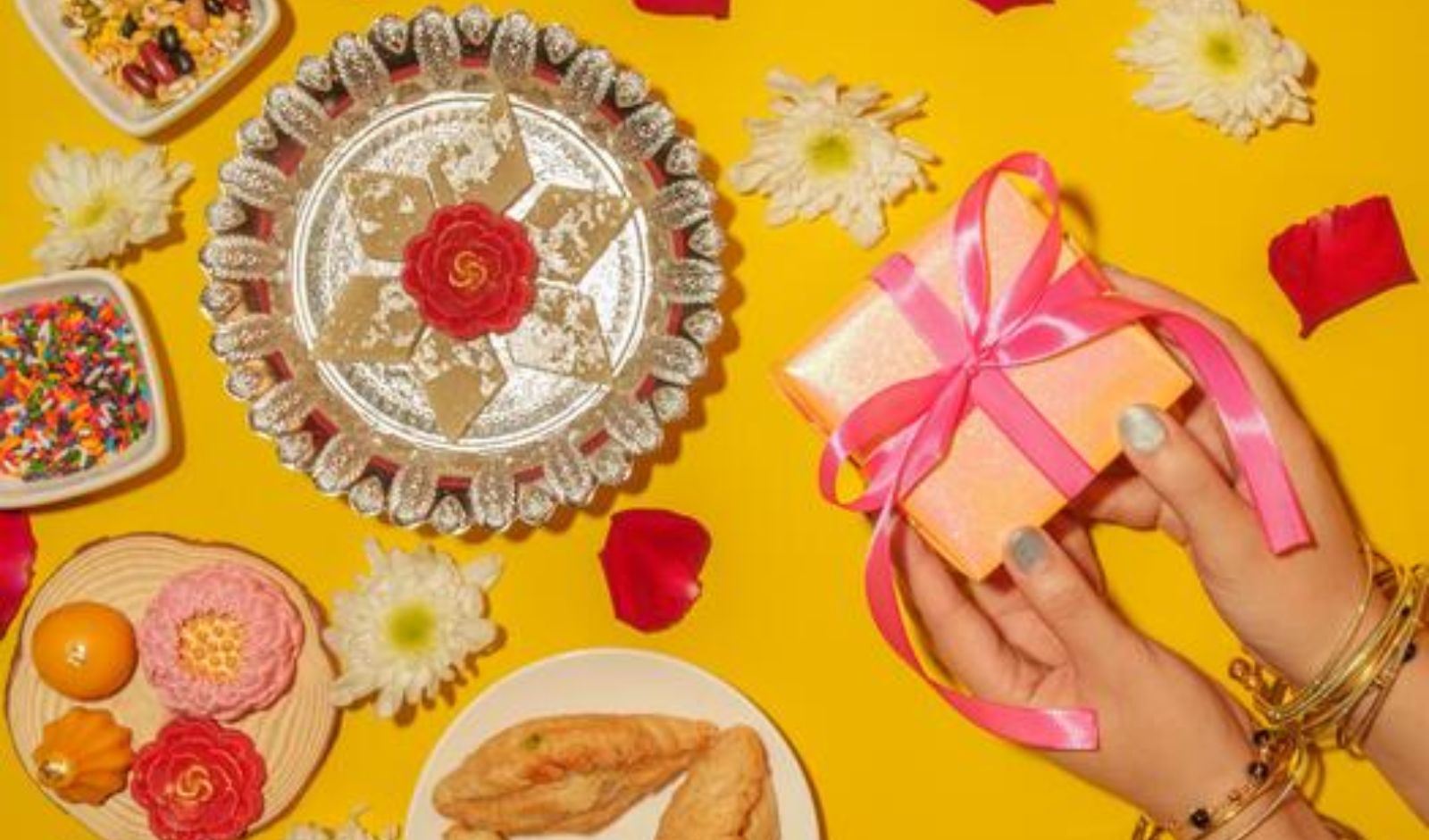
Diwali gifting offers an opportunity to go beyond the usual choices with thoughtful presents that combine everyday essentials and a little indulgence. From skincare sets and hydrating formulas to fragrance-led body care, festive makeup and targeted haircare, beauty gifts can cater to a range of preferences and routines.
Whether you are looking for a ready-to-gift skincare collection, a statement makeup pick or a self-care hamper, these 10 beauty selections bring together options across skincare, haircare, makeup and body care.
1. Oriflame – Opt Optimals Even Out Rich Set

The Opt Optimals Even Out Rich Set by Oriflame brings together three skincare essentials designed for a routine focused on cleansing, hydration and sun protection. The set includes the Soft Creamy Cleanser, Daily Glow Multi-Protector SPF 50 and Even Out Rich Cream. The cream features Rainbow Algae Extract and Niacinamide, while the cleanser offers a gentle start to the routine. With a combination of daily cleansing, moisturizing and sun protection, the set is a gifting option for someone looking to build or refresh their skincare routine, particularly those with dry skin.
2. SEREKO – Bath & Body Gift Set

For those who enjoy a body-care routine, the Bath & Body Gift Set by SEREKO brings together products designed to address concerns such as strawberry skin, dryness and dullness. The set offers a way to incorporate body care into everyday self-care, making it a suitable gifting choice for someone who enjoys a more comprehensive bathing and moisturizing routine. Its focus on skin texture and hydration also gives the gift a practical angle, moving beyond conventional festive hampers to offer products that can be used regularly.
3. Hyeglo Beauty × Savorworks – Festive Indulgence Gift Box: The Fragrance Edit
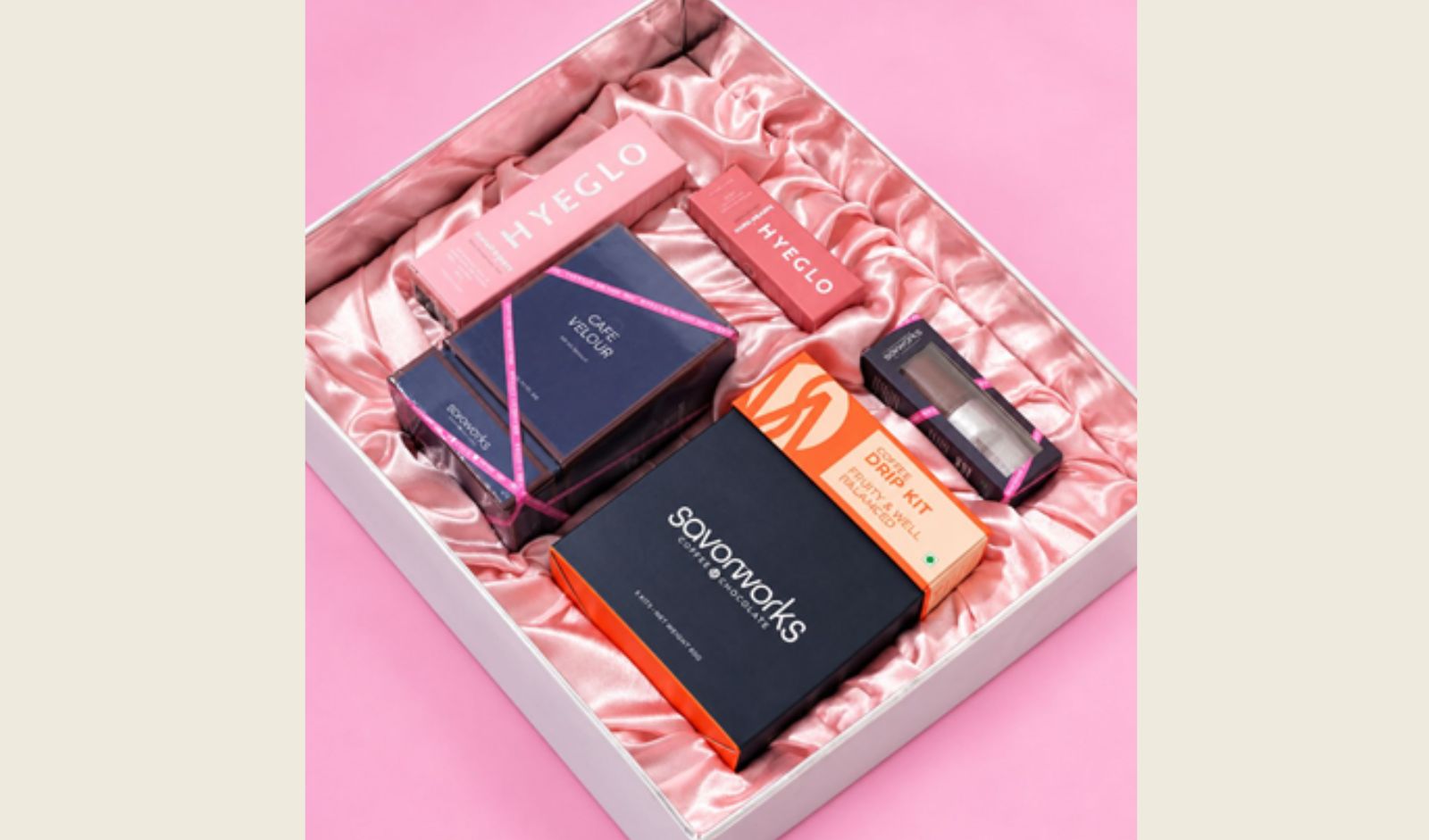
The Festive Indulgence Gift Box: The Fragrance Edit, created by Hyeglo Beauty in collaboration with Savorworks, combines beauty products with a coffee experience. The box includes the Tintelligence Skin Adaptive Tinted Moisturiser, Better Left Behind Lip Oil Stain, Edible Lip Oil Stain Chocolate and a Savorworks Drip Coffee Bag Kit. It also features a limited-edition collaboration Eau de Parfum. Bringing together complexion, lip and fragrance products with coffee, the hamper offers a mix of beauty and lifestyle essentials for someone who enjoys discovering different products in one gift box.
4. MESAI – Emirati, Indian, Cambodian and Persian Oud Shower Gel Combo
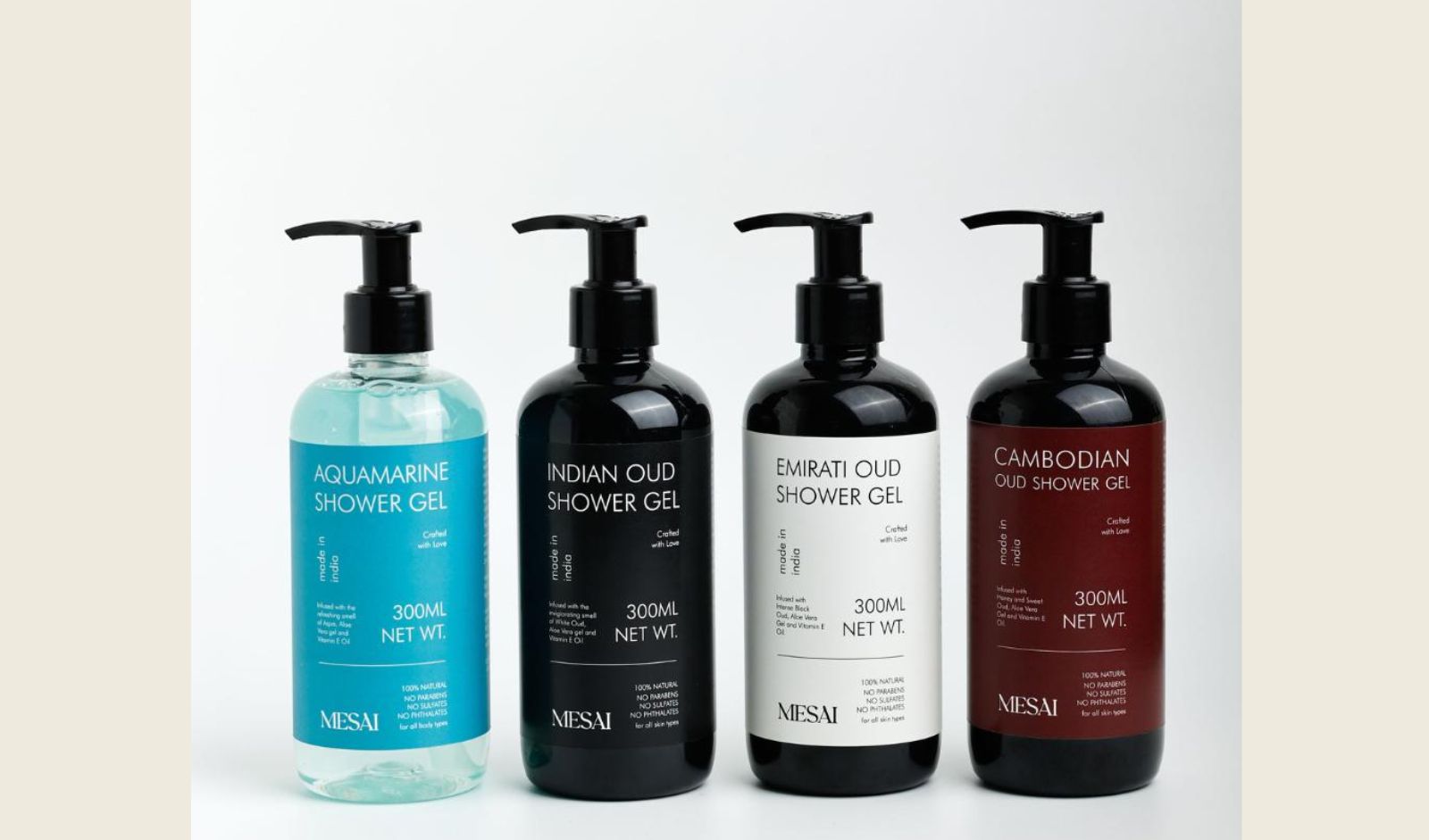
For fragrance enthusiasts, MESAI's four-piece oud shower gel combo brings together four distinct interpretations of the fragrance note. The set includes four 300 ml bottles: Persian Oud, with a floral profile; Indian White Oud, described as smooth; Emirati Black Oud, with a bolder character; and Cambodian Oud, with warm, honeyed notes. The collection offers variety within a familiar everyday product, making it an option for those who enjoy fragrance-led body care. Its combination of different oud profiles also gives the recipient an opportunity to explore contrasting scent preferences.
5. Pilgrim – Korean Rice Water Hydra Glow Moisturizer
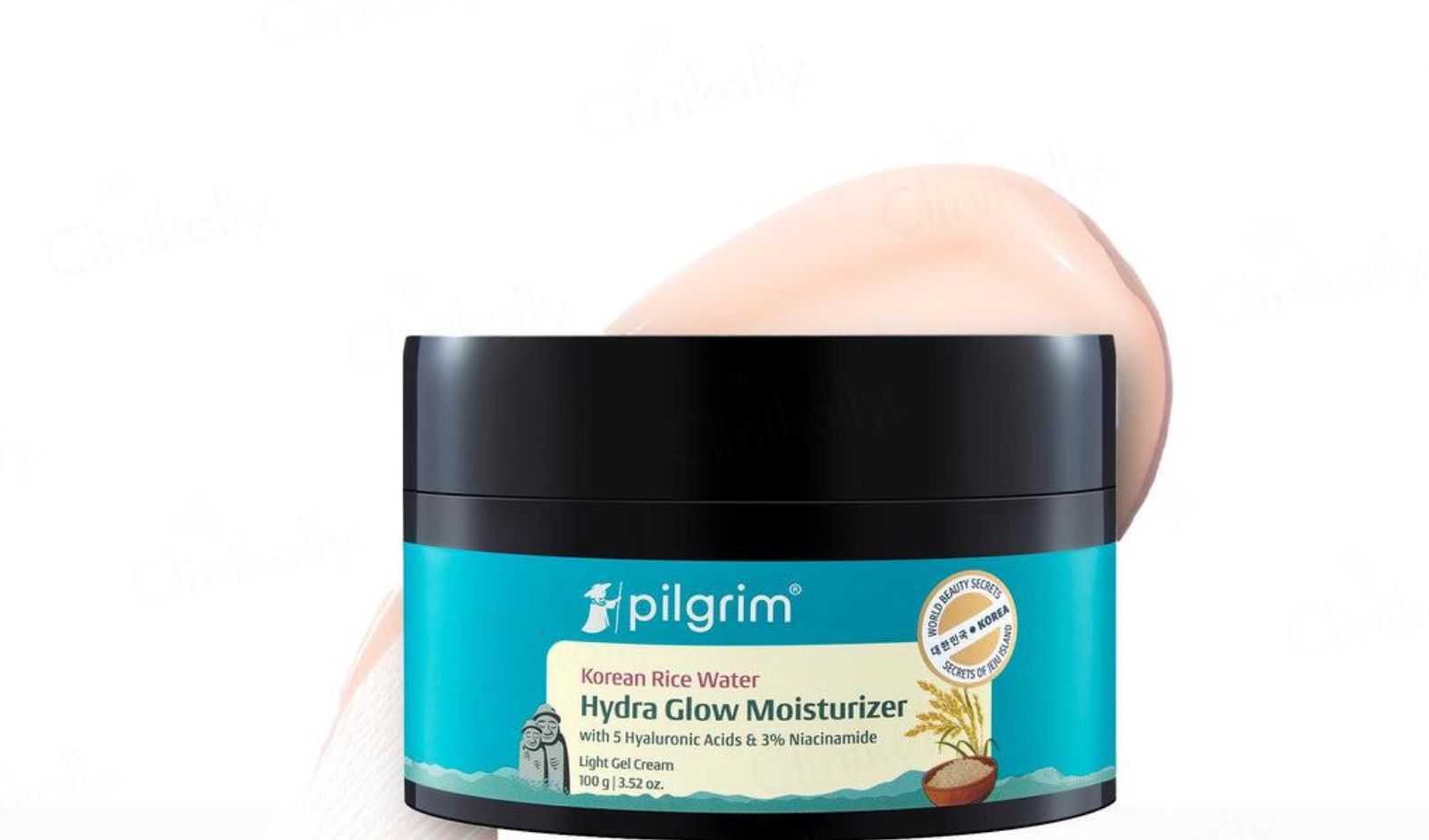
The Korean Rice Water Hydra Glow Moisturizer by Pilgrim is a skincare pick for those who prefer lightweight hydration. Formulated with Korean Rice Water and five types of Hyaluronic Acid, the gel moisturizer is designed to hydrate the skin while offering a lightweight feel. Its texture makes it an option for everyday use, particularly for someone who prefers gel-based moisturizers over richer creams. As a standalone gift or part of a larger skincare hamper, it brings a practical addition to a daily routine.
6. Novology – The Targeted Skincare Edit
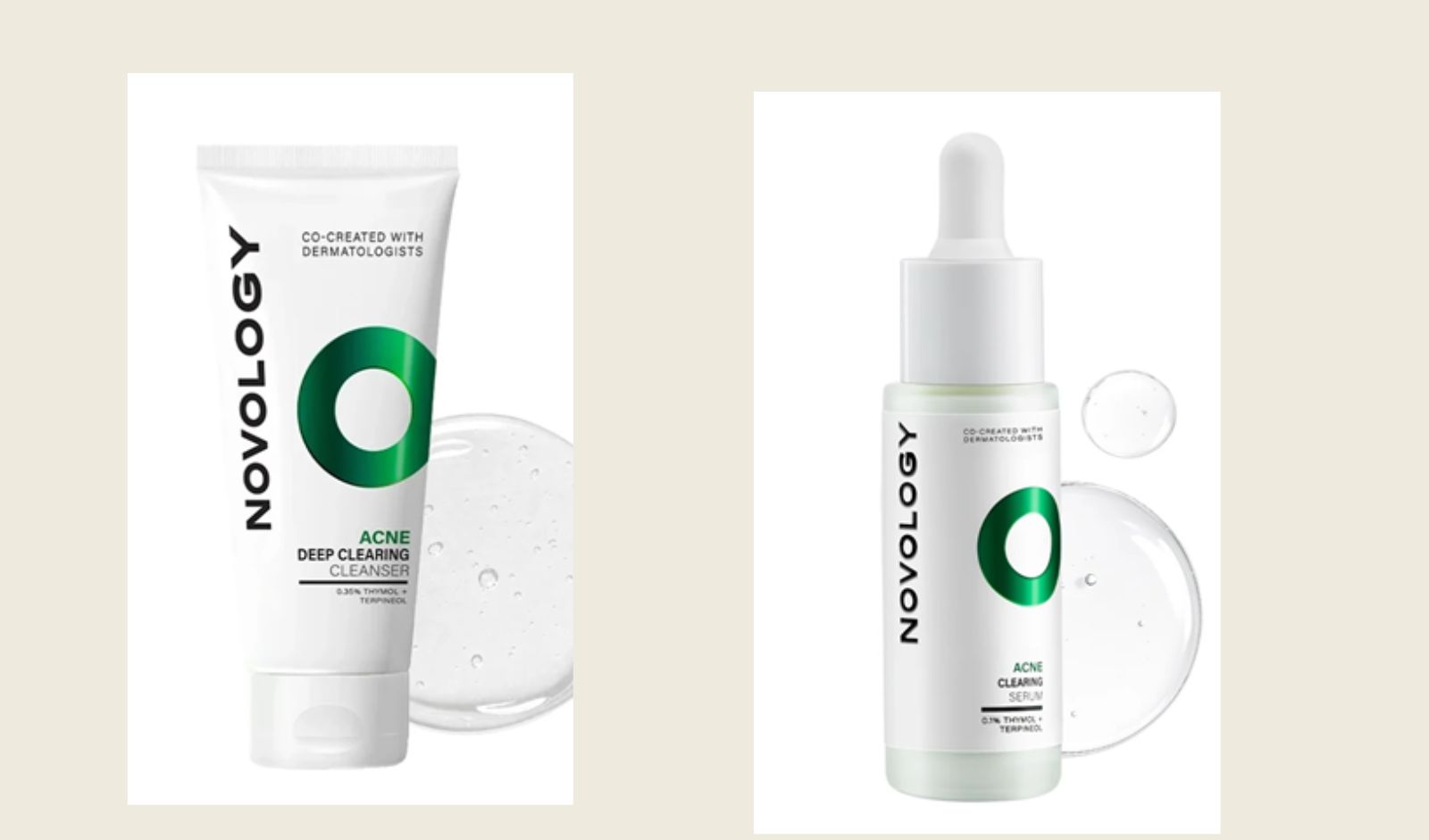
The Acne Reduction Regime combines the Acne Reduction Cleanser and Acne Reduction Serum to address acne while supporting the skin’s natural microbiome. The gel-based cleanser removes excess oil, dirt and acne-causing bacteria without stripping the skin of its natural moisture. The serum complements the cleansing step by helping reduce inflammation, soothe irritation and combat acne. Both products are formulated with Thymol and Terpineol, which target acne-causing bacteria while helping preserve beneficial bacteria on the skin. Clinically proven to reduce acne from day seven, the combination is suitable for all skin types and is designed to minimise the risk of irritation and redness.
7. CHOSEN – SAFESCREEN NexGen SPF 60+ Sunscreen
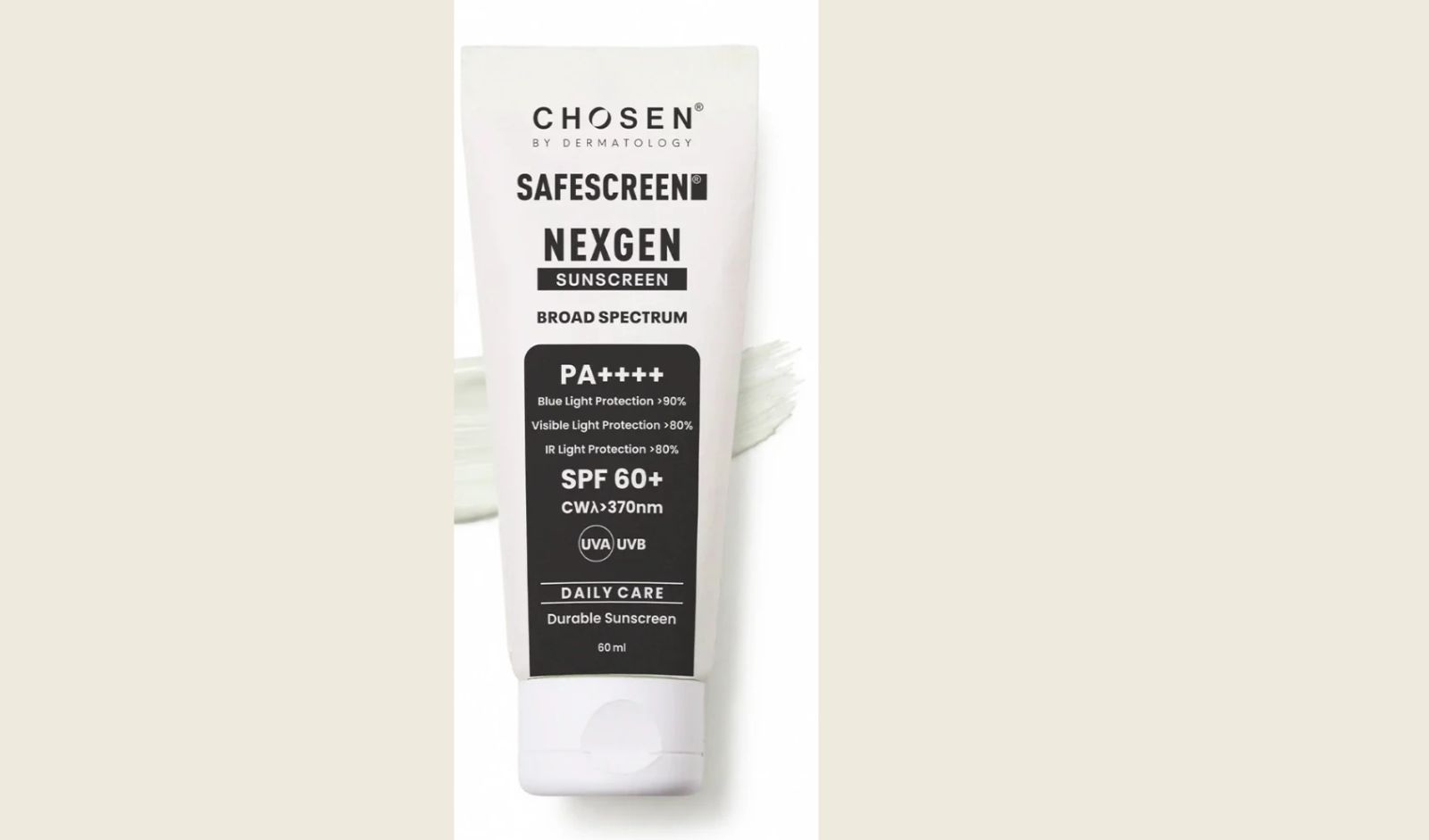
Sun protection remains an everyday skincare essential, making the SAFESCREEN NexGen SPF 60+ Sunscreen by CHOSEN a practical addition to a beauty gifting list. The sunscreen offers broad-spectrum protection and is designed with a sheer, fragrance-free finish. Its formulation is intended for daily use, making it an option for someone who prefers sun protection that can fit into an everyday routine. As a standalone gift or an addition to a larger skincare collection, it brings a functional element to festive beauty gifting.
8. ScalpSense – Hair and Scalp Care Range

The ScalpSense Hair and Scalp Care range offers targeted options for different scalp and hair concerns. Its lineup includes Hairfall Defense, Dandruff Defense, Hydra Soothe and Oil Out shampoos, alongside a Hair & Scalp Conditioner. The range also features corresponding scalp vaccines, an Intense Scalp Treatment and the Folicare Scalp Shield Leave-In Treatment. With products addressing concerns such as dandruff, excess oiliness, dryness, sensitivity and hair fall, the collection offers a way to tailor haircare gifting to individual needs rather than relying on a one-size-fits-all set.
9. Type Beauty – Glitter Jelly Tints
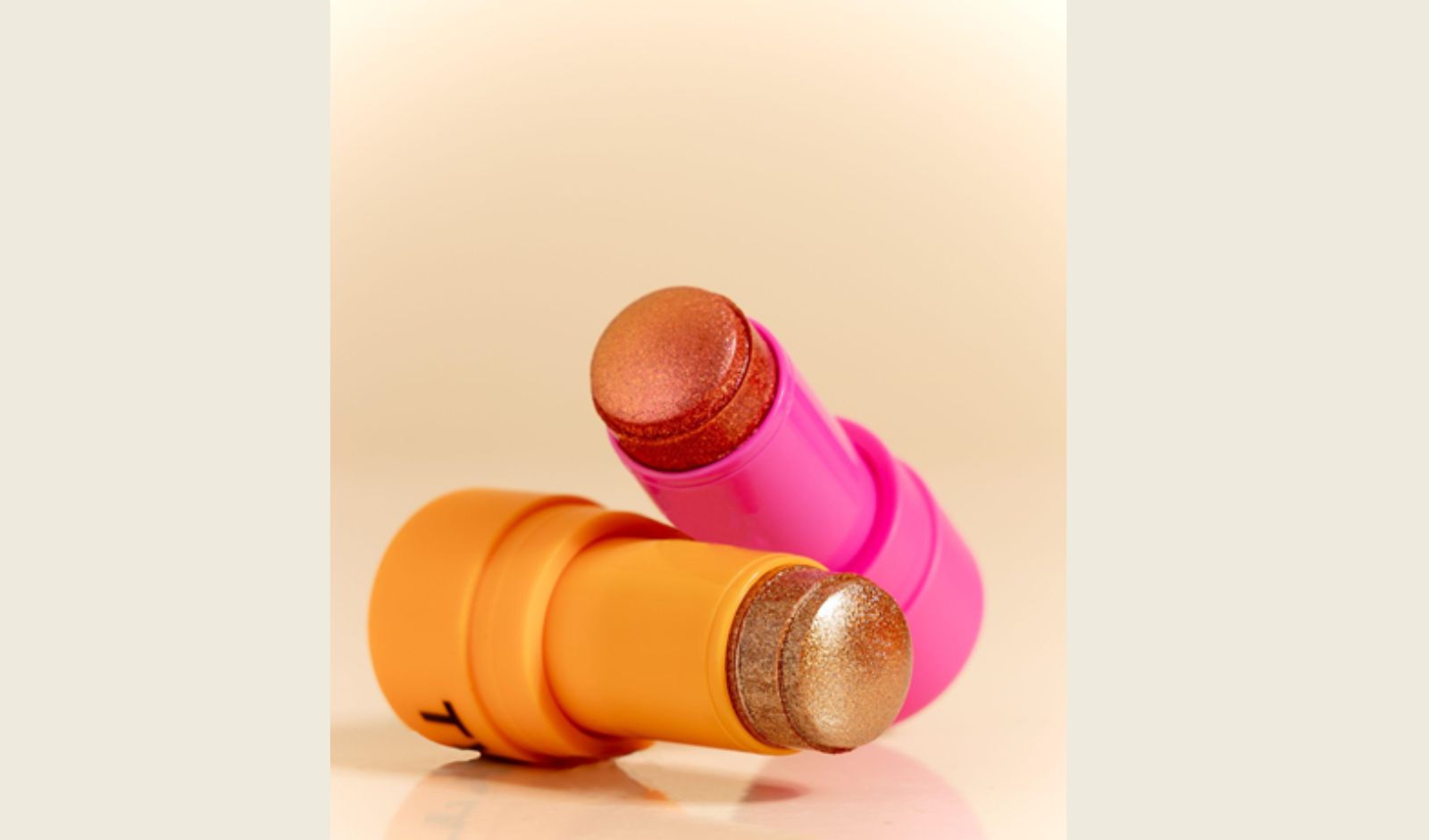
For someone who enjoys experimenting with makeup, Type Beauty's Glitter Jelly Tints in Champagne and Rosé offer a multi-use addition to a festive beauty collection. The tints can be applied to the eyes, cheeks, lips and collarbones, allowing the same product to create different looks. Their buildable shimmer makes them suitable for both subtle accents and more noticeable festive finishes. The two shades offer different options for creating a soft glow, while the multi-purpose format makes the product a convenient pick for someone who prefers versatile makeup essentials.
10. The Skin Diet Company – Lip Barrier Ink Pen
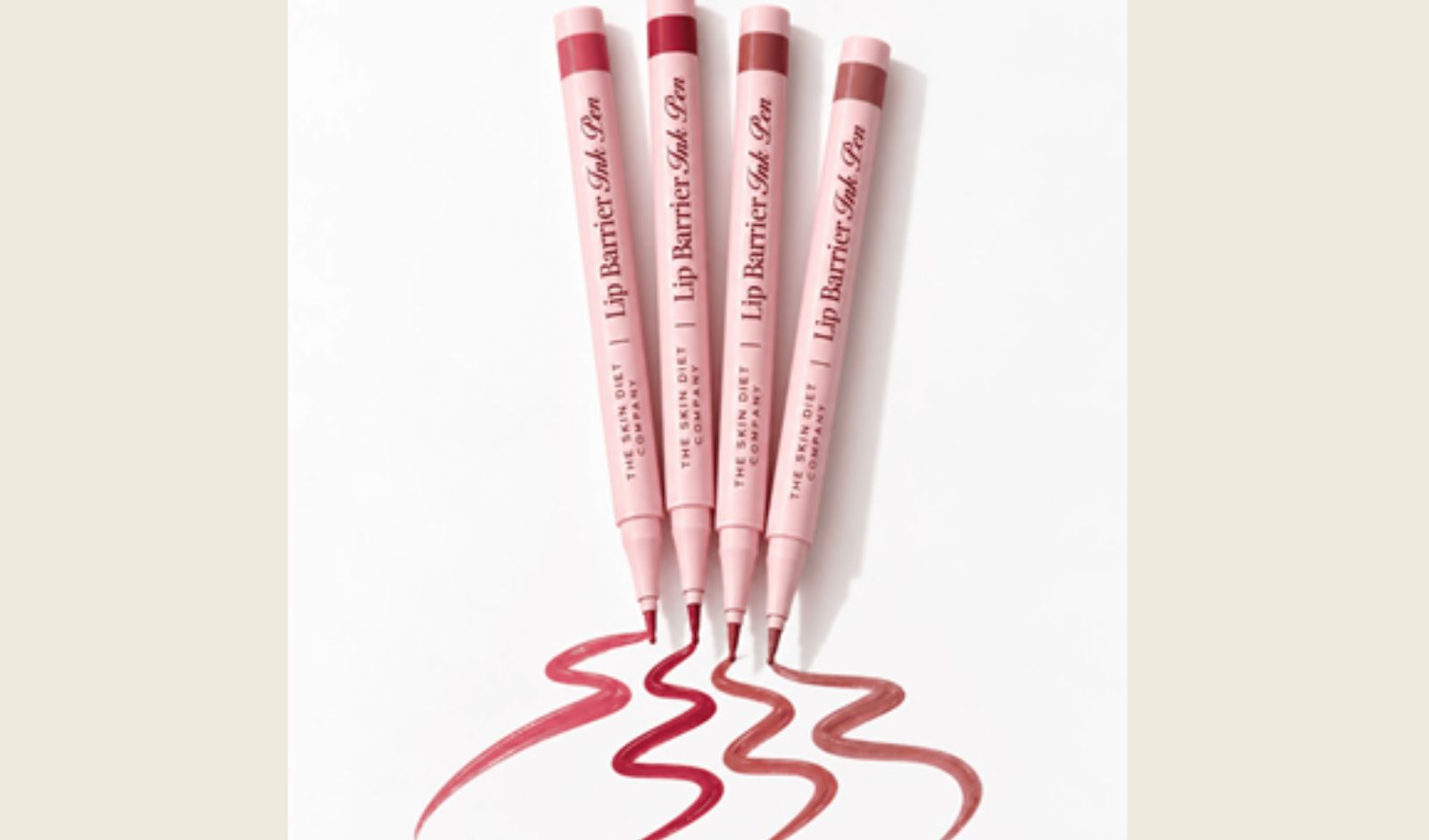
The Lip Barrier Ink Pen by The Skin Diet Company offers a different format for defining the lips. Designed with a ball-point tip and a liquid formula, the pen delivers a matte, quick-drying finish. Its waterproof and smudge-proof positioning makes it an option for longer-wearing lip looks. The formula includes Vitamin E, Palmitoyl Tripeptide-1 and antioxidants. Available in four shades—Crimson Curve, Espresso Sketch, Toffee Trace and Pink Scribble—the range offers options across different lip looks, making it a makeup gift for someone who enjoys experimenting with definition and color.
From skincare sets and fragrance-led body care to targeted haircare and versatile makeup, these picks offer different ways to make beauty gifting more personal this Diwali. Whether chosen as standalone presents or combined into a festive hamper, they bring together everyday essentials and products that add a little indulgence to familiar routines.
India’s home appliance market is witnessing a shift towards premium products as consumers increasingly look for better performance, convenience, energy efficiency, and design. Over the years, the trend has gained momentum with changing lifestyles, rising aspirations, and greater product awareness influencing purchasing decisions.
The Diwali festive season provides an important opportunity for households to upgrade existing appliances and invest in products that offer greater functionality.
From kitchen appliances and cooking equipment to fans and fabric care products, brands are strengthening their portfolios to address evolving consumer expectations. While affordability continues to influence buying decisions, consumers are showing a growing willingness to spend more on products that deliver long-term value.
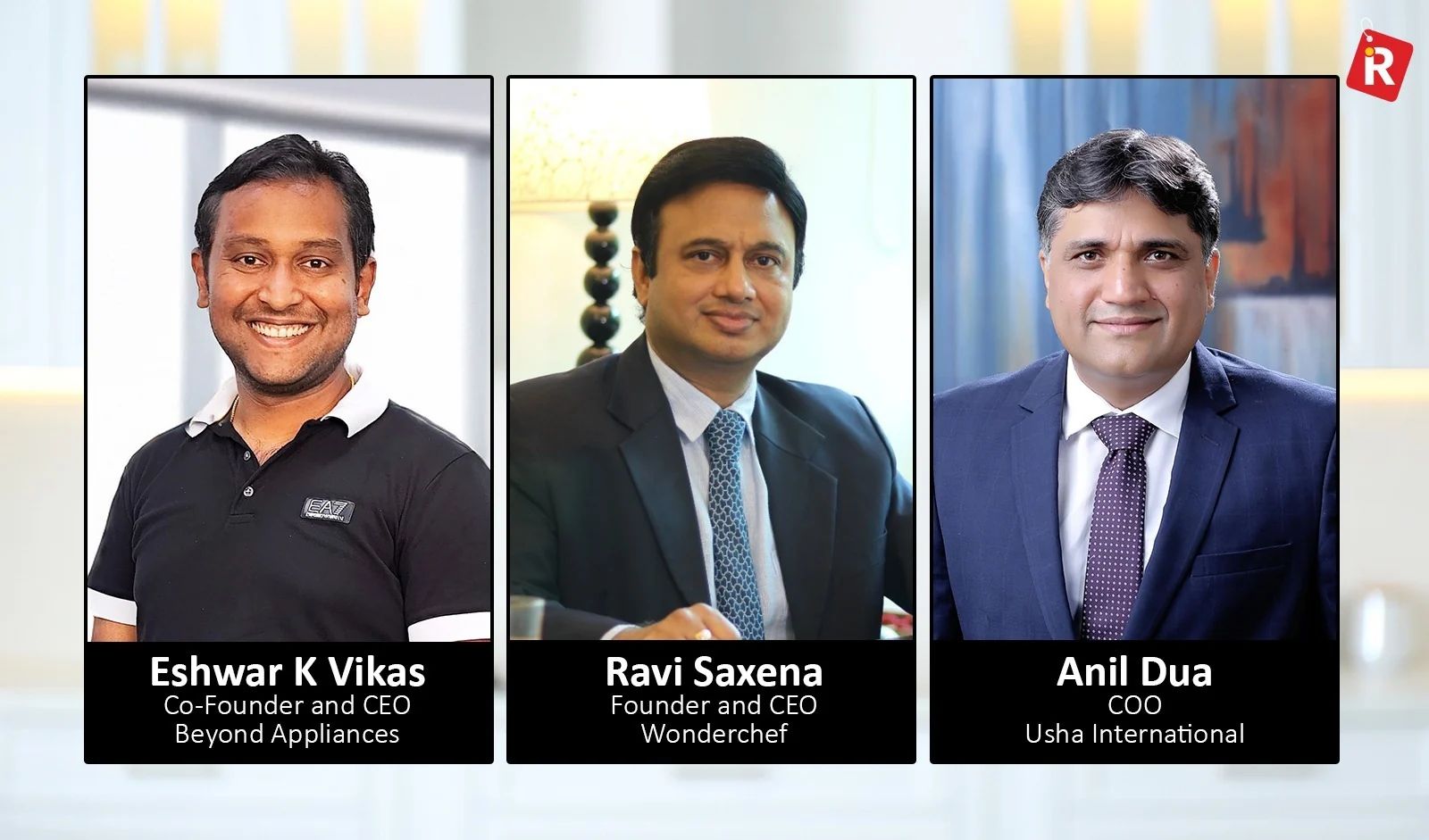
According to Anil Dua, COO at Usha International, consumers today are more informed, aspirational, and discerning in their purchases.
"While price and affordability remain important, there is a growing willingness to spend more on products that offer better performance, convenience, durability, and overall value. This shift is being driven by a greater focus on long-term value rather than just the initial purchase price," he said.
He added that energy efficiency, advanced features, multifunctionality, and smart connectivity are influencing buying decisions, while design and aesthetics are becoming increasingly important. Brand trust, reliability, and after-sales service also continue to play an important role, particularly in higher-value purchases.
Also read: Malgudi: Shankar Mahadevan Takes South Indian Dining Up the Premium Ladder
Cooking Appliances
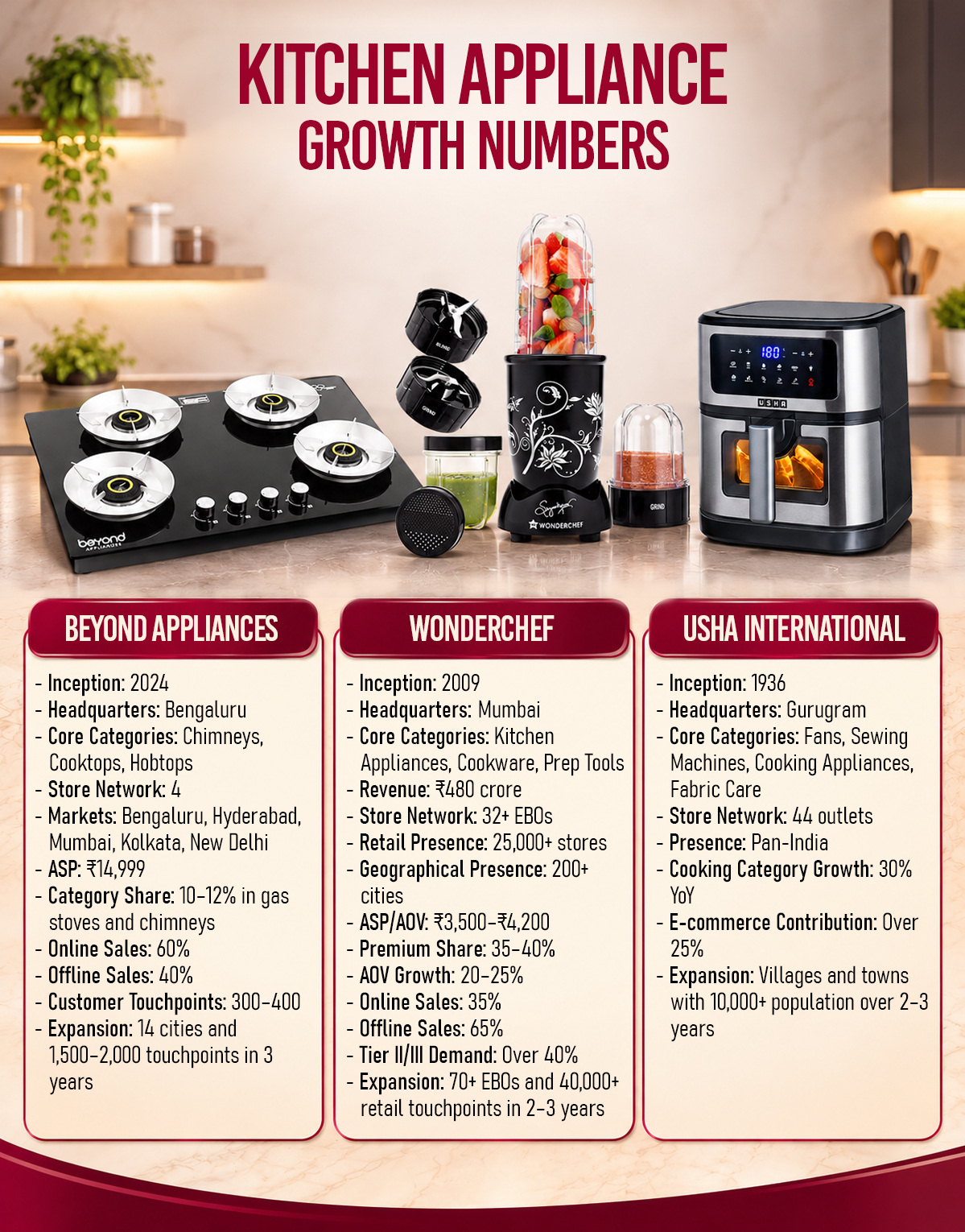
There are changing trends, with companies trying to expand into several appliance segments. At Usha International, fans and sewing machines are still a key part of the business. However, cooking and fabric care are the drivers for overall growth. The cooking segment has grown by 30 percent YoY.
The company is increasing its reach in new segments like air fryers, mixer grinders, and blenders.
Beyond Appliances, set up in 2024, has positioned itself as a strong player in gas stoves, chimneys, cooktops and hobtops. It has a category share of 10-12 percent in gas stoves and chimneys on major e-commerce platforms.
Also read: Small Feet, Big Business: Kids’ Footwear Steps Up Growth
According to Eshwar K Vikas, Co-founder and CEO, Beyond Appliances, "More consumers are looking at appliances with a practical approach."
"We are seeing more consumers making the switch to high-end appliances not just because it is a premium product but because there is real value being created. There is an increasing demand for appliances that make everyday easier and more convenient, safe, and efficient."
Beyond Appliances is also concentrating on technologically advanced products. The Quantum cooktop uses technology to save up to two LPG cylinders each year. It can also cut cooking time by 50 percent.
Also read: How GRM Foods Is Growing 921 Basmati Rice Globally
 Premiumisation
Consumers are increasingly willing to pay higher prices for unique technology, convenience and functionality.
Wonderchef has seen double-digit growth with operating revenues of over Rs 480 crore. This has been driven by its Nutri-blend, Chef Magic smart automated cooker, coffee makers, air fryers and pro health cookware, according to Ravi Saxena, Founder & CEO.
"The whole premiumisation aspect has helped us see a 20-25 percent increase in our average order value. We have seen premium products now contributing about 35-40 percent of our total sales. The range of Rs 4000-12000 has seen great acceptance, as well as the range of premium items like Chef Magic and coffee makers at over Rs 30,000," said Saxena.
The average selling price and average order value at Wonderchef are between Rs 3500-4200.
Usha International’s premium products have a good contribution to sales. "We at Usha ensure that we have a good mix of basic, mid- and premium-priced products to suit everyone," said Dua.
Also read: From Premium Perfumes to Pocket-Friendly Scents
Combining Online and Offline
Consumers prefer to research and compare different products online but go into stores to see them in action.
Usha International has seen a doubling of sales online. The company's 44 owned outlets throughout India now generate over 25 percent of sales online. Products related to cooking appliances and automatic zig-zag sewing machines are seeing increased traction.
Beyond Appliances initially used Amazon and Flipkart but now has an omnichannel approach. It generates around 60 percent of sales online and 40 percent offline.
They have also opened 4 stores, including exclusive brand stores throughout Bengaluru, Mangalore and Chennai.
Wonderchef has a 35:65 split between online and offline sales. They have a strong online presence across D2C, marketplaces, and quick commerce. Their offline stores include 32+ exclusive brand stores and over 25,000 multi-brand and modern stores.
Also read: Retail Sales Grow 8 Pc in September 2026 Ahead of Festive Season: Report
Expansion Priorities in Tier II and III Cities
Tier-II and Tier-III cities are becoming an important source of growth for appliance companies. Rising aspirations among consumers, coupled with organised retail's reach and superior distribution, are helping drive demand in these smaller markets.
Currently, Beyond Appliances is present in Bengaluru, Hyderabad, Mumbai, Kolkata and New Delhi. In the next three years, the company aims to expand to 14 cities and grow its customer touch points to 1,500-2,000 from 300-400.
Wonderchef, meanwhile, reported that Tier II and III markets contribute over 40 percent of its demand. The company aims to double its exclusive brand outlet network to more than 70 stores and expand its general distribution footprint to over 40,000 touchpoints.
Usha International is focusing on strengthening its presence in the South while expanding into emerging smaller markets. Over the next two to three years, the company aims to deepen its reach across towns and villages with populations of 10,000 and above by strengthening its dealer and retail network.
As Diwali approaches, changing consumer preferences are creating opportunities across the home appliance sector. With buyers increasingly considering performance, technology, convenience, and long-term value, companies are focusing on premium portfolios, wider distribution, and omnichannel retail to support their next phase of growth.
Also read: Premiumization Reshapes India’s Home Appliance Retail Market
India’s festive shopping season in 2026 reflected a shift in consumer priorities, with shoppers becoming more selective about their purchases and increasingly focused on value, affordability and product utility. While festive sales continued to attract consumers, spending patterns indicated a more deliberate approach to fashion consumption, with shoppers balancing everyday needs against discretionary purchases.
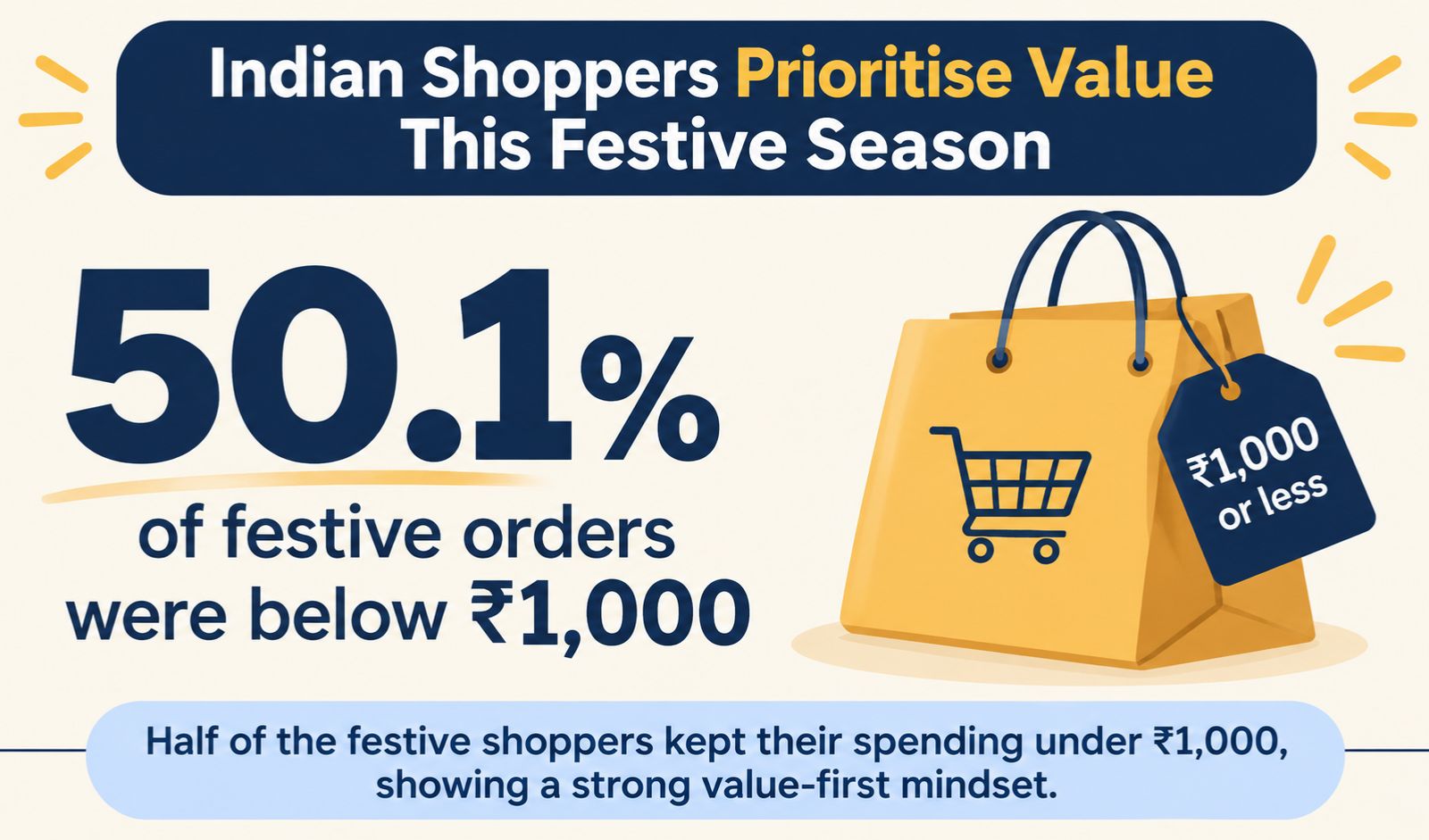
According to Fynd’s Festive Season Report 2026, which analysed shopping behaviour across more than 65 brands selling on eight leading marketplaces during September and October, half of all festive orders were placed below Rs 1,000. At the same time, premium purchases continued to contribute significantly to sales value, highlighting a consumer who is cautious about spending but willing to invest in products perceived to offer greater value.
The report draws insights from fashion transactions across Myntra, Flipkart, Amazon, AJIO, Nykaa, JioMart, Tata CLiQ and Tata CLiQ Luxury, covering apparel, footwear and fashion accessories.
The findings suggest that the festive season was less about indiscriminate buying and more about consumers making considered choices around pricing, product utility and perceived value.
Value Takes Centre Stage in Festive Shopping
Affordability emerged as a defining factor in consumer behaviour during the festive season. Orders below Rs 1,000 accounted for 50.1% of total purchases, indicating that a significant proportion of shoppers continued to prioritise accessible price points.
However, the demand for premium products remained strong in terms of sales contribution. Orders above Rs 3,000 accounted for just 11.8% of purchases but generated more than 41% of total sales value.
This points to a market where consumers are increasingly separating everyday purchases from higher-value investments. While affordability remains important for routine shopping, shoppers are willing to spend more on products they consider worthwhile.
Discounting also intensified during the season. Average festive discounts increased from 34% to 46%, with nearly half of all orders sold at discounts exceeding 50%.
For fashion retailers, this creates a more complex pricing environment. While promotions continue to attract shoppers, brands must balance discount-led demand with product value, assortment planning and profitability.
Footwear Outpaces Apparel as Consumers Prioritise Utility
One of the most significant shifts in festive fashion consumption was the growing contribution of footwear. Footwear accounted for 52.7% of all festive orders and 58.4% of total sales value, emerging as the largest online fashion category during the season. Its share of orders increased substantially from 33% in 2025.
In contrast, clothing’s share of festive orders declined from 48% to 34.5%. The shift suggests that consumers are becoming more selective about discretionary fashion purchases while continuing to invest in categories that offer everyday utility.
Footwear’s growing share also highlights an opportunity for retailers to reassess category-level demand and product assortment during peak shopping periods. Rather than relying primarily on apparel-led festive consumption, brands may need to place greater emphasis on categories that combine functionality, versatility and perceived value.
Eastern India Emerges as a Growth Engine
Regional demand patterns offered another important insight into festive shopping behaviour.
Eastern India contributed 20.8% of all festive orders, emerging as one of the fastest-growing regions during the season. West Bengal also became the country’s second-largest ordering state. The report points to a broader shift in fashion demand beyond traditional metropolitan consumption centres, with regional markets increasingly contributing to online retail growth.
Tier-II cities also gained momentum, expanding their contribution from 19% of festive orders in 2025 to approximately 35% in 2026. Meanwhile, Tier-I cities continued to account for a significant share of overall spending, contributing approximately 43% of orders and 56% of gross merchandise value (GMV).
The difference between order contribution and GMV indicates the continued importance of larger urban markets in generating higher-value purchases, even as emerging cities expand their share of transaction volumes.
For retailers, the growing contribution of Tier-II markets and Eastern India reinforces the need for more localised approaches to pricing, assortment and fulfilment.
Marketplace Diversification Reshapes Fashion Commerce
The festive season also reflected a gradual shift in marketplace distribution.
Myntra and Flipkart continued to lead online fashion sales, but their combined share declined from 89% in 2025 to 76.8% in 2026.
AJIO, Amazon and JioMart gained traction, indicating that consumers are increasingly spreading their purchases across multiple platforms.
For brands, this diversification presents both opportunities and operational challenges. A wider marketplace presence can help retailers reach new consumer segments, but it also requires stronger inventory visibility, coordinated pricing and consistent product availability across channels.
As consumers become more selective about where they shop, marketplace diversification is emerging as an important consideration for fashion brands seeking to maintain visibility and capture demand during high-volume periods.
Digital Payments Gain Ground as Prepaid Adoption Rises
Payment preferences continued to evolve during the festive season, with online payments accounting for 56.5% of all orders.
The report also highlighted a surge in prepaid adoption across Eastern markets, indicating growing acceptance of digital payment options in emerging demand centres.
For retailers, this shift has implications for both customer experience and operational efficiency. Higher prepaid adoption can support smoother transactions and reduce some of the challenges associated with cash-on-delivery orders.
At the same time, the regional variation in payment behaviour suggests that brands need to account for local consumer preferences when designing payment options and checkout experiences.
Returns and RTO Remain Operational Priorities
Despite the growing focus on value and more deliberate purchases, returns continued to be an important consideration for online fashion retail.
The overall return rate stood at 11.8%, with clothing recording a category-wise return rate of 14.9%, compared with 10.5% for footwear.
The difference reinforces the importance of category-specific planning, particularly in apparel, where fit and product expectations can influence purchase outcomes.
For fashion brands, managing returns alongside marketplace expansion and festive demand will remain critical to improving operational efficiency and protecting margins.
Retailers Must Adapt to a More Deliberate Consumer
Fynd’s Festive Season Report 2026 points to a consumer who continues to participate in festive shopping but approaches purchases with greater consideration.
Affordability, product utility, discounts and regional preferences are shaping demand across categories and marketplaces. While premium purchases continue to contribute significantly to sales value, everyday spending remains concentrated in accessible price segments.
The growing contribution of Tier-II markets and Eastern India also signals that future fashion retail growth will depend on understanding consumers beyond traditional metropolitan markets.
For retailers, the next phase of growth will require a sharper understanding of category-specific demand, more disciplined discounting, stronger marketplace diversification, improved prepaid adoption and localised assortment planning.
As festive shopping becomes increasingly value-driven, the ability to align products, pricing and distribution with evolving consumer priorities could prove as important as the scale of festive promotions themselves.
India's edible oil market is moving away from a commodity-based approach. Companies are focusing on branding, differentiation, and understanding consumer preferences. While pricing and availability remain key factors in buying decisions, increased awareness about quality, processing, and nutrition has created opportunities for branded and premium oils.
The growth of the food processing industry is further helping drive this change. Packaged foods, baking, confectionery, snacks, ready meals, sauces, and dressings all rely on edible oils during their manufacture. These play a key role in frying, improving texture, and increasing moisture levels.
Manufacturers are looking for high-quality, stable oils that deliver consistency. This is due to the increase in convenience foods and changing lifestyles. This is encouraging food companies to invest in upgrading their capacity and offer new formulations.
According to MarketsandMarkets, the global edible oil market is expected to rise from USD 277.74 billion in 2026 to USD 351.08 billion in 2031 at a CAGR of 4.8 percent.
Also read: Malgudi: Shankar Mahadevan Takes South Indian Dining Up the Premium Ladder
Focus on Branding and Quality
Players are investing significantly in branding and quality of their products.
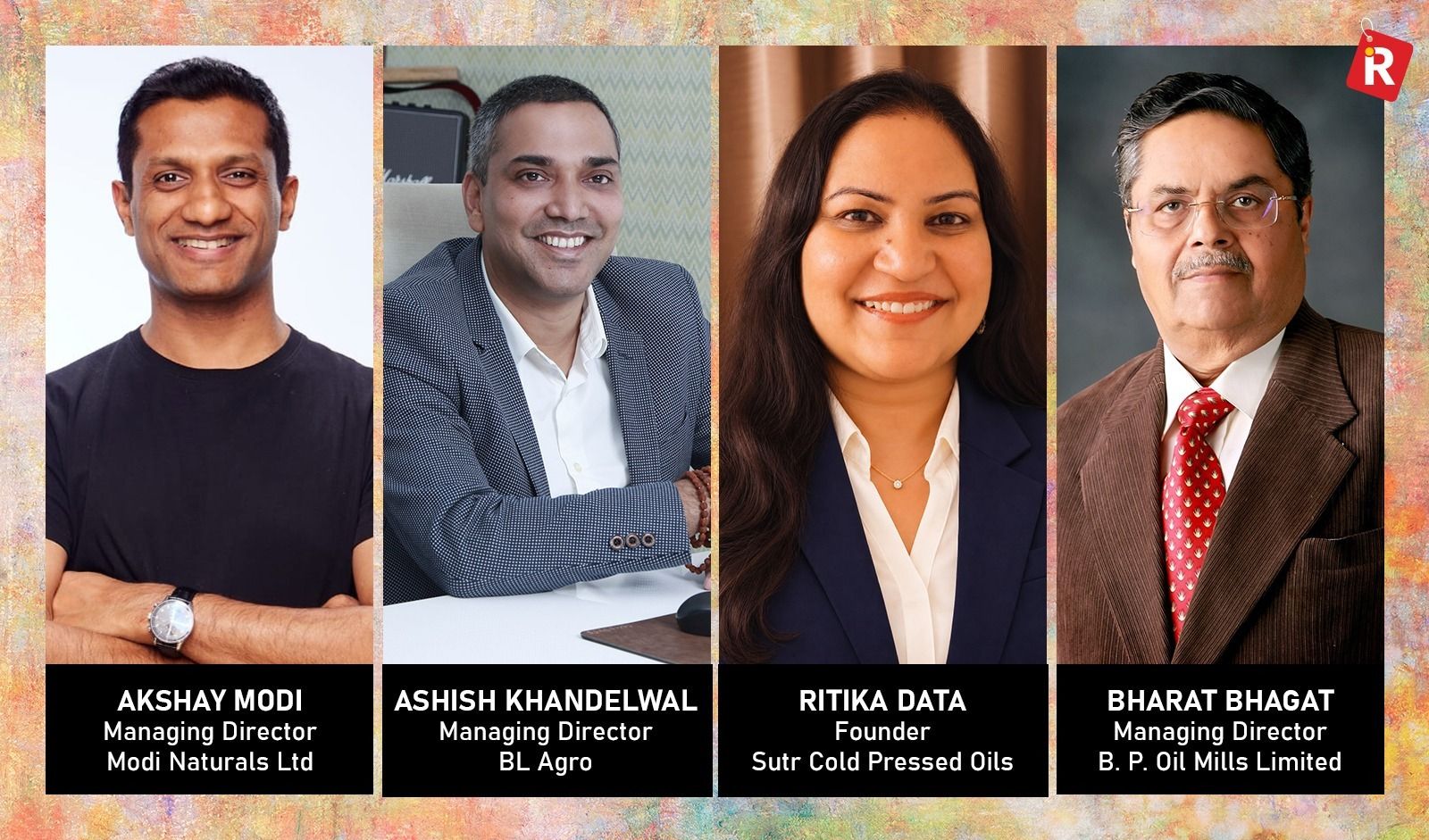
"We are focusing on strong branding initiatives by providing high-quality products and building trust with consumers through our Bail Kolhu and Nourish brands," said Ashish Khandelwal, Managing Director, BL Agro.
"We have been growing our business by increasing our distribution network, focusing on regional relevance, innovating new products, investing in our brands and catering to all segments of the market," he added.
BL Agro was established in 1993 and has its manufacturing unit based in Bareilly (Uttar Pradesh). The company is a diversified player offering edible oil and other FMCG goods like pulses, rice, flour, dalia, pasta, macaroni, besan, dry fruits, etc. The key brands are Bail Kolhu and Nourish. One of the major products under the company that they sell is Bail Kolhu Kacchi Ghani Mustard Oil.
The company sells across six states of India. It has a presence in Delhi-NCR, Punjab, Bihar, Bengal & Uttar Pradesh. In FY25-FY26, the Bail Kolhu segment clocked revenues of Rs 5,411.36 crores. There was a reported growth of 48 percent in revenue. The company hopes to achieve turnover of around Rs 6,000 crores in FY27. The business is fully domestic.
Also read: How GRM Foods Is Growing 921 Basmati Rice Globally
Quality and Consumer Preferences
Quality and consumer preferences have become a major consideration, especially when it comes to traditional oils like mustard oil.
“We have been in the edible oil business since 1912 and operate an in-house manufacturing process for our mustard oil,” stated Bharat Bhagat, Managing Director, B. P. Oil Mills Limited.
“We manufacture mustard oil from in-house crushing of seeds. We have complete quality control,” he added.
The Hathi brand is a flagship brand within the company, offering Kacchi Ghani Mustard Oil. They also offer groundnut oil and soyabean oil.
While price-sensitive markets have impacted purchasing habits with various pack sizes entering the market at discounted prices, Bhagat said they have ensured not to compromise on quality.
“The pungency of Kacchi Ghani mustard oil is the most obvious signifier that it’s pure. This is the standard we follow,” he added.
Also read: From Premium Perfumes to Pocket-Friendly Scents
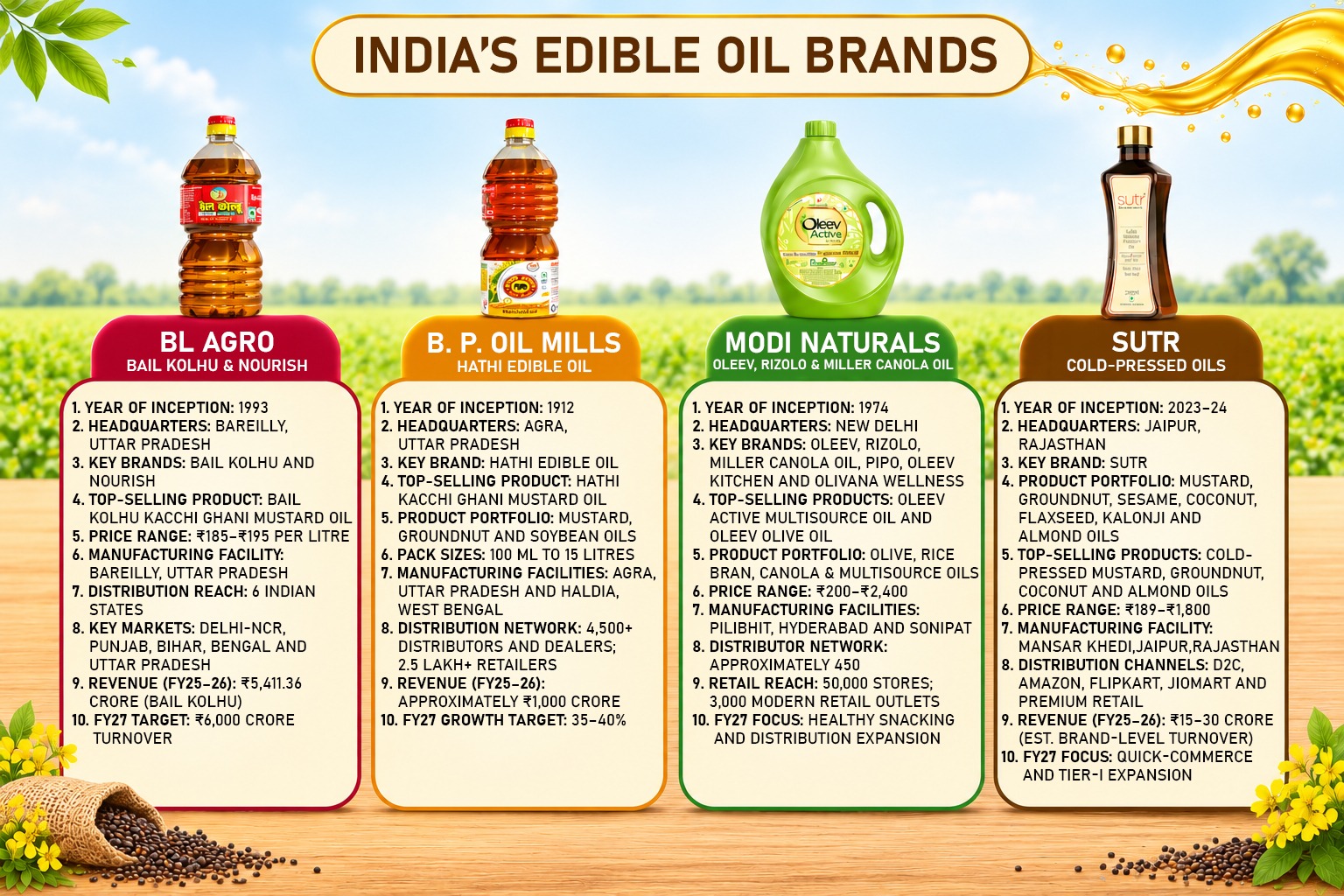 The company has production units based in Agra (Uttar Pradesh) and Haldia (West Bengal). They also have 30 owned depots. The company has a vast distribution network with over 4,500 distributors and dealers. With over 2.5 lakh retailers, they sell 99 percent domestically, and 1 percent is exported.
Turnover sits at around Rs 1,000 crore, but the company has set its sights on achieving 35-40 percent growth in FY27. As part of their expansion strategy, they want to enter new markets in the south. They will also be expanding offerings to include sunflower oil, rice bran oil, RBD groundnut oil, and yellow mustard oil.
They also want to develop their e-commerce and quick commerce presence beyond selected regions.
Also read: Retail Sales Grow 8 Pc in September 2026 Ahead of Festive Season: Report
Premiumisation and portfolio diversification
The changing market is also driving the exploration of other areas such as premium oils, mixed blends, and other food categories.
"We are trying to make Oleev stronger by diversifying our portfolio so that we can offer the consumer more options when using oil in their day-to-day cooking," said Akshay Modi, Managing Director at Modi Naturals Ltd.
"Consumers are seeing changes in their preferences and experimenting with different types of oils. There is more awareness around what they are buying."
Modi Naturals was established in 1974 and is based in New Delhi. They have diversified from edible oils to packaged foods. Their brands include Oleev, Oleev Kitchen, PIPO, Olivana Wellness, Rizolo, and Miller Canola Oil.
They have an estimated 450 distributors in their network and can reach around 50,000 retail stores directly. They can also be found in almost 3,000 organised modern retail stores. Their production facilities are in Pilibhit, Hyderabad and Sonipat.
Modi said quick commerce is becoming a key channel for discovery and repeat purchases. They are also looking to move into new food categories, with healthy snacking being a key growth area for FY27.
Also read: Premiumization Reshapes India’s Home Appliance Retail Market
Cold Pressed Oil Segment
The next trending segment is cold-pressed and less processed oils. Brands are focusing on trust and transparency.
Ritika Data, Founder, Sutr Cold Pressed Oils, said trust and transparency are central to the company's approach.
"Food purity should never be a luxury, and consumers deserve complete transparency about what they eat," she said.
The brand sells cold-pressed and unrefined Mustard Oil, Groundnut Oil, Sesame Oil, Coconut Oil, Flaxseed Oil, Kalonji Oil & Almond Oil at price points of Rs 189 to Rs 1,800 depending on the size of the pack. The brand is manufactured in Jaipur (Rajasthan).
The brand started in 2023-24 and has a pan-India presence with a strong online presence (website/e-commerce). They can be found in modern trade outlets and some high-end outlets. Approximately 98 percent of the sales come from the domestic market, and 2 percent comes from exports.
In FY27, we aim to increase our presence on Amazon, Flipkart, and JioMart. We’re also looking to enter some of the quick commerce platforms like Blinkit and Instamart. We’ll also be working to increase our presence in retail for tier I metro cities.
Overall, edible oil companies are looking to build their brand and improve product quality. As consumer preferences change, it will be important to focus on brand strength, differentiation, and availability to drive growth in this category.
Also read: Small Feet, Big Business: Kids’ Footwear Steps Up Growth
-
Reva Diamonds plans to expand its retail footprint across high-potential markets, strengthen its digital and omnichannel capabilities, and introduce contemporary collections that cater to evolving consumer aspirations.
-
Celebrity-led storytelling has become a key pillar of Tyaani's brand strategy. With Karan Johar serving as Visionary and Founder, the brand has strengthened its visibility through the "Forces of Tyaani" campaign, partnerships with Bollywood productions, e
-
The traditional jewelry retail has remained largely unchanged for decades, with stores focused on product displays. Mayavé aims to break that mold through larger, experience-led stores spanning 2,200–2,500 sq. ft.
-
Looking ahead, the company is executing its "Sky Gold 3.0" strategy, which goes beyond capacity expansion to focus on professionalizing management, strengthening corporate governance, improving cash flow, enhancing working capital efficiency, and driving






Copyright © 2009 - 2026 Franchiseindia.com Ltd