





 7681
/ 14 MIN READ
7681
/ 14 MIN READ
 Follow Us
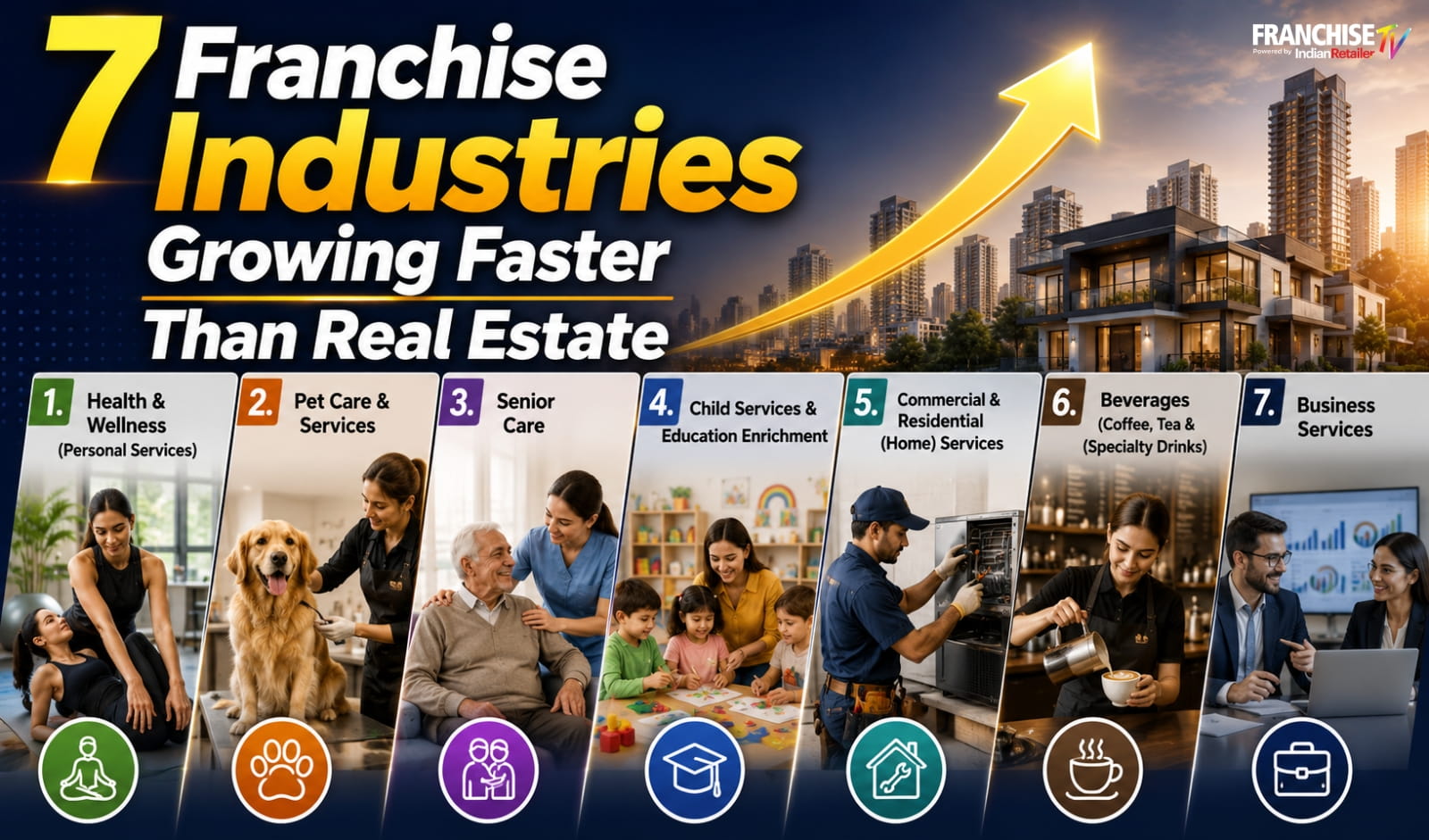
Real estate has long been the gold standard people compare every other investment to. But 2026 franchise industry data tells a different story: several franchise sectors are now expanding two to ten times faster than real estate franchising itself.
According to the International Franchise Association's (IFA) 2026 Franchising Economic Outlook, real estate — along with quick-service restaurants and automotive — is projected to grow at a conservative rate of under 0.5% this year, largely due to constrained discretionary spending and a cooling property market. Meanwhile, service-based franchise categories built around recurring, non-discretionary demand are posting growth rates of 3% to 7%+ annually, with some niche segments growing even faster.
If you're evaluating where to put your money in 2026 — whether that's a franchise investment or simply understanding where the economy is heading — here are the seven franchise industries outpacing real estate, backed by current market data.
Quick Answer: Fastest-Growing Franchise Industries vs. Real Estate (2026)
| Industry | 2026 Growth Rate | Real Estate Comparison |
| Health & Wellness / Personal Services | 4.3% (IFA) | 8–9x faster |
| Pet Care & Services | 4–7% annually | 8–14x faster |
| Senior Care | ~5% unit growth, 8–9.8% market CAGR | 10–20x faster |
| Child Services & Education | 3.2% (IFA) | 6x faster |
| Commercial & Residential (Home) Services | 3.2% (IFA), 6.7% market CAGR | 6–13x faster |
| Beverages (Coffee, Tea, Specialty Drinks) | Among top 10 hottest categories (Entrepreneur, 2026) | Outpacing traditional food franchising |
| Business Services | Among top 10 hottest categories, AI-driven demand | Outpacing traditional retail/office models |
| Real Estate (baseline) | Under 0.5% (IFA/FRANdata) | — |
Now let's break down why each of these industries is pulling ahead — and what's fueling the growth.
Read more: Best Kids Fashion Franchise Brands Riding India's Growing Children's Apparel Market
Top 5 South Indian Restaurant Franchise Brands to Start a Profitable Business in 2026
Top Chocolate Franchise Brands in India: Investment, Store Formats & Profit Potential
1. Health & Wellness (Personal Services)
Health and wellness has become the fastest-growing category in franchising, projected at 4.3% growth in 2026 — the highest of any segment tracked by the IFA. Employment within personal services franchises (fitness studios, medical spas, recovery centers, weight management clinics) grew 7.8% between 2023 and 2025, outpacing every other franchise sector.
The driver isn't a passing wellness fad. It's a structural shift: rising healthcare costs are pushing consumers toward preventive, results-oriented services rather than reactive medical care. Average unit revenues in this sector surpassed $1 million in 2024, and demand is increasingly coming from Millennials and Gen Z, who now account for over 41% of annual wellness spending.
Why it beats real estate: Wellness franchises operate on recurring membership models with smaller physical footprints and lower fixed costs than large-format real estate offices, giving them faster scalability with less capital risk.
2. Pet Care & Services
The U.S. pet industry crossed $157–165 billion in annual spending in 2025–2026, a figure that has grown every single year for more than 25 consecutive years — including through recessions. Pet care franchises specifically (daycare, grooming, training, boarding) are growing at 4–7% annually, with some sub-segments like pet daycare projected at nearly 9% CAGR through 2030.
This growth is driven by "pet humanization" — a cultural shift where pet owners treat animals as family members and budget accordingly, regardless of broader economic conditions.
Why it beats real estate: Pet spending has proven recession-resistant across multiple economic cycles, while real estate transaction volume is directly tied to interest rates and consumer confidence — both headwinds in 2026.
3. Senior Care
Franchised senior care locations have grown at a CAGR of roughly 5% over the past several years, with average unit revenues climbing at a 4.6% CAGR. Broader market forecasts for senior care franchising range from 8% to nearly 10% CAGR through the early 2030s.
The math behind this is demographic, not cyclical: the number of Americans aged 80+ is growing roughly four times faster than assisted-living and nursing capacity can expand, according to Harvard's Joint Center for Housing Studies. More than 90% of seniors say they prefer to age in place, funneling demand into home-based and community care — exactly where franchised senior care operates.
Why it beats real estate: This is one of the few franchise categories where demand is essentially guaranteed by population aging, independent of interest rates, housing prices, or consumer discretionary spending.
4. Child Services & Education Enrichment
The IFA projects child services franchises to grow 3.2% in 2026 — nearly double the overall franchise industry's establishment growth rate of 1.5%, making it one of the two fastest-growing sectors alongside commercial and residential services.
Within this category, enrichment-focused models (STEM, mental math, coding, tutoring) are seeing some of the strongest momentum in all of franchising, with certain brands posting unit growth above 70% year-over-year and drawing fresh institutional investment from private equity.
Why it beats real estate: Childcare and enrichment spending is treated by working parents as non-negotiable, not discretionary — a dual-income household doesn't pause enrollment because mortgage rates rose.
5. Commercial & Residential (Home) Services
Home services — cleaning, restoration, pest control, plumbing, lawn care, and handyman franchises — are matching child services at 3.2% IFA-projected growth in 2026. The broader U.S. home services market is valued at roughly $842 billion in 2026, on track to approach $989 billion by 2031.
The driver here is structural, too: the average U.S. home is now more than 40 years old, generating a steady, non-discretionary stream of repair and maintenance demand that doesn't disappear when the housing market slows.
Why it beats real estate: Home services franchises typically operate from a van or small office rather than expensive retail or commercial real estate, meaning lower buildout costs and faster unit economics than real estate brokerage models.
6. Beverages (Coffee, Tea & Specialty Drinks)
Beverage concepts — from specialty coffee to Asian-inspired tea brands — were named among the 10 hottest growth categories in franchising for 2026 by Entrepreneur magazine, alongside business services and personal care. This category benefits from low real estate footprints (many operate as kiosks, drive-thrus, or small-format stores), fast customer throughput, and strong repeat-visit economics.
Why it beats real estate: Beverage franchises can open in a fraction of the space and cost of a real estate office, letting operators scale units faster per dollar invested.
7. Business Services
Business services — everything from marketing and staffing agencies to specialized B2B support franchises — round out the list of the fastest-growing franchise categories heading into 2026. Much of this growth is being fueled by small and mid-sized businesses outsourcing functions that AI and automation have made newly affordable to deliver at scale.
Why it beats real estate: Business services franchises are largely asset-light, requiring no storefront, inventory, or major real estate footprint — a structural advantage in a year when real estate costs remain elevated across most major markets.
Know more: Baby Island Bets Big on India's Booming Kidswear Market with Premium Franchise Model
9 Winning Food Franchises to Own Under ₹30 Lakhs
How Much Money Do You Really Need to Start a Franchise in India?
Why Real Estate Franchising Is Lagging in 2026
It's worth being fair to real estate: the sector isn't shrinking, it's just growing slowly relative to these service categories. Elevated interest rates, tighter credit conditions, and cautious buyers have all suppressed transaction volume, which directly caps growth for real estate franchise brands that earn revenue on sales commissions. The broader global "property franchise market" (which includes non-U.S. and adjacent segments) is still projected at a healthier 6.7% CAGR through 2035 — but the pure franchise-unit growth rate inside the U.S. market remains well under 1% for 2026 specifically.
In short: real estate franchising is stable, not stagnant — but it's no longer the fastest lane in franchising, and hasn't been for a couple of years now.
FREQUENTLY ASKED QUESTIONS
Service-based categories like health & wellness, pet care, senior care, and home services depend on recurring, often non-discretionary demand. Real estate franchise revenue is tied more directly to transaction volume, which is currently suppressed by high interest rates and cautious buyers.
Real estate franchising remains a large, established industry with strong brand equity, but current growth is modest compared to faster-moving service sectors. It may still suit investors seeking a mature, well-understood model over rapid expansion.
Health and wellness (personal services) currently leads all tracked franchise segments, with a projected 4.3% growth rate according to the IFA's 2026 Economic Outlook — though senior care and pet care show even higher rates within specific sub-segments.
No forecast is guaranteed. These are current projections from industry research bodies like the IFA, FRANdata, and independent market research firms, and can shift with interest rates, regulation, labor costs, and consumer spending patterns.
For Further Franchise Info Contact

ICA Gallery Expands Its Art Gallery Franchise Opportunity Across India
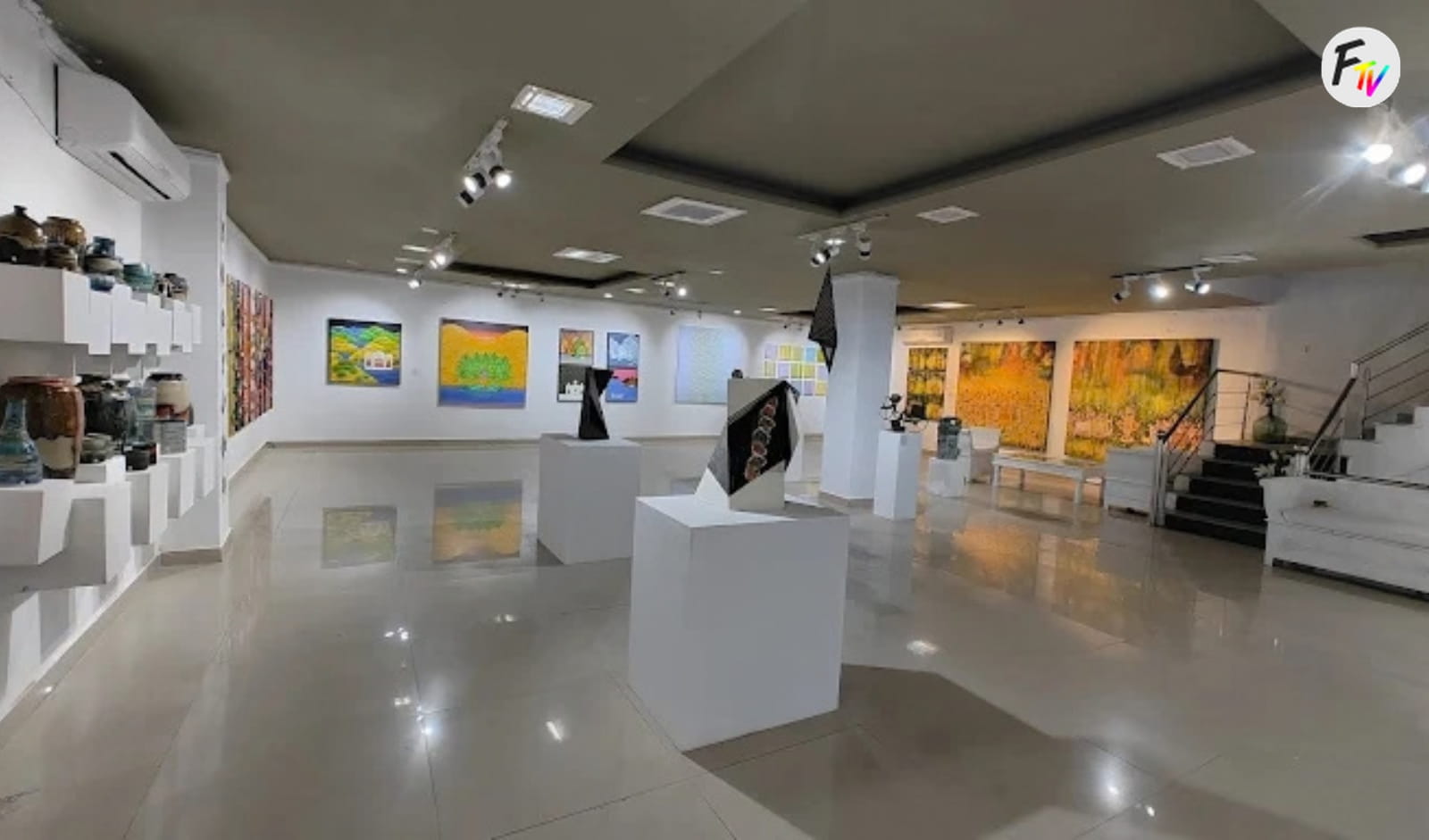
India's growing interest in art collecting, premium interiors and cultural experiences is creating opportunities beyond conventional retail. Jaipur-based ICA Gallery is now looking to take its contemporary Indian art gallery franchise opportunity to new markets after building its presence in Jaipur.
Established in 2008, ICA Gallery has developed a broad portfolio covering paintings, sculptures, Pichwai, drawings, design, installations, publications and collectibles. The brand describes its concept as bringing multiple Indian art forms under one roof rather than focusing on a single genre. Its official website also currently showcases categories including premium paintings, drawings, sculptures, graphics, installations and Pichwai.
A Gallery Model Built Around Multiple Art Categories
During the webinar, ICA Gallery's Executive Director explained that the business has two existing locations in Jaipur and has also participated in major exhibitions and art events. The gallery has built relationships with artists, collectors, architects and corporate customers while maintaining a sizeable inventory.
The brand's customer base includes HNIs, art collectors, corporates, interior designers and first-time buyers. The webinar highlighted that customers are increasingly purchasing artwork for their homes, gifting and corporate requirements. Artwork pricing at ICA Gallery ranges from around ₹15,000–₹20,000 at the entry level, while premium paintings and sculptures can extend into significantly higher price points.
The business also allows flexibility in its product mix. According to the presentation, the inventory offered at a franchise location can be adapted according to the market. For example, a city showing stronger demand for sculptures can receive a greater proportion of sculptures, while the brand's central curation and sourcing expertise remains involved.
₹1.47 Crore Art Gallery Franchise Investment
The proposed ICA Gallery franchise operates under a FOFO (Franchise Owned, Franchise Operated) model. The franchise partner owns and operates the gallery, while ICA Gallery provides support with curation, sourcing, brand standards and inventory guidance.
According to the financial presentation, the estimated initial investment is ₹1.47 crore. This includes a ₹20 lakh franchise fee, ₹25 lakh interior fit-out cost, ₹2 lakh signage and branding, and approximately ₹1 crore in inventory. The proposed gallery size is around 3,000 sq. ft., with location quality considered a major factor for the business.
The financial model presented during the webinar projects approximately ₹2.84 crore in Year 1 sales, increasing to around ₹5.63 crore by Year 5. The presentation shows a projected 57% IRR and a payback period of approximately 23 months, subject to the assumptions in the model.
Read more: DRAMZ Brings Its Rooftop Dining Franchise Opportunity to New Indian Cities
Expansion Across India's Premium Markets
ICA Gallery plans to expand beyond Jaipur, with Delhi and Mumbai identified for the initial phase, followed by markets such as Bengaluru, Hyderabad, Chandigarh and Udaipur. The broader objective presented during the webinar is to reach 15 galleries within three to five years.
The opportunity is particularly aimed at investors who understand premium retail, art or affluent consumer markets and can secure suitable locations. The brand believes physical gallery spaces remain important because customers want to see, experience and evaluate artwork before purchasing.
For investors exploring an art gallery franchise in India, ICA Gallery combines an established Jaipur heritage, curated inventory, multiple art categories and a FOFO operating structure with a planned national expansion strategy.
For Further Franchise Info Contact
If you have ₹20–50 lakh to invest and want to run your own business, the tough part is usually not the money. It's deciding where to put it. India's franchise market now offers business opportunities for entrepreneurs across cafés, desserts, footwear retail, early education and even building materials.
We looked at six franchise brands for entrepreneurs with ₹20–50 lakh, using the figures each brand has shared: space, investment, royalty and support. Here is what stands out, and what to double-check before you sign anything.
Quick comparison
| Brand | Category | Space needed | Investment |
|---|---|---|---|
| Jab We Met Café | Café | 300–1,000 sq ft | ₹24–40 lakh |
| Trends Footwear | Footwear retail | 1,200–1,500 sq ft | ₹30–50 lakh |
| Poodyno | Desserts | 40–250 sq ft | ₹13–40 lakh |
| HappiTea | Tea and coffee | 100–500 sq ft | ₹10–50 lakh |
| Kiddie Castle | Preschool | 200–250 sq ft | Under ₹10 lakh |
| Adani Cement | Cement dealership | Not specified | Not specified |
1. Jab We Met Café: a café built on Bollywood nostalgia
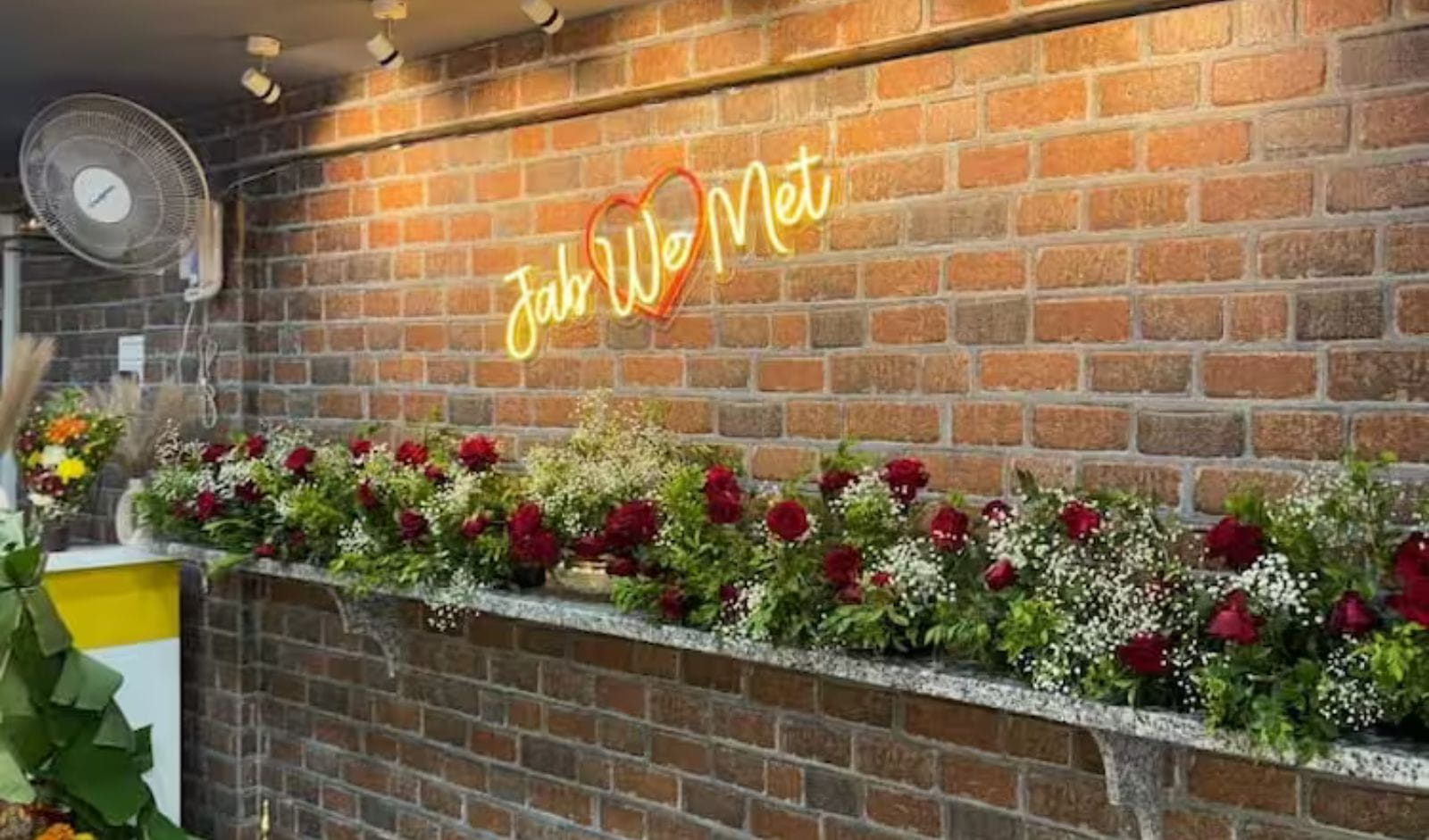
Among cafe franchise options in India, Jab We Met Café has one of the clearer pitches. It borrows the charm of the cult film and aims it at young professionals, students and travellers. The brand offers three formats under a franchise-owned, franchise-operated model:
- Kiosk: 300–400 sq ft, about ₹24 lakh
- Express: 600–700 sq ft, about ₹32 lakh
- Café: 800–1,000 sq ft, about ₹40 lakh
All three include a ₹6 lakh franchise fee plus GST. Royalty is 6% or ₹25,000, whichever is higher, and the contract runs 5+5 years. The brand projects payback in 13–14 months, which is its own estimate, not a guarantee. The menu is wide: cold coffee, mocktails, cutting chai, croissants, dosas, pizza, pasta and desserts. That helps with footfall across the day, but ask how much menu complexity a small kiosk can realistically handle.
Read more: GP Life Wellness Expands Preventive Healthcare Retail Through Wellness Franchise Model
Thirstea Brings US Beverage and Cafe Franchise Model to India
Yashasvi Jewellers Expands Retail Footprint With Multi Brand Franchise Strategy
2. Trends Footwear: for those who want a retail anchor
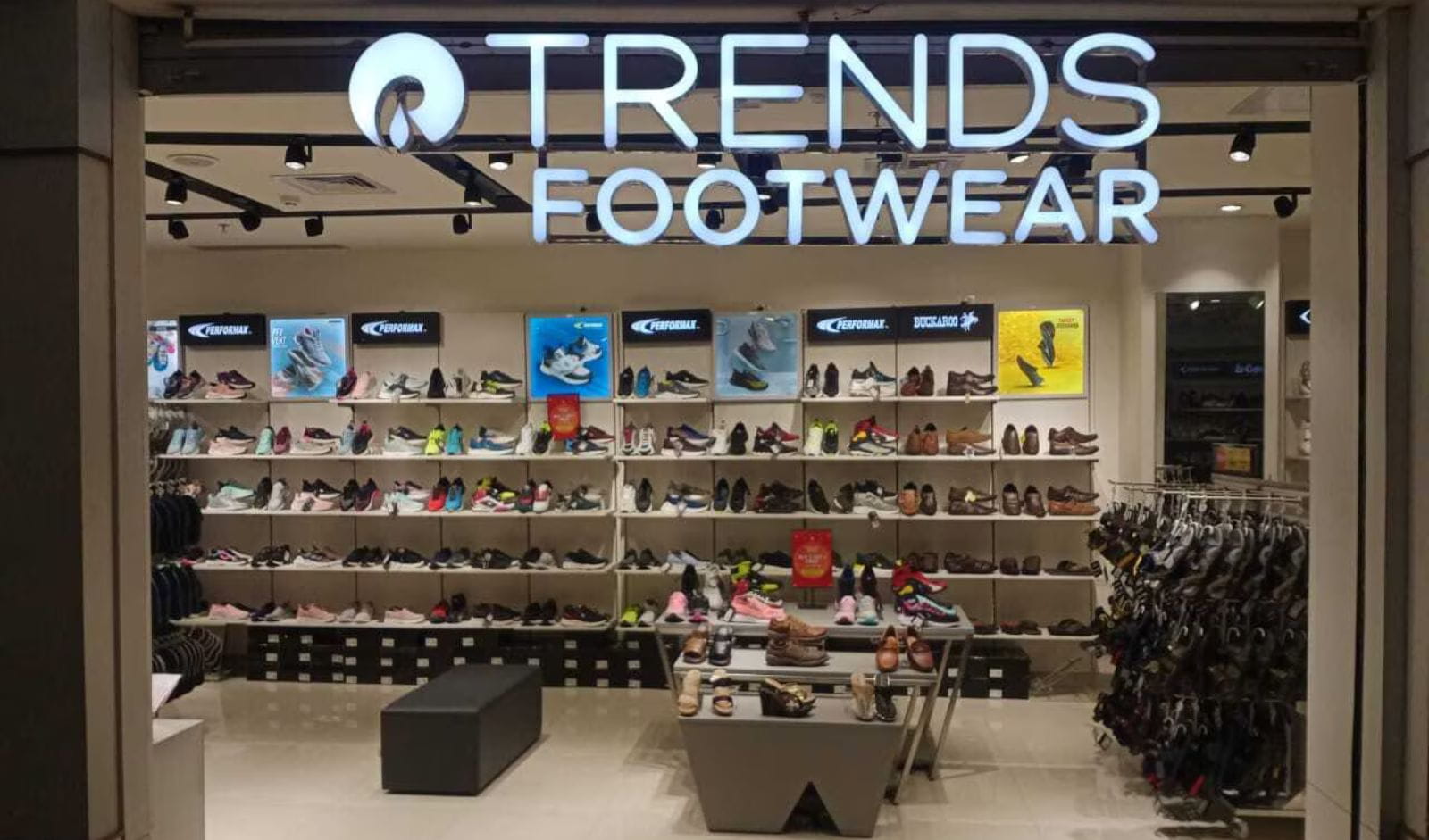
Trends Footwear is the biggest-ticket entry here. The listing puts the investment at ₹30–50 lakh and the space requirement at 1,200–1,500 sq ft. It positions itself as a fashion footwear destination with something for every customer.
This is a classic high-street or mall play, so location matters more than anything else. Before committing, ask about inventory terms, margin structure and how unsold stock is handled. Footwear retail rises and falls on stock rotation.
3. Poodyno: dinosaur-themed desserts with three entry points
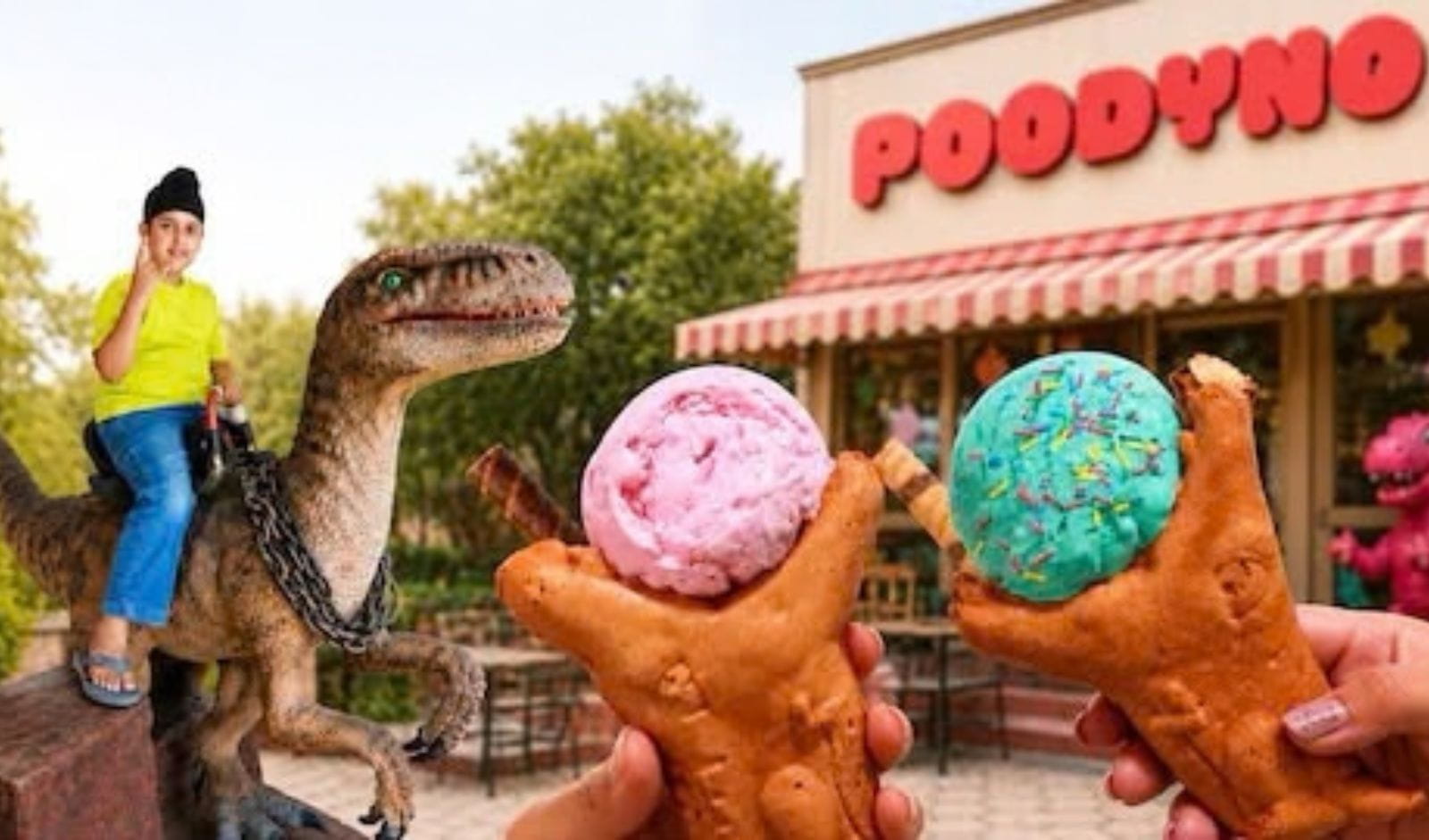
Among ice cream franchise India options, Poodyno is a young, playful newcomer. Founded in 2024 by Saurabh Mehdiratta, it sells handcrafted ice creams, dinosaur-shaped waffle cones, shakes and coolers, and is built to be photographed. It currently operates through food courts and is targeting North India.
- Cart: 40 sq ft, about ₹13 lakh
- Kiosk: 100 sq ft, about ₹25 lakh
- Full outlet: 250 sq ft, about ₹40 lakh
Royalty is 6% over a five-year agreement. With fewer than 10 outlets, this is an early-stage bet. That can mean better territory choice, but also less proof of unit economics.
4. HappiTea: a Vietnamese tea chain entering India
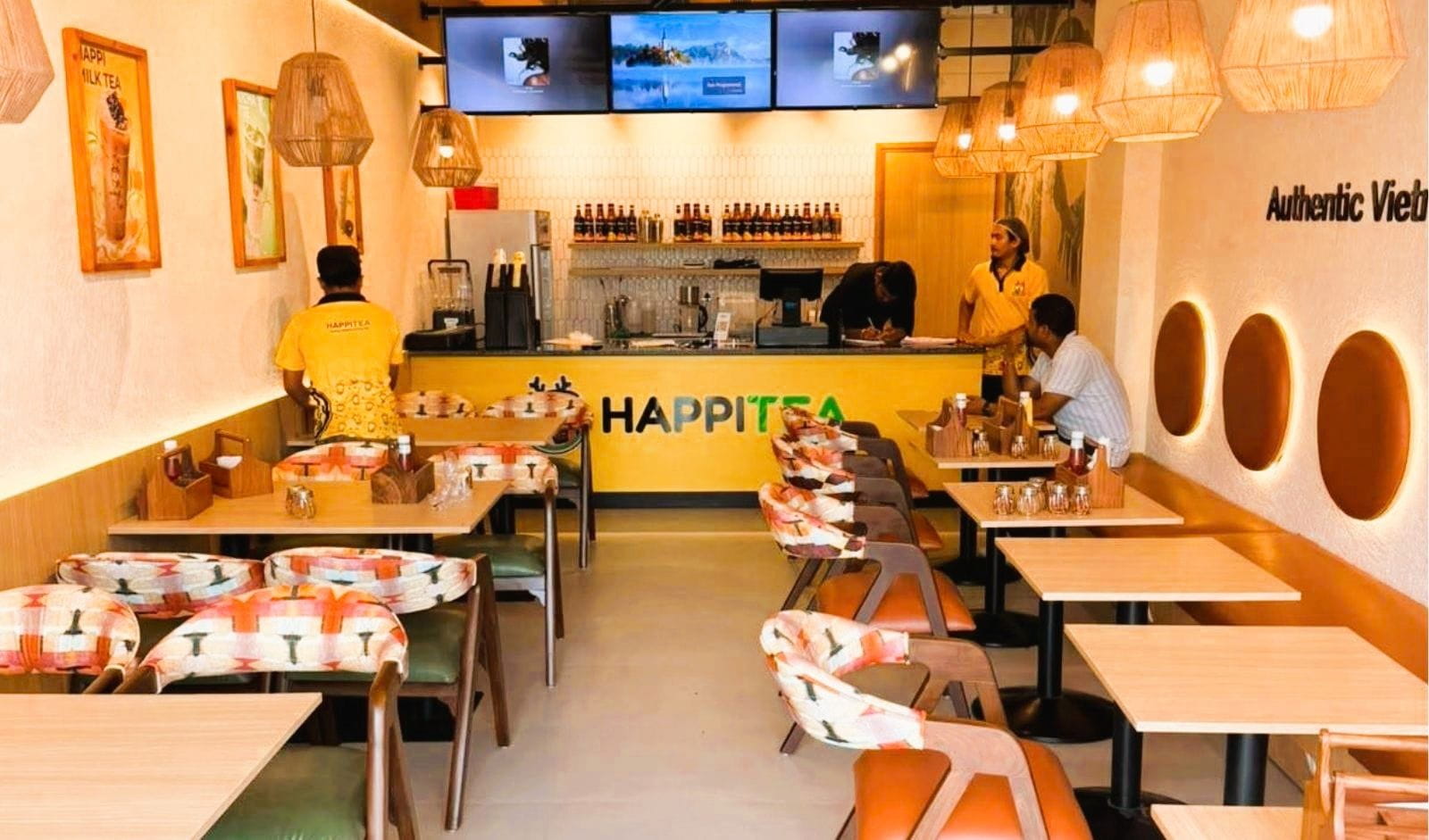
HappiTea brings a Vietnam-born menu of milk teas, Vietnamese coffees and fruit teas to the tea franchise in India space. The brand says it has 150+ stores across Vietnam and the Philippines. Formats need 100–500 sq ft, and the stated investment range is ₹10–50 lakh, so your final cost depends heavily on the format you choose. Ask what an India-specific outlet costs in practice, and how ingredient supply and localisation are handled.
5. Kiddie Castle: a low-capital education option
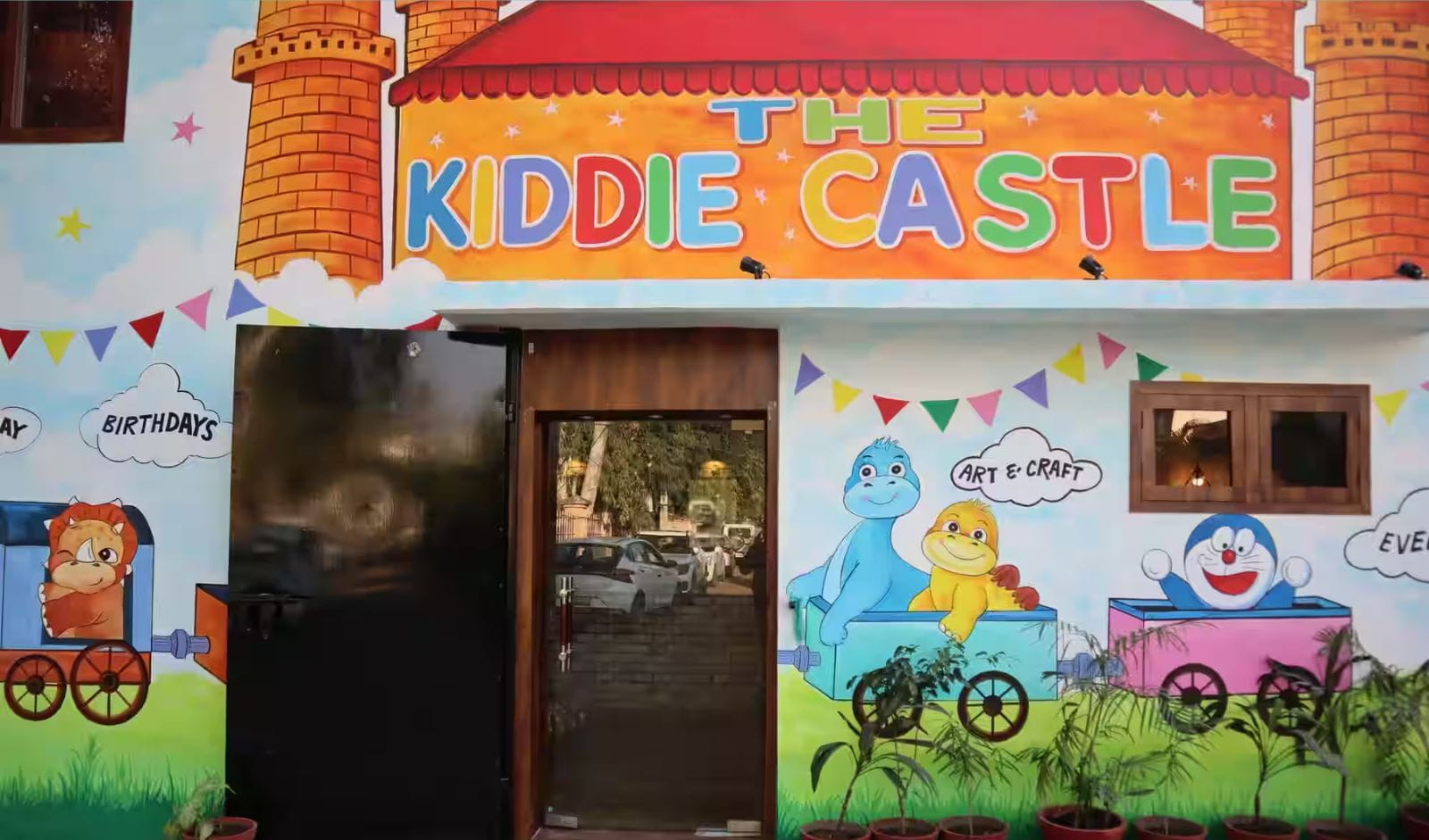
Kiddie Castle is the outlier on budget. It is a preschool brand established in 2020, with a small network and a compact 200–250 sq ft requirement. The investment is well below ₹20 lakh, which makes it a lower-risk starting point for entrepreneurs who want to keep cash in reserve. As with any preschool franchise in India, check local licensing and approvals, and how the curriculum and teacher training are supported.
6. Adani Cement: a dealership, not a classic franchise
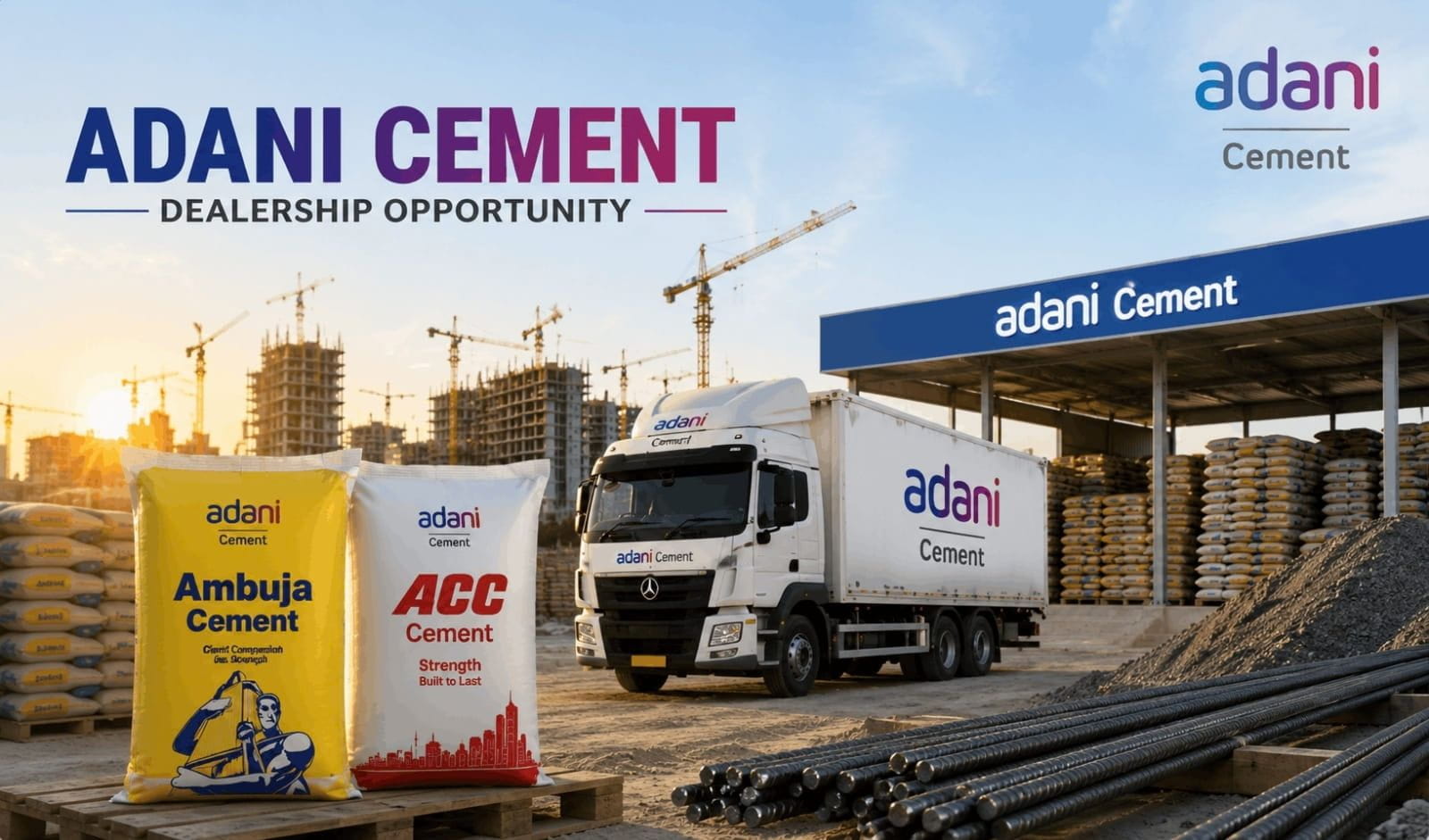
The last entry is different by design. Adani Cement, which includes Ambuja and ACC, invites new dealers rather than franchisees. It is among the more interesting business opportunities for entrepreneurs who already run building-material, steel, hardware or tile businesses.
The company says it has over 1,20,000 channel partners and presence in 31 states and union territories. It cites an approximate ROI of 35–50% and points to fast inventory turnover. Its dealer package includes per-bag schemes, annual incentives and dealer medical insurance of ₹2–5 lakh. Onboarding covers branding support, training and plant visits over the first year. To apply, a proprietorship needs PAN/Aadhaar, GST certificate, address proof, six months' bank statements, firm registration and a cancelled cheque.
The ROI figure is the company's own claim. Ask about credit terms, working capital and territory before you plan around it.
Explore more: 7 International Foodservice Brands Looking for Indian Franchise Partners
McDonald’s Announces Mc Donald’s NEXT Strategy, Plans to Invest USD 8.5 Billion on its Franchisees
Hair Masters Expands Luxury Salon Business With Two Franchise Formats
How to choose
Match the format to your location and your energy. A kiosk or cart suits a food-court or high-footfall spot, a café needs a neighbourhood with regular daytime traffic, and retail or a dealership rewards existing market knowledge. Whichever route you take, ask for the franchise disclosure document, visit two or three running outlets, and speak to current franchisees before paying any fee.
For Further Franchise Info Contact
India’s café industry is evolving rapidly, driven by changing consumer preferences, premium beverage demand, and the rise of experience-led dining spaces. The growing café culture has created new opportunities for entrepreneurs seeking scalable food and beverage ventures.
The top 8 international cafe franchise brands in India showcase global concepts with established formats, operational expertise, and strong brand appeal. As demand for an international cafe franchise in India, speciality coffee concepts, and cafe franchise opportunities continues to grow, investors are exploring brands that offer long-term potential in the expanding café market. With rising interest in coffee franchise in India, international coffee franchise models, and premium cafe franchise formats, global café brands are becoming attractive options for entrepreneurs entering the organised food service sector.
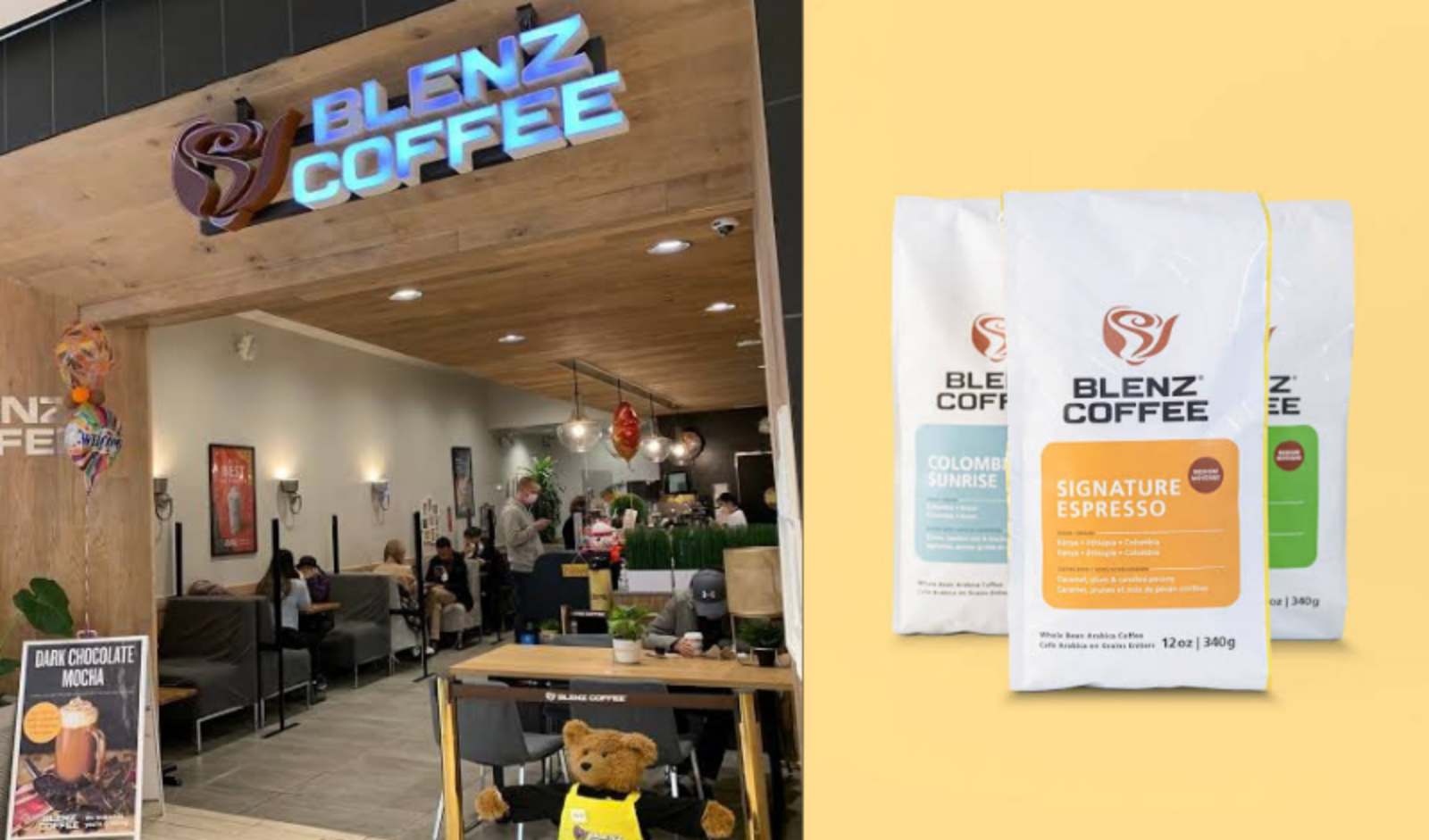
Blenz Coffee
Blenz Coffee is a Canadian coffeehouse brand known for its handcrafted beverages, specialty coffee, smoothies, and café-style food offerings. The brand focuses on creating comfortable spaces that combine quality beverages with a modern café experience.
Franchise Highlights:
- Investment Requirement: Franchise investment details vary depending on location, outlet format, and market conditions. Interested investors can obtain updated commercial details directly through franchise enquiries.
- Business Format: Café outlets designed for high-street locations, commercial areas, and lifestyle destinations.
- Support Offered: Brand partners typically receive assistance related to café operations, training, product standards, and brand guidelines.
- Business Advantage: International brand identity and a focus on premium coffee experiences help attract urban consumers.
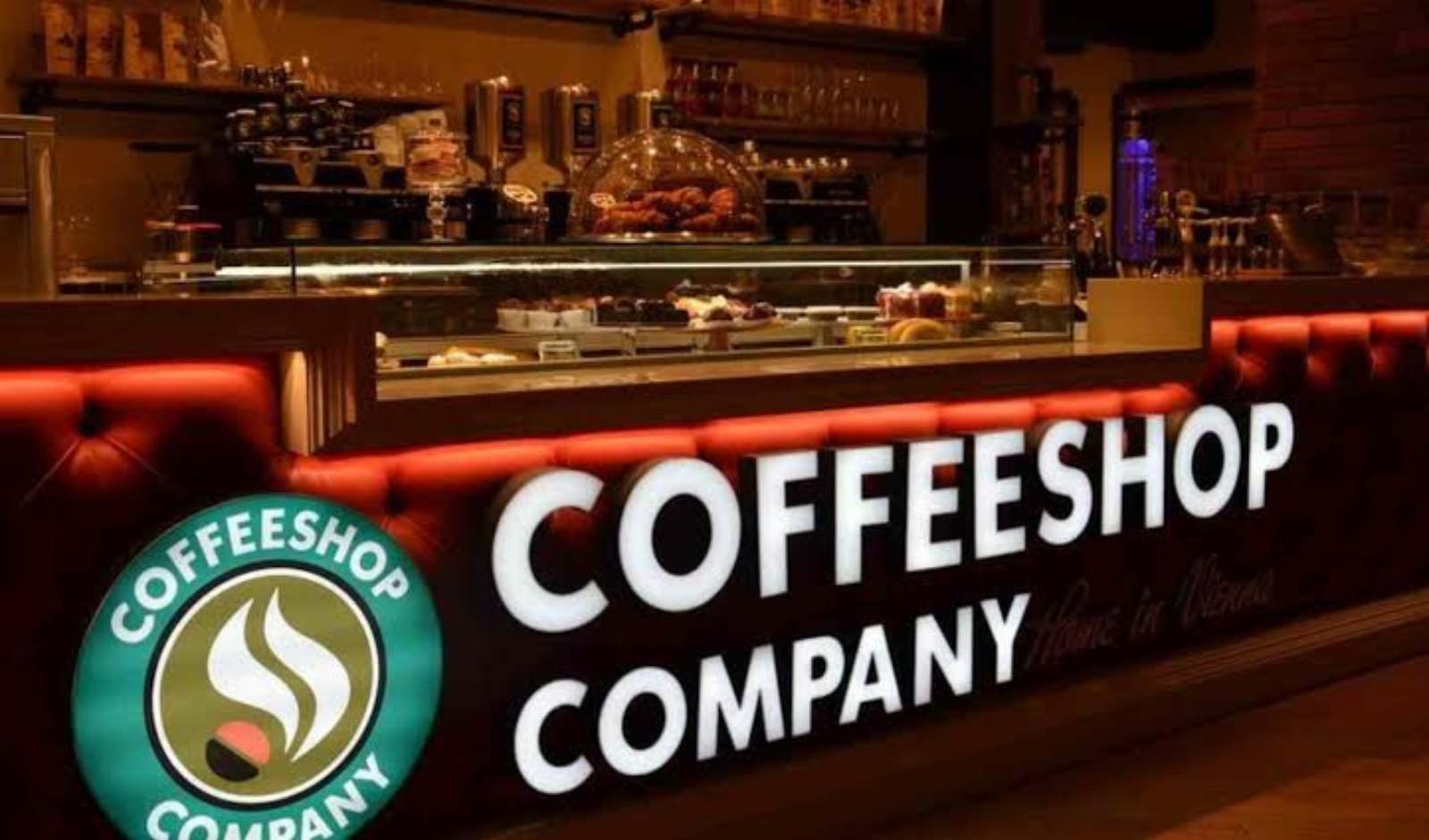
Coffeehouse Company
Coffeehouse Company brings European café culture to customers with coffee, bakery products, and premium café offerings. The brand has established itself around a relaxed ambience and a broad beverage portfolio.
Franchise Highlights:
- Investment Requirement: Commercial investment details are shared by the brand based on the selected outlet format and location.
- Business Format: Premium café model suitable for malls, commercial zones, and premium retail spaces.
- Support Offered: Franchise partners receive guidance on operations, branding standards, and café management.
- Business Advantage: The European café positioning helps differentiate the brand in India’s growing premium beverage market.
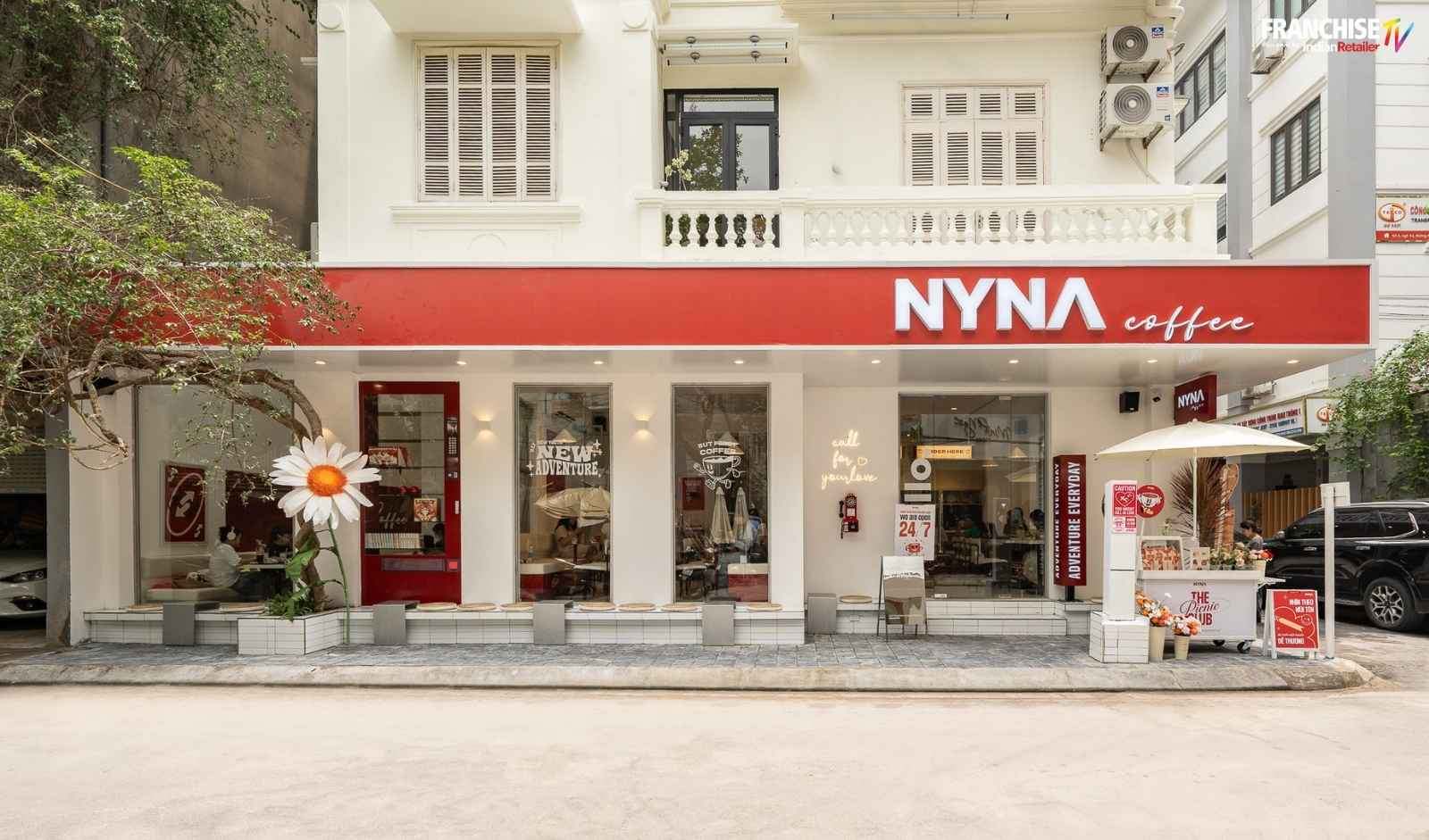
NYNA Coffee
NYNA Coffee is a contemporary café concept focused on speciality coffee and modern café experiences. The brand caters to consumers who prefer premium beverages and lifestyle-oriented café spaces.
Franchise Highlights:
- Investment Requirement: Franchise investment details are available through direct brand enquiries.
- Business Format: Modern café format focused on coffee, beverages, and customer experience.
- Support Offered: Brand support includes operational guidance and assistance during the setup process.
- Business Advantage: Rising interest in speciality coffee among younger consumers creates growth potential for premium café concepts.
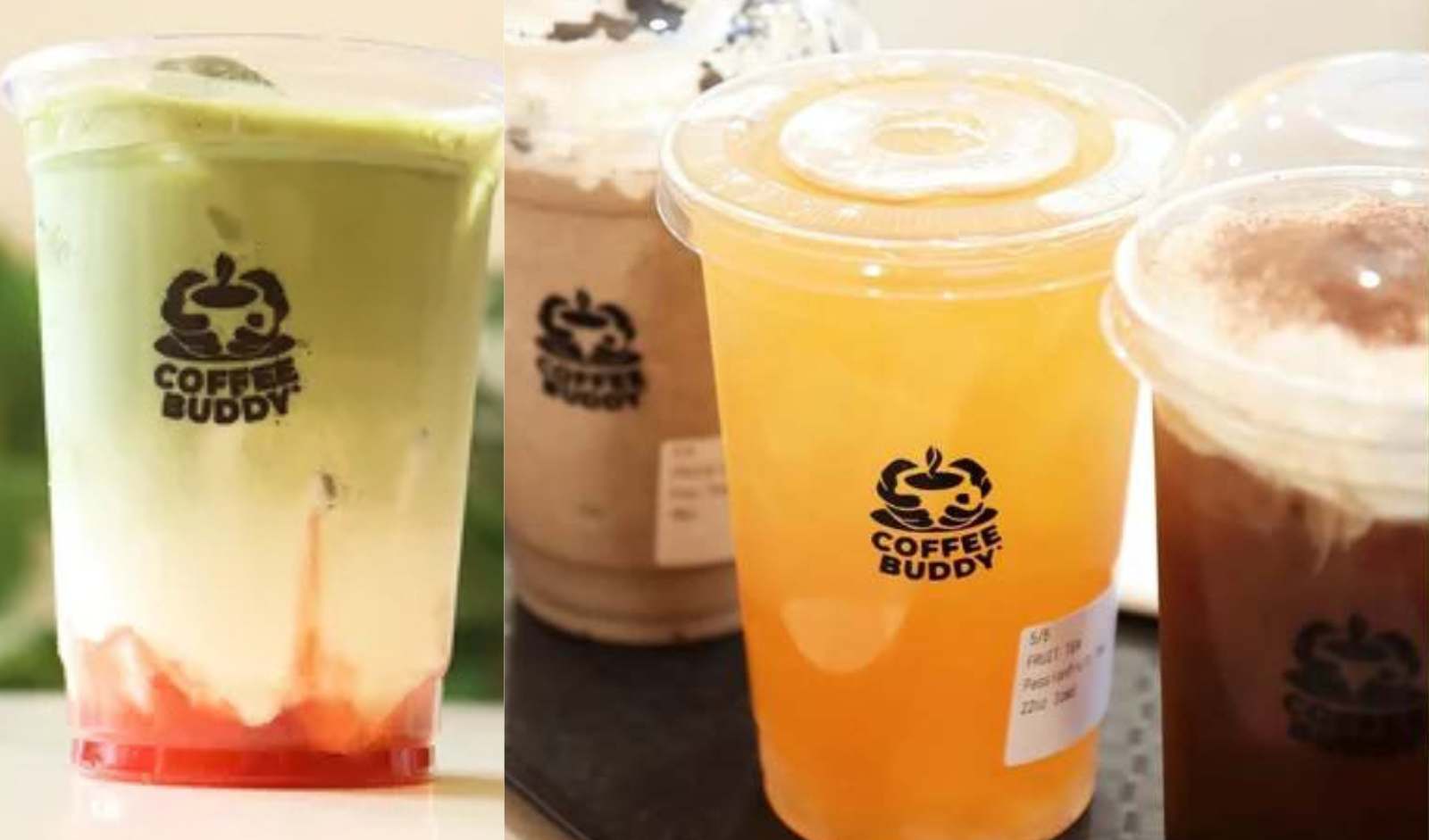
Coffee Buddy
Coffee Buddy operates as a café concept offering coffee, beverages, snacks, and quick-service options. The brand focuses on creating accessible café experiences for everyday consumers.
Franchise Highlights:
- Investment Requirement: Investment details depend on outlet size, location, and business model selected by the franchise partner.
- Business Format: Flexible café formats suitable for commercial spaces, educational hubs, and neighbourhood locations.
- Support Offered: Franchise partners receive operational guidance and support related to brand standards.
- Business Advantage: A wider customer base and affordable café positioning provide opportunities in multiple markets.
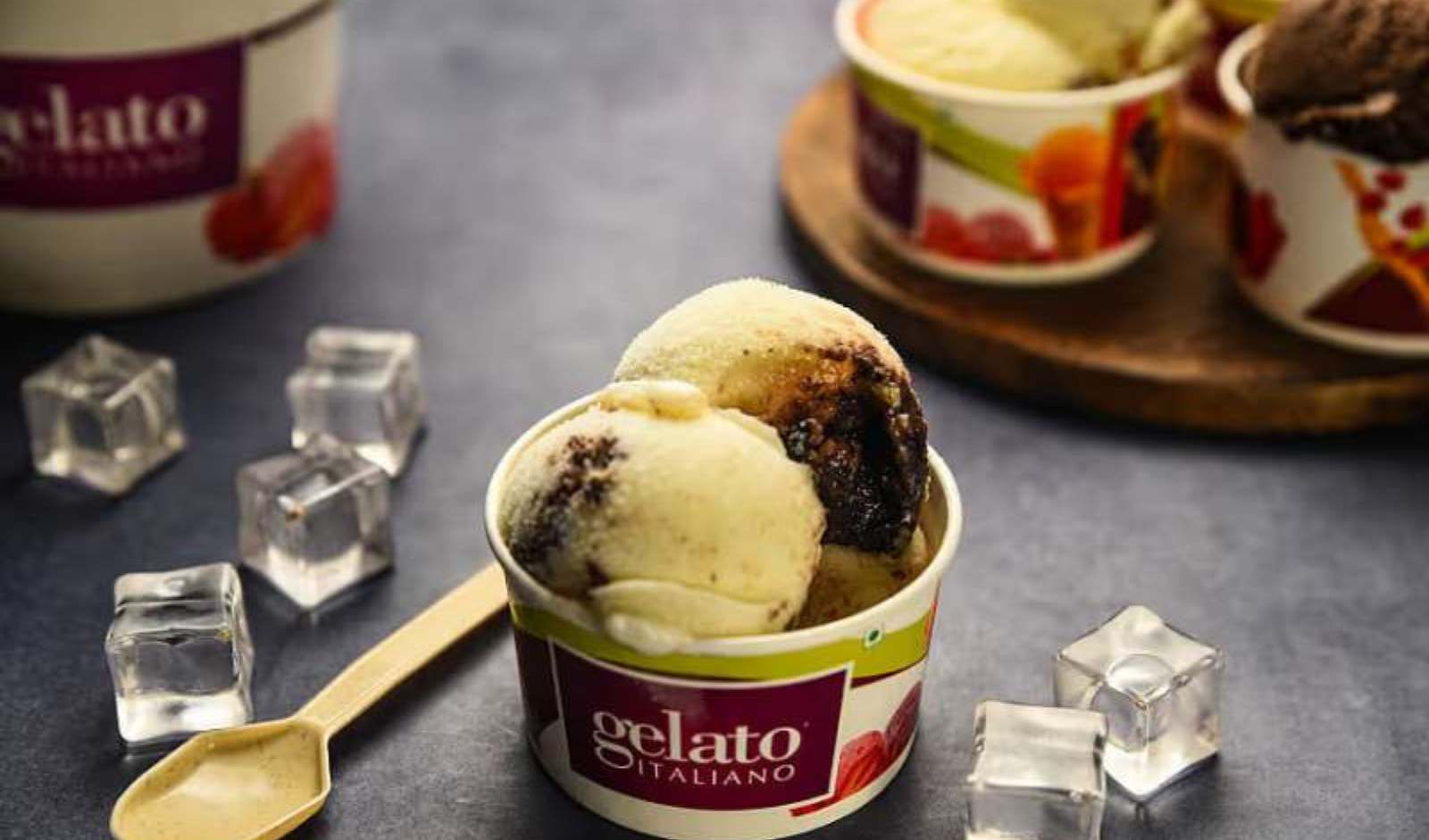
Gelato Italiano
Gelato Italiano combines Italian-style gelato with desserts and beverage offerings. The brand operates in the growing indulgence segment, where customers increasingly seek premium dessert experiences.
Franchise Highlights:
- Investment Requirement: Updated franchise investment details are available through official franchise discussions.
- Business Format: Dessert café and gelato outlet formats.
- Support Offered: Partners receive guidance related to product preparation, operations, and brand presentation.
- Business Advantage: Combining desserts with beverages allows multiple revenue opportunities beyond traditional café products.
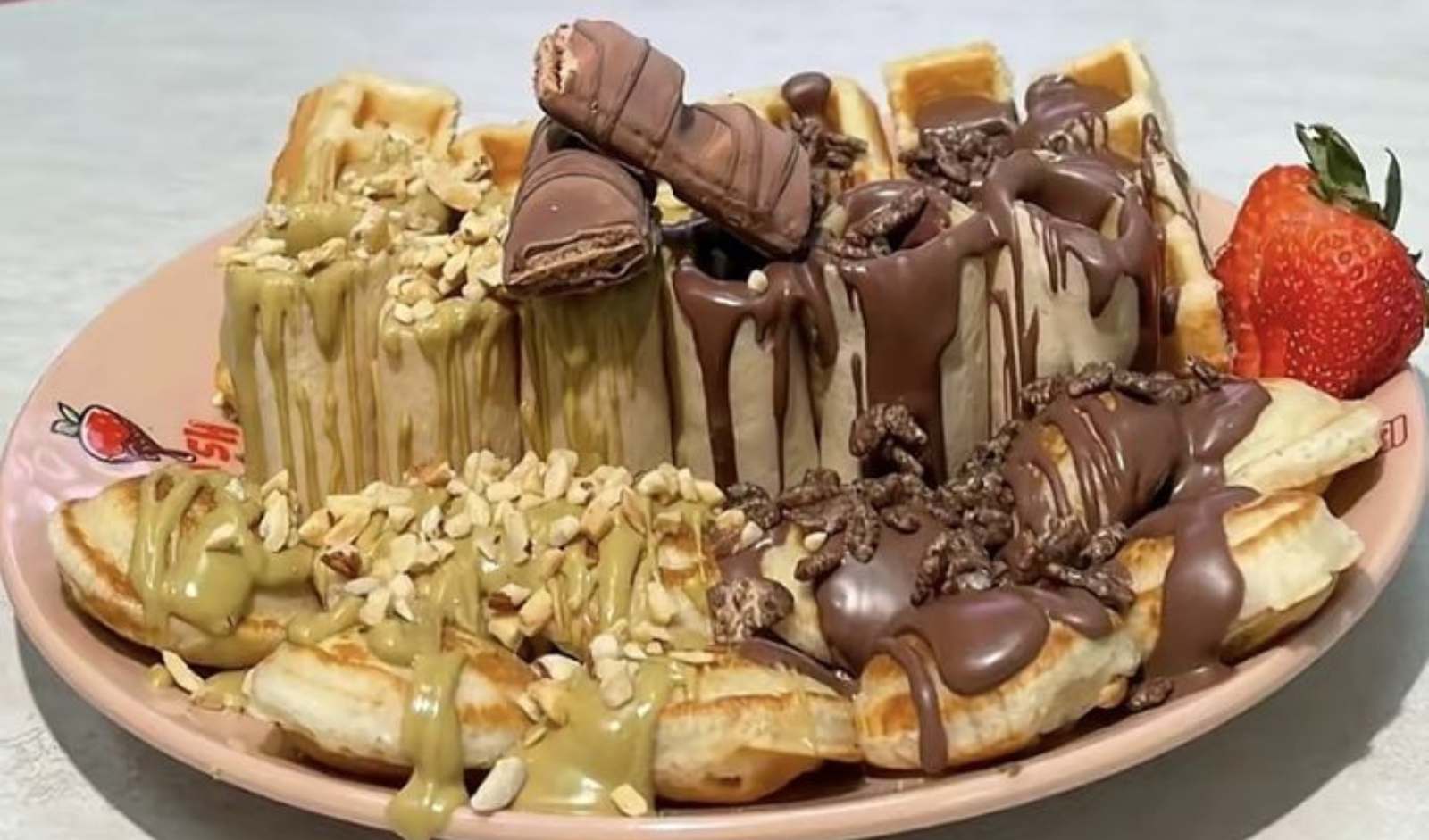
Belgian Waffle Factory
Belgian Waffle Factory has built recognition through its waffles, desserts, beverages, and café-style offerings. The brand caters to young consumers, families, and dessert lovers across high-footfall locations.
Franchise Highlights:
- Investment Requirement: Franchise investment varies based on outlet size, location, and infrastructure requirements.
- Business Format: Café, kiosk, and retail outlet formats.
- Support Offered: Franchise partners receive assistance with menu standardisation, training, and operational processes.
- Business Advantage: Strong demand for desserts and quick-service indulgence products supports repeat customer visits.
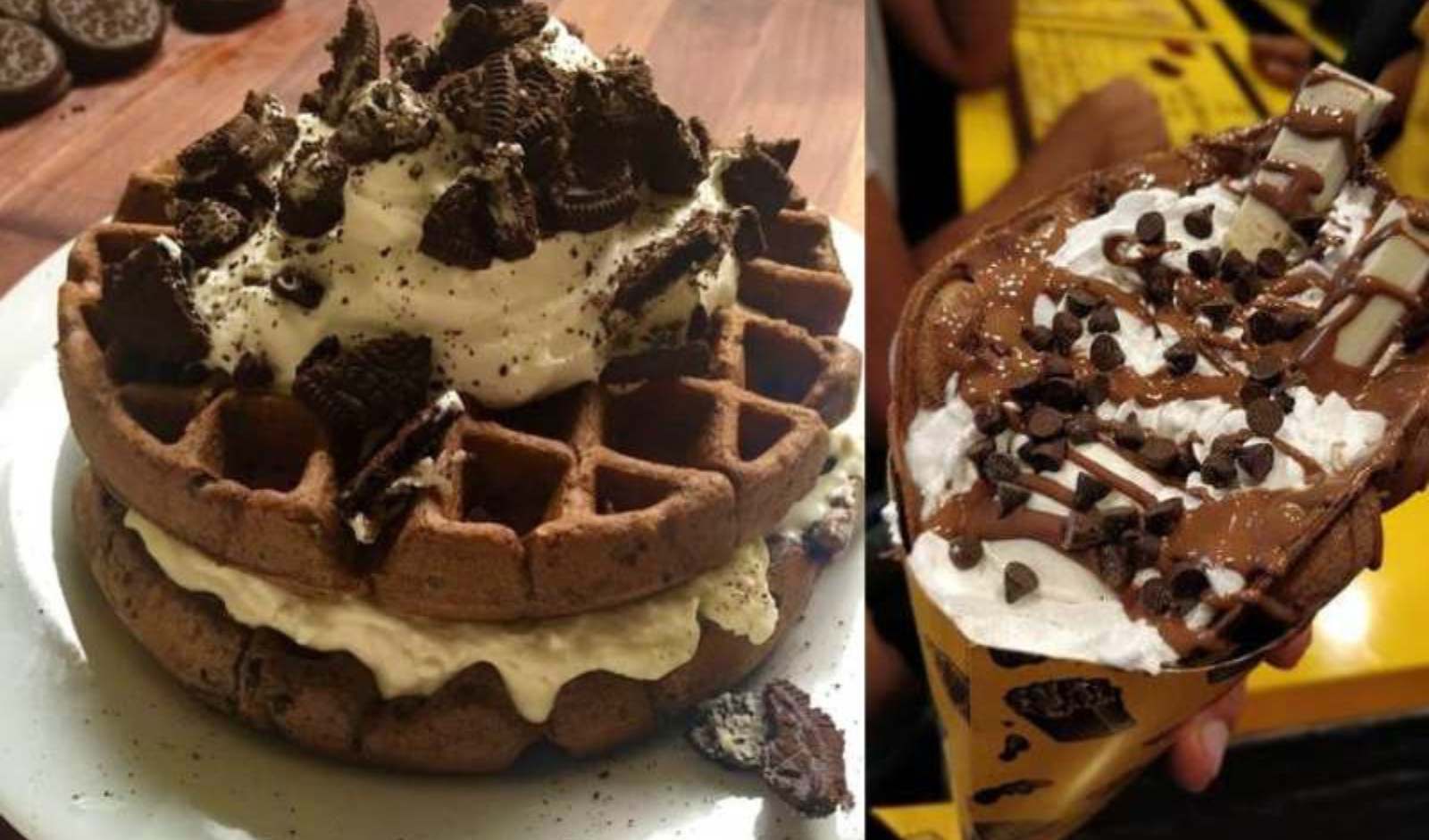
Chocolate Bash
Chocolate Bash is a dessert café brand offering chocolate-based products, waffles, pancakes, beverages, and indulgent treats. The concept focuses on creating a premium dessert destination for customers.
Franchise Highlights:
- Investment Requirement: Franchise details are shared based on the selected business format and location.
- Business Format: Dessert café outlets designed for malls, high streets, and commercial areas.
- Support Offered: Support includes operational guidance, product training, and brand assistance.
- Business Advantage: The combination of desserts and beverages helps increase customer engagement and spending.
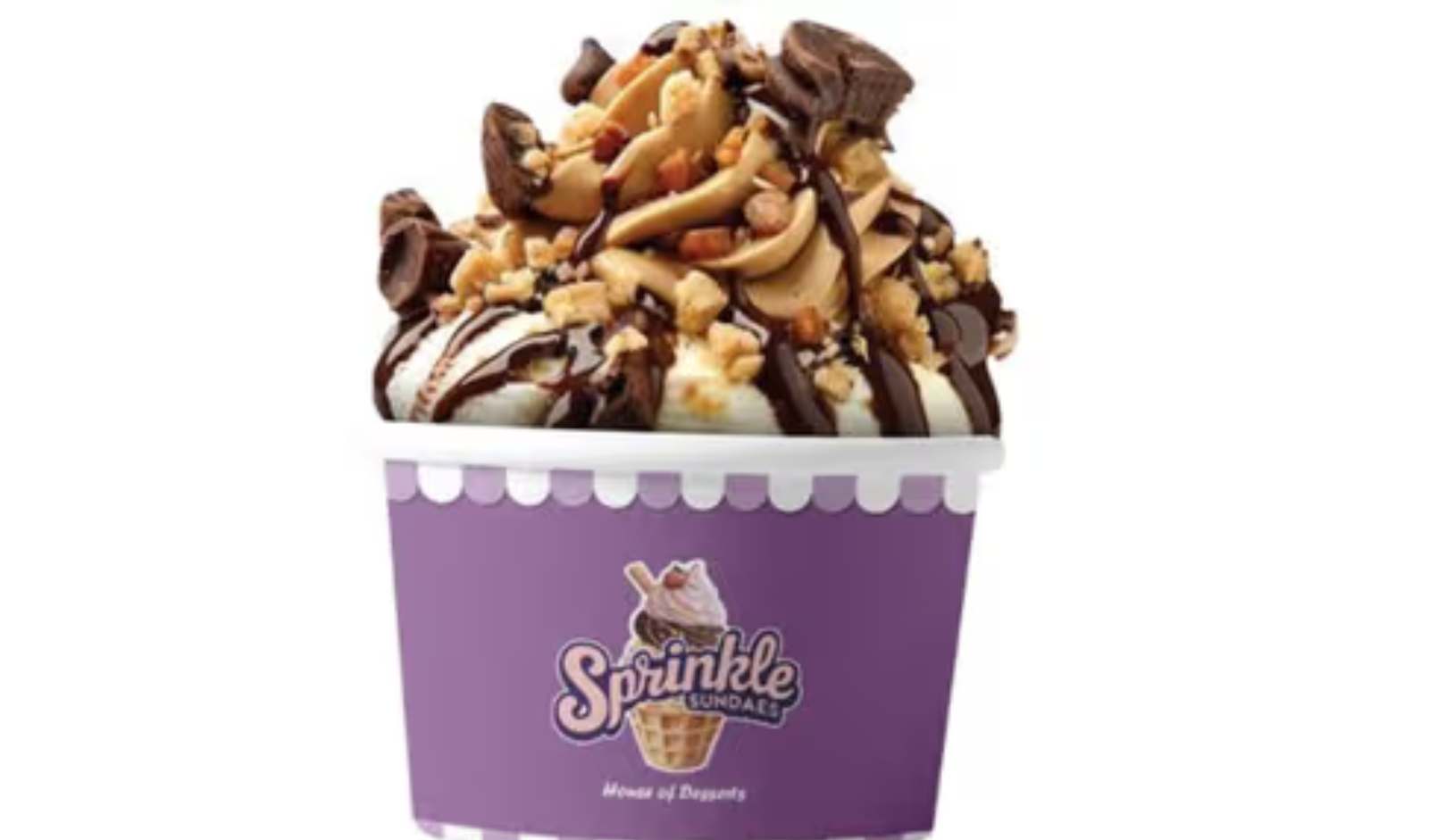
Sprinkle Sundaes
Sprinkle Sundaes operates in the dessert and café segment with offerings including ice creams, sundaes, waffles, beverages, and café products. The colourful and family-friendly format makes it suitable for entertainment and retail destinations.
Franchise Highlights:
- Investment Requirement: Investors can access updated franchise investment details through official brand communication.
- Business Format: Dessert cafés and kiosk-style outlets.
- Support Offered: Franchise partners receive support related to products, operations, and marketing initiatives.
- Business Advantage: The dessert-led format benefits from strong demand among families, youngsters, and mall visitors.
Conclusion
India’s café franchise segment continues to evolve as consumers increasingly prefer international flavours, premium beverages, and experience-driven dining spaces. For entrepreneurs exploring franchise business in India, café concepts offer an opportunity to participate in one of the fastest-growing categories within the food service industry.
While selecting a brand, investors should evaluate factors such as location suitability, brand reputation, operational support, supply chain strength, and financial requirements before making a decision. The expanding café culture, combined with rising demand for organised dining formats, makes these concepts attractive options among food franchise opportunities and restaurant franchise models in India.
For Further Franchise Info Contact
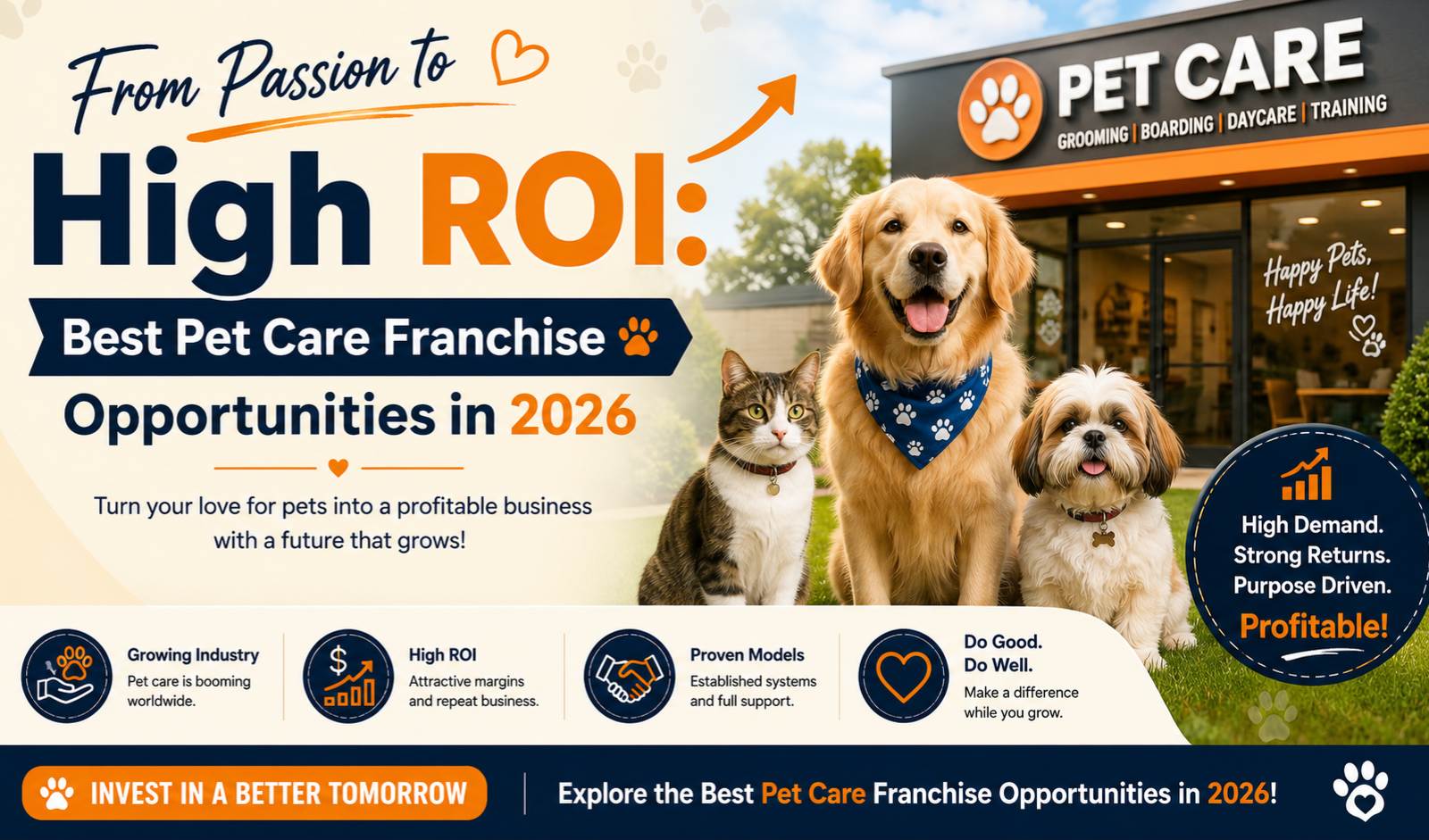
If you walk through any main street in an Indian metro today, the change is hard to miss. Dogs in winter coats, pet parents pushing prams designed for animals, and families treating pets like full-fledged members of the household have become a common sight. The idea of keeping pets only for security has faded. In its place has emerged a growing culture of pet parenting driven by nuclear families, rising incomes, and a deeper emotional bond with animals. Today, pet owners are actively seeking the best veterinary care, premium nutrition, and safe, comfortable boarding options, and they are willing to invest significantly to provide it.
For aspiring entrepreneurs, this shift has created a remarkably stable and fast-growing business opportunity. Instead of building a brand from scratch and spending years earning customer trust, many are now turning to franchise models that offer an established name, proven systems, and immediate market credibility. Three specific brands are reshaping the retail pet care space this year. Depending on your investment capacity and the kind of location you can secure, each offers a different entry point into this expanding industry.
1. Zigly: The Full Scale Clinical and Retail Hub
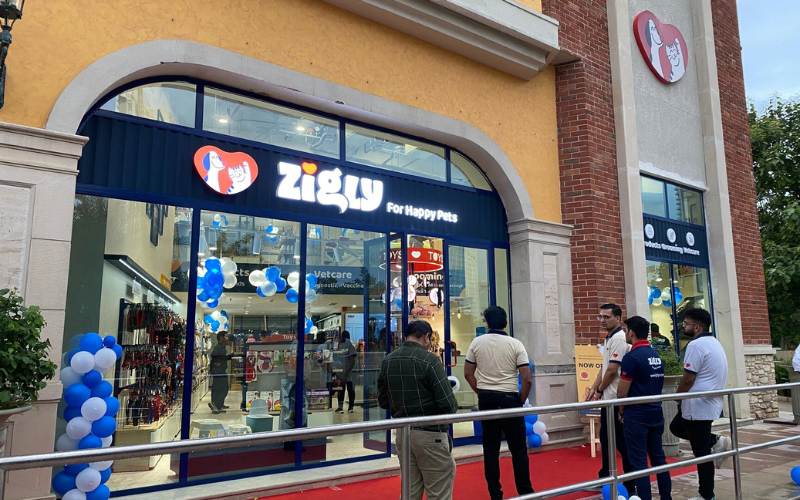
If you want to build a business that handles everything a pet owner needs in a single visit, Zigly is the most comprehensive brand out there right now. They have structured a model where medical attention and retail shopping sit side by side.
The Store Layout: Each physical location brings together a premium food and toy store, professional grooming tables, a fully stocked medical pharmacy, and diagnostic lab equipment for veterinarians.
The Investment Details: Because this setup requires actual medical-grade equipment and a large retail inventory, it requires a significant initial budget. Opening a standard franchise outlet takes an investment of ₹30 Lakhs to ₹50 Lakhs for mid-sized setups, and can go up to ₹1 Crore for a massive flagship center. You will need a commercial space of 1,000 to 1,500 square feet.
The Profit Angle: You aren’t just trying to make a profit on margins from bags of dog food. The real earnings come from a mix of retail sales combined with high-margin clinical checks and expert grooming services. This diverse setup keeps cash flow steady and brings customers back multiple times a month.
2.Barker & Meowsky (The Pawfirm): High End Pet Lodging & Grooming
If your interest lies more in hospitality, daycare, and community building, Barker & Meowsky is the luxury standard in Indian pet lodging. Starting as a highly successful hub in Mumbai, they focus completely on social, active spaces for pets.
The Store Layout: Operating on a straightforward Franchise Owned Franchise Operated (FOFO) system, a typical location includes a cage-free luxury boarding hotel, a lively pet café where owners can socialize, an indoor play area, and an upscale grooming spa.
The Investment Details: Animals need room to run safely without stress, meaning you cannot set this up in a tiny marketplace shop. You need a large commercial property of around 2,000 square feet. The initial setup cost sits between ₹30 Lakhs to ₹50 Lakhs, and agreements are typically signed for a 5-year renewable term.
The Profit Angle: Urban working professionals travel frequently for business and holidays, and they hate the idea of leaving their dogs locked in cages. Providing a clean, open, cage-free luxury resort builds neighborhood trust quickly, leading to massive long-term customer loyalty and repeat bookings.
3. Pet First: The App-Driven Neighborhood Model
If you want a business with a smaller physical footprint that uses technology to reach customers, Pet First is an incredibly smart choice for local neighborhoods.
The Store Layout: This business uses a smart, hybrid strategy. The physical storefront acts as a compact, express grooming parlor and a highly curated food supply store. Meanwhile, their mobile app connects to the store to handle everything else, like booking home grooming vans, online vet visits, or buying tracking collars.
The Investment Details: This is the most cost-effective and budget-friendly entry point into the market. Because the digital app does a lot of the heavy lifting, you only need a small neighborhood retail shop of 400 to 800 square feet. Your total setup cost ranges between ₹10 Lakhs to ₹20 Lakhs.
The Profit Angle: Low overhead and minimal monthly rent mean you can break even and reach profitability much faster than a large clinic. It lets you capture the daily demands of a neighborhood without the pressure of managing massive physical infrastructure.

Conclusion: Which Model Fits Your Goals?
The Indian pet care market is growing at a breakneck pace, and the window to secure prime territories in your city is wide open right now. By investing in a proven model, you completely bypass the grueling years of trial and error, supply chain headaches, and brand building.Whether you choose the clinical dominance of Zigly, the premium community appeal of Barker & Meowsky, or the lean efficiency of Pet First, you are stepping into a recession-proof retail sector with an eager audience waiting. Look at your local market, align your budget, and claim your piece of this multi-crore industry before someone else does!
For Further Franchise Info Contact




Copyright © 2009 - 2026 Franchise Tv.