





 1260
/ 6 MIN READ
1260
/ 6 MIN READ
 Follow Us
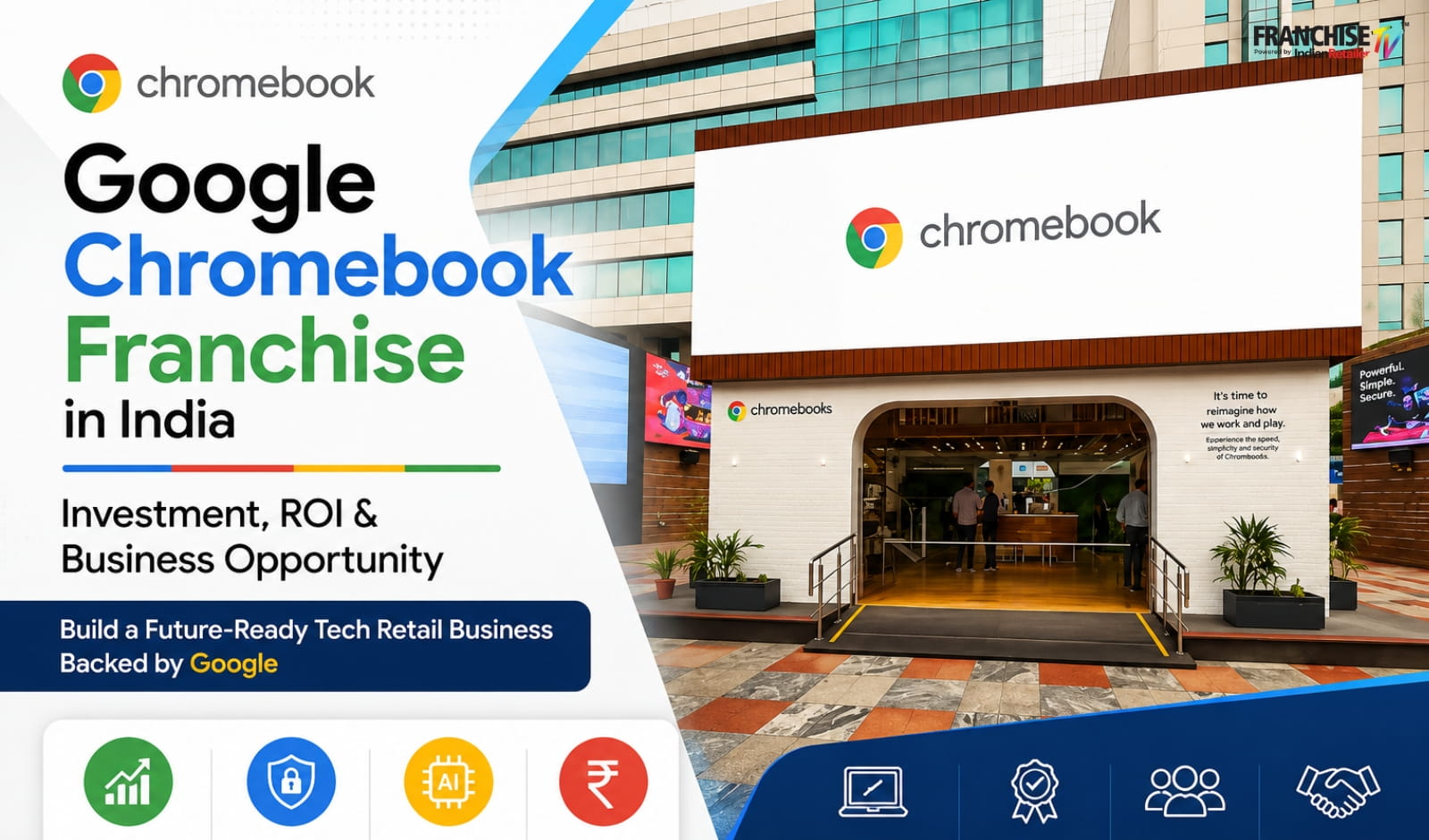
In a recent webinar, Google unveiled its Chromebook Retail Franchise opportunity, marking a strategic expansion of its physical retail presence in India. The initiative aims to capitalize on the growing demand for affordable computing, AI-powered devices, and ChromeOS-based solutions across students, professionals, entrepreneurs, and families.
According to Google, Chromebooks have already sold over 500,000 units in India since entering the market in 2022, with the category witnessing nearly 35 percent year-on-year growth. The company is now actively expanding through franchise-led retail stores, beginning with key markets such as Delhi NCR and Bengaluru.
Why Google is Betting Big on Chromebook Retail Stores
Google’s journey began with online sales through Amazon and Flipkart before launching its Chromebook Townhouse Experience Centre in Gurugram. The success of the experiential format, coupled with increasing consumer demand for hands-on product demonstrations, encouraged Google to transform the concept into a full-fledged retail model.
The brand has already launched its first franchise store in Noida and plans to build a nationwide network through franchise partners. These stores will not only sell Chromebooks but will also offer peripherals, accessories, warranties, insurance products, and future Google-powered devices, creating multiple revenue streams for franchisees.
What Makes Chromebook Different?
Google highlighted four core pillars of ChromeOS—Speed, Simplicity, Security, and Battery Efficiency. Chromebooks offer fast boot-up times, automatic updates for up to 10 years, built-in Google AI capabilities through Gemini, seamless Android integration, and multi-layered security backed by Google’s Titan security architecture.
The company positions Chromebooks as ideal devices for students, hybrid workers, small businesses, educators, and everyday users seeking affordable and secure computing solutions.
Investment and Revenue Potential
The Chromebook Franchise model requires an estimated investment of approximately ₹66 lakh, including store setup and inventory. A 500 sq. ft. store in an A+ city is projected to generate revenues ranging from ₹3 crore in the first year to nearly ₹9 crore by the tenth year.
Google is also offering additional support in the first year by transferring a portion of its margins to franchise partners, helping improve profitability and accelerate business stabilization. The projected ROI ranges from 18 percent in Year 1 to 48 percent by Year 10.
Read also: Top 6 Consumer Brands Scaling Aggressively Across India
Top 5 Industries That Will Create Massive Franchise Demand in India
Cult.fit Expands Franchise Network, Eyes Tier 2 Growth Across India
The Future of AI-Powered Consumer Electronics Retail
With Gemini AI, ChromeOS, Android ecosystem integration, and upcoming premium devices such as Googlebook, Google is positioning Chromebook stores as future-ready technology hubs. As India’s digital adoption accelerates, the Chromebook Franchise model presents an opportunity for entrepreneurs to participate in one of the fastest-growing segments of the consumer technology retail market.
For Further Franchise Info Contact

India has a massive technology gap. Almost everyone carries a smartphone today because mobile data is incredibly cheap and accessible. Yet, very few people actually own a computer. Out of 1.4 billion people, over 600 million use mobile phones, but only 10 million have a laptop.
The biggest roadblock is price. A decent computer with good specifications usually costs around Rs 60,000, which is far out of reach for a regular household. When the local team analyzed the market in late 2022, they spotted this challenge right away.
While traditional tech brands and market analysts openly insisted that a laptop primarily running on cloud software would fail due to India's varied internet habits, the brand chose to look beyond the premium tier and build an entirely new consumer base from scratch.
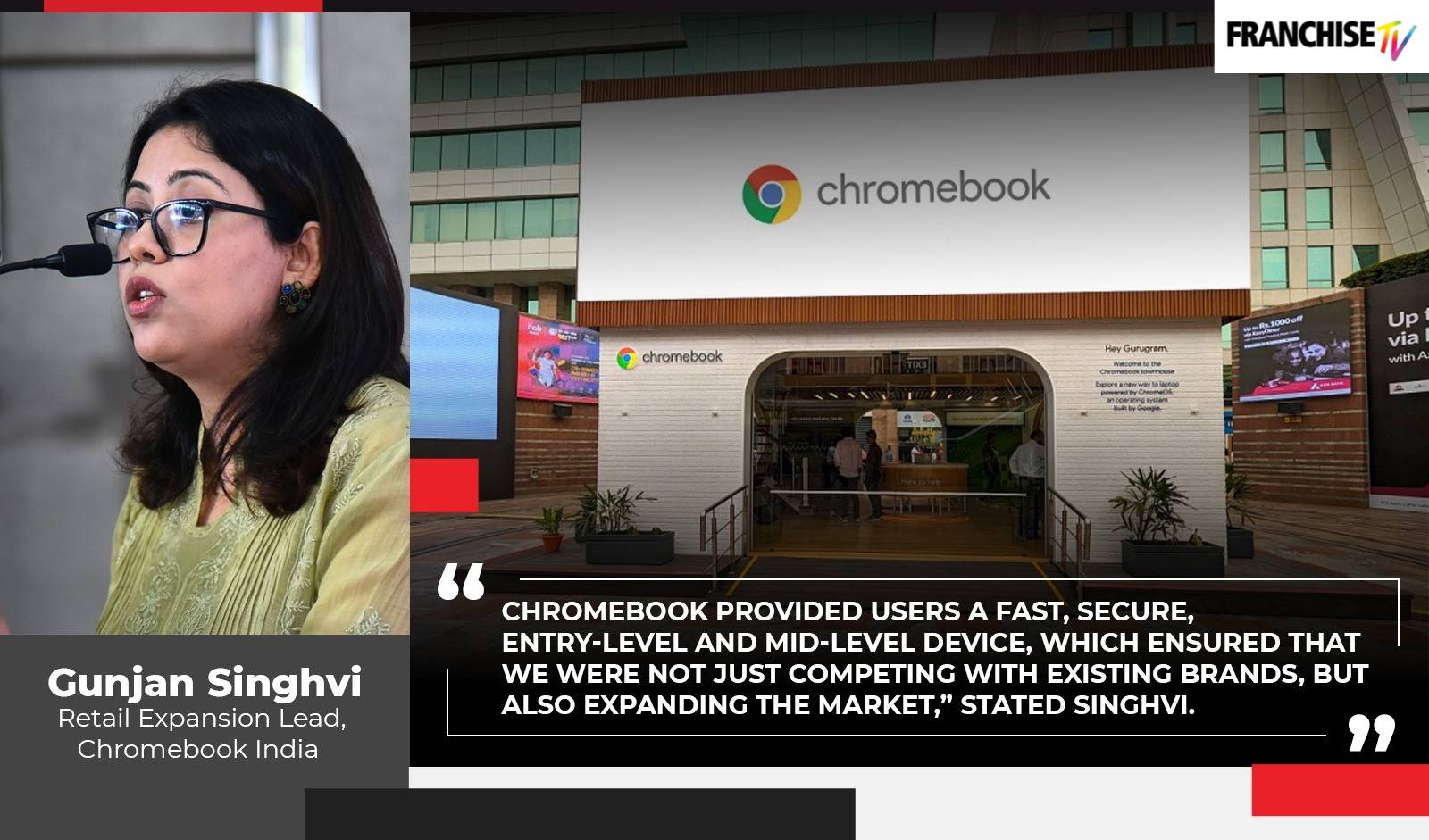
“When we did our market research, we could identify a clear digital divide in India,” said Gunjan Singhvi, Retail Expansion Lead for Chromebook India.
To bridge this gap, the team introduced fast, secure, budget-friendly devices into the entry and mid-level segments. Instead of fighting premium brands for the same small group of wealthy buyers, they aimed to expand the market and create a brand-new pool of laptop owners from scratch.
“Chromebook provided users a fast, secure, entry-level and mid-level device, which ensured that we were not just competing with existing brands, but also expanding the market,” stated Singhvi.
From Web Sales to Physical Stores
The team started with a digital-first approach on major e-commerce platforms to test the waters. The online experiment paid off quickly, growing at a massive 35 percent year-on-year rate even during a broader post-pandemic market slump.
“Since 2022, we have sold more than 1,400 laptops to Indian consumers across education, professionals, consumers and families,” noted Singhvi.
However, online sales soon ran into a deep-rooted shopping habit: in India, families view buying a computer as a major financial commitment, and they instinctively want a hands-on experience with the product before parting with their savings.
“India is a market where consumers actually want to feel the device, especially tech devices,” she highlighted.
To build real trust, the brand opened its first experiential space, the Chromebook Townhouse, in Cyber Hub, Gurugram, in May 2023. Walk-ins instantly shot up by 90 percent and product demonstrations spiked by 135 percent.
But a major problem quickly emerged. Visitors loved the look and feel, but they grew deeply annoyed when told they could not leave with a retail box and had to place their orders online instead. People expected instant gratification.
“That made us realise the power of retail. If somebody experiences your device and really likes it, they want to purchase it right away,” she added.
The team quickly converted the Gurugram experience center into a real storefront, which went on to sell thousands of laptops from that single location. The brand soon opened a second successful corporate store in Noida.
The Strategic Shift to Franchising
While the corporate-owned stores in Gurugram and Noida proved that physical retail worked, scaling a corporate-owned model across a country as massive as India is simply too slow and expensive.
“We knew that if we went with a company-owned and operated setup, it would be very expensive and a slow process. That’s where the idea of franchising came in,” said Singhvi
For a software-driven global giant, managing physical brick-and-mortar stores is a completely new playground. Retail itself is a relatively new concept for Google.
Because retail does not come naturally to a software company, the brand needed solid data proof before taking the franchise leap. The massive success and high sales volume of the Gurugram and Noida pilots provided that exact data.
“With the pilots we’ve done in Gurugram and Noida, we are very sure, and we have data proof that retail would work for us,” she added.
However, the team wanted to make sure that growing the business wouldn't hurt the brand's great reputation. Instead of rushing to open as many shops as possible just to meet corporate goals, they chose to focus completely on finding high-quality partners.
“Franchising for a brand like Google is not just about opening stores or ticking number boxes. We are looking for people who have a business mindset, a long-term approach, and who want to be part of this retail journey with us,” said Singhvi
To transform this vision into a scalable financial reality, the brand partnered with Franchise India to design a smart, sales-driven market entry strategy. By building a model that attracts the right high-caliber investors, the brand plans to launch its first wave of franchise locations by the end of the year.
The Global Blueprint
The long-term goal is to win a 20 percent share of the Indian laptop market over the next four to five years. Right now, India is the company's most exciting opportunity for growth outside of the United States.
As the middle class expands, a solid lineup of affordable, AI-enabled machines offers the perfect first-time investment. If this unique mix of cloud efficiency and localized franchise retail takes off, India will serve as the master blueprint for other high-potential emerging markets.
“India could be a very good playbook for the company that could probably be replicated in countries like Brazil and Indonesia,” concluded Singhvi.
For Further Franchise Info Contact
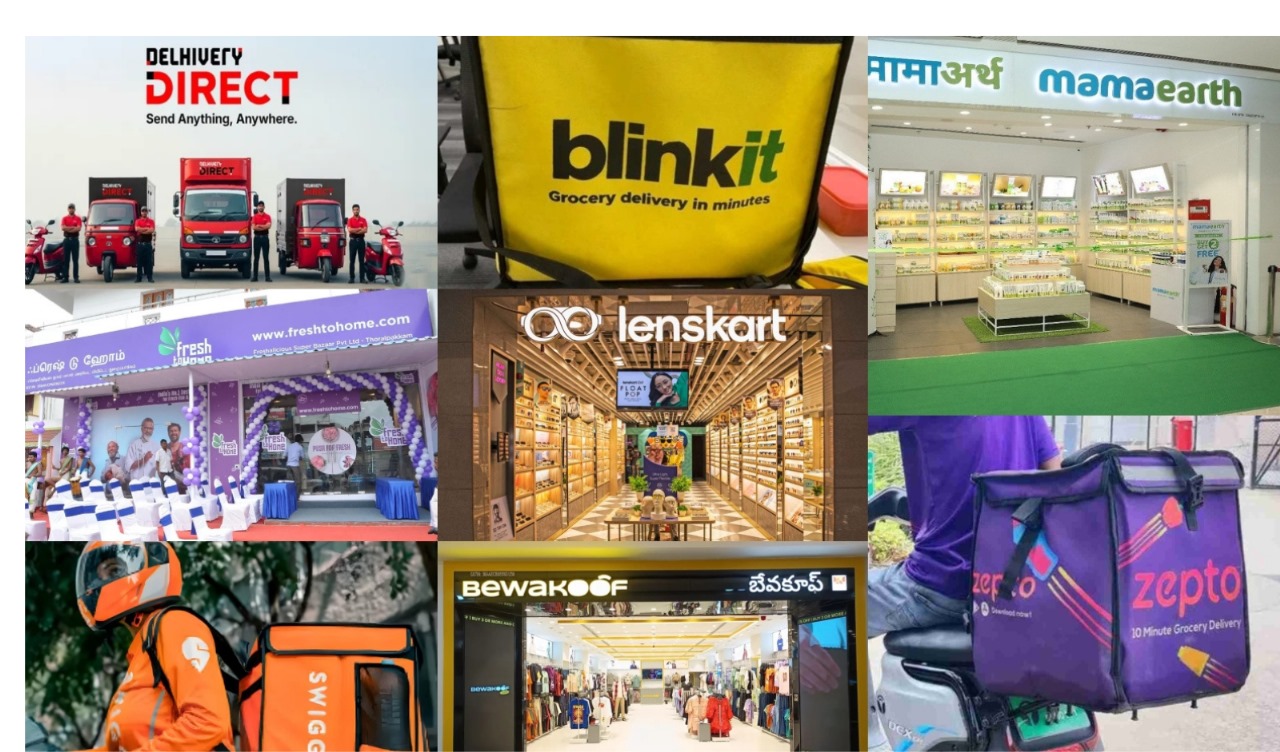
Today, everyone is purchasing various items from different Q-commerce and D2C brands, including Swiggy Mart, Zepto, Blinkit, FreshToHome, Lenskart, Mamaearth, and others that offer home delivery to their consumers. However, do you know that these brands also offer franchise opportunities to investors? If you plan to do business, franchising with Q-Commerce and D2C in India is a great investment, as it carries low risk and allows you to grow your business to its full potential, offering greater benefits.
The business world in India is changing rapidly, creating new opportunities, especially through the opening of franchises in the Q-Commerce and Direct-to-Consumer (D2C) segments. These D2C franchise models are gaining popularity because consumers want fast delivery and personalized products. In franchising, there are many big names, including Zepto, Swiggy Instamart, Blinkit, Mamaearth, Lenskart, Bewakoof.com, FreshToHome, Delhivery, and DTDC, which are leading in these segments. Explore these brands to get your work done more profitably and with greater satisfaction.
Q-Commerce and D2C in India: Opening Franchise Opportunities
Here are a few names in Q-Commerce and D2C that can help entrepreneurs and investors find the right franchising opportunities and whose brands could even gain recognition.
Zepto: Expanding Q-Commerce Franchises
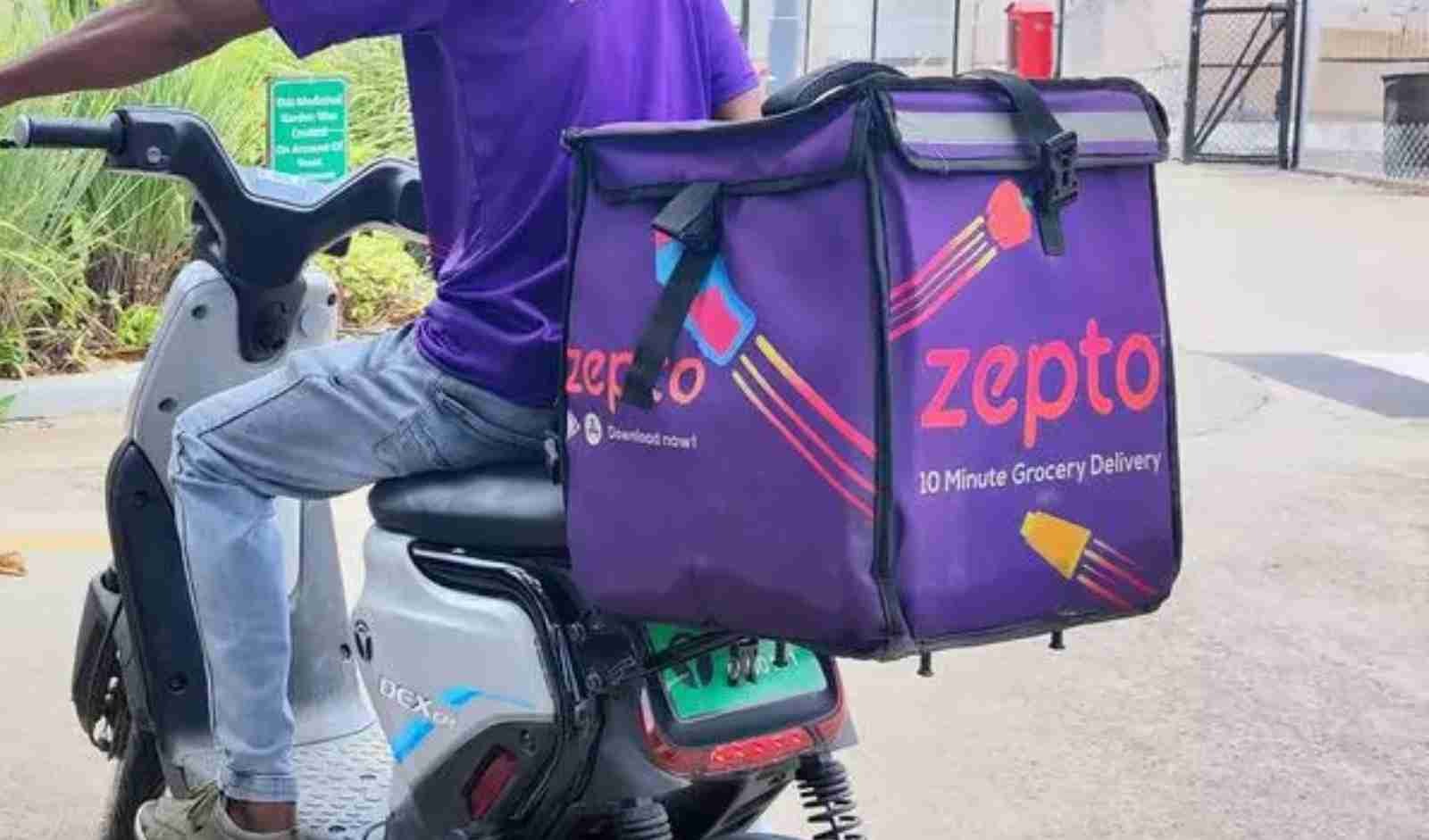
Zepto, known for delivering groceries in under 10 minutes, utilizes small warehouses called dark stores, strategically located near customers’ homes. It provides franchise opportunities to investors very conveniently; all you need to do is invest between Rs 5 lakhs and Rs 15 lakhs, depending on your location. It also supports its partners with technology and a delivery system so they can manage orders and meet customer needs quickly.
Swiggy Instamart: Franchise Partners for Instant Delivery
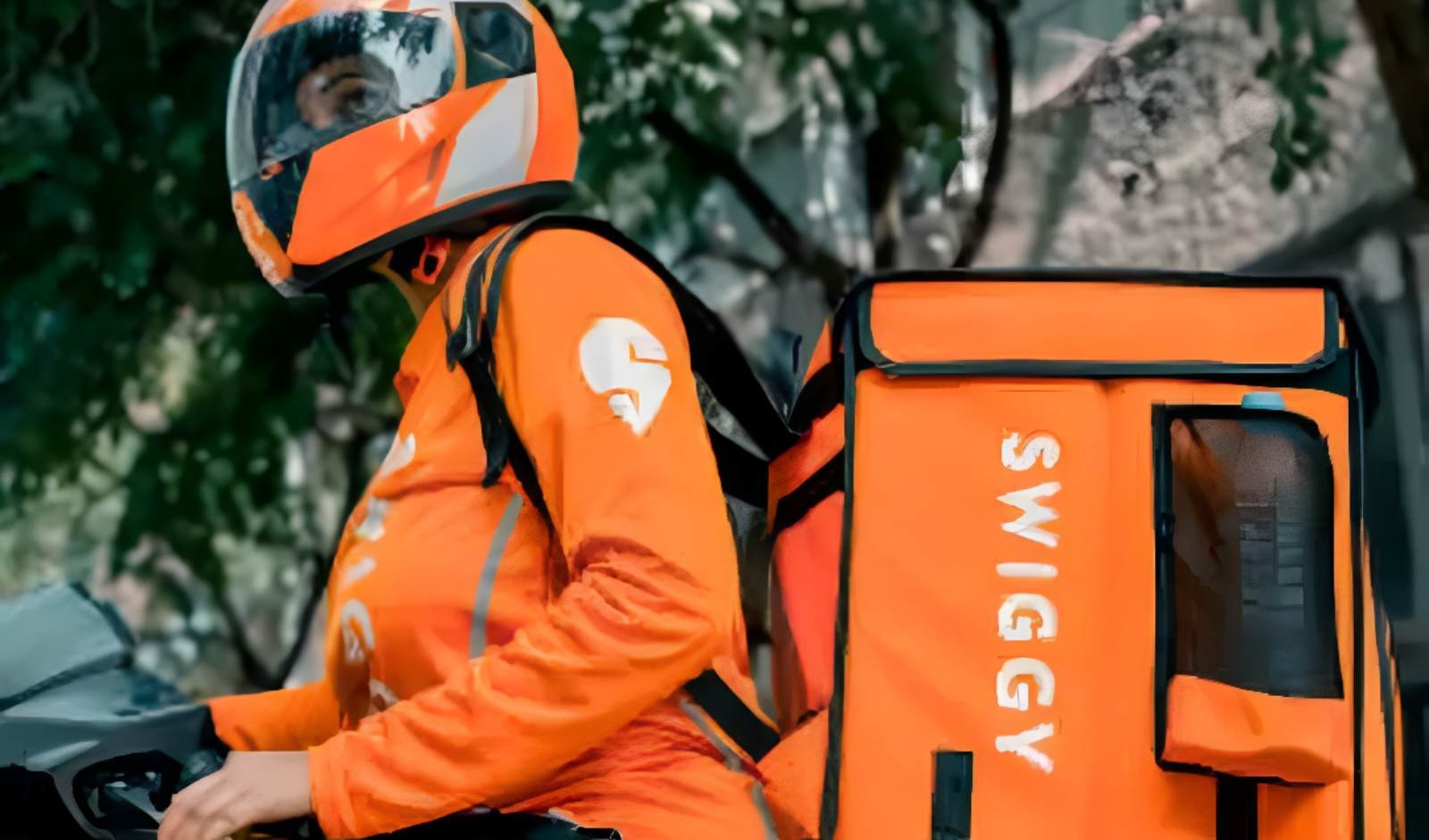
Swiggy Instamart always looks for franchise partners with local dark stores. And if you're the one having such a facility, you must invest in this brand, investing between Rs 3 lakhs and Rs 5 lakhs to secure its franchise. Swiggy has been very cooperative with its partners. From setting up stores to managing stocks to training its staff, it has done an incredible job for its partners. If you have experience in retail and delivery segments, and you want to join India’s rapidly growing Q-Commerce market, then Swiggy Instamart is the best choice for you.
Blinkit: Offering Large-Scale Franchise Options
Blinkit, once known as Grofers, is a big player in quick grocery delivery. It gives franchises to people who can invest between Rs 21 lakhs and Rs 39 lakhs in a dark store. Blinkit also provides its partners with the best technology and delivery networks, enabling it to deliver groceries on time and keep customers satisfied.
Read more: Top 8 Food and Beverage Franchise Brands Ruling India
Mamaearth: Popular D2C Brand for Personal Care
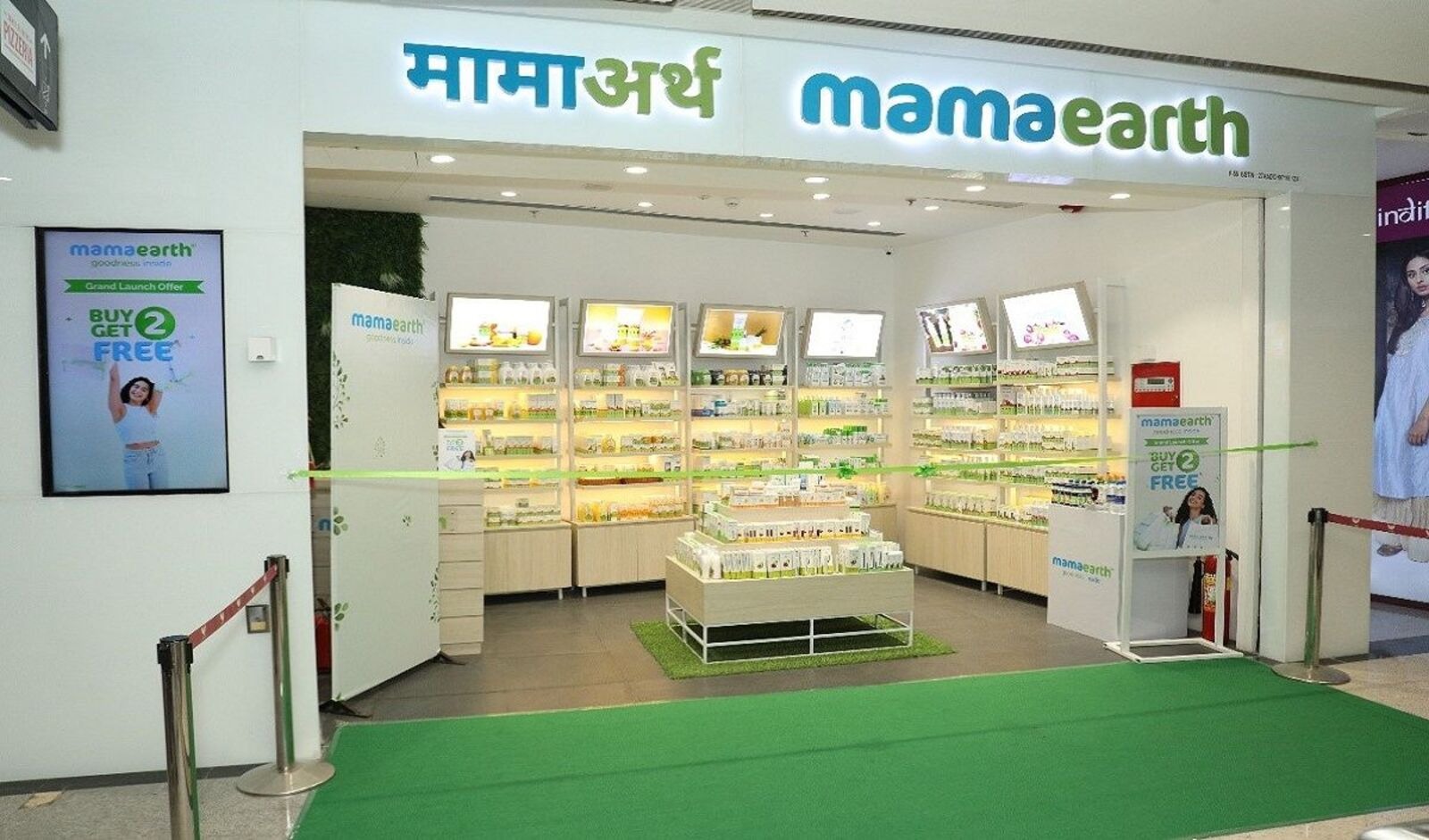
Mamaearth is a renowned direct-to-consumer (D2C) brand that offers natural, safe skincare products. It is expanding beyond big cities by working with local partners and franchisees. If you're planning to join a skincare brand, Mamaearth is one of the best options in this segment, thanks to its strong brand and loyal customer base. The brand’s focus on eco-friendly products makes it popular among today’s buyers, as there are still very few D2C brands that prioritize sustainability.
Lenskart: Eyewear Franchises with Technology
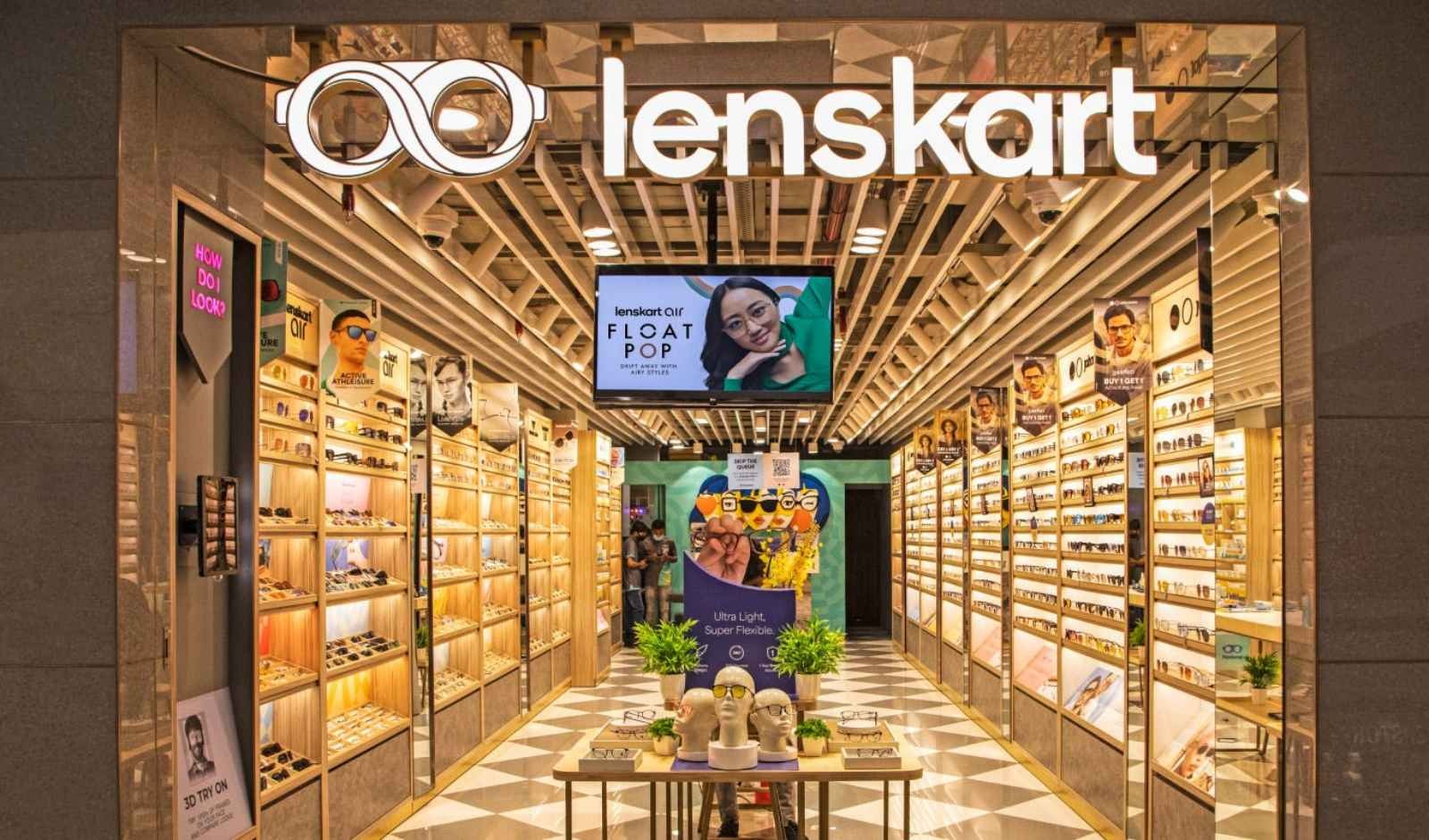
Lenskart offers a mix of online sales and offline franchise stores for eyewear. If you invest in Lenskart, you can access its tech tools, such as virtual try-ons, which are new to customers in this category. To become its franchise partner, one has to invest between Rs 30 lakhs and Rs 50 lakhs and can expect proper training and marketing assistance to attract and retain customers seeking affordable, trendy glasses.
Bewakoof.com: Casual Wear D2C Growth
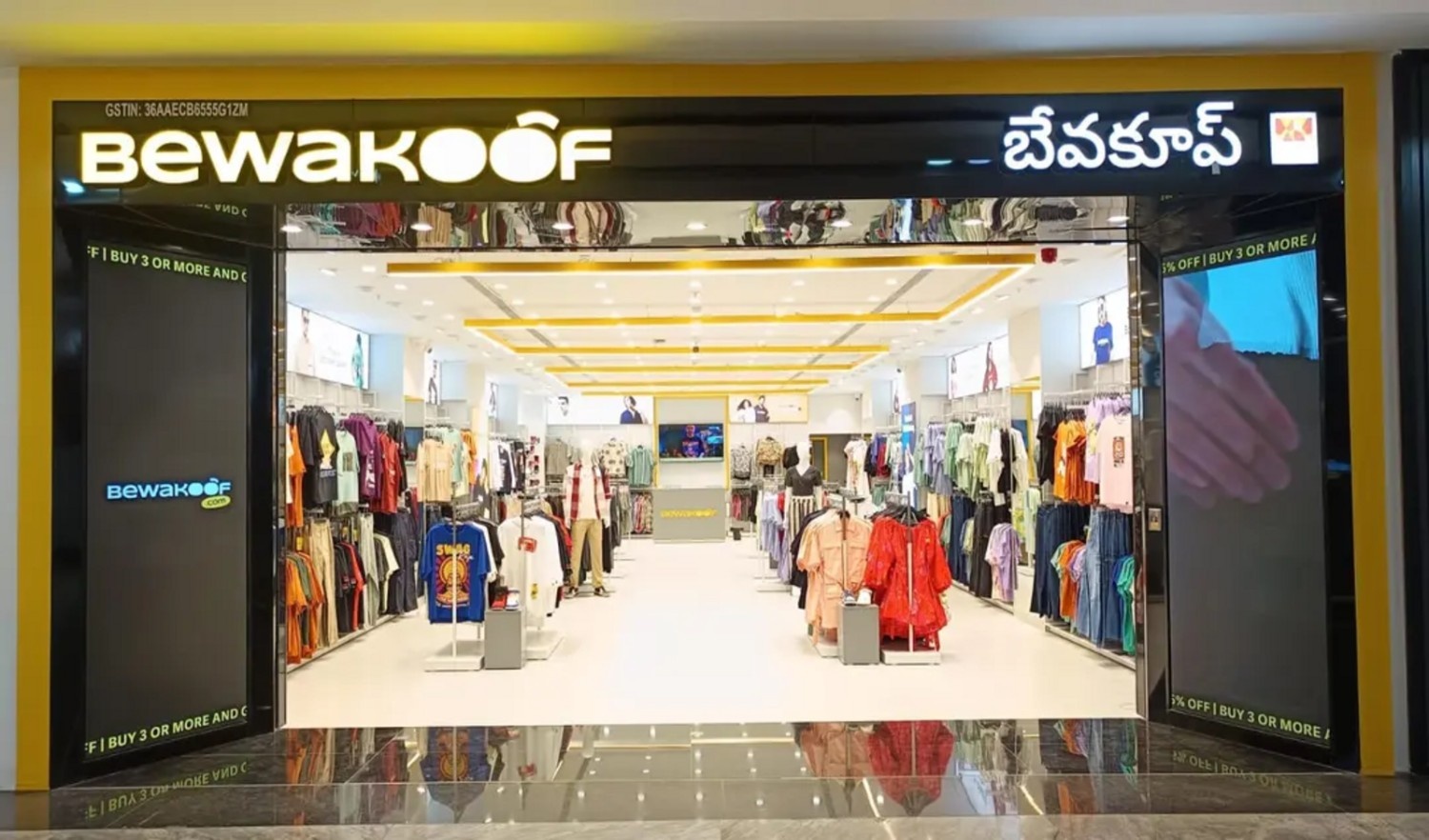
Bewakoof.com is a D2C brand focused on casual wear for youth. It is growing rapidly with strong investment from major entrepreneurs. It is expanding its reach through digital marketing and by creating franchise partnerships. Franchisees can work with a brand focused on young-generation customers, making it a strong business opportunity.
FreshToHome: Fresh Food Franchise Expansion
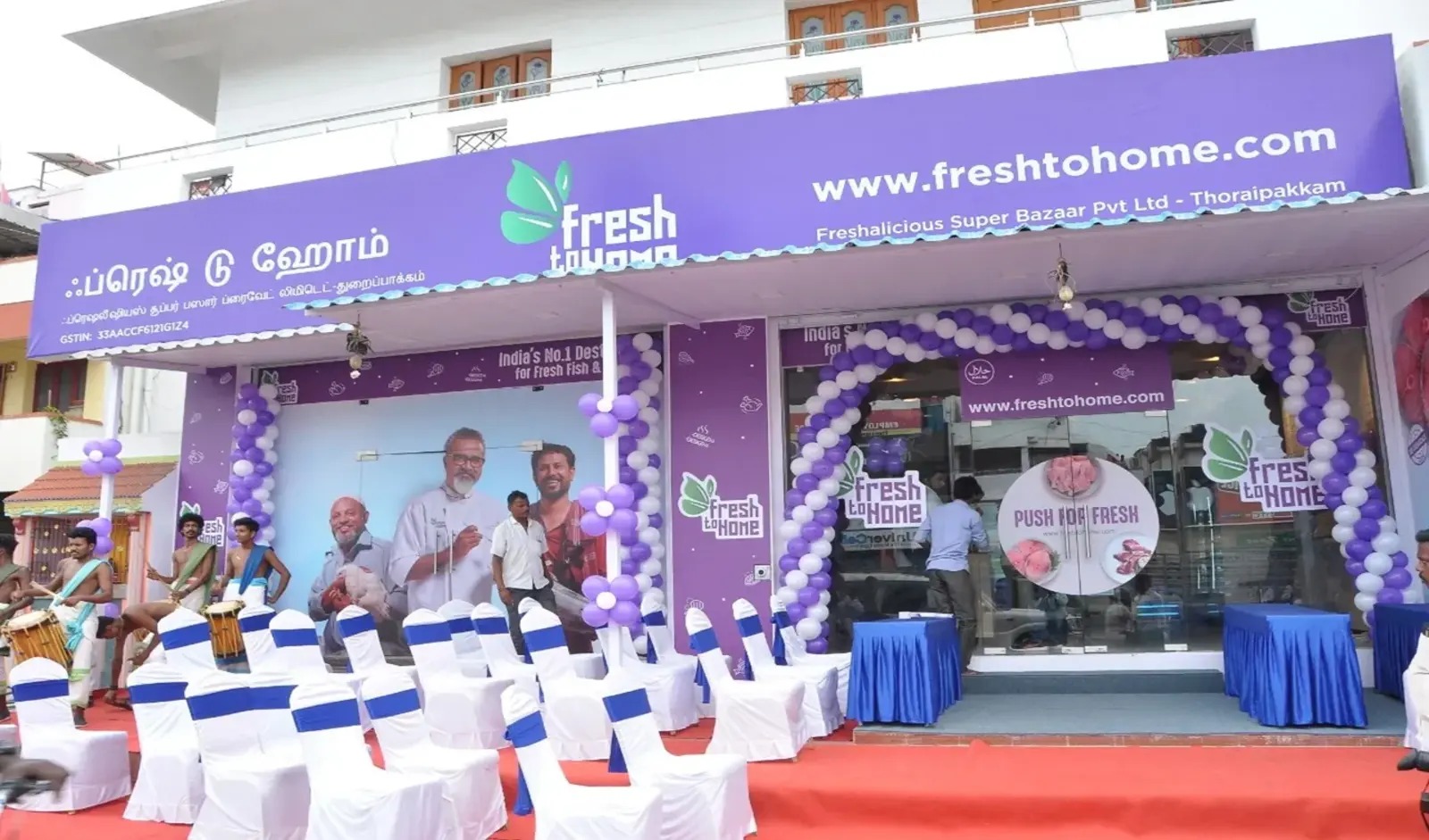
If you're planning to invest in a brand that offers a wide range of fresh, clean meat and seafood, FreshToHome is the best option, as it is growing rapidly in this segment. The brand already serves more than 150 cities and plans to add around 100 new stores soon. Partnering with FreshToHome gives you access to a dependable supply chain and a fast delivery system that ensures customers always receive fresh products. This business model works better in smaller cities and towns, giving local entrepreneurs a strong chance to grow their business.
Delhivery & DTDC: Strong Logistics Franchise Support
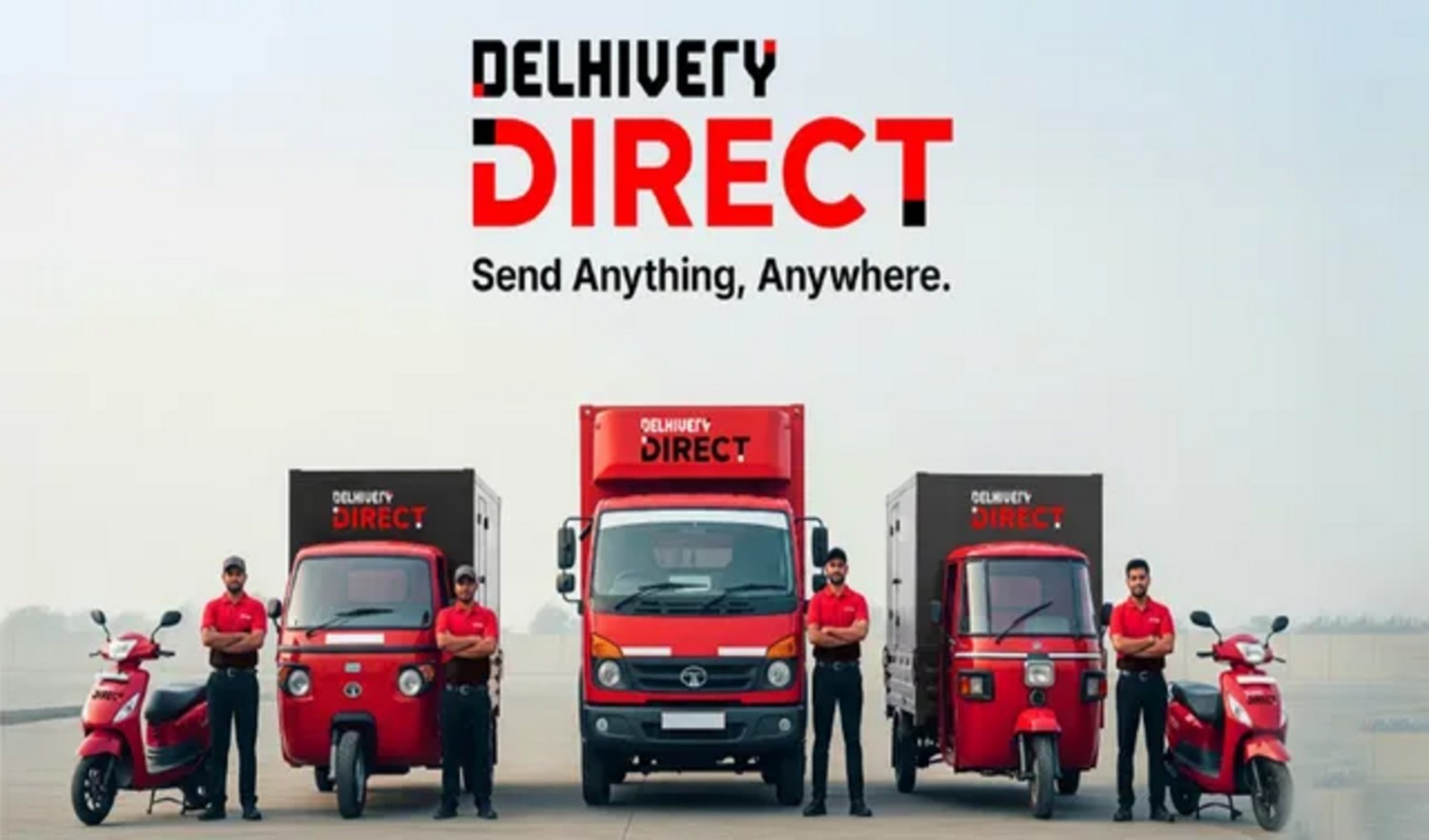 Fast delivery and customer satisfaction are the most important for any Q-Commerce and D2C brands. Delhivery and DTDC provide franchise opportunities for running local delivery and courier services. Delhivery supports franchisees with technology and operational help to cover various locations across India. DTDC offers similar options, helping franchisees operate courier and logistics services that keep these business models running smoothly.
Read also: India’s Leading Fashion Labels Opening Doors for Retail Franchising
The world of Q-Commerce and D2C franchises in India is developing rapidly. Brands like Zepto, Swiggy Instamart, and Blinkit are creating new ways to deliver groceries quickly through local franchise partnerships. At the same time, brands such as Mamaearth, Lenskart, Bewakoof.com, and FreshToHome are growing by directly connecting with customers and offering franchise options. Supported by logistics players like Delhivery and DTDC, these franchise models give entrepreneurs a clear path to build a successful business with trusted brands and growing demand. Now, identify the best franchise business trends in India and build a strong name.
Frequently Asked Questions (FAQs):
How does D2C impact franchises?
Direct-to-Consumer (D2C) enables a brand to interact directly with its customers. This gives them complete control over pricing, branding, and customer experience, which can reduce the share of traditional franchise models.
Why are franchises shifting to Q-Commerce?
Franchises are moving towards quick commerce to offer faster delivery, build stronger customer loyalty, increase quick purchase sales, and keep up with growing consumer expectations in a fast-moving market.
Which Indian brands are strong in D2C?
Brands like boAt, Bewakoof, Licious, Country Delight, and The Whole Truth have done really well with D2C. They have earned customer loyalty across electronics, clothing, fresh food, dairy, and healthy snacks.
How do franchises use D2C strategies?
There are many franchises that are mixing D2C models with their existing setup by connecting online and offline stores, keeping prices the same everywhere, using shops to deliver faster, and using customer data to give a personal touch.
Which sectors are growing fastest in Q-Commerce?
In the Q-commerce segment, groceries, food, and beverages are the leading sectors that could provide investors with high ROI. The growth comes from busy urban lifestyles, the need for convenience, and the growing trend of instant, contactless shopping.
Is D2C better than traditional franchise models?
Yes, D2C often performs better because it removes unnecessary layers, improves profit margins, strengthens brand control, and builds long-term customer trust through focused, direct communication.
For Further Franchise Info Contact




Copyright © 2009 - 2026 Franchise Tv.