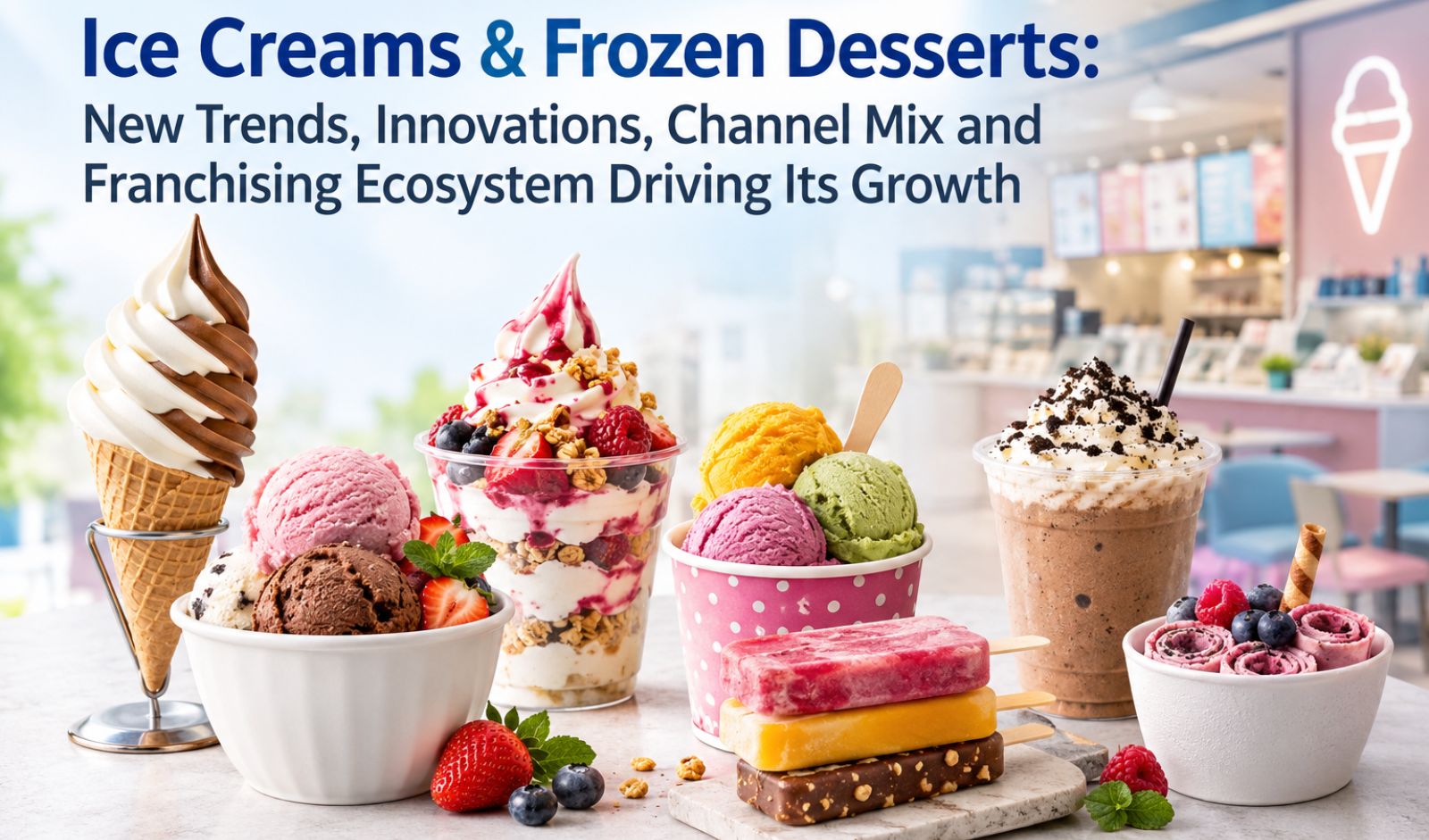
4 Ice Cream & Frozen Dessert Brands: New Trends, Innovations, Channel Mix and Franchising Ecosystem Driving Its Growth
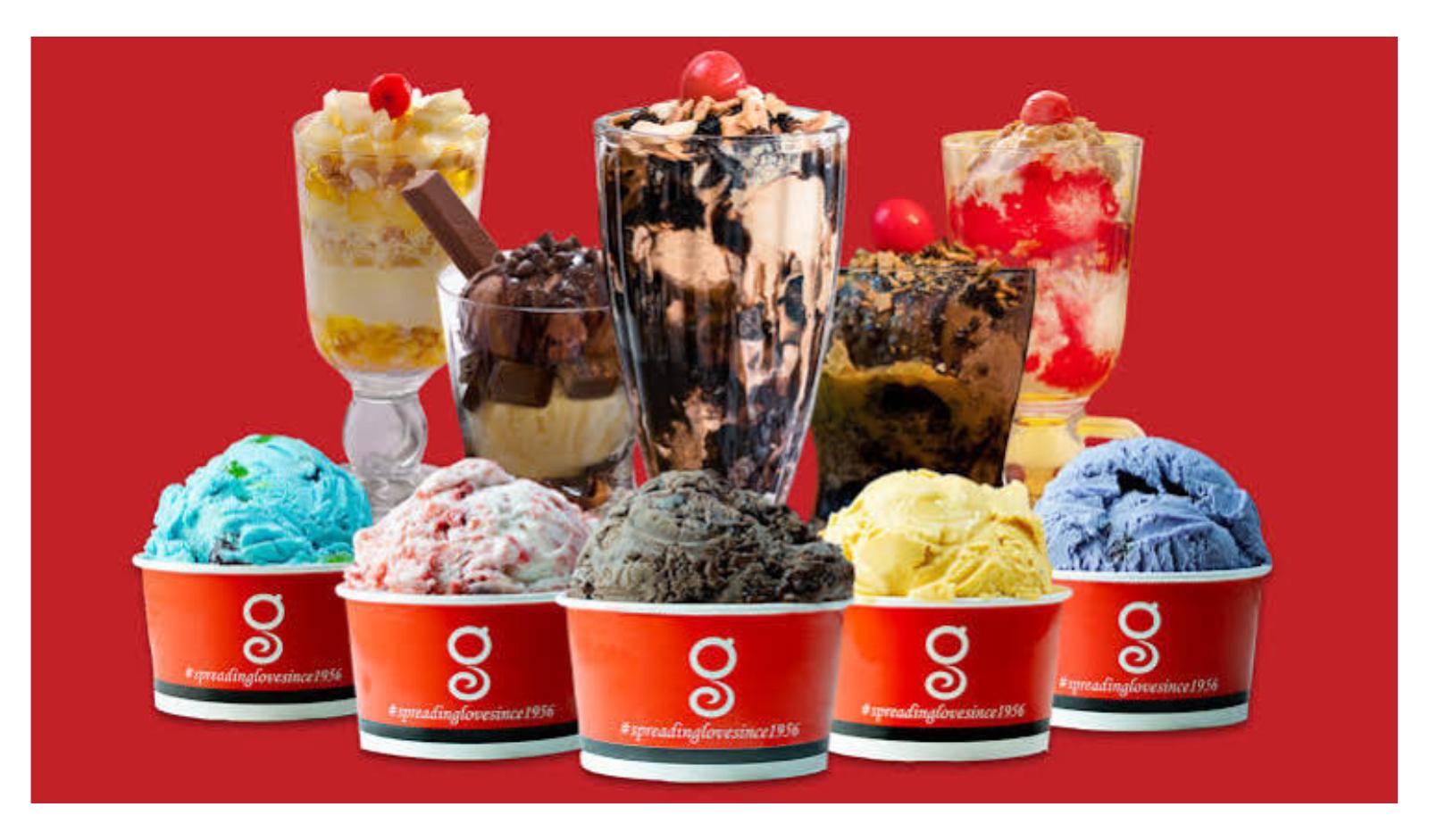
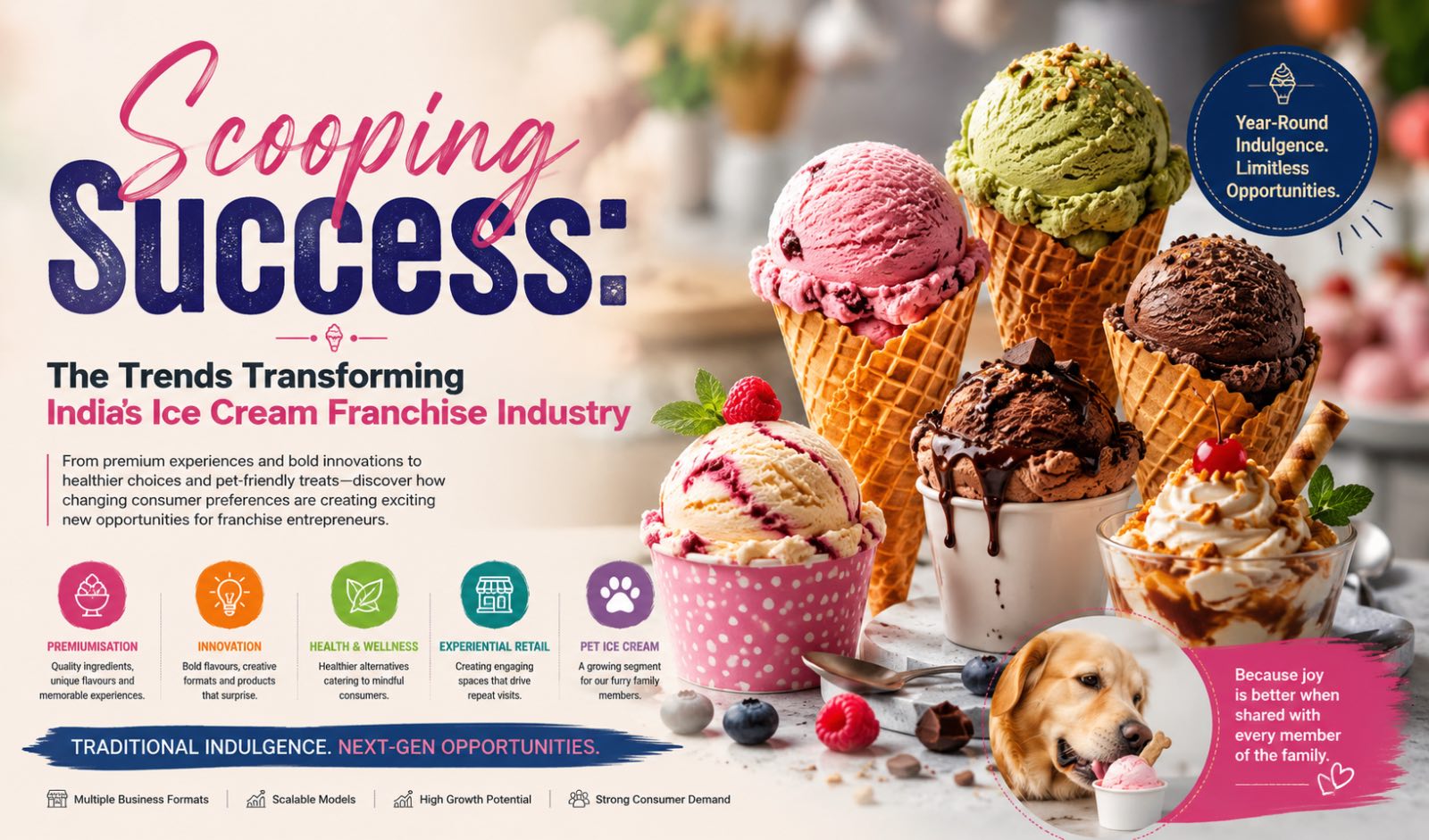
The ice cream and frozen dessert market is fast becoming a popular segment in India. The segment has reached USD 12.60 Billion in 2026, and is expected to become USD 35.79 Billion by 2035, growing at a CAGR of 12.30% during the forecast period of 2026-2035.
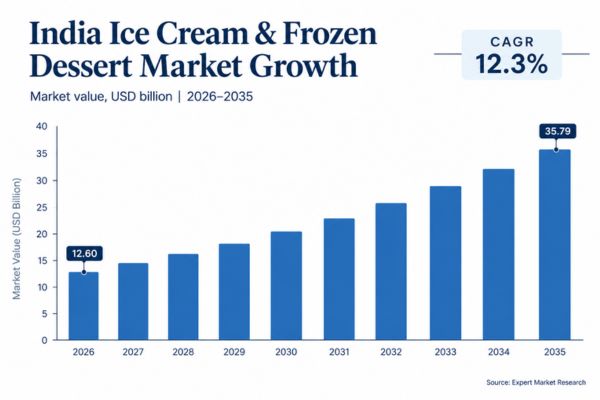
The segment is being supported by rising disposable incomes, urbanisation, premiumisation, exposure to global food trends and an increase in consumption occasions. Brands are focusing on expanding its store-centric models with premium experiential services, new flavour and product innovations in the ready-to-serve category, and premium ingredients to meet the evolving demands of the consumers.
Moreover, global dessert concepts, suited to Indian palettes, including Korean Bingsu, live real-fruit ice cream and creations of fusion desserts like Kunafa Bingsu are further attracting the attention of millennials and GEN-Zs in this segment, who are not just looking for an ice cream but an experiential dessert experience.
Growth of the Sector
The Indian ice cream and frozen dessert category is transforming from an occasion-led category to everyday indulgence, leading to the increasing growth and consumption of the segment. Apart from brick-and-mortar parlors, the rise of quick commerce, e-commerce and cold-chain infrastructure is deepening the segment penetration to more regions and consumer base, making it one of the fast-growing categories in the food and dessert segments.
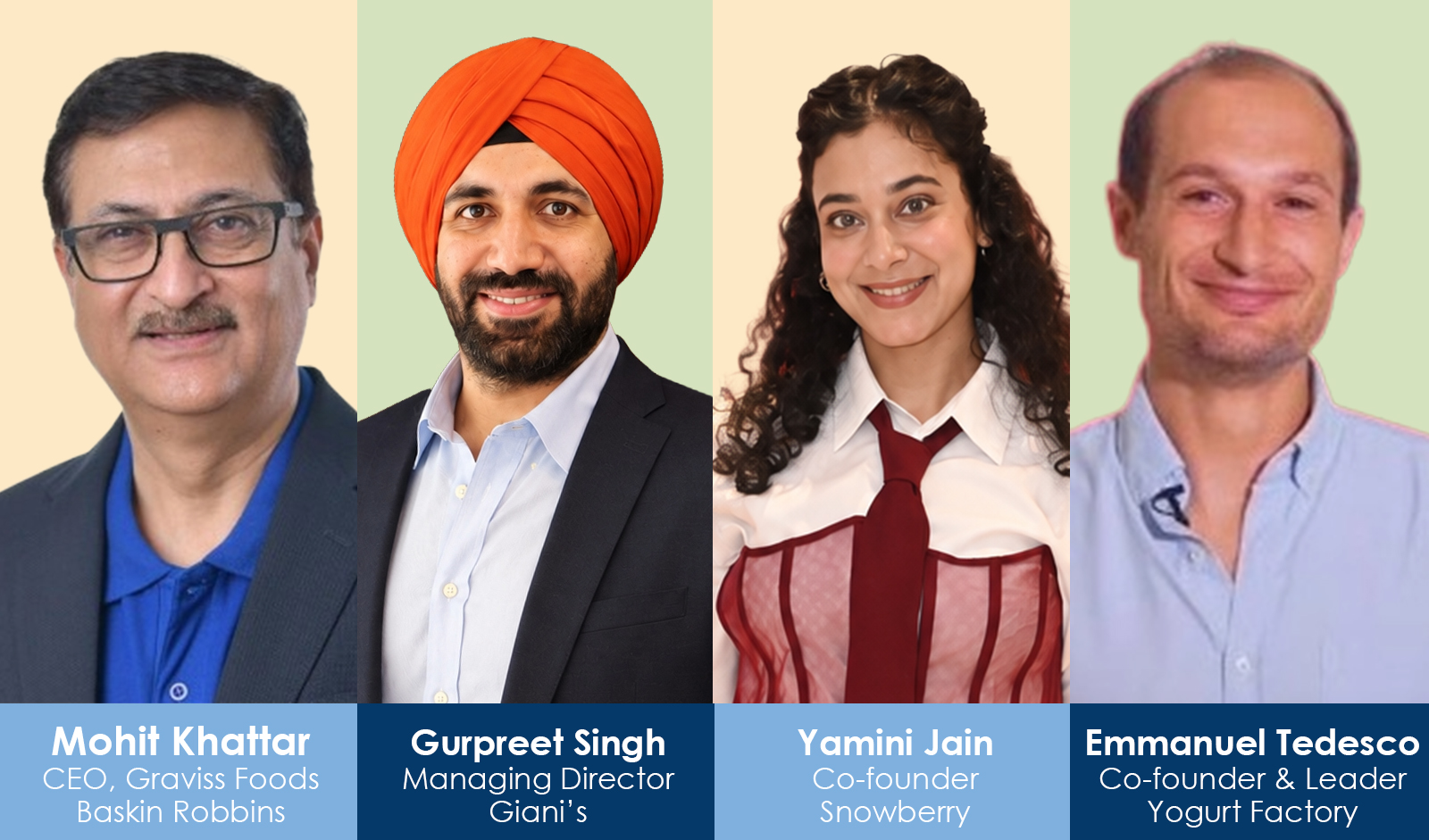
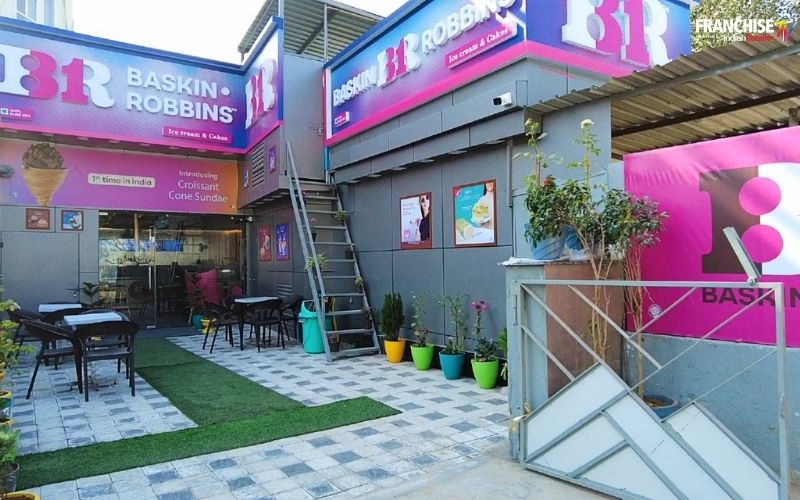
‘‘The Indian ice cream and frozen dessert category is undergoing an interesting phase of evolution,’’ says Mohit Khattar, CEO, Graviss Foods Pvt Ltd - Baskin Robbins. ‘‘Consumers are enjoying it across a wider range of occasions such as a social experience or an after-meal treat, turning this category from occasion-led to everyday indulgence.
Yamini Jain, Co-founder, Snowberry, shares that the market is moving beyond purely seasonal or impulse consumption towards premium, and experiential indulgence.
Gurpreet Singh, Managing Director, Giani’s Foods, shares that the growth of modern trade, quick commerce, food delivery and better cold-chain infrastructure is also making frozen products more accessible to a wider customer base.
New Trends & Innovations
Consumers are looking for greater variety, new flavours, unique experiences and different formats in the ice cream and frozen dessert segment that fit varied consumption patterns across different occasions.
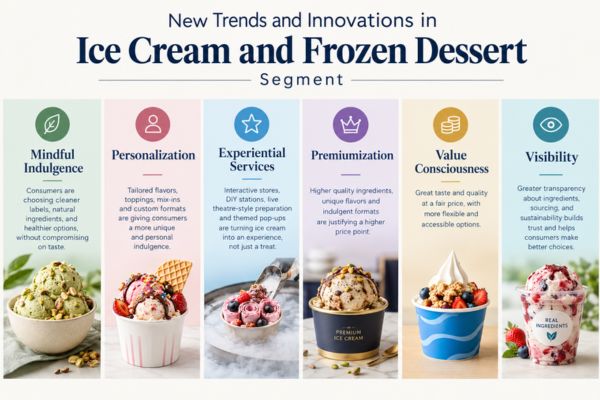
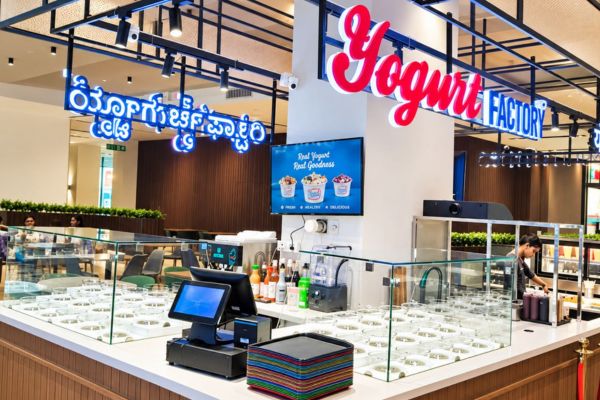
Emmanuel Tedesco, Co-founder and Leader, Yogurt Factory, says that there are several trends that are clearly shaping the segment. These include mindful indulgence where customers want pleasure, but with lighter and cleaner options such as frozen dessert products with less fat,less sugar, natural ingredients, and real fruit; personalisation where people create their own dessert, and experience with dessert being a social moment, creating a significance for design, colours and visual appeal.
He adds that the Indian ice cream and frozen dessert market is large and growing fast, dominated by traditional ice cream. However, the premium and “better-for-you” segments are growing faster than the market as a whole.
Further, Yamini shares that the consumers are increasingly looking for international dessert formats and global concepts that can be adapted to Indian tastes, to bring innovation, experience and familiarity in this segment, making them new and relevant. She further says that Snowberry offers global dessert concepts with Indian flavours, suited to Indian consumer preferences. These include Korean Bingsu, live real-fruit ice cream and Indian flavor inspired Kunafa Bingsu.
New formats, limited editions, seasonal toppings, and hybrid products such as blends of frozen desserts with bakery, drinks and snacking are also grabbing customer attention.
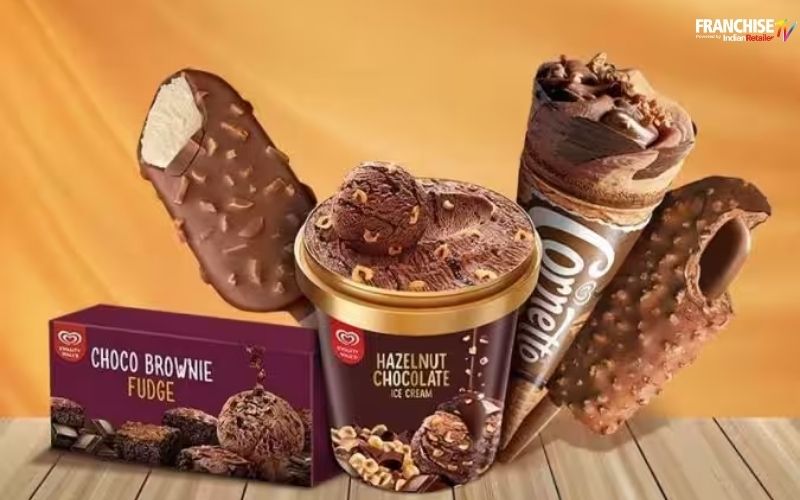
Gurpreet mentions single-serve and impulse formats such as cups, sticks, bars and sandwiches, occasion-led products, like ice cream cakes, sundaes and dessert formats, and premium and indulgent formats that offer distinctive flavour, ingredients, texture or presentation are further showcasing higher growth potential.
Another important trend is the combination of premiumisation and value consciousness. where consumers are willing to spend more on something special, but want it at accessible price points for everyday consumption. Pricing and pack architecture are important. A smaller pack at an accessible price can encourage trial, while a larger pack or premium format can increase the value of the occasion.
He then says that visibility also matters enormously in this segment because consumers cannot browse the category in the same way they can browse a normal shelf. Retailers should therefore focus on freezer productivity, visibility and assortment discipline.
Apart from SKUs, other metrics such as sales per freezer, sales per square foot, stock turns, SKU productivity are also significant for category growth.
Channels Catering the Segment
Further discussing the channels catering the segment, Mohit says that digital platforms and quick commerce have reduced the gap between discovery and consumption, making indulgence more accessible and spontaneous. At the same time, physical parlours continue to be an important aspect, as digital channels cannot fully replicate the experience of visiting a brand, trying new products and sharing the occasion with friends and family.
Yamini adds that she sees huge opportunities in the segment with large retail format stores, robust supply-chain and effective franchise ecosystem.
Franchising Model Ecosystem
Franchising has been an important part of this growth journey. A strong franchise ecosystem enables a brand to scale efficiently, enter new markets with local understanding and remain relevant to consumers, while maintaining consistency in quality, operations and customer experience.
Emmanuel says that India is one of the most dynamic franchising markets in the world, with a strong appetite for international brands, a growing base of entrepreneurs and investors, and a rapid development of organised retail (such as malls, airports and high streets) in tier-1 and tier-2 cities. The ecosystem is also becoming more professional, structured and requires more demanding operators.
Mohit further says that the franchise models allow the company to combine its strength as a brand, product expertise and operating systems with the local markets and ensure entrepreneurial commitment of the franchise partners.
He says, ‘‘For us, expansion is not simply about adding stores, it is about building sustainable businesses with our franchise partners while taking the brand closer to consumers.’’
Yamini says that the franchise ecosystem is becoming more organized and process-driven over time. For a food or dessert brand to scale successfully, having a strong franchise-ready system is important. These include standardized products and processes, reliable supply chains, training, clear unit economics, brand guidelines and ongoing support.
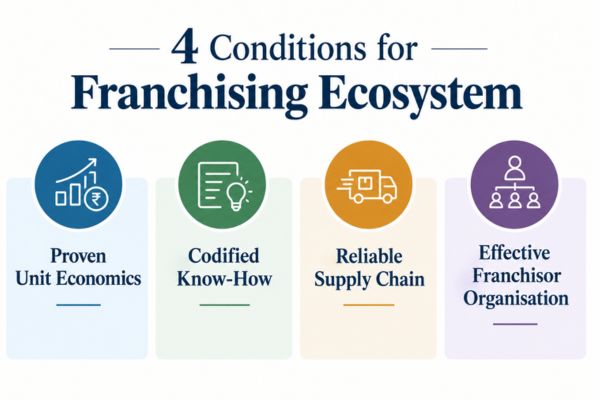
Emmanuel further adds for a business to be franchise-ready, four conditions needs to be met: a proven unit economics at several locations over several years, codified know-how that includes operations manual, recipes, training programme, a reliable supply chain that guarantees consistent product quality everywhere, and an effective franchisor organisation that enable support, train and control its network.
He then says ‘‘For international expansion like ours, I would add a fifth condition that is the ability to protect the brand’s standards through a solid contractual framework and a genuine partnership with the master franchisee.
Training and Ongoing Support
Training and ongoing support are fundamental to franchisee success. It is critical for brands to improve their product knowledge, provide better customer experience, enable higher marketing and business performance, and effectively communicate with franchise partners and consumers to understand different challenges at the ground level and respond quickly.
‘‘A franchise partnership should not end when the store opens; that is when the real partnership begins,’’ says Mohit. ‘‘‘At Baskin Robbins India, we work closely with our franchise partners across different areas such as operations, customer services, business and marketing.’’
It helps the brand maintain its standards but also evolves with changing consumer expectations. He emphasizes that the success of the brand and the success of our franchise partners are closely interconnected.
Yamini adds that training and ongoing support at Snowberry is critical to maintaining a consistent customer experience. The support extends from the initial setup of an outlet to ongoing product and operational training, marketing, digital platform management, campaigns and brand communication.
Emanuel further says that Yogurt Factory follows 2 weeks of training program in France for its new franchisees that includes hands-on time in its stores, product preparation, hygiene and food safety, customer service, store management and local marketing. The company’s team is present onsite at the opening of the new outlet, and field coordinators then follow each store with regular visits and performance reviews to maintain its operations and standards at franchise outlets.
Technology and Data Support
Technology is becoming an increasingly important enabler across the ice cream and frozen dessert retail ecosystem, improving both operational efficiency and consumer engagement.
‘‘At Baskin Robbins India, we are increasingly using data and technology to get a better understanding of our business and consumer behaviour, says Mohit. ‘‘This allows us to make more informed decisions and identify opportunities to improve the overall consumer experience.’’
Gurpreet says that as the network grows, innovation has to be scalable. The recipe, portion, product quality and consumer experience have to remain consistent across locations.
Yamini adds that technology and data are significant in understanding sales patterns, customer behaviour, product performance and campaign responses. Digital ordering platforms and aggregator data also help us understand product demand and customer preferences across different markets.
Citing an example of technology in use, Emmanuel says, ‘‘We have built our own internal platform, Cerca, which centralises data from our point-of-sale, delivery and loyalty tools. It gives us a clear view of each store’s performance – sales, average ticket, product mix, trends – and allows us to benchmark stores, detect early warning signs and focus our support where it matters most.’’
Yamini further shares that social media analytics play an important role in evaluating content and product launches, while digital platforms help execute promotions and campaigns at scale. Going forward, technology will play an even greater role in inventory management, customer insights, marketing optimization and operational efficiency.
Mohit believes technology will play a greater role in customer interface and data analytics to drive repeatability and seamless operations. Technology will not just simply serve as an enabler, but as a tool to make the business more efficient, responsive and consumer centric.
Future in India
Looking ahead, organised retail and quick commerce continue to increase the frozen dessert category, driven by consumer demands and productivity data. Numerous partnerships across the market value chain will strengthen the manufacturing ecosystems and help the growth of the segment. The entry of well-known international ice cream franchises will further boost the segment in India, with many new brands making its way to the subcontinent.
The sugar-free, low fat and the natural segment will attract the health-conscious consumer segment in urban and semi-urban parts of India, bringing more product portfolio and flavours under its wings. Lastly, artisanal ice creams and frozen desserts fusing global concepts with Indian taste will continue to take this segment to new heights in the future.







 Follow Us