






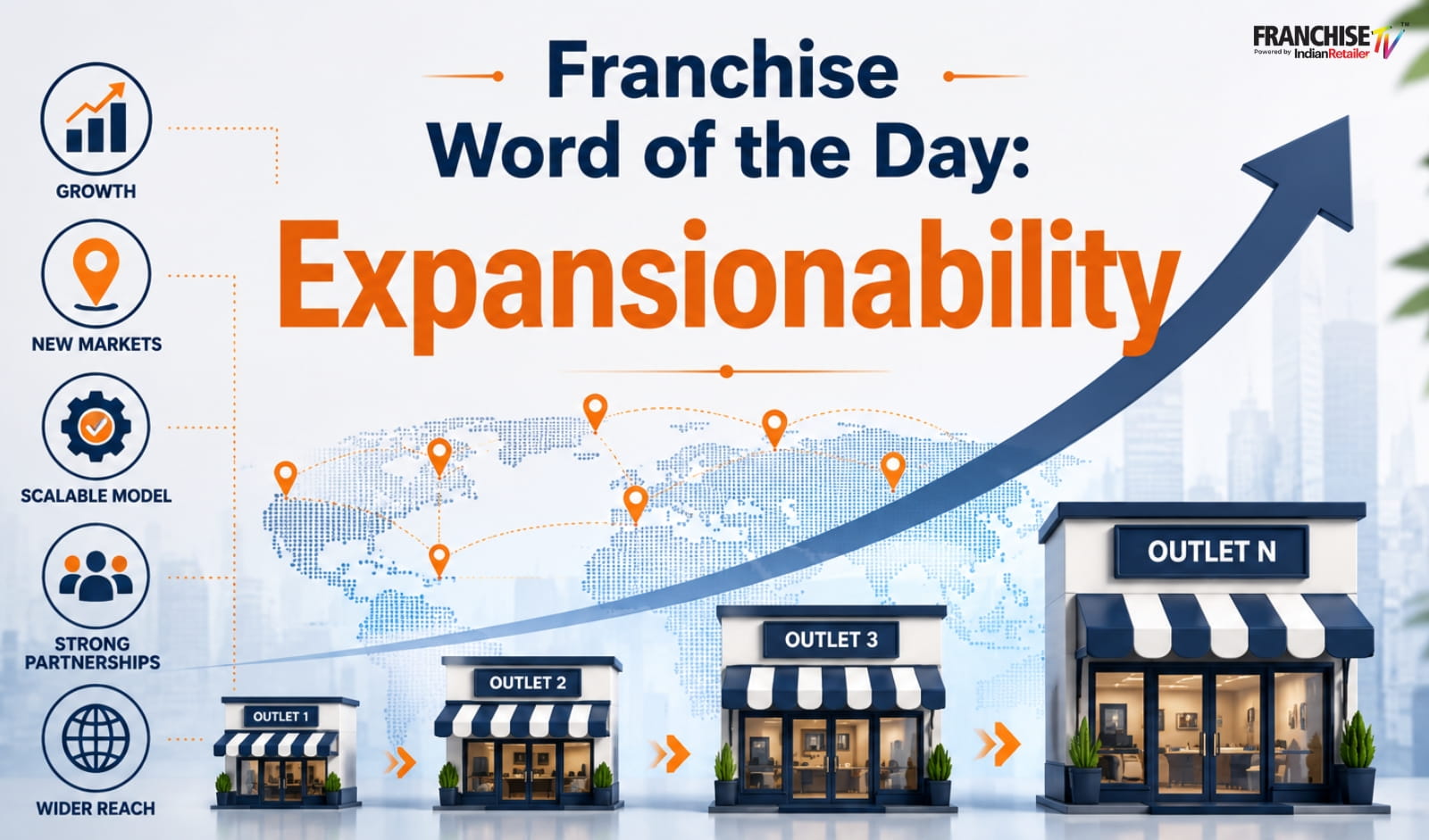
What is Expansionability?
Expansionability refers to a business's ability to grow, scale, and successfully expand into new markets, locations, or territories while maintaining operational efficiency and brand consistency. In franchising, expansionability is one of the most important indicators of whether a business model can be replicated across multiple locations.
A highly expandable business typically has standardized processes, proven demand, strong unit economics, and a business model that can be easily adopted by franchise partners.
Origin of the Word Expansionability
The concept of expansionability emerged from business growth and franchising strategies, where companies sought ways to scale beyond a single location. As franchising became a preferred expansion model worldwide, investors and franchisors began evaluating businesses based on their ability to expand successfully without compromising quality, profitability, or customer experience.
Today, expansionability is considered a key factor when assessing a brand's franchise potential.
Usage in Franchising
Franchisors use expansionability to determine whether their business is ready for franchise growth. Before launching a franchise program, brands evaluate factors such as operational simplicity, market demand, training systems, supply chain efficiency, and scalability.
A business with strong expansionability can enter multiple cities, states, or even international markets while maintaining consistent customer experiences and operational standards.
For franchise investors, expansionability indicates the long-term growth potential of a brand and its ability to create new opportunities across regions.
Examples of Expansionability
- A food franchise successfully opening outlets across multiple cities using the same operating model.
- A retail brand expanding into Tier II and Tier III markets through franchise partnerships.
- An education franchise replicating its training systems across different locations.
- A fitness brand launching multiple franchise units with standardized operations and customer experiences.
- A healthcare franchise growing nationwide through a scalable business framework.
Many successful franchise brands owe their growth to strong expansionability supported by standardized systems and market demand.
Why It Matters
Expansionability is often the difference between a local business and a scalable franchise brand. It allows companies to accelerate growth, attract franchise partners, enter new markets, and build a larger customer base without reinventing their business model for every location.
For entrepreneurs and investors, evaluating a brand's expansionability helps determine its future growth prospects, market reach, and long-term sustainability. As competition increases across industries, businesses with strong expansionability are better positioned to achieve sustainable franchise growth and national expansion.
For Further Franchise Info Contact

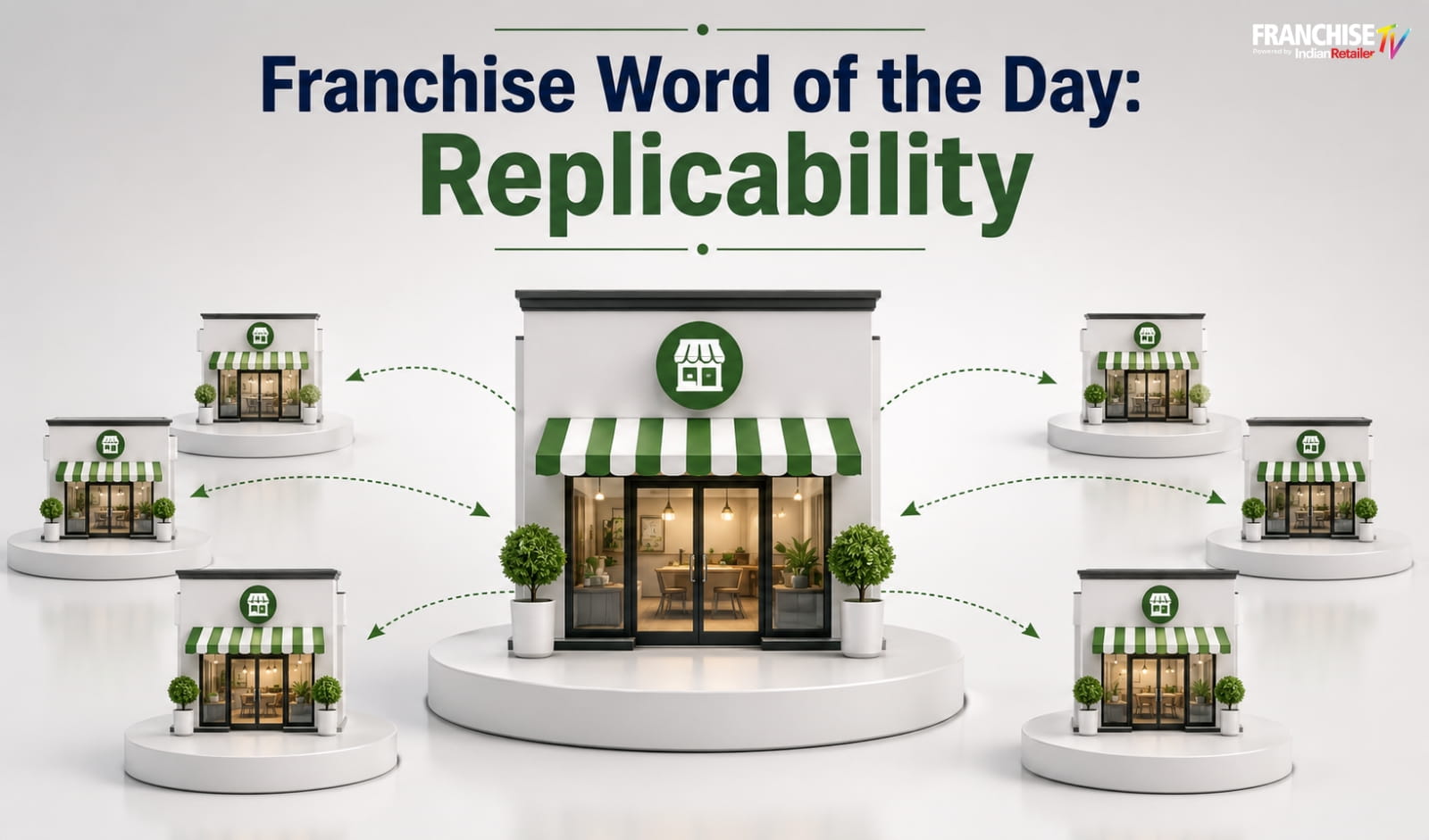
What is Replicability?
Replicability is the ability of a business model to be consistently duplicated across multiple locations while delivering the same products, services, customer experience, and operational standards. It is a key factor that determines whether a business is suitable for franchising.
Origin
The concept of Replicability is rooted in business standardization. It enables franchisors to reproduce a proven business model in different markets without compromising quality, efficiency, or brand identity.
Usage in Franchising
Replicability is achieved through standardized operating procedures (SOPs), employee training, technology, quality control, and brand guidelines. A highly replicable business model allows franchisors to expand quickly while ensuring consistency across every franchise outlet.
Examples of Replicability
- A café franchise follows the same recipes, store design, pricing, and customer service standards across all its outlets.
- A preschool franchise uses identical teaching methods, curriculum, and branding at every center.
- A salon franchise delivers the same service quality, pricing, and customer experience across every location.
Why It Matters
Replicability is the foundation of successful franchising. It helps businesses scale efficiently, maintain brand consistency, reduce operational risks, and provide customers with a reliable experience, regardless of where they visit the franchise.
For Further Franchise Info Contact
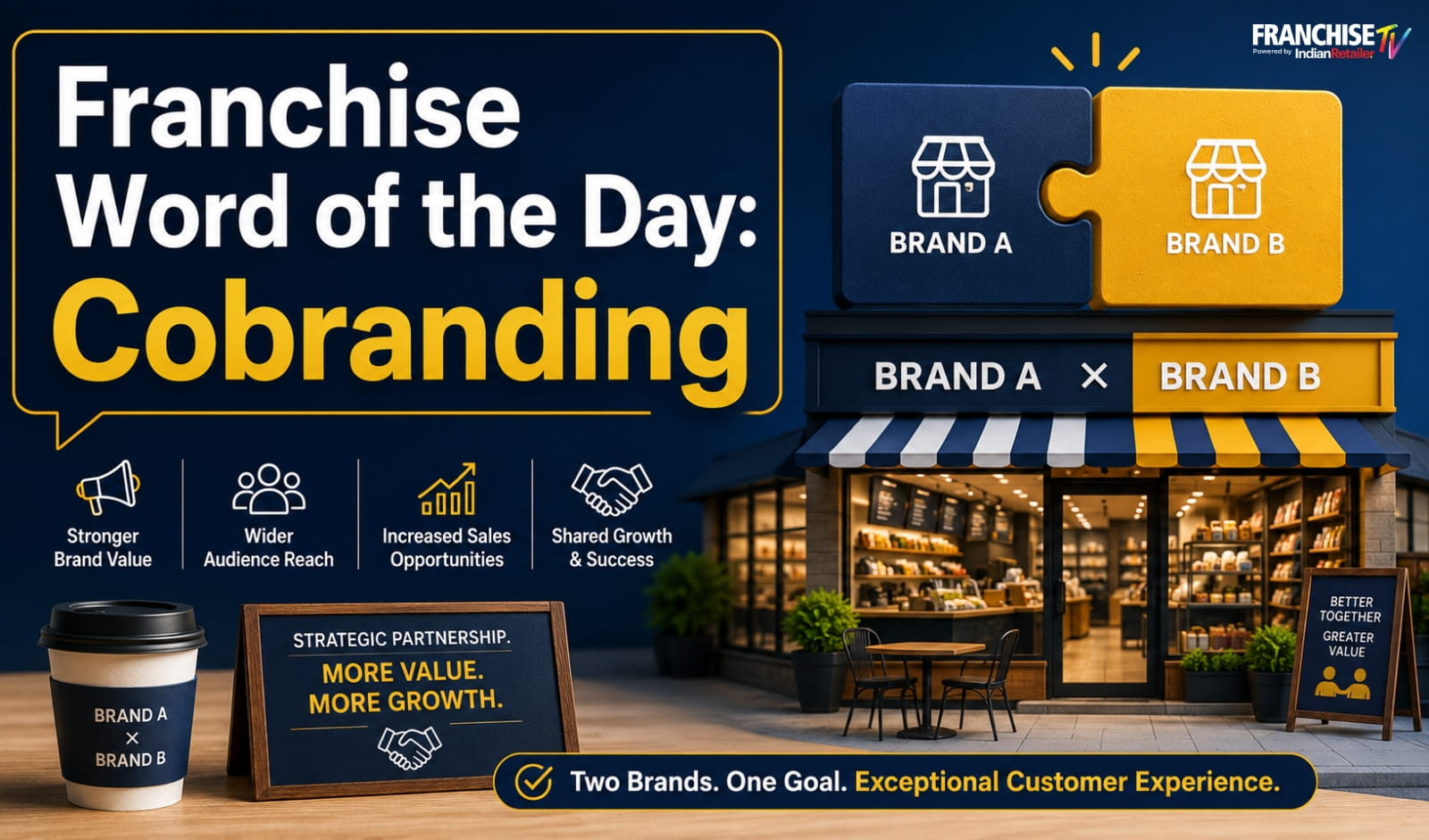
What is Cobranding?
Cobranding is a strategic partnership in which two or more brands collaborate to create, market, or promote a product, service, or business offering while leveraging each other's brand value, customer base, and market presence. In franchising, cobranding helps businesses expand their reach, improve customer experience, and generate higher revenue through complementary brand associations.
This strategy enables franchise businesses to enhance visibility, attract new customers, and deliver greater value without building a new brand from scratch.
Origin
The concept of Cobranding emerged as companies began forming strategic partnerships to strengthen their market position and offer customers more comprehensive solutions. Over time, franchisors across industries such as food & beverage, retail, hospitality, and convenience stores adopted cobranding to maximise store productivity, improve customer engagement, and accelerate business expansion.
Today, cobranding is widely used as a growth strategy in the global franchise industry.
Usage in Franchising
Franchise businesses use cobranding to combine complementary products or services under one roof. For example, a café may partner with a bakery brand, or a fuel station may include a quick-service restaurant to increase customer convenience and sales. Cobranding can also involve joint marketing campaigns, loyalty programmes, limited-edition products, or shared retail spaces that benefit both brands.
A successful cobranding strategy allows franchise partners to reach wider audiences while sharing marketing efforts and operational advantages.
Examples of Cobranding
A coffee franchise partners with a premium bakery brand to offer customers fresh baked products alongside specialty beverages. A supermarket collaborates with a financial services brand to launch a co-branded loyalty or rewards card. A quick-service restaurant operates within a fuel station, providing customers with dining convenience while increasing footfall for both businesses.
These examples demonstrate how cobranding creates mutual value by combining the strengths of multiple brands.
Why It Matters
Cobranding helps franchise businesses increase brand awareness, attract new customer segments, improve sales opportunities, and strengthen competitive positioning. By partnering with complementary brands, franchisors and franchisees can create differentiated customer experiences while reducing marketing costs and accelerating business growth. As consumer expectations continue to evolve, cobranding remains an effective strategy for expanding market reach and building long-term brand value.
For Further Franchise Info Contact
What is Due Diligence?
Due Diligence is the process of thoroughly evaluating a franchise business before signing a franchise agreement or making an investment. It involves reviewing the franchisor's business model, financial performance, legal documents, operational systems, market potential, and overall business credibility to ensure informed decision-making.
For prospective franchisees, due diligence is a critical step that helps reduce investment risks and identify whether a franchise opportunity aligns with their business goals and financial expectations.
Origin
The term Due Diligence originated in the financial and legal sectors, where investors conducted detailed investigations before completing mergers, acquisitions, or investments. Over time, it became a standard practice in franchising as entrepreneurs increasingly sought transparent information before purchasing franchise rights.
Today, due diligence is considered one of the most important stages in the franchise buying process across industries such as food & beverage, retail, education, healthcare, fitness, and hospitality.
Usage in Franchising
Before investing in a franchise, prospective franchisees conduct due diligence by reviewing the Franchise Disclosure Document (FDD), franchise agreement, investment requirements, royalty structure, operational support, training programmes, existing franchise performance, brand reputation, and market demand.
Many investors also interact with existing franchisees, visit operational outlets, analyse customer reviews, and assess long-term profitability before making a final investment decision.
Examples of Due Diligence
An entrepreneur planning to invest in a café franchise reviews the franchisor's financial model, outlet performance, and franchise support system before signing the agreement. A retail investor visits multiple franchise locations to understand daily operations and customer footfall before committing capital. A healthcare franchise applicant consults legal and financial advisors to evaluate contractual obligations and expected returns.
These examples show how due diligence helps entrepreneurs make informed and confident franchise investment decisions.
Why It Matters
Due Diligence protects franchise investors from unnecessary risks and enables them to evaluate business opportunities based on facts rather than assumptions. By carefully analysing financial, operational, legal, and market factors, entrepreneurs can select the right franchise, improve their chances of long-term success, and build sustainable businesses. In today's competitive franchise ecosystem, conducting proper due diligence is an essential step before making any investment decision.
For Further Franchise Info Contact

Francorp has been appointed the Master Franchise Partner for Release Co across India and Asia, marking a strategic collaboration to expand Swedish-inspired preventive healthcare and longevity clinics through a franchise-led growth model.
The partnership is aimed at scaling Release Co's presence across the region by establishing a structured franchise network focused on delivering preventive healthcare and wellness solutions. The collaboration is expected to create new opportunities for entrepreneurs and investors while supporting the expansion of specialised healthcare services in high-growth markets.
As part of the agreement, Francorp will spearhead the development of Release Co's franchise network across India and other Asian markets. The rollout will focus on bringing the brand's preventive healthcare model, including IV therapy clinics and longevity-focused wellness solutions, to a wider consumer base through an organised franchise platform.
Release Co is recognised for its Swedish expertise in preventive healthcare and wellness, offering IV therapy and longevity-focused clinical services. Through this partnership, the brand aims to strengthen its regional presence by leveraging Francorp's franchise development capabilities and market expertise.
The collaboration also reflects growing interest in preventive healthcare and wellness concepts across India and Asia, where rising consumer awareness and demand for proactive health solutions continue to drive sector growth. By combining Release Co's healthcare model with Francorp's franchise development experience, the companies aim to establish a scalable network of wellness clinics across the region.
The expansion strategy will focus on building a sustainable franchise ecosystem while increasing access to evidence based preventive healthcare services. In addition to supporting network growth, the partnership is expected to offer franchise and investment opportunities for entrepreneurs looking to enter the rapidly growing wellness and healthcare sector.
With the appointment of Francorp as its Master Franchise Partner, Release Co is set to accelerate its regional expansion, reinforcing its long-term vision of making premium preventive healthcare and longevity solutions more widely available across India and Asia through a franchise-driven business model.
For Further Franchise Info Contact
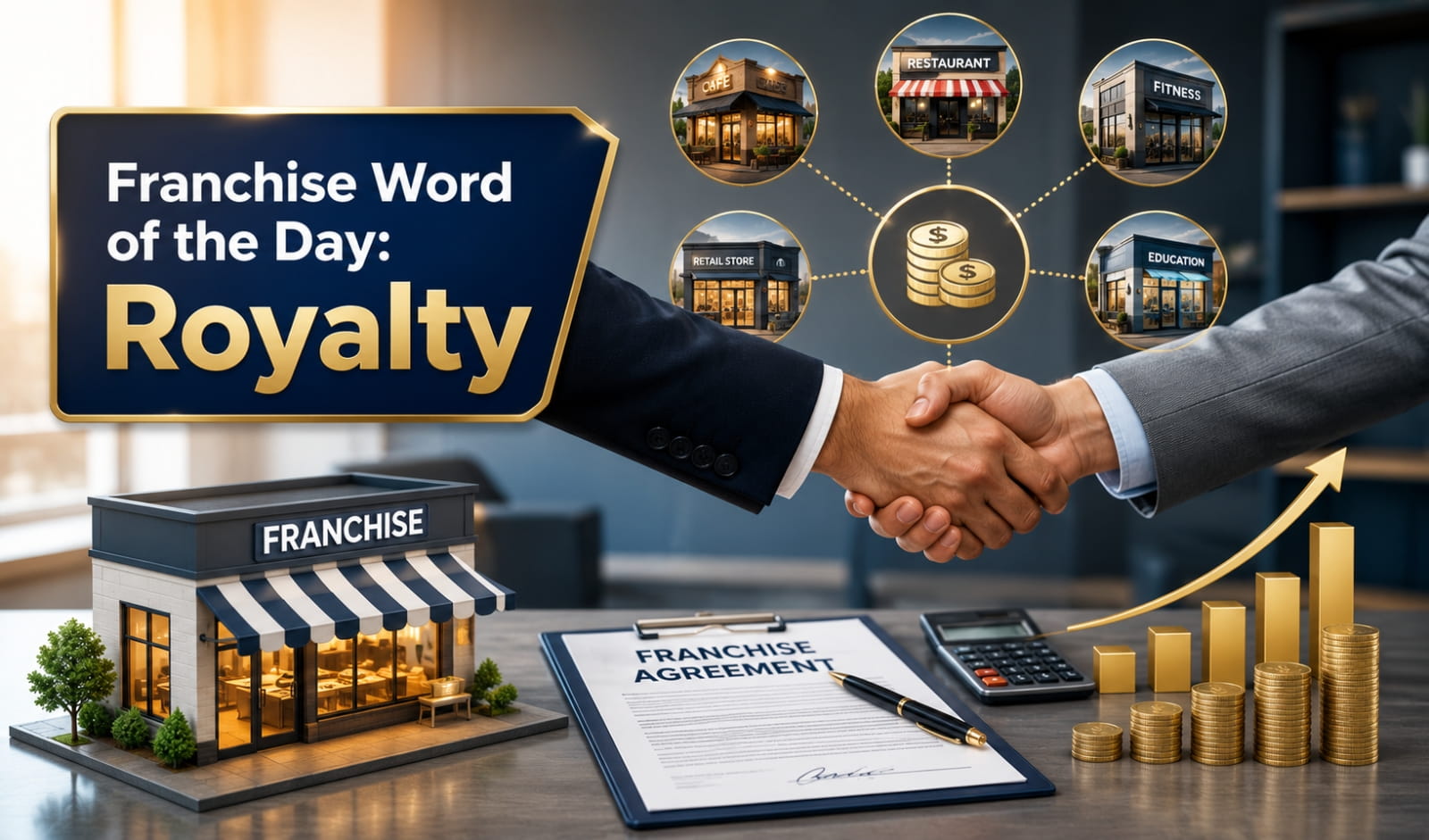
What is Royalty?
Royalty is the recurring fee that a franchisee pays to the franchisor for the continued right to operate under the brand's name, trademarks, business model, and operational systems. It is one of the most important financial components of a franchise agreement and is usually charged as a percentage of the outlet's sales or as a fixed recurring fee.
Royalty allows franchisors to provide continuous business support, brand development, marketing assistance, training, technology, and operational guidance to franchise partners.
Origin
The term Royalty originally referred to payments made to a king, queen, or owner of intellectual property for the right to use their assets. In franchising, the concept evolved into a recurring payment made by franchisees in exchange for using an established brand, proven business systems, and ongoing business support.
Today, royalty is a standard practice across franchise industries such as food & beverage, retail, education, healthcare, hospitality, fitness, and service businesses.
Usage in Franchising
Royalty is typically collected monthly and is calculated based on a percentage of gross sales or a fixed fee, depending on the franchise agreement. The revenue generated through royalty helps franchisors invest in marketing campaigns, product innovation, technology upgrades, quality control, operational improvements, and franchisee support.
A well-structured royalty model enables both franchisors and franchisees to grow together while maintaining consistent brand standards and customer experiences across all locations.
Examples of Royalty
A quick-service restaurant franchise charges 6 percent of monthly gross sales as royalty for ongoing operational support and national marketing campaigns. A retail franchise collects a fixed monthly royalty to provide inventory management systems, staff training, and business consulting. An education franchise charges recurring royalties to fund curriculum development, teacher training, and continuous brand enhancement.
These examples demonstrate how royalty supports sustainable franchise growth and long-term business success.
Why It Matters
Royalty is more than just a recurring payment—it represents an investment in continuous business development and brand strength. A transparent royalty structure helps franchisors improve their franchise network while enabling franchisees to benefit from established systems, marketing, innovation, and expert guidance. Understanding royalty is essential for anyone evaluating a franchise opportunity because it directly impacts profitability, operational support, and long-term business performance.
For Further Franchise Info Contact
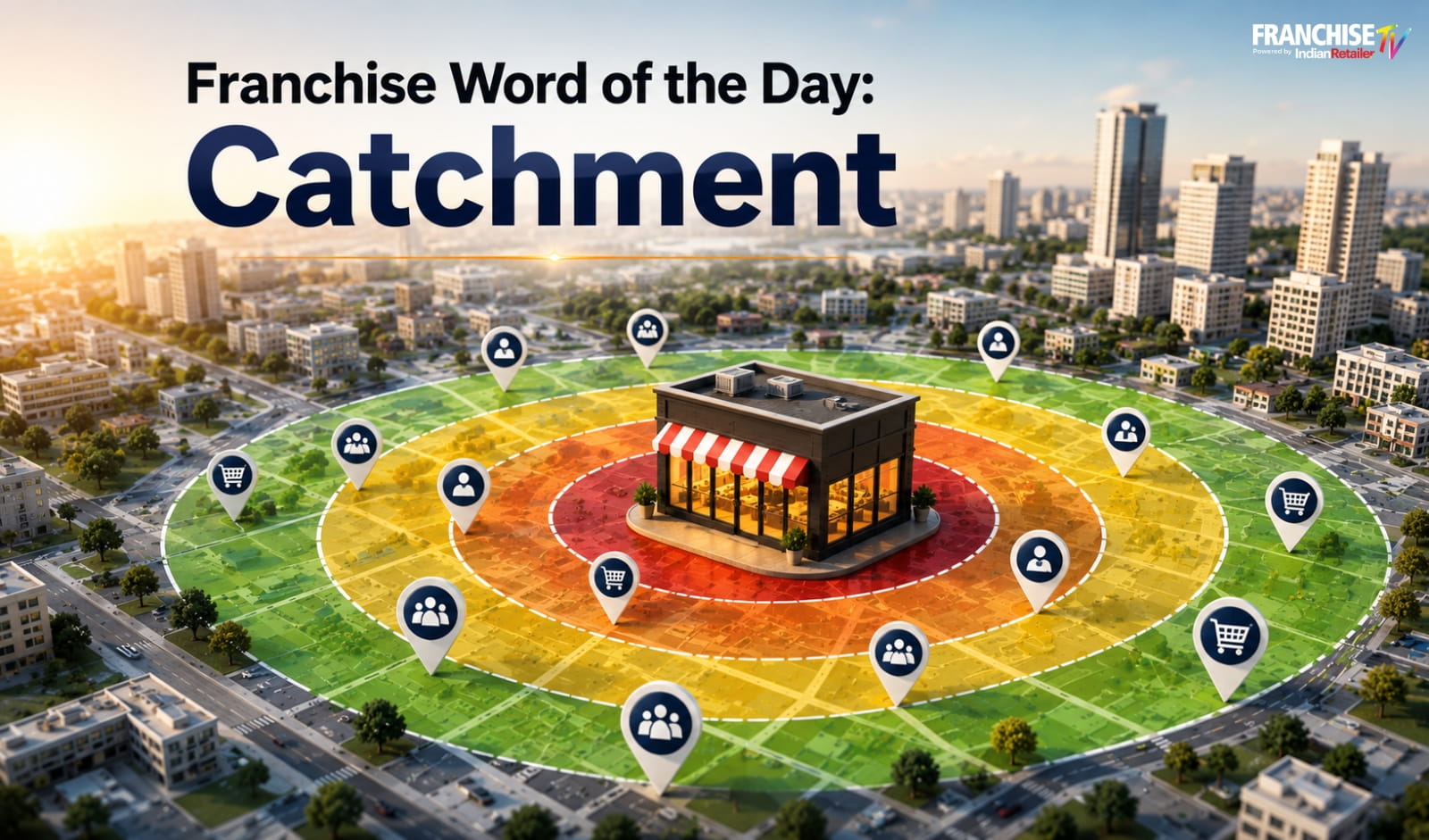
What is Catchment?
Catchment refers to the geographic area from which a franchise outlet attracts most of its customers. It represents the primary market surrounding a business location and helps franchisors estimate customer demand, sales potential, and the overall viability of a new outlet.
In franchising, understanding a catchment area is essential before selecting a location, as it directly influences footfall, revenue, and long-term business success.
Origin
The term Catchment originated in geography, where it described the area that collects rainfall into a river or reservoir. Over time, retailers and franchise businesses adopted the concept to define the area from which customers are "captured" or drawn to a store.
Today, catchment analysis is a key part of franchise expansion and retail site selection.
Usage in Franchising
Before opening a new franchise outlet, brands analyse the catchment area to understand population density, demographics, purchasing power, traffic patterns, accessibility, and nearby competition. These insights help determine whether a location has sufficient customer demand to support a successful business.
Franchisors also use catchment analysis to avoid overlapping territories and ensure each outlet has access to its own customer base, reducing the risk of internal competition.
Examples of Catchment
A café franchise evaluates the number of offices, colleges, and residential communities within a three-kilometre radius before opening a new outlet. A supermarket brand studies local population and shopping behaviour to estimate daily customer visits. A fitness franchise selects a location based on nearby residential developments and working professionals, while a children's education centre analyses the number of schools and families living in the surrounding neighbourhood.
These examples show how catchment analysis helps franchise brands choose locations with the highest business potential.
Why It Matters
A strong catchment area can significantly improve customer footfall, sales, and profitability. Even a well-known franchise brand may struggle if it operates in a location with limited demand or poor accessibility.
By understanding catchment dynamics, franchisors and franchisees can make informed expansion decisions, reduce investment risk, and maximise long-term business performance. As data-driven site selection becomes increasingly important, catchment analysis continues to play a vital role in building successful franchise networks.
For Further Franchise Info Contact
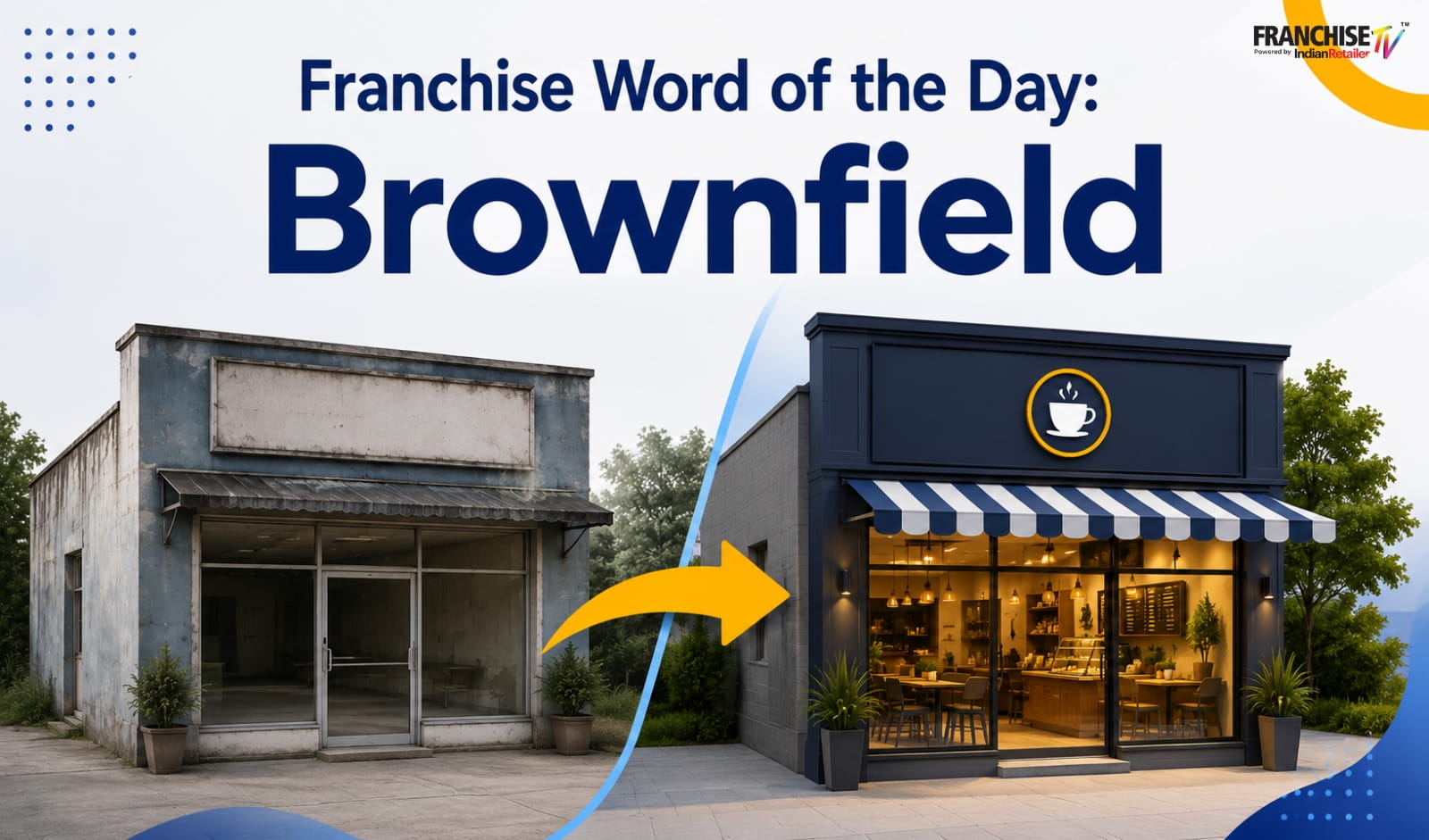
What is Brownfield?
In franchising, Brownfield refers to expanding a business by taking over, renovating, converting, or upgrading an existing commercial property or operating business instead of developing a completely new outlet from the ground up.
Rather than investing time and money in constructing a new location, franchisors and franchisees use an already established site to launch or expand their business more quickly and efficiently.
Origin
The term Brownfield originated in the real estate and infrastructure sectors, where it described the redevelopment or reuse of previously developed land or buildings. Over time, the concept became widely adopted in franchising, retail, hospitality, and commercial expansion.
Today, brownfield expansion is a common strategy for franchise brands looking to enter new markets by converting existing stores, restaurants, hotels, or commercial spaces into branded franchise outlets.
Usage in Franchising
Brownfield expansion allows franchise businesses to reduce setup time, lower construction costs, and accelerate market entry. Instead of building a new outlet, businesses renovate an existing location, install the required brand identity, upgrade interiors, and align operations with the franchisor's standards.
This strategy is commonly used by restaurant chains, hotel brands, retail stores, fitness centres, healthcare clinics, and education brands that want to expand rapidly while making efficient use of existing infrastructure.
For franchisees, brownfield projects often mean quicker business launches and faster access to customers because the location is already commercially active.
Examples of Brownfield
- A restaurant franchise converts an existing independent restaurant into a branded outlet.
- A hotel chain renovates an operational property and relaunches it under its franchise brand.
- A retail franchise upgrades an existing showroom instead of constructing a new store.
- A fitness brand transforms an existing gym into a branded franchise location.
- A healthcare franchise modernizes an existing clinic before launching operations.
These examples show how brownfield development helps franchise brands grow using existing commercial assets rather than starting from scratch.
Why It Matters
As commercial real estate becomes more competitive, brownfield expansion has become an effective strategy for franchise growth. It enables brands to enter markets faster, optimize capital investment, and reduce project timelines while maintaining brand standards.
For entrepreneurs and franchise investors, brownfield opportunities can offer lower development costs, quicker operational readiness, and a faster route to revenue generation. As more franchise brands focus on scalable and asset-efficient expansion, brownfield development is expected to remain an important part of India's growing franchise ecosystem.
For Further Franchise Info Contact
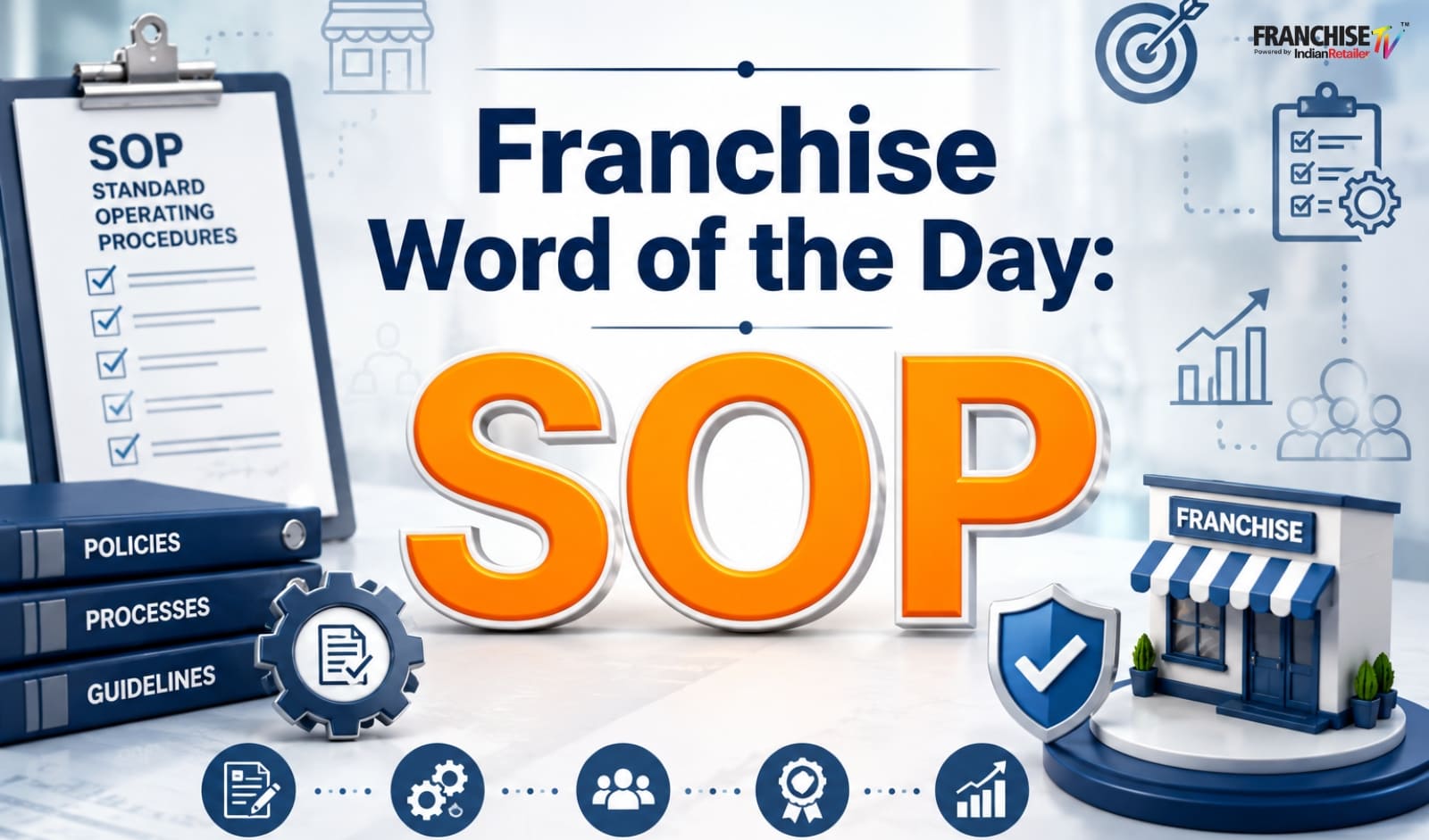
What are SOPs (Standard Operating Procedures)?
Standard Operating Procedures (SOPs) are documented step-by-step instructions that define how a business should perform specific tasks and operations. In franchising, SOPs ensure that every outlet follows the same processes, quality standards, and customer service guidelines, regardless of location.
They serve as the operational blueprint of a franchise business, helping maintain consistency across the entire franchise network.
Origin
The concept of Standard Operating Procedures originated in industries such as manufacturing, aviation, and the military, where consistency and efficiency were critical. As franchising expanded globally, brands adopted SOPs to ensure that customers received the same experience, product quality, and service standards at every franchise location.
Today, SOPs are considered one of the most important assets of any successful franchise system.
Usage in Franchising
Franchisors develop SOP manuals to guide franchisees on every aspect of business operations. These procedures cover areas such as store setup, staff training, inventory management, customer service, hygiene standards, marketing activities, and daily operations.
By following SOPs, franchisees can replicate the proven business model of the brand while minimizing operational errors and maintaining consistency.
Examples of SOPs in a Franchise Business
- Standard procedures for opening and closing a store.
- Customer service guidelines for handling inquiries and complaints.
- Food preparation and quality control processes in restaurant franchises.
- Inventory management and stock replenishment procedures.
- Employee training and onboarding workflows.
- Brand compliance and visual merchandising standards.
Whether it's a food outlet, retail store, gym, salon, or education center, SOPs help ensure that every customer receives a consistent brand experience.
Why It Matters
SOPs are the foundation of successful franchising because they create uniformity, improve efficiency, and protect brand reputation. They reduce dependency on individual employees, simplify training, and make it easier to scale operations across multiple locations.
For franchisees, SOPs provide a clear roadmap for running the business effectively. For franchisors, they help maintain quality standards and ensure operational consistency across the network.
As franchise brands continue to expand, strong Standard Operating Procedures remain essential for delivering a reliable customer experience and achieving long-term business success.
For Further Franchise Info Contact
What is FOCO?
FOCO stands for Franchise Owned, Company Operated, a franchise model in which the franchisee invests capital to establish the business, while the franchisor takes responsibility for managing and operating the outlet. Under this arrangement, the brand oversees daily operations, staffing, inventory management, quality control, and customer experience, ensuring consistency across locations.
The FOCO model has gained popularity among brands looking to expand rapidly while maintaining operational control and service standards.
How Does FOCO Work?
In a FOCO model, the franchise partner provides the investment required to set up the business, including infrastructure, equipment, and other capital expenditures. Once the outlet is operational, the franchisor manages the day-to-day business activities.
This allows investors to benefit from a professionally managed operation while leveraging the strength of an established brand. Revenue-sharing or profit-sharing structures are typically agreed upon between the franchisor and franchisee.
Why Brands Prefer the FOCO Model
Many brands choose the FOCO approach because it enables them to maintain greater control over customer experience, operational processes, and brand standards. Since the company directly manages operations, it can ensure uniformity across all locations and quickly implement new strategies or innovations.
The model is particularly common in industries where service quality and operational consistency are critical to business success.
Why Investors Consider FOCO
For investors, FOCO offers an opportunity to partner with an established brand without being involved in the day-to-day management of the business. It can be an attractive option for individuals seeking a relatively passive investment while benefiting from the franchisor's operational expertise.
Key advantages include:
- Professional business management
- Strong brand support
- Reduced operational responsibilities
- Consistent customer experience
- Access to proven business systems
- Industries Where FOCO is Common
The FOCO model is widely used across sectors such as:
- Food & Beverage
- Retail
- Beauty & Wellness
- Fitness
- Hospitality
- Consumer Services
Many fast-growing brands adopt FOCO as part of their expansion strategy to ensure operational excellence while accelerating growth.
Why It Matters Today
As competition increases and customer expectations continue to rise, brands are focusing more on delivering consistent experiences across locations. The FOCO model helps companies maintain control over operations while allowing investors to participate in business expansion opportunities.
Its ability to combine brand-led management with investor-backed growth has made FOCO an increasingly popular franchise structure in India and global markets.
Final Word
FOCO represents a unique partnership between brands and investors, where ownership and operations are strategically divided to maximize efficiency and growth. By allowing companies to manage business operations while franchise partners provide investment, the model creates a scalable framework that supports expansion, consistency, and long-term business success.
For Further Franchise Info Contact






Copyright © 2009 - 2026 Franchise Tv.