






Consumer electronics brand Portronics has launched the Zeno L Mini, a cordless air compression leg massager featuring six customizable massage modes, two pressure levels and a rechargeable battery. Priced at Rs 2,849, the device is designed for home use, relaxation and post-workout recovery.
The Zeno L Mini features a compact wraparound design in a black finish, with Velcro fastening for an adjustable fit. Its portable design allows users to store and carry the device conveniently, while its cordless operation enables use without a continuous power connection.
The massager offers six modes: Calf, Thigh, Upper Arm, Forearm, Recovery and Targeted. Users can choose between low and high pressure settings and select 10-minute or 20-minute massage sessions. Its air compression system operates through an inflate, compress and release cycle.
The device comes with a detachable control unit featuring dedicated buttons for power, massage mode, pressure and timer settings. It is powered by a 2,000mAh rechargeable battery, offering up to 75 minutes of runtime on a single charge. Type-C charging supports recharging, while the cordless format is intended to provide greater flexibility during use.
The Portronics Zeno L Mini has a maximum retail price (MRP) of Rs 5,999 and is listed at Rs 2,849 on the brand’s official website. It comes with a 12-month warranty and is available through Portronics.com, Amazon.in, Flipkart.com and other online and offline retail stores across India.


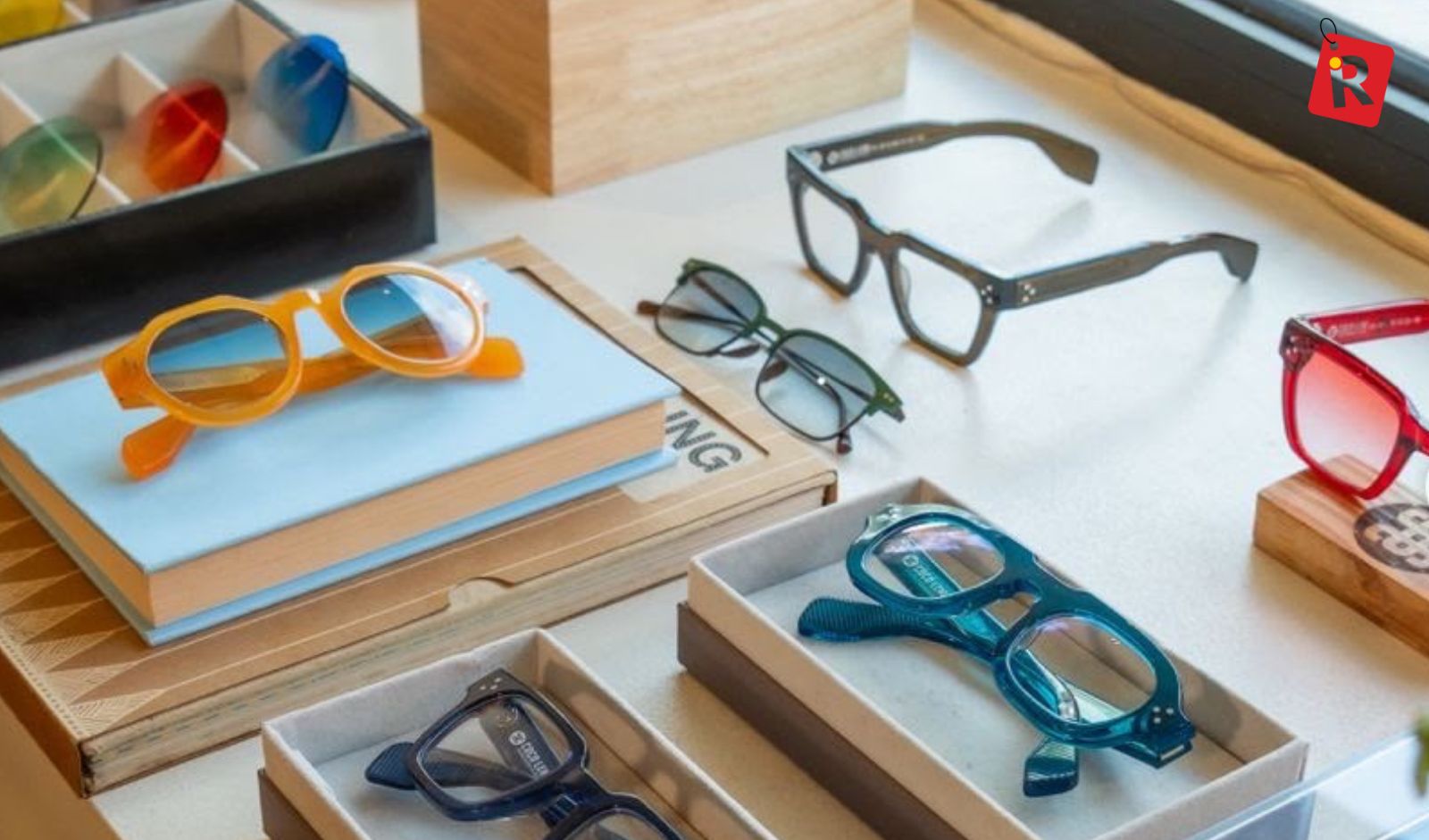
COCO LENI, the craft-led eyewear brand headquartered in Pilerne, Goa, has opened its first gallery space in Ahmedabad, marking another step in its retail expansion across India.
The Ahmedabad launch reflects the brand’s focus on markets that combine entrepreneurial ambition with a strong appreciation for architecture, textiles and the arts. According to Arjun Sagar, Founder and Creative Director of COCO LENI, the city’s emphasis on growth and innovation makes it a natural fit for the brand.
“While our eyewear is collected by connoisseurs from all over the world, I am particularly inspired by the entrepreneurial energy in Ahmedabad and the city's pride in architecture, textiles and the arts. This spirit of looking forward is what defines COCO LENI, and we are excited to dress Ahmedabad in COCO LENI frames,” said Sagar.
Craftsmanship and Material-Led Design
COCO LENI’s collection spans acetate, titanium and handcrafted horn eyewear. Its acetate frames use Mazzucchelli acetate, while its titanium designs draw inspiration from Eastern philosophies of calm and composure. The brand also offers handcrafted horn frames, emphasising durability and craftsmanship.
A key differentiator is the brand’s focus on fit for Indian facial features. While much of the global eyewear market caters to other face shapes, COCO LENI has developed three frame sizes designed to accommodate Indian noses and provide a more suitable fit for Indian customers.
Designed and Made in Goa
Every COCO LENI frame is designed and manufactured at the brand’s facility in Pilerne, Goa, and undergoes more than 40 production steps before reaching customers.
Sagar brings over two decades of experience gained in the United States and Germany, where he developed his understanding of traditional eyewear craftsmanship. He returned to India to build a brand that combines these principles with contemporary design and a global outlook.
The brand’s customer base comprises individuals who value craftsmanship, detail and understated confidence. Its focus on product quality and design has helped it build a loyal following, including customers who own multiple pieces from its collections.
“Our customers define our products as much as our products define them,” Sagar said.
Expanding Retail Presence in India and Overseas
With the Ahmedabad opening, COCO LENI continues to strengthen its presence in India. The brand currently operates more than 10 stores across Delhi NCR, Mumbai, Goa and Hyderabad, with a Bengaluru store expected to open in November.
Beyond its domestic retail network, COCO LENI has customers in more than 22 countries. The brand is also planning to open its first international flagship store next year to cater to existing overseas demand.
The expansion signals COCO LENI’s focus on building a wider retail presence while retaining its emphasis on Indian craftsmanship, material quality and eyewear designed for Indian consumers.

Nat Habit, an Indian beauty and personal care brand, has raised Rs 142 crore in a Series C funding round led by Trident Growth Partners, with participation from existing investors Bertelsmann India Investments, Mirabilis Investment Trust and Sharrp Ventures. The all-primary funding round also saw investments from new investors Physis Capital and Hero Family Office.
The funding comes as the brand's annualized gross revenue reaches Rs 330 crore. Founded in 2019 by Swagatika Das and Gaurav Agarwal, Nat Habit offers hair care, skin care, body care and baby care products based on its Fresh Ayurveda proposition, combining traditional Ayurvedic principles with modern science. The company said it has served more than 60 lakh households across India.
The company will use the fresh capital to expand its product portfolio, strengthen its presence across quick commerce and offline retail channels, and increase its digital reach in Tier II and Tier III markets.
Nat Habit also plans to strengthen its in-house research and development, formulation and manufacturing capabilities to support its product development and Fresh Ayurveda positioning.
Atul Gupta, Managing Partner at Trident Growth Partners, said the firm sees significant growth potential in India's personal care market as consumers increasingly seek natural products for the entire family. He added that Nat Habit had built a differentiated business through its in-house research, formulation and manufacturing capabilities, with the brand reaching a stage where it can scale across online and offline channels.
Swagatika Das, Co-founder of Nat Habit, said the investment would help the company make its products accessible to more households across India.
"Our ambition now is to make our products accessible to many more households across India. This investment marks an important step in that direction, enabling us to expand our product portfolio, strengthen our presence across quick commerce and offline retail, and reach deeper into emerging markets," Das said.
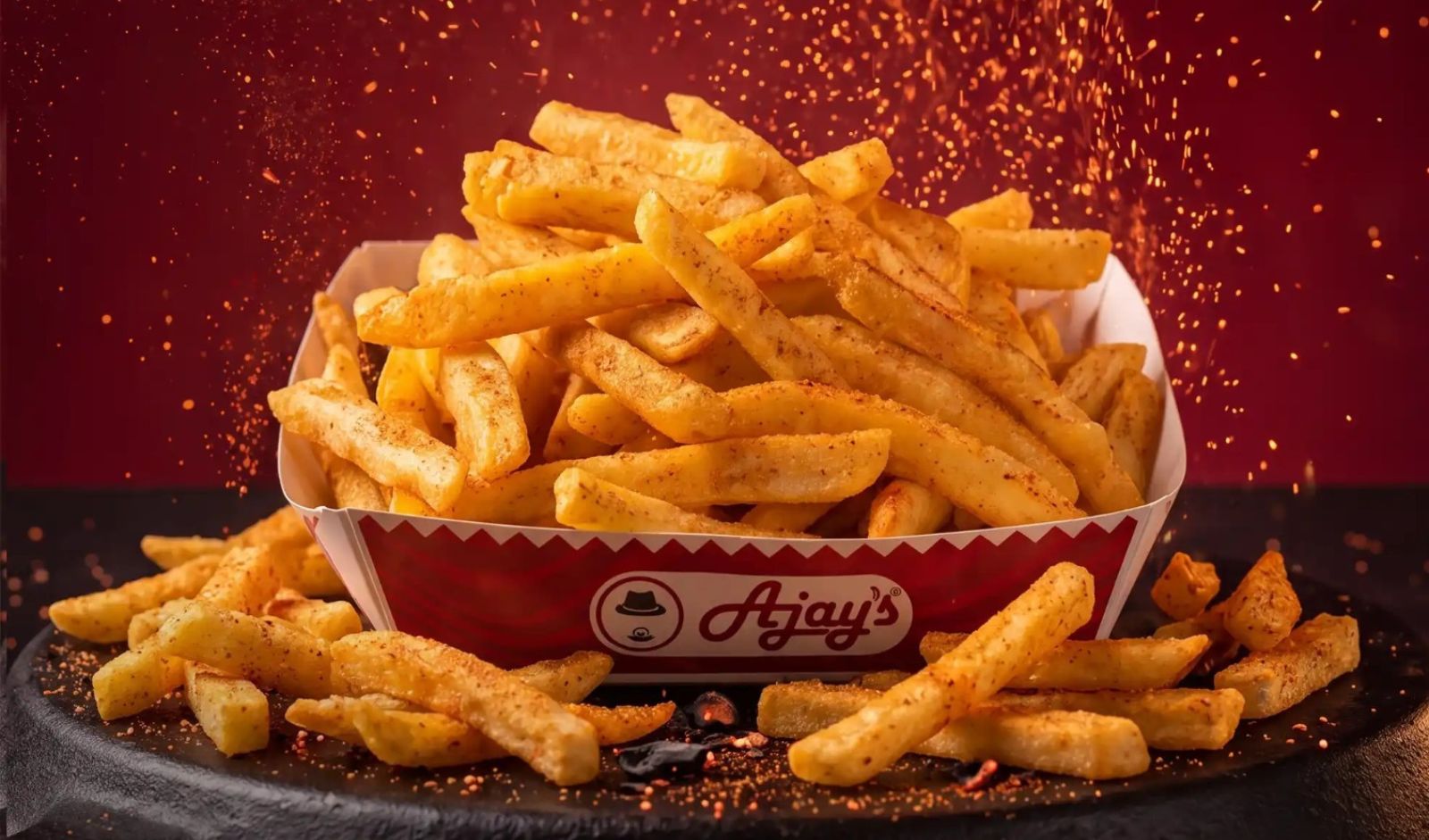
Ajay’s Cafe has launched Barbeque Fries at Rs 70 across all its outlets, expanding its menu with a new flavor featuring smoky, tangy and mildly spicy notes. The launch adds a new variant to the quick-service restaurant (QSR) chain’s fries offering, with the brand focusing on flavor innovation at an accessible price point.
The Barbeque Fries combine a crispy texture with barbeque seasoning, offering customers an alternative to regular fries. The new product is available across the brand’s outlet network.
“Fries are a much-loved part of the quick-service food experience, but customers are increasingly looking for new flavors. With Barbeque Fries, we have launched a flavor that is bold, smoky, tangy and easy to enjoy. We have kept the offering simple and accessible at Rs 70, while ensuring the taste and consistency that our customers have come to expect from Ajay’s Cafe,” said Ajay Solanki, Founder Director, Ajay’s Cafe.
Founded in Navsari, Gujarat, in 2014, Ajay’s Cafe has grown to more than 286 outlets across 67 cities in Gujarat and Rajasthan. Gujarat remains its largest market, while the company is expanding into new geographies.
The brand recently entered Maharashtra with two outlets in the Mumbai Metropolitan Region and plans to expand to 30 outlets in the state over the next year.
Ajay’s Cafe operates on a model centered on affordable pricing, a strong supply chain, standardized processes and consistent product quality. Since its inception, the brand has served more than 4.44 crore burgers and 3.07 crore cold coffees, according to the company.
The Barbeque Fries launch adds to the brand’s menu as it continues to grow its store network and expand its reach in the Indian QSR market.

Flipkart recorded 6.3 million concurrent users during the opening hour of its 13th Big Billion Days (TBBD) sale, as the e-commerce platform reported strong demand across smartphones, electronics, appliances, beauty and lifestyle categories. The platform saw over six times more shoppers in the first hour than during a regular hour, while new customer additions grew 34%.
Early Access began at midnight on October 8 for Flipkart Plus and Black members and eligible co-branded credit card customers. The opening phase generated more than 287 million sessions, with shoppers across metro and non-metro markets participating in the festive sale.
Customers from Tier 3 towns and beyond accounted for nearly half of the visits during the first hour, while non-metro markets contributed approximately 60% of demand. Sardulgarh, Panskura, Sheikhpura and Kishanganj emerged as some of the fastest-growing markets during the opening phase.
Product affordability remained a key factor in purchase decisions, particularly in smartphones. One in four customers opted for product exchange, while one in three chose No Cost EMI. Entry-level 5G smartphones priced at last year's levels also attracted buyers.
Large appliances recorded 30% year-on-year growth in the first hour, led by air conditioners, refrigerators and washing machines. Tablet sales grew 73%, indicating demand for personal technology upgrades.
Beauty sales increased 42% year-on-year during the opening hour, driven by men's grooming and self-care products. At peak, the platform sold more than 1,600 men's perfume units per minute.
Quick-commerce service Flipkart Minutes recorded a 3.5x increase in order volumes compared with regular days during the opening hour, while new customers grew 11x. Demand extended beyond daily essentials to premium electronics, grooming products and wearables, with Tier 2-plus cities emerging as fast-growing markets.
During Early Access, an iPhone 17 was delivered to a customer in New Delhi in 3.4 minutes through Flipkart Minutes. Other popular purchases included air fryers, laptops and external hard drives.
Content-led shopping also contributed to engagement during Early Access. Flipkart offered more than 1,000 hours of live commerce content and over 500,000 short-format videos, attracting 12.7 million users to its video and live shopping experiences.
Voice Search adoption was particularly strong in Tier 2-plus markets, which accounted for approximately 64% of users of the feature. Lifestyle and makeup products were among the most-searched categories.
Gen Z shoppers showed increased interest in beauty and personal style, with beauty purchases growing 48% and watches increasing 42% among younger consumers. Sneakers, perfumes, skincare, creatine and jeans were among the most-searched products across fashion and personal care.
The festive sale also generated business for sellers across the platform. On the Early Access day, 51% of transacting sellers recorded twice their regular-day business. Sellers in Tier 2-plus markets, including micro, small and medium enterprises (MSMEs), recorded 2.9x growth.
Bhiwandi, Panipat, Tirupur and Hisar were among the locations driving the increase in seller activity. The opening performance highlights the growing contribution of non-metro markets, affordability-led purchases, quick commerce and digital discovery to India's festive e-commerce demand.
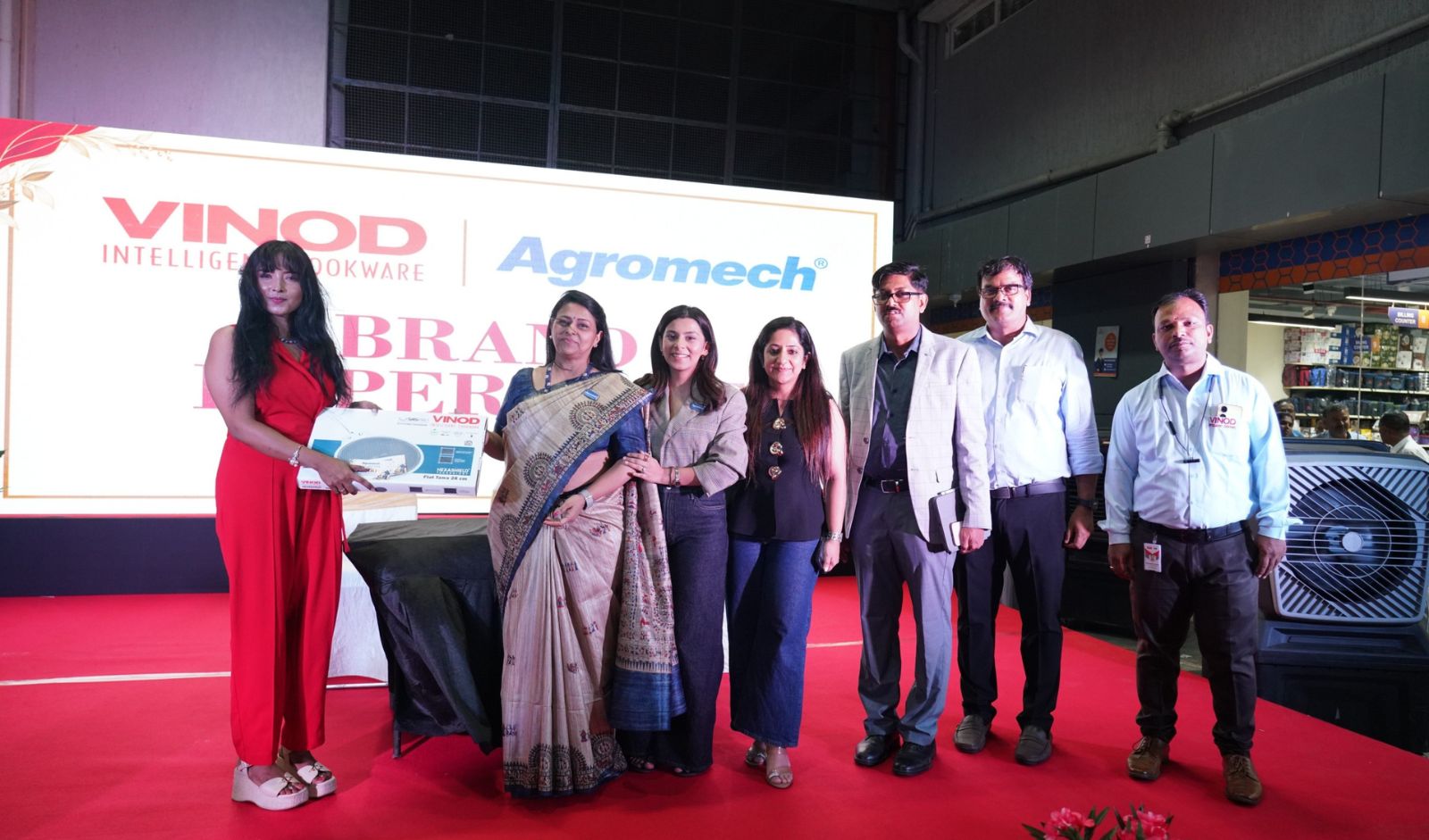
Vinod Intelligent Cookware, a cookware brand established in 1962, organised a creator-led brand activation in Hyderabad on October 8 in association with Agromech Industries, its retail and modern trade partner in the city. The event brought together more than 50 creators from the food, lifestyle and home categories, with the objective of strengthening brand visibility, increasing consumer engagement and supporting sales growth in the market.
Hosted at Agromech Industries, the activation featured interactive games, quizzes, a live cook-off and hands-on product demonstrations. The initiative provided creators with an opportunity to explore the brand's cookware range and develop content around its products.
The event showcased Vinod Intelligent Cookware's Stainless Steel, Platinum Triply SAS Pro and Freya collections. As part of the live cook-off, 16 shortlisted participants competed in an on-the-spot cooking challenge using the brand's cookware, while other attendees explored the product experience zone. The demonstrations highlighted features such as Freya's titanium-enamel cast iron construction and anti-rust coating, along with the triply-constructed SAS Pro.
The activation forms part of Vinod's efforts to expand its presence in Hyderabad, which the company considers a key growth market. The brand operates through a distributor network, retail and modern trade partners, a dedicated sales team, and an established consumer base in the city. It aims to become the leading cookware brand in Hyderabad and capture a significant share of the local market.
Arjun Agarwal, Director- Business Development, Vinod Cookware India Pvt. Ltd. said, “Hyderabad is an important growth market for us, and we see a strong opportunity to build on the trust we have established with consumers and our retail partners here. This activation allowed us to bring the brand closer to consumers through an experience that was interactive, hands-on and relevant to the way people discover products today. Our association with Agromech gives us a strong local retail foundation, while the creator community helps us extend the product experience into real kitchens and consumer conversations. This is an important step in our journey towards building a leading cookware brand in Hyderabad.”
Aashi Jain, Director- Marketing & E-commerce, Agromech Industries shared, “At Agromech, we aim to bring our customers greater choice and innovations that add value to everyday life. Our association with Vinod Cookware reflects this through its wide cookware range and new technologies designed to make cooking more convenient and efficient. This activation allows participants to experience these benefits firsthand through live demonstrations and hands-on activities. Such interactions encourage questions, deepen product understanding, and help us build a stronger connection with our customers.”
The event also focused on extending consumer engagement through social media. Participating creators, primarily based in Hyderabad, were expected to publish a reel and a story each, while on-camera testimonials were recorded during the activation to support further digital engagement.
The initiative follows Vinod Intelligent Cookware's earlier experiential campaigns, including “Cook with SAS Pro” in Mumbai and “Hue Are You In The Kitchen” in Pune with Chef Nehal Karkera. While those initiatives centred on chef-led product experiences, the Hyderabad event adopted a creator-led approach combining product demonstrations, interactive activities, and social media content.
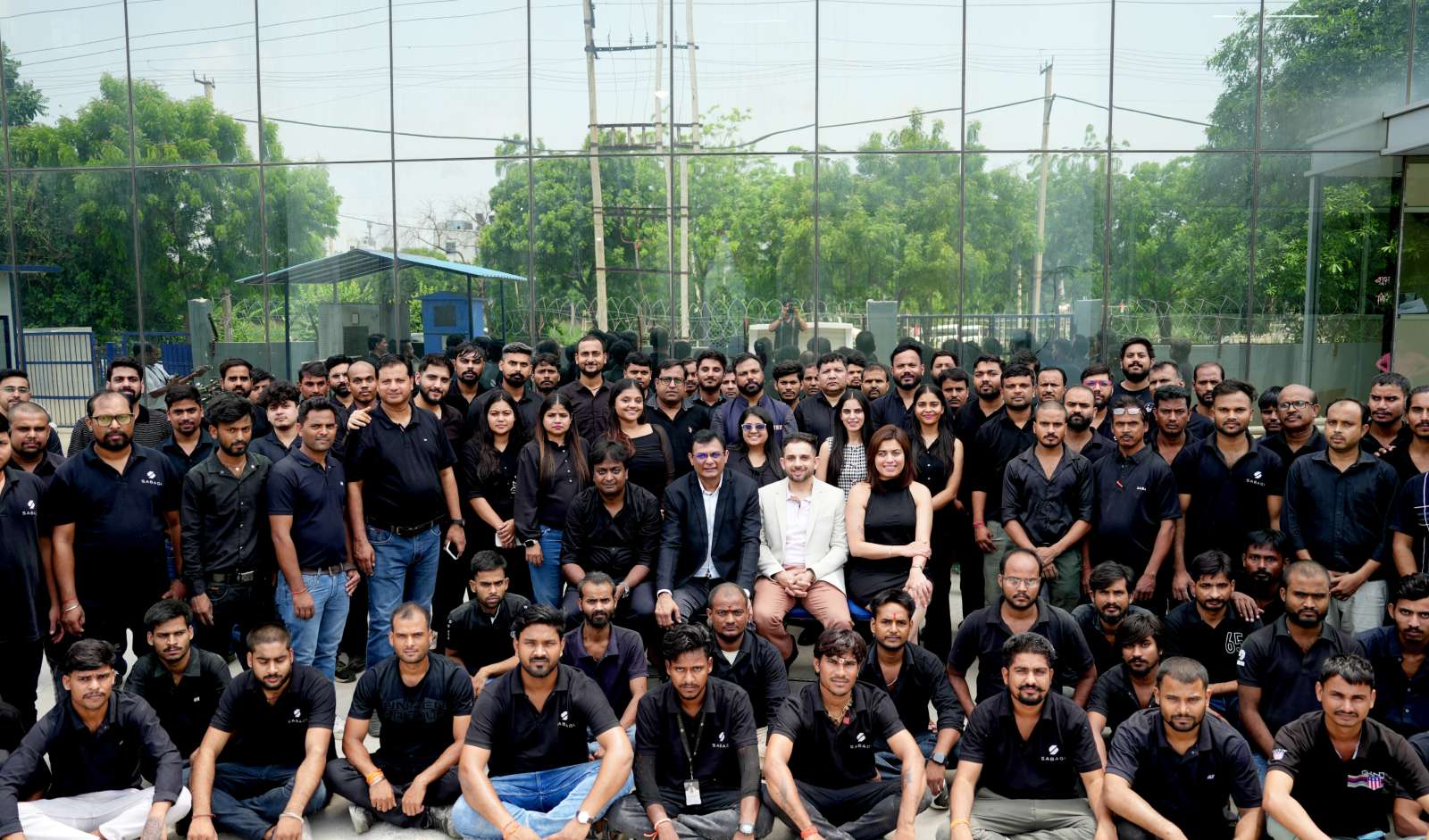
SABAQI, a Made-in-India premium furniture startup, has formally entered India's premium furniture market following its launch at Dialogue Udaipur, held from October 1 to 4. Founded by three industry veterans, the company is targeting approximately Rs 80-100 crore in project closures over the coming year as it expands its presence across India.
Founded by Hitesh Sakariya, Nakul Kanchhal and Dheeraj Gehani, SABAQI brings together experience in furniture, manufacturing, luxury retail and business expansion. The founders have more than two decades of industry experience and have previously built or led businesses, including Kuche7 and Hästens.
The company is developing a business model that combines collection-based furniture with customisation. Instead of producing entirely bespoke pieces for every client, SABAQI offers furniture based on a defined design language, with flexibility to modify materials, finishes, proportions and other specifications to suit individual spaces. This approach is intended to give architects, interior designers and customers greater scope to customise furniture without relying entirely on one-off production.
SABAQI Focuses on Design and In-house Manufacturing
Manufacturing is central to SABAQI's operating model. Its setup integrates design, engineering and production, with in-house capabilities across metalwork, carpentry, upholstery, painting and stonework. Quality checks at different stages of production are intended to maintain consistency in materials, finishes, detailing and execution. The company also draws on more than 10 years of manufacturing experience within its leadership team's operations.
Nakul Kanchhal, Co-Founder of SABAQI, said the company was established to address the gap between highly customised furniture and standardised collections that offer limited flexibility. “For years, we have seen architects and clients looking for furniture that is distinctive in design, precise in detailing and genuinely suited to the space they are creating. Yet when they wanted something beyond the familiar, they often had to look outside India. The choice was frequently between highly bespoke furniture, which can be difficult to execute consistently, and collection-led products that leave little room for adaptation. SABAQI was born from that gap. We are building a system where design, engineering, manufacturing and craftsmanship work together from the beginning. Our in-house capabilities across metal, carpentry, upholstery, paint and stone, combined with quality checks at every stage, allow us to bring greater consistency and control to the process.”
Kanchhal said the company's approach also focuses on product durability, functionality and timely project execution. “Having spent years in this industry, we know that beautiful furniture alone is not enough. It has to work, last, arrive when promised and feel like it belongs to the person and the space it was made for. For us, Made in India is not simply about where the furniture is manufactured; it is about building the capability to design, make and solve problems better from within India. Our ambition is therefore much larger than building another successful Indian furniture company. We want SABAQI to become an Indian design and manufacturing brand that can stand confidently alongside the best in the world; not by imitating what already exists, but by developing our own language, our own standards and, ultimately, a legacy of our own.”
Premium Furniture Projects Start at Rs 50 Lakh
SABAQI currently has the capacity to manage an average of 20-25 projects simultaneously. Individual projects start at approximately Rs 50 lakh, depending on their scope and client requirements. The company is also developing approximately 150-200 stock-keeping units (SKUs) during 2026-27. Alongside its planned collections, it will continue to work with architects and designers on customised furniture requirements.
The manufacturing-led model is intended to address challenges in the premium furniture segment, including variations in materials, finishes, detailing and ergonomics, as well as extended project timelines. SABAQI aims to support architects and end customers through coordinated design and production processes.
SABAQI Plans Five Stores by FY27
As part of its retail expansion strategy, SABAQI plans to establish five stores by 2026-27 while continuing to execute projects across India. The company is also open to franchise partnerships as it develops its distribution network and physical retail presence. Its launch at Dialogue Udaipur marked its formal introduction to India's architecture and design community. The private event, held from October 1 to 4, brought together approximately 45-50 architects from across the country, providing a platform for the company to present its furniture collections and manufacturing capabilities to a design-focused, high-net-worth audience.
With its project pipeline, planned product range and store expansion strategy, SABAQI aims to build an Indian premium furniture business around design, manufacturing and customisation. The company is looking to strengthen domestic capabilities while developing products that can compete in international markets.

British-heritage men's footwear brand Thomas Crick, manufactured and marketed in India by Mirza International Limited, recorded sales of Rs 11.18 crore in FY26, marking continued growth since entering the Indian market in October 2023. The brand is targeting sales of more than Rs 20 crore in FY27 as it expands its presence across e-commerce platforms and organised retail.
Thomas Crick reported revenue of Rs 28.10 lakh during its initial six-month operating period in FY24, which increased to Rs 5.70 crore in FY25. Sales more than doubled in FY26, taking the brand's revenue to Rs 11.18 crore. This represents nearly 36-fold growth since its entry into India.
Initially operating through a digital-first model, Thomas Crick established its presence on e-commerce platforms, including Amazon, Flipkart and Myntra. The brand has now expanded into offline retail through Reliance Trends, marking a step towards building an omnichannel business in India.
The move is expected to increase the brand's accessibility and enable it to reach consumers who prefer shopping at physical stores. The expansion also provides an opportunity to strengthen its visibility beyond its existing online customer base as it works towards its FY27 sales target.
Thomas Crick's India business combines British-inspired footwear designs with domestic manufacturing capabilities. Mirza International, an established Indian leather and footwear manufacturer, manufactures and markets the brand in the country, supporting its positioning in the accessible-premium segment.
Its product portfolio includes Chelsea boots, formal lace-up shoes, loafers and casual leather footwear. The collection focuses on heritage-inspired designs suited to contemporary consumer preferences, with pricing positioned below the luxury footwear segment.
The brand's expansion into organised retail comes as it looks to build on its online business and increase its reach in India's branded footwear market. Its performance across e-commerce and physical retail channels will be important to achieving its projected sales growth.
With its entry into Reliance Trends, Thomas Crick is looking to strengthen its distribution network while broadening its consumer base. The company expects to cross Rs 20 crore in sales in FY27, with growth dependent on the performance of its existing digital channels and its expanding offline presence.
The brand's progression from Rs 28.10 lakh in its first six months of operations to Rs 11.18 crore in FY26 reflects its growth since entering India and its transition towards a wider omnichannel retail strategy.
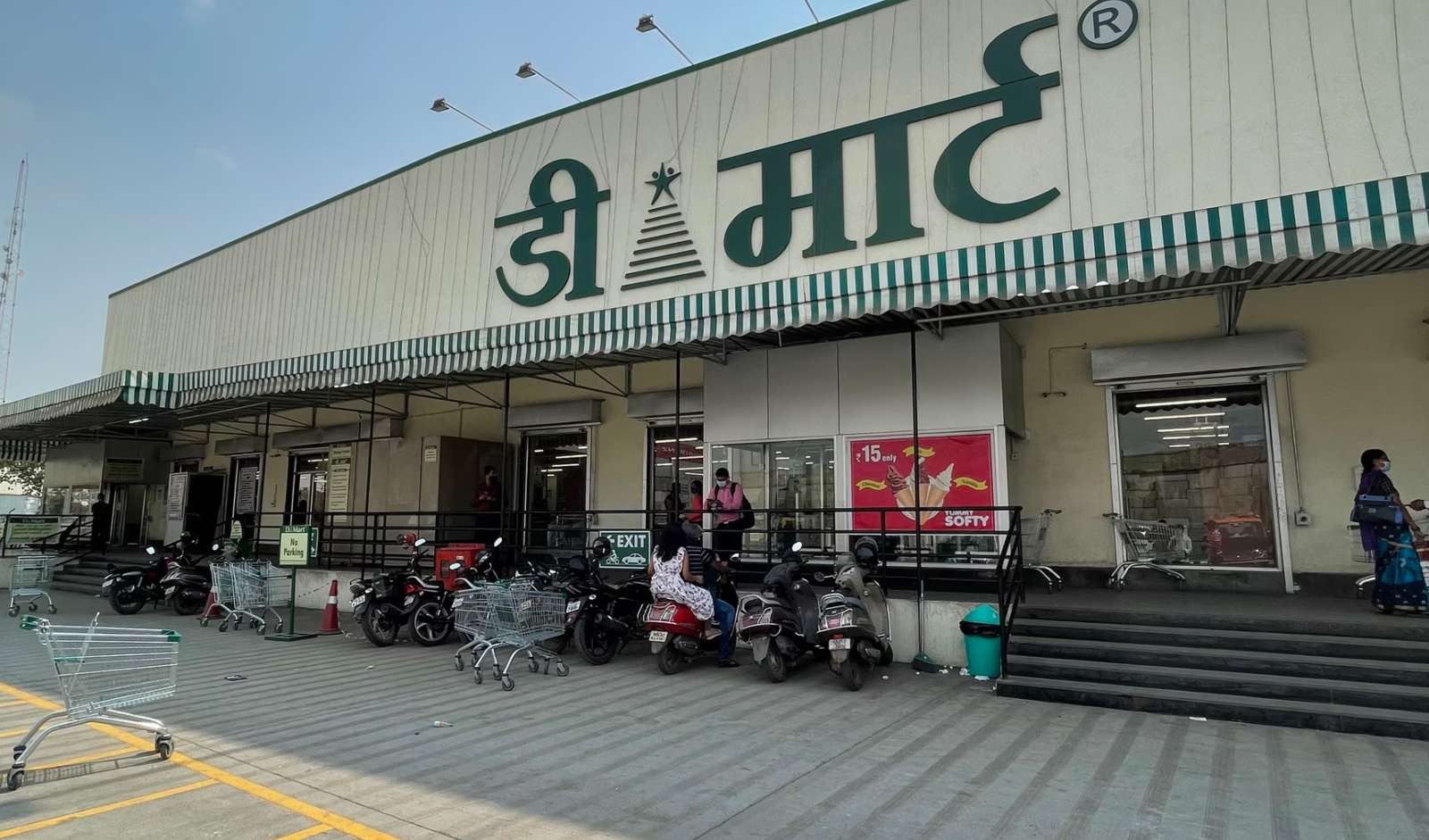
Avenue Supermarts, the company that owns and operates D-Mart, reported an 18.4 percent year-on-year increase in standalone revenue from operations to Rs 19,206.18 crore for the second quarter ended September 30, 2026. The retailer had recorded revenue from operations of Rs 16,218.79 crore in the corresponding quarter of the previous year, according to a regulatory filing released.
“Standalone Revenue from operations for the quarter ended (QE) September 30, 2026, stood at Rs 19,206.18 crore,” the company said in its quarterly update.
D-Mart's standalone revenue also increased 4.7 percent compared with the preceding quarter. Avenue Supermarts reported revenue of Rs 18,343.49 crore for the April-June quarter of FY27. The latest figures indicate continued growth in the retailer's revenue as it operates across multiple markets in India's organised retail sector.
As of September 30, 2026, D-Mart had a total of 518 stores across its network. The count includes its outlet in Sanpada, Navi Mumbai, Maharashtra, which is currently closed to customers for reconstruction. Promoted by Radhakishan Damani and his family, D-Mart sells everyday household essentials and personal care products through its retail stores.
The retailer has a presence across Maharashtra, Gujarat, Andhra Pradesh, Madhya Pradesh, Karnataka, Telangana, Chhattisgarh, the National Capital Region, Tamil Nadu, Punjab and Rajasthan. Avenue Supermarts' latest revenue update provides an indication of the company's performance in the September quarter, ahead of its detailed financial results.
Amazon India’s Great Indian Festival 2026 recorded a 100 percent year-on-year increase in the number of products ordered during its opening 12 hours, with customers from every Indian pin code placing orders across categories, including smartphones, consumer electronics, fashion, beauty and home appliances, according to the company.
The early performance highlights demand during India's festive shopping season, with premium products recording higher sales across several categories. Amazon said the event also saw increased customer participation across metropolitan areas and smaller towns.
Smartphones and consumer electronics contributed to the increase in shopping volumes, while large home appliances also recorded higher demand. Sales of large appliances reached 50 times their regular daily levels during the opening period. Premium front-load washing machines with capacities of 9 kg and above sold at 80 times their usual daily volume. Refrigerators and dryers recorded sales at 60 times their regular levels, indicating demand for higher-capacity appliances during the festive sale.
Fashion sales during the opening period reached seven times the level of a regular day, with seven pairs of shoes sold every second. Beauty products also recorded significant demand, accounting for one in every four products purchased during the first 12 hours of the sale. The performance across these categories reflects the breadth of demand during Amazon's annual festive sale, which covers products ranging from everyday essentials to premium electronics and lifestyle goods.
Amazon reported receiving orders from every pin code in India during the opening 12 hours of the Great Indian Festival 2026. The company also highlighted faster deliveries, with millions of orders reaching customers within hours. In more than 120 cities served by Amazon Now, one in every two products was delivered within minutes.
The platform also reported greater use of payment offers and affordability options during the opening period. One in every two customers used equated monthly instalments (EMIs), while one in every three units purchased received cashback benefits. Prime members recorded savings of more than 100 percent compared with the corresponding period last year, supported by member-exclusive offers.
The opening performance places Amazon's Great Indian Festival among the key events in India's e-commerce festive sales calendar. The coming weeks will provide a clearer picture of whether the early increase in order volumes translates into sustained demand across product categories and seller segments.
P N Gadgil Jewellers reported a 22.4 percent year-on-year revenue increase in the second quarter of FY27, supported by growth in its retail and franchise businesses. The jewellery retailer plans to open around 23 additional stores during the financial year, taking its total network to approximately 103 outlets by the end of FY27.
Retail revenue increased 31.1 percent during the quarter, while same-store sales growth stood at 25.5 percent. The franchise business also recorded growth of 34.7 percent, reflecting higher revenue from the company's retail network.
However, e-commerce revenue declined 83.6 percent year-on-year. The company attributed the decline to a strategic shift away from lower-margin gold coin sales towards higher-margin jewellery products. Gold coin and bar sales accounted for 15.8 percent of retail revenue during Q2FY27, compared with 23.3 percent in the corresponding quarter last year. PNG Jewellers recorded growth across its key jewellery categories during the quarter. Gold revenue increased 23.5 percent year-on-year, while diamond revenue grew 21 percent and silver revenue rose 12 percent.
The share of studded jewellery in retail sales increased to 11.8 percent, compared with 9 percent in the year-ago quarter. In northern India, the studded jewellery ratio stood at 17.4 percent. Meanwhile, old gold exchange accounted for 38 percent of sales, up from 29 percent in Q2FY26.
The company opened two stores during Q2FY27, including a Legacy-format outlet in Gurugram and a YOOU store at Amanora Mall in Pune. As of September 30, 2026, PNG Jewellers operated 80 stores, comprising 79 outlets in India and one in the United States. PNG Jewellers aims to expand its network to about 103 stores by the end of FY27, driven primarily by franchise-led growth across its Legacy and YOOU formats.
The company has secured commitments for 10 additional stores, including six Legacy outlets and four YOOU stores. It is also evaluating further opportunities, particularly across northern and central India. The Ayodhya store is expected to open by mid-October, followed by the Prayagraj outlet in early November. The retailer has also transitioned its LiteStyle brand to YOOU as part of its focus on contemporary, lightweight jewellery. The company stated that its Q2FY27 revenue figures are subject to a limited review by statutory auditors, with a detailed update to follow after board approval.
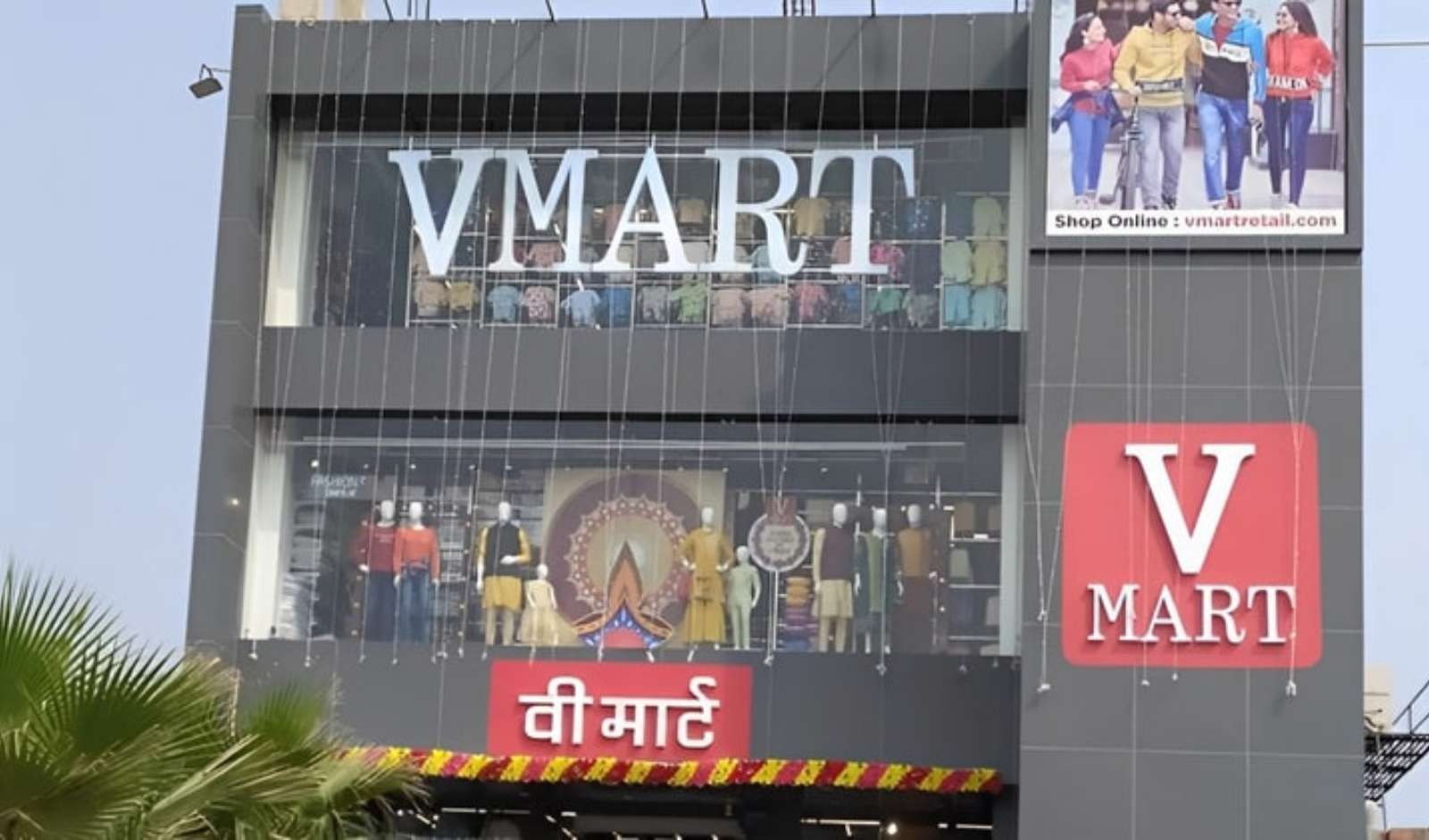
V-Mart Retail plans to increase apparel prices by 3 percent to 5 percent in the October-December quarter of FY27 (Q3FY27) to manage rising raw material costs, according to Anand Agarwal, Chief Operating Officer and Chief Financial Officer of the value-fashion retailer. The company had kept prices unchanged during the July-September quarter (Q2FY27), despite several other retailers raising apparel prices by 10 percent to 15 percent. The decision was aimed at retaining its value-conscious customer base amid increasing input costs.
During the quarter, V-Mart Retail reported 18 percent growth in total revenue and a 3 percent increase in same-store sales. Agarwal said the planned single-digit price adjustment would help the company manage cost pressures. He added that further price increases could be necessary from the fourth quarter onward if input costs, particularly those influenced by oil prices, remain elevated.
On the demand front, V-Mart Retail reported strong early-quarter footfall, supported by the beginning of Durga Puja festivities in eastern India. The shift in the festive season from Q2 to Q3 had a slight impact on the previous quarter's performance and could also put pressure on margins. Despite these factors, the retailer expects its overall performance to remain stable and broadly in line with the previous year. V-Mart Retail is scheduled to announce its full profitability results in early November.
The planned price revision comes as apparel retailers navigate higher raw material costs while balancing pricing decisions with demand from price-sensitive consumers. For V-Mart Retail, the proposed increase reflects an effort to manage cost inflation while maintaining its positioning in India's value-fashion retail market.
PC Jeweller Ltd has reported a 28 percent year-on-year increase in consolidated revenue for the quarter ended September 2026, supported by healthy consumer demand in the jewellery sector. According to a regulatory filing, the jewellery retailer and manufacturer delivered strong growth during the July-September quarter of FY27 while also achieving a major financial milestone by becoming debt-free.
The company had previously announced that it had cleared outstanding dues to all 14 consortium banks, eliminating debt of approximately Rs 3,000 crore. In September 2024, PC Jeweller had opted for a one-time settlement (OTS) arrangement to resolve its outstanding bank liabilities. During the quarter, the company also received remittances of Rs 142 crore from outstanding export debtors, further supporting its financial position and liquidity.
The company said, “During the September quarter, the company achieved debt-free status after successful repayment of outstanding debt of all the banks, with all repayments completed ahead of the scheduled due dates. With no bank debts outstanding, the company will be saving on the interest cost in the future, which will positively impact its bottomline and strengthen its balance sheet.”
The debt repayment is expected to reduce future interest expenses and improve profitability, while strengthening the company's overall financial health. PC Jeweller operates nearly 50 retail jewellery stores across major cities in India and continues to serve consumers across gold jewellery, diamond jewellery, wedding jewellery, and other precious jewellery categories.
The latest business update reflects improving operational performance for the company, supported by strong jewellery demand and a significantly strengthened balance sheet following the completion of its debt repayment programme.
Jubilant FoodWorks Ltd, the operator of Domino’s Pizza in India and several international markets, reported consolidated revenue from operations of Rs 26,087 million for the quarter ended September 30, 2026, registering an 11.9 percent year-on-year increase. According to the company’s provisional business update filed with the BSE and NSE, standalone revenue from operations grew 11.6 percent year-on-year to Rs 18,858 million during the second quarter of FY27.
The company reported varied performance across its operating markets during the quarter. Domino’s India recorded like-for-like (LFL) sales growth of 4.1 percent, reflecting growth from existing stores. Meanwhile, Domino’s Eurasia reported a like-for-like sales decline of 2.1 percent after accounting for Ind AS 29 adjustments. Jubilant FoodWorks continued to expand its store network during the quarter, adding a net 108 stores across its businesses. The total network reached 3,820 stores as of September 30, 2026.
Domino’s Pizza India contributed the majority of the expansion, with 88 new stores added during the quarter. The brand’s network increased to 2,601 outlets nationwide. Domino’s Eurasia added three stores, taking its total store count to 798 outlets.
The group’s retail footprint includes both company-owned and franchise-operated stores across four brands and six international markets. The company also stated that the Dunkin’ business has been classified as discontinued operations in both the current and previous reporting periods.
Jubilant FoodWorks noted that the figures remain provisional and are subject to a limited review by the company’s statutory auditors. The latest update reflects continued growth in the company’s foodservice business, supported by revenue expansion and an ongoing focus on store additions across key markets.

Amazon has announced a fresh round of job cuts, primarily affecting its Stores division, which oversees the company's core e-commerce and retail operations. The latest workforce reduction impacts employees across the United States, India, and the United Kingdom as the e-commerce giant continues efforts to realign its business structure with current priorities.
According to reports, fewer than 1,000 white-collar employees have been affected by the latest layoffs. The move comes during Amazon's Prime Big Deal Days shopping event, one of the company's major annual sales campaigns. The latest cuts are part of a broader restructuring exercise that follows a larger workforce reduction programme launched last year, which resulted in approximately 30,000 job cuts across various business units.
An Amazon spokesperson said, "We've adjusted parts of our Stores business because we believe this structure will better enable us to deliver on our priorities."
Reports indicate that teams within customer service, selling partner services, and other retail-related functions may have been impacted as part of the restructuring. Employees in India were among those affected by the latest round of layoffs.
Amazon founder and Executive Chairman Jeff Bezos said the ongoing reductions were linked to aggressive hiring during the pandemic period, when online shopping demand surged significantly. Referring to the previous round of layoffs, Bezos noted, "People were staying home and they were ordering, and it was an incredible, stressful period for us, by the way. The whole team worked extremely hard and did so much, but we really grew our head count."
The development highlights the continued focus among global technology and e-commerce companies on optimizing costs, improving operational efficiency, and restructuring teams amid changing market conditions and growing investments in areas such as artificial intelligence and automation.
Jewellery retailer Senco Gold and Diamonds reported a strong business performance for the quarter ended September 30, 2026, with total revenue rising 31 percent year-on-year, supported by festive demand, growth in lightweight jewellery sales, and continued momentum across its retail and digital channels. The positive update also lifted the company's shares, which gained up to 6 percent during trading on Thursday.
The company said consumer demand remained resilient during the second quarter despite elevated gold prices. At the retail level, revenue grew 29 percent year-on-year, while same-store sales growth stood at 19 percent, reflecting strong demand from existing customers.
For the first half of FY27, Senco Gold reported total revenue growth of 48 percent, while retail revenue increased 40 percent. The company also crossed Rs 5,000 crore in revenue during H1FY27 and achieved trailing twelve-month sales of over Rs 10,000 crore. The jewellery brand recorded a 31 percent increase in diamond jewellery revenue during the quarter. Its stud ratio improved to 12.2 percent from 11.6 percent in the first half, indicating growing consumer interest in studded jewellery categories.
Senco Gold expanded its retail network by opening six new showrooms during the quarter, including three company-owned stores and three franchise outlets. This took its total showroom count to 215 stores across India. The company plans to add another 10 to 12 stores in the second half of FY27 as part of its retail expansion strategy.
Digital commerce continued to be a key growth driver, with e-commerce and digital channel sales rising 53 percent year-on-year. The company attributed growth to festive occasions including Rakhi, Janmashtami, Onam, Ganesh Chaturthi, Independence Day, and Ratha Yatra, which supported jewellery purchases during the quarter.
Looking ahead, Senco Gold expects demand to remain strong in the second half of FY27, driven by the wedding season and festivals such as Dhanteras, Diwali, Durga Puja, Karwa Chauth, Chhath Puja, and Christmas. The company also expects improving rural sentiment and post-monsoon demand to support jewellery consumption in India. Despite continued volatility in gold prices, Senco Gold said organized jewellery retailers remain well-positioned to benefit from consumer demand through product innovation, lightweight jewellery collections, and an expanding retail footprint.
Sky Gold and Diamonds Ltd, a jewellery manufacturer and exporter, has completed the acquisition of 100 percent equity shares of Purvi Gems and Jewellery (India) Private Limited, strengthening its position in the lightweight, uncut, and studded jewellery segments. The acquisition was completed on October 7, 2026, for a cash consideration of Rs 9 crore.
According to the company, the transaction was valued at 1.5 times Purvi Gems’ book value as of March 31, 2026, and does not involve any related-party interests. Sky Gold stated that neither its promoters nor promoter group entities have any stake in Purvi Gems. Following the acquisition, the existing management team of Purvi Gems will continue to oversee operations, supporting business continuity and integration efforts.
Purvi Gems specializes in lightweight, uncut, and Precia jewellery categories, segments that have witnessed increasing demand in domestic markets, particularly South India, as well as international markets. Through the acquisition, Sky Gold aims to diversify its product portfolio, strengthen its export business, and expand its presence in higher-margin studded jewellery categories.
The company expects the acquisition to provide access to approximately 100 kg of monthly jewellery sales while enhancing opportunities for cross-selling through Sky Gold’s existing customer network. It also sees potential to strengthen exports, particularly in the Middle East, where demand for specialized jewellery products remains strong.
According to the company, the acquisition is expected to support its long-term growth strategy by expanding capabilities in value-added jewellery categories and improving its overall product mix. Sky Gold highlighted that Purvi Gems is expected to contribute to a business capable of generating annual revenue of approximately Rs 1,600 crore to Rs 1,800 crore over the next two to three years, while also adding established customer relationships, manufacturing expertise, and an experienced workforce.
The transaction follows a series of acquisitions completed by Sky Gold in recent years, including Sparkling Chains Pvt Ltd, Starmangalsutra Pvt Ltd, Speed Bangles Pvt Ltd, and Shri Rishabh Gold. The company said these acquisitions have helped expand its manufacturing capabilities, broaden its product portfolio, and strengthen its market position across jewellery categories.
Mangesh Chauhan, Managing Director, Sky Gold and Diamonds Ltd said, "Strategic acquisitions have been an important driver of Sky Gold's growth and value creation journey. Our disciplined approach to identifying and integrating businesses has helped us expand capabilities, diversify our product portfolio, improve operating efficiencies and strengthen profitability. Past acquisitions have contributed meaningfully to our scale and growth while creating long-term value for stakeholders. The acquisition of Purvi Gems is another step in this direction. The business brings complementary capabilities in the lightweight uncut and studded jewellery segments, an established customer base and a skilled team. Given our proven track record of successfully integrating acquisitions and realizing operational synergies, we are confident that Purvi Gems will further strengthen our growth platform and support sustainable long-term value creation."
Jigar Mehta, Director, Purvi Gems and Jewellery (India) Pvt Ltd added, "Over the last fifteen years, we have built a strong reputation in lightweight, uncut, and Precia jewellery through our commitment to quality, craftsmanship, and customer relationships. We believe Sky Gold’s scale, manufacturing capabilities, extensive customer network, and proven track record of integrating and growing acquired businesses provide the ideal platform for the next phase of our growth."
The acquisition reinforces Sky Gold’s focus on expanding its jewellery manufacturing business through strategic acquisitions while strengthening its presence in the studded jewellery, lightweight jewellery, and export-oriented jewellery segments.

India’s premium whisky market is evolving beyond the bottle. As consumer interest shifts toward authenticity, provenance, and immersive experiences, distilleries are increasingly becoming an extension of the brand itself. Gamber Valley, the Indian single malt whisky brand from Alcobrew Distilleries, is embracing this trend by positioning its Solan facility not only as a production centre but also as a destination that showcases the journey of whisky making.
Launched in 2026, Gamber Valley represents Alcobrew’s entry into the premium Indian single malt category. Distilled, matured, and bottled at the company’s facility in Solan, Himachal Pradesh, the brand draws heavily on its Himalayan location to shape its identity. The surrounding climate, altitude, and access to water from the region form an integral part of the whisky’s production environment and brand narrative.
Unlike many whisky brands that focus primarily on the finished product, Gamber Valley is placing equal emphasis on the process behind the spirit. The brand’s positioning is built around the idea that whisky is shaped not only by ingredients and production techniques but also by the environment in which it matures. This philosophy is reflected in its identity, which highlights altitude, climate, water, oak, and time as defining elements of the whisky-making journey.
Bringing Consumers Closer to the Whisky-Making Process
A visit to the Solan distillery offers a detailed look into the stages that shape the final spirit. From fermentation and distillation to cask selection and maturation, the facility allows visitors to see firsthand how whisky develops long before it reaches consumers.
For premium spirits brands, creating visibility around production is becoming increasingly important. Consumers are no longer interested only in tasting notes and packaging. They want to understand the craftsmanship, infrastructure, and expertise behind the product. By opening up its production story, Gamber Valley is creating a more tangible connection between the whisky and the consumer.
Why Cask Maturation Plays a Central Role
One of the key highlights of the distillery experience is the role of oak casks in shaping flavour. Factors such as barrel type, previous cask usage, charring levels, and ageing conditions all contribute to the character of the whisky over time.
This approach is reflected in Gamber Valley’s current portfolio, which includes Private Collection 1 and The Vault Series. Both expressions showcase different maturation approaches and provide insight into how cask management influences flavour development. The maturation facilities house thousands of barrels, including ex-bourbon and virgin oak casks, highlighting the scale of the ageing programme behind the brand.
A Brand Story Rooted in the Himalayas
Water is another important component of Gamber Valley’s identity. The Solan facility features a 6 lakh litre water tank and sources water from the surrounding Gamber Valley region. Alcobrew has consistently linked the region’s natural resources and environmental conditions with the production process and the whisky’s final character.
For a growing Indian single malt brand, this emphasis on place helps create a stronger sense of origin. Rather than positioning itself as simply another whisky produced in India, Gamber Valley is using its Himalayan location to establish a distinct identity within the premium spirits market.
Expanding Beyond Production with Whisky Hospitality
The company’s ambitions extend beyond whisky production. Alcobrew has outlined plans for a visitor centre and a new maturation hall at the Solan facility. According to company documents, the visitor centre will feature guided distillery tours, tasting lounges, and a heritage gallery dedicated to spirits, giving visitors a deeper understanding of the whisky-making process.
The move reflects a growing trend in the global spirits industry, where distilleries are being developed as hospitality and tourism destinations. Instead of limiting consumer interaction to retail shelves or tasting events, brands are creating environments where visitors can engage directly with production, ageing, and brand heritage.
Gamber Valley is also preparing to broaden its product portfolio. Trademark filings submitted in June 2026 indicate plans for new expressions, including Gamber Valley Pravah and Gamber Valley Tapah. As the range expands, the brand will have greater opportunities to offer comparative tastings and deepen consumer understanding of different maturation styles and flavour profiles.
Distilleries Are Becoming the New Brand Experience Centres
The premium spirits industry is increasingly recognizing that consumers want more than a product. They want access to the story behind it. Distillery visits provide that context by allowing consumers to see the production process, understand maturation techniques, explore cask programmes, and experience the environment where the whisky is created.
For Gamber Valley, the Solan distillery serves as more than a manufacturing facility. It acts as a platform for storytelling, consumer engagement, and brand building. As competition intensifies in India’s single malt whisky segment, experiences such as distillery tours, tastings, and whisky hospitality may become just as important as the spirit itself in shaping consumer perception.
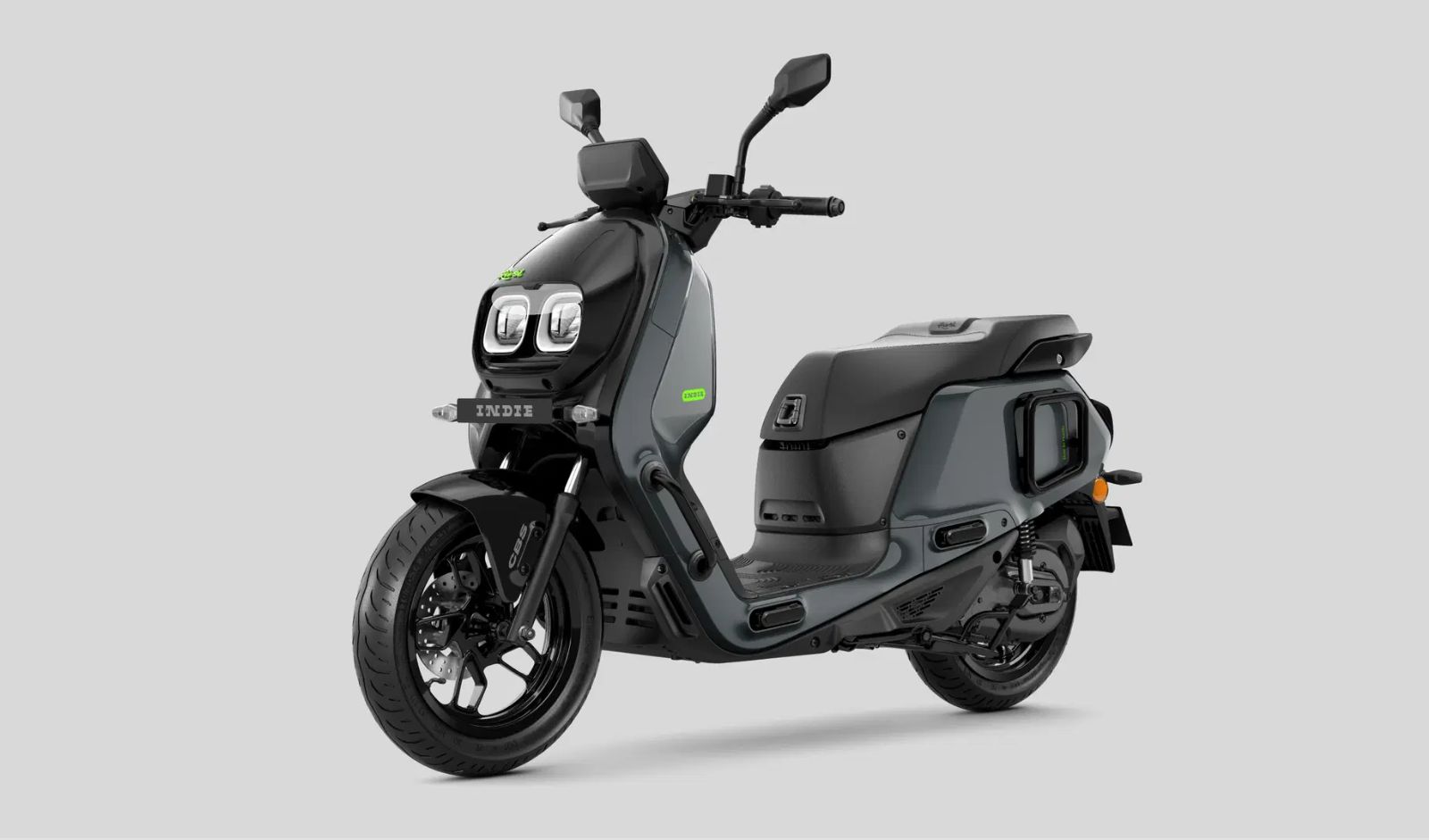
Electric vehicle manufacturer River Mobility has partnered with Flipkart to make its electric scooter, the Indie, available through the e-commerce platform, strengthening its omnichannel retail strategy in India. The collaboration, which begins with Flipkart’s Big Billion Days sale, will combine River Mobility’s existing offline retail network with Flipkart’s digital marketplace.
Customers will be able to discover, explore, and book the Indie electric scooter online while continuing to access sales and service support through the company's physical retail outlets. As part of the partnership, the Indie will be available through the River brand store on Flipkart, where customers can access product specifications, pricing information, and brand-related content. River Mobility said the scooter is currently accessible across more than 80 cities and that availability on Flipkart will automatically expand as the company enters new markets and opens additional retail locations.
Aravind Mani, Co-Founder and CEO, River Mobility said, “Partnering with Flipkart is a natural next step, bringing the Indie closer to online customers and expanding our reach, backed by our robust service network. Having steadily built our retail foundation, we are confident in our ability to deliver a great ownership experience.”
The River Indie electric scooter is positioned in the electric two-wheeler segment and features a 4 kWh battery pack with a claimed IDC range of 163 km. The scooter offers a top speed of 90 km/h and comes with 55 litres of storage capacity. The latest version of the scooter includes features such as hill-hold control, a redesigned lighter chassis, 177 mm ground clearance, and an updated 6-inch display with enhanced smartphone connectivity. The integration allows users to access ride statistics and real-time charging information through the companion mobile application.
The partnership reflects the growing role of e-commerce in India's electric vehicle market, where manufacturers are increasingly adopting omnichannel retail models to improve accessibility and customer reach. By combining online booking with offline sales and service infrastructure, River Mobility aims to strengthen consumer access to electric mobility solutions across India. The company currently operates in 48 cities through a network of 72 stores and continues to expand its retail footprint across key EV markets.
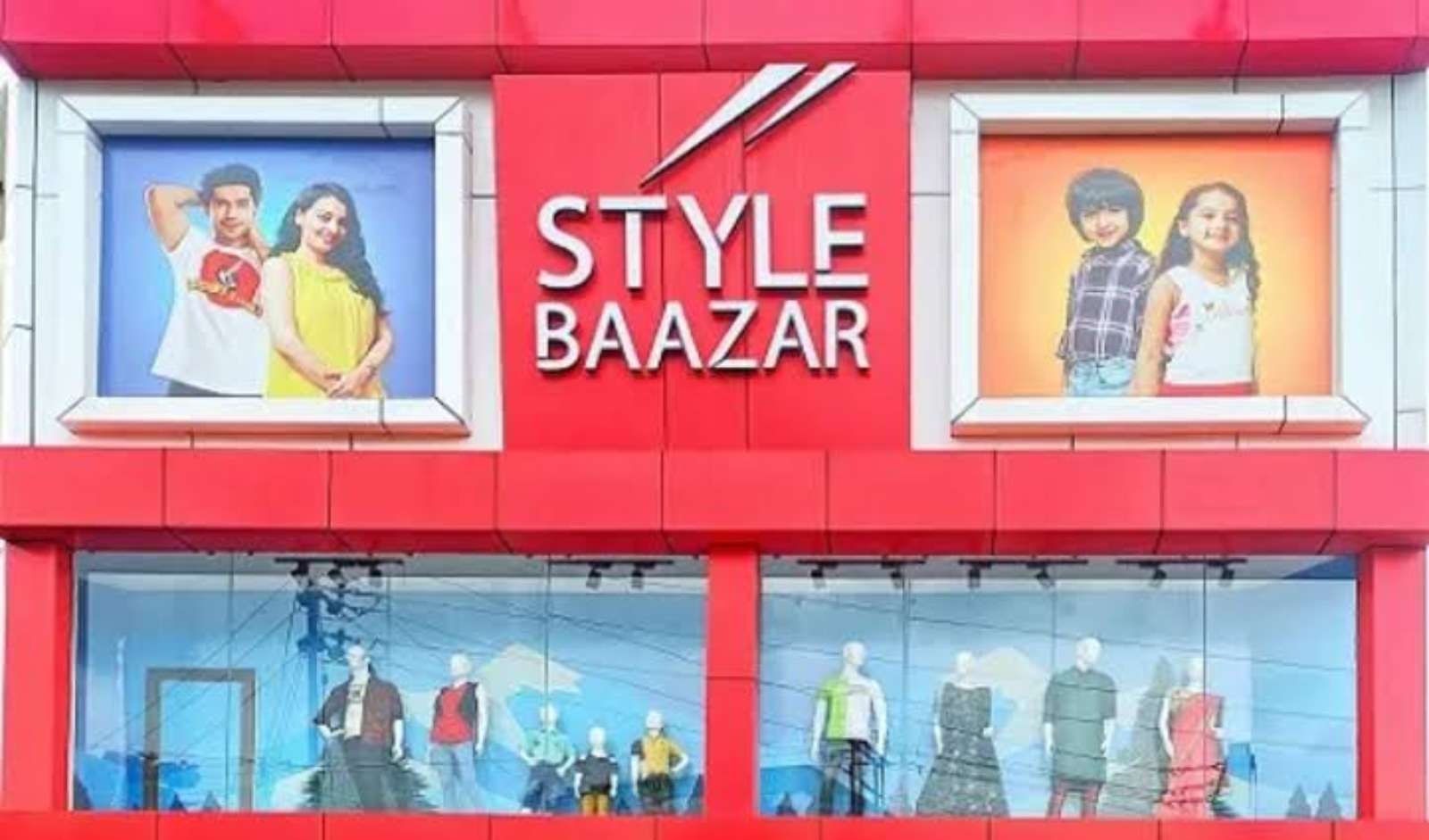
Baazar Style Retail Limited (BSRL), which operates the Style Baazar value fashion retail chain, reported revenue growth during the first half of FY27 while continuing to expand its store network across key markets in Eastern India. For H1 FY27, the company’s revenue from operations increased 6 percent year-on-year to Rs 9,645 million. The retailer attributed its performance to continued business growth despite a shift in the festive calendar, with Durga Puja falling in Q3 FY27 compared to Q2 FY26.
The company expanded its retail footprint to 283 stores as of September 30, 2026, representing 13 percent year-on-year growth. Total rental area increased 16 percent year-on-year to 26.69 lakh sq ft, reflecting the retailer’s ongoing expansion strategy in the value fashion segment. During the second quarter, Style Baazar added 14 new stores and closed seven stores as part of its network optimisation efforts.
Q2 FY27 Performance
Revenue from operations stood at Rs 4,781 million in Q2 FY27, registering a 10 percent year-on-year decline. According to the company, the decrease was largely due to the timing of the festive season, which benefited Q2 FY26 but shifted to Q3 in the current financial year. Reported Same Store Sales Growth (SSSG) stood at negative 25 percent during the quarter, while sales per square foot reached Rs 642 per month, compared to Rs 865 per month in the corresponding period last year.
H1 FY27 Performance
For the first six months of FY27, Same Store Sales Growth stood at negative 11 percent. Sales per square foot was reported at Rs 660 per month compared to Rs 768 per month in H1 FY26. Despite the impact of the festive shift, the company continued to focus on store expansion, consumer reach, and operational capabilities to strengthen its position in India's value fashion retail market.
Focus on Consumer Engagement
During the festive season, Style Baazar launched several brand visibility initiatives aimed at increasing customer engagement. The retailer created what it described as the World's Largest Fashion Wardrobe, a 50 ft × 25 ft installation at City Centre, Salt Lake, Bidhannagar. The installation received a Guinness World Record title and was used to showcase the company's festive fashion collections and strengthen consumer awareness during the festive shopping season.
Sports Partnership to Expand Reach
Style Baazar also expanded its marketing efforts through sports partnerships. The company became the Principal Partner for India's international football matches against Brazil and Uruguay, both former FIFA World Cup champions, scheduled to take place in Kolkata.
The association is expected to help the retailer connect with a wider audience and strengthen brand visibility among consumers across India. With an expanding retail network, growing market presence, and continued investments in consumer engagement, Baazar Style Retail said it remains focused on building a scalable value fashion retail business while improving store productivity and operational efficiency.
Godrej Consumer Products Indonesia (GCPI), the Indonesian subsidiary of Godrej Consumer Products Limited (GCPL), has inaugurated the first phase of its new manufacturing facility in the Kendal Special Economic Zone. The development is part of an IDR 500 billion (approximately Rs 250 crore) investment aimed at expanding the company’s manufacturing capacity and strengthening its presence in Indonesia.
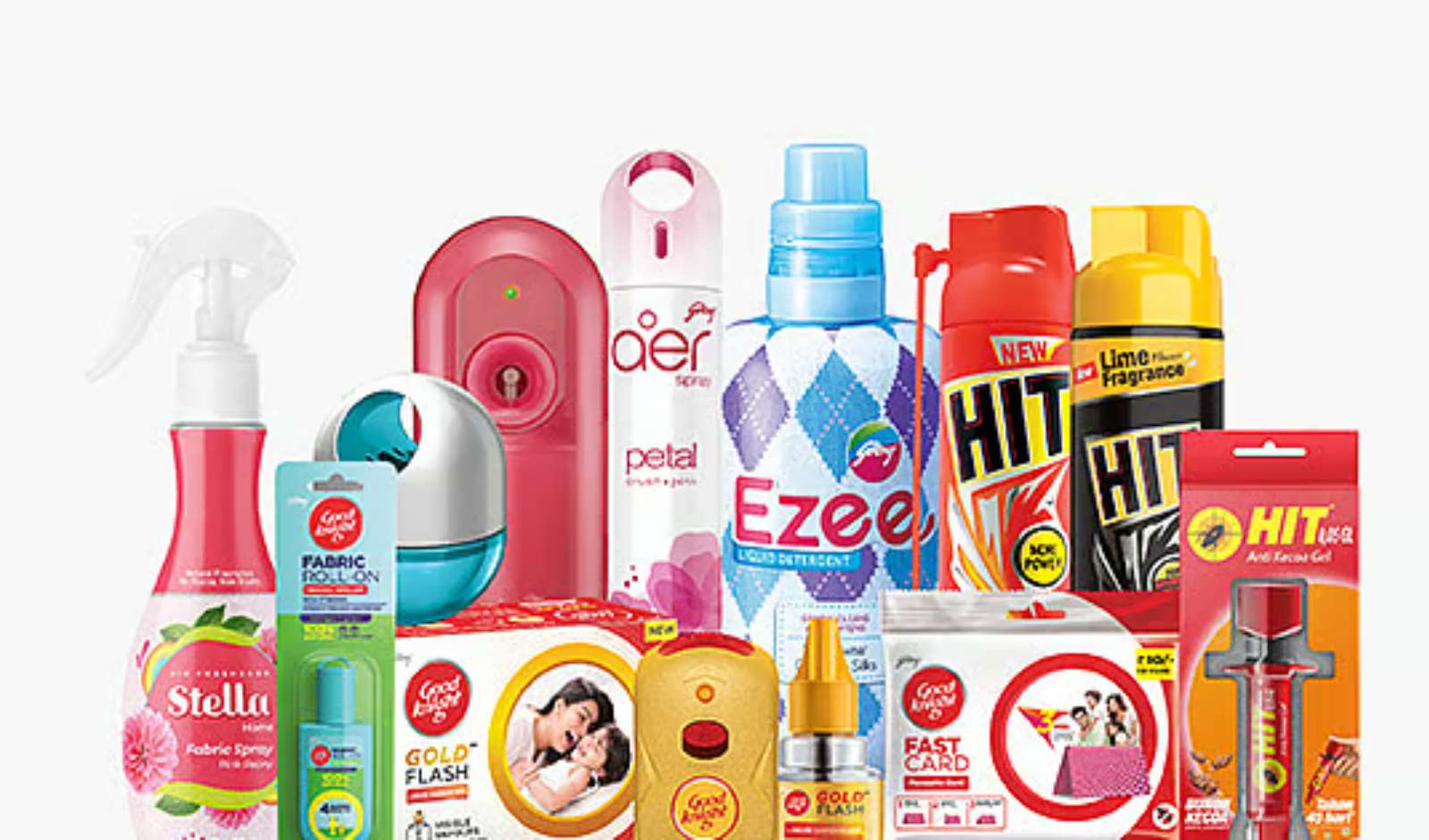
The investment builds on GCPI’s operations in Indonesia, where the company has been active since 2010. Over the years, the business has grown 4.5 times, with brands such as HIT, Stella, Mitu, and NYU reaching nearly one in four Indonesian households. The first phase of the Kendal facility has been developed on 2.5 hectares of the company’s 5.5-hectare site and is dedicated to the production of household insecticide products. The facility is expected to support domestic demand while also serving export markets across the region.
The inauguration ceremony was attended by government officials from India and Indonesia, including the Ambassador of India to Indonesia, the Deputy Governor of Central Java, the Regent of Kendal, and representatives from Indonesia’s Ministry of Investment and Downstream Industry/BKPM.
Sandeep Chakravorty, Ambassador of India to Indonesia said, “India and Indonesia share deep rooted historical and cultural ties, and there is tremendous potential to build an equally strong economic partnership. Godrej, one of India’s most prominent business houses, has been present in Indonesia since 2010. Its products have made significant impact in the Indonesian market due to quality and affordability. Its new manufacturing facility in Kendal is a concrete example of this partnership in action. The facility will serve both Indonesia and export markets, strengthening the connection between investment, manufacturing and trade. We would like to see many more such examples of Indian and Indonesian businesses investing, growing and creating value together.”
For GCPL, the Kendal plant represents a key step in expanding its manufacturing footprint in Southeast Asia and supporting future growth in the home care and personal care categories.
Aasif Malbari, Managing Director and CEO, Godrej Consumer Products Limited said, “Indonesia is an important part of our business, and we believe there is significant headroom to grow. Kendal is a big step in that direction. Our IDR 500 billion investment in the new Indonesian plant will expand home and personal care categories capacity by approximately 15 percent. This expansion addresses current capacity utilization of 75-80 percent, positioning us to meet rising regional demand and scale. GCPI is truly an Indonesian company, and we believe this investment is in the interest of the economic development of this region and this country. Where we see opportunity, we do not shy away from investing. We also believe Kendal will become a platform for exports around the region.”
The company said the facility was built in just over a year and incorporates technology and data-driven systems to improve operational visibility, manufacturing efficiency, and decision-making capabilities.
Rajesh Sethuraman, Business Head, Indonesia and Global Head, Business Transformation and Digital, GCPL said, “What excites me about Kendal is not only what we have built, but how we have built it. In just over a year, we have created a manufacturing platform with technology and data embedded from the start, giving us better visibility and enabling us to operate more effectively and at speed. For a consumer business, that matters. It brings us closer to real demand, helps us make faster decisions and gives us the capability to turn consumer insight into relevant innovation at scale.”
Alongside manufacturing expansion, the company said the facility has been designed with a focus on workforce inclusion, sustainability, and responsible operations.
Vaibhav Ram, Global Head, Human Resources, GCPL added, “For us, how we grow matters as much as how much we grow. At Kendal, inclusion is being designed into the workplace, with an ambition for women to represent 50 percent of the workforce alongside meaningful opportunities for persons with disabilities. The same thinking extends to how we operate, with responsible manufacturing built into the facility from the start, from resource efficiency and energy visibility to biodiversity and waste management. This is about making inclusion and responsibility part of how we do business, every day.”
The new facility is expected to strengthen GCPL’s manufacturing network in Indonesia while supporting exports, local employment generation, and the company’s long-term growth strategy in the region.
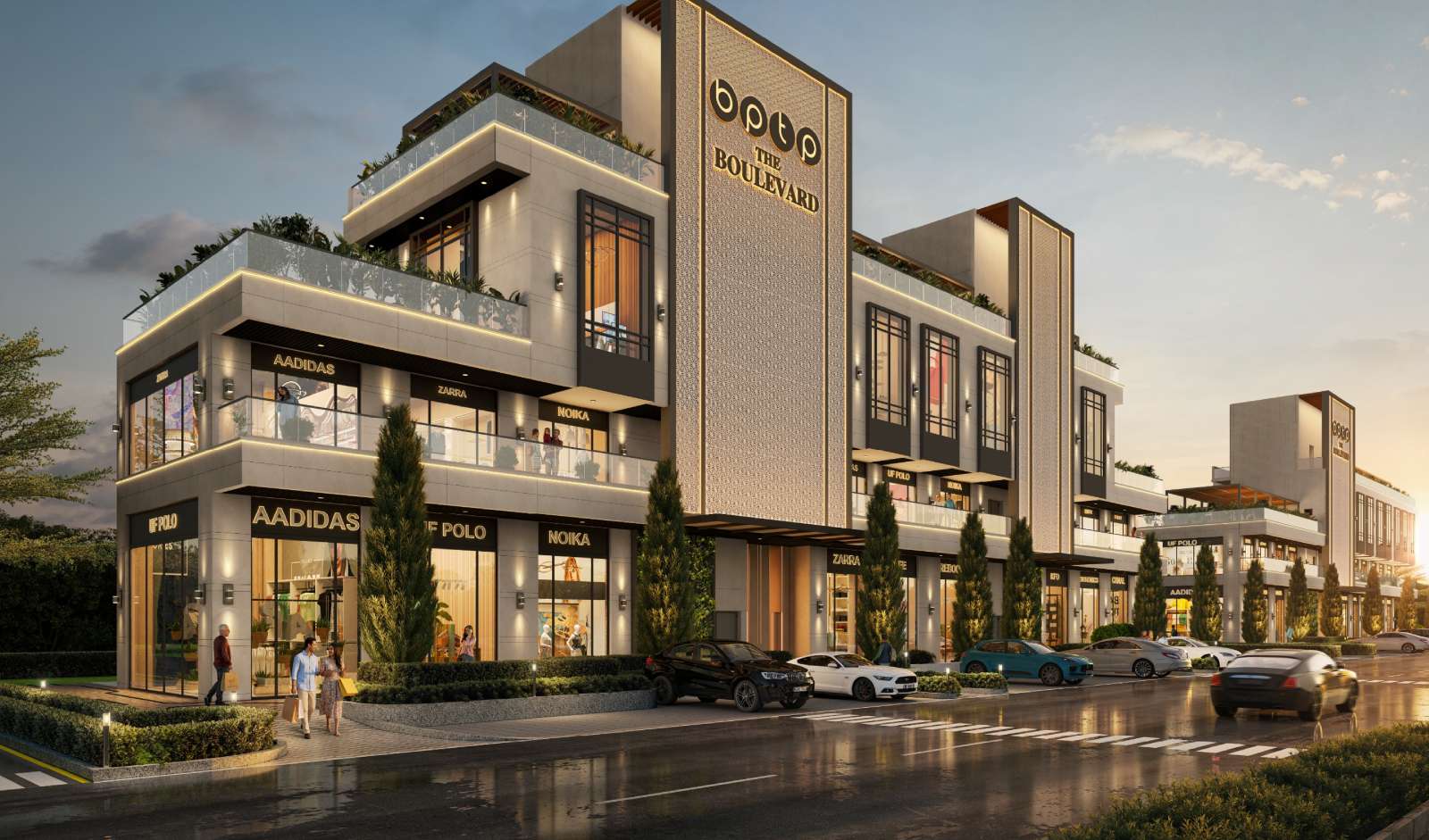
Real estate developer BPTP has announced the launch of The Boulevard at Green Oaks, a new high-street retail development in Sector 70A, Gurugram. Located within the Astaire Gardens ecosystem, the project is designed to serve the growing residential population in the area through a mix of retail, food and beverage, wellness, and lifestyle offerings.
The commercial development is positioned adjacent to the 100-acre Astaire Gardens township and is expected to cater to residents of nearby communities, including BPTP Visionnaire, BPTP Fortuna, BPTP Green Oaks, and BPTP Pedestal. Strategically located on a 24-metre-wide road, the project offers connectivity to Sectors 68 to 72, Southern Peripheral Road (SPR), and Golf Course Extension Road, providing access to several established and emerging residential neighbourhoods across Gurugram.
The Boulevard at Green Oaks comprises 52 retail units ranging from 612 sq ft to 1,217 sq ft. The development has been planned as a neighbourhood-focused retail destination, accommodating categories such as cafés, restaurants, grocery stores, pharmacies, beauty and wellness outlets, and other essential services.
The project has been designed around the increasing demand for convenience-led retail experiences within residential catchments. Features include landscaped walkways, open retail zones, pedestrian-friendly spaces, and dedicated areas for dining and community engagement. In terms of infrastructure, the development includes a glass-and-clad façade, high-capacity premium lifts, and surface parking facilities. The project is also IGBC registered, highlighting its focus on sustainability and environmental performance.
Amaan Chawla, President, BPTP said, “The Boulevard at Green Oaks reflects our approach to creating commercial destinations that respond to how urban communities live and engage today. As residential ecosystems mature, the demand for convenient, well-planned retail and lifestyle destinations grows alongside them. With its strategic location within Astaire Gardens, strong surrounding residential base and pedestrian-friendly design, The Boulevard at Green Oaks is envisioned as a destination that integrates everyday convenience with meaningful experiences for residents, businesses and visitors.”
The project is expected to benefit from the ongoing development of Gurugram’s growth corridor, where residential expansion, commercial activity, and infrastructure improvements continue to drive demand for organised retail and mixed-use developments. With the launch of The Boulevard at Green Oaks, BPTP is further expanding its commercial real estate portfolio, focusing on neighbourhood retail formats that combine accessibility, location advantages, and evolving consumer requirements.
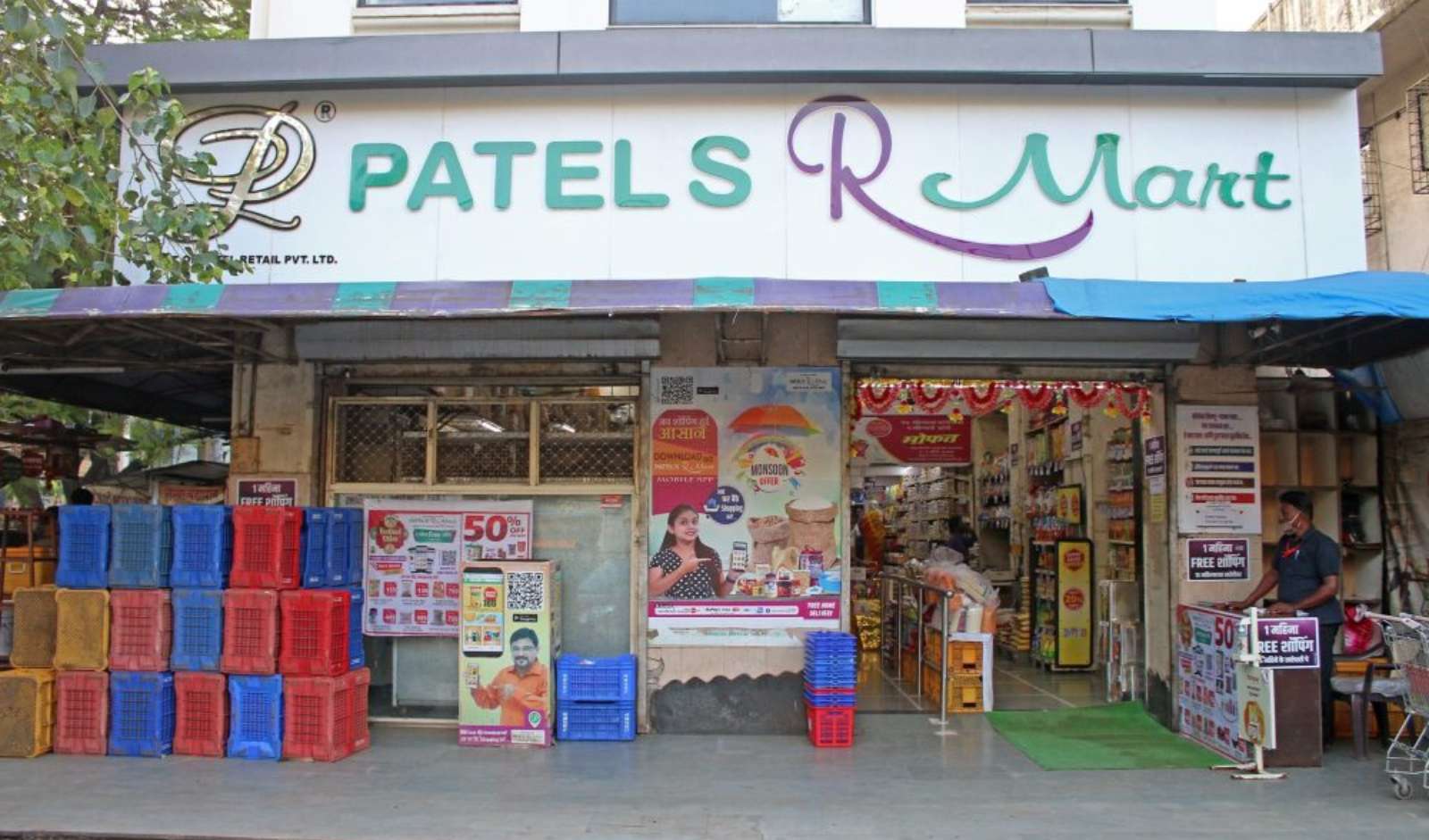
Patel Retail Limited has expanded its in-house food brand, Indian Chaska, with the launch of a new whole spices range, strengthening its presence in the packaged spices and FMCG food segment. The company said the launch is aimed at catering to everyday household consumption as well as growing demand in domestic and international markets. The new portfolio includes a wide range of whole spices commonly used in Indian cooking, covering categories such as seasoning, flavouring, and traditional spice blends.
The Indian Chaska Whole Spices range includes 23 products across multiple categories. Everyday cooking essentials include cumin seed (jeera), coriander seed (dhania), fennel seed (saunf), mustard seed (rai), yellow mustard, fenugreek seed (methi dana), carom seeds (ajwain), dry red chilli, and black pepper. The portfolio also features aromatic spices such as green cardamom, black cardamom, clove, cinnamon, bay leaf, star anise, mace, whole nutmeg, and dry ginger. Specialty products include nigella seeds, poppy seed, black sesame, gond (dried gum), and khada garam masala.
To cater to different consumption needs, the products will be available in pack sizes ranging from 10g and 20g to 500g and 1kg for select items. The company said the packaging options are designed for both trial purchases and regular household usage.
The spices are manufactured at Patel Retail’s processing facility in Kutch, Gujarat. According to the company, the products are sourced, cleaned, graded, and packed through its existing processing and sourcing network. In addition to whole spices, Indian Chaska also offers a portfolio of blended spices.
Dhanji Patel, Chairman and Managing Director of Patel Retail Limited said, "Our brand-building strategy is centered on bringing authentic, quality Indian spices closer to customers across households and growing domestic and global markets while strengthening our presence in key product categories. The launch of our Whole Spices under Indian Chaska reflects this approach and further expands our product portfolio. Every new product range enables us to better serve the everyday needs of our customers by providing convenient access to quality whole spices, carefully sourced, cleaned, graded and packed to preserve natural aroma, colour and flavour, through our in-house brand. As we continue to grow the Indian Chaska brand, our focus remains on enhancing product quality, strengthening long-term relationships with our customers and creating sustainable value for all our stakeholders. We will continue to expand our offerings in line with our long-term growth ambitions while delivering a consistent and trusted experience."
The launch comes as India's packaged spices market continues to witness steady growth, driven by rising demand for branded food products, convenience-led cooking solutions, and increased adoption of packaged grocery products across urban and non-urban markets.
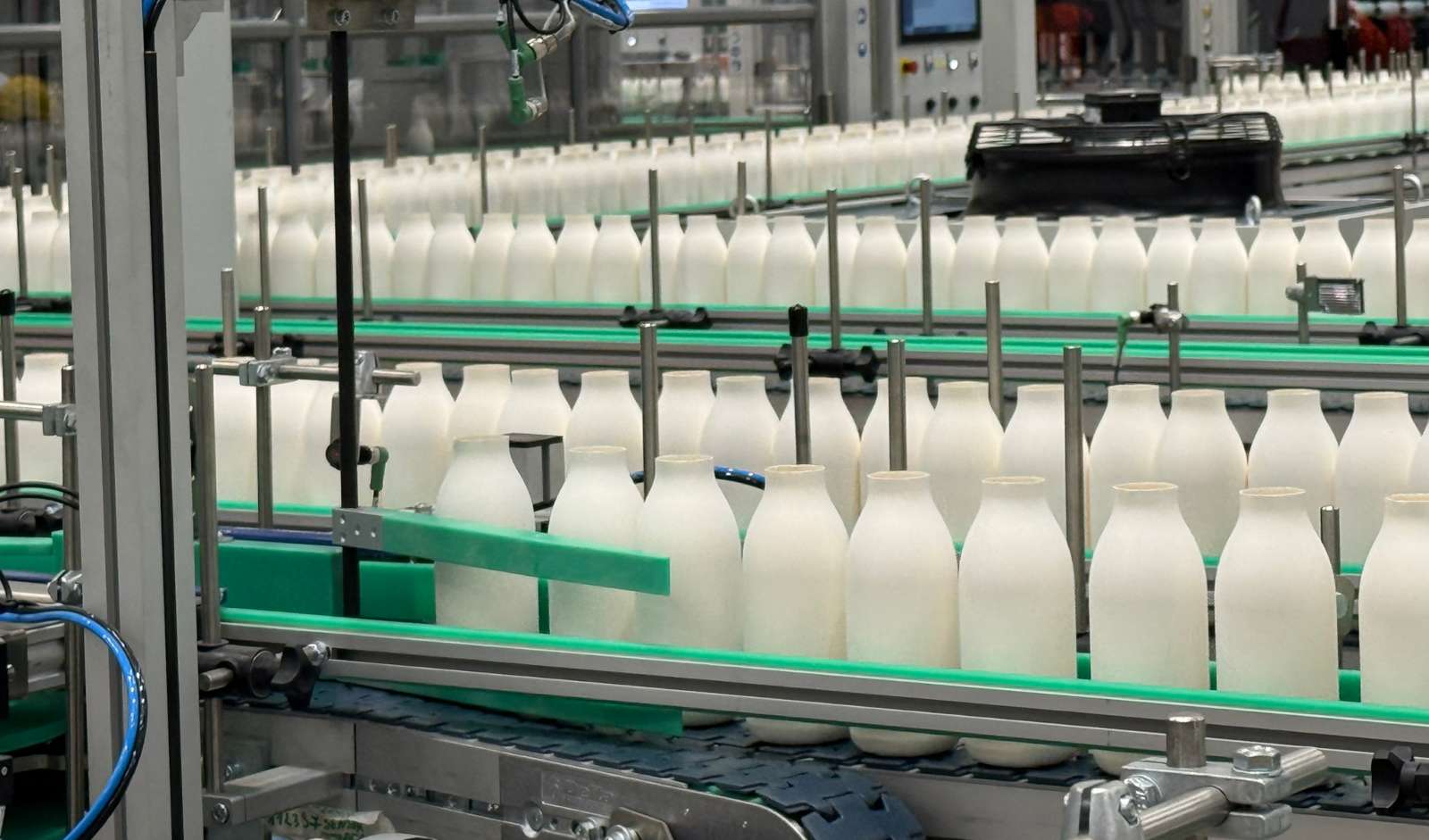
Alternicq Limited, one of India's largest rigid plastic packaging manufacturers, has expanded its packaging solutions portfolio through an exclusive partnership with UK-based packaging technology company Pulpex. The collaboration will introduce Pulpex’s pulp fibre bottle technology to India, strengthening Alternicq’s presence in sustainable packaging and FMCG packaging solutions.
The move marks another step in the company's strategy to evolve from a packaging manufacturer into an integrated packaging solutions provider offering services across design, manufacturing, materials, and delivery. With the addition of pulp fibre bottle technology, Alternicq is broadening its packaging capabilities beyond rigid plastic packaging to include renewable and recyclable packaging formats. The company said the development will help it offer a wider range of packaging solutions to FMCG brands, consumer goods companies, and global customers seeking sustainable packaging alternatives.
The company's transformation strategy is focused on strengthening customer engagement across categories, channels, and markets while expanding access to global packaging technologies through strategic partnerships. Alongside enhancing its go-to-market capabilities, Alternicq is also pursuing collaborations in areas such as packaging materials, recycling technologies, packaging formats, and supply chain innovation.
Pulpex's pulp fibre bottles are manufactured using sustainably sourced wood pulp and are designed to be recycled through standard household paper and cardboard recycling streams. The bottles incorporate a sprayed-on inner barrier coating that does not require separation during the recycling process. The packaging technology is also designed to work with existing filling infrastructure and supports direct-to-shape decoration across multiple FMCG applications.
Thimmaiah NP, Managing Director and Chief Executive Officer, Alternicq said, "We are building a one-stop packaging solutions business of global scale, investing in how we go to market, strengthening our capabilities from design to delivery, and partnering with the worlds leading technology innovators to bring the best solutions to our customers. Our ambition is simple: to provide every format, every material and every solution a customer needs, under one roof. By integrating innovative, sustainable materials and advanced packaging technologies into our rigid plastic packaging portfolio, we are expanding our capabilities to meet evolving customer needs across FMCG segments. Our partnership with Pulpex marks a significant step in this journey, bringing sustainable pulp fibre bottle technology to India and expanding the possibilities of what packaging can be."
Under the exclusive agreement, Alternicq and Pulpex will jointly assess market opportunities for fibre bottle packaging in India. The evaluation will include customer demand, priority industry segments, regulatory requirements, product specifications, and manufacturing infrastructure needed for local production. The agreement combines Pulpex's packaging technology with Alternicq's manufacturing network, customer relationships, and production capabilities to develop sustainable packaging solutions for the Indian market.
Sandy Westwater, Chief Executive Officer, Pulpex said, "Alternicq is exactly the manufacturing partner this technology needs. The significance of this announcement goes well beyond market entry. It brings together a UK technology platform that has moved from innovation to industrial reality and Indias leading packaging manufacturer, with the capability, the customers and the ambition to deliver renewable packaging at scale making a material impact on our environment by reducing CO emissions and, critically, removing plastic waste on land and in our oceans. Granting exclusivity for India, the GCC and the potential to expand the agreement to Australia, reflects our confidence in Alternicqs capability and in the opportunity these markets represent. Together we are laying the foundation for fibre bottle production at scale in some of the most attractive packaging markets in the world."
Scott Winston, Managing Director and Chief Science and Sustainability Officer, Pulpex added, "India is one of the most important consumer markets in the world and a natural destination for the next phase of Pulpexs growth. This partnership demonstrates the strength of our model. We have developed and industrialised a breakthrough packaging technology in the United Kingdom and are now deploying that capability through Indias leading packaging manufacturer, with exclusive rights across India, the GCC and potentially the Australian market as well."
The partnership reflects the growing focus on sustainable packaging, recyclable packaging materials, fibre-based packaging, and circular economy solutions as FMCG brands increasingly look for alternatives to conventional packaging formats.
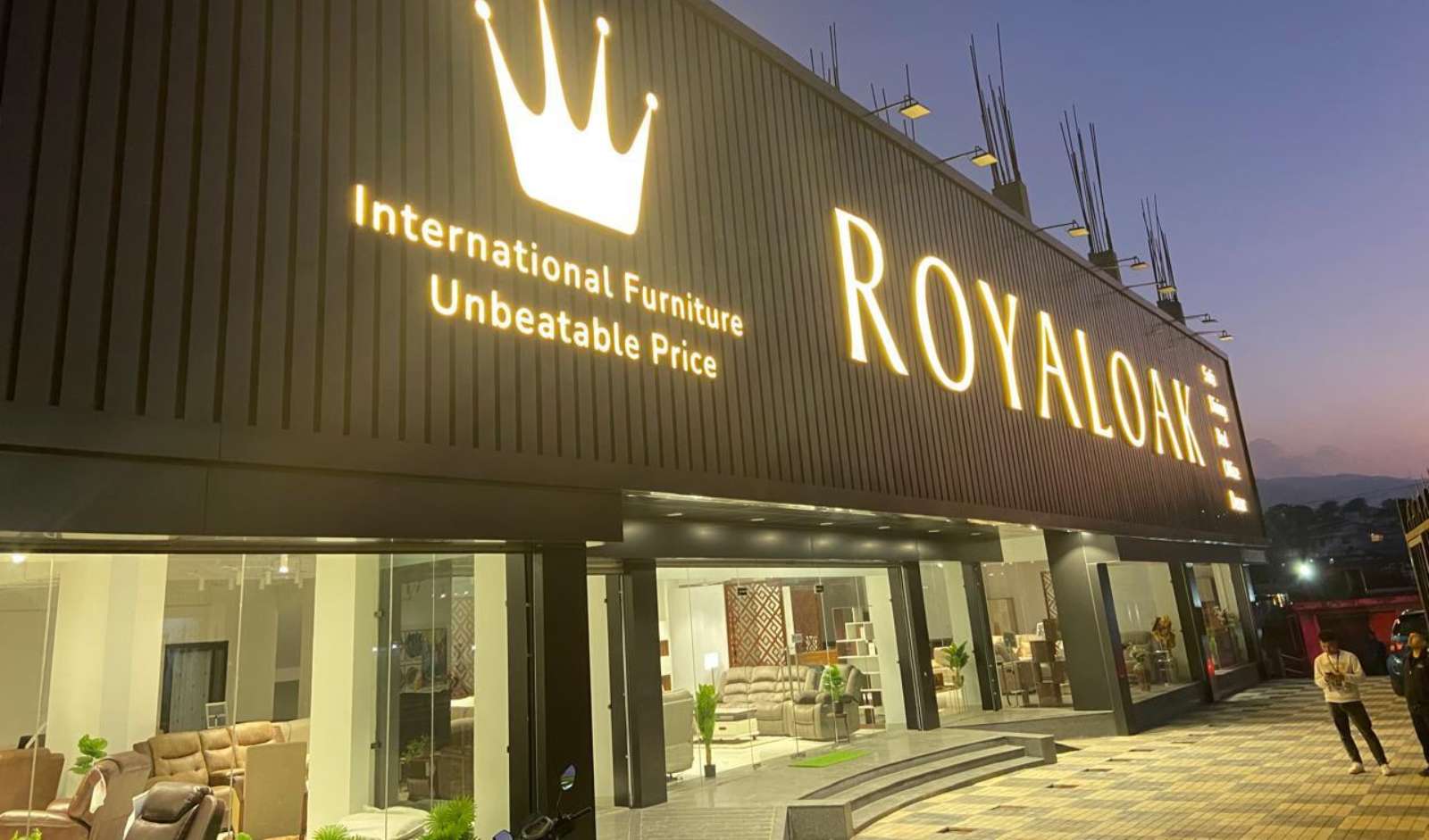
Furniture retailer Royaloak Furniture has reported encouraging early sales from its newly introduced Value Store format, a compact retail model aimed at expanding its presence in Tier ll and Tier lll cities across India. Within the first month of operations, the company's Kadur store generated sales of Rs 27 lakh, while the Sira outlet recorded Rs 25 lakh.
The performance highlights growing demand for organised furniture retail in smaller cities, where consumers are increasingly seeking access to branded furniture, home décor, mattresses, and home furnishing products. The Value Store format has been developed to bring Royaloak’s product portfolio closer to customers in emerging markets without the footprint of a large-format showroom. Each outlet spans between 4,000 and 5,550 sq ft and offers a curated range of products tailored to local preferences while providing access to the retailer’s broader catalogue.
Industry trends continue to underline the importance of physical retail in the furniture sector. While online furniture shopping has gained traction, many consumers still prefer to visit stores to evaluate product quality, fabric, comfort, and finishes before making a purchase decision. This preference continues to support the growth of offline furniture retail and organised furniture chains across India.
Over the last ten months, Royaloak has opened seven Value Stores across Chintamani, Kadur, and Sira in Karnataka, Sambalpur in Odisha, Thodupuzha in Kerala, Palani in Tamil Nadu, and Shadnagar in Telangana. The rollout reflects the company's strategy to strengthen its reach in high-potential non-metro markets.
Vijai Subramaniam, Chairman and Co-Founder, Royaloak Furniture said, "Royaloak has always been built on being close to the customer, not only in cities such as Bangalore and Chennai, but across the smaller towns of South India that organised retail has often overlooked. What we are seeing in emerging markets is not a one-off trend, but a sustained shift. Over the last ten months alone, we have added seven new Value Stores across five states, and the response from each of these markets tells us that consumers in smaller cities are actively seeking the same quality, design, and choice that has traditionally been available only in metros. Karnataka is a clear example of this, where our depth of presence shows just how far this demand runs. We intend to keep pace with this expansion in the months ahead."
According to industry estimates, India's furniture market is expected to grow from approximately $27.27 billion this year to between $40 billion and $45 billion by 2031. Organised furniture retail currently accounts for around 18.2 percent of the market, leaving significant opportunities for branded retailers to expand their market share.
With more than 200 stores across India, including 60 in Karnataka and 30 in Bengaluru, Royaloak continues to assess expansion opportunities based on consumer demand, residential development, accessibility, and local market conditions. The company plans to use a mix of large-format stores and compact Value Stores to support its next phase of growth.
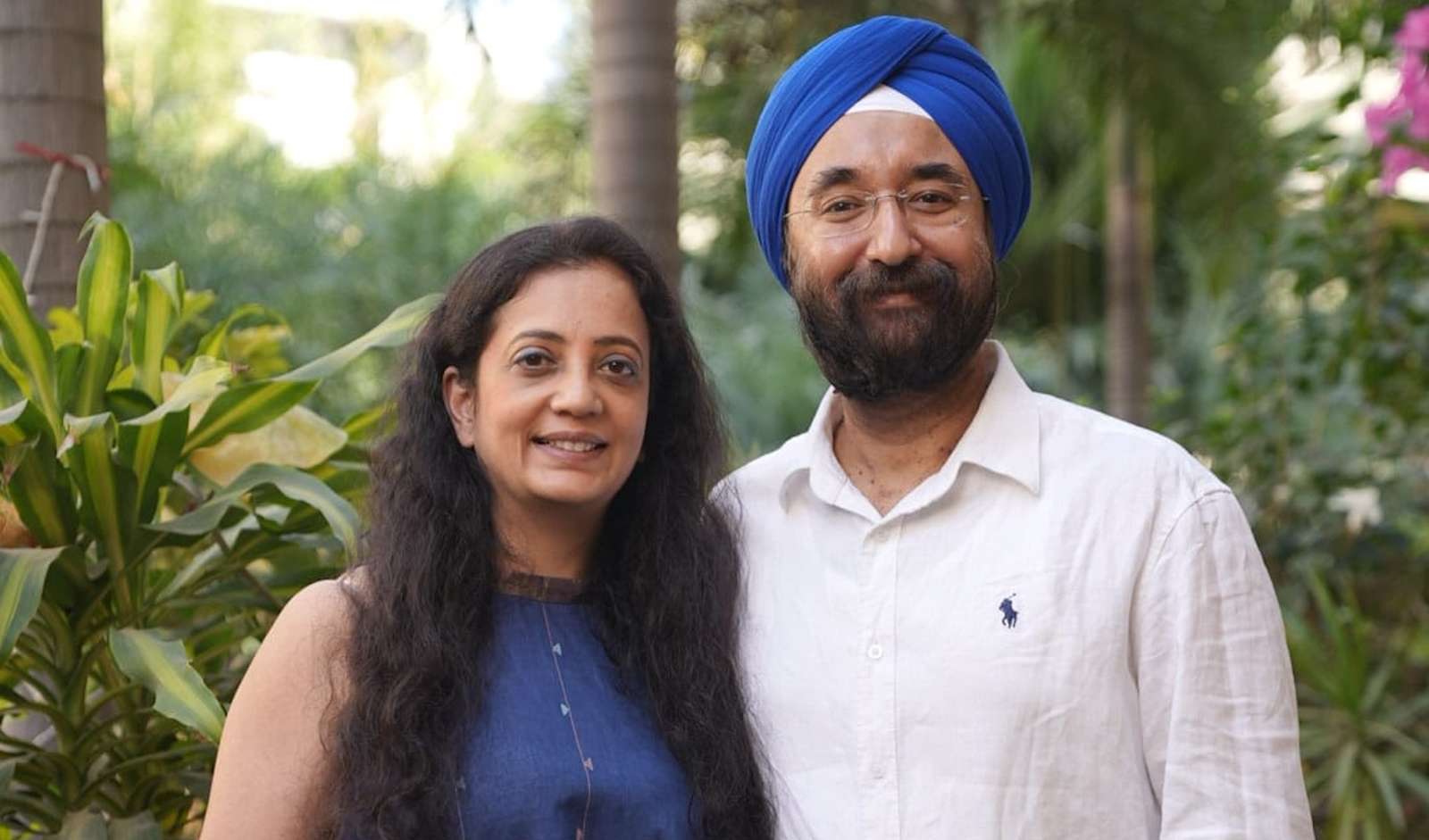
Preventive healthcare and nutrition brand Good Monk is on track to close the current financial year with Rs 150 crore in Annual Recurring Revenue (ARR), marking a 10-fold increase in business scale over the last 15 months. The company said repeat purchase revenue has grown faster than overall revenue during the period, indicating increasing consumer adoption and retention. The growth reflects more households incorporating the brand’s nutrition products into their daily routines.
Good Monk, known for its tasteless add-to-food nutrition products, has also reported significant progress in its profitability journey. The company has improved from a negative 50 percent EBITDA position and is now on track to achieve EBITDA positivity within the current fiscal year. According to the company, the improvement has been driven by revenue growth outpacing operating costs.
A major share of the brand’s growth is coming from beyond India's major metropolitan markets. More than 65 percent of Good Monk’s revenue now originates from non-metro cities, reflecting growing demand for preventive healthcare, nutrition supplements, and daily wellness products across smaller towns and cities. The company’s flagship nutrition products have also ranked among the top multivitamins on Amazon India, strengthening its position in the country’s growing health and wellness market.
Amarpreet Singh Anand, Co-Founder and CEO, Good Monk said, “We didn’t set out to build a typical nutraceutical brand. We set out to solve a problem — the fact that most Indian families have no practical way to close the nutrition gaps in their daily diet. Growing 10x in 15 months, with repeat revenue scaling even faster, didn’t happen because of marketing. It happened because the product has earned trust inside the household. Our customers are reordering because consumption is taking place without resistance. That’s the only growth engine that compounds. Everything else is noise.”
Looking ahead, Good Monk plans to expand its product portfolio to address clinically validated nutrition requirements across different age groups. The company said future launches will focus on solving common nutritional deficiencies through products backed by end-product clinical trials while maintaining affordability for Indian consumers. The expansion strategy comes at a time when the Indian nutraceutical market, preventive healthcare sector, and wellness nutrition category continue to witness rising consumer interest driven by increasing health awareness and demand for daily nutrition solutions.
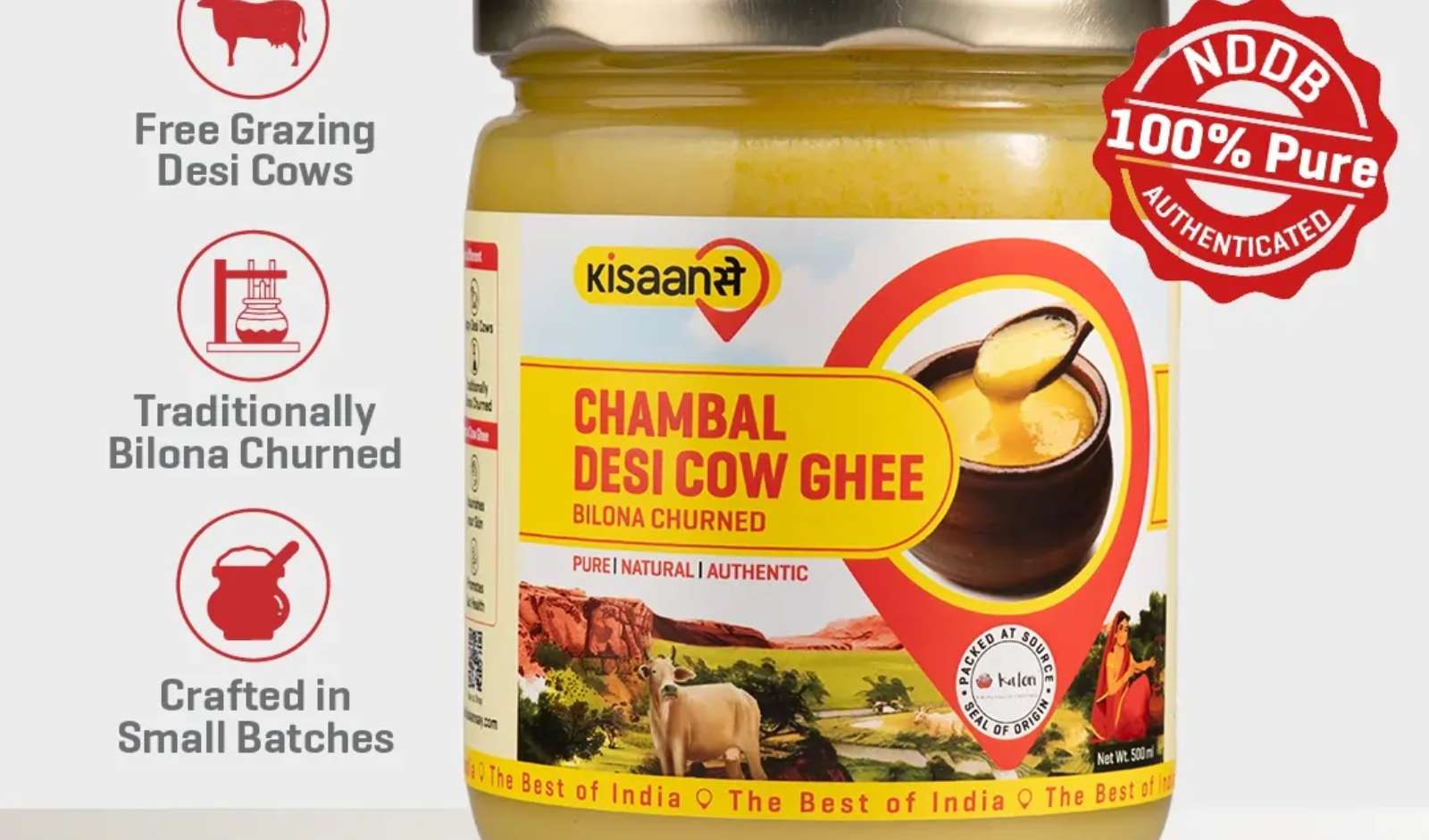
Farm-to-consumer food brand KisaanSay is aiming to work with 2 lakh farmers by FY27 as it expands its sourcing footprint across 15 states in India. The agri-food startup is strengthening its farmer network and product sourcing capabilities to meet growing demand for traceable, single-origin food products while supporting farmer incomes.
Founded by Nitin Puri, Vaishali Mehta, and Manoj Karki, KisaanSay currently partners with farmer enterprises and farmer producer companies (FPCs) to source food products directly from agricultural communities. The company operates through a farm-to-consumer model that focuses on reducing supply chain gaps and improving market access for farmers.
The expansion plan includes increasing sourcing operations across 15 states and significantly growing its farmer network to 2 lakh by FY27. The move aligns with the company's broader strategy of scaling agricultural procurement, strengthening rural livelihoods, and expanding access to natural and single-origin food products across India.
KisaanSay currently offers more than 100 SKUs across multiple food categories and has built partnerships with farmer enterprises covering tens of thousands of farmers across the country. The company distributes its products through its direct-to-consumer platform, e-commerce marketplaces, quick commerce channels, and select offline retail stores.
Earlier this year, the Gurugram-based startup raised Rs 34 crore in a Series A funding round led by NABVENTURES. The capital is being deployed towards expanding distribution, strengthening technology infrastructure, growing its sourcing ecosystem, and increasing market reach.
As India's agri-food sector continues to evolve, companies such as KisaanSay are increasingly focusing on direct sourcing, food traceability, farmer partnerships, and sustainable supply chains to meet changing consumer preferences while creating additional income opportunities for farming communities.
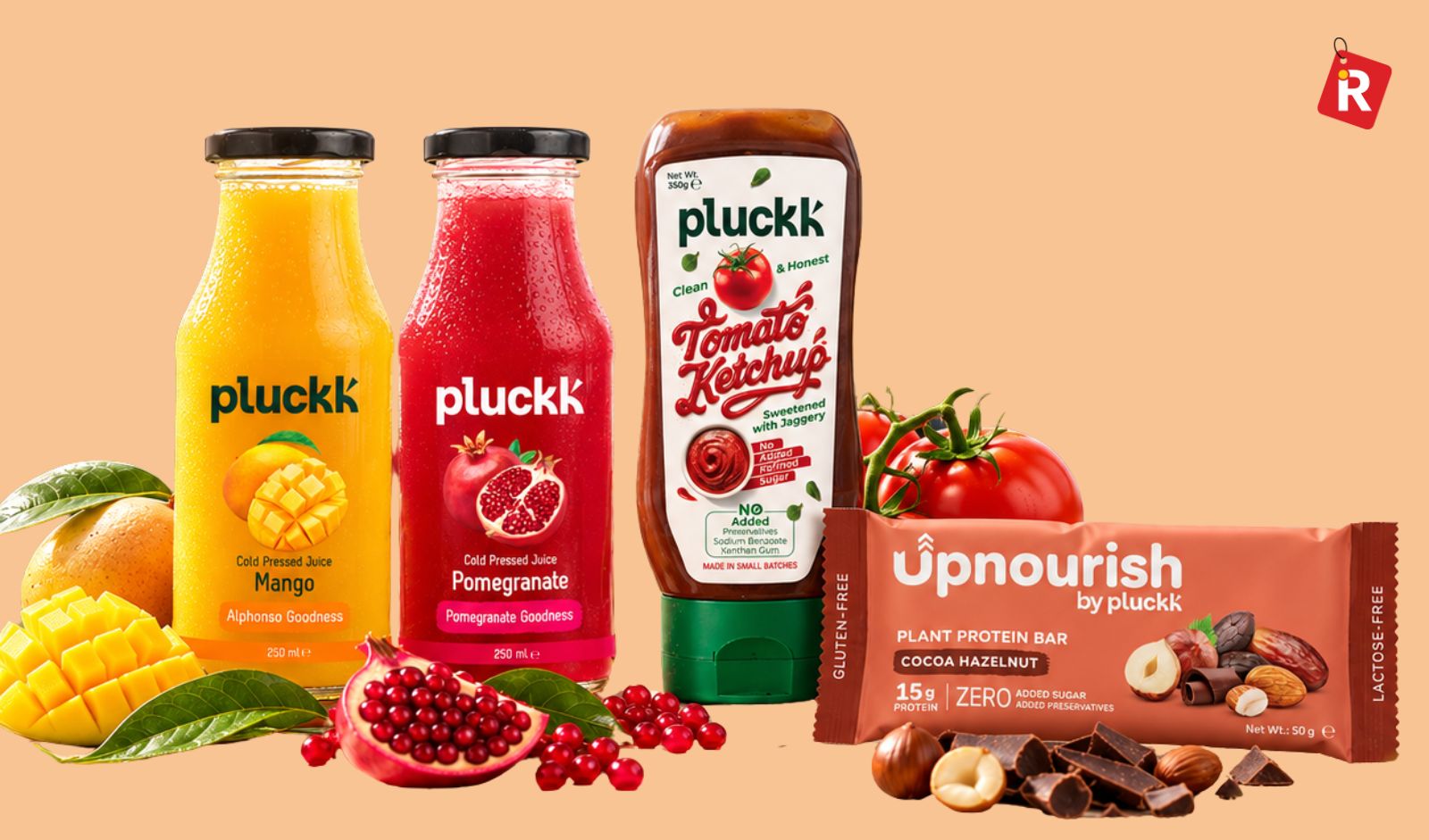
Pluckk, an Indian digital-first clean-label food and FMCG brand, has entered the United Kingdom as part of its international expansion strategy, with plans to scale its retail presence to 500 stores within a year.
Within the first month of its UK launch, the brand has established a presence in 17 stores and secured a 15% share of the protein bar category across these outlets, according to the company. It aims to expand to 100 stores across multiple retail chains within three months, with local grocery chains and online marketplaces expected to become additional distribution channels.
The company also plans to expand its UK portfolio from a limited initial range to more than 50 stock-keeping units (SKUs) across clean-label food and beverage categories. These will include cold-pressed fruit juices, functional drinks, healthy crisps, snacks, salads, and tomato ketchup.
Pluckk Bets on Growing Demand for Clean-Label Products
Pluckk's UK entry comes amid growing consumer interest in healthier food choices. The company sees opportunities in markets where consumers are increasingly seeking products that combine convenience, nutrition, and ingredient transparency.
According to the company, the UK Food Standards Agency's latest survey found that approximately 75% of consumers had made dietary changes for health reasons. Pluckk believes this shift, alongside the emergence of clean-label brands in India, creates opportunities for Indian FMCG businesses offering products that meet international quality standards.
“Pluckk was built with a simple vision – to make clean, nutritious food accessible to everyone. We believe consumers shouldn’t have to compromise between what is good for them and what is convenient, affordable and enjoyable. As we enter the UK, we are taking this vision to a new market where we see a growing appetite for better, cleaner food choices. This expansion is not just about taking Pluckk to the UK; it is about taking our larger mission global and making clean food a more accessible part of everyday life,” said Pratik Gupta, Co-founder and CEO, Pluckk.
Retail Expansion Across England and Wales
Pluckk has established a presence across several regions in England and Wales, including Lancashire, Merseyside, Yorkshire, Lincolnshire, the Midlands, East Sussex, Carmarthenshire, and Pembrokeshire.
The company is pursuing a geographically diversified retail expansion strategy, extending its reach across urban and suburban markets rather than concentrating exclusively on major cities. It plans to strengthen its presence through additional retail partnerships and distribution channels.
The planned expansion to 100 stores within three months and 500 stores within a year will be key milestones in building the brand's distribution network and increasing product accessibility in the UK market.
MENA and US on the Expansion Roadmap
Beyond the UK, Pluckk is evaluating opportunities in the Middle East and North Africa (MENA) region, particularly the UAE and Saudi Arabia, as well as the United States.
The company expects international markets to contribute 25% to 30% of its overall revenue, reflecting its ambition to build a global business around clean-label food and beverage products.
The UK launch marks the first step in Pluckk's international growth strategy. Its ability to expand retail distribution, broaden its product portfolio, and establish repeat consumer demand will be important factors in determining the pace and scale of its overseas business.

Diamond Jewellery Limited, the certified natural diamond jewellery brand operating under the Reva Diamonds by PNGS label, has reported a strong financial performance for the quarter ended September 30, 2026. Backed by the 194-year legacy of the P. N. Gadgil & Sons Group, the company recorded a 46.25 percent year-on-year increase in revenue from operations, excluding gold sales, reaching Rs 120.54 crore in Q2 FY27 compared to Rs 82.42 crore in the corresponding quarter last year.
The growth comes despite the absence of key festive days during the July-September quarter. Traditionally, the Dussehra-Diwali period is among the strongest sales seasons for jewellery retailers. While nine festive days were part of Q2 FY26, no such festive days fell within the same quarter this year, making the company’s performance particularly noteworthy.
For the first half of FY27, revenue from operations excluding gold sales rose 75.75 percent to Rs 236.53 crore, compared to Rs 134.58 crore in H1 FY26. Including gold sales, revenue for Q2 FY27 stood at Rs 120.54 crore, up 17.46 percent year-on-year, while H1 FY27 revenue increased 52.19 percent to Rs 238.51 crore.
During the quarter, Reva expanded its retail footprint with the opening of two company-owned, company-operated stores at Amanora Mall in Pune and Agora Commercial Complex in Nashik. With these additions, the company’s network now comprises 38 points of sale, including four exclusive stores and 34 shop-in-shop counters.
The company also entered the e-commerce space with the launch of revadiamonds.com, enabling customers to browse and purchase certified natural diamond jewellery online. The move is aimed at extending the brand’s reach beyond its physical retail network and improving accessibility for customers across markets.
Amit Modak, CEO, Reva Diamonds by PNGS said, “Jewellery retail has traditionally been closely linked to the festive calendar, and this quarter gave us none of it. Last year, nine festive days fell within Q2; this year, there were none. Against that backdrop, our 46% revenue growth is particularly encouraging. It indicates that consumers are increasingly choosing diamonds for personal milestones, celebrations and self-expression, rather than limiting purchases to festive occasions. Our new stores in Pune and Nashik are performing as planned, while our COCO expansion remains on track. With the upcoming wedding season, Dussehra and Diwali, we enter the second half of the year well positioned to serve customers looking for larger and more significant jewellery purchases.”
Aditya Modak, Director, Reva Diamonds by PNGS, added, “Reva was built around a simple proposition — certified natural diamond jewellery backed by a family name that customers have trusted for generations. During the quarter, we took this proposition to more customers through both our expanding retail network and our digital platform. The addition of Amanora and Nashik strengthens our presence in key customer markets, while revadiamonds.com gives customers the convenience of discovering and purchasing Reva jewellery online. As we expand across stores and digital channels, our focus remains on making natural diamond jewellery more accessible, relevant and effortless for today's consumer.”
Looking ahead, the company expects the upcoming wedding season along with the Dussehra-Diwali festive period to support stronger consumer demand and higher average order values. Reva also remains on track to open around 15 new company-owned stores within 24 months of its IPO, with expansion focused on Tier I cities and select Tier II and metro markets.

Gaurs Group has sold out the entire available inventory of its newly launched premium residential project, Gaur Alaris, during a two-day allotment event held for homebuyers. Located in Sector 22D on the Yamuna Expressway near the upcoming Noida International Airport, the project offered 3 BHK and 4 BHK apartments and recorded strong demand shortly after bookings opened.
Launched in August 2026, Gaur Alaris is expected to generate sales realisation of approximately Rs 1,900 crore. The development follows the company's earlier luxury housing project, Gaur NYC Residences, which was sold out within 60 hours before its official launch.
The latest sell-out highlights growing demand for residential real estate along the Yamuna Expressway corridor, which has witnessed increased buyer interest due to infrastructure development, improved connectivity, and the upcoming Noida International Airport. The region has emerged as a key destination for both end-users and property investors.
Manoj Gaur, CMD, Gaurs Group said, “The response to Gaur Alaris is a strong endorsement of the evolving potential of the Yamuna Expressway as a residential destination. The complete sell-out reflects the confidence buyers have in the corridor as well as in the quality, planning and execution that Gaurs Group brings to its developments. It is also a testament to the trust and belief our customers have in us, the legacy that has been built over 3 decades by timely delivery of all our projects.”
The project has been designed around a peacock-inspired concept and features Art Deco architecture by Hafeez Contractor. Landscape planning has been undertaken by Site Concepts International, while interior design has been developed by Studio Designscape. Gaur Alaris includes a clubhouse spread across more than 1 lakh sq ft, nearly eight acres of landscaped open spaces, and over 65 amenities across the residential development.
Sarthak Gaur, Director, Gaursons India Pvt Ltd said, “The Allotment Day of Gaur Alaris was a big success and is an endorsement of the trust of our buyers and the credibility of Gaurs Group. The complete sell-out of Gaur Alaris reflects the strong momentum that the Yamuna Expressway is currently witnessing. The Noida International Airport has added a significant new dimension to the region, while the overall infrastructure ecosystem continues to improve. Also, to our advantage, we already had a strong footprint in this region as we have already delivered a 250-acre integrated township – Gaur Yamuna City on Yamuna Expressway which is today home to almost 15000 residents.”
The project adds to Gaurs Group's premium and luxury housing portfolio, which includes developments such as The Islands by Gaurs, Legacy by Gaurs, Trecento Residences by Gaurs, Gaur NYC Residences, and Gaur Chrysalis. The company said it plans to launch two additional residential projects on the Yamuna Expressway in the near future as demand in the region continues to grow.
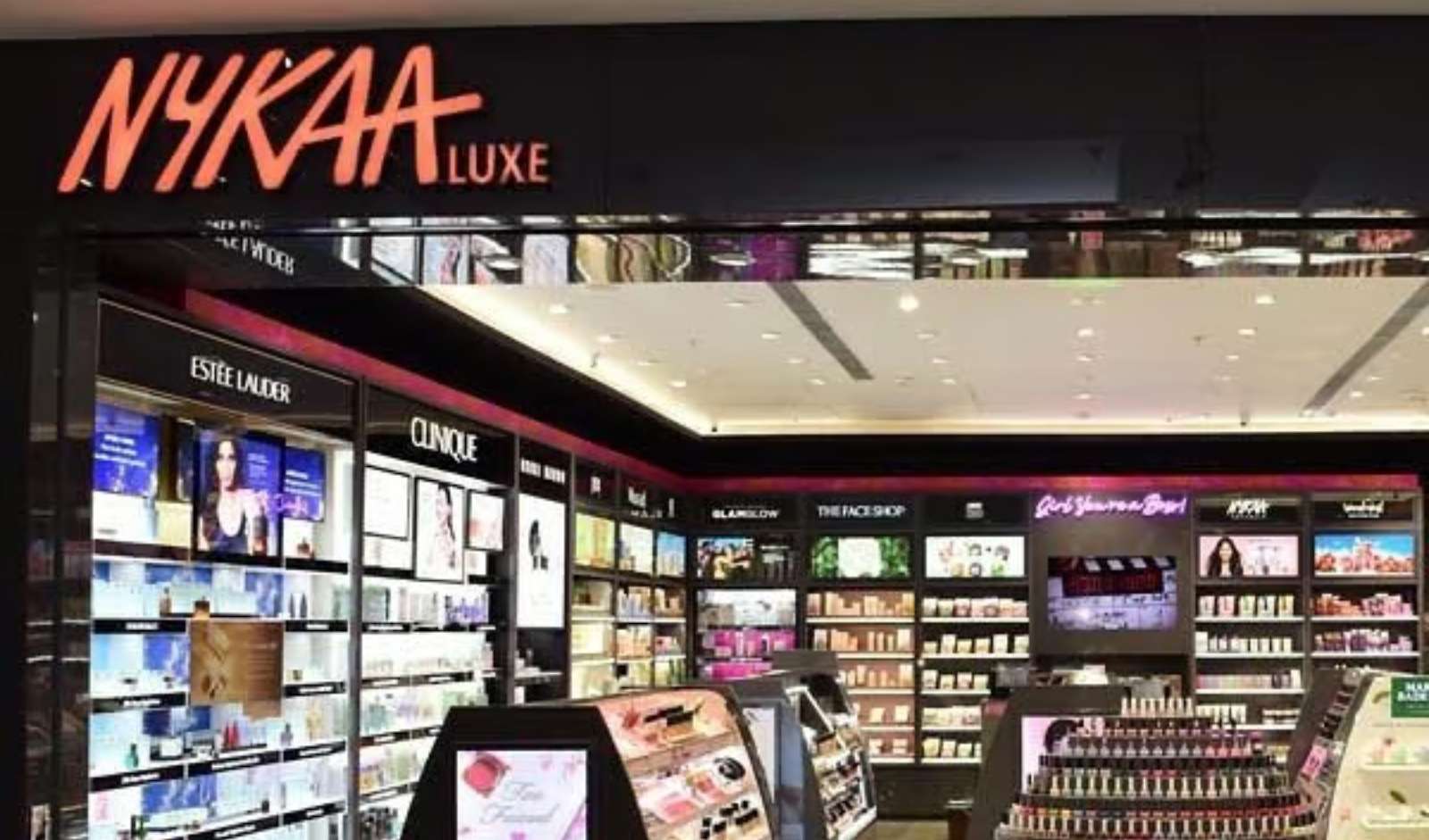
Nykaa reported strong growth across its beauty and fashion businesses for the quarter ended September 30, 2026, supported by store expansion, customer acquisition, omnichannel growth, and brand additions. The beauty and lifestyle retailer said its Beauty vertical is expected to record net sales value (NSV) growth and net revenue growth in the late twenties on a year-on-year basis during the second quarter.
The performance was driven by continued omnichannel expansion, growth in new customers, higher repeat purchases, and improved offline retail performance. Nykaa's physical retail business also recorded like-for-like (LFL) store sales growth in the early twenties, marking the highest LFL growth rate for its store network in the last six quarters.
As part of its retail expansion strategy, Nykaa added 14 net new stores during the quarter, taking its total offline store count to 338 as of September 30, 2026. The expansion further strengthens the company's omnichannel retail presence across India's beauty and personal care market.
The company's owned brand portfolio, House of Nykaa, continued to outperform the broader Beauty business during the quarter. Growth was supported by established brands within the portfolio as well as emerging beauty labels across skincare, cosmetics, and personal care categories. Nykaa's Fashion business also maintained strong momentum as it continued to scale operations. The company expects Fashion NSV growth in the late forties and net revenue growth in the early forties year-on-year, increasing the segment's contribution to overall revenue.
Product assortment expansion remained a key focus area during the quarter. Across its beauty and fashion platforms, Nykaa onboarded more than 250 brands in Q2 FY27, broadening consumer choice across categories. The company also reported early consumer interest following its exclusive partnership with Nike, which was announced during the period.
Nykaa noted that the timing of India's festive season affected quarterly demand patterns. A significant share of festive shopping activity shifted into the third quarter of FY27 rather than the September quarter. As a result, the company expects the December quarter to witness the bulk of festive demand and sales volumes. Despite the timing shift, Nykaa said its long-term growth drivers across beauty retail, fashion e-commerce, omnichannel retail, and owned brands remain unchanged.
The update highlights continued momentum in India's beauty retail and fashion retail sectors, with store expansion, premium brand partnerships, and omnichannel growth supporting Nykaa's business performance.
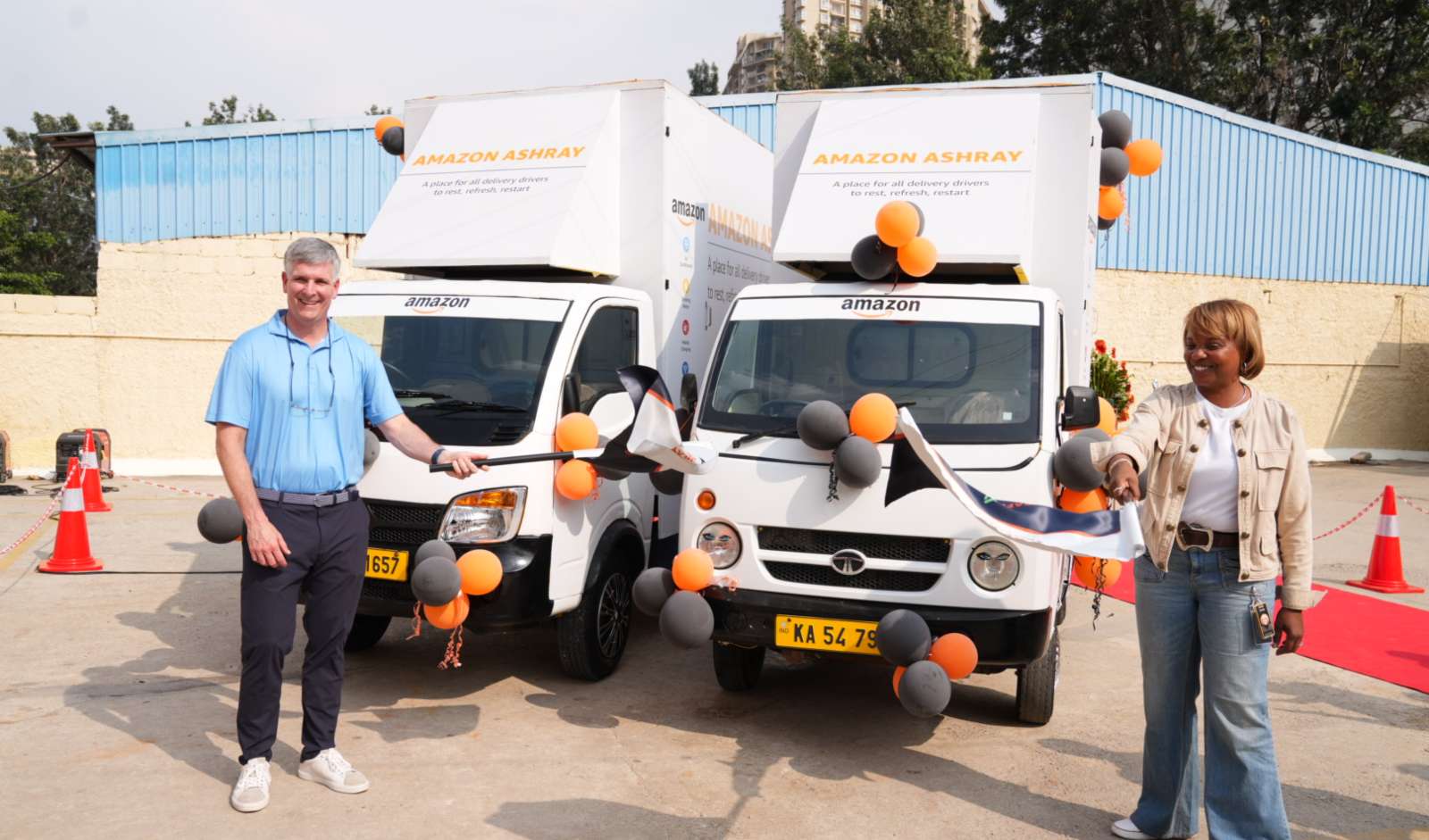
Ahead of the festive season, Amazon India has announced the expansion of its Ashray network with 50 new centres across the country, taking the total number of operational centres to 200. The company said it remains on track to reach 250 Ashray centres by the end of 2026 as it continues to strengthen support infrastructure for delivery drivers.
Amazon India also expanded its mobile Ashray van initiative to Bengaluru, making it the fourth city after Delhi NCR, Mumbai, and Hyderabad to receive the service. Two mobile Ashray vans were flagged off in Bengaluru in the presence of Sandy Gordon, Vice President, Employee Experience and Relations, Amazon, and Brendan Branon, Vice President of North America (NA) Employee Relations (ER).
The move comes ahead of the festive shopping season, a period that typically sees a significant rise in e-commerce orders and last-mile deliveries across India.
Salim R. Memon, Director – Operations, Amazon India said, "With the festive season driving a sharp increase in deliveries, it's more important than ever that drivers across the industry have access to rest on their routes. Ashray was built on a simple idea — that every delivery driver, whether they deliver for Amazon or not, deserves a clean, cool place to rest during their workday. Expanding to 200 centres and bringing mobile vans to more cities means we can reach more drivers in more cities, right when they need it most. This expansion is part of Amazon India's broader investment of over INR 2,800 crore (~USD 300 million) in 2026 to strengthen associate safety, health, and financial well-being across its operations network."
Launched in 2024, the Ashray initiative has grown into one of India's largest delivery driver welfare programmes. The centres are open to all delivery drivers, including those not associated with Amazon. The facilities provide air-conditioned seating, drinking water, mobile charging points, clean washrooms, first-aid support, and designated rest areas. Each centre can accommodate 10 to 15 people at a time and allows free access for up to 30 minutes per visit. The centres operate throughout the year from 9 a.m. to 7 p.m. and are located at high-footfall areas such as petrol pumps and commercial hubs. Their locations are also listed on Google Maps to improve accessibility.
To complement the fixed centres, Amazon's mobile Ashray vans provide similar amenities directly on high-density delivery routes. The fully air-conditioned vans offer seating, drinking water, free Wi-Fi connectivity, and mobile charging facilities, allowing delivery personnel to take short breaks during work hours.
Ashray Expansion Timeline
- 2024: Pilot launched with Ashray centres across Delhi NCR, Bengaluru, and Mumbai.
- 2025: Expanded to 100 centres across 16 cities.
- May 2026: Added 50 new centres, taking the total to 150; mobile Ashray vans launched in Delhi NCR.
- September 2026: Announced 50 additional centres, increasing the total to 200; mobile Ashray vans now operational in Delhi NCR, Mumbai, Hyderabad, and Bengaluru.
- End of 2026 Target: 250 Ashray centres across India.
The latest expansion is part of Amazon India's broader investment in delivery associate welfare, logistics infrastructure, and last-mile operations as e-commerce demand continues to grow across the country.
Canon India plans to expand its consumer printing retail network to more than 10,000 active retailers across 700 cities by the end of 2027, doubling its current reach as it looks to deepen its presence in Tier II, Tier III and Tier IV markets. The expansion follows sustained double-digit year-on-year growth in Canon India’s Consumer Printing business. The company is looking to improve access to printing products and services while growing its presence across consumer, SME, education, enterprise and institutional segments in India.
Demand for printing solutions is evolving across homes, schools, small businesses and enterprises, particularly in smaller cities where entrepreneurship, digital adoption and education-related requirements are increasing. Canon aims to use its wider retail network to improve product availability, strengthen local distribution and provide customers with access to product consultation and after-sales support.
The company is also investing in product development, digital commerce and partner capabilities as part of its wider India growth strategy. Building on the Canon Passport Program, which supports more than 5,000 active reseller partners through a digital rewards and engagement platform, Canon India is introducing BizBee for its B2B partner network.
BizBee will cater to System Integrators, Value-Added Resellers and other partners by providing access to incentives, product and solution training, technical certifications, business resources and digital tools. The initiative is intended to strengthen Canon’s B2B channel ecosystem across enterprise, education and institutional markets.
Toshiaki Nomura, President and CEO, Canon India said, “India is central to Canon’s long-term growth ambitions, underpinned by the resilience of its economy and the emergence of new centres of enterprise and consumption. As education, digitisation and infrastructure reshape demand across Tier lll and Tier IV markets, we see a significant opportunity to unlock the next phase of growth for our printing business. Our ambition to build a network of over 10,000 active retailers across 700 cities by 2027 reflects our commitment to invest ahead of the curve and bring Canon closer to customers through trusted touchpoints that combine first-hand product experience with expert guidance. By combining scale with customer-led innovation and strong channel partnerships, we are positioning Canon to lead and shape the future of printing in India.”
Canon Expands Omnichannel Printing Network in India
To support the expansion, Canon India is strengthening its omnichannel distribution network across traditional resellers, large-format retail chains, e-commerce, quick commerce and enterprise-focused partners. The company currently operates more than 400 active PIXMA Zones across India and plans to add over 500 PIXMA Zone Lite stores this year. Its Canon eSHOP platform also allows authorised resellers to showcase and sell Canon products digitally.
The wider channel strategy is aimed at giving customers flexibility to research and purchase products across online and offline retail formats while enabling Canon to extend its presence beyond major metropolitan markets. Canon is also increasing investment in retailer engagement and frontline sales capabilities. Its Retail Display Incentive Program currently covers over 1,000 partners and focuses on strengthening product visibility at physical retail outlets.
At the same time, the company plans to scale its RetailChamp Initiative from 400 to more than 1,000 retail sales personnel. The programme focuses on improving product knowledge and customer consultation across the company's retail network. Beyond consumer retail, Canon India intends to expand its System Integrator network to more than 500 partners nationwide. The move is expected to increase its reach across enterprise, education and government segments.
C Sukumaran, Vice President, Canon India said, “Our channel ecosystem will be central to translating Canon’s growth ambition into business impact. As we expand our reach, our focus is on building the capabilities of our partners and frontline teams to understand local needs, create demand and deliver trusted customer experience. Through initiatives such as Canon Passport, RetailChamp and BizBee, we are strengthening partner engagement, knowledge and enablement across the ecosystem. BizBee, in particular, will equip our B2B partners and System Integrators with the training, certifications and business tools needed to unlock opportunities across enterprise, education and government segments. Together, these efforts will help us build a more capable partner network and drive solution-led growth across consumer, SME and institutional markets.”
Canon’s expansion strategy brings together physical retail, digital commerce, reseller engagement and B2B channel development as the company increases its reach across India. The planned addition of retailers, PIXMA Zone Lite stores, System Integrators and trained frontline personnel is expected to support Canon’s consumer printing business across smaller cities while strengthening its ability to serve education, SME, enterprise and institutional customers.

Carlsberg India has received approval from the Securities and Exchange Board of India (SEBI) for its confidential pre-filing of documents for a proposed initial public offering (IPO). The company had submitted its draft IPO papers to SEBI through the confidential route in July 2026. This process allows companies to keep their draft offer documents private during the initial review, before deciding when to make the filing public.
The approval marks a key milestone in Carlsberg India’s proposed initial public offering (IPO). Details regarding the issue size, timeline, and other terms are expected to be disclosed in the offer documents, subject to the necessary regulatory and corporate approvals.
The proposed listing comes amid growing interest among multinational companies in India’s equity markets, as businesses look to unlock value from their investments in the country. The potential IPO would add to the activity in India’s primary market, with anticipated offerings from companies such as Jio Platforms drawing investor attention.
Carlsberg India commenced commercial operations in June 2007 with the launch of Carlsberg Green, entering India’s premium beer segment. Since then, the company has expanded its presence in the domestic beer market through a portfolio of brands, including Carlsberg and Tuborg.
The parent company has also reported positive volume growth across key markets. In its earnings guidance for the six months ended June 30, 2026, Danish brewer Carlsberg reported overall volume growth of 2.8%, while organic volume growth stood at 1.7%. Europe recorded volume growth of 0.1%, while the Central and Eastern Europe and India region registered growth of 6.2%.
The performance highlights the contribution of the Central and Eastern Europe and India region to the group's volume growth during the first half of 2026. With SEBI approval secured, Carlsberg India has taken another step toward its proposed public listing, with further details expected to emerge following the release of the relevant offer documents.
Global apparel retailer UNIQLO has reopened its expanded store at Ambience Mall, Gurugram, strengthening its retail presence in North India and offering customers a larger shopping destination featuring the brand’s latest seasonal collections and customer engagement initiatives.
The reopening was marked by a traditional Taiko drum performance, creating a festive atmosphere that attracted a large number of shoppers to the store. Customers visiting the revamped outlet were introduced to the expanded retail space and a wider assortment of products across key categories.
The enlarged store features UNIQLO’s latest Fall/Winter collection, including seasonal essentials such as Fleece, Knitwear, HEATTECH and PUFFTECH. The expansion is aimed at improving the overall shopping experience while providing consumers with greater access to the brand’s apparel and technology-driven clothing solutions.
In addition to the product showcase, UNIQLO introduced a series of customer-focused experiences designed to encourage participation and community engagement. One of the highlights was the UNIQLO Share Wall, an interactive installation where visitors could share personal stories and experiences about what they appreciate most about the brand.
The company also promoted sustainability through its RE: UNIQLO initiative. A dedicated donation box was installed at the store, encouraging customers to contribute pre-loved clothing that can be redirected to individuals and communities in need. The initiative forms part of UNIQLO’s broader efforts to support responsible consumption and extend the lifecycle of garments.
To celebrate the reopening, UNIQLO has announced a range of special promotional offers, available from October 2 to October 8. The limited-period deals are intended to drive footfall to the newly expanded outlet while giving customers an opportunity to explore the retailer’s latest collections and in-store experiences.
The Ambience Mall store expansion reflects UNIQLO’s continued focus on strengthening its retail footprint in India. By combining a larger retail format, seasonal product innovations, and community-driven initiatives, the brand aims to deepen its engagement with consumers while reinforcing its position in the country’s growing fashion and apparel market.

Reliance-backed online healthcare platform Netmeds reported steady financial performance for FY26, maintaining profitability despite recording only moderate growth in revenue.
Revenue from operations increased 2.3 percent to Rs 44.7 crore in FY26, compared to Rs 43.7 crore in FY25. The digital healthcare and online pharmacy platform posted a profit of Rs 5.5 crore during the fiscal year, continuing its profitable run despite a relatively stable topline.
Netmeds operates across multiple healthcare segments, including online pharmacy, diagnostics, teleconsultation services, and healthcare product sales. In addition to product transactions, the company derives income from healthcare-related services and marketing activities.
Services remained the primary contributor to the company’s business during the year. Gross service income stood at Rs 46.3 crore, largely unchanged from Rs 46.2 crore reported in the previous fiscal. Revenue generated from the sale of goods, however, registered stronger growth, rising 24 percent to Rs 6.03 crore from Rs 4.86 crore in FY25.
Netmeds reported operating revenue of Rs 44.7 crore. The company also earned Rs 3.24 crore from non-operating income, taking its total income to Rs 47.94 crore for FY26.
The company significantly increased spending on brand visibility and customer outreach initiatives during the year. Advertising and promotional expenses jumped 76 percent to Rs 2.9 crore, compared to Rs 1.65 crore in FY25. Additional overhead expenses, including legal, professional, and rental costs, amounted to Rs 12.24 crore.
Overall expenditure increased to Rs 42.4 crore from Rs 41.6 crore in the previous fiscal year. Despite the rise in costs, Netmeds remained in the black, although its profit declined by around 5 percent year-on-year.
The company reported a return on capital employed (ROCE) of 4.5 percent and an EBITDA margin of 5.66 percent. Operational efficiency remained largely stable, with Netmeds spending approximately Rs 0.95 to generate every Re 1 of operating revenue, in line with FY25 levels.
Reliance Industries, through Reliance Retail Ventures Ltd. (RRVL), acquired a majority stake in Netmeds for approximately Rs 620 crore in August 2020 as part of its expansion into the digital healthcare and e-pharmacy sector.
Netmeds competes with major players in India’s online healthcare market, including Tata 1mg, PharmEasy and Apollo 24/7. During FY26, Tata 1mg reported Rs 2,936 crore in revenue while posting a consolidated loss of Rs 287 crore, whereas API Holdings, the parent company of PharmEasy, reported Rs 6,869 crore in revenue.
Cinema exhibitor Cinépolis India has strengthened its presence in Haryana with the launch of a new four-screen multiplex at Amolik’s City Life Mall in Sector 28, Faridabad.
With the latest opening, the company has doubled its footprint in the city to eight screens, less than a year after inaugurating its first Faridabad property at Pacific Mall.
The newly launched multiplex houses 549 seats across four screens and offers recliner seating, Dolby sound technology and the brand’s food and beverage services. The opening comes ahead of the Gandhi Jayanti holiday weekend and the release of Drishyam: The Conclusion on October 2.
The expansion is part of Cinépolis India’s broader growth strategy across the Delhi-NCR cinema market. In recent months, the multiplex chain has added new properties at IREO Grand High Street in Gurugram and Dwarka, taking its regional network to 16 cinemas and 78 screens.
Devang Sampat, Managing Director, Cinépolis India said, "For us, growth is really a catchment question. Sector 28, has settled residential neighbourhoods on every side, and Faridabad is a big city, so there's room here for more than one Cinépolis. The choice of mall matters just as much. Amolik has built City Life as a place where families already come to eat and shop, and a good cinema gives them one more reason to spend the evening there. When a cinema runs well, the businesses around it do well too."
Located in the residential hub of Sector 28, City Life Mall has been developed by Amolik, whose portfolio in Faridabad also includes projects such as Amolik Heights and Amolik Residency.
Canon India has announced plans to expand its consumer printing distribution network to more than 10,000 active retailers across 700 cities by the end of 2027, doubling its current reach as the company looks to capitalize on growing demand for printing solutions across India.
The expansion comes amid sustained double-digit growth in Canon’s consumer printing business and is aimed at increasing product accessibility across Tier II, III, and IV markets. The company expects the initiative to support growth across consumer, SME, education, enterprise, and institutional segments.
Through its planned expansion across 700 cities, the company aims to improve product availability, enhance brand visibility, and provide greater access to consultation and after-sales support.
Toshiaki Nomura, President & CEO, Canon India, said, “India is central to Canon’s long-term growth ambitions, underpinned by the resilience of its economy and the emergence of new centres of enterprise and consumption. As education, digitisation and infrastructure reshape demand across Tier 3 and Tier 4 markets, we see a significant opportunity to unlock the next phase of growth for our printing business. Our ambition to build a network of over 10,000 active retailers across 700 cities by 2027 reflects our commitment to invest ahead of the curve and bring Canon closer to customers through trusted touchpoints that combine first-hand product experience with expert guidance. By combining scale with customer-led innovation and strong channel partnerships, we are positioning Canon to lead and shape the future of printing in India.”
To support the expansion, Canon is enhancing its omnichannel strategy across traditional retail, large-format stores, e-commerce, quick commerce, and enterprise-focused channels. The company currently operates more than 400 PIXMA Zones nationwide and plans to add over 500 PIXMA Zone Lite stores this year. Its Canon eSHOP platform also enables authorized resellers to showcase and sell products digitally.
Canon is further strengthening its partner ecosystem through initiatives such as the Canon Passport Program, which supports more than 5,000 reseller partners, and the newly launched BizBee platform for system integrators and value-added resellers. BizBee will provide partners with training, certifications, incentives, and business tools to enhance solution-led selling.
The company is also investing in retail engagement programs, including the Retail Display Incentive Program and RetailChamp Initiative, which is being expanded from 400 to over 1,000 retail sales personnel to improve product expertise and customer support.
Milky Mist Dairy Food Limited has commissioned a new 10 MW solar power plant at Arasanoor, further strengthening its renewable energy infrastructure and sustainability initiatives. The latest addition comes alongside the 15 MW solar facility already operational at the same location, taking the company’s total investment in the 25 MW Arasanoor solar project to Rs 109.60 crore.
With the commissioning of the new facility, Milky Mist’s renewable energy portfolio has grown to 41 MW. The company’s renewable assets now include 5 MW at Chithode, 9 MW at Kavilipalayam, 25 MW at Arasanoor, and 2 MW of wind power at Kayathar. According to the company, renewable energy sources now meet its entire power requirement across operations.
The solar installations have been developed on arid and open land that is not suitable for agricultural use, allowing the company to utilize such areas for renewable energy generation while supporting its sustainability goals.
The newly operational 25 MW solar facility is expected to generate around 20 million units of renewable electricity annually and supply power to Milky Mist’s integrated manufacturing facility in Perundurai as well as its milk chilling centers. The additional capacity is also projected to reduce dependence on conventional energy sources and help avoid nearly 16,000 tonnes of carbon emissions every year.
Beyond solar and wind energy, the company has invested in steam turbine technology and a methane gas purification plant that generates approximately 15,000 units of electricity daily. Methane produced through effluent treatment processes is purified and converted into compressed natural gas (CNG), while biomass is also used in boiler operations to further reduce reliance on conventional energy sources.
T Sathish Kumar, Chairman and Managing Director, Milky Mist Dairy Food Limited said, “At Milky Mist, our approach to growth has always been guided by a long-term vision of building a business that is responsible in its use of resources and conscious of its impact on the environment. We believe that sustainability must be embedded in the way an enterprise is built, operated and scaled, rather than viewed as a standalone initiative. Our investments in renewable energy, resource-efficient technologies and alternative sources of power are a reflection of this philosophy. The commissioning of our new 10 MW solar power plant is another significant step in this journey, taking renewable sources to over 90% of our total power requirements. As we continue to expand our operations, our endeavour is to strengthen energy self-sufficiency, advance more sustainable manufacturing practices and create enduring value for our business, our stakeholders and the environment.”
The latest investment aligns with Milky Mist’s broader strategy of building a technology-driven and resource-efficient manufacturing ecosystem, while continuing to explore opportunities to enhance energy efficiency and expand the use of renewable power across its operations.

Amazon India has expanded its ultra-fast delivery service, Amazon Now, to more than 120 cities across the country, doubling the service’s reach within two weeks. The expansion brings the quick-commerce offering to several new markets, including Amritsar, Abohar, Jalandhar, Ambala, Mangalore, Manipal, Visakhapatnam, Kochi, Changanassery, Bhubaneswar, and Karwar.
Amazon Now enables customers to receive deliveries within minutes and offers access to a broad assortment of daily essentials. The service covers categories such as groceries, including fresh fruits and vegetables, frozen foods, personal care products, beauty items, fashion, small appliances, home essentials, and kitchen products.
To support the growing network, Amazon is leveraging nearly 800 micro-fulfilment and urban fulfilment centres across India. The infrastructure is designed to facilitate rapid deliveries while expanding product availability in both metropolitan and emerging markets.
Harsh Goyal, Vice President – Everyday Essentials, Amazon India said, "We are delighted to take ultra-fast deliveries with Amazon Now to India’s hinterland – from Amritsar & Abohar in the north to Kochi & Changanassery in the south – ahead of the Amazon Great Indian Festival. Amazon Now continues to be the fastest-growing ecommerce business unit in Amazon India's history with orders doubling every quarter. This accelerated rollout underscores our commitment to making fast & reliable delivery accessible to customers across the country. We look forward to continue scaling up and offering the widest selection of products at the fastest delivery speeds this festive season.”
The announcement follows Amazon’s recent disclosure that Amazon Now achieved an annualized gross sales run rate of $1 billion in India over the past three-month period. The company plans to further scale the service to more than 300 cities as it works toward building one of the country’s largest delivery-in-minutes networks.
Ahead of the Amazon Great Indian Festival, which begins on October 8, customers using Amazon Now will have access to deals across multiple product categories. Amazon will also offer a 10 percent instant discount on SBI Credit Cards, Debit Cards, and EMI transactions, while Prime members will be eligible for additional savings on select purchases.

Acerpure India, a part of the Acer Group, has introduced its new Nitro QLED TV range in India. The smart TV lineup is now available on Flipkart and includes 75-inch, 85-inch, and 100-inch screen variants, targeting consumers seeking large-screen home entertainment and gaming experiences.
The new Nitro QLED TVs combine QLED display technology with a 120Hz HSR refresh rate, aimed at delivering smoother visuals for gaming, sports broadcasts, and high-motion content. The televisions also support Dolby Vision and Dolby Atmos, offering enhanced picture quality and audio performance. The range runs on Google TV 5.0 Ref+, providing access to streaming platforms, smart TV features, and connected entertainment services.
In terms of audio, the 75-inch and 85-inch models come equipped with 40W box speakers, while the 100-inch variant features a 65W box speaker system. The televisions also include a built-in karaoke feature, expanding their entertainment offering for family and group viewing.
Vasudeva G, Director, Acerpure India said, “The way consumers experience entertainment at home is evolving rapidly, and we see a growing desire for experiences that are not just bigger, but genuinely more immersive and engaging. With Nitro, we are bringing the scale of the big screen into the living room and creating a proposition that is as much about the experience as it is about the technology behind it. The 75-inch, 85-inch, and 100-inch formats reflect our ambition to make larger-than-life entertainment more accessible to Indian consumers. Our association with Akshay Kumar as the brand ambassador for Acerpure further strengthens this vision of connecting technology with contemporary lifestyles and entertainment. Through our partnership with Flipkart, we are excited to take this proposition to consumers across the country.”
The launch comes as demand for premium smart TVs, large-screen displays, connected home entertainment devices, and gaming-focused televisions continues to grow in India. With larger display options and advanced audio-visual features, Acerpure is expanding its presence in the consumer electronics and smart TV market. The Acerpure Nitro QLED TV range is available on Flipkart, with prices starting at Rs 59,999.
ICA-GemLab, an international organisation specialising in diamonds, coloured gemstones, and jewellery testing, is set to open its first laboratory in India this October. The new facility will be located in Surat, Gujarat, a major global hub for diamond processing, jewellery manufacturing, and gemstone trade. The laboratory will offer testing, certification, and reporting services for diamonds, coloured gemstones, and jewellery, providing manufacturers, traders, retailers, jewellery brands, and consumers with access to gemological analysis within India.
The Surat facility marks ICA-GemLab’s first laboratory in the Indian subcontinent and forms part of the organisation’s expansion strategy to strengthen its presence in key global gems and jewellery sourcing markets. The laboratory will operate in coordination with ICA-GemLab’s headquarters in Bangkok and its existing offices in Dubai and Hong Kong.
As one of the world's leading centres for diamond cutting, polishing, and jewellery production, Surat plays a critical role in the global gems and jewellery supply chain. The new laboratory aims to provide testing and reporting services closer to the manufacturing and trading stages before products enter retail channels. ICA-GemLab is affiliated with the International Colored Gemstone Association (ICA), a global trade body representing the coloured gemstone industry. The Surat laboratory will follow the reporting standards, analytical procedures, and professional practices adopted across the ICA-GemLab network.
Kalpesh Desai, who will lead ICA-GemLab India as Director said, “India has a significant share of the world’s diamond processing, with Surat being one of its key centres. Our aim is to provide direct access to our internationally established analytical methods and reporting standards to manufacturers, traders, retailers, designers and consumers. We are working with a long-term plan. We aim to provide reliable gemological information, documented methodologies and analysis that can help traders and consumers make decisions based on appropriate information.”
Amira Hatta, Managing Director, ICA-GemLab Global said, “India is one of the most important markets in the global gems and jewellery industry. Opening a laboratory in Surat will bring our analytical capabilities directly to this market, so that customers will have access to our services closer to where they operate.”
The laboratory will issue three categories of reports: Diamond Reports, Coloured Gemstone Reports, and Jewellery Reports. These services will cater to jewellery manufacturers, wholesalers, gemstone traders, retailers, jewellery designers, industry professionals, and end consumers.
Headquartered in Bangkok, ICA-GemLab currently operates offices in Dubai and Hong Kong. The organisation also works with Sri Lanka’s National Gem and Jewellery Authority to provide gem testing services in the country. The launch of the Surat laboratory represents the latest step in its international expansion within the gems, diamonds, and jewellery certification sector.
ITC Ltd has acquired the remaining 52.5 percent stake in Sproutlife Foods Private Ltd for approximately Rs 645 crore, taking full ownership of the health foods company and making it a wholly owned subsidiary. According to a regulatory filing, the FMCG major purchased 13,445 equity shares of Sproutlife Foods through a secondary cash transaction. Following the acquisition, ITC's shareholding in the company has increased from around 47.5 percent to 100 percent.
The transaction was completed on September 28, and Sproutlife Foods became a wholly owned subsidiary of ITC with effect from the same date. The company stated that no regulatory approvals were required for the acquisition. The move is aligned with ITC's strategy to strengthen its presence in the packaged foods, health foods, nutrition products, and FMCG segments while expanding its future-ready food portfolio.
Sproutlife Foods owns and markets products under the Yoga Bar brand, which operates in the healthy snacks, breakfast cereals, protein products, and nutrition-focused food categories. Founded in February 2015, the company has reported steady growth over the past three financial years.
The company recorded a turnover of Rs 452 crore in FY2025-26, up from Rs 200 crore in FY2024-25 and Rs 108 crore in FY2023-24, reflecting strong growth in India's health and wellness food market. The acquisition further strengthens ITC's position in the fast-growing health foods and packaged nutrition category, where consumer demand for better-for-you food products continues to rise.
Pepperfry has entered into a strategic partnership with Imaginest, a home interiors and modular solutions company promoted by the founders of Capstone Life, to strengthen its presence in the modular furniture and home interiors segment. The collaboration will combine Imaginest's design, manufacturing, and project execution capabilities with Pepperfry's omnichannel retail network, consumer reach, and home category expertise. The companies aim to offer customers an integrated experience covering design, customization, manufacturing, delivery, installation, and after-sales support.
The partnership is intended to simplify the home interiors journey by addressing common challenges such as dealing with multiple vendors, pricing transparency, and project execution timelines. Through the association, customers will be able to access modular home solutions through selected Pepperfry store locations.
Umesh Sangurmath, Founder, Capstone Life said, "The home interiors journey continues to be fragmented, particularly as customers look for reliable partners who can manage the journey from design to execution. Imaginest was created to bring thoughtful design and quality execution together. Our partnership with Pepperfry allows us to bring this proposition to customers in key markets, combining our capabilities with Pepperfry’s strong consumer presence and making the process of creating a home simpler and more predictable."
Balavender Singh, CEO, Imaginest added, "Our partnership with Pepperfry is about creating a better modular home experience for customers in major markets. By combining Imaginest’s design and execution capabilities with Pepperfry’s consumer connect and Store ecosystem, we can bring greater transparency, accountability and speed to the journey from the first design conversation through to installation and after-sales support. Together, we see an opportunity to build a differentiated modular proposition in the markets that matter most to today’s urban homeowner."
Ashish Shah, Co-Founder and CEO, Pepperfry said, "Modular furniture and home interiors are important growth areas for Pepperfry. Partnering with Imaginest strengthens our design and execution capabilities and enables us to deliver a more integrated modular experience to customers in key markets. Together, we aim to combine greater choice and transparent pricing with dependable execution and long-term product support."
The rollout will initially cover selected Pepperfry stores in major cities and key markets, with plans to expand the partnership's footprint over time. The collaboration comes as demand for modular kitchens, wardrobes, storage solutions, and customized home interiors continues to grow in India's home improvement and furniture retail market. Industry players are increasingly focusing on end-to-end solutions that combine design expertise, execution capabilities, and omnichannel customer engagement.
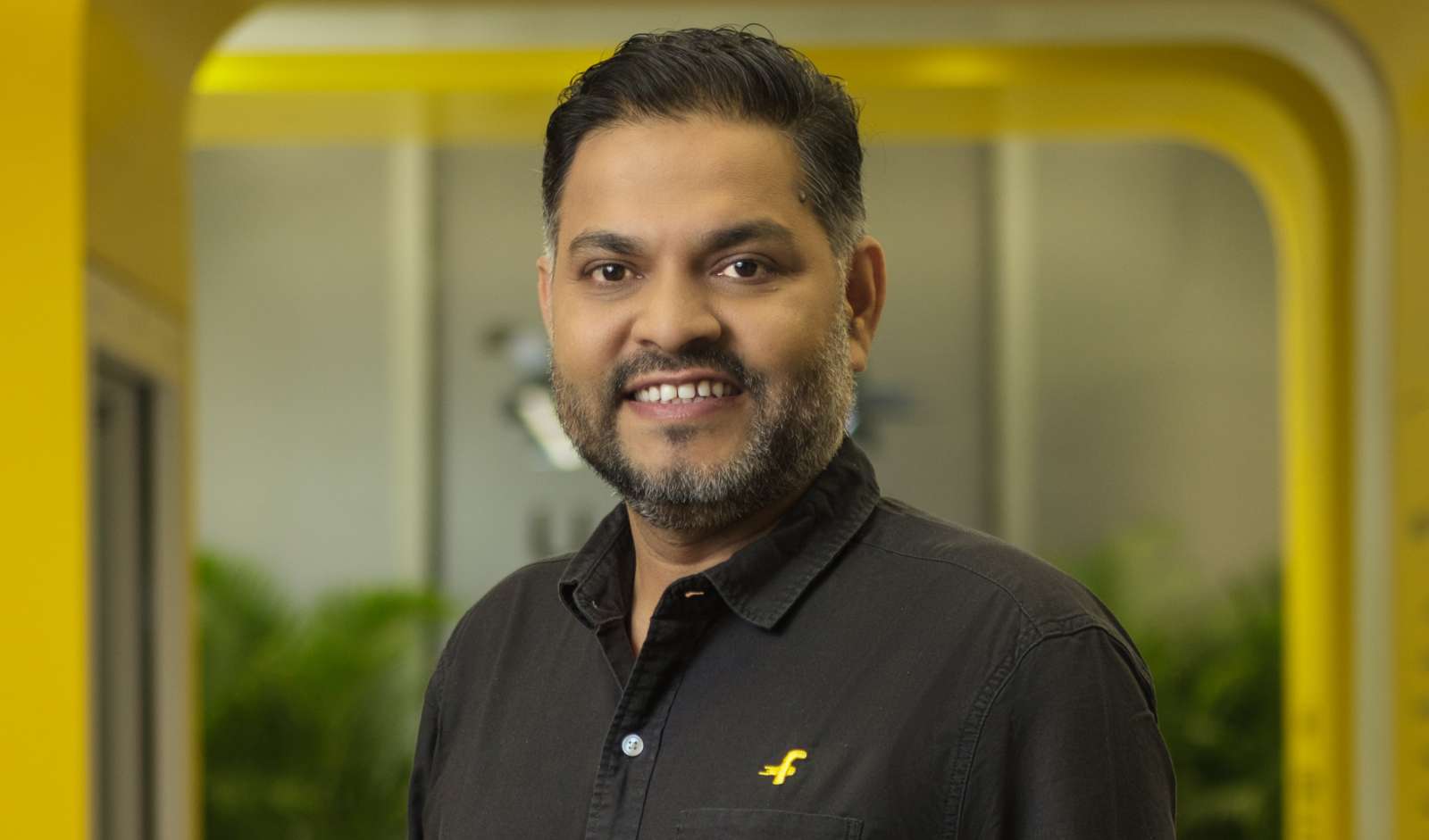
Flipkart has announced a major expansion of its supply chain and logistics infrastructure ahead of The Big Billion Days and the upcoming festive shopping season. Through its logistics arm Ekart, the company has added 14 million cubic feet of warehousing space across India, increasing its storage capacity by 50 percent. The e-commerce company said technology and automation upgrades have also increased peak processing capacity by more than 30 percent, enabling faster order fulfilment and delivery during the high-demand festive period.
To strengthen last-mile delivery capabilities, Ekart has added more than 900 delivery hubs across the country. The expansion is aimed at increasing same-day and next-day deliveries as online shopping demand rises during the festive season. With these additions, Ekart's network now includes more than 8,200 facilities, comprising fulfilment centres, sortation hubs, and last-mile delivery operations. The company also operates nearly 1,200 Flipkart Minutes micro-fulfilment centres across more than 150 cities.
As part of its efforts to support MSMEs, small businesses, artisans, weavers, and marketplace sellers, Flipkart has pre-positioned more than 2.5 crore product units in Ekart fulfilment centres ahead of the festive sale. The company has also opened 70 additional pick-up stations in key seller clusters to reduce fulfilment timelines and improve inventory movement.
Ekart's third-party logistics (3PL) franchise network has grown to 600 locations within two months of launch, enabling businesses beyond the Flipkart marketplace to access logistics and delivery services during the festive season. The company has also expanded its delivery footprint by adding more than 750 new PIN codes. The expansion includes regions such as Leh in Ladakh, Kargil in Jammu and Kashmir, parts of Rajasthan and Madhya Pradesh, and several locations across the Northeast, including Kamalanagar and Zamuang in Mizoram, Turacity, Resubelpara and Rajabala in Meghalaya, and Bomdila and Tezu in Arunachal Pradesh.
Hemant Badri, Senior Vice President and Head, Supply Chain, Flipkart Group said, "Every year, The Big Billion Days raises the bar for what customers expect: faster deliveries and wider reach. This year, a customer in Leh or Kargil will experience Big Billion Days for the first time. Across Ekart and Flipkart Minutes, we now operate over 8,200 facilities, allowing us to take the festive experience to more customers while helping sellers reach buyers they could not reach before."
To support increased operational demand, Flipkart has announced the creation of more than 2.5 lakh direct and indirect employment opportunities during the festive season. Of these, nearly 75,000 roles are expected to be filled by first-time workforce entrants. Around 60 percent of the new opportunities will be focused on last-mile delivery operations, reflecting the company's emphasis on faster deliveries and the continued expansion of Flipkart Minutes across Tier ll and Tier lll cities.
The company also highlighted measures for delivery personnel, known as Wishmasters. These include term life insurance, personal accident coverage, mediclaim benefits, access to a Doctor on Call service, festive-season bonuses, referral incentives, and AI-enabled onboarding through the Flipkart Delivery Partners app. The expansion underscores Flipkart's focus on strengthening its e-commerce logistics network, supply chain capabilities, seller ecosystem, and quick commerce operations ahead of one of India's largest online shopping events.
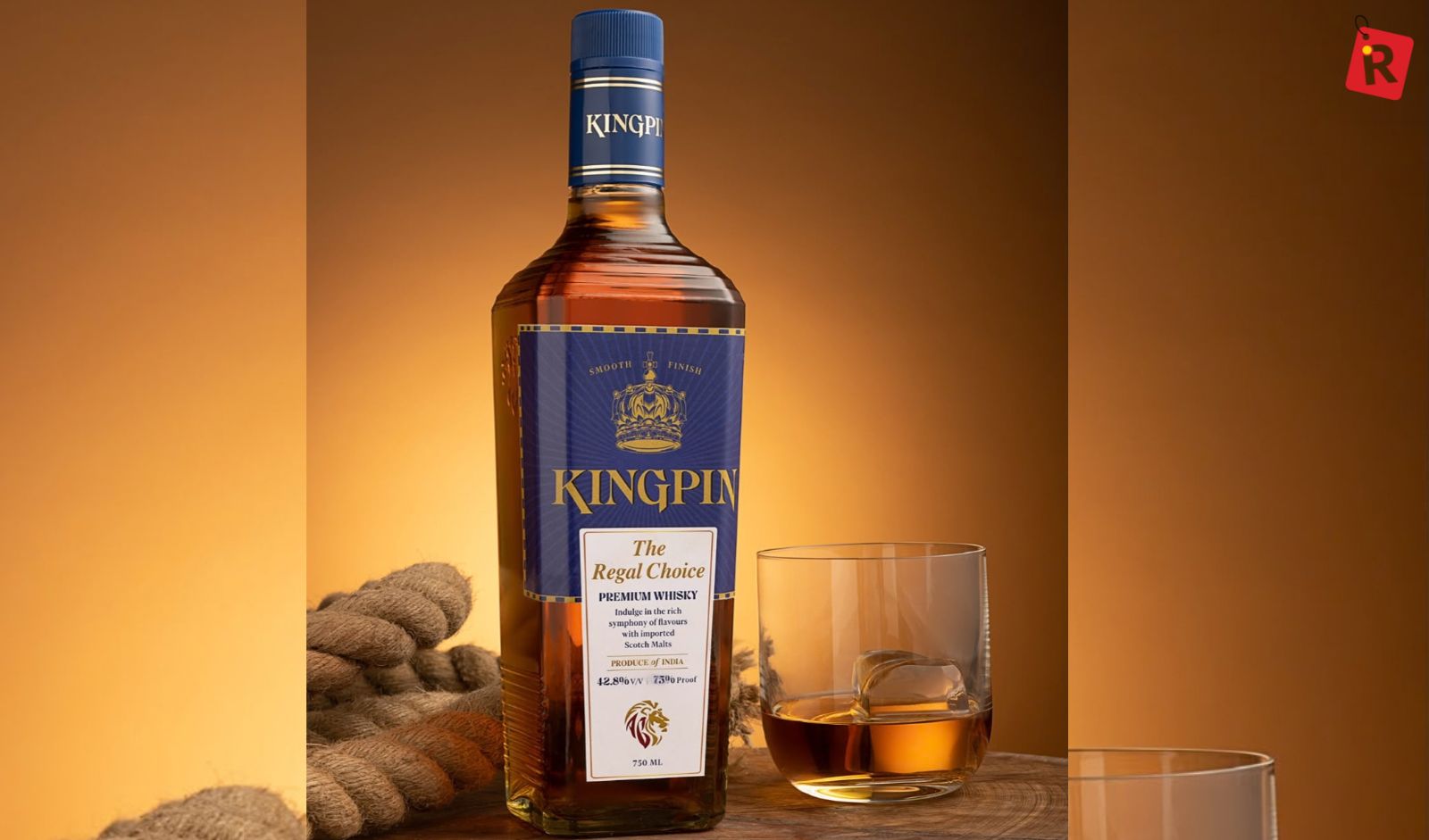
The Adie Broswon Group has entered the whisky segment with the launch of Kingpin Whisky, expanding its spirits portfolio across Delhi, Punjab and Chandigarh. The launch comes as India’s whisky market continues to record growth, with brands increasingly catering to consumers across different price points and consumption occasions.
According to IWSR data cited by the company, India recorded 4 percent growth in beverage alcohol volumes in 2025, while Indian whisky volumes also increased by 4 percent during the year. Against this backdrop, Kingpin has been introduced with a focus on combining a distinctive whisky profile with accessible pricing.
Blending Malt and Grain Spirits
Kingpin is made using a blend of malts and Indian grain spirits. The product is designed to combine the character of malt whisky with the smoothness and versatility associated with grain spirits.
The whisky undergoes maturation and filtration, with the resulting profile featuring smoky notes alongside hints of tobacco and honey. The company said the product has been developed to offer a balanced drinking experience while retaining a pronounced character.
The brand is positioned around the philosophy “Live Bold. Drink Bold.” Its packaging uses a royal blue and gold colour scheme, with a crown-inspired insignia forming part of the visual identity.
Multiple Price Points
Kingpin is being introduced in seven pack sizes: 1,000 ml, 750 ml, 500 ml, 375 ml, 180 ml, 90 ml and 60 ml. The range is intended to address different consumption occasions and price points across its initial markets.
The 750 ml bottle is priced at Rs 500 in Delhi, Rs 530 in Chandigarh and Rs 750 in Punjab. The varied pricing reflects differences across state markets, where alcoholic beverage taxation and pricing structures can vary.
Expanding Spirits Portfolio
The launch is part of the Adie Broswon Group’s broader focus on developing its own alcoholic beverage brands alongside its existing brewing and distillation operations.
Headquartered in Delhi NCR, the Group has interests across sugar, brewing, distillation and renewable energy. Its integrated 170-acre agro-industrial complex in Kiri Afgana, Batala, includes a sugar mill, three distilleries and a brewery.
The facility is supported by more than 6,000 professionals, according to the company. The Group operates under the philosophy “Victory in Every Field” and continues to expand its presence across its businesses under the leadership of Mrs. Jasdeep Kaur Chadha.
With its initial launch across Delhi, Punjab and Chandigarh, Kingpin marks the Group’s latest move into the consumer-facing whisky category, adding another offering to India’s competitive Indian Made Foreign Liquor (IMFL) market.

Food brand Kkhavo, known for its heritage Kala Namak Rice, has entered the cookware segment with the launch of Kkhavo Kitchen, a premium range of Tri-Ply Mini Cookware designed for smaller portions, quick meals, reheating and serving.
The new range comprises four products—Mini Kadahi, Mini Fry Pan, Mini Sauce Pan and Mini Square Pan—with individual pieces priced between Rs 699 and Rs 799. The Mini Kadahi, Mini Fry Pan and Mini Sauce Pan are also available as a three-piece set priced at Rs 1,749. As part of the festive launch, the brand is offering introductory discounts of up to 40%.
With Kkhavo Kitchen, the brand is expanding its food-focused portfolio into cookware, bringing together its existing food proposition with the manufacturing experience of Co-founder Mudit Goel.
Before founding Kkhavo, Goel built a stainless-steel business with experience spanning manufacturing, operations, supply chains and exports to international markets. The new cookware business draws on this background, with the brand positioning the range around quality, functionality and contemporary design.
“Kkhavo Kitchen brings together two journeys that are deeply connected to my experience. Having built a stainless-steel exports business and worked across international markets, I have always understood the importance of quality, functionality and precision in manufacturing,” said Mudit Goel, Co-founder, Kkhavo.
The Mini Cookware range features a three-layer construction comprising 304 stainless steel, an aluminium core and 430 magnetic stainless steel. According to the brand, the construction is designed to support even heat distribution and reduce hot spots.
The cookware is available in 12 cm to 15 cm formats, with capacities ranging from 550 ml to 600 ml. The pieces feature a brushed stainless-steel finish, silicone-grip handles and a stainless-steel cooking surface without an applied non-stick coating.
The range is compatible with induction and gas cooktops and follows a “Cook • Reheat • Serve” proposition, allowing consumers to use the same vessel across different stages of food preparation and serving.
Kkhavo Kitchen is positioning the mini-sized formats for smaller portions, quick meals, reheating and direct serving. The brand said the compact format is intended to offer versatility while taking up less space in the kitchen.
The cookware comes with a five-year warranty and is ISI certified. Its design combines a brushed-steel finish with subtle branding and silicone-grip handles.
The range allows Kkhavo to extend its positioning around food quality from ingredients into the cooking and serving process, while also entering a broader kitchenware market. The cookware range is being introduced ahead of the festive season, with discounts of up to 40% intended to support initial consumer trials.
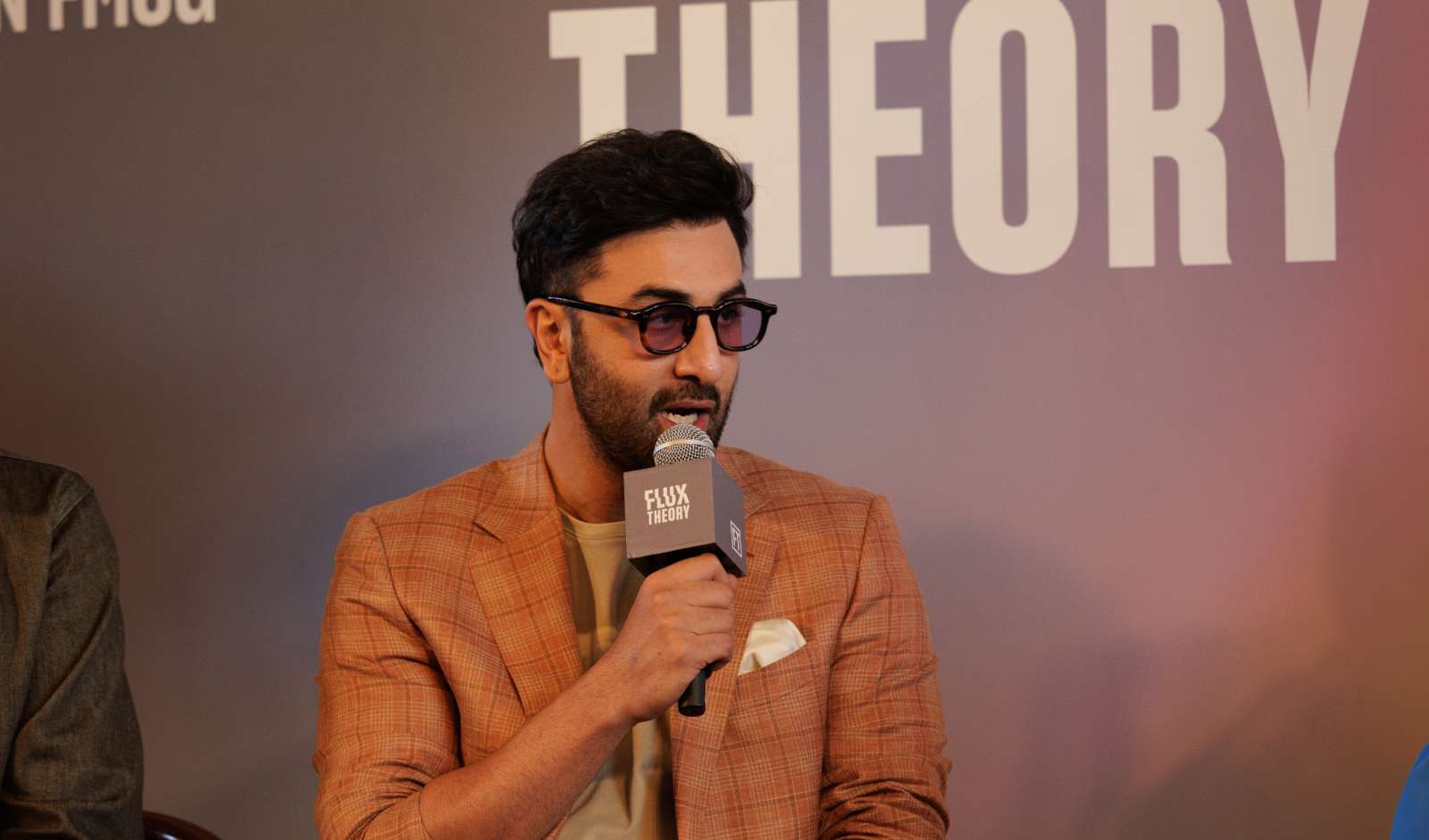
Ranbir Kapoor has entered India's fast-moving consumer goods (FMCG) sector with the launch of Flux Theory, a new personal care brand focused on the body wash category. The venture was founded in partnership with Advay Jhunjhunwala and venture-building platform Think9. Launched in Mumbai, Flux Theory enters the shower and personal care market with a range of body wash products designed around different consumer preferences, combining skincare benefits, fragrance profiles, and personality-led positioning.
The brand's initial portfolio includes five body wash variants: Sage, Sport, Lover, Dreamer, and Rebel. Each product has been developed with a specific fragrance profile and targeted skin-care benefits, including hydration, deep cleansing, exfoliation, brightening, and moisturisation. The range features fragrances such as bergamot, mint, santal, leather, and oud. According to the company, the products are intended to offer consumers a wider set of choices within the body wash segment beyond traditional functional attributes.
Flux Theory enters a category that continues to see growth in India. According to Euromonitor International, India's bath and shower market grew 4 percent in value during 2025 to reach retail sales of Rs 35,370 crore. Research by Mintel found that 65 percent of Indians were not using body wash in 2024, highlighting opportunities for category expansion. The company said its strategy is focused on attracting first-time body wash users while also encouraging existing consumers to explore alternatives within the shower care segment. The brand plans to build an omnichannel presence across digital and physical retail channels as it expands its reach.
As Founder, Ranbir Kapoor has been involved in developing the brand's proposition, product experience, creative direction, and visual identity from the early stages.
Kapoor said, “I have always been drawn to the idea that there is more than one side to each of us. As an actor, I experience that through the characters I play; in everyday life, we all move between different moods, roles and versions of ourselves. That was the thought behind Flux Theory. The shower is an everyday moment, but it can mark a shift in how you feel and what you are ready for next. That became the space in which we wanted to build Flux Theory. We have built each product around a distinct personality, fragrance and skin benefit, so people can choose what feels right for them in that moment. I’m excited to see Flux Theory start a new conversation in an everyday category and become a brand people return to as part of their routine.”
Advay Jhunjhunwala, Co-Founder, Flux Theory said, “The shower category has traditionally been led by function, familiarity and scale. While those remain important, consumers are increasingly looking for products that address specific skin needs and offer a more distinctive experience. Flux Theory brings together function, fragrance and personality in a way that gives consumers a new reason to choose body wash. Our ambition is to grow the category, bring more first-time users into it and give existing consumers a reason to switch. Ultimately, a daily-use brand earns its place through the product and the repeat purchase and that is what we are building towards.”
The Flux Theory product range is currently available through the brand's website as well as major e-commerce, beauty, and quick commerce platforms including Amazon, Flipkart, Myntra, Tira, Zepto, and Instamart. With the launch of Flux Theory, Kapoor joins a growing list of celebrities entering India's FMCG and personal care sector, as brands increasingly target younger consumers through differentiated products and omnichannel distribution strategies.
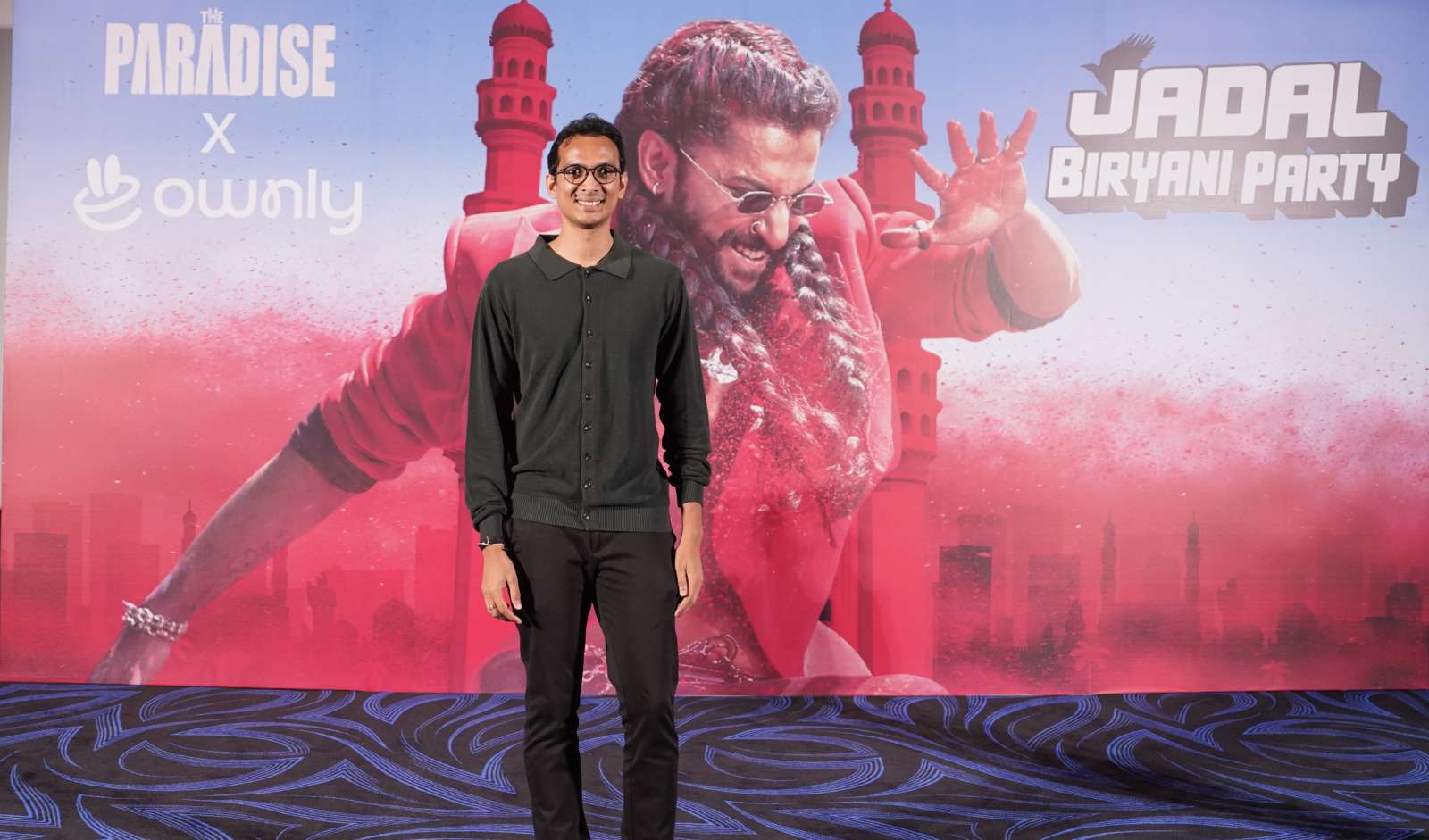
Rapido has expanded its food delivery business with the launch of Ownly in Hyderabad, making the city the platform’s second market after Bengaluru. The move marks the next phase of Ownly’s growth as it seeks to strengthen its presence in India’s food delivery sector. The food delivery app is now operational across Hyderabad, a city known for its strong food culture and large consumer base.
Through Ownly, Rapido is introducing a zero-commission model under which restaurants do not pay platform fees, while customers are charged a delivery fee based on the cost of the service. As part of the launch, Ownly highlighted the role of Rapido Captains, who will support food deliveries across the city alongside their existing responsibilities within Rapido’s mobility network. The company said the expansion is expected to create additional earning opportunities for Captains by enabling them to participate in food delivery demand.
To mark the launch, Ownly organised a gathering for Rapido Captains in Hyderabad. The event brought together delivery partners from across the city and was attended by Telugu actor Nani, who interacted with members of the Captain community.
Aravind Sanka, Co-Founder of Rapido and Ownly said, “Hyderabad is one of the most passionate food cities in the country, especially when it comes to biryani; and that makes it a natural next home for Ownly. Our model is simple: restaurants keep what they earn, customers pay only for their food and delivery, and nobody pays for anything in between. Bengaluru showed us that people respond to honesty in pricing, and we expect Hyderabad to hold us to it just as closely. It felt right to begin here with our captains, because they are the ones who carry this promise to every doorstep in the city.”
The company said its Captain network will continue to play a key role as Ownly scales operations across Hyderabad and expands its customer reach. Ownly's entry adds another player to Hyderabad’s food delivery market and reflects Rapido’s efforts to diversify beyond mobility services.
The platform is positioned around transparent pricing, affordability, and direct engagement with restaurants. With Hyderabad becoming its second operating city, Ownly is looking to expand its food delivery network while offering restaurants an alternative operating model and increasing delivery opportunities for Rapido Captains.
Mount Everest Breweries Limited (MEBL), an Indore-based beer manufacturer, has filed its Draft Red Herring Prospectus (DRHP) with the Securities and Exchange Board of India (SEBI) for an Initial Public Offering (IPO). The issue comprises a fresh issue of up to 11.5 million equity shares with a face value of Rs 10 each. According to the DRHP, the company may also undertake a pre-IPO placement before filing the Red Herring Prospectus with the Registrar of Companies (RoC). Any amount raised through the pre-IPO placement will be adjusted against the fresh issue size.
The company plans to utilise Rs 230 crore from the fresh issue proceeds towards capital expenditure for a proposed brewing facility with a capacity of 1 million hectolitres per annum (HLPA). Another Rs 70 crore will be used for repayment or pre-payment of certain borrowings, while the remaining funds will be allocated for general corporate purposes.
The IPO is being offered through the book-building process, with up to 50 percent of the net offer reserved for qualified institutional buyers, while non-institutional investors and retail individual investors will receive at least 15 percent and 35 percent of the allocation, respectively.
Founded in 1999, Mount Everest Breweries is a beer brewing company with operations spanning brewing, packaging, sales, and distribution across economy, core, and premium beer categories. The company held a market share of nearly 36.3 percent in Madhya Pradesh by production volume in FY 2026 and currently operates across 16 states and three union territories.
MEBL currently operates two brewing facilities. Its Simrol facility in Indore was established in 2008, while its Mysuru facility was acquired in 2025. The company is also involved in contract brewing and contract manufacturing for other beer brands and has a brewing arrangement in Assam to serve the North-East market. Its proprietary beer portfolio includes Mount’s 6000, Lemount, Mount’s Lager, Dabang, and Stok, catering to multiple consumer segments. As of August 31, 2026, the company's products were available through 22,229 retail outlets and touchpoints across India.
Mount Everest Breweries is part of the Associated Kedia Group, which also includes Associated Alcohols and Breweries Limited (AABL). While MEBL focuses on beer production and distribution, AABL operates in the Indian-Made Foreign Liquor (IMFL), Indian-Made Indian Liquor (IMIL), Extra Neutral Alcohol (ENA), and ethanol segments. Both companies function independently under a non-compete agreement signed in April 2026.
The company operates two key business verticals. The first is its proprietary beer brands business, which focuses on brewing, packaging, sales, and distribution of its owned brands. The second is its contract brewing business, where it manufactures and packages beer for third-party brand owners.
As of August 31, 2026, MEBL's distribution network covered 16 states and three union territories. The company has also exported its beer brands to markets including Mauritius, the UAE, and the United States. It serves 6,322 customers, including state excise departments, distributors, wholesalers, bars, restaurants, and hotels.
The company reported revenue from operations of Rs 1,017.8 crore in FY 2026, up from Rs 546.6 crore in FY 2024. Net profit rose to Rs 53.18 crore during FY 2026 compared to Rs 20.36 crore in FY 2024.
Beeline Capital Advisors Private Limited and Ashika Capital Limited are the book-running lead managers for the issue, while MUFG Intime India Private Limited has been appointed as the registrar. The equity shares are proposed to be listed on the National Stock Exchange of India Limited and BSE Limited.
V-Guard Industries has appointed Mithun K Chittilappilly as Chairperson of the Board, effective September 27, 2026, following the completion of the second and final term of Radha Unni as Chairperson and Independent Director. The appointment was approved by the company's Board of Directors as part of its leadership transition plan.
Chittilappilly, who has been serving as Managing Director since 2012, will now take on the additional responsibility of Chairperson while continuing to lead the consumer electronics and consumer durables company. He joined V-Guard in 2006 as Executive Director and has been associated with the company's growth and expansion over the past two decades. Under his leadership, V-Guard has expanded its presence across India, diversified its product portfolio, and strengthened its position in the electrical appliances, consumer electronics, and home solutions segments.
The leadership change follows the completion of Radha Unni's tenure on September 26, 2026. The board selected Chittilappilly to assume the role from September 27, ensuring continuity in the company's management and strategic direction.
V-Guard, which operates across multiple product categories in the consumer electricals and consumer durables market, has grown significantly during Chittilappilly's tenure. The company continues to focus on expanding its manufacturing footprint, product offerings, and nationwide distribution network.
The appointment marks a new phase in V-Guard's leadership structure as the company continues to strengthen its presence in India's consumer electronics and electrical appliances industry.

Consumer electronics brand Portronics has expanded its smart home product portfolio with the launch of the Mopcop Duo, a 3-in-1 cordless cleaning device that combines vacuuming, mopping and air blowing in a single unit.
Designed for everyday household cleaning, the device is powered by a brushless motor offering up to 17,000Pa of suction. It can be used to remove dust, crumbs, pet hair and other everyday debris across different surfaces.
The Mopcop Duo features two cleaning speed modes and runs on three 2,000mAh rechargeable batteries, offering up to 30 minutes of cordless runtime. The device also comes with a 90-degree flexible mop rod, allowing users to switch between vacuuming and mopping while accessing different floor areas.
The Portronics Mopcop Duo carries an MRP of Rs 6,999 and is currently listed at Rs 4,099 on the brand's website. It comes with a one-year warranty. The product is available through Portronics' online store, Amazon.in, Flipkart.com and other online and offline retail outlets across India.
The launch adds a multifunctional cleaning appliance to Portronics' broader portfolio of consumer electronics and smart gadgets, which spans audio, car accessories, computer accessories, mobile accessories and other technology products.

Beauty brand Swiss Beauty has expanded its eye makeup portfolio with the launch of AWAKEN, a four-product collection focused on long wear, precision and volume. The new range comprises the AWAKEN 3X Volume Mascara, AWAKEN 18-Hour Liquid Eyeliner, AWAKEN 24-Hour Kajal and AWAKEN Ultra-Precision Pen Eyeliner. The collection is now available across India through Swiss Beauty’s online and offline retail channels. The launch comes as eye makeup continues to occupy a key role in everyday beauty routines, with the brand focusing on performance-led product propositions across different formats.
Speaking about the launch, Mohit Goyal, Co-Founder & Director, Swiss Beauty, said, “At Swiss Beauty, innovation begins with understanding what consumers expect from their beauty products. AWAKEN has been developed with that thought at its core, bringing together four essential eye makeup formats with propositions that are clear, purposeful and rooted in performance. The way we have approached the launch is equally deliberate. We wanted to bring together personalities who could represent different expressions of beauty and help us take the collection into different consumer conversations. For us, AWAKEN is not just about launching four products; it is about creating a more contemporary and expansive conversation around eye makeup, with performance at its centre.”
The launch is supported by a multi-personality campaign featuring Sonakshi Sinha, Zaheer Iqbal, Sunanda Sharma, Kashish Kapoor and Sayani Gupta. Swiss Beauty said the selection was intended to represent different expressions of beauty and reach audiences across fashion, entertainment and digital culture.
The collection gives Swiss Beauty a broader eye makeup offering spanning volume, definition and precision. The company said the products are intended for both everyday routines and more expressive beauty looks. The AWAKEN launch adds four performance-focused products to its existing portfolio and is being distributed through the brand’s online and offline retail network across India.
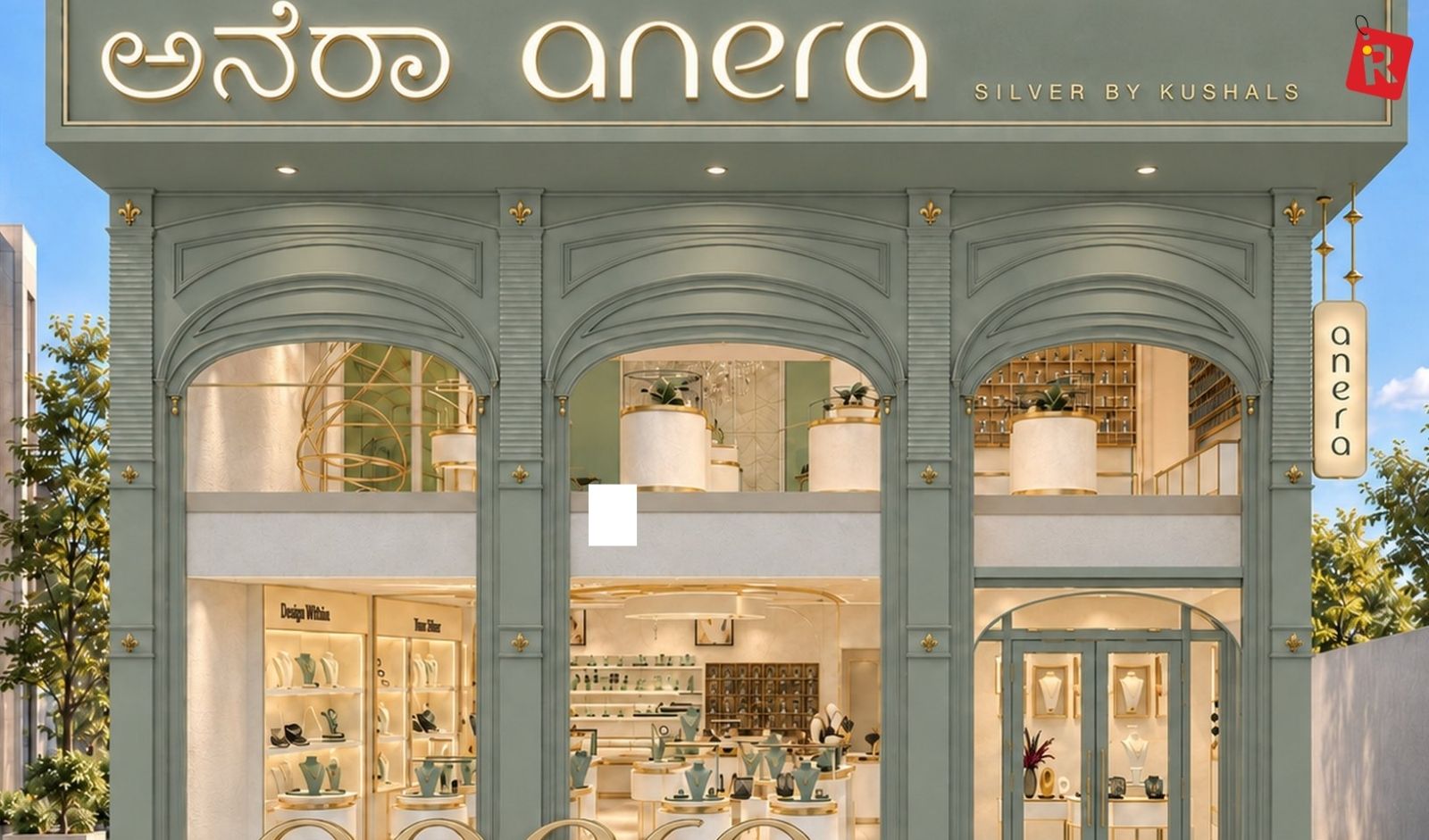
Anera Silver by Kushals, founded by Kalpesh Gulechha, is set to open its first store in Bengaluru’s HSR Layout on September 26, marking the beginning of its retail expansion in India.
The brand plans to open six stores within the next eight weeks, with outlets averaging around 2,500 sq. ft. across key markets. Over the next five years, Anera Silver aims to build a network of 100–150 stores across India, with a first-year revenue target of ₹25 crore.
Located at Shop 822, Ground and Mezzanine, 27th Main Road, 1st Sector, HSR Layout, Bengaluru, the first store will offer jewellery across festive, gifting, bridal and everyday categories.
Positioned around design and self-expression, Anera Silver is looking to cater to diverse consumer needs and occasions. Its portfolio will span everyday jewellery alongside collections designed for festivals, celebrations, gifting and bridal wear.
Speaking about the launch, Kalpesh Gulechha, Founder, Anera Silver, said, “Jewellery becomes meaningful when it becomes part of people’s lives, their everyday moments, celebrations, milestones and personal stories. With Anera, our ambition is to create a brand where people come not simply to buy jewellery, but to discover design, experience craftsmanship and find pieces that feel personal to them.
“We believe there is a much larger opportunity to build aspiration around this category by bringing together strong design, a wide range of collections and an elevated retail experience. HSR is the beginning of that journey for us, and over the next few weeks consumers will see Anera Silver take shape across multiple cities.”
Gulechha brings more than two decades of experience in the jewellery industry, with expertise spanning retail strategy, merchandising, finance, expansion and consumer understanding through his association with Kushals.
Anera Silver is being developed as a separate brand proposition, with its own product portfolio, identity and retail format. The initial expansion will focus on establishing the brand across key markets through large-format stores.
With its five-year plan targeting 100–150 stores, Anera Silver is positioning its new retail network as the foundation for scaling its presence in India's silver jewellery market.

Blissclub has launched BareButter, its third menswear chapter, expanding its comfort-focused apparel portfolio for men. The new collection includes hoodies, quarter-zips and shorts, with a focus on softness, comfort and understated everyday styling.
The collection is positioned around the hours outside work, routines and other responsibilities. It is designed for occasions such as slower mornings, weekends, travel and everyday activities where comfort is a key consideration.
Comfort-Led Menswear
BareButter builds on Blissclub’s approach of using fabric innovation as a starting point for apparel. The collection focuses on creating garments that feel soft against the skin while maintaining a considered approach to everyday dressing.
Viswanathan V, CBO, Blissclub, said, “With BareButter, we are bringing our signature fabric and approach of comfort to menswear, creating a new expression of softness and ease for men.”
He added, “As we entered this space, we wanted to explore a part of menswear that felt less talked about. We wanted to ask a different question: who are you when nobody is asking anything of you?”
Expanding Menswear
BareButter forms the third part of Blissclub’s menswear proposition. The brand’s Citywear collection focuses on everyday dressing, while its Activewear range is designed around movement and performance. BareButter adds a comfort-led offering aimed at personal, off-duty moments.
According to the company, the new chapter expands its understanding of everyday menswear by bringing softness and ease into a wider range of casual clothing.
Viswanathan said, “Comfort for us is not just about what you wear. It is about the parts of your life that are entirely your own.”
Fabric-First Approach
Blissclub has built its apparel proposition around proprietary fabrics designed for comfort and everyday performance. The company started with women’s apparel and expanded into menswear in February.
The menswear business extends the brand’s fabric-first approach into a broader category, with BareButter adding products designed for casual and relaxed use.
The latest collection includes three key product groups — hoodies, quarter-zips and shorts — reflecting the brand’s focus on versatile everyday clothing.
With BareButter, Blissclub is continuing its expansion in menswear while maintaining its broader focus on comfort-led apparel and fabric innovation.
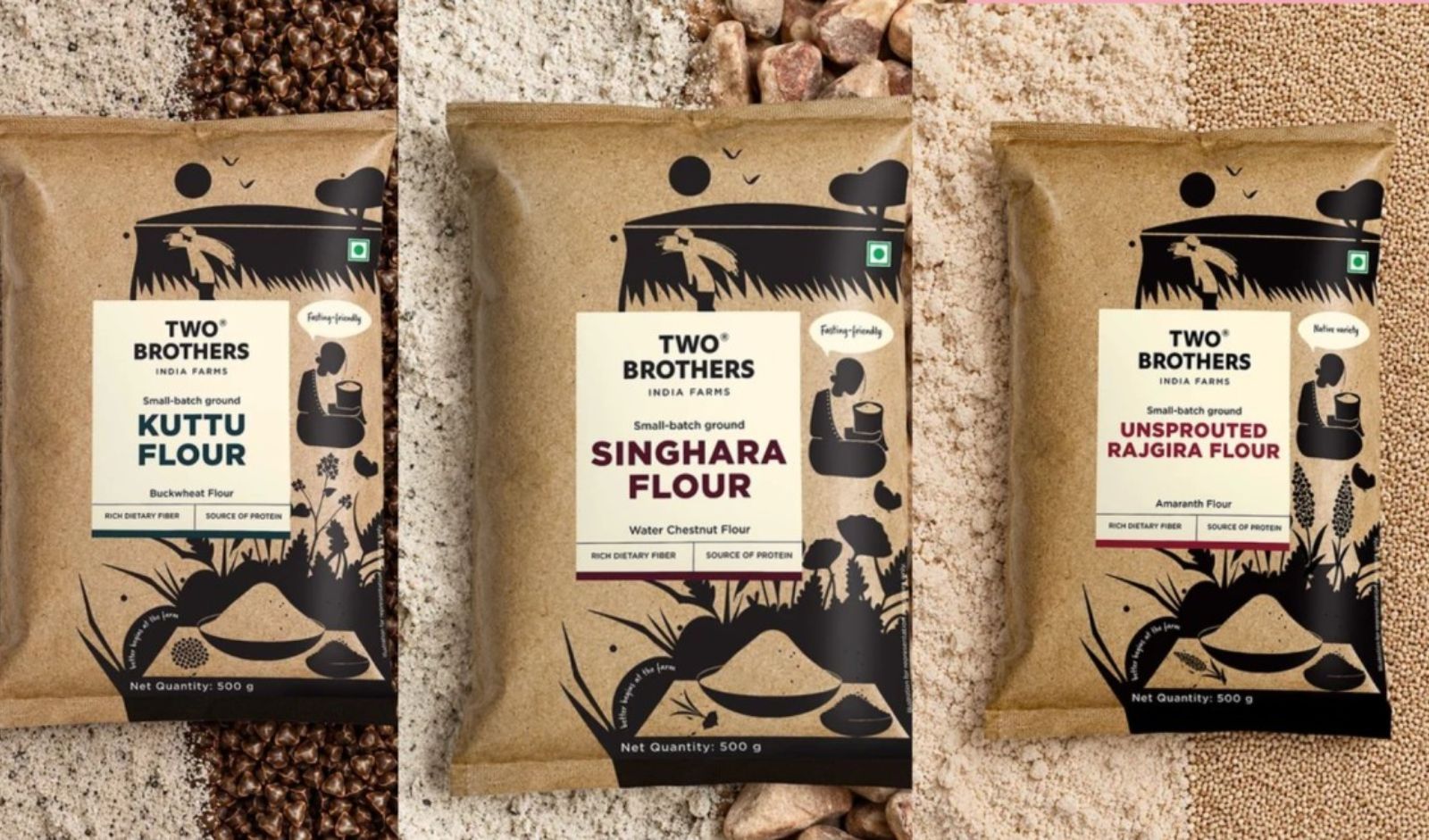
Farmer-owned food company Two Brothers India Farms has launched a new range of fasting flours ahead of the Shardiya Navratri season, introducing Kuttu Atta, Singhara Atta and Unsprouted Rajgira Atta in 500 g packs.
The new range targets the seasonal demand for traditional fasting ingredients while bringing them into a packaged-food format. Each flour contains a single ingredient and is ground in small batches, with the brand focusing on minimal processing and ingredient traceability.
Kuttu, Singhara and Rajgira have traditionally been used in Indian households during fasting periods. With these ingredients increasingly available in packaged formats, the new range is positioned around ingredient transparency and maintaining the natural characteristics of the grains.
The Kuttu Atta is made from buckwheat and contains approximately 11.40 g of protein per 100 g. The flour can be used to prepare fasting dishes including Kuttu pakoras, puris and halwa. Singhara Atta, made from water chestnut, has a lighter texture and subtly sweet, earthy flavor. It can be used for preparations such as Singhara puris, parathas and halwa.
The third product, Unsprouted Rajgira Atta, is made from native-variety unsprouted amaranth. According to the company, the grain is kept whole before being ground in small batches. The flour contains approximately 14.53 g of protein per 100 g and can be used for dishes such as Rajgira laddoos, thalipeeth, porridge and kheer.
Commenting on the launch, Satyajit Hange, Co-founder & Farmer, Two Brothers India Farms, said, “Fasting has always been closely connected to the way our ancestors understood food, choosing simple, nourishing ingredients that were close to the source. Kuttu, Singhara and Rajgira are not new discoveries; they have been part of Indian food traditions for generations. With our fasting range, we wanted to stay true to that wisdom and bring these traditional flours to modern kitchens in their most authentic form.”
The launch expands Two Brothers India Farms’ portfolio of minimally processed pantry staples, which includes atta, ghee, cold-pressed oils, native grains, jaggery and other everyday food products. The company said the fasting range has been introduced specifically ahead of Shardiya Navratri, when Kuttu, Singhara and Rajgira see increased consumption across Indian households.
The products are available through the Two Brothers India Farms website in 500 g packs. Kuttu Atta is priced at an MRP of Rs 245, Singhara Atta at Rs 365 and Unsprouted Rajgira Atta at Rs 22.The fasting range adds a seasonal category to the company's existing pantry portfolio while bringing traditional vrat ingredients into a standardized, packaged format for modern consumers.
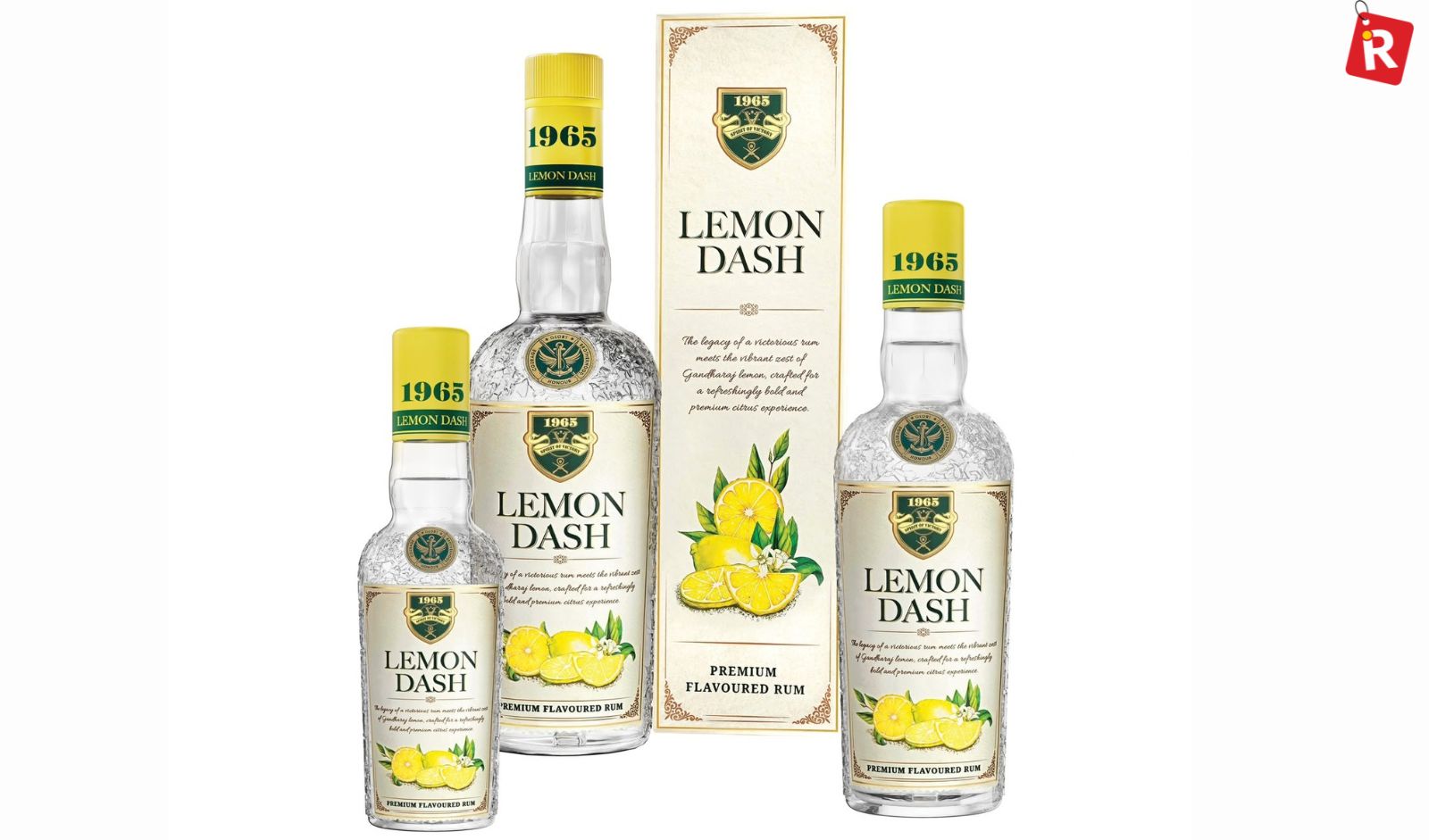
Radico Khaitan has refreshed the identity of its 1965 Spirit of Victory Lemon Dash Flavoured Rum as it looks to strengthen its presence in the premium flavoured rum segment. The new packaging has debuted in Assam, with a phased rollout planned across Odisha, Jharkhand, Tamil Nadu and West Bengal.
The Lemon Dash refresh builds on the 1965 Spirit of Victory franchise, which has crossed the million-case mark. The franchise was launched in 2017 as a tribute to the soldiers of the 1965 Indo-Pak war. It was initially introduced through the Canteen Stores Department (CSD) before being expanded into the domestic market following consumer response.
Flavoured Rum Expands
Lemon Dash was introduced in 2022 as the franchise’s entry into premium flavoured rum. The expression combines rum with Gandharaj lemon, targeting consumers exploring flavour-led drinks and different cocktail occasions.
Kunal Madan, Chief Marketing Officer, Radico Khaitan Limited, said, “1965 Spirit of Victory has always stood for a distinctive combination of heritage, pride and character. With Lemon Dash, we wanted to bring that heritage into a fresher, more expressive space.”
He added, “The new pack captures the contrast beautifully, the strength and character of the 1965 identity alongside the brightness of Gandharaj lemon.”
New Packaging
The refreshed identity uses a cream-and-gold colour palette with deep green accents, metallic detailing and illustrated Gandharaj lemons. The bottle features a tall, textured design with embossed details and the franchise’s roundel badge.
The four pillars associated with the franchise — Honour, Courage, Brotherhood and Glory — continue to form part of the packaging. The company said the new design is intended to connect the brand’s heritage with contemporary spirits consumption.
The rum has a citrus-led profile, combining the character of rum with the flavour of Gandharaj lemon. The expression has also received a Gold Quality Award from Monde Selection.
Phased Rollout
The refreshed Lemon Dash is currently available in Assam in three formats: a 750ml glass bottle with mono carton, a 375ml glass bottle and a 180ml glass bottle.
The new packaging will subsequently be introduced across other markets where Lemon Dash is present, including Odisha, Jharkhand, Tamil Nadu and West Bengal.
Radico Khaitan, which began operations in 1943 as Rampur Distillery Company, has developed a portfolio spanning whisky, rum, vodka, brandy, gin and Indian single malt. Its brands are available in more than 100 countries.
The company has owned distillery capacity of 323 million litres and operates 44 bottling units, including five owned and 39 contract and royalty bottling units. It also supplies branded Indian Made Foreign Liquor (IMFL) to the CSD and exports alcoholic beverages from India.

Contemporary fashion brand Awigna, founded by Varsha and Rittu Agarwal, has opened its new flagship store at The Corridors, Chhatarpur, Delhi, expanding its physical retail presence in the capital. The store provides Awigna with a dedicated retail space to showcase its collections and offer customers an in-person experience of the brand’s design language and craftsmanship.
The opening was marked by an event hosted by Co-Founders Varsha and Rittu, along with Liza, and attended by fashion influencers, industry members, friends, and family. The event also featured a fashion show showcasing Zevar, Awigna’s latest collection.
The new store has been designed around Awigna’s contemporary aesthetic, combining modern elements with an understated approach to elegance. The flagship is intended to give customers a closer experience of the brand’s collections and detailing in a physical retail environment.
Speaking about the store launch and the new collection, Varsha and Rittu Agarwal, Co-Founders of Awigna, said, “Opening our flagship store in Delhi is a very special moment for us. We wanted the space to reflect what Awigna stands for and give people the opportunity to experience our collections beyond the clothes themselves. With Zevar, we have explored the beauty of jewellery through embroidery, detailing and delicate embellishments. It has been wonderful to bring the collection to life and celebrate this new chapter with our friends, family and the fashion community.”
With the new store, Awigna is strengthening its presence in Delhi through an offline retail format while giving its growing fashion audience a dedicated space to explore its collections.

Gourmet QSR brand Tossin Pizza has expanded beyond its core pizza offering with the launch of its Classic Tiramisu, marking its entry into the dessert category. Inspired by the traditional tiramisu of Treviso in Italy’s Veneto region, the new offering has been developed over nearly six months of research and development.
Led by Founder & Chef Rohit Narang, the recipe focuses on traditional Italian ingredients and preparation while maintaining Tossin Pizza’s emphasis on ingredient quality and handcrafted food.
“Tiramisu has always been one of those desserts I personally keep going back to. Travelling through Italy gave me an even deeper appreciation for how much character there can be in something that looks deceptively simple,” said Rohit Narang, Founder & Chef, Tossin Pizza.
“For us, the challenge was not to reinvent tiramisu. It was to make one we genuinely wanted to eat ourselves. We spent six months refining everything, from the Italian Savoiardi and espresso to the mascarpone, cocoa layering and balance of rum. We wanted every ingredient to have a role without any one of them overpowering the dessert,” he added.
The 250 g Classic Tiramisu is made with Savoiardi biscuits imported from Italy, premium mascarpone, freshly brewed espresso, eggs, cocoa and rum. Tossin said approximately 2 ml of rum is used per portion, while the coffee profile has been designed to remain smooth rather than aggressively bitter.
The brand has also adopted a specific layering technique for the cocoa. Instead of using cocoa only as a finishing dusting, the kitchen adds it after each layer of cream, allowing its bittersweet notes to feature throughout the dessert.
The recipe has been designed with restrained sweetness, allowing the espresso, mascarpone and cocoa to remain the dominant flavors. Each portion is assembled by hand using a standardized recipe to maintain consistency across outlets.
The launch represents a broader menu expansion for Tossin Pizza, which has built its positioning around gourmet, ingredient-focused pizzas. With the tiramisu, the brand is extending this approach into desserts while keeping the product as a permanent menu offering.
Priced at Rs 399 plus taxes for 250 g, the Classic Tiramisu is currently available across Tossin Pizza outlets in Gurgaon. Since the dessert is prepared fresh, the brand recommends immediate consumption for the intended texture and flavor experience.
With the launch, Tossin Pizza is moving beyond its core pizza category and adding a traditional Italian dessert to its menu, giving consumers another occasion to engage with the brand beyond its primary offering.
Amazon has expanded its quick commerce service Amazon Now to Amritsar and Jaipur, strengthening its presence in India's fast-growing instant delivery market. The move is part of the company's broader strategy to scale ultra-fast deliveries across the country ahead of the festive season. With the launch, customers in both cities can order a range of products including groceries, fruits and vegetables, frozen foods, personal care products, beauty essentials, fashion items, home care products, and small appliances, with deliveries completed within minutes.
Amazon said consumer demand in Amritsar is showing strong interest in health and nutrition products, personal care items, and home care essentials, reflecting changing shopping preferences in Tier II markets.
Srikant Sree Ram, Director, Everyday Essentials, Amazon India said, "Amazon Now has crossed $1 billion in annualized gross sales in India, with orders doubling every quarter since launch, making it the fastest-growing e-commerce business unit in Amazon India's history. As we scale to 100 cities by Diwali, customers in Amritsar can look forward to the same promise we have built over the past decade ..."
According to the company, Amazon Now has expanded to more than 60 cities and towns across India in less than 10 weeks. The service is already available in several Tier II and Tier III locations, including Gurdaspur, Jalandhar, Tirupati, Guntur, Vellore, Dharwad, Warangal, and Berhampur.
Amazon has been rapidly increasing its quick commerce footprint as competition intensifies in the instant delivery segment. Earlier this year, the company announced plans to expand Amazon Now to 100 cities supported by a network of more than 1,000 micro-fulfilment centres. The latest rollout highlights Amazon's continued investment in quick commerce, online grocery delivery, and last-mile logistics as consumer demand for faster delivery services continues to grow across both metro and non-metro markets in India.
Nykaa and BOLD (Business Opportunities for L’Oréal Development), the corporate venture capital fund of L’Oréal, have announced a collaboration to invest in high-growth Indian beauty, wellness, and personal care brands. Under the partnership, the two companies will jointly take minority stakes in emerging Indian beauty and wellness businesses that have demonstrated strong consumer demand and differentiated product offerings.
The investments will remain financial and minority in nature, allowing founders to retain ownership control and continue operating their businesses independently. The initiative is aimed at supporting the next generation of Indian beauty entrepreneurs by combining access to capital with strategic guidance. In addition to funding, participating brands will have the opportunity to benefit from L’Oréal’s global beauty expertise and Nykaa’s omnichannel retail capabilities, consumer insights, and distribution network.
The collaboration comes at a time when India's beauty and personal care market continues to attract investor interest, driven by growing consumer spending, digital commerce adoption, and rising demand for homegrown beauty brands.
Jacques Lebel, Managing Director, L’Oréal India said, “India is one of the most exciting beauty markets in the world, and its energy comes both from an expanding base of demanding consumers with rapidly evolving needs and from its ecosystem of tremendous entrepreneurs. Through BOLD and this partnership with Nykaa, we want to stand behind that talent backing founders with capital, mentorship, and L’Oréal’s beauty expertise, while leaving them free to build their brands their way. Our commitment to India is stronger than ever, and this is the next major milestone in a journey of partnership and growth that we began over three decades ago.”
Anchit Nayar, Executive Director and CEO, Nykaa Beauty added, “Nykaa and L’Oréal have been partners in India for over a decade, working together on our shared vision of making India into one of the world's largest and fastest growing beauty markets. The experience and lessons we have learned along the way have allowed us to understand what it takes to build a promising brand into an enduring one. Combining our strong consumer ecosystem, deep retail network and wide distribution, along with L’Oréal’s global beauty expertise will be an incredibly valuable asset to the next generation of founders as they look to build consumer brands that India can be proud of.”
The move further strengthens the long-standing relationship between Nykaa and L’Oréal in India and reflects growing efforts to support innovation within the country's beauty, skincare, cosmetics, wellness, and personal care sectors.
German bathroom solutions brand Hansgrohe has strengthened its presence in Punjab and Haryana with the launch of Avalegra, as part of its expansion strategy in the Chandigarh-Mohali-Panchkula region. The move reflects the company’s focus on growing its footprint in North India’s premium home and luxury housing markets.
Avalegra combines a basin and mixer system designed to offer multiple water flow options while integrating design and functionality into a single bathroom solution. The product features a wide rain spray that flows from below in a parabolic curve and a LaminarSpray from a swivel spout. According to the company, the coordinated basin and mixer design helps reduce splashback, while an integrated thermostat and dual controls allow users to regulate water temperature, flow, and spray modes.
Avalegra is available with a plug-and-play installation system, two basin sizes, and five FinishPlus finishes.
Vishal Gupta, Commercial Director, Sales and Marketing, Hansgrohe India said, “The tricity is showing a major phenomenon the country is going through - that of the premium bathroom segment witnessing a shift towards experience. The demand for integrated, design-led solutions for unique water experiences that don’t compromise on performance and long-term value has been on a steady rise. Chandigarh-Mohali-Panchkula are a trendsetter trio for premium and luxury living across Punjab and Haryana, with consumers here demonstrating a strong appetite for high-end shopping, luxury dining, design and lifestyle experiences. Avalegra answers those aspirations, bringing together technology, contemporary design and a distinctive water experience. As we strengthen our presence in the region, we see the Tricity as an important hub for our plans for North Indian premium consumers.”
The launch forms part of Hansgrohe India’s broader strategy to strengthen its retail presence and expand experiential formats across North India. The company said it is exploring opportunities to deepen engagement with homeowners, architects, interior designers, and developers through its premium bathroom solutions portfolio.
The company highlighted the growth of the Tricity residential market as a key factor behind its expansion plans. Mohali has emerged as a significant premium housing market, supported by residential development, infrastructure growth, and improved connectivity.
According to industry data cited by the company, Mohali recorded a 34 percent increase in housing sales in 2025, while new housing launches grew by 108 percent. Across 15 Tier II cities tracked by PropEquity, homes priced above Rs 1 crore registered 9 percent growth in sales during 2025. Hansgrohe noted that rising demand for premium housing, luxury residences, and design-focused living spaces is contributing to increased interest in premium bathroom products and home improvement solutions across the region.
Naman Gupta, Gupta Bath Luxuria said, “The Tricity is seeing growing interest in premium, design-led bathroom solutions, and consumers are increasingly looking for products that combine aesthetics with technology and functionality. Our association with hansgrohe allows us to bring these global innovations closer to customers in the region, and Avalegra is a strong example of how the bathroom experience is evolving.”
Discussing the broader premiumization trend, Vishal Gupta added, “Premiumisation for us is about being more considered; it is about creating and experiencing better. Life is ‘Waterful’ when technology, design and responsible water use come together to make everyday experiences more meaningful. Our water-saving technologies demonstrate that it is possible to reduce water consumption by up to 60 percent while maintaining the quality and comfort of the experience. This is the direction in which we see the premium bathroom category evolving where design, technology, wellness and water conservation can go hand in hand.”
Hansgrohe continues to expand its retail network and bathroom solutions portfolio in India, focusing on premium housing markets where demand for smart bathroom technology, sustainable water solutions, and design-led home products is increasing.
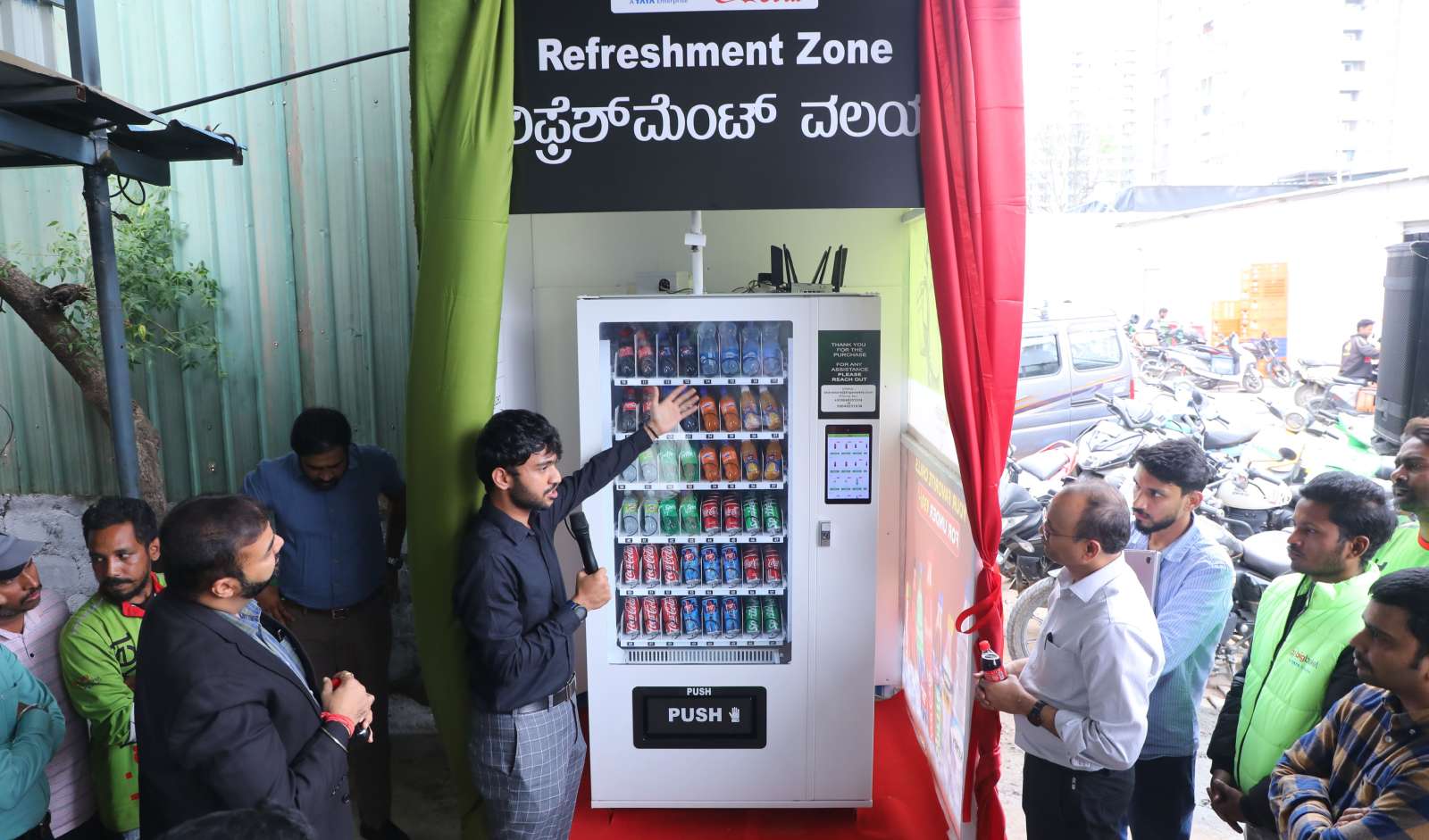
Quick commerce platform bigbasket has partnered with The Coca-Cola India to roll out a delivery partner welfare initiative aimed at improving access to refreshments and drinking water at high-activity delivery locations across India. The program will begin in Bengaluru and expand to other cities in phases. As part of the initiative, delivery partners will be able to access beverages and packaged drinking water at key pickup hubs and quick commerce dark store locations.
The rollout is being executed through bb Instant, bigbasket’s automated smart vending network. Touchscreen vending machines are being installed at locations with high delivery rider traffic, including quick commerce dark stores and major delivery pickup points. The vending machines will offer beverages from The Coca-Cola India portfolio, including Coca-Cola, Thums Up, Sprite, Fanta, Limca, Maaza, Kinley packaged drinking water, and Kinley soda. Delivery partners can purchase and collect beverages directly from the machines during their working hours.
Parankush Pantu, National Business Head – bb Instant, bigbasket said, “Every order reaches a customer because a delivery partner makes that final mile possible. At bigBasket, supporting our delivery partners is an important part of building a strong and trusted business. This collaboration with Coca-Cola is a step towards making refreshments and drinking water more accessible during their workday and helping make long hours on the road a little more comfortable.”
The initiative is part of bigbasket’s broader efforts to support delivery partners working in the fast-growing quick commerce sector. The company noted that last-mile delivery personnel often spend extended hours on the road while managing deliveries across varying weather and traffic conditions.
Sujoy Jana, Chief Projects and Customer Experience Officer, bigbasket said, “This initiative is about making refreshment access simple and convenient for delivery partners during their workday. By using the bb Instant network, we can scale this support across high-activity delivery locations in multiple cities.”
The Coca-Cola Company is supporting the initiative through its beverage portfolio and vending machine infrastructure, helping establish a refreshment network across key delivery hubs.
Abhishek Gupta, Vice President, Customer Development, Coca-Cola India and Southwest Asia said, “Delivery partners are integral to India’s rapidly growing quick commerce landscape. We are pleased to collaborate with Big Basket for an initiative that brings accessibility, convenience, and refreshment to delivery partners throughout their working hours. With bigbasket’s on-ground network, Coca-Cola’s beverage and vending capabilities, we aim to offer a practical and scalable solution that meets the delivery partners everyday need across cities.”
The Bengaluru rollout is already underway, with additional cities expected to be added in the coming months. The partnership highlights the growing focus among quick commerce companies on delivery partner welfare, employee support programs, and last-mile logistics infrastructure as the sector continues to expand across India.
Parag Milk Foods Limited has announced plans to invest around Rs 100 crore to expand its paneer manufacturing capacity from 20 MT per day to 80 MT per day across its facilities in Manchar, Maharashtra, and Palamaner, Andhra Pradesh. The expanded units, which will manufacture both regular and high-protein paneer, are expected to be operational by June 2027. The move comes as demand for branded dairy products and protein-rich foods continues to rise across India. Paneer remains one of the company’s key value-added dairy categories, recording growth of 28 percent annually over the last two years.
Value-added products currently contribute more than 90 percent of Parag Milk Foods’ overall turnover. The company said the latest investment will support its efforts to strengthen its presence in the organised dairy segment while increasing production capacity for its paneer portfolio.
Paneer is among the largest categories in the Indian dairy market. Industry trends indicate a gradual shift from unorganised to organised players, which currently account for only about 5-6 percent of the category. Consumers are increasingly opting for branded and packaged dairy products that offer consistent quality and food safety standards.
Parag Milk Foods said the capacity expansion will help strengthen its distribution reach across India for both its regular and high-protein paneer offerings. The company’s branded paneer portfolio offers a shelf life of up to 75 days without preservatives through its manufacturing and packaging technology. The company plans to leverage its manufacturing infrastructure and nationwide distribution network to increase paneer availability across General Trade, Modern Trade, Quick Commerce, E-commerce, and HoReCa channels. The expansion is expected to support wider distribution while maintaining product quality and freshness.
The investment aligns with Parag Milk Foods’ strategy of scaling high-growth value-added dairy categories, strengthening its branded product portfolio, and responding to growing consumer demand for packaged dairy products.
Rahul Kumar Srivastava, COO, Parag Milk Foods Limited said, “Paneer is an important part of the Indian consumer’s diet. We have the manufacturing excellence to maintain the freshness and quality of paneer over an extended period. We are pleased to announce our plan to add 60 MT/day of capacity, taking our overall paneer capacity from 20 MT/day to 80 MT/day. This scale-up will allow us to expand our pan-India distribution and make our paneer available across distribution channels. We see a significant opportunity to strengthen our position in value-added dairy through innovation, scale and wider consumer access.”
The outlook for the category remains strong. According to an IMARC report, the Indian paneer market was valued at Rs 73,140 crore in 2025 and is projected to reach Rs 2.15 lakh crore by 2034, growing at a CAGR of 12.34 percent between 2026 and 2034. The growth is being driven by increasing demand for protein-rich foods, rising adoption of branded dairy products, expansion of organised retail, and the rapid growth of e-commerce and quick commerce platforms.
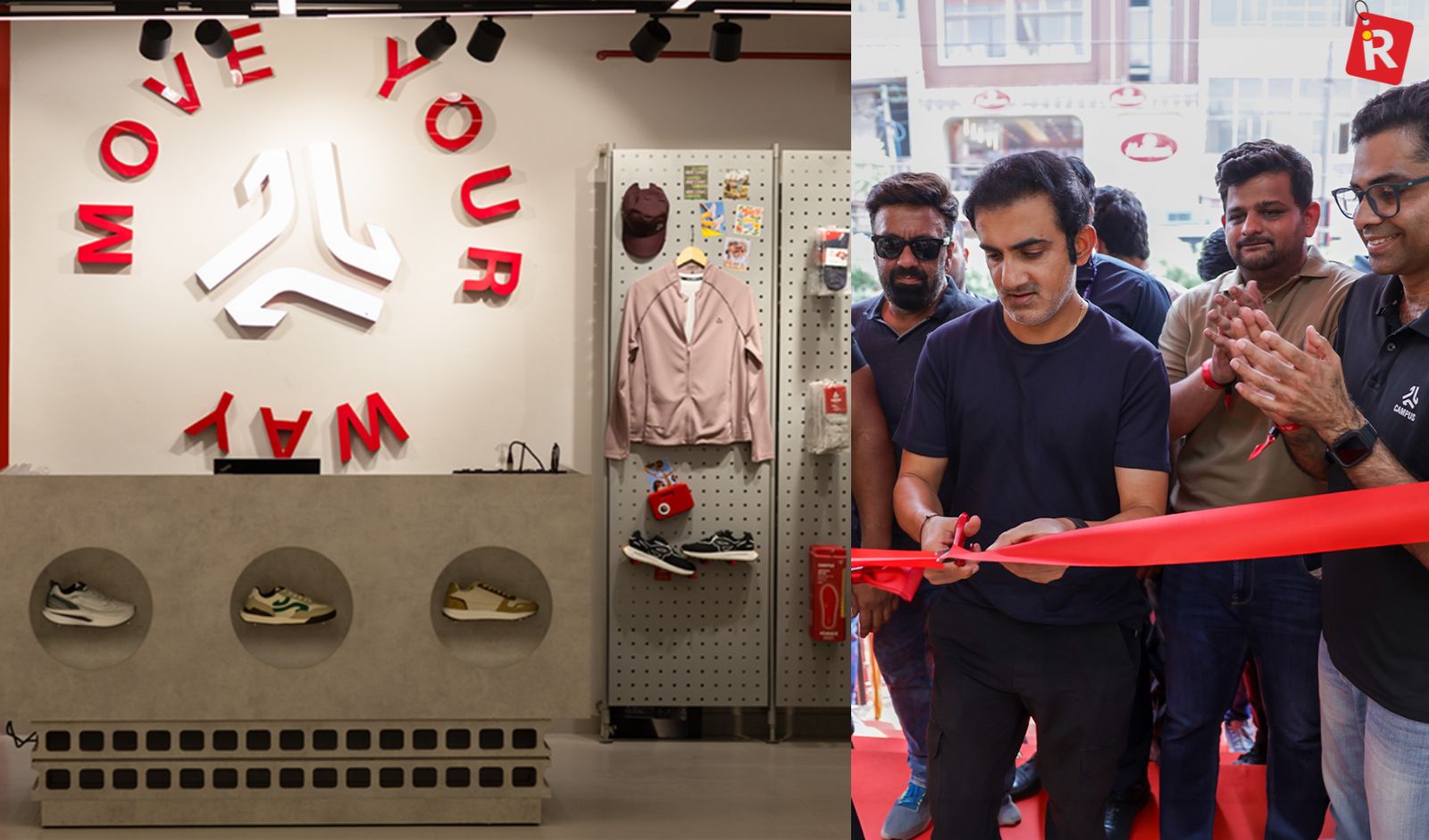
Campus Activewear has opened its first reimagined retail-format store in Roop Nagar, New Delhi, as the sports and athleisure brand looks to strengthen its physical retail presence and expand its proposition beyond footwear.
Spread across 1,640 sq. ft., the new store introduces Campus Activewear’s redesigned retail concept, with dedicated spaces for product discovery, styling and consumer interaction. The store was inaugurated by Gautam Gambhir, Head Coach of the Indian cricket team.
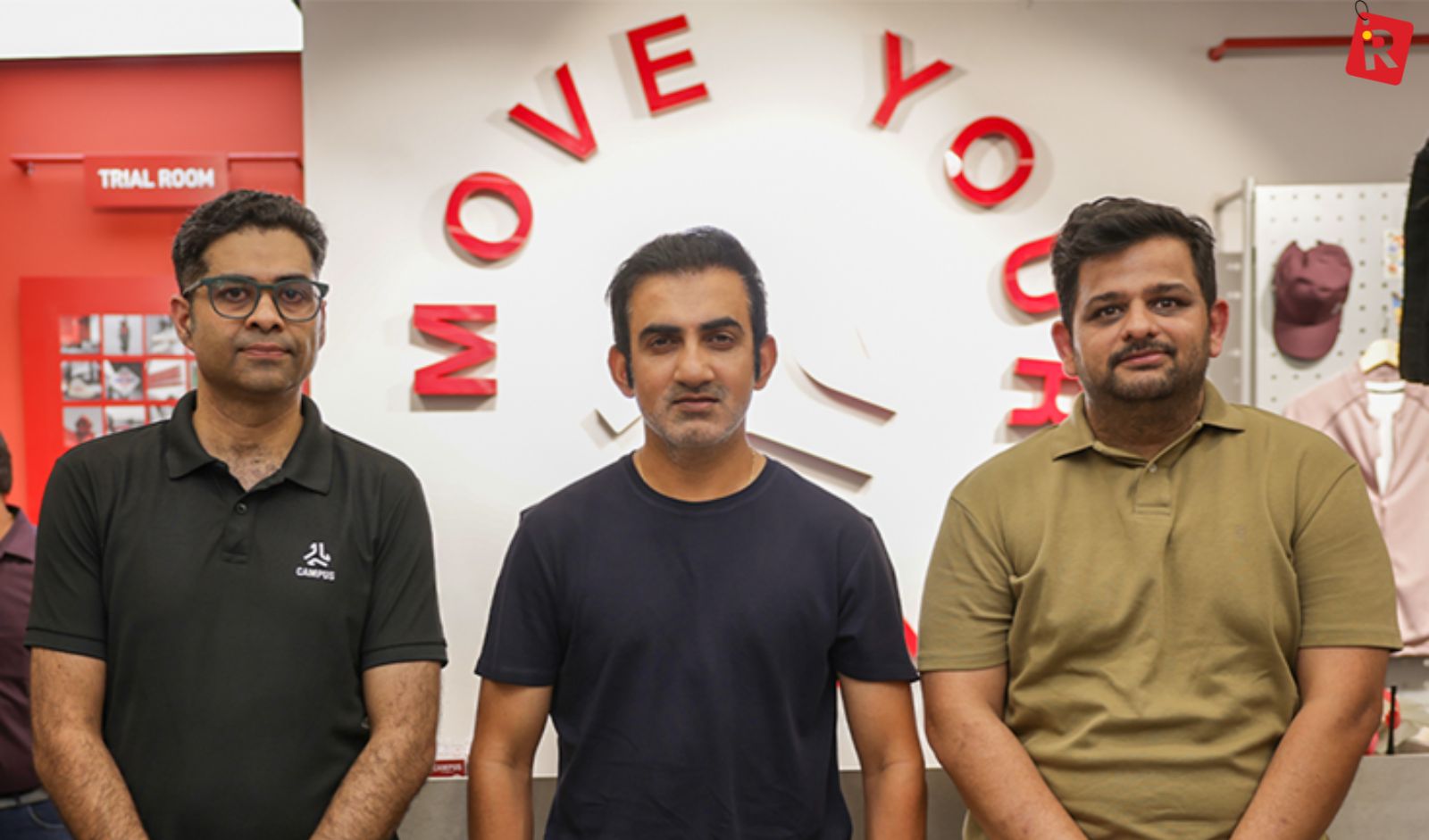
The new format is designed around a contemporary, minimalist retail environment, incorporating curated product displays, styling boards, lifestyle imagery and interactive elements such as lace customisation and a dedicated photo-op area.
The store houses a wider product portfolio spanning lifestyle and sneakers, running, walking, ELAN, women’s and kids’ footwear, along with apparel, accessories, bags, slippers and sandals.
According to Nikhil Aggarwal, CEO, Campus Activewear, the company sees the evolving sports and athleisure market as an opportunity to expand its consumer base and strengthen its retail presence.
“The Indian sports and athleisure market is at an exciting stage, with consumers increasingly seeking products and brands that fit seamlessly into their everyday lives. For Campus Activewear, this presents an opportunity to build on our scale and strengthen our relevance across a much broader consumer landscape,” Aggarwal said.
He added that the company’s focus is on long-term growth, market expansion and building capabilities to serve changing consumer demand.
Campus Activewear Expands Retail Network
Campus Activewear currently operates 311 exclusive stores across India, including 41 stores in Delhi NCR. The company identifies Delhi NCR as a key growth market and sees potential to expand its presence to more than 60 stores in the region in the coming years.
The Roop Nagar outlet forms part of the company’s broader retail expansion strategy as it seeks to take its growing product portfolio closer to consumers across Tier I and Tier II markets.
The new store format also reflects the brand’s attempt to integrate footwear, apparel and accessories within a single retail environment, supporting its transition towards a broader sports and lifestyle proposition.
Campus Takes ‘Move Your Way’ to Delhi’s Student Community
Alongside the store launch, Campus Activewear is running a two-week ‘Move Your Way’ shoe truck activation around Roop Nagar and North Campus. The initiative includes fitness challenges and open talent activities, with winners receiving coupons and merchandise.
The Roop Nagar store is now operational, offering Campus Activewear’s expanded range across footwear, apparel and accessories.
Instamart, India’s quick commerce platform, has announced plans to strengthen its battery-swapping infrastructure through partnerships with Yulu, an electric mobility-as-a-service (MaaS) provider, and Yuma Energy, a battery-swapping network operator. The initiative is aimed at making electric vehicle (EV) adoption more accessible and practical for last-mile delivery partners by addressing vehicle affordability and charging-related downtime.
As part of the initiative, Instamart will work with Yuma Energy to bring battery-swapping stations closer to delivery partners by providing space at its PODs, or dark stores, for the installation of swapping infrastructure. The first such battery-swapping station was inaugurated earlier this month at an Instamart POD in the presence of Anant Choudhary, VP - Driver & Delivery Org, Instamart, and Deepak Nanwani, Head of Revenue and Operations, Yuma Energy.
Yuma Energy currently operates more than 2,000 battery-swapping units across its network. According to the company, each battery swap takes less than two minutes. For delivery partners who typically travel over 90 km per day, easy access to swapping stations can significantly reduce downtime. Instamart estimates that locating these stations near operational hubs can help delivery partners save up to 60 minutes daily that would otherwise be spent travelling to and waiting at charging or swapping points.
Anant Choudhary, VP, Driver & Delivery Org - Instamart said, "The next phase of EV adoption is about making electric mobility work in the day-to-day reality of last-mile delivery. That means making vehicles more accessible, keeping operating costs low, and cutting down on charging downtime. Our partnerships with Yulu and Yuma Energy are focused on solving these practical challenges together. As Instamart continues to work towards electrification of the last mile, we are focused on building an ecosystem that makes this transition simpler and more viable in every way for our delivery partners."
Deepak Nanwani, Head of Revenue and Operations, Yuma Energy shared, "For a delivery rider, the EV transition comes down to one question: does this vehicle make me more money per shift than what I'm using today. Affordability gets someone into the vehicle and its uptime and energy access that decide the earning opportunity. Pairing EV access with a swapping network solves both sides of that equation at once, the rider isn't carrying downtime risk."
Alongside battery-swapping infrastructure, Instamart is also working with Yulu to improve EV affordability for delivery partners. Through the collaboration, delivery partners using Yulu electric two-wheelers on the Instamart platform can access rental cashback incentives, reducing the cost of adopting electric mobility.
Since the programme was introduced in May 2026, the company says thousands of delivery partners have benefited from the initiative. The scheme has helped participating riders lower their rental expenses by up to 30 percent, while also reducing their dependence on fluctuating fuel prices.
Blum, the Austrian manufacturer of premium furniture fittings and hardware solutions, has expanded its presence in the Mumbai Metropolitan Region with the inauguration of a new Experience Centre at Vision Enterprises in Sector 19C, APMC Market 1, Vashi, Navi Mumbai.
The new facility has been designed as an interactive destination where homeowners, architects, interior designers and furniture makers can explore Blum’s hardware solutions in a real-life residential setting. The launch aligns with the company’s strategy to strengthen its footprint in the region while bringing its furniture fitting innovations closer to consumers and trade professionals.
The experience centre was jointly inaugurated by Maarten de Vries, Managing Director, Blum India, and Vijay Singh Chandaliya, Owner of Vision Enterprises. Located within Navi Mumbai’s key hardware and building materials hub, the facility enables visitors to interact with Blum’s product range and experience its functionality firsthand.
Maarten de Vries, Managing Director, Blum India said, "The booming residential ecosystem of Navi Mumbai demands a premier living experience. We opened Blum's experience centre in Vashi to make world-class Austrian engineering easily accessible to the city. The centre not only brings our furniture hardware here but also allows visitors to get hands-on with the motion, ergonomics, and quality that our solutions are loved for all over the globe. I want to thank our local partners at Vision Enterprises for bringing us closer to the people of Vashi and helping us set up this experience centre for the furniture makers and homeowners here."
Vijay Singh Chandaliya, Owner of Vision Enterprises shared, "I have been in the Navi Mumbai hardware market for years, so I know what clients around Vashi expect when they build a home. Partnering with Blum to open this space right here is fantastic because it means local designers and architects don't have to drive into Mumbai anymore just to see top-tier fittings. Everything they need is on display right here in Vashi. We want people to come in, use the setups, and see how much of a difference the right hardware makes."
The newly opened experience centre is now operational and welcomes walk-in visitors. In addition to product demonstrations, the facility offers opportunities for homeowners and builders to consult with modular kitchen designers and explore furniture layouts using Blum’s hardware solutions.

Beauty and lifestyle retailer Nykaa has expanded its premium beauty portfolio with the exclusive introduction of Oribe, the luxury haircare brand founded by renowned hairstylist Oribe Canales and beauty industry veteran Daniel Kaner. The launch marks Oribe’s entry into the Indian market, with the brand debuting exclusively through Nykaa across online and select offline channels.
The move comes as India’s premium beauty and luxury haircare segments continue to witness strong growth, driven by increasing consumer interest in performance-led products and elevated beauty routines. Nykaa said the partnership reinforces its strategy of bringing globally recognized beauty brands to Indian consumers while strengthening its position in the luxury beauty category.
Known for its high-performance formulations, signature Côte d’Azur fragrance, and design-led aesthetic, Oribe has built a global reputation for combining salon-quality results with a luxury beauty experience. The brand’s products are developed using advanced formulations and skincare-inspired ingredients designed to cater to a wide range of hair types and textures.
As part of its India debut, Oribe is introducing five products from its best-selling Gold Lust collection, a range focused on repairing, nourishing, and protecting hair.
The collection includes the Gold Lust Repair & Restore Shampoo, designed to cleanse while helping strengthen damaged hair, and the Gold Lust Repair & Restore Conditioner, formulated to restore moisture, smoothness and manageability. Consumers will also have access to the Gold Lust Transformative Masque, an intensive treatment developed to replenish dry and damaged hair and improve softness and shine.
The range is further complemented by the Gold Lust Nourishing Hair Oil, which aims to smooth frizz and enhance shine without weighing hair down, and the Gold Lust Dry Heat Protection Spray, a styling product that offers heat protection up to 450°F while helping reduce frizz and improve softness.

Real estate developer Trehan IRIS has announced the appointment of Prasad Rane as its Chief Business & Marketing Officer (CBMO) as the company looks to strengthen its growth strategy across residential, commercial, and retail real estate segments.
In his new role, Rane will oversee business growth, sales and marketing functions, bringing together commercial strategy, brand development, customer experience and go-to-market initiatives across the organization. The company said his mandate will focus on aligning business performance with brand strategy while creating differentiated value propositions across the Trehan IRIS portfolio.
Abhishek Trehan and Aman Trehan, Executive Directors, Trehan IRIS shared, “Prasad brings a strong combination of business, brand and consumer understanding, with experience across real estate, retail and consumer businesses. His mandate will be to bring business growth, sales and marketing closer together as we enter our next phase of growth. We are pleased to welcome him to the leadership team.”
Prasad Rane, Chief Business & Marketing Officer, Trehan IRIS said, “Real estate today is no longer only about what we build; it is increasingly about the experience, proposition and value we create around it. Trehan IRIS has a strong legacy and an exciting opportunity to build the next phase of the organisation around that foundation. My focus will be to bring business, sales, brand and customer experience closer together — creating propositions that are distinctive for the consumer and meaningful for the business.”
The appointment comes at a time when Trehan IRIS is expanding its presence across multiple real estate categories. With more than seven decades of industry experience, the company’s portfolio spans residential, commercial, retail and hospitality developments, with a focus on creating community-driven and customer-centric spaces.
Rane brings extensive cross-industry experience across real estate, retail, consumer brands, asset management, marketing and business development. Over the course of his career, he has worked on initiatives related to real estate asset management, retail destination development, and business growth strategies.
Before joining Trehan IRIS, Rane served as Chief Growth Officer at DailyObjects, where he led offline business expansion, physical retail growth and the development of new business channels.
Prior to that, he was associated with ICS Group, serving as Chief Marketing Officer at PPZ and CEO of SPACES. During his tenure, he worked across asset management, retail and mixed-use developments, technology parks and public spaces. His earlier experience in advertising and retail also contributed to his expertise in consumer behavior, brand building and business development.

Beauty and lifestyle retailer Nykaa has launched its K-Beauty Festival in Bengaluru, transforming Forum Mall into a dedicated Korean Beauty Village that will remain open until September 27.
The experiential beauty event brings together a wide range of Korean skincare, makeup and haircare brands, offering consumers an opportunity to explore some of the most popular names in the global K-beauty industry under one roof.
The skincare portfolio at the festival includes brands such as Dr. Althea, Beauty of Joseon, COSRX, Anua, Biodance, SKIN1004, Round Lab, Arencia, Aestura, Illiyoon, Medicube, The Face Shop, Mirabelle Korea and Laneige. In the makeup segment, shoppers can discover products from D’alba Piedmont, TIRTIR, Tonymoly and Mamonde, while Korean haircare brands including La’dor, Mise En Scene and Ryo are also featured at the event.
Beyond product displays, the K-Beauty Village has been designed as an interactive experience. Visitors can test products, participate in games and activities, and receive samples and prizes. The event also includes promotional offers, with discounts of up to 20 percent available across selected K-beauty brands.
The initiative reflects growing consumer interest in Korean beauty products in India, particularly in categories such as skincare, sun care, sheet masks and advanced beauty formulations. By creating a dedicated experiential format, Nykaa aims to provide consumers with greater access to international beauty brands while allowing them to engage with products before making a purchase.
The festival caters to both long-time K-beauty enthusiasts and first-time shoppers interested in exploring Korean skincare and beauty trends. Consumers can browse a variety of products across categories, ranging from cleansers and moisturizers to makeup essentials and haircare solutions.
The event is part of Nykaa’s broader strategy to strengthen its beauty retail presence through curated brand experiences and global beauty offerings. Over the years, the retailer has expanded its portfolio of international beauty brands and introduced experiential formats aimed at increasing consumer engagement.
With the launch of the K-Beauty Festival in Bengaluru, Nykaa is further capitalizing on the rising popularity of Korean beauty products in India while creating an immersive retail experience that combines shopping, product discovery and interactive engagement.
The Korean Beauty Village at Forum Mall, Bengaluru, will continue to welcome shoppers until September 27, offering access to a wide selection of K-beauty brands, product trials and exclusive festival offers.
AceVector Ltd, the parent company of Snapdeal, has announced the launch of its initial public offering (IPO) on September 25, seeking a post-issue valuation of approximately Rs 1,741 crore. The company has fixed a price band of Rs 30-32 per equity share, with the public issue set to close on September 29.
At the upper end of the price band, the IPO is expected to raise around Rs 420 crore and value the e-commerce company at approximately Rs 1,741.4 crore. The anchor investor portion will open on September 24, ahead of the public subscription. The IPO comprises a fresh issue of shares worth up to Rs 287 crore and an offer for sale (OFS) by existing shareholders. Investors including SoftBank-backed Starfish and Nexus Venture Partners are among those participating in the OFS.
AceVector had earlier proposed a larger public issue but has revised the size of both the fresh issue and the OFS. The company plans to deploy the fresh capital towards marketing and business promotion, technology infrastructure investments, acquisitions, and general corporate purposes.
Founded by Kunal Bahl and Rohit Bansal, AceVector operates a digital commerce ecosystem spanning multiple businesses, including value-focused e-commerce marketplace Snapdeal, e-commerce enablement platform Unicommerce, and consumer brand business Stellaro Brands.
According to its latest filings, the company reported revenue of Rs 510.4 crore in FY26, up 29.2 percent from the previous fiscal year, while its net loss narrowed significantly during the period. The IPO comes amid renewed activity in India’s primary market, with several technology, e-commerce and digital-first companies tapping public markets to fund growth and strengthen their balance sheets.
Menswear brand Wrogn, backed by cricketer Virat Kohli, reported a recovery in revenue during FY26, although the company continued to face profitability pressures as losses increased during the year.
Wrogn’s operating revenue rose 9 percent to Rs 244 crore in FY26, compared to Rs 223 crore in FY25, when the company had recorded a decline in sales. Despite the growth, the brand remained significantly smaller than fast-growing competitors such as Snitch and Rare Rabbit, which reported revenues of approximately Rs 900 crore and Rs 1,100 crore, respectively.
Founded in 2014 and operated by Universal Sportsbiz Private Limited (USPL), Wrogn offers a range of casual menswear products, including T-shirts, shirts, denim, and accessories. The Bengaluru-based company is backed by investors including Virat Kohli, Accel, and Aditya Birla Group, and distributes its products through both online and offline retail channels.
Product sales continued to account for the majority of the company's income. In addition, Wrogn generated Rs 10.17 crore through non-operating income sources such as interest earnings and gains from financial assets. As a result, the company’s total income increased to Rs 254 crore in FY26, up from Rs 232 crore in the previous fiscal year.
On the expenditure side, raw material costs remained the company’s largest cost component, contributing around 35 percent of total expenses. However, material costs declined by 5 percent to Rs 119.7 crore, compared to Rs 125.7 crore in FY25.
Additional expenses, including depreciation, amortization, and finance-related costs, contributed Rs 78.6 crore to the overall expenditure base.
As a result, Wrogn’s total expenses increased 9.5 percent to Rs 342.4 crore in FY26 from Rs 312.6 crore a year earlier.
The higher spending on marketing and brand-building initiatives impacted profitability. The company reported a net loss of Rs 88.4 crore, representing a 17 percent increase from Rs 75.5 crore in FY25.
Despite the widening losses, Wrogn showed some improvement in operational efficiency, with its EBITDA margin improving to negative 27.6 percent from negative 30.8 percent in the previous fiscal year.
The company spent approximately Rs 1.40 to generate every rupee of operating revenue during FY26, highlighting the continued pressure on margins as it invests in growth.
Wrogn ended the fiscal year with cash and bank balances of Rs 24.3 crore, significantly higher than Rs 9.7 crore reported a year earlier. Its current assets stood at Rs 181 crore, compared with Rs 177.2 crore in FY25.
Looking ahead, the company has indicated stronger momentum in FY27. In a recent statement, Wrogn said its gross merchandise value (GMV) grew 40 percent year-on-year to Rs 125 crore during the first quarter of FY27, while EBITDA losses narrowed by 34 percent. The brand also reported that its adjusted EBITDA loss reduced to Rs 38 crore in FY26, compared to Rs 54 crore in FY25.
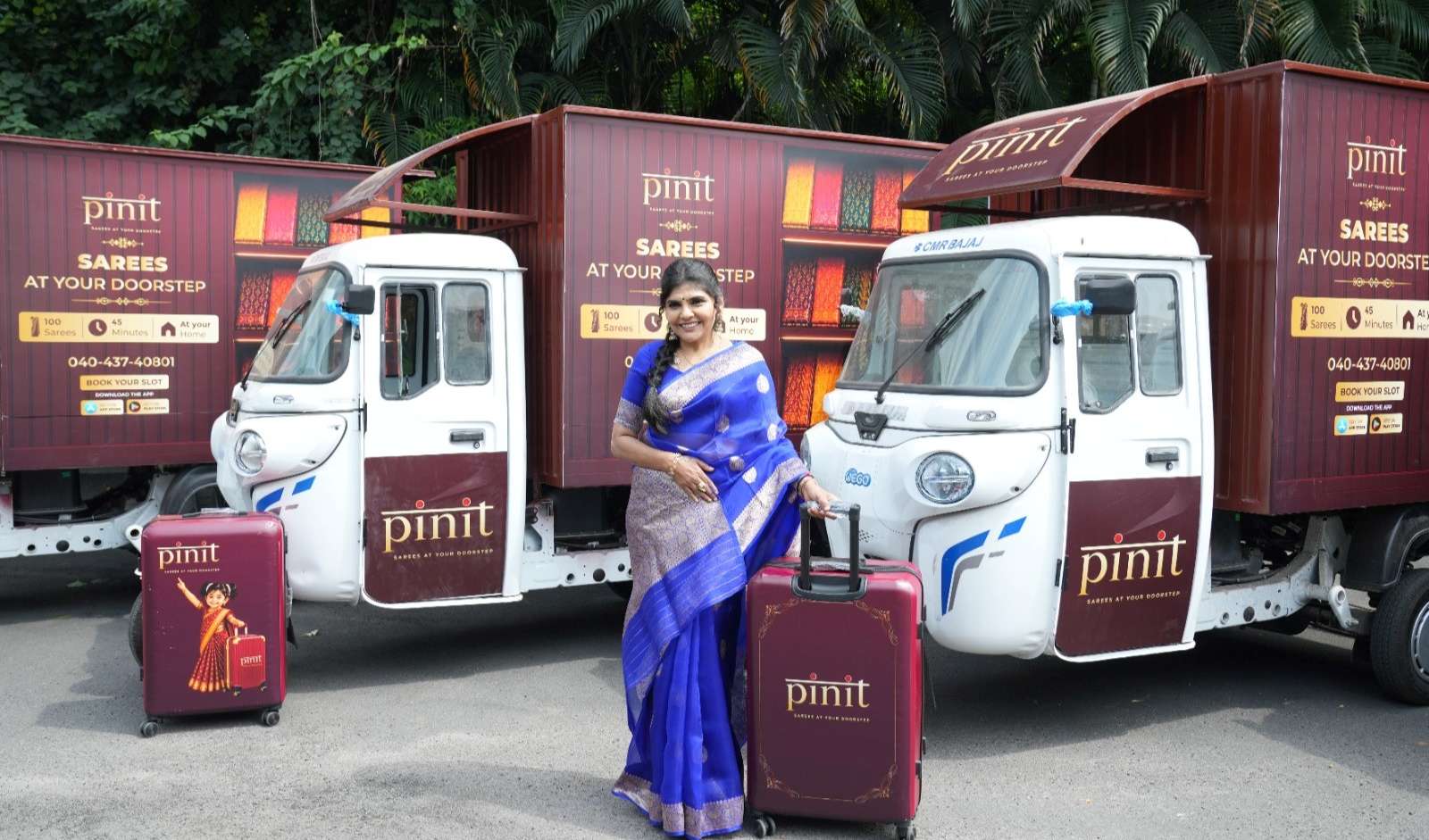
Hyderabad-based saree retail startup Pinit has launched an app-based quick commerce platform that enables customers to browse and receive curated saree collections at home within 45 minutes, subject to location and slot availability. The platform combines digital shopping with an assisted in-home experience, allowing customers to explore sarees before making a purchase. Through the app, users can browse collections, select preferred styles, and schedule a shopping session.
A Pinit delivery vehicle then brings the selected sarees along with a trained stylist to the customer's doorstep. During the session, the stylist sets up a temporary display using lighting and a mirror, enabling customers to view, compare, drape, and evaluate multiple sarees from the comfort of their homes. The model aims to replicate the experience of visiting a physical saree store while offering the convenience of app-based ordering.
Pinit offers sarees across various price points, ranging from approximately Rs 1,000 to Rs 20,000. Its portfolio includes handloom sarees, regional weaves and designer collections catering to everyday wear, festive occasions, and wedding shopping. To support faster deliveries, the company operates a network of location-based fulfilment centres that dispatch collections from nearby hubs. Pinit also runs an all-electric delivery fleet as part of its logistics operations.
The startup employs more than 150 people and sources products directly from weavers and weaving clusters across India. The company said its sourcing model is focused on connecting traditional textile artisans with consumers through technology-enabled retail.
Founded by saree entrepreneur Sangeetha Rajesh, Pinit builds on her 16 years of experience in the saree and textile industry. Rajesh is also the founder of Sangeetha's Saree Emporium and was among the early saree retailers to adopt Facebook Live-based selling in 2015.
Over the years, her saree business has sold more than one million sarees, built a social media community of over eight lakh followers and organised more than 190 exhibitions. The business also operates a 5,000 sq ft saree emporium in Banjara Hills, Hyderabad, housing more than 15,000 sarees, including Kalamkari and other regional textile collections.
Sangeetha Rajesh, Founder, Pinit said, "Every saree carries a weaver's skill. Pinit takes that skill to the doorstep, creates dignified jobs for women, and does it without polluting our cities. This is business with a purpose."
The company said its model differs from conventional online saree platforms by combining app-based discovery, stylist-assisted shopping and quick commerce fulfilment. By bringing curated collections directly to customers' homes, Pinit is seeking to bridge the gap between physical saree retail and digital commerce.
Titan Company is evaluating opportunities to acquire or invest in smaller watch brands as it strengthens its presence in the premium and luxury watch market. The move comes at a time when demand for higher-priced watches is growing faster than the mass-market segment in India. Ranjani Krishnaswamy, Chief Marketing Officer at Titan Company, said the watchmaker is open to both organic and inorganic growth opportunities that align with its long-term strategy and help expand its presence across categories and markets.
Discussing potential acquisitions, Krishnaswamy said Titan has previously pursued investments and acquisitions in its jewellery business and could consider a similar approach in the watch category.
"I think we have always felt that when the time is right, and the partner is right, it will certainly be interesting for us to do that. So, we have always been open to inorganic growth as well as organic growth. It just seems it has to be complementary and help us build our larger growth journey," she said.
The comments come as several India-focused micro watch brands gain traction among younger consumers and premium buyers. Titan believes the emergence of new players is helping expand the overall watch market rather than creating a challenge for established brands.
"I have always believed that the most lonely thing that can happen to you is to be the only person in the category. I think competition is a big, big boon to the market leader. It makes the market leader more agile; it makes the market leader more innovative and inventive," Krishnaswamy said.
Titan is also seeing strong momentum in its premium watch portfolio. According to the company, the premium segment is expanding nearly twice as fast as watches priced below Rs 25,000. In contrast, the sub-Rs 1,000 segment is witnessing slower demand as consumers increasingly view watches as fashion and lifestyle accessories. Limited-edition collections and higher-priced watches continue to attract interest from buyers.
The company recently introduced Vetra, its branded movement platform developed to strengthen its capabilities in mechanical watchmaking and premium horology. Titan said the initiative supports its ambition to build a stronger presence in the global watch industry.
"We set ourselves a dream, a vision, saying we want to be the third force in the world of watches. We have the Swiss, we have the Japanese, and we want to be the third force," Krishnaswamy said.
Titan also expects healthy festive season demand, supported by wedding purchases and consumer spending trends. The company operates a broad watch retail network through Titan World, Fastrack and Helios, while also retailing international brands including Tommy Hilfiger, Kenneth Cole, Police, Cerruti and Roamer in India.
Youth fashion brand Wrogn has set a target of reaching Rs 600 crore in gross merchandise value (GMV) in FY27 after reporting Rs 125 crore GMV in the first quarter, reflecting 40 percent year-on-year growth. The apparel brand is also accelerating its retail expansion and strengthening its direct-to-consumer (D2C) business as it scales operations across India.
According to the company, its EBITDA loss narrowed by 34 percent during the quarter, indicating improved operational efficiency. Wrogn reported net revenue of Rs 244 crore in FY26, while its adjusted EBITDA loss reduced to Rs 38 crore from Rs 54 crore in FY25. The company also improved its EBITDA margin by 8.5 percentage points after excluding a one-time non-operational expense.
Owned channels emerged as a major growth driver for the fashion retailer. Revenue from its D2C platform and exclusive brand outlets increased 120 percent year-on-year, highlighting growing consumer engagement through brand-owned channels. Wrogn currently has a presence across more than 250 retail touchpoints through large-format retail partners including Pantaloons, Shoppers Stop, Fashion Factory and Centro, in addition to its marketplace business.
As part of its expansion strategy, the brand plans to grow its owned retail network to over 100 stores by March 2027. The company is also focusing on category diversification, with Wrogn Active and its footwear business together delivering an annualised revenue run rate of Rs 60 crore. Backed by TMRW, the digital-first venture of Aditya Birla Group, and Accel, Wrogn is strengthening its position in India's organised fashion retail market through a combination of offline expansion, D2C growth, and category extensions.

Ubalance Naturals has introduced a new brand identity, ‘The Forest Within’, across its portfolio of nine products and 18 SKUs, as the premium Ayurvedic wellness brand looks to expand its presence in India’s growing wellness market. The company is targeting revenue of Rs 100 crore by FY30.
The new identity is based on the brand’s systems-led approach to wellness, which focuses on the interconnected nature of different bodily systems rather than individual health concerns. The rebrand will be rolled out across packaging, digital platforms, e-commerce and retail touchpoints from September 2026.
The company said the new visual language draws inspiration from Indian forests, folk art and botanical illustrations. It uses elements such as linework, stippling, hatching and organic patterns, along with subtle gold-foil accents. Different illustrations represent themes associated with each product, including roots for resilience, water for renewal, bloom for radiance and heartwood for steadiness.
Gurmeet Kaur, Co-founder, Ubalance Naturals, said, “Our customers have always trusted us for what’s inside the bottle. Now, the outside reflects the same authenticity and purpose. The Forest Within brings our philosophy of interconnected balance to life through a refined visual identity rooted in nature and true to who we have always been.”
The company combines Ayurvedic principles with contemporary scientific understanding and uses plant-based ingredients in its formulations. Its portfolio is predominantly made up of liquid products, covering areas such as energy, stress response, digestive and liver wellness, metabolic health, respiratory wellness and mobility.
Kaur added that the company is working towards expanding its reach to 100,000 families by 2028. “Building on its established approach to wellness, Ubalance Naturals combines wild-sourced botanicals, careful processing to preserve ingredient integrity, and liquid Ayurvedic formulations designed for ease of consumption and efficient nutrient delivery,” she said.
According to industry estimates cited by the company, India’s Ayurvedic wellness market was valued at around USD 11.9 billion in 2025 and is projected to reach USD 43.2 billion by 2034, growing at a compound annual growth rate of nearly 15 percent.
The rebrand comes as wellness consumers increasingly seek products positioned around preventive and holistic health. Ubalance Naturals said its new identity is intended to create a consistent brand experience across consumer touchpoints while communicating its focus on interconnected wellbeing.
Devendra Kumar Oberoi, Co-founder, Ubalance Naturals, said, “Our purpose has always been rooted in a simple belief: when the body and mind find balance, human potential flourishes. The Forest Within brings this philosophy to life, giving our belief in interconnected wellbeing a new expression inspired by nature. Our identity has evolved, but our purpose remains unchanged.”
Ubalance Naturals was co-founded by Gurmeet Kaur and Devendra Kumar Oberoi. The company’s formulations are manufactured by AMV Botanics Pvt. Ltd. at facilities adhering to GMP and ISO-certified quality management standards. The company also reports independent batch testing across various safety and efficacy parameters.
FMCG companies are likely to hold prices through the festive season even amid rise in the prices of commodity like sugar due to geopolitical disruptions. Companies seek to protect the consumer demand and maintain volume growth as the consumption improves.
Leading industry executives said companies have already implemented measured price increases of around 2-5 per cent in the June quarter to partly offset higher input costs and are unlikely to raise prices further before the end of the festive season, even as margins remain under pressure.
The sector is facing renewed cost pressures, with sugar prices touching a new high, along with a sharp increase in the costs of key inputs such as edible oils, coffee, cocoa and crude oil derivatives used in packaging. Geopolitical disruptions and supply concerns in global markets have further added to the pressure.
While most companies have absorbed a significant portion of the inflation through cost-control initiatives and portfolio management, they remain focused on protecting volume growth even as margin pressures remain elevated, industry executives said.
ITC Chief Executive Officer, Foods Division, and Executive Director Hemant Malik said the company would maintain prices through the festive season despite cost inflation.
"We are attempting to hold prices," Malik said, noting that companies have been absorbing a large part of the increase in commodity prices through cost management initiatives and portfolio actions.
Referring to the impact of the GST rate reduction on several consumer products last year, Malik said the move had led to buoyancy in volumes across multiple categories and supported market demand.
However, he indicated that companies may have to revisit pricing decisions later in the financial year if cost pressures persist.
"Maybe in quarter three or quarter four, we will have to look at some corrections on prices," he said, adding that most FMCG firms have so far implemented only modest price hikes of around 3-5 per cent despite facing much higher cost increases.
Home-grown FMCG major Dabur India, which has also taken calibrated pricing actions on select products to partly mitigate input costs, is monitoring the situation.
"We have taken up prices on a few products over the past few months to partly mitigate the inflationary impact due to the geopolitical situation, while keeping the competitive intensity in mind. Going forward, we will be closely watching the situation as it develops," said Dabur India CFO Ankush Jain.
Parle Products Chief Marketing Officer Mayank Shah said most FMCG firms are expected to hold prices at least until Diwali, citing strong demand across urban and rural markets and a recent easing in sugar prices due to government measures.
"Most companies would probably be holding the price right now. They will not increase prices because of the festive season. Nobody would like to disrupt demand," Shah said.
According to Shah, demand has been encouraging across both urban and rural markets, and companies would prefer to sustain the momentum rather than risk slowing consumption through price increases.
He said easing prices of certain commodities, particularly sugar, following government interventions has also provided some relief to manufacturers.
"My understanding is that at least till the festive time, as in till October-November, we will not see any major price hike coming in FMCG categories," Shah said.
He added that companies are focusing on operational efficiencies and cost optimisation measures to protect profitability while prioritising volume-led growth.
"Companies would prefer volume growth rather than increasing the pricing right now," Shah said.
The comments come amid several FMCG makers grappling with higher costs of key inputs, including edible oils and packaging materials, amid supply-chain disruptions and geopolitical uncertainties.
Titan Company, the Tata Group's watch and jewellery major, is open to exploring acquisitions and investments in emerging watch brands as it looks to strengthen its position across different market segments, according to a senior company executive.
"The company is also expecting a strong festive season this year, supported by healthy consumer demand and an early wedding season that overlaps with a later-than-usual Diwali," said Ranjani Krishnaswamy, Chief Marketing Officer, Titan Company.
The company is currently working to match rising consumer demand with adequate production capacity.
"We are looking at a very robust demand. We are seeing a very healthy start to the festive season. We are very optimistic and, hand on heart, we are struggling to ensure we have the capacity to service demand," commented Krishnaswamy.
Krishnaswamy said Titan remains open to opportunities that align with its long-term growth plans and help expand its presence across categories and markets.
Referring to Titan's experience with acquisitions and investments in the jewellery business, including CaratLane and international ventures, she said the company could consider similar opportunities in the watch segment.
Krishnaswamy said the possibility of acquiring or investing in watch brands has been discussed within the company.
"I think we have always felt that when the time is right, and the partner is right, it will certainly be interesting for us to do that. Titan as a company has done it on the jewellery side of the business, whether you look at CaratLane or some of the other investments we have made abroad," further stated Krishnaswamy.
According to Krishnaswamy, any acquisition strategy would need to complement Titan's broader business objectives and contribute meaningfully to its long-term expansion.
Her comments come at a time when several India-focused micro watch brands are gaining visibility by offering products inspired by local culture, design aesthetics, and craftsmanship. These brands have been attracting interest from younger consumers and affluent buyers seeking differentiated products.
Rather than viewing these players as competitors, Krishnaswamy described their emergence as beneficial for the overall watch industry.
"I have always believed that the most lonely thing that can happen to you is to be the only person in the category. I think competition is a big, big boon to the market leader. It makes the market leader more agile; it makes the market leader more innovative and inventive," she said.
Last week, Titan introduced Vetra, its branded movement platform, which marks a significant step in the company's efforts to strengthen India's presence in global watchmaking. The name combines "Veda," meaning knowledge, and "Tra," meaning instrument.
Highlighting Titan's ambitions in the global watch industry, Krishnaswamy said the company is working towards establishing India as a major force in watchmaking alongside established markets such as Switzerland and Japan.
"We set ourselves a dream, a vision, saying we want to be the third force in the world of watches. We have the Swiss, we have the Japanese, and we want to be the third force," Krishnaswamy said, adding that the company was pursuing the goal with "a lot of pride and a lot of hard work".
On market trends, Krishnaswamy said Titan continues to witness strong momentum in its premium watch portfolio, with the segment growing nearly twice as fast as categories priced below Rs 25,000.
At the same time, she pointed out that the mass-market segment priced below Rs 1,000 has been experiencing slower demand, as consumers increasingly view watches as fashion and lifestyle accessories. Demand for premium and limited-edition timepieces, meanwhile, remains strong.
Honasa Consumer Ltd, the parent company of beauty and personal care brand Mamaearth, has outlined plans to double its revenue over the next five years, targeting Rs 5,550 crore by FY31 while aiming to improve profitability through margin expansion. Founders Ghazal Alagh and Varun Alagh said the company aims to become one of the fastest-growing FMCG businesses in India to achieve the Rs 5,000 crore revenue milestone.
According to the founders, Honasa expects to reach the Rs 5,500 crore revenue mark by FY31 by continuing to build consumer-focused brands across its portfolio. The company also expects its EBITDA margin to expand to 15 percent over the same period.
The founders stated that the company plans to achieve this growth by “building brands that are loved by Indian consumers” and aims to reach a 15 pc Ebitda margin, “unlocking a further 500 basis points as mix and scale move our way.”
For FY26, Honasa Consumer reported a total income of Rs 475.53 crore, reflecting a 15.37 percent year-on-year increase.
Despite setting ambitious financial goals, the founders emphasized that revenue and profitability targets are outcomes rather than primary objectives.
The company plans to continue focusing on core categories including face cleansers, shampoos, sunscreens, moisturisers, face serums, lipsticks, and baby care products, which currently account for around 80 percent of its revenue. At the same time, it intends to explore additional segments within both existing and emerging categories.
Discussing the performance of its flagship brand Mamaearth, the founders said the brand strengthened its position during FY26, gaining both Value Market Share and Share-Amongst-Handlers in the face cleanser and shampoo categories across General Trade and Modern Trade channels, according to NielsenIQ data.
"The brand that built this company is growing again and is better built now for what comes next," they said.
The founders also highlighted shifts in consumer behavior, noting that beauty discovery is increasingly happening through digital platforms and content creators rather than traditional mass-media advertising.
According to them, consumers are increasingly prioritizing product efficacy and ingredient transparency over generic beauty offerings.
The company also sees Gen Z consumers playing a key role in shaping future demand, with younger shoppers adopting products earlier and expecting greater innovation from brands.
Drawing comparisons with global markets, the founders said: “We have watched this story unfold before, in the US, in China, in Indonesia: wherever e-commerce has surged, it is the home-grown challengers who gain the most. India's online share of retail is still in its early innings and set to roughly double by the turn of the decade. We intend to be standing exactly where that wave breaks."
Beauty and cosmetics brand Swiss Beauty has strengthened its offline retail network with the launch of a new Swiss Beauty Select Exclusive Brand Outlet (EBO) at Phoenix United Mall, Bareilly. The latest store opening forms part of the company’s broader retail expansion strategy as it continues to increase its presence across India’s beauty and personal care market.
The newly opened outlet is expected to offer consumers in Bareilly easier access to Swiss Beauty’s range of makeup, skincare, and beauty products through a dedicated brand experience.
Eyewear retailer Lenskart Solutions has increased its shareholding in Dimension NXG, the parent company of extended reality (XR) startup AjnaLens, after making an additional investment of nearly Rs 8 crore.
Lenskart acquired a 1.8 percent stake in Dimension NXG for Rs 7.99 crore, with the transaction being completed on September 13, 2026.
The latest investment marks Lenskart’s third stake acquisition in the company this year. The company had earlier purchased an additional 0.68 percent stake in February and 1.69 percent in July. Following these transactions, Lenskart’s ownership in Dimension NXG has risen from 4.84 percent to 9.01 percent.
Across the three investments made in 2026, Lenskart has deployed a total of Rs 18.5 crore, increasing its stake by 4.17 percent in the XR technology company.
The company said the investment aligns with its strategy of strengthening ties with the extended reality, artificial intelligence (AI), and smart wearable technology ecosystem, while also supporting innovation opportunities in the smart eyewear segment.
Lenskart first partnered with AjnaLens in July 2025 as part of its efforts to develop AI-powered smart glasses. The collaboration combines Lenskart’s capabilities in eyewear design and engineering with AjnaLens’ expertise in XR technologies.
Established in 2014 by Pankaj Raut, Abhijit Patil, and Abhishek Tomar, AjnaLens develops XR-based hardware and software solutions and serves sectors including defence and enterprise technology.
Financially, Dimension NXG reported a decline in revenue, with turnover falling 35 percent to Rs 10.36 crore in FY26, compared to Rs 15.97 crore in FY24.
The investment comes as Lenskart continues to expand its presence in the smart eyewear category. The company has already introduced products such as Phonic audio glasses and is actively developing AI-enabled smart glasses. It has also partnered with Qualcomm to build the technology stack for its upcoming smart eyewear offerings.
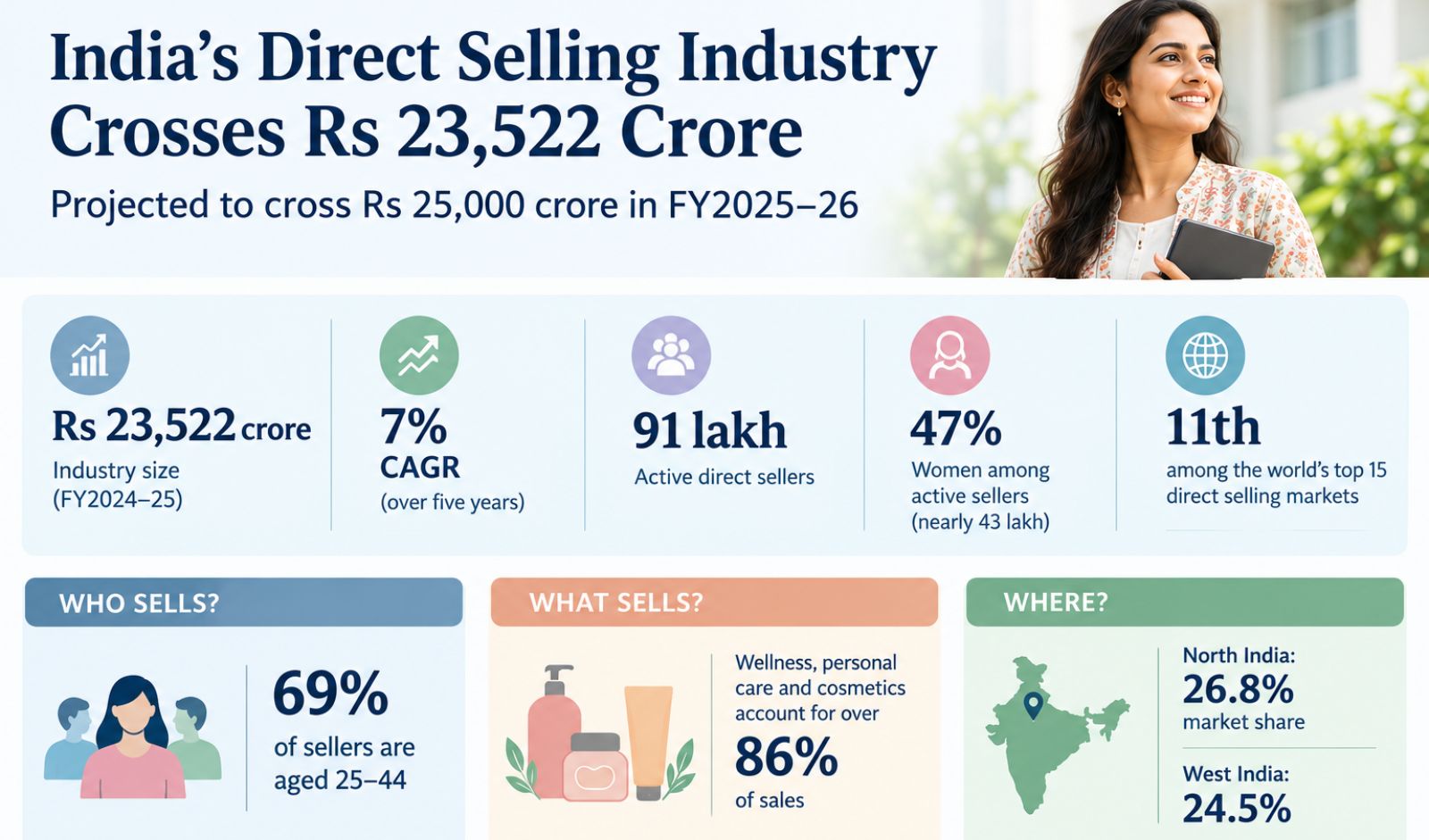 The ADSEI Direct Selling Industry Report 2024-25 highlights a workforce of over 91 lakh active sellers, nearly 43 lakh of them women, as the sector expands its role in entrepreneurship and livelihoods.
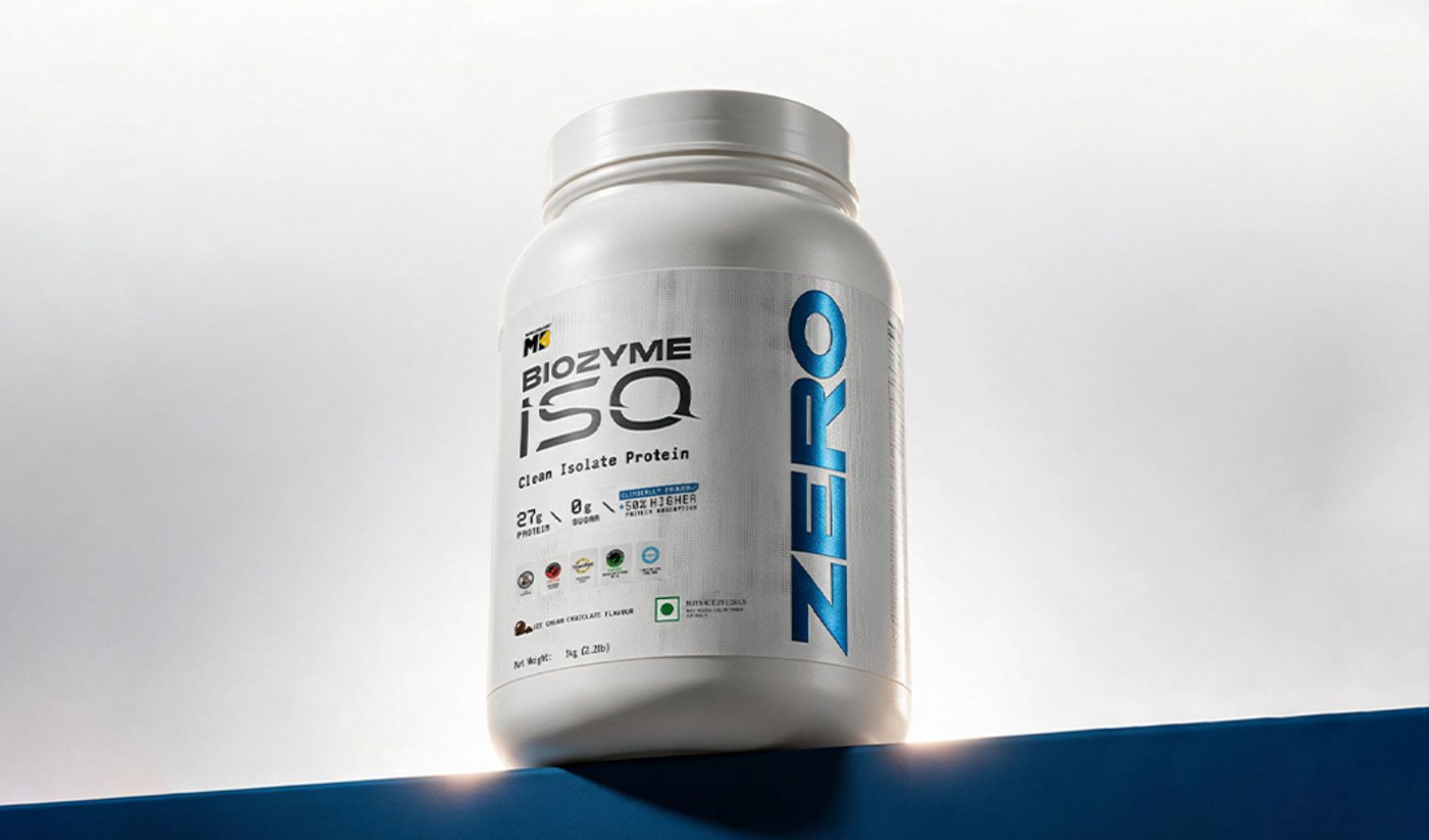 India's sports nutrition brand is putting clinical evidence, independent testing and proprietary innovation at the centre of the premium protein conversation.
-
COCO LENI, COCO LENI Ahmedabad store, COCO LENI eyewear, Arjun Sagar, luxury eyewear brand India, handcrafted eyewear, premium eyewear brands, Indian eyewear brands, eyewear retail expansion, Ahmedabad retail market, luxury retail India, Made in India eye
 Digital offers reach, convenience and data. Physical retail offers experience, interaction and trust. In kids' footwear, where the product has to satisfy both the parent and the child, getting that balance right is what separates a retail business that is






Copyright © 2009 - 2026 Franchiseindia.com Ltd