





Hitachi Energy has announced an investment of approximately Rs 2,000 crore to establish a new Large Power Transformer (LPT) manufacturing facility in Karjan, Vadodara, Gujarat. The project is part of the company's broader strategy to expand its manufacturing capabilities in India and support rising domestic and global demand for power infrastructure equipment.
The investment follows an announcement made by Hitachi Energy India Limited during its FY26 fourth-quarter results and builds on the company's 77-year presence in India.
According to the Central Electricity Authority, India will require investments of Rs 7.93 lakh crore in transmission infrastructure to integrate more than 900 gigawatts (GW) of non-fossil fuel-based energy capacity by 2035. Growing demand for large power transformers, driven by grid expansion, data centres, industrial electrification, and renewable energy integration, has increased the need for additional manufacturing capacity in the country.
The new facility will complement Hitachi Energy India’s existing transformer manufacturing operations in Gujarat, along with transformer insulation and component facilities in Mysore and Halol. The expansion also aligns with the government's Make in India initiative and the country's energy transition goals. Scheduled for completion in FY28, the plant will manufacture large power transformers used in high-voltage transmission networks, high-voltage direct current (HVDC) systems, power generation projects, AI data centres, and industrial applications. The company expects the facility to improve delivery timelines for critical grid equipment.
N Venu, Managing Director and CEO, Hitachi Energy India Ltd said, “This investment reflects our confidence in India’s energy future and the country’s growing stature as a strategic manufacturing base. By expanding our manufacturing presence, we aim to empower local communities, create skilled jobs, and deliver innovative solutions that support the country’s energy and sustainability goals.”
The company said the factory will be developed with digital manufacturing capabilities and will incorporate advanced technologies focused on operational efficiency, quality control, and productivity. The facility is also planned as a LEED-certified site, with measures aimed at energy efficiency, responsible resource utilisation, and reduced environmental impact.
Bruno Melles, CEO, Transformers Business Unit, Hitachi Energy said, “India is one of the fastest-growing energy markets globally. This new factory will strengthen our ability to serve customers locally while contributing to the nation’s self-reliance and infrastructure development.”
The project is expected to generate more than 1,000 direct and indirect jobs and contribute to local economic development and skill creation. It also forms part of Hitachi Energy’s global investment programme focused on expanding manufacturing capacity, research and development, engineering capabilities, and strategic partnerships to address increasing electricity demand worldwide. The announcement follows several recent infrastructure milestones for the company in India, including the commissioning of one of the world's largest urban HVDC city centre in-feeds in Mumbai.


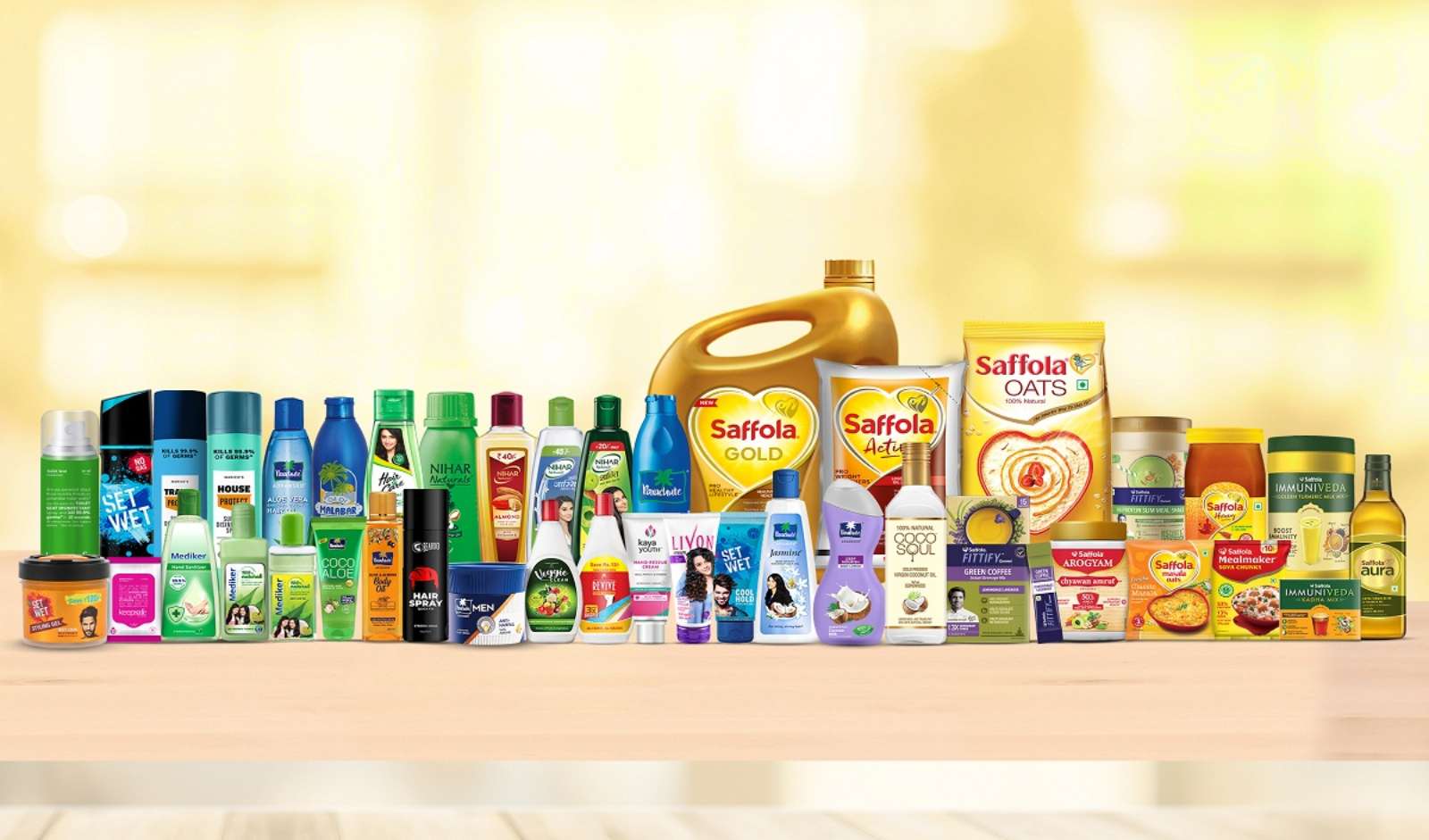
FMCG company Marico reported a 13 percent year-on-year increase in consolidated revenue from operations to Rs 3,897 crore in the second quarter of FY27, supported by sustained demand in its India business and growth across international markets. Net profit (PAT) rose 31 percent, while EBITDA increased 27 percent, marking the company's strongest performance on these parameters in 50 quarters.
Marico's India business recorded 10 percent revenue growth to Rs 2,916 crore, supported by underlying volume growth of 10 percent. The company said more than 95 percent of its business either gained or maintained market share and penetration on a moving annual total (MAT) basis. Traditional and organised trade channels reported double-digit growth, while quick commerce also recorded faster growth during the quarter.
Gross margin expanded by around 600 basis points year-on-year, aided by a favourable product mix and lower copra prices. Advertising and promotion expenditure increased 44 percent as the company continued investing in its brands and growth initiatives. EBITDA margin improved by 200 basis points to 18.2 percent.
Among its key brands, Parachute Rigids recorded 13 percent volume growth, its highest in 22 quarters. Revenue grew around 1 percent, reflecting the impact of earlier price reductions and the base effect of previous pricing actions. The brand gained more than 570 basis points in market share, taking its volume market share to 60 percent. Marico's Value-Added Hair Oils portfolio registered 21 percent value growth for the sixth consecutive quarter and gained 80 basis points in value market share on a MAT basis. The company attributed the performance to product innovation in mid and premium segments, distribution improvements under Project SETU and continued brand investments.
Saffola Edible Oils reported 6 percent revenue growth, despite a high-single-digit decline in volumes. Its premium range, particularly cold-pressed oils, continued to grow faster than the overall portfolio. Marico said it is rationalising the supply of lower-margin variants to improve the business's long-term profitability. The company's Foods portfolio grew 45 percent and crossed an annualised revenue run rate of Rs 1,500 crore. Saffola Foods recorded growth in the early teens, led by oats, muesli and soya chunks. Saffola Oats retained its leadership position in the category, while True Elements, 4700BC and Cosmix continued to scale their businesses.
Marico's Premium Personal Care portfolio, which includes digital-first brands, also reported growth. The segment crossed an annualised revenue run rate of Rs 500 crore, while the digital-first portfolio recorded an annualised run rate of around Rs 1,150 crore. Beardo, Livon Serums and Parachute Advansed Protein Shampoo were among the key contributors.
The international business recorded 13 percent constant currency growth and 23 percent growth in rupee terms. Vietnam reported 22 percent constant currency growth, while the Middle East and North Africa (MENA) business grew 15 percent. South Africa and the non-currency-and-distribution (NCD) and exports business registered growth of 15 percent and 17 percent, respectively. Bangladesh recorded 5 percent constant currency growth amid inflationary pressure and subdued consumer demand.
For FY27, Marico expects to deliver revenue growth in the teens and cross the Rs 15,000 crore revenue mark. The company also expects EBITDA growth in the mid-twenties. Its India business is projected to maintain double-digit volume growth, while international operations are expected to record faster constant currency growth in the second half of the financial year.
The company is also expanding Project SETU, its distribution transformation programme, through a new phase called Project SETU 2.0. The next phase will focus on AI-led capabilities and go-to-market initiatives for the Foods and Premium Personal Care businesses. Marico said the programme has already been extended to Vietnam, where it is showing encouraging results, while its rollout in Bangladesh is at an early stage.
Marico aims to increase the contribution of its Foods and Premium Personal Care portfolios, including digital-first businesses, to around 27 percent of India revenue by the end of FY27 and 33 percent by FY30. It also expects its digital-first businesses to achieve double-digit EBITDA margins by the end of FY27.
Saugata Gupta, MD and CEO said, “The strength of our first-half performance underscores Marico’s evolution into a more resilient and diversified business, with several growth engines and a proven ability to deliver strong growth across commodity cycles. Robust momentum across the portfolio and several businesses reaching new highs, alongside multi-quarter high operating profit growth reflect the strength of our franchise and execution. With multiple growth engines firing and sustained investments behind our brands, people and capabilities, we are well positioned to sustain this momentum and build an even stronger Marico for the future.”
Marico said its international portfolio is also moving towards premium and higher-margin categories, including beauty and personal care. The share of premium categories in international revenue increased from around 20 percent in FY20 to around 30 percent in FY26, with the company targeting 40 percent by FY30. It also expects the contribution of markets outside Bangladesh to increase to around 65 percent of international revenue by FY30, from around 55 percent in FY26.

The Coca-Cola Company reported strong volume growth in India during the third quarter of calendar year 2026, supported by higher demand across its leading brands. The beverage major is focusing on affordability and premiumisation to expand its consumer base, while strengthening its presence across emerging sales channels, according to Global CEO Henrique Braun.
Speaking during the company's earnings call, Braun said all of Coca-Cola's top 10 brands in India recorded double-digit growth during the quarter.
“India delivered strong volume growth, with each of our top 10 brands growing double digits. We are expanding our consumer base by scaling both affordability and premiumization, strengthening execution, and leaning into emerging channels,” said Henrique Braun, Global CEO of The Coca-Cola Company, in the earnings call.
Coca-Cola's India portfolio includes brands such as Coca-Cola, Thums Up, Sprite, Maaza, Limca, Minute Maid, Diet Coke, Coca-Cola Zero Sugar, Kinley, Rimzim Jeera and Schweppes. The company is working across price points and product categories to reach a wider consumer base in the Indian beverage market. The company also attributed part of Sprite's regional volume growth to its Sprite and Spicy platform, which was extended into India's quick-service restaurant (QSR) channel through meal combo activations, social media campaigns and influencer collaborations.
“We expanded our Sprite and Spicy platform into the QSR channel in India with meal combo activations, social media content, and influencer collaborations, which contributed to Sprite’s volume growth of nearly 20 percent in the region,” Braun added.
India is currently the fifth-largest market for the Atlanta-headquartered beverage company. Alongside its business growth, Coca-Cola is also preparing for a potential initial public offering (IPO) of its Indian bottling operations, Hindustan Coca-Cola Holdings (HCCH). However, the company has not provided a timeline for the proposed listing.
John Murphy, President and Chief Financial Officer of The Coca-Cola Company said, “As previously announced, we are exploring a potential IPO of our bottling operations in India and will provide further updates as appropriate.”
In June 2026, Coca-Cola announced that initial preparations were underway for a potential listing of HCCH on the BSE and the National Stock Exchange of India. The proposed IPO remains subject to market conditions and applicable regulatory and other approvals. Last year, the Jubilant Bhartia Group acquired a 40 percent stake in HCCH, the parent company of Hindustan Coca-Cola Beverages. Braun also discussed how Coca-Cola used its experience in India to develop affordable packaging solutions for other markets. The company introduced a single-serve beverage package in South Africa, adapting it to local consumer preferences under the name 'Mashesha', which means "quick".
“A good example of that is what we did in Africa, piggybacking from what we have learned in India, where they had one package, which is a single-serve PET package with plasma technology that can allow you to go on longer routes and still keep the shelf life high. Now we imported that into Africa, and that plays on affordability in both of these markets,” he said.
In its Q3 2026 earnings statement, Coca-Cola reported a 5 percent increase in global unit case volume, driven by growth in India, China, Mexico and Brazil. The company's bottling investments division recorded an 8 percent increase in unit case volume, primarily supported by India and South Africa.
For the third quarter, Coca-Cola's net revenue increased 7 percent to $13.4 billion. Organic revenue, a non-GAAP measure, also grew 7 percent, supported by a 7 percent rise in concentrate sales and 1 percent growth in price and product mix. The latest performance highlights India's contribution to Coca-Cola's global volume growth as the company continues to focus on affordability, premium beverage offerings and expansion across distribution channels.
Tilaknagar Industries Limited reported adjusted net revenue of Rs 2,059 crore for the first half of FY27, registering a 180 percent year-on-year increase. The alcoholic beverages company also crossed Rs 1,000 crore in net revenue for the second consecutive quarter, supported by the integration of Imperial Blue and growth in its secondary sales volumes. During Q2 FY27, the company's secondary sales volumes increased 7.8 percent quarter-on-quarter, while primary volumes remained largely stable. Imperial Blue Whisky recorded 8.5 percent growth in secondary volumes, while Mansion House Brandy registered a 7.1 percent increase.
Imperial Blue also strengthened its position in the Indian whisky market, gaining more than 100 basis points in all-India market share during the quarter, with improvements across 17 states. Karnataka, Andhra Pradesh, Uttarakhand, Assam and Rajasthan were among the key markets contributing to its growth. Mansion House Brandy also strengthened its position in Karnataka, emerging as the leading brandy brand across price segments in the state in September 2026.
The company said states that transitioned out of the Transition Services and Manufacturing Agreement (TSMA) following Q1 FY27 have now stabilised under its direct operations. The transition process is expected to be completed in the remaining state towards the end of FY27. With the integration progressing, exceptional expenses associated with the transition declined significantly during Q2.
Amit Dahanukar, Chairman and Managing Director of Tilaknagar Industries said, "With the states transitioned out of TSMA after Q1 now stabilised, we have taken another decisive step towards completing the Imperial Blue integration. Our secondary volumes grew by 7.8 percent during the quarter and Imperial Blue continued to gain market share across the country, reflecting the strength of our brands and the reach of our expanded distribution network."
The company continued to face higher input costs during the quarter, particularly for glass packaging materials, amid geopolitical uncertainties. Prices of Extra Neutral Alcohol (ENA) also began rising towards the end of Q2 due to higher fuel and grain costs. Tilaknagar Industries reported an EBITDA margin of 14.1 percent in Q2 FY27. According to the company, the margin would have been approximately 16.5 percent without the impact of inflationary pressures. Cost optimisation measures introduced in Q1 have started contributing to margin management.
Net sales realisation per case declined slightly during the quarter due to changes in the state-wise sales mix. However, the company expects improvement in realisations through a favourable market mix, price revisions and new product introductions from FY28 onwards. Changes in state excise policies also influenced the company's performance during the quarter. Following recent policy reforms in Karnataka, the Prestige and Above (P&A) segment recorded growth, benefiting Imperial Blue and Mansion House Brandy.
Tilaknagar Industries also reported early signs of policy changes in Tamil Nadu, one of India's largest brandy markets. Mansion House Reserve Brandy recorded more than 25 percent quarter-on-quarter volume growth and 50 percent year-on-year growth in September 2026, its highest monthly volume to date. During the quarter, Mansion House Brandy and Monarch Legacy Edition Brandy were featured in Times Square, New York City, for 72 hours around India's Independence Day. The display recorded more than 2,500 plays and reached over 1.2 million visitors, according to the company.
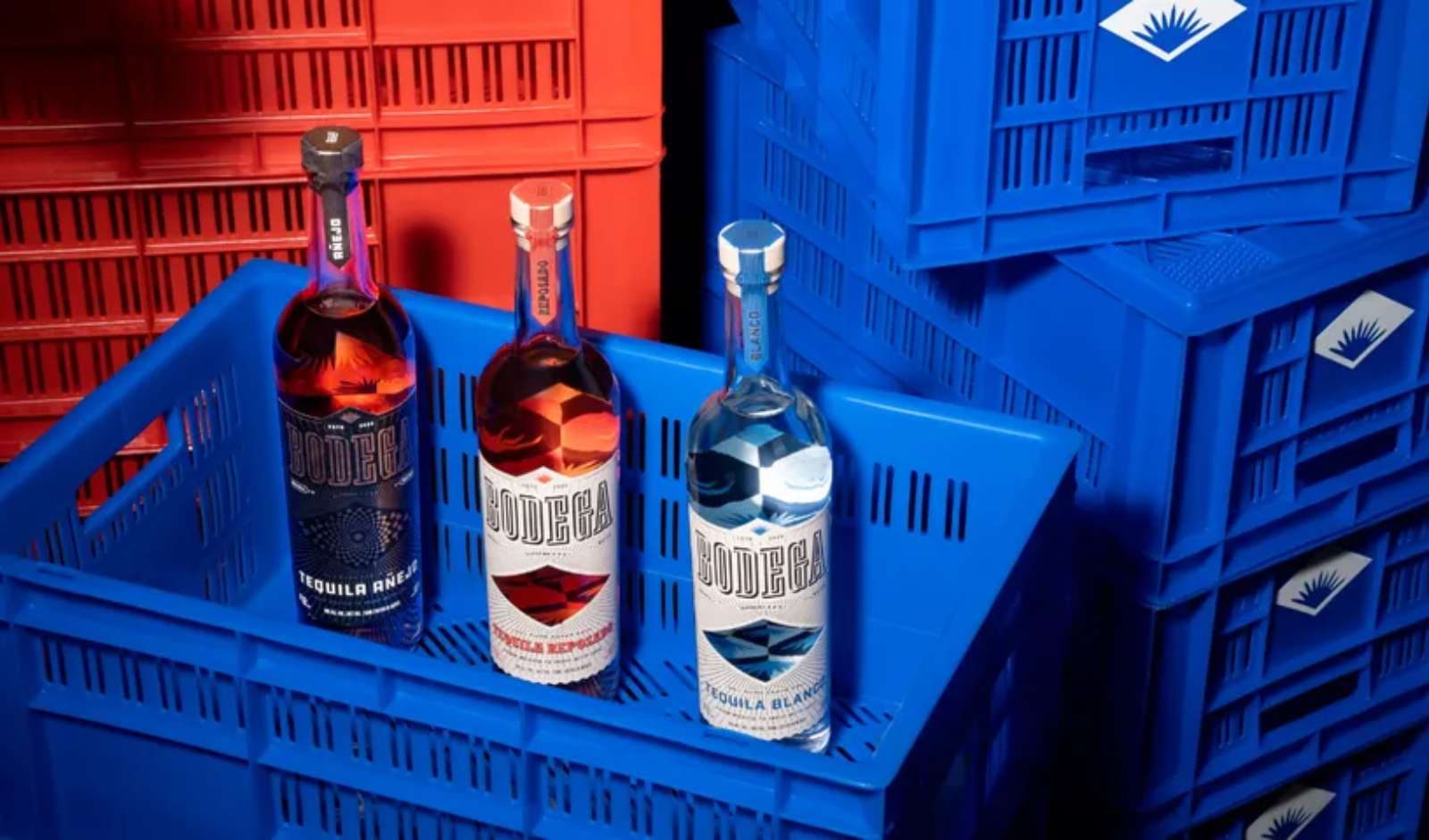
Tilaknagar Industries also introduced its first above-the-line (ATL) advertising campaign for Imperial Blue Packaged Drinking Water under the "Men Will Be Men" platform. In another business development, the company entered the tequila category through a strategic investment in Black Tiger Distilleries, the maker of Bodega Suprema No. 5, a 100 percent Blue Weber Agave Tequila.
Dahanukar said, "Our focus continues to be on delivering profitable growth in Imperial Blue and Mansion House, with a clear vision of long-term value creation. As the largest domestic P&A IMFL player in India and the largest P&A IMFL player in South India, we will continue to accelerate our luxury and super-premium portfolio across key markets, while leveraging Imperial Blue's strong distribution network to introduce new products across premium price points."

Eveready Industries India Limited reported a 10.7 percent year-on-year increase in consolidated revenue from operations to Rs 428.2 crore for the second quarter of FY27, compared with Rs 386.8 crore in the corresponding quarter last year. The company recorded its eighth consecutive quarter of year-on-year revenue growth, supported by demand for alkaline batteries, rechargeable products and growth across its consumer business channels.
The company's EBITDA increased to Rs 53.8 crore in Q2 FY27 from Rs 49.4 crore in Q2 FY26, with the EBITDA margin at 12.6 percent. The company maintained its margins despite higher zinc prices and other input cost pressures, supported by commodity hedging and pricing measures.
Profit after tax (PAT) stood at Rs 31.9 crore during the quarter, compared with a loss of Rs 7.9 crore in Q2 FY26. The previous year's quarterly result included an exceptional loss of Rs 37.7 crore. For the first half of FY27, Eveready's consolidated revenue increased 9.9 percent year-on-year to Rs 836.0 crore, while profit after tax rose 209.0 percent to Rs 68.9 crore.
The company's battery business recorded 9.1 percent growth in value during Q2 FY27. Alkaline batteries remained a key contributor, registering 36.5 percent value growth and a 30.0 percent increase in volume. Eveready's alkaline battery manufacturing facility in Jammu, which began commercial production in May 2026, is supporting the company's efforts to increase local manufacturing capacity and expand its alkaline battery portfolio.
The flashlight segment recorded 17.3 percent growth, with rechargeable flashlights growing 33.2 percent. This performance supported the overall category despite weaker demand for conventional battery-operated products and the impact of lower-than-normal rainfall. The lighting business registered 10.4 percent growth during the quarter, led by a 26.3 percent increase in emergency LED bulbs. The electrical accessories business also continued to record growth.
During the quarter, Eveready continued to expand its product portfolio across batteries, lighting and home care. Its new offerings include SHOR, a torch equipped with an animal alarm designed to help protect farms from stray animals. The company had earlier introduced the SIREN torch, which features an alarm for personal safety.
The company also expanded its emergency lighting range with the Xtra Bright emergency LED bulb, which offers twice the brightness of other emergency LED bulbs during power cuts, according to the company. In its home care category, Eveready's mosquito racquets continued to contribute to business growth. The company said the product category has helped it establish a position among leading brands within three years of its introduction.
Eveready has also introduced a portable, rechargeable liquid mosquito vaporizer as part of its home care portfolio. The product is designed to operate without being connected to a power socket, allowing consumers to use it across different spaces. The company's business-to-consumer (B2C) distribution channels recorded growth during the quarter, with e-commerce and quick commerce channels registering more than 50 percent year-on-year growth.
Anirban Banerjee, Chief Executive Officer of Eveready Industries said, “Our eighth consecutive quarter of revenue growth reflects the strength of the business and gives us confidence in sustaining this progress. Alkaline batteries and rechargeable products remain important growth drivers, while portable Liquid vaporizers expand our mosquito protection portfolio, supported by the launch of the “Unplug and use anywhere campaign”. Our focus remains on strengthening the product portfolio, expanding market presence and driving sustainable growth.”
Bibek Agarwala, Executive Director and Chief Financial Officer of Eveready Industries said, “We remain focused on profitable growth, disciplined working capital management and strengthening the balance sheet. We are taking calibrated pricing action to protect profitability and maintain margin stability, while commodity and forex hedging helped us manage the impact of higher input costs. As the Jammu facility ramps up, our priority will be to improve capacity utilisation and realise the cost benefits of local manufacturing.”
As of September 30, 2026, Eveready's net debt stood at Rs 153 crore, compared with Rs 164 crore at the end of Q1 FY27. The registration and transfer of Plot B2 of the company's Noida property was completed after the reporting period on October 13, 2026.
Going forward, the company plans to focus on expanding its alkaline battery business, increasing the adoption of portable liquid vaporizers and growing its rechargeable product portfolio. Higher input costs remain an area of concern, and the company will continue to assess pricing measures in response to changes in commodity costs while increasing capacity utilisation at its Jammu manufacturing facility.
DLF Malls is focusing on festive shopping, dining and entertainment experiences across its Delhi NCR properties as consumer visits increasingly combine retail purchases with leisure and family activities. The company's festive initiatives span DLF Mall of India, DLF Promenade, DLF Avenue, DLF CyberHub, DLF Midtown Plaza and DLF Summit Plaza.
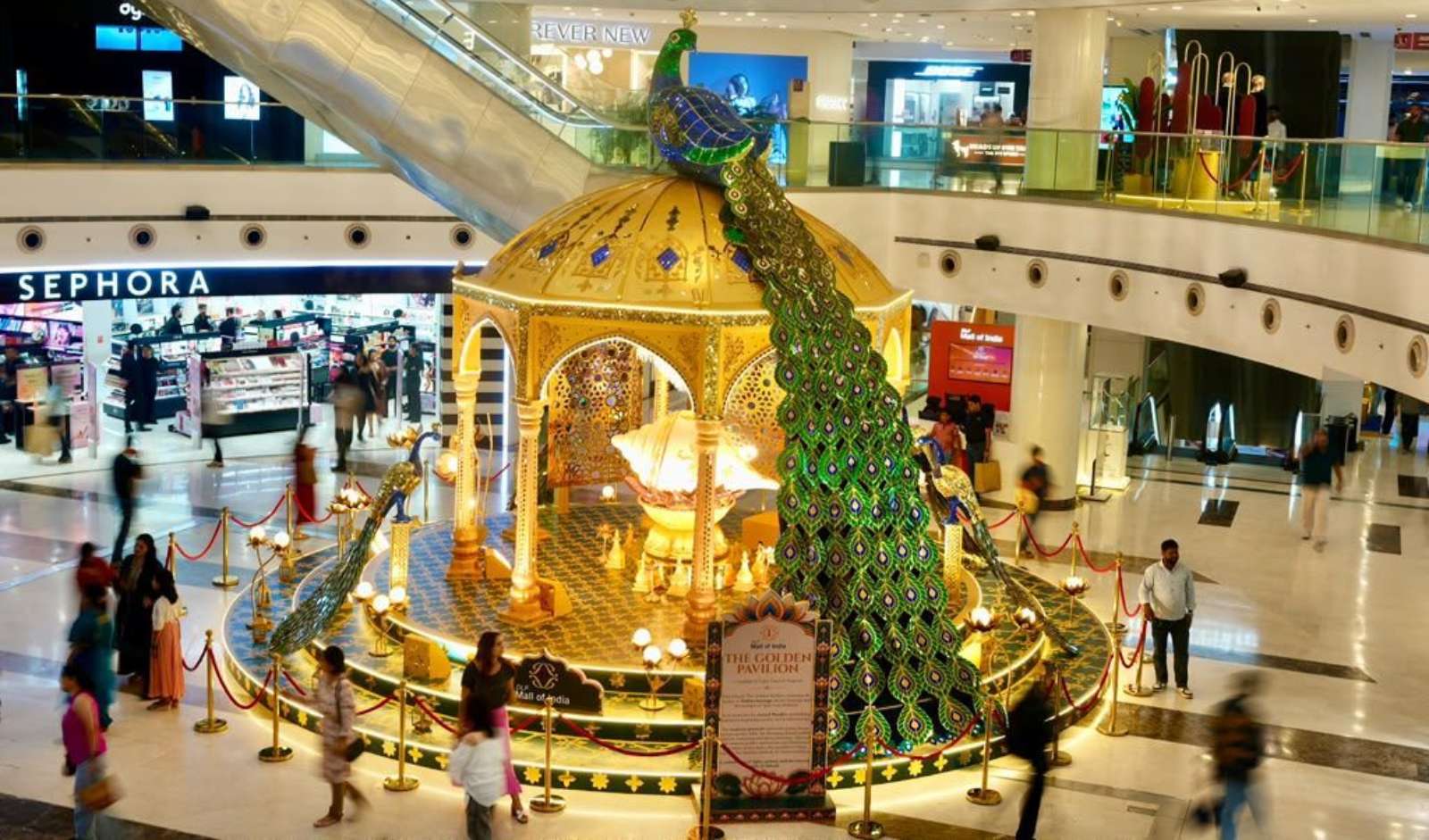
This festive season, the mall operator has introduced themed installations across its shopping destinations, drawing inspiration from Indian cultural traditions and festive symbolism. The installations feature traditional motifs, contemporary designs and illuminated displays aimed at encouraging visitors to spend more time at the properties. At DLF Avenue, the Enchanted Lantern installation celebrates the festival of lights and togetherness. DLF Mall of India features a conch-inspired centrepiece representing auspicious beginnings, accompanied by peacock sculptures designed around traditional Indian motifs.
Other elements across the properties include jaali-inspired patterns, filigree detailing, lotus motifs, floral decorations and ambient lighting. At DLF Promenade, white and gold festive décor has been introduced alongside a Bulgari art installation, which serves as a focal point within the mall. DLF Midtown Plaza features an illuminated lotus-inspired installation that combines traditional symbolism with contemporary design. Another highlight is Bulgari's Diwali installation, Passing the Light, which brings together 4,500 handcrafted terracotta elements inspired by traditional diyas and the brand's iconic Serpenti motif.
The festive initiatives come as shopping centres increasingly look to combine retail, food and beverage, entertainment and cultural experiences to attract visitors during peak shopping periods. For consumers, mall visits are becoming opportunities to shop, dine and spend time with family and friends rather than being limited to purchases. As part of its festive retail programme, DLF Malls has also introduced its annual Shopping Festival across its destinations. Through the DLF Malls Rewards programme, customers can earn up to 10X reward points on eligible purchases. Shoppers spending Rs 10,000 and above can also access more than 10,000 assured gifts and vouchers.
The Shopping Festival is being supported by a range of fashion, beauty, dining and lifestyle brands across the mall portfolio. The initiative combines shopping incentives with festive activities as retailers and mall operators seek to increase customer engagement during the season.
Pushpa Bector, Group Executive Director and Business Head, DLF Retail said, "Festivals are about creating memorable moments with family and loved ones. Through our immersive décor, curated experiences and Shopping Festival, we are bringing together celebration, discovery and rewards to make every visit to DLF Malls more engaging and rewarding. Our aim is to create destinations where customers can shop, connect and celebrate the season in meaningful ways."
Through its festive installations, shopping rewards and brand offerings, DLF Malls is looking to strengthen visitor engagement across its Delhi NCR properties during the festive season, bringing together retail, dining and leisure activities.
Privi Speciality Chemicals Limited reported a year-on-year increase in revenue and profitability for the second quarter of FY27, supported by demand across domestic and international markets, improved manufacturing efficiencies and operational performance. The Indian speciality chemicals manufacturer recorded a 13.90 percent year-on-year increase in total income to Rs 773.16 crore in Q2 FY27. EBITDA rose 16.66 percent to Rs 212.49 crore, while profit after tax (PAT) attributable to the company increased 24.61 percent to Rs 117.03 crore.
The company's EBITDA margin improved by 65 basis points to 27.48 percent during the quarter compared with the corresponding period last year. The improvement was supported by cost management, manufacturing efficiencies, and its integrated production operations. Privi operates seven manufacturing facilities with an installed production capacity of 48,000 MTPA. Its backward-integrated manufacturing operations, including in-house developed CST processing capabilities, allow the company to manage key raw material requirements and improve production efficiency.
The company is also investing in manufacturing capacity, process improvements and product development to strengthen its position in the global aroma chemicals and speciality chemicals markets. For the first half of FY27, Privi reported total income of Rs 1,454.59 crore, registering a 16.7 percent year-on-year increase. EBITDA grew 17.6 percent to Rs 379.96 crore, while PAT attributable to the company increased 29.1 percent to Rs 201.23 crore.
EBITDA margin for the six-month period stood at 26.12 percent, compared with 25.92 percent in the corresponding period of the previous financial year. As of September 30, 2026, the company's return on capital employed (ROCE) stood at 24.30 percent, while return on equity (ROE) was 26.34 percent. The company's net debt-to-EBITDA ratio improved to 1.07x, marking a 32.1 percent year-on-year improvement. Net cash generated from operating activities reached Rs 360.26 crore during the first half of FY27.
Privi's ongoing expansion projects are progressing according to schedule and are expected to be ready for commercial operations in the second half of 2028. Its upcoming product portfolio includes Maltol and Ethyl Maltol, Renewable Cyclopentanone, Furfural and more than 10 other speciality products. The company is also developing over 40 products through PRIGIV, its joint venture with Givaudan.
In addition, the proposed amalgamation of Privi Fine Sciences Private Limited and Privi Biotechnologies Private Limited with Privi Speciality Chemicals is expected to strengthen its core business operations and expand its capabilities in green chemistry and biotechnology. The company continues to work towards its 5K:1K growth target, which aims to achieve revenue of Rs 5,000 crore and EBITDA of more than Rs 1,000 crore by FY29-30.
Mahesh Babani, Chairman and Managing Director of Privi Speciality Chemicals said, "Q2 FY27 has extended the momentum we built in the first quarter. This reflects the resilience of our business model, the strength of our backward-integrated manufacturing processes and our disciplined focus on operational efficiency. Our balance sheet continues to strengthen, with improving return ratios and lower leverage, giving us the flexibility to invest in our next phase of growth. Our expansion projects are progressing as planned, and our pipeline of new products will expand our addressable market and deepen our customer partnerships. We remain confident of achieving our 5K:1K vision and creating sustainable long-term value for all our stakeholders."
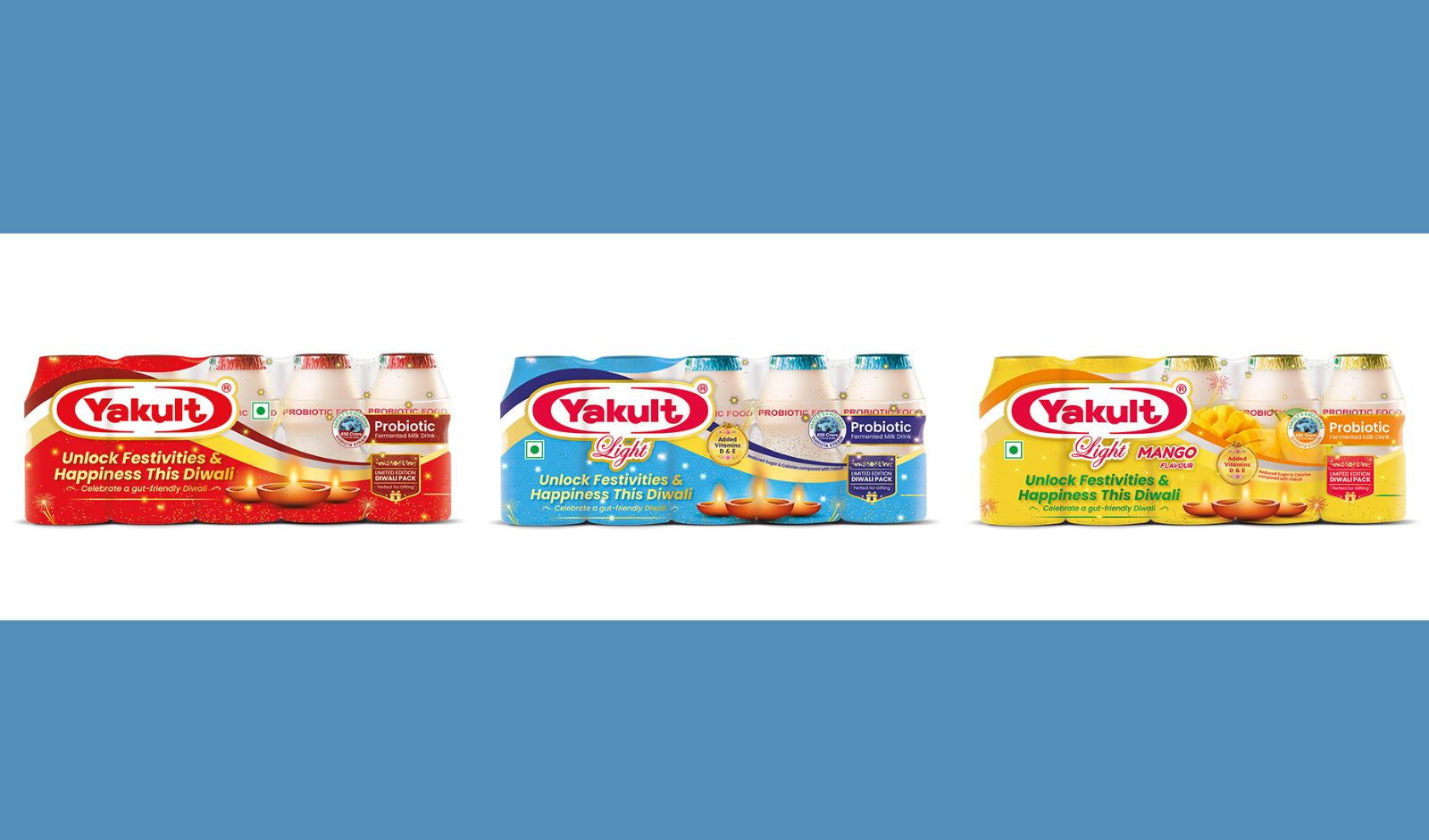
Yakult Danone India has introduced special Diwali-themed packaging across all three variants of its probiotic drink, giving its product range a festive makeover ahead of the celebrations. Through the limited-period packaging initiative, the company aims to connect with consumers during the festive season while highlighting the importance of gut health and everyday wellness.
Diwali is associated with festive food, family gatherings, and social celebrations, with consumers coming together to enjoy traditional delicacies and spend time with loved ones. With this initiative, Yakult aims to become part of these seasonal occasions while encouraging consumers to maintain awareness of digestive health and wellness during the celebrations.
Taku Otsuka, Director, Sales, PR & Marketing, Yakult Danone India said, “Diwali is a time of joy, togetherness and cherished traditions. It is also an opportunity to remind ourselves that everyday wellness deserves attention throughout the year. Through our special Diwali packaging, we are celebrating this important occasion while continuing our efforts to build awareness around gut health. We hope to make these conversations a meaningful part of how consumers think about their everyday well-being.”
Otsuka further added, “Festive occasions offer brands an opportunity to create distinctive consumer experiences and strengthen their connection with audiences. Our special Diwali packaging gives Yakult a fresh festive appeal while retaining the familiarity consumers associate with the brand. From a marketing perspective, such occasion-led initiatives help us remain relevant in consumers’ everyday lives and create stronger engagement at key moments of the year. We also see this as an opportunity to bring greater visibility to gut health and encourage consumers to keep wellness in mind during the festive season.”
The packaging initiative forms part of Yakult Danone India's efforts to combine seasonal marketing activities with its focus on digestive wellness. By introducing festive designs across its existing product variants, the company is looking to strengthen consumer engagement and bring greater visibility to its probiotic drink portfolio during one of India's major festive periods.
The initiative also highlights the company's approach to using festival-led packaging as a way to maintain brand relevance and communicate its focus on gut health beyond conventional product messaging.
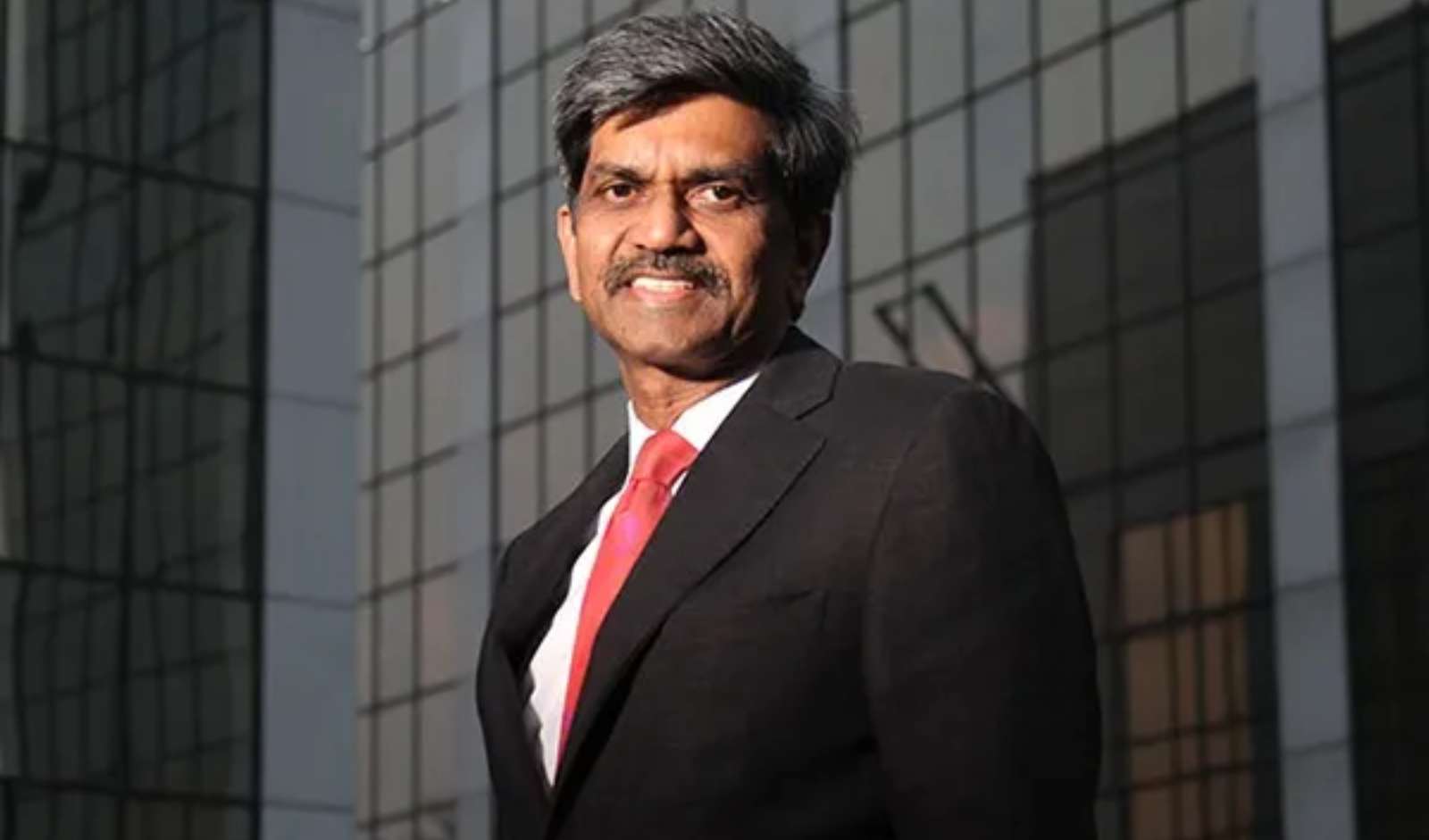
Shiv Shivakumar, Operating Partner at Advent International and former chairman of Restaurant Brands Asia (RBA), has rejoined the company's board. RBA operates Burger King restaurants in India. Shivakumar shared the development through a LinkedIn post last week, highlighting his interaction with the company's leadership team, board members and new investors. In his post, Shivakumar said he was pleased to reconnect with the leadership team, including Raj Varman, Sumit Zaveri and Namrata Tiwari, along with other board members and the company's new investors. He also mentioned that Restaurant Brands Asia had shifted to a new office in Andheri, Mumbai.
Sharing an update on the company's recent business performance, Shivakumar wrote, “Last quarter was v good with 14 pc same store growth. Kudos.” The 14 percent same-store growth figure was shared by Shivakumar in his LinkedIn post.
Shivakumar previously served as chairman of Restaurant Brands Asia between January 2019 and January 2024. His return to the board brings back an executive with experience in consumer businesses, brand management, corporate strategy and business development. Restaurant Brands Asia operates Burger King in India and is engaged in expanding the brand's presence in the country's quick-service restaurant (QSR) market. The company operates in a competitive segment that includes both domestic and international food service chains. During Shivakumar's earlier tenure as chairman, Burger King India continued to expand its restaurant network and strengthen its presence in the organised QSR sector.
Currently, Shivakumar is an Operating Partner at Advent International, a global private equity investor. Before joining the firm in 2023, he served as Group Executive President for Corporate Strategy and Business Development at the Aditya Birla Group from 2018 to 2022.
His professional experience includes leadership roles across several major consumer and multinational companies. He spent 19 years at Hindustan Unilever, working across sales, marketing and general management, before joining Philips India in 2003 as CEO of its consumer electronics division.
In 2006, he moved to Nokia as Managing Director for India and later took on the role of Senior Vice President for Emerging Markets. From 2013 to 2017, he served as Chairman and CEO of PepsiCo India, overseeing the company's beverages, snacks and nutrition businesses.
Apart from his corporate responsibilities, Shivakumar holds advisory and governance positions with organisations including Power Grid Corporation of India, SHRM, The Economist and Penguin Random House India. He is also associated with academic institutions such as the Indian Institute of Management Udaipur and SPJIMR.
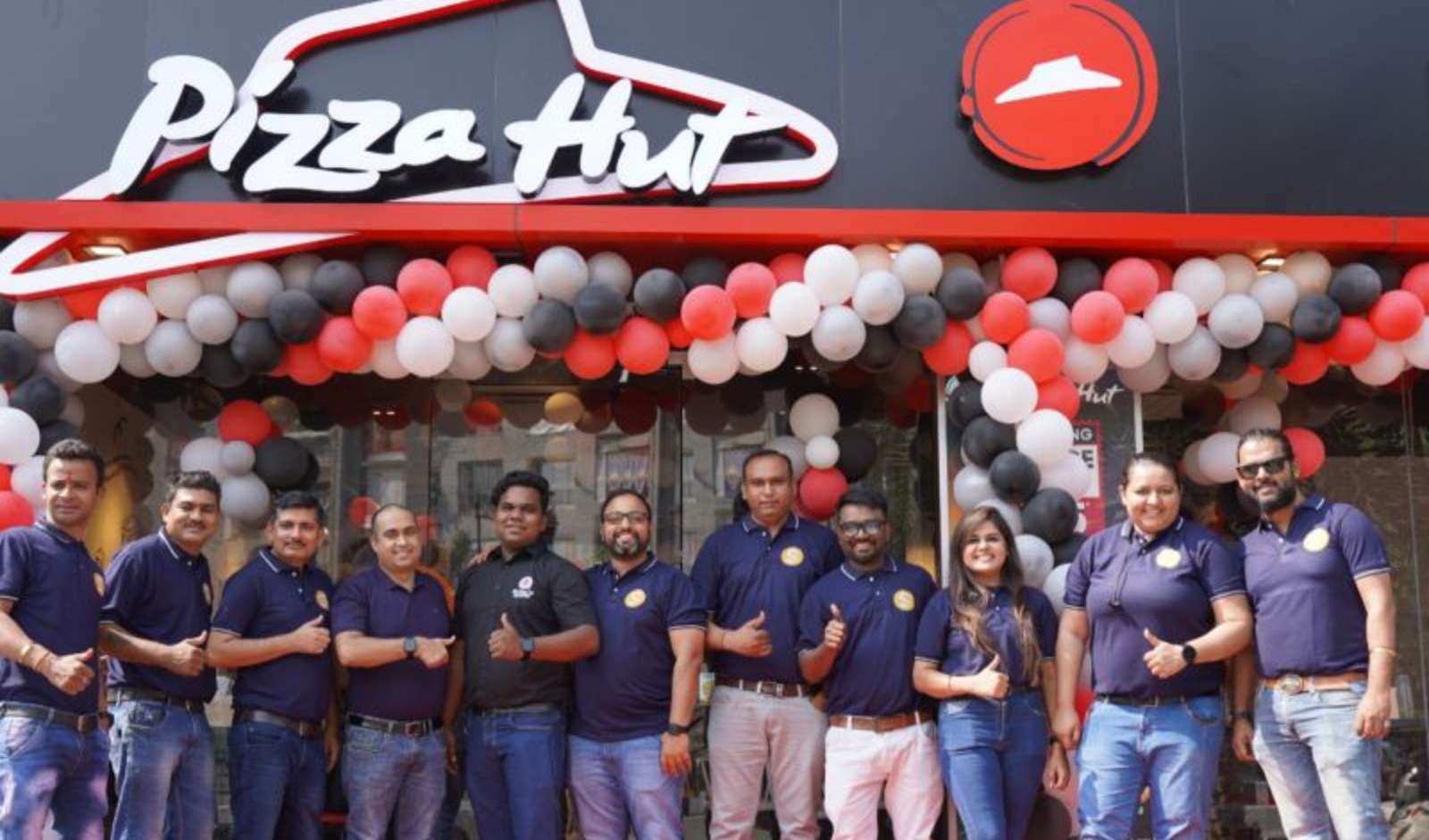
The Competition Commission of India (CCI) has approved the proposed merger of Sapphire Foods India Limited with Devyani International Limited, clearing a key regulatory step toward consolidating the two major quick-service restaurant (QSR) operators in India. The proposed combination involves merging Sapphire Foods India Limited (Sapphire) into Devyani International Limited (Devyani), along with certain related transactions.
Devyani operates franchise outlets of KFC and Pizza Hut across India. The company also holds exclusive franchise rights for Costa Coffee, New York Fries and Sanook Kitchen in the country. In addition to its international brand portfolio, Devyani owns and operates several homegrown food and beverage brands. Sapphire Foods also operates KFC and Pizza Hut franchise outlets in India, making both companies key operators of the two international QSR brands in the Indian market.
The CCI's approval marks an important regulatory development for the Indian restaurant and food service industry. The proposed merger is expected to bring the businesses of the two QSR operators under a consolidated corporate structure, subject to the completion of other applicable requirements and formalities.
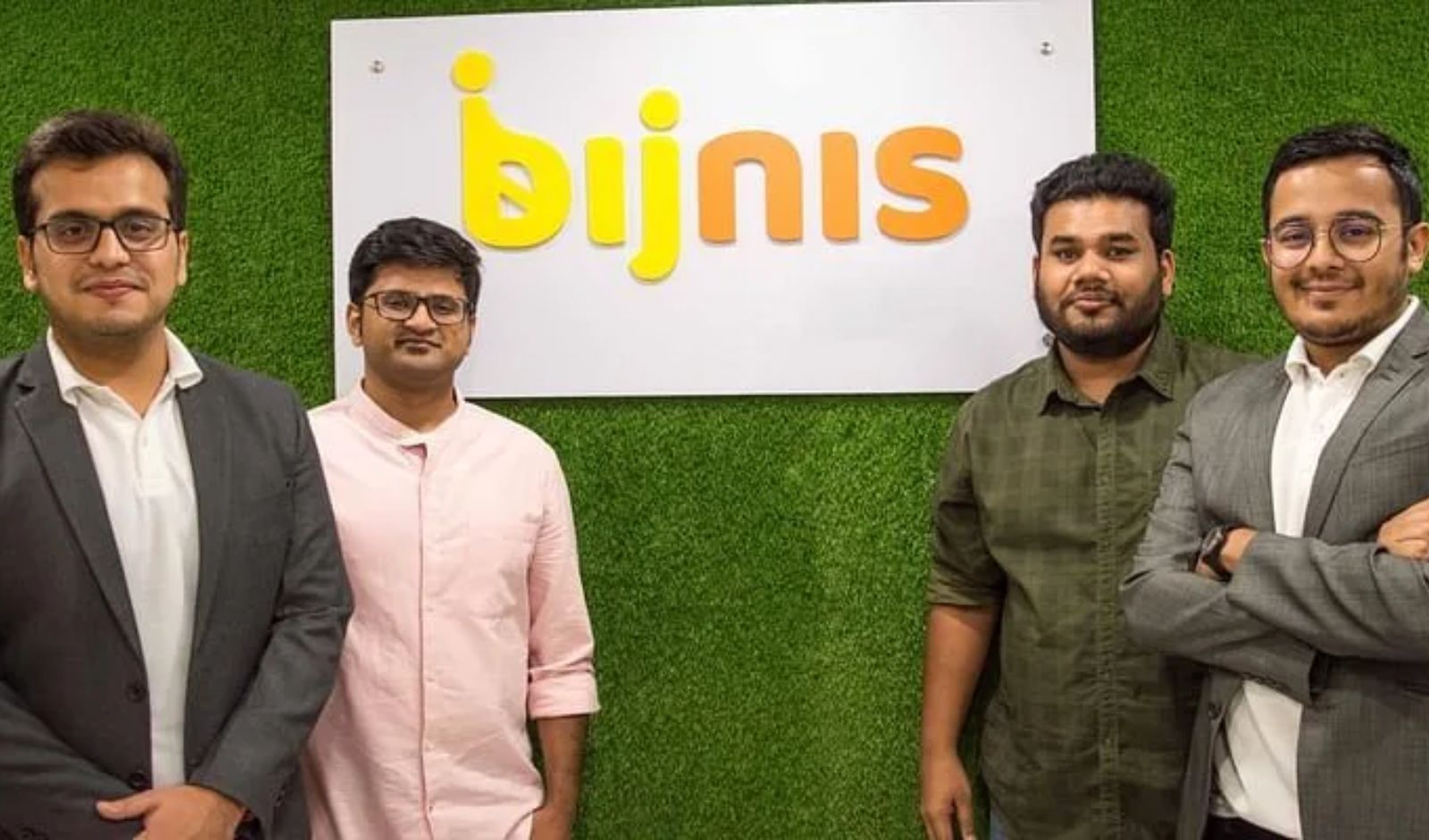
B2B quick commerce startup Zorit, formerly known as Bijnis, has raised nearly Rs 27 crore ($2.84 million) in a funding round led by Sparrow Capital. The investment also saw participation from existing backers Info Edge and WaterBridge, along with Better Capital, angel investors, and company employees.
The funding round attracted several prominent angel investors, including Anupam Mittal, founder of Shaadi.com, the founders of Shiprocket, Mohit Sardana, CEO of Xpressbees, and Sarthak Misra of SoftBank.
Following the latest investment, Info Edge's stake in Bijnis is set to increase to 20.12 percent on a fully converted and diluted basis. In a stock exchange disclosure earlier this week, Info Edge also indicated the possibility of acquiring additional equity in the company through a secondary transaction.
Founded in 2015 by Siddharth Vij, Chaitanya Rathi, Siddharth Rastogi and Sachin Chauhan, the company initially operated as a business-to-business marketplace connecting manufacturers with offline retailers. However, it shifted to an inventory-led quick commerce model in late 2024, focusing on faster product sourcing and inventory replenishment for retailers.
Under its current business model, Zorit allows offline retailers to procure products from nearby dark stores, with deliveries completed in as little as 60 minutes. The company currently operates 12 dark stores across 12 cities and has achieved annualised sales of Rs 120 crore. According to the company, nearly half of its dark stores have reached break-even, including the costs associated with liquidating unsold inventory.
Zorit also reported changes in retailer adoption and purchasing behaviour following its business model transition. Nearly 60 percent of its retail partners had not previously used an online B2B platform. Retailer retention beyond the sixth month has improved fourfold compared with the earlier marketplace model, while monthly ordering frequency has increased fivefold.
The fresh capital will be directed towards strengthening the company's quick commerce infrastructure, broadening its product assortment and increasing engagement with offline retailers across its existing markets.
Siddharth Vij, CEO, Zorit said, “We strongly believe that a substantial part of India’s future commerce will remain retailer led. As consumer expectations evolve, retailers need better technology and supply chain infrastructure to compete and grow,”
The company's funding history includes investments from Matrix Partners, now known as Z47, Sequoia Capital, now Peak XV Partners, and WestBridge Capital. In September 2021, Bijnis raised $30 million in a Series B funding round led by WestBridge Capital, taking its total funding to more than $40 million.
However, Info Edge had written off its entire Rs 76.65 crore investment in Bijnis, operated by Bizcrum Infotech Pvt Ltd, in May 2023.
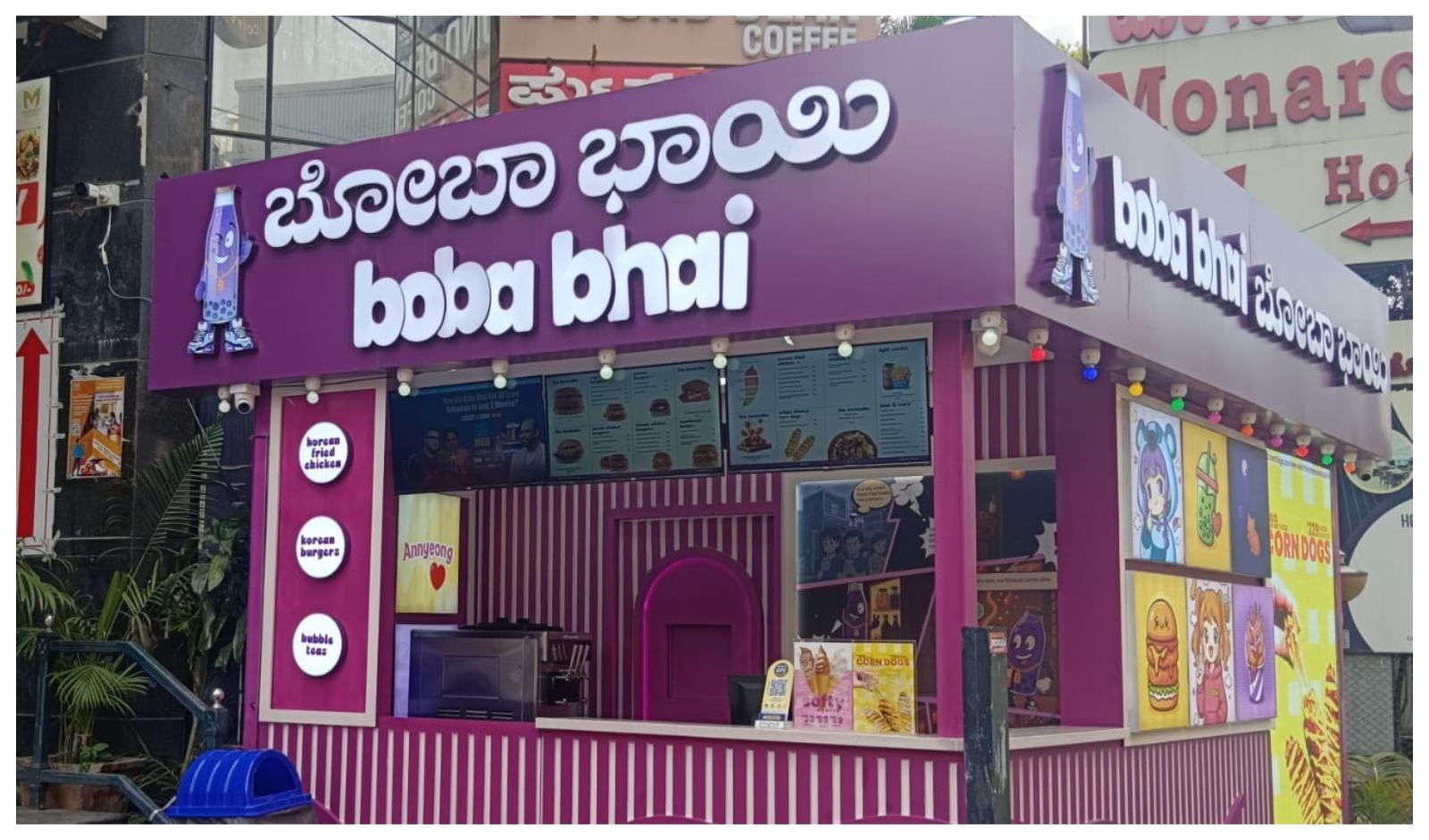
Bengaluru-based tea and beverage chain Boba Bhai recorded a 139 percent increase in revenue from operations to Rs 68 crore in the financial year ended March 2026, compared with Rs 28.44 crore in FY25. However, the company's losses also widened during the period as it continued to invest in business expansion and strengthen its retail footprint.
Food and beverage sales remained the primary contributor to its operating revenue, increasing 137.1 percent to Rs 67.26 crore in FY26. The category accounted for approximately 99 percent of the company's total operating revenue.
Revenue from scrap sales also increased to Rs 28 lakh during the fiscal year, compared with Rs 7 lakh in FY25. Additionally, Boba Bhai reported Rs 1 crore in other income, taking its total income to Rs 69 crore from Rs 29.44 crore in the previous financial year.
On the expenditure front, the company's costs increased across major categories as it expanded its operations. Cost of materials consumed, its largest expense component, rose 138.5 percent to Rs 25 crore in FY26. Employee benefit expenses recorded a sharper increase of 210.3 percent to Rs 13.5 crore, reflecting higher workforce-related costs.
Advertising and promotional expenses climbed 139.9 percent to Rs 13 crore, while commission expenses increased 155.9 percent to Rs 11.44 crore during the year. Other expenses, which contributed around 35 percent of the company's total expenditure, rose 120.3 percent to Rs 31.46 crore.
Overall, Boba Bhai's total expenses increased more than twofold to Rs 90.4 crore in FY26 from Rs 39 crore in FY25. The company had 188 employees as of March 2026.
Despite the growth in revenue, the increase in operating costs affected its bottom line. Boba Bhai's net losses widened 2.2 times to Rs 21.8 crore in FY26, compared with Rs 9.96 crore in the previous fiscal year.
The company, however, reported a marginal improvement in operating efficiency. Its expenditure to generate every rupee of operating revenue declined to Rs 1.33 in FY26 from Rs 1.37 in FY25. Its EBITDA margin also improved to -30.35 percent from -34.67 percent during the corresponding period.
However, return on capital employed (ROCE) deteriorated to -41.12 percent from -32.47 percent. The company's cash and bank balances also witnessed a significant decline, falling to Rs 2.85 crore in FY26 from Rs 24.07 crore in the previous fiscal year.
The financial performance comes as Boba Bhai continues to expand its store network across India. The company raised Rs 40 crore in March 2026 to support its expansion plans and strengthen its business operations.
Currently, Boba Bhai operates approximately 100 stores across eight cities. The company plans to increase its presence to 10 cities in FY27 and add another 150-200 stores by the end of the financial year.
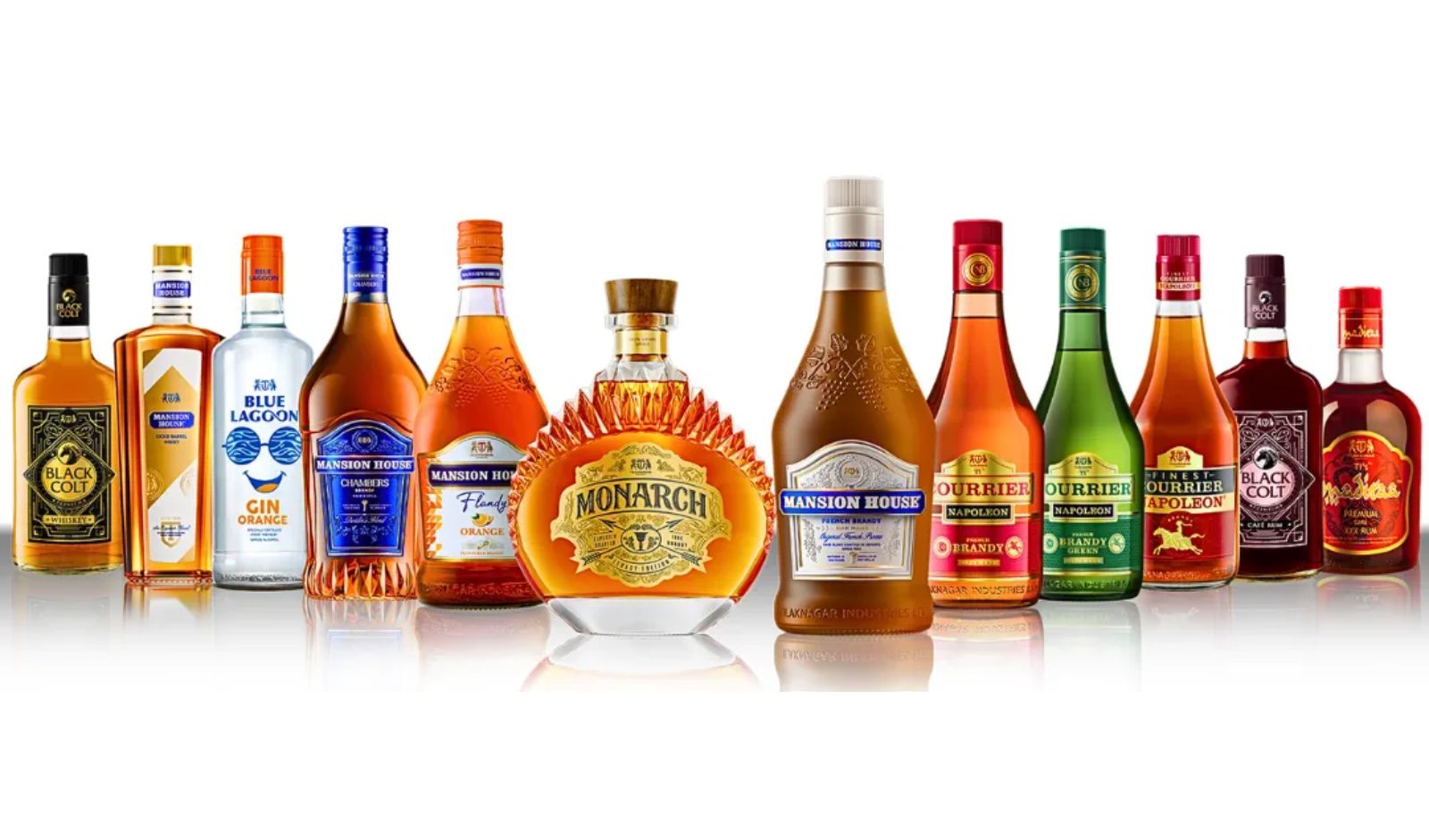
Tilaknagar Industries Limited (TI) reported net revenue of Rs 2,059 crore in the first half of FY27, marking a 180 percent year-on-year (YoY) increase, as the company continued to integrate Imperial Blue Whisky into its operations. The company's second-quarter performance also saw Imperial Blue gain over 100 basis points in all-India market share.
For the quarter ended September 30, 2026, TI recorded net revenue of Rs 1,033 crore, up 172 percent YoY, after adjusting for subsidy. Sales volume reached 8.9 million cases, representing 160 percent growth compared with the same period last year.
Earnings before interest, taxes, depreciation and amortization (EBITDA) stood at Rs 146 crore, up 143 percent YoY, with a margin of 14.1 percent. Profit after tax, excluding exceptional items and amortization related to the Imperial Blue acquisition, increased 26 percent to Rs 66 crore.
The company said that the states that transitioned from the Transition Services and Manufacturing Agreement (TSMA) following the first quarter had stabilised under its operations. The final remaining state is expected to transition by the end of FY27, which could further support the integration process.
While primary volumes remained largely flat during the quarter, secondary volumes grew 7.8 percent sequentially. Imperial Blue Whisky recorded 8.5 percent quarter-on-quarter growth, while Mansion House Brandy reported a 7.1 percent increase.
Imperial Blue gained market share across 17 states, with Karnataka, Andhra Pradesh, Uttarakhand, Assam and Rajasthan among the key contributors. Mansion House Brandy also became the leading brandy across price points in Karnataka in September 2026, according to the company.
Amit Dahanukar, Chairman and Managing Director of Tilaknagar Industries, said the operational transition had progressed and the company's brands continued to expand their reach.
"With the states transitioned out of TSMA after Q1 now stabilised, we have taken another decisive step towards completing the Imperial Blue integration. Our secondary volumes grew by 7.8 percent during the quarter, and Imperial Blue continued to gain market share across the country, reflecting the strength of our brands and the reach of our expanded distribution network," Dahanukar said.
However, the company continued to face cost pressures from packaging materials, particularly glass. Prices of extra neutral alcohol (ENA), a key input for spirits production, also began rising towards the end of the quarter due to higher fuel and grain costs.
TI said its EBITDA margin would have been approx 16.5 percent without the impact of inflationary pressures. Cost optimisation measures introduced earlier in the year have started yielding results, helping the company manage expenses.
The company also reported growth opportunities following excise policy reforms in Karnataka, which supported the premium and above (P&A) segment. In Tamil Nadu, Mansion House Reserve Brandy recorded more than 25 percent sequential volume growth and 50 percent YoY growth in September, its highest-volume month to date.
During the quarter, TI entered the tequila category through a strategic investment in Black Tiger Distilleries, the maker of Bodega Suprema No. 5. The company also plans to expand its luxury and super-premium portfolio, with new launches expected from FY28 onwards.
Dahanukar said the company would focus on profitable growth across its core brands while expanding into higher-priced categories. He added that TI would use Imperial Blue's distribution network to introduce products across premium price segments.
The company's performance comes as it continues to integrate its expanded whisky portfolio while managing input-cost inflation and pursuing growth in premium spirits.
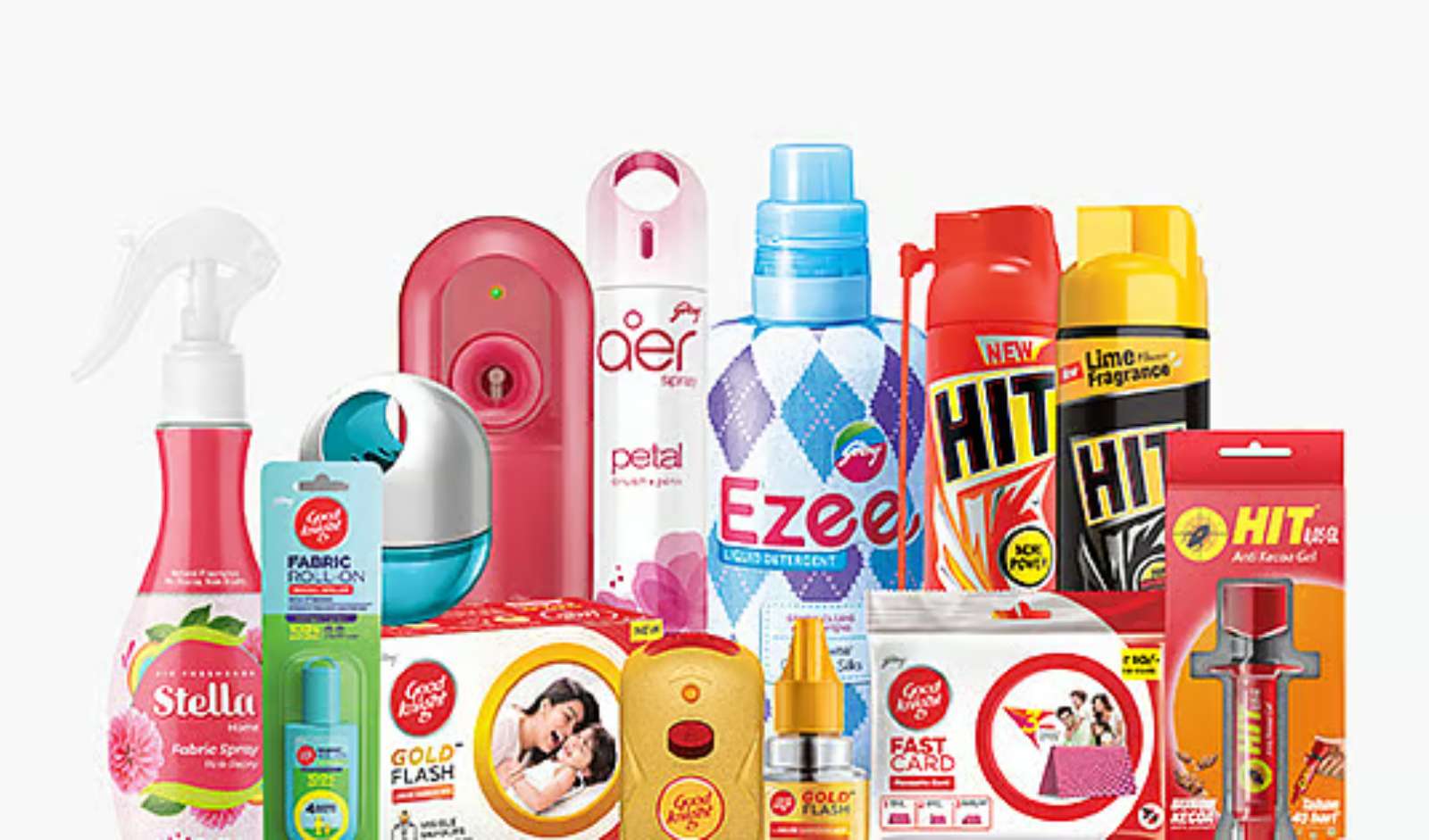
Godrej Consumer Products Limited (GCPL) reported a 14 percent year-on-year increase in consolidated net profit to Rs 523 crore for the second quarter of FY27, supported by 19 percent revenue growth and an 8 percent rise in underlying volume. The company announced its financial results for the quarter ended September 30, 2026, with consolidated sales growth across India and its international markets.
Consolidated EBITDA, including forex, increased 12 percent year-on-year during the quarter. The company’s standalone business recorded 13 percent sales growth, backed by 7 percent underlying volume growth. Sales in Indonesia rose 20 percent, while the Africa, USA and Middle East (GAUM) business registered 40 percent growth in rupee terms.
Aasif Malbari, Managing Director and CEO of GCPL said, “Q2 FY27 has been a quarter of strong, broad-based performance for Godrej Consumer Products Limited, fully aligned with our expectations and strategic priorities. We delivered strong broad-based underlying volume growth across India, Indonesia and Africa, despite subdued monsoon conditions in India while supported by tailwinds in Indonesia.”
The company’s standalone business reported revenue of Rs 2,631 crore, up 13 percent year-on-year, while EBITDA increased 8 percent to Rs 553 crore. The performance came despite an estimated impact of around 150 basis points from trade inventory correction during the quarter. Among its domestic categories, Home Care recorded 19 percent value growth, led by air fresheners and home care liquids. GCPL also reported market share gains in household insecticides despite weak monsoon conditions. Its air freshener portfolio continued to grow, while Godrej Fab maintained its double-digit growth trajectory in fabric care.
The company expanded its Home Care portfolio with the introduction of Godrej Rizz, a liquid dishwash product launched in select markets across West and South India. It also introduced Godrej Zap, marking its entry into the online stain remover segment. Godrej Spic, which was scaled nationally during the first quarter, continued to record sequential growth and consumer repeats.
Personal Care delivered 8 percent value growth during Q2 FY27. The soaps category remained stable despite price increases and reductions in grammage. Premium liquid formats, including Cinthol Bodywash, continued to gain traction, while the hair colour business sustained its growth momentum and reported market share gains across key products. Perfumes and deodorants also recorded double-digit growth, supported by demand for deodorants and premium fragrance formats.
GCPL’s international business remained a key contributor to its quarterly performance. Indonesia reported 20 percent sales growth and 8 percent underlying volume growth. EBITDA in the market increased 12 percent despite a sharp rise in LPG prices. The GAUM business, covering Africa, the USA and the Middle East, reported 40 percent sales growth in rupee terms and 23 percent in constant-currency terms. Underlying volume growth stood at 16 percent, while EBITDA increased 43 percent. The business has now recorded seven consecutive quarters of double-digit revenue growth and 11 consecutive quarters of double-digit profit growth.
The company also highlighted rising input costs during the quarter, particularly in crude-linked derivatives, palm oil and other commodities. GCPL said inflation had created significant cost pressures across its India and Indonesia portfolios. In response, it has taken pricing measures, increased cost-saving initiatives and optimised media and trade investments.
Further calibrated price increases are expected in soaps and liquid detergents, where cost pressures remain high. Despite these challenges, GCPL retained its FY27 growth outlook. The company expects high-single-digit underlying volume growth in its standalone business, along with double-digit revenue and EBITDA growth at the consolidated level.
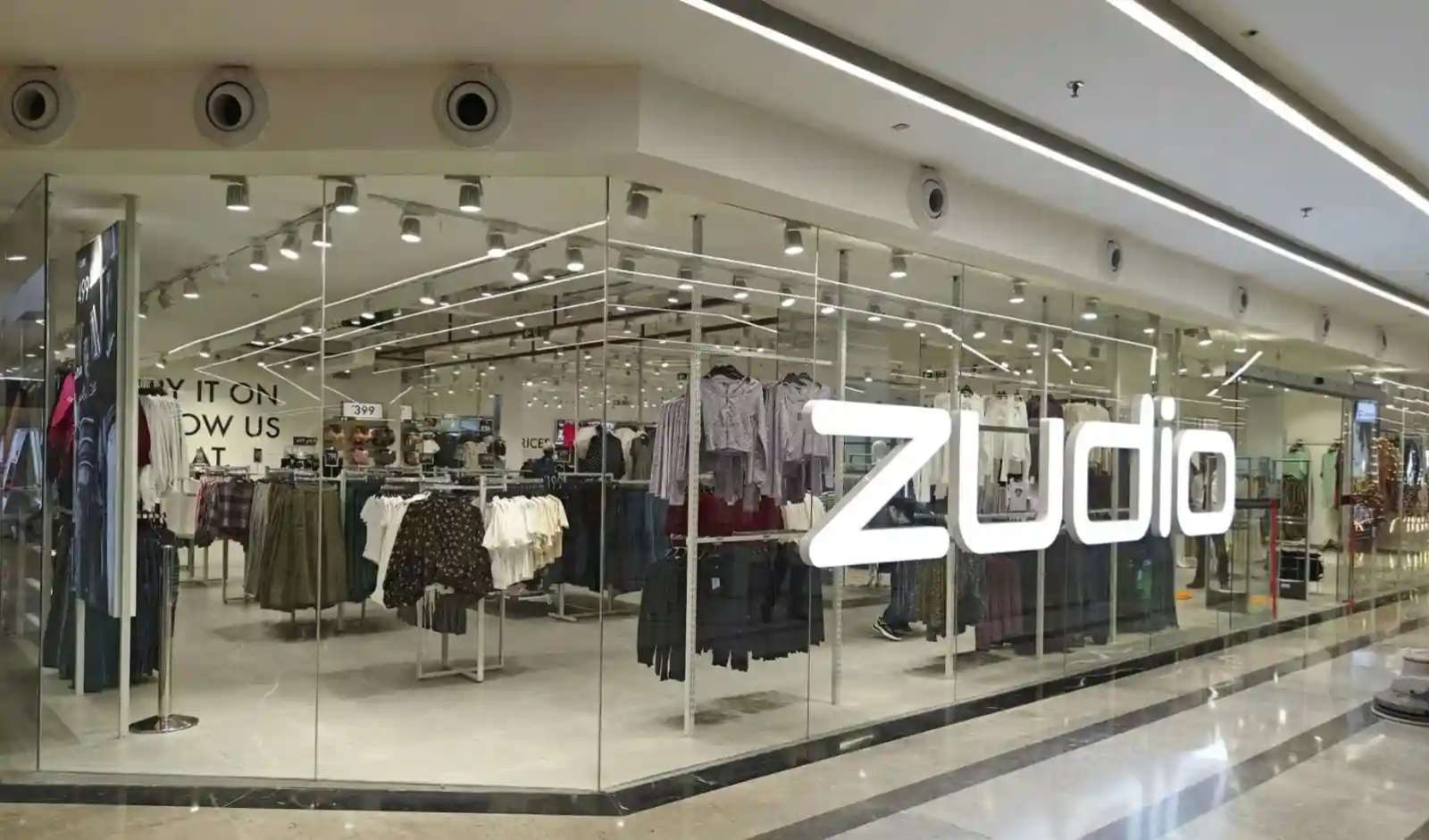
Trent Limited, the Tata Group's retail arm, reported a 23 percent year-on-year increase in standalone revenue from operations to Rs 5,788 crore in Q2 FY27, compared with the corresponding quarter last year. Operating EBITDA grew 37 percent to Rs 791 crore, while profit after tax (PAT) increased 9 percent to Rs 490 crore.
The company's consolidated revenue from operations rose 22 percent to Rs 5,873 crore during the quarter. Consolidated operating EBITDA increased 37 percent to Rs 785 crore, while PAT grew 25 percent to Rs 468 crore. For the first half of FY27, Trent's standalone revenue increased 21 percent to Rs 11,454 crore. Operating EBITDA rose 37 percent to Rs 1,638 crore, while PAT grew 17 percent to Rs 1,021 crore. Its operating EBIT margin also improved to 11.6 percent in Q2 FY27 from 10.5 percent in the corresponding quarter last year.
On a consolidated basis, revenue for H1 FY27 increased 20 percent to Rs 11,628 crore. EBITDA grew 35 percent to Rs 1,633 crore, while PAT increased 24 percent to Rs 986 crore. The consolidated revenue figures exclude Trent Hypermarket's revenue, which is accounted for through the equity method. Trent continued to expand its fashion retail network during the quarter, with its value fashion brand Zudio crossing the 1,000-store milestone. The company also opened 10 Westside stores and 19 Zudio outlets during Q2 FY27, while consolidating two Zudio stores.
As of September 30, 2026, Trent operated 311 Westside stores, 999 Zudio stores, including seven outlets in the UAE, and 32 stores across its other lifestyle concepts. Its overall fashion retail footprint exceeded 18.5 million sq ft across 339 cities. The company's emerging categories, including beauty and personal care, innerwear and footwear, contributed more than 21 percent of its revenue, indicating the growing contribution of categories beyond its core fashion business. Westside's online business also recorded 20 percent growth during H1 FY27 and contributed more than 6 percent of the brand's total revenue, reflecting the contribution of its digital sales channel.
Trent's Star food and grocery business reported revenue growth of more than 20 percent in Q2 FY27. The company added one store during the quarter, taking its total network to 87 outlets across 13 cities. Private-label products accounted for more than 74 percent of Star's revenue, highlighting the contribution of its in-house product portfolio to the grocery business.
Chairman Noel N Tata highlighted the company's plans to expand its presence in Tier ll and Tier lll markets while continuing investments in its retail network. He also pointed to the growth opportunities within the Star food and grocery business.
With expansion across Westside, Zudio and Star, Trent continues to increase its presence across fashion, lifestyle and grocery retail categories. Its latest quarterly performance reflects growth in both its store network and online business, alongside an increasing contribution from emerging consumer categories.
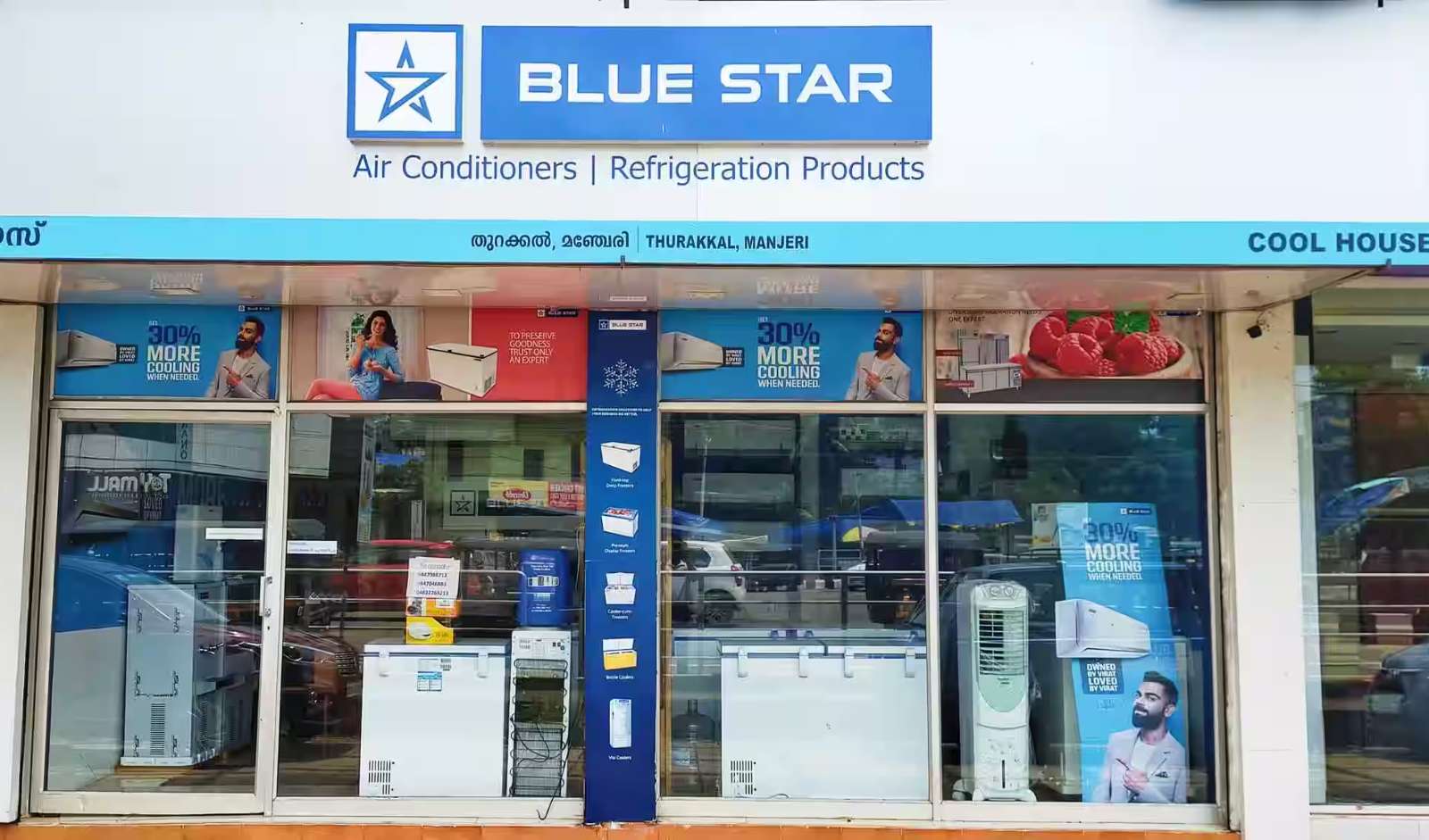
Blue Star Limited reported a 21 percent year-on-year increase in consolidated revenue from operations to Rs 2,930.95 crore in Q2 FY27, compared with Rs 2,422.37 crore in the corresponding quarter last year. Alongside its financial results, the air-conditioning and refrigeration company announced the appointment of Nithianand S and Senthil Thangam as senior management personnel, effective November 1, 2026.
The appointments were approved by the company's board on October 29, following recommendations from the Nomination and Remuneration Committee. The move comes as Blue Star looks to improve profitability through procurement savings, product cost optimisation and operational efficiencies amid rising input costs.
Nithianand S, Group President, Supply Chain and Procurement, joined Blue Star in March 2021 and brings more than two decades of industry experience, including previous stints at Samsung Electronics and Whirlpool India. He has helped improve the growth and profitability of the company's room air-conditioner business through procurement initiatives, vendor consolidation, alternate sourcing, and e-procurement.
Senthil Thangam, President of the Air Conditioning and Refrigeration Solutions Group, joined Blue Star in 1995 as a graduate engineer trainee. With over 30 years of experience across sales, marketing, and product management, he has been involved in developing and introducing several commercial air-conditioning products, including inverter VRF systems, inverter ducted machines, configured screw chillers, side-discharge VRF systems, and centrifugal chillers.
Blue Star Q2 Financial Performance
Blue Star's operating profit, calculated as EBITDA excluding other income, increased 10.5 percent to Rs 202.58 crore in Q2 FY27. However, its operating margin declined to 6.9 percent from 7.6 percent in the year-ago quarter, reflecting pressure from higher material costs and limited price adjustments.
Net profit increased 25.4 percent to Rs 123.91 crore from Rs 98.78 crore in Q2 FY26. The quarterly profit included an exceptional gain of Rs 23.02 crore from the sale of the company's MedTech business. Profit before tax, excluding exceptional items and the share of profit or loss from joint ventures, stood at Rs 133.61 crore, compared with Rs 133.16 crore in the corresponding quarter last year. For the first half of FY27, consolidated revenue increased 16.7 percent to Rs 6,308.87 crore. However, operating profit declined to Rs 377.53 crore from Rs 383.41 crore in H1 FY26. Net profit for the six-month period stood at Rs 226.42 crore, compared with Rs 219.60 crore a year earlier.
The company recognised exceptional income of Rs 32.19 crore during the first half, comprising Rs 23.02 crore from the sale of its MedTech business and Rs 9.17 crore from the sale of property. Blue Star's Unitary Products segment, which includes room air-conditioners and commercial refrigeration, recorded a 29.4 percent increase in revenue to Rs 897.66 crore during Q2 FY27. An extended summer season and delayed monsoon supported demand for room air-conditioners during the quarter.
However, the segment's result declined to Rs 20.74 crore, equivalent to 2.3 percent of revenue, compared with Rs 42.72 crore or 6.2 percent in the year-ago period. The company attributed the pressure to rising material costs, which were not fully offset by periodic price increases. Blue Star is working on product portfolio rationalisation through differentiated models with optimised costs to improve margins. Its commercial refrigeration business has also started seeing a recovery in demand, although profitability remains under pressure.
The Electro-Mechanical Projects, Commercial Air Conditioning Systems, Service and International Business segment reported a 16.3 percent increase in revenue to Rs 1,935.99 crore. However, its segment result declined to Rs 133.15 crore from Rs 147.14 crore in Q2 FY26. Within the electro-mechanical projects business, data centres accounted for a significant share of order inflows, while enquiries from the factory segment remained strong. However, project execution delays affected billing growth during the quarter.
The Professional Electronics and Industrial Systems segment recorded a 51.2 percent increase in revenue to Rs 97.30 crore. Its segment result rose to Rs 23.10 crore from Rs 6.17 crore, partly supported by the reversal of warranty provisions following the MedTech business divestment.
Order Book and Business Outlook
Blue Star's carried-forward order book stood at Rs 7,229.22 crore as of September 30, 2026, compared with Rs 7,120.44 crore a year earlier. The company ended the quarter with a net cash position of Rs 289.43 crore, against net borrowings of Rs 417.06 crore as of September 30, 2025.
Chairman and Managing Director Vir S Advani said the company continued to witness demand for room air-conditioners during the festive season. He also expects a strong pipeline of data centre mechanical, electrical and plumbing (MEP) projects to translate into higher order inflows in the coming months. Demand across commercial air-conditioning and commercial refrigeration businesses has also shown signs of recovery.
However, Advani highlighted the possibility of a deficient monsoon, its impact on agricultural incomes and higher interest rates as factors that could affect near-term consumer demand. He also noted that the conclusion of the US trade deal and resolution of the West Asia crisis could support business growth. Blue Star expects to maintain its revenue growth momentum in the second half of FY27, with a focus on improving profitability through calibrated price increases, product cost optimisation and operational efficiencies.
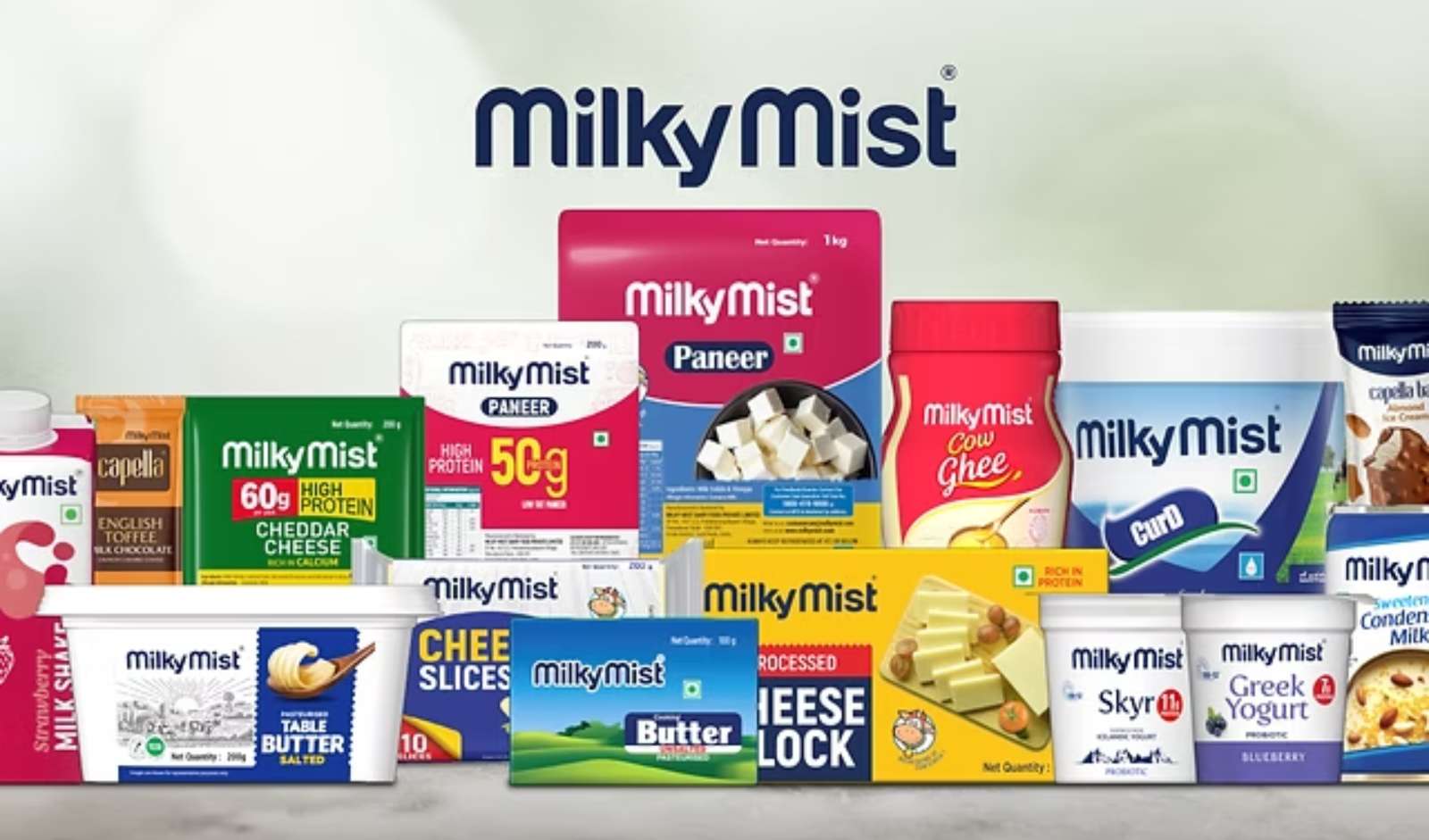
Milky Mist Dairy Food Ltd reported a 41.6 percent year-on-year increase in revenue from operations for Q2 FY27, while EBITDA rose 53.9 percent, supported by higher demand for value-added dairy products and growth across its product portfolio. The company also recorded quarterly highs in revenue, gross profit and EBITDA during the period.
For the first half of FY27, Milky Mist's revenue from operations increased 42.5 percent year-on-year, while EBITDA grew 62.9 percent. Profit after tax (PAT) registered a 308.4 percent increase during the six-month period. The company attributed the improvement in profitability to higher EBITDA, loan repayments and the creation of a deferred tax asset.
The company's growth during the quarter was driven by an increase in both sales volumes and value across product categories. Its protein-focused portfolio emerged as the fastest-growing segment, while rising consumption of value-added dairy products, wider market reach, calibrated price revisions and better capacity utilisation also contributed to revenue growth. Yogurt remained Milky Mist's fastest-growing product category during Q2 FY27. The company continued to expand its high-protein dairy portfolio with the introduction of Skyr and Greek Yogurt in four-pack formats. These additions followed the launch of High-Protein Paneer Cubes in Q1 FY27.
Milky Mist has also added high-protein lactose-free milk to its product range. The product is manufactured at the company's existing facilities, allowing it to expand its portfolio using its current manufacturing infrastructure. The improvement in EBITDA and operating margins was supported by operational efficiencies and a favourable product mix. The company also cited better capacity utilisation as a factor contributing to its financial performance.
Dr K Rathnam, Wholetime Director and CEO of Milky Mist said, “In spite of prevailing inflation in the agricultural sector, El Niño impact and geopolitical uncertainties, Milky Mist has achieved higher revenue growth, improved margins and profitability.”
He further outlined the company's priorities, which include expanding its value-added dairy portfolio, strengthening distribution, improving manufacturing capacity utilisation and increasing investments in milk procurement and production infrastructure. The latest results reflect Milky Mist's continued focus on value-added dairy products, particularly protein-based offerings, as it expands its presence across India's dairy and packaged food market.
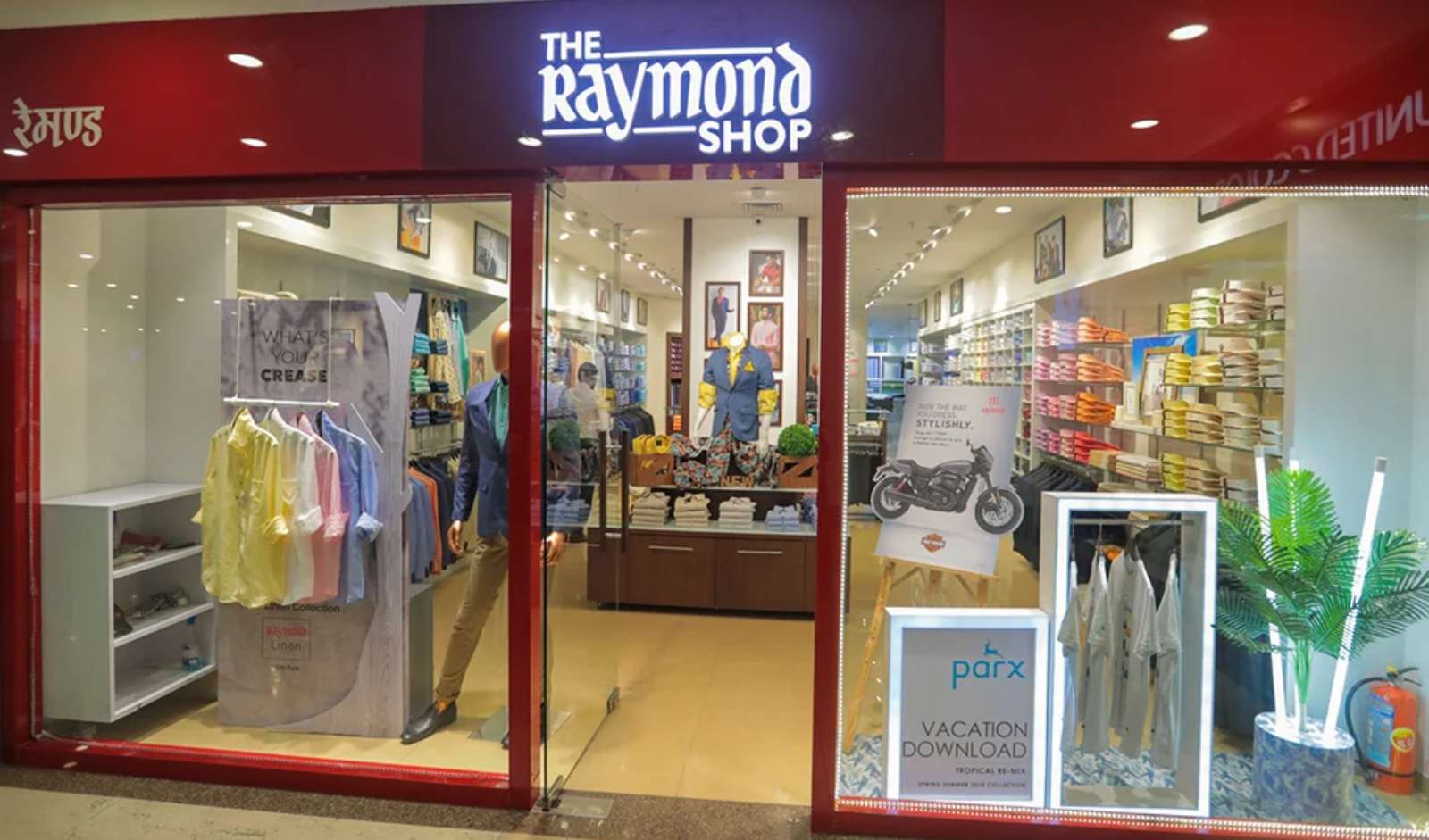
Raymond Lifestyle Limited reported a 14 percent year-on-year increase in total income to Rs 2,125 crore for the second quarter of FY27, compared with Rs 1,865 crore in the corresponding quarter of the previous financial year. The company's performance was supported by growth in branded apparel, higher demand for premium products and an improvement in international garmenting business.
For the quarter ended September 30, 2026, the company's EBITDA increased 4 percent to Rs 270 crore from Rs 259 crore in Q2 FY26. However, its EBITDA margin declined to 12.7 percent from 13.9 percent a year earlier. Profit before tax (PBT), excluding exceptional items, stood at Rs 91 crore, down 16 percent from Rs 108 crore in the corresponding quarter last year.
For the first half of FY27, Raymond Lifestyle recorded total income of Rs 3,685 crore, registering 10 percent growth compared with Rs 3,340 crore in H1 FY26. EBITDA increased 6 percent to Rs 404 crore from Rs 381 crore, while the EBITDA margin stood at 11 percent against 11.4 percent in the previous year. PBT before exceptional items declined 37 percent to Rs 53 crore from Rs 83 crore.
Raymond Lifestyle's Branded Textile segment reported revenue of Rs 971 crore in Q2 FY27, registering 7 percent growth from Rs 906 crore in the year-ago quarter. The performance was supported by festive demand and the sale of premium products. Segment EBITDA remained largely stable at Rs 188 crore compared with Rs 186 crore in Q2 FY26. However, the EBITDA margin declined to 19.3 percent from 20.6 percent, reflecting higher raw material and freight costs.
The Branded Apparel segment recorded its highest-ever quarterly revenue of Rs 559 crore, up 20 percent from Rs 465 crore in Q2 FY26. Casualwear brands ColorPlus and Parx contributed to the segment's growth, outperforming broader apparel categories. EBITDA increased to Rs 49 crore from Rs 41 crore in the corresponding quarter last year. The EBITDA margin remained at 8.8 percent, as higher raw material costs and an unfavourable channel mix affected profitability. The closure of underperforming stores helped offset some of the pressure.
The Garmenting business recorded one of the strongest performances during the quarter, with revenue increasing 26 percent to Rs 339 crore from Rs 269 crore in Q2 FY26. The growth was supported by order execution following the US-India tariff rationalisation, the UK-India Free Trade Agreement (FTA) and the addition of new international clients. EBITDA for the segment rose to Rs 25 crore from Rs 14 crore, while its margin improved to 7.4 percent from 5.3 percent, representing an expansion of 207 basis points year-on-year.
Meanwhile, the High Value Cotton Shirting segment reported revenue of Rs 222 crore, up 5 percent from Rs 212 crore in the corresponding quarter last year. However, EBITDA declined to Rs 21 crore from Rs 25 crore, while the EBITDA margin fell to 9.5 percent from 12 percent. Higher raw material prices affected profitability, partly offset by improved average selling prices.
Raymond Lifestyle's Emerging Businesses, which include Ethnix by Raymond, Raymond Home, Park Avenue Innerwear, Chairman's Collections and Sexual Wellness, recorded revenue of Rs 100 crore in Q2 FY27, growing 15 percent from Rs 87 crore in the year-ago period. The company continued to review its retail network, focusing on store productivity and operational efficiency. Raymond Lifestyle had 1,634 stores at the end of September 2026, compared with 1,663 stores as of September 30, 2025. The company is reallocating resources towards more productive retail formats while allowing recently opened outlets to establish their operations.
Its financial position also improved during the reporting period. Raymond Lifestyle reported a net cash position of Rs 69 crore in September 2026, compared with net debt of Rs 246 crore in September 2025, reflecting cash generation of more than Rs 300 crore. The company also outlined its environmental, social and governance (ESG) targets for 2030. These include achieving 40 percent female representation, transitioning 25 percent of its electricity consumption to renewable sources and reducing Scope 1 and Scope 2 emissions by 15 percent. It also aims to implement Zero Liquid Discharge and Zero Waste to Landfill initiatives.
Satyaki Ghosh, Wholetime Director and CEO of Raymond Lifestyle Limited said, “Our performance in Q2 and H1 FY27 demonstrates sustained operational continuity, strategic resilience, and focused commercial execution across domestic and international markets. Our Garmenting business continued to deliver robust growth, capitalizing on global supply chain realignments, while our Branded Apparel business expanded by 20 percent, spearheaded by strong momentum across our casual brands ColorPlus and Parx. While elevated input costs and channel mix dynamics influenced near-term operating margins, our disciplined pricing, substantial working capital contraction, net debt-free balance sheet with Rs 69 crore in net cash provide tremendous operational resilience. As we enter the peak festive and wedding season, domestic demand indicators remain strong. Supported by retail network optimization, brand investments, and capacity ramp-ups, we remain firmly confident in our strategic direction and on track to achieve our stated FY27 guidance.”
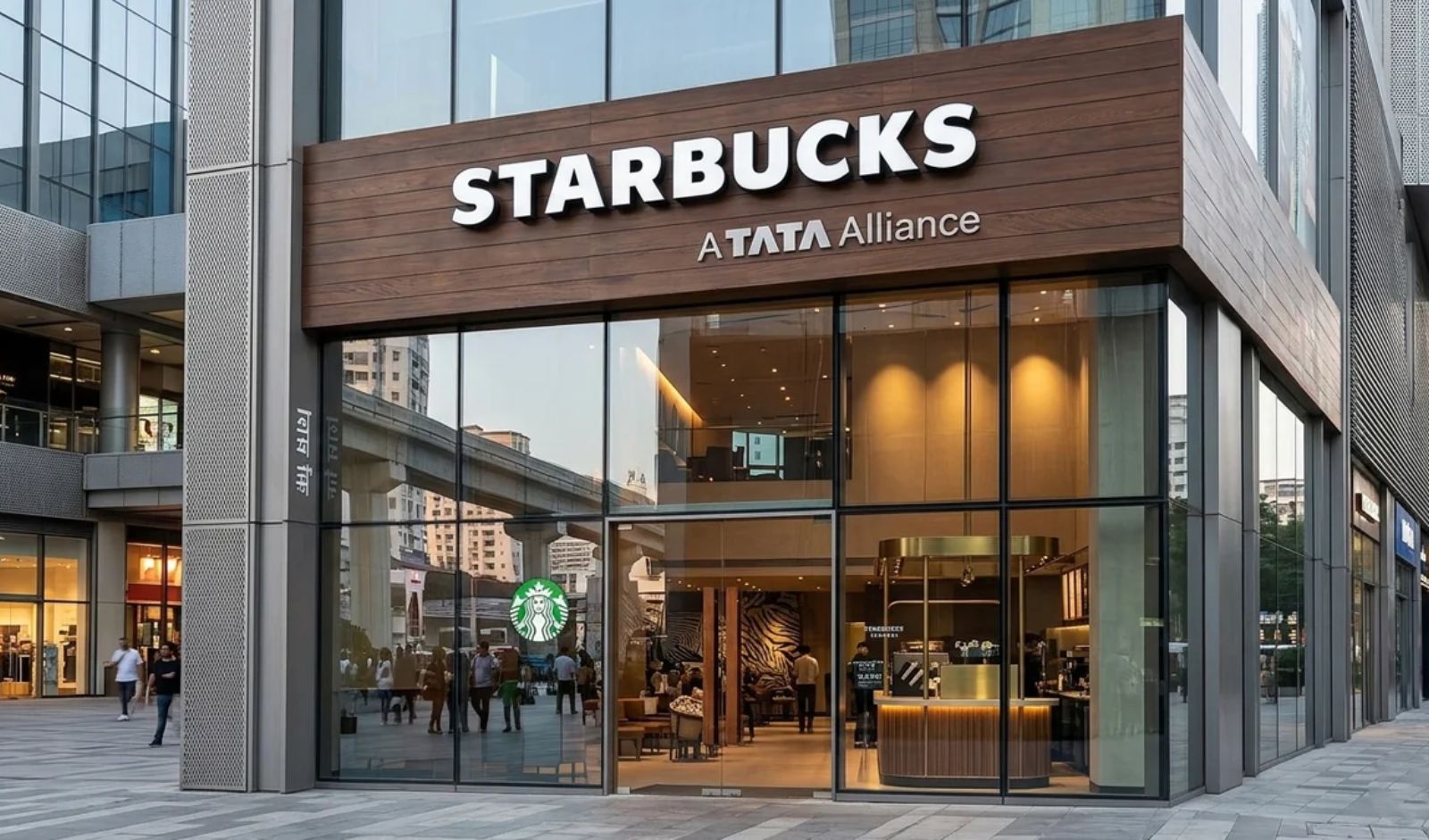
Tata Starbucks, the 50:50 joint venture between Tata Consumer Products and Starbucks Corporation, continues to expand its presence in India's organised coffee market. Despite establishing itself as one of the country's largest coffee chains in terms of revenue and store network, the company is yet to turn profitable.
Tata Starbucks recorded revenue from operations of Rs 1,367 crore in FY26, registering a year-on-year growth of 7 percent from Rs 1,277 crore in FY25.
Incorporated in September 2011, the company operates its cafes across India under the Starbucks brand. By 2025, its network had grown to more than 390 stores across 54 cities, supported by approximately 4,300 partners (employees). The company has set an expansion target of around 1,000 stores by 2028.
Sales of coffee and associated products remained the primary contributor to its operating revenue. A smaller share came from its loyalty programme, My Starbucks Rewards, which allows customers to collect Stars on eligible purchases.
On the expenditure front, the purchase of coffee beans and other related products accounted for nearly 24 percent of the company's total spending. This expense increased 6 percent to Rs 356 crore in FY26, compared with Rs 336 crore in the previous fiscal. Employee benefit expenses also climbed 9.8 percent to Rs 225 crore during the year.
Other operating costs, including rent, electricity, advertising, freight and administrative overheads, contributed to a 4.7 percent rise in total expenses. The company's overall expenditure stood at Rs 1,514 crore in FY26, up from Rs 1,446 crore in FY25.
Despite the increase in operating costs, Tata Starbucks managed to reduce its net loss by 27 percent to Rs 99 crore in FY26 from Rs 136 crore in the previous fiscal. Its EBITDA stood at Rs 234 crore during the year.
At the unit level, the company incurred Rs 1.11 in expenditure for every rupee generated through operating revenue. Its standalone return on capital employed (ROCE) was recorded at -2.6 percent, while its EBITDA margin stood at 17 percent.
Among its established competitors, Café Coffee Day reported revenue of Rs 1,094 crore and a net profit of Rs 14 crore. Tata Starbucks also faces competition from a growing number of speciality and emerging coffee brands, including Blue Tokai, Rage Coffee, Third Wave Coffee Roasters, Slay Coffee, Sleepy Owl and Seven Beans Co.
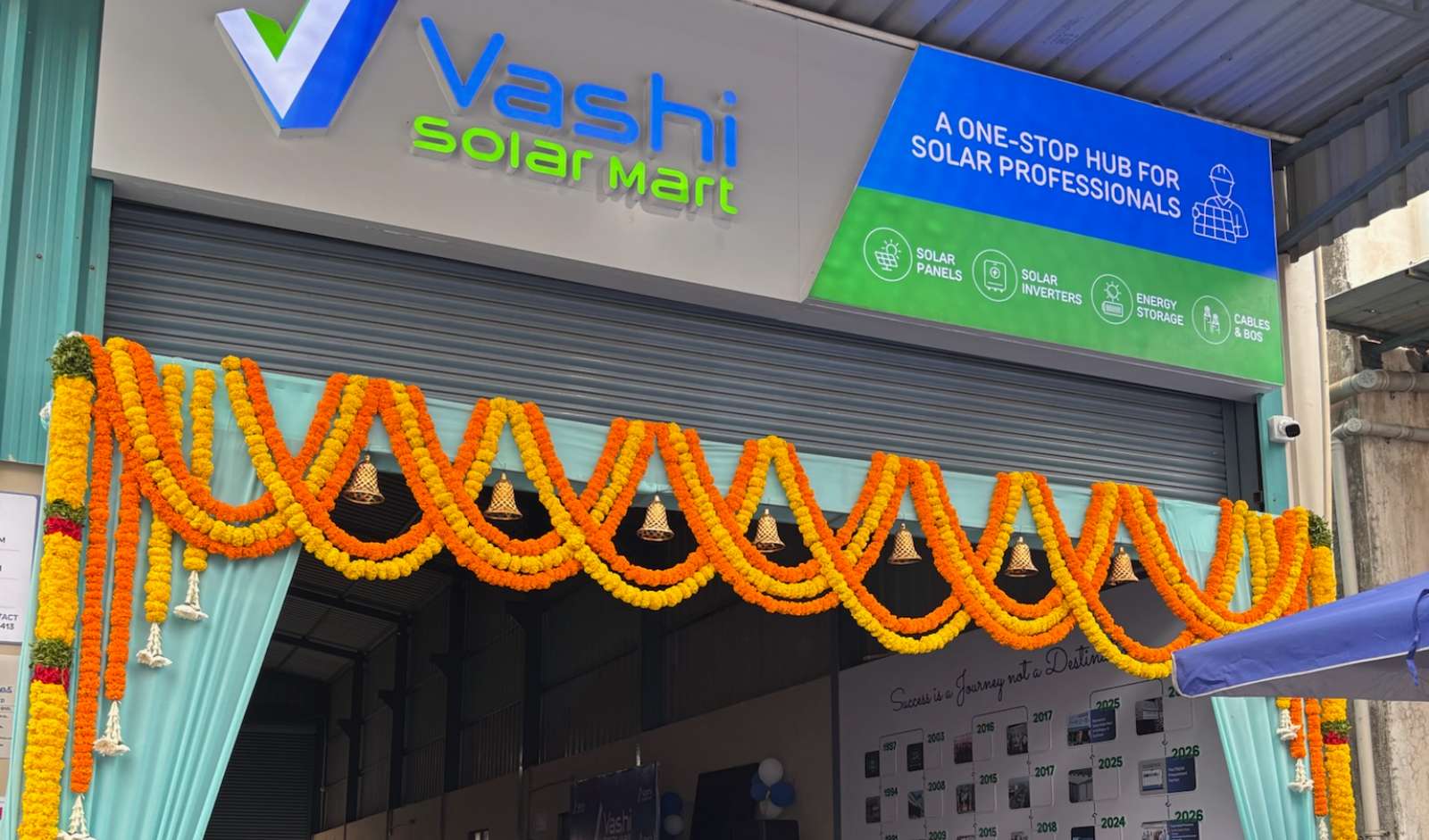
Vashi Integrated Solutions Ltd. plans to establish 22 Vashi Mart outlets across 10 states by FY 2026-27, expanding its distribution network for solar equipment and rooftop solar installation supplies in India. The initiative aims to improve access to solar products, inventory and technical support for installers, particularly in Tier ll and Tier lll markets.
The counter-format distribution network is designed to address procurement challenges faced by rooftop solar installers, including fragmented sourcing and inconsistent product availability. Through Vashi Mart, the company intends to bring solar equipment and installation essentials closer to project locations, reducing the need for installers to purchase components from multiple suppliers.
The expansion comes as India's rooftop solar market grows, supported by government initiatives such as the PM Surya Ghar: Muft Bijli Yojana. However, sourcing materials efficiently remains a challenge for installers working across different locations. Vashi Mart will offer a range of solar products and installation supplies at local outlets to help address these gaps.
The first phase will cover Maharashtra, Uttar Pradesh, Kerala, Gujarat, Rajasthan, Andhra Pradesh, Madhya Pradesh, Assam, Uttarakhand and Odisha. Locations have been selected based on installer demand and rooftop solar potential, including district-level data associated with the PM Surya Ghar: Muft Bijli Yojana. Vashi Integrated Solutions aims to use the planned network to improve the availability of solar equipment as rooftop installations expand across the country. The company is positioning the initiative around local inventory access, supported by its existing distribution and warehousing infrastructure.
Each Vashi Mart will allow installers to purchase available products directly from the counter. Larger orders and project-specific requirements will be handled through the company's wider distribution network. The company will also integrate the outlets with DigiServe, its digital procurement platform. Through the platform, installers will be able to check inventory availability across locations, order products that are not available at a particular Mart, track deliveries and access product catalogues and technical information.
Product guidance, practical training and technical assistance will form part of the offering, helping installers understand different solar products and technologies. The combination of physical outlets and digital procurement is intended to support purchasing requirements across multiple project locations. The network will primarily cater to residential rooftop solar installations, while also serving installers working on small commercial and industrial projects. Larger commercial and industrial solar requirements will continue to be supported through Vashi's fulfilment centres.
Suraj Dodeja, Managing Director and Group CEO of Vashi Integrated Solutions Ltd said, “India’s transition towards greater solar adoption requires not only strong policy support and growing consumer participation, but also an efficient distribution ecosystem that enables installers to execute projects with greater ease. Through Vashi Mart, we aim to strengthen this ecosystem by bringing solar products, installation essentials and technical support closer to installers across markets. By combining local inventory with digital ordering and technical support, we aim to simplify procurement and support installers as rooftop solar adoption expands across more markets.”
Founded in 1978, Vashi Integrated Solutions operates in industrial supply and distribution. The company has a network of more than 22 hubs across over 100 cities and partnerships with over 65 international brands. Its solar business has been serving installers and engineering, procurement and construction (EPC) companies for a decade. The experience and existing distribution infrastructure are expected to support the planned expansion of Vashi Mart across multiple states.
With the proposed network, Vashi Integrated Solutions is seeking to strengthen last-mile distribution for rooftop solar equipment and make procurement more accessible for installers as India's solar installation market expands.

Meesho Reports Rs 12,911 Crore NMV in Q2 FY27Meesho reported a 23 percent year-on-year increase in Net Merchandise Value (NMV) to Rs 12,911 crore in the second quarter of FY27, while its net loss narrowed 68 percent to Rs 132 crore, according to the company's financial results for the quarter ended September 30, 2026. The e-commerce marketplace recorded 819 million placed orders during the quarter, up 17 percent year-on-year. Its annual transacting user base grew 21 percent to 284 million, while annual purchase frequency increased 7 percent to 10.4 transactions per user, indicating higher repeat engagement on the platform.
First-time buyers increased 16 percent quarter-on-quarter, reflecting continued growth in Meesho's customer base ahead of the festive shopping season.
Vidit Aatrey, Chairman, Managing Director and Chief Executive Officer at Meesho said, "Our Q2 performance reflects the strength of Meesho's operating model, with NMV growing 23 percent year-on-year to Rs 12,911 crore and Annual Transacting Users reaching 284 million. More consumers are shopping on Meesho, and they are shopping more frequently, even as first-time buyers grew 16 percent quarter-on-quarter. This momentum extended into the festive season, with NMV growing 33 percent year-on-year on a festive-aligned basis, reinforcing our conviction in the depth of India's e-commerce opportunity. As we grow, the benefits of scale are increasingly translating into stronger platform economics. Contribution Margin expanded to 6.0 percent of NMV, driven by logistics efficiencies and improved monetisation. At the same time, AI is fundamentally changing how we build and operate Meesho, with engineering productivity increasing 171 percent between March and September 2026. Our focus remains on reinvesting these efficiency gains into better consumer and seller experiences, accelerating innovation and building a larger, more efficient marketplace that can generate sustainable free cash flow over the long term."
Meesho's festive-aligned NMV grew 33 percent year-on-year over the 90 days preceding Dussehra. The company attributed the growth to demand across comparable festive periods. The comparison accounts for the Mega Blockbuster Sale shifting from the second quarter last year to the third quarter this year.
The company's branded commerce business also recorded growth during the quarter. Meesho Mall, which hosts approximately 1,800 brands, reported an 81 percent year-on-year increase in NMV. Growth reached 89 percent in Tier lll and smaller cities. Around half of Meesho Mall's customers during the quarter were first-time buyers on the platform's branded shopping section, with demand extending to categories such as beauty and personal care. Content commerce continued to expand, with NMV rising 160 percent year-on-year. The number of active order-generating content pieces increased 144 percent to 2.2 million, reflecting the growing role of creator-led product discovery in online shopping.
Meesho also reported an increase in seller participation. Annual transacting sellers grew 60 percent year-on-year to 1.13 million, while more than 4 lakh sellers became part of its content commerce ecosystem. Marketplace revenue from operations rose 34 percent year-on-year to Rs 4,120 crore, supported by higher advertising monetisation and improved matching of seller demand with consumer interest. Contribution margin increased to 6.0 percent of NMV, compared with 4.6 percent in the previous quarter.
Operational improvements also contributed to faster deliveries. Meesho said delivery times improved by approximately 15 percent year-on-year, supported by greater network density, better routing and partner allocation, and enhancements to its Geo-India system. Artificial intelligence has become a key part of the company's engineering and marketplace operations. Engineering productivity increased 171 percent between March and September 2026, while the number of experiments rose 73 percent. Approximately 65 percent of engineering pods were operating with a single engineer directing AI agents.
AI-powered development and code reviews reduced feature development timelines from weeks to days, while code approval times fell 41 percent. The company also reduced the time required to take a data science model to live testing from 17 days to three days through AI data science agents. Enhancements to Geo-India and TrustMesh were aimed at improving address intelligence, delivery efficiency and fraud detection.
On the financial front, Meesho generated Rs 345 crore in quarterly free cash flow, compared with an outflow of Rs 226 crore in the previous quarter. The company attributed the improvement partly to seasonal working capital benefits. Net loss declined to Rs 132 crore in Q2 FY27 from Rs 411 crore in the corresponding quarter of the previous financial year. As of September 30, 2026, Meesho reported a cash balance of Rs 7,048 crore.
The results highlight growth in Meesho's e-commerce transaction volumes, customer engagement and seller base, alongside improvements in operating margins and losses. The company's performance also reflects the contribution of festive demand, branded commerce, creator-led shopping and technology investments to its marketplace operations.

Myntra Beauty has onboarded Kylie Cosmetics, adding 106 stock-keeping units (SKUs) spanning makeup and fragrance to its platform ahead of the festive season. The move is expected to expand access to the celebrity-founded beauty brand among Indian consumers.
The product range includes the Cosmic fragrance, Kylie Supple Kiss Precision Lip Kit and Kylie Matte Liquid Lipstick. The products are available at an average selling price of approximately Rs 2,800.
Founded by Kylie Jenner, Kylie Cosmetics rose to global prominence with the launch of its first lip kit in 2015. The brand has since expanded its offerings to include lip glosses, makeup products, and fragrances. Having been present in India for two and a half years, the brand's expansion onto Myntra is aimed at reaching a broader consumer base across the country.
Deepak Joshi, Senior Director – Category Management, Beauty and Personal Care, Myntra said, “Our goal with Myntra Beauty is simple: to build the one destination where a shopper can find every brand they can think of, whether that's an emerging Indian label or a globally iconic name. Kylie Cosmetics is exactly the kind of brand that belongs in that mix; it has genuine cultural weight and a devoted following, and this festive season, it gives shoppers one more way to complete their look, right down to the finishing touch,”
Prashant Kumar, Business Head for Kylie Cosmetics from House of Beauty shared, “After two and a half successful years in India, our expansion on Myntra marks an important next step in Kylie Cosmetics' growth journey. As we deepen our presence in the market, Myntra’s strong beauty ecosystem and wide consumer reach make it the right platform to bring the brand to an even larger audience. This expansion reflects our continued confidence in Indian consumers and their love for Kylie Cosmetics, making the brand more accessible to them across the country.”
The addition strengthens Myntra Beauty's portfolio, which comprises approximately 5,00,000 beauty and personal care products across categories such as makeup, skincare, fragrances, haircare, and bath and body. The onboarding also adds to the platform's range of international beauty brands as it seeks to cater to consumers during the festive shopping period.
MMG Group has appointed Smeer Chopra as its Group Chief Financial Officer (CFO), bringing over 32 years of experience in financial leadership, business strategy, capital management and operational management across FMCG, retail, e-commerce, telecommunications and consumer technology.
In his new role, Chopra will oversee finance across the group's businesses, working with the leadership team on financial performance, corporate governance and long-term growth plans. His responsibilities will include improving profitability across businesses and preparing the group for future capital market opportunities and strategic mergers and acquisitions (M&A).
Sanjeev Agrawal, Chairman of MMG Group said, “We are pleased to welcome Smeer to MMG Group. His extensive experience across diverse industries, coupled with his understanding of financial strategy and business performance, will be valuable as we work towards our long-term business ambitions.”
Chopra joins MMG Group from consumer electronics brand Noise, where he served as Chief Financial Officer. Before that, he held the same position at eyewear retailer Lenskart, where he supported business growth, strengthened financial governance, worked on profitability and led multiple rounds of institutional funding. His professional experience also includes senior leadership roles at Bharti Walmart, Bharti Airtel and Coca-Cola India. Across these organisations, he has worked with promoters, boards and business leaders on financial planning, business transformation and operational performance.
Chopra's experience includes developing financial systems to support business expansion, improving working capital efficiency and strengthening governance processes. His appointment comes as MMG Group focuses on building sustainable profitability across its businesses and preparing for its next phase of growth.
Smeer Chopra, Group Chief Financial Officer of MMG Group said, “I look forward to working with the MMG Group leadership team and contributing to the Group’s future ambitions. I am keen to bring my experience in financial leadership and business strategy to support the organisation’s next phase of growth.”
In his new position, Chopra will lead the group's financial strategy, with a focus on improving the profitability of individual businesses and preparing MMG Group for potential capital market activity and strategic acquisitions.
Radico Khaitan Limited has appointed its Chief Financial Officer (CFO), Dilip K. Banthiya, as Whole-time Director on its Board, designating him as Executive Director and CFO. The company has also elevated Saket Somani to Deputy Chief Financial Officer. Both appointments will take effect from October 28, 2026.
The leadership changes are aimed at strengthening the company's governance structure and financial management as it advances its premiumisation strategy and expands its global presence. Banthiya's appointment to the Board will bring his experience in finance, capital allocation and the alcoholic beverages industry to the company's senior decision-making body.
Somani's elevation will broaden his responsibilities across financial strategy, planning, investor relations, capital markets and information technology. The revised structure is intended to strengthen the finance function and support the company's next phase of growth.
Abhishek Khaitan, Managing Director, Radico Khaitan said, “Earlier this year, we elevated leaders who have grown with Radico Khaitan. Today, we take that philosophy to the Board. Dilip has been central to our transformation, and his voice at the Board will sharpen our financial strategy and governance as we scale our premium portfolio and invest for the future. Saket brings a market-facing and technology-led approach that defines the next generation of financial leadership. Together, they give us experience at the top and depth beneath it, the foundation we need for the decade ahead.”
Under the new structure, the Executive Director and CFO will oversee the company's financial direction and governance at the Board level. The Deputy CFO will focus on financial planning, investor engagement and the organisation's digital transformation. The division of responsibilities is expected to support financial decision-making and operational priorities as the company pursues its growth plans.
Saket Somani, Deputy CFO, Radico Khaitan shared, “I am grateful to the leadership for this opportunity. Over the past six years, I have had the privilege of working across the breadth of the finance function, from manufacturing finance and internal controls to operational performance and investor relations. Our aim now is to make finance a true strategic partner to the business, using technology and data to enable better-informed decisions. I look forward to working closely with Mr. Banthiya and the leadership team to support Radico Khaitan’s growth and global ambitions.”
Somani brings around 20 years of experience in corporate finance, strategy, capital markets, investor relations and investment banking. A Chartered Accountant, he joined Radico Khaitan in 2020 and most recently served as Senior Vice President – Finance and Strategy.
During his tenure, Somani has overseen financial planning and control, working capital management, and the assessment of capital projects and new business opportunities. He has also worked with the leadership team on strategic priorities, including growth and portfolio development. In addition, he has led the company's investor relations programme, strengthening engagement with institutional investors and improving its visibility in capital markets.
Sky Gold and Diamonds Limited, a listed B2B gold jewellery manufacturer, reported a 61 percent year-on-year increase in consolidated revenue to Rs 2,390.7 crore for the second quarter of FY27, ended September 30, 2026. EBITDA rose 90 percent to Rs 189.8 crore, while reported profit after tax (PAT) increased 93.2 percent to Rs 129.4 crore.
For the first half of FY27, the company's consolidated revenue grew 68.3 percent year-on-year to Rs 4,403.5 crore. EBITDA more than doubled, rising 102.3 percent to Rs 346.5 crore, while reported PAT increased 111.9 percent to Rs 234.3 crore. The company's EBITDA margin for Q2 FY27 improved to 7.94 percent from 6.7 percent in the corresponding quarter last year. For H1 FY27, the margin stood at 7.87 percent, compared with 6.5 percent in H1 FY26.
Reported profit before tax (PBT) for the second quarter rose 88.9 percent year-on-year to Rs 166 crore. For the first half, reported PBT increased 105 percent to Rs 300.8 crore.
Mangesh Chauhan, Managing Director of Sky Gold and Diamonds Limited said, “For the half year ended September 30, 2026, the Company reported consolidated revenue of Rs 4,403.5 crore, EBITDA of Rs 346.5 crore and profit after tax of Rs 234.3 crore. For the quarter ended September 30, 2026, consolidated revenue was Rs 2,390.7 crore, EBITDA was Rs 189.8 crore and profit after tax was Rs 129.4 crore.”
Sky Gold and Diamonds also reported an improvement in its profit margins during the quarter. The reported PAT margin increased to 5.4 percent in Q2 FY27 from 4.5 percent in Q2 FY26. For the first half, the margin rose to 5.3 percent from 4.2 percent in the year-ago period. Operational PBT for Q2 FY27 increased 97.3 percent year-on-year to Rs 173.4 crore, while operational PAT rose 106.8 percent to Rs 138.56 crore. For H1 FY27, operational PBT increased 110 percent to Rs 308.2 crore, and operational PAT grew 120.2 percent to Rs 234.5 crore. The company calculates operational profit after excluding non-operational income included under other income in its financial statements.
Cash flow from operations stood at Rs 136.7 crore in H1 FY27, compared with an outflow of Rs 100.9 crore in the corresponding period of the previous year, according to the company's financial update. Cash flow from operations as a proportion of EBITDA reached 39 percent, against the company's earlier guidance of 20 percent.
The company also announced progress on its acquisition of Purvi Gems and Jewellery (India) Private Limited. On October 7, 2026, its board approved the completion of the acquisition of a 100 percent stake in the company for a total cash consideration of Rs 9 crore. The latest results reflect growth in Sky Gold and Diamonds' revenue, operating earnings and profitability during the first half of FY27, alongside an improvement in operating cash flow and the completion of a planned acquisition in the jewellery sector.
LT Foods, the company behind the Daawat and Royal rice brands, reported a 22 percent year-on-year increase in consolidated revenue to Rs 6,414 crore for the first half of FY27, ended September 30, 2026. Consolidated EBITDA rose 17 percent to Rs 721 crore, while profit after tax (PAT) increased 9 percent to Rs 364 crore.
The company announced its unaudited consolidated financial results for the quarter and half year ended September 30, 2026, reporting growth across its rice business and key international markets.
Ashwani Arora, Managing Director and CEO of LT Foods said, “We delivered a strong performance in the first half of FY’27, reflecting the strength of our brands, the resilience of our diversified global business and disciplined execution across markets. For H1 FY’27, our consolidated revenue grew 22 percent year-on-year to Rs 6,414 crore (Normalized Growth 18 percent including Golden Star), EBITDA increased 17 percent to Rs 721 crore, and PAT grew 9 percent to Rs 364 crore. This performance reflects our continued focus on building strong consumer-focussed brands, driving premiumisation and innovation, and strengthening operational efficiencies across the business."
LT Foods Q2 FY27 Financial Performance
For the second quarter of FY27, LT Foods reported consolidated revenue of Rs 3,253 crore, up 17 percent year-on-year and 3 percent sequentially. EBITDA increased 13 percent year-on-year to Rs 358 crore, while PAT rose 10 percent to Rs 180 crore. For the first half, standalone revenue grew 14.1 percent year-on-year to Rs 2,417 crore. Standalone EBITDA increased 33.5 percent to Rs 223 crore, while PAT rose 23.9 percent to Rs 134 crore.
Consolidated gross profit for H1 FY27 increased 15 percent to Rs 2,087 crore. However, the gross profit margin declined 190 basis points to 32.5 percent. The EBITDA margin fell 50 basis points to 11.2 percent, while the PAT margin decreased 60 basis points to 5.7 percent. The company attributed the margin movement to changes in shipment terms with related parties, the restructuring of its organic business and higher brand investments.
Basmati Rice Business Drives Growth
LT Foods' Basmati and Other Specialty Rice business recorded 27 percent year-on-year growth in H1 FY27. Including Golden Star, normalized growth stood at 22 percent. The Organic Foods and Ingredients segment reported revenue of around Rs 520 crore as the company continued to restructure the business. The segment also recorded an 11 percent decline on a year-on-year basis, according to the company's financial update.
Revenue from the Ready-to-Eat (RTE), Ready-to-Cook (RTC) and Ready-to-Heat (RTH) portfolio increased 8 percent to Rs 102 crore. The segment includes quick-cooking rice products, biryani kits, ready-to-heat offerings in the US and Japanese rice snacks.
India Market Sees 24 percent Growth
India recorded 24 percent year-on-year growth for LT Foods in H1 FY27, making it a key contributor to the company's performance. Its strategy in the domestic market includes expanding distribution, introducing products, increasing premium offerings and strengthening operational capabilities. During the quarter, the company expanded its Daawat portfolio with Daawat Delight and Daawat Rozana Platinum. It also added Daawat Biryani Masala Paste to its biryani range.
The company's health-focused quick-cooking brown, red and black rice products recorded double-digit growth compared with the previous year. Daawat Quick Cooking Brown Rice maintained a market share of more than 70 percent in general trade and modern retail outlets, according to the company. Its Daawat I'm Organic range also continued to gain traction, accounting for nearly 18 percent of the organic rice segment on key e-commerce platforms. Daawat Biryani Kits recorded double-digit value growth in the first half and held more than 70 percent share on key e-commerce platforms.
LT Foods said its branded portfolio grew nearly 8 percent while the overall category expanded by approximately 1.3 percent. This helped the company increase its year-to-date market share by 140 basis points. Daawat's market share in India stood at 22.3 percent as of September 2026, based on the AC Nielsen Retail Survey Audit cited by the company. Its household reach increased to 67.5 lakh households, representing 20 percent growth over the preceding 12 months, according to the Kantar Household Panel data cited in its update.
The company also continued to expand its distribution network and invest in direct distribution, sales capabilities and supply chain digitisation to improve product availability across retail channels.
North America and Other Global Markets
North America recorded 20.8 percent growth for LT Foods in H1 FY27. Normalized growth, including Golden Star, stood at 13.3 percent. Its Royal brand retained more than 60 percent market share, while Golden Star continued to hold the leading position in the US Jasmine rice category, according to the company. Golden Star also entered the ready-to-heat rice segment with microwaveable rice cups available in three varieties: Jasmine Rice, Coconut Jasmine Rice and Jasmine Fried Rice.
In Europe, LT Foods continued to work on expanding distribution, strengthening retail partnerships and increasing brand presence, with initiatives in the Netherlands and Germany. Its UK business also reported growth across pack sizes and key Daawat categories through its independent and grocery channels.
The Middle East and other international markets recorded 24.6 percent year-on-year growth in H1 FY27. In the UAE, the company expanded its health-focused portfolio with Daawat Quick Cooking Black Rice and Daawat Quick Cooking Red Rice across premium retail outlets and e-commerce platforms. In Saudi Arabia, Daawat Mazza recorded its highest-ever offtakes at Othaim Retail.
Nature Bio Foods Acquires Stake in Dutch Company
LT Foods' organic business arm, Nature Bio Foods, acquired a controlling stake in Netherlands-based Leev.nu B.V. through its subsidiary Nature Bio Foods B.V. The all-cash transaction was valued at €1.735 million.
Following the acquisition, Nature Bio Foods B.V.'s stake in Leev.nu B.V. stands at 70.75 percent.
The company also reported an improvement in its CRISIL ESG rating from 54 to 61, moving from the 'Adequate' to the 'Strong' category. Its sustainability initiatives cover farming practices, responsible sourcing, manufacturing, distribution and product development. LT Foods said digital transformation remains a priority, with investments in technology aimed at improving customer engagement, sales visibility, forecasting and operational efficiency. As the company enters the second half of FY27, it plans to continue focusing on its branded rice portfolio, international expansion, product innovation and distribution capabilities.
LT Foods Financial Highlights for H1 FY27
- Consolidated revenue: Rs 6,414 crore, up 22 percent year-on-year
- EBITDA: Rs 721 crore, up 17 percent
- Profit after tax: Rs 364 crore, up 9 percent
- Gross profit: Rs 2,087 crore, up 15 percent
- India business growth: 24 percent
- Basmati and Other Specialty Rice growth: 27 percent
- North America growth: 20.8 percent
- Middle East and Rest of the World growth: 24.6 percent
Tata Consumer Products Ltd (TCPL) reported a 15.65 percent year-on-year increase in consolidated net profit to Rs 470.14 crore in Q2 FY27, compared with Rs 406.51 crore in the corresponding quarter last year. Revenue from operations rose 14 percent to Rs 5,661.13 crore, driven by domestic volume growth, improved margins, price increases and input cost management.
TCPL Group CFO Ashish Goenka said the company benefited from stronger domestic demand and growth across its business portfolio. “We have a strong topline growth along with margin expansion, and I think profitability is going ahead of the topline. So, all in all, it’s a very balanced quarter,” said Goenka.
The company implemented selective price increases to offset higher costs of tea, salt, freight and fuel. Its India business recorded 17 percent value growth and 11 percent underlying volume growth, with pricing contributing around 5.5 to 6 percent. E-commerce and quick commerce accounted for 24 percent of domestic sales. Total expenses increased 13 percent to Rs 5,067.42 crore.
Revenue from TCPL’s branded business grew 14.2 percent to Rs 5,036.29 crore, while non-branded business revenue rose 11.62 percent to Rs 658.77 crore. India business revenue increased 17.42 percent to Rs 3,666.13 crore, supported by 40 percent growth in its growth businesses, which contributed 38 percent to the India business.
Salt revenue increased 15 percent, while India tea volumes remained flat amid subdued category demand. Tata Sampann recorded 57 percent revenue growth, and the ready-to-drink business grew 47 percent, supported by distribution expansion and product innovation.
The combined export revenue of Capital Foods and Organic India, acquired in January 2024, increased 15 percent despite shipping disruptions, while their domestic revenue rose 24 percent. TCPL’s international revenue grew 6.4 percent to Rs 1,370.16 crore. In the UK, heatwave conditions affected tea consumption, although Tetley outperformed the category. Its regular and speciality tea businesses in Canada continued to grow ahead of the market.
Tata Starbucks, the company’s 50:50 joint venture with Starbucks Corporation, recorded 15 percent revenue growth, supported by strong same-store sales. It added seven net new stores, including two Reserve outlets, during the quarter, taking its network to 505 stores across 81 Indian cities.
Managing Director and CEO Sunil D’Souza shared, “We delivered our second consecutive quarter of double-digit revenue growth in FY27, backed by strong underlying volume growth in the India business. This volume-led performance, together with disciplined execution, drove 18 per cent EBITDA growth.”
Total consolidated income rose 13.9 percent to Rs 5,699.7 crore. TCPL shares closed at Rs 936.60 on the BSE, down 2.44 percent.
Radico Khaitan Limited reported a 16.8 percent year-on-year increase in net revenue from operations to Rs 1,745.1 crore for the second quarter of FY27 ended September 30, 2026. The spirits company also recorded a 51 percent rise in EBITDA to Rs 356.5 crore, with the EBITDA margin improving to 20.4 percent from 15.8 percent in the corresponding quarter of the previous financial year.
Total Indian-made foreign liquor (IMFL) volumes increased 7.2 percent to 10.02 million cases during the quarter. The company’s Prestige and Above portfolio continued to drive growth, with volumes rising 35.8 percent to 5.28 million cases. The segment accounted for 53.7 percent of total IMFL volumes, compared with 43.6 percent a year earlier.
Net sales from Prestige and Above brands grew 38.6 percent to Rs 996 crore, contributing 77.1 percent of the company’s total IMFL sales value, up from 68.6 percent in Q2 FY26.
Gross profit increased 28.6 percent to Rs 838.4 crore, with a margin of 48 percent. Total comprehensive income rose 67.1 percent to Rs 230.3 crore.
For the first half of FY27, net revenue from operations grew 14.3 percent to Rs 3,429.8 crore. EBITDA increased 50.9 percent to Rs 704.6 crore, while total comprehensive income rose 68.7 percent to Rs 455.7 crore. IMFL volumes reached 20.01 million cases, up 5 percent year on year.
Prestige and Above brand volumes increased 35.8 percent to 10.50 million cases in H1 FY27, while net sales from the portfolio rose 37.3 percent to Rs 1,966 crore.
Lalit Khaitan, Chairman and Managing Director, Radico Khaitan said, “The second quarter reaffirms the consistency of our growth journey. Building on the milestone FY26 and an encouraging start to the year, Radico Khaitan has delivered another robust performance, taking H1 FY27 to record volume, revenue and profitability. This reflects years of patient investment in quality, organic brand building and an unwavering focus on premiumisation. As we scale, we are also strengthening our leadership team to support the next phase of growth with deeper capability and continuity.”
Abhishek Khaitan, Managing Director, said the company’s Prestige and Above portfolio continued to outperform the industry. He also highlighted the growth of vodka, whisky and luxury spirits brands.
“Despite a challenging external environment, the momentum across our portfolio gives us confidence. We upgrade our Prestige & Above volume growth guidance to 30 percent and reiterate EBITDA margin guidance of around 20 percent for FY27,” he said.
The company also announced leadership changes, with Dilip Banthiya elevated to Executive Director and CFO, and Saket Somani elevated to Deputy CFO.
PNGS Reva Diamond Jewellery Limited reported an 83.7 percent year-on-year increase in net profit to Rs 23.29 crore for the second quarter of FY27, compared with Rs 12.68 crore in the corresponding quarter of the previous financial year. The company also recorded growth in revenue and profitability during the first half of FY27.
For the six months ended September 2026, the company's net profit rose 150.8 percent to Rs 50.50 crore, up from Rs 20.13 crore in the corresponding period last year.
Revenue from operations increased 17.1 percent year-on-year to Rs 120.54 crore in Q2 FY27, compared with Rs 102.97 crore in the year-ago quarter. For the first half of FY27, revenue from operations grew 52.2 percent to Rs 238.51 crore from Rs 156.72 crore in the corresponding period of the previous financial year.
The company's profit before tax (PBT) for Q2 FY27 increased 82.8 percent to Rs 31.03 crore. Earnings per share (EPS) rose from Rs 5.80 to Rs 7.35.
PNGS Reva Diamond Jewellery, which operates in the natural diamond jewellery segment, is backed by the legacy of the P. N. Gadgil & Sons Group. The company focuses on certified natural diamond jewellery and is working to expand its presence in India's organised diamond jewellery market.
As part of its retail expansion strategy, the company operates exclusive brand outlets and shop-in-shop (SIS) formats within P. N. Gadgil & Sons showrooms. It is also developing its digital sales channels through a dedicated e-commerce platform, allowing customers to browse and purchase natural diamond jewellery online.
The company aims to strengthen its market presence through an expanded retail network, improved digital accessibility, and a focus on certified natural diamond jewellery. These initiatives are intended to increase consumer access to its products and support its growth in the organised diamond jewellery segment.
HomeLane, a technology-enabled home interiors company, reported operating EBITDA profitability in Q4 FY26, with quarterly revenue of Rs 212 crore and an operating EBITDA margin of 5 percent. The company also recorded 19 percent year-on-year revenue growth and a 37 percent increase in its order book during the first half of FY27, according to unaudited management figures.
Following the integration of HomeLane and DesignCafe, the company expects to cross Rs 1,000 crore in revenue in FY27 and achieve full-year EBITDA profitability. Its order book growth, which outpaced revenue growth, is expected to support performance in the second half of the financial year as orders convert into revenue over six to nine months.
FY26 was the first full financial year of combined operations for HomeLane and DesignCafe. The company prioritised integration over revenue growth, with annual revenue remaining stable at Rs 745 crore. However, direct project costs declined from 56.6 percent of revenue in FY25 to 52 percent in FY26, improving project margins by 460 basis points through consolidated sourcing, manufacturing and installation operations.
HomeLane has also completed the amalgamation of G S E-Commerce Private Limited, which operates DesignCafe, into Homevista Decor and Furnishings Private Limited. The group now operates both brands under a single legal entity, sharing technology, supply chain and operational infrastructure.
The company reported a loss before tax of Rs 137 crore in FY26, including Rs 19 crore in integration and one-time expenses. Excluding these costs, the loss before tax stood at Rs 118 crore, in line with FY25.
Srikanth Iyer, Co-founder and CEO, HomeLane shared, "Merging two companies is a lot like renovating a home while you’re still living in it. It gets dusty for a while, but you come out with a far better home. FY26 was the year we chose to build the foundation rather than chase the topline. Bringing HomeLane and DesignCafe together improved our project economics by 460 basis points and took us to EBITDA profitability in the fourth quarter. This year, revenue is up 19 percent and our order book is up 37 percent. Crossing Rs 1,000 Cr with a full year of EBITDA profitability is our next milestone, and our teams and franchise partners are making it happen one home at a time.”
AceVector, the parent company of e-commerce marketplace Snapdeal, reported a 17 percent year-on-year increase in operating revenue to Rs 151.2 crore in Q2 FY27, marking its first quarterly results since its stock market listing earlier this month. However, the company’s net loss increased 85 percent to Rs 17.6 crore.
AceVector's operating revenue stood at Rs 129.3 crore in the corresponding quarter last year. Including Rs 2.6 crore in non-operating income, its total income reached Rs 153.8 crore during the quarter.
Snapdeal's marketplace business contributed Rs 86.2 crore, accounting for 57 percent of operating revenue and registering 15 percent year-on-year growth. Unicommerce, AceVector's e-commerce enablement software-as-a-service (SaaS) platform, generated Rs 59 crore, while its consumer brands business contributed Rs 6 crore.
For the first half of FY27, AceVector's consolidated revenue increased 17 percent year-on-year to Rs 285.5 crore. Snapdeal's revenue rose 15 percent to Rs 164.4 crore, while Unicommerce recorded a similar 15 percent increase to Rs 110.4 crore.
Snapdeal's fashion net merchandise value (NMV) grew 31 percent year-on-year to Rs 407.6 crore in H1 FY27. Its annual transacting customer base increased 12 percent to 130.8 lakh, while app-delivered units rose 23 percent to 133.6 lakh. During the period, the marketplace also introduced an artificial intelligence (AI) solutions suite offering features for product discovery, personalised recommendations, and seller support.
AceVector's total expenditure increased more than 21 percent to Rs 168.7 crore in Q2 FY27 from Rs 138.7 crore a year earlier. Logistics remained its largest expense at Rs 71.4 crore, up 20 percent year-on-year, while employee benefit expenses stood at Rs 46 crore. The reported loss included Rs 1.3 crore in exceptional items.
AceVector's Rs 420 crore initial public offering (IPO) received approximately five times subscription but made a weak stock market debut. Shares listed at an 11.5 percent discount to the IPO price of Rs 32, opening at Rs 28.32 on the NSE and Rs 28.30 on the BSE.
The IPO comprised a fresh issue of Rs 287 crore and an offer for sale of Rs 133 crore, with a price band of Rs 30 to Rs 32 per share. At Monday's market close, AceVector shares stood at Rs 20.92, giving the company a market capitalisation of Rs 1,138 crore.

Myntra Beauty has added Korean skincare brand Anua to its portfolio as it expands its selection of international beauty labels in India. The brand focuses on ingredient-led formulations and skincare routines designed to address specific skin concerns.
Anua's debut on the platform includes 16 stock-keeping units (SKUs) across serums, face washes, cleansers and facial sunscreens. With this addition, Myntra Beauty's Korean beauty portfolio comprises approximately 100 brands, following the recent inclusion of Frankly and Seapuri.
Anua offers products targeting skin concerns such as sensitivity, redness, blemishes, uneven skin tone, and dehydration. Its selection on Myntra Beauty includes the Heartleaf Cleansing Oil and Azelaic Acid 10 Hyaluron Redness Soothing Serum with Cica.
The brand's offerings are divided into two key ranges. The Heartleaf range is formulated for sensitive and reactive skin, while the Peach & Rice range focuses on brightening and nourishment. Its wider portfolio includes products formulated with ingredients such as PDRN, niacinamide, tranexamic acid (TXA), azelaic acid, hyaluronic acid, retinol, vitamin C, ceramides and beta hydroxy acid (BHA). The range also includes sun protection products.
Deepak Joshi, Senior Director – Category Management, Beauty and Personal Care, Myntra said, "India's beauty consumer is increasingly intentional about ingredients, routines and outcomes, and that's exactly the audience we've been building Myntra Beauty's K-Beauty portfolio for. The launch of Anua is a step towards further curating a destination where skincare enthusiasts can discover the next big K-Beauty brand and the ones they already love. Anua's balance of gentle daily care and targeted solutions makes it a standout addition to that mix."
Kevin Hyun, Global Sales & Business Development Leader, Anua shared, "Anua has built its global journey around skincare that is gentle, effective and responsive to real consumer concerns. India is an exciting beauty market, with consumers becoming more aware of ingredients, skin routines and targeted care. Through Myntra Beauty’s widespread reach across India and its diverse customer base, we're pleased to make our portfolio across calming, brightening, hydrating and focused skincare solutions more accessible to Indian consumers."
The addition of Anua also expands Myntra's international brand selection, which includes more than 20,000 styles from over 360 global brands across categories. The platform continues to broaden its beauty portfolio amid rising interest in ingredient-focused skincare and international beauty brands among Indian consumers.

Swiss Beauty, an Indian cosmetics brand, has partnered with Paris Fashion Week to showcase its makeup products on the international runway. As part of the association, the brand created eight makeup looks using its products, featured on six models and two influencers.
The partnership marks a step in Swiss Beauty’s efforts to expand its presence beyond India and strengthen its association with the global fashion and beauty industry. The collaboration brings the brand’s products into the runway creative process, positioning makeup as an integral part of fashion presentation and self-expression.
According to the company, the initiative reflects its ambition to explore new platforms for showcasing its products beyond conventional marketing and consumer engagement channels.
Commenting on the association, Mohit, Founder, Swiss Beauty, said the brand’s participation at Paris Fashion Week represents an important milestone in its growth journey and reflects its ambitions for the future.
He added that the platform offers the brand an opportunity to take its makeup expertise to an international fashion audience.
Swiss Beauty Focuses on Creative Makeup and Global Exposure
The eight runway looks were designed to highlight the versatility of Swiss Beauty’s products across different styles and creative expressions. The brand said the initiative allowed its products to become part of the show's creative process rather than serving solely as a branding element.
Shalini, AVP – Marketing, Swiss Beauty, said the partnership was significant because the brand’s products were used to develop the runway looks. She added that the eight looks demonstrated different applications of its makeup range and reflected the brand’s focus on self-expression.
The collaboration also brought Swiss Beauty’s brand philosophy, “We Got You”, to an international fashion platform.
Gresha Sen Gupta, AVP – Creative Director, Swiss Beauty, said the association was an opportunity to connect fashion and beauty in a new setting. She added that the brand aimed to demonstrate its creative approach through different faces, looks and runway presentations.
Expanding Beyond Traditional Beauty Marketing
Swiss Beauty worked with Gold Coast to bring the partnership to life at Paris Fashion Week. The initiative forms part of the brand’s broader strategy to take its products beyond conventional brand and consumer touchpoints and into global fashion and cultural platforms.
By integrating its makeup products into a runway presentation, the brand aims to strengthen its positioning at the intersection of beauty, fashion and creative expression while reaching an international audience.
Myntra’s Big Fashion Festival (BFF) recorded nearly double the order volume of regular business days for direct-to-consumer (D2C) brands, international labels, and its Gen Z-focused fashion platform FWD, according to the company. The event also expanded the reach of emerging brands, with visits increasing 25 percent compared with the previous edition and new customers from non-metro regions rising 74 percent over regular business days.
Several Indian and international brands recorded strong demand during the fashion sale. These included RARE RABBIT, House of Pataudi, Glitchez, The Souled Store, SZN, CULT, Comet, Mamaearth and Minimalist. International brands that saw traction included MANGO, H&M, NEXT, Mothercare, ALDO, GAP, GUESS, Michael Kors, Fossil, Gymshark, Women's Secret, adidas and Nike.
Myntra has onboarded 12,000 sellers so far in 2026, giving emerging businesses from cities such as Surat, Ludhiana, Kolkata and Delhi-NCR access to customers across India. During the Big Fashion Festival, one in four sellers recorded a twofold increase in sales, while more than 1,350 sellers reported a fivefold rise.
Non-metro markets contributed to customer acquisition during the event, with Guwahati, Dehradun, Bhubaneswar, Jammu and Gorakhpur emerging as the fastest-growing non-metro cities. Traffic on the first day also recorded a significant year-on-year increase, while men's casual wear accounted for 26 percent of all first-time buyers.
Festive shopping demand in eastern India, particularly West Bengal, Assam and Odisha, was higher than during the previous edition. Ethnic wear, footwear and beauty and personal care products contributed to the increase. Ethnic wear brands that recorded demand included Libas, Inddus, Soch, Koski and Aurelia.
Men's occasion wear, men's casual footwear, wearables, sports footwear, watches, eyewear, women's sports apparel, jewellery, luggage, travel and accessories were among the fastest-growing categories. Sports footwear orders increased 3.5 times compared with regular business days. Men's casual wear, personal care, women's ethnic wear, women's western wear and kidswear were among the categories with the highest demand.
Myntra Beauty also recorded an increase in customer acquisition, with new customers rising about 20 percent compared with the previous edition. Perfumes, face washes, cleansers, day creams and lipsticks were among the leading product categories. Brands including Lakme, Mamaearth, L'Oréal, Maybelline and Cetaphil recorded strong demand.
Myntra's quick-commerce service, M-Now, recorded more than 2.6 times growth in orders compared with the previous Big Fashion Festival. Demand included kurta sets, T-shirts, shirts, tops, jeans, dresses, perfumes, lipsticks, sarees, lingerie and watches. Brands recording high demand on M-Now included MANGO, Allen Solly, USPA, Van Heusen, Trendyol, Puma, Underneath, Anouk, Sangria, HRX, Maybelline, Lakme and Minimalist.
The fastest M-Now delivery during the event took less than five minutes. The most expensive purchase was an international luxury jacket valued at more than Rs 1,90,000. The latest edition of the Big Fashion Festival highlighted demand across fashion, beauty, sportswear and lifestyle categories, while providing emerging sellers with access to a wider customer base through Myntra's online marketplace.

Fashion designer Rajesh Pratap Singh has introduced PRATAP HOME, a home textiles and lifestyle objects label that extends his design practice into the home decor market. The launch follows 29 years of the PRATAP label’s work in craft-led clothing and design. PRATAP HOME brings the label’s focus on materials, craftsmanship and functional design to home furnishings and interior products. The collection includes textiles, lighting, rugs, table linen, decorative objects, tiles and wall art, with an emphasis on handcrafted details and practical use.
The Bed and Table range features hand-quilted and block-printed quilts, dohars, cushions and shams. The products incorporate details such as pintucks, jacquard weaving, embroidery and block printing. The collection also includes woven, printed and embroidered table linen, along with hand-knotted and flat-woven rugs in different patterns and colours. The label has also introduced window sheers designed to add texture and subtle patterns to interior spaces. The range brings together different textile techniques and materials across bedroom, dining and living areas.
PRATAP HOME’s Light and Objects category includes candles, candle stands, custom lighting and chandeliers made using materials such as metal, glass and wood. The designs combine sculptural elements with everyday functionality. The collection also extends to interior surfaces and wall decor through signature tiles developed in collaboration with FCML, alongside a selection of wall art. Together, the product categories mark the brand’s entry into home furnishings and interior lifestyle products.
Rajesh Pratap Singh said, "I did not design for a particular kind of interior. I designed for a way of living. These pieces belong in spaces that have room to breathe, where every object is there for a reason and nothing is there to impress."
PRATAP HOME extends the designer’s work beyond apparel into products for different areas of the home. The collection brings together textiles, lighting and decorative elements under the same design approach used by the clothing label. The collection is available at the PRATAP store in Kala Ghoda, Mumbai, and through the brand’s official website, https://rajeshpratapsingh.com/.
Senco Gold Ltd has agreed to acquire a 68 percent stake in August Jewellery Pvt Ltd, the company behind the Melorra jewellery brand, for Rs 68 crore. The transaction is expected to close by February 2027, subject to the fulfilment of specified conditions.
The investment will be completed in multiple tranches through the issuance of fresh equity shares. The proceeds will be used to fund August Jewellery’s growth and expansion plans and settle its existing liabilities. After the transaction, Senco Gold and an entity belonging to its promoter group will jointly hold a 79 percent stake in August Jewellery, making it a subsidiary of Senco Gold.
The acquisition aligns with Senco Gold’s digital and omnichannel expansion strategy, particularly its efforts to connect with younger consumers. Melorra’s design capabilities and e-commerce operations are expected to complement Senco Gold’s existing business and support operational efficiencies and customer experience across online and offline channels.
August Jewellery operates in the gold, silver and precious-stone jewellery segment through Melorra, which focuses on lightweight, fast-fashion jewellery. The brand operates 20 stores across India and uses technology to develop and introduce new designs every week. August Jewellery reported a turnover of Rs 97.93 crore in the financial year ended March 31, 2026. Its turnover stood at Rs 33.25 crore in FY2024-25, compared with Rs 173.63 crore in FY2023-24.
Wow! Momo Foods is expanding beyond India as it looks to establish its quick-service restaurant (QSR) business in international markets while growing its packaged food portfolio overseas. The company plans to launch its first international QSR operations in Sri Lanka, while Wow! FMCG, which currently exports to 14 countries, is targeting the US, Malaysia, Australia, Thailand and Canada for further expansion.
The Sri Lanka entry will be undertaken through a master franchise partnership with Softlogic Corporation, a diversified Sri Lankan conglomerate. The company plans to open its first three outlets in Colombo across different formats, including Wow! Momo Asia at One Galle Face Mall, a food court outlet at Havelock City Mall and a standalone restaurant at Arcade Independence Square.
Wow! Momo Foods aims to expand its Sri Lankan network to 20 outlets within the first two years. The launch will also help the company understand local consumer preferences and develop an operating model for future international expansion.
“When you build a brand in India, you naturally start wondering whether the same love for the product can travel beyond the country. But going global is not about assuming that what works here will automatically work everywhere. It is about listening, learning and adapting,” said Sagar Daryani, Co-founder and CEO, Wow! Momo Foods Pvt. Ltd.
UAE Next on QSR Roadmap
Following Sri Lanka, the company is evaluating the UAE as its next international QSR market, with Dubai, Abu Dhabi and Sharjah under consideration. It is in discussions with potential partners and exploring joint venture and master franchise arrangements.
The US is also on the company's roadmap, with entry targeted after the next two years. The experience gained in Sri Lanka and the UAE is expected to help the company determine suitable menus, formats and partnerships before entering the market.
FMCG Business in 14 Countries
While its restaurant business prepares for its first international entry, Wow! FMCG has already established an overseas presence across 14 countries, including the UAE, Oman, Kuwait, Qatar, Saudi Arabia, Bahrain, Russia, Singapore, the UK, Ireland, Germany, Mauritius, Sri Lanka and New Zealand.
Its portfolio includes momos, noodles, cup noodles, smileys and kulfi, distributed through more than 1,000 international touchpoints across modern retail and e-commerce.
The FMCG business has partnered with LuLu Group International to expand its presence in the Middle East and other retail channels. It also works with Noon and Amazon Middle East, while Mustafa Centre serves as a retail partner in Singapore. Its products are also supplied to international restaurants, cafes, catering businesses and commercial kitchens.
“Our FMCG journey has been built market by market, with a strong focus on understanding local consumer behaviour, building the right distribution partnerships and creating a portfolio that can scale across diverse markets,” said Mithun Appaiah, CEO, Wow! Sales Pvt. Ltd.
He added that the next phase would focus on entering new geographies, strengthening distribution in existing markets and expanding the company's retail, e-commerce and foodservice network.
The company is also in discussions with large international retail chains to widen its distribution. Its FMCG business is currently entirely focused on branded retail, reflecting its strategy of building consumer recognition across markets.
Founded in 2008, Wow! Momo Foods has grown from a single kiosk into a multi-brand business with more than 900 stores across over 100 Indian cities. Its portfolio includes Wow! Momo, Wow! China, Wow! Chicken and Wow! Kulfi. The planned overseas expansion marks its next step towards building an international presence across restaurant and packaged food businesses.
HomeLane, a technology-enabled home interiors company, is targeting revenue of more than ₹1,000 crore in FY27 after achieving operating EBITDA profitability in the fourth quarter of FY26. The company reported quarterly revenue of ₹212 crore and an operating EBITDA margin of 5% in Q4 FY26.
The company has also reported strong business momentum in the first half of FY27, with revenue growing 19% year on year and its order book increasing 37%, according to unaudited management figures.
HomeLane expects the growth in its order book to support revenue performance in the second half of FY27, as orders typically convert into revenue over the following six to nine months. Backed by a leaner cost structure and a growing project pipeline, the company is targeting full-year EBITDA profitability in FY27.
HomeLane Improves Project Margins After Integration
FY26 marked the first full financial year of HomeLane and DesignCafe operating together. During the year, the company prioritised integrating the two businesses over accelerating revenue growth, with revenue remaining stable at ₹745 crore.
The integration helped improve project economics, with direct project costs declining from 56.6% of revenue in FY25 to 52% in FY26. This 460-basis-point improvement was driven by the consolidation of sourcing, manufacturing partners and installation operations across the two brands.
HomeLane has also completed the amalgamation of G S E-Commerce Private Limited, which operates DesignCafe, into Homevista Decor and Furnishings Private Limited, the group's parent company. The business now operates as a single legal entity with HomeLane and DesignCafe continuing as separate consumer brands, supported by a common technology platform, supply chain and operating infrastructure.
Loss Narrows on a Like-for-Like Basis
HomeLane reported a loss before tax of ₹137 crore in FY26, compared with ₹111 crore in FY25. The FY26 figure included ₹19 crore in integration-related and one-time costs.
Excluding these expenses and other one-off items, the company's loss before tax stood at ₹118 crore in FY26, broadly in line with the previous financial year.
Commenting on the company's performance, Srikanth Iyer, Co-founder and CEO, HomeLane, said the integration of HomeLane and DesignCafe was a priority during FY26, helping improve project economics and achieve operating EBITDA profitability in the fourth quarter.
He added that the company has returned to growth in FY27, with revenue increasing 19% and the order book expanding 37% year on year in the first half. HomeLane is now focused on crossing ₹1,000 crore in revenue and achieving full-year EBITDA profitability, with support from its teams and franchise partners.
Supersox India has expanded its retail presence with the opening of a new kiosk at Inorbit Mall in Vashi, Navi Mumbai, as the socks brand looks to make its products more accessible to consumers across India.
The new kiosk offers Supersox’s range of socks, including printed designs and everyday essentials. The collection focuses on combining comfort with colorful designs, catering to consumers looking to add variety to their everyday wardrobe.
The latest opening adds to the brand’s retail expansion efforts, with Supersox looking to establish a presence at more consumer destinations across the country. The company has indicated that it plans to expand to additional locations, although it has not announced specific details of its upcoming openings.
The kiosk at Inorbit Mall, Vashi, provides customers with access to the brand’s range through a physical retail format, allowing shoppers to explore its collection in person.
Geetanjali Salon, a 37-year-old beauty brand, has expanded its presence in Chandigarh with the launch of a new flagship salon in Sector 9. The launch was attended by actress Jasmin Bhasin, marking another addition to the brand’s salon network.
The new flagship will feature Kérastase as its haircare partner, bringing professional haircare and beauty services to customers in the city. The partnership adds a premium haircare offering to the salon’s service portfolio.
The Chandigarh launch marks the brand’s continued presence in the beauty and salon services market, where professional treatments and premium haircare offerings remain important parts of the consumer experience. With the new flagship, Geetanjali Salon aims to strengthen its presence in Chandigarh while offering customers access to professional salon services and specialized haircare solutions.
Commenting on the launch, Jasmin Bhasin said, “I have been a regular client of Geetanjali for many years, so it feels amazing to be part of yet another launch, especially in Chandigarh. Being here for this milestone feels truly special. With the brand looking to expand across the Tricity, it’s exciting to see Geetanjali continue to grow and reach more people.”
Sumit Israni, Managing Director and Celebrity Hairdresser, Geetanjali Salon, said, “Chandigarh is an important market for us, with a growing interest in professional beauty, haircare and personalised salon experiences. With our flagship salon in Sector 9, we look forward to bringing the Geetanjali experience closer to consumers in the city. Our expansion into markets like Chandigarh reflects our continued focus on growing beyond the metros and making professional hair and beauty services accessible to more people across India.”
Chapter2Drip, the contemporary streetwear label founded by Rhea Chakraborty and Showik Chakraborty, has opened its first store in Dehradun at Mall of Dehradun, expanding its offline retail presence beyond Mumbai and Delhi. Launched on October 21, 2026, the 700-sq.-ft. store marks the brand’s entry into the Uttarakhand market. Chapter2Drip currently operates two stores in Mumbai and one in Delhi, with the latest opening adding another location to its growing retail network.
The brand offers streetwear, everyday apparel and casual fits for men, women and children, targeting consumers across age groups, with Gen Z and millennials forming its core audience. The Dehradun store features its latest LAYERS collection alongside its broader range of apparel.
The launch was attended by influencers and members of the brand’s community, who explored the new store and shared updates on social media.
Commenting on the launch, Rhea Chakraborty, Co-Founder, Chapter2Drip, said, “As Chapter2Drip continues to grow, we’re excited to bring the brand to new cities and connect with more people through our stores. For us, fashion is a way of expressing who you are and where you are in life. Expanding into Dehradun is another step in making Chapter2Drip accessible to a wider community.”
The latest opening reflects Chapter2Drip’s focus on expanding its physical retail network and bringing its collections to consumers in more Indian cities. The brand’s positioning centers on self-expression through streetwear, with an emphasis on silhouettes, washes, textures and designs that reflect changing moods and identities.
PureSil Paints, the mineral-based architectural coatings brand from Relic Coatings LLP, is targeting 100 locations across major metropolitan cities and state capitals over the next 12 months as it looks to expand its distribution network across India.
Since its commercial rollout in August 2026, the company has appointed channel partners in Nagpur, Cuttack, Pune, Kolkata, Raipur and Vadodara. It is focusing on product trials, customer engagement, distribution development and institutional project opportunities as part of its expansion plans. The product uses a rice husk ash-based silicate binder and proprietary silicification technology. By incorporating rice husk ash and fly ash, the company aims to utilize agricultural and industrial by-products in construction materials.
PureSil Paints also highlights its zero-VOC formulation and breathable coating technology as key product features. The breathable coating allows moisture vapor to escape through the surface, while the range is available in multiple colors and stock-keeping units (SKUs) for residential and commercial applications.
The company is targeting residential and commercial real estate, institutional buildings, urban infrastructure and industrial establishments. It plans to expand its presence by selecting channel partners based on their capabilities and aligning distribution growth with market demand.
Commenting on the expansion, Dr. Nikhil Dhote, Founder and Chief Technologist, PureSil Paints, said, “We believe the future of the coatings industry lies in combining performance, sustainability and indigenous innovation. Our focus is to build a strong pan-India presence while offering an alternative that addresses evolving environmental expectations and India's growing emphasis on self-reliance.”
With its planned expansion, PureSil Paints aims to strengthen its distribution network while building a market for mineral-based coatings that use domestically sourced materials and emphasize lower environmental impact.

JOOLRY by Karishma Mehra has opened its third store in Mumbai, expanding its retail presence with a new 500-sq.-ft. outlet in Kala Ghoda. The store follows the brand’s existing locations in Worli and Bandra and brings its bridal jewellery and contemporary collections to one of Mumbai’s prominent cultural neighbourhoods.
Founded by Karishma Mehra, JOOLRY specializes in destination wedding jewellery, bridal collections and statement pieces. The brand focuses on designs that combine traditional influences with contemporary aesthetics, catering to weddings, celebrations and other special occasions.
The new store has been designed around two distinct sections showcasing the brand’s bridal and contemporary jewellery collections. The bridal section features ivory, gold and maroon interiors, while the contemporary section uses a palette of white, grey and gold to create a more understated setting.
The two-section format allows customers to explore the brand’s offerings across bridal occasions and everyday styling. JOOLRY’s collections also reflect Mehra’s approach to expanding jewellery choices beyond conventional gold pieces, incorporating sterling silver, statement designs and alternative materials.
The store was inaugurated by Seema Singh, with Anshula Kapoor and Anaita Shroff among those attending the launch alongside Mehra.
Commenting on the opening, Karishma Mehra, Founder of JOOLRY by Karishma Mehra, said, “Opening our new space in Kala Ghoda was a very special milestone for me. JOOLRY has always been about more than jewellery; it is about creating a legacy that celebrates craftsmanship, individuality and the emotional value that jewellery carries across generations. One of my biggest dreams is to nurture this legacy and eventually pass it on to my daughter, Ryka, so she can carry it forward in her own way. With this new space, I wanted to create an environment where our customers could experience the different facets of JOOLRY, from the richness of our bridal collections to the understated elegance of contemporary designs. For me, jewellery is deeply personal, and its true beauty lies in the stories it holds and the generations it connects.”
With its third Mumbai outlet, JOOLRY continues to build its physical retail presence around bridal jewellery, statement designs and contemporary collections. The brand's founder also envisions building a legacy that can be carried forward by her daughter.
Contemporary fine jewellery brand Kicky & Perky has opened its first official store at DLF Midtown Plaza in Moti Nagar, New Delhi, marking its move towards expanding its physical retail presence. Founded in 2022 by sisters Aditi Khandelwal and Sanya Khandelwal, the brand currently operates through kiosks and is looking to bring its collections to more consumers through dedicated retail spaces. The store was inaugurated by Aditi Khandelwal, Founder of Kicky & Perky, and Rita Gangwani, Celebrity Pageant Coach, at a ribbon-cutting ceremony on October 23, 2026.
The new outlet offers customers an opportunity to explore the brand’s jewellery collections in person, with designs spanning everyday wear, statement pieces, occasion jewellery and men’s jewellery.
Kicky & Perky specialises in 925 sterling silver jewellery featuring moissanites and precious and semi-precious stones. Its collections draw inspiration from art, Indian culture, architecture, mythology and nature, combining these influences with contemporary designs.
The launch marks a step in the brand’s retail expansion, building on its existing kiosk presence with a dedicated store format. The physical outlet is intended to offer customers a closer look at the materials, craftsmanship and design details behind its collections.
Commenting on the opening, Aditi Khandelwal, Founder of Kicky & Perky, said, “Opening our first official store is an important milestone for us, because it allows customers to experience Kicky & Perky beyond the digital space. We have always approached jewellery as a form of individual expression, where art, culture and craftsmanship come together in designs made for modern life. Our kiosks have helped us connect with customers, and this store gives that relationship a more personal dimension. As we grow, our focus remains on building a distinctive design-led brand and creating experiences that make our customers feel connected to the stories behind our pieces.”
The brand plans to open more stores as it looks to expand its retail footprint and reach a wider customer base.
Westlife Foodworld Limited, which operates McDonald's restaurants across West and South India through its wholly owned subsidiary Hardcastle Restaurants Pvt Ltd, reported a 16 percent year-on-year increase in revenue from operations to Rs 7.47 billion for the quarter ended September 30, 2026. Same-store sales growth (SSSG) reached 10.1 percent, supported by double-digit growth in customer visits.
The company's performance was supported by demand across sales channels and regions, along with its value offerings, menu changes and digital ordering services. Dine-in sales accounted for 59 percent of system sales, while McDelivery continued to contribute to the company's business. Westlife Foodworld also reported an improvement in operating profitability during the quarter. Operating EBITDA rose 29 percent year on year to Rs 981 million, while the EBITDA margin increased to 13.1 percent. Cash profit after tax (PAT) stood at Rs 526 million, representing a margin of 7.0 percent.
Westlife Foodworld added 11 McDonald's restaurants during the quarter, taking its network to 492 outlets across 80 cities in West and South India. The company is continuing to expand its restaurant footprint across existing and emerging markets, with a focus on improving customer access and convenience. The latest additions bring the business closer to its target milestone of 500 restaurants. Westlife Foodworld said its growth strategy combines restaurant expansion with improvements in customer experience, menu offerings and access to ordering channels.
Amit Jatia, Chairperson of Westlife Foodworld Limited said, “The results of the quarter reflect the strength of our strategy, the discipline of our execution and the enduring relevance of the McDonald's brand. Strong guest growth, improving profitability and continued market expansion position us well to capture the significant opportunity ahead, create long-term value and further strengthen our leadership in the industry.”
Digital channels remained an important part of Westlife Foodworld's sales mix, contributing more than 75 percent of sales during the quarter. The McDonald's app ecosystem crossed 58 million cumulative downloads, while monthly active users reached approximately 4.2 million. The company continues to use its app, delivery services and other digital ordering options to improve customer engagement and make ordering more convenient.
Dine-in and delivery channels remain central to its omnichannel strategy, allowing customers to access McDonald's restaurants through both in-person visits and digital platforms. Westlife Foodworld is marking 30 years of McDonald's operations in West and South India. Over this period, the company has expanded its restaurant network alongside the growth of India's quick-service restaurant (QSR) industry.
With its network approaching 500 restaurants, Westlife Foodworld plans to continue investing in restaurant expansion, digital engagement and customer experience across the two regions. The latest quarterly results reflect growth in revenue, same-store sales and operating profitability, alongside continued investment in the company's physical restaurant network and digital sales channels.
Honasa Consumer Limited, the parent company of Mamaearth and other beauty and personal care brands, has elevated Vipul Maheshwari to Chief Product and Technology Officer (CPTO). In his new role, Maheshwari will oversee product, technology, engineering and analytics, with a focus on advancing the company's artificial intelligence (AI) strategy and developing agentic AI capabilities.
Maheshwari has spent the past six years building Honasa's data and product capabilities, working across business intelligence, technology and product development. His new responsibilities will include turning these capabilities into scalable AI-powered systems to support decision-making, improve operational efficiency and streamline business processes.
As Honasa expands its beauty and personal care portfolio, the company is investing in AI tools and automated workflows to simplify operations and help teams make decisions faster. It is also exploring agentic AI systems that can coordinate tasks and execute multi-step workflows under appropriate human supervision. The company aims to integrate AI into its day-to-day operations rather than limit its use to individual applications. Maheshwari's experience in data analytics and product development is expected to support the development and implementation of these systems across the organisation.
Varun Alagh, Co-Founder and CEO of Honasa Consumer Limited said, “Technology has always been an important enabler of our growth, and AI presents an opportunity to fundamentally rethink how we build and operate our business. As we move towards a more intelligent and connected organisation, our ambition is to go beyond isolated use cases and build AI-powered workflows and agentic capabilities that help our teams operate with greater speed, precision and effectiveness. Vipul’s strong foundation in data and product, along with his deep understanding of our business, makes him well positioned to shape and lead this journey. His elevation reflects our commitment to building leadership from within and investing in capabilities that will define our next phase of growth.”
The company's AI strategy includes developing workflows that automate repetitive tasks, connect business processes and support operational decisions. Its proposed agentic AI systems are intended to handle multiple steps within a workflow, with human oversight built into their implementation. These initiatives form part of Honasa's efforts to use technology to manage its expanding business and improve coordination across its functions.
Vipul Maheshwari, Chief Product and Technology Officer at Honasa Consumer Limited said, “AI and agentic systems represent a fundamental shift in how businesses will operate, moving from tools that provide information to intelligent systems that can execute workflows, connect decisions and drive outcomes. At Honasa, our strong foundation in data and product gives us the opportunity to build an AI-first approach to solving business problems. We are focused on developing intelligent workflows, enabling AI agents to support multi-step processes with the right guardrails, and embedding intelligence into everyday operations. My priority will be to translate this vision into scalable capabilities that deliver measurable business impact, strengthen organisational agility and create lasting value.”
In his new position, Maheshwari will focus on developing AI-enabled systems that can be deployed across business functions. The company intends to use these capabilities to improve productivity, strengthen decision-making and support more efficient operations as its brand portfolio grows.
Maheshwari holds a master's degree in Mathematics and Computer Science from the Indian Institute of Technology Delhi. Before joining Honasa Consumer, he held key positions at Delhivery and Global Analytics India Pvt Ltd, where he worked on data-driven business solutions and analytics-led problem-solving. His elevation places product development, engineering, technology and analytics under a single leadership role as Honasa continues to develop its AI capabilities across the beauty and personal care business.
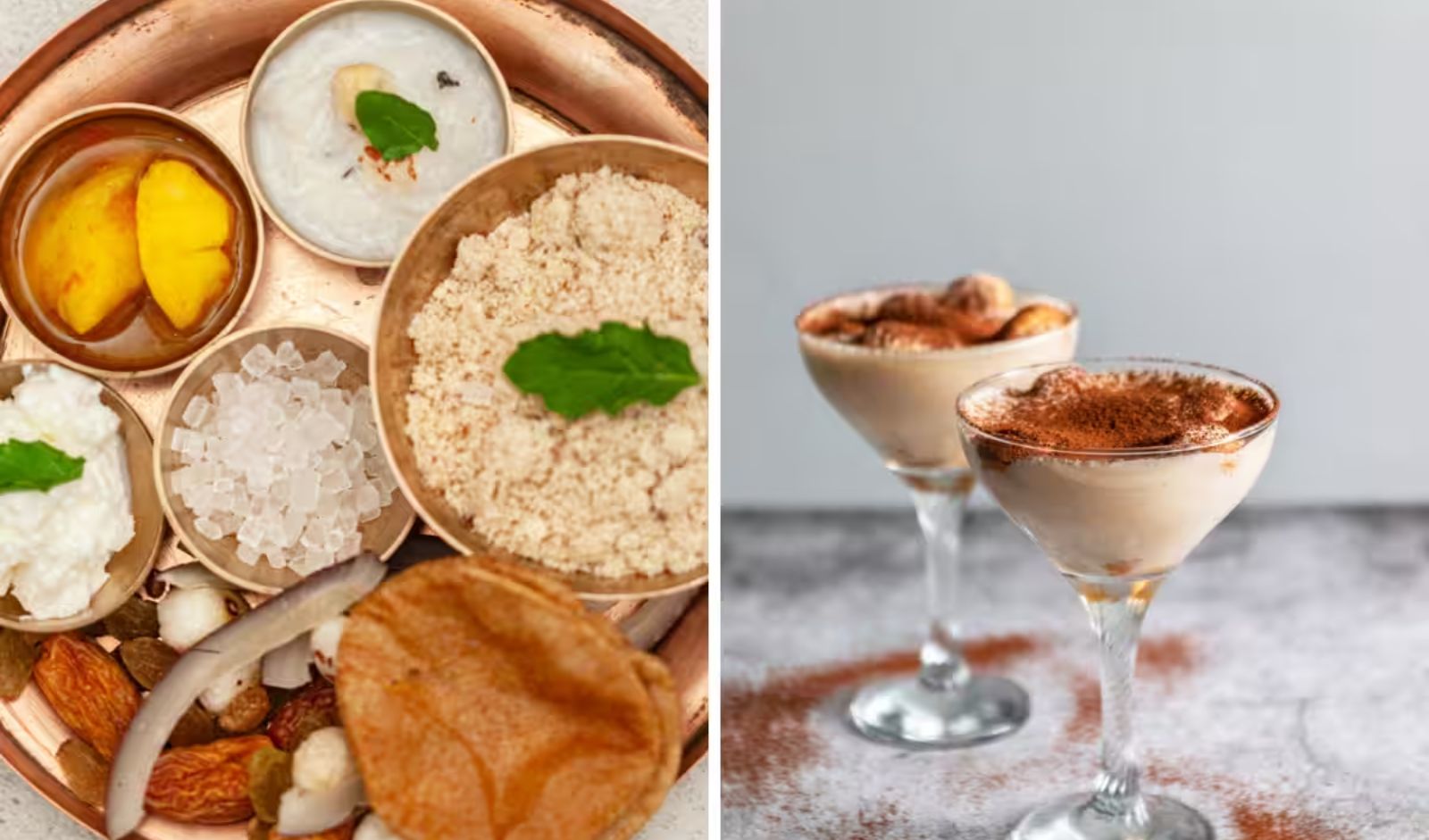
Swiggy reported increased demand for fasting foods and traditional sweets during the Navratri and Durga Puja festivities in India, with orders rising around Durga Ashtami, Maha Navami, and Dussehra. The food delivery platform recorded higher demand for vrat specialities between October 17 and October 20, 2026, alongside a rise in orders for traditional Indian sweets.
Sabudana dishes emerged as the most ordered fasting food nationwide between October 17 and October 20, followed by Navratri vrat thalis, Singhara-based preparations, Kuttu and Rajgira specialities. Samak rice and Makhana dishes also featured among popular fasting options.
During the October 17-18 weekend, Swiggy delivered an average of 1,794 Sabudana dishes every hour across India. Sabudana Khichdi and Sabudana Vada were among the most popular choices. Mumbai and Bengaluru recorded strong demand for Sabudana Khichdi, with Pune and Jaipur also contributing to orders.
Complete festive meal combinations also attracted consumers. Navratri Special Vrat Thalis, particularly those served with Singhara Poori, were among the preferred options. Rajgira Poori and Aloo Hing three-course thalis also featured prominently, with Delhi, Bengaluru, Gurugram and Noida recording the highest demand.
A customer in Noida placed an order worth Rs 11,072 on October 17-18, including 13 units of Navratri Special Vrat Thali with Singhara Poori, making it one of the largest fasting-food orders recorded during the weekend.
Traditional sweets also saw higher demand during the four-day festive period. According to Swiggy, orders for traditional sweets increased by 36.4 percent between October 17 and October 20, 2026, compared with the corresponding festive period from September 29 to October 2, 2025.
While metropolitan cities such as Bengaluru, Chennai, Delhi and Hyderabad recorded substantial demand, several emerging markets, including Patna, Dehradun, Jodhpur, Gaya and Thiruvananthapuram, also reported strong sweet orders. Among smaller cities and towns, Agartala, Shillong, Palwal and Bathinda recorded notable demand.
A Mumbai customer placed an order worth Rs 9,870 for assorted traditional sweets and Coffee Rasgulla Tiramisu, marking the highest-value rasgulla-related order recorded by Swiggy between October 17 and October 20, 2026.
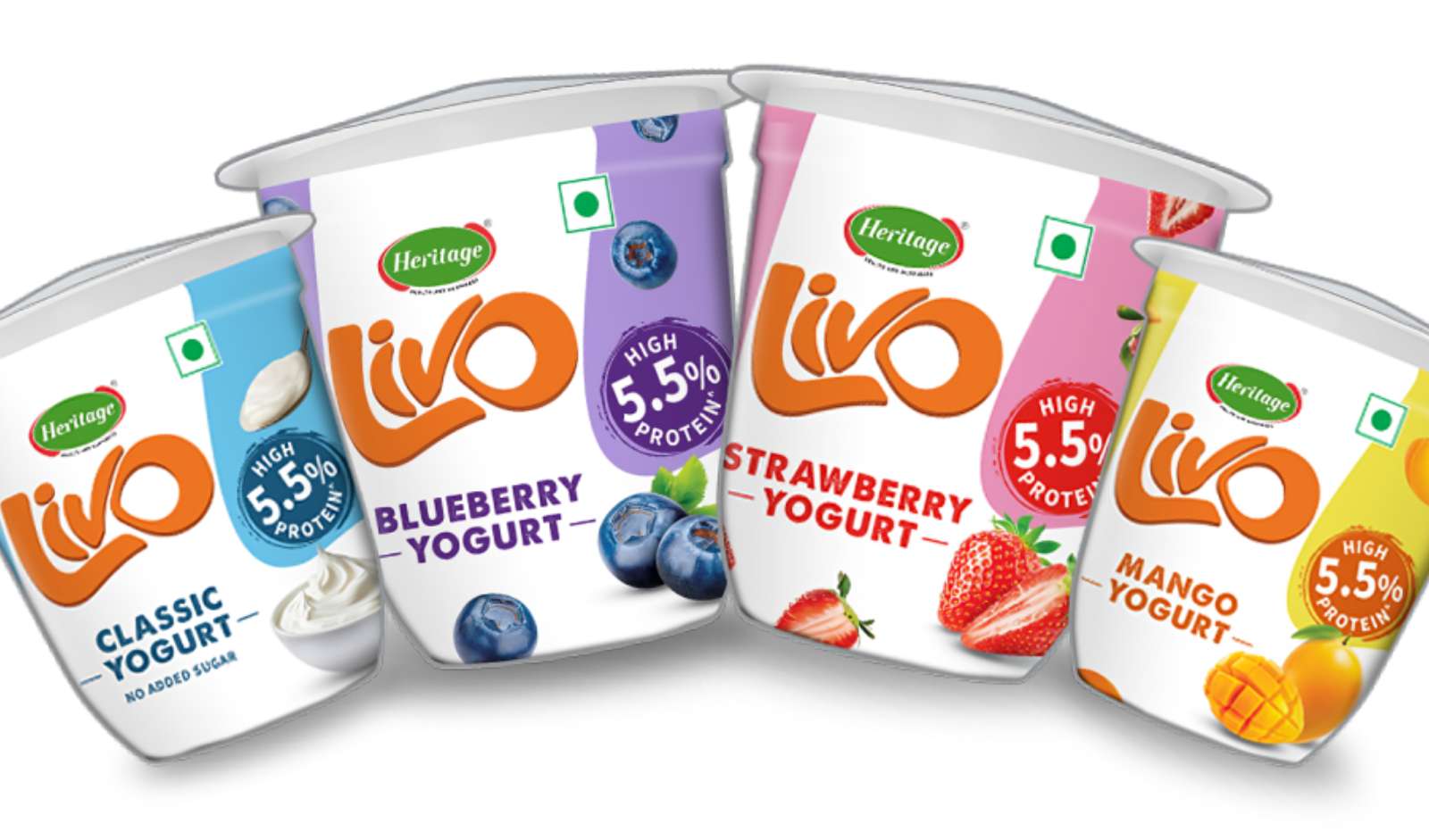
Heritage Foods Limited has approved the amalgamation of its wholly owned subsidiary, Heritage Novandie Foods Limited, into the parent company. Heritage Novandie Foods operates the company's yogurt business under the Livo brand. The proposed merger is aimed at strengthening Heritage Foods' value-added dairy portfolio, simplifying its corporate structure and improving operational efficiency.
The consolidation is expected to bring the subsidiary's business and financial resources closer to Heritage Foods' broader dairy operations. It is also intended to improve coordination across production, distribution, and brand development as the company expands its value-added dairy business. Heritage Foods is increasing its focus on value-added dairy products as part of its strategy to diversify revenue beyond liquid milk. Excluding ghee and butter, value-added products (VAP) accounted for 35.4 percent of dairy revenue in Q2 FY2026-27 and 39.6 percent in the first half of FY2026-27.
In the corresponding periods last year, the contribution stood at 31.3 percent and 33.7 percent, respectively. The company aims to increase the contribution of value-added products to approximately 50 percent over the next three years. The strategy is intended to build a more balanced revenue mix by increasing the share of branded and differentiated dairy products. Value-added dairy products can also help reduce the company's relative dependence on liquid milk, which is more exposed to seasonal demand changes and commodity price fluctuations.
The proposed amalgamation is expected to bring Livo's yogurt business into Heritage Foods' wider dairy platform. The company intends to align brand development more closely with its consumer reach, distribution network and production capabilities. The integration is also expected to simplify the group's corporate structure by eliminating a separate legal entity and reducing overlapping statutory, regulatory and administrative requirements.
Heritage Foods expects the consolidation to support more coordinated management, faster decision-making and improved utilisation of financial and operational resources. The company also plans to streamline business processes and administrative costs through the integration.
Brahmani Nara, Executive Director of Heritage Foods Limited said, “Our focus remains on building a stronger, more integrated and future-ready dairy business. The proposed amalgamation of Heritage Novandie Foods is an important step in strengthening our value-added dairy platform, while simplifying the overall structure and enabling greater alignment across the business. As we continue to scale differentiated and branded dairy products, we believe this integration will further strengthen our platform for sustainable growth and enhance operational efficiency over the long term.”
The proposed amalgamation forms part of Heritage Foods' broader efforts to expand its value-added dairy portfolio, strengthen its branded product business and improve operational efficiency. The company is targeting a higher contribution from value-added products over the next three years as it works to diversify its dairy revenue mix.

PNGS Reva Diamond Jewellery Limited reported sales of Rs 38.53 crore during the combined Navratri and Dussehra period of FY2026-27, registering a 35.01 percent year-on-year increase. The company's Dussehra revenue, excluding gold sales, rose 62.40 percent to Rs 12.19 crore from Rs 7.50 crore in the corresponding period last year.
The performance reflects the company's sales growth during India's festive jewellery buying season, when retailers typically see increased consumer activity across jewellery categories, including natural diamonds. For PNGS Reva Diamond Jewellery, the festive period contributed to its business in the natural diamond jewellery segment. The company, backed by the P. N. Gadgil & Sons Group, focuses on certified natural diamond jewellery and is expanding its presence in India's organised jewellery retail market.
PNGS Reva Diamond Jewellery has opened a company-owned and company-operated (COCO) store in Jaipur, extending its retail presence beyond its established markets in Western India. With the new outlet, the company's retail network has grown to 39 locations. The network comprises five exclusive brand outlets (EBOs) and company-owned and company-operated stores, along with 34 shop-in-shop (SIS) locations.
The company plans to expand its presence across key Indian markets, with a focus on the COCO model as part of its retail expansion strategy. This approach will support its efforts to establish a larger network of directly operated stores while continuing to operate through shop-in-shop locations.
PNGS Reva Diamond Jewellery is working to increase consumer access to certified natural diamond jewellery through its retail network. Its expansion strategy combines its sourcing capabilities with additional retail locations to reach customers in new markets.
The Jaipur store marks a step in the company's expansion beyond Western India. Its growing store network and festive sales performance are central to its efforts to build a stronger presence in India's natural diamond jewellery market. The company's next phase of expansion will focus on increasing its reach across key markets while developing its COCO-led retail model alongside its existing shop-in-shop network.
Havells India reported an 11.1 percent year-on-year increase in standalone net profit to Rs 353 crore in the second quarter of FY2026-27, while revenue rose 34.6 percent to Rs 6,417 crore. In the corresponding quarter last year, the electrical goods manufacturer recorded a net profit of Rs 317 crore and revenue of Rs 4,767 crore.
Earnings before interest, tax, depreciation and amortisation (EBITDA) increased 30.5 percent to Rs 576 crore during the quarter. Profit before tax rose 15.1 percent to Rs 476 crore, compared with Rs 414 crore in the year-ago period. The results reflect growth across Havells India's electrical products portfolio, with cables, switchgears and consumer durables contributing to revenue during the September quarter.
Havells India's cables business recorded the highest revenue among its reported segments, rising 47.9 percent year on year to Rs 2,999 crore from Rs 2,028 crore. The switchgears business reported a 31.3 percent increase in revenue to Rs 782 crore. Revenue from electrical consumer durables grew 10.7 percent to Rs 1,072 crore, reflecting growth across the company's consumer electrical product categories.
The Lloyd business, which operates in the consumer durables segment, recorded a 28.4 percent increase in revenue to Rs 615 crore. Meanwhile, the lighting and fixtures business reported revenue of Rs 449 crore, up 7 percent year on year. The company's renewables business recorded the fastest growth among its reported segments, with revenue increasing 147.8 percent to Rs 329 crore from Rs 133 crore in the corresponding quarter last year.
Revenue from other businesses also increased, rising 19.3 percent to Rs 171 crore during the quarter. The performance across these segments contributed to Havells India's overall revenue growth as demand continued across its electrical equipment and consumer products portfolio.
Commenting on the company's performance, Chairman and Managing Director Anil Rai Gupta said demand remained steady despite inflationary pressures. He also expressed confidence in the ongoing festive season, while acknowledging continued macroeconomic uncertainties. The company's latest quarterly results come as consumer demand and festive-season sales remain important factors for India's electrical goods and consumer durables industry.
Havells India operates across several categories, including cables, switchgears, lighting, electrical consumer durables, renewables and air conditioning products under its Lloyd business. Its performance across these segments will remain relevant as the company navigates input cost pressures and changing consumer demand in the coming quarters.

Colgate-Palmolive (India) Limited reported net sales of Rs 1,692 crore in the second quarter of FY2026-27, marking a 12.2 percent year-on-year increase from Rs 1,507 crore in the corresponding quarter last year. The oral care and personal care company recorded net profit of Rs 342 crore, compared with Rs 328 crore a year earlier. The results for the quarter ended September 30, 2026, mark the second consecutive quarter of double-digit domestic sales growth for the company. Excluding one-off charges and exceptional items, net profit after tax increased 5.5 percent year on year.
Colgate-Palmolive India's toothpaste portfolio recorded high-single-digit volume growth during the quarter, supported by its premium toothpaste range and Colgate MaxFresh. The company attributed its overall performance to growth across its brands and distribution channels.
Manish Anandani, Managing Director and CEO of Colgate-Palmolive (India) Limited said, "We are delighted to report double-digit topline growth for the second consecutive quarter. This consistent performance reflects broad-based growth momentum across our brands and distribution channels. The Toothpaste portfolio delivered high-single digit volume expansion, led by our Premium Toothpaste range and strong performance in Colgate MaxFresh. Driven by a consistent focus on the Funding the Growth program, gross margin expanded by 40 bps year-on-year to 69.6 percent in Q2. We remain committed to navigating commodity cost fluctuations through disciplined cost savings and calibrated pricing actions. Capitalising on this healthy and competitive margin profile, we further stepped up investments in brand building and premiumisation throughout the quarter. Looking ahead, we expect to deliver robust growth, anchored by a best-in-class science-backed product portfolio tailored across consumer benefits and reinforced by strategic advertising investments."
The company continued to invest in brand building, product innovation and premiumisation during the quarter. Its initiatives included expanding communication for Colgate Visible White and partnering with athletes for Colgate Total. The company also introduced themed oral care products, including a Harry Potter collection for children and adults and a Bluey-themed toothpaste featuring a vacuum-locked pump dispenser.
In the third quarter, Colgate-Palmolive India partnered with television programme Kaun Banega Crorepati to promote night-time brushing habits. The initiative features Amitabh Bachchan delivering 100 unique sign-offs, one for each episode during the season. These activities form part of the company's efforts to increase consumer engagement and support demand across its oral care portfolio.
Colgate-Palmolive India's gross margin expanded by 40 basis points year on year to 69.6 percent in Q2 FY2026-27. The company attributed the improvement to its Funding the Growth programme. The company said it is addressing fluctuations in commodity costs through cost-saving measures and pricing adjustments while increasing spending on brand building and premium products. Its focus on premiumisation, distribution and product innovation is expected to support its growth plans in the coming quarters.
Alongside its quarterly results, the company's board declared a first interim dividend of Rs 24 per equity share of face value Rs 1 for FY2026-27. The total dividend payout will amount to Rs 653 crore. Payments are scheduled to begin on November 19, 2026, for shareholders whose names appear in the company's register of members or beneficial owners as of November 2, 2026.
The quarterly results reflect continued growth in Colgate-Palmolive India's core oral care business, alongside higher investments in marketing and premium products. The company will look to sustain sales momentum while managing commodity cost fluctuations and supporting demand across its product portfolio.

Satiya Nutraceuticals Private Limited, acquired by Marico, has introduced Joyun, a skincare brand inspired by Korean beauty innovations and developed for Indian consumers. Operating on the philosophy of “seriously playful skincare,” the brand combines science-backed formulations with distinctive textures and application formats to offer skincare products tailored to Indian skin needs.
Joyun is entering the market with 13 products across two ingredient-led ranges, Centella and Rose PDRN. The ranges focus on skin-soothing, hydration, and rejuvenation, addressing consumer demand for skincare products that combine formulation efficacy with an engaging user experience.
The launch comes amid growing interest in Korean beauty products in India, driven by ingredient-focused formulations, product innovation and the influence of Korean popular culture. Joyun aims to establish its presence by combining internationally recognised skincare ingredients with products developed for Indian consumers.
The brand’s formulations are dermatologist-tested, with an emphasis on safety, efficacy and compatibility with Indian skin.
The Rose PDRN range uses a rose-derived ingredient alongside other active ingredients. PDRN, or Polydeoxyribonucleotide, is a DNA-derived compound associated with skin repair and regeneration. The range combines these ingredients with formulations designed to offer a sensory skincare experience in line with Joyun’s brand philosophy.
The Centella range focuses on calming the skin, providing hydration and supporting the skin barrier. It is positioned for consumers seeking products to address the effects of environmental exposure and everyday lifestyle-related stressors.
Joyun’s broader concept, described as “The Lab of Play,” centres on making skincare both functional and enjoyable. The brand incorporates lightweight textures and distinctive application formats to make daily skincare more engaging while maintaining its focus on science-backed formulations.
Rishubh Satiya, Founder, Satiya Nutraceuticals Pvt. Ltd. said, “At Satiya Nutraceuticals, we have always focused on building brands that address evolving consumer needs through innovation. With Joyun, we are introducing a skincare brand that brings together advanced Korean beauty inspirations, clinically backed ingredients, and formats designed for Indian consumers. Our ambition is to create a trusted brand that delivers visible results while making skincare a joyful everyday ritual.”
Backed by Marico, an established fast-moving consumer goods (FMCG) company in India, Satiya Nutraceuticals is focusing on products that combine safety, efficacy, and sensory appeal. With Joyun, the company is entering the skincare segment with an offering that draws on Korean beauty trends while targeting the preferences and requirements of Indian consumers.
Omnichannel jewellery retailer BlueStone reported operating revenue of Rs 745 crore in the second quarter of FY2026-27, marking a 45 percent year-on-year increase from Rs 513.6 crore in the corresponding quarter last year. However, the company recorded a net loss of Rs 4.4 crore during the September quarter, compared with a net profit of Rs 6 crore in the preceding quarter.
The latest loss was 92 percent lower than the Rs 52 crore loss reported in the year-ago period. Including other income of Rs 24.4 crore, BlueStone's total income stood at Rs 769 crore for the quarter. Total expenses increased 34 percent year on year to Rs 772 crore, driven by raw material costs, employee benefit expenses and other operating costs.
“Our growth remained robust in both the quarter and the first half, with revenue up 43.9 percent YoY in Q2 and 46.3 percent YoY in 1HFY27. Achieved against volatile gold prices and the full shift of the festive calendar into Q3, this performance reflects the strength of our underlying business model,” said Co-Founder and CEO Gaurav Singh Kushwaha.
BlueStone attributed its revenue growth to its omnichannel business model, with more than 80 percent of sales originating online, alongside its focus on everyday-wear jewellery. The company continued to expand its offline retail network during the quarter, ending September with 379 stores across 146 cities. This represented an increase of 27 stores from the 352 outlets operating at the end of June.
The expansion forms part of BlueStone's strategy to combine online sales with a growing physical store network, giving customers access to its jewellery collections through multiple channels. BlueStone's customer base reached 10.24 lakh by the end of September, crossing the one-million mark during the quarter. Repeat customers accounted for 56.3 percent of revenue in Q2 FY2026-27, compared with 51.4 percent in the corresponding period last year.
The increase in repeat customer contribution highlights the growing role of returning buyers in the company's sales mix. Despite higher operating revenue and a wider store network, BlueStone's quarterly results reflect the impact of rising expenses on its bottom line. The company will continue to face the challenge of balancing revenue growth, store expansion and profitability as it enters the second half of FY2026-27.
Swiggy reported a consolidated net loss of Rs 922 crore for the second quarter of FY27, compared with Rs 791 crore in the previous quarter. However, the loss narrowed from Rs 1,092 crore in the corresponding quarter last year, as revenue from operations increased 36 percent year-on-year to Rs 7,571 crore.
The food delivery and quick commerce company is also preparing to transition Instamart to an inventory-led operating model after securing the necessary approvals to qualify as an Indian-owned and controlled company. The change is expected to give Instamart greater control over inventory, procurement, and pricing, with the potential to improve contribution margins.
According to reports, the transition could improve Instamart's contribution margin by up to 80 basis points. The expected benefit comes as the quick commerce business continues to invest in customer acquisition, pricing, and expansion of its dark store network. Instamart's net order value (NOV) grew 31.4 percent year-on-year to Rs 6,954 crore in Q2 FY27, while the platform added 69 dark stores during the quarter. Its total network reached 1,240 stores across 133 cities as of September 30, 2026.
Despite the growth in order value, Instamart continued to report losses. Its adjusted EBITDA loss stood at Rs 895 crore in the September quarter, reflecting spending on pricing, marketing and network expansion. Swiggy expects the inventory-led model to improve control over sourcing, product assortment and supply chain operations. Direct inventory ownership may also help the company manage procurement costs and reduce wastage, although the effect on profitability will depend on operating efficiency and order growth.
Swiggy's food delivery business recorded adjusted EBITDA of Rs 341 crore, its highest reported level, with a margin of 3.4 percent of gross order value (GOV). Food delivery GOV increased 17.7 percent year-on-year to Rs 10,054 crore. The company attributed the performance to improved delivery efficiency and higher advertising revenue. It is also expanding its affordable-meal offering through Toing, a separate platform designed to reach customers seeking lower-priced food options.
The food delivery business's profitability provides a source of earnings as Swiggy continues to invest in Instamart's expansion and works towards improving its unit economics. Swiggy's revenue from operations rose to Rs 7,571 crore in Q2 FY27 from Rs 5,561 crore in the year-ago period. Total expenses increased to Rs 8,703 crore from Rs 6,711 crore a year earlier.
The results highlight the difference in performance between Swiggy's two main businesses. Food delivery reported record adjusted EBITDA, while Instamart continued to incur losses as it expanded its quick commerce network. The planned inventory-led transition is expected to give Instamart greater flexibility in managing products and supply chains. The extent to which this change improves margins will depend on how effectively Swiggy converts its growing order volumes into sustainable profitability.
Sapphire Foods India, the operator of KFC and Pizza Hut restaurants in India and Sri Lanka, reported a net loss of Rs 1.1 crore in the second quarter of FY27, compared with a net profit of Rs 14.2 crore in the previous quarter. However, the company's losses narrowed from Rs 12.8 crore in the corresponding quarter of the previous financial year.
Revenue from operations increased 19.7 percent year-on-year to Rs 888 crore in the July-September quarter, compared with Rs 742 crore a year earlier. Growth was supported by stronger sales at KFC and improving performance at Pizza Hut, according to the company's regulatory filing.
Sapphire Foods' earnings before interest, taxes, depreciation and amortisation (EBITDA) rose 23.5 percent year-on-year to Rs 126 crore from Rs 102 crore. Its EBITDA margin improved to 14.2 percent from 13.7 percent in the year-ago quarter.
KFC recorded 26 percent revenue growth during the September quarter, its strongest performance in the last 16 quarters. Same-store sales growth (SSSG) reached 14 percent, with dine-in and takeaway sales outperforming delivery. The business also recorded double-digit growth in transactions.
According to the company's investor presentation, value-focused offers supported customer acquisition and restaurant footfall. These included the Rs 99 Chicken Krisper Burger Meal, the Rs 149 Thalaiva Meal in Tamil Nadu and buy-one-get-one offers on chicken buckets. Marketing investments also supported sales during the quarter.
Pizza Hut recorded 7 percent revenue growth in the September quarter, alongside its highest same-store sales growth in seven quarters. Same-store transactions also grew at a double-digit rate. Value offers, including a Rs 99 four-course meal and buy-one-get-one deals, contributed to the improvement in sales.
However, profitability remained a challenge for the business. Pizza Hut's EBITDA margin stood at negative 2.8 percent, down 100 basis points from the year-ago period, mainly due to higher energy costs. Sapphire Foods continued to add outlets during the quarter, opening 15 KFC restaurants and one Pizza Hut outlet in Sri Lanka. Its total restaurant network stood at 1,086 outlets as of September 30, 2026.
The company's latest results reflect different performance trends across its two major restaurant brands. KFC recorded stronger revenue and same-store sales growth, while Pizza Hut showed an improvement in sales but continued to face pressure on operating margins.
Sapphire Foods operates KFC and Pizza Hut restaurants in India and Sri Lanka under franchise arrangements. Its performance comes amid continued competition in India's quick-service restaurant (QSR) market, where operators use value meals, promotional offers and marketing investments to attract customers while managing operating costs.
JK Paper has appointed Gunjan Dinesh Kumar Shah as President (Paper), bringing leadership experience from the footwear, fast-moving consumer goods (FMCG) and consumer products sectors to the paper manufacturer. Shah previously served as Managing Director and Chief Executive Officer of Bata India.
The appointment was approved by JK Paper's Nomination and Remuneration Committee on October 12, 2026, and took effect from the same date. His inclusion in the company's senior management is subject to approval by the Board of Directors.
Shah's appointment marks a leadership change at JK Paper, which operates in the paper and paperboard industry. His professional background includes senior roles in retail, sales, commercial operations and business development.
Before joining JK Paper, Shah served as Managing Director and CEO of Bata India, a footwear retailer, from 2021. During his tenure, he led the company's India operations. Prior to Bata India, Shah worked at Britannia Industries, where he served as Chief Commercial Officer and held responsibilities spanning commercial strategy, sales and international business. His earlier professional experience also includes roles at Asian Paints and Motorola.
His career across consumer-facing businesses covers footwear retail, FMCG, consumer durables and telecommunications, bringing experience in managing operations across different market segments. Shah holds a Bachelor of Technology in Computers from Veermata Jijabai Technological Institute (VJTI), Mumbai, and a postgraduate diploma in management from the Indian Institute of Management Calcutta.
His appointment adds cross-sector business experience to JK Paper's leadership team as the company continues to operate across writing and printing paper, packaging board and other paper-based product categories.

AFC Furniture Solutions is targeting 30 percent growth in its Pune business in FY 2026-27, driven by demand from Global Capability Centres (GCCs), IT and IT-enabled services (ITeS) companies, and managed workspace operators. The modular office furniture company is focusing on large corporate office fit-outs, shorter project execution timelines, and modular furniture systems to support businesses setting up or expanding offices across Pune's commercial hubs, including Hinjewadi, Kharadi and Baner-Balewadi.
The company's growth target comes amid an expansion in Pune's commercial office market, supported by multinational technology companies, financial services firms and engineering-led GCCs. The city recorded approximately 10.8 million sq ft of office leasing in 2025, marking a 36 percent year-on-year increase. GCCs accounted for approximately 65 percent of office leasing demand in Q3 2026, reflecting continued demand from multinational occupiers.
AFC is focusing on modular workstations, ergonomic seating and collaborative furniture for companies looking to establish or expand offices without lengthy fit-out timelines. Its solutions are designed to support faster installation and allow businesses to reconfigure workspaces as employee numbers and operational requirements change.
Maanoj Tomar, Founder of AFC Furniture Solutions said, "Pune is witnessing significant office expansion, particularly from GCCs and technology companies, who are also under pressure to make their spaces operational quickly. That’s where we come in, with a clear priority to strengthen execution, reduce installation timelines and develop furniture systems that grow with the business. We also see considerable potential in managed offices, where flexibility and cost efficiency are equally important."
The company is also targeting businesses in automotive technology, engineering and research and development (R&D). These sectors require office environments that support software development teams, product development functions and collaborative project work. AFC is prioritising managed office operators as businesses increasingly look for ready-to-occupy workspaces and flexible leasing arrangements. These operators require furniture systems that can be adapted for different tenants without extensive redesign or replacement.
To address this demand, AFC is strengthening its relationships with workspace operators and commercial property developers. The company is also working to improve local project coordination, design consultancy partnerships and installation capabilities to manage large assignments across Pune's commercial districts.
Tomar said, “We strengthened our local project coordination, design consultancy relationships and installation capabilities to support large assignments across Pune's commercial corridors. The emphasis is on consistent quality, quicker turnaround and workplace solutions that optimise office investments for corporates.”
AFC is drawing on its 4 lakh sq ft facility and national manufacturing capacity of 18,000 workstations and ergonomic seating systems per month to support corporate office projects. The company plans to use these manufacturing and execution capabilities to increase its participation in large corporate fit-outs and managed office projects in Pune.
With GCC expansion and demand for flexible workspaces shaping the city's commercial property market, AFC is targeting a larger share of office furniture projects while strengthening its regional execution network in FY 2026-27.
Reliance Consumer Products Ltd (RCPL), the FMCG arm of Reliance Industries Ltd (RIL), has entered India's ready-to-drink (RTD) dairy market by launching Joyland flavoured milk. The company has introduced the product in Tamil Nadu, offering strawberry and vanilla variants, as it expands its presence in the dairy and beverages segment. The launch comes about a month after RCPL announced its entry into India's ice cream market with Bombay Creamery. With Joyland, the company is adding packaged dairy beverages to its existing beverage portfolio.
“The launch extends RCPL’s total beverage portfolio, reinforcing its commitment to bringing world-class products to consumers at accessible prices,” the company said in a statement.
RCPL Director T Krishnakumar said the company's entry into the ready-to-drink dairy category marks a step towards expanding its product range and offering consumers more choices.
“Tamil Nadu marks the beginning of this journey, as we build Joyland into a broader dairy beverages portfolio and progressively expand its reach across India,” he said. Krishnakumar added that Joyland would be gradually introduced in other parts of the country.
India's ready-to-drink milk market is expanding as consumers increasingly seek convenient, hygienically packaged dairy products. Urbanisation and changing consumption patterns, particularly among younger buyers, are also contributing to demand for packaged milk-based beverages. The category includes flavoured milk and other value-added dairy drinks designed for convenient consumption outside the home.
According to market research firm IMARC Group, India's flavoured milk market was valued at around Rs 7,640 crore in 2025. The market is projected to reach Rs 38,550 crore by 2034, registering a compound annual growth rate (CAGR) of 19.11 percent over the forecast period. This projected growth offers FMCG companies an opportunity to expand their presence in flavoured milk and other packaged dairy beverage categories.
RCPL has been expanding its product portfolio across consumer goods and beverages. The company, which was demerged from Reliance Retail and established as a direct subsidiary of RIL, reported revenue of Rs 8,600 crore in the June quarter of FY27. Reliance Industries has previously stated that it expects RCPL to reach Rs 1 lakh crore ($10.5 billion) in revenue over the next four years.
The Joyland launch adds another category to RCPL's expansion strategy, with Tamil Nadu serving as the initial market before the company gradually extends distribution across India.
Eternal, the parent company of Zomato and Blinkit, reported a consolidated net profit of Rs 125 crore for the September quarter, nearly double the Rs 65 crore recorded in the corresponding period last year. The growth came alongside a sharp increase in revenue from operations, reflecting higher business volumes across its food delivery and quick commerce segments.
According to the company's regulatory filing, revenue from operations rose to Rs 24,138 crore in the second quarter of the current financial year, compared with Rs 13,590 crore a year earlier. Total expenses also increased to Rs 24,166 crore from Rs 13,813 crore in the year-ago period. Blinkit added 308 net new stores during the quarter, taking its total store network to 2,751. The quick commerce platform expects to expand its network to more than 3,500 stores by March 2027.
Eternal reported continued growth in both its food delivery and quick commerce businesses. Zomato's food delivery net order value (NOV) increased 21.5 percent year-on-year to Rs 11,445 crore. Blinkit's quick commerce NOV grew 79.3 percent to Rs 20,940 crore. The platform also reported an adjusted EBITDA profit of Rs 184 crore, marking its sixth consecutive quarter of margin improvement.
Deepinder Goyal, Founder, Eternal said, "We're happy with how the business is doing right now. That said, we try not to read too much into any single quarter. Our long-term expectation for food delivery has always been 20 per cent plus annual growth, and the last two quarters have brought us back to that range. This view didn't change last year when growth slowed, and it doesn't change now that it has picked up."
Goyal's comments reaffirm the company's long-term expectation of annual food delivery growth above 20 percent, despite fluctuations in quarterly performance. Eternal plans to continue expanding Blinkit's quick commerce store network over the next two financial years. The company expects to exceed 3,500 stores by March 2027, with current plans pointing to approximately 5,000 stores by March 2028.
Akshant Goyal, CFO, Eternal said, "We now expect to cross 3,500 stores by March 2027, and our current plans point to about 5,000 stores by March 2028. Our cash balance and profits from both food delivery and quick commerce businesses, also let us fund this pace of growth comfortably. We expect adjusted EBITDA margins to keep improving through this expansion."
The planned expansion will increase Blinkit's physical store network as competition in India's quick commerce market continues. The company expects profitability and cash resources from its food delivery and quick commerce businesses to support the expansion while adjusted EBITDA margins improve.
PC Jewellers reported a 58 percent year-on-year increase in consolidated net profit to Rs 330.66 crore in the second quarter of FY27, supported by higher sales. The jewellery retailer also cleared its outstanding dues to all 14 consortium banks ahead of schedule, achieving debt-free status, according to its regulatory filing.
The company's total income increased 28 percent to Rs 1,054.47 crore in the July-September quarter of FY27, compared with Rs 825.25 crore in the corresponding period last year. Net profit stood at Rs 209.54 crore in the year-ago quarter. PC Jewellers' expenses rose to Rs 759.42 crore during the quarter from Rs 688.85 crore in the same period last year. Despite the increase in expenses, the company reported higher profitability alongside growth in total income.
"A key milestone during the quarter was the company achieving debt-free status after repaying its outstanding dues to all 14 consortium banks ahead of schedule."
The company expects a significant reduction in interest costs from the second half of FY27, which it said could positively affect net profit. PC Jewellers also reported receiving remittances of around Rs 142 crore from export debtors during the quarter. The receipts followed negotiations and the resolution of outstanding issues, marking progress in recovering long-pending export receivables.
As part of its retail expansion strategy, PC Jewellers plans to open up to 100 large-format showrooms across Tier I, Tier II and Tier III cities over the next 12 to 18 months. The expansion will combine company-owned outlets with an asset-light franchise model.
The company said it is "confident that it will start establishing new showrooms in this financial year itself."
The planned expansion would increase the company's retail presence across different city categories in India, with the franchise model forming part of its store network strategy. Alongside its showroom expansion, PC Jewellers is planning a new jewellery brand focused on demi-fine and lightweight jewellery, as well as lab-grown-diamond fine jewellery. The proposed offering will target younger consumers and buyers purchasing jewellery for themselves.
The strategy adds a new product segment to the company's plans as it works on expanding its retail footprint and improving profitability following its debt repayment. PC Jewellers operates through three subsidiaries, Luxury Products Trendsetter, PC Jeweller Global FZCO and PCJ Gems and Jewellery, along with one step-down subsidiary, PCJ Mining SARL.

Flipkart has promoted Renuka Singaram, who heads its Non-Large, Minutes and Design Organisation, to the position of Senior Vice President (SVP). The promotion was communicated to employees through an internal memo circulated last week.
The memo highlighted Singaram's contribution to the company's logistics operations, particularly her role in expanding operational capabilities and improving efficiency across the logistics network.
"Her ability to rapidly scale operational capabilities in fast-evolving environments and her strong spirit of ownership and innovation have been key differentiators for Flipkart's logistics business. As a people leader, Renuka has built a high-impact leadership pipeline across a large organisational footprint," the memo stated.
It also noted her experience in managing multi-tier logistics operations and optimising last-mile delivery, both of which are important to the company's supply chain and fulfilment network.
Founded in 2007, the Flipkart Group operates multiple businesses, including Flipkart, Myntra, Flipkart Wholesale, Cleartrip and super.money. The company has a registered user base of more than 500 million, while its marketplace offers over 150 million products across more than 80 categories.
The scale of its marketplace requires coordination across sellers, inventory movement, order fulfilment, and delivery operations. Logistics capabilities therefore remain central to supporting the company's marketplace activity and managing the requirements of customers and sellers across India.
Singaram's elevation to SVP adds to the company's leadership structure as it continues to manage operations across its expanding business ecosystem. Her experience in scaling logistics capabilities, improving last-mile operations, and developing leadership talent is highlighted in the internal communication as a key contribution to Flipkart's logistics business.
Tossin Pizza, a homegrown gourmet quick-service restaurant (QSR) brand, has entered Karnataka with the opening of its first outlet in Bengaluru’s Koramangala neighbourhood. The expansion marks the brand’s entry into another southern Indian market as it builds on its presence across Delhi NCR, Mumbai and Hyderabad.
Founded in 2013 by Chef Rohit Narang and Honey Mehta, Tossin Pizza operates 27 outlets across India. The company began with a takeaway counter at Galleria Market in Gurugram and has since expanded into multiple urban markets.
The Bengaluru outlet introduces the brand’s existing menu to customers in the city, including vegetarian and non-vegetarian pizzas, pastas, baked dishes, desserts and accompaniments.
Tossin Pizza has selected Koramangala for its first Bengaluru outlet, citing the area’s residential, corporate and dining presence. The neighbourhood is an established food-service market, with restaurants catering to residents, professionals and social gatherings.
The opening adds Karnataka to Tossin Pizza’s operating footprint. The brand already has a presence in Hyderabad, extending its reach into southern India.
The company operates in the gourmet QSR segment, offering a menu positioned between conventional quick-service pizza chains and premium casual dining formats.
Commenting on the Bengaluru entry, Rohit Narang, Founder and Chef of Tossin Pizza, said, “Bengaluru is an important addition to our journey. We've spent the last 13 years building Tossin one market at a time, understanding our customers and strengthening the business along the way. Entering a city with such an established food culture is both exciting and a responsibility. Our priority is to build a strong foundation here, introduce people to the food we're known for and grow in a way that allows us to maintain the standards we've set for ourselves. We're looking at Bengaluru as a long-term market, not simply another outlet opening.”
The expansion comes as homegrown food-service brands seek opportunities in metropolitan markets through differentiated menus and specialised restaurant formats. Tossin Pizza’s Bengaluru entry adds to its multi-city operations as it looks to establish a presence in markets beyond its original base in Delhi NCR.
The company has not disclosed further details about its Bengaluru expansion plans, including the timeline for additional outlets in Karnataka.
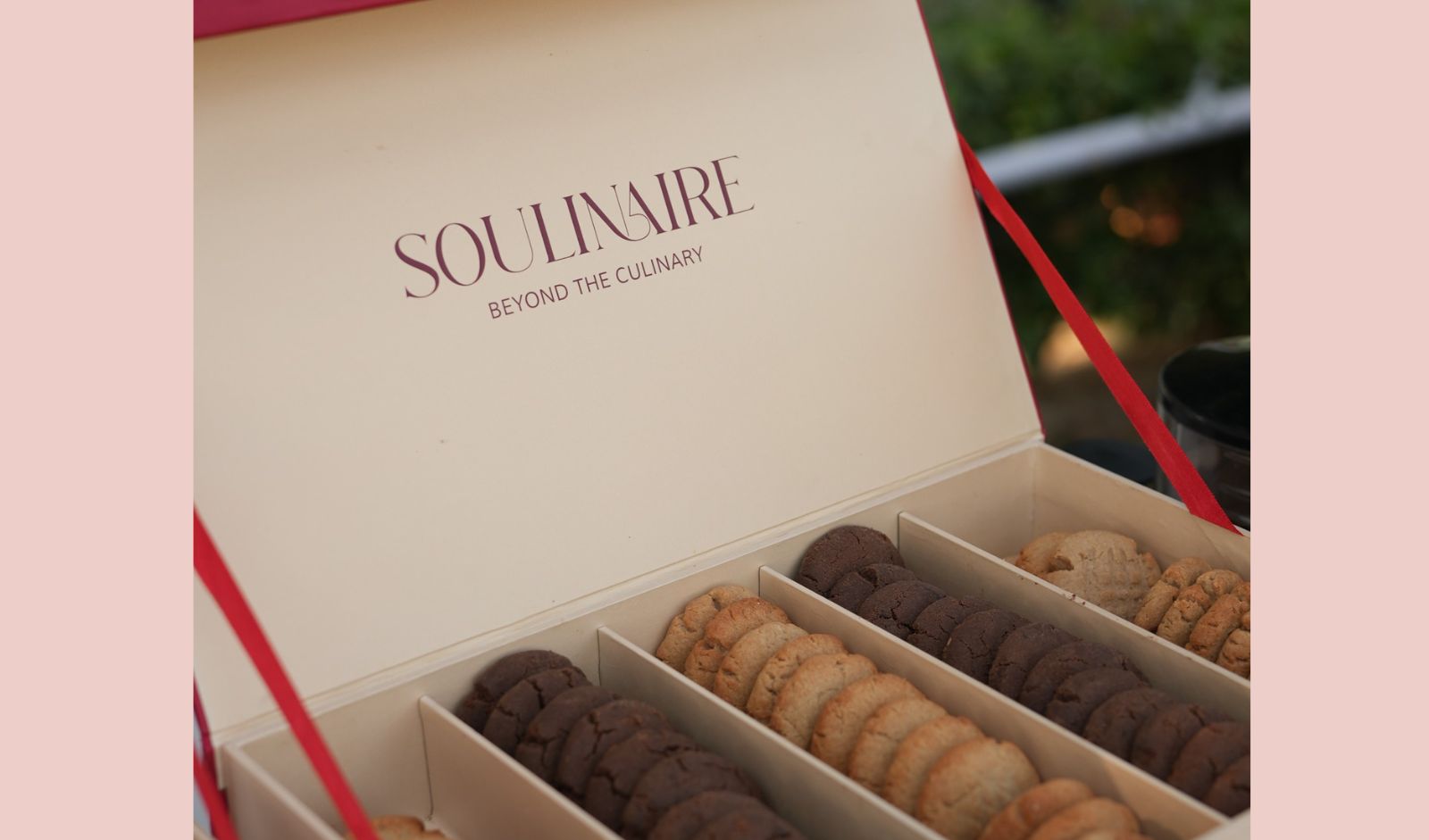
Indian Hotels Company Limited (IHCL) is expanding the festive catering and experiential dining offerings of its lifestyle catering brand, Soulinaire, across India. The brand is catering to celebrations ranging from private home gatherings and Diwali parties to weddings, outdoor events and corporate functions.
The offering focuses on customised menus, curated dining formats and hospitality services tailored to the venue, occasion and host’s preferences. Soulinaire draws on IHCL’s culinary expertise to provide catering services across select locations, including Delhi-NCR, Jaipur, Udaipur, Mumbai, Bengaluru and Kolkata.
Soulinaire’s menu options cover contemporary Indian, regional Indian, Asian, European and other international cuisines. Menus are customised according to the nature of the event and guests’ preferences.
The catering formats include live culinary stations, flying buffets, grazing tables and chef-led experiences. These formats can be arranged individually or combined based on the event’s requirements.
Live stations allow guests to engage with food preparation, while flying buffets offer a service format suited to social gatherings. Grazing tables feature curated food selections arranged for shared dining.
Soulinaire is accepting enquiries for festive and outdoor catering in Delhi-NCR, Jaipur, Udaipur and select locations across Rajasthan and Uttar Pradesh. Its service network also covers Ahmedabad and other locations in Gujarat, Mumbai, Alibaug and other destinations across Maharashtra, Bengaluru and Kolkata.
Service availability will depend on the destination, venue and specific event requirements. The expansion of these catering offerings provides IHCL with an avenue to serve customers beyond traditional hotel dining and event spaces through customised culinary services at private venues and other locations.
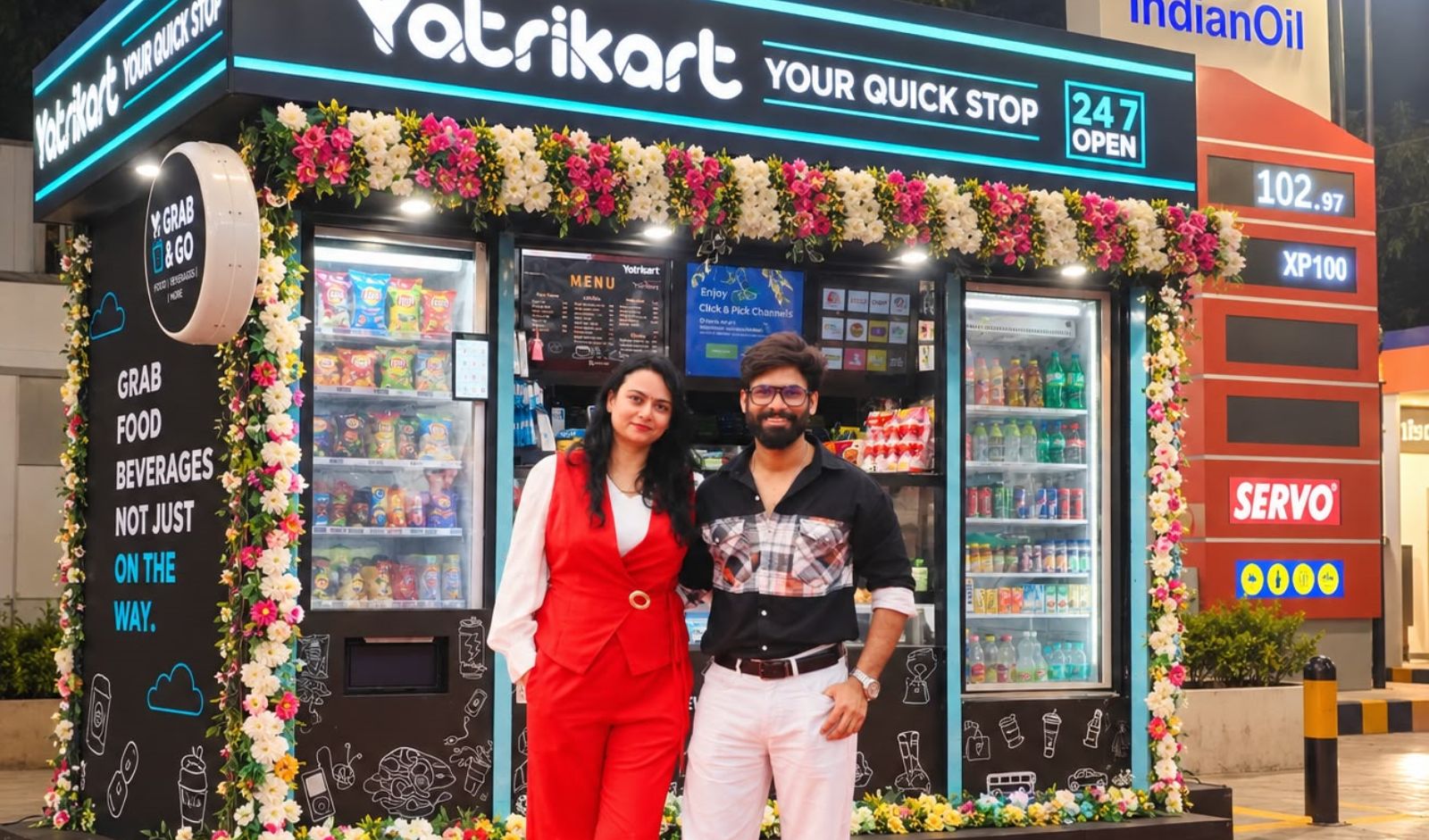
YatriKart has partnered with MMG Group under a Rs 120 crore agreement to expand its convenience retail network in India, with plans to establish 1,000 Quick Stop stores over the next five years. The first phase will focus on 100 stores across Delhi NCR.
Under the Franchise Invested, Company Operated (FICO) model, MMG Group will fund store infrastructure and capital expenditure (CAPEX), while YatriKart will manage operating expenditure (OPEX), technology, supply chain, staffing and daily operations.
The partnership expands the relationship between the two companies, following MMG Group’s strategic equity investment in YatriKart in 2024. The latest agreement is aimed at building a technology-enabled convenience retail network across high-footfall locations in India.
YatriKart Targets High-Footfall Retail Locations
YatriKart has started deploying Quick Stop stores across Delhi NCR as part of the initial phase. The company plans to prioritise locations such as fuel stations, highways, bus stands and other transit hubs before expanding into additional markets.
The company currently operates more than 80 stores across eight cities. Its outlets are located at petrol pumps, highways, hospitals, corporate parks, bus stands and transit hubs. The stores offer coffee, food, beverages and everyday essentials for consumers travelling or commuting.
YatriKart describes its business model as “Retail on the Go”, focusing on organised convenience retail at locations where consumers already spend time or travel through.
The company also plans to introduce a consumer app through which customers can locate stores along their routes and order products in advance. At participating fuel stations and other designated locations, customers will be able to receive orders directly from their vehicles.
MMG Group Backs Nationwide Expansion
Gaurav Rana, Founder and CEO of YatriKart, said the partnership would support the company's plans to expand its convenience retail network.
“Quick commerce has transformed convenience at home. We believe there is a significant opportunity to make everyday essentials just as accessible outside the home.
Whether someone is commuting to work, refuelling, travelling or visiting a hospital, the need is often simple: a coffee, something to eat, a bottle of water or an essential they have forgotten. Our aim is to make YatriKart the familiar quick stop for these everyday moments.
This partnership is an important step towards building that network nationwide. Our focus is on making each store dependable for the customer and building an operating model that can scale through technology, a strong supply chain and consistent execution.”
Anant Agarwal, Promoter of MMG Group, said the investment was based on YatriKart’s operating experience and its work across different retail formats and locations.
“Quick commerce has transformed convenience at home. We believe the next big retail opportunity lies outside the home, serving millions of consumers who are constantly on the move.
Our confidence in YatriKart comes from its five years of experience on the ground. The team has worked across Indian Railways, Delhi Metro, hotels, hospitals and temples, and built a partner network of around 500 stores. That journey has given it valuable experience in distribution, supply chain and customer needs across different locations.
Through multiple pivots, YatriKart has refined its model, made difficult decisions to discontinue initiatives that did not work, and focused on the formats with stronger potential to scale. Along the way, it has built its technology backbone and established corporate partnerships that provide a potential location pool of around 60,000 sites.
We are backing both the market opportunity and a team that has learned, adapted and built the foundations for growth. That combination of experience, technology and access to locations is what gives us conviction in YatriKart’s ability to build a nationwide convenience retail network.”
TDI Infratech has signed an agreement with Sarovar Hotels to develop a 72-key Sarovar Portico hotel at Crescent, its upcoming commercial and hospitality project at TDI Smart City in Mohali, Punjab. The hotel is expected to open in 2029 and will form part of a development spanning approximately 140,000 sq. ft. of built-up area.
Announced on October 21, 2026, the partnership will add a branded hospitality component to Crescent, which comprises a G+8-floor structure with 100 units. The development is planned to combine commercial spaces with hotel accommodation and related services for business and leisure travellers visiting Mohali and the wider Chandigarh Tricity region.
The agreement was signed in the presence of Ajay K. Bakaya, Chairman of Sarovar Hotels, and Akshay Taneja, Managing Director of TDI Infratech.
The proposed hotel will include 72 rooms and planned amenities such as a spa, gym, swimming pool, all-day dining outlet and banqueting facilities.
Its integration within Crescent is intended to provide accommodation and hospitality services alongside the project's commercial spaces. The development will cater to businesses, corporate visitors and leisure travellers in the Chandigarh Tricity market.
The partnership combines TDI Infratech's real estate development operations with Sarovar Hotels' hotel management and hospitality expertise.
Commenting on the agreement, Akshay Taneja, Managing Director of TDI Infratech, said, “Crescent reflects our vision of creating integrated destinations where commercial infrastructure and branded hospitality complement each other to deliver long-term value. Our partnership with Sarovar Hotels is an important step in advancing this approach, strengthening the project’s proposition while responding to the evolving needs of businesses and travellers. As Mohali continues to develop as a commercial and urban centre, we see an opportunity to create destinations that contribute meaningfully to the region’s growth.”
The agreement adds another development to Sarovar Hotels' portfolio in India, with the company set to manage a hotel under its Sarovar Portico brand at the Mohali project.

Japanese apparel retailer UNIQLO will open its first store in Jaipur on November 13, 2026, marking its entry into Rajasthan. Located at Pacific Mall Jaipur, the 14,500 sq. ft. outlet will be the brand's 22nd store in India as it continues to expand its retail network across the country.
Announced on October 21, 2026, the store will offer UNIQLO's LifeWear collection, featuring everyday clothing for men, women and children. The range focuses on functionality, comfort, quality and designs intended for regular use across seasons.
The Jaipur opening marks the retailer's entry into a new regional market and adds to its presence in India's apparel retail sector.
The new store will offer a range of apparel and everyday essentials in a retail environment designed around the brand's focus on simplicity and functionality. Customers will be able to explore clothing across categories for different age groups.
Commenting on the expansion, Kenji Inoue, Chief Financial Officer and Chief Operating Officer of UNIQLO India, said, “We are thrilled to enter a new region and introduce LifeWear to a community with rich cultural heritage and a strong appreciation for quality and craftsmanship. Our entry in Jaipur also marks an important milestone in our continued expansion and growth in India. We look forward to welcoming customers to our new store and bringing them the full UNIQLO LifeWear experience”.
The company said further details about the opening, including special offers and celebratory activities, would be announced in the coming weeks.
UNIQLO's LifeWear concept centres on everyday clothing designed to combine quality, functionality and practical details. The collection includes apparel intended for regular use, with an emphasis on simplicity and evolving consumer needs.
The Jaipur store will bring this product range to consumers in Rajasthan, expanding access to the retailer's apparel categories through its physical retail network.
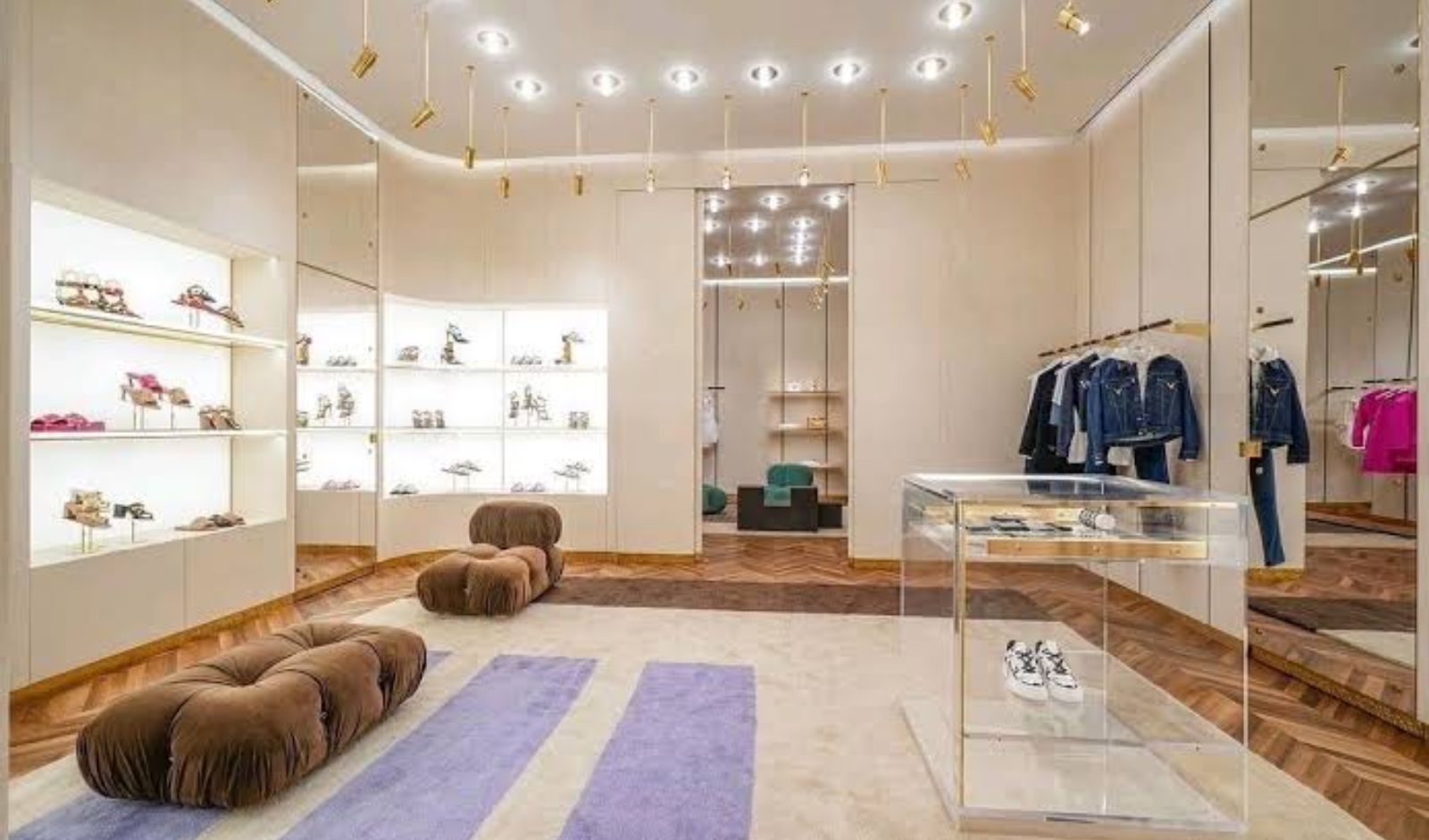
Massimo Dutti has opened a new store at Nexus Elante in Chandigarh, expanding its retail presence in India. The store, which spans more than 400 square metres, houses the brand's menswear and womenswear collections and follows its latest retail store concept.
The store opening was announced on October 15, 2026. Its layout features separate spaces for the women's and men's collections within a unified retail environment, with the design centred on minimalist architecture, selected materials, refined finishes and indirect lighting.
The new outlet brings Massimo Dutti's apparel collections to shoppers at Nexus Elante, one of Chandigarh's major shopping destinations.
The Chandigarh store reflects the brand's approach to retail design, with individual spaces dedicated to different product categories. The layout combines the women's and men's collections while maintaining distinct environments for each.
The interiors feature a minimalist architectural style, with materials, finishes and lighting used to shape the shopping environment. The store design focuses on understated aesthetics and a consistent presentation of the brand's collections.
The new outlet includes energy-efficiency measures developed by Inditex Group, Massimo Dutti's parent company. These include optimised heating and cooling systems and lighting designed to reduce overall LED lighting intensity while maintaining the in-store shopping environment.
The store is also connected to Inditex's Inergy platform, which monitors air-conditioning and electricity consumption centrally. According to the company, the system supports energy management, maintenance and the identification of opportunities to reduce energy use.
The measures form part of the group's approach to managing energy consumption across its retail operations.

Novamax Technologies has set a revenue target of Rs 350 crore for the financial year 2026-27 and is considering expansion into air conditioners and washing machines as part of its product diversification plans.
Founded in 2018, the company manufactures and distributes air coolers in India. Its proposed entry into additional appliance categories would broaden its presence in the consumer durables market beyond its existing cooling products.
According to the company, its growth plans for FY27 include product development, manufacturing and distribution, alongside expansion into new product categories. The proposed expansion into air conditioners and washing machines would allow Novamax to operate across a wider range of household appliances. The company has not disclosed a launch timeline, product specifications or investment details for these categories.
Its current business is centred on air coolers, with in-house manufacturing and distribution forming part of its operating model. The company plans to build on these operations as it explores opportunities in other segments of the home appliances market.
Commenting on the company's plans, Harshit Aggarwal, Founder and CEO of Novamax Technologies, said, “Our focus is on building Novamax into a broader home appliances brand while strengthening the capabilities that have supported our growth so far. The ₹350 crore revenue target for FY 2026–27 reflects our ambition to scale the business, explore new product categories and reach more consumers. We believe that a strong focus on product development, operational efficiency and market expansion will be important as we enter the next phase of our journey”.
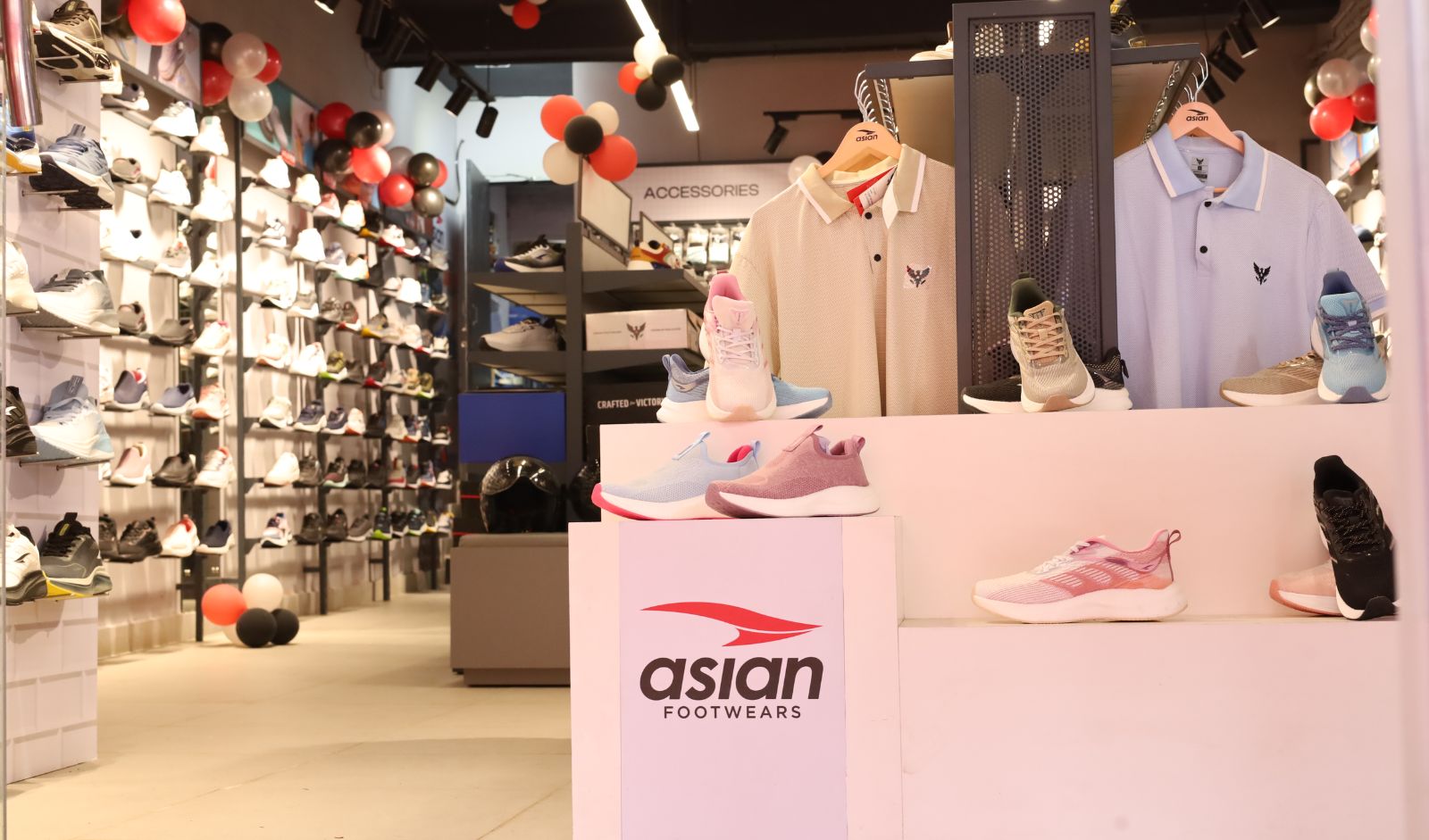
Asian Footwears has reached 100 Exclusive Brand Outlets (EBOs) in India, marking a retail expansion milestone after three years of developing its exclusive store network. The company is targeting 150 EBOs by March 2027, as it looks to strengthen its presence across established and emerging footwear markets.
Announced on October 19, 2026, the milestone coincides with the Navratri festive season. Recent store openings across West Bengal, Uttar Pradesh, Uttarakhand, Punjab and Gujarat have contributed to the expansion, extending the brand's retail presence across regional markets.
Alongside its exclusive outlets, Asian Footwears has a distribution network spanning more than 30,000 multi-brand outlets. The company also reports a manufacturing capacity of over 15 lakh pairs per month.
The company attributes its retail expansion to consumer demand for its footwear portfolio across different markets. Its next phase of growth will focus on increasing its exclusive store presence, including in emerging cities and towns.
Rajinder Jindal, Founder Chairman of Asian Footwears, said, “Reaching 100 Exclusive Brand Outlets marks an important step in Asian Footwears’ growth journey. We believe the next phase of growth will be driven by the opportunity to reach consumers across a wider range of markets, including emerging cities and towns where demand for quality, accessible footwear continues to evolve. The festive season provides an important opportunity to strengthen our market presence, and we remain focused on expanding our retail footprint in a planned and sustainable manner. Our target of reaching 150 EBOs by March 2027 reflects our long-term ambitions for the business and our confidence in the opportunities ahead.”
The company's expansion strategy combines exclusive stores with its established multi-brand distribution network, allowing it to reach consumers through different retail formats. Through Asian Flash, the brand offers delivery within 60 minutes across 180 pin codes. The service complements its physical retail network by providing another channel through which consumers can access its products.
Asian Footwears offers sports shoes, sneakers, canvas footwear, sandals, EVA footwear and school shoes for men, women and children. Its portfolio also includes apparel and accessories.

Billu Salon, an at-home salon service provider, is strengthening its presence in India's beauty and grooming market through instant doorstep salon bookings across Delhi-NCR. The company aims to connect customers with trained grooming professionals within 30 minutes of an instant booking, targeting consumers seeking convenient alternatives to traditional salon appointments.
According to the company, instant salon services account for more than 50 percent of its bookings. Billu Salon plans to expand its instant service model into other metropolitan cities as demand for at-home beauty and personal care services grows.
The platform allows customers to book grooming services at home without the waiting periods often associated with conventional salon appointments. Depending on the selected procedure, a service typically takes around one hour.
Billu Salon operates through a network of local hubs located approximately five kilometres apart. The company said its network includes hundreds of professionals who fulfil customer appointments across its service areas.
Commenting on the business model, Nilesh Kothari, Founder of Billu Salon, said, “We have noticed high demand for instant salon services. That's why we started Billu Instant Salon at Home to make it accessible. We serve the grooming needs of both men and women. Our brand also focuses on maintaining professional standards and hygiene at home. Billu has trained professionals to follow standard operating procedures to ensure consistency in service delivery and provide customers with a salon-like experience in the comfort of their homes.”
The company serves both men and women through its at-home grooming offerings. Its service model focuses on convenience, professional standards and hygiene, with trained personnel following standard operating procedures during appointments.
The move comes as at-home beauty and grooming services offer consumers an alternative to visiting physical salons, particularly those looking to fit personal care into busy schedules.
Billu Salon currently operates across Delhi-NCR and plans to enter additional metropolitan markets. Its expansion strategy will focus on extending its instant booking model to more consumers seeking on-demand salon services.
As part of India's broader beauty and personal care services market, the company is positioning doorstep appointments as an alternative to traditional salon visits, with service availability and fulfilment speed central to its operating model.

Secret Alchemist, a clean fragrance brand co-founded by Samantha Ruth Prabhu, Ankita Thadani and Akash Valia, has crossed Rs 120 crore in revenue after recording 8x growth over eight months. The company has introduced a new 50ml Signature Size for its existing Signature perfume collection, priced at Rs 1,999, as it looks to expand its presence in India's fragrance market.
The new format, introduced in Mumbai on October 21, 2026, is positioned between trial-sized fragrances and full-sized bottles. The move comes as consumer preferences in India evolve, with fragrance users increasingly exploring multiple scents for different occasions and parts of the day.
The company said the new format is intended to make its Signature collection accessible to a wider consumer base while retaining its focus on clean formulations and ingredients sourced from India.
The Signature collection features fragrances formulated with an essential oil concentration of 25 percent or more. According to the company, the products are designed to offer longer-lasting scents and are free from parabens and phthalates. The brand also states that its fragrances are IFRA-certified, with ingredient and allergen information disclosed to consumers.
The collection includes Indian botanical ingredients such as vetiver, patchouli, saffron and tuberose. Secret Alchemist said these ingredients reflect its focus on incorporating Indian fragrance heritage and botanicals into its product range.
The introduction of the 50ml format comes as the Indian fragrance market sees growing interest in premium perfumes and consumers experiment with different fragrance profiles. The trend, often described as fragrance wardrobing, involves using different perfumes according to personal preferences, occasions and daily routines.
Secret Alchemist has a 35-year legacy in aromatherapy and wellness and has focused on clean fragrances since 2022. The company entered the perfumery segment in 2025, making fragrance a key part of its business strategy.
According to the brand, its shift towards perfumery has contributed to its recent growth, taking the business to Rs 120 crore in revenue after an 8x increase over eight months.
Commenting on the milestone, Akash Valia, Co-founder of Secret Alchemist, said, "Crossing ₹120 crore in eight months tells us Indian consumers are ready for clean fragrance at scale. Scaling the Signature collection in a new format is the next step, celebrating a luxury range made with rare Indian ingredients from homegrown plantations, at a price that makes premium clean perfume accessible. Next, we want to take this into new product categories, new geographies and a much stronger offline presence,"
Ankita Thadani, Co-founder of Secret Alchemist, said, "We didn't set out to build just another perfume brand. We set out to build one consumers could trust with something they put on their skin every day. The Signature collection takes that promise into luxury. Vetiver, patchouli, saffron and tuberose are some of India's most precious ingredients, and we wanted to celebrate them in their purest, cleanest form,"
Samantha Ruth Prabhu, Co-founder of Secret Alchemist, said, “Crossing ₹120 crore is a proud moment for all of us. More than anything, it tells us that what we’re building at Secret Alchemist is connecting with people, and that means a lot. We’ve always believed that India has the ingredients, heritage and creativity to build a fragrance brand that can stand alongside the best in the world, without compromising on our clean philosophy. The Signature collection has continued to evolve, and I’m excited for more people to experience its newest expression,"
Secret Alchemist sells its products through its direct-to-consumer platform and online marketplaces, including Amazon, Nykaa and Flipkart. Its distribution network also includes quick-commerce platforms Blinkit and Swiggy Instamart, alongside offline retail stores.
The company plans to expand into additional product categories and geographies while strengthening its offline presence. The introduction of the new Signature Size forms part of its efforts to broaden access to its premium fragrance portfolio and build its position in India's beauty and personal care market.
Founded by Ankita Thadani and Akash Valia, Secret Alchemist added actor Samantha Ruth Prabhu as a co-founder in 2024. The brand's latest revenue milestone and product introduction reflect its focus on growing its fragrance business across digital and physical retail channels.
IVS Group has appointed Atish Bhatia as Group Chief Marketing Officer (CMO) and Head of IVS Fashion, strengthening its leadership as it looks to expand its presence in India's fashion and consumer brands market.
In his dual role, Bhatia will oversee the group's marketing strategy, brand development and communications while leading the business strategy and expansion of its fashion portfolio, which includes The BT Club and NotreDeim.
The BT Club is a streetwear brand targeting Gen Z consumers, while NotreDeim operates in the premium lifestyle apparel segment. Bhatia will focus on developing the brands, strengthening their market positioning and driving growth in India's evolving apparel market.
Bhatia brings more than a decade of experience across fintech, media, digital platforms, brand partnerships, monetisation and growth strategy. Before joining IVS Group, he served as Chief Marketing Officer at FiatPe, where he led marketing initiatives focused on brand building, merchant engagement and business growth in India's digital payments sector.
He previously worked as Head of Sponsorship at Saregama India Ltd., overseeing strategic partnerships and brand alliances. At Condé Nast India, he worked on revenue models and digital monetisation across premium media platforms.
His earlier experience includes working as Monetisation Manager for Dice Media at Pocket Aces and as Region Head for West and South at ELLE India, where he managed digital, print, brand solutions and experiential initiatives.
Bhatia has also held roles at Times Internet, Forbes India, Naukri.com and Hindustan Times, contributing to business expansion and revenue growth across media and digital businesses.
IVS Fashion is the digital-first consumer brand portfolio of IVS Group. Its brands cater to different consumer segments, with The BT Club focusing on Gen Z-oriented streetwear and NotreDeim targeting the premium lifestyle apparel market.
Through the appointment, IVS Group aims to strengthen its group-wide brand strategy while developing its fashion business. Bhatia's responsibilities will include driving brand growth, expanding the portfolio's market presence and building consumer relevance for both labels.
IVS Group operates as a founder-led business platform with independently operating companies across sectors including technology, infrastructure, manufacturing, education and consumer brands.
The appointment places marketing and fashion business leadership under Bhatia as the group looks to develop its consumer-facing businesses and expand its presence in India's apparel market.
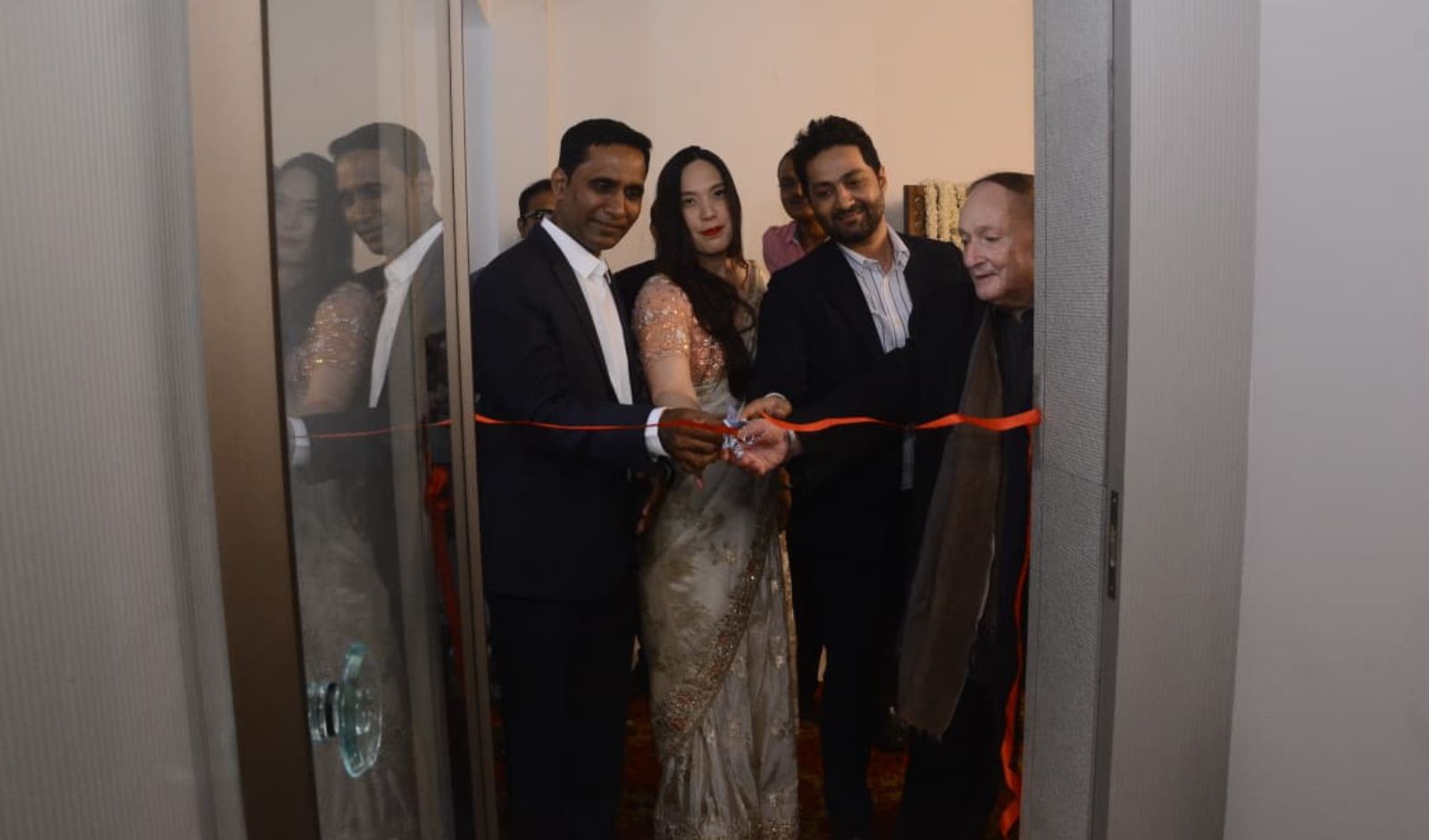
ICA | GemLab India has inaugurated a new gemological laboratory in Surat, Gujarat, marking its entry into the Indian market. The facility will provide testing and reporting services for diamonds, coloured gemstones and jewellery, targeting manufacturers, retailers, jewellery brands, designers and consumers.
The inauguration marks a step in the organisation's global expansion and brings its gemological testing services to Surat, a major centre for diamond processing and the gems and jewellery trade in India.
The laboratory will offer services to determine whether diamonds are natural or synthetic. According to the organisation, the facility will follow the reporting standards and professional practices adopted across the ICA | GemLab group.
The new laboratory is expected to bring testing and reporting services closer to businesses across the jewellery supply chain. Gemological reports can help industry participants access information about gemstones and make informed decisions related to sourcing, manufacturing and retail.
The facility will serve manufacturers and traders in Surat, along with jewellery retailers and brands seeking gemstone identification and reporting services.
Commenting on the inauguration, Amira Hatta, Managing Director of ICA | GemLab Global, said, “India is one of the most important markets in the global gems and jewellery industry. Establishing a laboratory in Surat allows us to serve this market directly and bring our analytical capabilities closer to businesses across the jewellery supply chain.”
The laboratory's services will cover diamonds, coloured gemstones and jewellery, with testing procedures aligned with the organisation's established practices.
Surat is a major global centre for diamond processing, with an established network of manufacturers, traders and other businesses operating across the diamond value chain. The city's position in the industry makes it a strategic location for gemological testing services.
ICA | GemLab India said, “Surat is the world’s largest centre for diamond policing, making it an important location for our laboratory. We aim to provide manufacturers, retailers, jewellery brands, designers and consumers with reliable gemological information through established testing methods and reporting standards, helping them make informed decisions.”
The inauguration was attended by Milan Shah, Co-founder of Kalamandir Jewellers, as the chief guest. Amira Hatta, Managing Director of ICA | GemLab Global, and Dr. Dietmar Schwarz, Chief Research Scientist at ICA | GemLab Global, were guests of honour.
With the new facility, ICA | GemLab aims to establish a direct presence in India's gems and jewellery market and improve access to gemological testing and reporting for businesses across the sector.

JK Maxx Paints has entered the sustainable paints segment with the introduction of JK Naturals, a new paints brand, and JK Naturals Aura, its first product. The company, a subsidiary of JK Cement Ltd., is positioning the range in India's decorative paints market, combining recycled and bio-based materials with interior paint technology.
Introduced as a nature-focused paint, JK Naturals Aura Luxury Interior Emulsion contains more than 40 percent eco-friendly content, including over 10 percent bio-based emulsion. According to the company, the product also incorporates air-purification technology designed to reduce formaldehyde in indoor environments and help improve indoor air quality.
The launch adds to JK Maxx Paints' portfolio as paint manufacturers explore sustainability-led formulations and materials for the home improvement and interior decoration market.
JK Maxx Paints has developed JK Naturals Aura in collaboration with Shark Solutions, a Denmark-based cleantech company specialising in recycling. The product incorporates recycled polyvinyl butyral (PVB) recovered from end-of-life laminated glass.
The use of recycled PVB converts post-consumer waste into a raw material for paint manufacturing, supporting the reuse of materials within the production cycle. The company has also incorporated recycled packaging as part of the product's sustainability approach.
The luxury interior emulsion is available in more than 2,000 shades and features a sheen finish and smooth texture. Its combination of recycled and bio-based inputs is intended to address consumer interest in home improvement products with a focus on environmental considerations.
The company plans to introduce JK Naturals Aura in phases, beginning in North India between late October and mid-November 2026. A nationwide rollout is planned subsequently.
Commenting on the launch, Nitish Chopra, Business Head, White Cement and Paints, JK Maxx Paints, said, “At JK Maxx Paints, we have always focused on developing solutions that respond to the evolving needs of consumers. With JK Naturals, we are taking this commitment forward by bringing sustainability into the home beautification category. Our first product, JK Naturals Aura brings together innovative materials, air-purification technology and a premium finish, offering consumers a thoughtful choice for their homes. Our collaboration with Shark Solutions further reflects our endeavour to explore innovative materials and create products that balance performance with environmental responsibility.”
Alongside the product introduction, JK Maxx Paints is rolling out a 'Pledge a Tree' initiative through a QR code printed on the packaging. Consumers can scan the code and take an online pledge, following which the company will plant a tree for each pledge taken online.
According to the company, the initiative is intended to encourage consumer participation in tree plantation and environmental conservation. The launch will also be supported by a digital film outlining the brand's approach to sustainable home beautification.
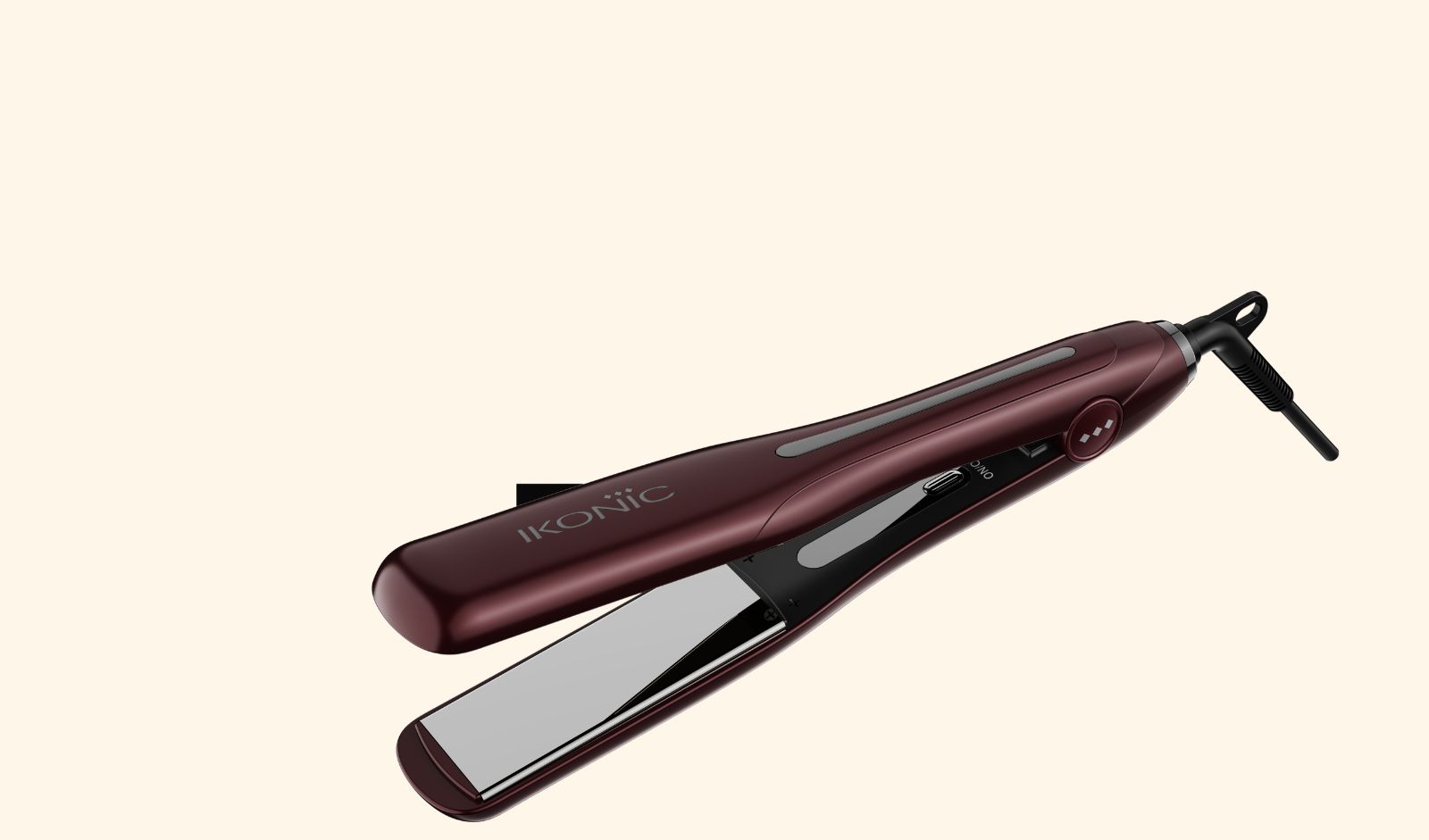
Ikonic Professional has expanded its Scarlett Limited Edition collection with two hair styling appliances designed for different styling requirements. The new additions, the Pro Titanium Shine 3.0 Hair Straightener and Hot Wand 2.0, feature titanium surfaces and adjustable temperature settings for straightening hair and creating curls.
The products are available at different price points, with the Pro Titanium Shine 3.0 Hair Straightener priced at Rs 9,000 and the Hot Wand 2.0 priced at Rs 5,050.
The Pro Titanium Shine 3.0 Hair Straightener comes with 1.5-inch-wide floating titanium plates designed to maintain contact with the hair during straightening. The titanium surface supports heat distribution and is intended to help achieve a smooth finish.
The straightener also features beveled edges that allow users to create different styles, including loose curls. Its digital temperature control ranges from 150°C to 230°C, enabling users to adjust the heat according to their styling requirements.
Priced at Rs 9,000, the straightener is part of the Scarlett Limited Edition range.
The Hot Wand 2.0 is designed for creating tight, defined curls. It features a 10 mm titanium barrel that heats up in less than a minute and is intended to provide consistent heat during styling.
The curler offers adjustable temperature settings between 110°C and 210°C, allowing users to select the heat level according to their styling needs. It also includes a protective cool tip to help users hold the wand during use and an integrated safety stand for placing the appliance down while styling.
The Hot Wand 2.0 is priced at Rs 5,050 and carries the Scarlett finish featured across the limited-edition range.
Commenting on the additions, Rayed Merchant, Director, SSIZ International Pvt Ltd, said, “At Ikonic Professional, we focus on creating styling tools that combine professional functionality with practical design. These additions bring two distinct styling formats to the Scarlett Limited Edition, giving users the flexibility to create sleek styles, loose curls and tighter, defined curls based on the look they want.”
With these additions, Ikonic Professional is expanding its hair styling portfolio with tools designed for straightening and curling. The two products combine adjustable heat settings and titanium components with different barrel and plate formats to address varied styling preferences.
The expansion also adds to the brand's limited-edition offering, with both appliances featuring the Scarlett colour finish.
Myntra Designs Private Limited, which operates the Myntra fashion and lifestyle platform and is part of the Flipkart Group, reported revenue from operations of Rs 5,242.5 crore in FY26, according to its financial statements filed with the Registrar of Companies (RoC). Excluding logistics and shipping services, Myntra's revenue from operations increased 12 percent to Rs 4,123.3 crore from Rs 3,673.3 crore in FY25. The growth was supported by higher revenue from advertising and marketplace services.
Revenue from advertising services rose 35.2 percent to Rs 1,236.4 crore from Rs 914.5 crore. Revenue from marketplace and collection services increased 3 percent to Rs 2,657.3 crore from Rs 2,580.2 crore, while other operating revenue grew 28.6 percent to Rs 229.6 crore.
Revenue from logistics and shipping services declined to Rs 1,119.2 crore from Rs 2,390.5 crore in FY25. This reduction contributed to the fall in total revenue from operations compared with Rs 6,063.8 crore in the previous financial year. Myntra's total expenses increased 0.6 percent to Rs 5,757.7 crore from Rs 5,726 crore in FY25. Direct expenses, including logistics charges, fell 14 percent to Rs 1,841 crore. Other expenses, which include advertising and business promotion, rose 12.8 percent to Rs 3,059.8 crore, while employee benefit expenses increased 3.7 percent to Rs 776.9 crore.
The company reported a loss before tax of Rs 441.9 crore in FY26, compared with a profit before tax of Rs 411 crore in FY25. The previous year's profit included a deferred tax credit. The Myntra financial statements are standalone figures. The company is also included in the consolidated financial statements of its holding company, Flipkart Internet Private Limited.
Flipkart Group comprises Flipkart, Myntra and Cleartrip, along with platform services, logistics and other specialised businesses. In a statement, the group said FY26 was the first financial year in which consolidated group figures were reflected in Flipkart Internet Private Limited following its redomiciliation to India.
The group said its businesses operate through multiple legal entities and share technology infrastructure, loyalty programmes and supply chain capabilities. It advised stakeholders to refer to the consolidated financial statements of Flipkart Internet Private Limited when assessing the group's overall performance.
On a consolidated basis, Flipkart Group's revenue grew 18 percent in FY26. Its revenue from operations reached Rs 1,45,880 crore, compared with a restated Rs 1,23,451 crore in FY25. The group's consolidated loss for the year stood at Rs 8,468 crore, against a restated loss of Rs 8,646 crore in the previous financial year.
Myntra said customer growth has reached about 30 percent so far in FY27, which began in April 2026. The company also said it is on track to reach 100 million monthly active users during the ongoing festive season. Its flagship Big Fashion Festival (BFF), which began on October 8, recorded a fourfold increase in demand over business-as-usual (BAU) levels during its first 24 hours, according to the company.
Customers from Tier ll and Tier lll cities accounted for more than half of the orders placed on the first day. Jaipur, Lucknow, Patna, Indore, Ludhiana, Surat, Dehradun, Bhubaneswar and Mysuru were among the cities reporting high demand. Ahead of Durga Puja, Myntra reported demand from eastern India at seven times its business-as-usual level, led by West Bengal, Assam and Bihar. New customers from these regions increased 1.8 times over BAU levels, the company said.
Ethnic wear, casual wear, beauty essentials and sportswear were among the categories driving demand during the period. Flipkart Group clarified that the FY26 financial results provide a historical view of the business and should not be treated as a current trading update.
Reliance Retail, the retail arm of Reliance Industries Limited, has appointed Amit Chitnis as Chief Merchandising Officer, strengthening its leadership team as it focuses on its grocery business and category management strategy. In his new role, Chitnis will lead the category and commercial teams, with responsibility for developing a customer-focused proposition for grocery shoppers across India.
He will also oversee profit and loss (P&L) performance across Reliance Retail's channels and formats nationwide. Chitnis will draw on his experience in category management, commercial strategy and retail operations to shape the company's grocery offering and commercial priorities.
He joins Reliance Retail from Navigare Ventures, where he served as Founder. In that role, he advised businesses across the retail, consumer and technology sectors on strategy, business transformation and growth. Before joining Navigare Ventures, Chitnis was Chief Commercial Officer at Ocado Retail and UK Grocery Director at Tesco.
During his tenure at Tesco, he held several leadership positions, including Director of Trading at Booker Wholesale, Category Head for Cooking Ingredients and Global Grocery, Retail Operations Head for West London Convenience Stores, and Head of Group Strategy. Earlier in his career, Chitnis worked as a management consultant in the retail and consumer products practice at Bain and Company. He also held commercial and sales positions at Tata Communications and Tata Motors, both part of the Tata Group.
His appointment brings experience across grocery retail, wholesale, category management, and commercial operations to Reliance Retail. His responsibilities will include aligning category and commercial decisions with customer requirements and business performance across the company's nationwide retail network.
PepsiCo India expects its foods business to record festive-season growth in line with last year, supported by new product launches, an expanded snack portfolio and increased availability of ready-to-eat products on e-commerce platforms. Saakshi Verma Menon, Chief Marketing Officer, Foods, at PepsiCo India, said the company is expanding its range across snacks, better-for-you products and premium offerings to meet changing consumer preferences during the festive season.
"We expect PepsiCo Foods to deliver a growth trajectory similar to last year during the festive season, growing in line with the industry," she said.
The company has recently strengthened its ready-to-eat product range on e-commerce platforms to make its snacks more accessible to consumers during the festive period. Its product development strategy focuses on Indian taste preferences and different eating occasions, with research and development teams working on new offerings. PepsiCo's food portfolio in India includes Lay's, Kurkure, Uncle Chipps, Quaker, Cheetos and Doritos.
"Together with our much-loved core brands, these offerings allow us to cater to a wider spectrum of tastes and occasions, while continuing to bring smiles with festive snacking," Menon said.
Meanwhile, SLMG Beverages, one of India's major Coca-Cola bottlers, has reported high double-digit sales growth during the ongoing festive season. The company's sales have picked up since Navratri, with demand for Diwali gift packs and other festive packages contributing to the increase.
"We have already seen a spurt in our sales," said Paritosh Ladhani, Joint Managing Director of SLMG Beverages. He added that the company had received substantial orders for its Diwali gift packs and other festive packages.
Ladhani expects demand to remain firm through the festive period. November and December are important months for the beverage business as consumers celebrate Diwali, Christmas and New Year. However, rising input costs remain a concern for the fast-moving consumer goods (FMCG) sector. SLMG Beverages is facing higher costs for sugar and packaging materials and is taking a wait-and-watch approach before making further pricing decisions. The company is focusing on consumer affordability while seeking to offset cost pressures through higher sales volumes.
FMCG manufacturers have also faced increased costs for crude-linked derivatives, packaging materials, palm oil and sugar. Companies have absorbed some of these increases to limit the impact on consumer demand during the festive season, putting pressure on profit margins.
With input costs remaining elevated, FMCG companies may consider measured price increases after Diwali. Any pricing changes will need to balance margin recovery with the risk of affecting sales volumes. PepsiCo India's festive outlook reflects its focus on product innovation, online availability, and consumer preferences as it seeks to maintain growth in the competitive Indian snacks market.
Uniqlo India reported a 44 percent year-on-year increase in revenue to Rs 1,724 crore for the financial year ended March 2026, while net profit rose 41 percent to Rs 253 crore, according to filings with the Registrar of Companies (RoC). The Japanese apparel retailer, which entered the Indian market seven years ago, has more than quadrupled its revenue since FY22. The company currently operates more than 20 stores in India and plans to expand its retail network across the country.
In its regulatory filing, Uniqlo India highlighted the country's long-term growth potential and outlined plans to open additional stores in existing markets as well as locations where it has yet to establish a presence. The company also plans to strengthen customer engagement through its mobile application and e-commerce operations.
Uniqlo's FY26 performance comes amid mixed results among established apparel retailers in India. Zara, which operates in the country through a joint venture between Spain's Inditex and Tata Group's Trent, reported a 1.2 percent decline in revenue to Rs 2,749 crore. Meanwhile, Shoppers Stop recorded 9 percent revenue growth to Rs 5,043 crore, while Aditya Birla Fashion and Retail reported an 11 percent increase to Rs 8,177 crore.
Uniqlo India's growth also reflects its parent company, Fast Retailing's, broader expansion priorities. In its global annual report, the group said Southeast Asia, India and Australia had recorded double-digit revenue growth for four consecutive years since FY22, identifying these markets as important areas for further expansion.
Fast Retailing aims to achieve annual sales of ¥100 billion, equivalent to around US$633 million, in each of these markets. To support this target, the group plans to strengthen local management teams and adapt its product assortment, marketing, store formats and e-commerce operations to suit tropical climates and regional consumer needs.
The company's latest results underline India's growing importance to Uniqlo's international business. Its planned store expansion and investment in digital channels are expected to remain central to its efforts to increase its presence in the Indian apparel market.
Limelight Lab Grown Diamonds has crossed the 100-store mark in India, with outlets across 45 cities, and plans to expand its retail network to 200 stores by 2027. The expansion comes as the company looks to strengthen its presence in the lab-grown diamond jewellery market and enter new domestic and international markets.
Headquartered in Mumbai, Limelight operates across metropolitan cities as well as Tier ll and Tier lll markets. Its retail network comprises exclusive brand outlets offering lab-grown diamond jewellery across categories, including solitaires, everyday fine jewellery and statement pieces.
Pooja Madhavan, founder and managing director of Limelight Lab Grown Diamonds, said the company would explore international markets as part of its next phase of growth. Karamjyot Chawla, director of retail expansion, said the focus would remain on entering new markets while increasing the brand’s presence across India.
The company’s expansion plans are supported by consumer interest in lab-grown diamond jewellery, alongside its focus on retail distribution, product design and consumer education. Limelight is also evaluating opportunities to establish an international presence as it looks to expand its business beyond the Indian market.
The target of 200 outlets by 2027 marks a significant planned increase in the company’s physical retail network. Its expansion across metropolitan areas and smaller cities reflects its approach to reaching consumers across different markets in India. As competition develops in the lab-grown diamond jewellery segment, Limelight’s next phase of growth will involve expanding its store network, entering new markets and exploring opportunities outside India.

Krishival Foods Ltd has appointed Vivek Kumar Jain as its Chief Business Officer (CBO), effective October 23, 2026. The appointment comes as the company looks to strengthen its presence in the consumer foods market, particularly in the healthy snacks and ice cream categories.
Jain brings over 25 years of experience in the consumer goods industry, including 18 years at Nestlé and seven years at Tata Consumer Products. His experience spans sales, business management, brand development, and distribution across domestic and international markets.
During his tenure at Tata Consumer Products, Jain worked on expanding modern trade, e-commerce, and export operations. At Nestlé, he held sales and business leadership positions in India and Thailand, gaining experience across different markets and consumer categories.
In his new role, Jain will be responsible for business strategy and growth initiatives, with a focus on profitability, portfolio expansion, category management and distribution. His responsibilities will also cover general trade, modern trade, e-commerce, quick commerce and exports.
Krishival Foods operates in the healthy snacks and ice cream segments. The company is working to expand its product portfolio, distribution network, manufacturing capabilities, and cold-chain infrastructure to support its business operations.
Jain holds a Bachelor of Commerce degree from the University of Rajasthan, Jaipur, and a Post Graduate Diploma in Business Administration in Human Resources and Finance from AMS, Dehradun. He has also completed programmes in product management, digital marketing and analytics, along with a general management certification from SDA Bocconi.
The appointment brings an experienced consumer goods executive into Krishival Foods’ leadership as the company focuses on expanding its distribution reach and developing its presence across consumer food categories.
-
Marico's Foods portfolio grew 45 percent and crossed an annualised revenue run rate of Rs 1,500 crore in Q2 FY27. The company expects to cross Rs 15,000 crore in revenue during FY27.
-
India remained a key contributor to Coca-Cola's global volume growth during the third quarter of 2026. The beverage company also reiterated that it is exploring a potential IPO of its Indian bottling operations, HCCH.
-
Tilaknagar Industries crossed Rs 1,000 crore in net revenue for the second consecutive quarter, supported by growth in secondary sales. Imperial Blue strengthened its market position, recording gains across 17 states.
-
Eveready's alkaline battery business recorded 36.5 percent value growth and 30 percent volume growth in Q2 FY27. Meanwhile, its e-commerce and quick commerce channels reported more than 50 percent year-on-year growth.






Copyright © 2009 - 2026 Franchiseindia.com Ltd