




 412
/ 8 MIN READ
412
/ 8 MIN READ
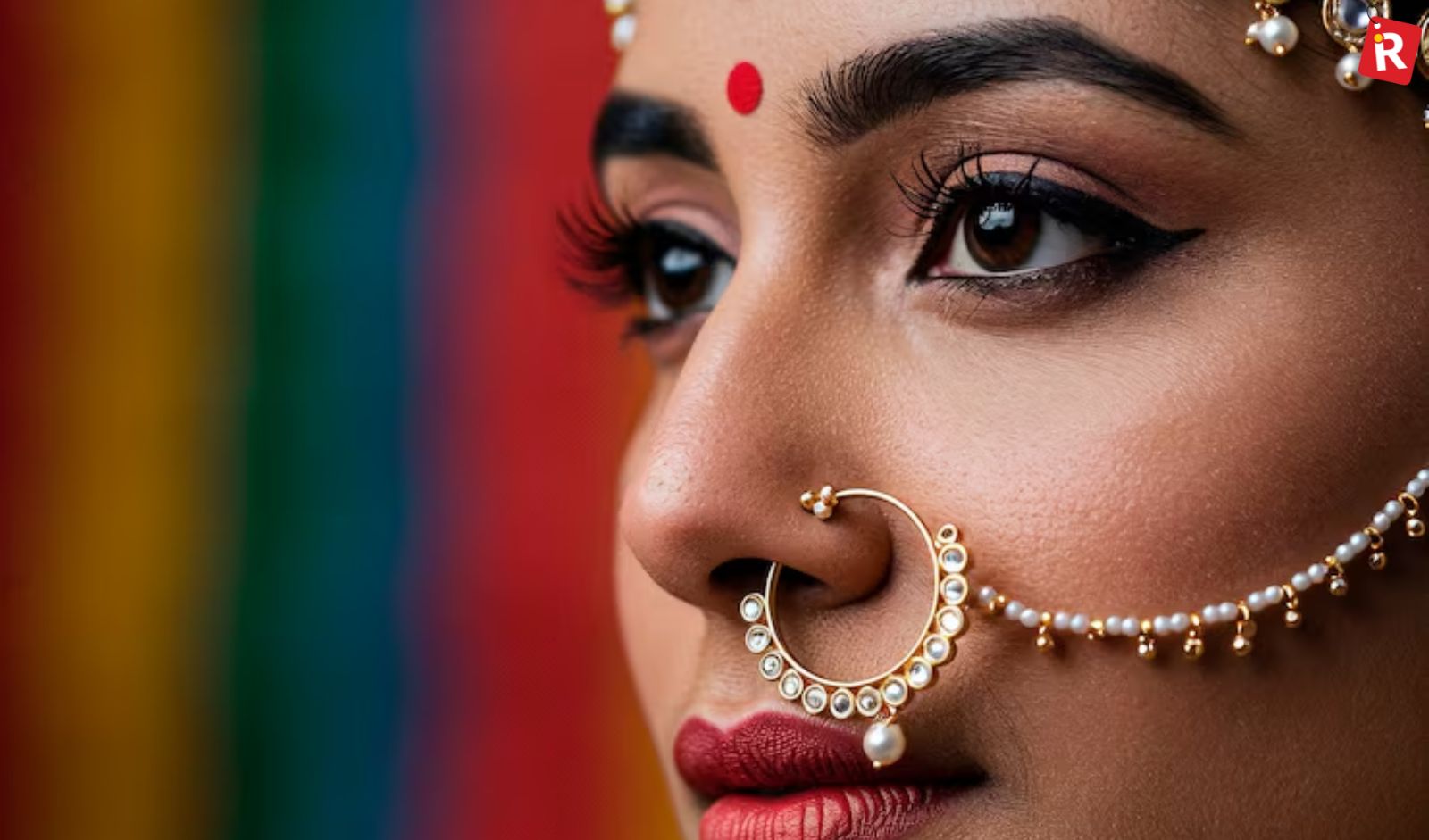
Indian weddings have always been the emotional ecosystems built on memory, tradition and family love, with jewellery at the centre of it all. A mangalsutra, a bridal necklace, a pair of heirloom bangles aren't simply worn, they are inherited, negotiated and remembered for generations. For decades, the process of buying them has followed a family rhythm where families would gather at their trusted jeweller to select and refine important heirloom pieces. Wedding jewellery has never been merely an accessory; it has always held intimate, tactile, and deeply personal significance.
Today, the digital age is quietly but decisively reshaping the deeply traditional jewellery purchase. Technology has shifted jewellery shopping from closed counters to open screens where the bride and groom can make an informed decision and have an immersive experience. It is transforming jewellery shopping from an overwhelming obligation into a more informed, personalised, and empowering experience, without stripping it of its emotional core.
Discovery Has Moved from Showrooms to Screens
Earlier, design inspiration was influenced by family vaults, neighbourhood jewellers, or word-of-mouth recommendations. Today, Instagram Reels, Pinterest boards, influencers, celebrity weddings and jewellery trends blend heritage with modern styling. A single reel featuring a kundan choker or a reimagined polki set can influence thousands of brides overnight. This shift has helped brides to understand and combine global aesthetics, compare styles and visualise a better transformation without stepping out of their comfort zone.
The Social Media communities have also amplified awareness around values such as sourcing, sustainability, and longevity. Buyers today want to understand where materials come from, how they are crafted, and whether their purchases align with their personal ethics.
Immersive Visualisation
Immersive jewellery visualisation has emerged as one of the most meaningful shifts in the jewellery market. AR-enabled interfaces allow users to see which necklace looks best against their neckline, which earrings frame their face, dynamically adjusting for skin tone, outfit, and scale in real time. What may appear as a technological enhancement is, in practice, an emotional reassurance layer. For high-consideration purchases such as bridal jewellery, confidence matters far more than speed. In situations like a pandemic, where physical access is restricted, immersive visualisation acts as a bridge. It enables consumers to explore thoughtfully, return to shortlisted designs, and build certainty before committing. This technology is gaining momentum in categories like lab-grown diamonds, where buyers seek clarity not only on design, but also on ethics, sourcing, and long-term value.
From Buyers to Co-Creators
Customisation has moved from the backroom to the browser. Digital design tools now allow consumers to actively participate in the creation process, adjusting motifs, metals, gemstones, and proportions through intuitive 3D interfaces. What once required multiple in-person consultations can now unfold collaboratively and with greater transparency.
This shift recalibrates the power dynamic; jewellers are no longer the sole custodians of design; they are partners in creation. Buyers are more intentional, more involved, and more emotionally invested. Many go on to share their design journeys with friends and family, transforming jewellery into a narrative rather than a transaction. This sense of authorship is redefining loyalty within the category.
Transparency Is Becoming the New Trust Currency
Perhaps the most profound change has been the rise of transparency. Historically, jewellery pricing in India operated within layers of ambiguity. Digital platforms are now introducing clarity through real-time pricing calculators, open access to certification, and traceability tools.
Blockchain-backed verification, QR-enabled certificates, and detailed cost breakdowns are enabling consumers to understand precisely what they are paying for. This resonates deeply with today’s buyers, who value principles as much as price. For lab-grown diamonds in particular, transparency has been a key catalyst, allowing consumers to confidently choose sustainable alternatives without compromising on brilliance, sentiment, or occasion-worthiness.
Digital mechanisms are not replacing tradition; they are safeguarding it, ensuring that heirlooms passed down carry stories of responsibility alongside beauty.
The Road Ahead
This digital evolution is not without its challenges. Concerns around data security, uneven digital access, and the risk of marginalising traditional karigars remain real. Technology must be inclusive rather than extractive. The future of jewellery retail lies in platforms that elevate artisan skill instead of sidelining it.
What we are witnessing is not a departure from heritage, but its expansion. Technology is giving Indian wedding jewellery a contemporary language—one that speaks of craftsmanship, sustainability, and informed choice. Brides today are not merely selecting pieces for a ceremony; they are curating legacies that reflect who they are and what they stand for.
Ultimately, the most significant transformation is not digital, but emotional. The modern bride is no longer navigating this journey with uncertainty, but with agency. And that, more than any innovation, marks the real evolution of Indian wedding jewellery.
Authored by: