




 217
/ 7 MIN READ
217
/ 7 MIN READ
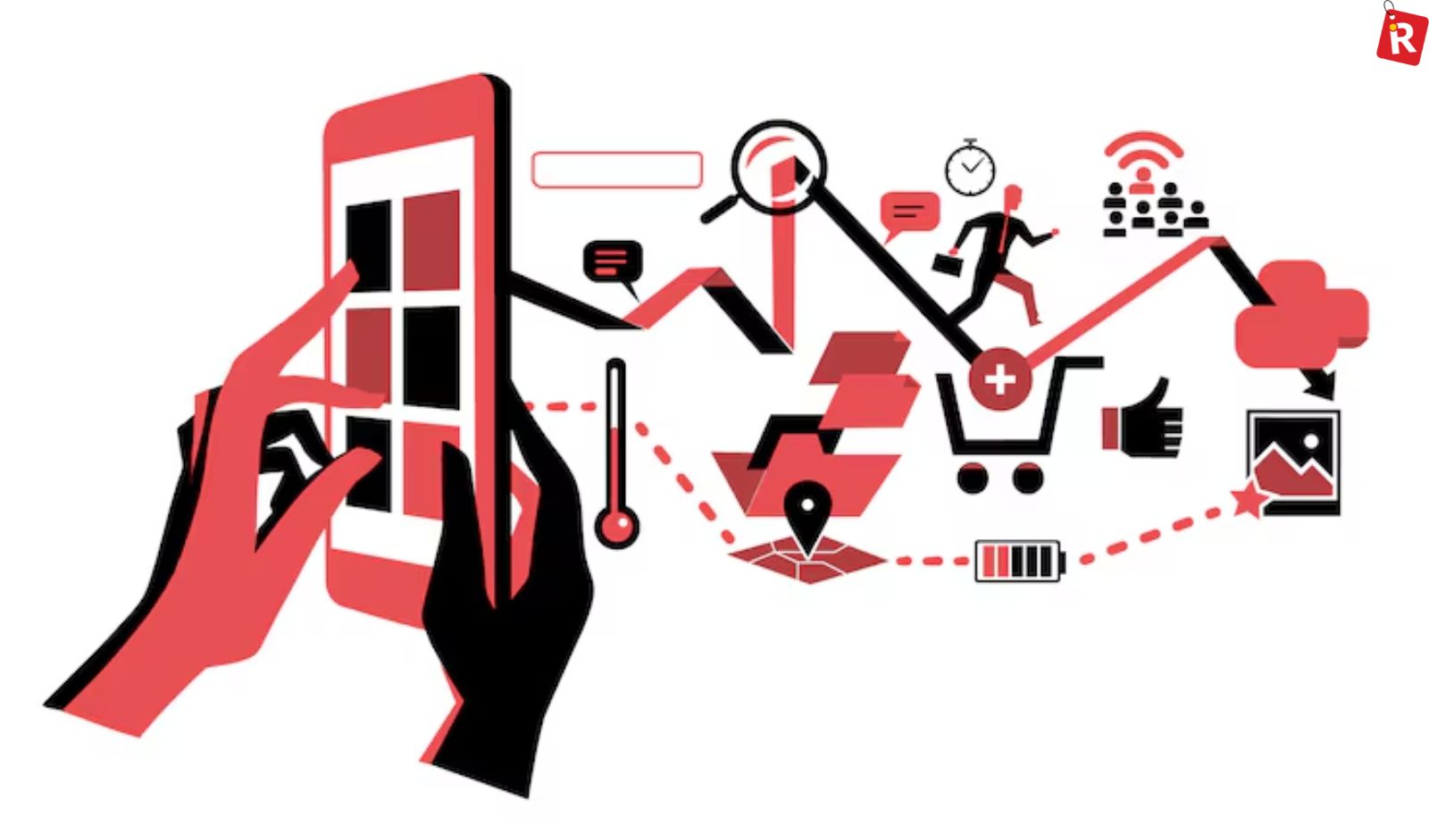
As we move towards 2026, consumer behaviour is being reshaped by economic shifts, rapid digital adoption and changing lifestyle patterns. Retail and e-commerce are no longer driven solely by product, price, or availability; they are increasingly influenced by relevance, experience, brand storytelling, brand beliefs, community presence, and functional purpose, as consumers become more selective about how they spend their time and money—favouring brands that align with their needs, convenience expectations, and long-term value. From experience-led retail formats to data-driven personalisation, these shifts indicate a structural change in consumption patterns. Based on current market dynamics, the following trends will define the future of consumption.
Time has emerged as the most important currency
Consumers today are far more discerning about how and where they spend their time. A basic retail transaction is no longer sufficient to capture attention or build loyalty. Shoppers now evaluate whether an interaction delivers clear value—through seamless convenience, relevant personalisation, or engaging, experience-led touchpoints. From intuitive digital interfaces to thoughtful in-store moments, every step of the customer journey is being assessed for effort versus reward. With attention spans growing shorter and choices expanding rapidly, brands that fail to optimise these journeys risk being overlooked altogether. In this competitive landscape, meaningful experiences are no longer optional; they are essential for relevance.
Gen Z is driving a new consumer economy
This generation not only commands its own growing spending power but also strongly influences household buying decisions and workplace preferences. Unlike earlier generations that gravitated towards legacy brands trusted by their parents, Gen Z makes independent, highly informed choices. They actively seek out brands that align with their values, prioritising authenticity, social relevance, inclusivity, and sustainability over long-standing brand heritage.
Digital-first engagement plays a central role in how consumers, evaluates, and interacts with products. Social platforms, peer-led recommendations, and real-time feedback shape their purchasing behaviour far more than traditional advertising. Their expectations extend beyond products to experiences.
Access is becoming more important than ownership
Limited-edition drops, exclusive collaborations and time-bound launches have transformed buying into a race against time, driven by a strong fear of missing out. Consumers are no longer satisfied with readily available products; they want access to something scarce, culturally relevant and socially visible. It is not uncommon to see shoppers returning repeatedly to stores, tracking launch dates or lining up for capsule collections and special releases. This shift is compelling brands to rethink traditional inventory models and predictable sales cycles. Instead, immediacy, controlled availability and curated access are becoming central to how retail experiences are designed and delivered.
Experience will consistently trump products
Product functionality alone is no longer sufficient to build lasting consumer loyalty. Modern shoppers are drawn to brands that extend beyond the offering itself to deliver engaging and memorable experiences. They look for emotional connection across every interaction, placing equal importance on how a brand makes them feel as on what it provides. These emotionally driven moments throughout the discovery and buying journey play a decisive role in shaping brand preference and encouraging repeat engagement. Consequently, experience-driven approaches have become essential for fostering long-term loyalty in an increasingly competitive market.
Micro-communities are redefining retail spaces
Instead of catering to everyone, consumers—especially younger audiences are targeting smaller, interest-led groups built around shared lifestyles, passions or values. These communities seek “third spaces,” meaning places beyond home and work where they can spend time, interact and feel a sense of belonging. In practical terms, this means retail spaces are no longer just about selling products; they are becoming venues for events, workshops, collaborations and social interaction. Retail destinations that function as cultural hubs rather than mere shopping centres are more likely to build sustained relevance.
Alongside this, personalisation powered by people and AI has become essential. Consumers now expect brands to understand their preferences, past behaviour and intent, and respond with relevance at every interaction. AI enables this at scale through recommendations, insights and efficiency while human involvement ensures authenticity, judgement and trust. The real shift lies in combining technology with human understanding to create experiences that feel intuitive rather than intrusive.
As we approach 2026, these changes signal a clear direction for retail. Success will come to brands that respect consumer time, adapt to evolving expectations and deliver experiences that go beyond transactions. Retail is no longer just a point of sale, it is a space for connection, participation and long-term engagement.
Authored By:

Sankalp Kathuria, Co-Founder and CEO, Broadway