




 594
/ 6 MIN READ


If you're a business owner, manager, or entrepreneur, you’ve probably heard the buzz around Google’s Gemini AI. But how much do you really know about its impact on businesses? From skyrocketing user numbers to jaw-dropping productivity gains, Gemini is reshaping the way we work, collaborate, and make decisions.
Here are 10 fascinating stats that prove why Gemini AI is more than just another tech trend—it’s a game-changer for businesses everywhere.
1. Over 42 Million Active Users and Counting!
Since its launch, Gemini has gained an impressive 42 million active users, with businesses making up a significant chunk of this number. Whether it's streamlining operations or improving customer engagement, companies are embracing AI at an unprecedented pace. Experts predict that by the end of 2025, this number could surpass 60 million, highlighting the rapid adoption rate.
2. 17 Million App Downloads in a Single Month
Gemini’s popularity skyrocketed in August 2024, with a record 17 million downloads in one month alone. Businesses are eager to explore AI-powered solutions that can give them an edge in today’s competitive market. Analysts forecast a steady growth in downloads, with monthly figures expected to rise by 20% year-over-year.
3. 433 Million Website Visits in March 2024
With 433 million visits in just one month, Gemini’s online presence is soaring. From small startups to Fortune 500 companies, everyone is tapping into its capabilities to supercharge their productivity. With a growing interest in AI-powered automation, these numbers are likely to double within the next two years.
4. The 25-34 Age Group Dominates Usage
Businesses targeting the 25-34 age demographic, take note! This age group represents 33.38% of Gemini’s total user base, making it a prime audience for tech-driven solutions. Additionally, the 18-24 age group is showing increasing interest, signaling future expansion opportunities.
5. 57.40% of Users Prefer Mobile Access
The mobile revolution is here to stay, with 57.40% of users accessing Gemini AI via their smartphones. This stat highlights the need for businesses to adopt mobile-friendly AI tools for on-the-go productivity. With the rise of remote work, mobile adoption rates are projected to hit 70% by next year.
6. 1.5 Million Developers are on Board
Developers are flocking to Gemini, with 1.5 million professionals leveraging the AI to build custom business solutions, chatbots, and automation tools tailored for various industries. Google aims to increase developer support, potentially reaching 2 million developers by the end of 2025.
7. Google & Microsoft Invested $99 Billion in AI Infrastructure
Big tech is betting big on AI. In the past year alone, Google and Microsoft have poured a staggering $99 billion into AI infrastructure, ensuring that solutions like Gemini remain at the cutting edge. This investment is expected to grow, fueling even more advancements in the AI space.
8. Workspace Pricing Increased by 17%
To accommodate Gemini’s AI features, Google raised the price of its Workspace plans by 17%, from $12 to $14 per user per month. Despite the price hike, businesses are willing to invest in AI-driven efficiency, with 85% of enterprises reporting a positive ROI within the first year of adoption.
9. Gemini Users Save 105 Minutes Per Week
One of the biggest selling points for businesses is time savings. Companies using Gemini report saving an average of 105 minutes per week, thanks to AI-driven automation in tasks like email drafting and data analysis. In a year, this adds up to over 90 hours of productivity gains per employee.
10. The Battle Against Microsoft Copilot
Despite impressive stats, internal reports suggest that Gemini is still trailing behind Microsoft’s Copilot in key business adoption metrics. However, Google's aggressive expansion plans indicate this gap may close soon. Experts believe Gemini could surpass Copilot in enterprise usage by 2026.
Why This Matters for Your Business
Whether you're a small business owner or running a large corporation, embracing AI like Gemini can:
-
Boost efficiency by automating routine tasks.
-
Improve customer experiences with smarter interactions.
-
Enhance data-driven decision-making with real-time insights.
-
Reduce operational costs by streamlining workflows.
The future of business is AI-powered, and Gemini is leading the charge. Are you ready to take advantage?
Stay ahead of the curve! Explore how Gemini AI can revolutionize your business today.



The Indian jewelry sector has always represented a symbol of tradition, emotion, and investment. In this ever-evolving market with opportunities worth USD 100 billion expected by 2027, there have been new ways in which the brands have been engaging with their customers. Senco Gold & Diamonds is one such brand that has kept evolving with the changing dynamics of the market but staying true to its roots.
Having started in the year 1938, Senco has evolved from being a mere regional jeweller to become a nationwide retailer with 190 showrooms. This evolution has not been merely one of growth but has involved an entire transformation to keep up with changing consumer preferences.
Moving Beyond Geography
The strategy of Senco has always been one of geographic expansion and category diversification. While the brand continues to maintain a strong presence in East and North India, it is actively entering newer markets to tap into rising demand.
“Growth is coming from a mix of market expansion and category diversification, especially through lightweight and affordable jewelry for younger consumers,” said Suvankar Sen, Managing Director and CEO, Senco Gold & Diamonds.
This shift is closely tied to the evolving aspirations of India’s consumers. In the last 20 years, the trend has shifted from wedding jewelry to day-to-day wear, driven by professionals and younger customers who require flexibility.
The Omnichannel Revolution
One major development in the transformation of Senco is that of transforming from a local retailer to an omnichannel company. This transformation has allowed the company to integrate digital discovery with physical retail experiences.
“The most significant strategic pivot has been becoming a pan-India omnichannel brand through a balanced company-owned and franchise-led expansion model,” noted Sen.
Digital platforms play a vital role in shaping buying decisions in today’s retail scene. More and more consumers are looking at designs online before they go to a store, so brands need to be able to offer a smooth online-to-offline journey.
Growth Model
Senco has 190 stores in its retail network, comprising 105 company-owned and 85 franchise stores, and franchise expansion is a key avenue for growth. This asset-light approach allows for faster scalability, with less capital intensity.
The model is also in line with the larger industry trend of working with local entrepreneurs to tap Tier II, III, and IV markets. Urbanisation and growing brand awareness are driving consumption in these regions.
“Franchise partnerships allow us to expand efficiently while maintaining strong brand standards and operational consistency,” Sen explained.
Changing Product Preferences
Jewelry is in the process of a major change in consumer preferences. In the last three years, Senco has definitely seen a move towards lightweight jewelry, everyday collections, and lower caratages such as 9K and 14K.
This evolution is reflective of changing lifestyles and spending patterns, especially among younger consumers who prioritise affordability and design versatility. Diamond jewelry also saw strong momentum with substantial increases in both volume and value. "At the same time, the average ticket size is still in the range of Rs 90,000 to Rs 100,000, which is a good mix of aspirational and investment-driven purchases," Sen highlighted.
Inventory Management and Innovations
Effective inventory management has now become an issue, particularly in a market that is affected by volatile prices of gold.
The company resolves this issue by conducting demand forecasting based on data and innovative designs.
With about 1.5 lakhs of new designs launched every year, the company maintains a good flow of innovations to cater to varied consumer preferences.
“Focus is on optimum inventory, sell-through, and design refresh to remain consumer-led,” Sen said.
This not only ensures effective operations but also builds consumer engagement.
Repeat Purchases and Loyalty
A major part of the Senco success story is the result of their loyal clientele, accumulated over decades of establishing trust. Repeat purchases make up nearly 50 percent of the company’s operations due to schemes that involve relationships, exchanges, and purchases for weddings.
The repeat purchases demonstrate the importance of trust in the jewelry industry because purchasing is as emotional as it is monetary.
Future Trends: Steady Expansion
In a maturing industry, Senco is opting for a strategic expansion strategy. The focus is shifting from aggressive growth to sustainable and profitable scaling.
“Retailers today are making sharper and more considered choices about expansion, which is building a more resilient long-term sector,” Sen observed.
The brand is also exploring new retail formats such as smaller stores, experience centres, and curated platforms to enhance accessibility and customer engagement.
The Way Ahead
The path to the future in jewelry retail will have to lie in the integration of the old and new. This entails technology integration, omnichannel excellence, innovation in product range, and yet retaining the human element in the process of jewelry purchase for Senco.
As Sen said, “Discovery may start digitally, but the experience of jewelry is physical.”
Senco Gold & Diamonds provides a case-in-point on how established brands can evolve and grow while continuing to stick to the fundamentals that made them successful in the first place.
Facts:
- Founded: 1938
- Headquarters: Kolkata
- Total Stores: 190
- Franchise Share: ~45% (85 out of 190 stores)
- Core Category: Gold & Diamond Jewelry
- Average Ticket Size: Rs 90,000 – Rs 1,00,000
- Primary Markets: East and North India
- Target Store Count (3 Years): 300+ (indicative)

India's jewelry market is moving into a new phase driven by increasing consumer awareness, organised retail, digital discovery, and demand for products that fit both traditional occasions and everyday use. For heritage jewellers, the opportunity lies in combining established trust with newer formats, wider reach and changing consumer expectations. PNG Jewellers is pursuing this balance as it expands beyond its traditional markets and strengthens its omnichannel retail approach.
“India’s jewellery market continues to have significant headroom for organised retail, driven by rising disposable incomes, increasing consumer awareness, formalisation and the shift towards branded, transparent purchasing,” said Dr Saurabh Gadgil, Chairman and Managing Director, PNG Jewellers.
Expanding Beyond Traditional Markets
Founded in 1832, PNG Jewellers has built its business over generations around craftsmanship and customer relationships. The company now operates 80 stores, including 79 in India and one in California, US.
Its recent expansion has taken the brand beyond Maharashtra and Goa into markets including Madhya Pradesh, Uttar Pradesh, Delhi-NCR and Bihar. The company has also introduced newer formats and sub-brands, including YOOU, as it looks to address changing consumer preferences.
“Over 194 years, the brand has evolved across generations while retaining these fundamentals. More recently, our transformation has included expanding beyond Maharashtra and Goa, launching newer formats and sub-brands such as YOOU, strengthening our digital and e-commerce presence, and completing our IPO,” Gadgil said.
A Mix of Stores and Digital Channels
PNG Jewellers is using a combination of company-operated stores, franchises and digital platforms to build its retail network. Exclusive stores remain central to the strategy, while franchise formats provide an avenue for entering selected markets.
Digital commerce is being used to extend the brand’s reach beyond its physical locations, particularly for lightweight and contemporary jewellery. The company is also integrating its digital and physical touchpoints through websites, social media, e-commerce, CRM and WhatsApp.
“Our consumer journey increasingly starts digitally but often culminates in a physical store, particularly because jewellery remains a touch-and-feel category,” Gadgil said.
The approach allows customers to discover designs online, compare products and make enquiries before visiting a showroom, while also supporting engagement after the purchase.
Connecting with New-Age Consumers
As jewellery buying becomes more diverse, PNG Jewellers is looking beyond traditional bridal demand to lightweight, everyday and self-purchase categories. The company sees this shift as an important part of the market’s future growth.
Celebrity associations are another element of its consumer engagement strategy. Partnerships with Madhuri Dixit, Ranbir Kapoor and Sara Tendulkar allow the brand to communicate with different age groups and consumer segments.
“At the same time, campaigns around collections and initiatives such as our Mangalsutra Mahotsav and Bangle Mahotsav allow us to translate cultural relevance into product-led engagement,” Gadgil said.
Building the Next Growth Phase
PNG Jewellers expects organised jewellery retail to gain further ground as consumers increasingly prioritise transparency, brand credibility and convenience. The company’s own growth plans focus on geographic expansion alongside investments in technology, contemporary collections and newer retail formats.
“Our focus for the next two years is to build PNG Jewellers into a stronger national jewellery player while retaining the trust associated with our legacy,” Gadgil said.
The company plans to deepen its presence in existing markets while pursuing opportunities across Central and North India. Its objective is to make the brand accessible to a broader consumer base without changing the standards associated with its long-standing heritage.
For PNG Jewellers, the next phase is less about choosing between tradition and modern retail and more about bringing the two together as India’s jewellery market becomes increasingly organised, connected and consumer-driven.
Facts:
- Brand: PNG Jewellers
- Founded: 1832
- Spokesperson: Dr Saurabh Gadgil, Chairman and MD
- Number of Physical Stores: 80 (79 in India, 1 in California)

KISNA Diamond and Gold Jewellery is part of the Hari Krishna Group, which was founded in 1992. Built on capabilities across diamond sourcing, cutting, polishing, and manufacturing, the group created a strong backend that later shaped Kisna’s retail journey.
Launched in 2005 with the philosophy “Har Ghar Kisna,” the brand set out to make certified diamond jewellery more accessible at a time when diamonds were largely limited to metros and special occasions.
Growing with Confidence and at Scale KISNA’s evolution has been a phased one through the years, from manufacturing strength to widespread distribution and now a focused retail presence. Today, the brand claims to have over 1,500 points of sale across 28 states and operates 150+ exclusive stores, with plans to reach 200 stores by Diwali 2026. This expansion reflects a broader shift in India’s jewellery market, where organised retail is steadily gaining ground over unorganised players.
“India’s jewellery retail market remains one of the most resilient consumption categories, driven by its cultural and emotional significance,” said Ghanshyam Dholakia, Founder and Managing Director, Hari Krishna Exports Pvt Ltd and KISNA Diamond and Gold Jewellery. “What is changing is the shift from occasion-led purchases to more frequent buying driven by gifting and self-consumption."
Changing Consumer Behaviour
The rise of everyday jewellery consumption is reshaping demand. Diamonds, in particular, are emerging as a growing segment, supported by increasing consumer preference for transparency and certification. KISNA claims to address this by offering 100 percent IGI-certified diamonds, BIS-hallmarked gold, and structured buyback and exchange policies.
“Diamond buyers today seek assurance in certification, pricing transparency, and resale value, which is pushing them towards organised brands,” Dholakia noted.
With a portfolio of 12,000+ diamond designs and 25,000+ gold designs across 18KT, 14KT, and 9KT, the brand is aligning its offerings with evolving consumer needs, especially in everyday wear and gifting.
A Multi-Format Retail Strategy
KISNA’s retail network operates through a mix of formats. Shop-ins have scale and local trust while exclusive stores offer an enhanced brand experience. Around 65 percent of these stores are franchise-led, with investments starting at Rs 8 crore, indicating strong partner confidence. Each store generates approximately 10 local jobs, contributing to regional retail ecosystems.
“Jewellery retail in India is inherently hyperlocal, and trust is built market by market,” stated Dholakia. “Multiple retail formats allow us to balance reach with consistency.”
Omnichannel and Operational Strength
The brand’s approach reflects the “phygital” nature of jewellery buying. While digital platforms support discovery, physical stores remain central for final purchase decisions. Backed by an integrated manufacturing system, KISNA claims to deliver 95 percent of major orders within 48 hours.
Looking Ahead
With organised retail expanding into smaller cities, KISNA is focusing on Tier II and Tier III markets while strengthening its product and distribution systems. “The next phase of growth will come from markets where branded jewellery is still new but demand is rising rapidly,” Dholakia added.
As the category evolves, Kisna’s journey highlights how manufacturing depth, distribution scale, and trust-driven retail can shape growth in India’s jewellery sector.
Facts:
- Year of Incorporation: 2005
- Physical Stores: 156
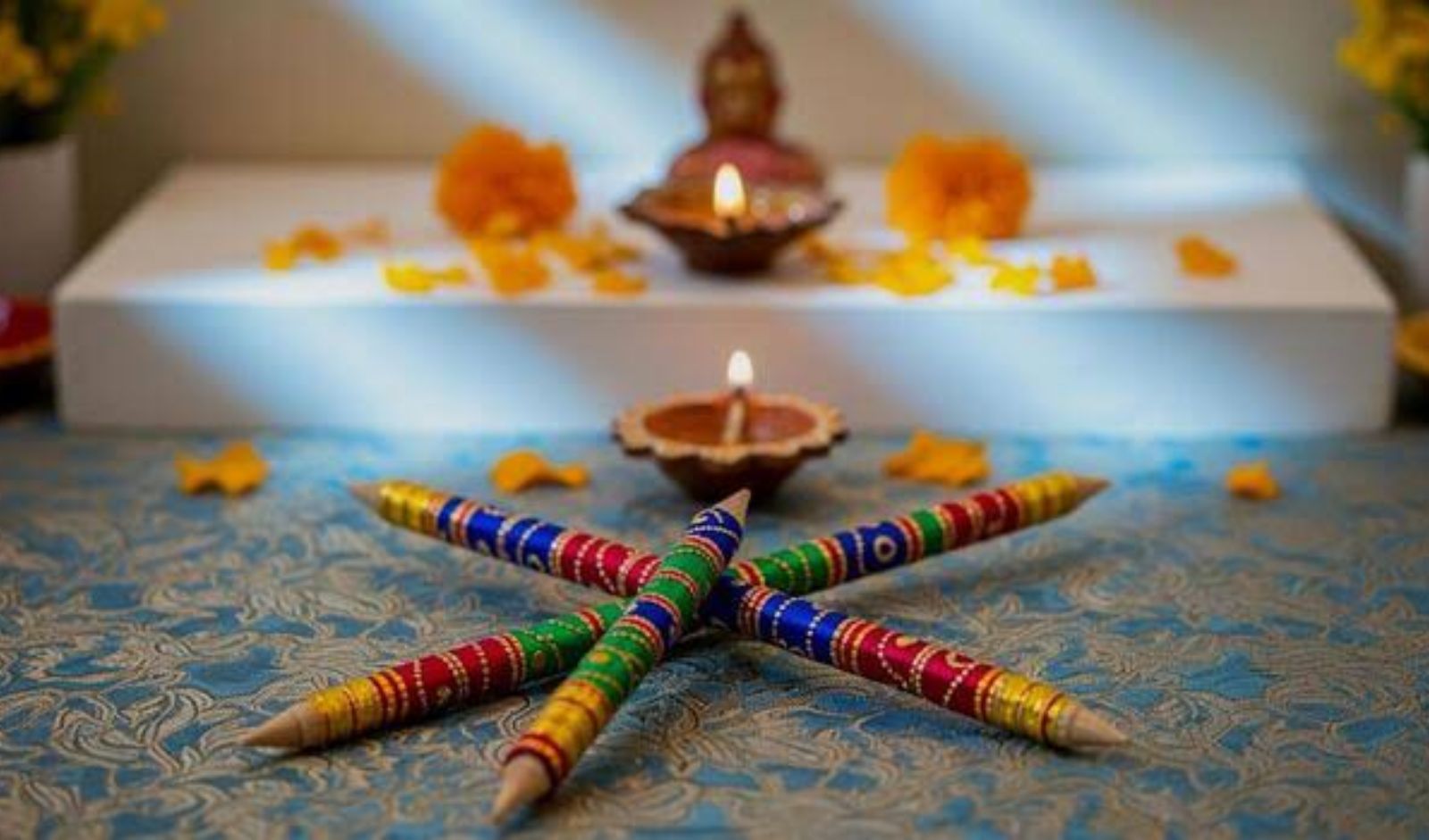
Diwali is an occasion for celebrating new beginnings, and refreshing the home is often an important part of the festivities. From decorating living spaces and preparing the dining area for family gatherings to adding thoughtful accents to bedrooms and entryways, home decor plays a key role in setting the festive mood. This also makes home furnishings and decorative accessories thoughtful gifting options for friends, family members, and loved ones.
For those looking beyond conventional festive gifts, furniture, statement fixtures, and functional decor pieces offer options that combine aesthetics with everyday utility. Whether it is a coffee table for the living room, a dining set for family gatherings, or a decorative console for the entrance, the right addition can bring a fresh perspective to familiar spaces.
Here are five home decor and furnishing gifts to consider this Diwali.
Best Home Decor Gifts to Buy This Diwali
1. GADOTT Regalia Crystalo Faucet: A Statement Addition to the Bathroom
For someone who appreciates distinctive interiors, the GADOTT Regalia Crystalo basin mixer offers a decorative addition to the bathroom. Its crystal-inspired silhouette and sculpted detailing bring an artistic element to the vanity, while the distinctive handles add to its visual appeal. Unlike conventional home accessories, a statement bathroom fixture can influence the overall character of the space without requiring a complete renovation. The Regalia Crystalo is suited to homeowners looking to introduce a touch of luxury through carefully chosen fittings. It makes an interesting Diwali gifting option for those who enjoy refined interiors and pay attention to design details across their homes.
2. Urban Ladder Cayman Round Glass-Top Coffee Table: A Centrepiece for the Living Room
The living room often becomes the centre of festive gatherings, making furniture an appropriate choice for a home-focused Diwali gift. Urban Ladder's Cayman Round Glass-Top Coffee Table combines a glass surface with a wooden base, bringing together contrasting materials in a contemporary design. Its round silhouette makes it suitable for different seating arrangements, while the tabletop provides space for decorative accents, fresh flowers, candles, and festive accessories. Beyond its decorative appeal, the coffee table serves a functional purpose in everyday living spaces. It is a suitable gifting choice for homeowners looking to refresh their living rooms with a piece that balances utility and design.
3. Furniselan Boston Solid Wood Rattan Cane Dining Table Six-Seater Set: For Festive Family Gatherings
For families who enjoy hosting festive meals and get-togethers, the Furniselan Boston Solid Wood Rattan Cane Dining Table Six-Seater Set offers a functional home furnishing gift. The set combines a wooden dining table with rattan cane detailing on the chairs and a bench, creating a mix of natural materials and warm textures. Its six-seater arrangement accommodates family meals and social gatherings, while the combination of individual and bench-style seating adds flexibility to the dining area. The warm brown finish and cane elements lend a natural character to the space, making it an option for those looking to create an inviting setting for festive celebrations.
4. Fabindia Sattva Mango Wood Bedside Table: A Functional Bedroom Addition
Home decor gifting can also extend to personal spaces such as bedrooms, where smaller furniture pieces can make a noticeable difference. Fabindia's Sattva Mango Wood Bedside Table offers a compact and functional addition, with its wooden construction and natural finish bringing warmth to the interiors. It provides a convenient surface for keeping everyday essentials within reach while complementing bedrooms featuring natural materials and understated design elements. Its practical size makes it suitable for different bedroom settings, while the mango wood construction adds to its traditional appeal. The bedside table makes a thoughtful Diwali gift for someone who appreciates functional furniture with a simple, natural aesthetic.
5. Ellementry Autumn Dusk Console Table: A Welcoming Addition to the Entryway
The entryway creates the first impression of a home, making it an ideal space for a decorative upgrade. Ellementry's Autumn Dusk Console Table offers a functional surface for arranging flowers, decorative lights, candles, and festive accents. Its design allows homeowners to style the entrance without occupying too much floor space, while also providing room for keeping everyday essentials organised. During Diwali, the console can be decorated with diyas, festive arrangements, and seasonal accessories to create a welcoming entrance for guests. Combining decorative appeal with everyday functionality, it makes a considered gifting option for homeowners who enjoy styling their living spaces.
Conclusion
Home decor and furnishing gifts offer an opportunity to make Diwali celebrations more personal by choosing pieces that become part of everyday living. From statement bathroom fixtures and contemporary coffee tables to dining furniture, bedside tables, and decorative consoles, these options cater to different spaces and interior preferences.
Whether gifting someone who enjoys hosting family gatherings or a homeowner looking to refresh their personal spaces, thoughtfully selected home decor pieces can add both character and functionality. This Diwali, furniture and design-led accessories offer an alternative to conventional presents, bringing a lasting touch to festive gifting.
Frequently Asked Questions (FAQs)
1. What are the best home decor gifts for Diwali 2026?
Some home decor gifting ideas for Diwali include coffee tables, dining sets, bedside tables, decorative consoles, statement bathroom fixtures, tableware, lighting accessories, and decorative accents. These gifts combine aesthetic appeal with everyday functionality.
2. Why is home decor a good Diwali gifting option?
Home decor makes a thoughtful Diwali gift because it can be used beyond the festive season. Furniture and decorative accessories help refresh living spaces while reflecting the recipient's personal style and interior preferences.
3. What are some practical home decor gifts for Diwali?
Practical home decor gifts include coffee tables, bedside tables, dining furniture, console tables, decorative bathroom fittings, and storage accessories. These products combine utility with design and can become part of everyday home settings.
4. What are some home decor gifts for someone who enjoys hosting?
Dining table sets, coffee tables, decorative serving accessories, tableware, and statement lighting are suitable gifting options for people who enjoy hosting family meals and social gatherings.
5. How can I refresh my home for Diwali without renovating?
A festive home refresh does not require a complete renovation. Adding a new coffee table, updating furniture, introducing decorative lighting, styling a console with festive accessories, or upgrading bathroom fittings can give familiar spaces a fresh look.

Diwali is a time to celebrate togetherness, exchange thoughtful presents, and make festive memories with family and friends. As the season of lights approaches, gifting becomes an opportunity to go beyond traditional sweets and explore presents that reflect individual preferences, personal style, and everyday needs.
From fragrances and fashion accessories to wellness essentials, gourmet snacks, and lifestyle products, this year's Diwali gifting options offer something for everyone. Whether you are looking for a premium present for a loved one, a practical gift for a colleague, or something special for festive celebrations, these gifting ideas combine utility, style, and thoughtful indulgence.
Best Gifting Ideas for Diwali
1. Denver Fragrance Giftsets
This Diwali, Denver presents eight gifting options combining fragrances and grooming essentials for different preferences and budgets. Priced between Rs 422 and Rs 1,800, the collection includes Hamilton Giftpacks, Sporting Club, SRK Autograph Giftsets, the SRK Atomiser Premium Set, Turbo grooming packs, and Mode Box. Featuring distinctive fragrance combinations, celebrity-inspired offerings, and everyday personal care products, the range caters to festive gifting for friends, family, and colleagues. With its versatile assortment, Denver brings together style, convenience, and personal grooming, making festive gifting thoughtful, practical, and accessible this Diwali.
2. Plush Deo Roll-On PR Kit
The Plush Deo Roll-On PR Kit is a self-care gifting option for women who appreciate everyday freshness and skincare-focused personal care. The kit features the brand's Underarm Deodorant Roll-On in two variants: Fresh Bloom, formulated with 5% Niacinamide, 2% Lactic Acid, and 1% Mandelic Acid, and Aqua Breeze, containing 2% Tranexamic Acid, 1% Peptides, and 2% Niacinamide. Its lightweight, non-sticky formula is free from alcohol, aluminium, parabens, and sulphates. Combining personal care with skincare benefits, the kit makes a thoughtful Diwali gift for women who enjoy incorporating practical self-care essentials into their everyday routines.
3. GoEarnest The Bright Bites
GoEarnest The Bright Bites offers a gourmet-inspired gifting option for friends and family who enjoy mindful snacking. The curated combo features three nut-based flavours: Almond Banana, Cashew Orange, and Walnut Mixed Berry. Each variant provides 9g of protein, 5g net carbs, and zero added sugar per serving. The gluten-free bites are also high in fibre and contain no artificial preservatives, making them a convenient option for everyday consumption. With its combination of fruity and nutty flavours, the assortment offers an alternative to conventional festive sweets and makes a thoughtful Diwali gift for those who enjoy exploring healthier snack options.
4. Bubble Me The Shubh Reset Box
Bubble Me's Shubh Reset Box brings together wellness and relaxation essentials, making it a thoughtful Diwali gift for those who appreciate moments of self-care. The collection includes Minute Mend Magnesium Balm, Body Reset Magnesium Lotion, Pain Relief Magnesium Roll-On, and other relaxation accessories. Designed to offer convenient options for incorporating self-care into everyday routines, the box is suited to friends, family members, or colleagues who enjoy wellness-inspired products. Its curated assortment makes it an appealing festive present for those looking to encourage relaxation and personal well-being during the busy Diwali season.
5. Madame Brown Midi Dress
Madame's brown midi dress makes a fashionable Diwali gift for someone who appreciates contemporary occasionwear. Rich in tone and modern in silhouette, the dress features a sweetheart neckline and a sleeveless bodice with shimmering accents that lend a subtle touch of sparkle. Its finely pleated A-line skirt adds fluid movement, while the cotton-rich faux leather blend brings a contemporary edge to festive dressing. Suitable for evening soirées, celebratory gatherings, and special occasions, the dress balances feminine elegance with modern styling. It offers a versatile addition to the festive wardrobe of someone who enjoys statement-making yet understated fashion.
6. Mr. DIY LED Floating Lotus Diyas
Mr. DIY's LED Floating Lotus Diyas offer a colourful and convenient gifting option for those who enjoy decorating their homes during Diwali. The set includes six vibrant lotus-shaped LED diyas designed to float on water without requiring electricity or oil. Their hassle-free design makes them suitable for decorating water bowls, festive corners, and celebratory spaces. Combining traditional lotus-inspired aesthetics with modern lighting, the diyas add a charming glow to festive settings. At an accessible price point, they make a thoughtful gift for friends, family, and colleagues who enjoy adding decorative touches to their homes during Diwali.
7. Skechers GO WALK Distance Walker
The Skechers GO WALK Distance Walker is a practical Diwali gifting choice for someone who enjoys morning walks, travel, or spending long hours on their feet. Designed for walking comfort and performance, the shoe features an engineered mesh upper with high-tech material details for breathability and durability. Hyper Burst cushioning provides lightweight comfort, while Hyper Arc technology supports a smoother stride. The Arch Fit insole system offers enhanced arch support, and the Goodyear rubber outsole provides traction in wet and dry conditions. Available in multiple colourways, it makes a versatile gift for fitness enthusiasts and everyday walkers.
8. QUE Rimless Sunglasses
QUE's rimless sunglasses offer a contemporary gifting option for someone who appreciates minimalist accessories. The Surmayi features a frameless shield silhouette, refined metal construction, and soft pink-mauve lenses, while the Kora comes with a rimless rectangular design, dark metal detailing, and smoke-grey lenses. Both designs offer lightweight construction and 100% UV400 protection, combining modern aesthetics with everyday practicality. Their versatile silhouettes complement both traditional and western outfits, making them suitable for festive gatherings, outdoor outings, and holiday plans. Whether choosing Surmayi's subtle colour accent or Kora's understated appeal, these sunglasses make a thoughtful Diwali gift for fashion-conscious individuals.
9. Shryoan Cosmetics Shringar Potli
Shryoan Cosmetics' Shringar Potli brings together makeup and nail-care essentials in a collection suited to everyday routines and traditional celebrations. The set includes a Powder Matte Lipstick, revolving kajal, Rose Liquid Sindoor, glossy nail paint, cheek blusher, nail paint remover, and Pretty Me BB Foundation. From defining the eyes and adding colour to creating a fresh, radiant base, the assortment covers multiple finishing touches in one potli. Its combination of beauty essentials and traditional-inspired packaging makes it a thoughtful Diwali gift for someone who enjoys experimenting with makeup and keeping their beauty collection versatile.
10. Doctor's Choice Mochaccino Protein Oats
Doctor's Choice Mochaccino Protein Oats offers a convenient Diwali gifting idea for someone who enjoys nutritious breakfast options. Combining the familiar flavours of coffee and cocoa with a protein-enriched oat formulation, the product delivers 26g of protein per 100g. It brings together two established consumption habits—breakfast cereals and coffee—in a single format. Designed for regular consumption rather than exclusively for sports nutrition, the oats offer an everyday food option for consumers seeking nutritional value without moving away from familiar breakfast choices. It makes a practical gift for health-conscious friends and family who appreciate convenient, protein-rich foods.
Conclusion
Diwali gifting is increasingly about finding presents that combine thoughtfulness with everyday relevance. From fragrances and fashion accessories to wellness kits, home décor, and nutritious food options, there are plenty of ways to make festive exchanges more personal.
Whether shopping for family, friends, colleagues, or someone who appreciates a little indulgence, these gifting ideas offer a mix of style, utility, and festive appeal. The best Diwali gift is ultimately one that reflects the recipient's interests and brings a little extra joy to their celebrations.
Frequently Asked Questions (FAQs)
1. What are some unique Diwali gifting ideas for 2026?
Unique Diwali gifting ideas include fragrance giftsets, skincare and self-care kits, gourmet snack combos, wellness boxes, fashion accessories, floating LED diyas, and protein-rich breakfast options. These gifts offer alternatives to conventional sweets and can be tailored to different interests.
2. What are some affordable Diwali gifts for friends and colleagues?
Affordable options include the Denver Hamilton Luxury Giftset priced at Rs 649, the Denver Hamilton Giftpack at Rs 825, and Mr. DIY's LED Floating Lotus Diyas at Rs 330. These options offer thoughtful gifting choices across fragrance and home décor categories.
3. What are some wellness-inspired gifts for Diwali?
Wellness-inspired Diwali gifts include the Plush Deo Roll-On PR Kit, Bubble Me's Shubh Reset Box, GoEarnest The Bright Bites, and Doctor's Choice Mochaccino Protein Oats. These products combine personal care, relaxation, and mindful consumption.
4. What are some Diwali gifts for fashion and beauty enthusiasts?
Fashion and beauty gifting options include Madame's brown midi dress, QUE's rimless sunglasses, and Shryoan Cosmetics' Shringar Potli. These gifts offer a combination of contemporary fashion, accessories, and beauty essentials.
5. What are some practical Diwali gifts for everyday use?
Practical Diwali gifts include fragrance giftsets, walking shoes such as the Skechers GO WALK Distance Walker, skincare-focused deodorant roll-ons, wellness kits, and protein-rich breakfast foods. These options combine festive appeal with everyday utility.
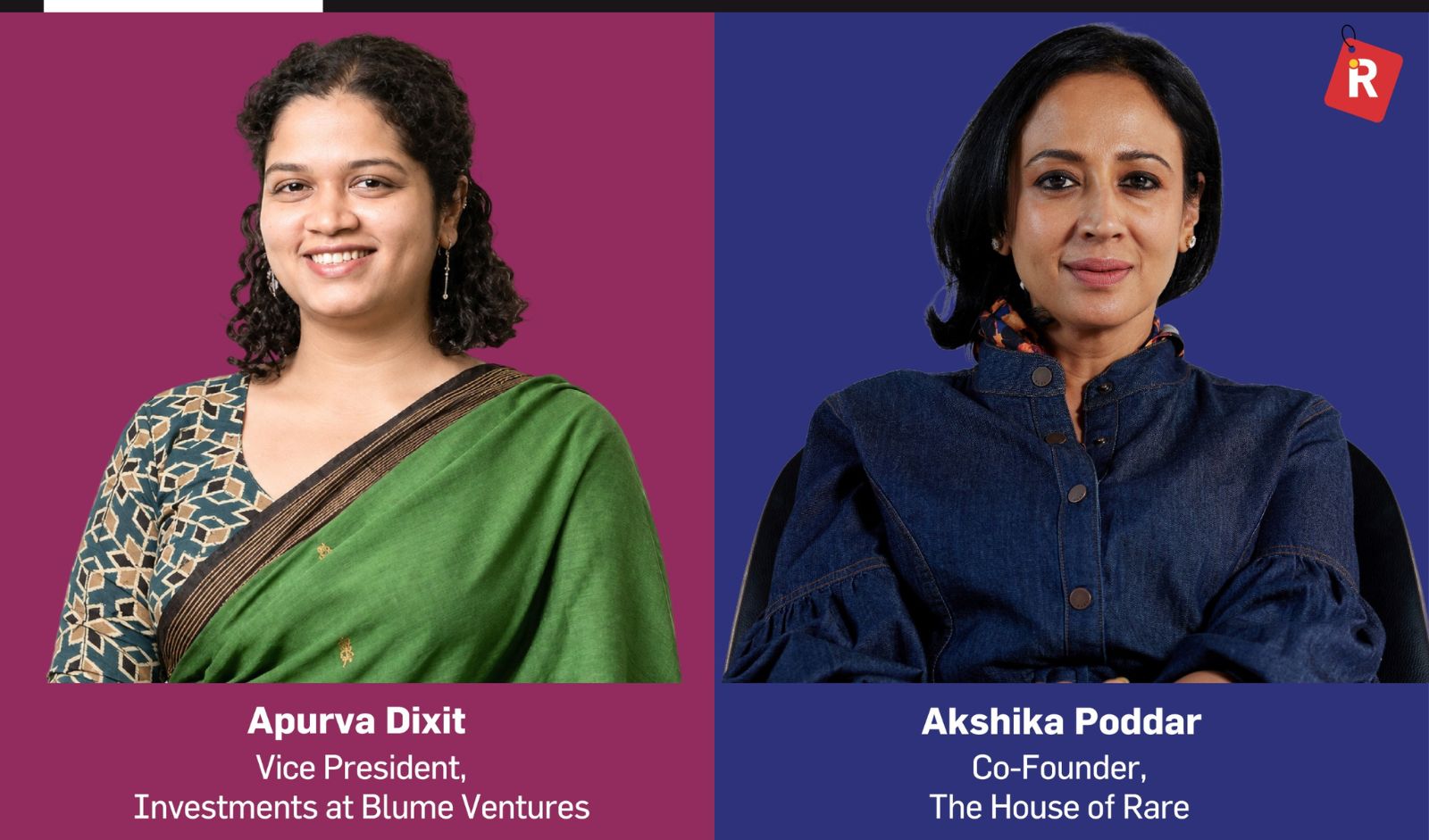
Building a brand for your consumer product takes years of understanding your target consumer, gaining trust, and building products that customers will come back to. Therefore, for more established companies looking to expand into new categories or target younger audiences, it can be an easier route to take on a brand that has already done this. This is becoming an increasing trend in the D2C space in India.
In January 2025, Hindustan Unilever acquired skincare brand Minimalist for a total valuation of USD 350 million. In February 2026, USV India acquired a majority stake in nutrition brand Wellbeing Nutrition for a total valuation of USD 175 million. More recently, in August 2026, Wipro Consumer Care acquired skincare brand Dermatouch for a total valuation of USD 41 million.
Between 2021 and August 2026, there were 105 acquisitions in the D2C sector in India, according to a report by Tracxn. There were also 15 IPOs. This shows that this sector is becoming more mature, and brand owners and investors have more options when looking to grow their business.
Also read: Malgudi: Shankar Mahadevan Takes South Indian Dining Up the Premium Ladder
Brand Equity is built over time
Akshika Poddar, Co-founder of The House of Rare, believes that when you do have an existing consumer base, there is more to gain. A lot of time and effort goes into developing a brand with high-quality products and excellent customer service.
"We always believe at The House of Rare that while the product is key, it is the brand that builds a long-term relationship with the consumer."
These companies also provide large companies with an already built consumer base, brand awareness, and proposition. This can be challenging to achieve if done from scratch.
Apurva Dixit, Vice President of Investment at Blume Ventures, agrees. Often you are purchasing a lot of hard work already done by the founders.
"The one thing they cannot really cut down on is building their brand. It takes time to build trust with consumers."
She noted, however, that not all established brands will have created a strong and loyal customer base. If they rely heavily on marketplaces or other distribution partners, then they may not have such a strong independent customer loyalty.
Also read: How GRM Foods Is Growing 921 Basmati Rice Globally
Valuation goes beyond revenue
While growth makes a brand attractive, profit plays a big role.
"The main thing driving a brand into play is growth. The margin drives valuation," Dixit said.
Factors like EBITDA, customer retention, pricing power, and brand equity play a role when companies are looking to acquire. But in India, there has been a trend for digital-first deals to be valued at around three to seven times revenue. It depends on the business and deal.
Ultimately, this is also a factor from a founder's perspective. The deal structure, whether the founder will stay involved, how independent they will be in operations, and what resources they will have will all have an impact.
Also read: From Premium Perfumes to Pocket-Friendly Scents
Scaling without losing your identity
Acquiring a D2C brand can provide access to finance, distribution, technology, manufacturing and retail infrastructure that will help drive growth into new markets, increase the store network and develop new product ranges.
But growth isn't always a given.
“When you get the best results, you've got the parent helping enable the brand rather than trying to rework everything,” said Poddar.
She stressed that keeping the brand and its knowledge of its customers is key to any acquisition strategy. The idea should be to enhance the brand's strengths.
Also read: Retail Sales Grow 8 Pc in September 2026 Ahead of Festive Season: Report
Exit opportunities through acquisitions
Dixit added that acquisitions can serve as good exit opportunities for early stage investors, especially for consumer businesses. Blume Ventures typically invests in brands that target an annual revenue run rate of Rs. 800-1,000 crore in 8-10 years, where it might be a more realistic option to go for an IPO instead.
The success of an acquisition in D2C depends on what happens post-acquisition. Buyers need to ensure that they can leverage the consumer base of the established brand and make the most of the larger organisation. Founders have an opportunity to find a partner that can help them scale faster while still protecting their brand.
Also read: Premiumization Reshapes India’s Home Appliance Retail Market

India’s online wellness market is evolving as consumers become more informed and increasingly conscious of their health and nutritional needs. In other words, whereas there used to be a strong emphasis on discounts and price competition to encourage customers to shop online, the market is now becoming influenced by elements like trust, product genuineness, and knowledge. This means that customers do not want just low-cost supplements or nutrition products anymore; they want to know what it is all about.
This shift is a growing trend in consumer behavior that is focusing more on health and wellness as an integrated part of their lifestyle rather than something that comes into focus at times. Consumers have started looking at a wide array of products related to health and wellness, including sports nutrition, protein supplements, and women's wellness.
Beyond Discounts: The Rise of Informed Consumers
Discounts still play a major role in influencing purchase decisions, especially in a price-sensitive market like that of India. But when it comes to products belonging to the wellness segment, price factors alone are not sufficient for creating a loyal base among consumers. Products related to wellness need more thought processes.
In addition to the increasing access to information on the Internet, consumers are more likely to compare products, study their ingredients, and even look for alternatives prior to making the purchase. Instead of buying a product because of its high level of discounts, consumers seek a product that provides value for money.
Experimenting with new brands is also affecting online shopping practices in India. According to surveys conducted among online shoppers in India, around 25% of respondents said that they tried new brands due to their appearance on social media sites. This shows how effective digital platforms are in exposing consumers to new products.
For online wellness retailers, this creates an opportunity to move beyond transaction-led engagement and build meaningful relationships with consumers. Competitive pricing remains important, but it must be supported by credible product information and a consistent shopping experience.
Product Authenticity and Transparency as Market Differentiators
Building trust is especially crucial in the wellness retail industry since the authenticity of the products sold can affect customer confidence. With plenty of supplements, health foods, and nutritional products available to consumers through the web, it is essential for customers to feel confident that they are buying real products.
As far as India is concerned, it should be noted that 80% of consumers believe that the quality of goods and services is one of the key criteria that help to establish trust in the company, while 82% of consumers believe that the privacy of their personal information is the most important aspect in establishing such trust.
The credibility of retail platforms can be enhanced by collaborating with reliable brands, ensuring that the product listings are clear, offering information on ingredients and use, and sharing details about product quality and testing, where available. Equally important is communication on the pros and cons of the product.
As the world of wellness grows, a platform that helps customers to better understand a wide range of products can be very instrumental in developing trust.
Personalisation and Convenience Are Reshaping the Shopping Experience
Another factor that drives the online health retail market is the increasing need for convenience and personalised discovery. This is because consumers have various nutritional needs, fitness goals, dietary preferences, and life constraints. For example, a beginner buying a protein supplement for the first time will need more help compared to a fitness expert.
These diverse needs can be met using online forums through better product categorization, provision of product details, comparison tools, and education about products. Recommendations will also help as long as they are provided on the basis of user preferences in an ethical manner.
AI-assisted product recommendations are impacting the buying decisions of Indian consumers, as 62% of surveyed consumers have stated that they have made purchases which were impacted by AI recommendations. Furthermore, retailers who have employed business messages and click-to-message campaigns have seen a growth of 62% in the number of leads generated and 22% in the value of orders placed. All these figures demonstrate the potential of using AI-assisted discovery and conversational commerce to facilitate product discovery, query resolution, and making better purchasing decisions. Nonetheless, these numbers do not indicate an improvement in conversion rates for AI conversational commerce.
However, personalization needs to go hand-in-hand with responsible communication. Wellness items need not be treated as one-size-fits-all products, and the consumer should always be advised to look into his/her own needs and consult a competent professional if required.
From One-Time Purchases to Long-Term Consumer Relationships
Wellness is often something that takes commitment more than it does just a one-time purchase. The customers who use their nutritional supplements or healthy foods might come back again and again, thus making commitment and service very important.
For the retailer, the chance exists in creating connections that go beyond the marketing efforts. Fulfilment, support services, clear policies, and educational content are some factors that can be helpful in providing a more reliable experience for users. Feedback from consumers can help identify changes in consumer demands and enhance product discovery.
The more advanced the market gets, the more repeat transactions will be based on the value provided rather than merely on discounts.
The Road Ahead: Building a Trust-Led Wellness Ecosystem
The Indian retail wellness marketplace on the Internet will increasingly become a more mature form of consumerism, based on affordability, authenticity, accessibility, and information. Discounting will always remain an effective mechanism for pulling in consumers; however, in order to grow into the future, it must prove why consumers can trust it.
By blending diversification in products and openness in communication, they can develop an environment where consumers purchase not just to save money, but to feel more confident about their decisions regarding health and wellness.
Authored by:
Anvi Shah, Co-Founder & Chief Business Officer, HyugaLife

In FMCG, the festive lever is not a bigger discount. It is a pack that fits the occasion. Walk through a supermarket in the week before Diwali and look at how the same beverage is sold. A standard case of 24 bottles sits on the lower shelf, built for homes that drink it regularly and for shops that stock in bulk. Higher up is a smaller festive pack of eight or ten bottles, in festive packaging, light enough to carry on a family visit. A lot of festive shoppers pick the smaller one. Nobody cut the price to make that happen. The pack simply suited the moment.
Festive shopping in India is usually described through discounts, and in some categories that is fair. On a television or a washing machine, a festive offer can take thousands of rupees off the bill and decide the sale. FMCG runs on a different equation. Prices are already modest, and the manufacturer, the distributor and the retailer each depend on a slice of every unit. Once the shelf price has been pared down, there is little left to give away without one of them taking the hit.
There is demand to plan around. Equirus Capital’s July 2026 Consumer Sector Tracker expects FMCG demand to grow by 9 to 11 per cent between August and November 2026, helped by stronger purchasing power. With the market moving that way, brands want festive growth that does not mean handing over margin.
Dozens of small gifts, not one big purchase
A festival is not one big purchase. It is dozens of small ones. Employees, teams, support staff, neighbours, business associates, friends and relatives all get something. Most buyers do not want to spend thousands of rupees on each person. They do want what they give to look decent and to carry a little meaning. That is the opening for an everyday product. If the pack looks and feels like a gift, a familiar bottle becomes a sensible thing to take along.
Why smaller packs make commercial sense
The 24-bottle case is a sensible buy for a household that drinks the product every week, and for a shop that stocks it in bulk. It is not the pack most people want to carry into a relative’s home or hand out across an office. A pack of eight or ten is easier to carry, easier to share and easier to distribute, and a buyer can pick up several for different occasions: one for the team, one for the neighbours, one for the family. For the brand, it is a way to meet a new occasion without changing the product.
Premium without a bigger price tag
People often assume premium means a bigger pack or a higher price. In FMCG it needn’t. Smarter packaging, a festive look and a smaller pack can change how a product feels while the price stays inside a sensible gifting budget. Occasionally the packaging does it alone, with the price left exactly where it was. This kind of affordable premiumisation suits FMCG, where the buyer is spending a modest amount and still wants the result to look considered.
Something new for the retailer
Retailers have a stake in this too. A festive pack with a clear gifting purpose gives a shopkeeper something fresh to talk about, instead of one more item competing with its neighbours on price. It also gives distributors a reason to make room for it. The talk at the counter changes too. It is less about the discount on offer and more about what the pack is for.
Where discounts still belong
None of this means discounting is finished. In high-MRP categories, where the absolute saving can change a purchase, it will remain central. The point is that FMCG has a different festive opportunity, and copying the discount playbook from other categories can cost margin for little gain.
The bottom line
The question for FMCG brands is moving from how much to knock off the price to what the pack should be for. The brands that decide early what each pack is for, and fix size, packaging and price in the same conversation, usually go into the season better prepared than those that wait and then reach for a discount. And in festive weeks, plenty of shoppers are really looking for something to give. A brand that understands that can grow in the season without surrendering its margin.
Authored by:
Nikhil Doda, Co-founder & COO, Lahori Zeera
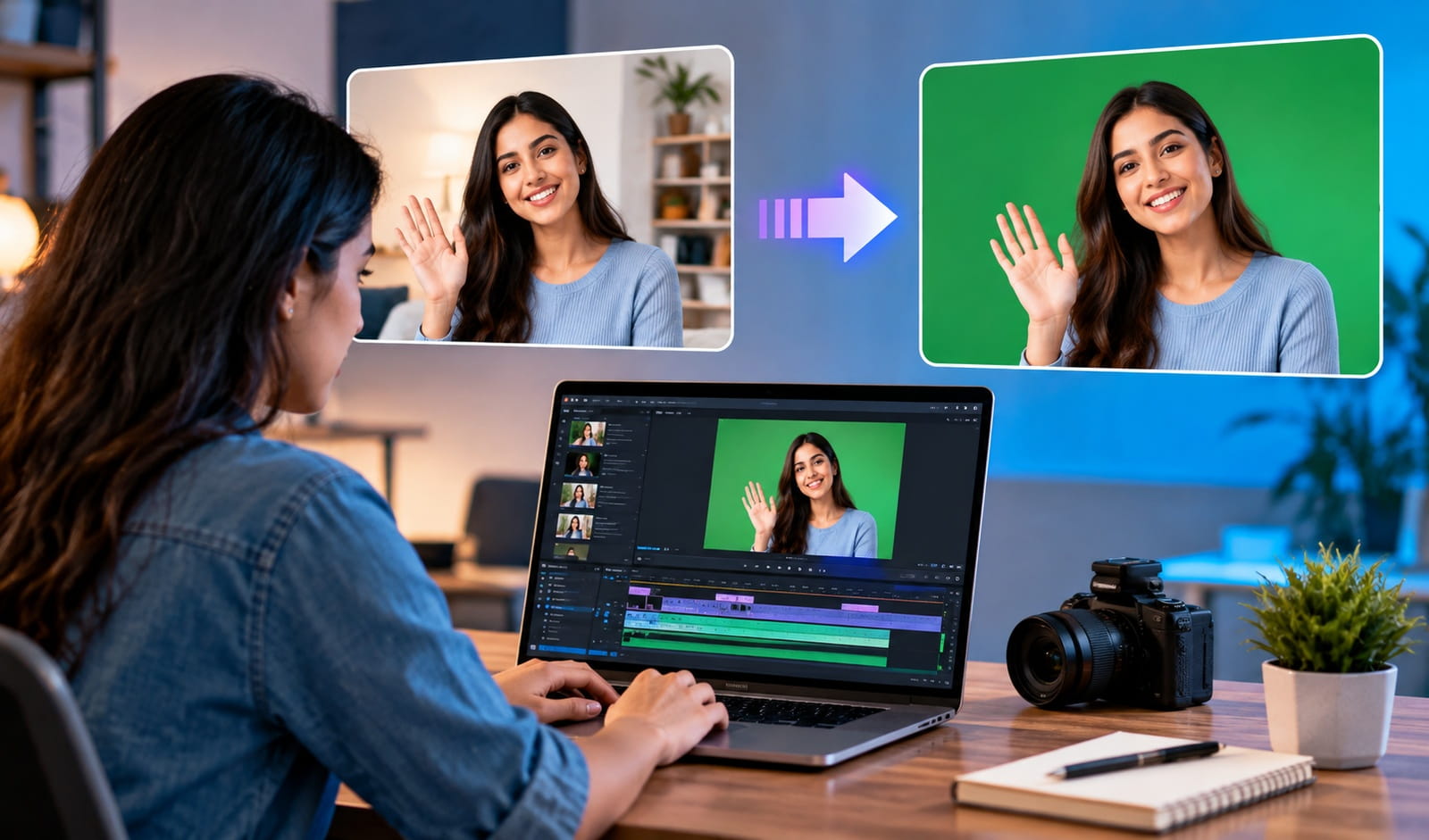
When it comes to making video content, you cannot do without extra touches. Most times, when they are for the public. The bulk of the work involves the post-production phase, including scanning the video frame by frame and with a viewer's lens.
If you are also a video editor with multiple tasks, you try to beat deadlines. Even as you want to ensure that you have the best output that appeals to your client.
One issue you may experience in your editing workflow is a software glitch or a blackout. Your main editing software or app can unexpectedly break down due to a bug or underlying issue. Another likely interruption is hitting the editor’s block, a situation in which you are unable to make clean edits after several attempts.
In these cases, the need for extra hands arises to ensure everything is in place while keeping your editing trademark intact. Plus, you may need a tool on the side that does not undermine the overall message of the content.
The Shift towards AI-Based Video Editing
If you’re a video editor with extra tasks on your hands, artificial intelligence comes in handy. With quick processing technology, AI tools make the workflow easier. And complement the manual process. This covers when you are looking to beat a deadline. Or make edits, which would ordinarily take up your time.
Also, you may have been in talks with your client for weeks and making preparations to ensure everything is in place. A downside is an unexpected crash or app outage. As such, you may want to consider extending the delivery timeline, which would result in losing the client's confidence.
AI-based video editing simplifies the process by automatically aligning all required components in a video. Your content can be solid with everything in place, including lighting and sound. But the background, objects, and watermark are essential elements that convey professionalism.
While you may not be a fan of AI video editing tools, they come to the rescue if you are unable to troubleshoot your daily editing process. You can always extend your trials and opt for a makeshift solution to ensure a professional look.
Vmake Labs AI Background Remover
If you are looking to try out AI-based video editing tools, particularly for background removal, Vmake Labs is one option to consider. Ordinarily, your previous AI choices may not seem promising - owing to the experience. A first glance at the Vmake Labs makes a different thought.
The Vmake Labs workspace comprises several tools, including the AI background remover. Clicking on it is intriguing, such that no signup is required to access the page. Unlike others that go through the hurdles of signups only to generate poor backgrounds.
With an easy-to-understand interface, the guide on the page is straightforward: upload your video, remove the background, and replace it with something better. No complex editing skills required.
How Vmake Labs AI Changes Video Background in Three Steps
Going through the prompt, you can try out and change Video Backgrounds with these three steps.
- Open the Vmake Labs Webpage
Trying out the Vmake Labs video background remover meant visiting their page. And this is one of the things you can simply do. The page and listed prompts were simple to read and follow through.
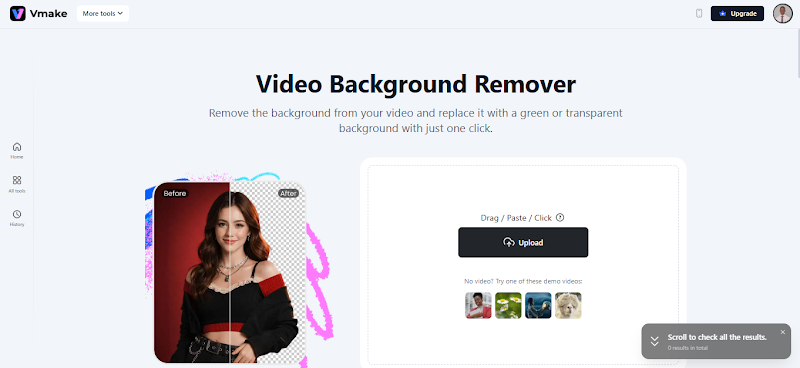
- Upload the Video with the Background
The Video Background Remover tool supports uploading files through a link and from a device. It is one of the easiest things that you can do. A quick click on the link redirects you to your folders and imports the files to the webpage.
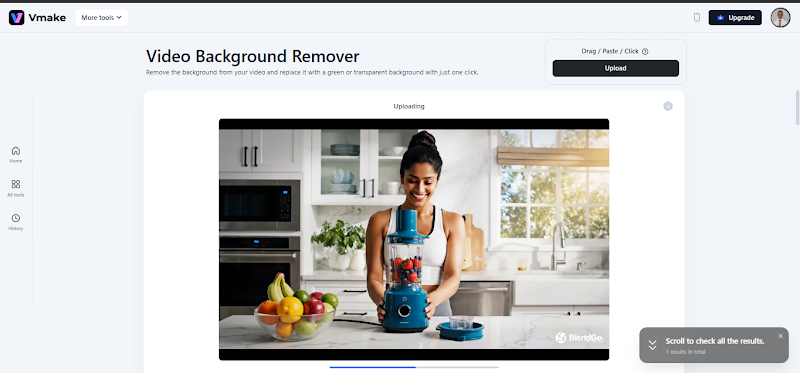
- Download the Preview
The uploaded video is processed by the Vmake Labs tool with a prompt to download in a new green background while retaining the video quality.
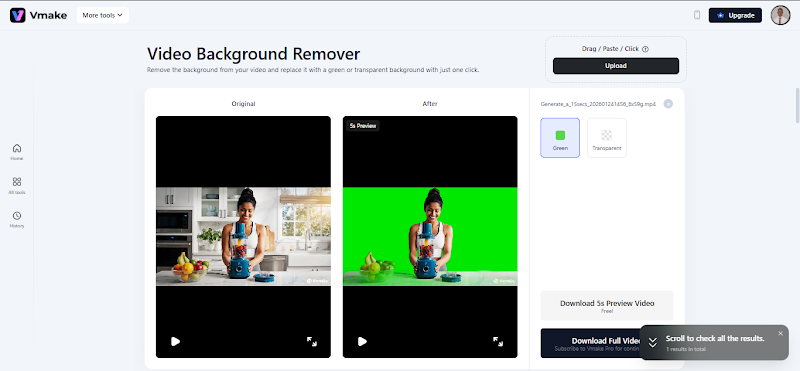
After the download, the background is gone. There were no weird edges in the new setting. There was a change in the background, with the same quality.
The Change in Your Workflow
Using tools like Vmake Labs AI solves an editor workflow problem. When it comes to certain situations - business videos, presentations, social media - the tools' input is okay.
The Video Background Remover handles tedious technical work for editors, enabling them to focus on tasks that require more expertise. For creators, it's a plus to record wherever the lighting works and feel comfortable. And backgrounds may not be a constraint or a worry.
Backgrounds matter in a story and contribute to the overall perfection. According to Sarah's experience, the Video Background Remover uses the best AI technology to filter out the works based on her experience. It has also contributed to her workflow by retaining the background quality just like the usual edits.
Vmake Labs-the Go-to Practice for Video Editing
The one-time AI video editing you fix for a client can gradually transition to daily custom. Over time, you can use the Vmake Labs Video Background Remover for client presentations and personal projects. Not only does it save time with training videos, but it also saves overall editing time.
With the online workspace, you will feel more confident in handling video projects. The Vmake Labs offers a reliable alternative without the subtle anxiety of a poor result. And this will make your overall video content workflow more professional.
On the other hand, the background remover does not have to replace the manual editing app. It is also not a bulky tool to master. Rather, it sometimes lessens the stress and thought process of your previous creation. It fits well into a video editor's workflow and lets you focus on other work that matters.

Whether you need money for a medical bill, home repair or family function, getting a loan decision quickly can make planning easier. Some borrowers receive pre-approved offers within minutes, while others may need to wait for additional checks. Preparing your documents, checking your eligibility and providing accurate details can reduce delays.
What Does Pre-Approval Mean?
Pre-approval is an initial offer from a lender indicating the loan amount and terms you may qualify for based on an initial assessment. It is not a final approval. The lender still needs to verify your documents, income and other details before sanctioning the loan. You may receive a pre-approved offer from your existing bank or when you check your eligibility or apply for a Personal Loan online.
How Can You Speed Up Pre-Approval?
You can help speed up the process by keeping your details ready and responding promptly to the lender. These seven steps can help reduce avoidable delays.
1. Check Existing Loan Offers
Banks and NBFCs may offer pre-approved loans to existing customers whose banking and repayment records they already have. You can check for these offers through net banking, the lender's app or official messages. Since some initial checks may already be complete, these offers can require fewer steps than a fresh application. However, final approval still requires verification.
2. Complete Your KYC in Advance
Know Your Customer (KYC) verification confirms your identity and address. Completing it in advance can save time during the application process. Before applying, check that:
Your PAN and Aadhaar details are correct.
Your Aadhaar-linked mobile number is active.
Your address details are up to date.
Your name and other personal details match across your documents.
Depending on the lender's process, you may be able to complete KYC online.
3. Keep Your Documents Ready
Lenders may request identity, address, income and bank records. Keeping clear digital copies ready can help you submit them without delay.
Document | Salaried applicants | Self-employed applicants |
Identity proof | PAN card | PAN card |
Address proof | Aadhaar or other valid proof | Aadhaar or other valid proof |
Income proof | Recent salary slips | Income tax returns and business financial records |
Bank statements | Recent personal account statements | Personal and business account statements |
Additional proof | Employment details, if requested | Business registration or GST certificate, if requested |
The exact requirements vary by lender. Save the relevant documents in an accepted format so you can upload them when asked.
4. Share Bank Statements Securely
Some lenders accept financial information through the Reserve Bank of India's Account Aggregator framework. With your consent, this system allows authorised financial information to be shared securely with the lender. It can reduce the need to download and upload bank statements manually. Check whether your lender supports this facility and review the consent request before sharing your data.
5. Check Your Eligibility First
An eligibility check gives you an idea of the loan amount you may qualify for before submitting a full application. It can help you choose an amount that matches your income and repayment capacity. Financial platforms such as the JioFinance app display Personal Loan offers from multiple banks and NBFCs. Its eligibility check uses a soft enquiry, which does not affect your credit score.
6. Enter Accurate Details
Lenders compare your application with your documents and credit records. Incorrect or inconsistent information can lead to additional checks and delays. Before submitting the form, verify your:
Name and personal details
Employer or business name
Monthly income and employment details
Current address and contact information
Make sure your income matches the supporting documents and correct any errors before submitting the application.
7. Respond Quickly to Lender Requests
During the review, a lender may ask for an OTP, a video KYC session, an additional document or confirmation of your details. Keep your phone and email accessible and respond as soon as possible. Prompt replies help prevent avoidable gaps between verification stages, although the overall timeline depends on the lender's checks.
What Happens After Pre-Approval?
Pre-approval is followed by final verification and loan sanction. The process generally includes these steps:
- Accept the offer and confirm the loan amount and tenure.
- Complete the lender's final checks.
- Review the Key Fact Statement (KFS), including the interest rate, charges and repayment details.
- Sign the loan agreement.
- Receive the loan amount in your bank account after disbursal is approved.
Check the offer's validity period and complete the required steps before it expires.
Conclusion
Getting pre-approval faster starts with good preparation. Check existing offers, complete KYC, keep your documents ready, verify your eligibility and provide accurate details. Responding promptly to lender requests can also help avoid delays. When you apply for a Personal Loan online, platforms such as JioFinance let you compare offers from different lenders in one place. Review the interest rate, fees and repayment terms before accepting an offer.
-
Omnichannel strategies, lightweight designs and franchise expansion reshape growth
-
Founded in 1832, PNG Jewellers operates 80 stores, including 79 across India and one in California, USA.
-
KISNA operates 1,500+ points of sale across 28 states, with 150+ exclusive stores and plans to expand to 200 by Diwali 2026.
-
Here are the top picks to lighten up your home this Diwali.






Copyright © 2009 - 2026 Franchiseindia.com Ltd