







What is Geo Expansion?
Geo Expansion refers to the strategic process of expanding a business or franchise network into new geographic markets, cities, states, regions, or countries to increase brand presence, customer reach, and revenue opportunities.
In franchising, geo expansion is one of the most effective growth strategies used by brands to scale operations and build a larger market footprint.
Origin
The term Geo Expansion combines "geographic" and "expansion," highlighting the importance of entering new locations to drive business growth. As franchise systems evolved from single-location operations into national and global networks, geo expansion became a key metric for measuring brand scalability and market penetration.
Today, it plays a central role in franchise development and business growth planning.
Usage in Franchising
Franchise brands use geo expansion to identify untapped markets, strengthen regional presence, and accelerate network growth. This may involve opening outlets in Tier II and Tier III cities, entering new states, or expanding internationally through master franchise and area development agreements.
Successful geo expansion requires careful market research, location analysis, demographic assessment, and operational planning to ensure long-term sustainability.
Many leading franchise brands achieve rapid growth by systematically expanding into high-potential geographic regions.
Examples of Geo Expansion
- A restaurant franchise expanding from Mumbai to Pune, Ahmedabad, and Bengaluru.
- A retail franchise entering Tier II cities to capture emerging consumer demand.
- An education franchise launching centres across multiple states.
- A fitness franchise expanding internationally through master franchise partnerships.
- A healthcare franchise establishing clinics in underserved markets.
These examples demonstrate how geo expansion helps franchise brands unlock new growth opportunities and strengthen market leadership.
Why It Matters
Geo expansion is critical because it allows franchise brands to increase market share, diversify revenue streams, and reduce dependence on a single location or region. Expanding into new territories also improves brand visibility and strengthens competitive positioning.
For franchisees, geo expansion creates opportunities to secure new territories, operate multiple units, and participate in a growing franchise network.
In today's competitive business environment, brands that execute geo expansion effectively are often better positioned to achieve sustainable growth, build stronger networks, and create long-term value for both franchisors and franchise partners.
For Further Franchise Info Contact

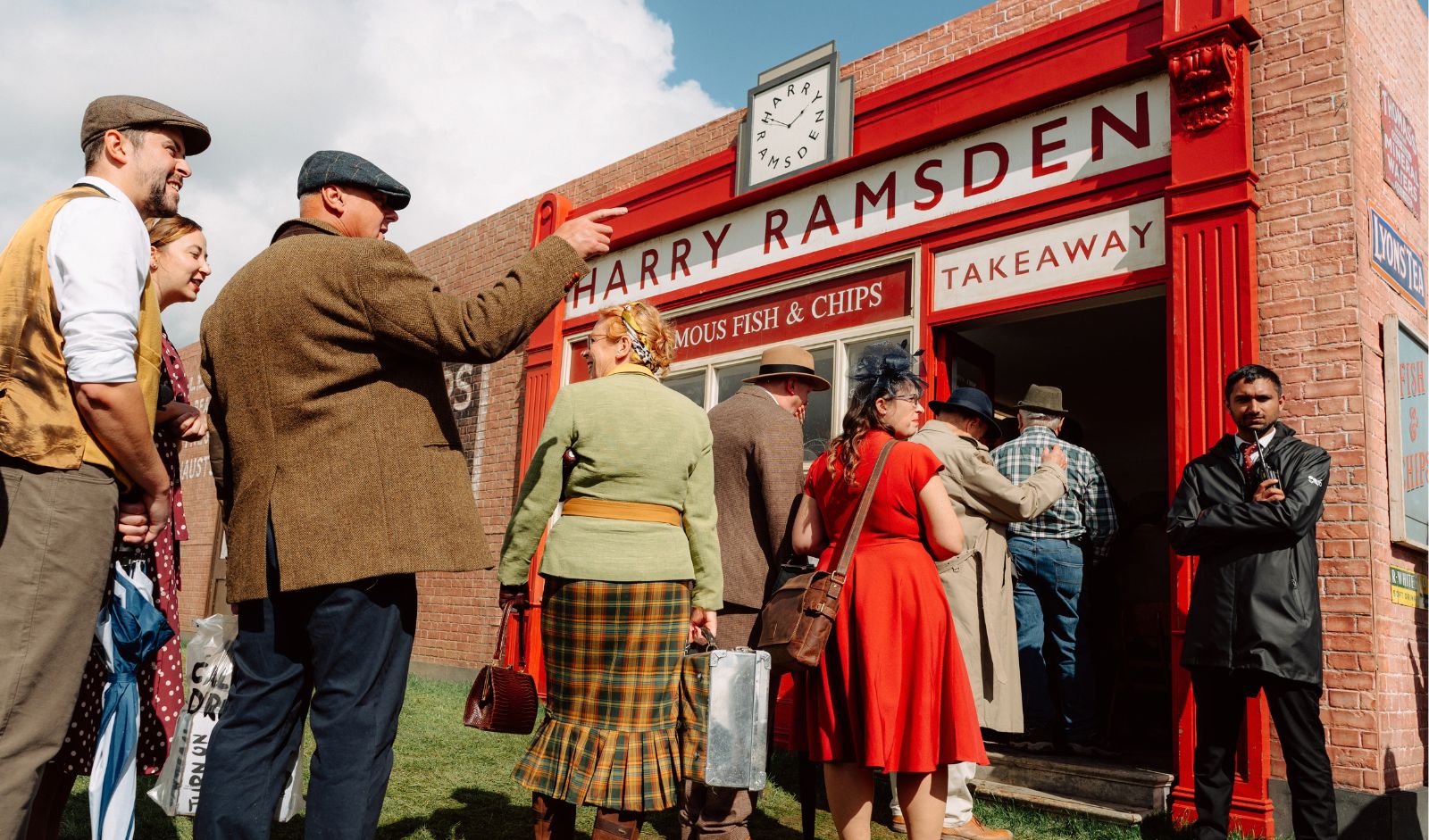
Harry Ramsden’s Group has signed a milestone master franchise agreement to introduce the iconic British fish and chip brand to India, marking a definitive step in the brand’s global expansion as it approaches its 2028 centenary. Under the terms of the agreement, master franchise partner Franchise India will develop a minimum of 60 Harry Ramsden’s restaurants across India over the next decade, with the inaugural location planned to debut in early 2027.
Founded in West Yorkshire in 1928, Harry Ramsden’s stands as one of the world’s most celebrated names in traditional British fish and chips. The brand has been strategically expanding its global footprint through franchise and licensing partnerships, driven by its ambition to become the premier fish-and-chips-led enterprise globally. The Indian partnership will introduce the brand’s signature hand-battered fish and chips alongside a curated menu tailored for the local market, catering to India’s dynamic and rapidly evolving foodservice sector.
James Fleming, Chief Executive Officer, Harry Ramsden’s Group, commented:“India represents a tremendously exciting opportunity for Harry Ramsden’s. The market is dynamic, fast-growing, and increasingly receptive to premium international culinary brands. Signing this master franchise agreement is a pivotal milestone in our international expansion strategy, and we are delighted to partner with Mr. Gaurav Marya and his team to bring the Harry Ramsden’s experience to consumers across India.
Gaurav Marya, Chairman, Franchise India, added:“Harry Ramsden’s is a globally revered brand with a unique heritage and exceptional market positioning. We see immense potential in introducing this iconic British dining experience to the Indian consumer and scaling the brand significantly over the coming years. The agreement aligns with Harry Ramsden’s Group’s broader strategy to drive international growth through robust local partnerships, scalable operational formats, and strategic new market opportunities.”
Harry Ramsden's is actively expanding its presence both internationally and across the UK through a blend of company-owned sites and strategic franchise partnerships. The brand offers an array of versatile restaurant formats and licensed concession models—including its established 'Proudly Serving Harry Ramsden's' programme, which is currently operational across major retail and travel networks.
Operators and investors interested in exploring franchise or licensing opportunities are invited to contact the corporate franchise team directly.
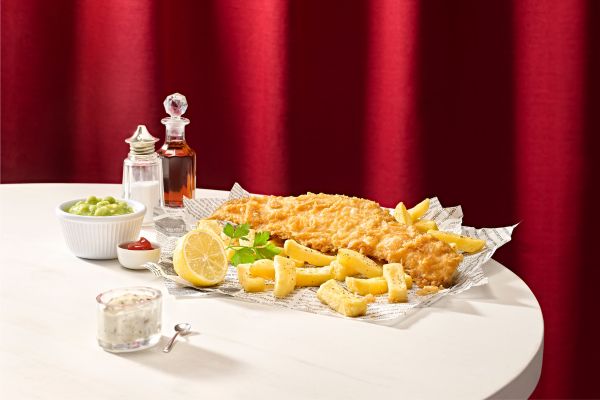
Founded in West Yorkshire in 1928, Harry Ramsden's is one of the UK's most iconic and cherished heritage brands. Originating as a modest wooden hut in Guiseley, the brand flourished on a foundation of culinary craft, premium quality ingredients, and exceptional hospitality—cultivating a reputation that has endured for nearly a century.
In 1952, to mark the restaurant's 21st anniversary, founder Harry hosted 'The Big Fry'—serving more than 10,000 portions of fish and chips in a single day, a world record at the time. That spirit of celebration and community remains central to the brand's identity today.
Now operating a diverse portfolio of corporate restaurants, franchise locations, and licensing partnerships with major UK retail and travel operators, Harry Ramsden's remains dedicated to delivering its world-famous fish and chips to an ever-growing global audience.
For Further Franchise Info Contact
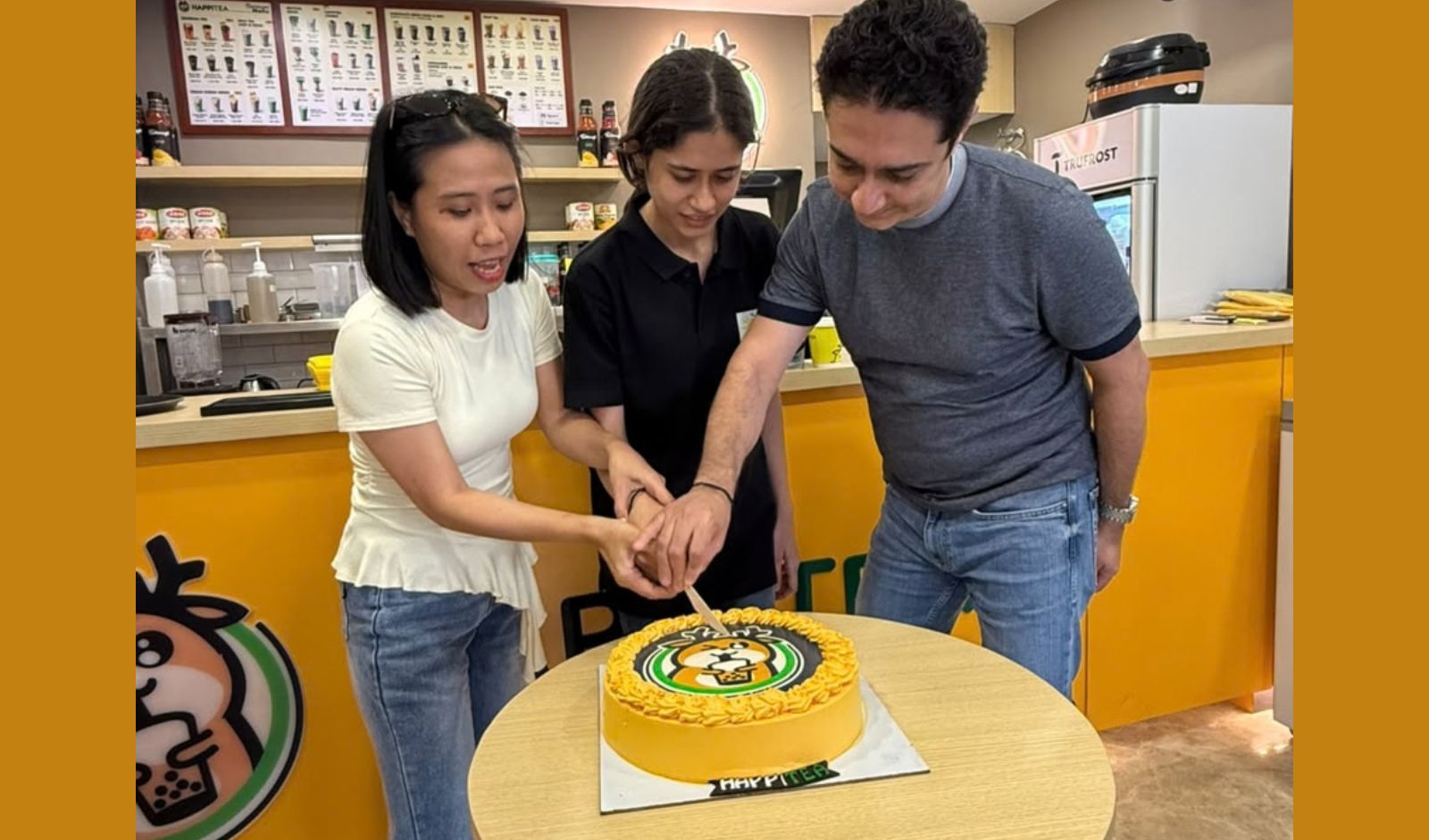
Happitea launches a new outlet in Kemps Corner, South Mumbai, strengthening its footprint in the metro city.
The brand enters India through master franchise partnership with FranGlobal and has signed 35 franchise agreements across 8 states. The international beverage brand from Vietnam’s Phúc Tea, aims to expand its network to 150 stores in the near future.
The new outlet will offer innovative beverage experiences, specialty teas and bubble tea to its customers in the city, as customers in Mumbai prefer premium and health-focused beverage options.
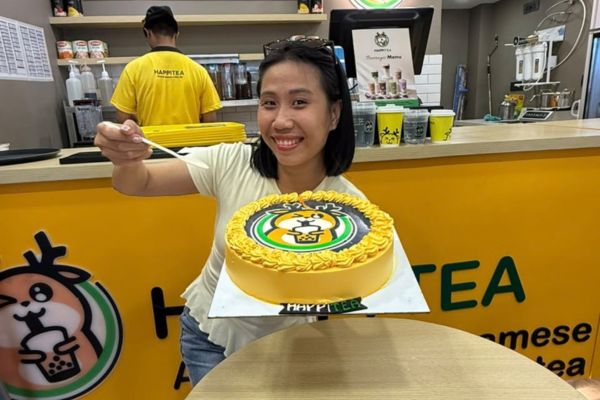
Mumbai is the most physically active city in India, driven by fast-paced commuters running culture, and consumers opting for healthier food options, making it a prime destination for healthy cafes and restaurants.
Commenting on the new store launch, Gaurav Marya, Chairman, Franchise India, said: “The launch of HappiTea’s new store in Mumbai marks an important milestone in the brand’s expansion journey, strengthening its presence in one of India’s most dynamic retail and foodservice markets. Strategically located in a high-footfall area, the new outlet serves as a key customer touchpoint, enhancing brand visibility and accessibility while creating opportunities to engage with a wider consumer base. The store is envisioned as a premium destination where customers can explore HappiTea’s diverse beverage portfolio and enjoy a distinctive, contemporary café culture. This expansion reflects the brand’s commitment to building a strong retail footprint and tapping into the growing demand for beverage destinations in India.”
For Further Franchise Info Contact
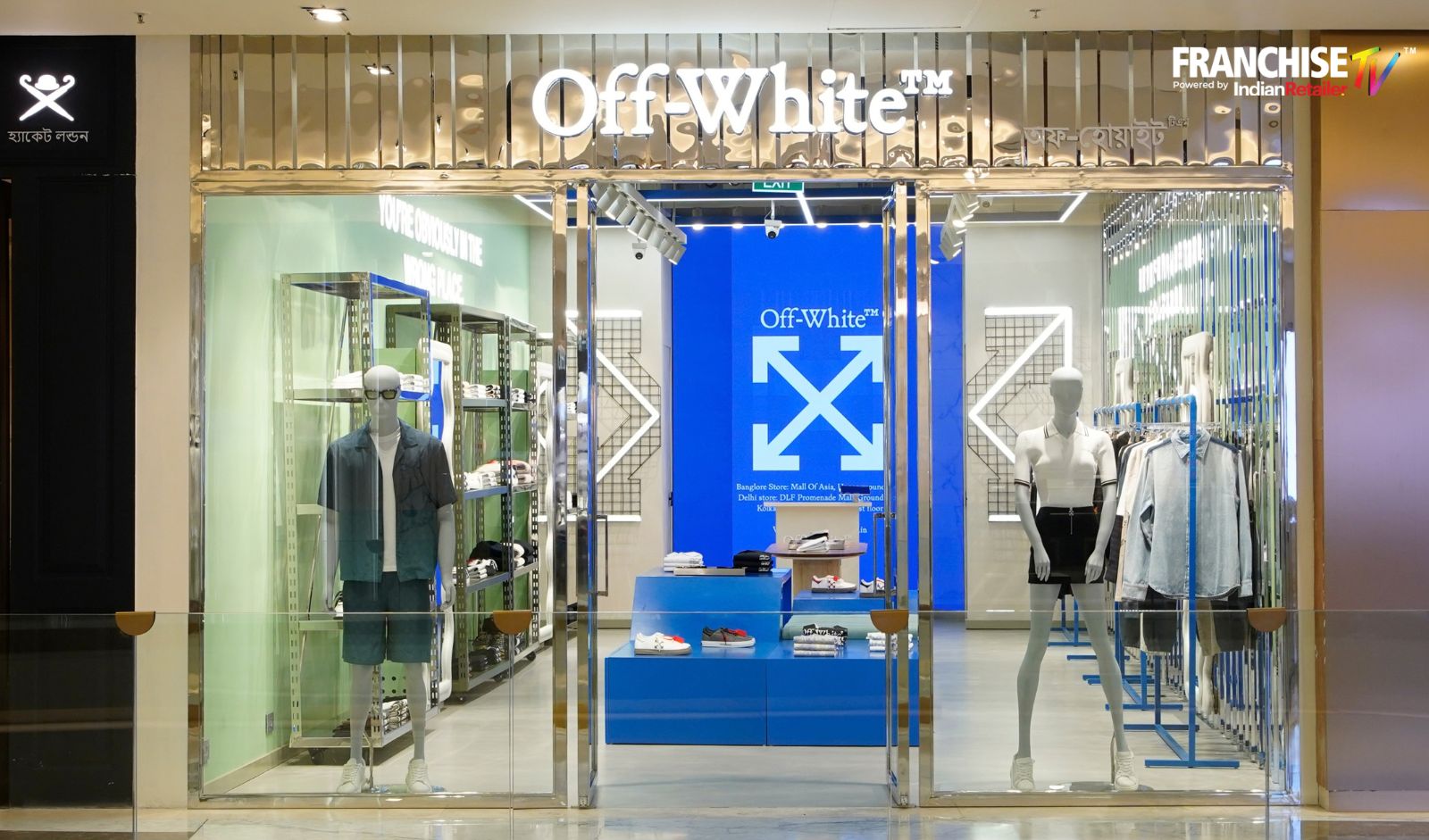
Contemporary luxury brand Off-White™ has expanded its retail presence in India with the opening of a new store at Quest Mall, Kolkata. The launch follows the brand’s recent openings in Bengaluru and Delhi and marks its third retail location in the country. The India operations are being managed in partnership with Brand Concepts Ltd.
Located on the first floor of Quest Mall, the new store offers a selection of apparel, footwear and accessories from Off-White™’s latest seasonal collections. The retail space brings together the brand’s contemporary design approach with elements of youth culture and Italian craftsmanship, reflecting the design philosophy associated with its late founder Virgil Abloh.
The Kolkata launch also places the brand in one of India’s established cultural and fashion markets, as international luxury labels expand beyond the country’s traditional metropolitan centres.
Expanding Into Key Markets
Abhinav Kumar, Co-founder of Brand Concepts, said, “The response to Off-White™ across India has reinforced our confidence in the appetite for global, highly relevant luxury. Bringing Off-White™ to Kolkata is a natural progression. We remain focused on expanding thoughtfully through high-tier locations and creating tailored consumer touchpoints that establish Off-White™ as a key player in India’s modern retail market.”
Prateek Maheshwari, Managing Director, Brand Concepts, said, “India’s luxury consumer is evolving rapidly, seeking brands with authentic narrative and distinct cultural presence. Kolkata offers a unique, fashion-forward ecosystem. By pairing global identity with local relevance, we are building a robust network for Off-White™.”
Kolkata’s Growing Luxury Market
Shivika Goenka, Director - Luxury and Education, RPSG Group, said, “The future of luxury in India is being shaped beyond its traditional centres. Kolkata has always had a strong instinct for design, culture and individuality, and today its luxury consumer is increasingly global in outlook. The arrival of Off-White™ at Quest reflects that evolution. Off-White™ represents a new generation of luxury, bold, culturally relevant and constantly pushing boundaries, and that is exactly the kind of global brand we want to bring to East India.”
The Kolkata store adds to Off-White™’s growing retail network in India and forms part of Brand Concepts Ltd.’s wider strategy of expanding its portfolio of international fashion and lifestyle brands across the country.
Established in 2013, Off-White™ operates from a design studio in Milan, Italy, combining Italian craftsmanship with a global approach to contemporary fashion. Its collections span men’s and women’s clothing, alongside objects, furniture and publications, with the brand’s design language shaped around contemporary culture and youth-oriented expression.
Brand Concepts Ltd. operates as an omnichannel retail company across premium fashion accessories, travel gear and lifestyle products. Its portfolio includes licensed brands such as Tommy Hilfiger Travel Gear, Juicy Couture, Superdry, United Colors of Benetton, Aeropostale and Off-White™, along with its own labels.
For Further Franchise Info Contact
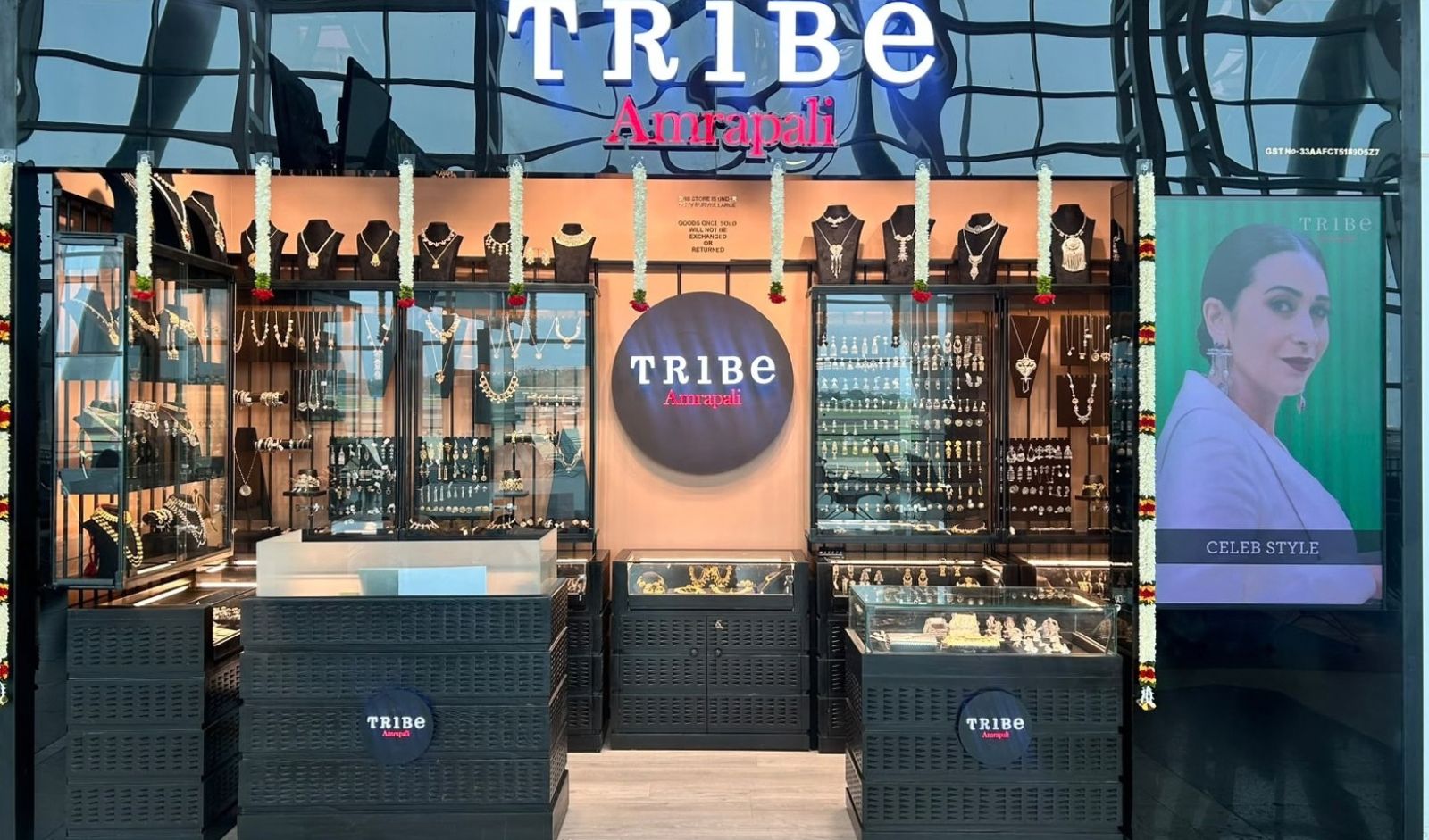
Tribe Amrapali has expanded its retail presence in South India with the opening of its third store in Chennai, located at Terminal 4 of Chennai Domestic Airport. The new outlet marks the contemporary jewellery brand’s 43rd store across India.
The airport store comes as the brand continues to strengthen its presence across key retail and travel destinations. The Chennai expansion also reflects the city’s longstanding connection with jewellery, craftsmanship and design traditions.
Drawing from Chennai’s Design Heritage
Chennai has a distinct jewellery and design vocabulary shaped by South Indian temple jewellery, classical dance, mythology and traditional craftsmanship. Influences from temple architecture, Tanjore paintings and other regional art forms have contributed to the city’s evolving approach to design and ornamentation.
For Tribe Amrapali, these traditions align with its design approach, which draws from Indian folklore, symbolism and artisanal heritage. The brand interprets these influences through contemporary forms aimed at modern consumers.
The new Terminal 4 store features a selection of the brand’s jewellery, including sculptural silver earrings, layered necklaces, stackable rings, statement pieces and gifting options. The range combines traditional design influences with contemporary styling.
Airport Store Expands Consumer Reach
The location at Chennai Domestic Airport gives Tribe Amrapali an additional retail touchpoint for both local consumers and travellers. The store adds to the brand’s growing physical retail network while providing access to its jewellery across a high-footfall travel destination.
Speaking on the launch, Akanksha Arora, CEO, Tribe Amrapali, said, “Chennai has always been a city with a remarkable design vocabulary that has evolved from centuries of craftsmanship. From temple design pieces to contemporary designs, there is a deep appreciation for jewellery that carries meaning and tells a story.”
She added, “Opening our third store in Chennai, particularly at the airport, allows us to take Tribe Amrapali’s own interpretation of Indian heritage to an even wider and more diverse audience.”
Growing Contemporary Jewellery Footprint
Tribe Amrapali was launched with an e-commerce store in March 2013 and operates as a contemporary extension of the Amrapali brand. Its offerings primarily include silver, gold-plated silver and fashion jewellery, with designs inspired by traditional folklore, symbolism and Indian cultural influences.
The Chennai airport outlet takes the brand’s store count to 43 across the country. The expansion adds another physical retail location as Tribe Amrapali continues to build its presence in markets where consumers are increasingly exploring contemporary interpretations of Indian craftsmanship.
For Further Franchise Info Contact
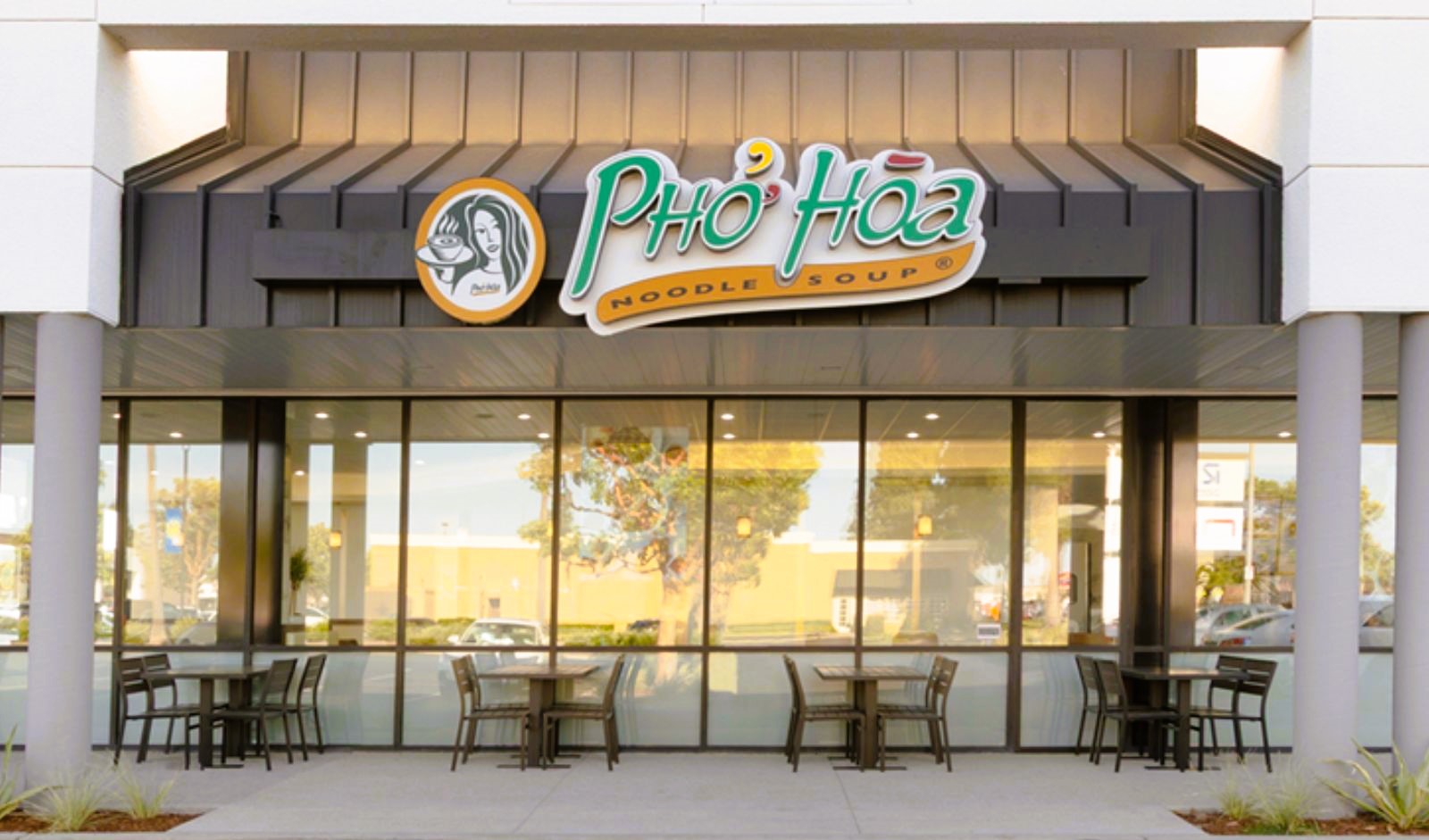
California-based Vietnamese dining chain Pho Hoa is entering the Indian market through a strategic collaboration with FranGlobal, the franchise advisory arm of Franchise India.
Founded in 1983 in San Jose, California, Pho Hoa began as a modest 400-square-foot restaurant. The brand has since expanded internationally and now operates 69 outlets across North America and Asia, including 18 locations in the United States, four in Canada and 27 in the Philippines.
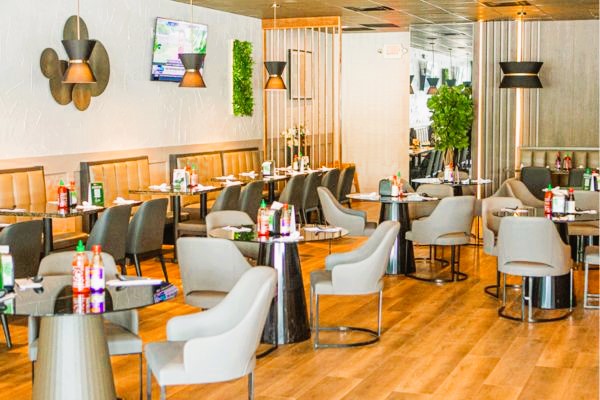
Built around the traditional Vietnamese restaurant model, Pho Hoa offers an authentic, comforting and health-conscious dining experience centred on Vietnamese pho and fresh, locally sourced ingredients.
Pho Hoa offers two restaurant formats designed for different locations and customer segments. A Standard casual dining format: 1,800–2,500 square feet, suited to Tier 1 cities and high-street locations and an Express Hub format: 800–1,200 square feet, suited to food hubs, premium mall food courts and dense university districts.
The brand’s outlet formats range from approximately 800 square feet for mall express locations to more than 3,000 square feet for flagship restaurants.
Pho Hoa’s operating model is based on tightly controlled proprietary supply chains and standardised broth mixes. The system is designed to separate culinary complexity from the retail outlet, enabling consistent food quality and efficient service across markets.
The menu focuses on nutrient-dense, lower-calorie and aromatic broths, fresh herbs and naturally gluten-free rice noodles. Proprietary broths, spices and marinades are manufactured centrally to help maintain flavour consistency across locations.
The model also enables faster service, with core pho noodle soups prepared from order to service in under 60 seconds. Fresh appetisers and rice plates follow standardised, high-efficiency preparation processes.
For the Indian market, Pho Hoa plans to adapt its menu to local preferences and regulatory requirements. The brand’s India menu strategy will eliminate beef and increase the focus on poultry, seafood and plant-based offerings.This approach is intended to preserve Pho Hoa’s core Vietnamese identity while creating a menu that is relevant and accessible to Indian consumers.
Gaurav Marya, Chairman of Franchise India commented “We are delighted to partner with Pho Hoa as demand for Asian cuisine continues to grow across India. Through its collaboration with FranGlobal, Pho Hoa will explore franchise and market-development opportunities across the country. The brand’s standardised operating model, compact Express Hub format and differentiated Vietnamese proposition are well positioned to support expansion across high streets, malls, food hubs and university-led consumption districts.”
About FranGlobal
FranGlobal is the international franchise advisory arm of Franchise India. It supports global brands entering and expanding in India through market strategy, franchise development and partner identification.
For Further Franchise Info Contact
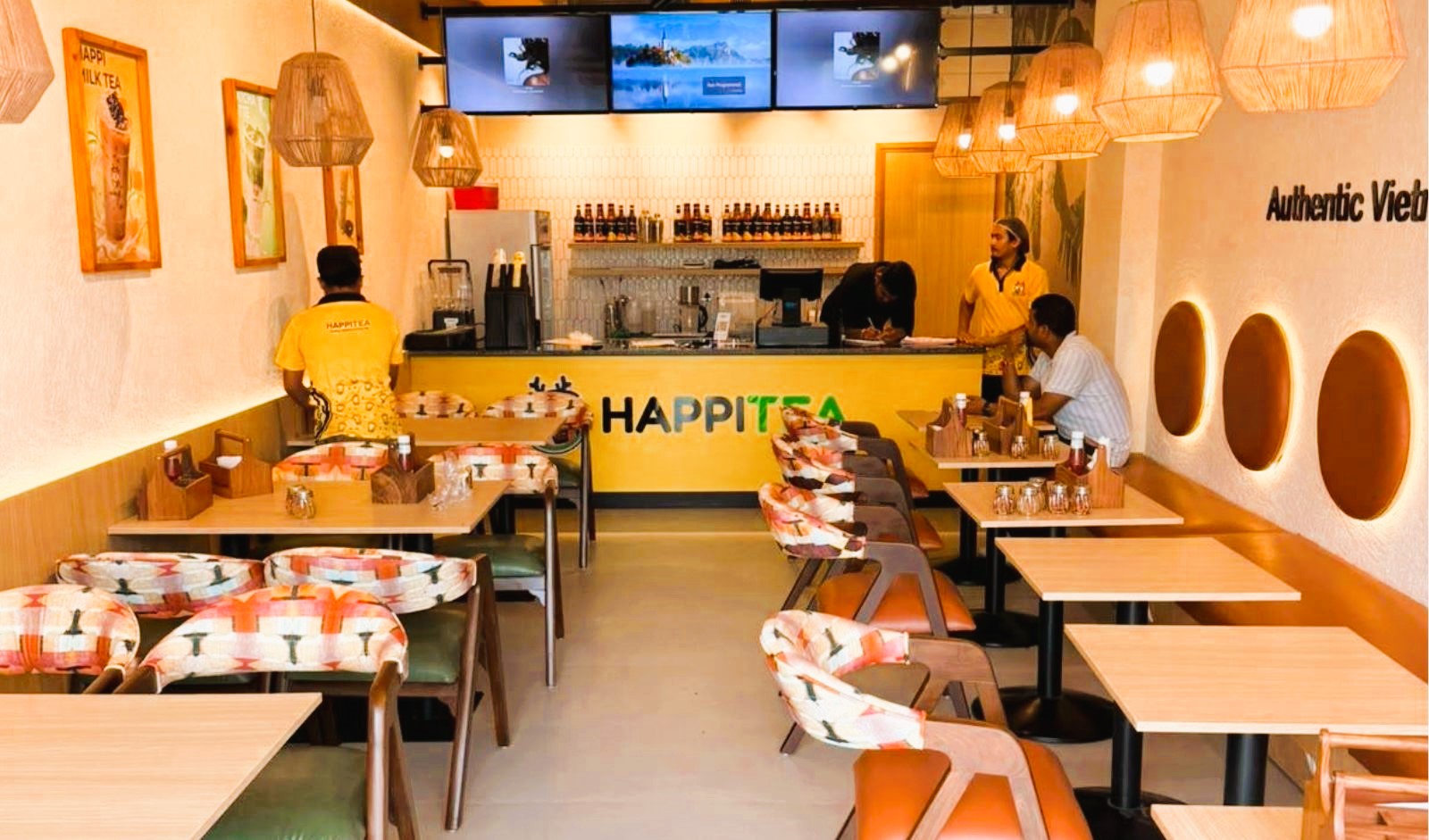
HappiTea has opened a new outlet in Gurgaon (Dwarka Express), expanding its footprint in the region.
The brand enters India through master franchise partnership with FranGlobal and has signed 35 franchise agreements across 8 states. The international beverage brand from Vietnam’s Phúc Tea, aims to expand its network to 150 stores in the near future.
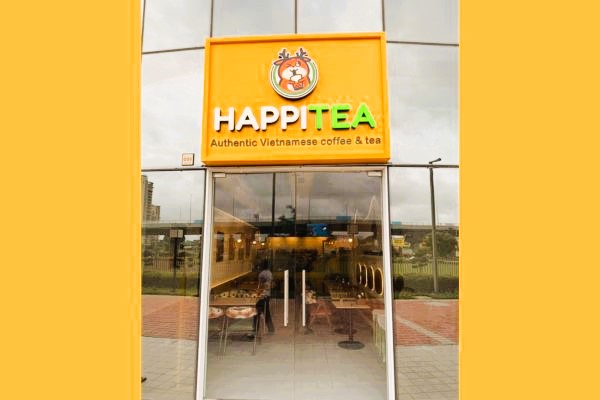
The new outlet on the expressway is an appropriate location as it provides convenience and accessibility to travellers while strengthening its presence along a high-traffic route. It expands the brand’s reach beyond conventional city locations, enabling it to connect with a wider customer base comprising daily commuters,and long-distance travellers
Commenting on the new launch, Gaurav Marya, Chairman, Franchise India Group, said; “The launch of HappiTea’s new store in Gurgaon marks an important milestone in the brand’s expansion journey, expanding in strategic touchpoint that have high footfall potential.The new location act as a convenient travel stop for the consumers providing a comfortable food and beverage experience.’’
Happitea offers innovative beverage experiences, specialty teas and bubble tea to its customers, targeting Gen Z and millennial consumers of India as their preferences are shifting toward premium and health-focused beverage options.
For Further Franchise Info Contact
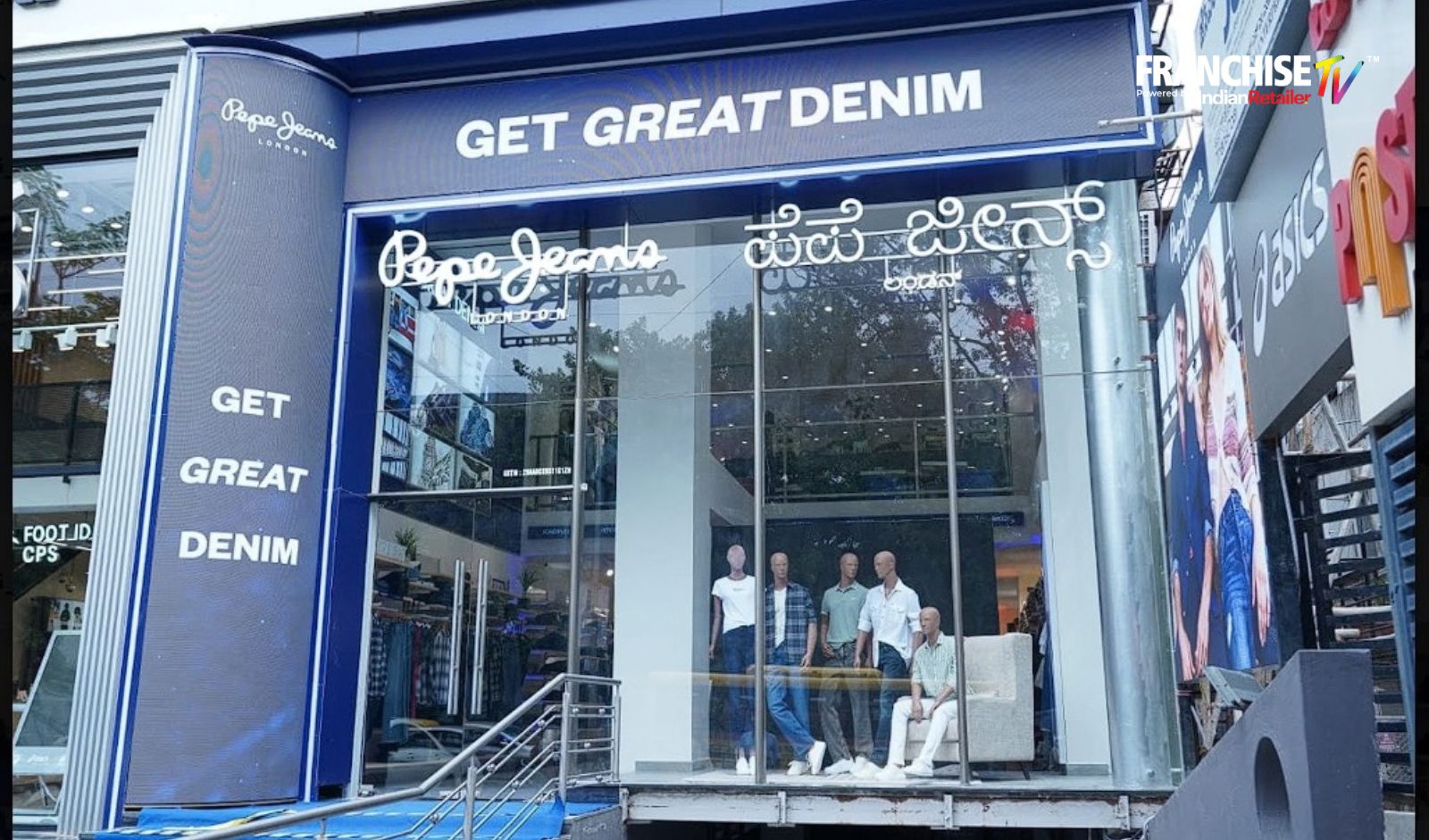
Pepe Jeans London has expanded its retail presence in Bengaluru with the opening of three upgraded experience stores. The stores, located at Phoenix Marketcity Whitefield, Indiranagar 100 Feet Road and HSR Layout, opened on the same day as the brand looks to strengthen its presence across key Indian markets.
The new stores offer collections for men, women and boys, combining the brand’s denim-focused portfolio with casualwear and everyday fashion. The assortment includes denim, shirts, T-shirts and other casual styles, along with denim ranges such as Shiruku and Powerflex.
Bengaluru Expansion
The simultaneous launch across three Bengaluru neighbourhoods is part of the brand’s wider retail expansion strategy. The new store format is aimed at providing consumers with access to its denim and casualwear portfolio while updating the overall shopping experience.
Rakesh Jallipally, CEO – Pepe Jeans London (India), said, “Bengaluru has always been an important market for us, and opening three stores in the city on the same day allowed us to create something much bigger than individual store launches.”
He added, “The new upgraded look marks an important phase in improving customer experience while they shop for fashion. These stores strengthen our retail presence and give our consumers greater access to our denim, casualwear and everyday styles.”
Retail Network
The Bengaluru openings come as Pepe Jeans London continues to expand its physical retail network in India. The brand currently operates more than 200 stores across the country and plans to add another 100 stores over the next 18 months.
The expansion is expected to cover both established and emerging markets as the brand increases its physical footprint. Bengaluru remains one of the markets where the company is strengthening its store presence through multiple locations.
Jallipally said, “As we continue to expand our retail network across India, Bengaluru is an important part of that journey.”
Denim-Led Portfolio
Founded on London’s Portobello Road in 1973, Pepe Jeans London has built its identity around denim-led fashion. Its portfolio spans women’s, men’s and junior collections, drawing on influences from London’s music, culture and fashion landscape.
The Bengaluru stores bring together the brand’s denim heritage with contemporary casualwear, while the upgraded formats focus on creating a more consistent retail experience across locations.
With more than 200 stores currently operating in India and plans for further additions, the brand’s latest Bengaluru expansion reflects the continuing role of physical stores in its India retail strategy.
For Further Franchise Info Contact
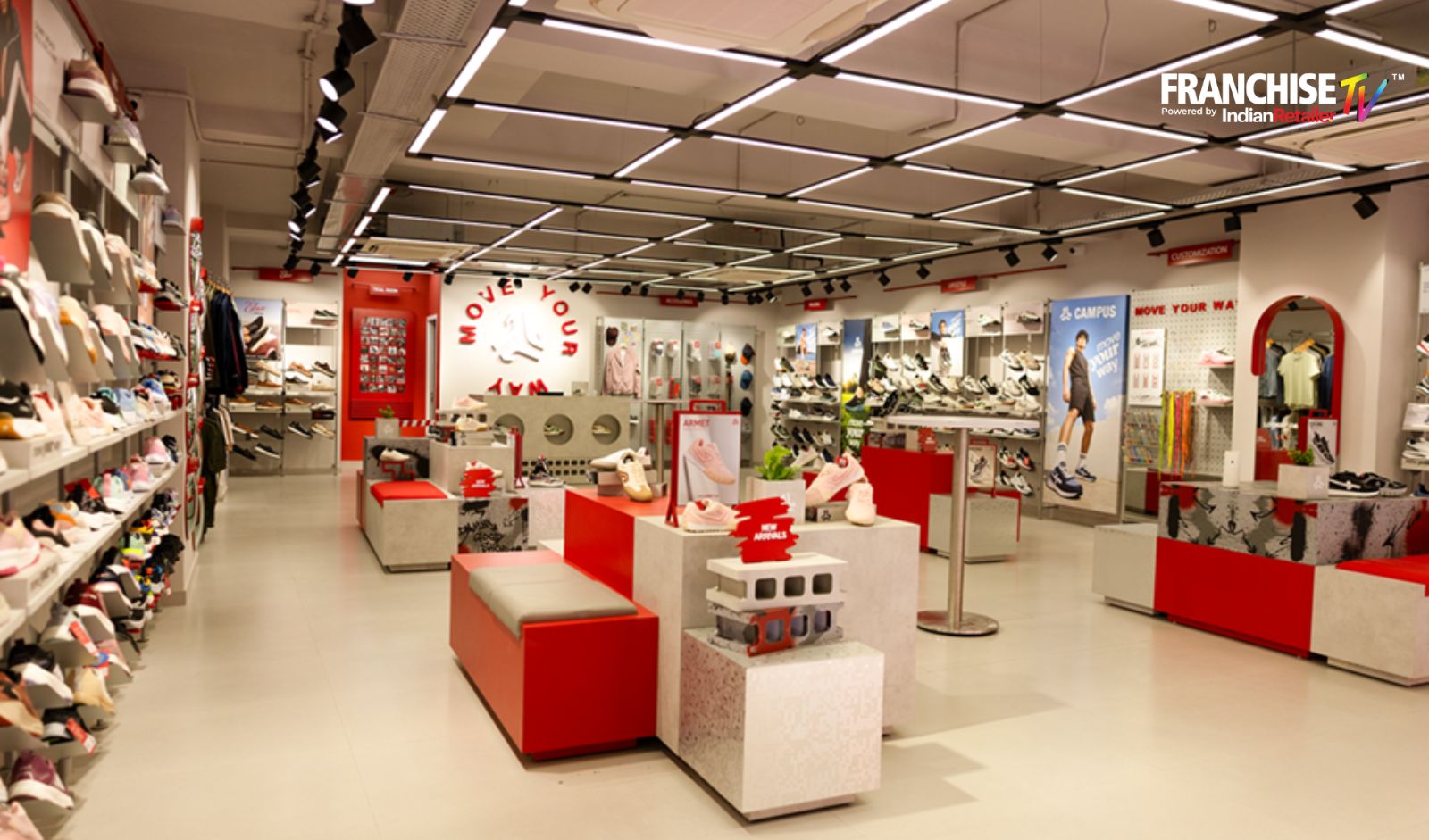
Campus Activewear has opened its first reimagined retail store in Roop Nagar, New Delhi, as the sports and athleisure brand looks to expand its physical retail format and broaden its presence across lifestyle categories. The 1,640 sq. ft. store was inaugurated by Gautam Gambhir, Head Coach of the Indian cricket team, on September 22, 2026.
The new-format outlet introduces a redesigned retail concept for Campus Activewear, with changes in store layout, product presentation and customer interaction. The format is intended to move beyond conventional product displays, with dedicated areas for product discovery, styling and exploration.
New Retail Format
The store uses a contemporary and minimalist design approach. The layout includes curated product sections, styling boards, lifestyle imagery and dedicated product hotspots.
Interactive elements such as lace customisation and a photo-op area have also been incorporated into the store. Different sections are arranged to create a structured movement through the outlet and allow customers to explore the assortment across categories.
The store brings together lifestyle and sneakers, running, walking, ÉLAN, women’s and kids’ footwear, along with apparel, accessories, bags, slippers and sandals.
Expanding Beyond Footwear
The wider assortment reflects Campus Activewear’s expansion from its core footwear business into a broader sports, fashion and lifestyle proposition. The company is using the new store format to present multiple categories within a single retail environment.
Gautam Gambhir said, “Sport teaches you to keep moving, adapt and push forward, and I see that same spirit in the way Campus Activewear is evolving. The new Roop Nagar store is a reflection of that journey, bringing a fresh perspective to how consumers experience the brand.”
Nikhil Aggarwal, CEO, Campus Activewear, said, “The Indian sports and athleisure market is at an exciting stage, with consumers increasingly seeking products and brands that fit seamlessly into their everyday lives. For Campus Activewear, this presents an opportunity to build on our scale and strengthen our relevance across a much broader consumer landscape.”
Focus on Delhi NCR
Campus Activewear currently operates 311 exclusive stores across India, including 41 outlets in Delhi NCR. The company identifies Delhi NCR as an important market as it continues to expand its retail network across Tier I and Tier II cities.
The Roop Nagar outlet forms part of this expansion and gives the company a new retail format to test in a key urban market. Campus Activewear has indicated that the Delhi NCR market could support a footprint of more than 60 stores over the coming years.
‘Move Your Way’ Activation
Alongside the store opening, Campus Activewear is taking its ‘Move Your Way’ philosophy to students through a shoe truck activation near Roop Nagar and North Campus. The two-week activation will feature fitness challenges and open talent activities, with coupons and merchandise for winners.
The company is also offering a free gift on purchases of Rs 2,499 and above, subject to applicable terms and conditions.
For Further Franchise Info Contact
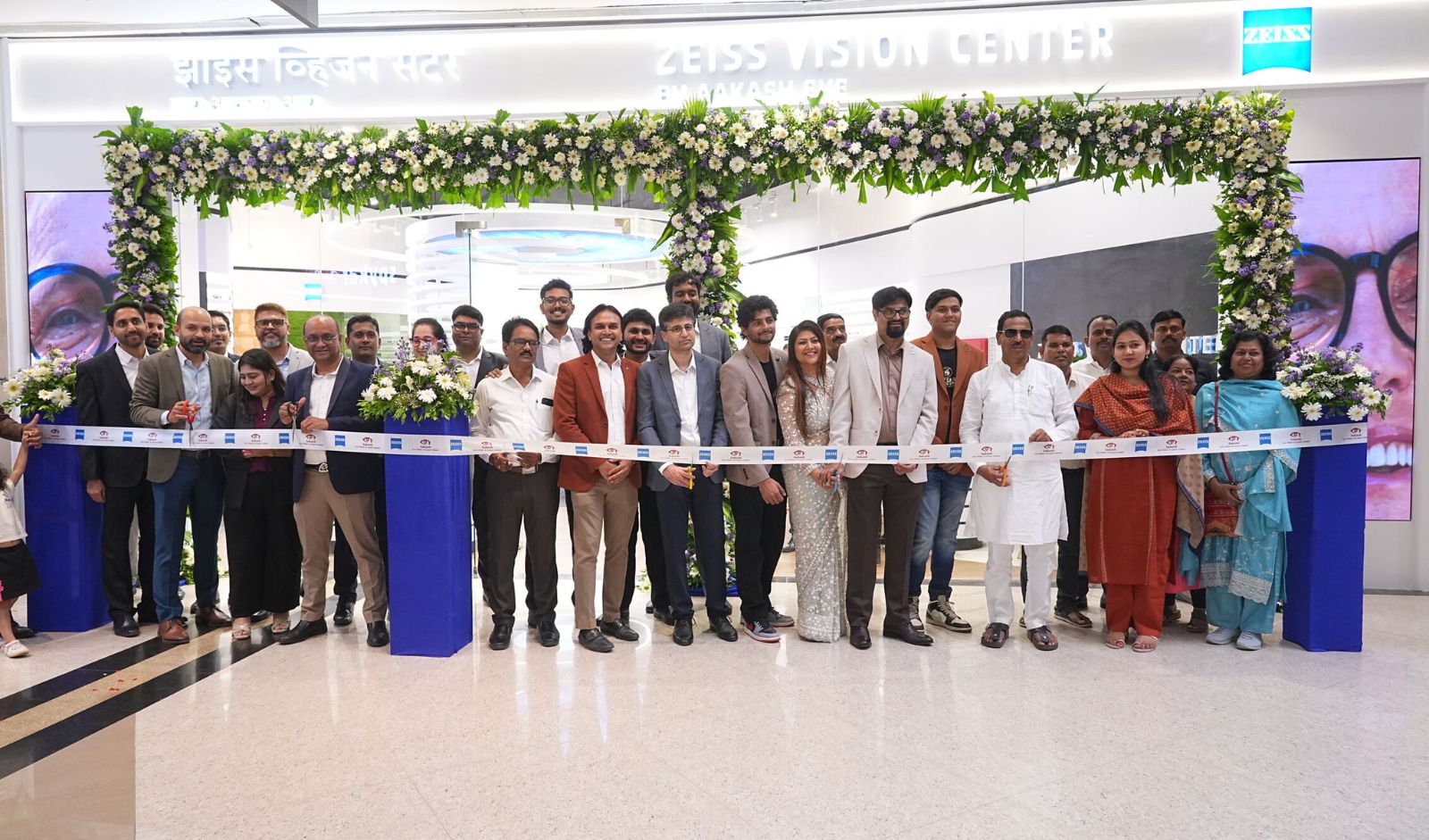
Aakash Eye Clinic and Laser Center has partnered with ZEISS India to launch the ZEISS VISION CENTER by Aakash Eye at Phoenix Marketcity, Pune. The new center combines the eye care provider’s experience with ZEISS’s vision care and precision optics solutions.
The launch marks the fourth ZEISS VISION CENTER in Pune and the first in the city through the eye care retail channel. It is also the first ZEISS VISION CENTER launched by Aakash Eye Clinic and Laser Center, which has more than 25 years of experience in eye care.
Located at G23, Lower Ground Floor, Phoenix Avenue of Stars, Viman Nagar, the 1,800 sq. ft. center offers personalized consultations and access to ZEISS vision solutions. The center is designed around different visual requirements and lifestyles, bringing consultation and product selection together in a retail setting.
Dr. Vitthal Satav, Owner, Aakash Eye Clinic and Laser Center, said, “We chose ZEISS VISION CENTER because its forward-thinking approach perfectly matches our growth ambitions for this region. By combining ZEISS’s robust ecosystem with our on-the-ground expertise, we are dedicated to raising the standard of customer experience and driving measurable value for every client we serve.”
The center will offer ZEISS’s portfolio of vision solutions, including lens designs and technologies developed for different visual needs. Customers can receive consultations based on their individual requirements and everyday activities.
Rohan Paul, Business Head – India and Neighboring Markets, Vision Care, ZEISS India, said, “At ZEISS India, we are committed to expanding access to high-quality vision care by partnering with businesses that share our focus on technology, precision, and personalized customer experiences.”
He added, “With Aakash Eye Clinic and Laser Center, we are pleased to bring the ZEISS VISION CENTER experience to Pune. This center gives customers in the region access to ZEISS’s advanced vision solutions and personalized consultation in a convenient retail environment.”
The new center adds to ZEISS’s presence in Pune while extending the VISION CENTER concept into the eye care retail channel. For Aakash Eye Clinic and Laser Center, the launch marks an expansion of its offering beyond its existing clinical services into a dedicated retail environment.
The ZEISS VISION CENTER by Aakash Eye is now operational at Phoenix Avenue of Stars, Pune.
For Further Franchise Info Contact
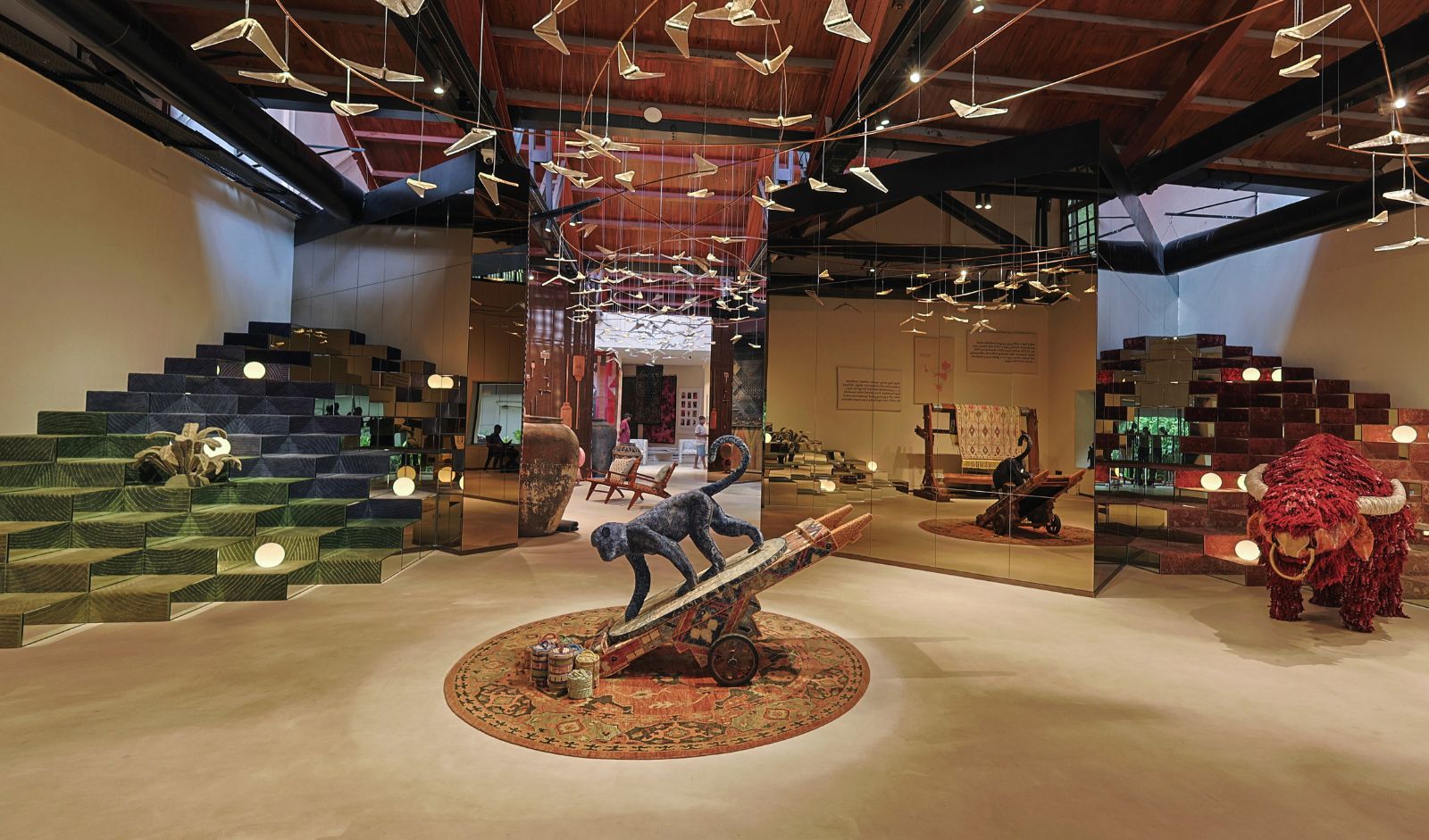
Jaipur Rugs has opened a 20,000 sq. ft. flagship store at Mumbai’s historic Empire Mills, bringing together handmade rugs, Indian craftsmanship, contemporary design and the industrial heritage of the city.
The new space has been designed as an experience centre rather than a conventional showroom, with the company looking to deepen its presence in the luxury and design retail segment.
Located within the historic Girangaon precinct, the flagship occupies a former industrial warehouse that was once part of Mumbai’s textile ecosystem. Jaipur Rugs has retained several original architectural elements, including the Victorian steel structure, pitched roof and clerestory glazing, while introducing new design elements around the brand’s weaving heritage.
The store presents Jaipur Rugs’ contemporary collections and heritage weaves through curated spaces focused on colour, texture, material and design. Artisans can also be seen hand-weaving rugs inside the store, giving visitors a closer look at the production process. Mesh partitions provide views of the weaving activity, while lounge areas allow customers to experience the texture and scale of the rugs.
N.K. Chaudhary, Founder, Jaipur Rugs, said, “For me, this store represents more than expansion. It is about taking the story of Indian craftsmanship into a space where it can be experienced, understood and valued in a new way. Empire Mills carries the memory of Mumbai’s textile heritage, while Jaipur Rugs carries the living tradition of the Indian loom. Bringing the two together felt incredibly meaningful.”
The store also includes a vertical rug archive and a suspended installation of metal birds at the entrance. The overall design has been developed by Dubai-based multidisciplinary design studio Roar, led by Pallavi Dean.
“We didn't want to design another showroom; we wanted to create a journey. The building already had a powerful identity, the steel structure, the pitched roof, the clerestory light and the memory of its textile past,” said Pallavi Dean, Founder and Creative Director, Roar. She added that the design draws on weaving through ideas of repetition, rhythm and connection.
The flagship features Jaipur Rugs’ Manchaha and Freedom Manchaha collections, along with collaborations with designers and creative personalities including Pavitra Rajaram, Vinita Chaitanya, Peter D’Ascoli, Kavi, Gurjeet Singh, Gauri Khan, Tatiana de Nicolay and Her Highness Bodour Al Qasimi.
Yogesh Chaudhary, Managing Director, Jaipur Rugs, said, “Luxury retail is changing. Customers are no longer looking only for a beautiful product; they are looking for meaning, provenance and an experience that stays with them. That is the thinking behind our Mumbai flagship.”
Jaipur Rugs currently has stores across India as well as international locations in Milan, Dubai, London and Singapore. The company is evaluating further opportunities across Europe and Asia-Pacific. In India, it is exploring expansion into markets including Chennai, Pune, Hyderabad and Gujarat.
Founded in 1978 by Nand Kishore Chaudhary with two looms, Jaipur Rugs has grown to more than 7,000 looms and sells its products in over 90 countries. The company works with more than 40,000 rural artisans, around 90 percent of whom are women, and has positioned handmade carpet weaving as a means of connecting rural craftsmanship with global consumers.
For Further Franchise Info Contact
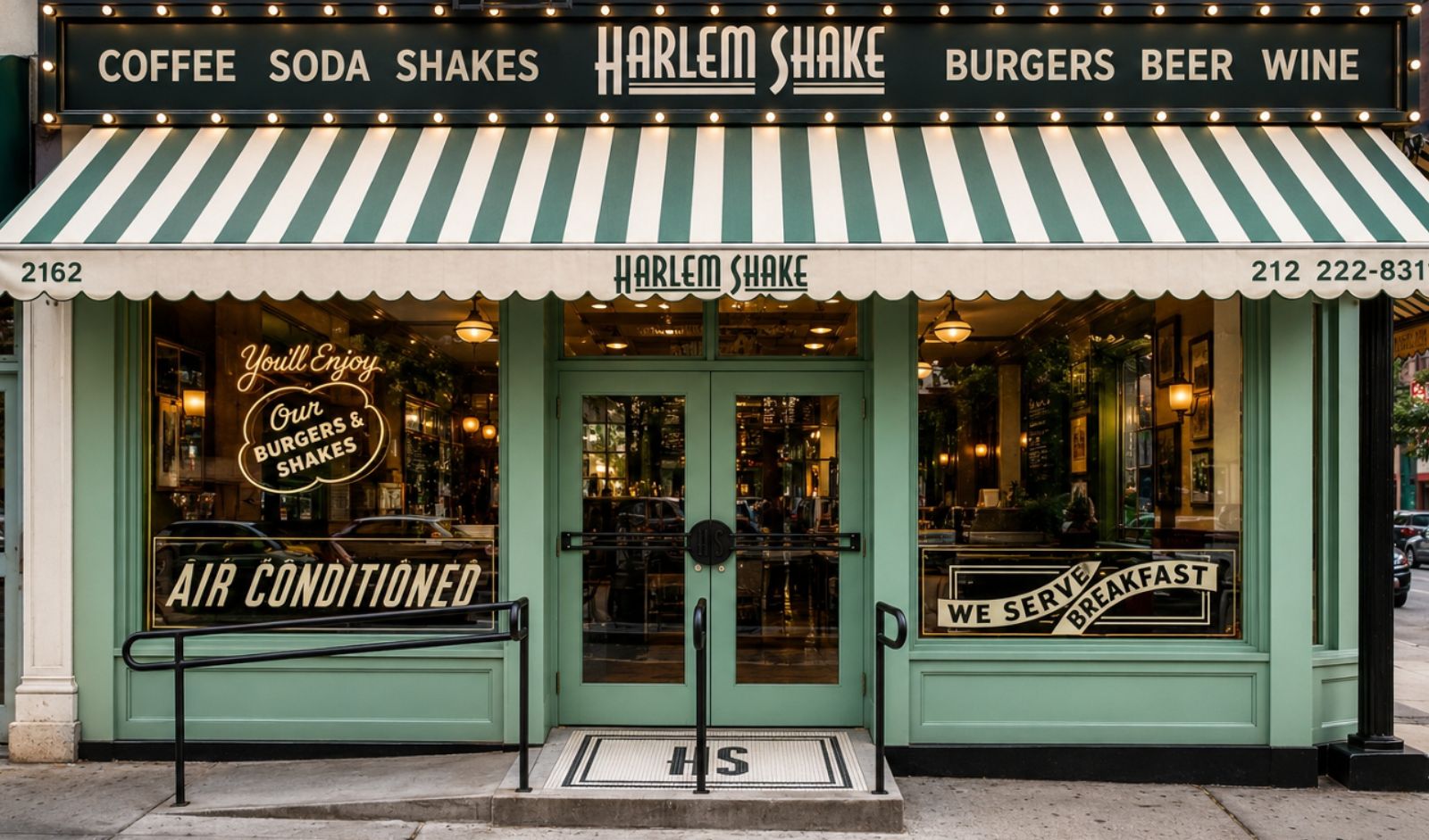
Harlem Shake, the community-focused fast casual dining brand from Harlem, New York, is preparing to enter the Indian market through a strategic collaboration with Franchise India with advisory by FranGlobal.
The brand is rolling out regional master-franchise and area-development opportunities across multiple Indian territories.
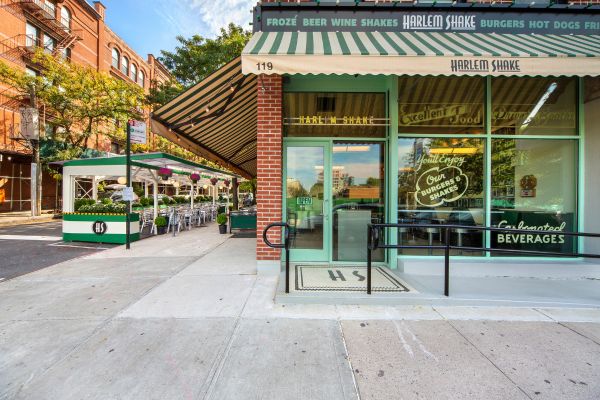
Established in 2003, Harlem Shake is known for its local character, welcoming atmosphere and community-driven dining experience. Founded by Jelena Pasic, the brand reflects her appreciation for local traditions and Harlem’s distinctive history, architecture and cultural identity.Harlem Shake is a diner concept that draws inspiration from old-school Harlem eateries, combining distinctive design, décor and food with a strong connection to the communities they serve.
The menu includes burgers, shakes and other fast-food favourites, supported by quality ingredients, friendly service and a fast-casual operating model. The brand has attracted local residents as well as celebrities, politicians and international visitors.
Harlem Shakes is rolling out regional master-franchise and area-development opportunities across multiple Indian territories.
Commenting on the brand’s potential in India, Gaurav Marya, Chairman, Franchise India Group, said: “India is a highly diverse and dynamic market where brands that understand local tastes, preferences and cultural nuances are better positioned to succeed. Consumers increasingly value global concepts that can adapt to local preferences and palettes without creating cultural disconnects. Harlem Shake’s community-friendly proposition can resonate strongly with India’s evolving consumer preferences and offers significant potential for franchise-led growth. With the right local partnerships, the brand can scale across key markets and establish a strong presence in India.”
Talking about the Indian market opportunity, Jelena Pasic, Founder & CEO, Harlem Shake, said: India just became the most populous country in the world. The growth of the economy and the overall development of consumer society in India presents a great opportunity for our brand. I think the people of India are now acquiring tastes and want to experience things worldwide. And so we really give India a Harlem experience. In the day and time where Indian consumers look for more and more exciting experiences, we can provide a premium smash little burger, organic milkshake and a great recipe that's simple to execute and at the same time provide a unique experience. We also have a high sense of community which we would like to replicate and bring to India.
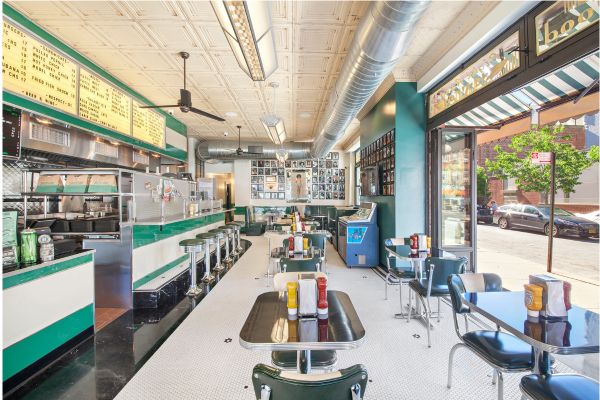
Further discussing the brand expansion strategy, she said: ‘‘We like to open 100 Harlem Shake units in 10 years, at least 10 units in the first year. We are doing area development deals, and not selling single units. That's because we want to make sure that whoever gets the franchise deals receives higher ROI with multiple units in one area. We would like to expand to Tier 1 cities, big urban centres, and then some other cities that are around them. All in all, our franchise partners will get high ROI, and besides that you get to run a ‘fun concept’ that has not only a culinary but cultural component as well.’’
For Further Franchise Info Contact
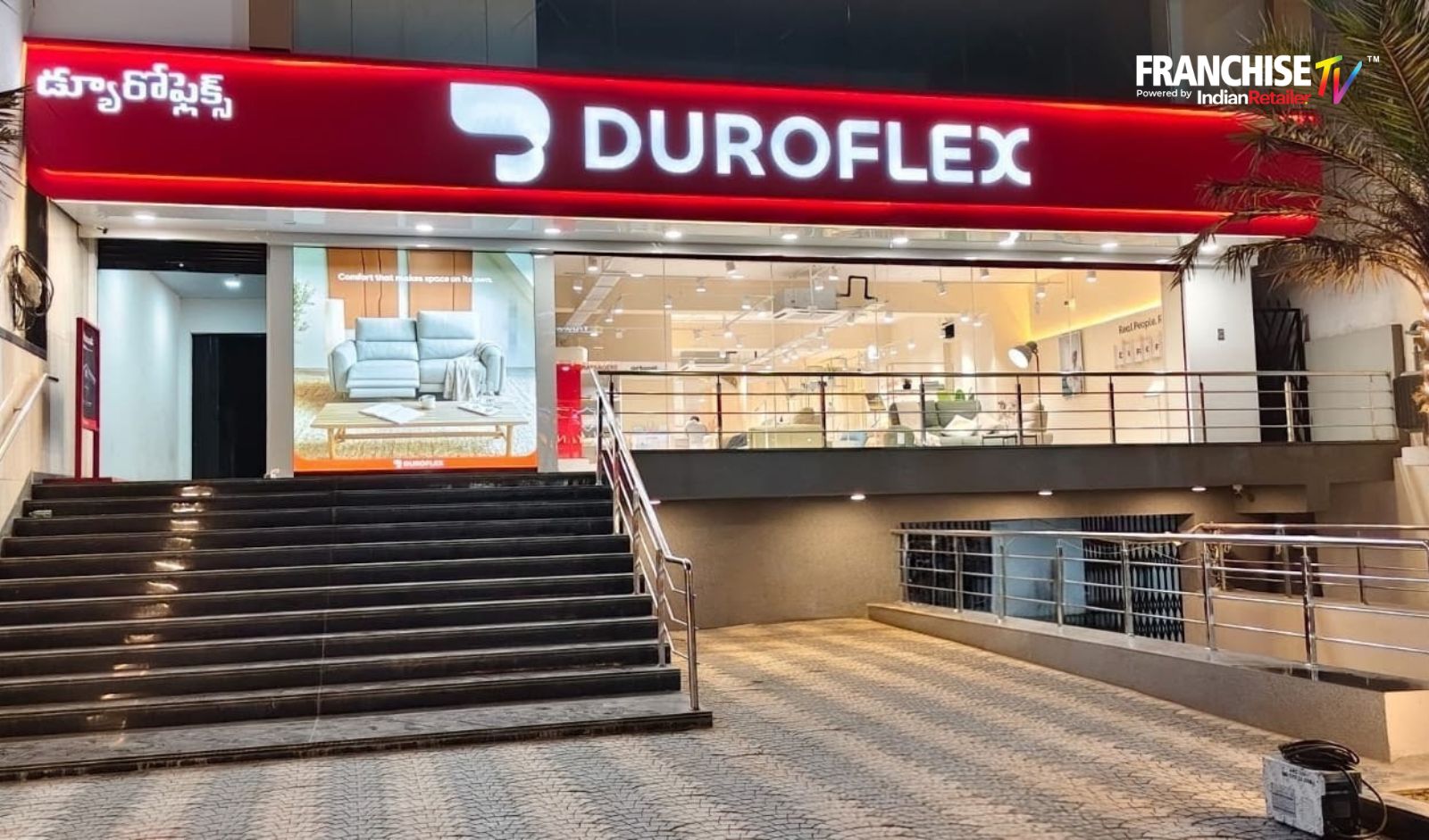
Duroflex has strengthened its retail presence in Hyderabad with the opening of a new Experience Centre in Miyapur. Spread across around 2,000 sq. ft., the centre is designed to give consumers a more guided and personalised way to explore sleep and comfort solutions.
The new outlet follows Duroflex’s evolving ‘Designed to De-Stress’ philosophy, which focuses on sleep, comfort and recovery. Instead of a conventional mattress-shopping format, the centre allows customers to understand different sleep requirements and experience products before making a purchase.
Focus on Personalised Sleep Needs
The Experience Centre brings together Duroflex’s range of mattresses and sleep solutions, catering to different preferences, lifestyles and comfort requirements. Products including the Airboost mattress and Motion Sofa range are also available for consumers to experience.
The retail format is built around assisted comfort trials and consultations. Customers can explore options based on factors such as posture, support requirements, material preferences and overall comfort needs.
Sridhar Balakrishnan, CEO, Duroflex Limited, said, “Sleep is increasingly being recognised as an important part of overall health, recovery and everyday wellbeing, and this is shaping how consumers approach their sleep choices.”
He added, “Our new Experience Centre in Miyapur brings our entire range of sleep and comfort solutions together in one space, giving consumers the opportunity to explore different technologies, materials and comfort formats based on their individual needs.”
Expanding Retail Footprint
According to the company, the Miyapur centre is part of its efforts to expand its retail presence and provide consumers with greater access to its sleep and comfort portfolio.
“From our mattresses and sleep technologies to innovations such as Airboost, the centre allows consumers to experience how technology, research and thoughtful design come together to address evolving sleep and comfort needs,” Balakrishnan said.
Duroflex has around 60 years of experience in the sleep and comfort category. The company offers mattresses, sofas, recliners and sleep accessories. Its portfolio includes Duropedic, its range of orthopedic mattresses, which the company says has been recommended by doctors at the National Health Academy (NHA).
The company has a retail distribution network comprising 80 company-owned, company-operated (COCO) stores and more than 5,000 trade partners. It is also expanding its omnichannel presence across the country.
The new Miyapur Experience Centre is now open to consumers, adding another retail touchpoint for Duroflex in Hyderabad.
For Further Franchise Info Contact
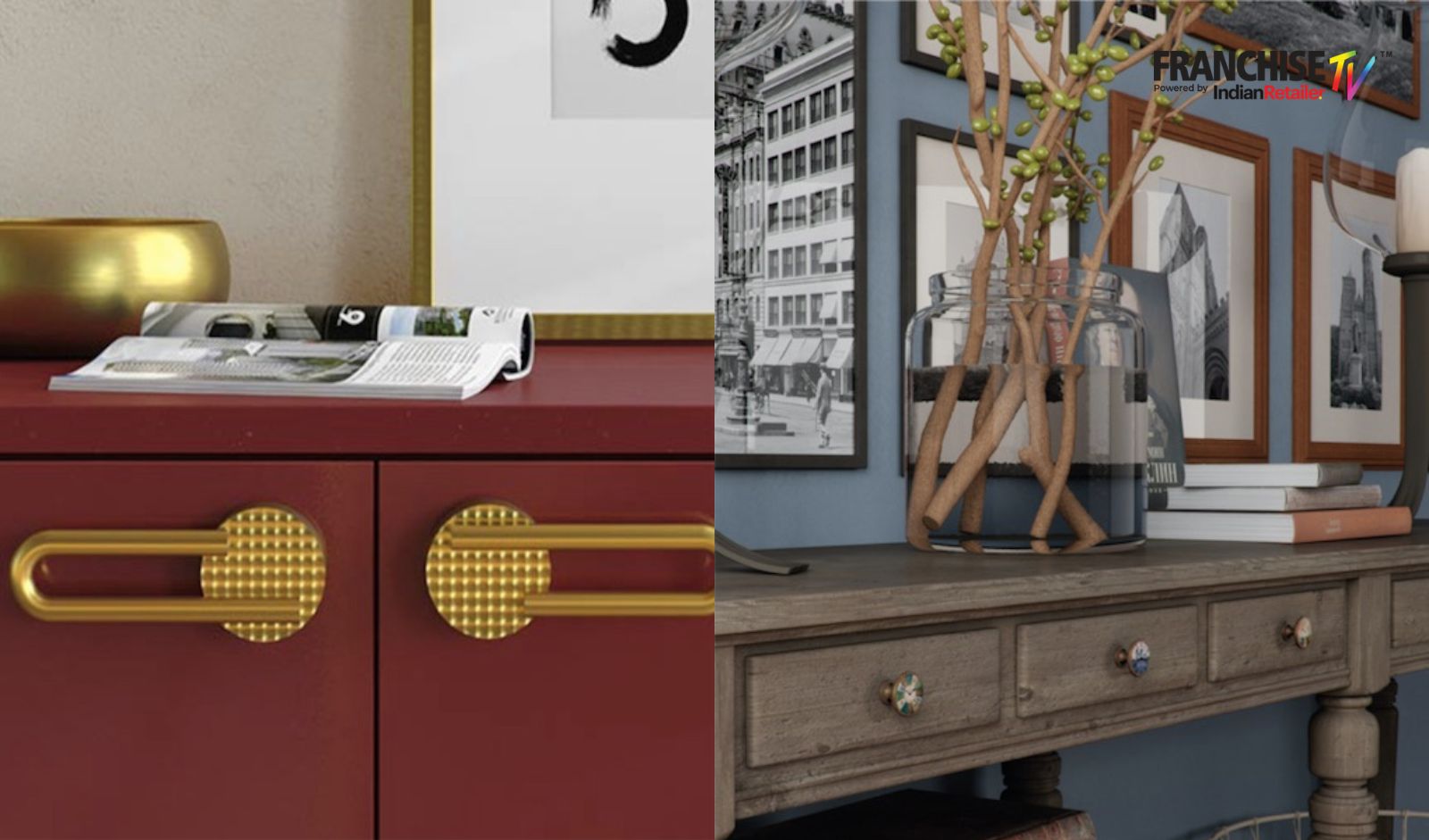
Benzoville has announced a nationwide franchise programme based on a zero-inventory model, as the luxury architectural hardware brand looks to expand beyond metropolitan markets into Tier-II and Tier-III cities.
Zero-Inventory Model
The company will operate through a Franchise-Owned, Franchise-Operated (FOFO) structure, allowing partners to establish experience centres without maintaining product inventory at the showroom. Benzoville will handle sourcing, inventory, logistics, and order fulfilment through its centralised infrastructure.
“Luxury retail today is built around experience rather than inventory. Our franchise model allows entrepreneurs to invest in creating an inspiring showroom while leveraging Benzoville's backend infrastructure for product availability, logistics and fulfilment,” said Akshat Bansal, Founder, Benzoville.
The model is aimed at reducing the working capital typically required in hardware retail, where dealers traditionally need to maintain substantial stock across multiple product categories.
53,000-Plus Designs
Franchise partners will have access to more than 53,000 architectural hardware designs, covering handles, knobs, cabinet fittings and other architectural accessories. Products are sourced from global manufacturers and made available through Benzoville's centralised system rather than being stocked at individual franchise locations.
The company is also building an operational support system covering procurement, digital product access, logistics, showroom planning, marketing, lead generation, pricing and staff training through the upcoming Benzoville Academy.
Beyond Metros
Benzoville's expansion comes amid increasing demand for premium interior and architectural products. Rising disposable incomes, exposure to international design trends and growth in premium residential and commercial real estate have contributed to greater consumer interest in design-led hardware.
The company sees an opportunity in smaller cities, where organised luxury hardware experience centres remain relatively limited. Rising urbanisation, wealth creation and investment in premium housing are supporting demand for specialised retail formats in these markets.
The franchise programme is intended to allow local entrepreneurs to establish such centres while accessing Benzoville's technology and operational infrastructure.
Selective Expansion
Benzoville plans to work with entrepreneurs from the hardware, building materials, interior products, architecture and premium home improvement sectors. The company said it will prioritise partner quality over the pace of expansion.
The approach is intended to maintain consistency in customer experience across locations while allowing franchisees to focus on customer relationships and sales rather than inventory management.
The zero-inventory structure marks a shift from conventional hardware franchising, placing greater emphasis on experience-led retail and centralised fulfilment as the company looks to build a wider national presence.
For Further Franchise Info Contact
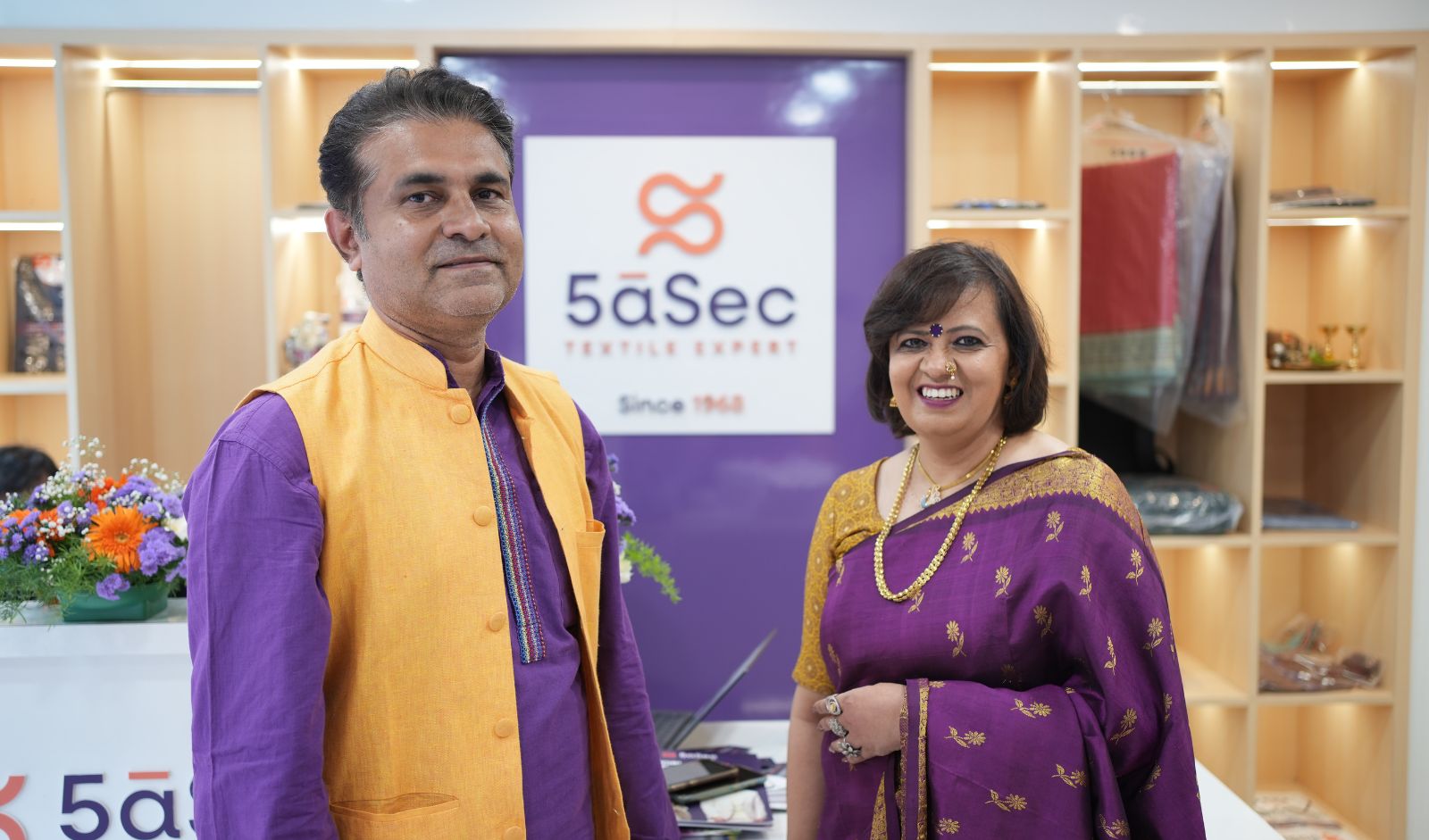
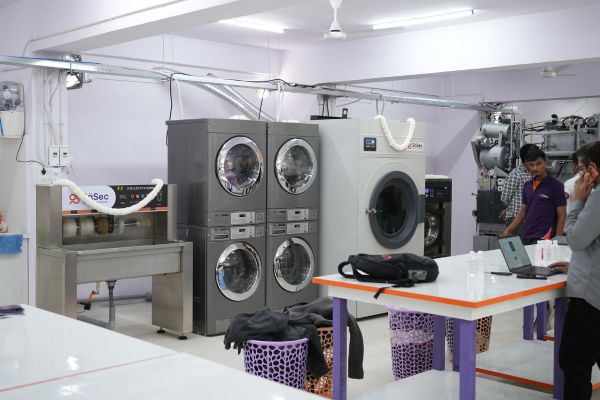
France-based organised dry-cleaning and textile-care brand 5àsec has announced the launch of its new laundry outlet in Bengaluru. The brand has partnered with Franchise India and is aggressively expanding its presence in the Indian market through franchise led model.
The brand, which has established a strong global presence in the laundry and textile-care segment, plans to leverage the franchise model to expand its footprint across key Indian markets.
5àsec currently operates a network of 1,900 stores across 33 countries spanning five continents, serving approximately 114,000 customers every day. Its stores generate an average turnover of around EUR 225,000, reflecting the strength of its established business model.
The brand has also received recognition for its strong market presence, including the Highest Brand Awareness award in the sector. It has additionally been voted Best Dry Cleaner by Meilleur Pressing de l’Année for eight consecutive years, acknowledging its focus on service quality and speed.
Commenting on the brand’s expansion, Mr. Gaurav Marya, Chairman, Franchise India Group, shares, “With the upcoming launch of its new outlet in Bengaluru, 5àsec is marking a significant milestone in its India expansion journey. Backed by its proven expertise, advanced cleaning technologies and robust franchise-led model, the brand is well positioned to scale across key Indian markets while bringing international standards of quality, convenience and sustainability to Indian consumers.”
Sustainability and operational efficiency remain key pillars of 5àsec’s business model. The brand employs dual cleaning technologies, combining dry-cleaning and aqua-cleaning processes, developed with a strong focus on reducing environmental impact while ensuring high-quality textile care and faster turnaround times. Its dedicated R&D department focuses on optimising equipment, improving processes and developing new service concepts to enhance customer experience.
In addition to its in-store services, 5àsec offers home delivery services, providing customers with greater convenience and flexibility. The brand also places significant emphasis on employee training through its dedicated training school in Paris, where employees undergo intensive training designed to maintain consistent service standards across its network.
As part of its India expansion strategy, 5àsec is establishing its presence in key markets including Mumbai, Bengaluru, Hyderabad, Chennai, Delhi-NCR, Ahmedabad and the Tricity region. Through its franchise-led expansion model, the brand aims to partner with entrepreneurs and build a wider network of organised laundry and textile-care outlets across the country.
For Further Franchise Info Contact
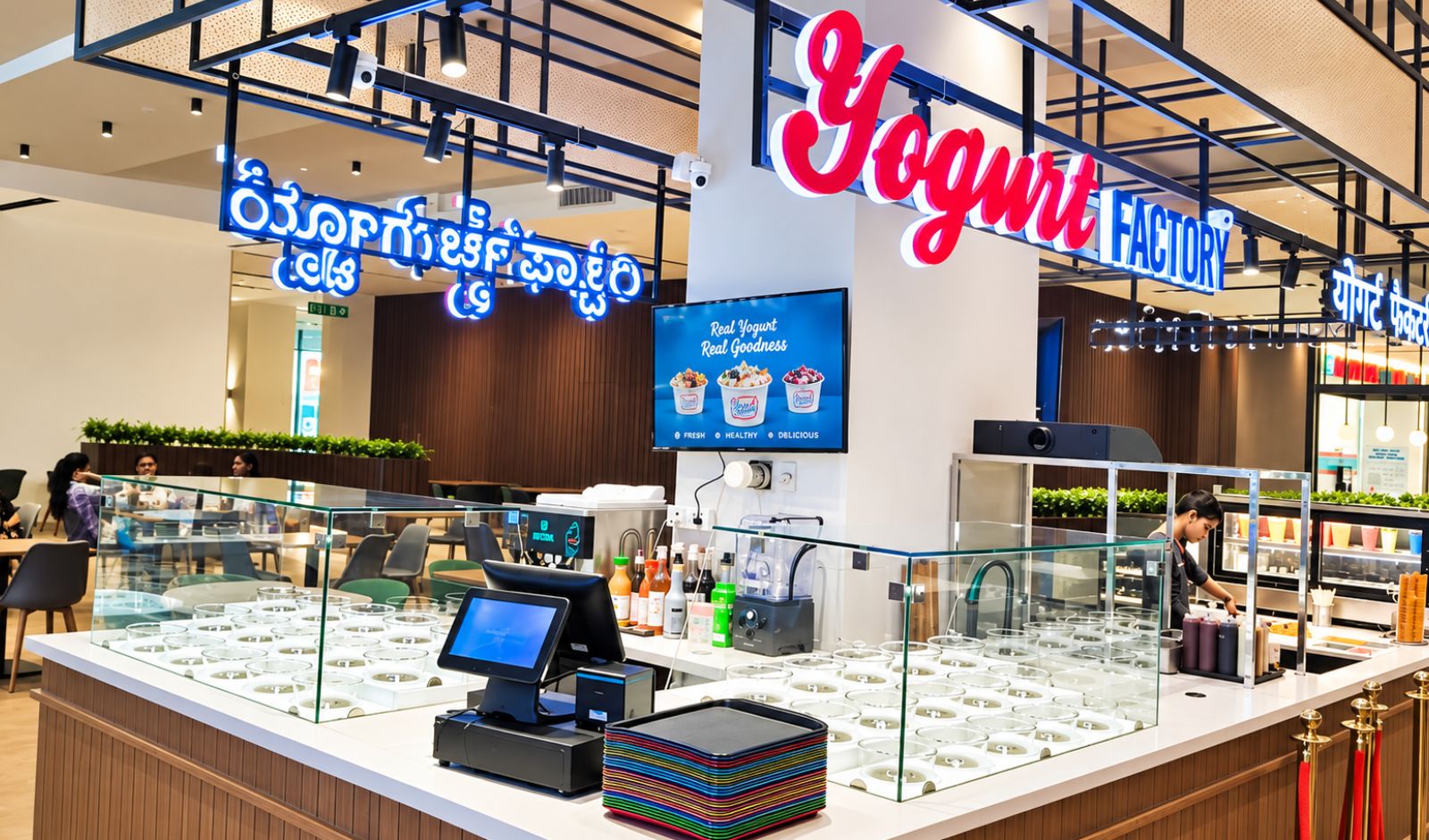
France-based frozen yoghurt chain Yogurt Factory has opened a new outlet at Lakeshore Mall, Hyderabad, strengthening its retail footprint in India.
Known for its no-fat frozen yoghurt and customisable toppings, the brand also offers smoothies, milkshakes, waffles and bubble tea. Its toppings-led format gives customers the flexibility to create personalized desserts, helping the brand appeal to India’s growing base of young, experience-driven consumers.
Yogurt Factory operates more than 85 stores across 10+ countries, including France, Belgium, Luxembourg, Spain, Gabon, Morocco, Senegal, Uzbekistan and Malaysia.
Scalable Franchise Model
The brand offers multiple formats suited to different locations including Kiosks and stalls: 15–25 sq. m. in shopping malls,city-centre stores: 30–60 sq. m. and standalone outlets: Approximately 800 sq. ft. This flexible format allows Yogurt Factory to operate across premium malls, high-street locations and other high-footfall retail environments.
Commenting on the new store opening, Gaurav Marya, Chairman, Franchise India Group, said: “The opening of Yogurt Factory’s new outlet in Hyderabad reflects the brand’s growing appeal in India’s evolving dessert and QSR market. Its differentiated toppings model, compact store formats and globally proven concept provide a strong foundation for scalable franchise growth. As consumers increasingly seek indulgent yet lighter dessert options, Yogurt Factory is well positioned to expand across premium malls and high-street destinations.”
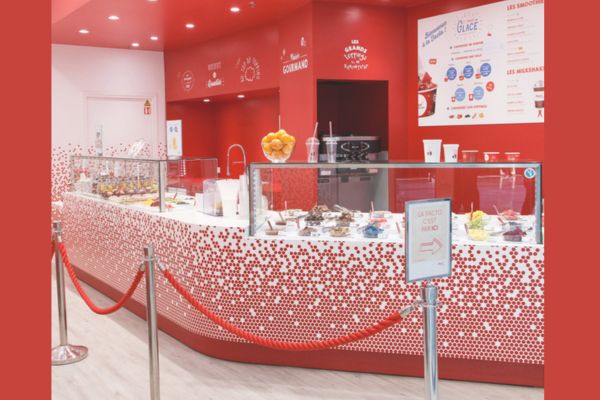
Yogurt Factory entered the Indian market through a strategic partnership with FranGlobal. The brand currently has four operational outlets in India and plans to open two more by 2027. Over the next five years, Yogurt Factory aims to build a network of 36 or more stores across premium shopping malls and high-street locations.
The brand also has a strong international digital presence, with approximately 400,000 TikTok followers, 50,000 Facebook followers, 163,000 YouTube subscribers and 41,000 Instagram followers, according to company information.
India’s flavoured and frozen yoghurt market reached 52.9 million litres in 2025 and is projected to reach 163.7 million litres by 2034, representing a projected CAGR of 12.98% between 2026 and 2034, according to IMARC. Rising interest in lighter desserts, natural flavours and vegan frozen-yoghurt options is supporting demand in the segment.
For Further Franchise Info Contact
/ 3 MIN READ
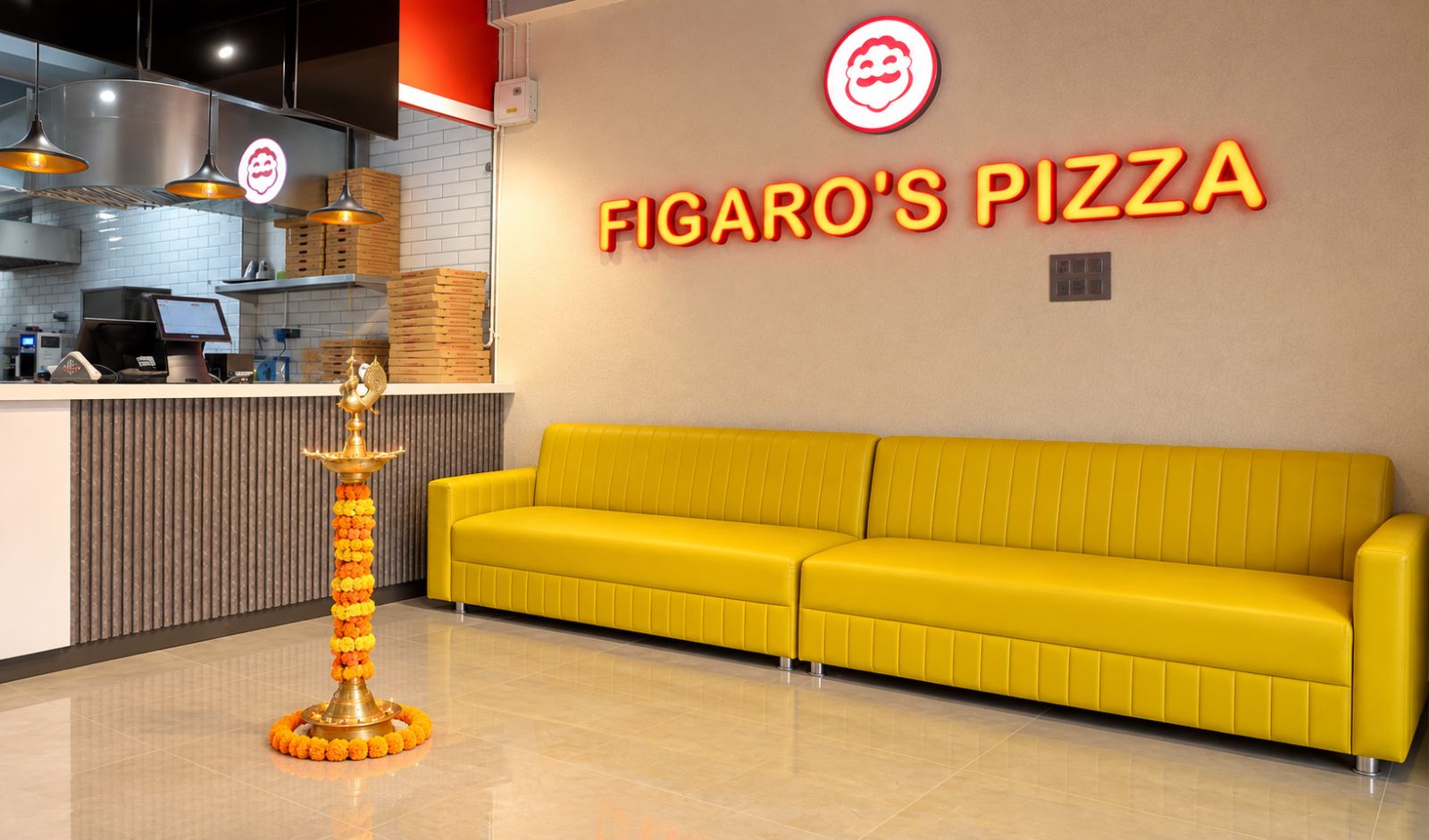
Figaro’s Pizza has expanded its presence in India with the launch of a new outlet in Kankarbagh, Patna, strengthening the brand’s footprint in the country’s growing quick-service restaurant market.
The new store offers Figaro’s signature pizzas, freshly prepared dough and a wide selection of vegetarian and non-vegetarian options.
The Patna launch is part of Figaro’s wider franchise-led expansion strategy in India. The American pizza brand entered the Indian market through Franchise India Brands and is targeting rapid growth across key cities, with an ambition to build a network of 100 outlets by 2027.
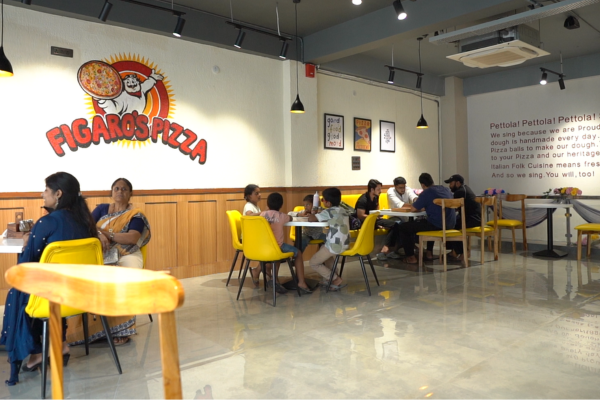
With more than 30 years of international pizza experience, Figaro’s Pizza is positioning itself as a differentiated player in India’s competitive QSR landscape. The brand operates across the United States, India, Cyprus and Nigeria, with a model centred on daily in-store dough preparation, natural ingredients and real cheese.
Commenting on the launch Gaurav Marya, Chairman ,Franchise India said" Bringing Figaro’s Pizza to Patna and expanding its footprint reflects our commitment to accelerating the growth of international food in India. Figaro’s Pizza resonate strongly with Indian consumers not just in metros but also to diners in Bharat. We are excited to support Figaro Pizza's growth journey in India and look forward to many more milestones ahead."
With its focus on freshness, menu variety and accessible dining, Figaro’s Pizza aims to appeal to young consumers, families and pizza enthusiasts. Franchise India continues to support the brand’s store-development pipeline and operational integration as it expands across India’s fast-growing QSR sector.
For Further Franchise Info Contact
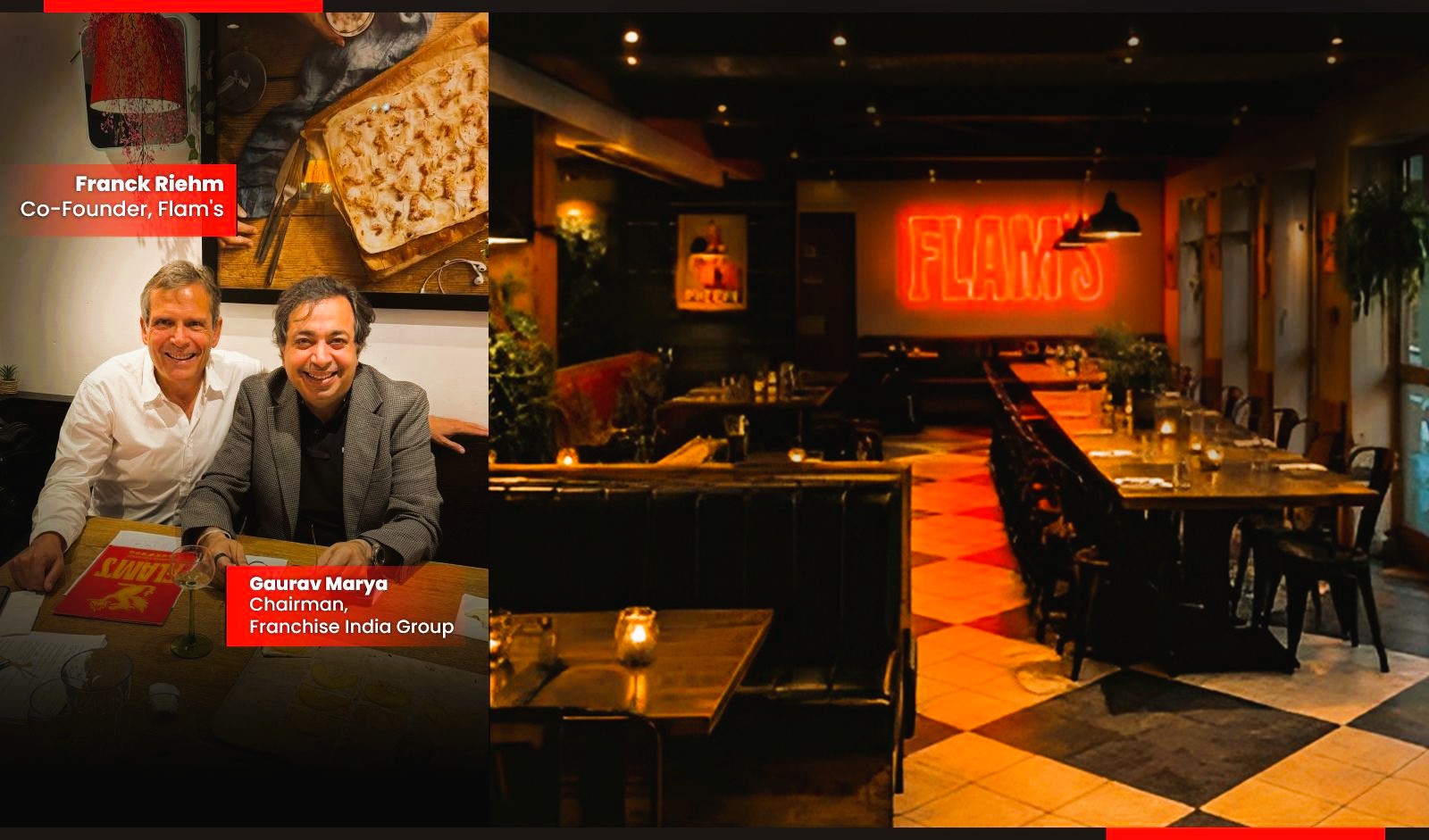
French casual-dining brand Flam’s is set to enter India with its first outlet in Hyderabad at Hitech City in November 2026, marking a key milestone in its international franchise expansion. The 3000 sq.ft store, Flam’s Store in Hitech City, Hyderabad, will offer warm service, accessible pricing and a relaxed contemporary setting for young adults, families and groups. Its shareable format brings French dining to India while allowing menu adaptations for local tastes.
The brand plans to open 50 restaurants across India over the next two years, targeting Retail partnerships with entrepreneurs and multi-unit and Multi- Brand franchise operators in major cities.
Today, Flam's operates and maintains a nationwide network of restaurants across France and is using franchising to accelerate its expansion into new domestic and international markets. India represents a high-potential market for Flam’s as organised foodservice expands beyond conventional QSR and fine-dining formats.
Founded by Franck Riehm and Éric Senet, Flam’s opened its first restaurant in Strasbourg in 1990. The brand is known for Flammekueche, or tarte flambée—an ultra-thin Alsatian flatbread served on wooden boards as a shareable dining experience. Flam’s currently operates a restaurant network across France and is using franchising to accelerate its global growth.
Commenting on the India entry, Gaurav Marya, Chairman, Franchise India Group, said, “India represents an exciting new chapter for Flam’s as the brand plans to open 50 restaurants across major cities over the next two years. Its accessible, contemporary and social dining format has strong potential in India, where consumers are increasingly seeking new food experiences and European cuisines.”
The brand’s flexible menu format allows franchise partners to adapt toppings and flavours to local preferences while retaining the identity of its signature dish. Flam’s offers franchise support, including development guidance, operational know-how and a standardised brand experience.
The Hyderabad launch will serve as the foundation for Flam’s wider rollout across India, positioning the country as a strategic market in the brand’s global franchise journey.
For Further Franchise Info Contact
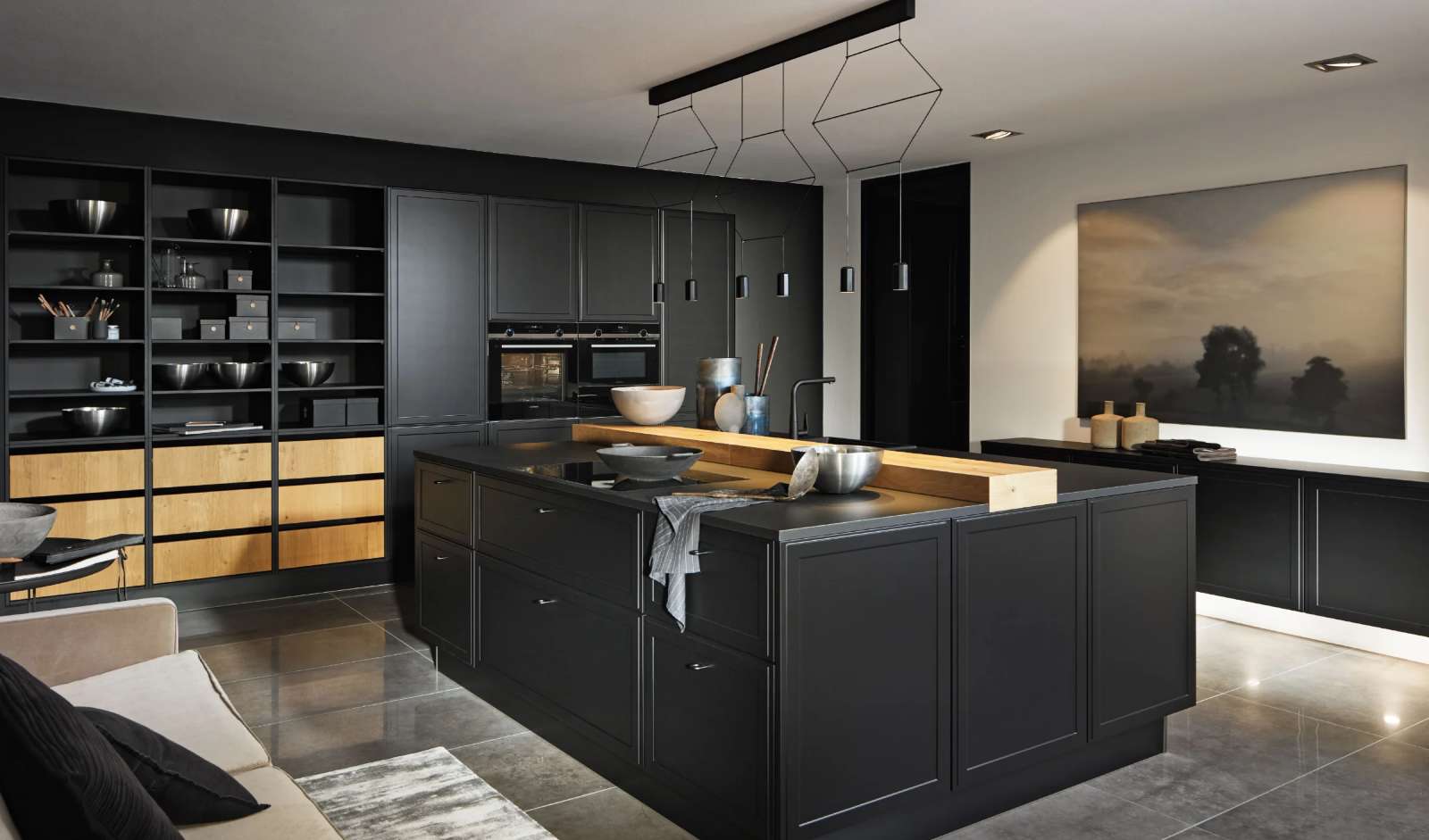
German kitchen manufacturer Nolte is rolling out a new franchise business model to rapidly expand its UK retail footprint. After operating in the UK for 40 years with a network of 120 independent showrooms and 15 company-owned studios, the brand is targeting up to 25 franchise locations by 2027.
Ultimately, Nolte sees the potential for 100 UK store locations across independent, franchise, and fully owned models. Managing Director of Nolte Kitchens UK Chris Rushby highlighted that the franchise approach accelerates brand visibility and guarantees dedicated sales spaces.
The company has already opened franchise showrooms in Bath, Richmond, Henley-on-Thames, Beaconsfield, and Cambridge, with three more planned for Hawkhurst, Edinburgh, and Wakefield by year-end.
To drive this growth, Nolte appointed Kam Bharadwa as national franchise manager. The franchise model is also intended to attract new investors into a mature market where many independent owners are nearing retirement.
“We have a franchise model that we can demonstrate is successful and profitable with a P&L account. It’s less risky for franchisees as well. So it’s a win-win,” Rushby said.
Despite the focus on franchising, independent dealers will remain the core of the business. Rushby assured existing partners that Nolte will not open a franchise or company-owned store next to an independent dealer.
“Our location strategy is based on where we’ve got gaps to fill on the map,” he explained.
Backed by significant ongoing UK investment, including local consumer marketing and event presence, Nolte remains confident in its multi-channel retail growth strategy.
For Further Franchise Info Contact
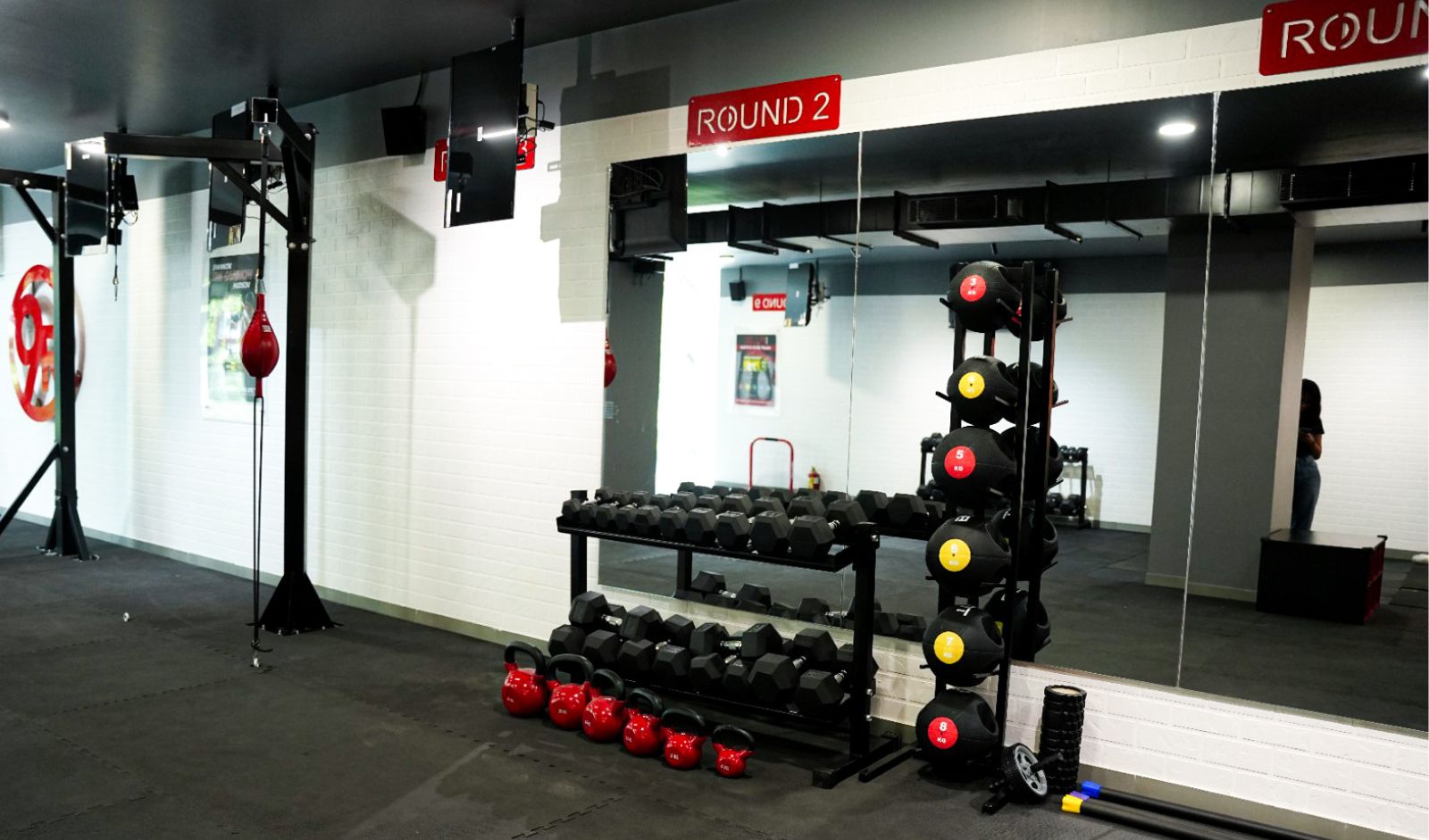
Global kickboxing fitness brand, 9Round, marks a new milestone in its South India growth journey. The brand brings the globally established concept to Bengaluru with the opening of its first three studios in HSR Layout, Indiranagar and Koramangala, marking an important milestone in its expansion across South India.
The Bengaluru launch was celebrated with a grand event at the HSR Layout studio, bringing together members, fitness enthusiasts, partners, influencers and members of the media to experience the 9Round concept firsthand.
Founded in the United States in 2008 by world champion kickboxer Shannon Hudson (“The Cannon”) and his wife, Heather Hudson (“The Hero”), 9Round has grown from a single studio in Greenville, South Carolina, into a global fitness brand known for its signature 30-minute kickboxing-inspired workout.
Built around the belief that fitness should be effective without demanding hours of people’s time, 9Round combines kickboxing-inspired training with a structured nine-station circuit, guided by certified trainers and designed to deliver a complete workout in just 30 minutes.
The journey of 9Round in India is being led by its South India Master Franchisee team. The team secured the Master Franchise rights for South India with a long-term vision to establish the brand across key markets, bringing the globally proven 9Round model to Indian consumers.
Balaji Jeyakumar, Sharmila Jayakumar and Arun Bharathi share the vision of building 9Round as a leading fitness brand across the region.
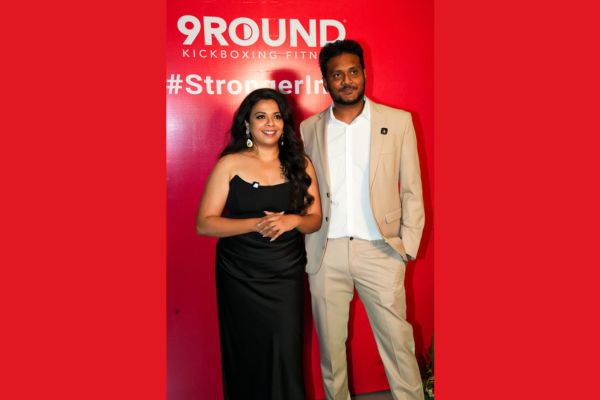
“Our vision with 9Round India is to bring a world-class fitness experience to people in a format that fits naturally into their lives,” said Sharmila Jayakumar, Director, 9Round India.
“Bengaluru is an exciting market for us. The city has a strong fitness culture and a fast-paced lifestyle, making it the perfect environment for the 9Round concept. With three studios opening together, we are taking an important step towards building the 9Round community in Bengaluru” , said Balaji Jeyakumar, Managing Director, 9Round India.
Unlike conventional gyms or fixed-time group classes, 9Round offers members the flexibility to walk in at a time that suits them, with no fixed class schedules. Every workout changes daily and is conducted under the guidance of certified trainers. The focus is simple: high-intensity, trainer-led, full-body fitness in 30 minutes. The format is designed to make kickboxing-inspired fitness approachable for everyone — from beginners taking their first step into fitness to experienced individuals looking for a more efficient training experience.
The Bengaluru expansion brings the 9Round experience to three of the city’s key neighbourhoods: HSR Layout – the flagship Bengaluru studio and launch venue; Indiranagar – bringing the brand to one of Bengaluru’s most vibrant lifestyle districts; and Koramangala – expanding 9Round’s presence into another major fitness and commercial hub.
Beyond the workout, 9Round places strong emphasis on community. Member events, fitness-led social experiences and outdoor activities form an integral part of the brand’s approach to creating a connected fitness community.
The Bengaluru launch follows 9Round India’s growing presence in Chennai, with studios in Kilpauk, Adyar and Mogappair. With three studios now operating in Bengaluru, the brand has established six studios across Chennai and Bengaluru, strengthening its presence in South India.
The expansion journey is set to continue at pace. 9Round India plans to open three new studios in Hyderabad and three additional studios in Bengaluru by the first quarter of 2027, further strengthening its footprint across key urban markets in South India.
As 9Round India continues to expand, the ambition remains clear — to make effective, trainer-led fitness more accessible while building a strong community around the brand.
From its beginnings in South Carolina to its growing presence in India, the 9Round philosophy remains simple: deliver an effective, high-energy workout in just 30 minutes, while making fitness accessible, efficient and enjoyable.
For Further Franchise Info Contact
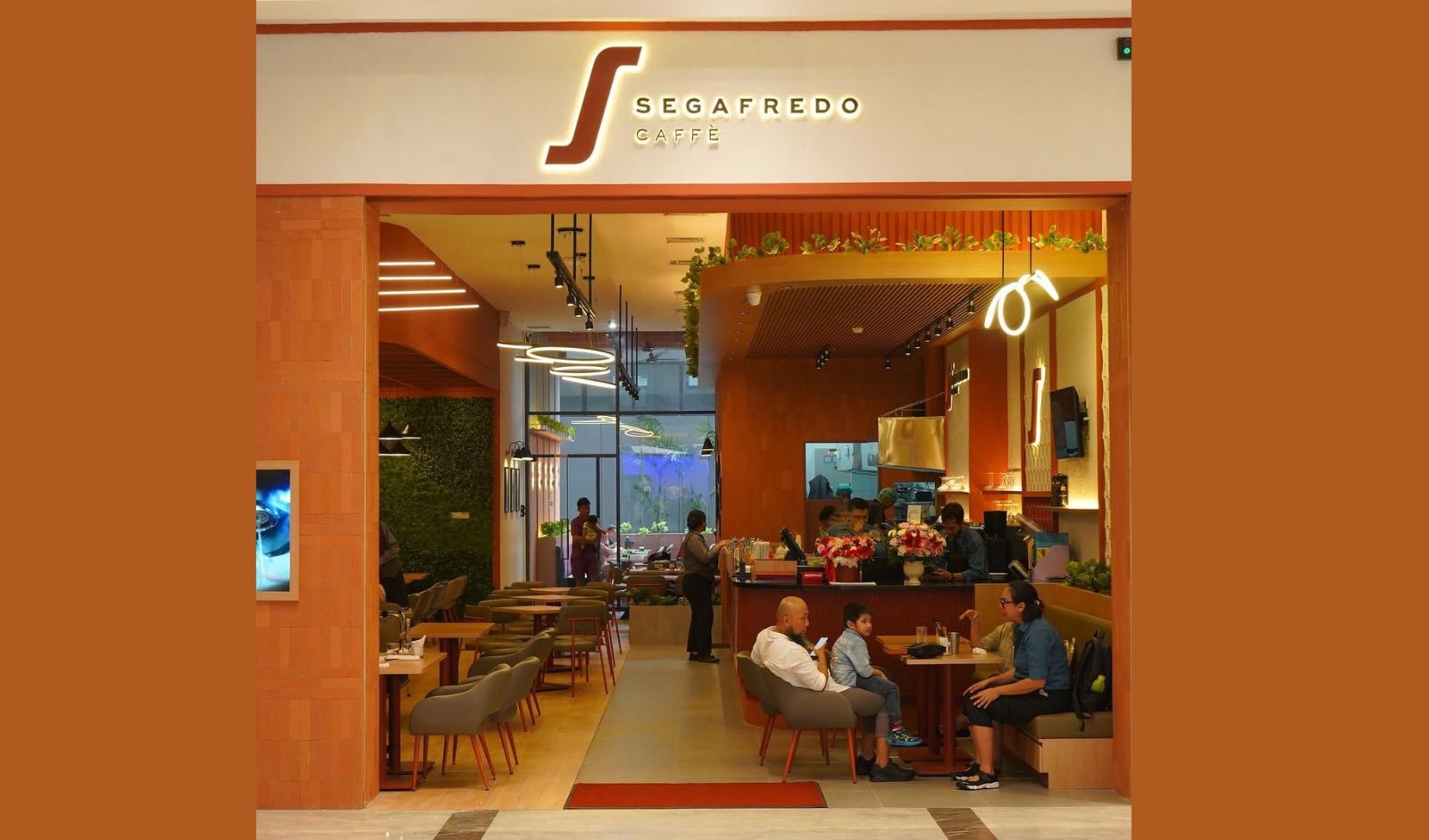
Segafredo Caffè, the iconic Italian coffee chain from the Billion Dollar Massimo Zanetti Beverage Group, is set to enter the Indian market through a strategic master franchise partnership with Franchise India and plans to open 100 stores in the next 3 years.
As the international master-franchise and expansion partner, FranGlobal will facilitate Segafredo Caffè’s market entry by identifying suitable franchise partners, supporting business development and enabling the brand to explore opportunities across key cities and high-growth consumption markets.
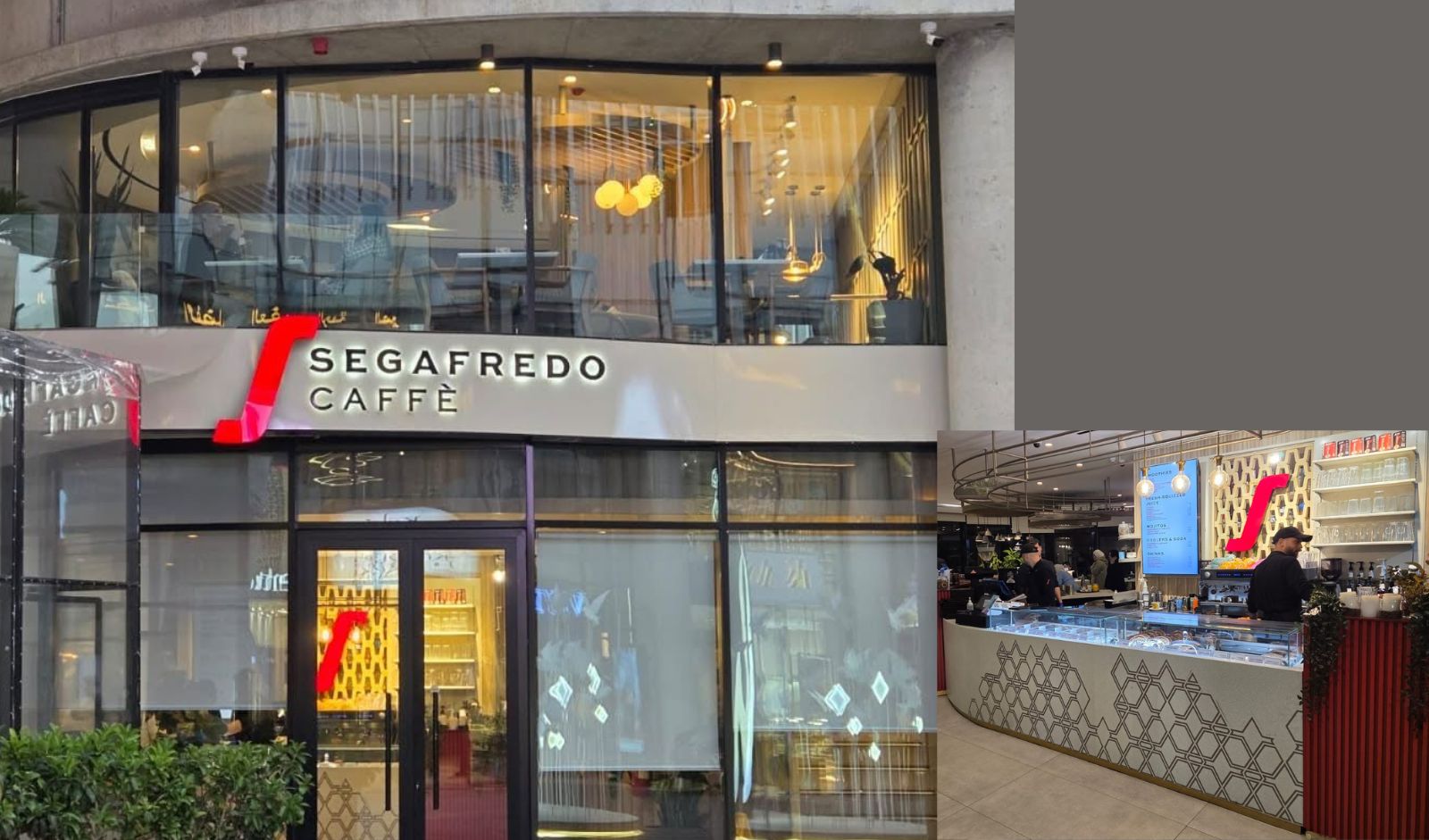
Segafredo Caffè is part of Massimo Zanetti Beverage Group, one of the world’s leading coffee companies, with a presence across more than 110 markets. The brand is known for its Italian espresso heritage, premium coffee offerings and association with authentic café culture.
India’s growing coffee consumption, expanding café culture and rising demand for international food and beverage concepts present significant opportunities for Segafredo Caffè. Through the partnership, the brand will explore café formats and locations including high streets, shopping centres, business districts, travel hubs and other high-footfall destinations.
“India is an exciting and strategically important market for Segafredo Caffè. The country’s evolving café culture and entrepreneurial ecosystem create strong potential for our brand. Our partnership with Segafredo Caffè will help deliver the authentic Segafredo experience to Indian consumers while creating opportunities for investors and entrepreneurs seeking to participate in India’s rapidly growing premium coffee and café market.” said Gaurav Marya, Chairman, Franchise India.
Segafredo Caffè's India expansion will be driven through a franchise-led model, with plans to explore café formats and locations across high-street destinations, shopping centres, business districts, travel hubs and other high-footfall environments.
With consumers increasingly seeking premium experiences, quality beverages and globally inspired café concepts, Segafredo Caffè's India entry comes at a significant moment, as the country’s food-service cafe market is growing 12.7% year on year and is expected to reach 10,000 Branded stores by 2030.
The first locations, launch timelines and franchise opportunities will be announced shortly.
For Further Franchise Info Contact




Copyright © 2009 - 2026 Franchise Tv.