





The story of Boldfit began with a personal transformation. Growing up as a cricket fanatic, Pallav Bihani’s life took a significant turn due to a slip disc injury right before his board exams. This injury shifted his focus from cricket to fitness, leading him to immerse himself in gym culture. During this period, he gained extensive knowledge about fitness products, supplements, and the industry. Identifying a significant market gap for high-quality, affordable fitness products, Bihani founded Boldfit in December 2018.
"The inception of Boldfit was born out of a personal journey and a vision to bridge the gap in the fitness market with high-quality, affordable products," says Pallav Bihani, Founder & CEO, Boldfit.
Rapid Growth and Expansion
Since its inception, Boldfit has evolved remarkably. Starting with just two yoga mats, the brand has expanded its product line to over 200 items in less than five years, catering to the diverse needs of fitness enthusiasts across India. Boldfit has served over 8 million customers and achieved 65+ bestsellers across various marketplaces. Significant milestones include innovations in athleisure and footwear, entry into new markets, and a strong focus on building an omnichannel presence by leveraging new technologies and trends.
"Our journey from two yoga mats to over 200 products in just five years is a testament to our commitment to quality and innovation," remarks Pallav Bihani.
Digital First to Omnichannel
Boldfit's retail strategy has evolved from a digital-first approach, leveraging e-commerce platforms like Amazon and Flipkart, to a robust omnichannel presence. The initial digital focus enabled rapid scaling and lean operations, crucial for serving India's growing online market. Recent innovations include a partnership with Blinkit for 10-minute delivery, enhancing customer experience with quick access to fitness essentials.
"Our evolution from a digital-first brand to a robust omnichannel presence has been driven by our commitment to meet customers wherever they are," states Pallav Bihani.
Direct-to-Consumer Approach
Adopting a D2C approach allowed Boldfit to maintain direct control over the brand, reduce costs, and offer high-quality products at affordable prices. This strategy enhanced customer insights, fostering stronger brand loyalty, and enabling rapid innovation and expansion. Direct engagement with customers has allowed Boldfit to gather valuable feedback, tailor offerings, and create effective, targeted marketing campaigns.
"The D2C approach has empowered us to connect directly with our customers, fostering brand loyalty and enabling us to innovate rapidly," explains Pallav Bihani.
Key Markets and Demographic Focus
As a homegrown brand, Boldfit focuses on India, targeting metropolitan, tier-two, and tier-three cities. The brand primarily caters to fitness enthusiasts and health-conscious individuals, especially young adults inspired by trends in Bollywood and cricket. Boldfit's mission is to make India fitter and bolder, and they are well on their way to achieving this goal.

Flagship Products
Boldfit’s flagship products include their renowned yoga mats known for their durability and excellent grip, offering premium quality at affordable prices. Fitness accessories like resistance bands and hand grips are designed for functionality and durability, perfect for rigorous workouts while being affordably priced. Boldfit’s apparel features advanced fabric technologies such as moisture-wicking and odor-free mechanisms, ensuring comfort and performance. Additionally, their nutritional supplements, including proteins and multivitamins, adhere to WHO and GMP standards and use high-quality Indian-sourced raw materials, providing premium quality at lower costs compared to imported products.
"We don’t just sell products; we sell bestsellers. Our commitment to quality and affordability sets us apart," emphasizes Pallav Bihani.
Product Development
Boldfit values customer feedback, gathering it through multiple channels like Amazon, post-purchase surveys, direct engagement with fitness influencers, and detailed product testing with trainers and athletes. This feedback is analyzed by a dedicated CRM team and shared with the product development team for continuous improvement. Digital tools also help collect data on customer preferences and behaviors, refining products and strategies to better meet market demands.
"Customer feedback is the cornerstone of our product development. It drives us to continuously improve and innovate," highlights Pallav Bihani.
Strategic Collaborations
Boldfit has entered into several strategic collaborations, including partnerships with popular IPL franchises like Mumbai Indians, Chennai Super Kings, and Royal Challengers Bangalore. These collaborations aim to create exclusive fitness accessories and fanwear, leveraging the massive fanbase of these teams to boost brand visibility and engagement. The partnership with Blinkit for 10-minute delivery further enhances customer experience by providing quick access to fitness essentials.
"Our collaborations with IPL teams and Blinkit are strategic moves to enhance brand visibility and customer experience," notes Pallav Bihani.
The Importance of E-commerce and Technology
E-commerce is crucial for Boldfit, allowing the brand to reach a wide audience and make products available to customers across different locations. Technology plays a key role in business operations and customer interactions, helping manage inventory efficiently, process orders quickly, and provide a smooth shopping experience. Additionally, technology enables Boldfit to stay connected with customers, understand their needs better, and offer personalized recommendations and support.
"E-commerce and technology are the backbones of our operations, ensuring efficiency and a seamless customer experience," asserts Pallav Bihani.
Sustainability Initiatives
Boldfit is committed to sustainability, using recycled materials like polyester and nylon for apparel, creating durable products to reduce waste, and designing a supply chain that minimizes the carbon footprint. The brand emphasizes transparency, educating customers on sustainable practices, and ensuring products have a longer lifespan to lessen environmental impact.
"Sustainability is at the core of our operations. We strive to balance growth with environmental responsibility," states Pallav Bihani.
Effective Marketing Strategies
Boldfit has effectively utilized a combination of digital marketing, influencer partnerships, and strategic collaborations to drive customer acquisition and build brand loyalty. Influencer collaborations showcased prominently during campaigns like Blinkit's collaboration and International Yoga Day, resonate strongly with the audience, enhancing both trust and engagement.
"Our marketing strategies, particularly influencer partnerships, have been instrumental in building trust and engagement with our audience," mentions Pallav Bihani.
Funding and Revenue Growth
Boldfit's funding journey has been transformative, attracting key investors who believe in the brand’s mission. Successful funding rounds have enabled Boldfit to expand the product range, enhance technology, and improve customer experience. Revenue growth has been impressive, driven by a digital-first approach, strategic pricing, and a commitment to quality. Maintaining a lean and efficient business model has allowed Boldfit to reinvest in innovation and quality.
"Our successful funding rounds and impressive revenue growth have empowered us to innovate and expand while maintaining our commitment to quality," says Pallav Bihani.
Future Plans
Boldfit has exciting plans for the future, including exploring new partnerships with major e-commerce platforms to increase accessibility. The focus remains on expanding the product range, including categories like apparel and footwear, and continuing to innovate to meet the evolving needs of fitness enthusiasts.
"The future holds exciting possibilities for Boldfit as we continue to expand our product range and explore new partnerships," concludes Pallav Bihani.
Boldfit's journey from a small startup to a leading fitness brand in India is a testament to the vision, innovation, and dedication of its founder, Pallav Bihani. With a strong commitment to quality, affordability, and customer satisfaction, Boldfit is poised for continued success and growth in the fitness industry.


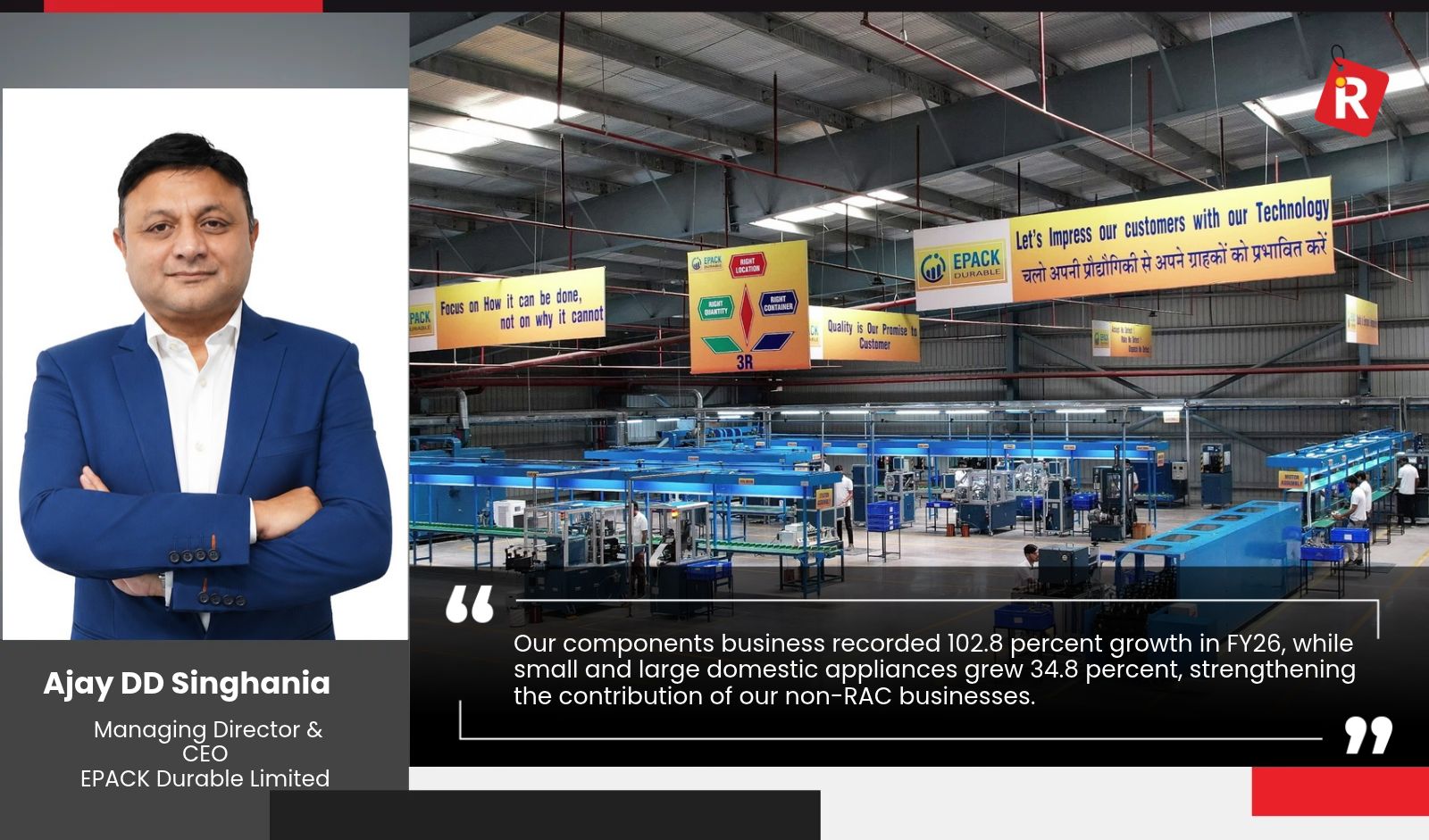
Indian consumer durable companies are now looking at new areas of consumption and broadening their product range so they can continue to provide businesses with long-term growth. As well as traditional goods such as air conditioners and washing machines, companies are developing products such as air-fryers and nutriblenders.
EPACK Durable Limited, which was originally set up to manufacture air conditioners, is also seeking to diversify in order to boost its involvement within the Indian OEM and ODM market.
EPACK Durable was established in 2003 as an OEM manufacturer of room air conditioners (RACs) for a single brand. Over the years, the company has expanded into multiple consumer durables categories, building a manufacturing portfolio that now covers room air conditioners, small domestic appliances (SDAs), large domestic appliances (LDAs), and components.
The Greater Noida-based brand has manufacturing setups in Dehradun (Uttarakhand), Bhiwadi (Rajasthan), and Sri City (Andhra Pradesh). Its business model combines OEM and ODM manufacturing, serving more than 75 Indian and international customers.
Also read: How Archies Is Reimagining India's Gifting Market
OEM to ODM Manufacturing
2012 was a turning point for EPACK Durable. The business had identified issues and therefore had to change its production strategy and introduce an ODM approach.
Ajay DD Singhania, Managing Director and CEO of EPACK Durable Limited, said that this had enabled the business to further strengthen its product design and development skills.
"This was a defining moment for us, as it helped us build strong product design and development capabilities and opened up new avenues for growth," Singhania said.
The move allowed EPACK Durable to go beyond making products to customer specifications and play a larger role in product development. It also created opportunities to enter additional appliance categories and build relationships with a wider customer base.
Its product portfolio today includes, apart from room air conditioners, washing machines, air coolers, induction cooktops, mixer grinders, water dispensers, air fryers, nutriblenders and fans.
Also read: From Clean Water to Clean Energy: Kent's Next Growth Chapter
Non-RAC Categories Gain Momentum
While room air conditioners remain the company's largest business segment, its latest financial performance reflects the growing contribution of other product categories.
EPACK Durable reported consolidated revenue from operations of around Rs 1,894.5 crore in FY26, compared with Rs 2,170.9 crore in FY25, registering a 12.7 percent year-on-year decline.
"While our room air conditioner (RAC) segment saw a 33.2 percent decline during the year, we continued to make progress in diversifying our business. Our small and large domestic appliances segments grew by 34.8 percent, while our components business recorded an impressive 102.8 percent growth," Singhania said.
These numbers indicate the increasing role of non-RAC businesses in the company's overall portfolio.
About 55-60 percent of EPACK Durable's revenue comes from room air conditioners. The company aims to reduce its dependence on this seasonal category by increasing the contribution of other businesses.
Earlier, the company had guided for a combined contribution of SDAs, LDAs and components to be around 45-50 percent of revenue in FY28.
Also read: Aadyam Handmade Looks Beyond Traditional Textiles
Expanding Into Changing Consumer Needs
The company's expansion into small and large domestic appliances is linked to changing consumer preferences. Consumers today are seeking a good balance of ease of use and quality for money.
Air fryers and nutriblenders are both seeing increased demand due to people wanting to eat more healthily. Induction hobs are also included in our ongoing range of electric cooking appliances.
Further still, within big home appliances, washing machines and air cooling systems continue to be significant markets.
"We see considerable opportunity in both small and large domestic appliances as consumer preferences continue to evolve. Today, consumers are looking beyond basic functionality and are increasingly seeking products that offer better quality, convenience, and value for money," Singhania said.
The company is also expanding its small domestic appliances portfolio, with several new products introduced during the year and more in the pipeline.
Also read: India’s B2C E-Commerce Funding Falls 33 Pc to USD 1.6 Bn in 2026 YTD
Manufacturing Footprint and SKD Model
To support its entry into new categories, EPACK Durable is using the Semi-Knocked Down (SKD) assembly model. This also enables the business to develop into new sectors at a reduced cost and to progressively enhance its production facilities.
Furthermore, the newly developed Bhiwadi site is anticipated to boost the company’s production facilities, specifically for new electrical goods.
The company is now also looking to improve capacity utilisation across its existing facilities and align production with market demand.
Also read: How Jaipur Rugs Is Expanding Its Global Footprint
Components Strengthen Manufacturing Integration
Alongside finished appliances, components have emerged as another important growth area for EPACK Durable.
The company manufactures heat exchangers, copper tubing, printed circuit board assemblies, sheet metal parts and plastic-moulded components. These products support its integrated manufacturing operations and help improve quality, efficiency and supply-chain coordination.
The components business also allows EPACK Durable to work with customers beyond finished appliance manufacturing, strengthening its position as a manufacturing partner.
“As domestic manufacturing and localisation gain importance, we see our components business playing an increasingly important role in strengthening our overall manufacturing capabilities and deepening customer partnerships,” Singhania added.
Also read: How Ambrane is Creating Its Next Growth Chapter
Building a Diversified Business Towards FY30
EPACK Durable's long-term strategy is centred on becoming a one-stop appliance manufacturing partner for its customers. The company plans to strengthen its room air conditioner business while scaling its SDA, LDA and components operations.
Its priorities include adding new customers, increasing business from existing customers, expanding its product portfolio and strengthening backward integration.
The company's customer base has grown from approximately 55 to nearly 75 over the past year, with around 20 customers added during this period. It is also looking to build deeper relationships with strategic customers by serving their requirements across multiple product categories.
"We aim to increase the value we bring to these customers and become a one-stop manufacturing partner for their diverse requirements," Singhania said.
For EPACK Durable, the next phase of growth will depend on how effectively it scales its newer categories, improves manufacturing utilisation and builds stronger customer partnerships while maintaining its presence in the room air conditioner market.
Also read: How India’s Beverage Shelf Is Evolving
Facts:
- Established: 2003
- Headquarters: Greater Noida (UP)
- Promoters: Singhania and Bothra families
- Business Model: OEM and ODM
- FY26 Revenue: Rs 1,894.5 crore
- Revenue Growth: -12.7 percent YoY
- RAC Revenue Share: 55–60 percent
- Customer Base: 75+
- Manufacturing Units: Dehradun, Bhiwadi, and Sri City
- Expansion Focus: Small and large domestic appliances
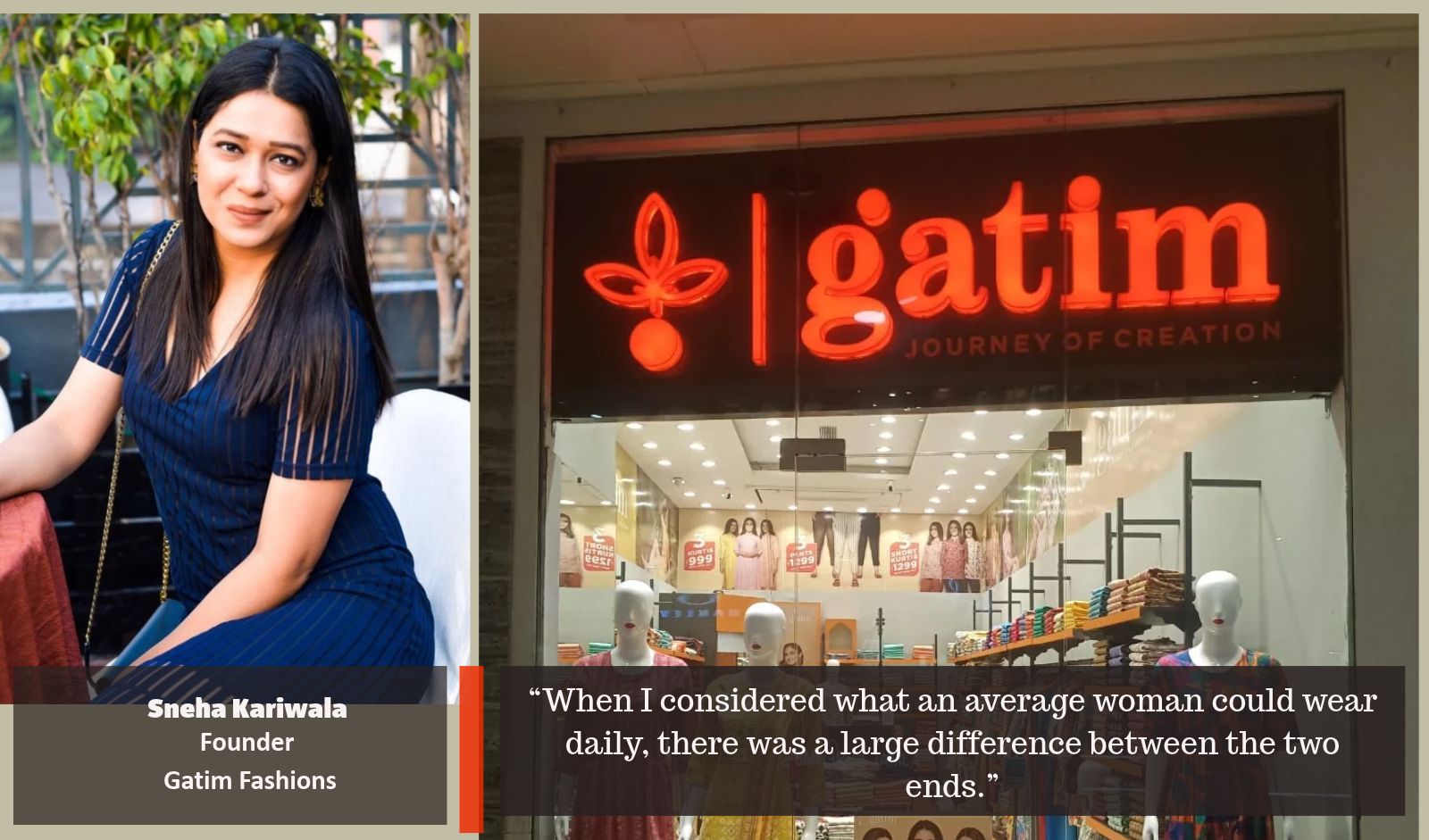
Kolkata-based ethnic wear brand Gatim Fashions is looking to strengthen its presence across India, with South India emerging as a key focus market as the company continues to expand its retail footprint.
Founded in 2019 by designer Sneha Kariwala, Gatim was built around the gap Kariwala identified between affordable everyday ethnic wear and premium Indian fashion. The founder, a NIFT Kolkata graduate who previously worked with designer Sabyasachi, saw an opportunity to make well-designed, good-quality Indian wear accessible for everyday use.
“When I considered what an average woman could wear daily, there was a large difference between the two ends. Good design and quality meant high prices which could not be afforded regularly, while affordable designs would deteriorate after a few washes,” said Sneha Kariwala, Founder, Gatim Fashions.
According to Kariwala, this gap meant that many women reserved their best outfits for festivals while relying on a limited everyday wardrobe. “Every woman should not have to wait for festivals to dress up in beautiful clothes. This is the reason why I launched Gatim in 2019 in one small store in Kolkata,” she added.
South India Emerges as Next Growth Market
After establishing a presence in West Bengal, Rajasthan and Bihar, Gatim is now looking at expanding into new markets, with Hyderabad serving as the entry point for its South India strategy.
“Presently, a lot of emphasis is on the web front. We are putting a lot of effort into our own website to enable people in any part of India to buy Gatim online,” Kariwala said.
She added that Hyderabad will be the company's starting point in South India, following which Gatim plans to expand into other southern cities. Gujarat is another market on the company's radar, particularly given the region's preference for cotton apparel.
Consistent Consumer Demand Across Markets
Despite differences between metropolitan and Tier II and III markets, Gatim has observed that the fundamental consumer expectations remain largely similar.
“No matter whether it is Kolkata or Rajasthan, our client is looking for a high-quality product at an acceptable price, along with a fresh product line each time she comes to shop,” Kariwala said.
The brand maintains consistent pricing and product availability across its outlets, while adjusting its assortment according to seasonal demand. With winter approaching, for instance, demand for cotton has softened in markets such as Bengal and Rajasthan, prompting the company to place greater emphasis on woollen products.
Stores Continue to Drive Business
Gatim currently operates 55 stores, with offline retail contributing the bulk of its revenue. The company was founded with a clear ambition of becoming a store-led brand, although it has recently begun investing more aggressively in its online business.
“Definitely, our stores, by a long shot. The company Gatim was founded with a vision of becoming a store brand, and currently our 55 stores drive the majority of our business,” Kariwala said.
The company has set an ambitious target of bringing online and offline sales to parity over the next 24 months. In physical stores, kurtis, kurtas and promotional offerings are among the strongest-performing categories, while family sets have emerged as a key online driver.
Kurtis, Family Sets Lead Demand
Kurtis and kurtas remain Gatim's best-selling products in stores, alongside three-piece suit sets and products offered under its Buy 1 Get 1 promotions.
Online, the company's family range has gained significant traction. Its Maa+Beti collection, in particular, continues to be its most popular offering.
No Immediate Fundraising or IPO Plans
Despite reaching 55 stores within six years, Gatim has so far grown without venture capital funding and does not currently have plans for fundraising or an IPO.
“Not yet. We have started developing Gatim with no venture capital invested until now, and we are quite satisfied with our own growth rate: 55 stores within six years,” Kariwala said.
She added that external capital could be considered at a later stage if the timing and circumstances are appropriate.
Company-Owned Stores Remain Core Strategy
Gatim's expansion strategy has primarily centred on company-owned stores, allowing the brand to retain control over store aesthetics, customer service and inventory freshness.
“We own all of our outlets, and we aim to be the first to have 75 company-owned outlets,” Kariwala said.
However, the company is also evaluating franchising as a potential growth lever. “Having outlets owned by the firm means that we can control their aesthetics, customer service, and stock freshness, which is a major reason for the loyalty of our customers. However, we are currently testing some franchise models as well,” she added.
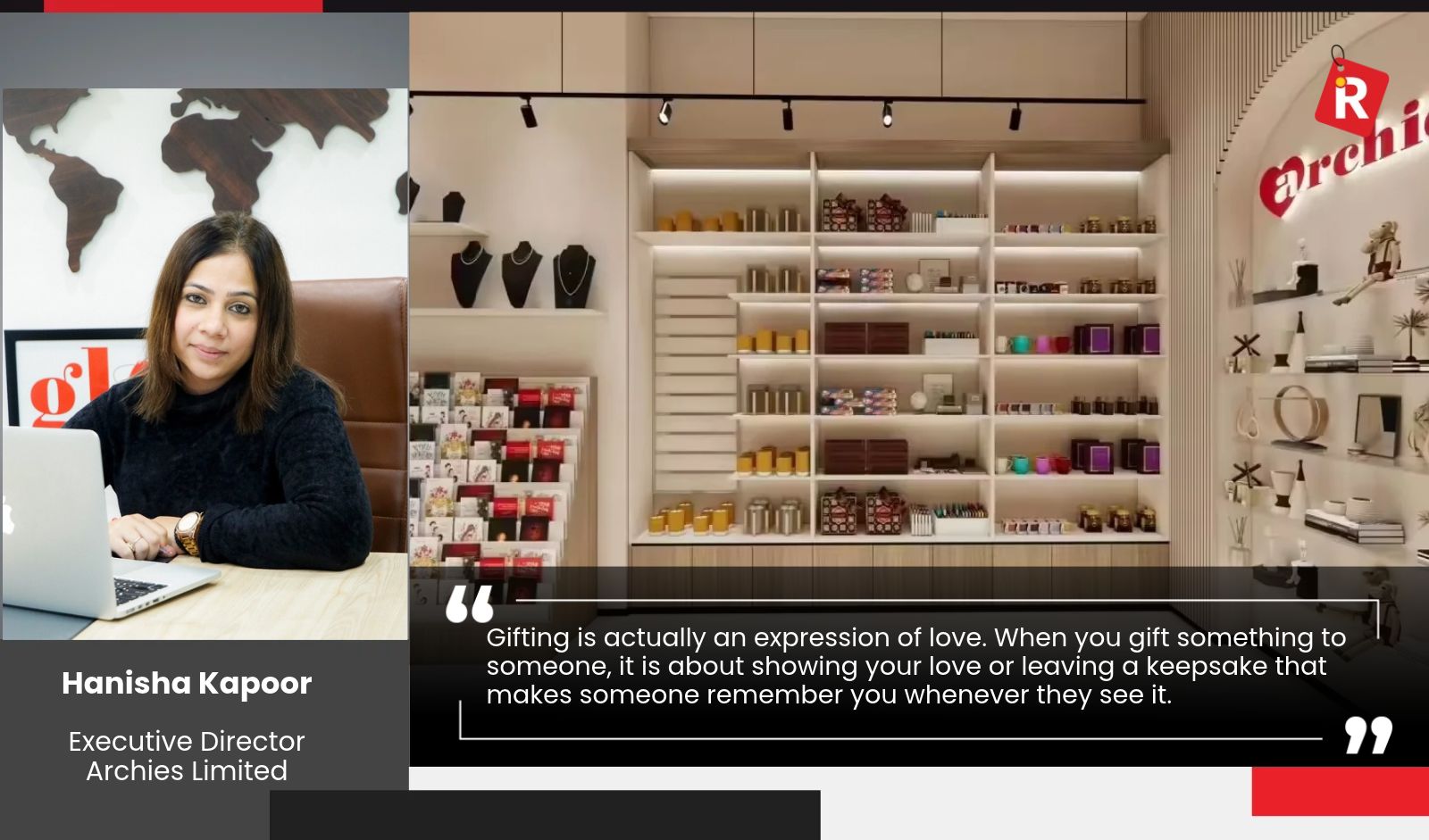
Gifting is a great way to communicate emotions. Whether it is through cards, personalised mugs, or trinkets, gifting has become an essential part of creating memorable moments. As a result, a gift market in India has been established.
However, in order for a brand like Archies to remain relevant in India, it must adapt to match changing trends in consumers, new product ranges, and buying habits.
Brothers Anil and Jagdish Moolchandani founded Archies Limited in 1979 in New Delhi and built their business around greeting cards and gift products. The company is headquartered in Gurugram and operates through retail stores, franchise outlets, and online. The portfolio comprises greeting cards, stationery, soft toys, perfumes, chocolates, mugs, artificial jewelry and home décor, as well as personalized and corporate gifting solutions.
But evolving consumer behavior, the rise of online shopping, and the emergence of new retail channels have forced the company to rethink its strategy. Archies is now looking to refresh its brand identity, introduce character-led products and connect with younger consumers.
Also read: From Clean Water to Clean Energy: Kent's Next Growth Chapter
Changing brand
Due to the effects of the pandemic, Archies has faced challenges in its traditional retail model. As more customers have begun shopping online, the business has had to change the way it engages with customers.
Hanisha Kapoor, Executive Director, Archies Limited, said the company is now focusing on a broader brand revamp through product innovation, new collaborations, and digital distribution.
"Archies has been evolving since the time it started. COVID brought us somewhere we never expected, and it brought a halt to business houses. Luckily, we survived that phase, and now we are revamping our brand by adding characters, innovating new products, and introducing ourselves to quick-commerce channels," she said.
The company currently operates around 60-70 stores and is looking at gradually increasing its retail presence. However, its immediate focus is not limited to opening more outlets. It also plans to refresh the overall store experience and strengthen its online business through e-commerce and quick-commerce partnerships.
Also read: Aadyam Handmade Looks Beyond Traditional Textiles
Hello Kitty and the Character-Driven Strategy
One of the company’s more recent initiatives is its partnership with global character brand Hello Kitty. The alliance is aimed at appealing to millennials and Gen Z, allowing customers to personalise their purchases.
In the initial phase, more than 30 products will be launched across various product segments like stationery and gifts. The products in this phase have a price range of INR 300-500.
For Archies, the association also brings back familiar products with a contemporary identity. The company has reintroduced scrapbooks and slam books featuring Hello Kitty, combining nostalgia with the appeal of globally recognised characters.
"We are eyeing the generation that we were missing out on. Gen Zs and millennials look for something cool and attractive. Characters like Hello Kitty bring out their interests and personalities. They want to portray themselves through these characters, and that is why we have started this journey," Kapoor said.
She added that character-led products are not limited to younger consumers. Hello Kitty has an appeal across age groups, allowing the company to explore a wider customer base.
Also read: India’s B2C E-Commerce Funding Falls 33 Pc to USD 1.6 Bn in 2026 YTD
Changing Consumer Priorities
Products are becoming more cost-effective and functional in the gifting market. While items with attractive decor remain popular, many people are choosing to buy items based on cost and usability.
Self-gifting is gaining attention. Consumers are purchasing products for themselves based on personal interests and preferences.
Kapoor said, "Gifting has become more price-sensitive, but it has also become a lot more utility-focused. We are focusing on products that are not very expensive but have a utilitarian approach. Self-gifting is also a segment that I have seen growing, where people have started buying things for themselves."
Personalisation is emerging as another important category. Customers want to personalise products such as mugs. To help with this, Archies has partnered with providers to allow personalisation.
Products offered in the traditional gifting range are being changed to meet the evolving needs of customers. More functional items are being added to the range, and new trends are being followed.
Also read: How Jaipur Rugs Is Expanding Its Global Footprint
Retail Meets Digital Distribution
While online sales have been growing within the business, the majority of sales come from brick-and-mortar stores. Around 80 percent of sales are made in stores and via franchises. The remaining 20 percent of sales are generated via online platforms (Kapoor).
To improve their digital presence, the company has formed relationships with e-commerce and quick commerce businesses to be able to deliver items to the customer more quickly.
"Quick-commerce has literally helped brands grow faster than they had ever expected," Kapoor said.
Within its product portfolio, mugs and toys currently account for a significant share of category sales. Paper products remain an important part of the business, while stationery items such as wrapping sheets, paper bags and notebooks are seeing demand through e-commerce and quick-commerce channels.
Also read: How Ambrane is Creating Its Next Growth Chapter
Licensing as a Growth Driver
The company is looking to expand its product range and gain new customers through collaborations. Previously, collaborations accounted for between 10-15% of Archies’ total business. However, during the pandemic, some collaborations were discontinued. The company is now beginning to collaborate again.
Kapoor believes that due to increased global awareness and changing consumer preferences, collaborations with characters are very relevant for retailers.
Going forward, the company expects to drive growth within the business by developing the brand, innovating products, and collaborating. It is also working to return to revenue levels of around Rs 200 crore, which it achieved in earlier years, with a target of reaching that level over the next two to three years.
For Archies, the next phase of growth will depend on how effectively it combines its legacy in emotional gifting with the expectations of a younger, digitally connected consumer.
As Kapoor puts it, "Gifting is actually an expression of love. When you gift something to someone, it is about showing your love or leaving a keepsake that makes someone remember you whenever they see it. This brand intends to create and spread love."
Also read: How India’s Beverage Shelf Is Evolving
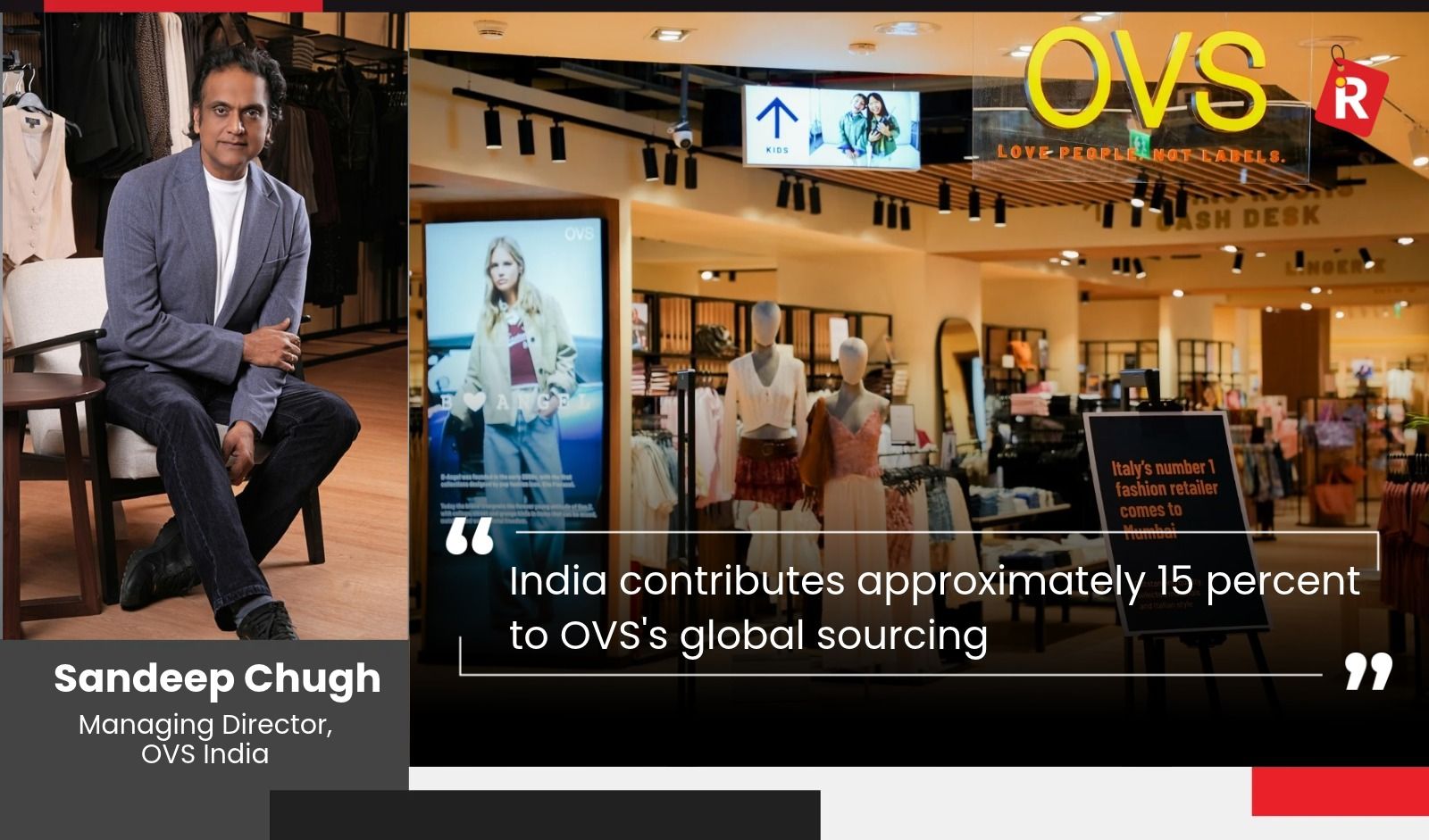
India's fashion retail market is entering an interesting phase of evolution. For years, the growth story of international fashion brands was largely centred around metropolitan cities, affluent consumers and occasion-led purchases. However, the landscape is changing. Rising digital exposure, growing aspirations and increasing purchasing power in select pockets of smaller cities are reshaping the way consumers discover, experience and buy fashion.
For international brands looking at India, the opportunity is no longer restricted to the traditional luxury and premium retail hubs. It is increasingly about identifying the right consumer communities, understanding regional market dynamics and creating a retail proposition that resonates with local aspirations.
Sandeep Chugh, Managing Director, OVS India, believes that the country's fashion opportunity lies in recognizing its diversity rather than approaching it as one large, homogeneous market. "India as a market has phenomenal potential across the country. It's about identifying the right pockets and carving your journey accordingly," he said.
His observation reflects a larger shift in the Indian retail ecosystem. While metros and Tier I cities continue to be important launchpads for international brands, smaller cities are steadily emerging as meaningful consumption centres. Markets such as Patna, Raipur, Bhilai, Bilaspur, Panipat and Karnal are attracting attention, driven by consumers who are increasingly aware of global fashion trends and are willing to spend on brands that offer the right combination of product, quality and experience.
The New Geography of Fashion Consumption
One of the most significant changes influencing India's retail market is the democratization of information. Smartphones, social media and digital content have narrowed the information gap between consumers in metropolitan cities and those in smaller towns.
Fashion awareness is no longer dependent on physical proximity to premium shopping destinations. Consumers across geographies are exposed to international trends, new brands and evolving lifestyles, often in real time.
Chugh points out that digitalization has fundamentally changed consumer behavior. A young consumer in a remote corner of Punjab, for instance, may be just as informed about fashion trends as someone living in Delhi or Mumbai.
However, awareness alone does not translate into a viable retail opportunity. Brands must identify the right consumer segments within these markets, particularly those with the purchasing power and inclination to spend on premium fashion.
"There are pockets within Tier II and III markets where people have a reasonably good amount of money to spend. The overall per capita income of a town may be low, but there will be a significant chunk of people who have the ability to spend," he explained.
For Chugh, the strategy is therefore not about entering every city, but about understanding where the relevant consumer exists. He draws on his earlier experience in consumer electronics to illustrate this point, recalling how a large-capacity refrigerator was first sold in Coimbatore rather than the metros, challenging conventional assumptions about where premium products would find buyers.
From Occasion-Led Purchases to Everyday Fashion
Another important development is the gradual change in the way Indian consumers approach fashion spending. Traditionally, premium and luxury consumption in India has been closely associated with weddings, festivals, and other significant occasions. Shopping was often planned around specific events, with consumers willing to make larger purchases during these periods.
That behavior, however, is gradually evolving. A younger, more aspirational consumer is increasingly willing to purchase fashion simply because they want something new, rather than waiting for a special occasion.
Chugh believes the distinction between occasion-led and everyday fashion consumption is beginning to blur. "People are realizing it's important to live life and have the best experience. The contribution of mood-based buying is increasing. Tomorrow, it could be my friend's birthday, and I want to buy something new rather than waiting for a big festival or occasion," he stated.
This shift creates opportunities for brands to build more regular engagement with consumers. Instead of relying heavily on festive sales cycles, retailers can focus on fresh collections, relevant product categories and everyday fashion propositions that encourage repeat visits.
OVS: Building an Independent Presence in India
For OVS, India represents a strategic market with significant long-term potential. Unlike brands that enter the country through licensing or joint-venture arrangements, OVS India operates as a wholly-owned Indian subsidiary, with the company directly managing its retail business.
Chugh describes it as the first independent subsidiary established by OVS outside Italy, reflecting the group's commitment to building its business in India. Interestingly, OVS has had a sourcing presence in India for several years. According to Chugh, India contributes approximately 15 percent to OVS's global sourcing, even though its retail operations in the country began much more recently.
The brand follows a global sourcing model, with products reaching India from multiple manufacturing hubs, including India, China, Vietnam, Bangladesh, Turkey and Europe.
This sourcing flexibility allows the business to access different production bases while developing collections suited to its Indian consumers.
In terms of product performance, women's wear has emerged as the strongest category, contributing approximately 45–50 percent of the business. Men's wear accounts for around 35 percent, while children's wear contributes approximately 20 percent.
The performance of women's wear is particularly encouraging for the brand, given the challenges international fashion retailers often face in winning over the Indian women's fashion consumer.
Children's wear, meanwhile, remains an important strength for OVS globally. The brand has a particularly strong position in Italy, where it enjoys a 25 percent market share in the category.
Among individual product categories, women's dresses, seasonal jackets and the PIOMBO Tech tracksuit collection have been performing well. The brand is also looking to build interest around MYA, its relaxed-fit and free-size women's wear offering.
The Store as a Brand Experience
While digital channels have transformed fashion discovery, Chugh believes physical retail continues to have a defining role in building consumer relationships. For OVS, the first phase of its India strategy is centred on creating a strong physical retail presence. But the emphasis is not simply on opening stores; it is on making every store an environment where customers can experience the brand.
"Physical retail is a place where people live the brand," Chugh noted. He believes that the opportunity lies in combining product presentation with meaningful consumer interaction. Customers should be able to touch and feel fabrics, understand product quality, explore sustainability credentials and appreciate the value proposition.
For him, the store experience must go beyond merchandising and transactions. It should create a lasting impression that encourages consumers to return.
Chugh has also been personally involved in customer engagement at the brand's Delhi store, spending weekends interacting with shoppers and even serving coffee to visitors. He points to the strong customer ratings received by the brand's stores at Pacific Mall and Sky City, which he attributes to the emphasis on engagement, service and memorable experiences.
Choosing the Right India Entry Strategy
India's regulatory environment, market diversity and operational complexities mean that international brands need to carefully evaluate their entry strategies. Licensing, joint ventures and wholly owned subsidiaries each offer different advantages, depending on a brand's objectives, investment appetite and long-term commitment.
Chugh believes there is no universal formula for entering India. The choice ultimately depends on the brand's vision and, more importantly, the quality of its local partner.
"All the ways and means of approaching India are justifiable if the partner you associate with is able to live up to your expectations," he stated. A strong local partner must demonstrate ownership, investment commitment and the ability to understand the consumer. For brands with a long-term outlook, entry models can also evolve as the business matures and market understanding improves.
He also sees potential for the organized factory outlet and affordable branded fashion segment to expand further. Currently, much of this market is driven by discounted previous-season merchandise. Dedicated product lines created specifically for outlet channels are still relatively limited, although the concept is gradually gaining traction.
A Measured but Ambitious Growth Roadmap
Rather than spreading itself across multiple brand propositions immediately, OVS is focused on establishing itself as a family fashion destination in India.
The company's expansion plans reflect a measured approach to building scale. It aims to have three stores by the end of 2026, expand to seven by the end of 2027 and reach approximately 11 stores by December 2028. Over the next five to seven years, the ambition is to build a network of 25–40 stores.
These will be large-format stores, typically ranging between 8,000 and 12,000 sq. ft., offering a comprehensive family fashion proposition. The initial focus will remain on metropolitan and Tier I markets, particularly the country's top 20 markets and leading 25 malls.
For Chugh, the immediate priority is to learn from the Indian consumer and translate those insights into stronger business decisions. "Every brand has to go through a learning curve. Understanding the nuances and ensuring that all the learnings during this phase are rightly implemented is very important," he added.
The company also intends to strengthen its marketing initiatives as it builds on the insights emerging from direct consumer interactions.
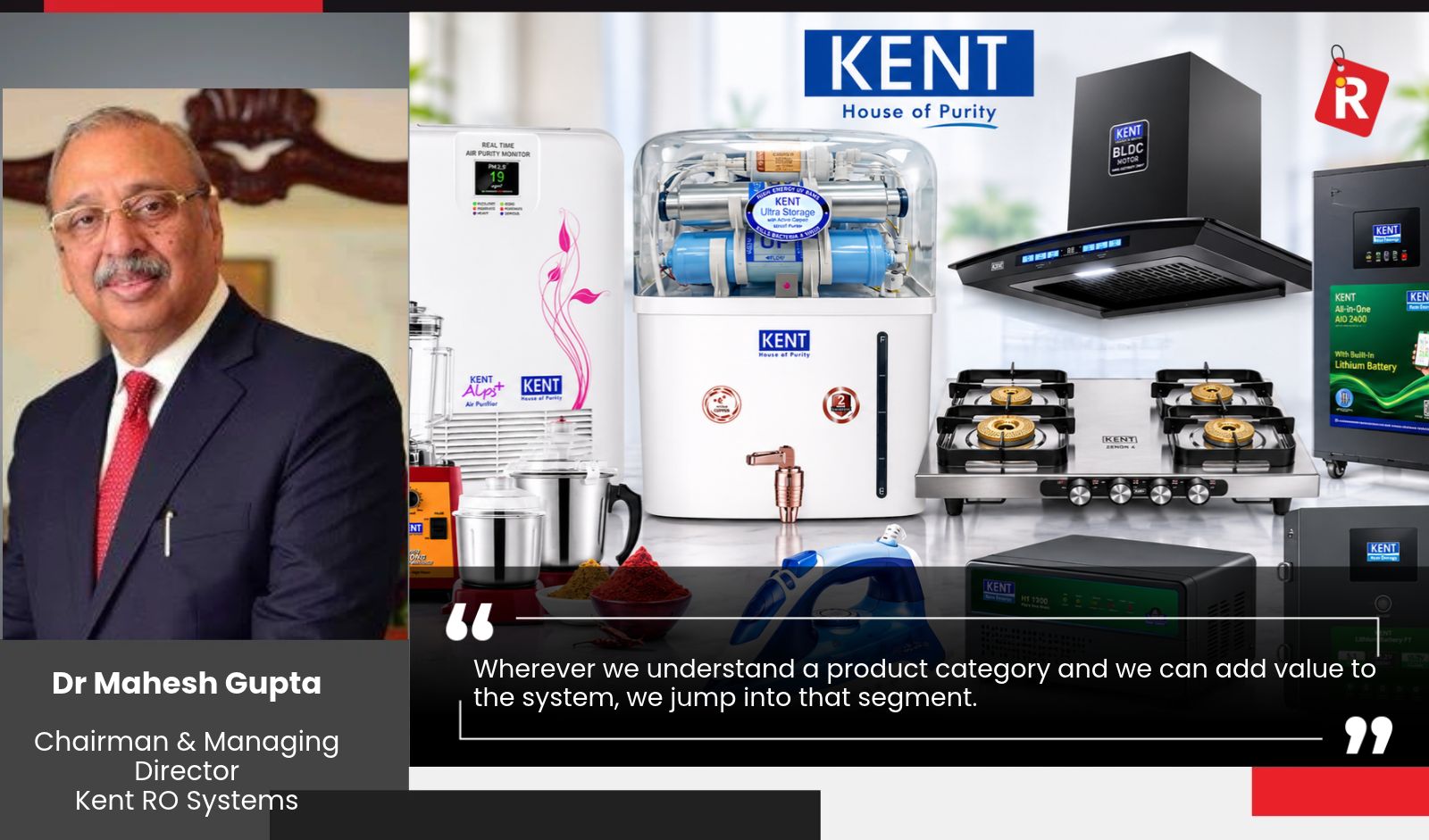
India’s home appliance market is evolving. Consumers are becoming increasingly aware of health, water quality, indoor air pollution, and energy usage. What was once a must-have purchase for any household is now part of a wider conversation about living healthier and more sustainably. Brands that began with solutions for specific household needs are also eyeing adjacent categories to manage shifting consumer expectations.
Kent RO Systems has been diversifying from water purification to air purification, kitchen appliances, energy-saving fans, and most recently clean energy solutions. Founded in 1999 by Dr Mahesh Gupta, the Noida-based company has slowly increased its product portfolio, but has continued to focus on home health and efficiency.
Speaking about the company's journey and changing market opportunities, Dr Mahesh Gupta, Chairman and Managing Director, Kent RO Systems, said its expansion has been guided by consumer requirements and the company's ability to bring value to new product categories.
Also read: Aadyam Handmade Looks Beyond Traditional Textiles
A Journey Beyond Water Purification
Dr Gupta's entrepreneurial journey began before Kent entered the water purification business. An IIT Kanpur graduate, he worked with Indian Oil for a decade before leaving the organisation in 1988 to establish an oil conservation business focused on manufacturing oil flow meters.
In 1998, he began developing the initial prototype for Kent's RO water purification business, which was formally established in 1999. The company is headquartered in Noida, Uttar Pradesh, with manufacturing facilities in Roorkee and Greater Noida.
Over the years, Kent expanded into air purifiers, kitchen appliances, and other household solutions. It also entered the BLDC ceiling fan category around three to four years ago, with products designed to reduce electricity consumption.
"Wherever we understand a product category, and we can add value to the system, we jump into that segment," Gupta said, explaining the company's approach to diversification.
Also read: India’s B2C E-Commerce Funding Falls 33 Pc to USD 1.6 Bn in 2026 YTD
Consumer Awareness Driving Demand
The increasing awareness about the quality of water has been a major factor driving the demand for household water purification solutions. "Consumers are concerned about the quality of the water that comes out of their taps and are looking for ways to protect their families from potential health risks," Gupta said.
However, he believes there is considerable room for market expansion, as only around 10 percent of Indian households currently have RO water purifiers.
"People are becoming aware that the water which they get in the taps is not so clean. But they want to be totally insured against the impact of the bad water on their health," he said.
He added that consumer education remains important, particularly in communicating why boiling water alone may not be sufficient in every situation. Beyond water, demand for healthier cooking solutions and energy-efficient appliances is also creating opportunities across household categories.
Also read: How Jaipur Rugs Is Expanding Its Global Footprint
Clean Energy: A New Growth Area
Kent's latest diversification is its entry into clean energy with the launch of Kent New Energy. The company has invested Rs 250 crore initially and plans to spend Rs 50 crore more to complete its facilities.
New business includes lithium batteries and solar hybrid inverters. The battery solutions feature 4G monitoring and active balancing technology, and the inverters are engineered to meet household energy needs from solar power and decrease reliance on diesel generators.
The company has also developed Kent Ojis, an AI-based voice assistant supporting nine Indian languages.
Kent is targeting Rs 500 crore in revenue from its energy business in FY28, with plans to increase this to Rs 750 crore in the following financial year.
Gupta believes the category could become a significant contributor to the company's business. "We feel this new energy sector is a very big sector for growth to us, would match the water purification category in two to three years' time," he said.
Also read: How Ambrane is Creating Its Next Growth Chapter
Innovation and Distribution Remain Priorities
As competition increases across household appliances, Kent is focusing on product differentiation through research and development. According to Gupta, R&D constitutes about 2-3% of profits. This helps the company to innovate for better product performance.
"We try to anticipate consumer needs in the future, and bring in solutions with unique value propositions," Gupta said.
Another important part of its growth strategy is its distribution strategy. Products are distributed through traditional retail, modern retail, large format retail, and e-commerce. In each channel, products are differentiated to limit competition within distribution channels. In addition, the company is increasing its network of distributors and retailers in Tier II and Tier III regions in order to meet demand.
However, there are issues regarding consumer awareness. Uncertainty in the global supply chain means that there have been pressures on sourcing components, and therefore increasing production costs.
Also read: How India’s Beverage Shelf Is Evolving
Expanding Across Household Categories
Looking ahead, Kent aims to strengthen its presence across water purification, appliances, fans, and clean energy. The company intends to expand market coverage through retail partnerships and online sales while continuing to invest in product development.
Gupta said the priority is to make these solutions accessible to a wider consumer base. "Our endeavour would be to expand this market and offer and cover as much of the market as possible through a retail network or through online sales," he said.
For Kent, the next phase of growth will depend on how effectively it can build new categories while sustaining its position in its original water purification business.
Also read: Beyond Plates and Bowls: India’s Changing Dinnerware Market
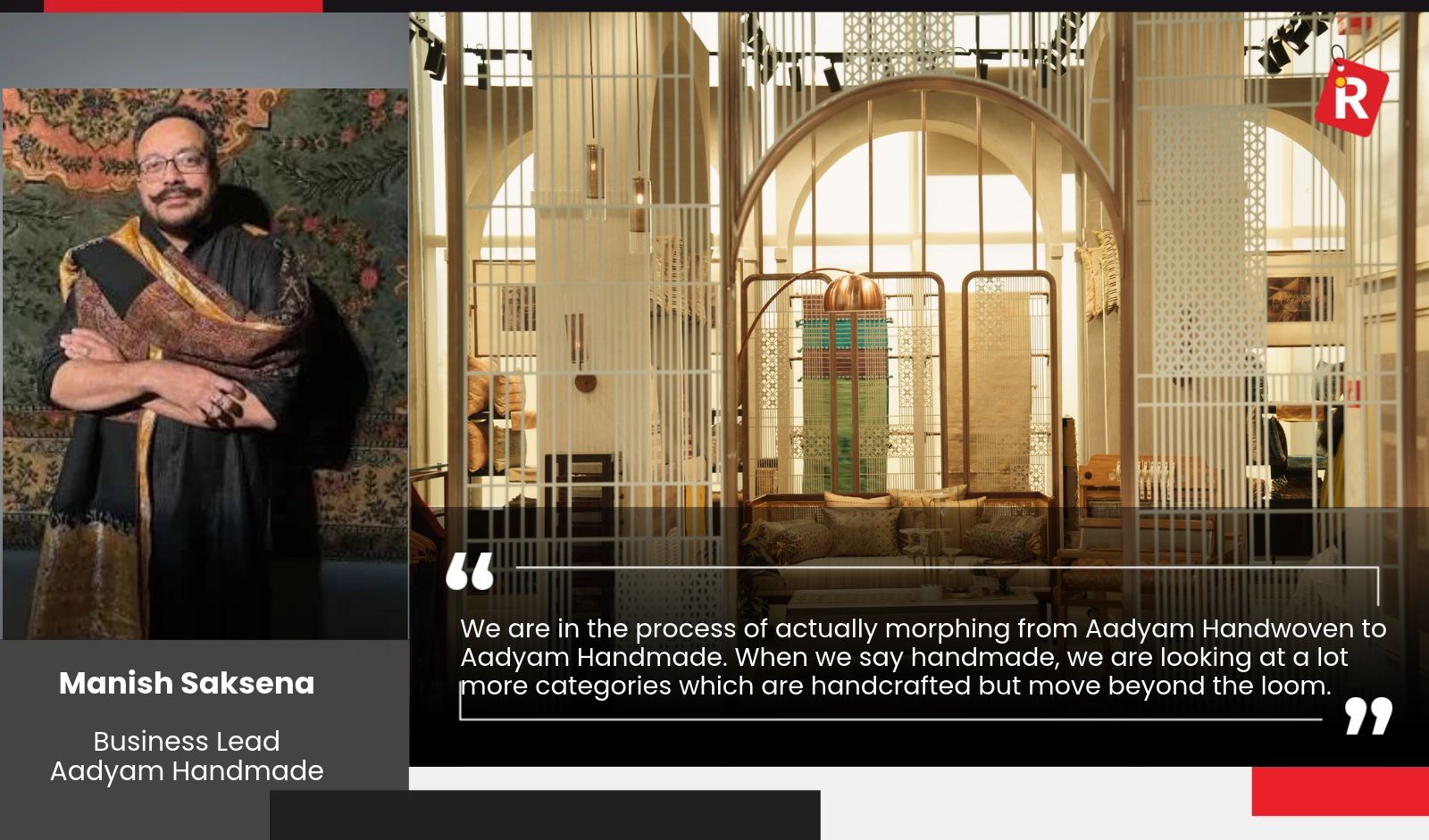
Indian handloom has been narrating stories of various communities through its weaving for centuries. Now, with changing consumer preferences and lifestyles, traditional textiles are being given a new meaning in modern-day households. Brands have created avenues for skilled artisans by bringing together India’s beautiful weaving traditions with modern designs to create beautiful products such as sarees, dupattas, and home décor products.
Aadyam Handmade is a social initiative of the Aditya Birla Group that aims to strike this balance by connecting traditional weaving communities with modern-day consumers. The brand recently opened its new store in Gurugram, extending its presence in a market it feels is relevant for its craft-led offerings.
Speaking about the expansion, Manish Saksena, Business Lead, Aadyam Handmade, said the brand follows a selective retail strategy rather than focusing on opening stores across multiple locations.
Also read: India’s B2C E-Commerce Funding Falls 33 Pc to USD 1.6 Bn in 2026 YTD
Selective Retail Expansion
"We are a brand which is for the discerning few. It is not something which we feel has a reason to be at many points of sale. Therefore, we very carefully select our markets," Saksena said.
He added that Gurugram brings together culturally diverse consumers from India and overseas, creating an audience that appreciates Indian craftsmanship presented through a contemporary lens.
The brand's approach to retail expansion is centred on identifying locations where consumers understand and value handmade products. Rather than prioritising the number of stores, Aadyam Handmade aims to offer a carefully curated retail experience.
Also read: How Jaipur Rugs Is Expanding Its Global Footprint
Connecting Artisans to Consumers
Traditional weaving communities are at the core of Aadyam Handmade. We partner with artisans in known textile hubs across the country to ensure weaving techniques are maintained and to create products that will make a point in today’s world.
"We are very much rooted in traditional craft. We are actually about authenticity and preservation, and not just the product. It is also about preserving the livelihood of these highly skilled people," Saksena said.
He explained that the brand has developed a community of weavers who work as partners through transparent associations. Products are co-created with these communities, retaining their traditional foundations while incorporating design elements that make them relevant to consumers across different markets.
Also read: How Ambrane is Creating Its Next Growth Chapter
Handloom Finds New Consumer Interest
Consumer interest in handmade textiles has changed considerably over the years. Saksena believes that handloom was once a natural part of everyday Indian wardrobes and homes, but the arrival of globalised products gradually changed consumption patterns.
"Over the last 15 years or so, there has been a resurgence where people have again realised that there were certain really beautiful textiles in our vocabulary, and they were missing that kind of rootedness in their wardrobes as well as in their homes," he said.
He added that handmade products are increasingly finding space alongside Western and contemporary offerings. While consumers have different spending preferences, the brand primarily attracts customers who understand textile craftsmanship and value authenticity.
Also read: How India’s Beverage Shelf Is Evolving
Expanding Beyond the Loom
Aadyam Handmade currently operates across two broad product segments: home furnishings and handmade textiles, including sarees, dupattas, and shawls. Its design approach combines traditional weaving techniques with international influences to make the products relevant across markets.
The brand is also preparing to expand beyond its existing categories through a broader handcrafted portfolio.
"We are in the process of actually morphing from Aadyam Handwoven to Aadyam Handmade. When we say handmade, we are looking at a lot more categories which are handcrafted but move beyond the loom," Saksena said.
The first step in this direction has been handmade perfumes sourced from the Kannauj region. The brand is also planning to introduce handcrafted jewellery and explore the wellness category.
Also read: Small Feet, Big Business: Kids’ Footwear Steps Up Growth
 Digital Channels Increase Broader Reach
Physical retail expansion is still selective, but online channels are expanding the brand’s reach to consumers beyond its store footprint.
"We are already supplying our products to almost about 180 cities in India, and a good amount of healthy business is also coming from international customers," Saksena said.
The brand believes that physical stores and digital platforms play complementary roles. Online engagement introduces consumers to its products, while stores give them the chance to experience the craftsmanship firsthand.
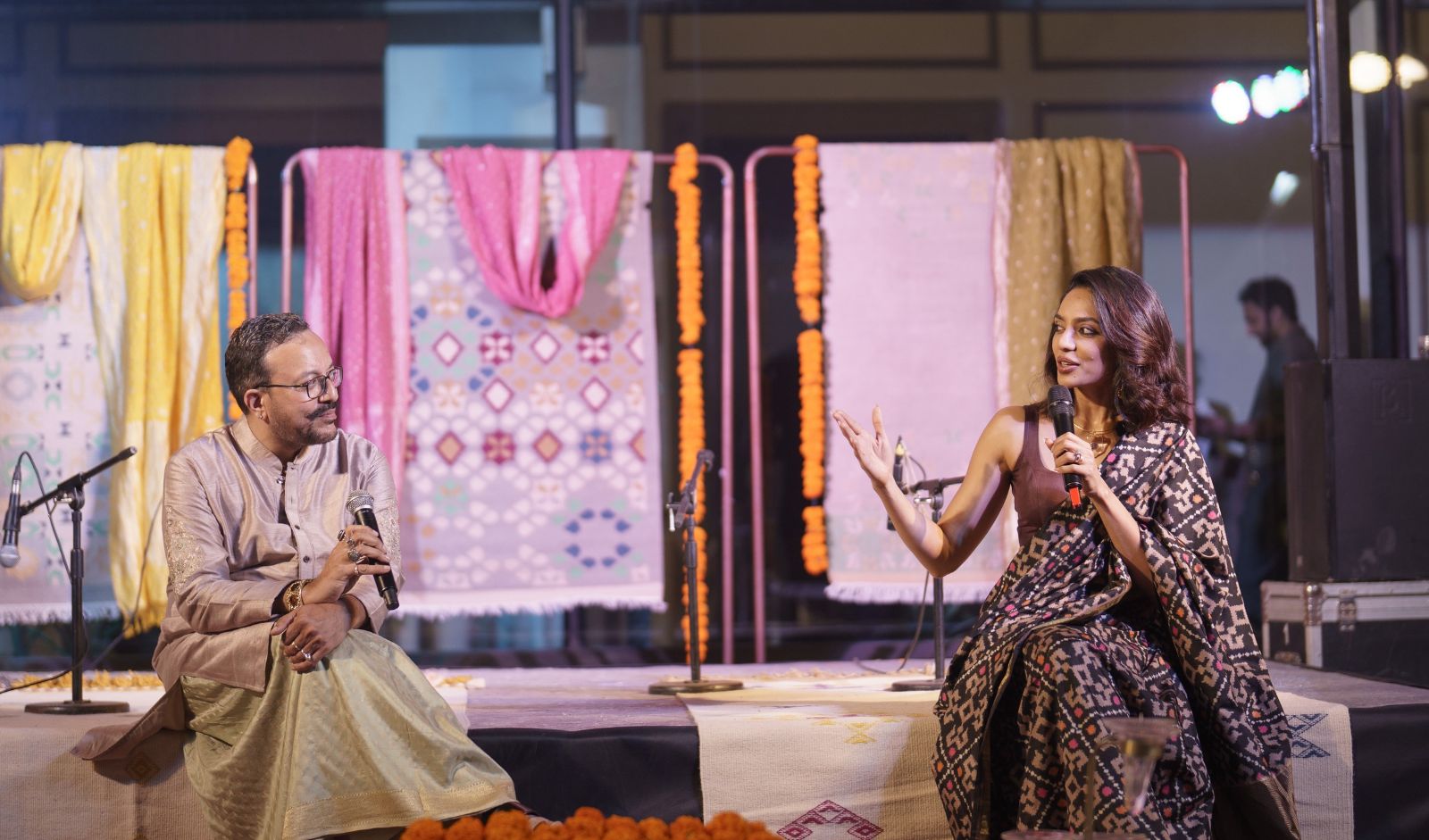
It also conducts cultural initiatives under its Culture Beyond Textiles programme, bringing audiences closer to performing arts and other forms of cultural expression.
Also read: India’s Rice Market: From Everyday Staple to Branded Growth Opportunity
Sobhita Dhulipala Adds to Brand's Cultural Connect
The association of the brand with actor Sobhita Dhulipala as a brand ambassador has also helped it create a connection with younger consumers and those who are more global. The association was driven by a common love of handmade items and something unique.
"When Sobhita Dhulipala speaks about it, it appears truly from the heart. It is not something that she is mouthing, but something she is genuinely into," said Saksena. Digital engagement, increased exposure on social media platforms, and cultural initiatives increase consumer interest.
Also read: Retail Sales Grow 8 Pc in September 2026 Ahead of Festive Season
Quality and Sustainability
Aadyam Handmade places great importance on creating quality pieces. They have increased their network of partners to promote traditional weaving, create quality items and provide a sustainable way of life for weavers.
Saksena said, "The beauty of handwoven is that it is not about depth. It is not about scale. It is always about every loom producing a certain amount. It is more about how you grow horizontally and keep adding weavers to your partnership base."
He added that maintaining quality, transparency, and fair livelihood opportunities remains important to the business.
Looking ahead, Saksena believes Indian handloom brands need to strengthen quality standards and transparency to compete internationally. "Just because it is handcrafted, I don't think we can use it as an excuse to look at it as something which can be of inferior quality," he said.
For the brand, the next phase of growth will involve taking Indian craftsmanship into new product categories and markets while keeping artisan livelihoods and traditional techniques central to its business model.
Also read: How Indian Fashion Brands Are Building the Next Premium Retail Market
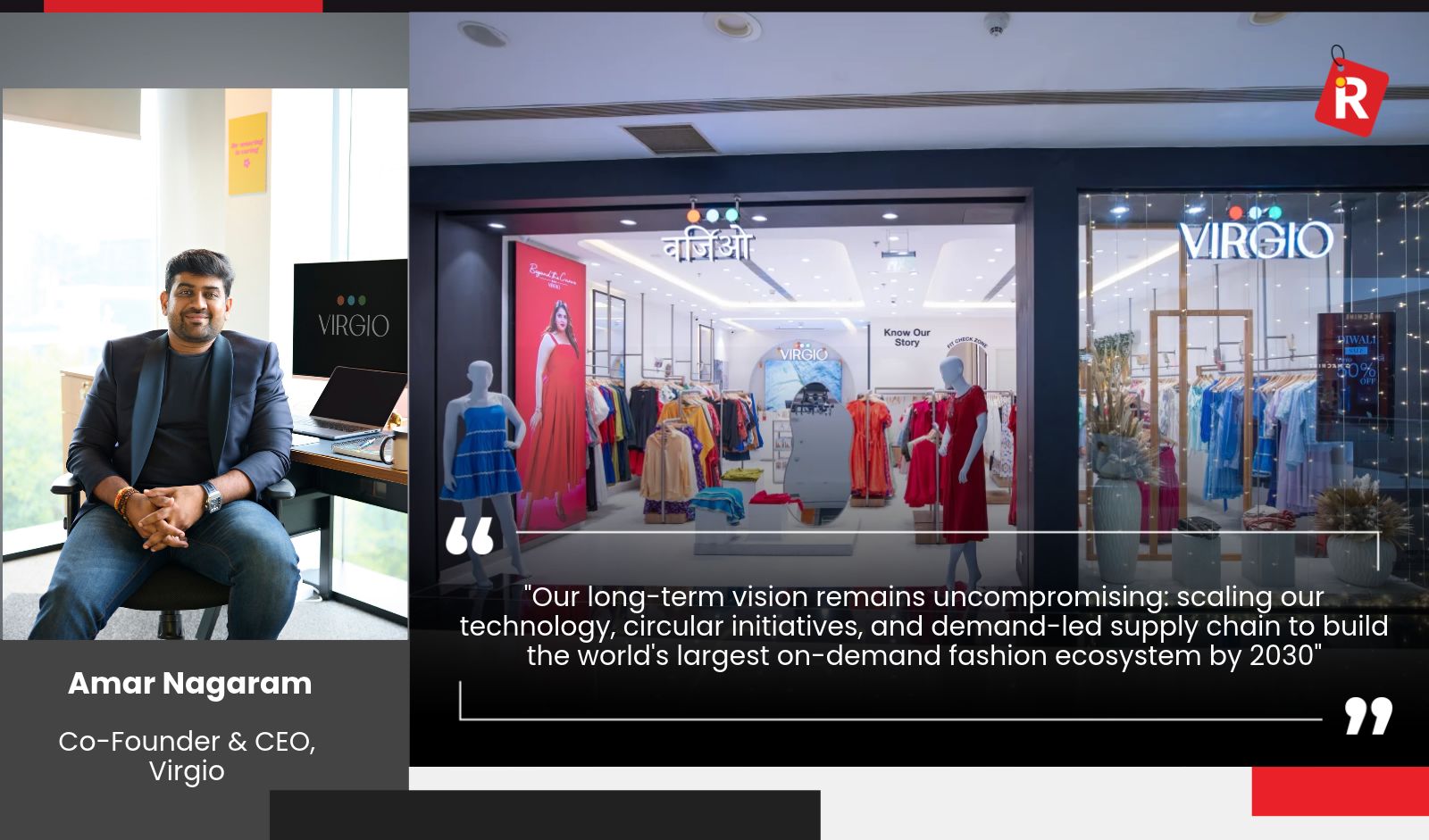
The traditional fashion industry has long operated on a cycle of predicting trends months in advance, manufacturing large volumes and relying on discounts to clear unsold inventory. VIRGIO, which entered the Indian market in 2022, initially started as a fast-fashion brand but gradually identified the structural challenges associated with this approach. The company subsequently shifted towards an agile, technology-driven and circular fashion model focused on producing according to consumer demand.
"While VIRGIO originally began as a fast-fashion play, running that model up close revealed the deep structural crises endemic to the industry, colossal garment waste and low-quality synthetics. We realized that true innovation wasn't about churning out more cheap clothes; it was about fixing the broken supply chain. That catalyzed our decisive pivot into building an agile, technology-driven, and circular fashion company," explained Amar Nagaram, Co-Founder & CEO, Virgio.
Over the last three years, VIRGIO has developed its operations around demand-led manufacturing, faster product cycles and controlled inventory. The company said it is currently growing at more than 100% year on year, supported by its technology-led operating model and expanding consumer reach.
AI and Made-on-Demand Production Reshape the Supply Chain
At the centre of VIRGIO's operating model is its proprietary AI engine, which analyses real-time consumer signals to identify emerging preferences and determine which designs should move into larger production batches. Instead of committing to high inventory volumes upfront, the company tests products through smaller batches and scales styles based on customer response.
The approach has also enabled VIRGIO to move away from conventional seasonal collection cycles towards a weekly product-release format called 'VIRGIO Thursday'. Through this model, the company introduces new styles more frequently while shortening the time between design and market availability.
"We dismantled rigid seasonal cycles to introduce 'VIRGIO Thursday,' our weekly Made-On-Demand release cadence powered by our proprietary AI engine. By scanning real-time consumer signals, testing micro-batches, and scaling only customer-verified favorites, we have compressed design-to-market cycles to mere days while keeping unsold deadstock down to single-digit margins," Nagaram said.
The company has also introduced digital smart codes to provide garment-level traceability, adding transparency to its production process. According to Nagaram, combining technology with demand-led manufacturing has helped the brand align production more closely with actual consumer preferences.
"Complemented by complete garment traceability via digital smart codes, the breakout success of our size-inclusive line Beyond The Curve, and a rapidly scaling multi-city retail footprint, VIRGIO has commercially validated that on-demand, conscious fashion can achieve rapid, profitable scale in India," he added.
D2C Leads VIRGIO's Omnichannel Retail Model
Alongside its technology-led supply chain, VIRGIO is building an omnichannel presence through its proprietary website, third-party marketplaces and physical stores. The company's owned channels, comprising its D2C platform and offline stores, contribute approximately 70–75% of its overall business.
Its D2C platform accounts for around 60% of revenue, while marketplaces such as Myntra, Nykaa Fashion and Ajio contribute approximately 30%. The company sees its owned digital platform as an important growth driver, supported by higher average transaction values.
"Our D2C platform acts as the core growth engine, driving 60% of total revenue with an Average Order Value tracking roughly 30% higher than third-party marketplaces like Myntra, Nykaa Fashion, and Ajio, which account for 30% and serve as valuable top-of-funnel reach," Nagaram said.
Offline, VIRGIO currently operates seven stores across five major cities, contributing approximately 10% to its revenue mix. These stores function as experience-led retail spaces where customers can assess the fabric quality, fit and draping of products before making a purchase.
The physical channel is also generating higher average order values than digital channels. According to the company, offline AOV is nearly twice that of its digital channels, with dresses contributing around two-thirds of in-store sales.
"These stores serve as essential touch-and-feel experience spaces where consumers can physically experience the hand-feel, draping, and quality of our sustainable natural fabrics. Because of this sensory validation, our physical stores deliver exceptional unit economics, generating AOVs nearly 2X higher than digital channels, with dresses driving roughly two-thirds of in-store sales," Nagaram said.
For the company, physical retail therefore serves both as a consumer engagement channel and a contributor to higher-value transactions.
Dresses and Beyond The Curve Drive Category Growth
Dresses remain VIRGIO's strongest-performing category across channels, accounting for nearly two-thirds of offline sales and driving significant volumes online. The brand is also witnessing growing demand for co-ord sets and versatile separates, particularly among consumers looking for clothing that can transition across work, social occasions and celebrations.
"Dresses continue to be our undisputed hero category across channels, accounting for nearly two-thirds of our offline sales and driving significant volume online. Consumers are drawn to our structured fits, contemporary western silhouettes, and the touch-and-feel quality of our certified natural fabrics," Nagaram said.
He added that co-ord sets and separates are also gaining traction as consumers increasingly seek versatile clothing that can be styled across multiple occasions. "Alongside dresses, modern co-ord sets and versatile separates are witnessing rapid growth, driven by consumer demand for smart, multi-occasion wear that transitions effortlessly from work to celebrations."
Another growth driver has been Beyond The Curve, VIRGIO's size-inclusive label. Rather than simply extending conventional sizing patterns, the brand develops its designs around Indian body proportions, addressing fit-related challenges in the women's fashion market.
The label has achieved an annualised revenue run rate of Rs 25 crore in its first year, according to the company. Its collections focus on fashion-forward occasionwear and dresses for curvy consumers.
"Additionally, Beyond The Curve has emerged as a high-growth powerhouse, delivering an annualized run-rate of Rs 25 crore in its first year. By engineering patterns from the ground up specifically for Indian body proportions rather than scaling up standard sizes, it has unlocked immense demand for fashion-forward, curvy occasion-wear and dresses, proving that well-fitted, trend-first designs represent a massive, underserved opportunity in Indian womenswear," Nagaram said.
Festive Strategy Focuses on Weekly Product Drops
For the festive season, VIRGIO is relying on its Made-on-Demand model to introduce weekly, trend-led collections across VIRGIO and Beyond The Curve. Instead of depending on one-time seasonal discounting, the company is focusing on versatile occasionwear that consumers can continue wearing beyond celebrations.
"Rather than relying on one-off seasonal discounting, our festive strategy leverages our agile Made-on-Demand model to introduce weekly, trend-led contemporary drops across VIRGIO and Beyond The Curve. We are catering to the growing appetite for versatile, occasion-ready silhouettes that consumers can re-wear beyond celebrations," Nagaram said.
The company is also witnessing increasing demand from non-metro markets, which it expects to contribute to its festive performance. Supported by its omnichannel presence and growing consumer demand, VIRGIO anticipates more than 100% year-on-year growth during the festive cycle while maintaining healthy margins and strong sell-through.
Rs 100 Crore Revenue Target and Vision for 2030
Going forward, VIRGIO's expansion strategy is focused on strengthening its digital capabilities and improving productivity across its existing physical retail network. On the online front, the company plans to increase the style-testing capacity of its proprietary AI engine to support more frequent product launches and further scale its D2C platform. It also intends to accelerate the growth of Beyond The Curve.
"Our expansion strategy centers on sustainable, value-driven growth that strengthens both our digital core and physical presence. Online, we are expanding our proprietary AI engine to significantly increase our style-testing capacity, fueling our weekly 'VIRGIO Thursday' Made-on-Demand drops and scaling our D2C platform while accelerating our size-inclusive label, Beyond The Curve," Nagaram said.
On the offline front, the company is prioritising store-level productivity, customer experience and profitability rather than focusing solely on adding outlets.
"Offline, our focus is on maximizing store-level productivity, customer experience, and profitability across our existing locations," he added.
VIRGIO is targeting the Rs 100 crore revenue milestone over the next year while maintaining strong contribution margins and keeping deadstock at single-digit levels. Over the next two to three years, it plans to deepen its product offerings through its AI-driven manufacturing ecosystem.
Elaborating on the company's longer-term ambition, Nagaram said, "Our immediate horizon is focused on crossing the Rs 100 crore revenue milestone over the next year while sustaining strong contribution margins and single-digit deadstock. Over the next two to three years, we will deepen our offerings by leveraging our AI-driven agile manufacturing ecosystem."
The company's ambition extends beyond scaling its domestic retail presence. It aims to build a global on-demand fashion ecosystem by 2030, supported by investments in technology, circular initiatives and demand-led production.
"Looking ahead, our long-term vision remains uncompromising: scaling our technology, circular initiatives, and demand-led supply chain to build the world's largest on-demand fashion ecosystem by 2030," Nagaram said.
As VIRGIO enters its next phase of growth, its focus will remain on scaling its technology-led operating model while balancing faster product cycles, consumer demand, inventory discipline and profitability.
The festive beauty market is witnessing a shift in consumer priorities, with shoppers increasingly looking beyond traditional makeup staples and placing greater emphasis on skin preparation, hydration, product performance and versatility.
While lip colours, eye makeup and highlighters continue to remain important parts of festive beauty routines, the emphasis on achieving healthy-looking, effortless skin is becoming increasingly prominent. Social media discovery and creator-led education are also making consumers more informed about formulations, application techniques and product benefits, raising expectations around both performance and ease of use.
“Today's festive glam starts long before the makeup goes on; it’s all about achieving that effortless, healthy-looking glow. Thanks to social media discovery and creator education, consumers are more informed than ever. They want products that deliver on performance, ease of use, and versatility,” said Medhavi Nain, GM Marketing, House of Beauty Global.
Premium Beauty Gains Through Value Proposition
The premium beauty segment is also finding stronger relevance among informed consumers, although the market continues to cater to both premium and mass-market preferences.
Rather than premiumisation replacing affordability, consumers are increasingly evaluating purchases based on formulations, performance, brand credibility and the overall experience. House of Beauty said its focus is on communicating the value proposition of premium products while making them accessible to a broader consumer base through different price points.
“The market is not necessarily moving in one direction; premium and mass-market beauty serve different consumer needs. While affordability and accessible price points remain important, premium beauty is benefiting from consumers who are increasingly informed about formulations, product performance, brand credibility and the overall experience,” said Medhavi Nain, GM Marketing, House of Beauty Global.
Omnichannel Shopping Shapes Beauty Discovery
Beauty consumption is also becoming increasingly omnichannel, with marketplaces, brand-owned digital platforms, physical stores and quick-commerce platforms playing different roles in the purchase journey.
“Festive beauty shopping is increasingly omnichannel, with each platform playing a distinct role in the consumer journey. Online marketplaces offer reach, convenience and product discovery, while brand-owned digital platforms can help communicate product benefits, collections and brand stories in greater depth,” said Medhavi Nain, GM Marketing, House of Beauty Global.
She added that physical retail remains valuable for consumers who want to experience products firsthand, particularly when choosing shades, textures and finishes, while quick commerce is contributing to the evolving convenience-led shopping landscape.
“Rather than viewing these channels in isolation, we believe in delivering a consistent experience across touchpoints and understanding how each channel contributes to discovery, conversion and loyalty,” Nain said.
Lip Products, Eye Palettes Drive Festive Demand
Despite the broader shift towards skin preparation, established makeup categories continue to perform strongly during the festive period.
“Lip products continue to be among our best sellers, as consumers look for colours that complement their celebratory looks. Eye palettes and setting sprays also see strong demand, with consumers seeking versatile eye looks and long-lasting makeup that stays fresh through the extended celebrations, evening parties and festive gatherings,” said Medhavi Nain, GM Marketing, House of Beauty Global.
Gift Sets Create Incremental Opportunities
Curated beauty kits and festive collections are also becoming an important tool for driving discovery and incremental purchases. By combining complementary products, brands can simplify purchase decisions while encouraging consumers to experiment with products they may not have otherwise purchased individually.
“Curated gift sets and festive collections play an important role in making beauty gifting more convenient, considered and engaging. By bringing together complementary products, they simplify purchase decisions while offering consumers an opportunity to discover products they may not have considered individually,” said Medhavi Nain, GM Marketing, House of Beauty Global.
At Anastasia Beverly Hills, House of Beauty has introduced four festive celebration kits, combining best-selling makeup products in ready-to-gift combinations designed for the festive season.
North and West Remain Key Markets
From a geographic perspective, the North and West regions are currently witnessing the strongest demand for Anastasia Beverly Hills products and are expected to remain important markets for festive growth.
Overall, the evolving festive beauty landscape points towards a consumer who is more informed, more experimental and increasingly comfortable navigating multiple shopping channels. For brands, the opportunity lies not only in capturing seasonal demand but also in using festive occasions to drive product discovery, premium adoption, gifting and repeat purchases.
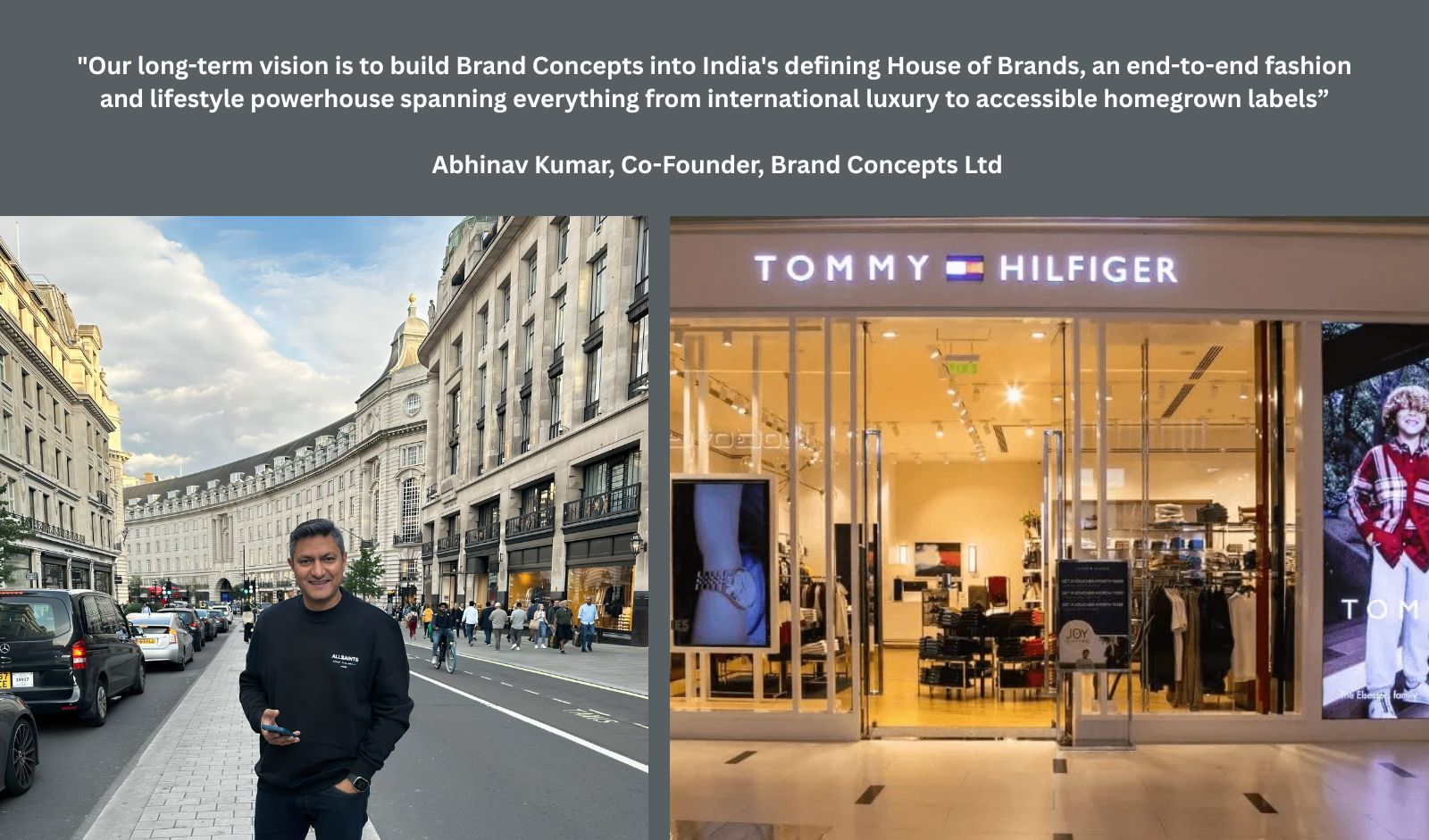
India's fashion accessories and travel gear market is witnessing a shift as consumers increasingly view bags, luggage and small leather goods as extensions of their personal style rather than merely functional purchases. Growing brand consciousness, changing lifestyle preferences and rising demand for premium products are creating opportunities for companies operating across fashion and lifestyle categories. Brand Concepts Ltd. has been building its presence in this evolving market through a portfolio of international labels, in-house brands and multi-brand retail formats. Founded in 2007, the company has transitioned from character licensing to a broader fashion and lifestyle business, with brands such as Tommy Hilfiger, Superdry, United Colors of Benetton, Juicy Couture and Off-White in its portfolio.
"Our journey since 2007 has been defined by deliberate strategic pivots and identifying unaddressed white spaces in the Indian consumer landscape," said Abhinav Kumar, Co-Founder, Brand Concepts Ltd.
The company initially worked with character-led brands such as Cartoon Network and Rocky S in the school bags segment. Its partnership with Tommy Hilfiger for travel gear and small leather goods marked a significant turning point, taking it into the premium fashion accessories category.
In 2010–11, Brand Concepts introduced BAGLINE, a multi-brand retail destination bringing premium travel gear, handbags and lifestyle accessories under one roof. It subsequently incubated its own labels, Sugarush and The Vertical, targeting emerging niches in women's and contemporary men's accessories.
Over the years, the business has evolved into a House of Brands spanning youth-led lifestyle labels, established international names and premium fashion. Today, its portfolio includes United Colors of Benetton, Tommy Hilfiger, Superdry, Juicy Couture and Off-White™.
"Ultimately, our story isn't just about accumulating logos or scaling retail square footage. It has been about anticipating the Indian consumer's mindset shift, from viewing travel bags and accessories as utilitarian necessities to treating them as central fashion and lifestyle statements," Kumar said.
Building an Omnichannel Retail Ecosystem
Brand Concepts' retail model combines exclusive brand outlets, multi-brand retail, wholesale distribution and online platforms. The company operates more than 37 exclusive brand outlets across its portfolio, including BAGLINE stores and monobrand boutiques for labels such as Off-White™ and Juicy Couture.
Its offline presence extends to airports, luxury retail destinations and shop-in-shop formats across department store chains such as Shoppers Stop and Lifestyle. The company also has a distribution network spanning more than 2,000 multi-brand retail touchpoints nationwide.
On the digital front, its presence includes proprietary platforms such as Bagline.com, Juicycouture.in and Off-White.in, alongside marketplaces including Amazon, Myntra and Flipkart. It has also expanded onto premium commerce platforms such as Tata CLiQ Luxury and Nykaa Fashion, while selectively exploring quick-commerce channels.
"For Brand Concepts, omnichannel retail has never been about indiscriminate expansion or chasing vanity store numbers; it is about building a disciplined ecosystem where physical visibility and digital access feed each other," Kumar said.
The company's overall revenue mix is approximately 55% offline and 45% online, reflecting the importance of both physical retail and digital commerce in reaching consumers across markets.
The company aims to ensure that consumers experience consistent pricing, brand communication and product availability regardless of where they shop.
"Ultimately, this integrated network ensures our brands are present wherever the modern consumer decides to discover, touch, and transact," Kumar added.
Southern India in Focus for Retail Expansion
Having established a presence across Northern and Western India, Brand Concepts is now accelerating its expansion across Southern India. Its approach is based on different retail formats depending on the consumer profile and market potential.
In Tier I cities, the company is focusing on standalone Exclusive Brand Outlets (EBOs) for premium and bridge-to-luxury labels such as Off-White and Juicy Couture. These stores are being considered for prominent high-street malls and high-conversion locations such as airport terminals. Meanwhile, in Tier II and Tier III markets, BAGLINE will remain an important expansion vehicle, allowing the company to bring multiple international labels across travel gear, handbags and lifestyle accessories under one roof.
"Our expansion is anchored in unit-level profitability and store productivity rather than chasing door counts for top-line vanity," Kumar said.
Alongside geographical expansion, the company is looking to broaden its product portfolio beyond travel utility into apparel, footwear and statement handbags. The objective is to build wider lifestyle ecosystems around its brands and participate in more consumer spending occasions.
Manufacturing Integration to Strengthen Margins
A key differentiator in Brand Concepts' business model is its investment in backward-integrated manufacturing. Its 8-acre facility at Vikram Udyogpuri in Madhya Pradesh currently delivers an annual production capacity of 4.2 lakh hard-luggage units and 1 million backpacks.
The company has developed only a fraction of the facility's total footprint, leaving room for capacity expansion without significant greenfield capital expenditure. It currently manufactures up to 50% of its luggage in-house, giving it greater control over production, costs and product availability.
Kumar believes this integration will become increasingly important as the company expands its retail network and product portfolio.
"Bringing up to 50% of our luggage manufacturing in-house insulates us from global supply chain shocks, protects our gross margins, and ensures every new store we open is backed by rock-solid unit economics," he said.
The manufacturing facility is expected to support the company's expansion across both premium retail destinations and emerging Tier II and Tier III markets.
Handbags and Small Leather Goods Drive Festive Demand
During the festive season, women's handbags and Small Leather Goods (SLGs) have emerged as the strongest-performing categories for Brand Concepts. Demand for statement pieces and bridge-to-luxury designs is driving growth across Juicy Couture and BAGLINE's curated collections.
Premium wallets, belts and gifting sets from Tommy Hilfiger and United Colors of Benetton are also witnessing traction across festive, wedding and corporate gifting occasions.
"In handbags, we are seeing strong demand for statement pieces and bridge-to-luxury designs, particularly through brands like Juicy Couture and our curated BAGLINE edit," Kumar said.
Travel gear is another important category. While mass-market luggage faces price-led competition, the company is witnessing stronger demand in the premium, design-led trolley segment.
"Today's traveler treats luggage as a fashion accessory rather than a utility box," Kumar said.
Collections from Tommy Hilfiger, Superdry and United Colors of Benetton are benefiting from increased travel activity and consumers' preference for products that combine functionality with brand appeal.
The company is also observing different consumption patterns across markets. While metropolitan consumers are increasingly gravitating towards minimalist designs and understated luxury, Tier II and Tier III shoppers are showing greater interest in branded lifestyle products that combine aspirational appeal with accessible value.
Across its portfolio, Brand Concepts is expecting strong double-digit growth during the festive season, supported by demand across online and offline channels.
Targeting 20–25% CAGR Through Brand Diversification
Looking ahead, Brand Concepts aims to strengthen its position as an integrated fashion and lifestyle company, with a portfolio spanning international luxury, premium and accessible labels. The company is targeting a sustained 20–25% CAGR in top-line growth over the next two to three years. Tommy Hilfiger continues to be its core revenue contributor, accounting for around 80% of its wholesale volume. Meanwhile, newer international brand partnerships are expected to contribute to the next phase of growth.
Juicy Couture is one of the company's key growth priorities, with a revenue target of ₹50 crore by FY2027–28. The expansion will focus on statement handbags and apparel, supported by a wider retail presence.
For Off-White, the strategy is centred on establishing the brand's positioning and building a consumer community rather than prioritising store numbers or immediate volume commitments. The company plans to establish its presence across four to five premier luxury retail corridors over the next two years.
Kumar said the company's focus remains on balancing expansion with financial discipline and profitability, rather than pursuing revenue growth at the expense of margins.
With international brand partnerships, category diversification, omnichannel distribution and manufacturing integration forming the pillars of its business model, Brand Concepts is positioning itself to capture the changing demand for premium fashion and lifestyle accessories in India.
"Our long-term vision is to build Brand Concepts into India's defining House of Brands, an end-to-end fashion and lifestyle powerhouse spanning everything from international luxury to accessible homegrown labels," Kumar said.
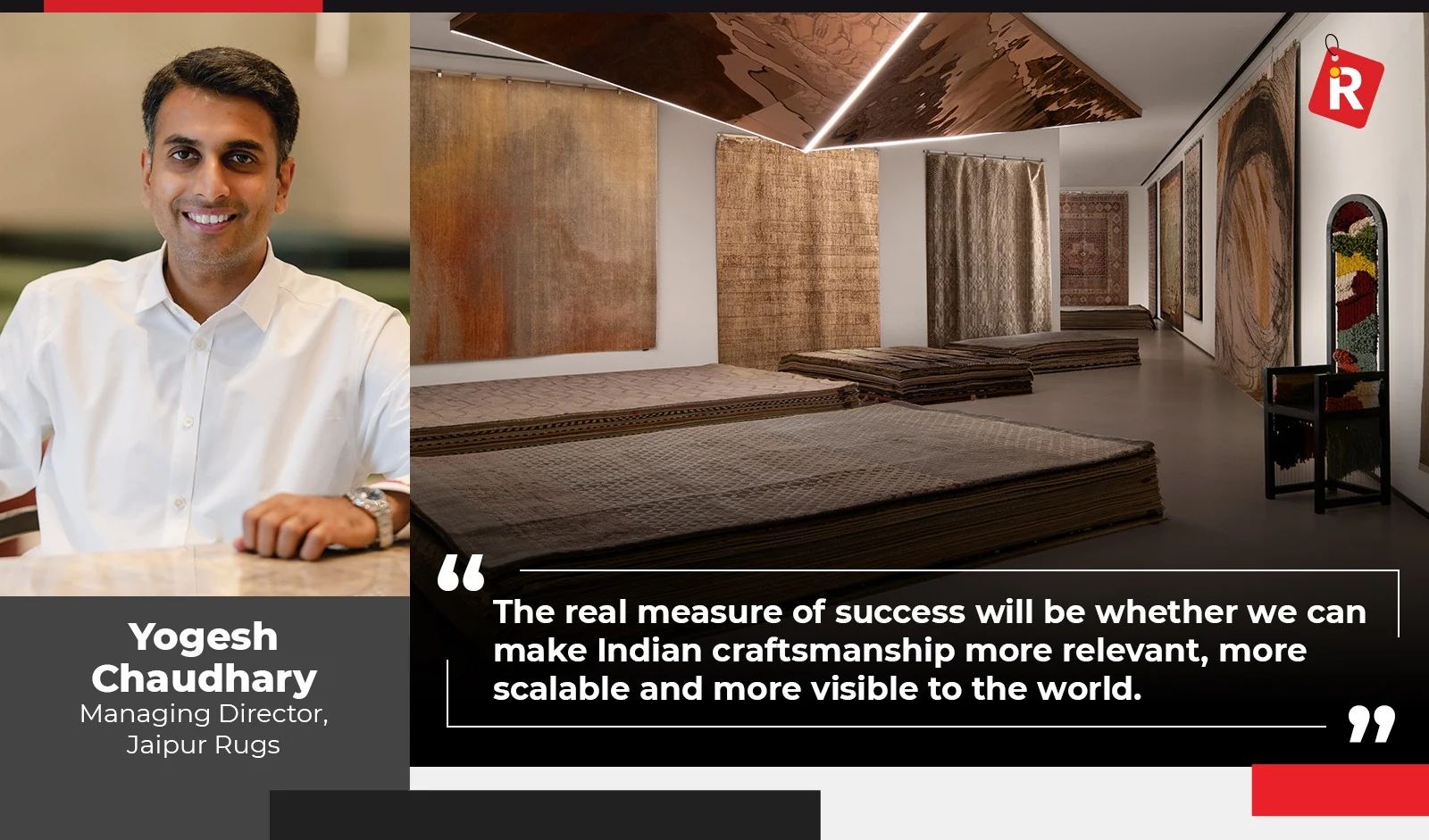
As the next generation takes a larger role at Jaipur Rugs, Managing Director Yogesh Chaudhary is looking to balance the company’s legacy with a more contemporary approach to business. Founded in 1978 by Nand Kishore Chaudhary, the Jaipur-headquartered company has built its business around handmade rugs and artisan-led craftsmanship.
“I see leadership as the ability to honor what has been built while having the courage to reimagine what comes next,” Yogesh Chaudhary, Managing Director, Jaipur Rugs, said.
Chaudhary aims to combine entrepreneurial thinking with respect for artisans and heritage, while strengthening design, expanding retail and digital channels, and building collaborations to take Indian craftsmanship global.
From One Store to 18
Since 2016, Jaipur Rugs has expanded from one store in Delhi to 18 stores across India. The company has also established a presence in global markets including Milan, Singapore, Dubai, London, Russia and China.
The company currently generates revenue of around Rs 400 crore, with stores, online platforms and e-commerce forming its key sales channels.
“For me, this growth is not simply about the number of stores or markets. It is about taking Indian craftsmanship from the village loom to the global design stage,” Chaudhary said.
Retail Expansion
Jaipur Rugs is also expanding its physical retail presence. Its latest Mumbai store spans 20,000 sq. ft. and brings together rugs, design and craftsmanship under one roof.
The company plans to open 15–20 additional stores over the next five years across India and select international markets. Chaudhary said the focus will remain on key metros, emerging design destinations and global markets.
“Our retail expansion is not about opening stores for the sake of scale; it is about creating spaces where people can truly experience the world of Jaipur Rugs,” he said.
New-Age Collaborations
Jaipur Rugs is exploring beyond home interiors, with its PUMA collaboration bringing Indian craftsmanship to younger, contemporary consumers.
“The PUMA collaboration came from a shared belief that culture becomes more powerful when it is allowed to cross boundaries,” Chaudhary said.
He said such partnerships can help introduce craft and handmade products to consumers who may not have previously engaged with the category.
Digital and Product Innovation
Technology is another area where Jaipur Rugs is seeking to modernize its operations. The company has invested in e-commerce, digital platforms, data-led decision-making and product innovation.
According to Chaudhary, digital channels have expanded the company’s reach across India and international markets.
“Digital is now a significant and steadily growing contributor to our business,” he said, adding that its impact extends beyond sales to how the company connects with customers.
Building the Next Chapter
Over the next three to five years, Jaipur Rugs plans to expand its store network, grow its digital business, enter adjacent categories and build more collaborations with Indian and international designers.
“Our objective is to create multiple growth engines rather than depend on a single channel or category,” Chaudhary said.
He believes the next generation’s role is to extend rather than replicate the legacy. “The real measure of success will be whether we can make Indian craftsmanship more relevant, more scalable and more visible to the world,” he added.
Facts
- Founded: 1978
- Founder: Nand Kishore Chaudhary
- Headquarters: Jaipur
- Core Offering: Handmade Rugs
- Revenue: Rs 400 Crore
- Retail Stores: 18
- Store Expansion Target: 15–20 New Stores in 5 Years
-
Room air conditioners remain EPACK Durable's largest revenue contributor at 55–60 percent, while components recorded 102.8 percent growth in FY26.
-
Gatim Fashions is expanding beyond its core markets, targeting South India and Gujarat while strengthening online sales. Founder Sneha Kariwal aims for 75 company-owned stores and selective franchising.
-
With Hello Kitty, new product launches and digital expansion, Archies is blending nostalgia with changing consumer preferences to drive growth.
-
For OVS, India represents a strategic market with significant long-term potential.






Copyright © 2009 - 2026 Franchiseindia.com Ltd