





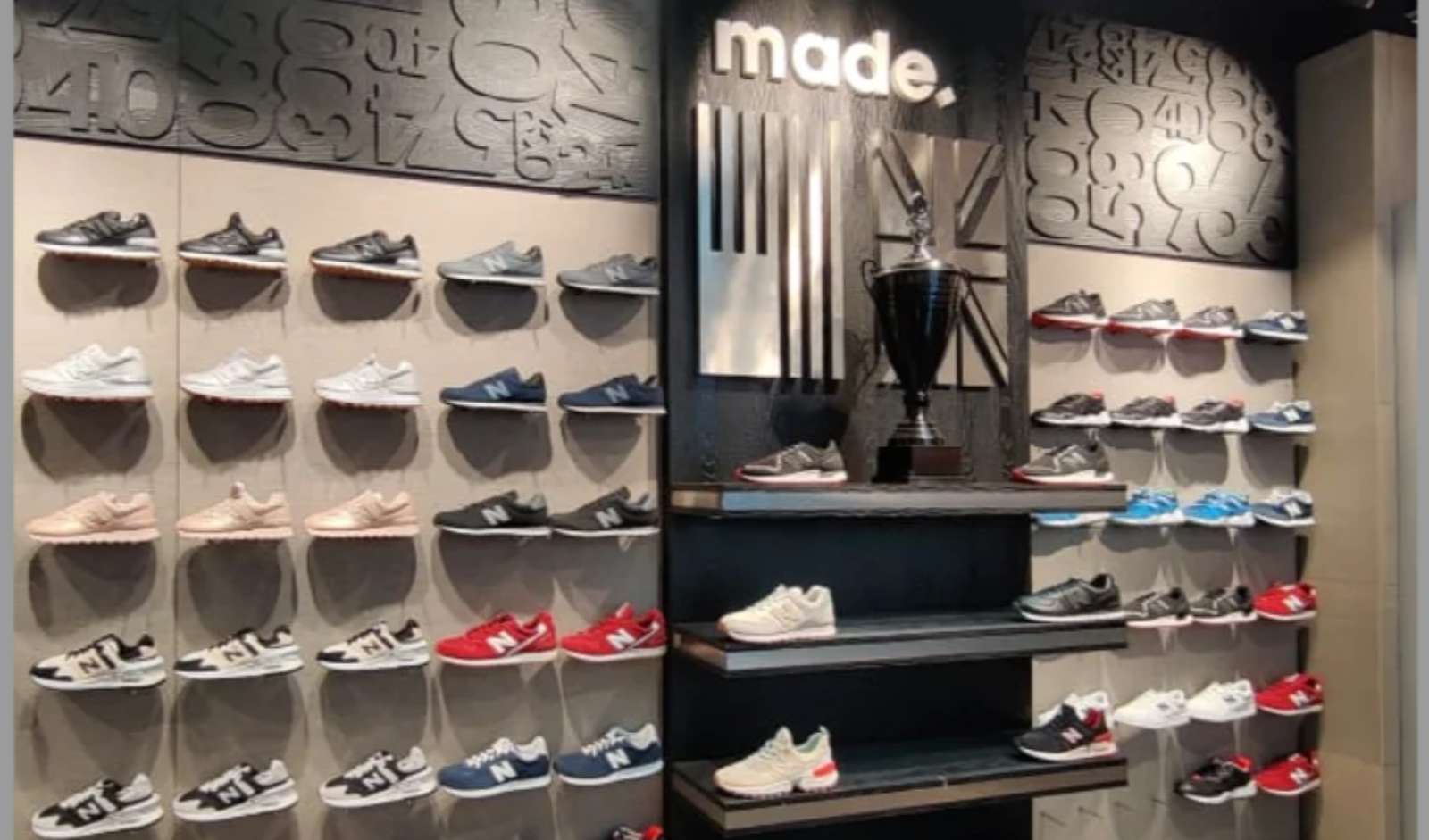
Brandman Retail, a distributor and retailer of international sportswear and lifestyle brands, is planning to expand its retail network to 50 stores by March 2027. The company is looking to strengthen its presence across India's sportswear, performance footwear and lifestyle retail markets through new store openings and an expanded brand portfolio. The company reported revenue of Rs 162.41 crore in FY26, registering a 20 percent increase from Rs 135.22 crore in FY25.
The growth was supported by an expanded retail network, a wider portfolio of international brands and its exclusive brand outlets (EBOs), along with its Sneakrz retail format. Brandman Retail's portfolio includes international brands such as New Balance, ANTA, Saucony, Timberland, Rockport and Wilson. These brands operate across categories including performance footwear, sportswear, outdoor products and lifestyle fashion.
The company plans to continue expanding its physical retail presence while strengthening its e-commerce and digital sales channels. Its expansion strategy is also focused on Tier-ll and Tier-lll cities, where demand for international sportswear, footwear and lifestyle brands is gaining traction.
Arun Malhotra, Founder and Managing Director, Brandman Retail said, “High-growth categories such as performance footwear, sportswear, outdoor and lifestyle fashion make up the larger part of our portfolio. The growing interest in fitness and sports in India is creating opportunities across our brand portfolio.”
The company intends to evaluate individual markets before deciding on store locations and formats, with its expansion plans based on local consumer demand and market potential. Brandman Retail is also planning investments in new store openings, retail infrastructure, inventory management systems, e-commerce operations and technology. However, the company is yet to finalise the overall investment amount and its allocation across these areas.
Alongside its retail expansion, Brandman Retail is exploring opportunities in domestic sourcing and manufacturing under the Make in India initiative. The company sees India as a potential sourcing and production base for international brands looking to improve supply chain efficiency, manage costs and reduce product delivery timelines. The company's focus on physical retail expansion, digital commerce and potential domestic manufacturing partnerships forms part of its broader strategy to strengthen its position in India's growing sportswear and lifestyle retail market.


Adyar Ananda Bhavan (A2B), the Chennai-based South Indian vegetarian restaurant and sweets chain, has secured a $180 million investment from Bodhi Tree Systems, the investment platform backed by James Murdoch and co-founded by Uday Shankar. The transaction will give Bodhi Tree a majority stake in the company and support A2B's expansion across domestic and international markets.
The investment marks Bodhi Tree's entry into India's food and restaurant sector. The partnership will focus on expanding A2B's restaurant network and packaged food business, strengthening its digital capabilities and upgrading its manufacturing infrastructure. Founded nearly 50 years ago, A2B has grown from a sweet shop into a food retail and restaurant chain offering South Indian vegetarian meals, sweets and savouries. The company currently operates around 160 outlets in India and more than 30 international outlets across markets including Singapore, the United States, Australia, Malaysia and the United Kingdom. It employs more than 15,000 people.
As part of the partnership, A2B plans to expand into new domestic and international markets, with western India and Europe among the regions being explored. The company is also looking to modernise its manufacturing facilities in Chennai and Bengaluru and strengthen its retail and export operations.
The investment will also support improvements across A2B's kitchens and manufacturing facilities, alongside investments in technology, leadership and talent. The company is looking to expand its range of healthier food options while strengthening its packaged sweets and savouries business. It is also exploring the possibility of setting up an additional manufacturing facility to cater to retail and export demand.
Uday Shankar will serve as the chairperson of A2B's newly constituted board. The company is also looking to strengthen its management structure and prepare for a potential public listing, although no timeline for an IPO has been announced.
K.T. Srinivasa Raja, Co-Founder of A2B said, “What began as a sweet shop started by my brother and me 50 years ago is now part of daily life for millions of families, and we are proud of every one of our people who made that possible. We are excited to begin this next chapter with Bodhi Tree. The plan we have built together will make A2B a company fit for the public markets, so that our customers, employees and investors can share in its future."
James Murdoch and Uday Shankar, Co-Founders of Bodhi Tree Systems said, “A2B has earned the trust of millions of families through its consistent and reliable quality. We are grateful to the co-founders, K.T. Srinivasa Raja and K.T. Venkatesan, for this opportunity to partner with them to build a differentiated, professionally managed Indian food company, one that sets new standards for the sector. While A2B is a formidable brand in India, we are equally impressed by the scale and reach of its operations in Singapore, the United States, Australia, Malaysia, and the UK. We look forward to working with the team to take its authentic cuisine to a far broader global audience.”
The transaction marks Bodhi Tree's third major investment, following its investments in ALLEN Career Institute and JioStar. The deal is also among the significant private equity investments in India's food services and restaurant industry, highlighting investor interest in established regional food brands with opportunities for domestic and international expansion.

Tata CLiQ Luxury has partnered with Swiss luxury watchmaker TAG Heuer to introduce an exclusive digital boutique on its e-commerce platform. The addition expands the platform's luxury watch portfolio under TimeVallée, its multi-brand luxury watch retail concept that has been available on Tata CLiQ Luxury since 2023. Through the digital boutique, customers across India can browse and purchase selected TAG Heuer watches online. The watchmaker joins the existing TimeVallée portfolio, which includes international brands such as Cartier, IWC Schaffhausen, Jaeger-LeCoultre, Piaget, Panerai and Roger Dubuis.
The newly introduced digital boutique features four key TAG Heuer collections, namely Monaco, Carrera, Aquaracer and Formula 1. Each collection represents a different segment of the brand's watch portfolio. Monaco and Carrera draw on TAG Heuer's association with motorsports, while Aquaracer caters to consumers interested in sports and adventure watches. The Formula 1 collection also reflects the company's long-standing connection with motor racing. The partnership strengthens Tata CLiQ Luxury's presence in India's online luxury watch market, where e-commerce platforms are expanding their offerings to include international premium and luxury brands.
Gopal Asthana, CEO, Tata CLiQ Luxury said, “We are delighted to exclusively launch TAG Heuer’s digital boutique on our platform. Known for its high-precision timing innovations and timeless style, we have further strengthened our watch portfolio by offering consumers across the country access to its iconic collections. The watches category is one of our key growth drivers, and the TimeVallée portfolio of brands on our platform has continued to see strong demand. The addition of TAG Heuer further builds on this success and reinforces our commitment to making globally celebrated luxury brands more accessible to discerning consumers across the country.”
The collaboration also extends to Tata CLiQ Luxury's assisted sales service, which allows customers to seek personalised guidance from experts while selecting watches. This service is intended to help consumers navigate the available collections and make informed purchase decisions.
With TAG Heuer joining TimeVallée, Tata CLiQ Luxury is adding another international watchmaker to its online retail portfolio. The development also reflects the platform's continued focus on expanding its presence in India's luxury e-commerce segment through partnerships with global brands.

`1Page Industries, the Indian licensee of Jockey and Speedo, reported a 4 percent year-on-year increase in net profit for the September quarter of FY27, supported by higher sales volumes and demand across its product categories. The company's net profit rose to Rs 203 crore from Rs 195 crore in the corresponding quarter last year.
Revenue from operations increased 11.5 percent year-on-year to Rs 1,440 crore during the quarter, reflecting growth in sales across its distribution channels and product segments. The company's sales volume grew 5.5 percent to 59.7 million pieces during the reporting period. Growth was supported by demand across categories and distribution channels, along with consumer interest in newly introduced products.
Managing Director V.S. Ganesh said consumer demand remained strong during the quarter. However, the company continued to face cost pressures due to elevated raw material prices, particularly cotton, while crude-linked input costs also remained above earlier levels. Total expenses increased nearly 13 percent to Rs 1,182 crore during the quarter, driven primarily by an 11.5 percent rise in raw material costs. Despite these pressures, the company maintained profitability within its planned range through operational efficiencies and procurement measures.
The company's shares declined 11 percent following the announcement of its quarterly results. Despite the market reaction, Page Industries maintained its profitability levels through cost management and operational measures. Looking ahead, the company expects demand to improve during the festive season, supported by an expanded retail network, new product introductions and an increase in manufacturing capacity. The company is also focusing on strengthening its market reach across existing sales channels.

Piccadily Agro Industries reported a 19.4 percent year-on-year increase in revenue from operations to Rs 277.9 crore in Q2 FY27, supported by growth in its distillery business. Revenue from the segment rose 30.5 percent to Rs 271.3 crore, accounting for 97.6 percent of the company's total quarterly revenue, compared with 89.3 percent in the corresponding period last year.
The company's EBITDA increased 9.6 percent year-on-year to Rs 53 crore during the September quarter. Piccadily Agro also reported higher profit after tax (PAT) for the first half of FY27 compared with the same period last year, although it did not disclose the exact figure in its announcement.
The company is continuing to expand its presence in the premium and luxury alcoholic beverages market through its portfolio of spirits brands, including Indri Single Malt, Camikara Aged Rum, Cashmir Vodka and Whistler Whisky. Its strategy includes strengthening its presence across premium, super-premium and luxury spirits categories.
Recent additions to its portfolio include Indri Ilika, developed for the travel retail market, Indri Agneya and the Indri Diwali Collector's Edition 2026. The Diwali Collector's Edition received Double Gold with 96 points at the USA Spirits Ratings 2026. It was also named Indian Single Malt Whisky of the Year and Spirit of the Year for India. Indri Agneya received the Indian Single Malt Whisky of the Year recognition at the London Spirits Competition 2026.
Piccadily Agro is also investing in expanding its distillery operations to support the growth of its branded spirits portfolio. The company said the expansion of its Chhattisgarh distillery, alongside its existing manufacturing facilities, will help increase production capacity and support upcoming product introductions. The company is also preparing several new product launches and plans to expand distribution across domestic and international markets. Its focus remains on increasing the contribution of branded spirits to its overall business.
As part of its production plans, Piccadily Agro has revised its spirit maturation target to more than 1 lakh barrels by the end of FY27, compared with its earlier target of 1 lakh barrels. Its spirit maturation capacity had reached 96,000 barrels at the time of the announcement. Chief Financial Officer Natwar Agarwal said the distillery business continues to be the company's primary growth driver, with its increasing revenue contribution reflecting Piccadily Agro's focus on building a spirits-led business.
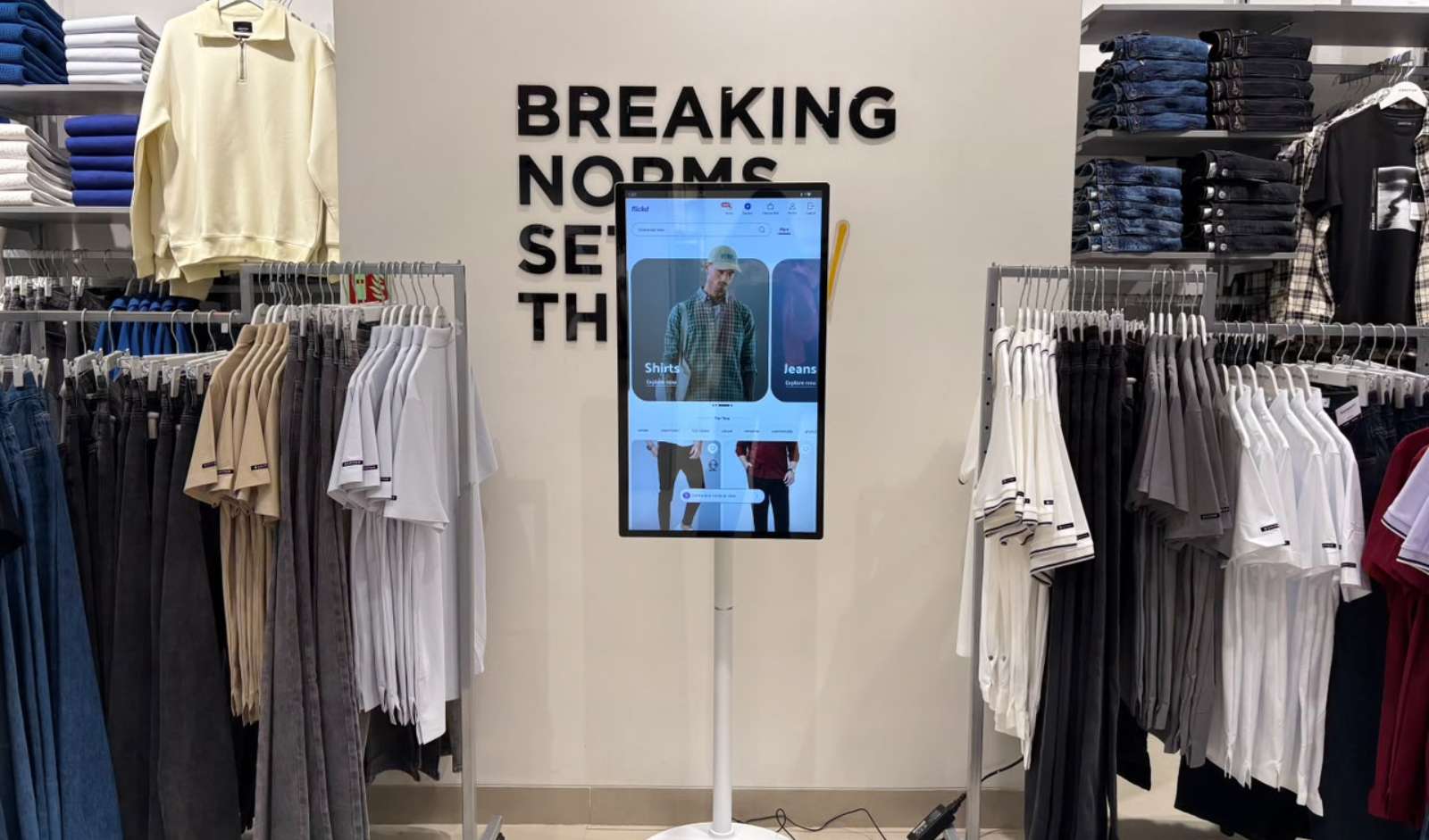
Fashion retailer Snitch has partnered with AI-powered fashion technology company Flickd to introduce AI try-on mirrors at select stores in India. The initiative is currently in the beta testing phase and aims to assess how digital fitting technology can influence customer engagement and product discovery in physical retail stores. The collaboration allows shoppers to use AI-powered visualisation technology to preview different outfits through digital mirrors while shopping at Snitch outlets. The initial response has been encouraging, with customers showing interest in the technology and using the mirrors to explore different looks.
Videos showcasing the in-store experience have also been shared across the social media platforms of both companies, providing an overview of how the technology is being integrated into Snitch's physical retail operations. The current deployment is part of a testing exercise in which both companies will assess customer interactions, usage patterns and the overall effectiveness of the technology within the store environment. The findings will help determine whether the experience should be introduced across more locations. Snitch currently operates approximately 125-140 stores across India. While the companies are considering the possibility of expanding the technology to more outlets, any wider deployment will depend on the results of the ongoing beta phase.
Dheekshith Kumar, Co-Founder of Flickd said, “Fashion retail is not just about putting more products in front of customers. It is about helping them explore what they might actually want to wear. The early interest in the mirrors is encouraging because it shows that customers are willing to engage with a different way of discovering fashion. The testing with Snitch gives us an opportunity to understand that behaviour in a live retail environment and build on what works.”
The introduction of AI try-on mirrors reflects the growing use of technology in India's fashion retail sector, where brands are exploring digital tools to improve in-store shopping experiences. Such solutions allow customers to visualise different styles and compare outfit options without depending entirely on conventional product displays and trial-room facilities. For retailers, these technologies can also provide insights into customer preferences, product discovery patterns and shopping behaviour. The ongoing collaboration will help Flickd and Snitch evaluate whether AI-powered fashion visualisation can become a practical addition to the physical store experience.
Sheetal Singh, Co-Founder of Flickd said, “Introducing a new technology in a store is only the beginning. What matters is how customers respond to it, whether they find it useful and whether it adds value to their shopping experience. This allows us to learn directly from shoppers and refine the experience around their needs. Working with a retail brand like Snitch gives us a valuable opportunity to test AI try-on in an active store environment.”
The partnership adds to Flickd's efforts to expand the use of AI-powered try-on solutions in physical fashion retail. For now, the Snitch deployment will serve as a testing ground for assessing customer adoption and the technology's effectiveness, with a wider rollout remaining a possibility subject to the results.

Godrej Consumer Products Limited (GCPL), through its Hair Lab brand, has entered the premium hair colour segment with the launch of Smart Black shampoo hair colour. Priced at Rs 229 for an 80ml pack, the product introduces a glove-free application format aimed at consumers looking for convenient at-home hair colouring solutions. The launch is part of GCPL's broader strategy to expand its premium personal care portfolio and introduce products targeting changing consumer preferences.
The development comes after the company's standalone business recorded 13 percent year-on-year growth in Q2 FY27, while its Personal Care segment grew 8 percent. Its hair colour business also continued to report growth and gain market share across key categories. Smart Black marks Hair Lab's first entry into the premium hair colour category. The product is designed to simplify at-home hair colouring through a shampoo-style application, eliminating the need for gloves, brushes or mixing bowls.
According to the company, consumers can apply the product directly to dry hair, focusing on areas with grey hair, after wetting their hands with water. Users are advised to wash their hands with soap within three minutes of product contact. The colour develops in 15 minutes and offers 100 percent grey coverage with a natural-looking black finish. The product uses auto-oxidative hair colour technology and features a patented formulation developed in-house by Godrej Hair Lab. The formulation is free from peroxide and ammonia and is enriched with gallic acid and aloe vera.
Samir Suryawanshi, Business Head, Hair Lab, a Godrej Co said, "Godrej Hair Lab Smart Black shampoo hair colour is completely rewriting the narrative around hair colour. Cracking a no-peroxide formulation required a total reinvention of hair colour chemistry. By eliminating gloves, we are removing a deep-seated psychological barrier and turning a mundane chore into a premium, intuitive self-care ritual. Our breakthrough, patented formulation proves that the ultimate luxury in modern beauty is a seamless fusion of convenience, and advanced hair science."
India's hair colour market is estimated to be worth more than Rs 7,000 crore, with demand increasingly shaped by consumers seeking easier at-home application methods. Issues such as skin staining and post-application cleaning remain among the concerns associated with home hair colouring, creating opportunities for brands to develop alternative formats. With Smart Black, Hair Lab is targeting this demand through a multi-use tube format that does not require conventional colouring accessories. The company expects convenience-focused product innovations to support growth in the premium hair care and hair colour segments.
"Hair Lab, a Godrej Co. sees convenience-led, premium innovation as the next big growth driver in the hair care market, and Smart Black shampoo hair colour is our flag bearer in this space. This innovation brings the richness of science along with convenience which would ultimately bring new consumers into the fold and upgrade the at-home experience, "added Samir Suryawanshi.
Smart Black shampoo hair colour is available in an 80ml multi-use tube priced at Rs 229. The product is being sold through leading e-commerce and quick-commerce platforms, including Amazon and Blinkit, along with lifestyle and beauty retail platforms. The entry also expands Godrej's presence in India's hair colour market, where brands are increasingly focusing on product formats, application convenience and ingredient-led formulations to attract consumers.
Suraksha Diagnostic Limited has reported a 69 percent year-on-year increase in profit after tax (PAT) to Rs 149.50 million for the second quarter of FY27, compared with Rs 88.28 million in the corresponding quarter last year. The diagnostics company also recorded a 26 percent rise in total income to Rs 1,005.75 million in Q2 FY27, up from Rs 795.80 million in Q2 FY26. The company's EBITDA increased 45 percent year-on-year to Rs 363.17 million during the quarter, compared with Rs 249.66 million in the year-ago period.
The performance was supported by higher patient and diagnostic test volumes, along with contributions from recently commissioned centres. For the first half of FY27, Suraksha Diagnostic reported total income of Rs 1,893.09 million, registering a 24 percent year-on-year increase. EBITDA grew 37 percent to Rs 678.47 million, while profit after tax rose 54 percent to Rs 277.96 million.
The company also continued to expand its diagnostic centre network during the quarter, adding five centres comprising two hub centres and three spoke centres. The expansion is part of its strategy to strengthen its presence in existing markets by developing clusters of diagnostic facilities and increasing network density. The latest additions have further expanded Suraksha Diagnostic's footprint in West Bengal while supporting its plans to enter new markets.
Ritu Mittal, CEO and Joint Managing Director, Suraksha Diagnostic Limited said, “Suraksha continued its strong growth momentum in Q2 FY27, delivering healthy growth across the business. The performance during the quarter was supported by sustained growth in patient and test volumes, alongside improving contributions from centres commissioned over the past few quarters, which are progressively maturing and contributing to the overall growth. We continued to expand our network during the quarter, opening five new centres, comprising two hub centres and three spokes centres, in step with our strategy of building clusters and progressively increasing density around them. With this, we have further strengthened our presence across West Bengal while also laying the groundwork for expansion into newer markets. Suraksha Genomics continued to focus on building its presence and strengthening its growth trajectory. While still at an early stage, we believe genomics has the potential to emerge as an increasingly meaningful contributor to our business over the coming years. As we move into the second half of FY27, we remain focused on driving sustainable growth through our existing network, improving the contribution of maturing centres and pursuing disciplined expansion across newer markets.”
Alongside its diagnostic network expansion, the company has introduced the Suraksha Institute of Genomics, extending its portfolio to advanced genetic and molecular diagnostic testing. The management sees genomics as a potential growth area in Eastern India, where the company aims to strengthen its position in specialised diagnostic services.
Although the business is at an early stage, the company expects the segment to contribute more meaningfully to its operations over the coming years. The expansion into genomics is part of Suraksha Diagnostic's broader strategy to diversify its diagnostic services while increasing its presence in India's healthcare and diagnostics market.
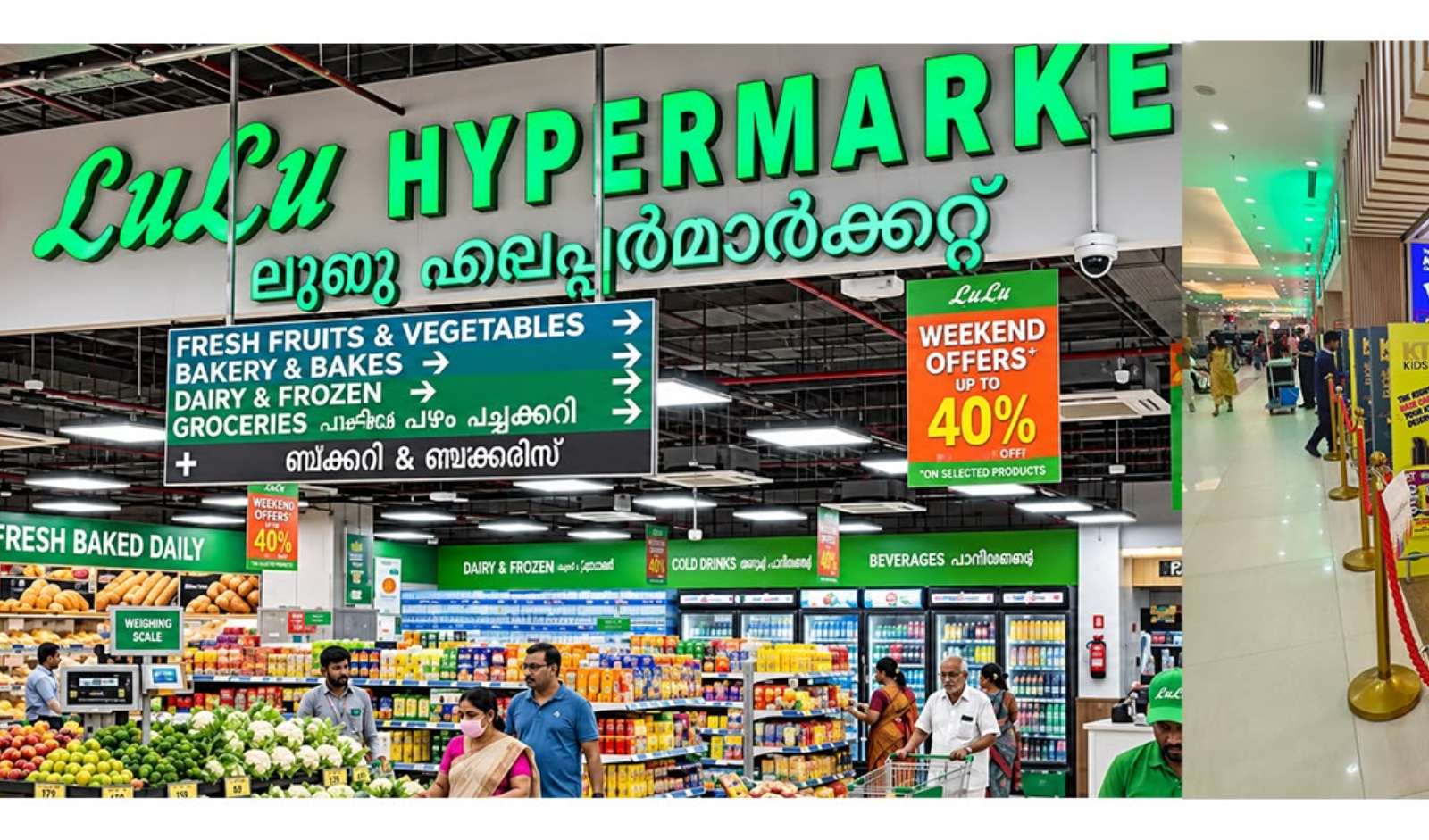
KT Professional, the Indian grooming and personal care company behind KT Kids and KT Men, has expanded its offline retail presence through a partnership with Lulu Group. The company's products are now available across Lulu's organised retail network in Kochi, Kottayam, Thiruvananthapuram, Bengaluru and Lucknow, expanding its distribution footprint in India.
The initial retail rollout includes 17 stock keeping units (SKUs), comprising 12 products under KT Kids and five under KT Men. These products will be available across different sections of Lulu stores, including beauty departments, hypermarkets, branded shelves, dedicated KT zones, standalone kiosks and in-store product experience counters.
The bootstrapped company, which reports an annual turnover of nearly Rs 240 crore, expects the partnership to generate more than Rs 25 crore in incremental revenue in FY27. It is also targeting monthly sales of nearly Rs 25 lakh per outlet through the association. Under the pricing strategy, KT Kids products will be available in the Rs 199 to Rs 799 range, while KT Men will maintain its key price point of Rs 499 across Lulu stores. The company also plans to introduce dedicated product displays and experience-led counters where consumers can learn about product formulations, ingredients and usage.
Founded with a focus on developing grooming products suited to Indian hair types, weather conditions and consumer requirements, KT Professional has gradually expanded its presence in the personal care market. Its portfolio includes sulphate-free and ingredient-focused formulations, with distribution across salon networks, retail outlets and e-commerce platforms. The company currently works with more than 27,000 salons and stylists across India and has reported profitable growth over the years. Its two brands, KT Kids and KT Men, cater to different segments of the grooming market. KT Kids focuses on children's personal care, with products that are positioned as paediatric-safe and dermatologically tested. The brand has also undertaken collaborations with Kareena Kapoor Khan and licensed entertainment properties such as Peppa Pig.
KT Men, meanwhile, operates in the men's grooming segment with products across hair styling, scalp care and hair growth. Its portfolio includes the PowerHold Liquid HairGel and a range of hair growth products. Other key products across the company's portfolio include the KT Kids Hair Leave-In Serum, along with its shampoo and conditioner range.
As part of its marketing strategy, KT Men has associated with Indian Premier League (IPL) franchises Royal Challengers Bengaluru and Mumbai Indians over the past few seasons. These partnerships have helped the brand increase its visibility among younger consumers through cricket-related campaigns, social media content and digital engagements. The company has reported increased consumer interest in products such as PowerHold Liquid HairGel and its hair growth range following these campaigns and retail visibility initiatives.
KT Professional's entry into Lulu's retail network comes amid changing consumer preferences in India's beauty and personal care market. Consumers are increasingly paying attention to product ingredients, safety and formulations, while organised retail formats are providing brands with additional opportunities to demonstrate their products and engage directly with shoppers. In children's grooming, product discovery often involves both parents and children, with parents assessing product suitability and safety before making purchase decisions. Dedicated retail displays and product experience counters can help brands communicate these aspects more effectively.
Dhruv Sayani, Founder and Managing Director of KT Professional and Ccigmaa Pvt ltd said, “This is an important growth phase for us as a company. Lulu gives us access to a very strong family consumer base, which naturally aligns with both KT Kids and KT Men. Over the years, we are seeing consumers become far more aware about ingredients and quality, product safety, reaction, and formulations that actually suit Indian hair water and weather conditions. That shift is creating a much larger opportunity in the styling and grooming space. For us, this partnership is not just about entering more shelves. It is about building stronger consumer trust through visibility, accessibility and retail experience. We are creating dedicated KT zones, educator-led interactions and product experience counters because we want customers to understand what they are buying and how the products work for them. Lulu also becomes strategically important for our larger international ambitions. Their global retail presence, especially in the Middle East, opens up long-term opportunities for us as we continue building KT into a globally recognised Indian grooming brand.”
Rafeeq Abdul Kareem, Central Buying Manager FMCG, Lulu Group said, “Lulu Mall is delighted to welcome KT Kids and KT Men to our retail ecosystem with a launch that reflects innovation, energy and the evolving aspirations of today’s consumers. KT Professional as a company has built a strong identity in the beauty and personal care segment, and we believe the brand’s positioning and growing popularity will resonate well with our shoppers. At Lulu Mall, we continue to bring high-potential brands closer to consumers, and this partnership adds strongly to our growing portfolio in the beauty and grooming space.”
KT Professional currently generates 80 percent of its revenue through offline channels, while online sales account for the remaining 20 percent. The company expects Lulu Group to account for about 10 percent of its retail distribution network in the coming period.
Alongside its domestic retail expansion, KT Professional is also planning to increase its international presence, with operations targeted across 24 countries this year. International markets are expected to contribute nearly 30 percent of the company's overall sales over time. Lulu's retail network, particularly across the Middle East, is expected to support the company's efforts to establish a stronger presence in overseas markets. The partnership is also projected to contribute close to 5 percent towards KT Professional's long-term business goal.
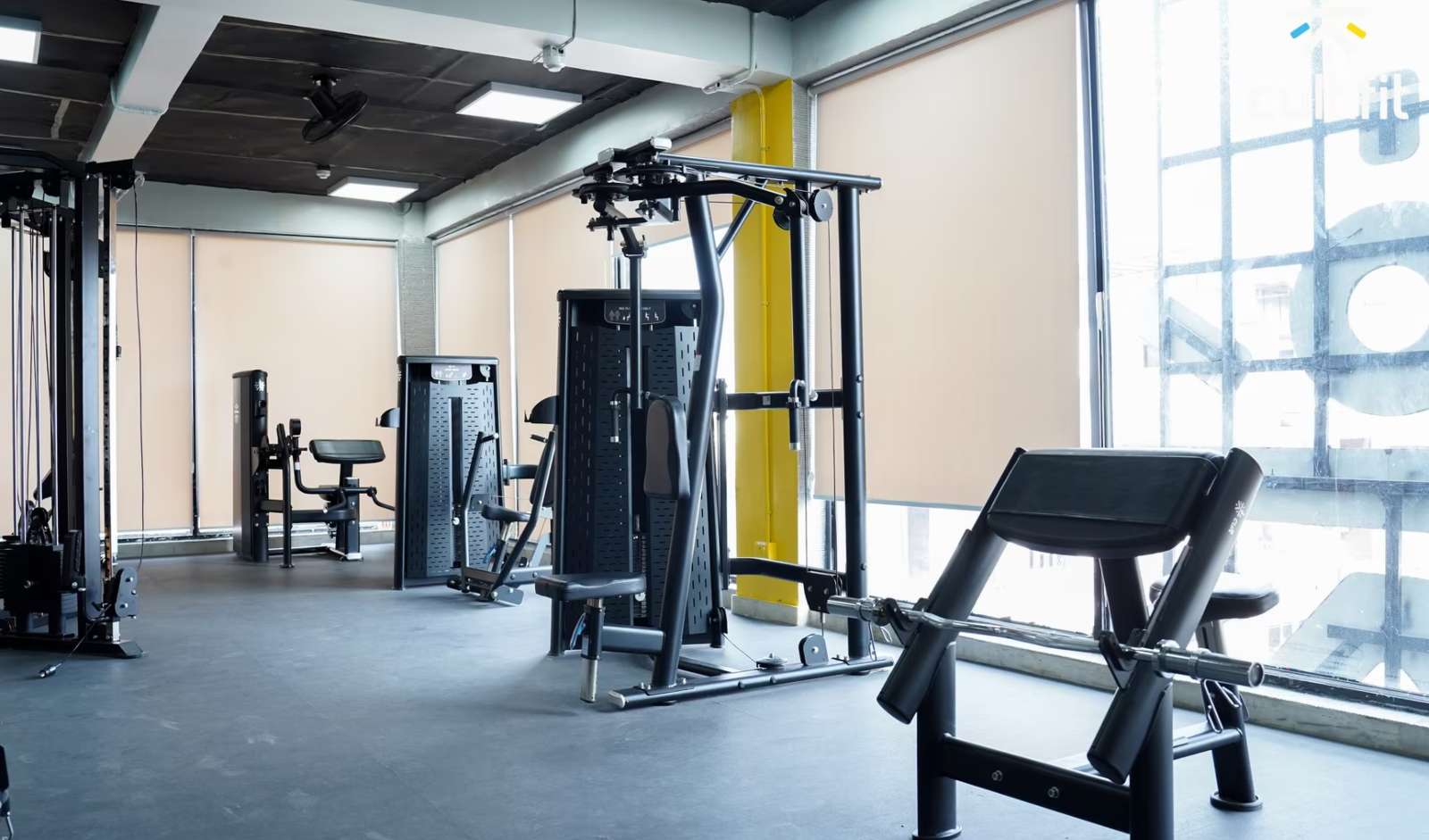
AS-IT-IS Nutrition has partnered with Cult Neo to strengthen its presence in India's fitness and sports nutrition market. Under the association, AS-IT-IS Nutrition will serve as the Nutrition Partner across Cult Neo fitness centres in India, bringing its performance nutrition products closer to gym members, athletes and fitness enthusiasts. The partnership, which is scheduled to run from November 2026 to February 2028, is expected to create opportunities for the nutrition brand to engage with fitness consumers through Cult Neo's network of fitness centres.
Through its ATOM range, AS-IT-IS Nutrition offers sports nutrition products developed for different training requirements, including strength building, endurance and muscle recovery. The portfolio includes whey protein and plant-based protein options such as soy and pea protein, catering to consumers with different dietary preferences and fitness goals.
The brand focuses on scientifically formulated products, transparent labelling and clinically dosed ingredients. Its approach is centred on providing consumers with information about product composition and nutritional value, particularly as demand for protein supplements and sports nutrition products continues to grow in India. AS-IT-IS Nutrition has also emphasised product transparency and quality verification. It was among the early nutrition brands in India to make product laboratory reports available online. The company has introduced QR-code-based product authentication and independent product validation through organisations such as Labdoor, Trustified and Unbox Health.
Himmath Jain, Founder, AS-IT-IS Nutrition said, “For athletes and serious fitness enthusiasts, nutrition has to be approached with the same discipline as training. ATOM was created around that understanding, with a focus on precision, transparency and formulations designed for specific performance needs. Our association with Cult Neo brings this approach into a wider fitness environment and allows us to be part of the everyday training journeys of people who are serious about their goals. For Cult Neo, selecting ATOM brings a specialised performance nutrition proposition into its network of fitness centres. The association reflects the relevance of ATOM’s focus on precision-led nutrition, transparent formulations and products designed around different performance requirements that have been empowering 5M+ households to fulfil their protein requirements.”
Mujtabha Magarey, COO, Fitness Services, Cult.fit said, "We are seeing a clear shift in the way people approach fitness today. It is becoming less about following a standard routine and more about understanding what works for an individual’s goals, lifestyle and training. As more people make fitness a regular part of their lives, they are also becoming more thoughtful about the choices they make around it. This is where partnerships with specialised brands can add real value by bringing relevant expertise and solutions closer to people. With ATOM coming on board as our Nutrition Partner across all cult Neo fitness centres, we see an opportunity to support our community with a more focused approach to the different needs that come with training, recovery and performance."
The association will also provide AS-IT-IS Nutrition with opportunities to interact with trainers and fitness enthusiasts across Cult Neo centres. By integrating its products into physical fitness environments, the brand aims to build stronger connections with consumers and expand awareness of its sports nutrition portfolio. For Cult Neo, the partnership adds a specialised nutrition brand to its fitness centre network, addressing the growing role of protein intake, recovery and performance nutrition in consumers' fitness routines.
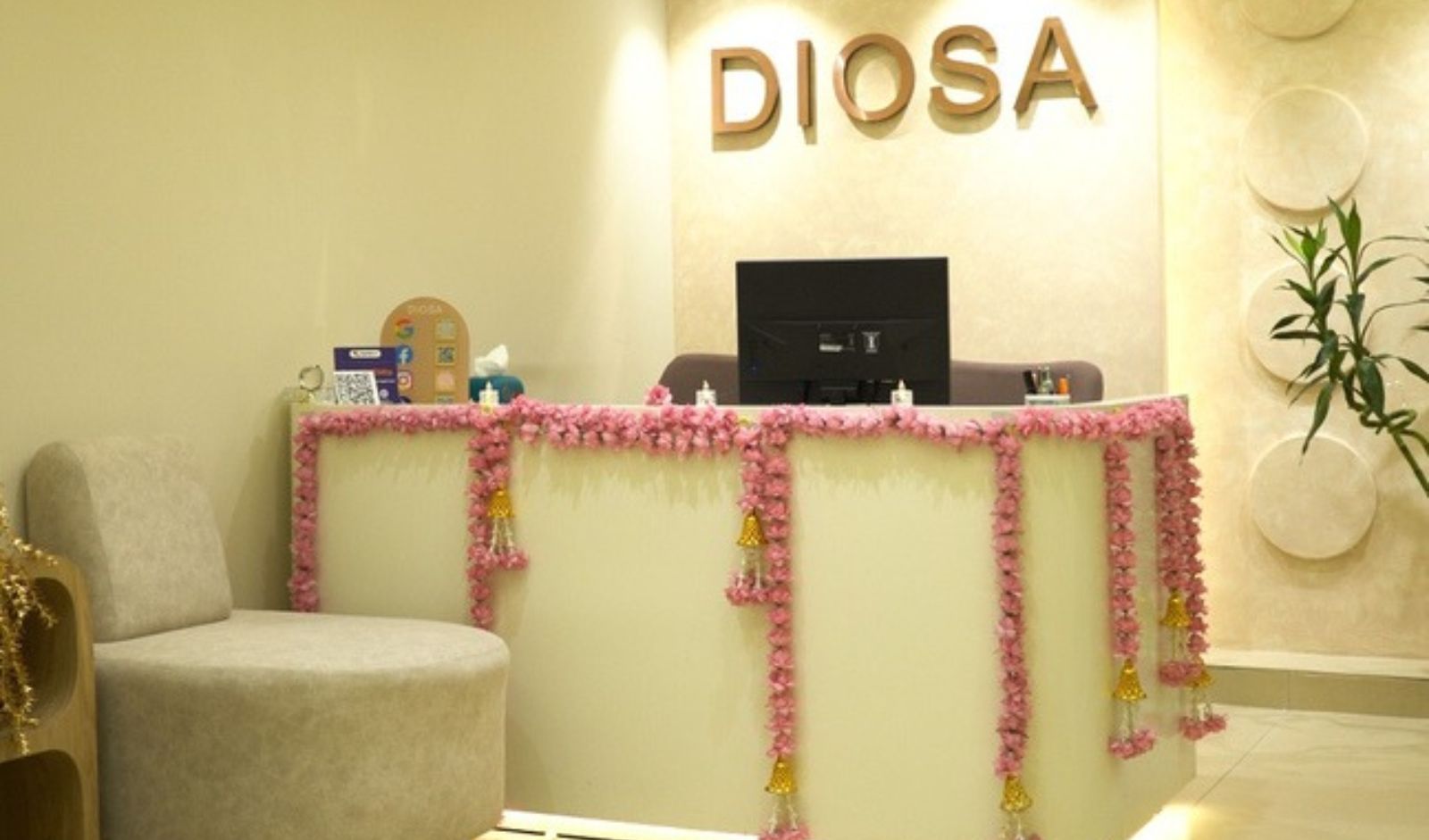
DIOSA, a doctor-led aesthetic and wellness brand, has expanded its presence in Delhi with the opening of its second clinic in South Extension. The new centre will offer a range of specialised treatments across skincare, hair restoration, dental care, aesthetic surgery, and wellness, supported by medical expertise and advanced treatment technologies.
The South Extension clinic will be led by Dr. Madhu Goyal, Founder and Director of DIOSA, who brings over 27 years of clinical experience in dentistry. A dental surgeon by profession, her expertise covers preventive, restorative, cosmetic, and surgical procedures, including teeth whitening, root canal treatment, dental implants, smile designing, crowns, veneers, and laminates.
The new facility will provide treatments across multiple categories, including skin and hair care, aesthetic surgeries, dental services, injectables, laser procedures, body contouring and overall wellness.
Its treatment portfolio will include specialised procedures such as Excimer Laser and IPL Photofacial for targeted skin concerns, 7D Lift Facial for non-surgical skin tightening, Hair GFC for hair restoration, and advanced microneedling therapies to address acne scars and uneven skin texture. The clinic will also offer injectable aesthetic treatments.
Through its integrated service portfolio, DIOSA aims to address concerns such as acne, pigmentation, hair loss, skin ageing, dental aesthetics and body shaping. The brand follows a consultation-led approach, with doctors assessing individual requirements before suggesting appropriate treatments based on clinical evaluation, suitability, comfort and safety.
Madhu Goyal, Founder and Director, DIOSA said, "Opening our second clinic in South Extension is an important moment for us. We have always believed that aesthetic and Wellness care should be supported by the right medical guidance and technology. People come to us with different concerns, and each of them deserves time, attention and an honest discussion about the treatments available. With our new centre, we hope to bring more of these services and treatment options within reach of people in South Delhi. We look forward to welcoming them and continuing the work we have been doing at DIOSA."
The South Extension facility adds to DIOSA's existing clinic in Anand Vihar, extending its reach across Delhi. With the expansion, the brand aims to make its doctor-led consultations and specialised aesthetic and wellness services accessible to a wider customer base in the capital.
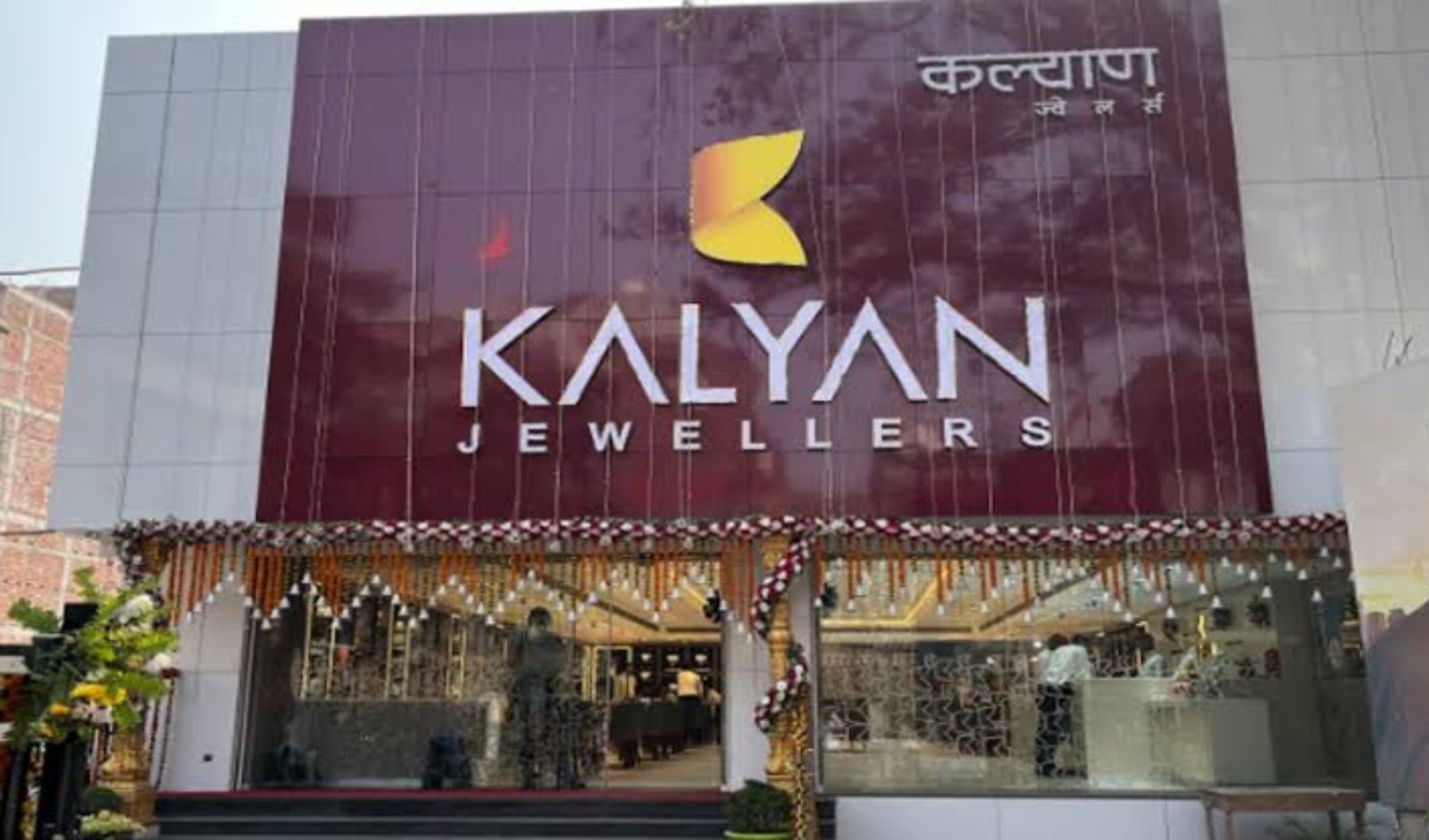
Kalyan Jewellers India Limited reported a 38 percent year-on-year increase in consolidated revenue to Rs 20,912 crore for the first half of FY27, compared with Rs 15,125 crore in the corresponding period of the previous financial year.
The jewellery retailer also recorded a 48 percent rise in consolidated profit after tax (PAT), which increased to Rs 776 crore during H1 FY27 from Rs 525 crore in the first half of FY26.
For the second quarter of FY27, the company's consolidated revenue stood at Rs 10,323 crore, registering 31 percent growth. Consolidated PAT increased 64 percent to Rs 427 crore during the quarter.
On a standalone basis, Kalyan Jewellers' India revenue reached Rs 9,007 crore in Q2 FY27, reflecting a 32 percent year-on-year increase. Standalone PAT for the quarter stood at Rs 424 crore, up 62 percent from the corresponding period last year.
Ramesh Kalyanaraman, Executive Director, Kalyan Jewellers India Limited said, “The ongoing festive quarter has started off very well and we are very encouraged by the growth on the ground, especially during Navratri and Dhanteras. We are upbeat about the wedding season and look forward to ending the quarter on a strong note.”
The company's performance during the first half of FY27 reflects growth across its consolidated business, with festive demand contributing to its quarterly performance. Kalyan Jewellers is now looking ahead to the wedding season as it aims to sustain its business momentum through the remainder of the festive quarter.
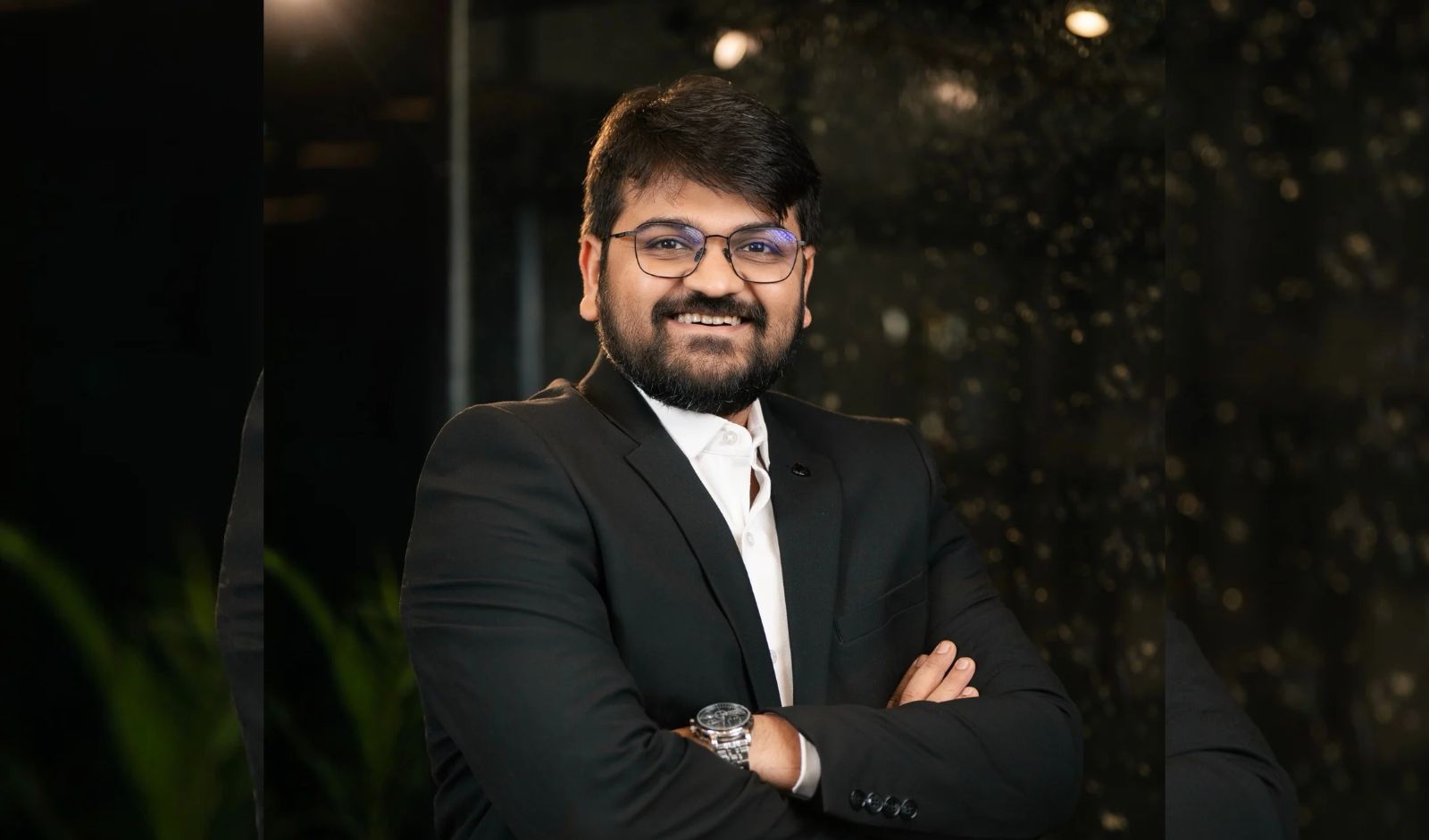
Pune-based agriculture company Nutrifresh plans to invest Rs 200–225 crore, including contributions from farmer partners, to expand its climate-controlled farming operations across South India.
The company aims to develop around 150 acres across Bengaluru, Hyderabad and Chennai by March 2028, strengthening its presence in controlled-environment agriculture.
The expansion will take place in two phases. Nutrifresh currently operates 25 acres in Bengaluru and is expanding its operations into Hyderabad. It plans to add another 25 acres across the region by March 2027, taking its South India footprint to 50 acres.
Between April 2027 and March 2028, the company expects to develop more than 100 additional acres across Bengaluru, Hyderabad and Chennai.
Hub-and-Spoke Model to Strengthen Supply Chain
The investment will cover both farming and post-harvest infrastructure. Nutrifresh plans to establish centralised nurseries to supply planting material to individual farms, alongside integrated distribution centres for sorting, grading and packaging.
The hub-and-spoke model will place infrastructure closer to major consumption centres, with cultivation spread across individual farms. The company expects the approach to reduce transportation costs and carbon emissions while supporting a consistent year-round supply of fresh produce.
"Southern India is a strategic milestone for Nutrifresh. The region's micro-climates and its progressive technology ecosystem make it the right place for our next phase of growth. India's domestic market offers us a large opportunity, and our focus stays on profitable growth and a reliable supply of quality fresh produce for Indian consumers," said Sanket Mehta, Co-founder, CEO and Whole-Time Director, Nutrifresh Farm Tech India Pvt. Ltd.
Expanding Farming and Farmer Partnerships
Nutrifresh currently operates around 200 acres of company-owned farmland and has approximately 50 acres of farmer-partner land in its network. More than 100 additional acres of partner farmland are under development.
Of this upcoming area, around 60 acres will use polyhouse hydroponics, while the remaining land will follow polyhouse soil cultivation.
The company offers more than 100 fresh produce and greens SKUs to over 100 B2B customers, including Swiggy, Zepto, BigBasket and Reliance Fresh. It also supplies merchant exporters, although the domestic market remains its primary focus.
Focus on Employment and Climate-Resilient Farming
The expansion is expected to generate employment across farm operations, logistics and distribution, as well as surrounding communities. Nutrifresh currently employs 833 people, with women accounting for 65 percent of its overall workforce and 80 percent of its farm-level employees. Women also represent more than a third of its leadership team.
"Consumers in the south already value high-quality produce, and the region's logistics infrastructure lets us deliver fresh produce without the usual bottlenecks. Our water-efficient controlled-environment farming reduces the climate risks that open-field farming faces here and gives us consistent yields all year," said Ganesh Nikam, Co-founder, CFO and Whole-Time Director, Nutrifresh Farm Tech India Pvt. Ltd.
Long-Term Target of 850 Acres
Founded in 2019, Nutrifresh has expanded from its early agricultural operations into hydroponics and controlled-environment farming. The company currently grows more than 50 varieties of vegetables, including bell peppers, zucchini, cherry tomatoes, seedless cucumbers, lettuce and herbs.
Its broader expansion strategy targets approximately 850 acres across India by FY31, with the South India investment forming a key part of its long-term growth plans.
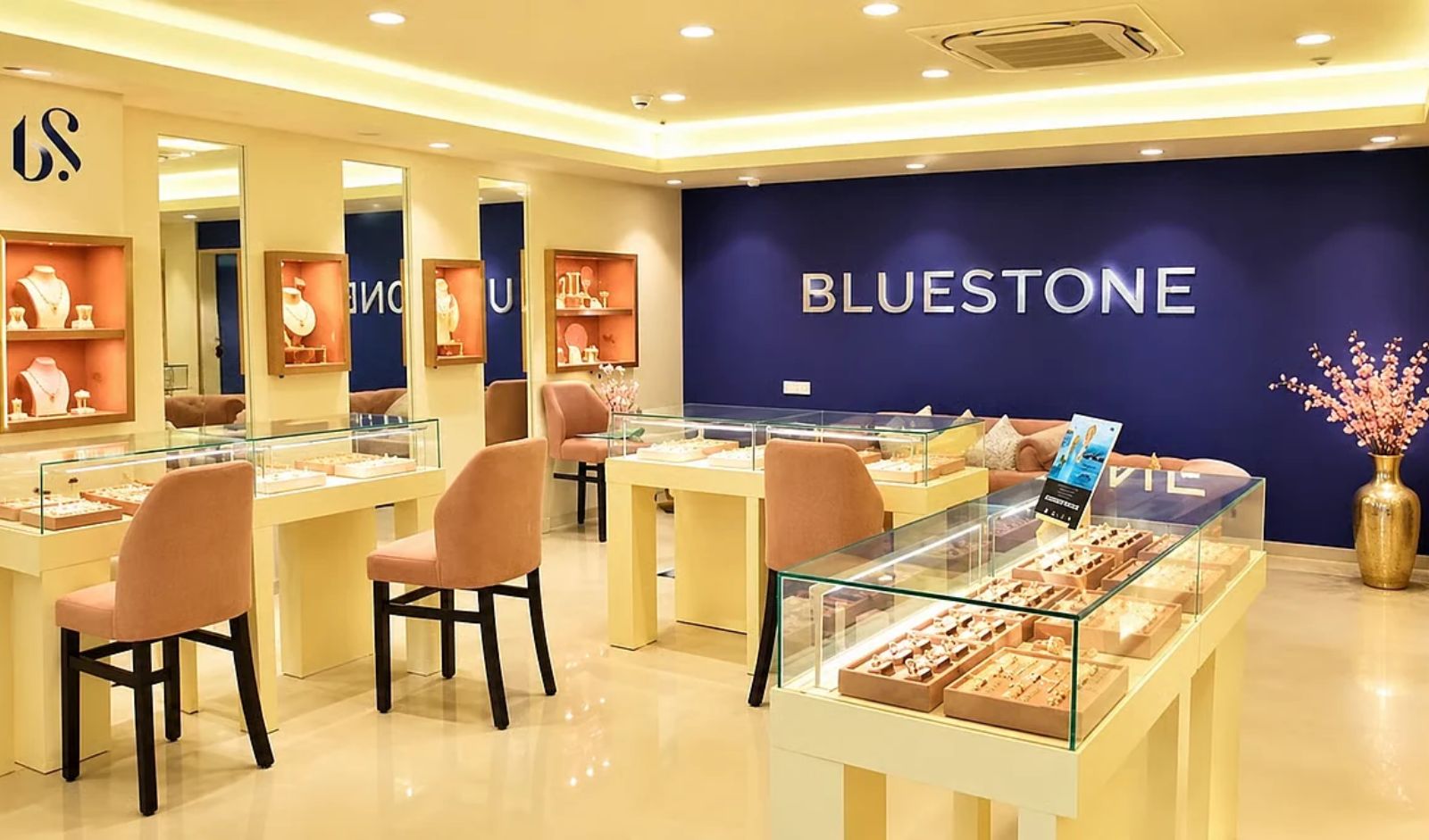
Jewellery retailer BlueStone Jewellery and Lifestyle recorded 45 percent year-on-year business growth during the festive period from October 1 to November 8, 2026, supported by increased customer purchases and rising demand for everyday jewellery. The performance covered the Dhanteras and Diwali shopping season, highlighting stronger consumer participation in the jewellery market.
The company disclosed its provisional business performance through a regulatory filing. According to BlueStone, the growth was primarily driven by an increase in the number of buyers, while average realisations remained at the same level as the corresponding period last year.
The performance indicates that the company's festive growth came largely from attracting more customers rather than an increase in the average amount spent per transaction.
Everyday-wear jewellery and products across entry-level price segments also witnessed stronger demand during the period. BlueStone noted that consumers were increasingly considering jewellery as part of their regular wardrobes, alongside purchases traditionally associated with weddings and festive occasions.
The improved traction in entry-level products also reflects demand across a wider range of consumer groups and spending preferences. The company's focus on design-led collections and differentiated offerings across multiple price points contributed to its festive-season performance.
Gaurav Singh Kushwaha, Founder and Chief Executive of BlueStone, said more consumers were choosing the brand during the festive season. He attributed the momentum to its design-led proposition and ability to offer differentiated jewellery across a wide range of price points.
The 45 percent growth highlights the significance of the festive shopping period for organised jewellery retailers in India, with Dhanteras and Diwali remaining important occasions for jewellery purchases.
The rise in customer numbers, despite unchanged average realisations, points towards an expansion in the buyer base. Meanwhile, the growing preference for everyday jewellery and accessible price segments indicates changing purchasing patterns among consumers.
For BlueStone, maintaining this growth beyond the festive season will be important as it continues to strengthen its position in India's organised jewellery market. Expanding its customer base through design differentiation, everyday-wear collections, and products across accessible price points will remain important to its growth strategy.

Indian pet nutrition brand Drools is looking to increase its international business by targeting triple-digit export growth in FY27, with the UAE emerging as its immediate priority market. The company plans to strengthen its presence across the Middle East, Southeast Asia and Africa as it looks to make exports a larger contributor to its overall revenue.
Founded in 2010 by Fahim Sultan, Drools has developed a portfolio of pet nutrition products, including dry food, treats, wet food and specialised nutrition for dogs and cats. According to the company, exports currently account for less than 5 percent of its overall business, offering significant scope for international expansion.
Drools currently operates in 22 countries, while its domestic distribution network spans more than 2,000 cities and approximately 50,000 retail touchpoints, according to CEO Dr. Shashank Sinha.
Within the Gulf Cooperation Council (GCC), the company has a presence in the UAE, Saudi Arabia, Oman, Bahrain, Qatar and Kuwait. It has identified the UAE and Saudi Arabia as key growth markets and operates through a dedicated team and business entity in Dubai.
The company is also looking to capitalise on the demand for cat nutrition in the Gulf by expanding the distribution of products such as Cat Mousse and Cat Gravy Chunks. Alongside its international expansion, Drools is strengthening its portfolio through newer categories, particularly wet food and fresh pet nutrition.
In April 2026, the company announced an investment of Rs 180 crore in fresh pet food processing and packaging infrastructure through a collaboration with Tetra Pak. Its Fresh Food range uses shelf-stable packaging to offer convenient meal options for pet owners.
The expansion comes amid growing demand for organised pet food products in India. The country's pet population increased from approximately 28.4 million in 2020 to 39.2 million in 2025. Cat ownership has also recorded significant growth, with the cat population increasing at an annual rate of 13.6 percent during the same period.
India's pet food industry is witnessing increased demand due to rising pet ownership and greater awareness of animal nutrition. However, the country continues to import more pet food than it exports. In 2025, India imported approximately C$192.9 million worth of pet food, compared with exports of C$110.2 million, indicating opportunities for domestic manufacturers to strengthen production and international distribution.
Over the next two to three years, Drools aims to maintain double-digit growth while expanding its domestic reach and improving customer retention. Its international strategy will focus on strengthening its position in the UAE and Saudi Arabia before pursuing further opportunities across Southeast Asia and other overseas markets.
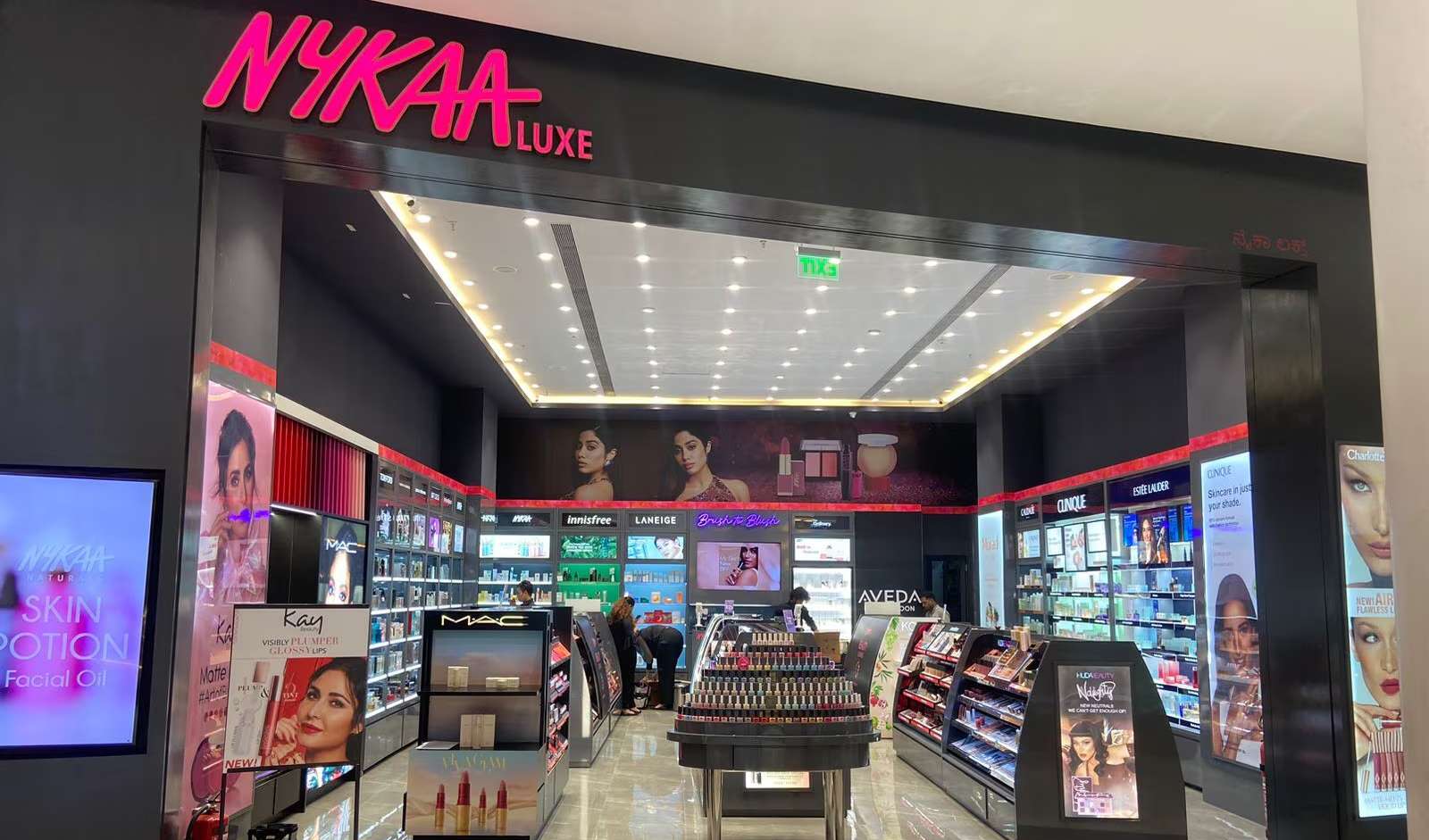
FSN E-Commerce Ventures, the parent company of beauty and fashion retailer Nykaa, reported more than a three-fold increase in consolidated net profit to approximately Rs 101 crore for the second quarter of FY27, ended September 30, 2026. The company had recorded a net profit of around Rs 33 crore in the corresponding quarter of the previous financial year. Consolidated revenue from operations increased 28 percent year-on-year to Rs 3,006 crore in Q2 FY27, compared with Rs 2,345.98 crore in the September quarter of FY26, according to the company's regulatory filing.
Falguni Nayar, Executive Chairperson, Founder and CEO of Nykaa said, “Our performance this quarter reflects the strength of the Nykaa ecosystem, with each of our businesses contributing to growth and productivity gains. We continued to improve operational efficiency, particularly across marketing and overheads. Beauty and Fashion are seeing accelerated growth, while House of Nykaa and Wellness offer significant runway for long-term growth. We remain focused on building differentiated businesses that serve our consumers and deliver sustainable growth over the long term.”
The company's beauty business recorded growth during the quarter, supported by new customer additions and increased spending on premium products among existing customers. Nykaa's Beauty vertical reported a gross merchandise value (GMV) of Rs 4,454 crore in Q2 FY27. Its consolidated GMV increased 30 percent year-on-year to Rs 6,151 crore, reflecting growth across its business segments.
The company also reported continued growth in its House of Nykaa portfolio, supported by new product development and category expansion. As part of its portfolio expansion, Nykaa is set to add SimplyNam, a premium professional-grade colour cosmetics brand founded by celebrity makeup artist Namrata Soni.
The addition is expected to strengthen Nykaa's presence in the colour cosmetics segment as it continues to expand its beauty brand portfolio. The latest results highlight growth across Nykaa's beauty and fashion businesses, alongside improvements in operational efficiency. The company continues to focus on expanding its beauty, fashion, wellness and owned-brand businesses.
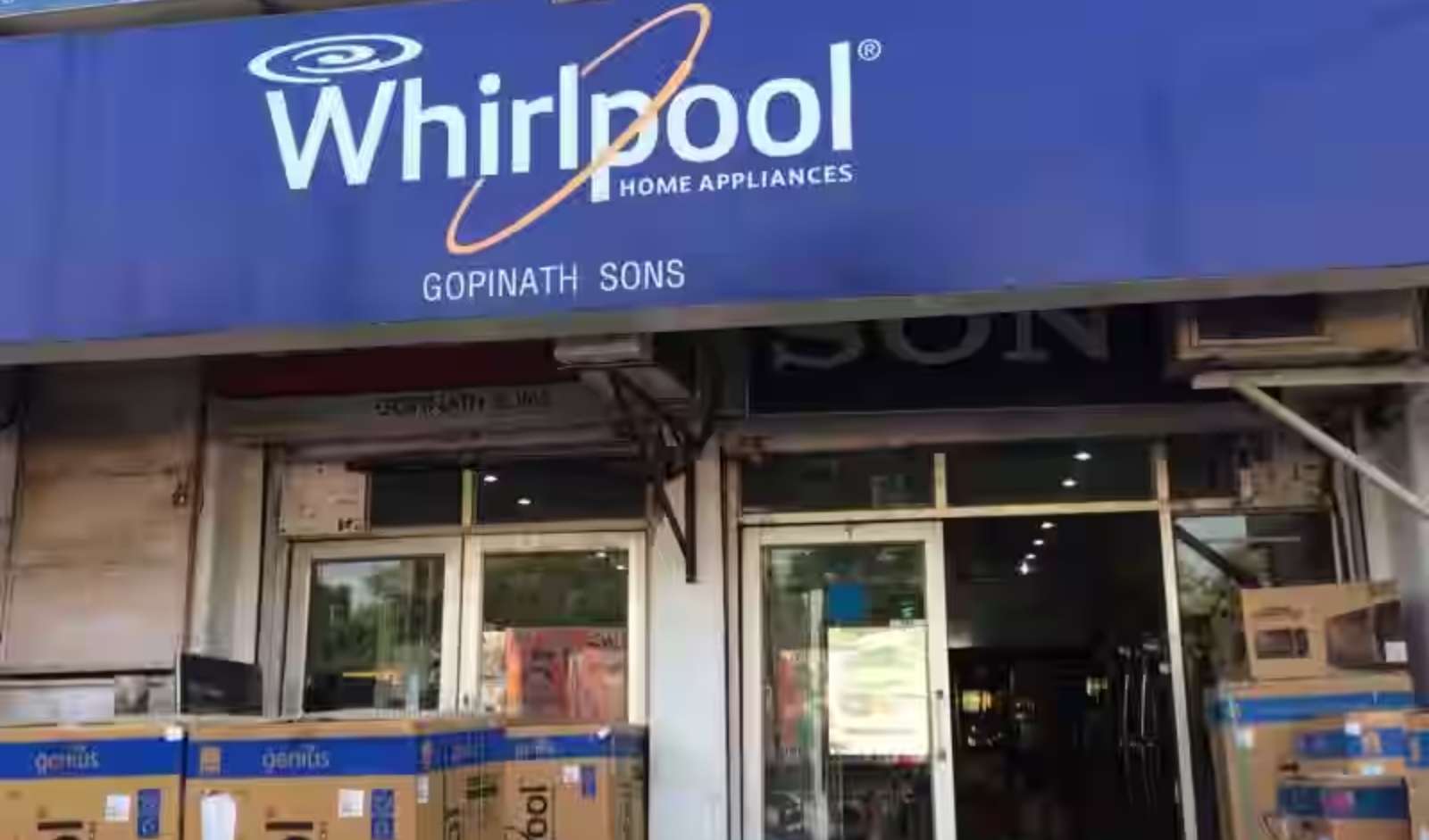
Whirlpool of India Ltd reported a 40 percent year-on-year decline in consolidated net profit to Rs 25.08 crore for the second quarter of FY27, even as revenue from operations recorded double-digit growth. The consumer durables manufacturer had posted a net profit of Rs 41.80 crore in the corresponding quarter of the previous financial year, according to its regulatory filing.
Revenue from operations increased 13.7 percent to Rs 1,873.12 crore in the September quarter, compared with Rs 1,647.27 crore in the July-September period of the previous fiscal year. However, the company's total expenses rose 15 percent to Rs 1,896.66 crore during Q2 FY27, exceeding its revenue growth and putting pressure on profitability.
Whirlpool of India's total income, including other income, increased 13.77 percent to Rs 1,930.96 crore during the September quarter. For the first half of FY27, the company reported 13 percent growth in consolidated revenue. However, the regulatory information provided lists Rs 1,930.96 crore as the total income for Q2 FY27, and the corresponding H1 revenue figure requires verification.
Whirlpool of India, a subsidiary of US-based Whirlpool Corporation, operates in India's consumer durables and home appliances market. On the stock market, shares of Whirlpool of India closed at Rs 838.05 apiece on the BSE on Monday, registering a 0.35 percent increase over the previous closing price.
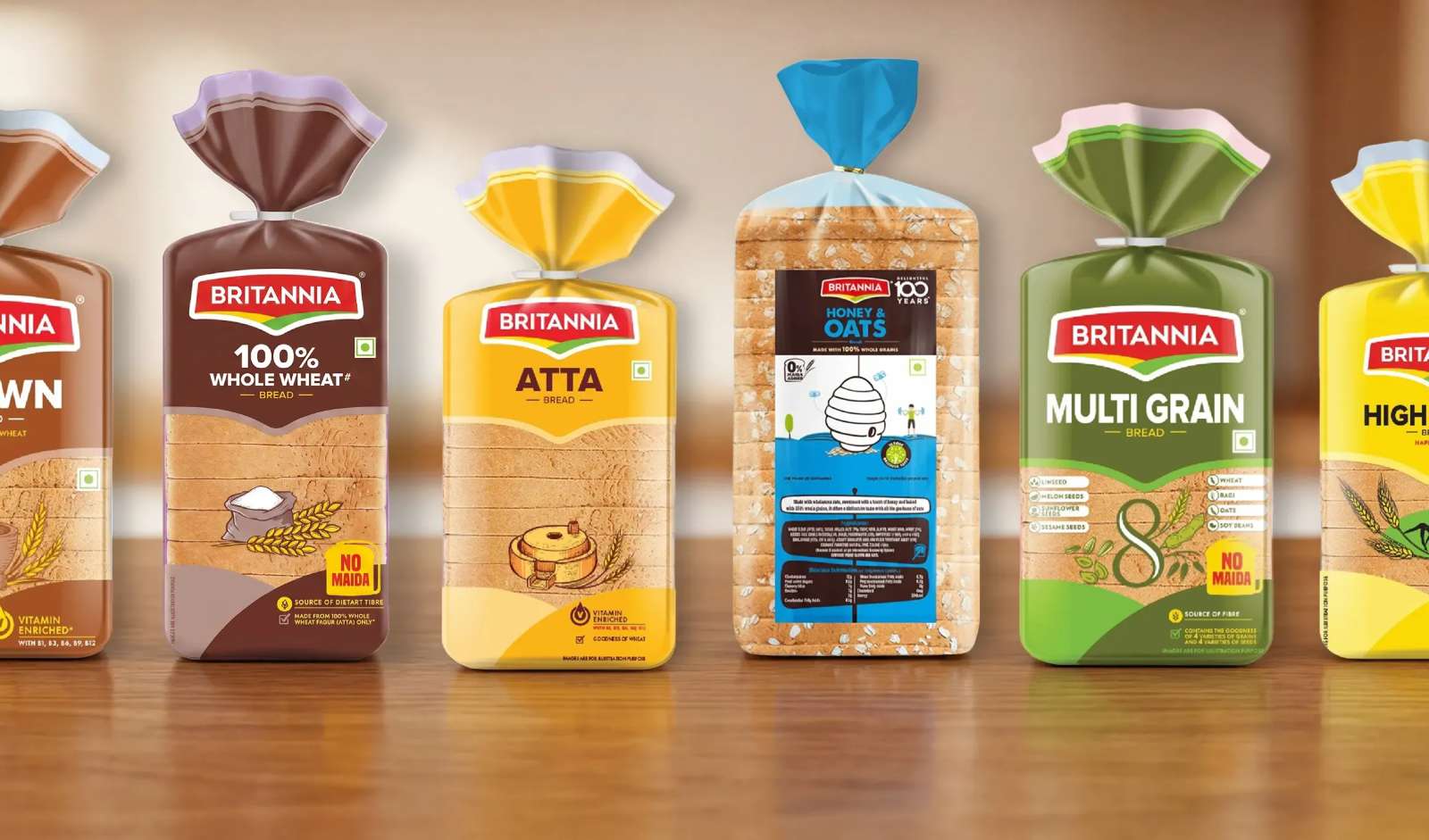
Britannia Industries Ltd reported a 10.82 percent year-on-year increase in consolidated net profit to Rs 725.99 crore for the second quarter of FY27, supported by higher sales volumes across its product categories. The bakery and packaged foods company had recorded a net profit of Rs 655.06 crore in the corresponding quarter of the previous financial year, according to its regulatory filing.
Revenue from the sale of products increased 16.6 percent to Rs 5,541.57 crore during the September quarter. The company attributed the growth to higher sales volumes, which increased 13 percent year-on-year. Britannia's revenue from operations rose 15.64 percent to Rs 5,597.79 crore in Q2 FY27, compared with Rs 4,840.63 crore in the year-ago period. Its total expenses increased 17 percent to Rs 4,690.47 crore during the quarter. The company's total income, including other income, grew 15.9 percent to Rs 5,671.30 crore in the September quarter.
Rakshit Hargave, Chief Executive Officer and Managing Director of Britannia Industries said, "We sustained strong top-line momentum during the quarter, delivering a healthy double-digit volume and value growth that was broad-based across channels and key states."
The company also reported growth across its bakery and adjacent product categories, along with its international business, which contributed to overall performance alongside its biscuits portfolio.
"Sequentially, we witnessed strong quarter-on-quarter momentum, clocking a 12 per cent top-line and 22 per cent bottom-line growth," he said.
For the first half of FY27, Britannia Industries reported consolidated total income of Rs 10,732.68 crore, registering a 12.12 percent increase compared with the corresponding period last year. On the stock market, shares of Britannia Industries closed at Rs 5,000 on the BSE on Thursday, gaining 1.70 percent over the previous closing price.
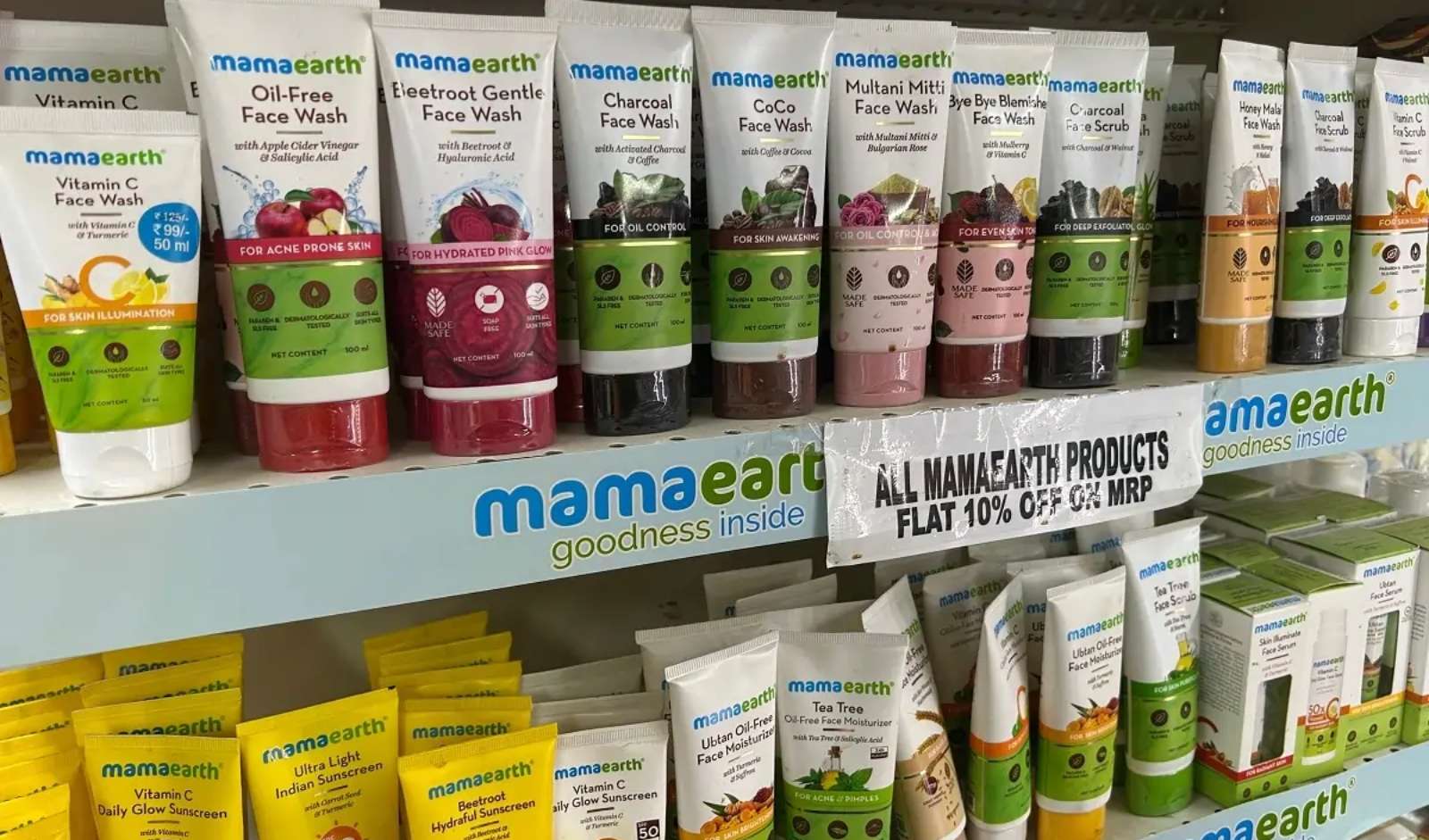
Honasa Consumer Ltd, the parent company of Mamaearth and The Derma Co, reported an 86.72 percent year-on-year increase in consolidated net profit to Rs 73.24 crore for the second quarter of FY27, driven by growth across its beauty and personal care categories. The company had posted a net profit of Rs 39.2 crore in the corresponding quarter of the previous financial year, according to its regulatory filing. Revenue from operations rose 35.9 percent to Rs 731.18 crore in Q2 FY27, up from Rs 538.06 crore in the July-September quarter of the previous year.
Varun Alagh, Chairman, CEO and Co-Founder of Honasa Consumer said, “We delivered our highest growth since listing, with revenue growing 36 percent YoY and EBITDA nearly doubling to Rs 93 crore.”
According to Alagh, the company's focus categories, which include beauty and personal care, recorded growth of more than 40 percent and now account for over 80 percent of its business. The segment reported growth across general trade, modern trade and e-commerce channels.
Honasa Consumer's total expenses increased 29 percent to Rs 652.41 crore during the September quarter of FY27. Among its key brands, Mamaearth maintained its high-teens growth trajectory and reported mid-teens EBITDA. The Derma Co also continued to record profitable growth during the quarter. The company's total income, including other income, increased 34.88 percent to Rs 752.94 crore in Q2 FY27.
For the first half of FY27, Honasa Consumer reported consolidated revenue of Rs 1,531.4 crore, reflecting its performance across its portfolio of beauty, personal care and skincare brands. On the stock market, shares of Honasa Consumer settled at Rs 465.05 on the BSE on Friday, declining 3.45 percent from the previous closing price.

Lenovo has appointed Shilpa Marodia as Marketing Director for India and South Asia, strengthening its marketing leadership as the company focuses on brand strategy and customer engagement across the region. Based in Bengaluru, Marodia will oversee marketing for Lenovo's Intelligent Devices Group (IDG), Infrastructure Solutions Group (ISG), and Solutions and Services Group (SSG).
She succeeds Chandrika Jain, who has moved into the role of Global Brand Director at Lenovo. In her new position, Jain will lead the company's global campaigns, go-to-market initiatives and brand content. Marodia will be responsible for developing brand strategies across Lenovo's portfolio of devices, infrastructure, solutions and services. Her role will also involve strengthening the company's brand positioning and customer engagement in India and South Asia.
She brings more than 18 years of experience across brand management, marketing, business transformation, digital, e-commerce and profit and loss leadership. Over the course of her career, she has held senior positions across the technology and FMCG sectors, working on brand development, business growth and consumer-focused strategies.
Shailendra Katyal, Vice President and Managing Director of Lenovo India said, “We are delighted to welcome Shilpa to Lenovo India. Her breadth of experience and strategic perspective will be valuable as we strengthen our brand, deepen customer engagement and further our ambition to be a leader and enabler of intelligent transformation.”
Bhaskar Choudhuri, Chief Marketing Officer of Lenovo Asia Pacific said, “Shilpa brings a combination of strategic brand leadership, customer understanding and experience in driving business transformation across dynamic markets. We are delighted to welcome her to Lenovo India and the Asia Pacific marketing leadership team. I would also like to thank Chandrika Jain for her outstanding contribution and leadership over the past four years, and wish her every success in her new role.”
Before joining Lenovo, Marodia worked at Amazon India, where she led marketing, business growth, product innovation, and cross-functional transformation. Her previous experience also includes category and portfolio leadership roles at Tata Consumer Products and Procter and Gamble, along with brand management positions at Hindustan Unilever, including global brand responsibilities at Unilever.
The appointment comes as Lenovo continues to strengthen its presence in India's consumer electronics and technology markets, with marketing leadership playing a role in building brand engagement across its devices, infrastructure and services businesses.
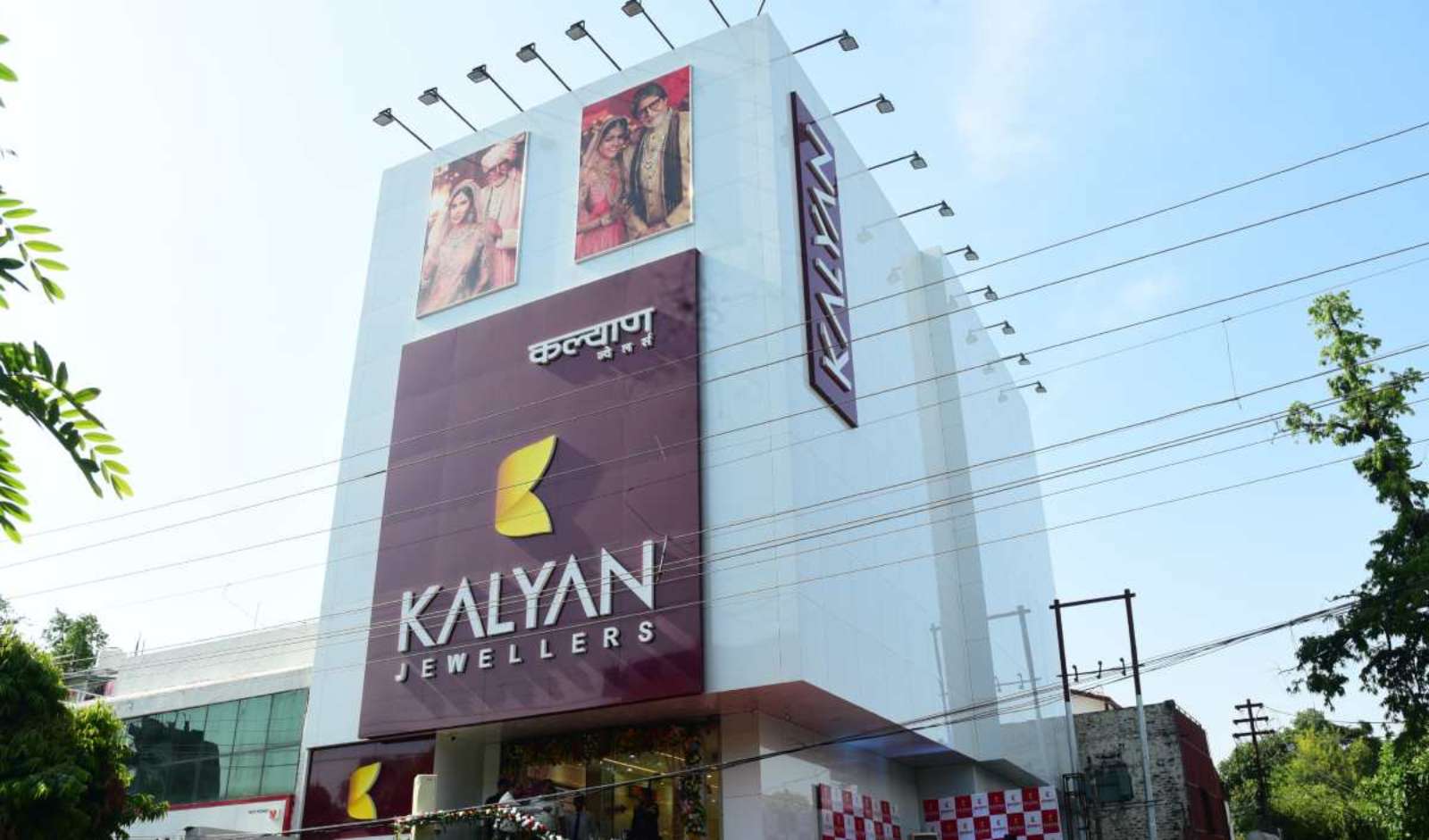
Kalyan Jewellers India reported a 64 percent year-on-year increase in consolidated net profit to Rs 427 crore for the second quarter of FY27, supported by higher revenue from its jewellery retail business. The company had posted a net profit of Rs 260.51 crore in the corresponding quarter of the previous financial year.
Revenue from operations increased 32 percent to Rs 10,323 crore in Q2 FY27, compared with Rs 7,856 crore in the year-ago period. The results reflect the company's performance during the quarter ended September 2026.
For the first half of FY27, Kalyan Jewellers recorded a 48 percent increase in consolidated net profit to Rs 776 crore, compared with Rs 525 crore in the corresponding period last year. Revenue for the six months rose 38 percent to Rs 20,912 crore from Rs 15,125 crore in the first half of FY26.
Ramesh Kalyanaraman, Executive Director of Kalyan Jewellers India, said the ongoing festive quarter had started on a positive note, with encouraging business growth during Navratri and Dhanteras.
“We are upbeat about the wedding season and look forward to ending the quarter on a strong note,” he said.
The company expects the ongoing wedding season to contribute to business activity during the remainder of the festive quarter. Jewellery purchases during festivals and weddings remain important demand drivers for organised jewellery retailers in India. The latest results highlight Kalyan Jewellers' revenue and profit growth as it continues to operate in India's competitive jewellery retail market.
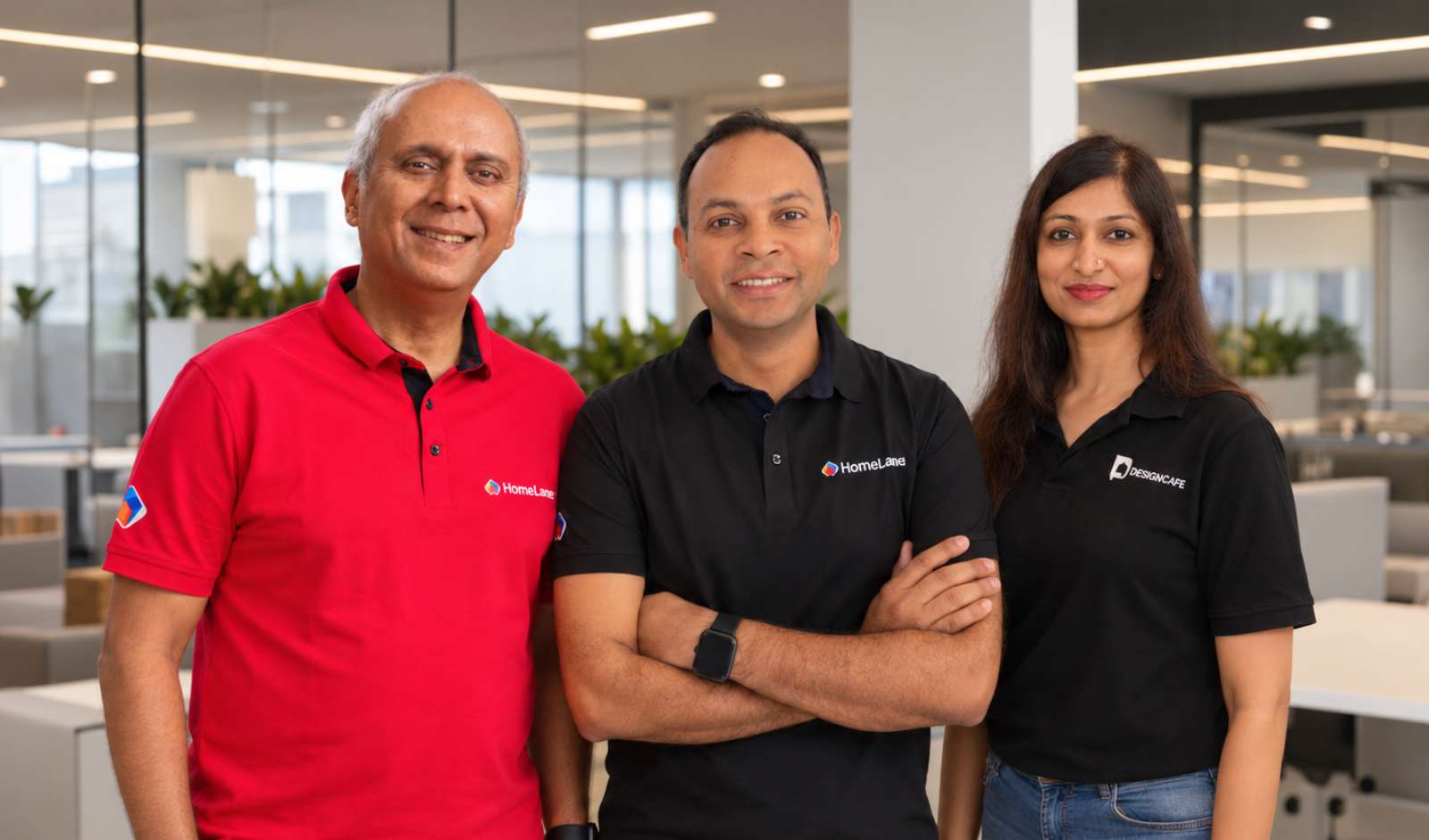
HomeLane and DesignCafe, two home interior brands owned by parent company Homevista, have collectively expanded their retail footprint to 100 Experience Centres across 43 cities in India. The development marks a key milestone in the company's expansion strategy as it looks to increase access to organised home interior solutions across the country. With more than 70,000 homes delivered, Homevista is strengthening its physical retail presence to reach a wider customer base. The expansion brings together HomeLane's technology-enabled, end-to-end home interior services and DesignCafe's architect-led, personalised design solutions under a shared retail network.
The two brands are following different expansion strategies to reach customers across markets. While HomeLane is increasing its presence in emerging cities, DesignCafe is expanding in growing urban markets, including Gandhinagar and Surat. Both businesses leverage shared technology, manufacturing and execution infrastructure to support their operations. The expansion also addresses the growing importance of physical experience centres in the home interior market. Since home interior purchases involve significant investment and long-term decisions, customers often prefer visiting studios to explore materials, understand design options and interact with designers before finalising projects. Through its expanding network, Homevista aims to make professional design consultations and 3D home visualisation services accessible to more homeowners across India.
All 100 Experience Centres have been funded by franchise partners, reflecting Homevista's focus on local entrepreneurship as part of its retail expansion strategy. Most of the centres operate under the Franchise-Owned, Company-Operated (FOCO) model, where franchise partners invest in the studios while the respective brands handle daily operations. HomeLane has also been expanding its presence in smaller cities through the Franchise-Owned, Franchise-Operated (FOFO) model. Under this arrangement, local entrepreneurs invest in and manage the studios.
Both franchise formats provide partners access to the brands' technology platforms, product catalogues, manufacturing facilities and supply chain infrastructure. The model allows Homevista to expand its retail network while maintaining consistency in customer experience and project execution. HomeLane's presence now includes cities such as Jamshedpur, Udaipur, Nagercoil, Ranchi, Bhilai and Latur. The company plans to double its FOFO network over the next six months.
Tanuj Choudhry, Co-Founder and COO of HomeLane said, “Home interiors is a category where being close to the customer really matters. Our 100 Experience Centres make it easier for families to experience products, meet designers and plan their homes with confidence. We’ve always believed in building our retail network with local entrepreneurs, supported by strong technology and execution capabilities. The opportunity to take this model deeper into India is enormous.”
The franchise model has also enabled individual partners to expand their businesses. In Jamshedpur, Roshan Agarwal, HomeLane's first FOFO franchise partner at Bindal Mall, has completed more than 65 projects in nearly three years and subsequently invested in a second studio.
Roshan Agarwal said, “We’ve built a business with healthy returns and consistent growth. HomeLane’s focus on quality, innovation and an expanding product range has helped us serve customers with hassle-free, turnkey interiors. The success of our first studio gave us the confidence to invest in a second.”
While operating under the same parent company, HomeLane and DesignCafe cater to homeowners through different service propositions. HomeLane focuses on end-to-end home interior solutions supported by technology, transparent pricing and professional project execution. Its proprietary SpaceCraft platform offers 3D design visualisation and real-time pricing to help customers plan their interiors.
The brand also offers a 45-day delivery guarantee and a 10-year material warranty, subject to applicable terms. DesignCafe, meanwhile, operates a network of 23 Experience Centres and focuses on architect-led interior design, personalised layouts and space optimisation. Its approach centres on understanding household requirements and developing designs based on individual lifestyles and functional needs.
Gita Ramanan, Co-Founder and CEO of DesignCafe said, “At DesignCafe, our design DNA starts with a simple question: how does this family actually live? Where do the adults work and where do the children study? How is the wardrobe used, who cooks, and where does everyone gather once the day is done? Those answers are why no two DesignCafe homes are alike, and why everyday living feels more thoughtful, functional and personal. Our growing network lets us bring this approach to more homeowners across India.”
With a combined network of 100 Experience Centres, Homevista is continuing to expand its presence in India's organised home interiors market. Its franchise-led approach, supported by two distinct brands, is aimed at reaching customers in both established urban markets and smaller cities.
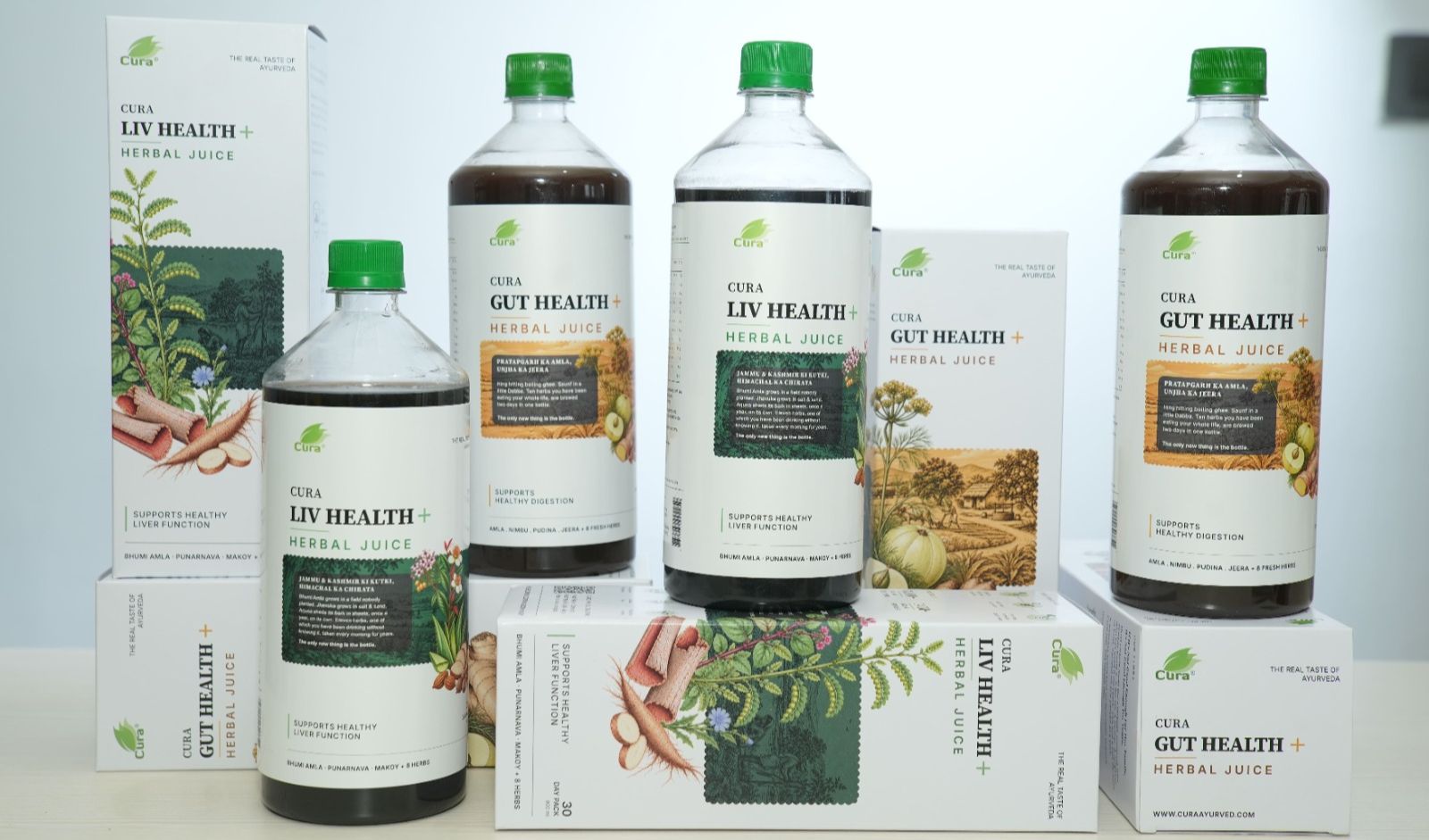
Cura Ayurvedic & Unani Limited has expanded the online availability of its Health Plus herbal juice range to Amazon and Flipkart, featuring two formulations targeting digestive and liver health. Gut Health+ and Liv Health+ are now available on the company's website and the two marketplaces.
The range combines Ayurvedic ingredients with a focus on sourcing and formulation transparency. Each bottle carries details of the herbs used, including their botanical names, plant parts and quantities per 100 ml, along with a visual timeline of the 48-hour brewing process. Both formulations are made without extracts or added sugar.
Cura Gut Health+ combines Amla, Nimbu, Pudina, Jeera and eight other herbs, including Pratapgarh Amla and Unjha Jeera. Cura Liv Health+ features Bhumi Amla, Punarnava, Makoy and eight additional herbs, including Kutki from Jammu and Kashmir and Chirata from Himachal Pradesh.
“Anyone taking a wellness product should be able to ask the bottle four questions: where was this grown, how was it made, how much of it is in here, and how long do I take it for,” said Rakshit Rastogi, Chief Marketing Officer, Cura Ayurvedic & Unani Limited.
The company said the new range retains its existing formulations, with the focus on communicating ingredient sourcing and preparation processes more clearly.
“We did not change a single formulation. What we changed is how much we tell people about them. We are confident in what we make, so there is no reason to be vague about where it came from or how long it took,” said Aditya Mihir, Executive Director, Cura Ayurvedic & Unani Limited.
Each bottle is designed as a 30-day pack, with a continuous 60-day course recommended. The launch adds to Cura's portfolio of more than 600 products and its distribution network spanning 17,000 PIN codes. The company plans to expand the Health Plus range in response to evolving consumer wellness needs.
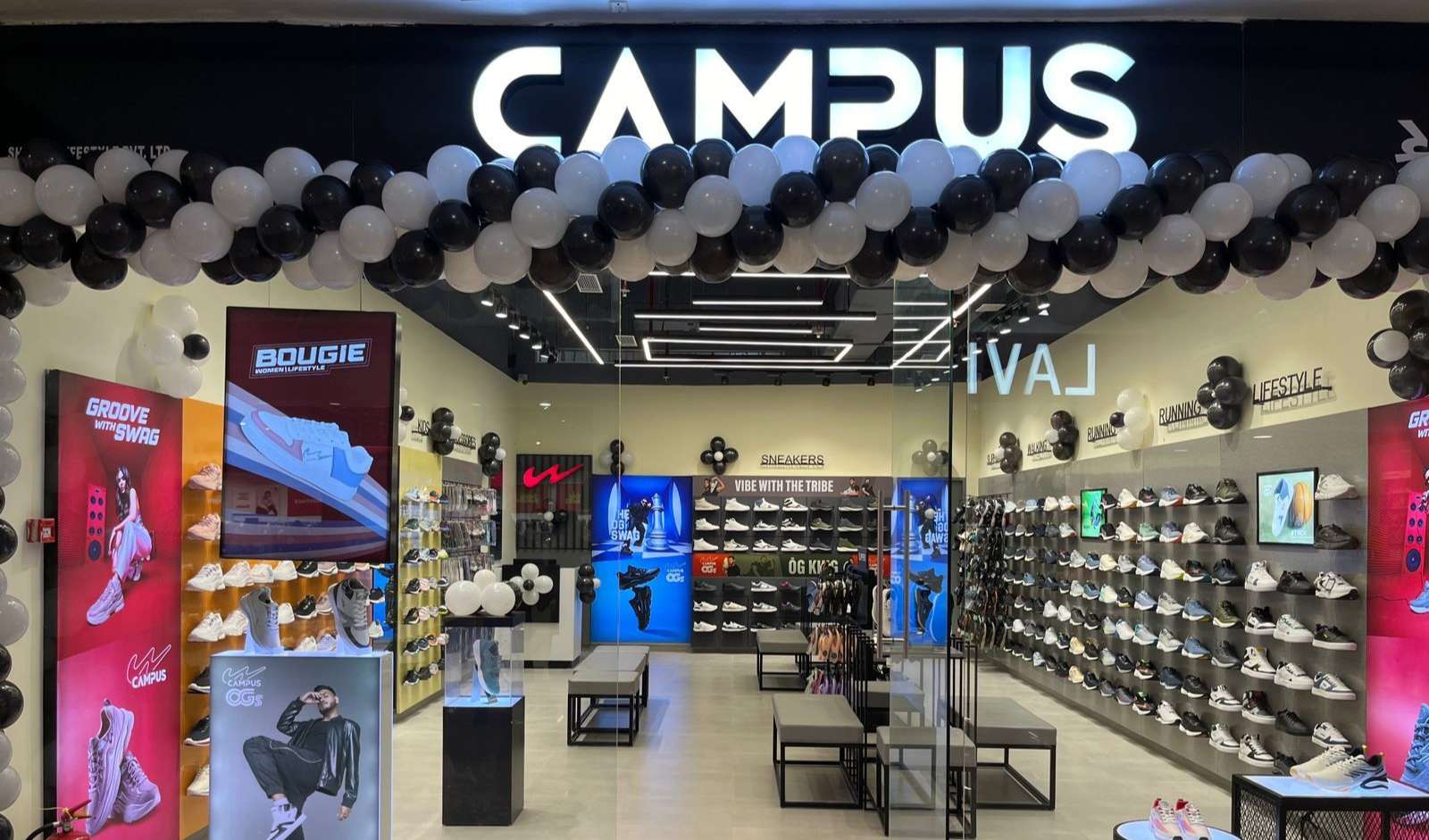
Campus Activewear Limited reported a 16.9 percent year-on-year increase in revenue to Rs 452 crore for the second quarter of FY27, supported by higher sales volumes and an improved average selling price (ASP). Profit after tax (PAT) rose 21.3 percent to Rs 24 crore during the quarter ended September 30, 2026. For the first half of FY27, the sports and athleisure footwear company recorded revenue of Rs 837 crore, up 14.7 percent from Rs 730 crore in the corresponding period last year. PAT increased 19.4 percent to Rs 50 crore, compared with Rs 42 crore in H1 FY26.
Campus Activewear reported a 10.2 percent increase in Q2 sales volumes to 63.4 lakh units. Its ASP grew 6.1 percent to Rs 713. For H1 FY27, volumes rose 10.9 percent to 120.5 lakh units, while ASP increased 3.4 percent to Rs 695. EBITDA for the second quarter grew 12.5 percent to Rs 62 crore, compared with Rs 55 crore a year earlier. However, EBITDA margin declined 50 basis points to 13.5 percent. For the first half, EBITDA increased 12.9 percent to Rs 125 crore, while the margin stood at 14.7 percent, down 25 basis points.
The company reported growth across its product categories, with its women's and kids' segments recording approximately 29 percent year-on-year growth in H1 FY27. These categories contributed 23 percent to overall volumes during the period. Campus Activewear introduced more than 160 new stock keeping units (SKUs) during the first half and entered the performance footwear segment with the launch of court shoes during Q2. The company also recorded its highest-ever production volumes in the quarter as it prepared for the upcoming festive season.
Nikhil Aggarwal, CEO of Campus Activewear said, “We are pleased to report a strong performance in Q2 and H1FY27, delivering consistent double-digit volume growth in both Q1 and Q2, despite the festive season shifting to Q3 this year. This reflects the strength of the Campus brand and our continued focus on understanding evolving consumer preferences. Our focus on product innovation and portfolio expansion continues to strengthen our proposition across consumer segments. We launched 160+ new SKUs during H1FY27, reinforcing our efforts to stay relevant to evolving consumer needs. Our Women’s and kids’ portfolio recorded strong growth of ~29 percent YoY in H1FY27, contributing 23 percent to overall volumes and underscoring strong consumer acceptance. Premiumization trends remain encouraging, with ASP growth supported by a higher share of premium SKUs and strong market response to refreshed collections. Our entry into performance footwear and initiatives such as the Outplay by Campus Kids campaign reflect our commitment to expanding into new consumer segments and tapping new growth opportunities."
“While navigating a challenging macroeconomic environment, we remained focused on driving profitable growth through calibrated pricing actions, prudent sourcing, productivity improvements and a focus on product mix. These measures, supported by disciplined execution, remain central to managing cost pressures while sustaining growth momentum. Looking ahead, we remain firmly anchored to our long-term strategy of innovation, agility, and a consumer-first approach. As we enter the festive season, we remain focused on serving consumer demand effectively while building on the momentum generated in the first half of the year. We believe our brand strength, expanding product portfolio and distribution network position us well to capture the long-term growth opportunity in India’s footwear market,” he added.
Campus Activewear operates eight manufacturing facilities across India, with an installed annual assembly capacity of 31.9 million pairs as of September 30, 2026. Its distribution network includes more than 250 distributors and over 31,000 mapped retailers across more than 850 districts.
The company also sells through its own e-commerce platform and third-party marketplaces, including Amazon, Flipkart, AJIO and Myntra, along with quick-commerce platforms. Its exclusive brand outlet network comprised more than 315 stores across India as of September 30, 2026, including company-operated and franchise-operated outlets. Campus Activewear continues to focus on expanding its product portfolio, strengthening distribution and growing its presence across India's sports footwear and athleisure market.
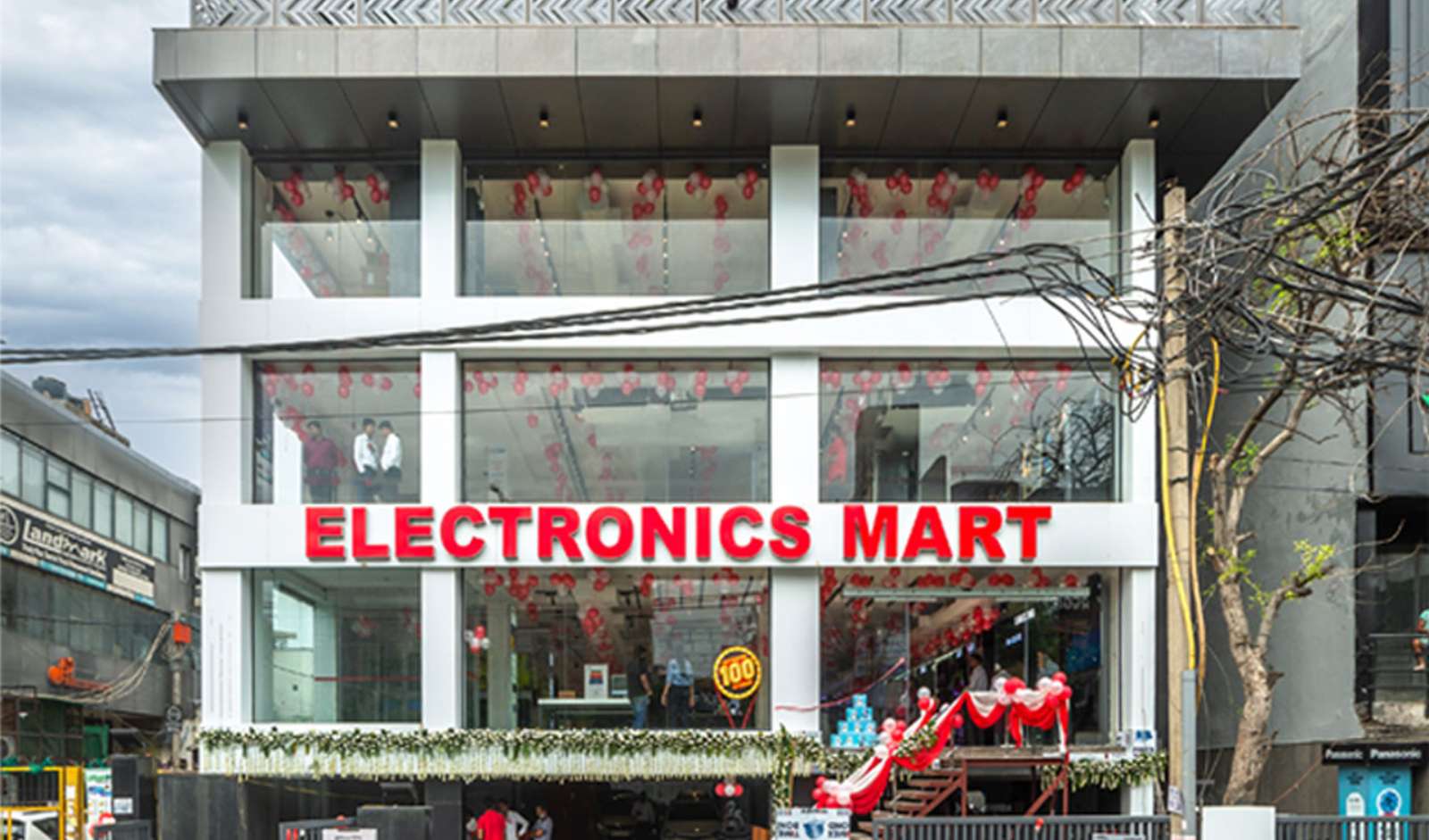
Electronics Mart India Limited (EMIL), one of India’s largest electronics retail chains, reported a 30 percent year-on-year increase in revenue from operations to Rs 4,319 crore for the first half of FY27, ended September 30, 2026. The company’s EBITDA nearly doubled to Rs 369 crore, up 93 percent, while profit after tax (PAT) surged 326 percent to Rs 161 crore. For the second quarter of FY27, EMIL recorded revenue from operations of Rs 1,900 crore, registering 19 percent growth year-on-year.
Gross profit increased 31 percent to Rs 293 crore, with gross profit margin improving 130 basis points to 15.4 percent. EBITDA rose 61 percent to Rs 131 crore, while EBITDA margin expanded 180 basis points to 6.9 percent. PAT grew 149 percent to Rs 40 crore. The company reported same-store sales growth (SSSG) of 16.5 percent in Q2, despite the quarter typically witnessing softer demand for consumer durables. For H1 FY27, SSSG stood at 27.5 percent.
EMIL’s profitability also improved during the first half. Gross profit increased 49 percent to Rs 710 crore, with the gross profit margin expanding 210 basis points to 16.4 percent. EBITDA margin improved by 280 basis points to 8.6 percent, while PAT margin increased 260 basis points to 3.7 percent.
Revenue growth was recorded across the company’s regional clusters. The South Cluster reported 28 percent revenue growth in H1, with EBITDA margin improving 320 basis points to 9.3 percent. The North Cluster recorded 36 percent revenue growth, while its EBITDA margin increased 240 basis points to 3.4 percent. In Q2, the North Cluster reported 45 percent revenue growth, with EBITDA margin improving 430 basis points year-on-year to 1.6 percent.
The company attributed its operating performance to like-for-like sales growth, better working capital management and retail network expansion. Pre-Ind AS operating cash flow stood at Rs 304 crore during H1, while the working capital cycle improved to 61 days from 77 days. EMIL’s retail network expanded to 229 stores across more than 100 cities, following six net store additions during the first half. Mobiles and large appliances remained significant contributors to its business. The company also reported growth in premium and emerging product categories, including built-in appliances, dishwashers, tablets and wearables.
Karan Bajaj, CEO of EMIL said, “H1 FY27 has been a robust half for EMIL, with every key metric moving in the right direction. Revenue grew 30 percent to Rs 4,319 crore, gross profit rose 49 percent with margins expanding 210 bps to 16.4 percent, EBITDA nearly doubled to Rs 369 crore at an 8.6 percent margin, and PAT rose over 4x to Rs 161 crore. Q2 is seasonally a softer quarter for consumer durables. Despite this, we delivered 19 percent revenue growth, SSSG of 16.5 percent and a 180 bps expansion in EBITDA margin to 6.9 percent, with growth broad-based across categories. Mobiles grew 31 percent, driven by new smartphone launches and continued traction in existing models, while air conditioners grew 53 percent even in the off-season. Premium and emerging categories such as built-in appliances, dishwashers, tablets and wearables also delivered strong double-digit growth, and our average ticket size rose 15 percent, reflecting our strength in premium categories."
"The South market remains a scaled, profitable engine for us, with revenue up 28 percent in H1 and EBITDA margin up 320 bps to 9.3 percent. The North cluster is on a similar path: revenue grew 36 percent in H1 and EBITDA margin rose to 3.4 percent from 1.0 percent as our stores mature and scale. More than half of our network is under four years old, so we expect margins to keep improving as a better product mix and operating leverage take effect. We are on track to enter West Bengal, our next growth cluster, and we are confident it will add to our growth. Our focus on working capital continues to pay off, with pre-Ind AS operating cash flow growing to Rs. 304 crores. With festive demand off to a strong start and a solid first half behind us, we remain firmly on track to deliver growth, while continuing to invest in the customer experience that has underpinned EMIL’s growth for over four decades,” he added.
EMIL plans to enter West Bengal as its next growth market, while continuing to expand its presence in existing regions. The company expects store maturity, a stronger product mix and operating efficiencies to support margins as it grows its organised consumer durables retail business in India.
Blue Dart Express Limited reported a 14.5 percent year-on-year increase in revenue from operations to Rs 1,774 crore in Q2FY27, compared with Rs 1,549 crore in the corresponding quarter last year. Profit After Tax (PAT) rose to Rs 101.99 crore from Rs 79.50 crore in Q2FY26. The logistics company's quarterly performance was supported by changes in its service mix, improved yield realisation and operational efficiency. Blue Dart also focused on controlling operating costs and strengthening customer relationships through targeted engagement with MSMEs and businesses in emerging markets.
Balfour Manuel, Managing Director, Blue Dart Express said, “Our Q2 performance marks a significant milestone, reflecting the strength of our business fundamentals and the discipline with which we continue to manage and grow the business. This quarter’s financial performance was supported by our focus on operational productivity and the effective utilisation of our integrated network. As India's commerce and supply chains continue to evolve, our priorities remain firmly centred on strengthening our infrastructure, expanding connectivity and building capabilities that allow us to serve customers with greater efficiency and reliability. We will continue to invest in these areas while maintaining the operational rigour and service standards that have defined Blue Dart over the years.”
Following the quarter, Blue Dart entered into strategic partnerships to explore additional parcel delivery channels and expand its reach across rural India. These initiatives are aimed at strengthening its logistics network and improving connectivity for businesses across different markets.
The company will continue to focus on operational efficiency, service quality and investments in its transportation and distribution infrastructure. Its integrated logistics network supports domestic and international shipments, catering to the supply chain and express delivery requirements of businesses across India and overseas.
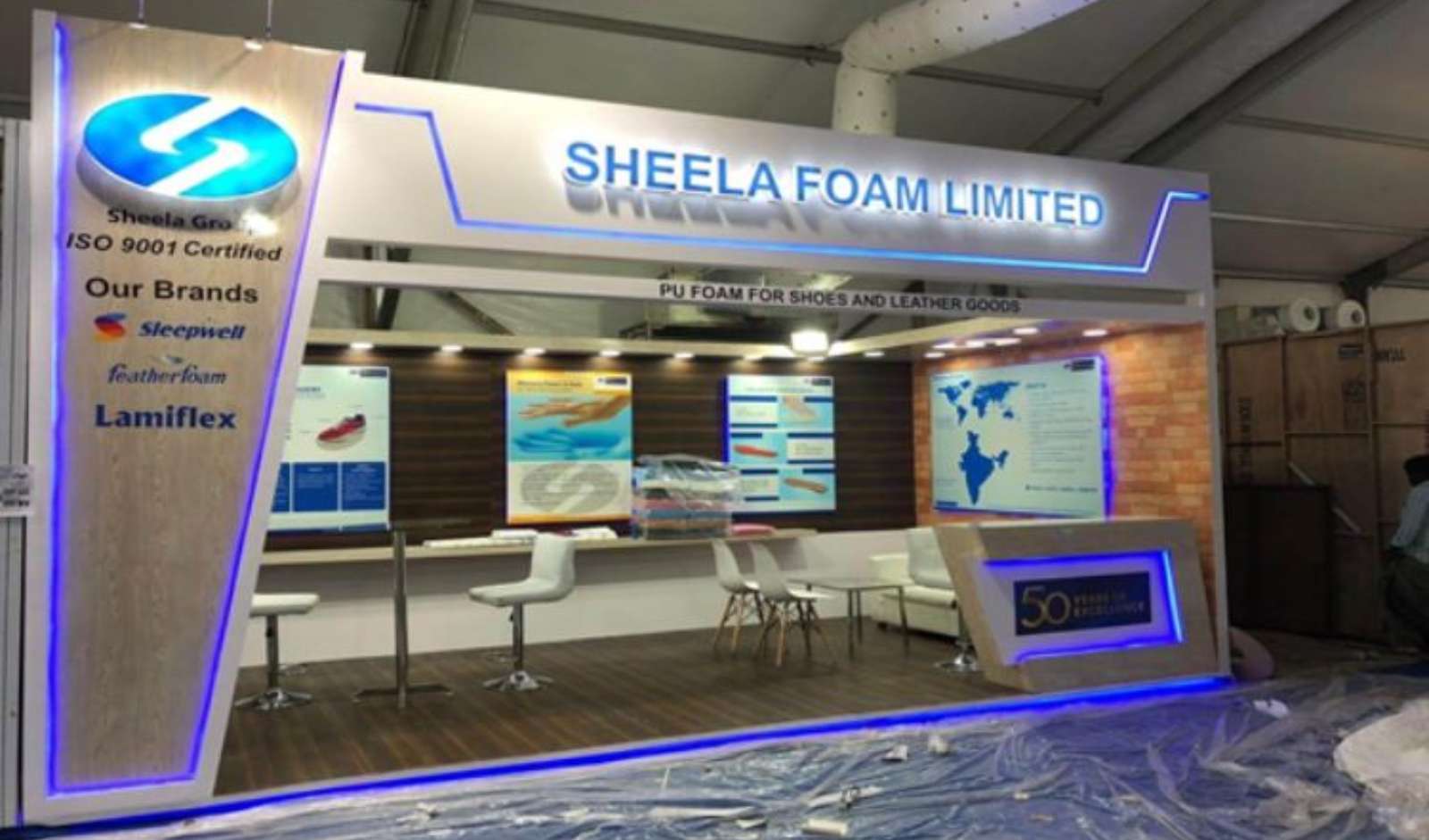
Sheela Foam Limited reported a 19 percent year-on-year increase in consolidated revenue to Rs 1,045 crore in Q2FY27, marking its third consecutive quarter with revenue exceeding Rs 1,000 crore. Net profit (PAT) rose 4.7 times to Rs 46 crore, compared with Rs 10 crore in the corresponding quarter last year. For H1FY27, consolidated revenue increased 22 percent to Rs 2,077 crore from Rs 1,696 crore.
Operating EBITDA grew 23 percent to Rs 200 crore, while net profit rose 6.6 times to Rs 109 crore, compared with Rs 17 crore in H1FY26. The company's mattress business recorded 8 percent value growth in Q2FY27 and 11 percent growth during the first half. The foam business grew 26 percent in both periods. However, mattress volumes declined 3 percent in Q2, partly due to the shift in the festive season to the third quarter.
Despite higher raw material costs, including increases in polyol and TDI prices, operating EBITDA remained at Rs 87 crore during the quarter. The company also reported cash EPS of Rs 8.3 in Q2FY27 and Rs 18.7 for H1FY27. Sheela Foam also reported a 59 percent increase in e-commerce sales through its brand website during H1FY27, while U20 sales grew 41 percent year-on-year.
Rahul Gautam, Chairman and Managing Director, Sheela Foam said, “Since the West Asia crisis began in Feb’26, the environment has been highly disruptive, with raw material prices rising sharply, putting pressure on demand and the festive season shifting into Q3. We responded with balanced price increases, higher advertising and consumer offers. We crossed Rs 1,000 crore of revenue, up 19 percent YoY, and growing H1 Operating EBITDA by 23 percent, and also protecting our profitability in absolute terms. This reflects the strength of our brands, our supplier relationships and the discipline of our teams.”
The company also announced that Furlenco, under House of Kieraya, became its subsidiary effective October 1, 2026. With this addition, Sheela Foam is expanding beyond mattresses and foam into furniture rentals. The company has also entered the branded furniture segment through its existing brands.
Gautam added, “With Furlenco becoming our subsidiary from 1st October, Sheela Foam is now a full B2C portfolio company, with leadership in mattresses, foam and now furniture rentals. We have also embarked in branded furniture space through our flagship brands. Sheela Foam is now poised as a larger, far more diversified group, with a presence across categories, channels and geographies.”
The company said its focus remains on expanding its consumer business, managing raw material costs and growing across mattresses, foam and furniture categories.
MakeMyTrip has acquired a majority stake in shared mobility platform Quick Ride, expanding its presence in the ground transportation and ride-pooling market. The acquisition will allow the online travel company to enter the daily commute segment and strengthen its existing transportation services. Headquartered in Bengaluru, Quick Ride operates an asset-light platform that connects commuters travelling along similar routes for shared rides.
The platform focuses on ride pooling for daily office commutes and also works with corporates, IT parks and business campuses through an enterprise-led model. Following an internal restructuring, Quick Ride's brand and ride-pooling business have been transferred to a new entity, Co Ride Mobility Private Limited, in which MakeMyTrip has acquired a majority stake. Quick Ride's existing promoters will continue to manage the business, while its earlier electric vehicle taxi operations will remain with the predecessor entity, iDisha Info Labs Private Limited.
Rajesh Magow, Co-Founder and Group Chief Executive Officer, MakeMyTrip said, “As part of our expansion strategy, we have pursued selective strategic partnerships, investments and acquisitions that complement and strengthen our existing business and expand the breadth and depth of our offerings. Ride pooling gives us a presence in high-frequency daily commutes within cities, as well as intercity travel. We are excited to be part of the ride-sharing ecosystem, which has the potential to help ease traffic congestion by enabling more people to share their daily journeys. Quick Ride will be housed under our ground transport business, and we will bring the learnings from building redBus, both in India and in overseas markets, to grow and scale the business.”
Prakash Sangam, CEO of redBus and Head of Ground Transport at MakeMyTrip said, “Our acquisition of Quick Ride’s ride pooling business is a strategic fit, expanding our offering across a wider range of travel needs. We see an opportunity to jointly serve the same customer across more of their journeys, from the daily office commute to the weekend trip home.”
KNM Rao, Founder and CEO of Quick Ride said, “We built Quick Ride to make it easier for people to connect and share their everyday journeys. Becoming part of the MakeMyTrip group is an important milestone for our team and for the community of users who have placed their trust in us. We look forward to drawing on MakeMyTrip’s reach and experience in travel to further scale the business.”
MakeMyTrip has expanded its travel services through acquisitions and investments in recent years. Its portfolio includes Savaari in car rentals, Happay in corporate travel and expense management, Flamingo Transworld in regional group holidays, and a strategic minority investment in visa processing platform Atlys. The acquisition of Quick Ride adds ride pooling to this portfolio, extending MakeMyTrip's ground transportation services beyond conventional travel bookings to include daily commuting and shared mobility.

Kansai Nerolac Paints Limited reported an 18.9 percent year-on-year increase in revenue from operations to Rs 2,268.77 crore for Q2FY27, supported by growth across its Decorative and Industrial coatings businesses. The company's EBITDA increased 4.9 percent to Rs 223.23 crore, while profit before tax (PBT) rose 4.3 percent to Rs 191.88 crore compared with the corresponding quarter last year. For the first half of FY27, revenue from operations grew 14.2 percent to Rs 4,601.60 crore. EBITDA increased 5.8 percent to Rs 553.11 crore, while PBT rose 4 percent to Rs 510.41 crore.
Pravin Chaudhari, Managing Director, Kansai Nerolac Paints said, “We delivered healthy revenue growth during the quarter, supported by good momentum across both Decorative and Industrial businesses. The Industrial business maintained strong momentum across key segments, benefiting from our established customer relationships, technology capabilities and diversified portfolio. In Decorative, our focus remains on pursuing growth with profitability. We continued to strengthen our position in attractive adjacencies, including construction chemicals, waterproofing, wood finishes and projects, while maintaining disciplined market execution. Raw-material and foreign-exchange volatility continued to exert pressure on input costs. We have taken calibrated pricing actions to partly mitigate the impact and are intensifying our efforts on product mix, formulation optimisation, sourcing efficiencies and cost management. These initiatives remain important for progressively improving the quality and sustainability of earnings.”
"Looking ahead, we expect demand conditions to remain supportive across both Decorative and Industrial businesses, aided by the festive season and underlying activity in automotive, infrastructure, real estate and core industrial sectors. At the same time, we remain watchful of geopolitical uncertainty, commodity prices and currency movements. Our priorities remain clear: deliver sustainable growth, strengthen margins through disciplined execution, expand in attractive segments and continue investing in innovation, brand, distribution and customer service,” he added.
The Indian paints and coatings industry is expected to benefit from demand across housing, real estate, infrastructure, automotive and other industrial sectors over the medium and long term. However, competition and fluctuations in commodity prices and foreign exchange rates are likely to remain important factors influencing the industry. Kansai Nerolac continues to focus on expanding its Decorative paints business, strengthening its industrial coatings portfolio and increasing its presence in segments such as waterproofing, construction chemicals, and wood finishes.
Patel Retail Ltd reported a 33.5 percent year-on-year increase in total income to Rs 300.95 crore in Q2 FY27, compared with Rs 225.43 crore in the corresponding quarter last year. However, net profit declined 2.2 percent to Rs 9.91 crore from Rs 10.14 crore, while EBITDA increased 5.2 percent to Rs 20.56 crore. For H1 FY27, the company's total income grew 49.6 percent to Rs 611.19 crore. EBITDA increased 13.6 percent to Rs 40.24 crore, while net profit rose 13.9 percent to Rs 19.43 crore.
Patel Retail expanded its store network to 54 outlets during the first half, adding four stores. Two of these outlets opened in Q2 at Uran in Raigad district and Kalyan East in Thane. The company is also planning new stores in Ghoti, Nashik district, and the Mangaon-Mahad region of Raigad district. Alongside its retail expansion, the company is strengthening its food processing and private-label business. Its spice brand, Indian Chaska, entered Madhya Pradesh in October, taking its distribution presence to eight states and one Union Territory. The brand also added 23 whole spice products to its portfolio, while the company commissioned a new curry powder production line.
Dhanji Patel, Chairman and Managing Director, Patel Retail said, "Our performance in Q2 and H1 FY27 reflects the strength of our integrated retail and food processing business model. Total income grew by 33.5 per cent year-on-year in Q2 FY27 and 49.6 per cent year-on-year in H1 FY27, driven by the expansion of our retail network and the growing reach of our in-house brands."
The company is also planning to expand its Ambernath distribution centre by 20,000 sq ft. The facility, currently operating at full capacity, is expected to reach approximately 84,000 sq ft after the expansion.
"During H1 FY27, we added four stores, taking our network to 54 stores, expanded Indian Chaska into Madhya Pradesh and commissioned a new curry powder production line, strengthening our manufacturing capabilities," Patel said.
The company plans to focus on store expansion, manufacturing capacity utilisation and wider distribution of its in-house brands, including Indian Chaska, Patel Fresh and Patel Essential.
"Looking ahead, our priorities remain disciplined retail expansion, enhanced manufacturing utilisation, stronger distribution capabilities and wider market penetration of Indian Chaska, Patel Fresh and Patel Essential. With a continued focus on operational efficiency and prudent working capital management, we remain confident in our ability to drive sustainable growth," Patel added.
Patel Retail operates modern retail stores across the Mumbai Metropolitan Region and has food processing facilities in Dudhai, Gujarat, and Ambernath MIDC.
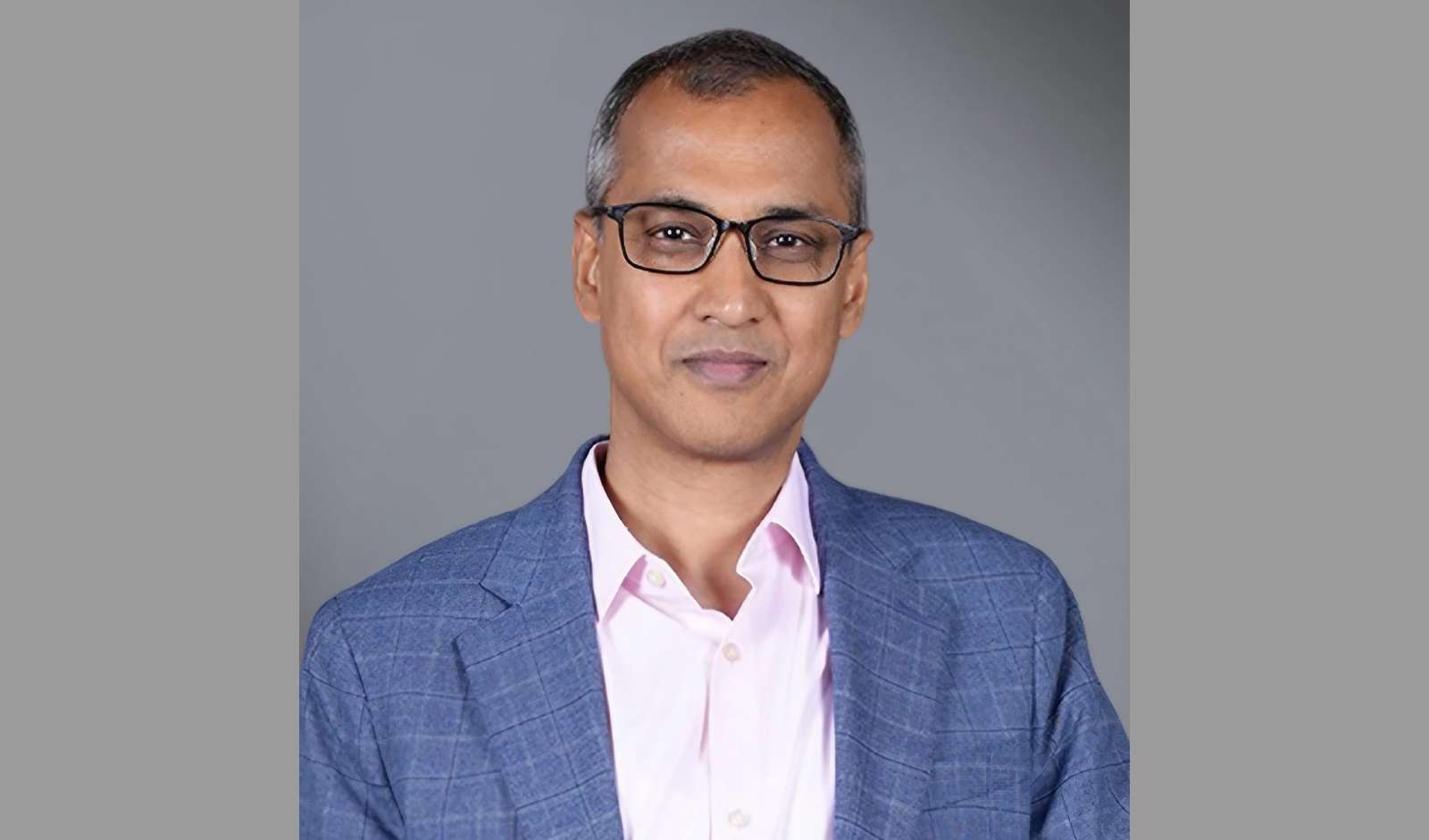
Pearl Global Industries Limited (PGIL), one of India's leading listed garment exporters, reported a 37.2 percent year-on-year increase in consolidated revenue to Rs 1,802 crore in Q2FY27, its highest quarterly revenue to date. Net profit rose 74.7 percent to Rs 126 crore, while adjusted EBITDA increased 51.1 percent to Rs 184 crore.
For H1FY27, the apparel manufacturer recorded consolidated revenue of Rs 3,330 crore, up 31.1 percent year-on-year. Adjusted EBITDA grew 47.7 percent to Rs 348 crore, while net profit increased 63.6 percent to Rs 225 crore. The company's EBITDA margin stood at 10.5 percent, an improvement of approximately 120 basis points.
Pearl Global's standalone revenue increased 16.8 percent to Rs 308 crore in Q2FY27, while net profit stood at Rs 16 crore. During H1FY27, standalone revenue grew 22.1 percent to Rs 648 crore. The company shipped 43.6 million garments during H1FY27, compared with 37.1 million in the corresponding period last year. It also inaugurated a manufacturing facility in Bangladesh, which is expected to add approximately 7 million pieces of annual production capacity at optimal utilisation.
Pearl Global plans to invest Rs 675-725 crore between FY27 and FY30 to expand manufacturing capabilities and improve supply chain operations. The company is targeting revenue of Rs 9,000-10,000 crore by FY30.
Pulkit Seth, Vice-Chairman and Non-Executive Director, said, “H1FY27 marks another significant milestone in Pearl Global's growth journey, with the Company delivering its strongest-ever half-yearly and quarterly performance driven by robust revenue growth and improved profitability. For H1FY27, we achieved our highest-ever half-yearly revenue of Rs 3,330 crore, while EBITDA and Profit After Tax grew by 47.7 percent and 63.6 percent respectively on a Y-o-Y basis.”
Pallab Banerjee, Managing Director, highlighted the company's growth across existing and newly acquired customer relationships.
He stated, “We witnessed encouraging momentum across both existing and newly onboarded customer relationships. Several recently acquired customer programs continued to scale during the period, contributing to revenue growth and providing additional visibility for future business expansion.”
The company also expects opportunities from international trade agreements, including the India-UK Free Trade Agreement and the proposed India-EU Free Trade Agreement, to support its apparel export business.
As of September 30, 2026, Pearl Global's net worth stood at Rs 1,634 crore, compared with Rs 1,438 crore in March 2026. Its combined cash, bank balances and mutual fund investments stood at Rs 638 crore. The company also declared an interim dividend of Rs 5 per equity share. With manufacturing operations across India, Bangladesh, Vietnam, Indonesia, and Guatemala, Pearl Global continues to expand its production network to serve international apparel brands and retailers.
Titan Company reported a 25 percent year-on-year increase in consolidated total income to Rs 20,533 crore in Q2FY27, supported by strong performances across its jewellery, watches and eyewear businesses. The company's Profit Before Tax (PBT) rose 53 percent to Rs 2,329 crore, while Profit After Tax (PAT) increased 54 percent to Rs 1,722 crore during the quarter. The company's jewellery business remained the largest contributor to its performance, registering 24 percent growth to Rs 17,495 crore, excluding bullion and digital gold sales.
Growth was supported by demand for studded jewellery, with the category recording growth in the early thirties. Consumer preference for design-led jewellery also contributed to higher average transaction values during the quarter. Within the jewellery segment, Titan's India business recorded 21 percent growth to Rs 16,343 crore. The combined business of Tanishq, Mia and Zaya grew 20 percent to Rs 14,935 crore, while CaratLane reported a 31 percent increase in revenue to Rs 1,408 crore.
The international jewellery business grew 105 percent to Rs 1,152 crore. The combined international business of Tanishq, Mia and CaratLane grew 41 percent to Rs 788 crore, while Damas reported revenue of Rs 364 crore. Titan also reported healthy traction for Tanishq in North America and growth in the GCC markets, although geopolitical disruptions continued to affect consumer demand in the region.
Expanding its jewellery retail network, Titan added 42 net new stores across India during the quarter. These included seven Tanishq stores, 18 Mia stores, four beYon stores and 13 CaratLane stores. Tanishq also opened a new store in Los Angeles, marking another step in its international retail expansion. The watches business reported a 27 percent increase in total income to Rs 1,881 crore, supported by demand for analogue watches and continued premiumisation across the portfolio. Analogue watches recorded growth in the early thirties, while the smartwatches segment returned to growth with a high single-digit increase. The division reported EBIT of Rs 412 crore at a margin of 21.9 percent.
Titan added 34 net new watch stores in India during the quarter. The additions included 17 Titan World stores, seven Fastrack stores, three Helios stores, six Helios Luxe stores and one Nebula store. The EyeCare business also maintained its growth momentum, with total income increasing 28 percent to Rs 281 crore in Q2FY27. Its multi-brand retail strategy, upgraded store network, and changes to its merchandise portfolio supported the performance. The segment recorded EBIT of Rs 23 crore at an 8.2 percent margin.
Titan's emerging businesses, including SKINN Fragrances, IRTH women's bags and Taneira, collectively reported 21 percent growth in total income to Rs 171 crore. SKINN and Fastrack fragrances maintained volume growth, while IRTH benefited from higher average selling prices and new store additions. Taneira's performance was supported by improved same-store growth. The combined emerging businesses reported a loss of Rs 6 crore during the quarter. Meanwhile, Titan Engineering and Automation Limited (TEAL) recorded 53 percent growth in total income to Rs 636 crore. Its Automation Solutions business continued to add orders, while Manufacturing Services maintained its growth momentum. EBIT for the quarter stood at Rs 178 crore.
Ajoy Chawla, Managing Director of Titan Company said, "Q2FY27 was a quarter of healthy, broad-based growth for Titan, with our businesses registering c.25 percent consolidated operating growth YoY. A strong base quarter and a notable shift in the festive calendar into Q3FY27 notwithstanding, consumer demand held up well for most of the period. Our Jewellery business grew well with design-led collections and attractive consumer offers resonating across markets and age groups. Watches business delivered an excellent quarter, building further on premiumisation and design differentiation; The EyeCare business sustained its momentum on sharp execution and a steadily improving customer experience. Our emerging businesses are scaling well while TEAL continues grow from strength to strength and raise the bar of excellence in high-precision engineering. Across the portfolio, we keep innovating and investing for growth - strengthening brand equity, deepening customer engagement and creating enduring value for all our stakeholders."
For the first half of FY27, Titan reported a 32 percent increase in consolidated total income to Rs 41,286 crore. Profit Before Tax grew 58 percent to Rs 4,758 crore, while Profit After Tax increased 58 percent to Rs 3,499 crore, reflecting growth across its key business segments.
Swiggy has launched battery-swapping stations at its Instamart pods across 25 locations as part of its efforts to promote electric vehicle (EV) adoption in last-mile delivery. The initiative was announced at the company's EV Mobility Conclave, themed “Powering the last mile”, attended by Union Minister of Road Transport and Highways Nitin Gadkari.
The conclave brought together EV manufacturers, charging and battery-swapping providers, rental and fleet companies, financiers and delivery partners to discuss making electric two-wheelers more accessible and affordable for last-mile delivery.
Alongside battery-swapping facilities, Swiggy is introducing EV rental services at its Instamart pods. This will allow delivery partners to rent vehicles from the same locations where they collect customer orders.
Sriharsha Majety, Co-founder and Group CEO, Swiggy said, “Every order has a person behind it, and the last mile is that person. Our delivery partners are at the heart of everything we do, and our vision is to make their work easier and more rewarding. For those who choose electric, that means taking away the everyday hurdles, so that the transition fits naturally into the way they already work. When a solution is built around the partner’s day rather than around the technology, adoption becomes a natural choice. That is the future we want to help build for the people who power India’s last mile.”
Swiggy said the initiative is designed around the daily working patterns of delivery partners, who visit its pods approximately 20 times on a busy day. By placing battery-swapping stations and EV rental services at these locations, the company aims to reduce the time spent travelling to separate charging or vehicle collection facilities.
Neha Singhvi, Head of Corporate Affairs, Swiggy shared, “EV adoption in last-mile delivery depends on enablers that sit beyond any one platform. Affordable financing, reliable charging and swapping, and supportive policy. Many of the partners honoured today have worked on exactly these challenges, and their experience is valuable to the wider ecosystem. We value the government's continued engagement, and we look forward to working with industry and policymakers on solutions that help partners who choose EVs.”
The event also recognised delivery partners and companies contributing to the EV ecosystem. Partners honoured included Indofast Energy, Yulu, Bounce Daily, RIDEV, Baaz Bikes, Motovolt, Shadowfax, BGauss Auto, Veelo Mobility, Hala Mobility and Yuma Energy.
Delivery partners Sajan Lal, Kamal Kumar, Avanish, Sandeep Gupta, Vijay, Ritik and Khurshid were also recognised for their EV journeys.
Varun Agni, Co-founder and CTO, Bounce stated, “Access to a vehicle is one of the biggest barriers for anyone who wants to do delivery work. A large number of our riders had no vehicle of their own before they started with us. With this partnership, a rider has access to an affordable EV the moment they need one for work, and the battery-swapping infrastructure is already in place. The time, effort and money that saves contributes directly to a riders daily earnings and can help in meeting customer demand more efficiently. This is a big win for the ecosystem - for riders and customers both.”
Umesh, an EV delivery partner added, “I rented an EV using the Swiggy app at affordable charges which were deducted from my payouts as per my preference. The battery swapping can also be easily done at the Instamart pods when I go to pick an order, ensuring I can make the most of my day and earn more.”
Nitin Gadkari, Union Minister of Road Transport and Highways, Government of India commented, " India's growth depends on clean, efficient and affordable transport. Delivery partners are the backbone of the new economy, and when they choose electric vehicles, it benefits their incomes, our cities and our environment. I appreciate Swiggy and its partners for working together to bring practical solutions closer to those who need them. Government and industry must continue to collaborate so that every delivery partner who wants to choose an EV finds it easy to do so."
Safari Industries (India) Limited reported a 9.1 percent increase in total revenue to Rs 582.22 crore in the second quarter of FY27, compared with Rs 533.55 crore in the corresponding quarter of the previous financial year. The luggage manufacturer recorded a profit after tax (PAT) of Rs 36.93 crore for the quarter ended September 30, 2026.
For the first half of FY27, the company's revenue grew 10.31 percent to Rs 1,170.80 crore from Rs 1,061.38 crore in H1FY26. PAT for the six-month period stood at Rs 84.68 crore.
The company's Board of Directors has also declared an interim dividend of Rs 2 per equity share with a face value of Rs 2. The dividend will be paid on or before December 5, 2026.
As part of its manufacturing expansion plans, Safari Industries has approved capital expenditure of up to Rs 170 crore for the company and up to Rs 60 crore for its wholly owned subsidiary, Safari Manufacturing Limited. The investment will be directed towards infrastructure improvements, land acquisition for a new warehouse, and the installation of plant and machinery at its manufacturing facilities in Halol and Jaipur.
Following the completion of the expansion, the combined production capacity across the company's manufacturing units is expected to reach approximately 18 lakh pieces per month.
The additional capacity is expected to support Safari Industries' premiumisation strategy and its plans for long-term business growth. The company said the investment also aligns with efforts to strengthen domestic manufacturing capabilities in line with the vision of Viksit Bharat.
Sudhir Jatia, Chairman & Managing Director of Safari Industries (India) Limited said, “The industry has gone through an advancement wherein today, luggage has evolved beyond its functional necessity to being an extension of the traveller’s lifestyle. Our strategy is to build on Safari's scale while sharpening our competitive edge through differentiated brands that has an appeal for all consumers right from value-driven to premium segments. We are building a business that can grow not just larger, but stronger and more valuable over the long term. We are investing today to build the capabilities that will define our next phase of growth.”
Safari Industries is pursuing this strategy through its multi-brand portfolio, which includes Safari, Urban Jungle, Safari Select and Carlton. The brands cater to different consumer groups, price segments, and travel requirements. The company plans to strengthen its market positioning through product innovation and differentiation, while improving its product mix to address changing consumer preferences.
The planned capacity addition is expected to help the company meet demand across its product categories and respond to emerging opportunities in the luggage market. Safari Industries aims to use the investment to strengthen its manufacturing base, improve its competitive position, and support its long-term growth plans.
PDS Limited reported its highest-ever quarterly revenue of Rs 4,432 crore in Q2 FY27, registering a 28.7 percent increase over the previous quarter. The global supply chain solutions company also recorded a 59.3 percent quarter-on-quarter rise in EBITDA to Rs 153 crore, supported by higher margins and growth across its business categories. The company's EBITDA margin improved by 66 basis points to 3.5 percent during the quarter, while profit after tax (PAT) increased 144.4 percent quarter-on-quarter to Rs 70 crore, with a margin of 1.6 percent.
For the first half of FY27, PDS reported consolidated revenue of Rs 7,876 crore, up 22.7 percent year-on-year. EBITDA increased 62.3 percent to Rs 249 crore, with the margin improving by 77 basis points to 3.2 percent. PAT for the six-month period rose 43.8 percent to Rs 98 crore, with a margin of 1.3 percent. The company also reported improvements in its financial position, moving to a net cash positive position of Rs 154 crore. Net working capital days improved to -5 days. PDS declared an interim dividend of Rs 2.20 per share, marking a 33 percent increase compared with the previous year.
Pallak Seth, Executive Vice Chairman of PDS Limited said, “Q2 FY27 marks a defining quarter for PDS, with our highest-ever quarterly revenue delivered alongside margin expansion. H1 reflects broad-based double-digit growth across categories, with North America up ~44 percent as our strategic initiatives gain traction. Our growth model is built on landing new customers and expanding our wallet share with them over time, by deepening engagement across more categories, geographies and services. Backed by our diversified, multi-country network and end-to-end capabilities, we are well placed to meet evolving customer needs and expand our service offerings. This positions PDS to capitalize on emerging opportunities while sustaining profitable growth and creating long-term value.”
Group CEO Sanjay Jain said the company had strengthened its financial position through tighter cash management and working capital controls. He said, ‘’Q2 FY27 marks another step in strengthening the financial foundation of PDS. Disciplined cash management and tighter working capital controls have moved us to a net cash positive position of Rs 154 crore, with net working capital improving to -5 days. We are making steady progress in taking our newer investments towards profitability, and portfolio rationalization is on track. In parallel, we have begun executing our digital and AI transformation roadmap, which will redefine how we operate across the value chain. These initiatives are expected to lift productivity, enhance operating leverage and optimize capital allocation, strengthening our ability to deliver sustainable, profitable growth over the long term.”
PDS provides supply chain services to global brands and retailers, covering product development, sourcing, manufacturing and brand management. During the first half of FY27, North America recorded approximately 44 percent growth, while the company continued to focus on customer additions, expanding business with existing clients and increasing its presence across product categories and geographies.
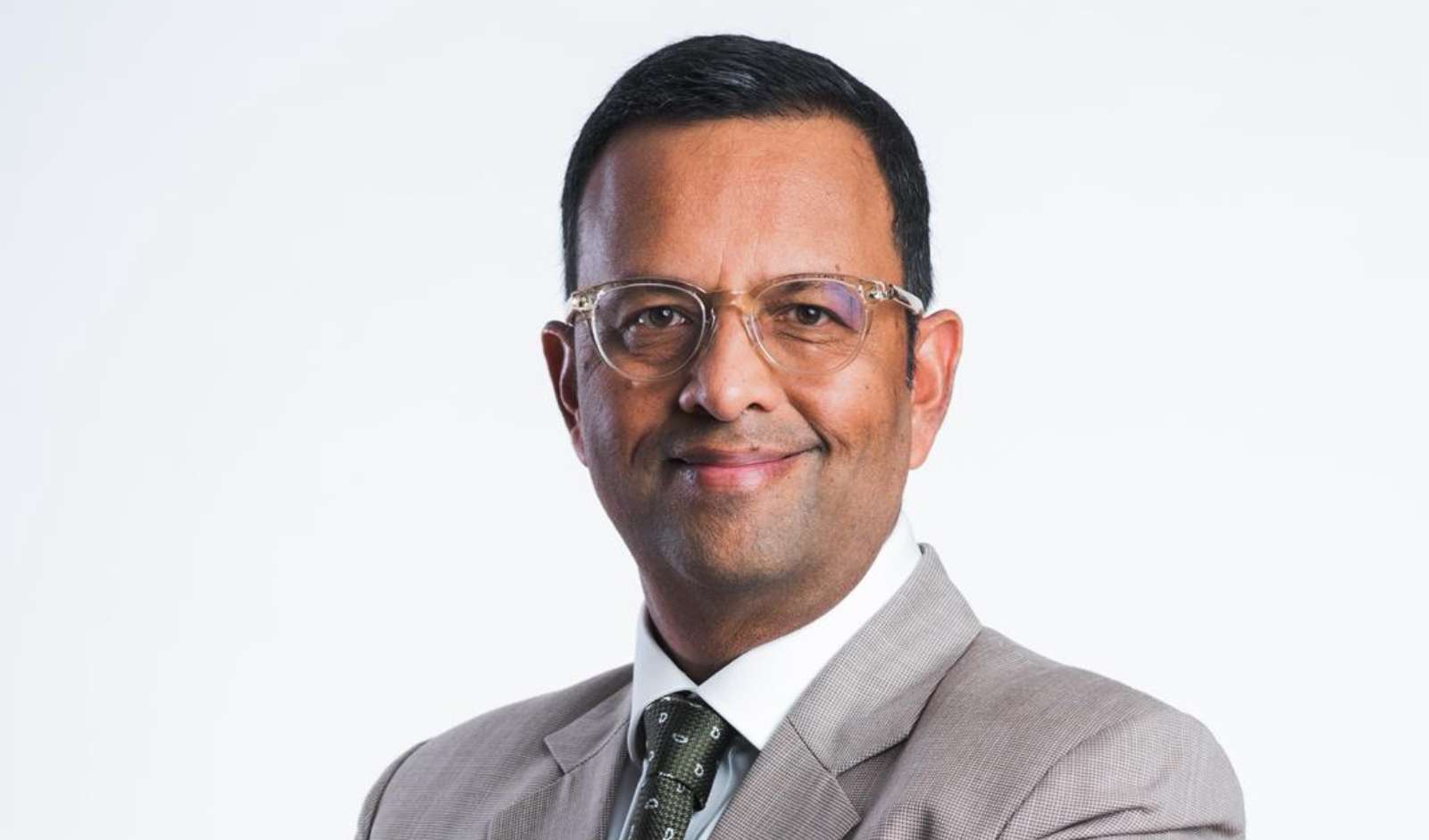
EPL Limited reported a 30 percent year-on-year increase in revenue to Rs 15,674 million for the second quarter of FY27, ended September 30, 2026. The packaging solutions company recorded growth across all its regions, with its Beauty and Cosmetics segment emerging as a key contributor to quarterly performance. Excluding the impact of higher raw material prices passed on to customers, the company’s underlying revenue growth stood at 20.3 percent.
All operating regions reported double-digit growth during the quarter, reflecting demand across its packaging business despite global market volatility and geopolitical disruptions. EPL’s EBITDA increased 17.6 percent year-on-year to Rs 2,960 million. This marked the company’s 16th consecutive quarter of double-digit EBITDA growth. Its reported EBITDA margin stood at 18.9 percent, while the underlying EBITDA margin was 20.4 percent. The company said it recovered the impact of higher costs through pricing measures across its operating regions.
Profit after tax (PAT) grew 5.6 percent year-on-year to Rs 1,101 million. Return on Capital Employed (ROCE) stood at 18.2 percent during the quarter.
Hemant Bakshi, MD and Global CEO, EPL Limited said, “EPL has delivered another standout quarter, achieving 30 percent revenue growth, on an underlying basis revenue growth was 20 percent and margins were 20.4 percent. What makes this performance particularly meaningful is that our strategy is delivering in full across every geography and core category. Beauty and Cosmetics delivered exceptional growth of over 40 percent, while Oral Care continued its strong momentum with 20 percent growth. In the month of September, B&C category overtook Oral care to become our largest category, a significant milestone towards building a fully diversified, high growth portfolio. Despite continued cost pressures, we successfully recovered the full impact of cost increases through pricing actions, enabling us to sustain underlying EBITDA margins above 20 percent while continuing to invest in our growth priorities. Looking ahead, we remain confident in our momentum and confidently reaffirm our near-term guidance of high-teens revenue growth and 20 percent underlying EBITDA margins.”
Among its business categories, Beauty and Cosmetics revenue grew 42.9 percent year-on-year, while Oral Care recorded growth of 19.2 percent. Beauty and Cosmetics overtook Oral Care in September to become EPL’s largest category. The Personal Care and Beyond portfolio accounted for 55 percent of the company’s total business, expanding by seven percentage points over the past two years. EPL reported double-digit revenue growth across all its geographical markets. East Asia Pacific grew 40.2 percent, Europe increased 30.4 percent, AMESA recorded 28 percent growth, and the Americas reported a 25.3 percent increase. Within AMESA, India delivered revenue growth of 30.5 percent.
Sustainability initiatives also remained part of the company’s operations, with sustainable tube formats contributing 41 percent of total sales year-to-date. EPL retained its EcoVadis Platinum certification, placing it among the top 1 percent of more than 150,000 companies assessed globally. The company also received recognition at the IFCA Star Awards 2026 and Print Week 2026. Its operations in seven countries, including India, Poland, Egypt, the Philippines, Colombia, China and Brazil, retained Great Place to Work certification for FY25-26.
On the corporate front, EPL’s proposed merger with Indovida moved forward after receiving approvals from the Competition Commission of India (CCI), stock exchanges and foreign antitrust authorities across 10 jurisdictions. The company received BSE and NSE observation letters dated October 19, 2026, and filed its application with the National Company Law Tribunal (NCLT), Mumbai, on October 23, 2026. The proposed merger is expected to create a business with revenue of $1 billion and a valuation of $2 billion.
For the coming quarters, EPL has retained its guidance of high-teens revenue growth while maintaining its target of 20 percent underlying EBITDA margin. The company plans to focus on its Beauty and Cosmetics business, growth in emerging markets, capital efficiency and expansion into consumer packaging categories beyond tubes.
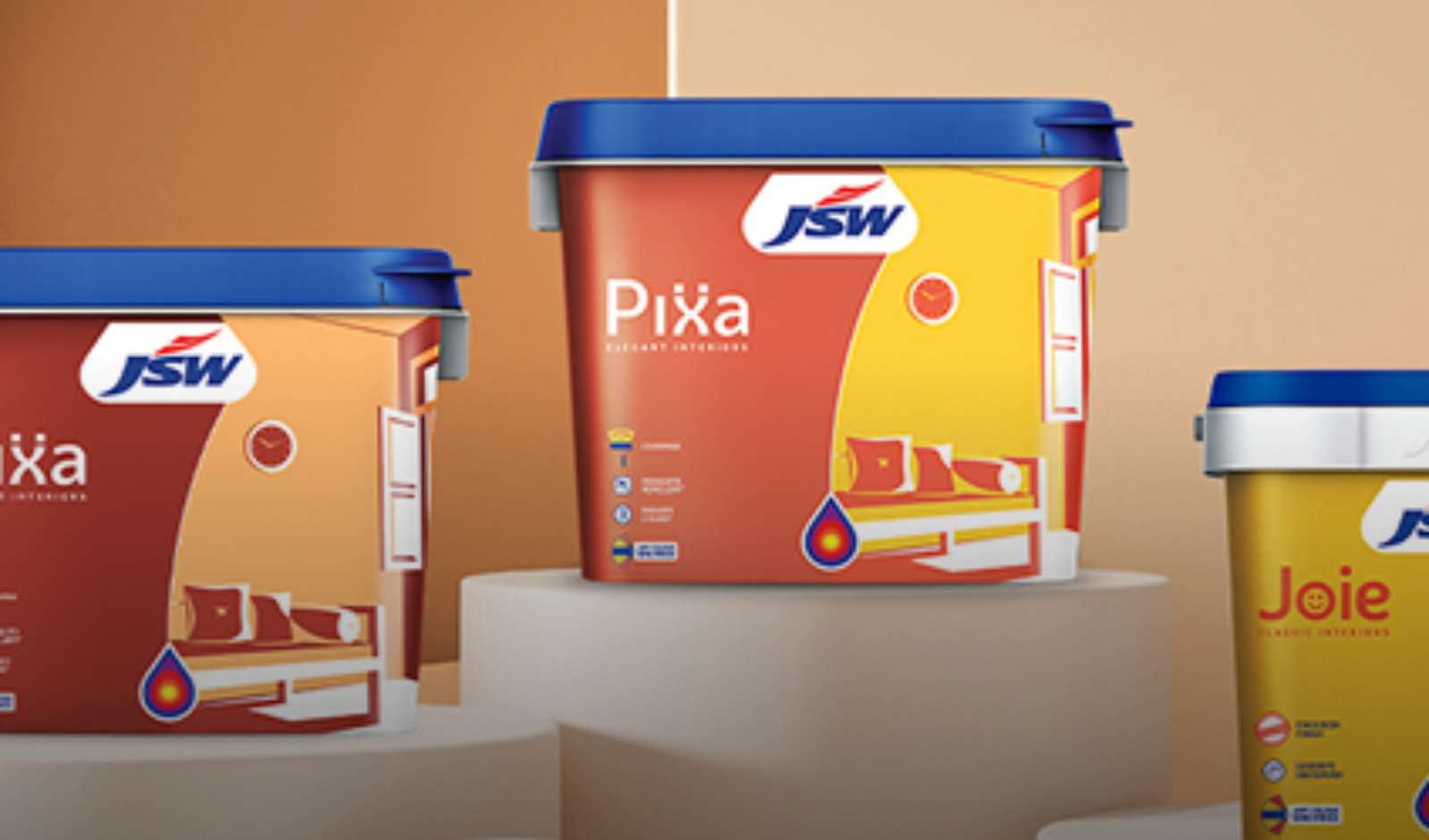
JSW Dulux Limited, formerly Akzo Nobel India Limited, reported a 21 percent increase in sales volume for the second quarter of FY27, with revenue from operations rising 21.3 percent to Rs 961.9 crore on a comparable standalone basis. The company's board approved the financial results for the quarter and half year ended September 30, 2026. For Q2 FY27, EBITDA from operations increased 4.4 percent to Rs 110.9 crore, compared with Rs 106.3 crore in the corresponding period last year.
Profit after tax (PAT), excluding exceptional items, grew 2 percent to Rs 71.2 crore from Rs 69.8 crore. For the first half of FY27, the company recorded 23 percent volume growth, while comparable revenue from operations increased 20 percent to Rs 1,926.9 crore against Rs 1,605.3 crore in H1 FY26. EBITDA from operations rose 9.4 percent to Rs 226 crore, while PAT excluding exceptional items increased 50.5 percent to Rs 206.7 crore from Rs 137.3 crore.
The comparable figures relate to the retained business and exclude the business carved out in the previous year. The company said the previous year's comparable figures are provisional, unaudited and based on management estimates. The H1 FY27 PAT also includes dividend income of Rs 55.9 crore from its subsidiary, ICI India Research and Technology Centre Private Limited, following a dividend of Rs 447 per equity share.
On a reported standalone basis, JSW Dulux's Q2 FY27 revenue from operations increased 16.2 percent to Rs 961.9 crore from Rs 827.6 crore. EBITDA from operations rose marginally by 0.3 percent to Rs 110.9 crore. PAT stood at Rs 71.2 crore, compared with Rs 1,682.7 crore in Q2 FY26, which included exceptional items of Rs 1,874.2 crore before tax from the sale of the Powder Coatings business, IRC and related costs.
For H1 FY27, reported revenue from operations grew 5.8 percent to Rs 1,926.9 crore from Rs 1,820.7 crore. EBITDA from operations declined 7.8 percent to Rs 226 crore, compared with Rs 245.1 crore in the year-ago period. PAT was Rs 206.7 crore, against Rs 1,773.7 crore in H1 FY26, which included the same exceptional items.
Rajiv Rajgopal, Joint Managing Director and CEO, JSW Dulux Ltd said, “We delivered consecutive quarter of double-digit volume and value growth, reflecting steady progress on our strategic priorities. We continued to make steady market share gains across our businesses. In Decorative Paints, all categories witnessed strong traction leading up to the festive season. Industrial Paints performance was aided by strong demand in infrastructure and energy sectors. We saw gains in automotive space with customer wins and entry into new verticals. While raw material inflation remains elevated, we have undertaken calibrated price increases to partly offset margin dilution. Despite these headwinds, comparable EBITDA grew 4.4 percent through prudent balance between cost management and growth initiatives. However, as geopolitical disturbances continue to affect raw material inflation, we will keep evaluating the situation and implementing calibrated price increases.”
During the quarter, shareholders approved a proposal to subdivide the company's equity shares in a 10:1 ratio, reducing the face value from Rs 10 per share to Re 1 per share. The subdivision took effect for stock exchange trading following the record date of October 22, 2026. In its decorative paints business, the company introduced VT Soft Sheen across India under its Accessible Luxury portfolio. The product combines the TruColour proposition with an eight-year Dulux Assurance warranty.
JSW Dulux also expanded its automotive and specialty coatings portfolio with the introduction of the EONIX Rubbing and Polishing Compound range. The products mark the brand's entry into adjacent categories within OEM-authorised workshop networks and are aimed at surface correction and finishing applications in the automotive refinish segment.
The company said demand in decorative paints was supported by customer activity ahead of the festive season, while its industrial paints business benefited from demand in the infrastructure and energy sectors. Its automotive coatings business also reported customer additions and entry into new market segments. However, higher raw material costs continued to put pressure on margins, prompting the company to implement calibrated price increases.
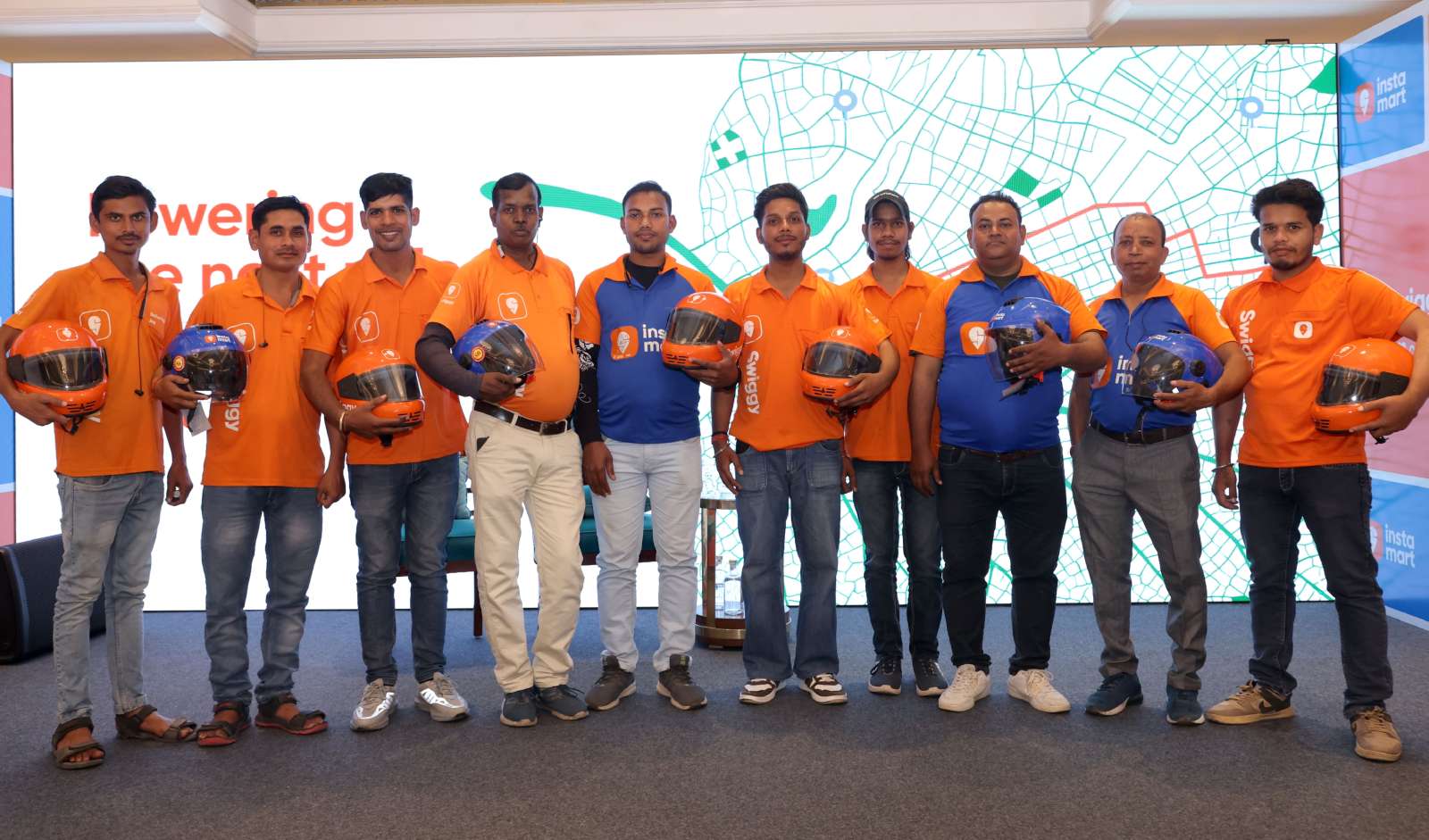
Swiggy has introduced battery-swapping stations at its Instamart pods across 25 locations as part of its efforts to expand electric vehicle adoption in last-mile delivery. The initiative was announced at the company's EV Mobility Conclave, themed “Powering the last mile”, attended by Union Minister of Road Transport and Highways Nitin Gadkari.
The conclave brought together electric vehicle manufacturers, charging and battery-swapping companies, fleet operators, rental service providers, financiers and delivery partners to discuss ways to make electric two-wheelers more accessible and affordable for last-mile delivery operations. Alongside the battery-swapping network, Swiggy is introducing EV rental services at its Instamart pods. The arrangement will allow delivery partners to rent electric two-wheelers from the same locations where they collect orders, reducing the need to travel elsewhere to access a vehicle or charging facility.
Sriharsha Majety, Co-Founder and Group CEO, Swiggy said, “Every order has a person behind it, and the last mile is that person. Our delivery partners are at the heart of everything we do, and our vision is to make their work easier and more rewarding. For those who choose electric, that means taking away the everyday hurdles, so that the transition fits naturally into the way they already work. When a solution is built around the partner’s day rather than around the technology, adoption becomes a natural choice. That is the future we want to help build for the people who power India’s last mile.”
According to the company, a delivery partner may visit an Instamart pod around 20 times on a busy day. By placing EV rental and battery-swapping facilities at these locations, Swiggy aims to reduce the time delivery partners spend travelling to separate charging or vehicle collection points. The saved time can be used to complete more orders or for personal activities.
Neha Singhvi, Head of Corporate Affairs, Swiggy said, “EV adoption in last-mile delivery depends on enablers that sit beyond any one platform. Affordable financing, reliable charging and swapping, and supportive policy. Many of the partners honoured today have worked on exactly these challenges, and their experience is valuable to the wider ecosystem. We value the government's continued engagement, and we look forward to working with industry and policymakers on solutions that help partners who choose EVs.”
The event also recognised delivery partners who have adopted electric vehicles, along with companies contributing to EV infrastructure and mobility services. The ecosystem partners honoured included Indofast Energy, Yulu, Bounce Daily, RIDEV, Baaz Bikes, Motovolt, Shadowfax, BGauss Auto, Veelo Mobility, Hala Mobility and Yuma Energy. Delivery partners Sajan Lal, Kamal Kumar, Avanish, Sandeep Gupta, Vijay, Ritik and Khurshid were also recognised.
Varun Agni, Co-Founder and CTO, Bounce said, “Access to a vehicle is one of the biggest barriers for anyone who wants to do delivery work. A large number of our riders had no vehicle of their own before they started with us. With this partnership, a rider has access to an affordable EV the moment they need one for work, and the battery-swapping infrastructure is already in place. The time, effort and money that saves contributes directly to a riders daily earnings and can help in meeting customer demand more efficiently. This is a big win for the ecosystem - for riders and customers both.”
An EV delivery partner, Umesh said, “I rented an EV using the Swiggy app at affordable charges which were deducted from my payouts as per my preference. The battery swapping can also be easily done at the Instamart pods when I go to pick an order, ensuring I can make the most of my day and earn more.”
Nitin Gadkari, Union Minister of Road Transport and Highways, Government of India said, "India's growth depends on clean, efficient and affordable transport. Delivery partners are the backbone of the new economy, and when they choose electric vehicles, it benefits their incomes, our cities and our environment. I appreciate Swiggy and its partners for working together to bring practical solutions closer to those who need them. Government and industry must continue to collaborate so that every delivery partner who wants to choose an EV finds it easy to do so."
The initiative brings together EV rentals and battery-swapping infrastructure at locations already used by delivery partners, addressing two practical requirements for electric mobility in the delivery sector: vehicle access and battery availability.
Ester Industries reported a return to profitability in the second quarter of FY27, supported by higher sales realisations, improved capacity utilisation and a stronger contribution from value-added products. The polyester films and specialty polymers manufacturer recorded consolidated total income of Rs 449 crore for the quarter ended September 30, 2026, registering a 25.7 percent year-on-year increase.
Consolidated EBITDA, including non-operating income, rose 160 percent to Rs 45.1 crore, compared with Rs 17.3 crore in the corresponding quarter last year. EBITDA margin improved to 10 percent from 4.9 percent. The company reported a consolidated profit after tax (PAT) of Rs 7.8 crore against a loss of Rs 15.8 crore in Q2 FY26. On a standalone basis, Ester Industries recorded total income of Rs 365.8 crore, up 38.9 percent from Rs 263.3 crore in the year-ago quarter. EBITDA increased 103.8 percent to Rs 28.6 crore, while the EBITDA margin improved by 250 basis points to 7.8 percent. Standalone PAT stood at Rs 6.1 crore, compared with a loss of Rs 4.8 crore in Q2 FY26.
For the first half of FY27, consolidated total income increased 26.5 percent to Rs 891 crore, while EBITDA rose 124.6 percent to Rs 104 crore. The company reported a consolidated PAT of Rs 26.5 crore, compared with a loss of Rs 22.9 crore in H1 FY26. Standalone total income for the six-month period grew 30.1 percent to Rs 713.5 crore, while EBITDA increased 49.2 percent to Rs 68.6 crore. Standalone PAT rose to Rs 20.6 crore from Rs 4.8 crore in the corresponding period last year.
Arvind Singhania, Chairman, Ester Industries said, "Improvement witnessed in Q1FY27 continued during Q2FY27 with improving operating environment, higher realizations, increased throughput and a favorable product mix. Consolidated Total Income increased 25.7 percent Y-o-Y to Rs 449.0 crores, while EBITDA more than doubled, rising 160 percent Y-o-Y to Rs 45.1 crore. EBITDA margin expanded significantly to 10 percent from 4.9 percent in Q2FY26, reflecting improved operating performance and better business mix resulting from higher contribution of Value-Added products within Film segment and better realizations across product portfolio. PAT turned positive at Rs 7.80 crore, compared with a loss of Rs 15.8 crore in the corresponding quarter last year. The operating environment for the BOPET Film industry remained stable during Q2 FY27, with the US tariff-related disruptions witnessed in FY26, largely behind us. However, disruptions in crude oil supply and price fluctuations caused by war in West Asia are resulting into higher shipping costs and longer transit time which is adversely impacting working capital cycle.”
"In Specialty Polymers, sales volume was 711 MT in Q2FY27 against 1,161 MT in Q2 FY26, however segment EBIT margin remained healthy at 33.9 percent. Though one of the marquee products in Specialty Polymers SBU has seen demand erosion but basis the strong product pipeline, and expected customer approval for a new product post marginal capital expenditure in near future is expected to partially make good the lost sales volume and margins. Our performance reflects the strength of our strategy, the resilience of our business and our relentless focus. However, the global geopolitical environment remains uncertain, creating challenges for raw material costs and pricing visibility.”
"Looking ahead, we remain confident about Ester’s medium to long-term growth prospects, supported by improving industry conditions, favorable regulatory tailwinds and its continued focus on premium and Value-Added products. The increasing focus on differentiated products is expected to provide greater resilience across industry cycles and support sustainable margin improvement over the medium to long term. By focusing on operational efficiency, capacity utilization and advanced Specialty products, the company remains committed to driving profitability growth and reducing its environmental footprints.”
"As regard to ELITe project, we are glad to inform that various aspects related to implementation of the project by last quarter of CY 2028 are progressing well with acquisition of land expected to be completed by Q4FY27. Marketing and Off Take agreement with an anchor customer coupled with a Letter of Intent secured from a leading global sports and athletic brand for Loop PET Fiber Grade resin, under a multi-year framework for offtake from its upcoming Gujarat facility would ensure that a significant portion of the planned capacity gets committed ahead of commercial production. This early customer validation provides strong visibility for the JV’s recycled platform and underscores the growing demand for its Value-Added, sustainable product offerings."
In the polyester films business, consolidated capacity utilisation reached 92 percent in Q2 FY27, compared with 80 percent in the year-ago quarter. Film sales volume increased 13.9 percent to 24,291 MT from 21,329 MT, while revenue grew 39.6 percent to Rs 414.5 crore against Rs 296.8 crore in Q2 FY26. The increase in revenue was supported by higher per-unit realisations following a rise in petrochemical feedstock prices. Ester Industries continued to increase its focus on value-added and specialty (VAS) films. Sales of these products reached 6,200 MT, accounting for 25.3 percent of total film sales volume. VAS volumes grew 25.8 percent from 4,927 MT in the corresponding quarter last year. Recycled PET (rPET) sales volume increased 37.4 percent to 1,437 MT, while revenue rose 51 percent to Rs 18.4 crore.
The specialty polymers segment recorded sales volume of 711 MT in Q2 FY27, down 38.8 percent from 1,161 MT in Q2 FY26. Despite the lower volume, the segment reported an EBIT margin of 33.9 percent. The company attributed the decline in sales to demand erosion in one of its key specialty polymer products and expects new product approvals to help recover part of the lost volumes and margins.
Ester Industries is also progressing with its ELITe project, which is targeted for implementation by the last quarter of calendar year 2028. Land acquisition is expected to be completed by Q4 FY27. The company has secured a marketing and offtake agreement with an anchor customer, along with a Letter of Intent from a global sports and athletic brand for Loop PET Fiber Grade resin from the proposed Gujarat facility. The multi-year arrangement is expected to secure a significant share of the facility’s planned capacity before commercial production begins.

Cupid Limited has entered into a long-term exclusive retail partnership with V2 Retail Limited, securing dedicated selling space across more than 425 existing stores and all future outlets of the value fashion retailer. The company expects the arrangement to generate approximately Rs 400 crore in incremental revenue over the next 12 months. Under the agreement, Cupid will receive 400 sq ft of dedicated retail space at each V2 Retail store. Once implemented across the existing network, the arrangement will provide the company with a retail footprint of more than 1.7 lakh sq ft across India.
The partnership will cover Cupid's portfolio of personal care, wellness, hygiene and other consumer products. Supply operations are expected to begin shortly, with the company targeting product availability across V2 Retail's entire store network by mid-December 2026. The arrangement is part of Cupid's strategy to expand its domestic fast-moving consumer goods (FMCG) business and increase its presence in organised retail. By using V2 Retail's existing store network, Cupid will be able to expand its physical distribution without independently setting up a comparable retail infrastructure.
The agreement will also extend to new stores opened by V2 Retail, allowing Cupid to increase its retail presence as the fashion retailer expands its network. The companies plan to introduce additional products and categories through the dedicated retail spaces over time.
Aditya Kumar Halwasiya, Chairman and Managing Director of Cupid Limited said, "This is a landmark and transformative development for Cupid Limited and represents one of the most important milestones in the evolution of our domestic consumer business. Our long-term exclusive arrangement with V2 Retail provides Cupid with something exceptionally valuable: a dedicated, large-scale, nationwide retail platform with visibility across both the existing store network and all future expansion. With 400 square feet of exclusive retail space in every V2 Retail store, we are creating a powerful consumer-facing distribution ecosystem capable of supporting a rapidly expanding portfolio of personal care and wellness products. We expect this partnership to generate approximately Rs 400 crore in revenue within the next 12 months."
Ram Chandra Agarwal, Chairman and Managing Director of V2 Retail Limited said, "We are delighted to enter into this long-term strategic arrangement with Cupid Limited, a company that is rapidly establishing itself as a strong and trusted Indian brand in the personal care and wellness segment. At V2 Retail, our focus has always been on delivering exceptional value to our customers through a combination of quality, affordability and choice. Cupid's growing portfolio of high-quality personal care and wellness products will significantly strengthen our in-store offerings and allow us to provide our customers with superior-quality products at highly compelling price points. We see significant potential in this partnership as personal care, hygiene and wellness become increasingly important categories for Indian consumers. By providing Cupid with dedicated retail space across our entire store network, we intend to build a strong, differentiated offering that enhances the shopping experience, drives incremental customer engagement and creates meaningful value for both organisations."
The Rs 400 crore revenue estimate represents management's expectation for the next 12 months and will depend on the pace of the rollout, consumer demand, product availability and business performance. For Cupid, the partnership provides access to an established organised retail network to expand its domestic FMCG and consumer wellness portfolio. For V2 Retail, the arrangement will add dedicated personal care and hygiene offerings to its existing product assortment. The rollout and sales generated through the stores will determine how significantly the partnership contributes to both companies' business growth.
Orkla India reported a 19.4 percent year-on-year (YoY) increase in revenue from operations to Rs 776 crore for the second quarter of FY27, supported by growth in its spices and convenience foods businesses. The company's net profit rose 19.2 percent to Rs 91 crore, compared with Rs 77 crore in the corresponding quarter last year. Revenue from the sale of products increased 18.4 percent during the quarter, while volume growth stood at 2.9 percent, lower than the 7.7 percent recorded in Q2FY26. The company attributed its revenue growth to stronger performance in the spices category and pricing measures taken amid higher input costs.
Orkla India's spices business, which includes brands such as MTR and Eastern, recorded revenue of Rs 498 crore, registering a 25.1 percent increase from Rs 398 crore in the year-ago quarter. The convenience foods business reported revenue of Rs 271 crore, up 7.7 percent from Rs 252 crore. The company said the shift in the festive calendar affected the performance of its convenience foods segment. Diwali and Dussehra fell in the September quarter last year, while the festivals are scheduled to contribute to demand in the December quarter this year.
Sanjay Sharma, Managing Director and CEO of Orkla India said, “We are not fully thrilled about the volume growth number. Our organizational focus is squarely on volume growth.”
The company continued to face higher input costs, particularly in its spices business. Its EBITDA increased 12.6 percent to Rs 124 crore during Q2FY27, compared with Rs 110 crore in the corresponding period last year. However, the EBITDA margin declined to 15.9 percent from 16.9 percent, reflecting the impact of raw material costs and investments in its Project Bolt transformation programme. Orkla India expects some of the margin pressure to ease as price increases introduced following the rise in industry-wide input costs begin to reflect in its financial performance. Expenses associated with Project Bolt are also expected to conclude by November-December 2026.
For the first half of FY27, revenue from operations increased 15.1 percent to Rs 1,435 crore from Rs 1,247 crore in the corresponding period last year. Volume growth stood at 2.3 percent, compared with 8 percent in H1FY26. EBITDA rose 7.8 percent to Rs 239 crore, while its margin declined to 16.6 percent from 17.8 percent. Profit after tax before exceptional items, net of tax, increased 14.4 percent to Rs 178 crore from Rs 156 crore.
Alongside its core food businesses, Orkla India is increasing its focus on digital commerce and product development to expand its consumer reach. Its digital commerce business recorded 23 percent YoY growth during the September quarter and contributed 10 percent of domestic revenue, compared with 8.9 percent in the previous quarter. The channel also recorded 33.6 percent growth in markets outside South India.
The company introduced 15 new products during Q2FY27, taking its total product innovations to 38 in the first half of the financial year. These additions are aimed at addressing changing consumer preferences, particularly among younger consumers and urban households. Orkla India is also exploring acquisition opportunities in the spices and convenience foods categories to expand its presence in the packaged food market. The company is evaluating brands that hold leading positions in their respective markets and have potential for further growth.

LG Electronics India reported a 25.7 percent increase in profit for the second quarter ended September 30, 2026, supported by higher demand for home appliances, including televisions, refrigerators and washing machines. The company's profit rose to Rs 4.89 billion during the quarter, compared with Rs 3.89 billion in the corresponding period last year.
Revenue from operations increased 19.5 percent to Rs 73.8 billion, driven largely by growth in its home appliances and air solutions business, its largest operating segment. Sales from the home appliances and air solutions segment increased by approximately 21 percent, reflecting continued demand across key consumer electronics and household appliance categories in India.
Hong Ju Jeon, Managing Director said, "This performance reflects the broader strength of India's consumer durables industry, which continues to benefit from rising disposable incomes, growing aspiration for premium products and deepening penetration across metro and emerging markets."
The company is also increasing its manufacturing investments in India to strengthen local production and improve operational efficiency. One of its key investments includes a Rs 50 billion manufacturing facility in Sri City. The investment is aimed at reducing import, logistics and foreign exchange costs while improving operating leverage through greater localisation. However, analysts at Elara Securities have pointed out that the period between FY27 and FY29 will be important in determining whether these cost benefits can support a sustained improvement in margins. Increasing competition and higher promotional spending remain key factors that could affect profitability.
LG Electronics India's earlier guidance for FY27 included targeting mid-teen revenue growth and an early double-digit EBITDA margin. The company's focus on local manufacturing, product demand and operational efficiencies is expected to play a role in achieving these targets. Following the quarterly results, shares of LG Electronics India rose approximately 5.1 percent to Rs 1,777.5. The performance reflects continued demand in India's consumer durables market, particularly across home appliances and consumer electronics.
Dabur India has announced a leadership change, appointing Herjit Singh Bhalla, currently CEO of its India business, as an Additional Director and Whole-time Director for a five-year term. His appointment will take effect from November 14, 2026, subject to regulatory approvals, following the resignation of Global CEO and Whole-time Director Mohit Malhotra.
Malhotra will step down from his positions on November 13, 2026, after more than three decades with the FMCG company. In his resignation letter dated November 3, he cited personal interests as the reason for his decision and said he would take up a leadership position overseas. Dabur's board accepted his resignation at a meeting. Malhotra joined Dabur in 1994 as a management trainee, when the company had a turnover of Rs 1,250 crore. During his tenure, the company expanded its international presence to more than 100 countries and grew its revenue to over Rs 13,000 crore.
Reflecting on his decision to leave the company, Malhotra said, “I believe this is the right moment in my career to take on a new challenge.”
A management graduate from Pune University, Malhotra also holds an Executive Master's in International Business from the Indian Institute of Foreign Trade, New Delhi. During his association with Dabur, he handled several responsibilities across marketing and sales before moving into senior leadership roles.
Bhalla, who joined Dabur earlier this year as CEO of its India business, brings more than 25 years of experience in brand management, business development and corporate leadership. Before joining Dabur, he held management positions at Unilever and senior global roles at The Hershey Company and METRO Cash and Carry India.
After joining the board, Bhalla will continue to lead Dabur's India business and oversee its growth strategy. Meanwhile, existing Whole-time Director P D Narang will provide strategic guidance across the group's businesses, including its international operations. The leadership transition comes as Dabur continues to manage its domestic and international FMCG operations across categories such as healthcare, personal care, food and beverages. Bhalla's appointment to the board is expected to provide continuity to the company's India business leadership following Malhotra's departure.
Mafatlal Industries Limited, the flagship company of the Arvind Mafatlal Group, reported revenue from operations of Rs 794.1 crore for the second quarter ended September 30, 2026, alongside an EBITDA of Rs 21.3 crore and a profit before tax (PBT) of Rs 14.8 crore. For the first half of FY27, the company recorded revenue from operations of Rs 1,736.5 crore, while EBITDA stood at Rs 47 crore, operating EBITDA at Rs 38.2 crore and PBT at Rs 34.4 crore.
The company's financial performance during the quarter was influenced by its selective approach towards lower-margin consumer durables opportunities and higher expenses related to power and fuel, subcontracting and logistics for institutional order execution. Textiles and related products and digital infrastructure remained the key contributors to business growth, with the two segments reporting combined revenue of Rs 540 crore in Q2FY27, registering a year-on-year (YoY) growth of 24.6 percent.
For H1FY27, revenue from these segments stood at Rs 987.9 crore, up 19.8 percent compared with the corresponding period last year. The growth was supported by institutional demand, an increasing contribution from integrated uniform solutions and the execution of digital infrastructure projects.
Priyavrata Mafatlal, Managing Director and CEO, Mafatlal Industries Limited said, “Our focus remains on strengthening the quality and composition of our business portfolio while positioning Mafatlal Industries for its next phase of growth. We are consciously sharpening our focus on integrated Uniform Solutions and Digital Infrastructure, while maintaining a disciplined approach to opportunities across our businesses. Our objective is to build on our established capabilities in textiles and institutional relationships, while scaling businesses that offer stronger long-term growth potential and value creation opportunities. The progress in these priority segments reflects the direction we are pursuing. Going forward, we will remain focused on execution, operational discipline and strengthening our capabilities to build a more resilient and sustainable business.”
In the textiles and related products segment, revenue increased 12.4 percent YoY to Rs 469.6 crore during Q2FY27. The performance was supported by the company's integrated Uniform Solutions business, including the execution of a large-scale order in Telangana covering approximately 28,000 schools across 33 districts.
The digital infrastructure business recorded revenue of Rs 70.3 crore, registering a growth of 344.1 percent YoY. Segment EBIT increased 201.7 percent to Rs 9.7 crore, with an EBIT margin of 13.8 percent. Institutional projects, including the development of 128 ICT labs in Odisha, contributed to the segment's performance. The company also undertook turnkey projects involving operations and maintenance services for periods of up to five years, providing visibility into recurring revenue.
Together, textiles and related products and digital infrastructure accounted for 68 percent of the company's quarterly revenue and 82.6 percent of its segment EBIT. The company continued to follow a selective strategy in consumer durables, prioritising opportunities aligned with its business objectives rather than pursuing revenue growth alone.
Mafatlal Industries' total running order book stood at approximately Rs 575 crore as of September 30, 2026. This included Rs 462 crore from textiles and related products, Rs 87 crore from digital infrastructure and Rs 26 crore from consumer durables and other businesses. The company also announced a strategic investment to strengthen its presence in digital infrastructure. Its Board approved the acquisition of an additional 20 percent stake in Pieflowtech Solutions Private Limited, taking its total shareholding in the company to 80 percent. The transaction is expected to be completed by December 31, 2026.
In another development, the Board approved an interim dividend of Rs 1 per equity share for FY27. On the balance sheet front, Mafatlal Industries reported gross debt of Rs 83.2 crore as of September 30, 2026, compared with Rs 60.8 crore as of March 31, 2026. The execution of institutional orders affected inventory, receivables and payables, resulting in additional working capital requirements that were also reflected in short-term borrowings.
Going forward, the company is focusing on expanding its integrated Uniform Solutions business, scaling digital infrastructure operations and improving the contribution of its core business segments. Its institutional order book and ongoing projects are expected to remain important components of its business strategy.
Laila Faisal Studio (LFS), a multi-brand retail destination showcasing India’s independent fashion and lifestyle labels, has opened in New Delhi. Operating under the tagline “Home for all Homegrowns,” the studio brings together emerging and established homegrown brands across categories, design sensibilities and aesthetics.
The store features labels including Yama Yoga, Kay Jay, Girls Don’t Dress For Boys, Hermosa Thread, Uncool, Loudless, Aeronot and LVL 99, among others. The curated selection aims to give independent brands a shared retail platform to reach consumers and strengthen their visibility in India’s fashion and lifestyle market.
The launch was celebrated on October 25 with an evening attended by editors, designers, HNI clients and friends of the brand. Guests explored the store’s collection of homegrown labels, while a ramp showcase featured models styled and accessorised entirely with brands available at LFS.
The showcase highlighted the participating labels’ individual identities, craftsmanship and design approaches, demonstrating how diverse homegrown brands can come together within a single retail environment.
Spread across 6,000 sq. ft. of retail space, with an overall area of 8,000 sq. ft. including office space, Laila Faisal Studio offers consumers a dedicated destination to discover independent fashion and lifestyle brands.
Beyond its multi-brand retail format, the studio aims to create an immersive shopping environment that encourages consumers to explore new design perspectives and engage with homegrown creativity. By bringing multiple labels together, LFS seeks to contribute to the growing visibility of India’s independent fashion and lifestyle ecosystem.
The launch also reflects the broader opportunity for curated retail spaces to connect consumers with emerging designers and homegrown brands, while offering labels a platform to reach a wider audience.
Reliance Brands Limited has promoted Karan Sachdeva to Head of Operations – India for British food and coffee chain Pret A Manger. The appointment expands his responsibilities as the company continues to grow the brand's presence in the Indian foodservice and café market. Sachdeva announced his promotion through a LinkedIn post, sharing his plans to lead the brand's operations across India.
“Thrilled to share that I’ve been promoted to Head of Operations – India for Pret A Manger at Reliance Brands Limited!” he wrote.
Sachdeva has been associated with Pret A Manger's India operations since the brand entered the country. He joined Reliance Brands in December 2022 as Regional Operations Head – West, where he was responsible for overseeing regional operations and supporting the brand's expansion. In his new role, Sachdeva will oversee Pret A Manger's India operations, including team management, outlet performance and customer experience, while supporting the company's plans to expand its retail footprint.
“Having been part of the journey since we first brought Pret to India and spent the last few years building the brand from the ground up, this milestone feels extra special. I’m excited to step into this expanded role, lead our fantastic teams, and continue delivering exceptional experiences to our guests as we grow our footprint further,” he said.
Sachdeva brings over 13 years of experience across retail, fashion and lifestyle, gourmet food retail, hotels and restaurants. Before joining Reliance Brands, he worked with companies including FoodHall, Nature’s Basket and Steve Madden, gaining experience in retail operations and customer-facing businesses.
His elevation comes as Reliance Brands continues to expand Pret A Manger's operations in India. The appointment places additional responsibility on its operations leadership to manage the brand's growing network and maintain consistency across its outlets.
Arvind Fashions Ltd reported a 19.44 percent year-on-year increase in consolidated net profit to Rs 67.62 crore for the second quarter of FY27, compared with Rs 56.61 crore in the corresponding quarter last year, according to its regulatory filing.
The company's revenue from operations grew 9.96 percent to Rs 1,558.83 crore in the September quarter, against Rs 1,417.51 crore in the same period of the previous financial year. Total expenses increased 9.77 percent to Rs 1,474.43 crore during the quarter. Total income, including income from other sources, rose 9.4 percent to Rs 1,565.82 crore in Q2 FY27. For the first half of FY27, the company's consolidated total income increased 11.7 percent to Rs 2,851.33 crore.
Amisha Jain, MD and CEO of Arvind Fashions said, "Q2 delivered another quarter of profitable growth, with revenue up 10 per cent and EBITDA up 15.5 per cent. Adjusted for the shift in the festive season and online tower events, underlying growth was 15 per cent, in line with our guidance. Delivering this against a volatile macro backdrop reflects the strength of our marquee brands and the consistency of our execution."
Arvind Fashions operates in India's apparel and fashion retail market through a portfolio of domestic and international brands. Its brand portfolio includes US Polo Assn, Arrow, Tommy Hilfiger, Calvin Klein and Flying Machine, with retail operations spanning casualwear, denim and premium fashion.
Jain said, "Looking ahead, we remain watchful of external macro-economic factors like inflation, geopolitical developments, potential El Nino effect and repo rate changes. We are confident of sustaining our growth trajectory, with our focus firmly on accelerating profitable growth across our marquee brands, deepening consumer engagement and increasing the share of direct channels, while driving efficiency across the business."
V-Mart Retail reported a wider net loss of Rs 16.34 crore for the second quarter of FY27, compared with a loss of Rs 8.87 crore in the corresponding quarter of the previous financial year. The value fashion retailer recorded an 18 percent year-on-year increase in revenue from operations to Rs 952.99 crore during the July-September quarter.
Despite higher revenue, the company's expenses increased at a faster pace, rising 22 percent year-on-year to Rs 976.37 crore. The increase in expenditure contributed to the widening quarterly loss. According to the company's regulatory filing, income from its retail trade segment stood at Rs 94.708 crore, while revenue from its digital marketplace business was Rs 142.8 crore during the quarter.
V-Mart Retail's total income, including other income, increased 17.9 percent year-on-year to Rs 955.67 crore in Q2 FY27. For the first half of FY27, covering April to September, the company's total income stood at Rs 2,047.13 crore, registering a 20.52 percent increase compared with the corresponding period last year.
Shares of V-Mart Retail Ltd closed at Rs 737.40 apiece on November 3, registering a marginal increase of 0.05 percent over the previous closing price.
Timex Group India Ltd (TGIL), part of the US-headquartered Timex Group, reported its highest-ever quarterly performance in Q2 FY27, with revenue rising 47 percent year-on-year to Rs 359 crore. Growth across its key watch brands, stronger retail productivity and rising demand for premium products supported the company's performance during the quarter.
The company also recorded its highest-ever EBITDA of Rs 66 crore, registering a 54 percent increase compared with the corresponding quarter last year. Profit Before Tax (PBT) grew 57 percent year-on-year to Rs 64 crore, reflecting improved profitability alongside revenue growth. During the quarter, Timex Group India strengthened its watch portfolio through new product introductions, brand collaborations and distribution expansion. The company continued to build its presence across traditional trade, e-commerce, quick commerce and travel retail while focusing on improving store-level productivity.
E-commerce emerged as the fastest-growing channel for Timex Group India, recording 75 percent year-on-year growth in Q2 FY27. The performance outpaced the company's overall revenue growth, supported by continued demand across digital marketplaces. The trade channel registered 34 percent growth despite operating against a higher base. Improved productivity per store remained a key contributor to this performance. The exclusive retail channel reported 48 percent growth, supported by an expanded store network. Other distribution channels also recorded high double-digit growth during the quarter.
Deepak Chhabra, Managing Director, Timex Group India said, “Delivering our biggest-ever quarter is a significant milestone for Timex Group India and a reflection of the business we have built together. Our growth has been anchored in a clear focus on brand strength, portfolio premiumization, channel productivity, and disciplined execution. As an organization, we have worked towards building a stronger and more balanced business, with an emphasis on sustainable growth, operational efficiency, and long-term value creation. This milestone reflects the collective efforts of our teams and the consistency with which we have translated our business strategy into results.”
Among the company's watch brands, Timex recorded 67 percent year-on-year growth during the quarter. Demand for global collections and higher-value products contributed to the performance. Timex and its sub-brands collectively grew 65 percent, supported by deeper market penetration and consumer demand for analogue watches. GUESS reported 57 percent growth, driven by new collections, key product offerings and the appointment of Tamannaah Bhatia as its brand ambassador. Aston Martin continued to expand its presence in India during its first year in the market, increasing its distribution to more than 100 points of sale. Other brands in Timex Group India's fashion and premium watch portfolio also contributed through targeted product introductions and brand-specific initiatives.
Premiumization remained a key part of the company's growth strategy, with a focus on higher price segments, international collections and building established product franchises. The introduction of Timex Signio supported the company's franchise development plans, while new products under Timex Atelier strengthened its premium watch portfolio. GUESS continued to expand its fashion-focused collections with new designs and key product offerings. Meanwhile, Gc introduced a limited-edition watch to mark its 20th anniversary. Aston Martin also continued to build its retail presence following its India debut last year.
Timex Group India continued to strengthen its distribution network across e-commerce, quick commerce, traditional trade and travel retail. Its quick commerce initiatives focused on reaching new consumer groups and catering to demand for last-minute gifting. The company also expanded its defence channel through a new catalogue and product collections. In travel retail, the expansion of airport points of sale and duty-free locations supported its distribution strategy. The addition of four retail doors across India further increased its offline presence, with the company continuing to focus on improving sales productivity at individual stores.
The company continued to invest in brand visibility and consumer engagement through partnerships across fashion, lifestyle and sports. Key initiatives during the period included the appointment of Tamannaah Bhatia as the brand ambassador for GUESS Watches, Timex's title sponsorship of Delhi Times Fashion Week and its association with the APL Table Tennis League.
During the year, Timex Group India and its leadership received recognition across brand building, retail and business leadership. The company received the Fashion Brand of the Year award at the ET FAME Awards presented by ET Retail. It was also recognised as Best Watch Brand 2026 at Myntra Tech Threads 2026 and Watch Brand of the Year at the JEWELX Global Business Awards 2026. Additionally, the company received recognition at the 10th ICICI Lombard and CNBC-TV18 India Risk Management Awards 2026. Managing Director Deepak Chhabra was honoured with the Excellence in Business Transformation and Leadership award at the Economic Times Industry Leaders 2026.
Procter and Gamble Health reported an 18 percent year-on-year increase in sales to Rs 376 crore for the second quarter ended September 30, 2026. The company's profit after tax (PAT) rose 26 percent to Rs 112 crore, supported by higher sales and productivity improvements across its operations.
The company attributed its quarterly performance to its brand portfolio, retail execution, consumer response to product innovations and improvements in its go-to-market capabilities. It also identified growing consumer interest in preventive healthcare as a factor supporting demand for its products.
Milind Thatte, Managing Director of P&G Health India, said the company had continued its double-digit revenue and profit growth momentum from the previous quarters. He also highlighted consumer and healthcare professional engagement, new consumer communication initiatives and supply chain capabilities as factors contributing to the performance.
P&G Health operates in India's vitamins, minerals and supplements (VMS) market. Its portfolio includes brands such as Neurobion, Livogen, SevenSeas, Evion and Polybion. The company manufactures and markets healthcare products across categories focused on supporting consumer health and wellness.
Kewal Kiran Clothing Limited (KKCL), the company behind apparel brands Killer, Lawman, Integriti and Kraus, reported a 5 percent year-on-year increase in revenue from operations to Rs 373 crore for the second quarter of FY27, ended September 30, 2026. The company's profit after tax (PAT) increased 15 percent to Rs 54 crore in Q2 FY27, compared with Rs 47 crore in the corresponding quarter last year. Earnings before interest, taxes, depreciation and amortisation (EBITDA) rose 12 percent to Rs 80 crore from Rs 71 crore in Q2 FY26.
Gross profit for the quarter grew 7 percent to Rs 160 crore, compared with Rs 149 crore a year earlier. The gross margin stood at 43 percent, while the EBITDA margin improved to 21 percent from 20 percent in Q2 FY26. PAT margin also increased to 14 percent from 13 percent during the same period. For the first half of FY27, Kewal Kiran Clothing recorded an 11 percent increase in revenue from operations to Rs 652 crore, against Rs 588 crore in H1 FY26.
Gross profit for the six-month period rose 13 percent to Rs 280 crore from Rs 248 crore. EBITDA increased 19 percent to Rs 133 crore, compared with Rs 113 crore in the corresponding period last year. The company's PAT also grew 19 percent to Rs 94 crore from Rs 79 crore in H1 FY26. The gross margin for H1 FY27 stood at 43 percent, while the EBITDA margin improved to 20 percent from 19 percent. PAT margin increased to 14 percent from 13 percent in the first half of the previous financial year.
Hemant Jain, Joint Managing Director said, "Q2FY27 was a resilient quarter for the Company, delivered against a challenging external environment. With key festive occasions such as Navratri and Durga Puja falling in October this year, as against September, a part of the anticipated festive demand has shifted into Q3FY27. Despite these near-term demand challenges, we remained focused on driving growth while maintaining profitability and operational discipline. We are particularly encouraged by the performance of Kraus, which has delivered robust sales growth alongside strong EBITDA margins. We have continued to maintain healthy profitability in Q2 with both EBITDA and PAT registering a year-on-year growth of 12 percent and 15 percent, respectively. This performance reflects the resilience of our business model and our continued focus on impeccable execution. As we move forward, our priorities remain firmly centred on creating a sustainable business model with profitable growth. We believe our strong balance sheet provides us with a solid foundation to navigate the evolving market environment and makes us confident to deliver sustainable, profitable growth."
Jain attributed part of the shift in festive demand to the timing of Navratri and Durga Puja, which took place in October in 2026 compared with September in the previous year. He also highlighted the performance of Kraus, which recorded sales growth alongside strong EBITDA margins. The company said it will continue to focus on profitable growth, operational efficiency and maintaining financial stability amid changing market conditions. The Q2 FY27 results show growth in both revenue and profitability for Kewal Kiran Clothing, while its first-half earnings increased at a faster pace than revenue.

Shoppers Stop has partnered with international fashion label Guess Jeans to expand the brand's presence across India's offline retail market. Under the agreement, Shoppers Stop will be the exclusive national department store partner for Guess Jeans in India, with the collection available across its selected physical stores. The brand will also continue to sell through e-commerce platforms.
The partnership adds Guess Jeans to Shoppers Stop's international fashion portfolio and expands its offerings in the denim and casualwear categories. Customers will be able to explore the brand's collections, fits and styles through the retailer's brick-and-mortar network. The association is part of Shoppers Stop's strategy to strengthen its premium fashion portfolio by bringing more international brands to Indian consumers. It also reflects Guess Jeans' efforts to increase its reach in India through physical retail distribution alongside its existing digital channels.
Kavindra Mishra, Customer Care Associate, Managing Director and CEO, Shoppers Stop said, “At Shoppers Stop, our focus has always been on bringing globally recognised brands closer to discerning Indian consumers through a curated retail experience. Our partnership with Guess Jeans strengthens this proposition by giving customers the opportunity to discover the brand across our department store network. As the exclusive department store partner for Guess Jeans in India, we are pleased to bring its distinctive denim and contemporary fashion offering to our customers. This partnership further strengthens our international brand portfolio while creating a differentiated experience for customers across our stores.”
Ajay Kumar, Country Manager, GUESS India said, “The launch of GUESS JEANS in India is an important milestone in our journey to connect with a new generation of consumers. Our collaboration with Shoppers Stop is key to this ambition, bringing together a strong physical retail presence and digital reach. Through these partnerships, we aim to make GUESS JEANS’ distinctive denim heritage and contemporary, youth-focused style more accessible to Indian consumers, wherever they choose to shop.”
The India launch is part of Guess Jeans' expansion strategy in the country's fashion market. The brand plans to reach consumers through an omnichannel approach, combining physical retail distribution with online sales. Its future plans include new collections, collaborations and retail initiatives aimed at strengthening its presence among Indian fashion consumers.
Guess Jeans, a sub-brand of GUESS, focuses on denim and contemporary lifestyle clothing. Its collections draw on streetwear influences and target younger consumers, including Gen Z, through modern silhouettes and everyday apparel. The brand has debuted across seven Shoppers Stop locations in India, including Inorbit Mall Malad and Thane Lakeshore Mall in Maharashtra, Phoenix Mall of the Millennium in Wakad, Nexus One Mall in Ahmedabad, Inorbit Mall Cyberabad, City Centre Mall in Patna and Twin District Centre in Rohini, Delhi.
The addition of Guess Jeans is part of Shoppers Stop's wider premiumisation strategy, which involves expanding its international and premium fashion brand portfolio across physical and digital retail channels. The retailer currently offers more than 500 premium brands, alongside services such as Personal Shopper and benefits through its First Citizen Club loyalty programme. The partnership strengthens Shoppers Stop's position as a distribution partner for international fashion labels in India while giving Guess Jeans access to an established department store network.
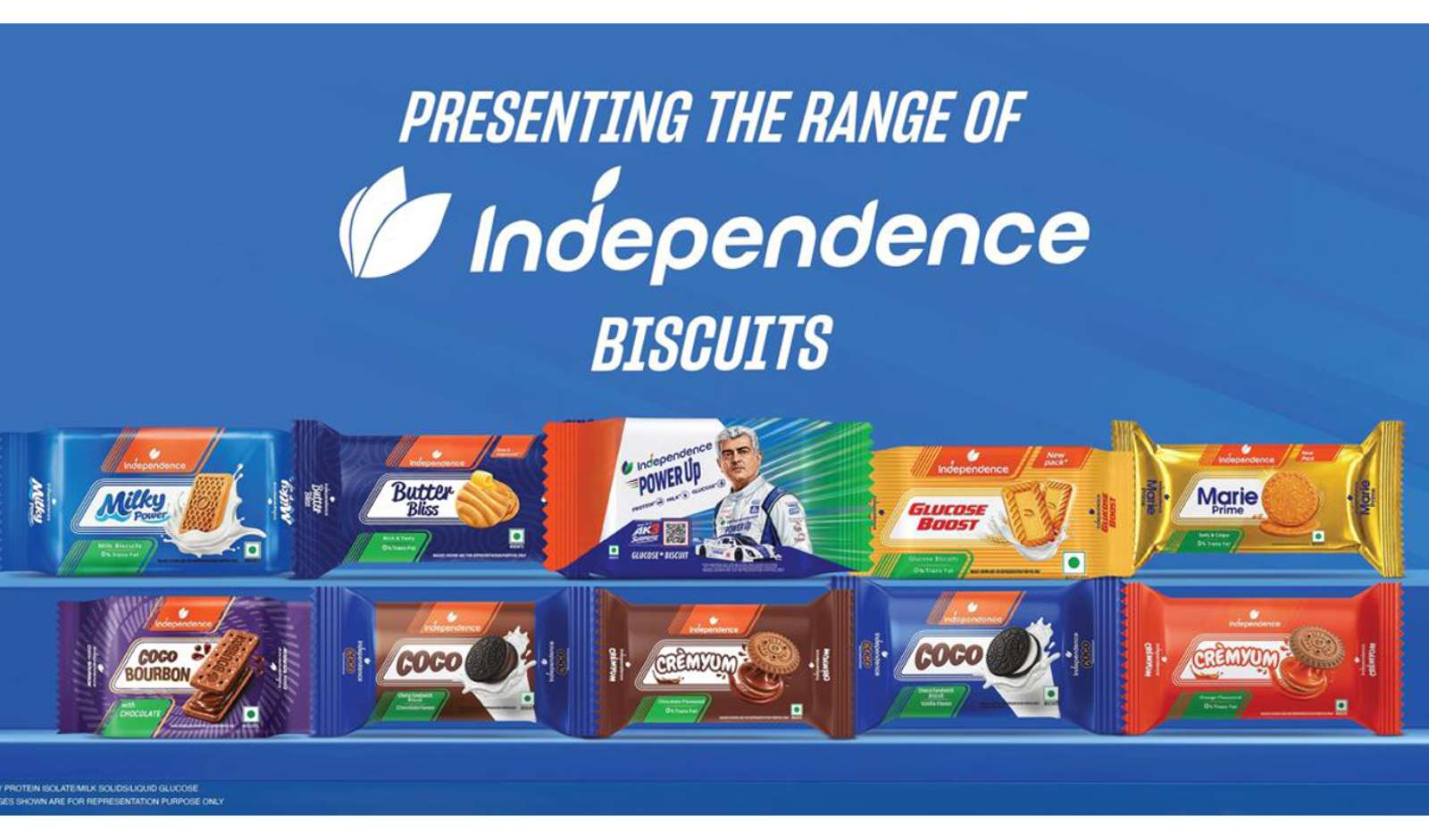
Reliance Consumer Products Limited (RCPL), the fast-moving consumer goods (FMCG) arm of Reliance Industries Limited, has expanded its Independence biscuit portfolio with nine new variants and 28 stock-keeping units (SKUs), as it looks to strengthen its presence in India's packaged food market. The expanded range became available across Tamil Nadu on November 2, 2026, with plans for a gradual rollout in other markets.
The new portfolio covers both everyday and indulgent biscuit categories, with products targeting different consumer preferences and purchasing requirements. The nine variants include Independence Power Up, Independence Butter Bliss, Independence Milky Power, Independence Marie Prime, Independence Coco Vanilla and Chocolate, Independence CremYum Orange, Independence CremYum Choco, Independence Coco Bourbon and Independence Glucose Boost.
The products will be available in multiple pack sizes and price segments. Trial packs are priced at Rs 5, sharing packs at Rs 10, while larger household packs will range between Rs 40 and Rs 125. Through these price points, RCPL is looking to reach consumers across different consumption occasions and household requirements.
Independence Power Up and Independence Milky Power are among the key additions to the expanded range. Power Up combines milk, glucose and protein in a single biscuit, adding another offering to the everyday biscuits segment. Tamil Nadu has been identified as an important market for RCPL's biscuit business. The company expects its increased production capacity, along with the expanded product range, to support distribution growth and improve its reach across the state.
T Krishnakumar, Director, Reliance Consumer Products Limited said, "Tamil Nadu is a key market for our biscuit business, and our focus is on expanding our portfolio to address evolving consumer preferences while building scale. Milk biscuits are well established in household consumption, and with Independence Power Up Biscuits, we are building on this familiarity through a differentiated offering that brings together milk, glucose and protein in one product. Our broader portfolio reflects our philosophy of ‘Each Consumer, Each Occasion’—identifying opportunities across consumer needs and translating insights into relevant products that deliver greater value.”
The company is also using its association with Ajith Kumar Racing to support the market introduction of Independence Power Up. The partnership is expected to help increase brand visibility and consumer awareness in Tamil Nadu. The expanded biscuit portfolio will be distributed through general trade outlets, national and regional modern trade stores, e-commerce platforms, Reliance Retail outlets and wholesale channels. This distribution strategy is expected to support the company's efforts to widen product availability across different retail formats.
RCPL is following a two-part strategy for its biscuit business, with Independence catering to everyday and indulgent consumption categories, while Maliban, its joint venture partner and a Sri Lankan biscuit manufacturer, focuses on differentiated premium products. The approach is aimed at addressing different consumer segments through a combination of wider distribution and varied product offerings. The latest portfolio expansion marks another step in Reliance Consumer Products' efforts to grow its packaged foods and FMCG business in India, with a focus on increasing its presence in the competitive biscuits market.
Kewal Kiran Clothing Limited (KKCL), the company behind apparel brands Killer, Lawman and Integriti, reported a 5 percent year-on-year increase in revenue from operations to Rs 373 crore in Q2 FY27. The company's profit after tax (PAT) rose 15 percent to Rs 54 crore, while earnings before interest, taxes, depreciation and amortisation (EBITDA) increased 12 percent to Rs 80 crore during the quarter.
The apparel company also improved gross profitability, with gross profit rising 7 percent to Rs 160 crore in Q2 FY27. Its gross margin stood at 43 percent. EBITDA margin improved to 21 percent from 20 percent in the corresponding quarter last year, while PAT margin increased to 14 percent from 13 percent. For the first half of FY27, Kewal Kiran Clothing reported an 11 percent increase in revenue from operations to Rs 652 crore, compared with Rs 588 crore in the corresponding period of the previous financial year.
Gross profit rose 13 percent to Rs 280 crore, while EBITDA increased 19 percent to Rs 133 crore. The company's PAT also rose 19 percent to Rs 94 crore, against Rs 79 crore in H1 FY26. The company attributed its Q2 FY27 performance to operational discipline and efforts to manage profitability despite a challenging consumer demand environment. It also indicated that the timing of festive purchases influenced sales during the quarter.
Hemant Jain, Joint Managing Director said that a portion of festive demand had shifted to Q3 FY27. This was primarily due to Navratri and Durga Puja falling in October this year, compared with September in the previous year. Jain also highlighted the performance of Kraus, the company's women's fashion brand, which recorded sales growth along with strong EBITDA margins during the period.
Kewal Kiran Clothing said it will continue to prioritise profitable growth, operational efficiency and the execution of its business strategy. The company also noted that its balance sheet provides support in managing changing market conditions. The Q2 FY27 results reflect revenue growth across Kewal Kiran Clothing's apparel business, while the improvement in first-half profitability indicates higher earnings growth compared with revenue during the period.
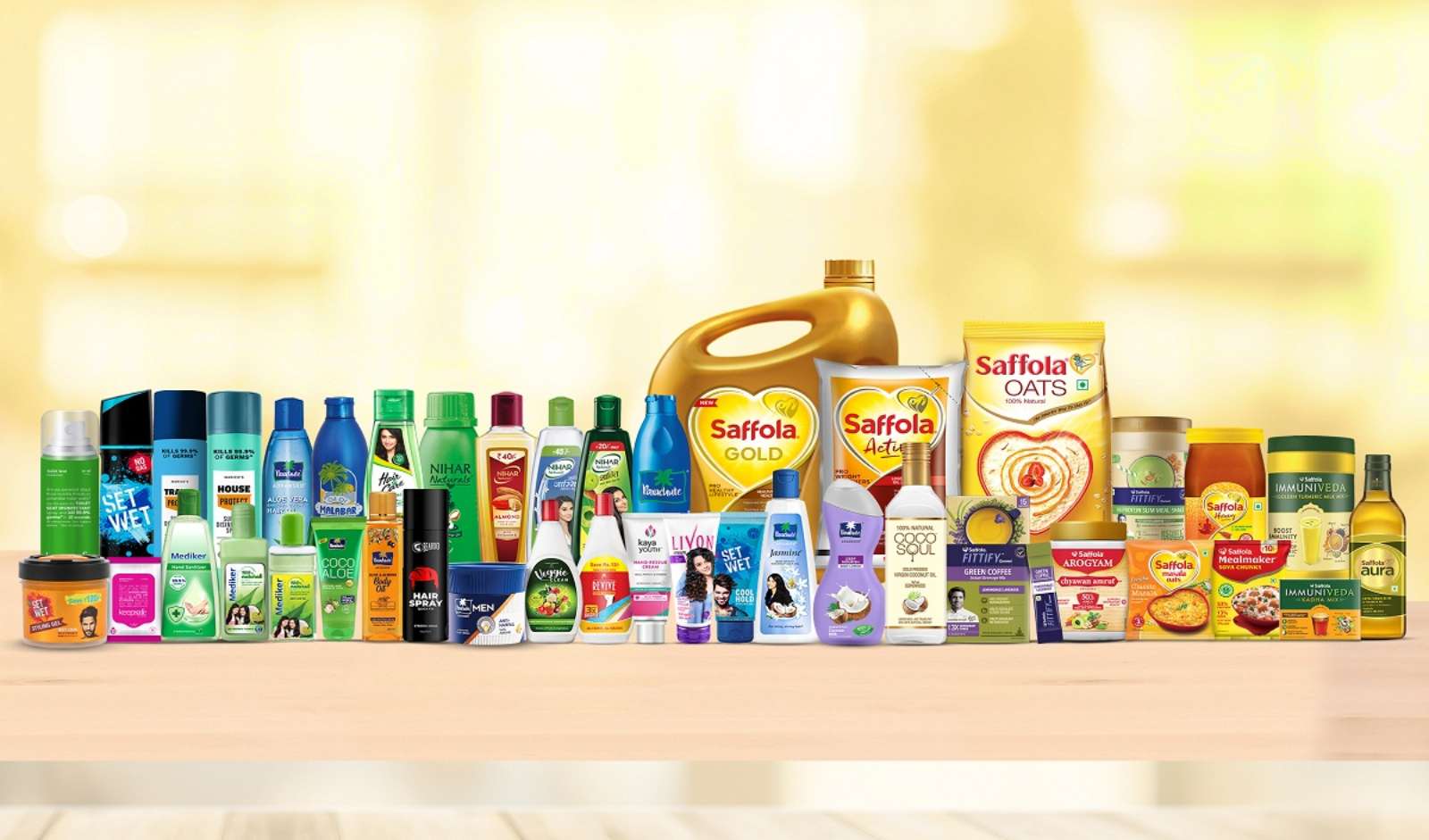
FMCG company Marico reported a 13 percent year-on-year increase in consolidated revenue from operations to Rs 3,897 crore in the second quarter of FY27, supported by sustained demand in its India business and growth across international markets. Net profit (PAT) rose 31 percent, while EBITDA increased 27 percent, marking the company's strongest performance on these parameters in 50 quarters.
Marico's India business recorded 10 percent revenue growth to Rs 2,916 crore, supported by underlying volume growth of 10 percent. The company said more than 95 percent of its business either gained or maintained market share and penetration on a moving annual total (MAT) basis. Traditional and organised trade channels reported double-digit growth, while quick commerce also recorded faster growth during the quarter.
Gross margin expanded by around 600 basis points year-on-year, aided by a favourable product mix and lower copra prices. Advertising and promotion expenditure increased 44 percent as the company continued investing in its brands and growth initiatives. EBITDA margin improved by 200 basis points to 18.2 percent.
Among its key brands, Parachute Rigids recorded 13 percent volume growth, its highest in 22 quarters. Revenue grew around 1 percent, reflecting the impact of earlier price reductions and the base effect of previous pricing actions. The brand gained more than 570 basis points in market share, taking its volume market share to 60 percent. Marico's Value-Added Hair Oils portfolio registered 21 percent value growth for the sixth consecutive quarter and gained 80 basis points in value market share on a MAT basis. The company attributed the performance to product innovation in mid and premium segments, distribution improvements under Project SETU and continued brand investments.
Saffola Edible Oils reported 6 percent revenue growth, despite a high-single-digit decline in volumes. Its premium range, particularly cold-pressed oils, continued to grow faster than the overall portfolio. Marico said it is rationalising the supply of lower-margin variants to improve the business's long-term profitability. The company's Foods portfolio grew 45 percent and crossed an annualised revenue run rate of Rs 1,500 crore. Saffola Foods recorded growth in the early teens, led by oats, muesli and soya chunks. Saffola Oats retained its leadership position in the category, while True Elements, 4700BC and Cosmix continued to scale their businesses.
Marico's Premium Personal Care portfolio, which includes digital-first brands, also reported growth. The segment crossed an annualised revenue run rate of Rs 500 crore, while the digital-first portfolio recorded an annualised run rate of around Rs 1,150 crore. Beardo, Livon Serums and Parachute Advansed Protein Shampoo were among the key contributors.
The international business recorded 13 percent constant currency growth and 23 percent growth in rupee terms. Vietnam reported 22 percent constant currency growth, while the Middle East and North Africa (MENA) business grew 15 percent. South Africa and the non-currency-and-distribution (NCD) and exports business registered growth of 15 percent and 17 percent, respectively. Bangladesh recorded 5 percent constant currency growth amid inflationary pressure and subdued consumer demand.
For FY27, Marico expects to deliver revenue growth in the teens and cross the Rs 15,000 crore revenue mark. The company also expects EBITDA growth in the mid-twenties. Its India business is projected to maintain double-digit volume growth, while international operations are expected to record faster constant currency growth in the second half of the financial year.
The company is also expanding Project SETU, its distribution transformation programme, through a new phase called Project SETU 2.0. The next phase will focus on AI-led capabilities and go-to-market initiatives for the Foods and Premium Personal Care businesses. Marico said the programme has already been extended to Vietnam, where it is showing encouraging results, while its rollout in Bangladesh is at an early stage.
Marico aims to increase the contribution of its Foods and Premium Personal Care portfolios, including digital-first businesses, to around 27 percent of India revenue by the end of FY27 and 33 percent by FY30. It also expects its digital-first businesses to achieve double-digit EBITDA margins by the end of FY27.
Saugata Gupta, MD and CEO said, “The strength of our first-half performance underscores Marico’s evolution into a more resilient and diversified business, with several growth engines and a proven ability to deliver strong growth across commodity cycles. Robust momentum across the portfolio and several businesses reaching new highs, alongside multi-quarter high operating profit growth reflect the strength of our franchise and execution. With multiple growth engines firing and sustained investments behind our brands, people and capabilities, we are well positioned to sustain this momentum and build an even stronger Marico for the future.”
Marico said its international portfolio is also moving towards premium and higher-margin categories, including beauty and personal care. The share of premium categories in international revenue increased from around 20 percent in FY20 to around 30 percent in FY26, with the company targeting 40 percent by FY30. It also expects the contribution of markets outside Bangladesh to increase to around 65 percent of international revenue by FY30, from around 55 percent in FY26.

The Coca-Cola Company reported strong volume growth in India during the third quarter of calendar year 2026, supported by higher demand across its leading brands. The beverage major is focusing on affordability and premiumisation to expand its consumer base, while strengthening its presence across emerging sales channels, according to Global CEO Henrique Braun.
Speaking during the company's earnings call, Braun said all of Coca-Cola's top 10 brands in India recorded double-digit growth during the quarter.
“India delivered strong volume growth, with each of our top 10 brands growing double digits. We are expanding our consumer base by scaling both affordability and premiumization, strengthening execution, and leaning into emerging channels,” said Henrique Braun, Global CEO of The Coca-Cola Company, in the earnings call.
Coca-Cola's India portfolio includes brands such as Coca-Cola, Thums Up, Sprite, Maaza, Limca, Minute Maid, Diet Coke, Coca-Cola Zero Sugar, Kinley, Rimzim Jeera and Schweppes. The company is working across price points and product categories to reach a wider consumer base in the Indian beverage market. The company also attributed part of Sprite's regional volume growth to its Sprite and Spicy platform, which was extended into India's quick-service restaurant (QSR) channel through meal combo activations, social media campaigns and influencer collaborations.
“We expanded our Sprite and Spicy platform into the QSR channel in India with meal combo activations, social media content, and influencer collaborations, which contributed to Sprite’s volume growth of nearly 20 percent in the region,” Braun added.
India is currently the fifth-largest market for the Atlanta-headquartered beverage company. Alongside its business growth, Coca-Cola is also preparing for a potential initial public offering (IPO) of its Indian bottling operations, Hindustan Coca-Cola Holdings (HCCH). However, the company has not provided a timeline for the proposed listing.
John Murphy, President and Chief Financial Officer of The Coca-Cola Company said, “As previously announced, we are exploring a potential IPO of our bottling operations in India and will provide further updates as appropriate.”
In June 2026, Coca-Cola announced that initial preparations were underway for a potential listing of HCCH on the BSE and the National Stock Exchange of India. The proposed IPO remains subject to market conditions and applicable regulatory and other approvals. Last year, the Jubilant Bhartia Group acquired a 40 percent stake in HCCH, the parent company of Hindustan Coca-Cola Beverages. Braun also discussed how Coca-Cola used its experience in India to develop affordable packaging solutions for other markets. The company introduced a single-serve beverage package in South Africa, adapting it to local consumer preferences under the name 'Mashesha', which means "quick".
“A good example of that is what we did in Africa, piggybacking from what we have learned in India, where they had one package, which is a single-serve PET package with plasma technology that can allow you to go on longer routes and still keep the shelf life high. Now we imported that into Africa, and that plays on affordability in both of these markets,” he said.
In its Q3 2026 earnings statement, Coca-Cola reported a 5 percent increase in global unit case volume, driven by growth in India, China, Mexico and Brazil. The company's bottling investments division recorded an 8 percent increase in unit case volume, primarily supported by India and South Africa.
For the third quarter, Coca-Cola's net revenue increased 7 percent to $13.4 billion. Organic revenue, a non-GAAP measure, also grew 7 percent, supported by a 7 percent rise in concentrate sales and 1 percent growth in price and product mix. The latest performance highlights India's contribution to Coca-Cola's global volume growth as the company continues to focus on affordability, premium beverage offerings and expansion across distribution channels.
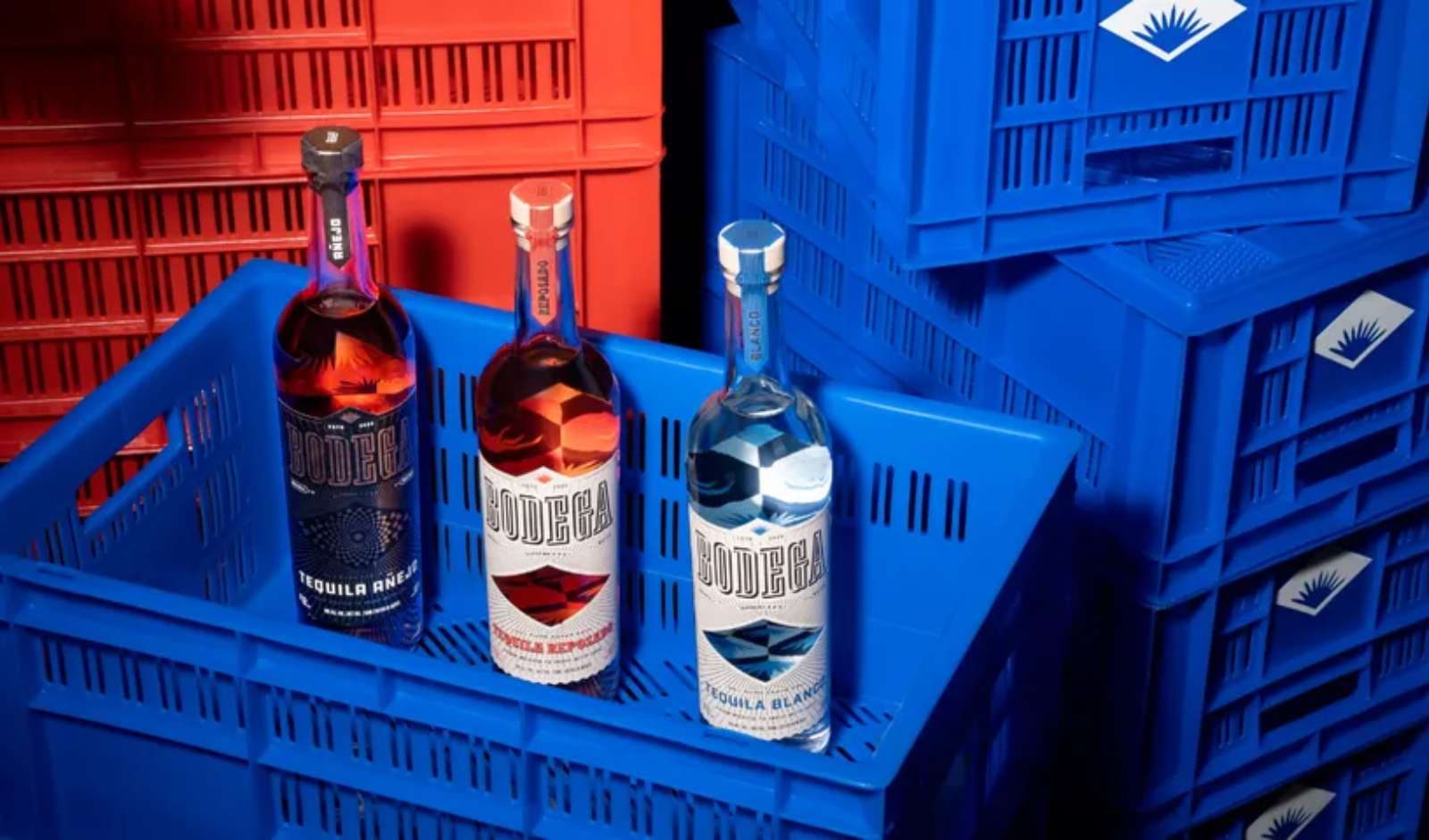
Tilaknagar Industries Limited reported adjusted net revenue of Rs 2,059 crore for the first half of FY27, registering a 180 percent year-on-year increase. The alcoholic beverages company also crossed Rs 1,000 crore in net revenue for the second consecutive quarter, supported by the integration of Imperial Blue and growth in its secondary sales volumes. During Q2 FY27, the company's secondary sales volumes increased 7.8 percent quarter-on-quarter, while primary volumes remained largely stable. Imperial Blue Whisky recorded 8.5 percent growth in secondary volumes, while Mansion House Brandy registered a 7.1 percent increase.
Imperial Blue also strengthened its position in the Indian whisky market, gaining more than 100 basis points in all-India market share during the quarter, with improvements across 17 states. Karnataka, Andhra Pradesh, Uttarakhand, Assam and Rajasthan were among the key markets contributing to its growth. Mansion House Brandy also strengthened its position in Karnataka, emerging as the leading brandy brand across price segments in the state in September 2026.
The company said states that transitioned out of the Transition Services and Manufacturing Agreement (TSMA) following Q1 FY27 have now stabilised under its direct operations. The transition process is expected to be completed in the remaining state towards the end of FY27. With the integration progressing, exceptional expenses associated with the transition declined significantly during Q2.
Amit Dahanukar, Chairman and Managing Director of Tilaknagar Industries said, "With the states transitioned out of TSMA after Q1 now stabilised, we have taken another decisive step towards completing the Imperial Blue integration. Our secondary volumes grew by 7.8 percent during the quarter and Imperial Blue continued to gain market share across the country, reflecting the strength of our brands and the reach of our expanded distribution network."
The company continued to face higher input costs during the quarter, particularly for glass packaging materials, amid geopolitical uncertainties. Prices of Extra Neutral Alcohol (ENA) also began rising towards the end of Q2 due to higher fuel and grain costs. Tilaknagar Industries reported an EBITDA margin of 14.1 percent in Q2 FY27. According to the company, the margin would have been approximately 16.5 percent without the impact of inflationary pressures. Cost optimisation measures introduced in Q1 have started contributing to margin management.
Net sales realisation per case declined slightly during the quarter due to changes in the state-wise sales mix. However, the company expects improvement in realisations through a favourable market mix, price revisions and new product introductions from FY28 onwards. Changes in state excise policies also influenced the company's performance during the quarter. Following recent policy reforms in Karnataka, the Prestige and Above (P&A) segment recorded growth, benefiting Imperial Blue and Mansion House Brandy.
Tilaknagar Industries also reported early signs of policy changes in Tamil Nadu, one of India's largest brandy markets. Mansion House Reserve Brandy recorded more than 25 percent quarter-on-quarter volume growth and 50 percent year-on-year growth in September 2026, its highest monthly volume to date. During the quarter, Mansion House Brandy and Monarch Legacy Edition Brandy were featured in Times Square, New York City, for 72 hours around India's Independence Day. The display recorded more than 2,500 plays and reached over 1.2 million visitors, according to the company.
Tilaknagar Industries also introduced its first above-the-line (ATL) advertising campaign for Imperial Blue Packaged Drinking Water under the "Men Will Be Men" platform. In another business development, the company entered the tequila category through a strategic investment in Black Tiger Distilleries, the maker of Bodega Suprema No. 5, a 100 percent Blue Weber Agave Tequila.
Dahanukar said, "Our focus continues to be on delivering profitable growth in Imperial Blue and Mansion House, with a clear vision of long-term value creation. As the largest domestic P&A IMFL player in India and the largest P&A IMFL player in South India, we will continue to accelerate our luxury and super-premium portfolio across key markets, while leveraging Imperial Blue's strong distribution network to introduce new products across premium price points."

Eveready Industries India Limited reported a 10.7 percent year-on-year increase in consolidated revenue from operations to Rs 428.2 crore for the second quarter of FY27, compared with Rs 386.8 crore in the corresponding quarter last year. The company recorded its eighth consecutive quarter of year-on-year revenue growth, supported by demand for alkaline batteries, rechargeable products and growth across its consumer business channels.
The company's EBITDA increased to Rs 53.8 crore in Q2 FY27 from Rs 49.4 crore in Q2 FY26, with the EBITDA margin at 12.6 percent. The company maintained its margins despite higher zinc prices and other input cost pressures, supported by commodity hedging and pricing measures.
Profit after tax (PAT) stood at Rs 31.9 crore during the quarter, compared with a loss of Rs 7.9 crore in Q2 FY26. The previous year's quarterly result included an exceptional loss of Rs 37.7 crore. For the first half of FY27, Eveready's consolidated revenue increased 9.9 percent year-on-year to Rs 836.0 crore, while profit after tax rose 209.0 percent to Rs 68.9 crore.
The company's battery business recorded 9.1 percent growth in value during Q2 FY27. Alkaline batteries remained a key contributor, registering 36.5 percent value growth and a 30.0 percent increase in volume. Eveready's alkaline battery manufacturing facility in Jammu, which began commercial production in May 2026, is supporting the company's efforts to increase local manufacturing capacity and expand its alkaline battery portfolio.
The flashlight segment recorded 17.3 percent growth, with rechargeable flashlights growing 33.2 percent. This performance supported the overall category despite weaker demand for conventional battery-operated products and the impact of lower-than-normal rainfall. The lighting business registered 10.4 percent growth during the quarter, led by a 26.3 percent increase in emergency LED bulbs. The electrical accessories business also continued to record growth.
During the quarter, Eveready continued to expand its product portfolio across batteries, lighting and home care. Its new offerings include SHOR, a torch equipped with an animal alarm designed to help protect farms from stray animals. The company had earlier introduced the SIREN torch, which features an alarm for personal safety.
The company also expanded its emergency lighting range with the Xtra Bright emergency LED bulb, which offers twice the brightness of other emergency LED bulbs during power cuts, according to the company. In its home care category, Eveready's mosquito racquets continued to contribute to business growth. The company said the product category has helped it establish a position among leading brands within three years of its introduction.
Eveready has also introduced a portable, rechargeable liquid mosquito vaporizer as part of its home care portfolio. The product is designed to operate without being connected to a power socket, allowing consumers to use it across different spaces. The company's business-to-consumer (B2C) distribution channels recorded growth during the quarter, with e-commerce and quick commerce channels registering more than 50 percent year-on-year growth.
Anirban Banerjee, Chief Executive Officer of Eveready Industries said, “Our eighth consecutive quarter of revenue growth reflects the strength of the business and gives us confidence in sustaining this progress. Alkaline batteries and rechargeable products remain important growth drivers, while portable Liquid vaporizers expand our mosquito protection portfolio, supported by the launch of the “Unplug and use anywhere campaign”. Our focus remains on strengthening the product portfolio, expanding market presence and driving sustainable growth.”
Bibek Agarwala, Executive Director and Chief Financial Officer of Eveready Industries said, “We remain focused on profitable growth, disciplined working capital management and strengthening the balance sheet. We are taking calibrated pricing action to protect profitability and maintain margin stability, while commodity and forex hedging helped us manage the impact of higher input costs. As the Jammu facility ramps up, our priority will be to improve capacity utilisation and realise the cost benefits of local manufacturing.”
As of September 30, 2026, Eveready's net debt stood at Rs 153 crore, compared with Rs 164 crore at the end of Q1 FY27. The registration and transfer of Plot B2 of the company's Noida property was completed after the reporting period on October 13, 2026.
Going forward, the company plans to focus on expanding its alkaline battery business, increasing the adoption of portable liquid vaporizers and growing its rechargeable product portfolio. Higher input costs remain an area of concern, and the company will continue to assess pricing measures in response to changes in commodity costs while increasing capacity utilisation at its Jammu manufacturing facility.
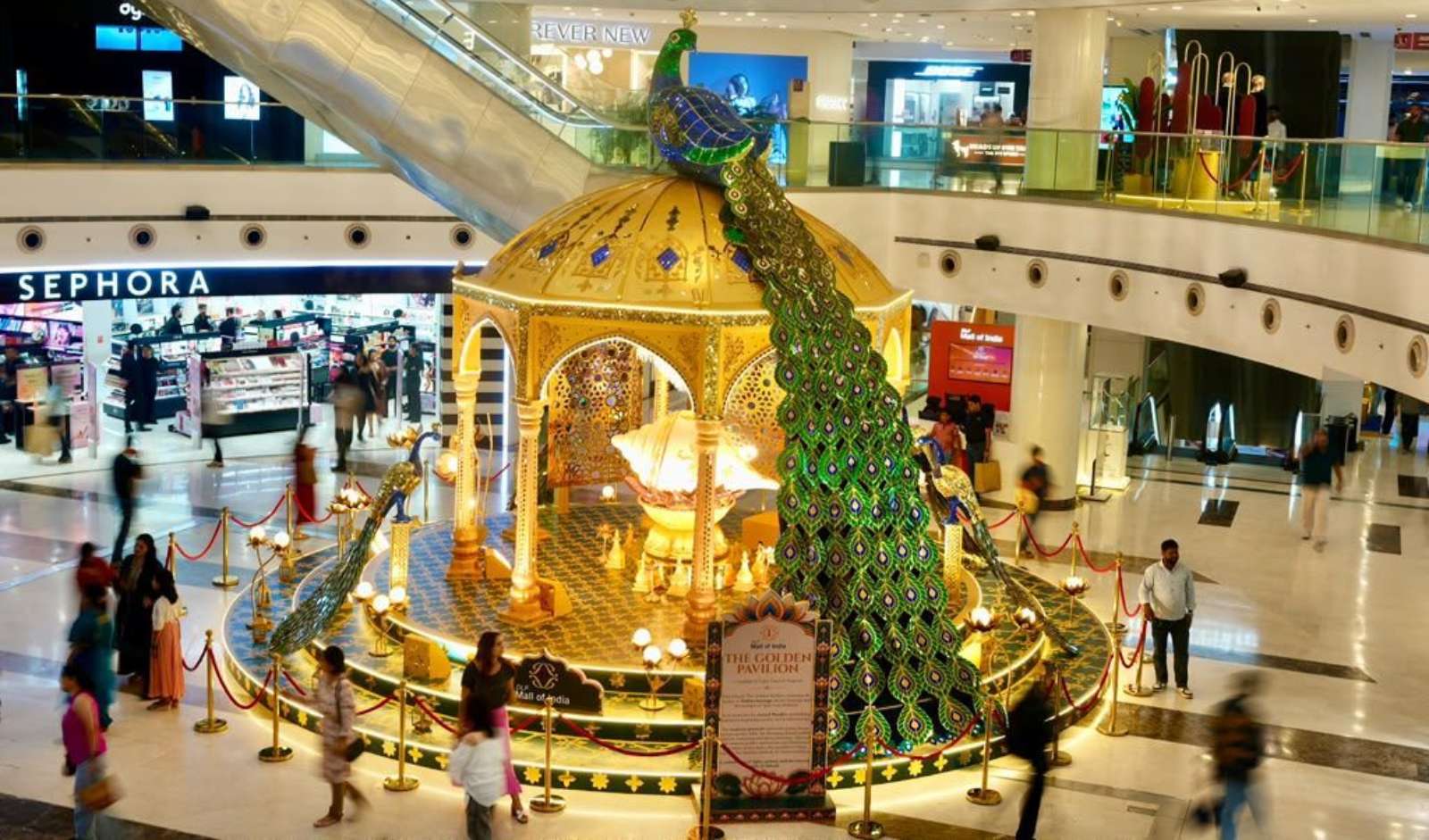
DLF Malls is focusing on festive shopping, dining and entertainment experiences across its Delhi NCR properties as consumer visits increasingly combine retail purchases with leisure and family activities. The company's festive initiatives span DLF Mall of India, DLF Promenade, DLF Avenue, DLF CyberHub, DLF Midtown Plaza and DLF Summit Plaza.
This festive season, the mall operator has introduced themed installations across its shopping destinations, drawing inspiration from Indian cultural traditions and festive symbolism. The installations feature traditional motifs, contemporary designs and illuminated displays aimed at encouraging visitors to spend more time at the properties. At DLF Avenue, the Enchanted Lantern installation celebrates the festival of lights and togetherness. DLF Mall of India features a conch-inspired centrepiece representing auspicious beginnings, accompanied by peacock sculptures designed around traditional Indian motifs.
Other elements across the properties include jaali-inspired patterns, filigree detailing, lotus motifs, floral decorations and ambient lighting. At DLF Promenade, white and gold festive décor has been introduced alongside a Bulgari art installation, which serves as a focal point within the mall. DLF Midtown Plaza features an illuminated lotus-inspired installation that combines traditional symbolism with contemporary design. Another highlight is Bulgari's Diwali installation, Passing the Light, which brings together 4,500 handcrafted terracotta elements inspired by traditional diyas and the brand's iconic Serpenti motif.
The festive initiatives come as shopping centres increasingly look to combine retail, food and beverage, entertainment and cultural experiences to attract visitors during peak shopping periods. For consumers, mall visits are becoming opportunities to shop, dine and spend time with family and friends rather than being limited to purchases. As part of its festive retail programme, DLF Malls has also introduced its annual Shopping Festival across its destinations. Through the DLF Malls Rewards programme, customers can earn up to 10X reward points on eligible purchases. Shoppers spending Rs 10,000 and above can also access more than 10,000 assured gifts and vouchers.
The Shopping Festival is being supported by a range of fashion, beauty, dining and lifestyle brands across the mall portfolio. The initiative combines shopping incentives with festive activities as retailers and mall operators seek to increase customer engagement during the season.
Pushpa Bector, Group Executive Director and Business Head, DLF Retail said, "Festivals are about creating memorable moments with family and loved ones. Through our immersive décor, curated experiences and Shopping Festival, we are bringing together celebration, discovery and rewards to make every visit to DLF Malls more engaging and rewarding. Our aim is to create destinations where customers can shop, connect and celebrate the season in meaningful ways."
Through its festive installations, shopping rewards and brand offerings, DLF Malls is looking to strengthen visitor engagement across its Delhi NCR properties during the festive season, bringing together retail, dining and leisure activities.
Privi Speciality Chemicals Limited reported a year-on-year increase in revenue and profitability for the second quarter of FY27, supported by demand across domestic and international markets, improved manufacturing efficiencies and operational performance. The Indian speciality chemicals manufacturer recorded a 13.90 percent year-on-year increase in total income to Rs 773.16 crore in Q2 FY27. EBITDA rose 16.66 percent to Rs 212.49 crore, while profit after tax (PAT) attributable to the company increased 24.61 percent to Rs 117.03 crore.
The company's EBITDA margin improved by 65 basis points to 27.48 percent during the quarter compared with the corresponding period last year. The improvement was supported by cost management, manufacturing efficiencies, and its integrated production operations. Privi operates seven manufacturing facilities with an installed production capacity of 48,000 MTPA. Its backward-integrated manufacturing operations, including in-house developed CST processing capabilities, allow the company to manage key raw material requirements and improve production efficiency.
The company is also investing in manufacturing capacity, process improvements and product development to strengthen its position in the global aroma chemicals and speciality chemicals markets. For the first half of FY27, Privi reported total income of Rs 1,454.59 crore, registering a 16.7 percent year-on-year increase. EBITDA grew 17.6 percent to Rs 379.96 crore, while PAT attributable to the company increased 29.1 percent to Rs 201.23 crore.
EBITDA margin for the six-month period stood at 26.12 percent, compared with 25.92 percent in the corresponding period of the previous financial year. As of September 30, 2026, the company's return on capital employed (ROCE) stood at 24.30 percent, while return on equity (ROE) was 26.34 percent. The company's net debt-to-EBITDA ratio improved to 1.07x, marking a 32.1 percent year-on-year improvement. Net cash generated from operating activities reached Rs 360.26 crore during the first half of FY27.
Privi's ongoing expansion projects are progressing according to schedule and are expected to be ready for commercial operations in the second half of 2028. Its upcoming product portfolio includes Maltol and Ethyl Maltol, Renewable Cyclopentanone, Furfural and more than 10 other speciality products. The company is also developing over 40 products through PRIGIV, its joint venture with Givaudan.
In addition, the proposed amalgamation of Privi Fine Sciences Private Limited and Privi Biotechnologies Private Limited with Privi Speciality Chemicals is expected to strengthen its core business operations and expand its capabilities in green chemistry and biotechnology. The company continues to work towards its 5K:1K growth target, which aims to achieve revenue of Rs 5,000 crore and EBITDA of more than Rs 1,000 crore by FY29-30.
Mahesh Babani, Chairman and Managing Director of Privi Speciality Chemicals said, "Q2 FY27 has extended the momentum we built in the first quarter. This reflects the resilience of our business model, the strength of our backward-integrated manufacturing processes and our disciplined focus on operational efficiency. Our balance sheet continues to strengthen, with improving return ratios and lower leverage, giving us the flexibility to invest in our next phase of growth. Our expansion projects are progressing as planned, and our pipeline of new products will expand our addressable market and deepen our customer partnerships. We remain confident of achieving our 5K:1K vision and creating sustainable long-term value for all our stakeholders."
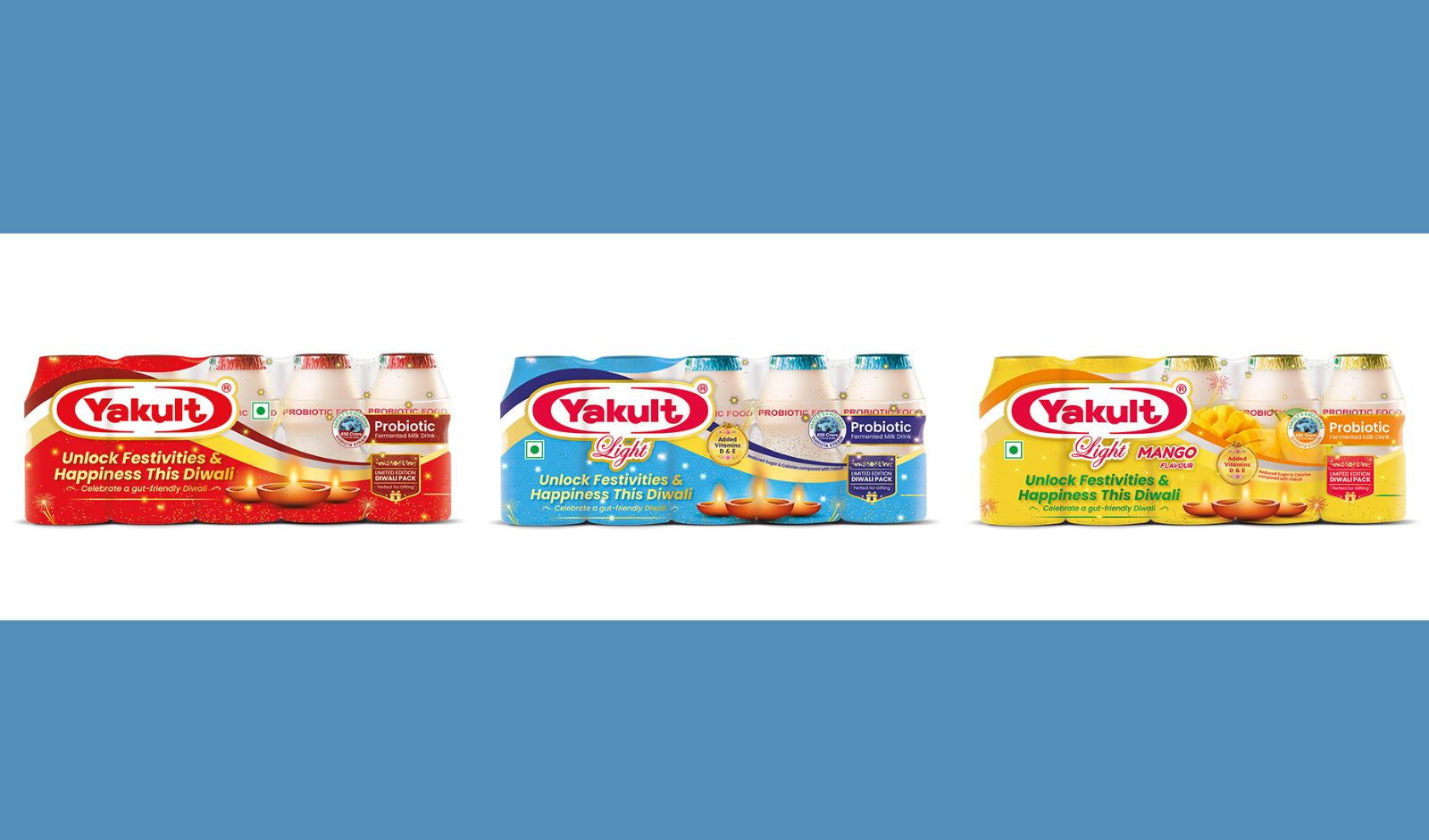
Yakult Danone India has introduced special Diwali-themed packaging across all three variants of its probiotic drink, giving its product range a festive makeover ahead of the celebrations. Through the limited-period packaging initiative, the company aims to connect with consumers during the festive season while highlighting the importance of gut health and everyday wellness.
Diwali is associated with festive food, family gatherings, and social celebrations, with consumers coming together to enjoy traditional delicacies and spend time with loved ones. With this initiative, Yakult aims to become part of these seasonal occasions while encouraging consumers to maintain awareness of digestive health and wellness during the celebrations.
Taku Otsuka, Director, Sales, PR & Marketing, Yakult Danone India said, “Diwali is a time of joy, togetherness and cherished traditions. It is also an opportunity to remind ourselves that everyday wellness deserves attention throughout the year. Through our special Diwali packaging, we are celebrating this important occasion while continuing our efforts to build awareness around gut health. We hope to make these conversations a meaningful part of how consumers think about their everyday well-being.”
Otsuka further added, “Festive occasions offer brands an opportunity to create distinctive consumer experiences and strengthen their connection with audiences. Our special Diwali packaging gives Yakult a fresh festive appeal while retaining the familiarity consumers associate with the brand. From a marketing perspective, such occasion-led initiatives help us remain relevant in consumers’ everyday lives and create stronger engagement at key moments of the year. We also see this as an opportunity to bring greater visibility to gut health and encourage consumers to keep wellness in mind during the festive season.”
The packaging initiative forms part of Yakult Danone India's efforts to combine seasonal marketing activities with its focus on digestive wellness. By introducing festive designs across its existing product variants, the company is looking to strengthen consumer engagement and bring greater visibility to its probiotic drink portfolio during one of India's major festive periods.
The initiative also highlights the company's approach to using festival-led packaging as a way to maintain brand relevance and communicate its focus on gut health beyond conventional product messaging.
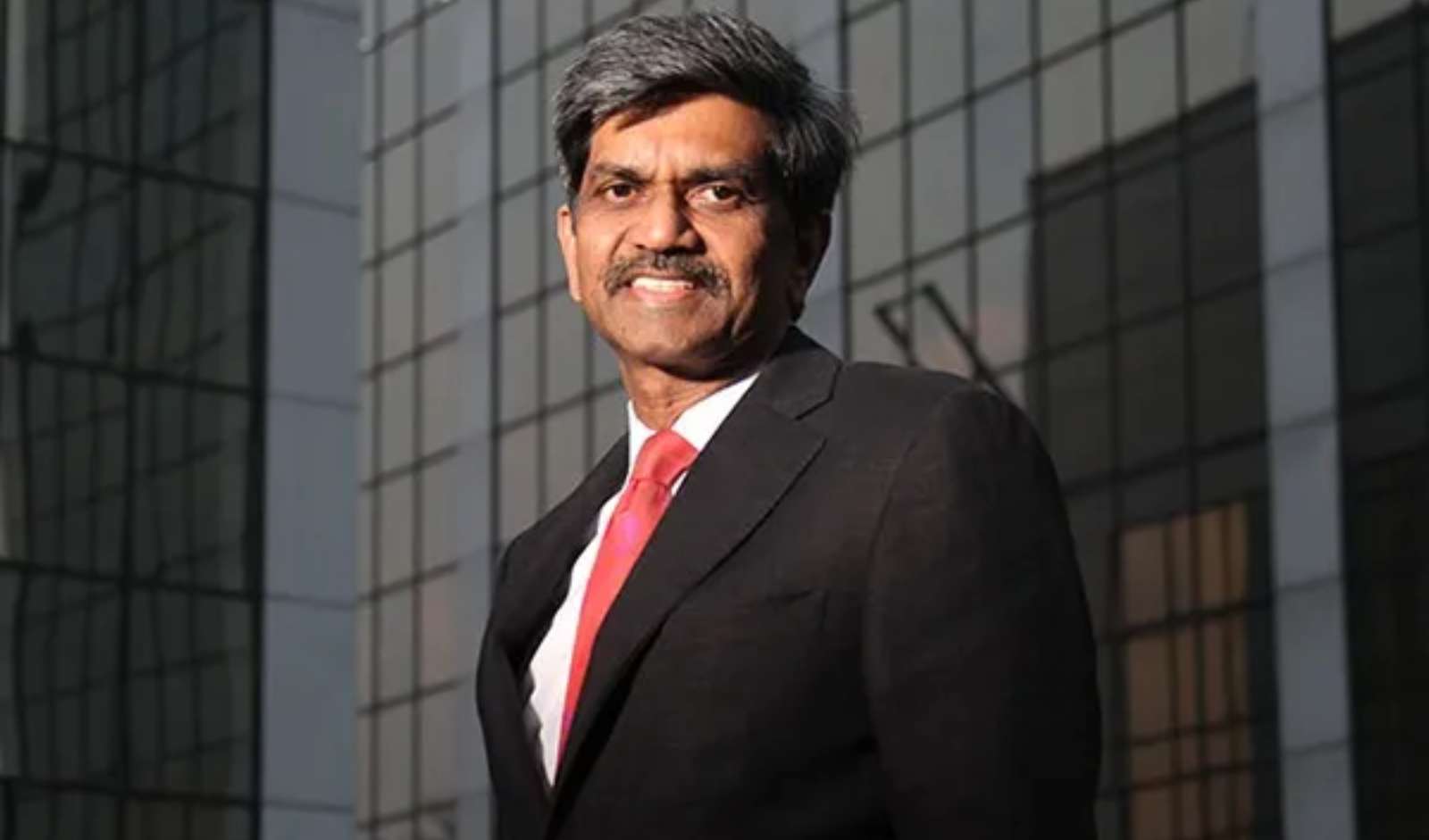
Shiv Shivakumar, Operating Partner at Advent International and former chairman of Restaurant Brands Asia (RBA), has rejoined the company's board. RBA operates Burger King restaurants in India. Shivakumar shared the development through a LinkedIn post last week, highlighting his interaction with the company's leadership team, board members and new investors. In his post, Shivakumar said he was pleased to reconnect with the leadership team, including Raj Varman, Sumit Zaveri and Namrata Tiwari, along with other board members and the company's new investors. He also mentioned that Restaurant Brands Asia had shifted to a new office in Andheri, Mumbai.
Sharing an update on the company's recent business performance, Shivakumar wrote, “Last quarter was v good with 14 pc same store growth. Kudos.” The 14 percent same-store growth figure was shared by Shivakumar in his LinkedIn post.
Shivakumar previously served as chairman of Restaurant Brands Asia between January 2019 and January 2024. His return to the board brings back an executive with experience in consumer businesses, brand management, corporate strategy and business development. Restaurant Brands Asia operates Burger King in India and is engaged in expanding the brand's presence in the country's quick-service restaurant (QSR) market. The company operates in a competitive segment that includes both domestic and international food service chains. During Shivakumar's earlier tenure as chairman, Burger King India continued to expand its restaurant network and strengthen its presence in the organised QSR sector.
Currently, Shivakumar is an Operating Partner at Advent International, a global private equity investor. Before joining the firm in 2023, he served as Group Executive President for Corporate Strategy and Business Development at the Aditya Birla Group from 2018 to 2022.
His professional experience includes leadership roles across several major consumer and multinational companies. He spent 19 years at Hindustan Unilever, working across sales, marketing and general management, before joining Philips India in 2003 as CEO of its consumer electronics division.
In 2006, he moved to Nokia as Managing Director for India and later took on the role of Senior Vice President for Emerging Markets. From 2013 to 2017, he served as Chairman and CEO of PepsiCo India, overseeing the company's beverages, snacks and nutrition businesses.
Apart from his corporate responsibilities, Shivakumar holds advisory and governance positions with organisations including Power Grid Corporation of India, SHRM, The Economist and Penguin Random House India. He is also associated with academic institutions such as the Indian Institute of Management Udaipur and SPJIMR.
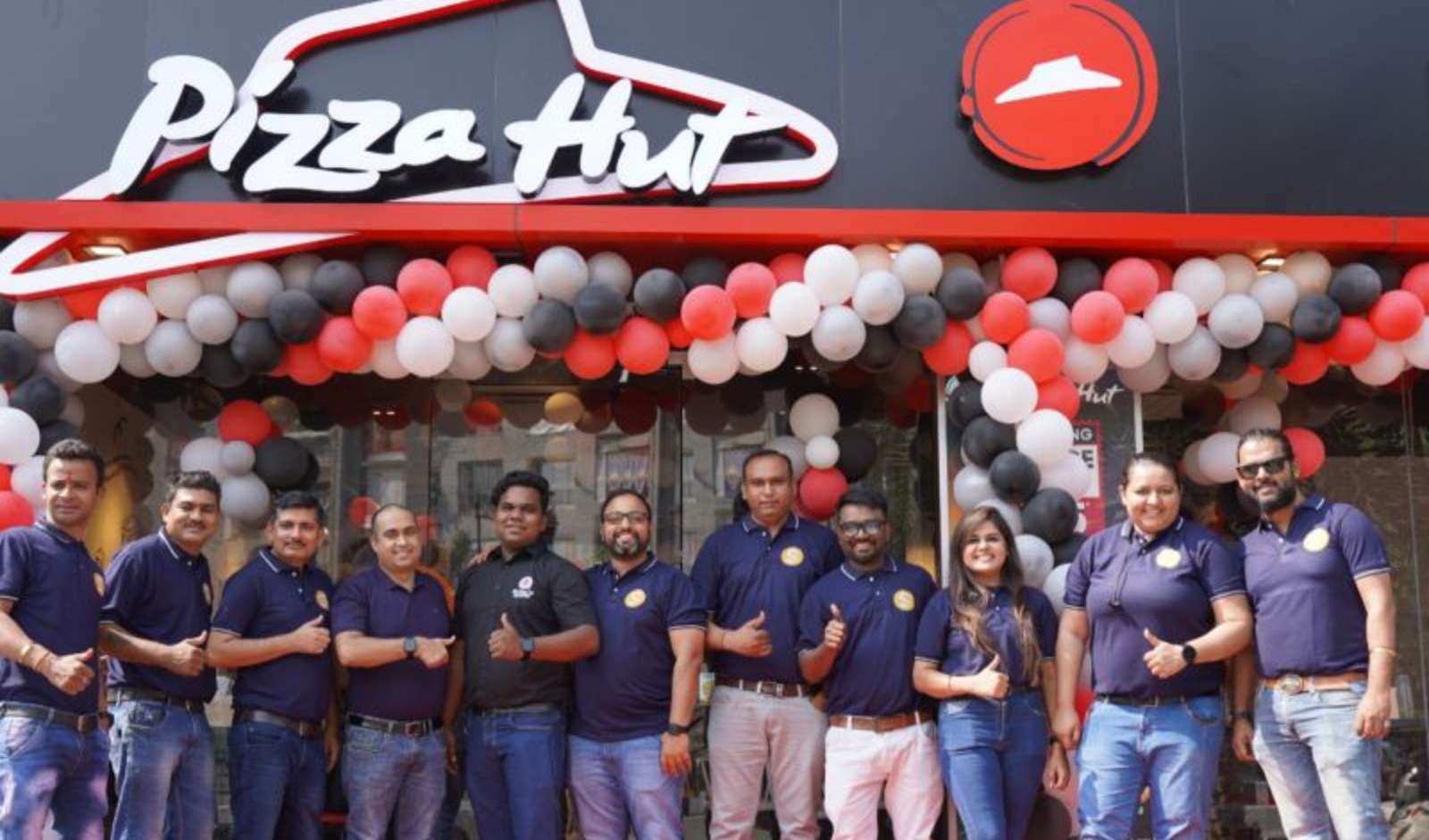
The Competition Commission of India (CCI) has approved the proposed merger of Sapphire Foods India Limited with Devyani International Limited, clearing a key regulatory step toward consolidating the two major quick-service restaurant (QSR) operators in India. The proposed combination involves merging Sapphire Foods India Limited (Sapphire) into Devyani International Limited (Devyani), along with certain related transactions.
Devyani operates franchise outlets of KFC and Pizza Hut across India. The company also holds exclusive franchise rights for Costa Coffee, New York Fries and Sanook Kitchen in the country. In addition to its international brand portfolio, Devyani owns and operates several homegrown food and beverage brands. Sapphire Foods also operates KFC and Pizza Hut franchise outlets in India, making both companies key operators of the two international QSR brands in the Indian market.
The CCI's approval marks an important regulatory development for the Indian restaurant and food service industry. The proposed merger is expected to bring the businesses of the two QSR operators under a consolidated corporate structure, subject to the completion of other applicable requirements and formalities.
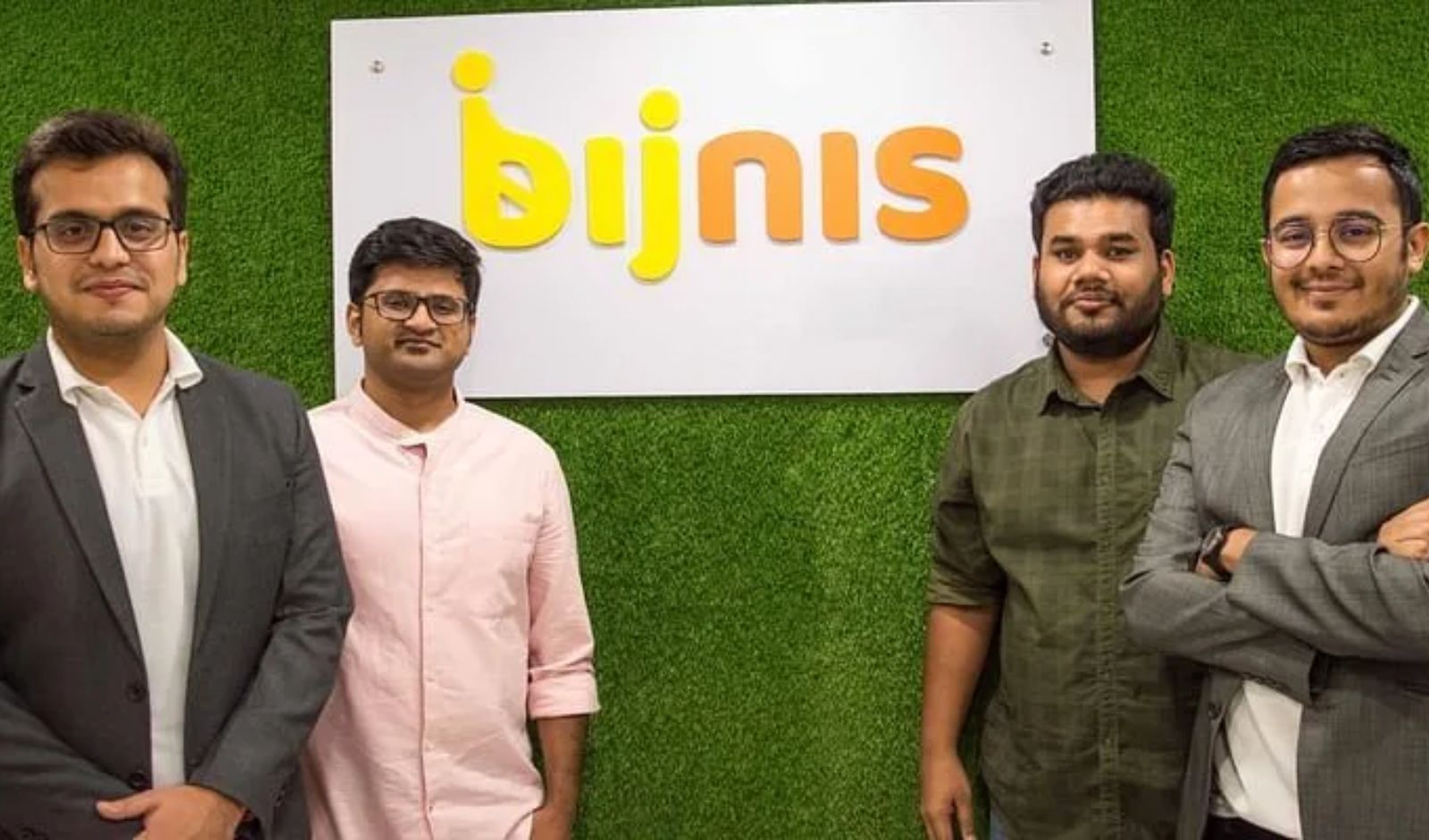
B2B quick commerce startup Zorit, formerly known as Bijnis, has raised nearly Rs 27 crore ($2.84 million) in a funding round led by Sparrow Capital. The investment also saw participation from existing backers Info Edge and WaterBridge, along with Better Capital, angel investors, and company employees.
The funding round attracted several prominent angel investors, including Anupam Mittal, founder of Shaadi.com, the founders of Shiprocket, Mohit Sardana, CEO of Xpressbees, and Sarthak Misra of SoftBank.
Following the latest investment, Info Edge's stake in Bijnis is set to increase to 20.12 percent on a fully converted and diluted basis. In a stock exchange disclosure earlier this week, Info Edge also indicated the possibility of acquiring additional equity in the company through a secondary transaction.
Founded in 2015 by Siddharth Vij, Chaitanya Rathi, Siddharth Rastogi and Sachin Chauhan, the company initially operated as a business-to-business marketplace connecting manufacturers with offline retailers. However, it shifted to an inventory-led quick commerce model in late 2024, focusing on faster product sourcing and inventory replenishment for retailers.
Under its current business model, Zorit allows offline retailers to procure products from nearby dark stores, with deliveries completed in as little as 60 minutes. The company currently operates 12 dark stores across 12 cities and has achieved annualised sales of Rs 120 crore. According to the company, nearly half of its dark stores have reached break-even, including the costs associated with liquidating unsold inventory.
Zorit also reported changes in retailer adoption and purchasing behaviour following its business model transition. Nearly 60 percent of its retail partners had not previously used an online B2B platform. Retailer retention beyond the sixth month has improved fourfold compared with the earlier marketplace model, while monthly ordering frequency has increased fivefold.
The fresh capital will be directed towards strengthening the company's quick commerce infrastructure, broadening its product assortment and increasing engagement with offline retailers across its existing markets.
Siddharth Vij, CEO, Zorit said, “We strongly believe that a substantial part of India’s future commerce will remain retailer led. As consumer expectations evolve, retailers need better technology and supply chain infrastructure to compete and grow,”
The company's funding history includes investments from Matrix Partners, now known as Z47, Sequoia Capital, now Peak XV Partners, and WestBridge Capital. In September 2021, Bijnis raised $30 million in a Series B funding round led by WestBridge Capital, taking its total funding to more than $40 million.
However, Info Edge had written off its entire Rs 76.65 crore investment in Bijnis, operated by Bizcrum Infotech Pvt Ltd, in May 2023.
Bengaluru-based tea and beverage chain Boba Bhai recorded a 139 percent increase in revenue from operations to Rs 68 crore in the financial year ended March 2026, compared with Rs 28.44 crore in FY25. However, the company's losses also widened during the period as it continued to invest in business expansion and strengthen its retail footprint.
Food and beverage sales remained the primary contributor to its operating revenue, increasing 137.1 percent to Rs 67.26 crore in FY26. The category accounted for approximately 99 percent of the company's total operating revenue.
Revenue from scrap sales also increased to Rs 28 lakh during the fiscal year, compared with Rs 7 lakh in FY25. Additionally, Boba Bhai reported Rs 1 crore in other income, taking its total income to Rs 69 crore from Rs 29.44 crore in the previous financial year.
On the expenditure front, the company's costs increased across major categories as it expanded its operations. Cost of materials consumed, its largest expense component, rose 138.5 percent to Rs 25 crore in FY26. Employee benefit expenses recorded a sharper increase of 210.3 percent to Rs 13.5 crore, reflecting higher workforce-related costs.
Advertising and promotional expenses climbed 139.9 percent to Rs 13 crore, while commission expenses increased 155.9 percent to Rs 11.44 crore during the year. Other expenses, which contributed around 35 percent of the company's total expenditure, rose 120.3 percent to Rs 31.46 crore.
Overall, Boba Bhai's total expenses increased more than twofold to Rs 90.4 crore in FY26 from Rs 39 crore in FY25. The company had 188 employees as of March 2026.
Despite the growth in revenue, the increase in operating costs affected its bottom line. Boba Bhai's net losses widened 2.2 times to Rs 21.8 crore in FY26, compared with Rs 9.96 crore in the previous fiscal year.
The company, however, reported a marginal improvement in operating efficiency. Its expenditure to generate every rupee of operating revenue declined to Rs 1.33 in FY26 from Rs 1.37 in FY25. Its EBITDA margin also improved to -30.35 percent from -34.67 percent during the corresponding period.
However, return on capital employed (ROCE) deteriorated to -41.12 percent from -32.47 percent. The company's cash and bank balances also witnessed a significant decline, falling to Rs 2.85 crore in FY26 from Rs 24.07 crore in the previous fiscal year.
The financial performance comes as Boba Bhai continues to expand its store network across India. The company raised Rs 40 crore in March 2026 to support its expansion plans and strengthen its business operations.
Currently, Boba Bhai operates approximately 100 stores across eight cities. The company plans to increase its presence to 10 cities in FY27 and add another 150-200 stores by the end of the financial year.
Tilaknagar Industries Limited (TI) reported net revenue of Rs 2,059 crore in the first half of FY27, marking a 180 percent year-on-year (YoY) increase, as the company continued to integrate Imperial Blue Whisky into its operations. The company's second-quarter performance also saw Imperial Blue gain over 100 basis points in all-India market share.
For the quarter ended September 30, 2026, TI recorded net revenue of Rs 1,033 crore, up 172 percent YoY, after adjusting for subsidy. Sales volume reached 8.9 million cases, representing 160 percent growth compared with the same period last year.
Earnings before interest, taxes, depreciation and amortization (EBITDA) stood at Rs 146 crore, up 143 percent YoY, with a margin of 14.1 percent. Profit after tax, excluding exceptional items and amortization related to the Imperial Blue acquisition, increased 26 percent to Rs 66 crore.
The company said that the states that transitioned from the Transition Services and Manufacturing Agreement (TSMA) following the first quarter had stabilised under its operations. The final remaining state is expected to transition by the end of FY27, which could further support the integration process.
While primary volumes remained largely flat during the quarter, secondary volumes grew 7.8 percent sequentially. Imperial Blue Whisky recorded 8.5 percent quarter-on-quarter growth, while Mansion House Brandy reported a 7.1 percent increase.
Imperial Blue gained market share across 17 states, with Karnataka, Andhra Pradesh, Uttarakhand, Assam and Rajasthan among the key contributors. Mansion House Brandy also became the leading brandy across price points in Karnataka in September 2026, according to the company.
Amit Dahanukar, Chairman and Managing Director of Tilaknagar Industries, said the operational transition had progressed and the company's brands continued to expand their reach.
"With the states transitioned out of TSMA after Q1 now stabilised, we have taken another decisive step towards completing the Imperial Blue integration. Our secondary volumes grew by 7.8 percent during the quarter, and Imperial Blue continued to gain market share across the country, reflecting the strength of our brands and the reach of our expanded distribution network," Dahanukar said.
However, the company continued to face cost pressures from packaging materials, particularly glass. Prices of extra neutral alcohol (ENA), a key input for spirits production, also began rising towards the end of the quarter due to higher fuel and grain costs.
TI said its EBITDA margin would have been approx 16.5 percent without the impact of inflationary pressures. Cost optimisation measures introduced earlier in the year have started yielding results, helping the company manage expenses.
The company also reported growth opportunities following excise policy reforms in Karnataka, which supported the premium and above (P&A) segment. In Tamil Nadu, Mansion House Reserve Brandy recorded more than 25 percent sequential volume growth and 50 percent YoY growth in September, its highest-volume month to date.
During the quarter, TI entered the tequila category through a strategic investment in Black Tiger Distilleries, the maker of Bodega Suprema No. 5. The company also plans to expand its luxury and super-premium portfolio, with new launches expected from FY28 onwards.
Dahanukar said the company would focus on profitable growth across its core brands while expanding into higher-priced categories. He added that TI would use Imperial Blue's distribution network to introduce products across premium price segments.
The company's performance comes as it continues to integrate its expanded whisky portfolio while managing input-cost inflation and pursuing growth in premium spirits.
Godrej Consumer Products Limited (GCPL) reported a 14 percent year-on-year increase in consolidated net profit to Rs 523 crore for the second quarter of FY27, supported by 19 percent revenue growth and an 8 percent rise in underlying volume. The company announced its financial results for the quarter ended September 30, 2026, with consolidated sales growth across India and its international markets.
Consolidated EBITDA, including forex, increased 12 percent year-on-year during the quarter. The company’s standalone business recorded 13 percent sales growth, backed by 7 percent underlying volume growth. Sales in Indonesia rose 20 percent, while the Africa, USA and Middle East (GAUM) business registered 40 percent growth in rupee terms.
Aasif Malbari, Managing Director and CEO of GCPL said, “Q2 FY27 has been a quarter of strong, broad-based performance for Godrej Consumer Products Limited, fully aligned with our expectations and strategic priorities. We delivered strong broad-based underlying volume growth across India, Indonesia and Africa, despite subdued monsoon conditions in India while supported by tailwinds in Indonesia.”
The company’s standalone business reported revenue of Rs 2,631 crore, up 13 percent year-on-year, while EBITDA increased 8 percent to Rs 553 crore. The performance came despite an estimated impact of around 150 basis points from trade inventory correction during the quarter. Among its domestic categories, Home Care recorded 19 percent value growth, led by air fresheners and home care liquids. GCPL also reported market share gains in household insecticides despite weak monsoon conditions. Its air freshener portfolio continued to grow, while Godrej Fab maintained its double-digit growth trajectory in fabric care.
The company expanded its Home Care portfolio with the introduction of Godrej Rizz, a liquid dishwash product launched in select markets across West and South India. It also introduced Godrej Zap, marking its entry into the online stain remover segment. Godrej Spic, which was scaled nationally during the first quarter, continued to record sequential growth and consumer repeats.
Personal Care delivered 8 percent value growth during Q2 FY27. The soaps category remained stable despite price increases and reductions in grammage. Premium liquid formats, including Cinthol Bodywash, continued to gain traction, while the hair colour business sustained its growth momentum and reported market share gains across key products. Perfumes and deodorants also recorded double-digit growth, supported by demand for deodorants and premium fragrance formats.
GCPL’s international business remained a key contributor to its quarterly performance. Indonesia reported 20 percent sales growth and 8 percent underlying volume growth. EBITDA in the market increased 12 percent despite a sharp rise in LPG prices. The GAUM business, covering Africa, the USA and the Middle East, reported 40 percent sales growth in rupee terms and 23 percent in constant-currency terms. Underlying volume growth stood at 16 percent, while EBITDA increased 43 percent. The business has now recorded seven consecutive quarters of double-digit revenue growth and 11 consecutive quarters of double-digit profit growth.
The company also highlighted rising input costs during the quarter, particularly in crude-linked derivatives, palm oil and other commodities. GCPL said inflation had created significant cost pressures across its India and Indonesia portfolios. In response, it has taken pricing measures, increased cost-saving initiatives and optimised media and trade investments.
Further calibrated price increases are expected in soaps and liquid detergents, where cost pressures remain high. Despite these challenges, GCPL retained its FY27 growth outlook. The company expects high-single-digit underlying volume growth in its standalone business, along with double-digit revenue and EBITDA growth at the consolidated level.
Trent Limited, the Tata Group's retail arm, reported a 23 percent year-on-year increase in standalone revenue from operations to Rs 5,788 crore in Q2 FY27, compared with the corresponding quarter last year. Operating EBITDA grew 37 percent to Rs 791 crore, while profit after tax (PAT) increased 9 percent to Rs 490 crore.
The company's consolidated revenue from operations rose 22 percent to Rs 5,873 crore during the quarter. Consolidated operating EBITDA increased 37 percent to Rs 785 crore, while PAT grew 25 percent to Rs 468 crore. For the first half of FY27, Trent's standalone revenue increased 21 percent to Rs 11,454 crore. Operating EBITDA rose 37 percent to Rs 1,638 crore, while PAT grew 17 percent to Rs 1,021 crore. Its operating EBIT margin also improved to 11.6 percent in Q2 FY27 from 10.5 percent in the corresponding quarter last year.
On a consolidated basis, revenue for H1 FY27 increased 20 percent to Rs 11,628 crore. EBITDA grew 35 percent to Rs 1,633 crore, while PAT increased 24 percent to Rs 986 crore. The consolidated revenue figures exclude Trent Hypermarket's revenue, which is accounted for through the equity method. Trent continued to expand its fashion retail network during the quarter, with its value fashion brand Zudio crossing the 1,000-store milestone. The company also opened 10 Westside stores and 19 Zudio outlets during Q2 FY27, while consolidating two Zudio stores.
As of September 30, 2026, Trent operated 311 Westside stores, 999 Zudio stores, including seven outlets in the UAE, and 32 stores across its other lifestyle concepts. Its overall fashion retail footprint exceeded 18.5 million sq ft across 339 cities. The company's emerging categories, including beauty and personal care, innerwear and footwear, contributed more than 21 percent of its revenue, indicating the growing contribution of categories beyond its core fashion business. Westside's online business also recorded 20 percent growth during H1 FY27 and contributed more than 6 percent of the brand's total revenue, reflecting the contribution of its digital sales channel.
Trent's Star food and grocery business reported revenue growth of more than 20 percent in Q2 FY27. The company added one store during the quarter, taking its total network to 87 outlets across 13 cities. Private-label products accounted for more than 74 percent of Star's revenue, highlighting the contribution of its in-house product portfolio to the grocery business.
Chairman Noel N Tata highlighted the company's plans to expand its presence in Tier ll and Tier lll markets while continuing investments in its retail network. He also pointed to the growth opportunities within the Star food and grocery business.
With expansion across Westside, Zudio and Star, Trent continues to increase its presence across fashion, lifestyle and grocery retail categories. Its latest quarterly performance reflects growth in both its store network and online business, alongside an increasing contribution from emerging consumer categories.
Blue Star Limited reported a 21 percent year-on-year increase in consolidated revenue from operations to Rs 2,930.95 crore in Q2 FY27, compared with Rs 2,422.37 crore in the corresponding quarter last year. Alongside its financial results, the air-conditioning and refrigeration company announced the appointment of Nithianand S and Senthil Thangam as senior management personnel, effective November 1, 2026.
The appointments were approved by the company's board on October 29, following recommendations from the Nomination and Remuneration Committee. The move comes as Blue Star looks to improve profitability through procurement savings, product cost optimisation and operational efficiencies amid rising input costs.
Nithianand S, Group President, Supply Chain and Procurement, joined Blue Star in March 2021 and brings more than two decades of industry experience, including previous stints at Samsung Electronics and Whirlpool India. He has helped improve the growth and profitability of the company's room air-conditioner business through procurement initiatives, vendor consolidation, alternate sourcing, and e-procurement.
Senthil Thangam, President of the Air Conditioning and Refrigeration Solutions Group, joined Blue Star in 1995 as a graduate engineer trainee. With over 30 years of experience across sales, marketing, and product management, he has been involved in developing and introducing several commercial air-conditioning products, including inverter VRF systems, inverter ducted machines, configured screw chillers, side-discharge VRF systems, and centrifugal chillers.
Blue Star Q2 Financial Performance
Blue Star's operating profit, calculated as EBITDA excluding other income, increased 10.5 percent to Rs 202.58 crore in Q2 FY27. However, its operating margin declined to 6.9 percent from 7.6 percent in the year-ago quarter, reflecting pressure from higher material costs and limited price adjustments.
Net profit increased 25.4 percent to Rs 123.91 crore from Rs 98.78 crore in Q2 FY26. The quarterly profit included an exceptional gain of Rs 23.02 crore from the sale of the company's MedTech business. Profit before tax, excluding exceptional items and the share of profit or loss from joint ventures, stood at Rs 133.61 crore, compared with Rs 133.16 crore in the corresponding quarter last year. For the first half of FY27, consolidated revenue increased 16.7 percent to Rs 6,308.87 crore. However, operating profit declined to Rs 377.53 crore from Rs 383.41 crore in H1 FY26. Net profit for the six-month period stood at Rs 226.42 crore, compared with Rs 219.60 crore a year earlier.
The company recognised exceptional income of Rs 32.19 crore during the first half, comprising Rs 23.02 crore from the sale of its MedTech business and Rs 9.17 crore from the sale of property. Blue Star's Unitary Products segment, which includes room air-conditioners and commercial refrigeration, recorded a 29.4 percent increase in revenue to Rs 897.66 crore during Q2 FY27. An extended summer season and delayed monsoon supported demand for room air-conditioners during the quarter.
However, the segment's result declined to Rs 20.74 crore, equivalent to 2.3 percent of revenue, compared with Rs 42.72 crore or 6.2 percent in the year-ago period. The company attributed the pressure to rising material costs, which were not fully offset by periodic price increases. Blue Star is working on product portfolio rationalisation through differentiated models with optimised costs to improve margins. Its commercial refrigeration business has also started seeing a recovery in demand, although profitability remains under pressure.
The Electro-Mechanical Projects, Commercial Air Conditioning Systems, Service and International Business segment reported a 16.3 percent increase in revenue to Rs 1,935.99 crore. However, its segment result declined to Rs 133.15 crore from Rs 147.14 crore in Q2 FY26. Within the electro-mechanical projects business, data centres accounted for a significant share of order inflows, while enquiries from the factory segment remained strong. However, project execution delays affected billing growth during the quarter.
The Professional Electronics and Industrial Systems segment recorded a 51.2 percent increase in revenue to Rs 97.30 crore. Its segment result rose to Rs 23.10 crore from Rs 6.17 crore, partly supported by the reversal of warranty provisions following the MedTech business divestment.
Order Book and Business Outlook
Blue Star's carried-forward order book stood at Rs 7,229.22 crore as of September 30, 2026, compared with Rs 7,120.44 crore a year earlier. The company ended the quarter with a net cash position of Rs 289.43 crore, against net borrowings of Rs 417.06 crore as of September 30, 2025.
Chairman and Managing Director Vir S Advani said the company continued to witness demand for room air-conditioners during the festive season. He also expects a strong pipeline of data centre mechanical, electrical and plumbing (MEP) projects to translate into higher order inflows in the coming months. Demand across commercial air-conditioning and commercial refrigeration businesses has also shown signs of recovery.
However, Advani highlighted the possibility of a deficient monsoon, its impact on agricultural incomes and higher interest rates as factors that could affect near-term consumer demand. He also noted that the conclusion of the US trade deal and resolution of the West Asia crisis could support business growth. Blue Star expects to maintain its revenue growth momentum in the second half of FY27, with a focus on improving profitability through calibrated price increases, product cost optimisation and operational efficiencies.
Milky Mist Dairy Food Ltd reported a 41.6 percent year-on-year increase in revenue from operations for Q2 FY27, while EBITDA rose 53.9 percent, supported by higher demand for value-added dairy products and growth across its product portfolio. The company also recorded quarterly highs in revenue, gross profit and EBITDA during the period.
For the first half of FY27, Milky Mist's revenue from operations increased 42.5 percent year-on-year, while EBITDA grew 62.9 percent. Profit after tax (PAT) registered a 308.4 percent increase during the six-month period. The company attributed the improvement in profitability to higher EBITDA, loan repayments and the creation of a deferred tax asset.
The company's growth during the quarter was driven by an increase in both sales volumes and value across product categories. Its protein-focused portfolio emerged as the fastest-growing segment, while rising consumption of value-added dairy products, wider market reach, calibrated price revisions and better capacity utilisation also contributed to revenue growth. Yogurt remained Milky Mist's fastest-growing product category during Q2 FY27. The company continued to expand its high-protein dairy portfolio with the introduction of Skyr and Greek Yogurt in four-pack formats. These additions followed the launch of High-Protein Paneer Cubes in Q1 FY27.
Milky Mist has also added high-protein lactose-free milk to its product range. The product is manufactured at the company's existing facilities, allowing it to expand its portfolio using its current manufacturing infrastructure. The improvement in EBITDA and operating margins was supported by operational efficiencies and a favourable product mix. The company also cited better capacity utilisation as a factor contributing to its financial performance.
Dr K Rathnam, Wholetime Director and CEO of Milky Mist said, “In spite of prevailing inflation in the agricultural sector, El Niño impact and geopolitical uncertainties, Milky Mist has achieved higher revenue growth, improved margins and profitability.”
He further outlined the company's priorities, which include expanding its value-added dairy portfolio, strengthening distribution, improving manufacturing capacity utilisation and increasing investments in milk procurement and production infrastructure. The latest results reflect Milky Mist's continued focus on value-added dairy products, particularly protein-based offerings, as it expands its presence across India's dairy and packaged food market.
Raymond Lifestyle Limited reported a 14 percent year-on-year increase in total income to Rs 2,125 crore for the second quarter of FY27, compared with Rs 1,865 crore in the corresponding quarter of the previous financial year. The company's performance was supported by growth in branded apparel, higher demand for premium products and an improvement in international garmenting business.
For the quarter ended September 30, 2026, the company's EBITDA increased 4 percent to Rs 270 crore from Rs 259 crore in Q2 FY26. However, its EBITDA margin declined to 12.7 percent from 13.9 percent a year earlier. Profit before tax (PBT), excluding exceptional items, stood at Rs 91 crore, down 16 percent from Rs 108 crore in the corresponding quarter last year.
For the first half of FY27, Raymond Lifestyle recorded total income of Rs 3,685 crore, registering 10 percent growth compared with Rs 3,340 crore in H1 FY26. EBITDA increased 6 percent to Rs 404 crore from Rs 381 crore, while the EBITDA margin stood at 11 percent against 11.4 percent in the previous year. PBT before exceptional items declined 37 percent to Rs 53 crore from Rs 83 crore.
Raymond Lifestyle's Branded Textile segment reported revenue of Rs 971 crore in Q2 FY27, registering 7 percent growth from Rs 906 crore in the year-ago quarter. The performance was supported by festive demand and the sale of premium products. Segment EBITDA remained largely stable at Rs 188 crore compared with Rs 186 crore in Q2 FY26. However, the EBITDA margin declined to 19.3 percent from 20.6 percent, reflecting higher raw material and freight costs.
The Branded Apparel segment recorded its highest-ever quarterly revenue of Rs 559 crore, up 20 percent from Rs 465 crore in Q2 FY26. Casualwear brands ColorPlus and Parx contributed to the segment's growth, outperforming broader apparel categories. EBITDA increased to Rs 49 crore from Rs 41 crore in the corresponding quarter last year. The EBITDA margin remained at 8.8 percent, as higher raw material costs and an unfavourable channel mix affected profitability. The closure of underperforming stores helped offset some of the pressure.
The Garmenting business recorded one of the strongest performances during the quarter, with revenue increasing 26 percent to Rs 339 crore from Rs 269 crore in Q2 FY26. The growth was supported by order execution following the US-India tariff rationalisation, the UK-India Free Trade Agreement (FTA) and the addition of new international clients. EBITDA for the segment rose to Rs 25 crore from Rs 14 crore, while its margin improved to 7.4 percent from 5.3 percent, representing an expansion of 207 basis points year-on-year.
Meanwhile, the High Value Cotton Shirting segment reported revenue of Rs 222 crore, up 5 percent from Rs 212 crore in the corresponding quarter last year. However, EBITDA declined to Rs 21 crore from Rs 25 crore, while the EBITDA margin fell to 9.5 percent from 12 percent. Higher raw material prices affected profitability, partly offset by improved average selling prices.
Raymond Lifestyle's Emerging Businesses, which include Ethnix by Raymond, Raymond Home, Park Avenue Innerwear, Chairman's Collections and Sexual Wellness, recorded revenue of Rs 100 crore in Q2 FY27, growing 15 percent from Rs 87 crore in the year-ago period. The company continued to review its retail network, focusing on store productivity and operational efficiency. Raymond Lifestyle had 1,634 stores at the end of September 2026, compared with 1,663 stores as of September 30, 2025. The company is reallocating resources towards more productive retail formats while allowing recently opened outlets to establish their operations.
Its financial position also improved during the reporting period. Raymond Lifestyle reported a net cash position of Rs 69 crore in September 2026, compared with net debt of Rs 246 crore in September 2025, reflecting cash generation of more than Rs 300 crore. The company also outlined its environmental, social and governance (ESG) targets for 2030. These include achieving 40 percent female representation, transitioning 25 percent of its electricity consumption to renewable sources and reducing Scope 1 and Scope 2 emissions by 15 percent. It also aims to implement Zero Liquid Discharge and Zero Waste to Landfill initiatives.
Satyaki Ghosh, Wholetime Director and CEO of Raymond Lifestyle Limited said, “Our performance in Q2 and H1 FY27 demonstrates sustained operational continuity, strategic resilience, and focused commercial execution across domestic and international markets. Our Garmenting business continued to deliver robust growth, capitalizing on global supply chain realignments, while our Branded Apparel business expanded by 20 percent, spearheaded by strong momentum across our casual brands ColorPlus and Parx. While elevated input costs and channel mix dynamics influenced near-term operating margins, our disciplined pricing, substantial working capital contraction, net debt-free balance sheet with Rs 69 crore in net cash provide tremendous operational resilience. As we enter the peak festive and wedding season, domestic demand indicators remain strong. Supported by retail network optimization, brand investments, and capacity ramp-ups, we remain firmly confident in our strategic direction and on track to achieve our stated FY27 guidance.”
Tata Starbucks, the 50:50 joint venture between Tata Consumer Products and Starbucks Corporation, continues to expand its presence in India's organised coffee market. Despite establishing itself as one of the country's largest coffee chains in terms of revenue and store network, the company is yet to turn profitable.
Tata Starbucks recorded revenue from operations of Rs 1,367 crore in FY26, registering a year-on-year growth of 7 percent from Rs 1,277 crore in FY25.
Incorporated in September 2011, the company operates its cafes across India under the Starbucks brand. By 2025, its network had grown to more than 390 stores across 54 cities, supported by approximately 4,300 partners (employees). The company has set an expansion target of around 1,000 stores by 2028.
Sales of coffee and associated products remained the primary contributor to its operating revenue. A smaller share came from its loyalty programme, My Starbucks Rewards, which allows customers to collect Stars on eligible purchases.
On the expenditure front, the purchase of coffee beans and other related products accounted for nearly 24 percent of the company's total spending. This expense increased 6 percent to Rs 356 crore in FY26, compared with Rs 336 crore in the previous fiscal. Employee benefit expenses also climbed 9.8 percent to Rs 225 crore during the year.
Other operating costs, including rent, electricity, advertising, freight and administrative overheads, contributed to a 4.7 percent rise in total expenses. The company's overall expenditure stood at Rs 1,514 crore in FY26, up from Rs 1,446 crore in FY25.
Despite the increase in operating costs, Tata Starbucks managed to reduce its net loss by 27 percent to Rs 99 crore in FY26 from Rs 136 crore in the previous fiscal. Its EBITDA stood at Rs 234 crore during the year.
At the unit level, the company incurred Rs 1.11 in expenditure for every rupee generated through operating revenue. Its standalone return on capital employed (ROCE) was recorded at -2.6 percent, while its EBITDA margin stood at 17 percent.
Among its established competitors, Café Coffee Day reported revenue of Rs 1,094 crore and a net profit of Rs 14 crore. Tata Starbucks also faces competition from a growing number of speciality and emerging coffee brands, including Blue Tokai, Rage Coffee, Third Wave Coffee Roasters, Slay Coffee, Sleepy Owl and Seven Beans Co.
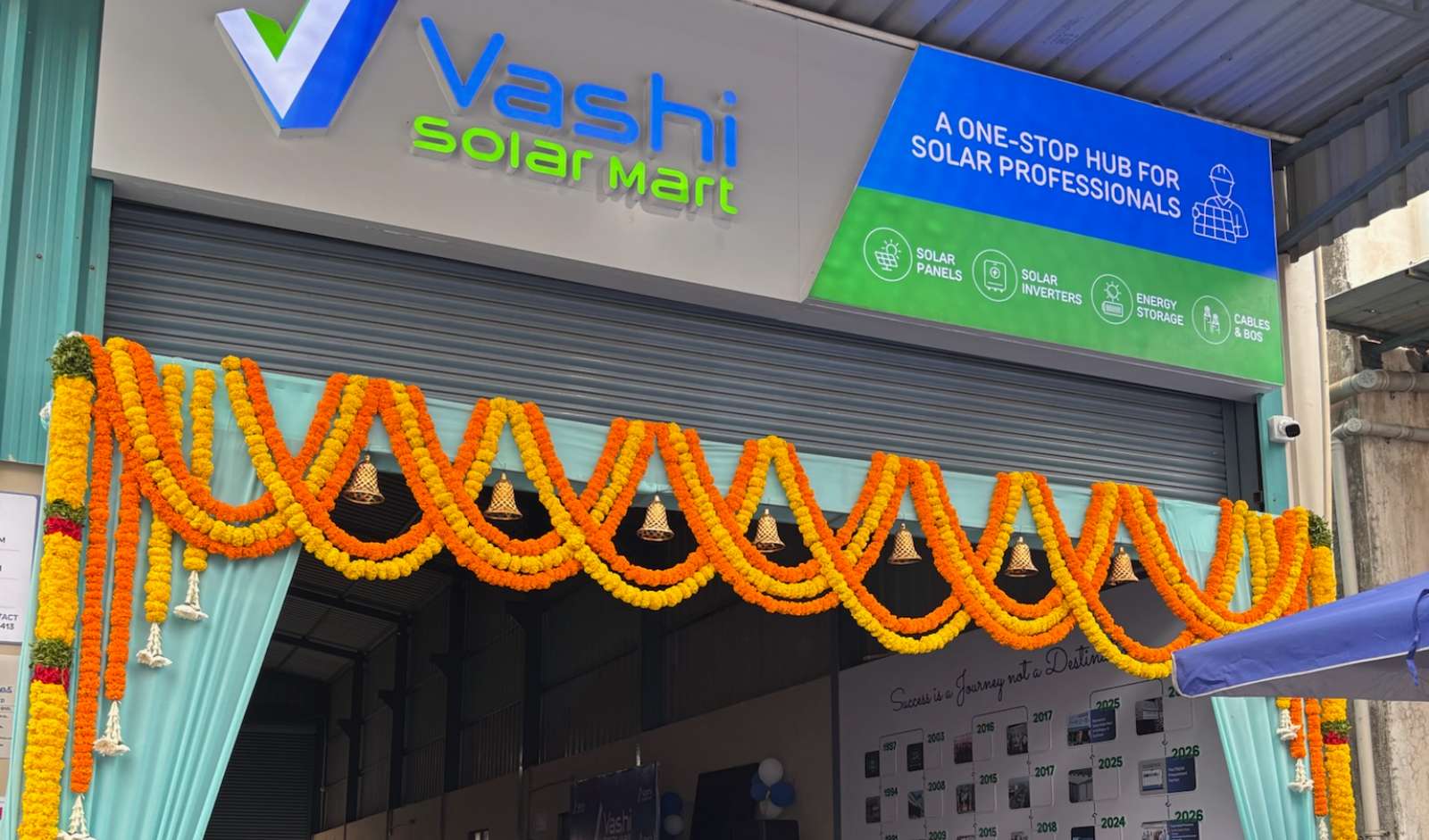
Vashi Integrated Solutions Ltd. plans to establish 22 Vashi Mart outlets across 10 states by FY 2026-27, expanding its distribution network for solar equipment and rooftop solar installation supplies in India. The initiative aims to improve access to solar products, inventory and technical support for installers, particularly in Tier ll and Tier lll markets.
The counter-format distribution network is designed to address procurement challenges faced by rooftop solar installers, including fragmented sourcing and inconsistent product availability. Through Vashi Mart, the company intends to bring solar equipment and installation essentials closer to project locations, reducing the need for installers to purchase components from multiple suppliers.
The expansion comes as India's rooftop solar market grows, supported by government initiatives such as the PM Surya Ghar: Muft Bijli Yojana. However, sourcing materials efficiently remains a challenge for installers working across different locations. Vashi Mart will offer a range of solar products and installation supplies at local outlets to help address these gaps.
The first phase will cover Maharashtra, Uttar Pradesh, Kerala, Gujarat, Rajasthan, Andhra Pradesh, Madhya Pradesh, Assam, Uttarakhand and Odisha. Locations have been selected based on installer demand and rooftop solar potential, including district-level data associated with the PM Surya Ghar: Muft Bijli Yojana. Vashi Integrated Solutions aims to use the planned network to improve the availability of solar equipment as rooftop installations expand across the country. The company is positioning the initiative around local inventory access, supported by its existing distribution and warehousing infrastructure.
Each Vashi Mart will allow installers to purchase available products directly from the counter. Larger orders and project-specific requirements will be handled through the company's wider distribution network. The company will also integrate the outlets with DigiServe, its digital procurement platform. Through the platform, installers will be able to check inventory availability across locations, order products that are not available at a particular Mart, track deliveries and access product catalogues and technical information.
Product guidance, practical training and technical assistance will form part of the offering, helping installers understand different solar products and technologies. The combination of physical outlets and digital procurement is intended to support purchasing requirements across multiple project locations. The network will primarily cater to residential rooftop solar installations, while also serving installers working on small commercial and industrial projects. Larger commercial and industrial solar requirements will continue to be supported through Vashi's fulfilment centres.
Suraj Dodeja, Managing Director and Group CEO of Vashi Integrated Solutions Ltd said, “India’s transition towards greater solar adoption requires not only strong policy support and growing consumer participation, but also an efficient distribution ecosystem that enables installers to execute projects with greater ease. Through Vashi Mart, we aim to strengthen this ecosystem by bringing solar products, installation essentials and technical support closer to installers across markets. By combining local inventory with digital ordering and technical support, we aim to simplify procurement and support installers as rooftop solar adoption expands across more markets.”
Founded in 1978, Vashi Integrated Solutions operates in industrial supply and distribution. The company has a network of more than 22 hubs across over 100 cities and partnerships with over 65 international brands. Its solar business has been serving installers and engineering, procurement and construction (EPC) companies for a decade. The experience and existing distribution infrastructure are expected to support the planned expansion of Vashi Mart across multiple states.
With the proposed network, Vashi Integrated Solutions is seeking to strengthen last-mile distribution for rooftop solar equipment and make procurement more accessible for installers as India's solar installation market expands.

Meesho Reports Rs 12,911 Crore NMV in Q2 FY27Meesho reported a 23 percent year-on-year increase in Net Merchandise Value (NMV) to Rs 12,911 crore in the second quarter of FY27, while its net loss narrowed 68 percent to Rs 132 crore, according to the company's financial results for the quarter ended September 30, 2026. The e-commerce marketplace recorded 819 million placed orders during the quarter, up 17 percent year-on-year. Its annual transacting user base grew 21 percent to 284 million, while annual purchase frequency increased 7 percent to 10.4 transactions per user, indicating higher repeat engagement on the platform.
First-time buyers increased 16 percent quarter-on-quarter, reflecting continued growth in Meesho's customer base ahead of the festive shopping season.
Vidit Aatrey, Chairman, Managing Director and Chief Executive Officer at Meesho said, "Our Q2 performance reflects the strength of Meesho's operating model, with NMV growing 23 percent year-on-year to Rs 12,911 crore and Annual Transacting Users reaching 284 million. More consumers are shopping on Meesho, and they are shopping more frequently, even as first-time buyers grew 16 percent quarter-on-quarter. This momentum extended into the festive season, with NMV growing 33 percent year-on-year on a festive-aligned basis, reinforcing our conviction in the depth of India's e-commerce opportunity. As we grow, the benefits of scale are increasingly translating into stronger platform economics. Contribution Margin expanded to 6.0 percent of NMV, driven by logistics efficiencies and improved monetisation. At the same time, AI is fundamentally changing how we build and operate Meesho, with engineering productivity increasing 171 percent between March and September 2026. Our focus remains on reinvesting these efficiency gains into better consumer and seller experiences, accelerating innovation and building a larger, more efficient marketplace that can generate sustainable free cash flow over the long term."
Meesho's festive-aligned NMV grew 33 percent year-on-year over the 90 days preceding Dussehra. The company attributed the growth to demand across comparable festive periods. The comparison accounts for the Mega Blockbuster Sale shifting from the second quarter last year to the third quarter this year.
The company's branded commerce business also recorded growth during the quarter. Meesho Mall, which hosts approximately 1,800 brands, reported an 81 percent year-on-year increase in NMV. Growth reached 89 percent in Tier lll and smaller cities. Around half of Meesho Mall's customers during the quarter were first-time buyers on the platform's branded shopping section, with demand extending to categories such as beauty and personal care. Content commerce continued to expand, with NMV rising 160 percent year-on-year. The number of active order-generating content pieces increased 144 percent to 2.2 million, reflecting the growing role of creator-led product discovery in online shopping.
Meesho also reported an increase in seller participation. Annual transacting sellers grew 60 percent year-on-year to 1.13 million, while more than 4 lakh sellers became part of its content commerce ecosystem. Marketplace revenue from operations rose 34 percent year-on-year to Rs 4,120 crore, supported by higher advertising monetisation and improved matching of seller demand with consumer interest. Contribution margin increased to 6.0 percent of NMV, compared with 4.6 percent in the previous quarter.
Operational improvements also contributed to faster deliveries. Meesho said delivery times improved by approximately 15 percent year-on-year, supported by greater network density, better routing and partner allocation, and enhancements to its Geo-India system. Artificial intelligence has become a key part of the company's engineering and marketplace operations. Engineering productivity increased 171 percent between March and September 2026, while the number of experiments rose 73 percent. Approximately 65 percent of engineering pods were operating with a single engineer directing AI agents.
AI-powered development and code reviews reduced feature development timelines from weeks to days, while code approval times fell 41 percent. The company also reduced the time required to take a data science model to live testing from 17 days to three days through AI data science agents. Enhancements to Geo-India and TrustMesh were aimed at improving address intelligence, delivery efficiency and fraud detection.
On the financial front, Meesho generated Rs 345 crore in quarterly free cash flow, compared with an outflow of Rs 226 crore in the previous quarter. The company attributed the improvement partly to seasonal working capital benefits. Net loss declined to Rs 132 crore in Q2 FY27 from Rs 411 crore in the corresponding quarter of the previous financial year. As of September 30, 2026, Meesho reported a cash balance of Rs 7,048 crore.
The results highlight growth in Meesho's e-commerce transaction volumes, customer engagement and seller base, alongside improvements in operating margins and losses. The company's performance also reflects the contribution of festive demand, branded commerce, creator-led shopping and technology investments to its marketplace operations.

Myntra Beauty has onboarded Kylie Cosmetics, adding 106 stock-keeping units (SKUs) spanning makeup and fragrance to its platform ahead of the festive season. The move is expected to expand access to the celebrity-founded beauty brand among Indian consumers.
The product range includes the Cosmic fragrance, Kylie Supple Kiss Precision Lip Kit and Kylie Matte Liquid Lipstick. The products are available at an average selling price of approximately Rs 2,800.
Founded by Kylie Jenner, Kylie Cosmetics rose to global prominence with the launch of its first lip kit in 2015. The brand has since expanded its offerings to include lip glosses, makeup products, and fragrances. Having been present in India for two and a half years, the brand's expansion onto Myntra is aimed at reaching a broader consumer base across the country.
Deepak Joshi, Senior Director – Category Management, Beauty and Personal Care, Myntra said, “Our goal with Myntra Beauty is simple: to build the one destination where a shopper can find every brand they can think of, whether that's an emerging Indian label or a globally iconic name. Kylie Cosmetics is exactly the kind of brand that belongs in that mix; it has genuine cultural weight and a devoted following, and this festive season, it gives shoppers one more way to complete their look, right down to the finishing touch,”
Prashant Kumar, Business Head for Kylie Cosmetics from House of Beauty shared, “After two and a half successful years in India, our expansion on Myntra marks an important next step in Kylie Cosmetics' growth journey. As we deepen our presence in the market, Myntra’s strong beauty ecosystem and wide consumer reach make it the right platform to bring the brand to an even larger audience. This expansion reflects our continued confidence in Indian consumers and their love for Kylie Cosmetics, making the brand more accessible to them across the country.”
The addition strengthens Myntra Beauty's portfolio, which comprises approximately 5,00,000 beauty and personal care products across categories such as makeup, skincare, fragrances, haircare, and bath and body. The onboarding also adds to the platform's range of international beauty brands as it seeks to cater to consumers during the festive shopping period.

MMG Group has appointed Smeer Chopra as its Group Chief Financial Officer (CFO), bringing over 32 years of experience in financial leadership, business strategy, capital management and operational management across FMCG, retail, e-commerce, telecommunications and consumer technology.
In his new role, Chopra will oversee finance across the group's businesses, working with the leadership team on financial performance, corporate governance and long-term growth plans. His responsibilities will include improving profitability across businesses and preparing the group for future capital market opportunities and strategic mergers and acquisitions (M&A).
Sanjeev Agrawal, Chairman of MMG Group said, “We are pleased to welcome Smeer to MMG Group. His extensive experience across diverse industries, coupled with his understanding of financial strategy and business performance, will be valuable as we work towards our long-term business ambitions.”
Chopra joins MMG Group from consumer electronics brand Noise, where he served as Chief Financial Officer. Before that, he held the same position at eyewear retailer Lenskart, where he supported business growth, strengthened financial governance, worked on profitability and led multiple rounds of institutional funding. His professional experience also includes senior leadership roles at Bharti Walmart, Bharti Airtel and Coca-Cola India. Across these organisations, he has worked with promoters, boards and business leaders on financial planning, business transformation and operational performance.
Chopra's experience includes developing financial systems to support business expansion, improving working capital efficiency and strengthening governance processes. His appointment comes as MMG Group focuses on building sustainable profitability across its businesses and preparing for its next phase of growth.
Smeer Chopra, Group Chief Financial Officer of MMG Group said, “I look forward to working with the MMG Group leadership team and contributing to the Group’s future ambitions. I am keen to bring my experience in financial leadership and business strategy to support the organisation’s next phase of growth.”
In his new position, Chopra will lead the group's financial strategy, with a focus on improving the profitability of individual businesses and preparing MMG Group for potential capital market activity and strategic acquisitions.
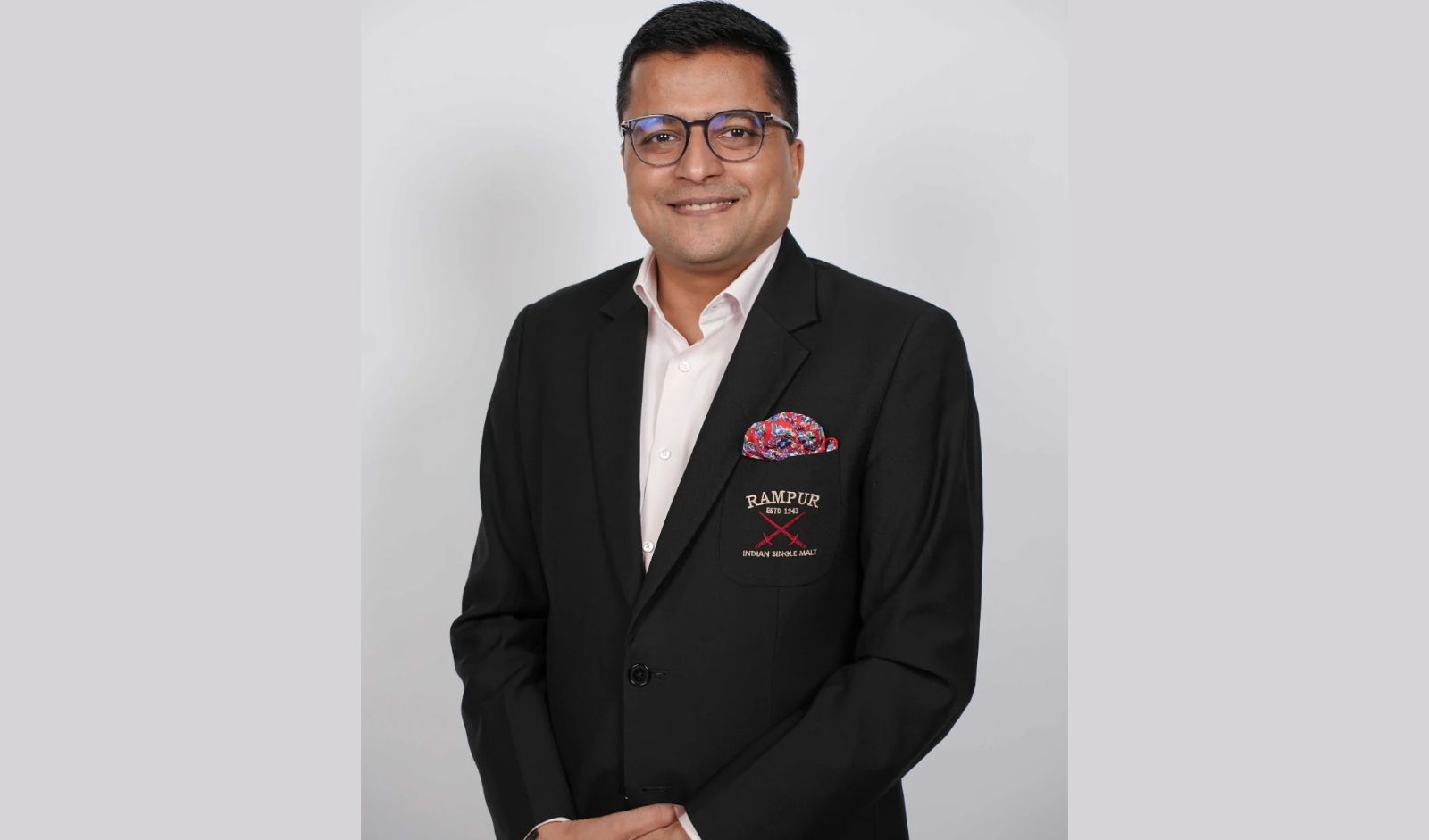
Radico Khaitan Limited has appointed its Chief Financial Officer (CFO), Dilip K. Banthiya, as Whole-time Director on its Board, designating him as Executive Director and CFO. The company has also elevated Saket Somani to Deputy Chief Financial Officer. Both appointments will take effect from October 28, 2026.
The leadership changes are aimed at strengthening the company's governance structure and financial management as it advances its premiumisation strategy and expands its global presence. Banthiya's appointment to the Board will bring his experience in finance, capital allocation and the alcoholic beverages industry to the company's senior decision-making body.
Somani's elevation will broaden his responsibilities across financial strategy, planning, investor relations, capital markets and information technology. The revised structure is intended to strengthen the finance function and support the company's next phase of growth.
Abhishek Khaitan, Managing Director, Radico Khaitan said, “Earlier this year, we elevated leaders who have grown with Radico Khaitan. Today, we take that philosophy to the Board. Dilip has been central to our transformation, and his voice at the Board will sharpen our financial strategy and governance as we scale our premium portfolio and invest for the future. Saket brings a market-facing and technology-led approach that defines the next generation of financial leadership. Together, they give us experience at the top and depth beneath it, the foundation we need for the decade ahead.”
Under the new structure, the Executive Director and CFO will oversee the company's financial direction and governance at the Board level. The Deputy CFO will focus on financial planning, investor engagement and the organisation's digital transformation. The division of responsibilities is expected to support financial decision-making and operational priorities as the company pursues its growth plans.
Saket Somani, Deputy CFO, Radico Khaitan shared, “I am grateful to the leadership for this opportunity. Over the past six years, I have had the privilege of working across the breadth of the finance function, from manufacturing finance and internal controls to operational performance and investor relations. Our aim now is to make finance a true strategic partner to the business, using technology and data to enable better-informed decisions. I look forward to working closely with Mr. Banthiya and the leadership team to support Radico Khaitan’s growth and global ambitions.”
Somani brings around 20 years of experience in corporate finance, strategy, capital markets, investor relations and investment banking. A Chartered Accountant, he joined Radico Khaitan in 2020 and most recently served as Senior Vice President – Finance and Strategy.
During his tenure, Somani has overseen financial planning and control, working capital management, and the assessment of capital projects and new business opportunities. He has also worked with the leadership team on strategic priorities, including growth and portfolio development. In addition, he has led the company's investor relations programme, strengthening engagement with institutional investors and improving its visibility in capital markets.
Sky Gold and Diamonds Limited, a listed B2B gold jewellery manufacturer, reported a 61 percent year-on-year increase in consolidated revenue to Rs 2,390.7 crore for the second quarter of FY27, ended September 30, 2026. EBITDA rose 90 percent to Rs 189.8 crore, while reported profit after tax (PAT) increased 93.2 percent to Rs 129.4 crore.
For the first half of FY27, the company's consolidated revenue grew 68.3 percent year-on-year to Rs 4,403.5 crore. EBITDA more than doubled, rising 102.3 percent to Rs 346.5 crore, while reported PAT increased 111.9 percent to Rs 234.3 crore. The company's EBITDA margin for Q2 FY27 improved to 7.94 percent from 6.7 percent in the corresponding quarter last year. For H1 FY27, the margin stood at 7.87 percent, compared with 6.5 percent in H1 FY26.
Reported profit before tax (PBT) for the second quarter rose 88.9 percent year-on-year to Rs 166 crore. For the first half, reported PBT increased 105 percent to Rs 300.8 crore.
Mangesh Chauhan, Managing Director of Sky Gold and Diamonds Limited said, “For the half year ended September 30, 2026, the Company reported consolidated revenue of Rs 4,403.5 crore, EBITDA of Rs 346.5 crore and profit after tax of Rs 234.3 crore. For the quarter ended September 30, 2026, consolidated revenue was Rs 2,390.7 crore, EBITDA was Rs 189.8 crore and profit after tax was Rs 129.4 crore.”
Sky Gold and Diamonds also reported an improvement in its profit margins during the quarter. The reported PAT margin increased to 5.4 percent in Q2 FY27 from 4.5 percent in Q2 FY26. For the first half, the margin rose to 5.3 percent from 4.2 percent in the year-ago period. Operational PBT for Q2 FY27 increased 97.3 percent year-on-year to Rs 173.4 crore, while operational PAT rose 106.8 percent to Rs 138.56 crore. For H1 FY27, operational PBT increased 110 percent to Rs 308.2 crore, and operational PAT grew 120.2 percent to Rs 234.5 crore. The company calculates operational profit after excluding non-operational income included under other income in its financial statements.
Cash flow from operations stood at Rs 136.7 crore in H1 FY27, compared with an outflow of Rs 100.9 crore in the corresponding period of the previous year, according to the company's financial update. Cash flow from operations as a proportion of EBITDA reached 39 percent, against the company's earlier guidance of 20 percent.
The company also announced progress on its acquisition of Purvi Gems and Jewellery (India) Private Limited. On October 7, 2026, its board approved the completion of the acquisition of a 100 percent stake in the company for a total cash consideration of Rs 9 crore. The latest results reflect growth in Sky Gold and Diamonds' revenue, operating earnings and profitability during the first half of FY27, alongside an improvement in operating cash flow and the completion of a planned acquisition in the jewellery sector.
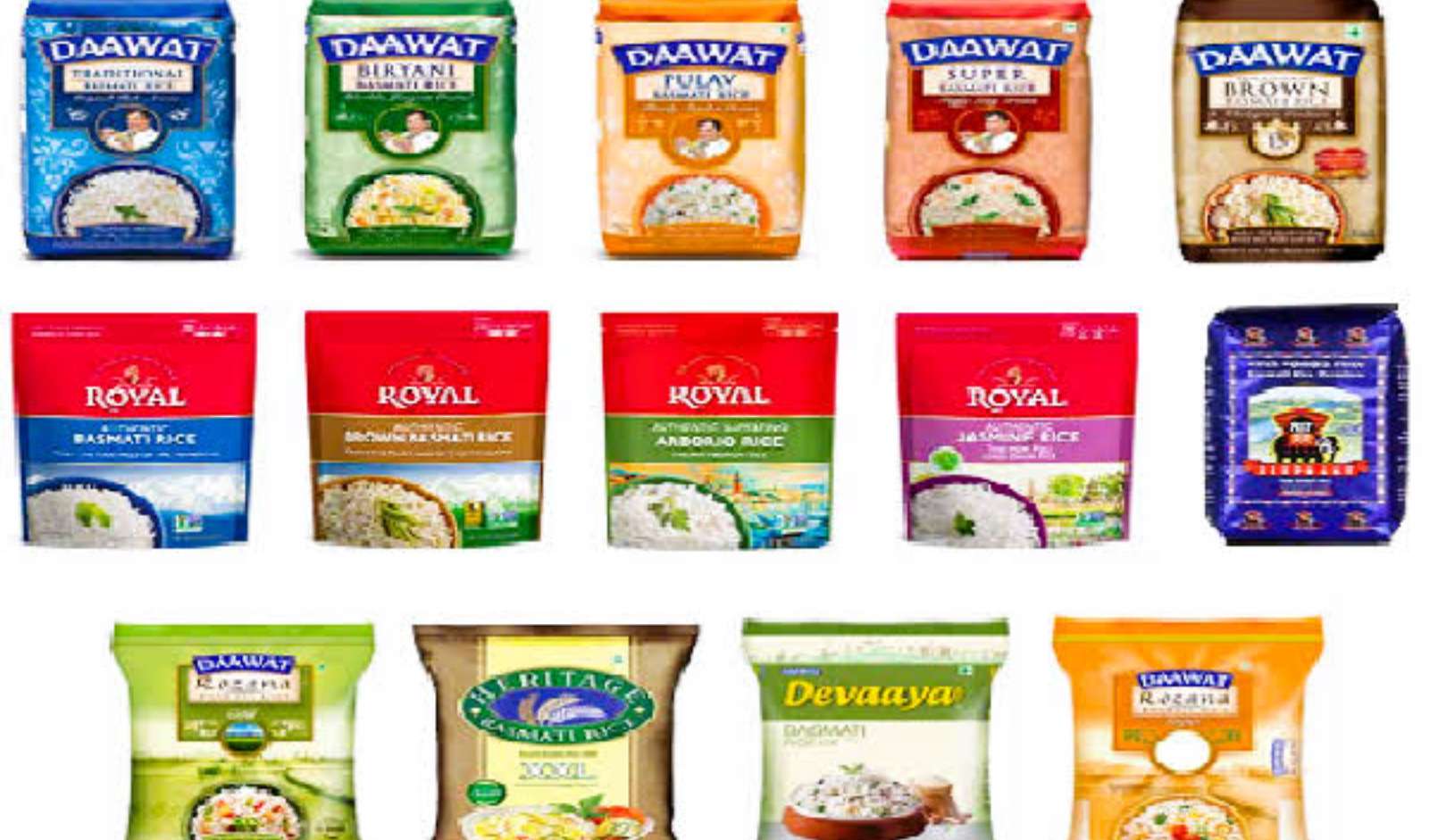
LT Foods, the company behind the Daawat and Royal rice brands, reported a 22 percent year-on-year increase in consolidated revenue to Rs 6,414 crore for the first half of FY27, ended September 30, 2026. Consolidated EBITDA rose 17 percent to Rs 721 crore, while profit after tax (PAT) increased 9 percent to Rs 364 crore.
The company announced its unaudited consolidated financial results for the quarter and half year ended September 30, 2026, reporting growth across its rice business and key international markets.
Ashwani Arora, Managing Director and CEO of LT Foods said, “We delivered a strong performance in the first half of FY’27, reflecting the strength of our brands, the resilience of our diversified global business and disciplined execution across markets. For H1 FY’27, our consolidated revenue grew 22 percent year-on-year to Rs 6,414 crore (Normalized Growth 18 percent including Golden Star), EBITDA increased 17 percent to Rs 721 crore, and PAT grew 9 percent to Rs 364 crore. This performance reflects our continued focus on building strong consumer-focussed brands, driving premiumisation and innovation, and strengthening operational efficiencies across the business."
LT Foods Q2 FY27 Financial Performance
For the second quarter of FY27, LT Foods reported consolidated revenue of Rs 3,253 crore, up 17 percent year-on-year and 3 percent sequentially. EBITDA increased 13 percent year-on-year to Rs 358 crore, while PAT rose 10 percent to Rs 180 crore. For the first half, standalone revenue grew 14.1 percent year-on-year to Rs 2,417 crore. Standalone EBITDA increased 33.5 percent to Rs 223 crore, while PAT rose 23.9 percent to Rs 134 crore.
Consolidated gross profit for H1 FY27 increased 15 percent to Rs 2,087 crore. However, the gross profit margin declined 190 basis points to 32.5 percent. The EBITDA margin fell 50 basis points to 11.2 percent, while the PAT margin decreased 60 basis points to 5.7 percent. The company attributed the margin movement to changes in shipment terms with related parties, the restructuring of its organic business and higher brand investments.
Basmati Rice Business Drives Growth
LT Foods' Basmati and Other Specialty Rice business recorded 27 percent year-on-year growth in H1 FY27. Including Golden Star, normalized growth stood at 22 percent. The Organic Foods and Ingredients segment reported revenue of around Rs 520 crore as the company continued to restructure the business. The segment also recorded an 11 percent decline on a year-on-year basis, according to the company's financial update.
Revenue from the Ready-to-Eat (RTE), Ready-to-Cook (RTC) and Ready-to-Heat (RTH) portfolio increased 8 percent to Rs 102 crore. The segment includes quick-cooking rice products, biryani kits, ready-to-heat offerings in the US and Japanese rice snacks.
India Market Sees 24 percent Growth
India recorded 24 percent year-on-year growth for LT Foods in H1 FY27, making it a key contributor to the company's performance. Its strategy in the domestic market includes expanding distribution, introducing products, increasing premium offerings and strengthening operational capabilities. During the quarter, the company expanded its Daawat portfolio with Daawat Delight and Daawat Rozana Platinum. It also added Daawat Biryani Masala Paste to its biryani range.
The company's health-focused quick-cooking brown, red and black rice products recorded double-digit growth compared with the previous year. Daawat Quick Cooking Brown Rice maintained a market share of more than 70 percent in general trade and modern retail outlets, according to the company. Its Daawat I'm Organic range also continued to gain traction, accounting for nearly 18 percent of the organic rice segment on key e-commerce platforms. Daawat Biryani Kits recorded double-digit value growth in the first half and held more than 70 percent share on key e-commerce platforms.
LT Foods said its branded portfolio grew nearly 8 percent while the overall category expanded by approximately 1.3 percent. This helped the company increase its year-to-date market share by 140 basis points. Daawat's market share in India stood at 22.3 percent as of September 2026, based on the AC Nielsen Retail Survey Audit cited by the company. Its household reach increased to 67.5 lakh households, representing 20 percent growth over the preceding 12 months, according to the Kantar Household Panel data cited in its update.
The company also continued to expand its distribution network and invest in direct distribution, sales capabilities and supply chain digitisation to improve product availability across retail channels.
North America and Other Global Markets
North America recorded 20.8 percent growth for LT Foods in H1 FY27. Normalized growth, including Golden Star, stood at 13.3 percent. Its Royal brand retained more than 60 percent market share, while Golden Star continued to hold the leading position in the US Jasmine rice category, according to the company. Golden Star also entered the ready-to-heat rice segment with microwaveable rice cups available in three varieties: Jasmine Rice, Coconut Jasmine Rice and Jasmine Fried Rice.
In Europe, LT Foods continued to work on expanding distribution, strengthening retail partnerships and increasing brand presence, with initiatives in the Netherlands and Germany. Its UK business also reported growth across pack sizes and key Daawat categories through its independent and grocery channels.
The Middle East and other international markets recorded 24.6 percent year-on-year growth in H1 FY27. In the UAE, the company expanded its health-focused portfolio with Daawat Quick Cooking Black Rice and Daawat Quick Cooking Red Rice across premium retail outlets and e-commerce platforms. In Saudi Arabia, Daawat Mazza recorded its highest-ever offtakes at Othaim Retail.
Nature Bio Foods Acquires Stake in Dutch Company
LT Foods' organic business arm, Nature Bio Foods, acquired a controlling stake in Netherlands-based Leev.nu B.V. through its subsidiary Nature Bio Foods B.V. The all-cash transaction was valued at €1.735 million.
Following the acquisition, Nature Bio Foods B.V.'s stake in Leev.nu B.V. stands at 70.75 percent.
The company also reported an improvement in its CRISIL ESG rating from 54 to 61, moving from the 'Adequate' to the 'Strong' category. Its sustainability initiatives cover farming practices, responsible sourcing, manufacturing, distribution and product development. LT Foods said digital transformation remains a priority, with investments in technology aimed at improving customer engagement, sales visibility, forecasting and operational efficiency. As the company enters the second half of FY27, it plans to continue focusing on its branded rice portfolio, international expansion, product innovation and distribution capabilities.
LT Foods Financial Highlights for H1 FY27
- Consolidated revenue: Rs 6,414 crore, up 22 percent year-on-year
- EBITDA: Rs 721 crore, up 17 percent
- Profit after tax: Rs 364 crore, up 9 percent
- Gross profit: Rs 2,087 crore, up 15 percent
- India business growth: 24 percent
- Basmati and Other Specialty Rice growth: 27 percent
- North America growth: 20.8 percent
- Middle East and Rest of the World growth: 24.6 percent
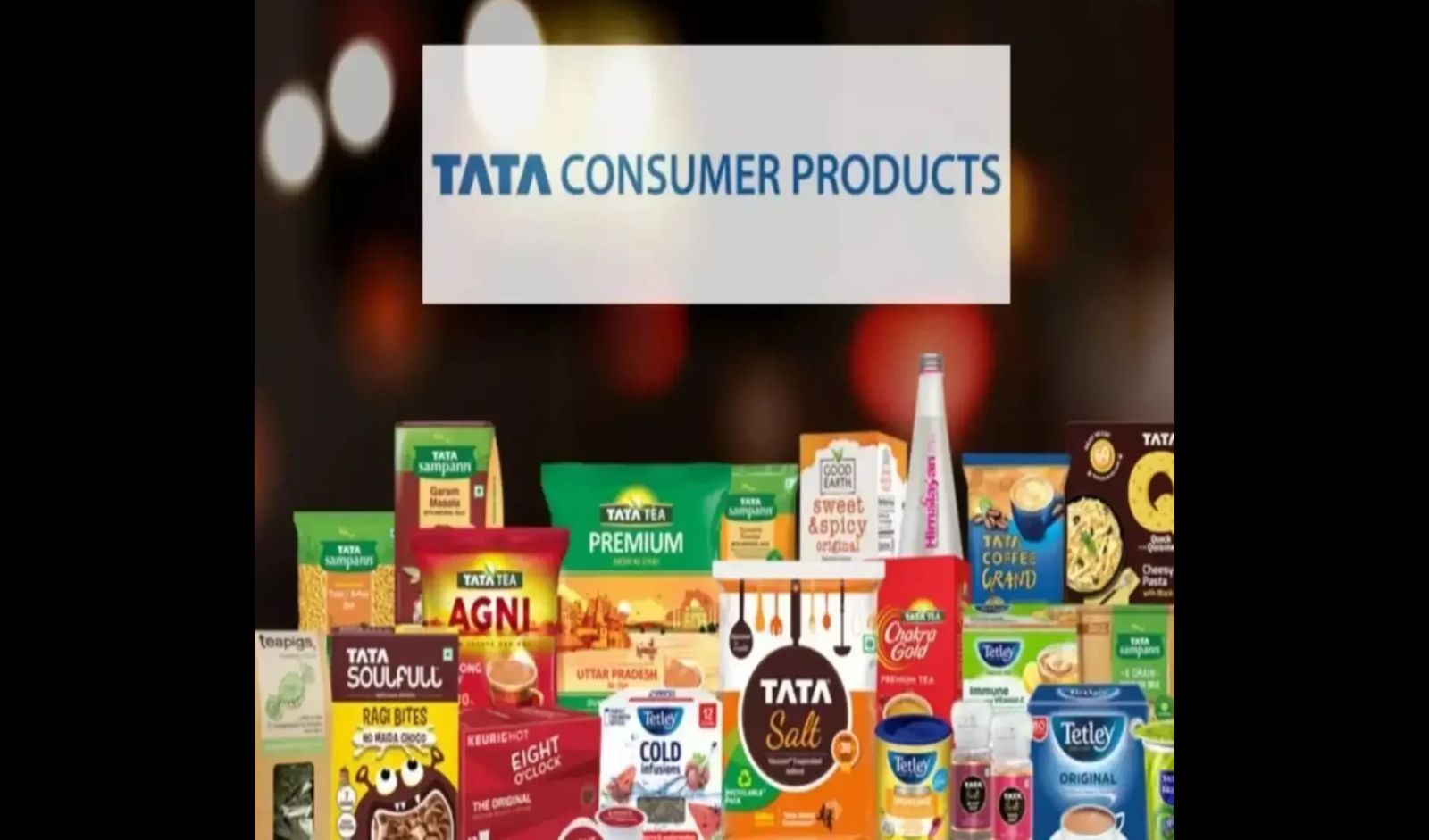
Tata Consumer Products Ltd (TCPL) reported a 15.65 percent year-on-year increase in consolidated net profit to Rs 470.14 crore in Q2 FY27, compared with Rs 406.51 crore in the corresponding quarter last year. Revenue from operations rose 14 percent to Rs 5,661.13 crore, driven by domestic volume growth, improved margins, price increases and input cost management.
TCPL Group CFO Ashish Goenka said the company benefited from stronger domestic demand and growth across its business portfolio. “We have a strong topline growth along with margin expansion, and I think profitability is going ahead of the topline. So, all in all, it’s a very balanced quarter,” said Goenka.
The company implemented selective price increases to offset higher costs of tea, salt, freight and fuel. Its India business recorded 17 percent value growth and 11 percent underlying volume growth, with pricing contributing around 5.5 to 6 percent. E-commerce and quick commerce accounted for 24 percent of domestic sales. Total expenses increased 13 percent to Rs 5,067.42 crore.
Revenue from TCPL’s branded business grew 14.2 percent to Rs 5,036.29 crore, while non-branded business revenue rose 11.62 percent to Rs 658.77 crore. India business revenue increased 17.42 percent to Rs 3,666.13 crore, supported by 40 percent growth in its growth businesses, which contributed 38 percent to the India business.
Salt revenue increased 15 percent, while India tea volumes remained flat amid subdued category demand. Tata Sampann recorded 57 percent revenue growth, and the ready-to-drink business grew 47 percent, supported by distribution expansion and product innovation.
The combined export revenue of Capital Foods and Organic India, acquired in January 2024, increased 15 percent despite shipping disruptions, while their domestic revenue rose 24 percent. TCPL’s international revenue grew 6.4 percent to Rs 1,370.16 crore. In the UK, heatwave conditions affected tea consumption, although Tetley outperformed the category. Its regular and speciality tea businesses in Canada continued to grow ahead of the market.
Tata Starbucks, the company’s 50:50 joint venture with Starbucks Corporation, recorded 15 percent revenue growth, supported by strong same-store sales. It added seven net new stores, including two Reserve outlets, during the quarter, taking its network to 505 stores across 81 Indian cities.
Managing Director and CEO Sunil D’Souza shared, “We delivered our second consecutive quarter of double-digit revenue growth in FY27, backed by strong underlying volume growth in the India business. This volume-led performance, together with disciplined execution, drove 18 per cent EBITDA growth.”
Total consolidated income rose 13.9 percent to Rs 5,699.7 crore. TCPL shares closed at Rs 936.60 on the BSE, down 2.44 percent.
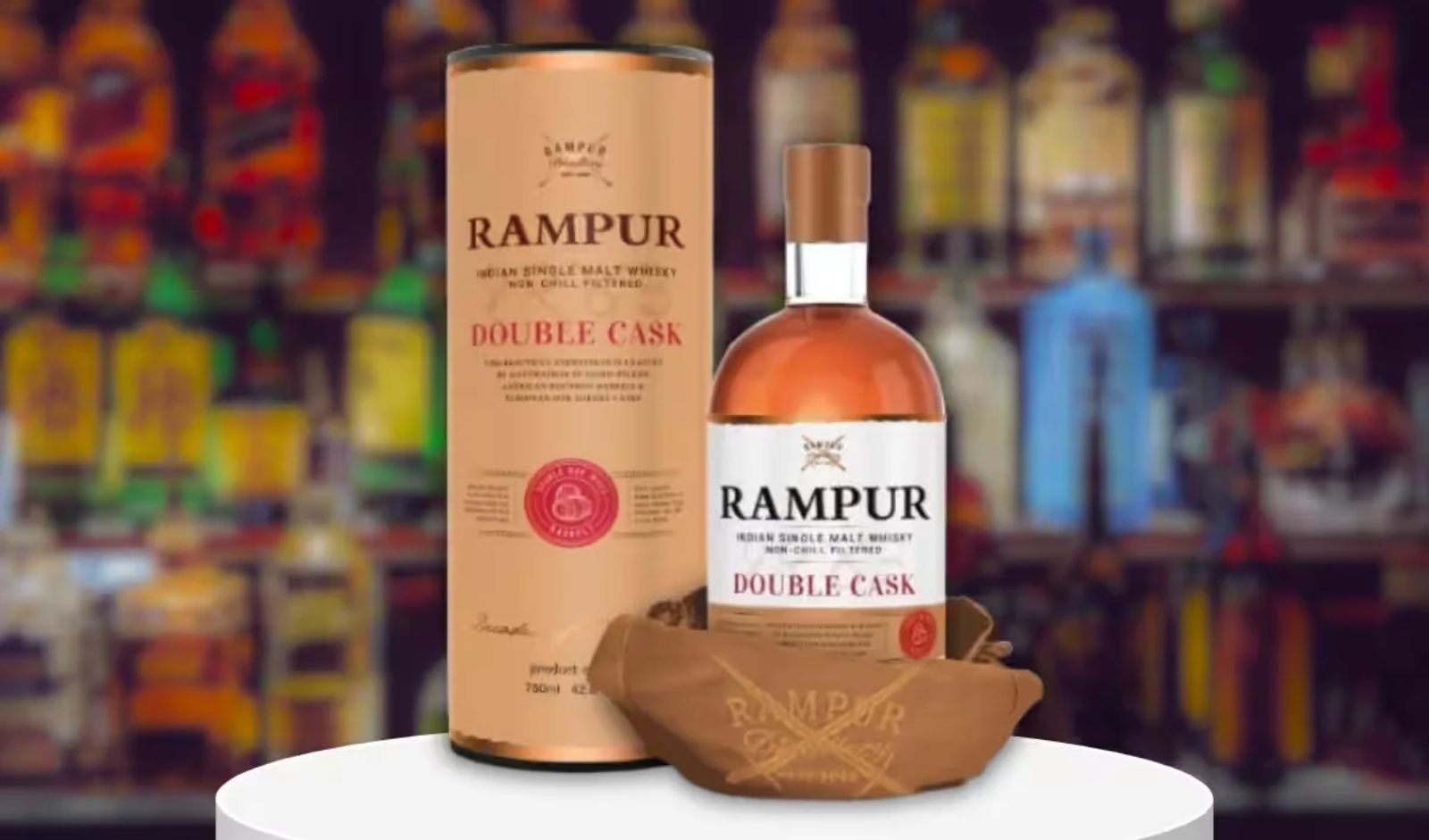
Radico Khaitan Limited reported a 16.8 percent year-on-year increase in net revenue from operations to Rs 1,745.1 crore for the second quarter of FY27 ended September 30, 2026. The spirits company also recorded a 51 percent rise in EBITDA to Rs 356.5 crore, with the EBITDA margin improving to 20.4 percent from 15.8 percent in the corresponding quarter of the previous financial year.
Total Indian-made foreign liquor (IMFL) volumes increased 7.2 percent to 10.02 million cases during the quarter. The company’s Prestige and Above portfolio continued to drive growth, with volumes rising 35.8 percent to 5.28 million cases. The segment accounted for 53.7 percent of total IMFL volumes, compared with 43.6 percent a year earlier.
Net sales from Prestige and Above brands grew 38.6 percent to Rs 996 crore, contributing 77.1 percent of the company’s total IMFL sales value, up from 68.6 percent in Q2 FY26.
Gross profit increased 28.6 percent to Rs 838.4 crore, with a margin of 48 percent. Total comprehensive income rose 67.1 percent to Rs 230.3 crore.
For the first half of FY27, net revenue from operations grew 14.3 percent to Rs 3,429.8 crore. EBITDA increased 50.9 percent to Rs 704.6 crore, while total comprehensive income rose 68.7 percent to Rs 455.7 crore. IMFL volumes reached 20.01 million cases, up 5 percent year on year.
Prestige and Above brand volumes increased 35.8 percent to 10.50 million cases in H1 FY27, while net sales from the portfolio rose 37.3 percent to Rs 1,966 crore.
Lalit Khaitan, Chairman and Managing Director, Radico Khaitan said, “The second quarter reaffirms the consistency of our growth journey. Building on the milestone FY26 and an encouraging start to the year, Radico Khaitan has delivered another robust performance, taking H1 FY27 to record volume, revenue and profitability. This reflects years of patient investment in quality, organic brand building and an unwavering focus on premiumisation. As we scale, we are also strengthening our leadership team to support the next phase of growth with deeper capability and continuity.”
Abhishek Khaitan, Managing Director, said the company’s Prestige and Above portfolio continued to outperform the industry. He also highlighted the growth of vodka, whisky and luxury spirits brands.
“Despite a challenging external environment, the momentum across our portfolio gives us confidence. We upgrade our Prestige & Above volume growth guidance to 30 percent and reiterate EBITDA margin guidance of around 20 percent for FY27,” he said.
The company also announced leadership changes, with Dilip Banthiya elevated to Executive Director and CFO, and Saket Somani elevated to Deputy CFO.
 As consumer brands queue up for funding rounds and public listings, founders, franchisees and store owners are learning how markets really work, and many are starting with zero-risk practice tools.
-
James Murdoch and Uday Shankar-backed Bodhi Tree Systems has acquired a majority stake in South Indian food chain A2B. The company operates around 160 outlets in India and more than 30 overseas.
-
Tata CLiQ Luxury is expanding its luxury watch portfolio through an exclusive digital boutique for TAG Heuer. The collaboration also includes assisted sales services to help customers select timepieces.
-
Page Industries reported 11.5 percent revenue growth in the September quarter despite higher input costs. The company also announced a second interim dividend of Rs 150 per share.






Copyright © 2009 - 2026 Franchiseindia.com Ltd