




 15
/ 7 MIN READ


A college student in Pune wants an iPhone with a genuinely good camera. A new one costs more than her monthly stipend can justify. A few years ago, her only real option would have been settling for a budget Android instead. Today, she has a third path that didn't really exist in any organised form a decade ago, a certified, warrantied, pre-owned iPhone at nearly half the price of new.
That shift, happening quietly across millions of similar decisions, is what's now being called India's upgrade economy, and the numbers behind it are hard to ignore. According to Counterpoint Research's Global Pre-Owned Smartphone Market Report for H1 2026, India's refurbished smartphone volumes grew 13 percent year on year in the first half of the year, even as sales of new smartphones actually fell by around 11 percent over the same period. That's not a small divergence. It suggests a genuine behavioural shift, not just budget conscious buyers settling for less, but buyers deliberately choosing better, older devices over newer, more expensive ones.
The same report found premium brands gaining ground specifically within the organised, certified segment of the refurbished market, a detail that matters more than it might seem. India's pre-owned electronics market has historically been dominated by unorganised sellers, roadside shops, informal resellers, classified listings with no real accountability if something goes wrong after the sale. Counterpoint's data puts the organised channel's share at roughly 20 percent of the total market, which sounds modest until you realise how much room that leaves for structured, trust-driven businesses to grow into.
This is really the crux of why the upgrade economy matters beyond just cheaper phones. Pre-owned technology has always existed in India. What's changing is the infrastructure around it, warranty coverage, quality certification, verification checks, and genuine after sales support, the same things that made buying new devices feel safe for decades.
A growing number of certified pre-owned platforms now illustrate this shift concretely. The stronger ones put every device through a documented, multi-point inspection covering hardware, software, battery health and cosmetic condition, alongside verification of activation lock status and device identity history, two checks that directly address the biggest fears buyers have historically had about used electronics, a stolen device, a hidden lock, a battery quietly dying within months. Many now offer up to twelve months of warranty, a short return window, and financing through EMI, features that used to be reserved almost exclusively for new device purchases. Trade-in and exchange programmes have also become common, letting customers put an older device toward a pre-owned upgrade, and some platforms operate physical stores in major cities, giving buyers somewhere to walk in and get support rather than relying purely on an online transaction with no recourse.
This model addresses something the broader market data hints at but doesn't fully explain on its own. Industry tracking through 2026 has repeatedly pointed to rising demand for higher-priced refurbished devices specifically, even as the cheapest segment of the refurbished market has been shrinking as a share of total sales. In other words, Indian buyers aren't gravitating toward pre-owned technology purely to save money at the bottom end. They're using resale and refurbishment markets to access premium technology they otherwise couldn't justify buying new, a phone with a great camera, a laptop capable of real creative work, a smartwatch with cellular connectivity.
That's a meaningfully different economy from the one refurbished electronics operated in a decade ago, when pre-owned essentially meant compromise. It's becoming a legitimate parallel path to ownership, one where the ceiling isn't "what can I afford new" but "what can I access certified and warrantied, at a price that makes sense."
What happens next likely depends on how much the organised segment of this market can grow relative to the unorganised one still handling roughly four out of every five refurbished transactions in the country. Trust, not price, is the actual bottleneck holding back faster adoption, and trust is built slowly, through certification standards, warranty follow through, and enough repeat customers willing to vouch for the experience.
For now, the trajectory looks fairly clear. As new device prices in India continue climbing, and certified pre-owned platforms continue building the infrastructure that makes pre-owned technology feel safe rather than risky, more buyers are likely to start their next upgrade not by asking which new phone to buy, but by asking which excellent, certified, pre-owned device they can now actually afford.
Authored By:
Manil Shetty is the Managing Director at Maple Digital Technology Intl. Pvt. Ltd.


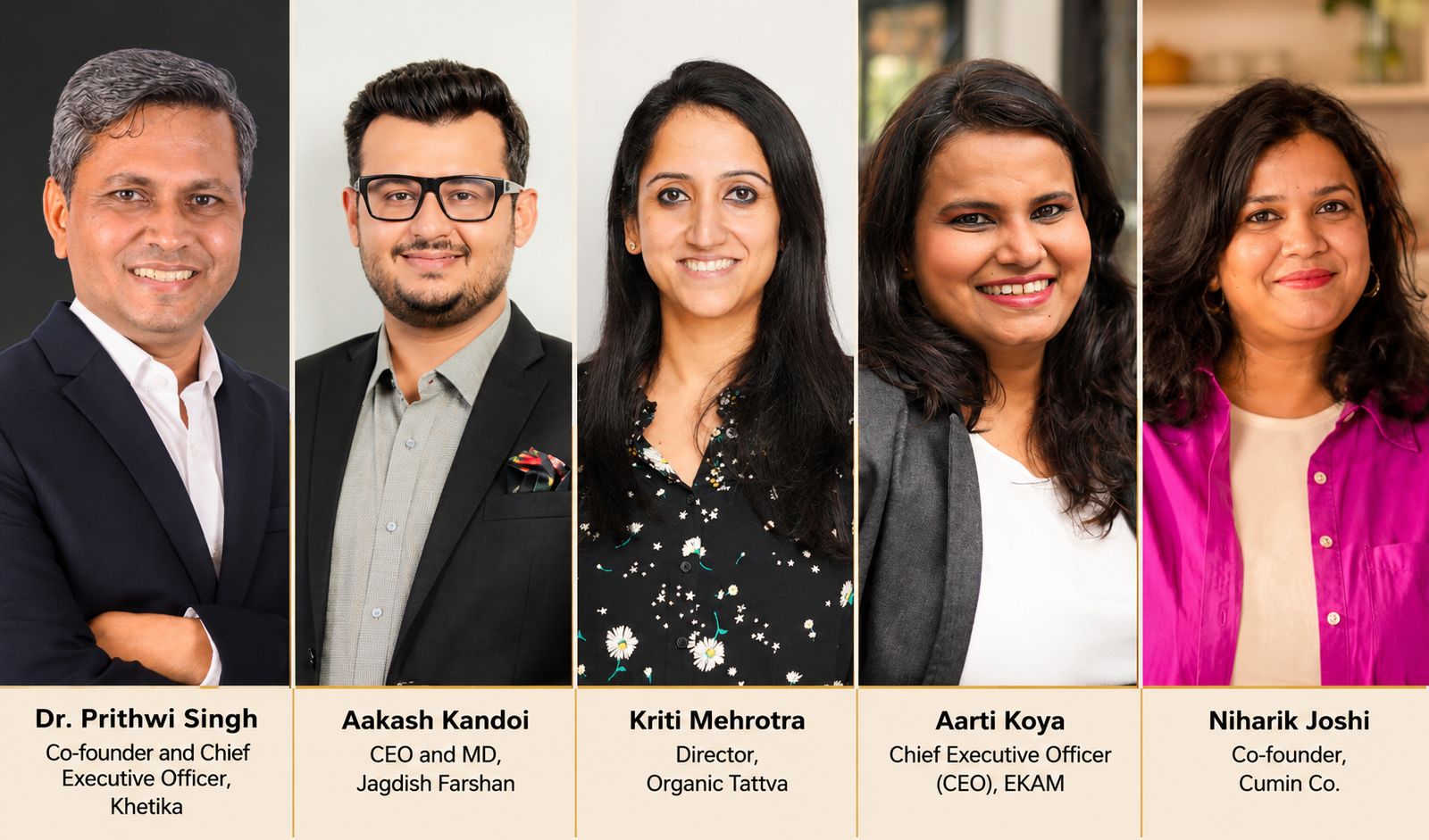
India's Diwali gifting market is changing as consumers move beyond traditional sweets and dry-fruit boxes to explore healthier snacks, organic products, home fragrances and personalised gifts. While mithai and namkeen continue to be popular, consumers are increasingly looking for gifts that offer quality, good presentation and everyday use.
Brands are also seeing growing interest in customised hampers, premium packaging and corporate gifting. From organic food boxes to scented candles and lifestyle products, the festive gifting market is expanding into new categories.
According to PwC India's 2025 Voice of the Consumer study, 84 percent of Indian consumers seek safer and healthier food choices. This growing awareness is also influencing what people choose to gift during festivals.
Also read: Malgudi: Shankar Mahadevan Takes South Indian Dining Up the Premium Ladder
Healthier Gifts Gain Popularity
Consumers are paying more attention to ingredients and product quality while choosing festive gifts. Organic foods, dry fruits, seeds, honey, ghee and healthy snacks are finding space in Diwali hampers.
Dr. Prithwi Singh, Co-founder and CEO of Khetika, said, "Diwali gifting is gradually moving beyond conventional sweets and standard dry-fruit hampers. Consumers are increasingly looking for gifts that combine quality, good taste and a greater sense of wellbeing."
He said Khetika's Premium Snacking & Gifting range includes dates, makhana, seeds and other wholesome food products. The company's healthy snacks category has recorded over 100 percent year-on-year growth.
The trend is also supported by NIQ's 2025 health and wellness research, which found that 49 percent of Indian consumers plan to buy more high-fibre foods, while 37 percent intend to add more plant-based proteins to their diets.
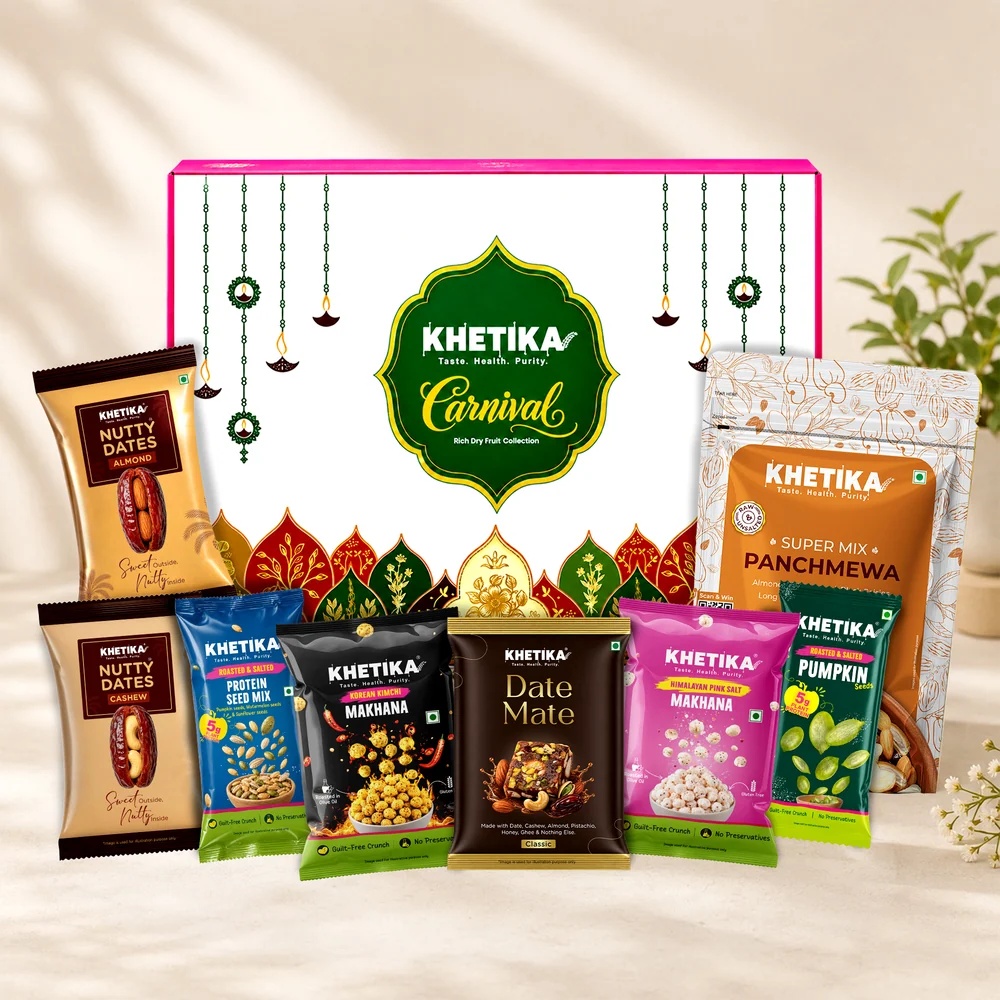 Singh said products priced above Rs 300 are witnessing strong demand. The company's Luxury Stuffed Dates Collection and Healthy Indulge Box have also seen a rise in demand. Its focus includes preservative-free and INS-free products, natural flavouring, and farmer-linked sourcing through SAATHI, supported by more than 380 quality checks and tests.
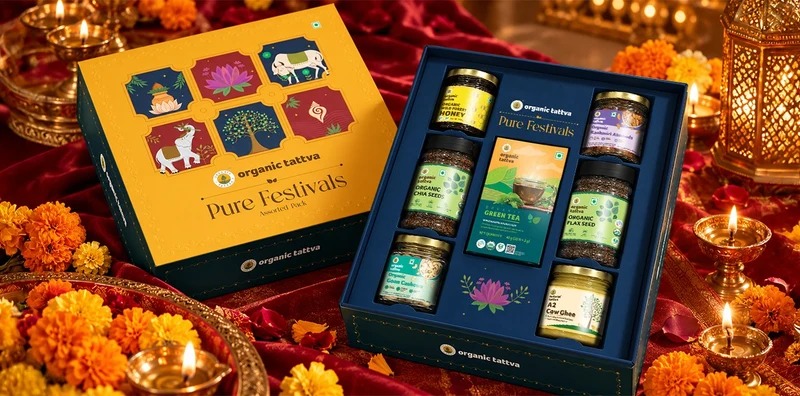
Kriti Mehrotra, Director, Organic Tattva, said, "Diwali gifting has shifted from sweets, namkeens, and sugary drinks to wellness-led hampers. People are gifting cleaner, healthier snacks, something that their families and friends would actually love to use at home."
Established in 2012 and headquartered in Greater Noida, Organic Tattva has launched two gift boxes at different price points. These include dry fruits, chia seeds, flax seeds, honey, ghee, and other organic products.
The company's average gifting order value ranges between Rs 700 and Rs 1,500. Dry fruits, honey, ghee and superfoods are among its popular gifting categories. However, Mehrotra said festive growth has remained stagnant for most FMCG companies this year. The brand is also offering festive deals across quick-commerce and e-commerce platforms.
Also read: How GRM Foods Is Growing 921 Basmati Rice Globally
Traditional Hampers Get a New Look
Traditional sweets and savoury snacks continue to be important during Diwali, but consumers are showing greater interest in curated hampers that bring different products together.
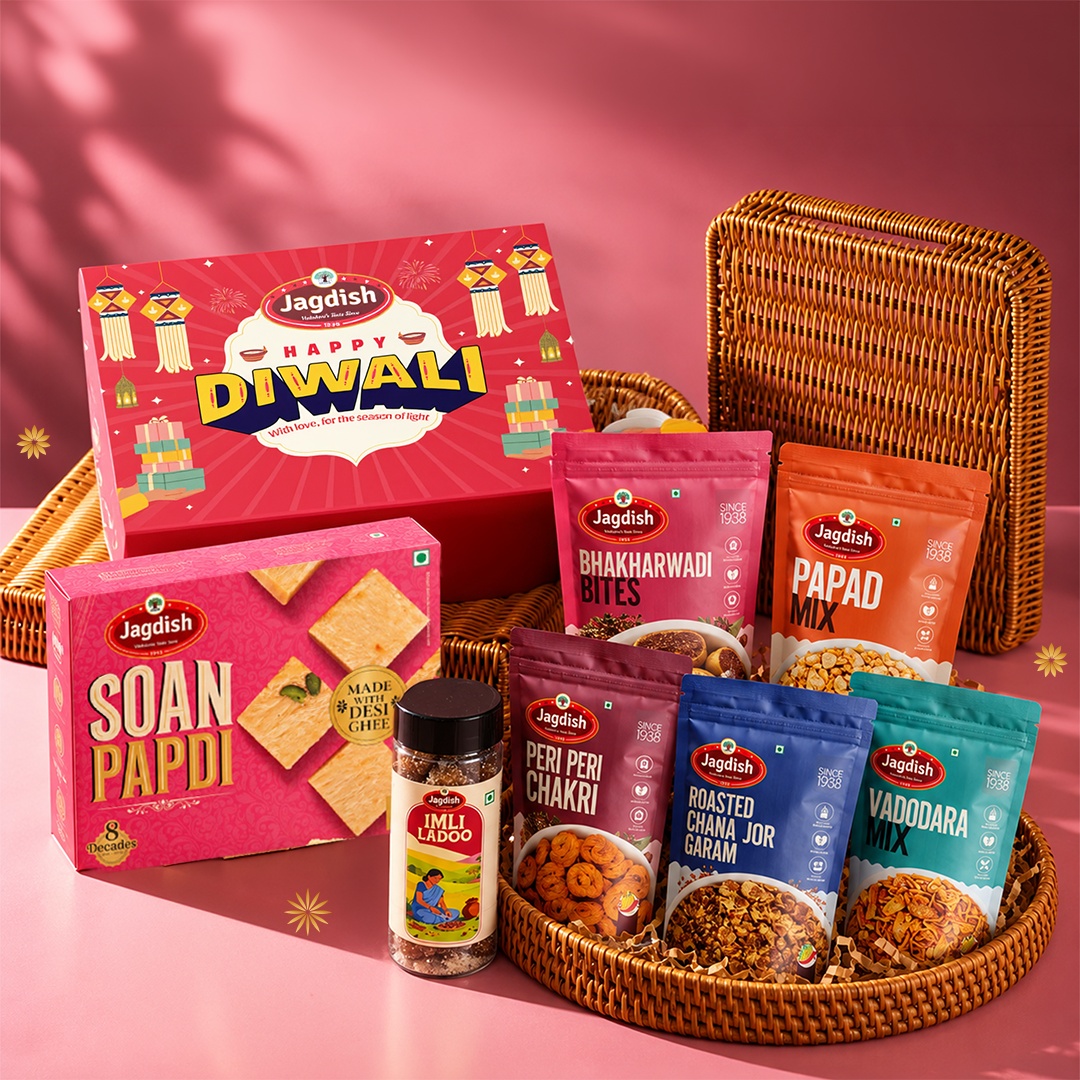
Aakash Kandoi, CEO and MD of Jagdish Farshan, said, "Diwali gifting this year is more considered than impulsive. Consumers are still spending, but they want each gift to carry meaning: heritage, quality and packaging that feels gift-ready."
Jagdish Farshan is recording 15 percent year-on-year growth in Diwali sales. Its popular gifting categories include festive hampers, mithai and namkeen. Starting at Rs 699, its hampers combine Gujarati farsan, traditional sweets and dry fruits.
The company's average order value ranges between Rs 1,100 and Rs 1,300, showing interest in larger gift assortments instead of individual boxes.
 Kandoi said, "Today's Diwali buyer is not choosing between tradition and modernity; they want both in the same box."
He added that customers are asking more questions about ingredients, oil quality, and sugar levels. As a result, dry-fruit sweets and baked or roasted namkeen are also finding demand.
Personalisation is another trend, with customers choosing their own assortments, adding messages and selecting festive packaging. Corporate buyers are also asking for branded hampers for employees and clients.
Jagdish Farshan expects to maintain at least 15 percent festive growth. The company sees opportunities in quick commerce, Tier II cities and demand from Indian consumers living in the US, UK and Canada.
Also read: From Premium Perfumes to Pocket-Friendly Scents
Home Fragrance Finds Space in Gifting
Apart from food products, home fragrance is emerging as another gifting option. Rising dry-fruit prices and the demand for affordable premium gifts are encouraging consumers and companies to explore alternatives.
Aarti Koya, CEO, EKAM, said, "Diwali 2026 is a volume year, not a ticket-size year."
According to Datum Intelligence, India's online festive season is expected to reach Rs 1.50-1.55 lakh crore in 2026, growing 25-29 percent over 2025.
Koya said EKAM is seeing more first-time buyers, repeat orders and demand for smaller gifts instead of one large hamper. The later Diwali date this year, November 8 compared with October 20 in 2025, has also pushed a larger share of purchases towards the final ten days.
Rising dry-fruit prices are another factor. According to figures cited by Koya from the Free Press Journal, pistachio and date prices have approximately doubled, while almond prices have increased around 35 percent year on year.
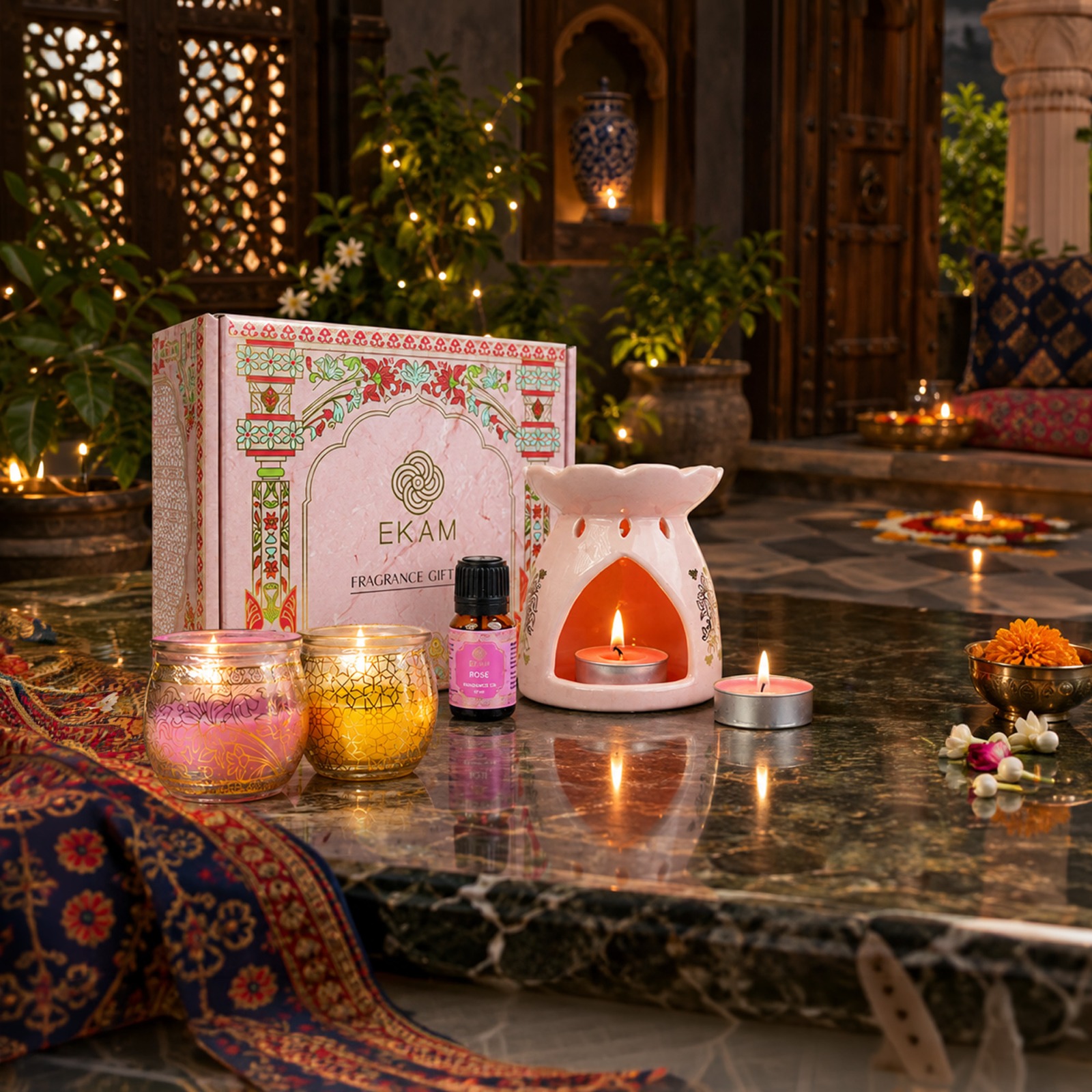 EKAM's Diwali-season sales are running 200 percent ahead of last year on a like-for-like basis. Festive candle gift packs, reed diffuser sets and corporate orders are driving demand.
The company has introduced 24 new gifting SKUs across three collections: Sheesh Mahal, Pink Haveli and Stone Palace. Its products are mainly priced between Rs 500 and Rs 1,000, while the Rs 1,000-2,500 segment is growing faster. Reed diffuser gift sets are popular in the Rs 500-750 range.
Founded in September 2020, EKAM is headquartered in Mangalore (Karnataka). Its average direct-to-consumer order value is around Rs 1,000, while corporate orders average Rs 1 lakh.
Koya said, "Premium means 'feels expensive', not 'is expensive'. Shoppers are comparing prices and prioritising value, and festive growth is coming from smaller, more frequent orders rather than bigger baskets."
The company has also expanded its presence across Amazon, Flipkart, Myntra, Blinkit, Swiggy Instamart and Zepto to reach last-minute shoppers.
Also read: Retail Sales Grow 8 Pc in September 2026 Ahead of Festive Season: Report
 Personalised Gifts Gain Demand
Consumers are also looking for gifts that are useful and match the interests of the person receiving them. This is creating opportunities for lifestyle and home products.
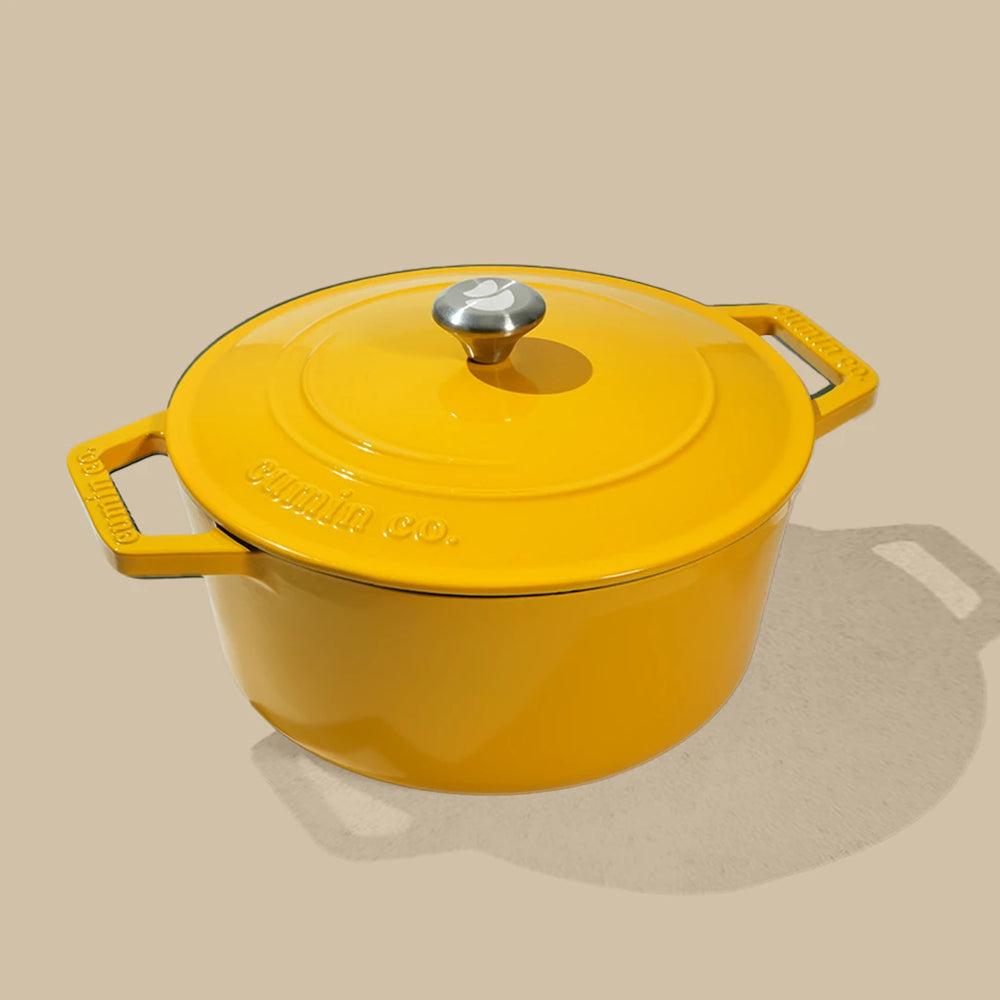
Niharik Joshi, Co-founder of Cumin Co., said, "One of the biggest shifts we've noticed is how deliberate and discerning consumers have become about gifting. People are no longer looking to simply pick up generic or random gift items."
The company has seen good demand for its Stash Boxes, which offer storage and everyday utility. It has also introduced a gifting concierge service to help customers select products, especially when buying gifts for several people.
Joshi said, "There is a growing preference for products that are unique yet useful, something that the recipient will genuinely enjoy and incorporate into their everyday lives."
She added that consumers are increasingly interested in products that combine design, quality, and functionality. The company has also received corporate gifting orders where buyers specifically asked for clean products.
According to Joshi, consumers may be purchasing fewer products but are willing to spend more on premium and well-designed gifts.
Also read: Premiumization Reshapes India’s Home Appliance Retail Market
 Corporate Gifting Expands
Corporate gifting is becoming an important part of the festive market, with companies looking for customised hampers, branded packaging and products suited to different budgets.
Brands are also extending their gifting collections beyond Diwali to weddings, housewarmings, employee milestones and other occasions.
Khetika is building its gifting range as a year-round offering, while Jagdish Farshan is focusing on customised food hampers. EKAM is offering co-branded packaging and bulk orders, and Cumin Co. is focusing on useful and design-led products.
Overall, India's Diwali gifting market is expanding beyond traditional sweets and dry fruits. Healthier food choices, personalised hampers, home fragrances and useful lifestyle products are becoming part of the festive shopping basket.
As consumers become more careful about what they buy and gift, brands are focusing on products that offer quality, good presentation and value.
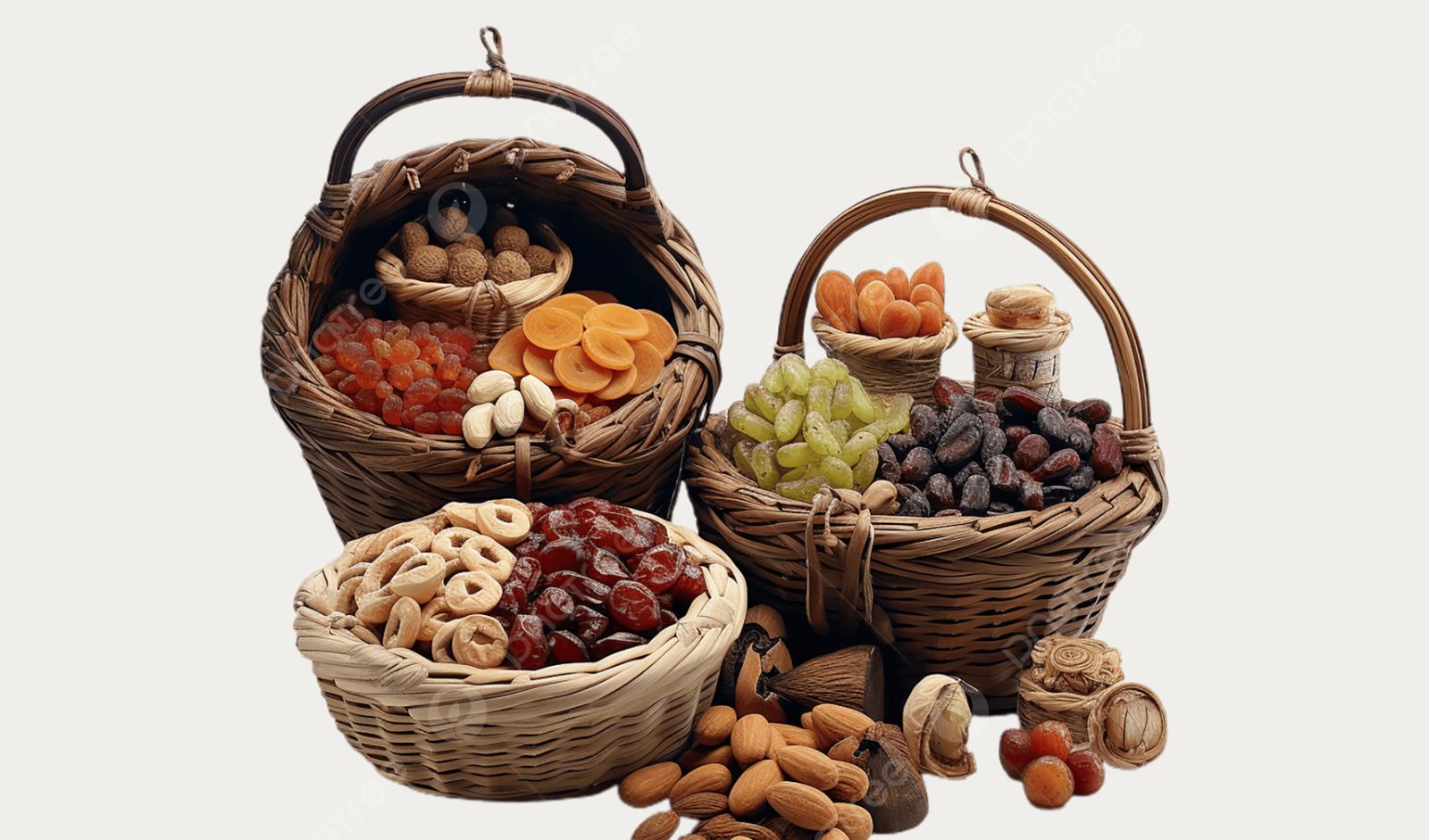
Every festive season, a box of nuts and dry fruits carries more than food. It is a gesture of respect, affection or appreciation. What goes inside that box is changing, though. Alongside familiar almonds, cashews, raisins and pistachios, buyers are discovering pecans, macadamias, hazelnuts, Brazil nuts, dates and berries. For retailers, that change says something important about what people now consider a thoughtful gift.
Health awareness is part of the appeal, but it would be a mistake to call this the end of traditional festive indulgence. Mithai retains its place in celebrations, and rightly so. Many families would rather offer a combination: a favourite sweet, a selection of nuts and perhaps something the recipient can enjoy over the following weeks. Gifting is becoming more personal, not less festive.
Nuts also have a practical advantage. They are familiar foods that can move from a celebration hamper into a breakfast bowl, office drawer or evening snack. Almonds, walnuts and pistachios provide nutrients including plant protein and unsaturated fats. The ICMR-National Institute of Nutrition includes modest portions of nuts and seeds in its guidance on balanced diets. That is a sounder message than suggesting an expensive assortment can, by itself, deliver better health. Portions, ingredients and the wider diet still matter.
Variety is changing the meaning of premium gifting as well. A larger box does not necessarily feel more special than a carefully chosen mix. Macadamias offer a different texture; pecans and hazelnuts bring flavours some recipients may know from desserts but rarely buy on their own. Traditional favourites provide reassurance, while a smaller quantity of unfamiliar nuts can make the gift memorable. The strongest assortments allow both to sit comfortably together.
This opens up a distinct opportunity for retailers and gifting businesses. Corporate buyers need dependable availability, consistent quality and presentation that suits different budgets. Individual shoppers may value smaller assortments with clearly identified varieties and practical packaging. A recipient should know what is inside the box, where appropriate how to store it, and whether a flavoured product contains added sugar or salt. Clear ingredient and allergen information deserves as much attention as an elegant sleeve.
Pricing is especially important this season. Imported nut categories remain exposed to freight costs, currency movements and shifts in overseas supply. Rather than treating premium as synonymous with expensive, retailers can offer combinations across price points, balancing familiar varieties with smaller portions of speciality nuts. That keeps discovery possible without making a gift inaccessible.
The longer-term prize is not merely a bigger festive sale. Someone who enjoys a new variety in a hamper may look for it again, this time in a small pack for home. Festivals can introduce a product; everyday usefulness can turn that introduction into lasting demand.
The traditional dry fruit box is not being replaced. It is finding new company. For India's nuts and dry fruits trade, the opportunity is to preserve the warmth of gifting while giving consumers more choice, better information and food they will actually enjoy after the celebrations end.
India’s furniture and home décor market is seeing a shift in consumer spending. During Diwali, homeowners are increasingly investing in furniture, furnishings and decorative products to refresh their living spaces. Buyers are looking beyond basic functionality and giving more importance to design, comfort, quality and durability.
The festive season has also brought higher sales for several brands. Consumers are showing interest in products that improve the appearance of their homes and remain useful throughout the year.
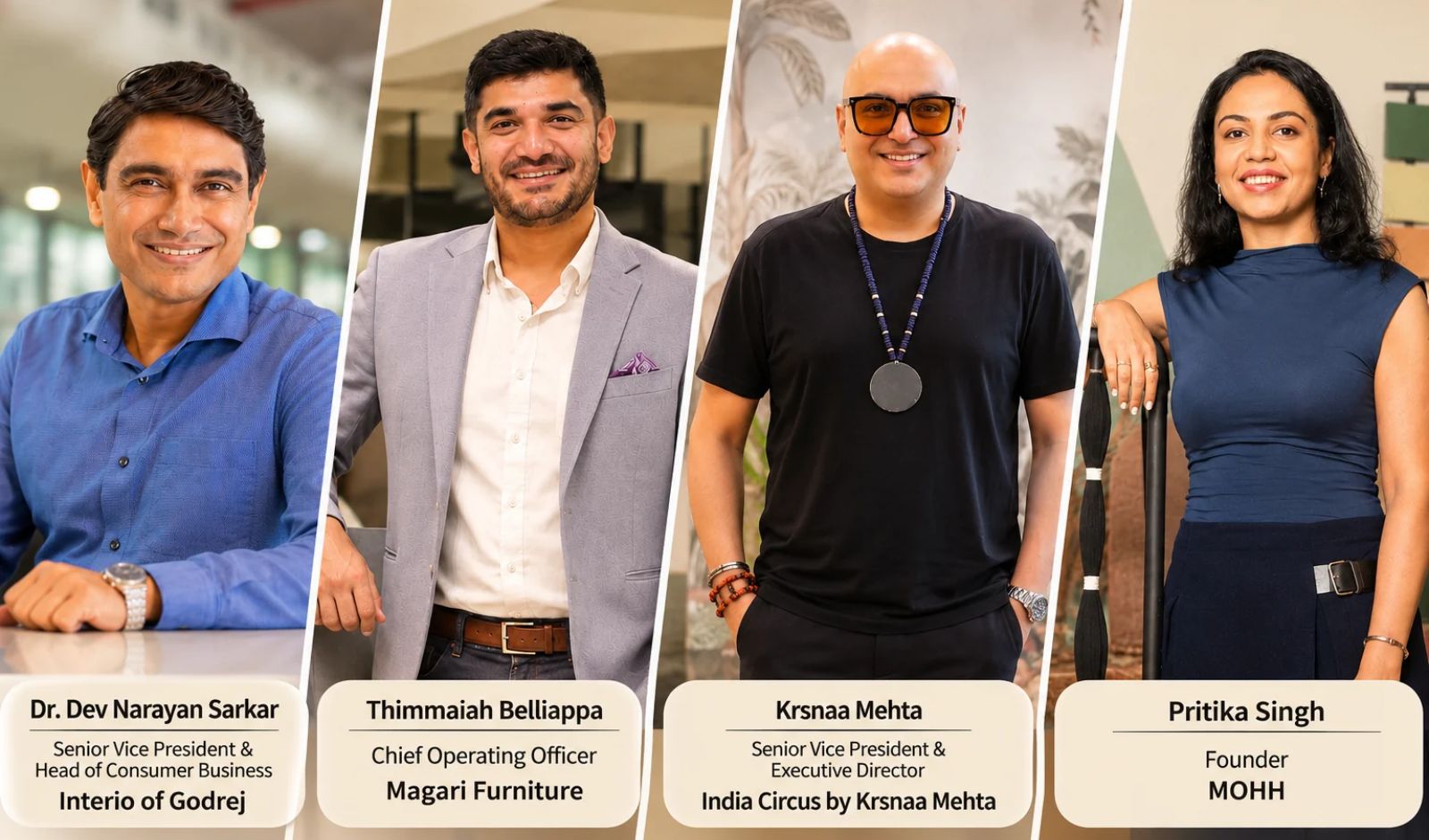
According to Pritika Singh, Founder of MOHH, festive sales were around 25 percent higher than an average month. The company recorded a 120 percent increase in order value and a 50 percent rise in order numbers compared with the previous year.
“The festive season is an important period for the furniture and home interiors industry, as consumers look to refresh their living spaces and invest in pieces that enhance both aesthetics and functionality,” Singh said.
At MOHH, home décor, bar units and living room seating, including sofas, lounge chairs and benches, were among the top-selling categories. The strongest demand came from the Rs 30,000-65,000 price range.
Also read: Malgudi: Shankar Mahadevan Takes South Indian Dining Up the Premium Ladder
Premium Products Gain Share
Consumers are becoming more selective about their home purchases. Design, craftsmanship, material quality and customisation are playing a bigger role in buying decisions.
Singh said MOHH recorded an approximately 30 percent year-on-year increase in premium and luxury furniture sales during Diwali 2026. Its festive sales were divided equally between smaller products, such as home décor, consoles, stools and shelves, and higher-value purchases, including sofas, beds and bar units.
“Consumers are becoming more thoughtful about where they spend on their homes. Rather than purchasing furniture purely for its functional value, there is greater consideration for design, craftsmanship, material quality and how well a piece fits into an individual's lifestyle,” she said.
A similar trend is visible at India Circus by Krsnaa Mehta, a Godrej brand. Krsnaa Mehta, Senior Vice President and Executive Director, India Circus by Krsnaa Mehta, said the brand recorded more than 100 percent year-on-year sales growth during Diwali 2026. Its festive revenue was around three times that of an average month.
Home décor and dining products were the major contributors. Dinnerware, serveware, decorative accessories, and furnishings also saw increased interest. Gifting remained another important category.
“The Diwali season is one of the most significant periods for India Circus, witnessing a strong uptick in consumer demand as customers look to refresh their homes, shop for festive essentials and explore gifting options,” Mehta said.
The brand reported a 30-40 percent change in average consumer spending compared with the previous year. Premium products accounted for around 75 percent of its festive demand. Gifting recorded the strongest growth, followed by the business-to-consumer segment.
Its average festive order value stood at around Rs 7,000. The brand reported 55 percent year-on-year growth, while the festive season contributed 30 percent of its annual sales.
Also read: How GRM Foods Is Growing 921 Basmati Rice Globally
Changing Furniture Preferences
Changing lifestyles and smaller urban homes are influencing furniture purchases. Consumers want products that offer more functionality without occupying too much space.
Dr. Dev Narayan Sarkar, Senior Vice President and Head of Consumer Business, Interio of Godrej, said consumers are moving from buying individual products to creating complete living spaces.
“Comfort, storage, durability and design are now expected to come together. A sofa or wardrobe must be functional, durable and suited to the way people live,” he said.
He added that living rooms are now used for work, entertainment, family time and hosting guests. This has increased demand for multifunctional furniture, integrated storage, warmer materials and textured finishes.
Interio's Upmods range offers more than 2,450 configurations. Customers can modify or upgrade their furniture as their requirements change.
At Magari Furniture, consumers are increasingly viewing furniture as a long-term investment rather than making purchases only for festive occasions.
“Design, quality, comfort and durability are playing a greater role in purchase decisions, particularly in the premium furniture segment,” said Thimmaiah Belliappa, Chief Operating Officer, Magari Furniture.
He added that customers are showing interest in natural materials, richer textures and distinctive designs. Sofas, lounge chairs, accent chairs and dining furniture are among the categories attracting buyers.
Also read: From Premium Perfumes to Pocket-Friendly Scents
Online and Offline Sales
Online platforms and physical stores both play an important role in furniture and home décor purchases.
At MOHH, online sales contributed 80 percent of total sales, while offline sales accounted for 20 percent. During the festive season, offline sales increased 70 percent year-on-year, compared with 20 percent growth online.
India Circus recorded 30 percent year-on-year growth in online sales and 50 percent growth in offline sales during the festive period. Offline retail contributed 60 percent of its total sales, while online accounted for 40 percent.
The brand is looking to expand through exclusive outlets, shop-in-shop formats and retail partnerships in FY27. It is also focusing on e-commerce, quick commerce, corporate gifting and international e-commerce.
Interio has expanded its e-commerce reach to more than 17,000 pin codes. It also has over 1,015 exclusive showrooms and more than 4,000 retail touchpoints.
The company holds a 15 percent share of India's organised furniture retail market and recorded 23 percent sales growth over the past year. During FY26, it expanded into 100 new cities. Sales from new product introductions contributed 22 percent of its overall business.
Its online sales contribution stands at 15 percent, while offline sales account for 85 percent. The company has also introduced 360-degree virtual walkthroughs, 3D room planners and AI-based product recommendations.
Magari Furniture operates stores in Bengaluru, Hyderabad, Chennai, Kochi and Indore. It is looking to expand into Mumbai, Delhi, Ahmedabad and Kolkata, along with select Tier II cities.
Also read: Retail Sales Grow 8 Pc in September 2026 Ahead of Festive Season: Report
Focus on Design and Personalisation
India's furniture market is increasingly moving towards products that offer better design, comfort and flexibility. According to industry estimates cited by Interio, the market is projected to reach USD 45.52 billion by 2031. Premium furniture is also expected to grow faster than the overall home furniture market, while the mid-range segment remains the largest.
Sarkar said modern Indian luxury is about comfort, quality and personalisation rather than expensive products alone.
“Luxury lies in the freedom to customise a layout, the comfort of good ergonomics, the feel of quality materials, the usefulness of integrated technology and the confidence that a product will last,” he said.
Founded in 1923 and headquartered in Mumbai, Interio offers home furniture and mattresses. Bedroom, living and dining furniture are its key categories. Its average price point is around Rs 50,000. The company has more than 1,000 stores and over 3,700 retailers.
India Circus was founded in 2013 and is headquartered in Mumbai. Its focus includes home décor, dining, wall décor, floor coverings, and hydration products. Its festive bestsellers include cushion covers, wall décor, dinner sets, tea sets, mugs, copper bottles and tumblers.
Founded in 2020 and headquartered in Delhi, MOHH recorded 10 percent revenue growth between FY25 and FY26. The company operates a 1,50,000 sq. ft. manufacturing facility in Gurugram.
As festive demand supports the furniture and home décor category, brands are focusing on changing consumer needs. Premium products, customised furniture, decorative accessories, and functional designs are gaining attention. These preferences are also shaping purchases beyond Diwali, as consumers look for products that suit their homes and everyday lifestyles.
Also read: Premiumization Reshapes India’s Home Appliance Retail Market
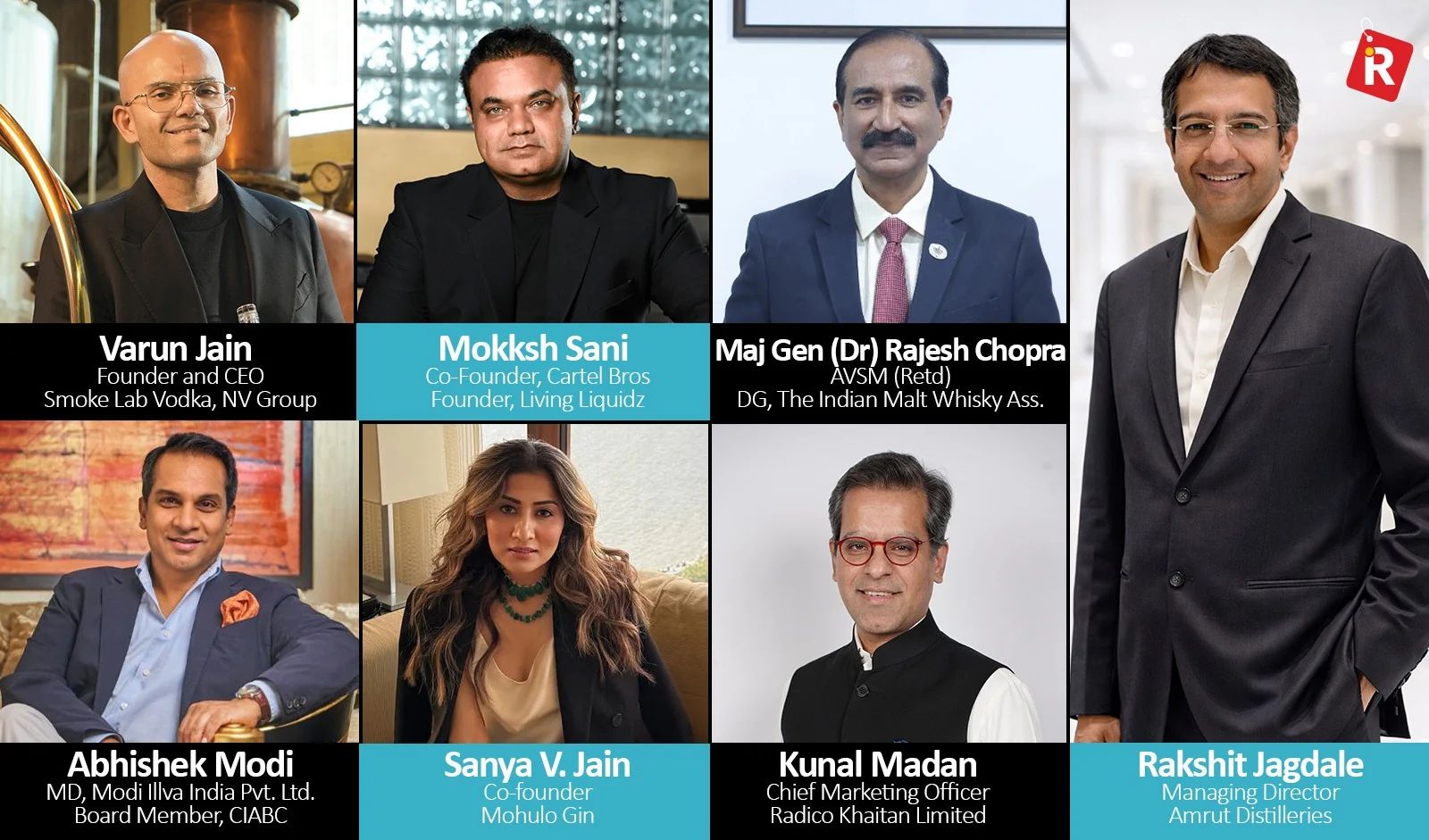
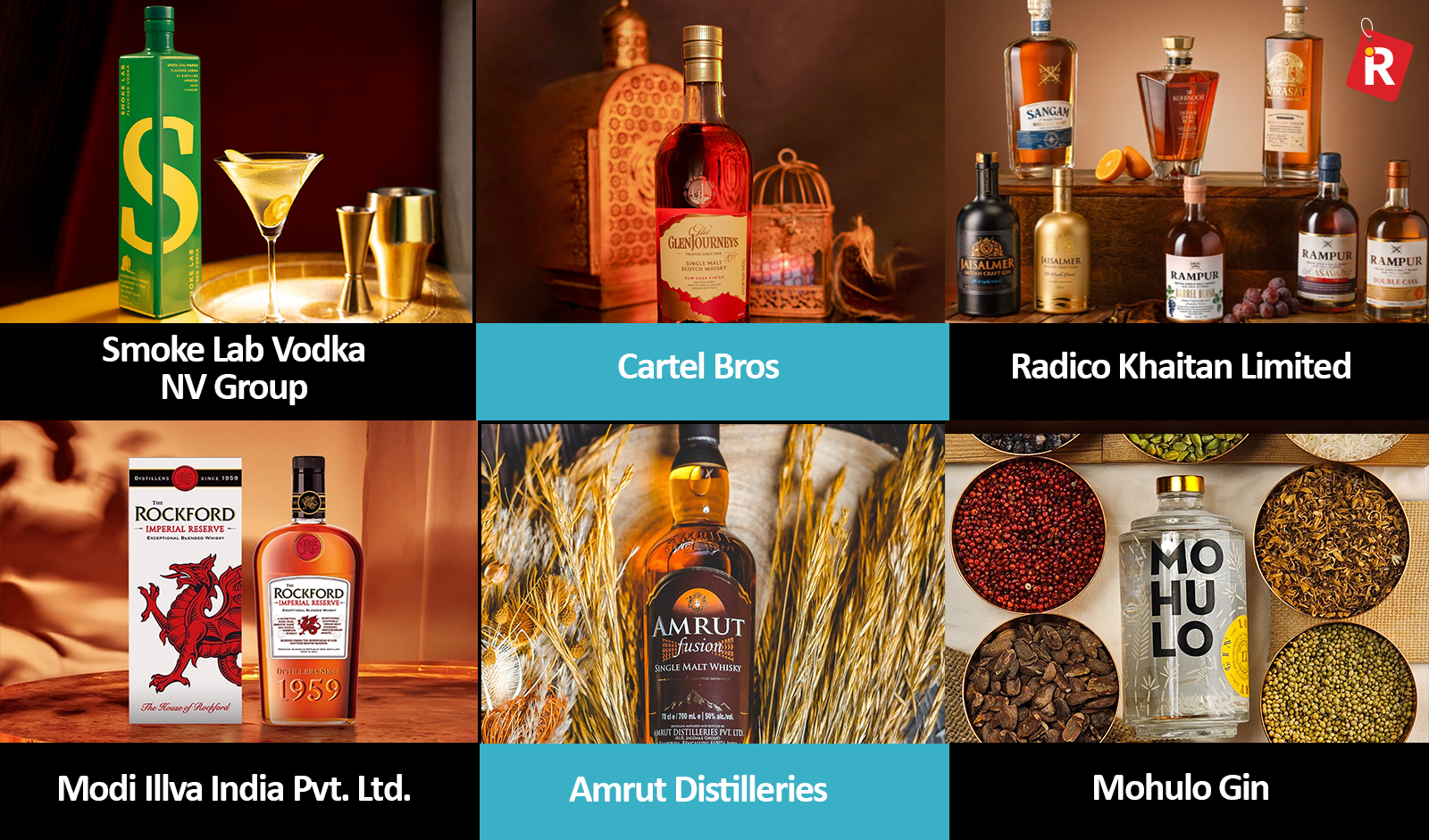
India’s alcoholic beverages market is witnessing a gradual shift towards premium products, with Diwali 2026 highlighting changing preferences across whisky, vodka and gin. Premium bottles, festive gifting, home entertaining and flavour experimentation are driving demand.
From Indian single malts to craft gin and flavoured vodka, domestic brands are gaining traction as consumers show greater interest in product origin, quality and craftsmanship. Festive celebrations and social gatherings continue to support sales across retail outlets, bars and restaurants, while metros lead premiumisation and smaller cities gradually follow suit.
Also read: Malgudi: Shankar Mahadevan Takes South Indian Dining Up the Premium Ladder
Premium Spirits Drive Festive Demand
Kunal Madan, Chief Marketing Officer, Radico Khaitan Limited, said consumer preferences during the festive season reflect a combination of premiumisation and value consciousness.
“The festive mood is in the air, and it is reflecting in how consumers are choosing to celebrate. Premium continues to lead the way, with gifting and hosting driving demand, alongside growing interest in white spirits, particularly gin and flavoured vodka. At the same time, consumers remain value-conscious, making popular price points and smaller packs equally relevant,” he said.
According to Madan, metropolitan markets are leading the shift towards premium products and experimentation, while smaller markets are also catching up.
Radico Khaitan's premium portfolio registered 36 percent volume growth in Q2 FY27, reflecting the company's performance in the premium segment. The company is looking to strengthen its premium offerings, expand its presence across markets and improve its distribution network ahead of the festive and wedding seasons.
Also read: How GRM Foods Is Growing 921 Basmati Rice Globally
Indian Single Malts Gain Premium Traction
Indian single malt whiskies are strengthening their position in India’s premium spirits market, driven by rising consumer awareness, growing interest in homegrown brands and increasing appreciation for quality, craftsmanship and distinctive whisky-making techniques.
According to Maj Gen (Dr) Rajesh Chopra, AVSM (Retd), Director General, The Indian Malt Whisky Association (IMWA), the Indian single malt whisky category recorded 22 percent year-on-year growth between 2024 and 2026.
Rising incomes, wider retail access and growing interest in craftsmanship are driving Indian single malt demand, with Diwali boosting premium gifting and personal consumption opportunities.
Companies such as Amrut Distilleries, John Distilleries, Radico Khaitan, Piccadily Agro Industries, Diageo India and Alcobrew Distilleries India represent different participants in the broader Indian malt whisky landscape. Brands such as Amrut, Paul John, Rampur and Indri have contributed to increasing awareness of Indian whisky in domestic and international markets.
The Indian single malt whisky market is projected to grow at a compound annual growth rate (CAGR) of 12.6 percent between 2024 and 2032, according to the market estimate cited in the industry inputs.
Also read: From Premium Perfumes to Pocket-Friendly Scents
Homegrown Brands Gain Premium Appeal
Indian consumers are increasingly exploring homegrown premium spirits, with quality, distinctive flavours and product differentiation shaping purchase decisions across categories beyond whisky.
Abhishek Modi, Managing Director, Modi Illva India Pvt. Ltd. and Board Member, CIABC, said the Indian spirits market is undergoing a significant change in consumer expectations.
“India’s spirits market is at an important inflection point, with premiumisation increasingly shaping consumer preferences across categories. What is changing is not just how much consumers are willing to spend, but what they expect from the product. Quality, character, craftsmanship and a clear point of differentiation are becoming more important in the purchase decision,” he said.
He added that Indian consumers are increasingly willing to consider homegrown premium spirits instead of automatically choosing imported labels.
The company's Rockford portfolio includes Rockford Classic, Rockford Reserve and Rockford Imperial Reserve. Its premium offering, Rockford Imperial Reserve, was developed to provide existing consumers with a higher-end expression within a familiar brand.
Modi also pointed to growing interest in flavoured vodka, indicating consumers' willingness to experiment with different tastes and drinking experiences.
For the company, Rockford has recorded a 73.5 percent CAGR, while its overall business has reported a CAGR of more than 52.5 percent since inception. Founded in 2008 and incorporated in 2009, Modi Illva India reported gross sales of Rs 1,328 crore in FY26. The company has a presence across 22–23 states and is targeting gross sales of Rs 1,611 crore and sales of four million cases in FY27.
Also read: Retail Sales Grow 8 Pc in September 2026 Ahead of Festive Season: Report
 Amrut Sees Festive Demand Growth
Amrut Distilleries is witnessing festive interest across single malt whisky, premium rum and gin. Managing Director Rakshit Jagdale said the company typically records around 20 percent year-on-year festive growth, supported by limited-edition releases.
He said consumers are willing to spend approximately 20–25 percent more on a bottle of alcohol during the festive period compared with their regular spending. Gifting, personal consumption and increased socialising are among the factors supporting this trend.
“During the festive season, consumers typically show a willingness to spend around 20–25 percent more than they would usually spend on a bottle of alcohol. This trend is largely driven by three factors: gifting, personal consumption and increased socialising,” Jagdale said.
The company expects retail purchases to contribute significantly to festive sales, supported by house parties and at-home celebrations. While bars and restaurants remain important sales channels, home consumption is also driving demand.
Amrut Distilleries, founded in 1948 and headquartered in Bengaluru, reported FY26 net revenue of approximately Rs. 600 crore and gross revenue of Rs. 1,800 crore. Its portfolio includes single malts such as Amrut, Fusion and Amalgam.
For FY27, the company is targeting approximately 10–12 percent growth over the previous year's closing net sales. It is also looking to enter a couple of new states, subject to state excise regulations and distribution opportunities. Its average selling price is approximately Rs 3,500–4,000.
The company estimates that the festive season contributes around 30–35 percent of its annual sales, while its premium segment has recorded more modest growth of approximately 5–7 percent.
Also read: Premiumization Reshapes India’s Home Appliance Retail Market
Flavoured Vodka and Craft Gin Find New Consumers
Beyond whisky, vodka and gin are gaining attention as consumers explore different flavours and products. The interest is particularly visible among younger consumers in metropolitan and Tier I markets.
Smoke Lab Vodka, founded in 2019 by Varun Jain, Founder and CEO, Smoke Lab Vodka, NV Group, is positioning itself in the premium vodka segment through products that use Indian ingredients.
The brand's portfolio includes Classic, Aniseed, Saffron and Liquid Gold, alongside its Green Chilli Mango expression. Its vodka is made using premium Basmati rice, while the flavoured variants bring Indian ingredients into a category traditionally associated with conventional flavour profiles.
Jain said Diwali provides an opportunity for consumers to explore products that offer different experiences.
“When we founded Smoke Lab in 2019, our ambition was to challenge conventional perceptions of vodka by placing Indian ingredients at the heart of the experience,” he said.
The brand is seeing growing interest among Gen Z and millennial consumers in metropolitan and Tier I cities. Its Green Chilli Mango variant combines mango's sweetness with the heat of green chilli.
Smoke Lab's average selling price ranges between Rs 1,600 and Rs 2,000, with Rs 1,600 being its leading price point. The brand has a presence in more than 30 markets, including India, the US, the UAE and the UK.
The US is its largest international market. The company is looking to strengthen its presence there while expanding into the UK, Europe and Africa. It has also set an ambition to capture at least 30 percent of India's premium vodka segment by 2027.
According to the company's inputs, flavoured variants account for approximately 40 percent of its domestic sales, while Classic Vodka contributes around 85 percent of its international volumes.
Also read: Small Feet, Big Business: Kids’ Footwear Steps Up Growth
Indian Ingredients Give Craft Spirits a Distinct Identity
The growing interest in product differentiation is also creating opportunities for craft spirits built around indigenous ingredients.
Mohulo Gin, Co-founded by Sanya V. Jain, is developing its positioning around Mahua, a flower associated with the cultural traditions of communities across central India.
Founded in 2023 and headquartered in New Delhi, Mohulo is positioned as a premium craft sipping gin. It is produced in small batches using copper pot distillation and combines Mahua with a blend of 12 botanicals.
At 42.8 percent alcohol by volume (ABV), the gin is designed to be consumed neat or over ice. The brand is attempting to bring an indigenous ingredient into a contemporary premium spirits category.
Jain said premiumisation is increasingly about product character and differentiation rather than simply moving to a higher price point.
“Premiumisation is no longer just about moving to a higher price point. It is about giving consumers a compelling reason to choose one spirit over another,” she said.
She added that gifting preferences are creating opportunities for brands with a distinctive product story, provenance and craftsmanship.
For Mohulo, the focus is on expanding retail availability, building relationships with premium bars and restaurants and encouraging consumers to experience the product as a sipping gin.
The company is targeting wider distribution across key markets in FY27. However, its FY26 revenue, average selling price, Diwali sales growth and festive sales contribution have not been disclosed in the inputs.
New Entrants Expand the Luxury Single Malt Segment
The premium whisky market is also attracting newer brands looking to tap into consumer interest in aged and differentiated expressions.
The GlenJourneys, a brand from Cartel Bros, entered the Indian retail market in October 2025 with its Cask Series. Its portfolio includes bourbon, sherry, and rum cask-finished expressions, along with the 21-year-old Pioneer Edition.
Mokksh Sani, Co-Founder of Cartel Bros and Founder of Living Liquidz, has identified premium single malts as an opportunity within India's evolving luxury spirits market.
The Cask Series was introduced in Maharashtra at a reported launch price of Rs 6,409, while the Pioneer Edition was priced at Rs 50,000 at launch.
The brand reported cumulative turnover of Rs 30 crore by February 2026. It had also established distribution across nine states and entered international airport duty-free channels, with export orders to Dubai.
According to the company-provided information, The GlenJourneys recorded 50 percent year-on-year Diwali sales growth in 2026. October, November and December together contribute approximately 40 percent of the company's annual sales.
The brand had previously set an ambition to capture 10 percent of India's luxury single malt segment within two years. Its updated FY27 revenue and expansion targets are yet to be confirmed.
Export Opportunities Add to Industry Growth
Alongside domestic consumption, international markets are becoming an important opportunity for Indian alcoholic beverage producers.
According to the Agricultural and Processed Food Products Export Development Authority (APEDA), India's alcoholic beverage exports reached USD 364.68 million in FY26, covering 225,704.90 metric tonnes of alcoholic products. The UAE, the Netherlands, Ghana, Kenya and Singapore were among the major export destinations.
The government has also been promoting Indian alcoholic beverages under the Make in India initiative. APEDA had announced an export revenue target of USD 1 billion for the broader alcoholic and non-alcoholic beverage segment over the next few years.
For Indian single malt producers, international expansion is supported by growing recognition of Indian whisky-making, distinct maturation conditions and the use of locally sourced ingredients.
The category's growth is also reflected in its sales volumes. According to industry data reported by Business Standard, Indian single malt sales reached approximately 500,000 nine-litre cases in 2025, registering around 22 percent growth. Indian companies accounted for an estimated 92 percent of the category's sales.
Outlook: Premiumisation to Shape the Next Phase
The Indian alco-bev market is entering a phase in which product differentiation, premium offerings and consumer experience are becoming increasingly important. Whisky continues to be a significant category, while vodka and gin are gaining attention through new flavours, indigenous ingredients and craft-led positioning.
For established companies, the focus remains on expanding distribution, strengthening premium portfolios and increasing market penetration. For newer brands, building consumer awareness, establishing retail presence and developing a distinct product identity are central to their growth plans.
The festive season has reinforced these trends, with gifting, socialising and home entertaining supporting demand for premium spirits. However, the market continues to have multiple price segments, with smaller packs and accessible offerings remaining relevant.
As Indian producers expand their domestic and international presence, the industry's next phase of growth will depend on sustaining consumer demand, maintaining product quality and building stronger distribution networks.
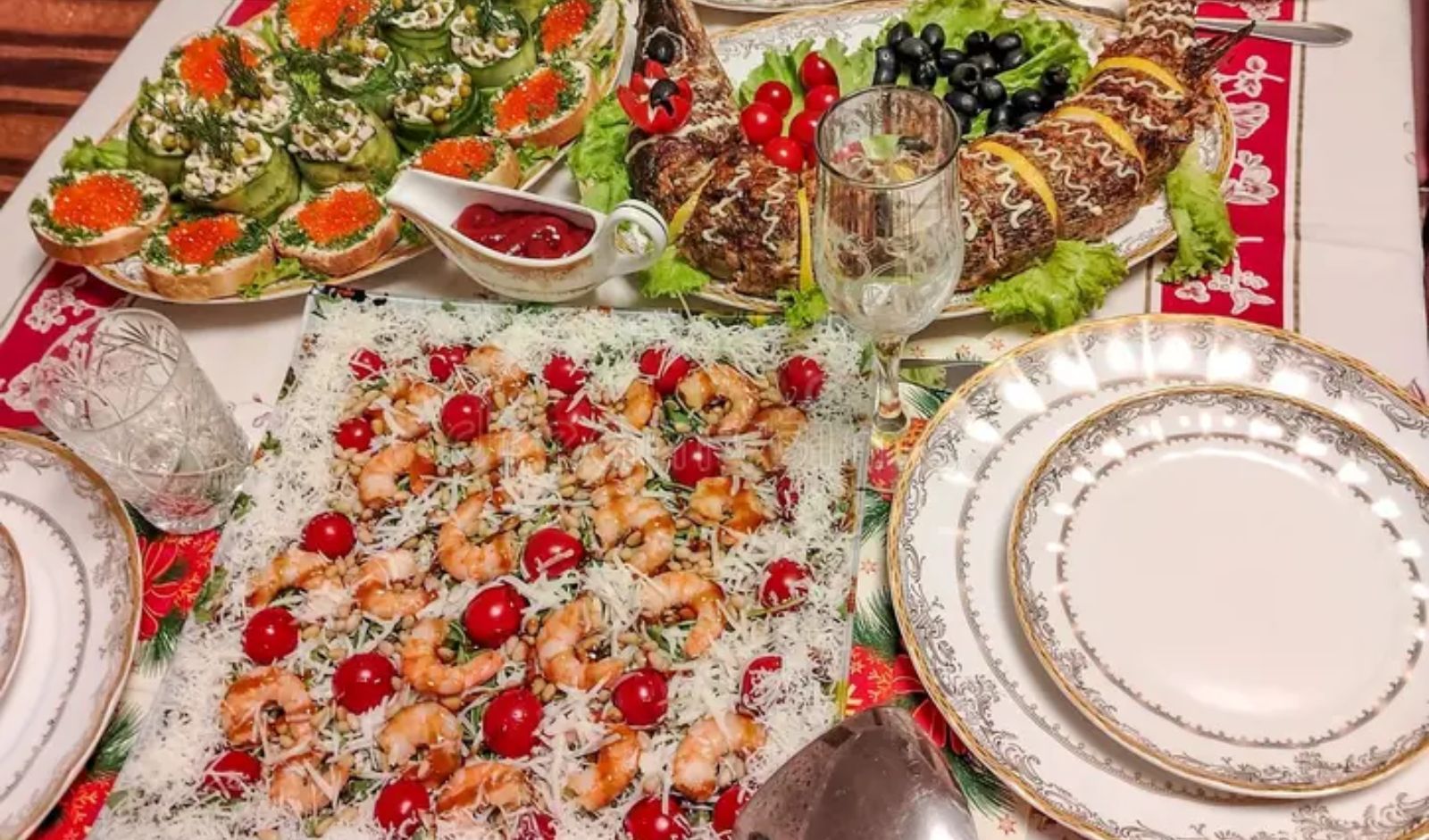
The festive season is a time for gathering over good food, discovering new flavours and creating memorable experiences with family and friends. From leisurely lunches and celebratory dinners to social get-togethers, restaurants are bringing fresh culinary concepts and distinctive menus to the table.
With regional Indian ingredients, global culinary influences and contemporary interpretations of familiar dishes gaining attention, festive dining is also becoming an opportunity to explore something different. Whether you prefer traditional flavours with a modern touch, gourmet pizzas or innovative international cuisine, these five restaurants offer distinctive dining experiences to consider this festive season.
1. AANCH by Amigos
AANCH by Amigos is bringing regional Indian culinary traditions into focus with the introduction of a rotating chef's tasting menu. The restaurant has announced an exclusive six-course dining experience designed to explore India's diverse food cultures through specially curated menus.
Starting in mid-November, the experience will be available every Sunday during lunch. Each menu will focus on a different Indian state or region, with a new culinary theme introduced every six weeks. The format offers diners an opportunity to discover regional ingredients, cooking traditions and flavours through a structured tasting experience.
The rotating menu makes the restaurant an interesting option for those looking to add a culinary experience to their festive celebrations. Its emphasis on India's regional food heritage also offers an alternative to conventional celebratory meals.
2. TerraCurry
TerraCurry approaches Indian dining through its philosophy of Real Cooking Without the Aftermath. The restaurant reimagines traditional Indian food using thoughtful cooking techniques and a lighter approach to ingredients, reducing the reliance on excessive ghee, cream and oil while retaining familiar regional flavours.
One of its key offerings is the TerraBowl range, featuring dishes inspired by different geographical regions of India. The Gangetic Plains TerraBowl combines Gobindobhog rice with khus khus, mustard and coconut curry and chana dal. The Thar TerraBowl brings together millets, Mathania mirch curry and ker sangri yellow dal, while the Himalayan TerraBowl features Kalanamak rice, Pahadi curry, hemp seeds, jakhya and Himachali rajmah.
The menu also includes whole-wheat preparations, traditional regional accompaniments and contemporary interpretations of Indian dishes.
For festive lunches and family meals, TerraCurry offers an alternative for diners who enjoy traditional Indian flavours but prefer lighter preparations. Its focus on regional ingredients and lesser-explored food traditions adds variety to the dining experience.
3. GRAMMIE
GRAMMIE brings together Wafu Italian cuisine, Mediterranean influences and Japanese culinary techniques. Its concept explores the intersection of European comfort food and Japanese precision, with an ingredient-led approach to cooking.
The restaurant's menu spans small plates, sharing appetisers, wood-fired grills, pizzas, pastas and contemporary fusion preparations. Some of its distinctive offerings include Pistachio Pesto Udon Noodles and Arancini Nigiri, while its dessert selection features options such as Pistachio Tiramisu.
Live-fire cooking and an emphasis on balanced flavours are central to the restaurant's culinary approach. The beverage programme includes innovative cocktails, while a dedicated gelato experience adds another dimension to the menu.
GRAMMIE also follows an all-day dining format, allowing guests to visit for coffee, business lunches, evening cocktails and dinner. Its interiors incorporate digital artworks and an interactive gelato experience.
With its varied menu and distinctive culinary influences, GRAMMIE is an option for festive lunches, evening get-togethers and celebratory dinners. Its combination of European and Japanese flavours offers diners something beyond conventional Italian or Mediterranean menus.
4. Tossin Pizza
For festive gatherings that call for familiar favourites with creative flavour combinations, Tossin Pizza offers a menu centred on gourmet pizzas and comfort food. Its menu features a variety of vegetarian and non-vegetarian gourmet pizzas, pan pizzas and Sicilian pies, alongside appetisers, pastas, calzones, dips, beverages and desserts. The range brings together classic pizza preparations and globally inspired combinations, offering options for different preferences at group meals.
Some of its signature offerings include OG Peri Peri Veg Pizza, Classic Pesto Veg Pizza and Signature Peri Peri Chicken Pizza. The brand has also introduced newer flavour combinations such as Hoisin Highway, featuring hoisin sauce, paneer, mushroom, bok choy and mozzarella, and The Beijing Roast Chicken, which combines grilled chicken with Asian-inspired flavours.
With its selection of pizzas, sharing-friendly appetisers and desserts, Tossin Pizza offers a casual dining option for festive get-togethers, family meals and outings with friends. Its varied menu also allows diners to explore different flavour profiles within a familiar comfort-food format.
5. Novy
Novy takes a globally influenced approach to contemporary comfort food, combining familiar dishes with unexpected culinary references and ingredient combinations. The restaurant is led by chefs Ashay Dhopatkar and Neha Lakhani.
Its menu moves across different cuisines, bringing together creative interpretations of small plates, mains and desserts. Dishes include edamame momos served with Kolhapuri-style pandhra rassa, mutton haleem croquettes inspired by chicken Kiev, and paella socarrat featuring spiced nimbu mutton.
The restaurant's approach also extends to its beverage programme, which uses house infusions and Indian ingredients to create distinctive combinations. The dessert selection includes options such as pistachio tiramisu and a reinterpretation of falooda.
With its mix of global references and familiar flavours, Novy offers a contemporary dining experience for guests who enjoy experimenting with food. Its chef-led menu and inventive combinations make it an interesting choice for festive dinners, group outings and celebratory occasions.
Conclusion
Festive dining is about more than choosing a restaurant; it is an opportunity to explore new flavours, share memorable meals and bring people together over food. From AANCH by Amigos' regional Indian tasting menu and TerraCurry's lighter interpretations of traditional cuisine to GRAMMIE's Japanese-European influences, Tossin Pizza's gourmet comfort food and Novy's globally inspired menu, these restaurants bring different culinary perspectives to the festive season.
Whether planning a family lunch, a dinner with friends or a special celebratory outing, these dining experiences offer an opportunity to make festive gatherings more flavourful and memorable.
Frequently Asked Questions (FAQs)
1. What are some unique festive dining experiences to explore in 2026?
Some distinctive options include regional Indian tasting menus, progressive Indian cuisine, Japanese-influenced Italian food, gourmet pizzas and globally inspired menus. Restaurants such as AANCH by Amigos, TerraCurry, GRAMMIE, Tossin Pizza and Novy offer these different culinary experiences.
2. Which restaurants offer regional Indian cuisine for festive dining?
AANCH by Amigos has introduced a six-course tasting menu exploring India's regional culinary traditions, while TerraCurry features dishes inspired by the Gangetic Plains, Thar and Himalayan regions.
3. Where can diners explore international flavours during the festive season?
GRAMMIE offers Wafu Italian cuisine with Japanese, European and Mediterranean influences. Novy combines global culinary references with familiar Indian flavours, while Tossin Pizza offers gourmet pizzas with international flavour combinations.
4. Which restaurants are suitable for festive get-togethers with friends and family?
Restaurants with varied menus and sharing-friendly options can work well for group outings. Tossin Pizza offers gourmet pizzas, appetisers and desserts, while GRAMMIE and Novy feature diverse menus suited to different dining preferences.
5. What should you look for when choosing a restaurant for festive dining?
Consider the occasion, group size, cuisine preferences and overall dining experience. Restaurants with diverse menus, sharing plates, distinctive culinary concepts and comfortable dining spaces can be good options for family lunches, celebratory dinners and festive get-togethers.
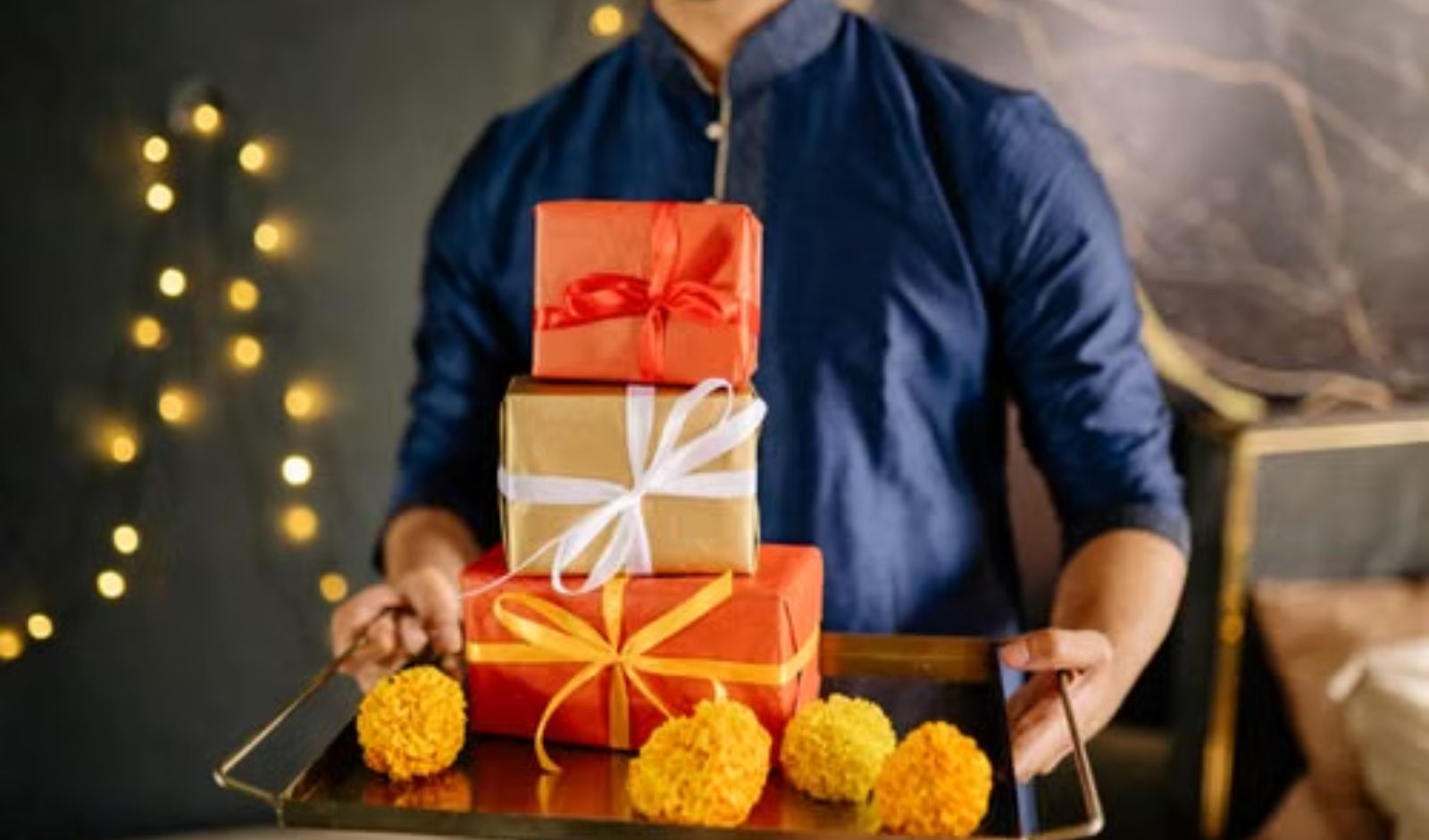
cooking and home convenience.
Diwali Gift Ideas 2026: Best Practical Picks for Home, Kitchen and Personal Care
Meta description: Looking for useful Diwali gifts in 2026? Explore five practical gifting ideas, from personal grooming devices and kitchen appliances to air purifiers and smart home gadgets.
Diwali gifting is no longer limited to traditional sweets, decorative hampers and festive accessories. As consumers look for gifts that offer lasting value, everyday essentials across personal care, home and kitchen categories are also finding a place on festive shopping lists. From grooming devices designed to simplify self-care routines to appliances that make household tasks more convenient, practical gifts can combine thoughtfulness with functionality.
Whether you are shopping for family, friends or colleagues, here are five product ideas to consider for Diwali 2026.
1. Philips OneBlade Intimate: A Personal-Care Gift for Everyday Grooming
For those who value personal grooming and convenient self-care, the Philips OneBlade Intimate offers a dedicated solution for intimate grooming. Designed for sensitive areas, the device combines Philips' patented OneBlade Technology with a SkinProtect blade featuring a triple-protection system intended to help reduce nicks, cuts and irritation.
The device is designed to trim and shave hair of different lengths without requiring additional tools. Its waterproof construction allows it to be used wet or dry, with or without foam, including in the shower. Compact enough to be included in a grooming kit or gym bag, it offers a convenient option for those looking to simplify their grooming routine.
Positioned by Philips as its global intimate grooming bestseller, OneBlade Intimate is available through platforms including Amazon, Blinkit, Instamart, Nykaa and TIRA, among others.
2. Surya Roshni Alpha Mixer Grinder: A Functional Gift for the Modern Kitchen
A kitchen appliance can be a useful festive gift, particularly for someone setting up a home or looking to upgrade everyday cooking essentials. The Alpha Mixer Grinder by Surya Roshni combines a functional design with features intended for regular kitchen use.
Equipped with a 500W motor and Motor Vent-X Technology, the appliance is designed to offer enhanced airflow and support motor life. It comes with three stainless steel jars, ergonomic handles and super-efficient blades to assist with different kitchen preparation tasks. Anti-skid vacuum feet provide stability during operation, while its sleek design complements contemporary kitchen spaces.
The Alpha Mixer Grinder is a practical gifting option for households that value everyday convenience and functional kitchen appliances.
3. GM G+ DisplayPulse 100W GaN Fast Charger: A Smart Gift for Tech Enthusiasts
For professionals, frequent travelers and those who rely on multiple devices for work and everyday tasks, a fast charger can be a useful addition to their tech essentials. The GM G+ DisplayPulse 100W GaN Fast Charger combines high-speed charging with features designed to make everyday device management more convenient.
Powered by GaN technology, the charger delivers up to 100W fast charging for compatible laptops, tablets and smartphones. Its integrated TFT display provides real-time information on charging output, allowing users to monitor power delivery. Equipped with USB-C and USB-A ports, it can charge multiple devices through a single adapter, while smart power distribution helps manage power across connected devices.
The charger also features overvoltage, short-circuit and temperature protection. Its compact, travel-ready design makes it a practical gifting option for professionals, students and technology enthusiasts looking to simplify their everyday charging needs.
4. Qubo Q1000 Air Purifier: A Considered Gift for the Home
Home-focused gifting can also extend to products that support indoor air quality. The Qubo Q1000 Air Purifier combines filtration features with smart connectivity, making it an option for households looking to add an air-care device to their living spaces.
The purifier uses an H13 HEPA filter along with activated carbon filtration and is designed for spaces of up to 1,000 sq ft. It also supports app and voice control, allowing users to manage the device through connected platforms. With its combination of air filtration and smart-home functionality, the Qubo Q1000 can be considered for family homes and recipients who appreciate practical home technology.
5. Ninja Air Fryer Max Pro 6.2L: For Everyday Cooking Convenience
For someone who enjoys experimenting in the kitchen or wants to explore different cooking methods, an air fryer can be a useful addition to the home. The Ninja Air Fryer Max Pro 6.2L offers multiple cooking functions, including air frying, roasting and baking, bringing different preparation options into one appliance.
Powered by a 2,000W system, it features Ninja's Max Crisp technology, which reaches temperatures of up to 240°C. Its 6.2-litre capacity makes it suitable for family use, while the multiple cooking functions allow users to prepare a range of dishes.
Conclusion
Diwali gifting is an opportunity to choose presents that go beyond the festive occasion and become part of everyday life. From personal grooming devices such as the Philips OneBlade Intimate to kitchen appliances like the Surya Roshni Alpha Mixer Grinder, practical products can offer a balance of utility and thoughtful gifting. Smart home devices, air purifiers and cooking appliances further expand the choices available across different budgets and lifestyles.
As gifting preferences evolve, products that address everyday needs while offering convenience and functionality can make meaningful additions to festive shopping lists.
Frequently Asked Questions (FAQs)
1. What are some practical Diwali gift ideas for 2026?
Practical Diwali gifts include personal grooming devices, mixer grinders, air fryers, robot vacuum cleaners and air purifiers. These products offer everyday utility and can be suitable for friends, family members and colleagues.
2. Which home appliances make good Diwali gifts?
Kitchen appliances such as mixer grinders and air fryers are useful gifting options. Robot vacuum cleaners and air purifiers are also worth considering for households looking to upgrade their home essentials.
3. What are some personal-care products to gift this Diwali?
Personal-care gifts can include grooming devices, skincare products, hair styling tools and wellness accessories. The Philips OneBlade Intimate, for instance, is designed for convenient intimate grooming and sensitive areas.
4. Are smart home products suitable for Diwali gifting?
Yes. Smart home products such as robot vacuum cleaners and connected air purifiers can make useful gifts, particularly for people interested in technology-led home convenience.
5. How do I choose a useful Diwali gift?
Consider the recipient's lifestyle, interests and everyday requirements. Kitchen appliances may suit someone who enjoys cooking, while grooming devices and smart home products can be relevant for those who value personal care or household convenience. Choosing something that the recipient can use regularly can make a gift more meaningful.
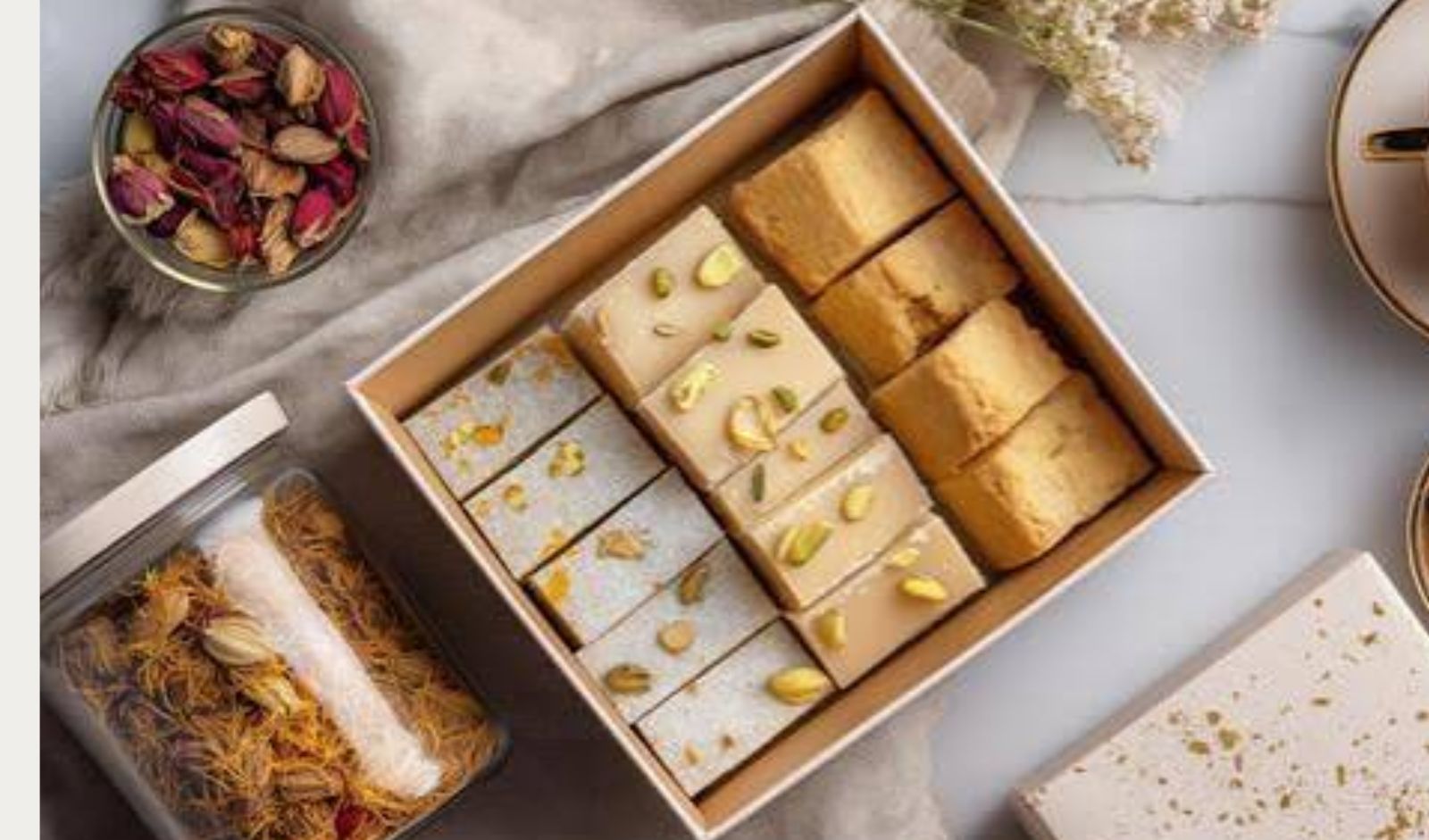
Diwali gifting is evolving beyond conventional sweets and dry fruit boxes, with brands introducing curated offerings that bring together gourmet indulgences, artisanal products, regional produce, wellness-inspired selections and premium experiences. From luxury hampers and coffee-led treats to farm-sourced Indian dry fruits and contemporary festive gift boxes, there are several options for those looking to make their presents more thoughtful this season. Here are five festive gifting collections to explore for Diwali 2026.
1. Giftwrapped by Oberoi: A Luxury Festive Collection Rooted in Craftsmanship
The Oberoi Group's Giftwrapped by Oberoi presents its Festive Collection 2026, a curated range of hampers bringing together artisanal craftsmanship, gourmet indulgences, conscious gifting and distinctive keepsakes. Inspired by nature's beauty, the collection focuses on thoughtful details and memorable gifting experiences, catering to different preferences and budgets.
The collection features several categories, including Azure, Paradise, Abundance, Verdant, Grandeur, Bloom and the premium Heirloom range. The hampers combine artisanal mithais and chocolates, premium nuts, handcrafted teas and coffees, wellness-inspired products, home fragrances and festive accents.
Among the distinctive inclusions are bambooless incense sticks, a Superfood Trio featuring turmeric, honey and A2 ghee, terracotta diyas, handcrafted torans, artisanal teas and brass accessories. The collection also brings together gourmet favourites and handcrafted keepsakes, making it suitable for both personal and corporate gifting.
A notable addition is The Journey Collection, comprising five travel-friendly hampers: The Curator, The Ritual, The Indulgence, The Connoisseur and The Gatherer. These offerings combine gourmet treats, beverages, wellness products and festive keepsakes for gifting on the move.
The festive range is further complemented by The Oberoi Patisserie Homemade Collection and artisanal mithais and chocolates, available in boxes of 5, 10, 16 and 25. Personalisation options include bespoke branding, packaging, monograms, engravings and individual messages.
2. Barista Exotic Hamper: Coffee and Chocolate Indulgence for the Festive Season
For those who appreciate coffee and gourmet treats, the Barista Exotic Hamper brings together familiar indulgences in a thoughtfully presented festive package. The hamper features Barista House Blend coffee, delicious treats and premium chocolate indulgences.
Designed to make festive moments special, the hamper is suited to gifting friends, family and colleagues, as well as those looking to treat themselves during the celebrations. Combining the richness of coffee with the appeal of chocolates and other treats, it offers a gifting option for people who enjoy gourmet flavours and everyday indulgences.
3. Doodhvale Farms Assorted Gifting Box: A Festive Hamper Built Around Traceability
Bringing transparency and farm-to-consumer sourcing into festive gifting, Doodhvale Farms has introduced its Assorted Gifting Box, featuring three varieties of desi ghee. The hamper includes 330 ml jars of Cow A2 Vedic Desi Ghee, Classic Cow Shuddh Bilona Ghee and Royal A2 Buffalo Desi Ghee, accompanied by a wooden serving spoon.
What distinguishes the collection is the brand's focus on traceability. Doodhvale Farms maintains separate partner farms for its A2 cows, regular cows and buffaloes, ensuring that milk from different herds does not mix. Each jar can be traced back to the farm from which its milk originated.
4. KisaanSay Indian Dry Fruit Gift Boxes: Bringing Farm-Sourced Produce to Festive Gifting
Adding an Indian agricultural perspective to festive gifting, farm-to-consumer startup KisaanSay has introduced a Diwali collection featuring dry fruits sourced directly from farmers across Kashmir, Konkan and Nashik.
The collection comprises four gift box variants, ranging from 450 g to 1 kg. The boxes feature different combinations of Nashik Black Raisins, Kashmiri Mamra almonds, Kashmiri walnuts and Konkan cashews, with quantities ranging from 150 g to 250 g per variety.
5. Bharat Vedica Gir Amrit Kalash Hamper: Celebrating Indian Heritage and Tradition
For those seeking a festive gift inspired by Indian traditions, Bharat Vedica's Gir Amrit Kalash Hamper brings together heritage-inspired presentation, traditional Indian offerings and a wellness-focused appeal.
Curated for people who appreciate authentic Indian products and meaningful gifting, the hamper celebrates purity, tradition and indulgence. Positioned as a premium festive offering, it makes a thoughtful choice for family, friends and loved ones during Diwali.
With its emphasis on traditional Indian offerings and a presentation inspired by heritage, the Gir Amrit Kalash Hamper offers an alternative to conventional festive gifts, bringing a sense of cultural significance to the occasion.
6. Gingalalahu BYOG Diwali Gift Box: A Contemporary Take on Festive Gifting
Bringing a contemporary spirits-led offering to the festive gifting space, Gingalalahu has introduced its exclusive Diwali Gift Box as part of its BYOG (Bring Your Own Gingalalahu) campaign.
Giving a fresh spin to the familiar BYOB (Bring Your Own Booze) expression, the campaign encourages consumers to make Gingalalahu a part of their Diwali celebrations, from festive hosting and get-togethers to gifting.
The BYOG proposition is being brought to life through a series of creatively conceptualised videos that reimagine the familiar expression for the festive season. The campaign also features festive cocktail inspiration, highlighting ways to incorporate the gin into celebratory occasions.
Extending the campaign into the gifting segment, the exclusive Diwali Gift Box offers consumers another way to include the brand in their festive celebrations. The gift boxes are available at select retail outlets across Gurugram and Chandigarh.
7. Blunt Black EDP Gift Set: Four Fragrance Profiles for Festive Gifting
For those looking to gift personal-care and fragrance products this Diwali, Blunt Black offers a set of four Eau de Parfum fragrances, bringing together different scent profiles in one collection. Designed for consumers who enjoy exploring different fragrances, the set offers options suited to varied preferences.
The collection features French Aqua, with fresh aquatic and citrus notes; Neo Aura, combining fruity-floral notes with delicate gourmand hints; Dark Elixir, featuring smoky woody notes and rich, exotic accords; and Velvet Night, with deep woody notes complemented by soft floral accents.
By bringing together four distinct fragrance compositions, the collection allows recipients to explore different scents depending on their preferences and occasions. Its compact format also makes it a convenient gifting option for friends and family, offering an accessible way to add a personal touch to festive celebrations.
Festive Gifting Reflects Changing Consumer Preferences
From luxury hampers and gourmet treats to locally sourced agricultural produce, traditional Indian offerings and contemporary spirits gifting, Diwali 2026 presents a diverse range of choices for consumers. While curated collections such as Giftwrapped by Oberoi emphasise craftsmanship and personalised gifting, brands such as KisaanSay are bringing regional agricultural produce into the festive gifting market. Meanwhile, Barista, Bharat Vedica and Gingalalahu offer distinct propositions centred on indulgence, tradition and contemporary celebrations.
Together, these offerings reflect how festive gifting is expanding beyond conventional choices, with brands exploring different products, experiences and stories to make the act of giving more meaningful.
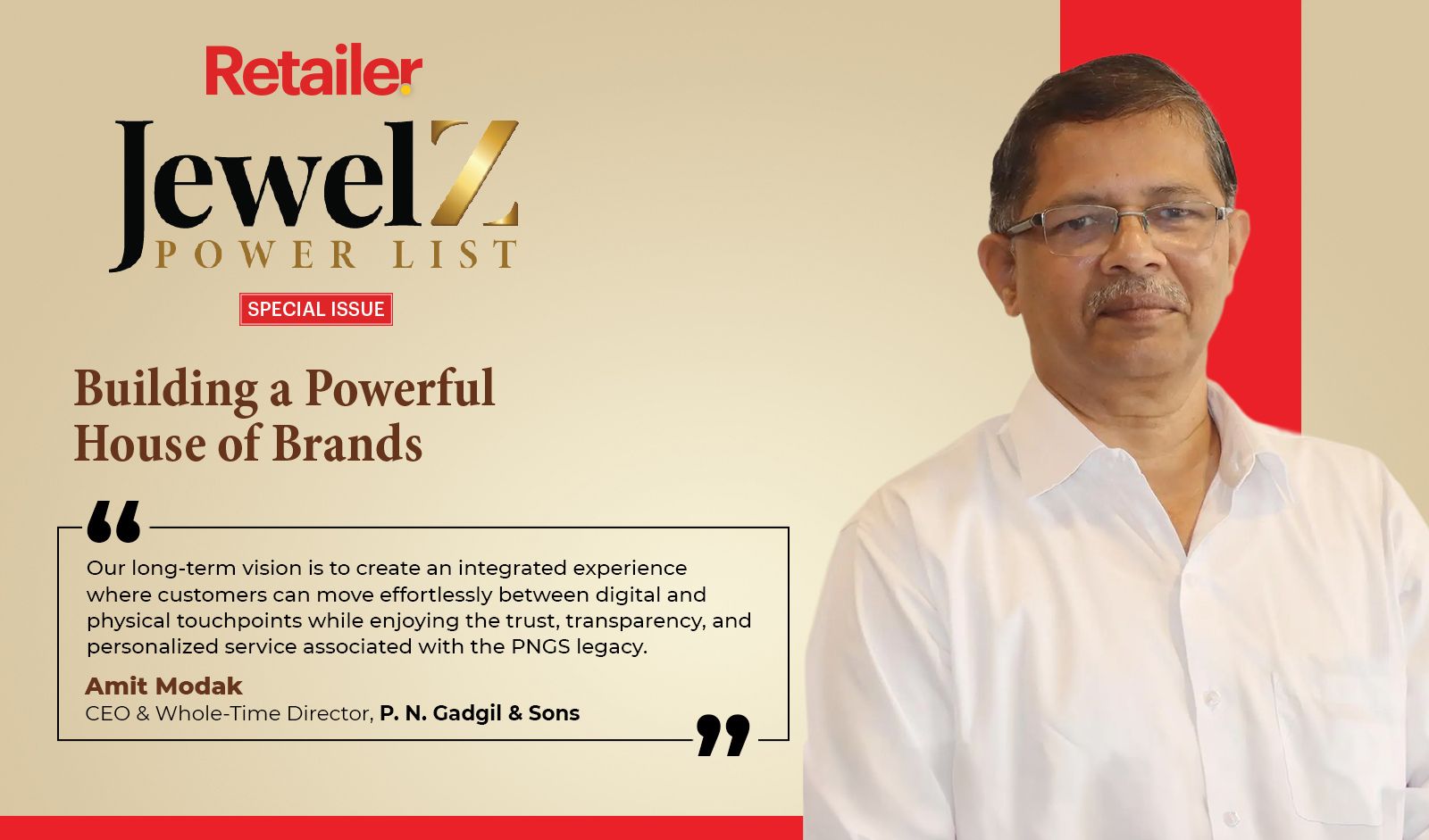
Reva Diamonds is carving a niche in India's evolving jewelry market with a specialized retail model focused exclusively on certified natural diamonds. Backed by the 193-year legacy of P. N. Gadgil & Sons (PNGS), the brand is expanding its retail presence as consumers increasingly look beyond traditional wedding purchases toward certified, contemporary diamond jewelry.
Blending Heritage with Modern Luxury
PNGS launched Reva Diamonds after observing a growing preference among consumers for specialized natural diamond retail experiences centered on trust, certification, transparency, and personalized service.
"Modern customers were looking for brands that offered not only beautiful designs but also transparency, certification, trust, and a deeper understanding of the value of diamonds," explained Amit Modak, CEO & Whole-Time Director, P. N. Gadgil & Sons.
Launched in December 2024, Reva Diamonds started as a dedicated destination for certified natural diamond jewelry, offering thoughtfully curated collections across engagement rings, bridal jewelry, occasion wear, and everyday luxury. Today, the brand has expanded to 37 stores, leveraging PNGS's longstanding reputation while building a distinct identity focused exclusively on natural diamonds.
Expanding Through Specialized Retail
Retail expansion remains central to Reva Diamonds' growth strategy. The brand currently operates through exclusive Reva Diamonds boutiques alongside dedicated diamond jewelry sections within select P. N. Gadgil & Sons stores, allowing it to combine specialized retail experiences with the trust associated with the PNGS brand.
According to Modak, the objective is to make certified natural diamonds more accessible while delivering expert guidance throughout the buying journey.
"Exclusive Reva Diamonds stores serve as dedicated destinations where customers can explore our complete range of certified natural diamond and platinum jewelry in an environment designed specifically around the diamond buying experience. Customers receive personalized consultations and expert guidance to make informed purchase decisions," he shared.
As the company expands, it plans to strengthen its presence across key markets through scalable retail formats while maintaining consistency in customer experience, product quality, and brand values.
Building an Omnichannel Experience
Recognizing that today's consumers begin their purchase journey online, Reva Diamonds is steadily strengthening its omnichannel capabilities.
Customers increasingly research diamond characteristics, compare designs, and seek inspiration digitally before visiting a store. While digital platforms help educate consumers and showcase collections, physical stores remain central to delivering personalized consultations and allowing customers to experience the craftsmanship and brilliance of natural diamonds firsthand.
"Our long-term vision is to create an integrated experience where customers can move effortlessly between digital and physical touchpoints while enjoying the trust, transparency, and personalized service associated with the PNGS legacy," Modak noted.
As part of this strategy, the company is also working toward developing a dedicated Reva Diamonds e-commerce platform to further strengthen its digital ecosystem.
Long-term Vision
Reva Diamonds plans to expand its retail footprint across high-potential markets, strengthen its digital and omnichannel capabilities, and introduce contemporary collections that cater to evolving consumer aspirations. Customer education will remain a key focus as the company continues building awareness around the uniqueness, certification, craftsmanship, and enduring value of natural diamonds, particularly among younger consumers.
"Our ambition is to build a future-ready natural diamond jewelry brand that contributes meaningfully to the growth of India's organized jewelry retail sector while creating lasting relationships with customers for generations to come," Modak concluded.

Tyaani Jewellery – A Karan Johar Brand is redefining India's contemporary fine jewelry landscape by blending traditional craftsmanship with modern design sensibilities. Positioned between heritage luxury houses and conventional jewelry retailers, the brand has built a distinct identity with handcrafted uncut diamond jewelry, certified gemstones, transparent pricing, and timeless designs that appeal to today's discerning consumers.
With a growing network of exclusive boutiques and an ambitious expansion strategy, Tyaani is strengthening its presence in the premium jewelry segment while making contemporary heirloom pieces more accessible to a wider audience.
"The organized sector still represents only 40 percent of India's jewelry market, which means there is significant room for branded players to grow. Tyaani bridges the gap between traditional luxury houses and regional jewelers by offering design-led craftsmanship with transparent pricing," said Shravan Satyani, Founder and Managing Director, Tyaani Jewellery.
Building a Contemporary Heirloom Brand
Founded in 2017, Tyaani was built on the vision of combining India's rich uncut diamond heritage with contemporary creativity. Rather than designing around standardized settings, the brand creates each piece around the unique character of every stone, resulting in distinctive heirloom jewelry.
Over the years, the company has rapidly expanded its footprint from six boutiques to 12 exclusive stores across Mumbai, Delhi, Hyderabad, Bengaluru, Chandigarh, Pune, Lucknow, Ahmedabad, Kolkata, Jalandhar, Surat, and Jammu. It now aims to reach 20 stores in 2026 while expanding into several new markets across the country.
Financially, the company reported ₹250 crore in topline revenue and ₹37.5 crore in bottom-line profit in FY25, with ambitious growth targets over the next three years.
"Our growth strategy has always been centered on creating timeless jewelry while expanding thoughtfully into markets where consumers appreciate craftsmanship and contemporary design," Satyani said.
Retail Expansion Powered by Omnichannel Growth
Physical retail continues to anchor Tyaani's business, contributing nearly 85 percent of total sales, while digital channels account for the remaining 15 percent. Rather than viewing e-commerce as a standalone sales channel, the company sees digital as the first touchpoint that inspires customers before they experience the brand in-store.
To support this strategy, Tyaani is investing in technologies that create a unified customer experience across online and offline channels, ensuring consistent service, pricing, and personalized engagement.
The company is also accelerating expansion through a franchise-led model, providing partners with end-to-end support in store design, visual merchandising, staff training, operations, and marketing while maintaining centralized brand standards.
Building Brand Equity Through Storytelling
Celebrity-led storytelling has become a key pillar of Tyaani's brand strategy. With Karan Johar serving as Visionary and Founder, the brand has strengthened its visibility through the "Forces of Tyaani" campaign, partnerships with Bollywood productions, editorial features, and celebrity collaborations.
"Karan Johar's association is foundational to the brand rather than a conventional endorsement. It reflects the design philosophy and aspirational identity that Tyaani represents," Satyani explained.
Looking Ahead
As India's organized jewelry retail market continues to expand, Tyaani is focused on strengthening its national presence through franchise-led growth while maintaining its emphasis on craftsmanship, design innovation, and premium customer experiences.
"The opportunity isn't about creating new demand—it's about converting existing jewelry spending into the organized, design-led segment. That's where we believe Tyaani is well positioned for the future," Satyani concluded.
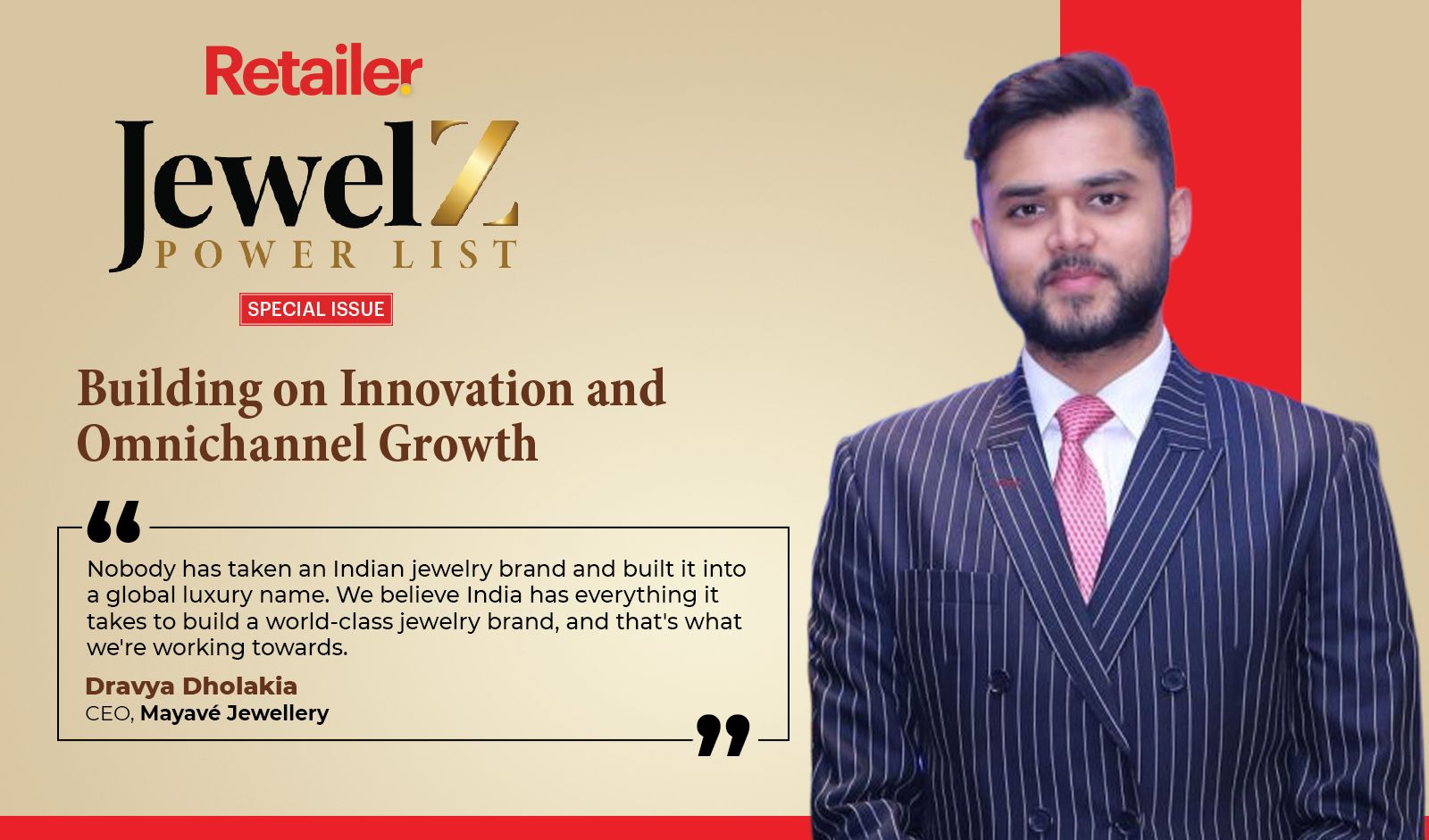
India's jewelry retail landscape is undergoing a transformation as changing consumer preferences, omnichannel commerce, and the growing acceptance of lab-grown diamonds reshape the industry. For Mayavé Jewellery, the future of jewelry retail lies not just in selling products but in creating memorable experiences that resonate with modern consumers.
Launched by Dholakia Lab Grown Diamonds. (DLGD), Mayavé marks the company's entry into experiential consumer retail with an omnichannel strategy that places physical stores at its core.
Experience Over Transactions
The traditional jewelry retail has remained largely unchanged for decades, with stores focused on product displays rather than customer engagement. Mayavé aims to break that mold through larger, experience-led stores spanning 2,200–2,500 sq. ft., offering spacious layouts, greater privacy, and immersive storytelling.
"Buying jewelry is one of the most significant purchases in a person's life, yet the experience often lacks privacy and emotional engagement. We want to bring a different flavor to how jewelry is sold in India," expressed Dravya Dholakia, CEO, Mayavé Jewellery.
Omnichannel with Offline at the Core
While digital channels have become indispensable, Dholakia believes jewelry remains a category where physical retail plays a critical role. Consumers often want to touch, try on, and experience jewelry before making high-value purchases, making offline stores an integral part of the buying journey. "You have to be digital whether you're digital-first or offline-first. But we're going very aggressive on offline retail while maintaining a strong online presence," he shared.
To support its retail-first approach, Mayavé plans to launch its first stores in the NCR before expanding nationwide, targeting more than 100 stores over the next two-and-a-half to three years.
Design as the Differentiator
Beyond affordability, Dholakia believes design will be the defining factor for success in the lab-grown diamond segment. Instead of focusing solely on bridal jewelry, Mayavé is positioning itself around contemporary everyday luxury, with collections developed under the guidance of a Milan-based creative director.
"Gold is gold and diamonds are diamonds. What ultimately differentiates one brand from another is design," Dholakia noted.
The brand's portfolio starts at around Rs 30,000 and extends to exclusive creations priced above Rs 20 lakh, with the majority of collections positioned in the Rs 80,000–1 lakh range.
Expanding the Diamond Market
Dholakia also believes lab-grown diamonds will create an entirely new consumer base rather than compete directly with natural diamonds. With diamond ownership still limited in India, affordability can help attract first-time buyers and expand the overall market.
Looking ahead, his ambition extends beyond domestic growth. As experiential retail, omnichannel strategies, and design-led innovation redefine jewelry retail, Mayavé aims to build an Indian jewelry brand with global aspirations.
"Nobody has taken an Indian jewelry brand and built it into a global luxury name. We believe India has everything it takes to build a world-class jewelry brand, and that's what we're working towards," Dholakia concluded.
-
Khetika, Organic Tattva, Jagdish Farshan, EKAM and Cumin Co. are reshaping Diwali gifting with healthier hampers, traditional treats, fragrances and personalised lifestyle products.
-
For India's nuts and dry fruits trade, the opportunity is to preserve the warmth of gifting while giving consumers more choice, better information and food they will actually enjoy after the celebrations end.
-
Interio of Godrej, MOHH, Magari Furniture and India Circus by Krsnaa Mehta are seeing demand for premium, design-led home products.
-
Brands including Radico Khaitan, Amrut, Modi Illva, Smoke Lab, Mohulo and The GlenJourneys are driving India's premium spirits market through innovation and expansion.





Copyright © 2009 - 2026 Franchiseindia.com Ltd