

Web Content Writer, IndianRetailer.com & License India Mar, 26 2026 /

The intersection of food and fashion is no longer a novelty—it has evolved into a strategic retail movement shaping consumer engagement across India and global markets. From limited-edition merchandise to experiential branding, collaborations between food giants and fashion labels are redefining how brands connect with younger, culture-driven audiences. These partnerships blend lifestyle, identity, and consumption, turning everyday products into statement pieces.
In recent years, brands across both industries have leveraged each other's cultural capital to create buzz, drive exclusivity, and expand into new consumer segments. This convergence reflects a broader shift in retail where storytelling, collaborations, and cross-category innovation are becoming key growth drivers.
Why Food and Fashion Are Collaborating
At first glance, food and fashion may appear unrelated, but both industries are deeply rooted in lifestyle expression. Consumers today are not just buying products—they are buying into experiences, communities, and narratives.
Food brands bring mass appeal, nostalgia, and emotional connection, while fashion brands offer aspirational value, design, and identity. When combined, they create high-impact collaborations that resonate across social media and retail channels.
Read also India’s Healthy Snack Brands Powered by Celebrity Influence
Sports Partnerships Driving the Next Wave of Brand Growth
Ducati Taps Titan to Drive India Launch
Starbucks X Manish Malhotra
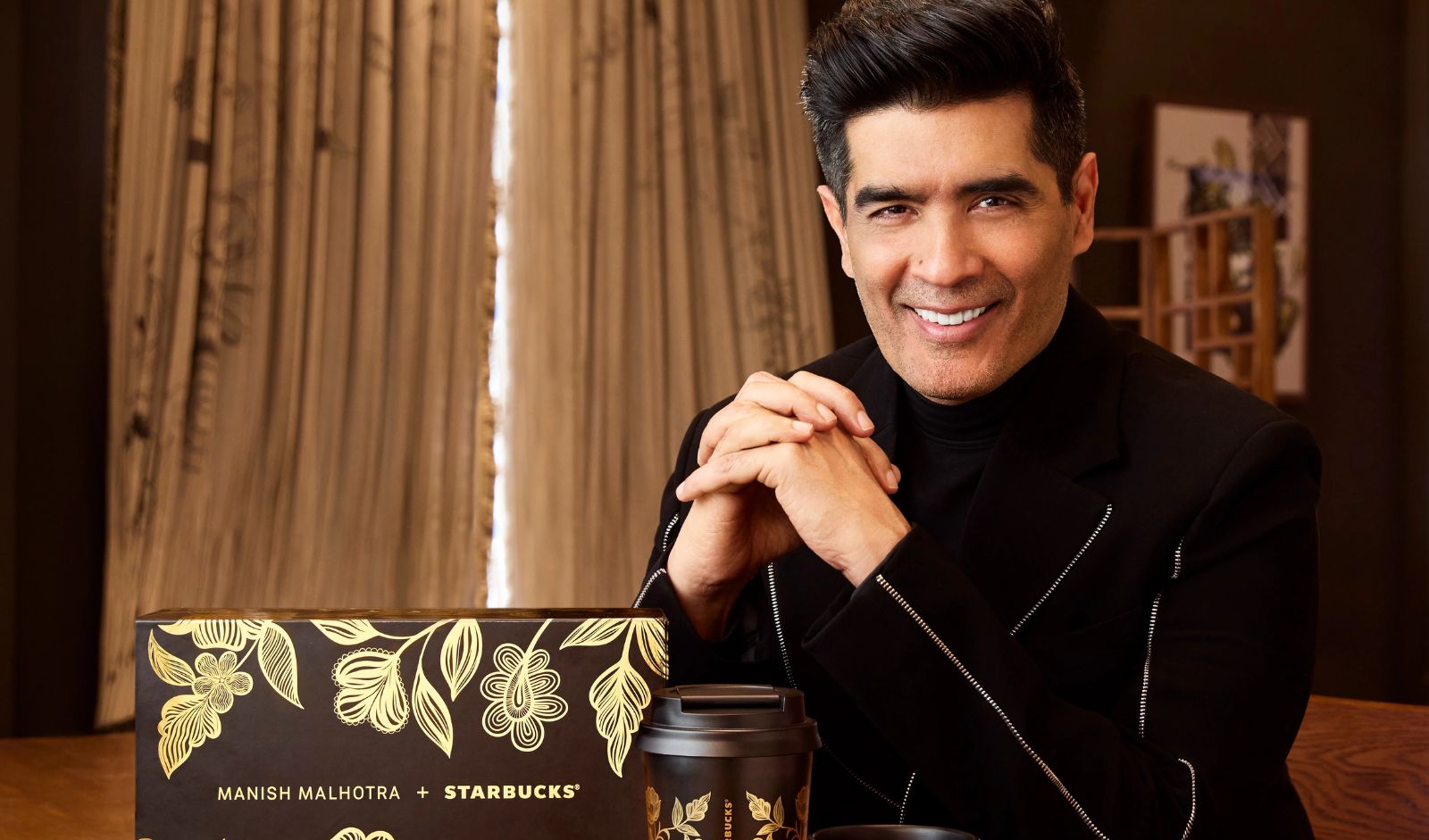
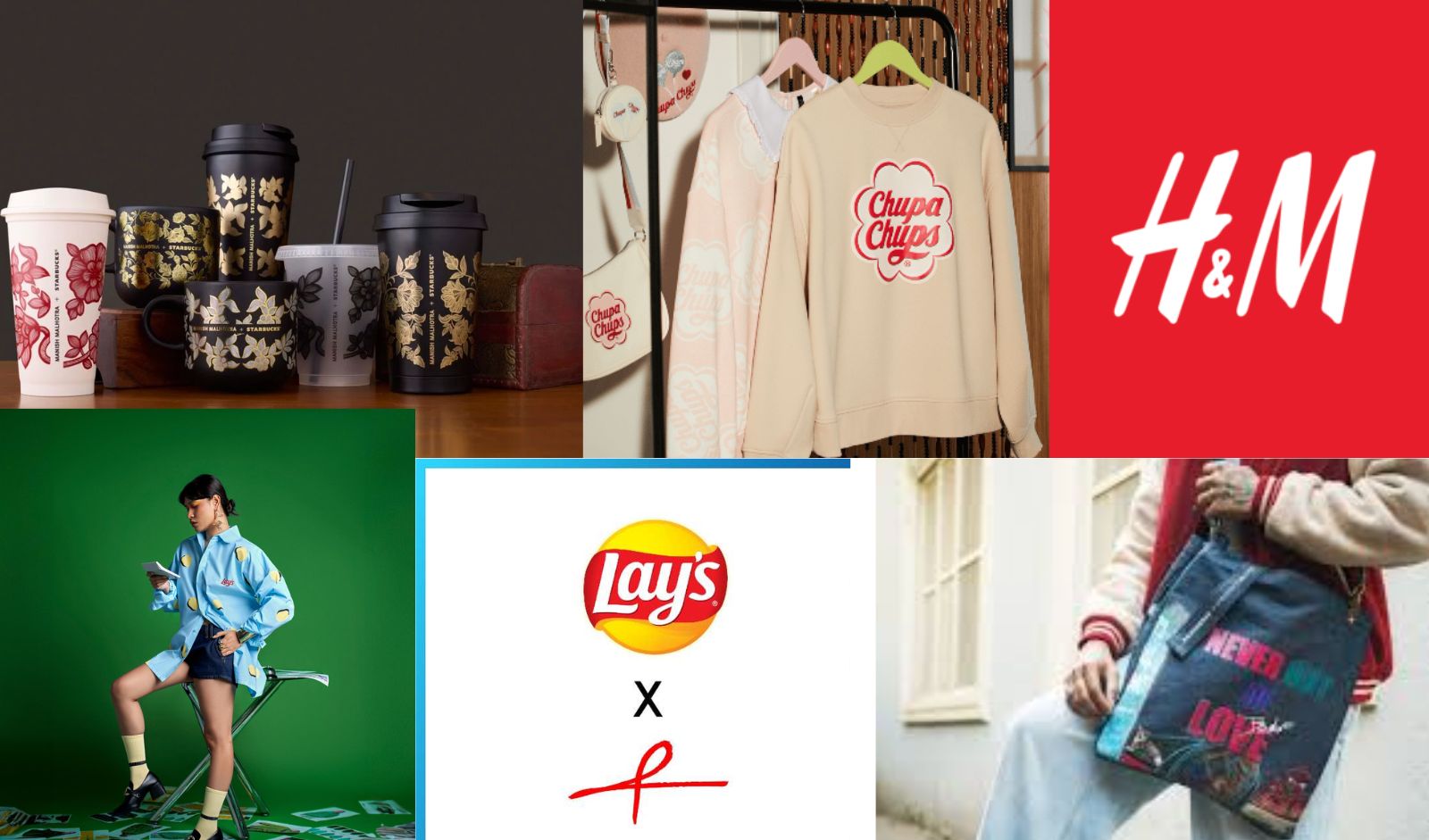
One of the most notable collaborations in India, Starbucks partnered with renowned designer Manish Malhotra to launch a festive merchandise collection.
This collaboration brought together Starbucks’ everyday coffee culture with Malhotra’s signature luxury aesthetic. The collection featured reusable cups, tote bags, and accessories inspired by Indian festive wear, incorporating intricate patterns and rich textures.
From a retail perspective, the collaboration allowed Starbucks to position itself as more than a beverage brand. It tapped into India’s festive shopping culture while introducing fashion-led storytelling into its product lineup. For Malhotra, it offered access to a wider, younger audience beyond couture buyers.
Huemn X Lay’s
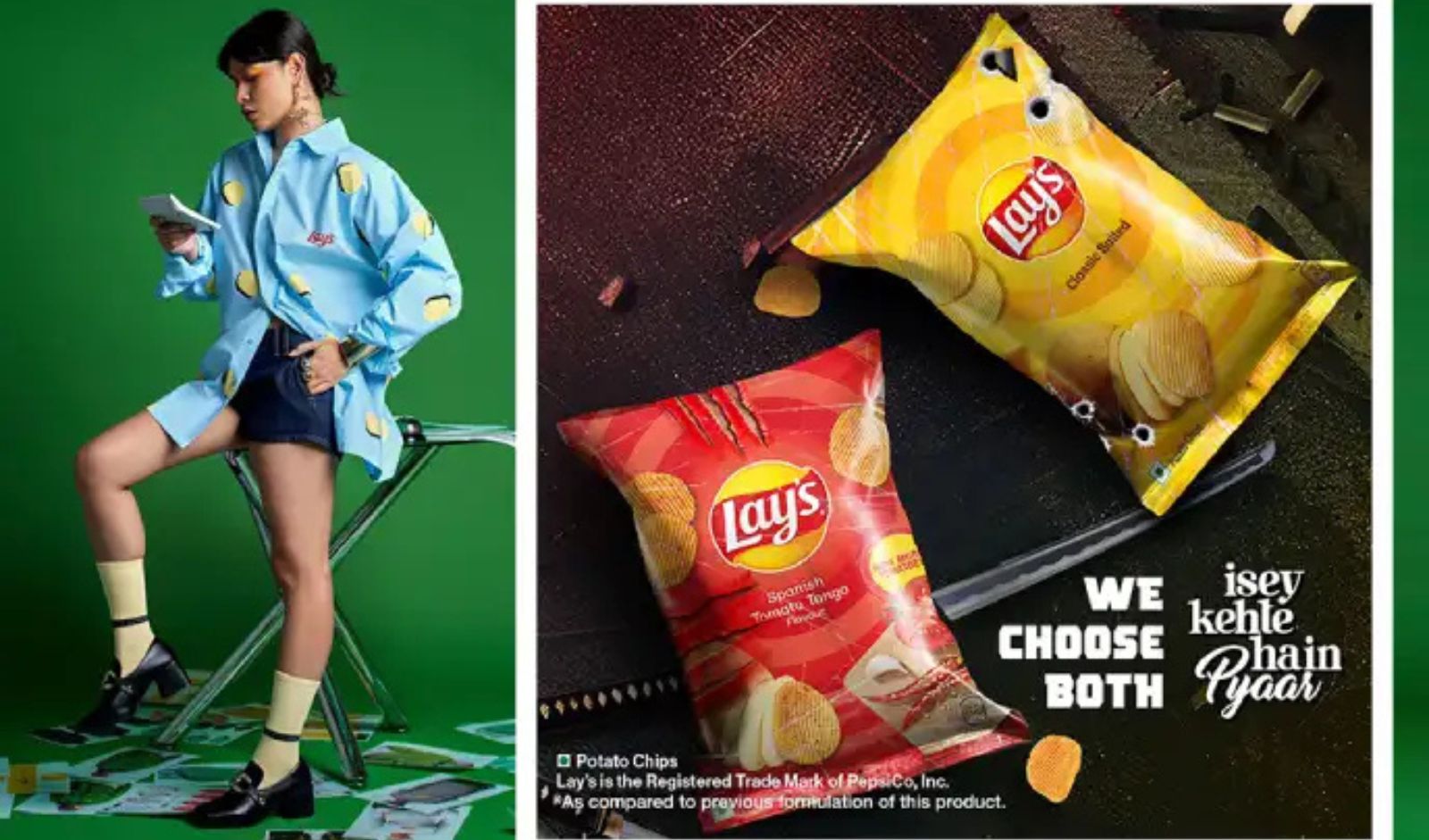
Streetwear label Huemn joined hands with Lay’s to create a bold, youth-centric collection that blurred the lines between fashion and pop culture.
The collaboration stood out for its irreverent design language, featuring oversized silhouettes, vibrant graphics, and snack-inspired motifs. It reflected Huemn’s edgy identity while leveraging Lay’s mass-market familiarity.
This partnership highlighted how food brands can integrate seamlessly into streetwear culture, especially among Gen Z consumers. It also demonstrated the growing influence of snack brands in shaping fashion narratives.
H&M x Chupa Chups
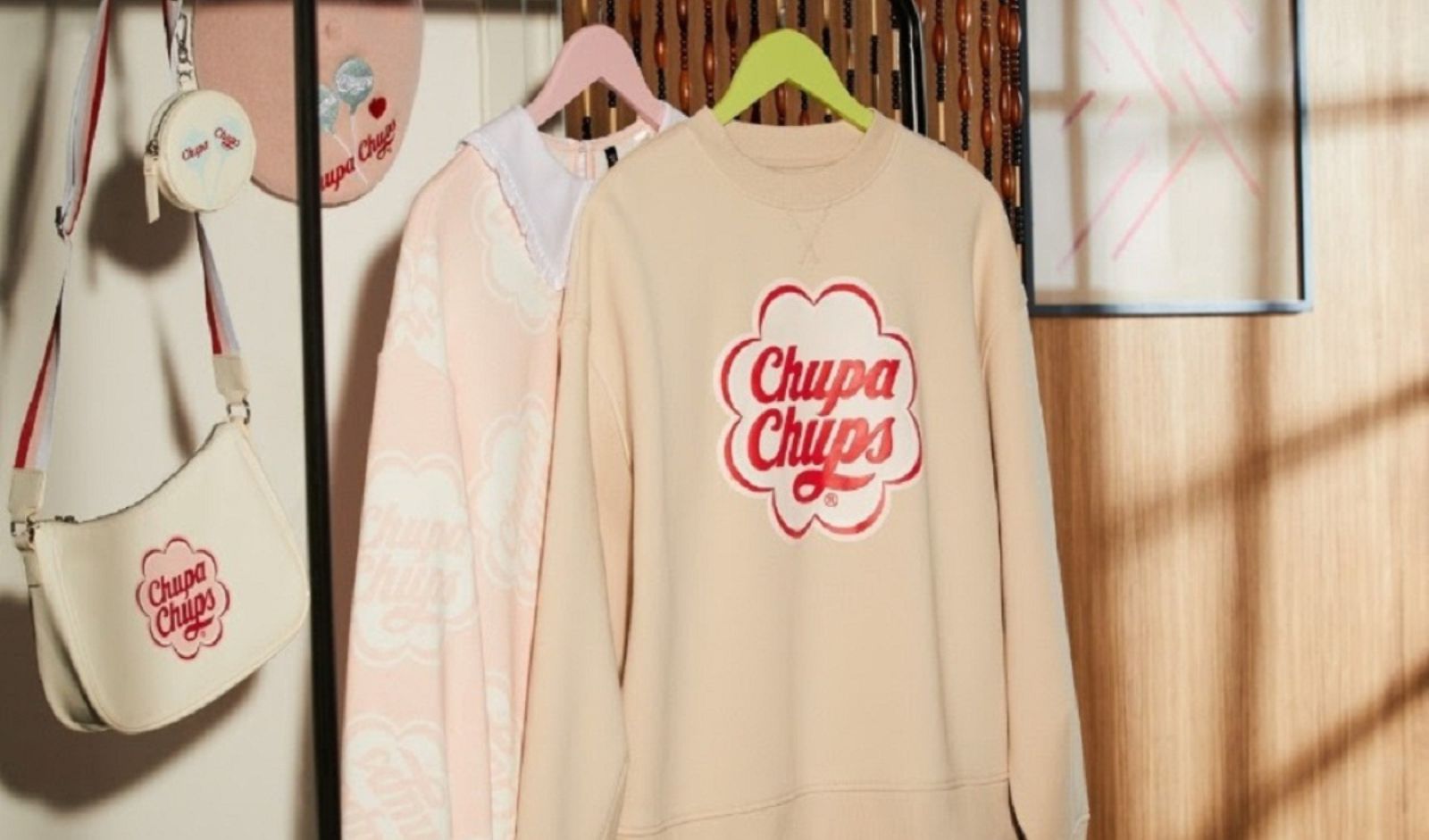
Global fast-fashion retailer H&M collaborated with confectionery brand Chupa Chups to launch a playful, graphic-heavy collection.
The designs featured bold logos, candy-inspired prints, and bright colour palettes that appealed to a younger demographic. The collaboration leaned heavily on nostalgia, tapping into childhood memories while presenting them in a contemporary fashion format.
For H&M, the partnership reinforced its positioning as a trend-driven, accessible brand that constantly experiments with pop culture. For Chupa Chups, it provided a new avenue to stay relevant among fashion-conscious consumers.
Arks x Lay’s
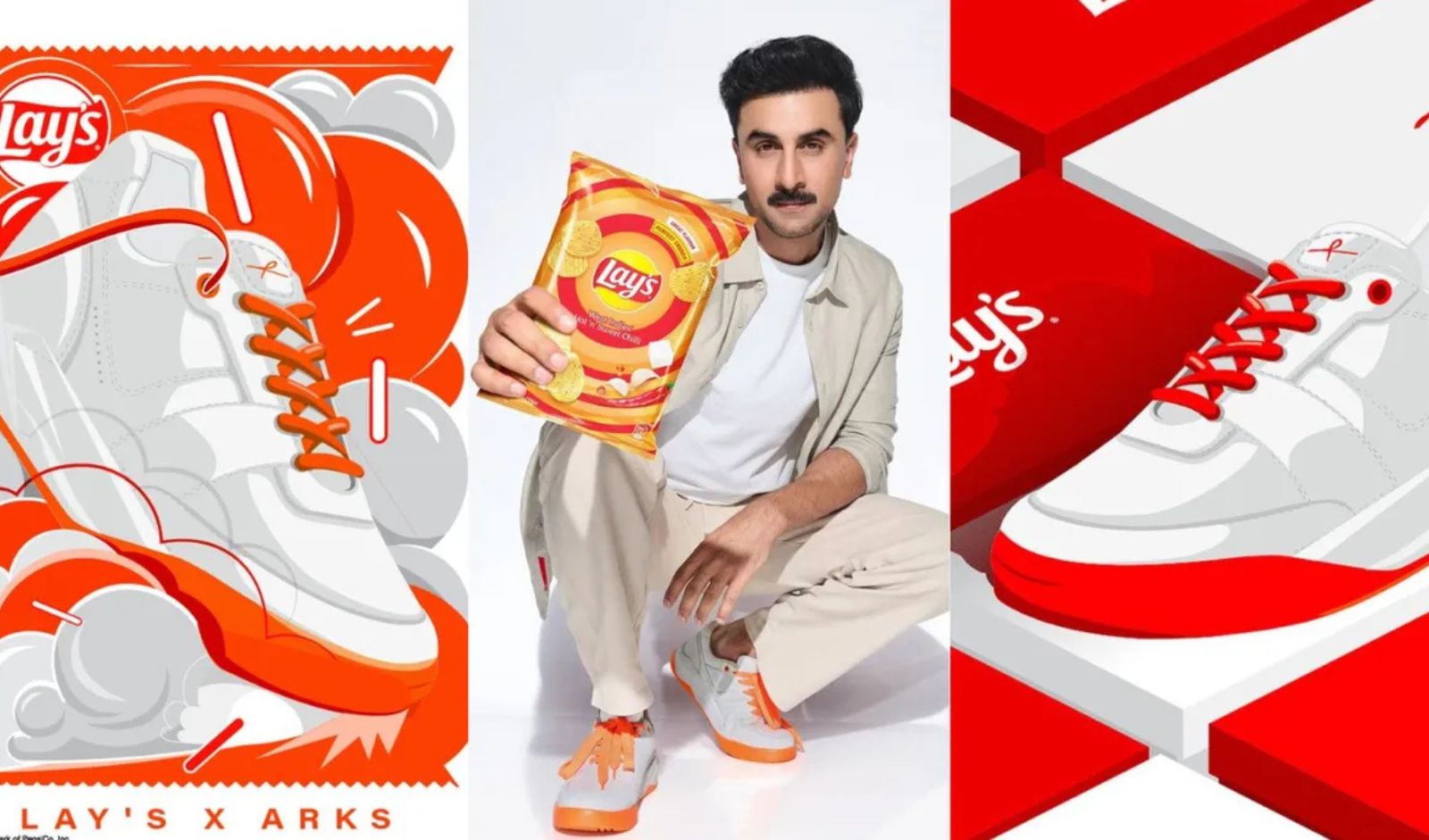
Emerging Indian label Arks partnered with Lay’s to create a limited-edition capsule rooted in experimental design.
Unlike traditional collaborations, Arks took a more conceptual approach, focusing on textures, packaging aesthetics, and unconventional silhouettes inspired by snack culture. The collection blurred the boundaries between product design and wearable art.
This collaboration reflects a growing trend where niche fashion labels collaborate with mass brands to create culturally relevant, conversation-starting pieces. It also underscores how food branding elements—like packaging and colour—can inspire high-concept fashion.
Anamika Khanna x Starbucks
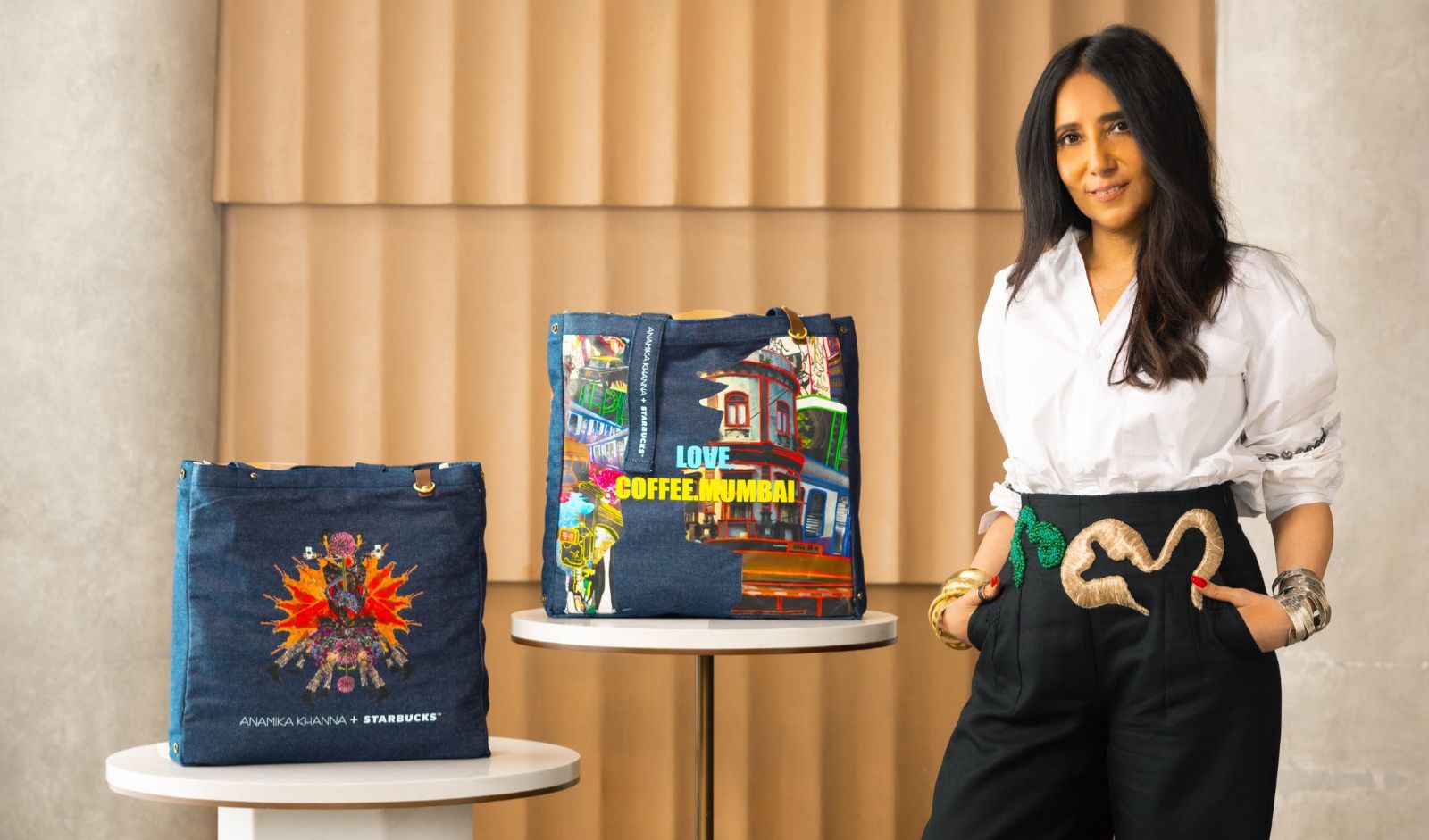
Another notable partnership featuring Starbucks was with designer Anamika Khanna. Known for her fusion of traditional and contemporary design, Khanna brought a distinctly Indian aesthetic to Starbucks merchandise.
The collaboration included drinkware and accessories featuring handcrafted-inspired motifs, blending Indian craftsmanship with modern utility. It aligned with the growing consumer interest in products that combine global branding with local cultural elements.
From a retail standpoint, this partnership strengthened Starbucks’ localisation strategy in India, allowing it to connect more deeply with culturally aware consumers.
Shein x PepsiCo
Fast-fashion giant Shein teamed up with PepsiCo to create a collection that integrated iconic snack and beverage branding into everyday fashion.
The collaboration featured apparel and accessories showcasing logos from PepsiCo’s popular brands, turning familiar packaging into wearable graphics. It capitalised on Shein’s digital-first model and PepsiCo’s global brand recognition.
This partnership highlights the scalability of food-fashion collaborations in the e-commerce era. By leveraging Shein’s rapid production cycles and online reach, the collection was able to quickly tap into global demand.
Know more IPL 2026: How Brand Collaborations Are Redefining the Business of Cricket
Top Brand Partnerships Blending Entertainment & Beauty Platforms
Top Audio & Wearable Brand Collaborations Redefining Tech and Lifestyle in India
The Future of Food and Fashion in Retail
The convergence of food and fashion represents a shift in how brands approach collaboration, storytelling, and consumer engagement. Partnerships like Starbucks x Manish Malhotra, Huemn x Lay’s, and Shein x PepsiCo demonstrate how cross-industry innovation can create cultural relevance and retail impact.
As brands continue to experiment with new formats and ideas, the blending of these two worlds is set to redefine the future of retail—not just in India, but globally.
Connect With Us for Licensing Collaborations

The travel industry is no longer limited to flight bookings, hotel reservations, and luggage sales. In recent years, travel brands have increasingly turned to celebrities, sports personalities, fashion labels, and entertainment franchises to create unique travel-focused collections and campaigns that resonate with modern consumers. These partnerships are helping travel companies strengthen brand recall, reach younger audiences, and build lifestyle ecosystems around travel.
From cricket stars and IPL franchises to fashion brands and global entertainment platforms, travel companies are using collaborations to create experiences that go beyond traditional tourism offerings. The trend reflects the growing convergence of travel, sports, fashion, and entertainment in India’s consumer market.
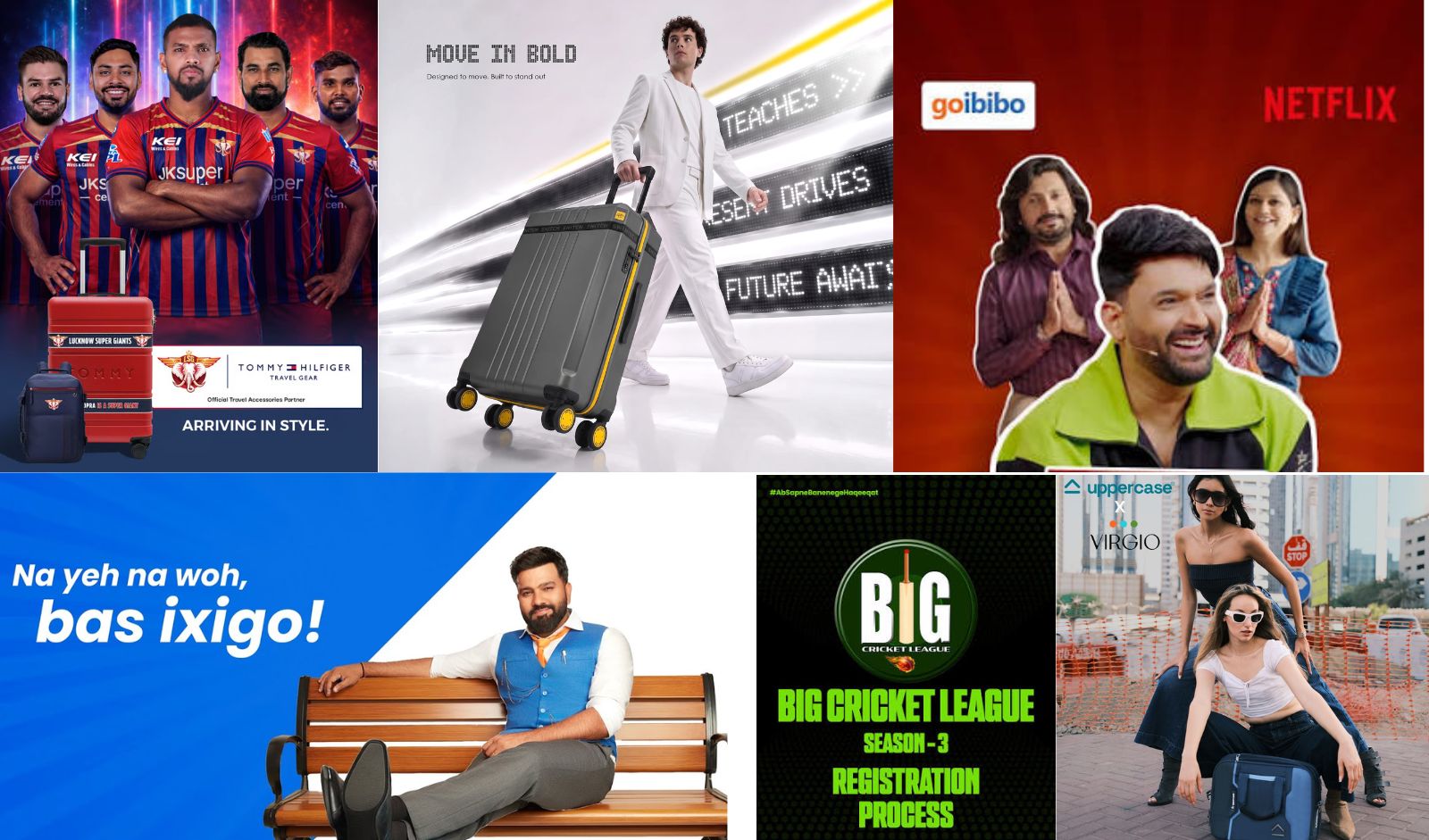
Here are six notable travel and lifestyle collaborations that are reshaping how brands engage with travellers.
EaseMyTrip X Big Cricket League Season 2
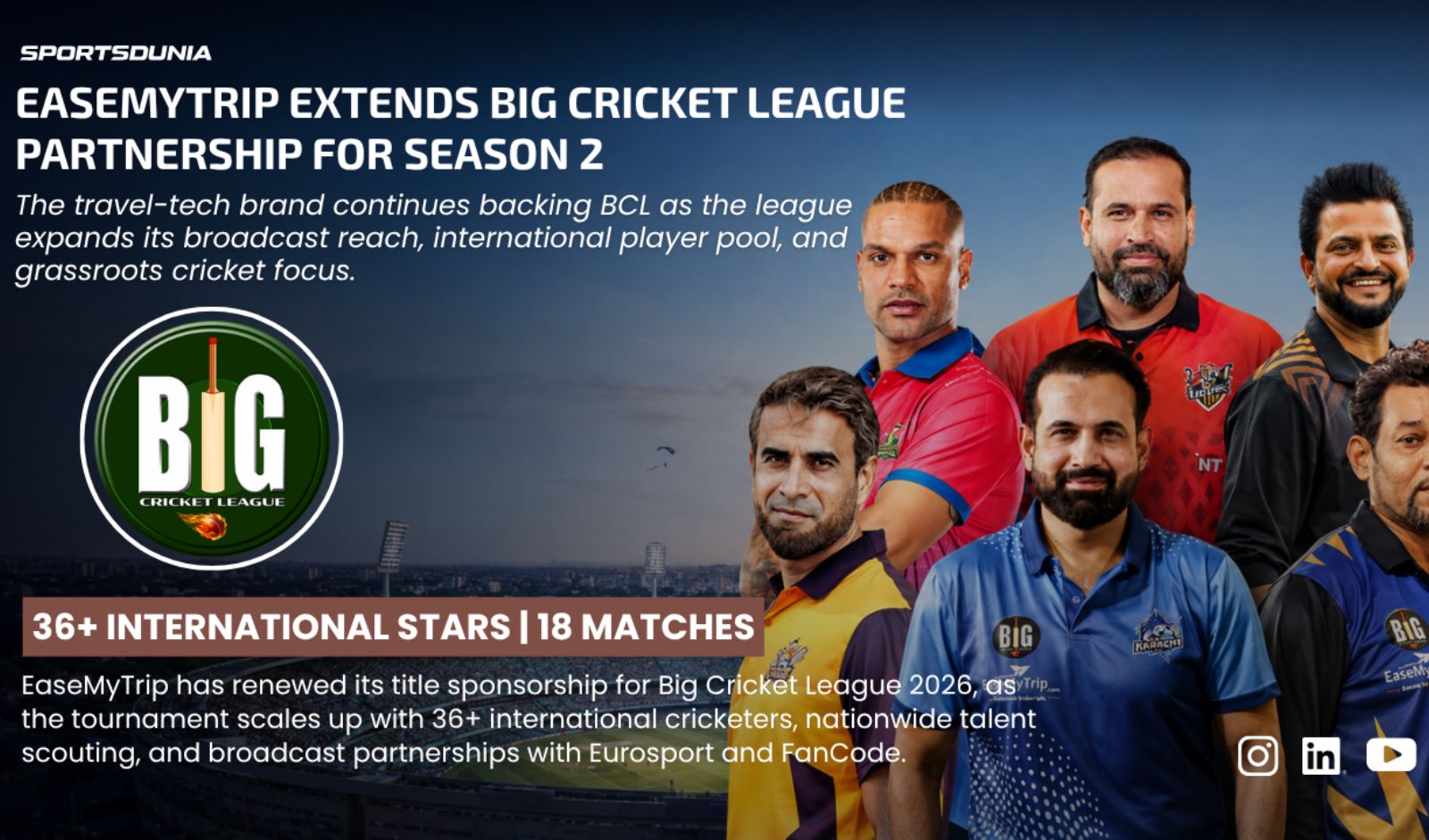
EaseMyTrip renewed its association with the Big Cricket League (BCL) by returning as the Title Sponsor for Season 2, reinforcing its commitment to sports-led brand engagement. The tournament was held from June 3 to June 13, 2026, at the Shaheed Vijay Singh Pathik Sports Complex in Greater Noida. Featuring six teams and 18 T20 matches, the league brought together more than 36 international cricket stars, including Shikhar Dhawan, Harbhajan Singh, Chris Gayle, Ross Taylor, Thisara Perera and Tillakaratne Dilshan. The Pro-Am format also included 18 former First-Class and IPL cricketers alongside 60 amateur players from across India, offering aspiring talent a rare opportunity to compete with cricket legends.
The partnership helped EaseMyTrip strengthen its connection with cricket fans while expanding its visibility through BCL’s growing broadcast and digital reach.
Uppercase X Virgio
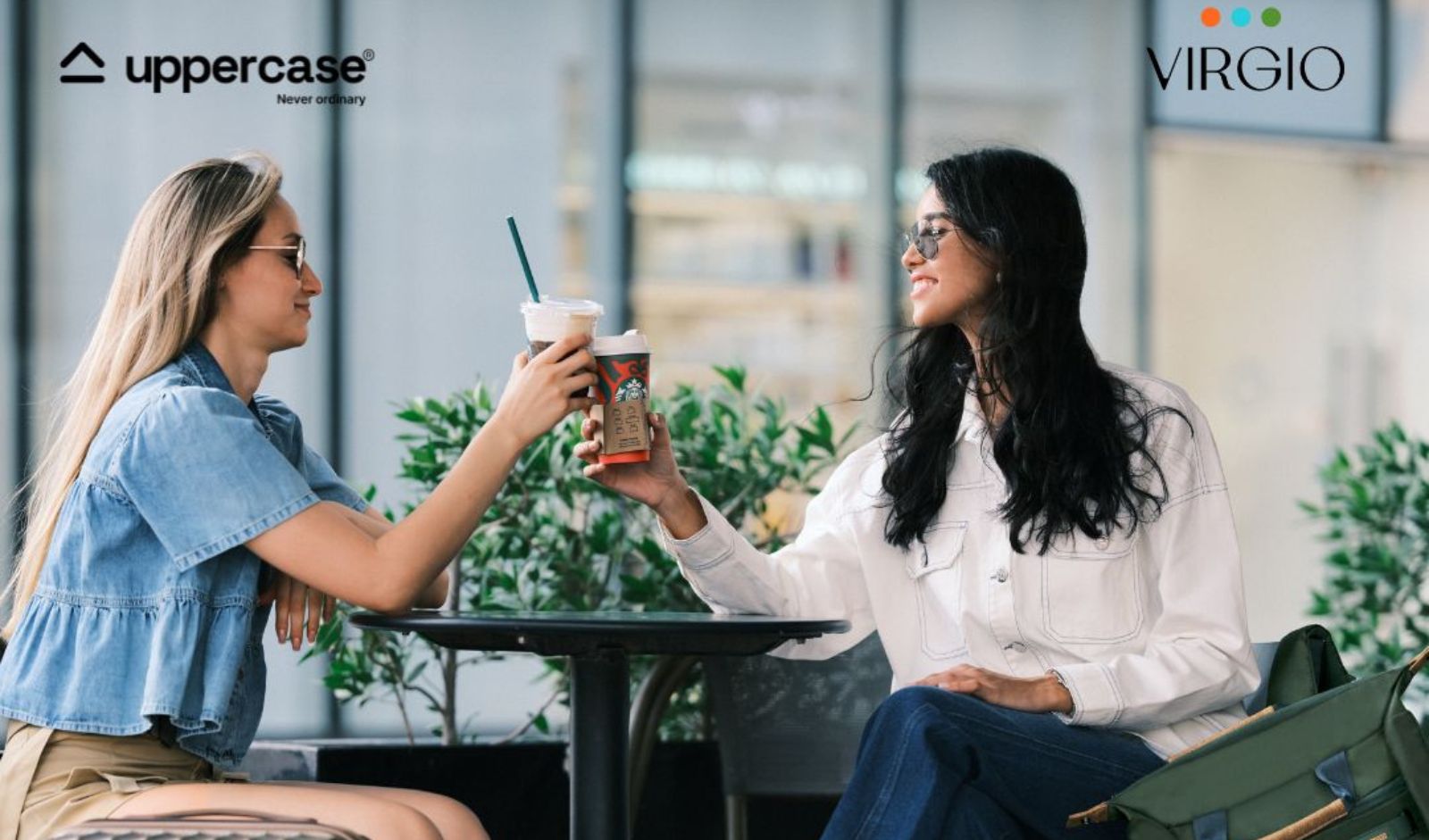
Sustainable travel gear brand Uppercase partnered with fashion-tech company Virgio to launch a collaborative collection that blends conscious fashion with travel and work essentials. Built around a shared commitment to sustainability, the partnership aims to make responsible consumption a part of everyday life rather than limiting it to a single product category. The collection includes a cabin trolley, backpack, and laptop sleeve, all crafted using recycled, water-resistant materials and designed for both work and leisure mobility. Features such as padded compartments, smart organisation, a detachable laundry section, and travel-friendly functionality cater to modern consumers seeking versatility and durability.
The collaboration also reflects a broader shift toward value-driven partnerships, encouraging customers to invest in long-lasting, thoughtfully designed products that combine style, practicality, and environmental responsibility.
Escape Plan X Snitch
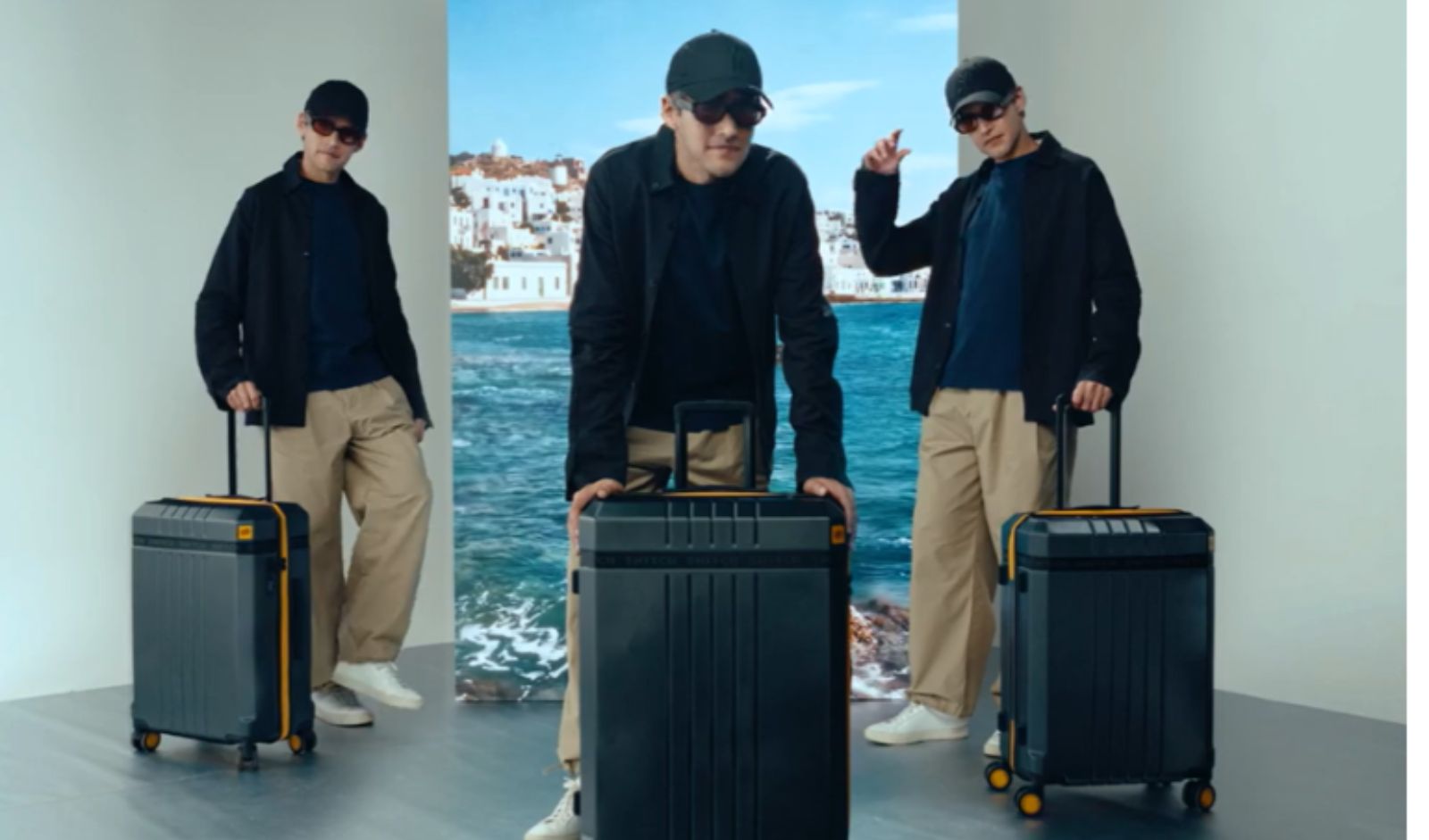
ravel platform Escape Plan partnered with menswear and lifestyle brand Snitch to launch a travel luggage and accessories collection, marking Snitch’s entry into the travel category. The collaboration combines Snitch’s fashion-forward identity with Escape Plan’s expertise in travel product development, manufacturing, and distribution. The collection includes hard-shell carry-on and check-in suitcases, laptop trolleys, backpacks, and travel accessories designed for modern, style-conscious travellers. Products feature durable polycarbonate exteriors, 360-degree spinner wheels, TSA-approved locks, and organised interiors aimed at enhancing convenience and functionality. Available through Snitch’s online and offline channels as well as Escape Plan’s distribution network, the range targets Gen Z and millennial consumers who increasingly view luggage as an extension of personal style.
The launch was supported by a digital campaign positioning travel gear as a lifestyle statement, reflecting the growing convergence of fashion and travel retail in India.
Ixigo X Rohit Sharma
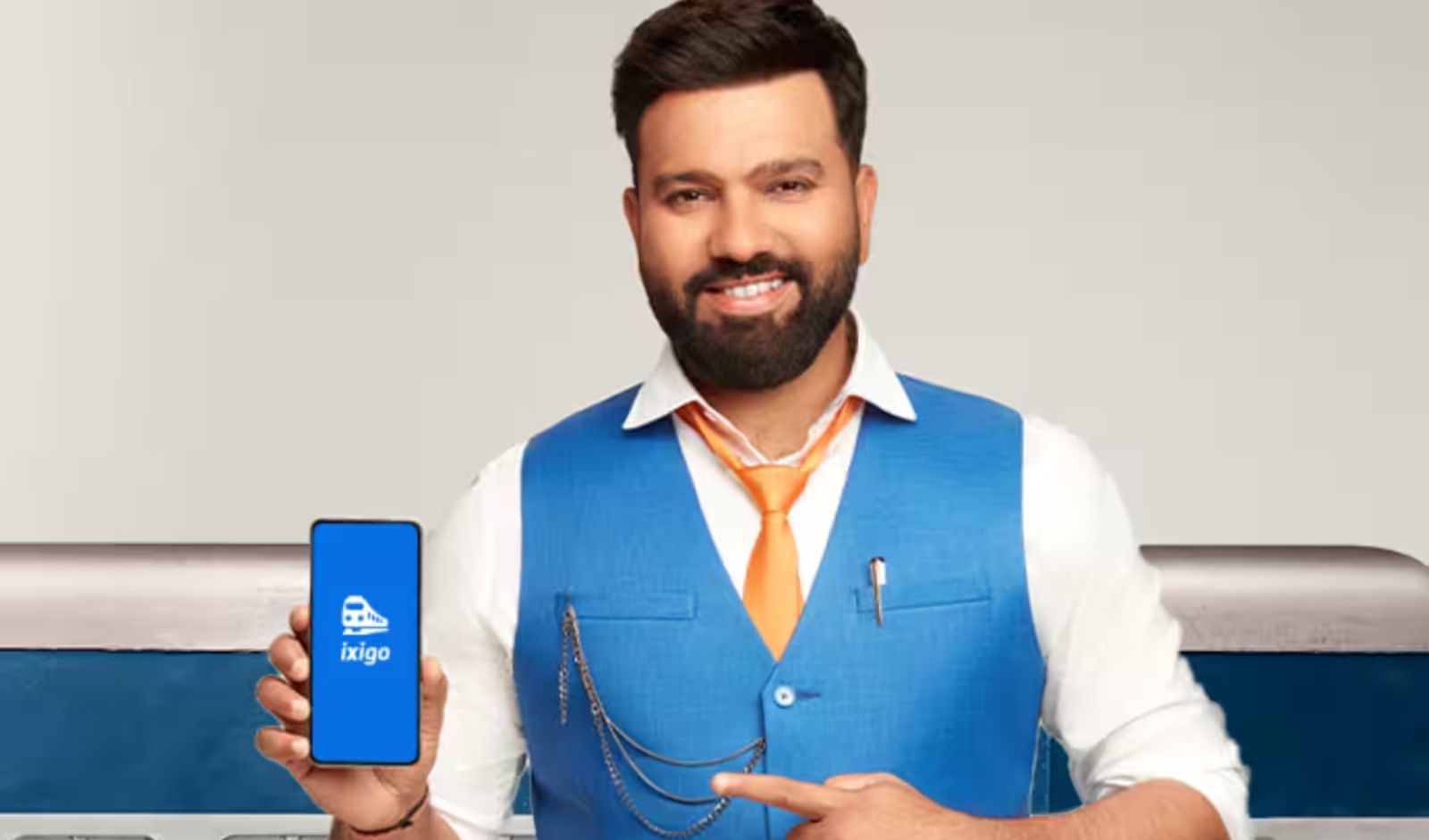
Travel-tech platform Ixigo strengthened its celebrity marketing strategy by reappointing Indian cricket captain Rohit Sharma as the brand ambassador for its rail travel business, ixigo Trains, for a second consecutive year. First onboarded in November 2024, Sharma has played a key role in enhancing the platform’s visibility and engagement among rail travellers across India. Campaigns featuring the cricketer, including the widely recognised “rapping ticketman” concept, highlighted core app features such as live train status, route updates, seat availability, ticket confirmation predictions, and seamless booking services. The renewed partnership reflects Ixigo’s focus on building trust, reliability, and innovation in train travel while expanding its reach among digital-first consumers.
Backed by services such as free cancellation, food delivery on trains, alternate travel plans, and instant refunds, the collaboration positions Rohit Sharma as a central figure in Ixigo’s efforts to simplify and modernise the railway travel experience for millions of Indian passengers.
Goibibo X Netflix
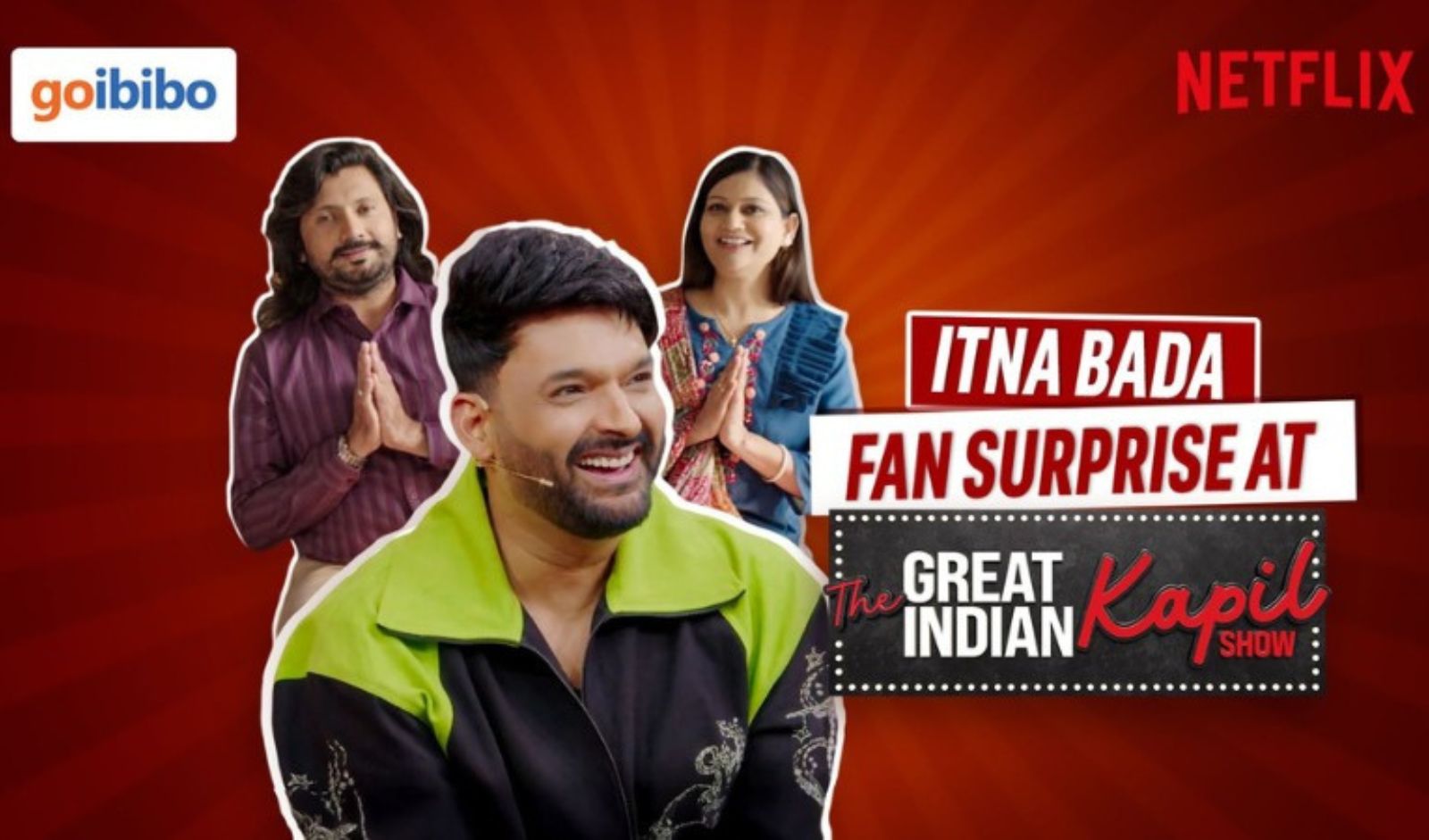
Online travel platform Goibibo partnered with Netflix for Season 4 of The Great Indian Kapil Show, blending entertainment and travel to celebrate the show's widespread fan base across India. As part of the collaboration, a special segment was integrated into five episodes, where host Kapil Sharma surprised audience members with all-inclusive international holidays to destinations such as Thailand, Dubai, Malaysia, Vietnam, and Bali. The initiative was designed to turn memorable moments from the show into real travel experiences, rewarding loyal fans who have supported the comedian's journey to Netflix’s global platform, which reaches audiences in 192 countries. Extending the engagement beyond the studio, Goibibo also launched an interactive quiz on its app, giving users a chance to join the live audience of the show.
The partnership highlighted how travel brands are increasingly leveraging entertainment properties to inspire travel and create deeper consumer engagement through experiential rewards and storytelling.
Tommy Hilfiger X Lucknow Super Giants
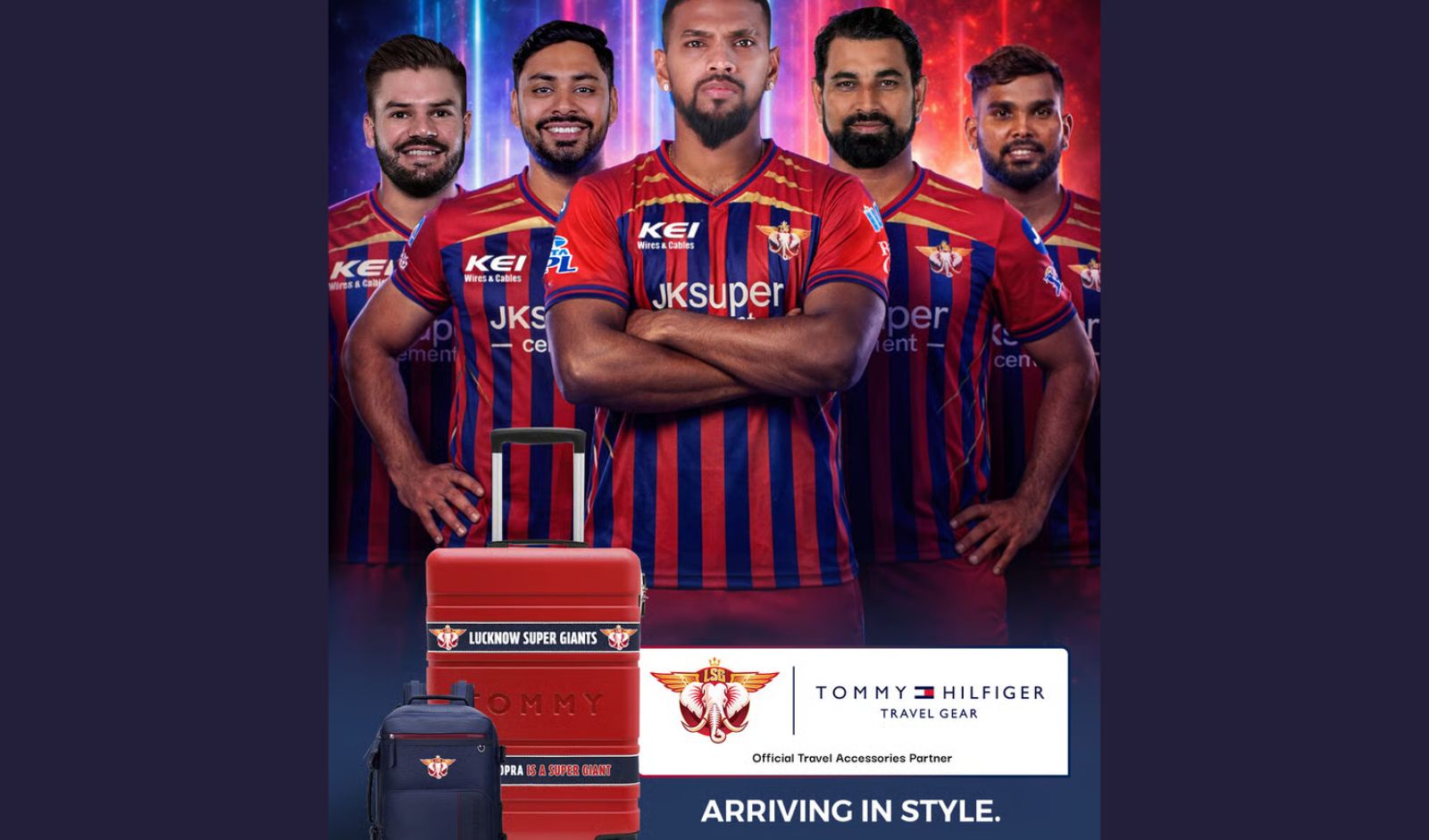
Fashion brands are also entering the travel and lifestyle conversation through sports collaborations. Tommy Hilfiger’s association with IPL franchise Lucknow Super Giants combines sports, fashion, and lifestyle branding to create merchandise and collections that appeal to cricket enthusiasts. The partnership demonstrates how sports franchises are evolving into lifestyle brands with influence extending beyond the stadium. For travel-conscious consumers, sports-inspired fashion collections often become part of their travel wardrobe, particularly during tournaments, vacations, and leisure trips.
The collaboration highlights the growing crossover between premium fashion and sports culture, creating opportunities for brands to engage highly passionate fan communities while enhancing lifestyle appeal.
Why Celebrity-Led Travel Collaborations Are Growing
The travel industry is undergoing a transformation where collaborations are becoming as important as traditional marketing campaigns. Partnerships such as EaseMyTrip and Big Cricket League, Uppercase and Virgio, Escape Plan and Snitch, Ixigo and Rohit Sharma, Goibibo and Netflix, and Tommy Hilfiger and Lucknow Super Giants showcase how brands are blending travel with sports, fashion, and entertainment.
The Indian menswear market has undergone a remarkable transformation over the last few years. What was once dominated by basic shirts, trousers, and formalwear has evolved into a dynamic fashion ecosystem driven by trends, digital-first brands, celebrity influence, and strategic collaborations. Today, men are increasingly experimenting with their style, leading fashion brands to explore creative partnerships that blend fashion, culture, entertainment, and lifestyle.
Collaborations have become one of the most effective ways for brands to connect with younger consumers, create limited-edition collections, and generate excitement in a highly competitive market. From pop culture-inspired collections to travel-themed capsules, these partnerships are reshaping how consumers engage with fashion.
Here is a look at some of the top mens fashion brands and the notable collaborations that have helped them stay relevant and fashionable.
Snitch X Escape Plan
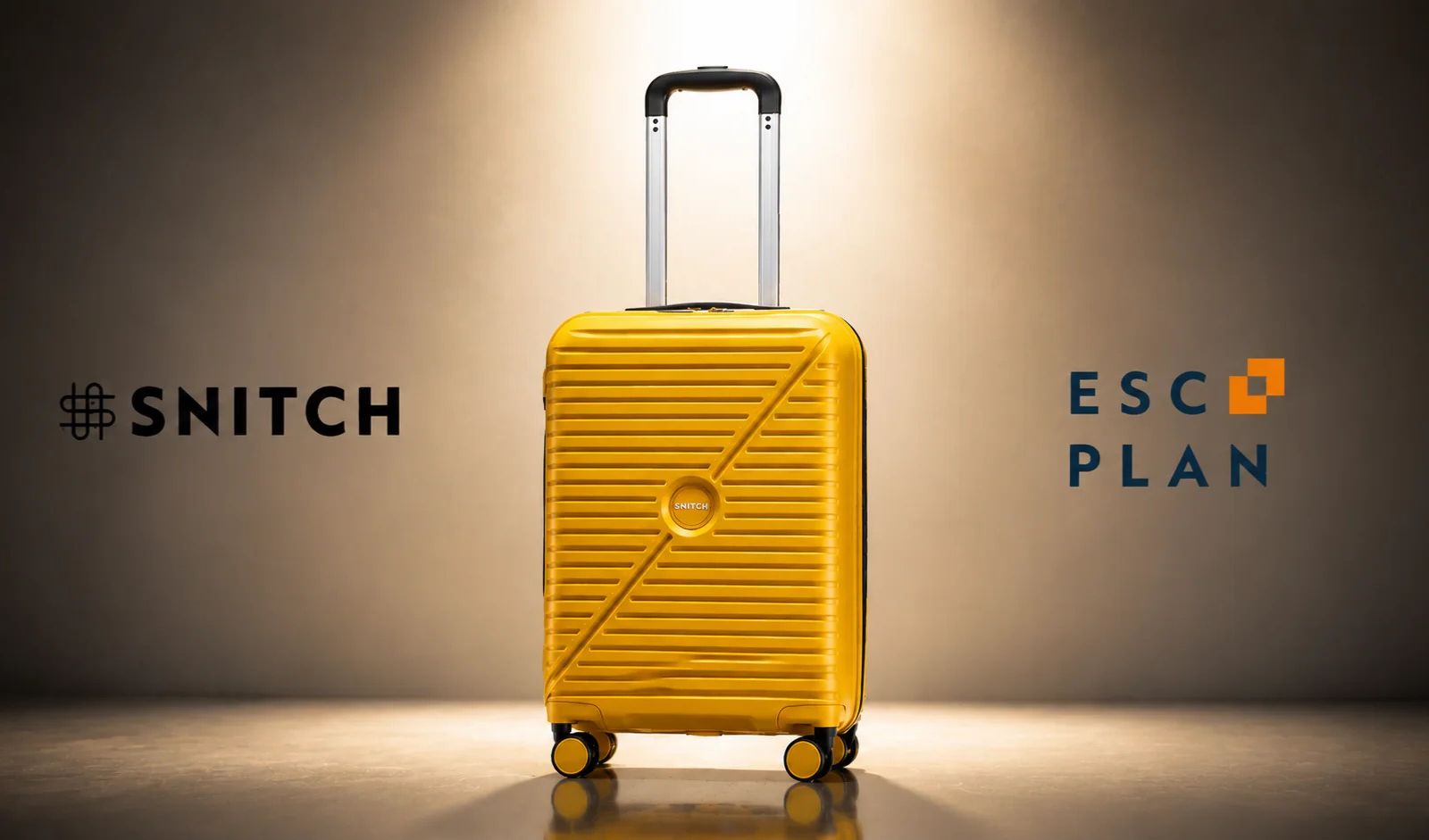
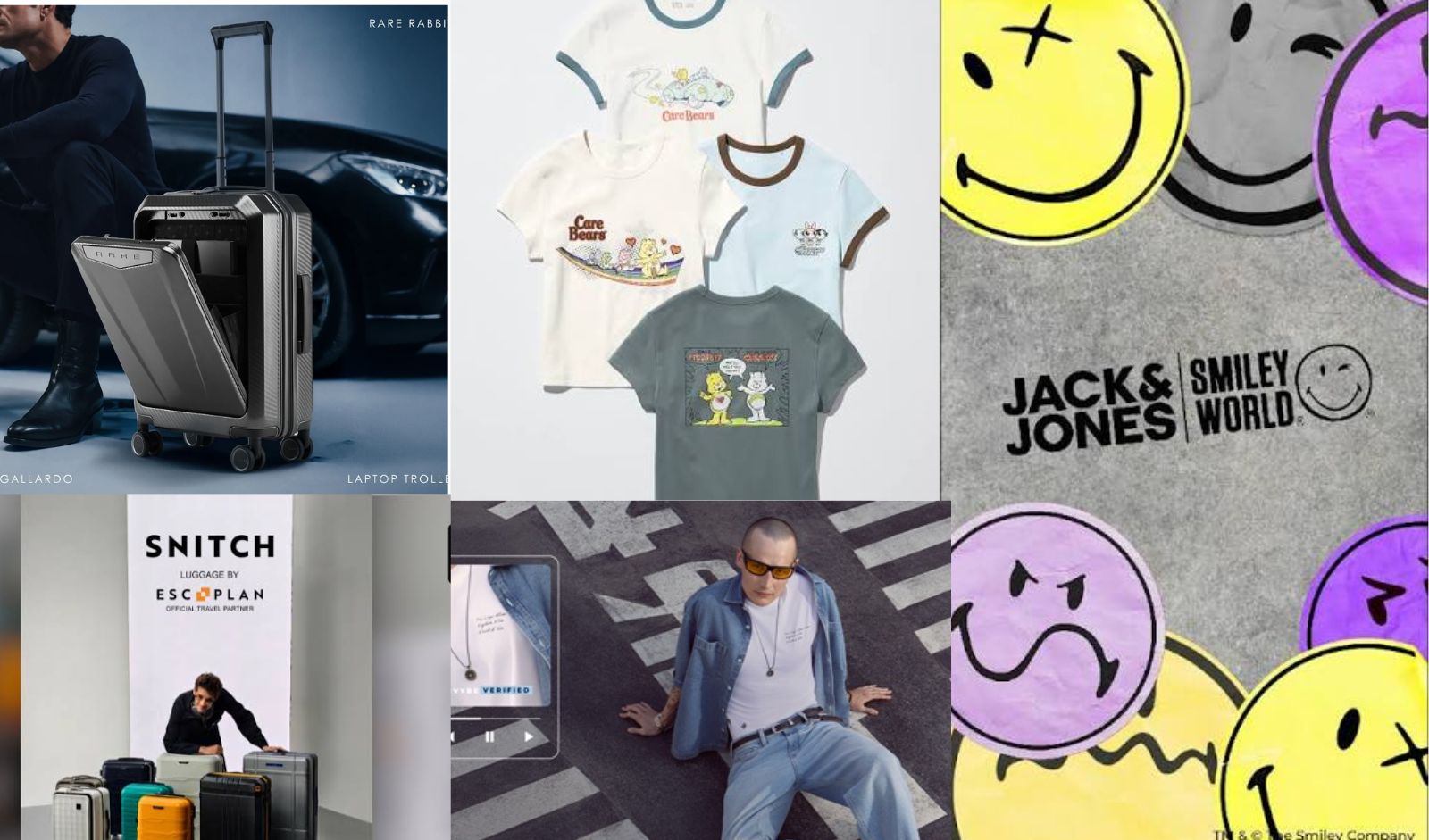
Menswear brand Snitch expanded beyond apparel through a strategic collaboration with travel platform Escape Plan, marking its entry into the travel luggage and accessories segment. The partnership introduced a fashion-forward range of hard-shell suitcases, cabin and check-in trolleys, laptop trolleys, backpacks, and travel essentials designed for modern consumers who increasingly view luggage as an extension of personal style. Combining Snitch’s contemporary design aesthetic with Escape Plan’s expertise in product development, manufacturing, and distribution, the collection features durable polycarbonate shells, TSA-approved locks, 360-degree spinner wheels, and organised interiors.
Supported by a digital-first campaign positioning airports as the new fashion runway, the collaboration reflects the growing convergence of fashion and travel. It also reinforces Snitch’s evolution into a broader lifestyle brand while helping Escape Plan strengthen its fashion-focused travel ecosystem.
Peter England X Shopper Stop
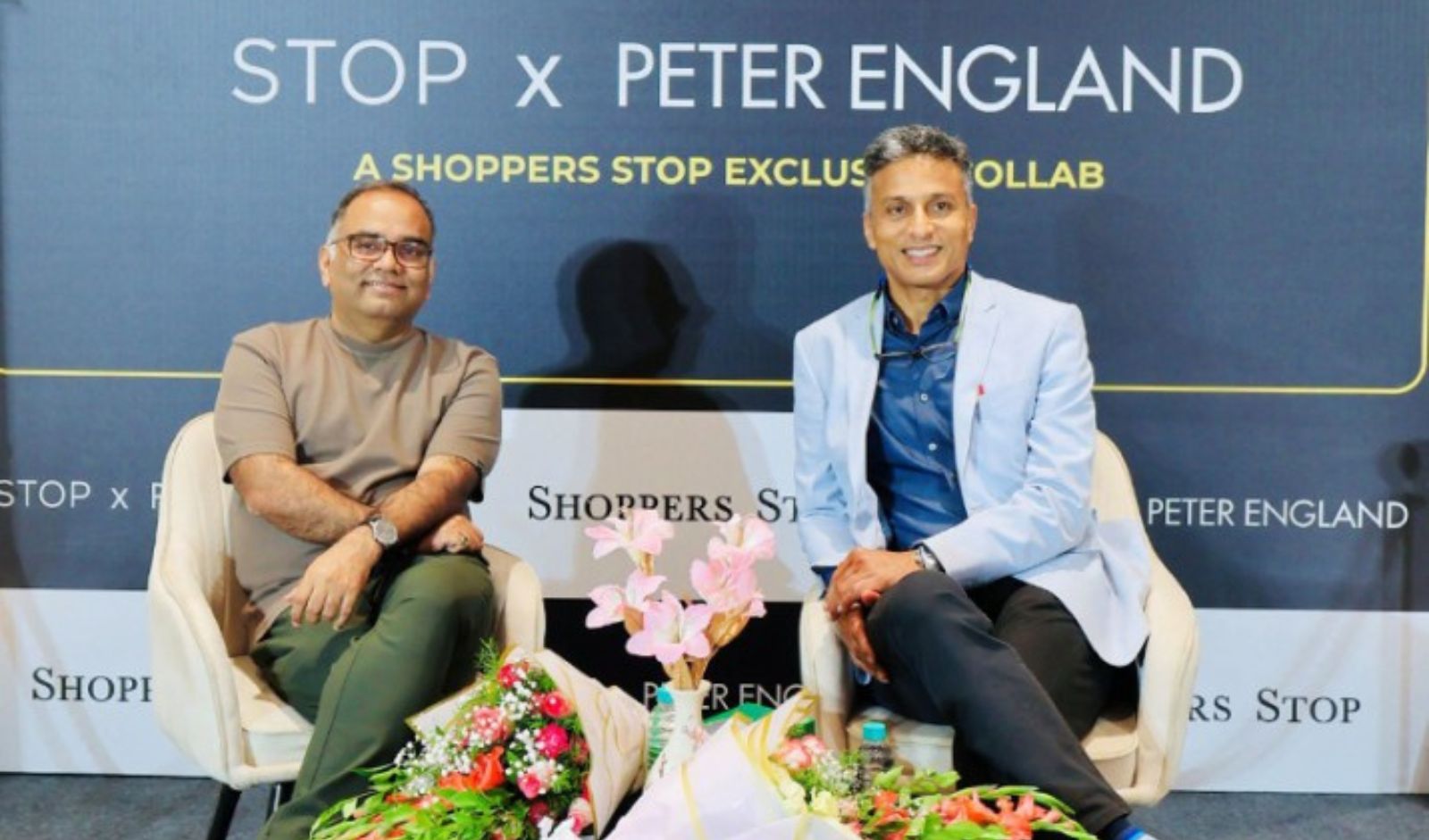
Peter England joined forces with Shoppers Stop to launch STOP × Peter England, an exclusive menswear collaboration designed to cater to the evolving wardrobe needs of modern Indian consumers. The partnership combines Peter England’s expertise in accessible, quality menswear with Shoppers Stop’s deep understanding of contemporary retail preferences. The collection features versatile formal and smart-casual essentials that seamlessly transition from workplace settings to social and celebratory occasions. Focused on modern fits, comfort, quality, and value, the range reflects the growing demand for occasion-spanning menswear. The collaboration also marks a new chapter for Shoppers Stop’s in-house STOP menswear label, transforming it into a dedicated association with Peter England.
Jack & Jones X Smiley World
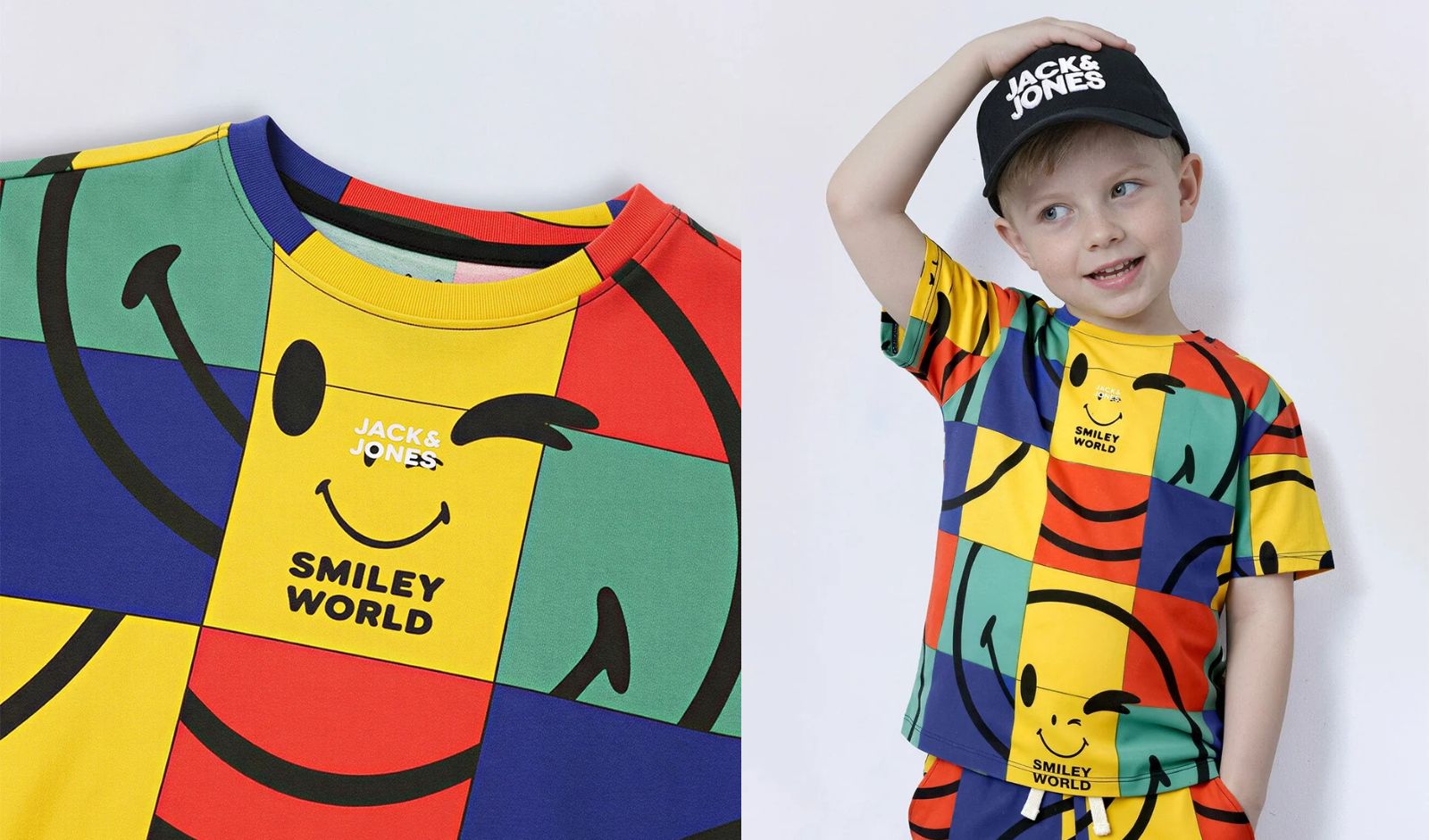
Jack & Jones partnered with Smiley World to launch a limited-edition streetwear collection that blends bold manga-inspired aesthetics with contemporary urban fashion. Designed for Gen Z consumers and streetwear enthusiasts, the collaboration features oversized shirts, graphic tees, sweatpants, sliders, caps, and statement pieces characterised by vibrant back prints, anime-inspired artwork, and expressive graphics. The collection embraces the growing intersection of fashion, pop culture, and self-expression, delivering what the brand describes as "main character energy" through oversized silhouettes and striking visual storytelling. With a colour palette that balances moody, grunge-inspired tones with vibrant accents, the range caters to consumers seeking individuality and standout style.
The partnership reflects the increasing influence of manga, anime, and youth culture on global fashion trends while reinforcing Jack & Jones' position in the contemporary streetwear segment.
Uniqlo X Care Bears
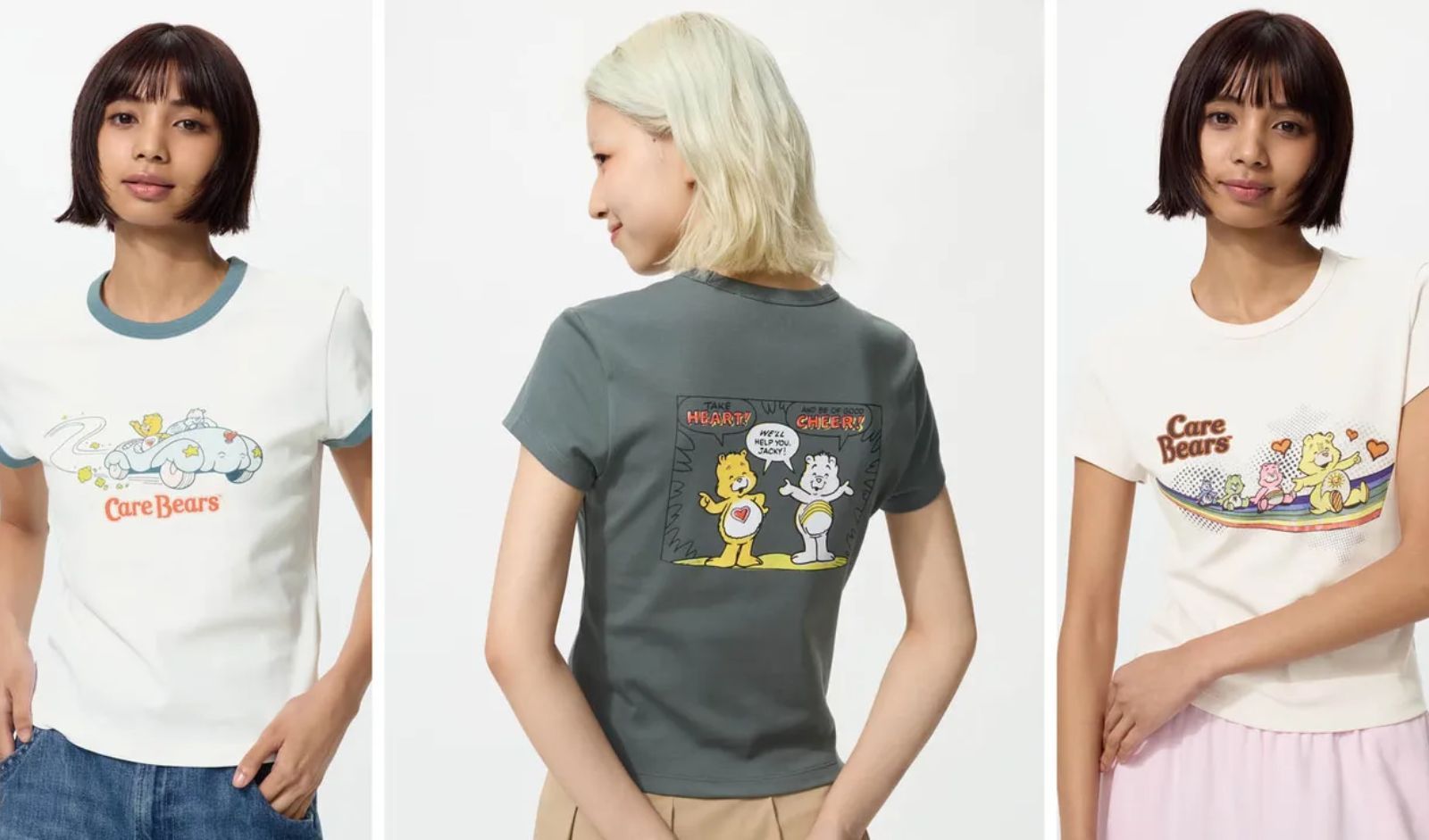
Uniqlo partnered with Care Bears and Cloudco Entertainment to launch a special capsule collection under its popular UT (Uniqlo T-shirt) line, known globally for collaborations inspired by pop culture, entertainment, and iconic characters. The collection features graphic T-shirts showcasing beloved Care Bears characters, playful slogans, and elements from the fictional world of Care-A-Lot, including the iconic Cloudmobile. Crafted from soft cotton and classic crew-neck silhouettes, the range blends comfort with expressive style and is designed for everyday wear and layering. The collaboration aligns with Care Bears’ 2026 global theme, “Colors of Caring,” which celebrates kindness, individuality, and emotional expression through vibrant colours.
By tapping into nostalgia and character licensing, the partnership strengthens Uniqlo’s UT portfolio while appealing to younger consumers and long-time Care Bears fans seeking fashion infused with positivity and pop-culture appeal.
Rare Rabbit X Escape Plan
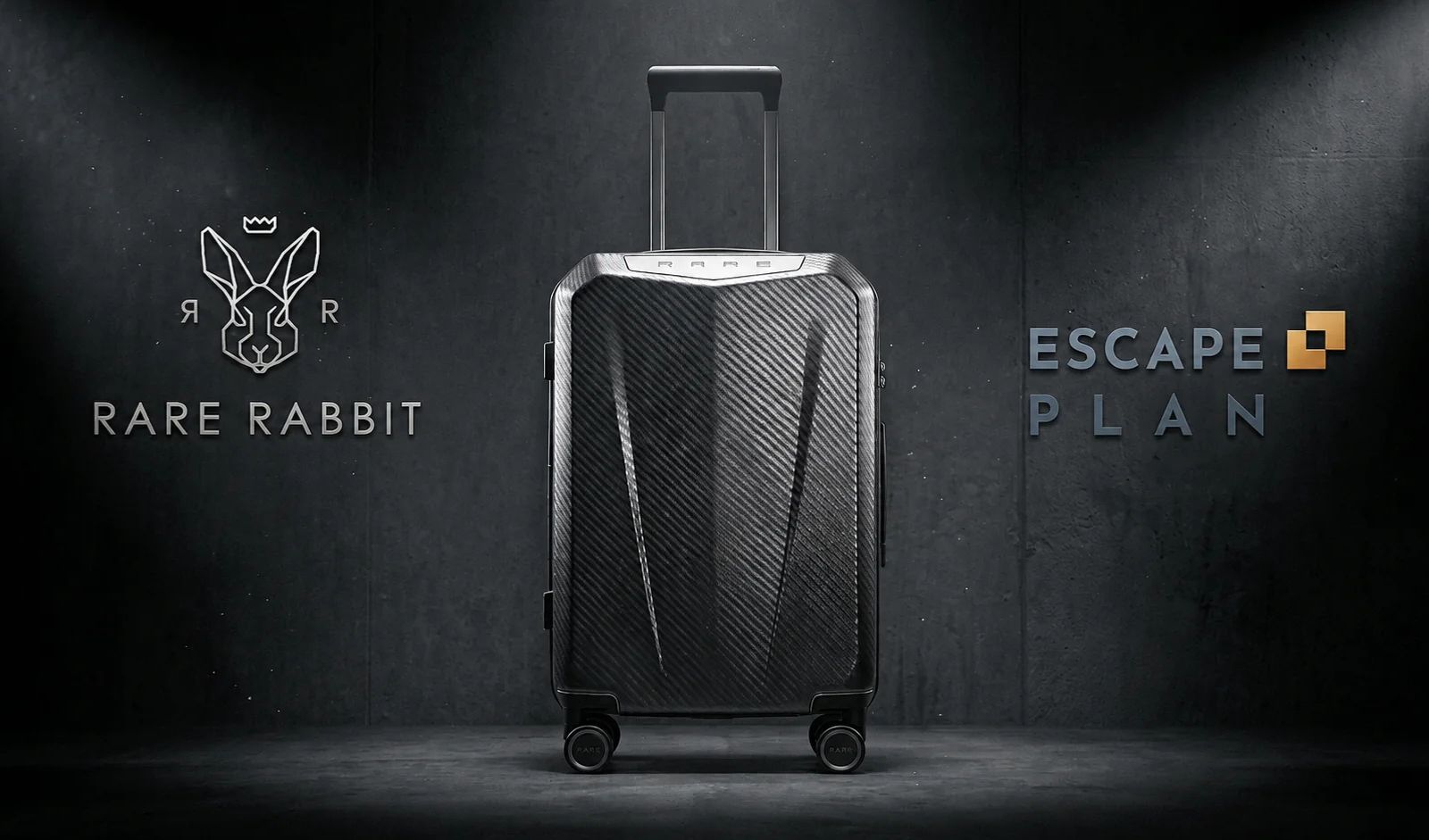
Premium menswear brand Rare Rabbit expanded into the travel gear category through a strategic partnership with Escape Plan, marking a significant step in its evolution from fashion label to lifestyle brand. The collaboration introduced Rare Travel, a design-led luggage range featuring the Gallardo and Tony collections, created for modern consumers who view travel accessories as an extension of personal style. Combining Rare Rabbit’s signature aesthetic with Escape Plan’s travel expertise, the collection focuses on premium craftsmanship, clean silhouettes, refined finishes, and practical functionality. Available in multiple sizes and colours, the luggage range includes thoughtful features such as organised interiors, compression systems, removable travel modules, and durable hard-shell construction.
The partnership reflects a broader shift in consumer behaviour, where luggage is increasingly becoming a fashion statement, while reinforcing both brands’ ambition to build a premium, lifestyle-focused travel ecosystem for India's growing base of aspirational travellers.
The Future of Menswear Collaborations
The future of men's fashion is likely to see even more collaborations that extend beyond clothing. Brands are increasingly partnering with travel companies, entertainment franchises, artists, creators, gaming platforms, and lifestyle communities to create unique experiences. Consumers today are not simply purchasing apparel; they are buying into stories, identities, and communities. This shift has made collaborations one of the most influential trends shaping the fashion industry.
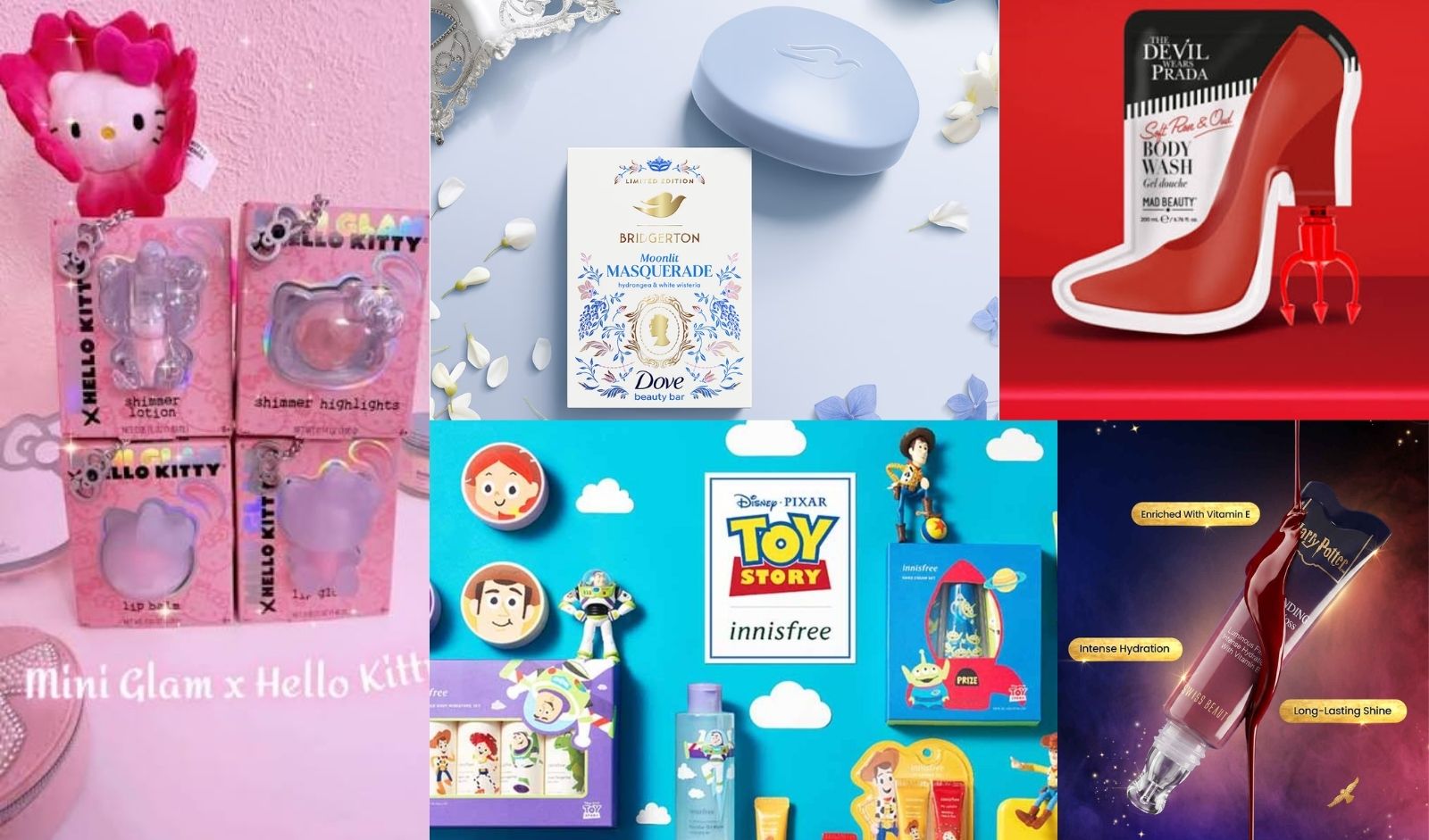
The beauty industry’s long-standing love affair with pop culture has reached new heights in 2026. From blockbuster film franchises and beloved animated characters to iconic television dramas, beauty brands are increasingly turning to entertainment properties to create limited-edition collections that resonate with consumers seeking both nostalgia and self-expression.
These collaborations are doing more than generating social media buzz. They are helping brands reach new audiences, strengthen customer loyalty, and create highly collectible products that blend beauty with storytelling. As consumers continue to gravitate toward products that offer an emotional connection, entertainment-inspired beauty collections have emerged as one of the biggest trends shaping the global cosmetics and personal care market this year.
Here is a look at some of the most talked-about beauty and entertainment collaborations making waves in 2026.
Swiss Beauty X Harry Potter
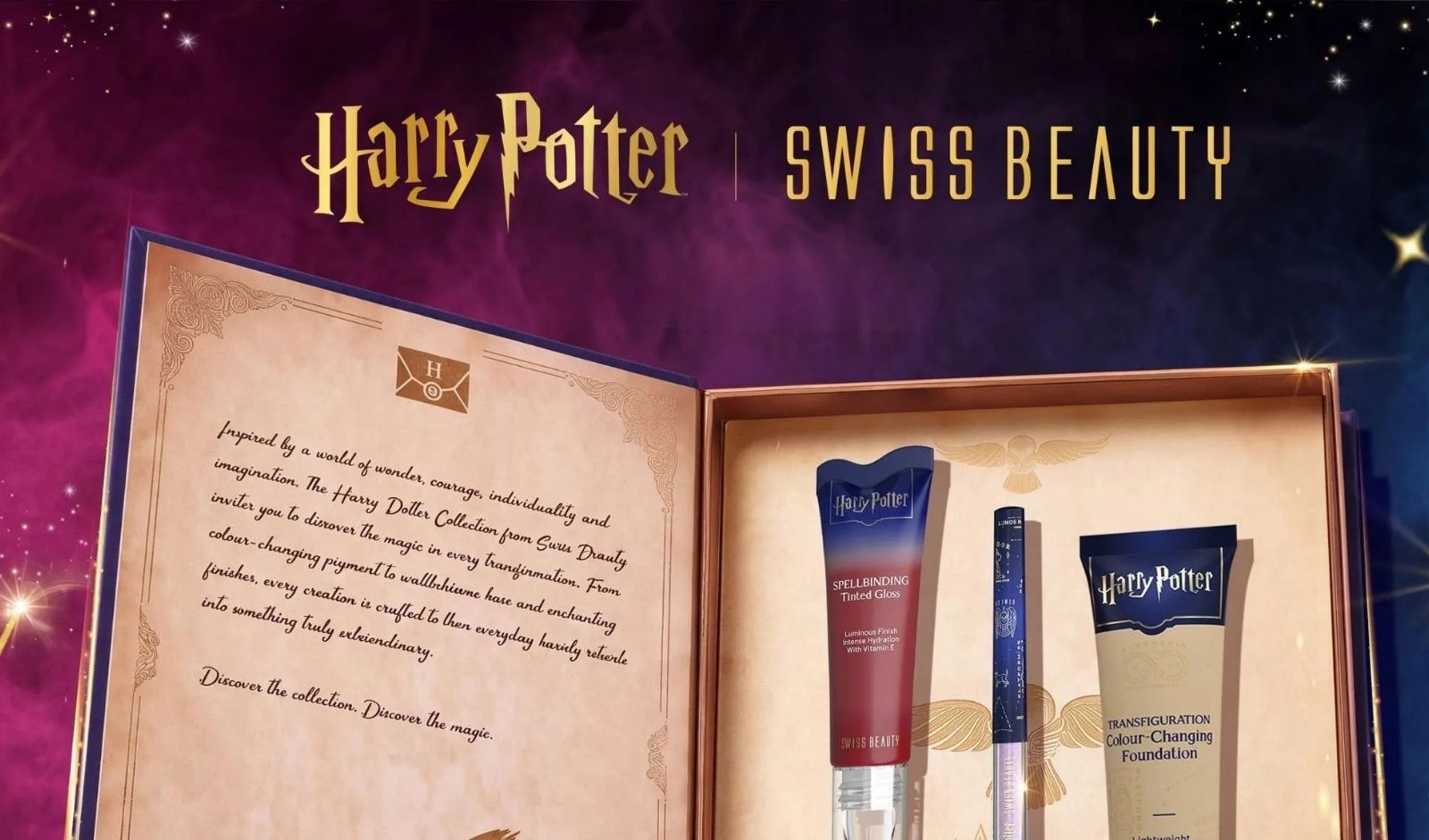
Swiss Beauty expanded its pop culture portfolio in 2026 with a limited-edition Harry Potter-inspired makeup collection created in collaboration with Warner Bros. Discovery Global Consumer Products. Designed for beauty enthusiasts, collectors, and fans of the Wizarding World, the range blends themed packaging, innovative formulations, and nostalgic storytelling inspired by Hogwarts houses, iconic spells, and other recognisable elements from the franchise. The collection includes products such as the Spellbinding Tinted Gloss, Transfiguration Colour-Changing Foundation, Classy Multichrome Eyeliner, Patronus-inspired Makeup Brush Set, and House Pride Multichrome Eyeshadows.
By combining beauty with fandom, Swiss Beauty aimed to deliver an immersive and collectible experience while tapping into the growing demand for entertainment-led beauty collaborations, self-expression, and nostalgia-driven consumer engagement in India's beauty market.
Mad Beauty X The Devil Wears Prada
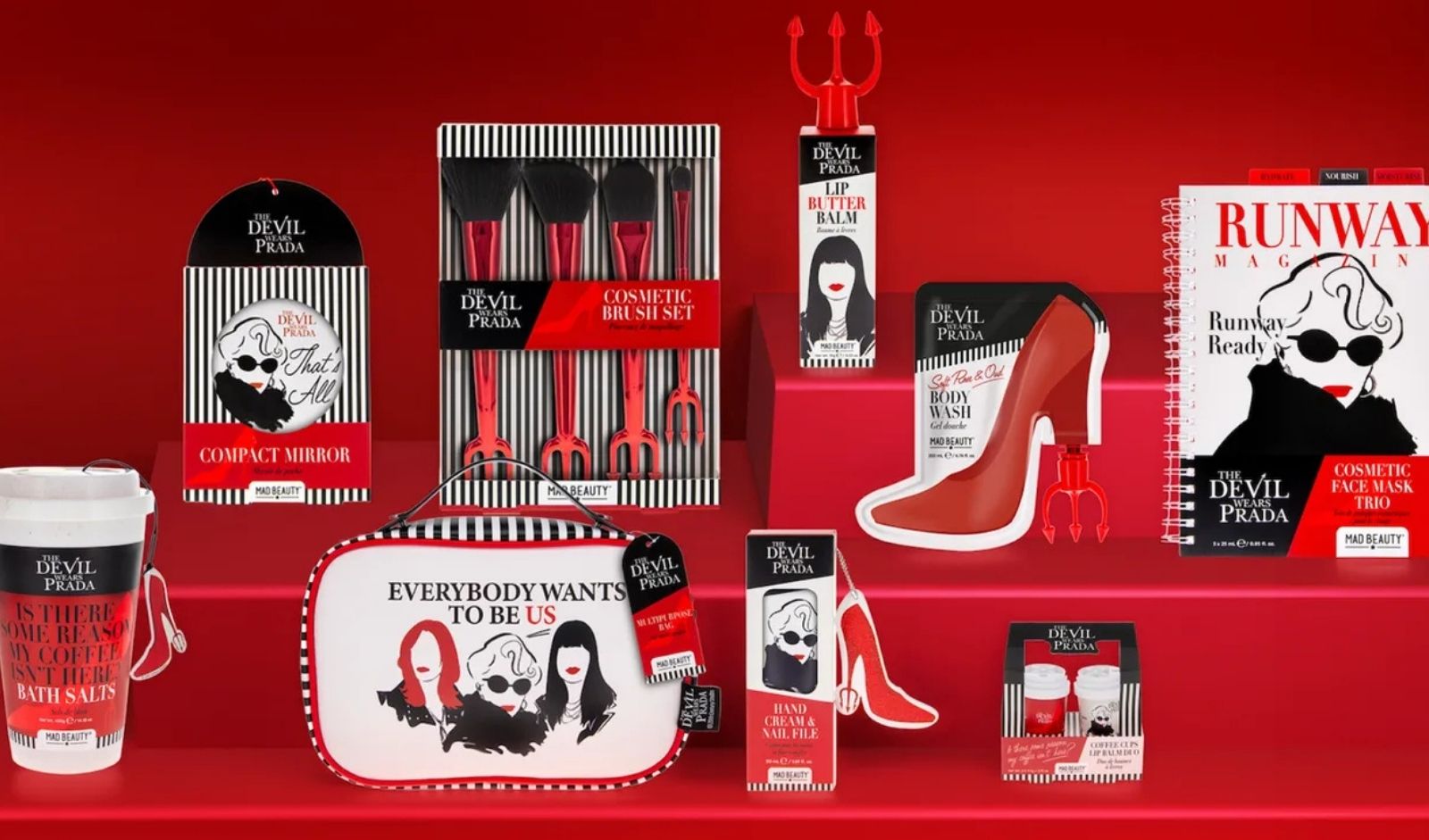
Mad Beauty brought the world of fashion and film into beauty with its The Devil Wears Prada-inspired bath and beauty collection, launched ahead of growing excitement around the movie’s upcoming sequel. Drawing inspiration from the film’s iconic editorial setting and luxury fashion aesthetic, the range transformed memorable on-screen elements into collectible beauty and gifting products. Key highlights included coffee cup-inspired lip balms and bath salts, a stiletto-shaped body wash, a cosmetic brush set with trident-shaped tips, and a Cosmetic Face Mask Trio presented in a booklet inspired by the fictional Runway magazine.
The collection reflects the growing demand for entertainment-led beauty collaborations, combining nostalgia, storytelling, and fashion culture with self-care products designed for fans and beauty consumers alike.
Innisfree X Disney’s Toy Story
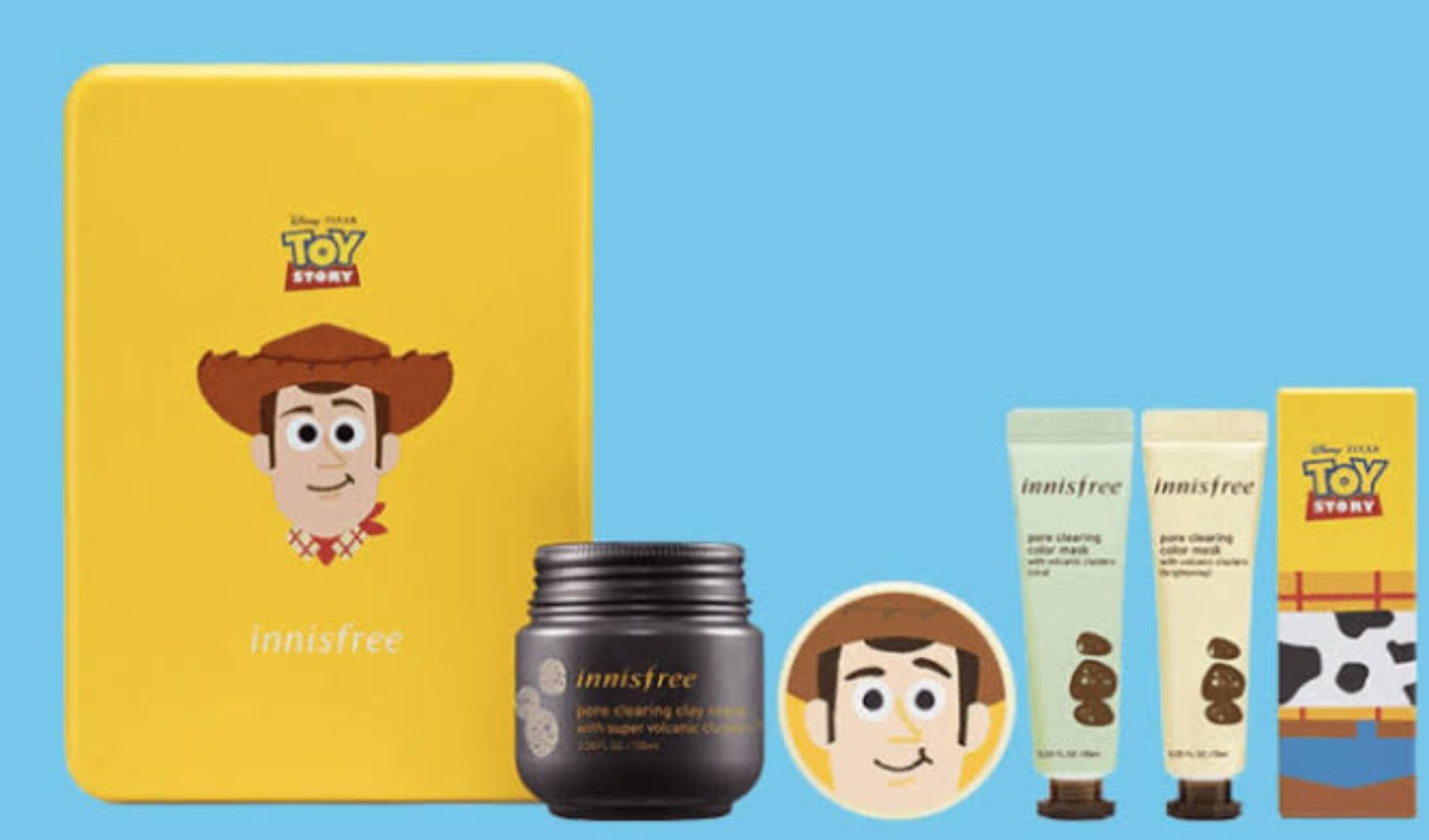
Korean skincare brand Innisfree tapped into the growing trend of entertainment-led beauty collaborations with the launch of its Disney Toy Story Collection in India. Timed alongside anticipation for the upcoming Toy Story 5 release, the limited-edition range reimagined some of the brand’s bestselling skincare and beauty products with packaging inspired by beloved Disney and Pixar characters, including Woody, Jessie, Bo Peep, Slinky Dog, and the Aliens. The collection featured products such as the Vita C Serum Set, Green Tea Seed Hyaluronic Serum Set, Daily UV Dewy Barrier Sun Serum Set, No-Sebum Mineral Powders, and Dewy Tint Lip Balms, accompanied by collectible accessories like keyrings, pouches, and hand mirrors.
By combining effective K-beauty formulations with nostalgia-driven storytelling, Innisfree created a playful skincare experience aimed at beauty enthusiasts, Disney fans, and collectors alike.
Dove X Bridgerton
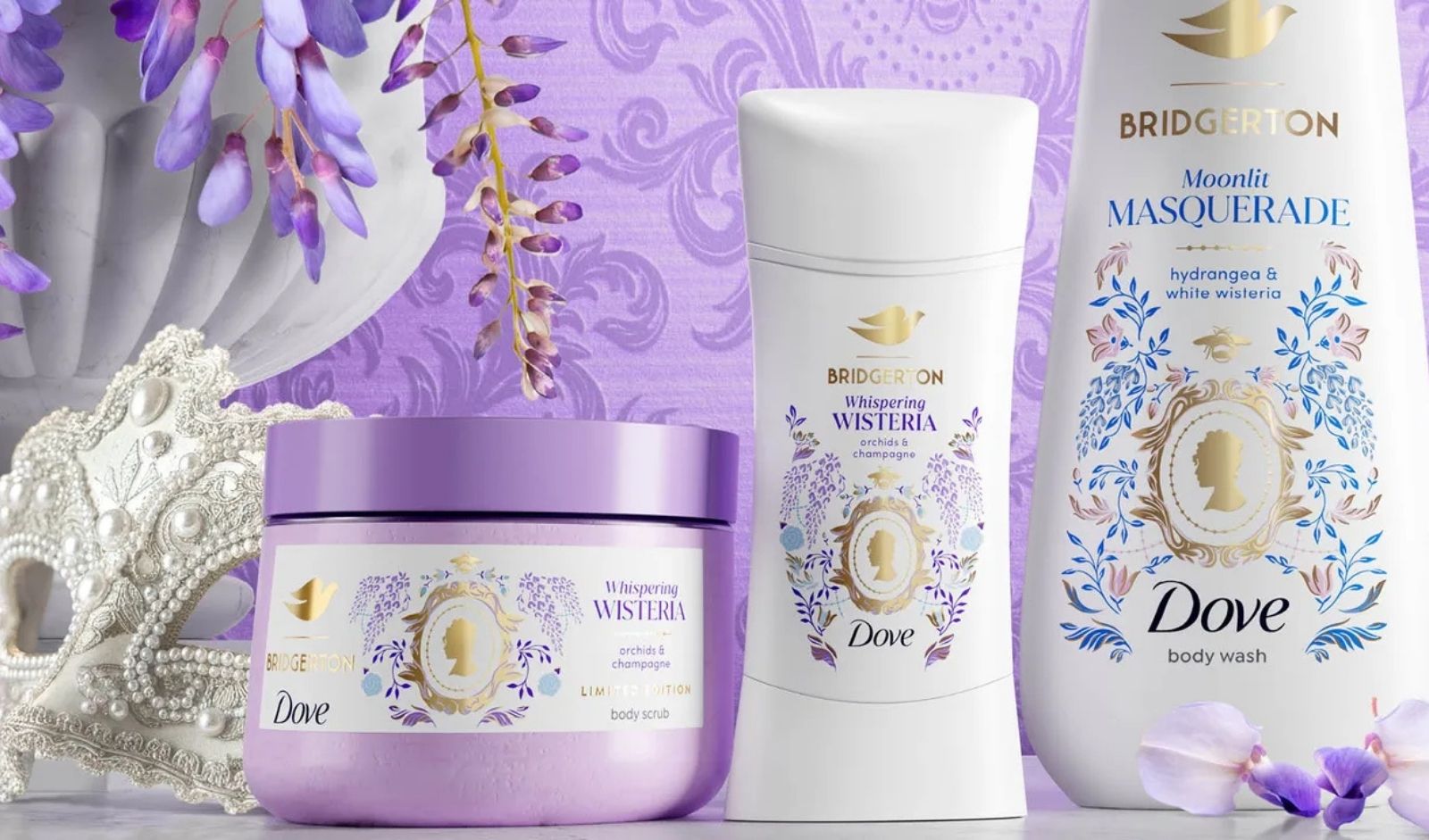
Beauty brand Dove entered the entertainment licensing space in 2026 with its Bridgerton-inspired limited-edition collection, launched exclusively on Nykaa in India. Created in partnership with Netflix and Shondaland, the range combined Dove’s signature personal care formulations with fragrances and packaging inspired by the romance, elegance, and grandeur of the hit period drama. The collection featured products across body wash, shampoo, and hair mask categories, available in two signature scents: Moonlit Masquerade, blending hydrangea, eucalyptus, and warm musk, and Raspberry Rendezvous, a gourmand fragrance with notes of raspberry, rose, peony, and whipped cream.
By bringing the world of Bridgerton into everyday self-care rituals, Dove tapped into the growing demand for entertainment-led beauty collaborations, offering consumers a mix of storytelling, indulgence, and collectible appeal.
Mini Glam X Hello Kitty
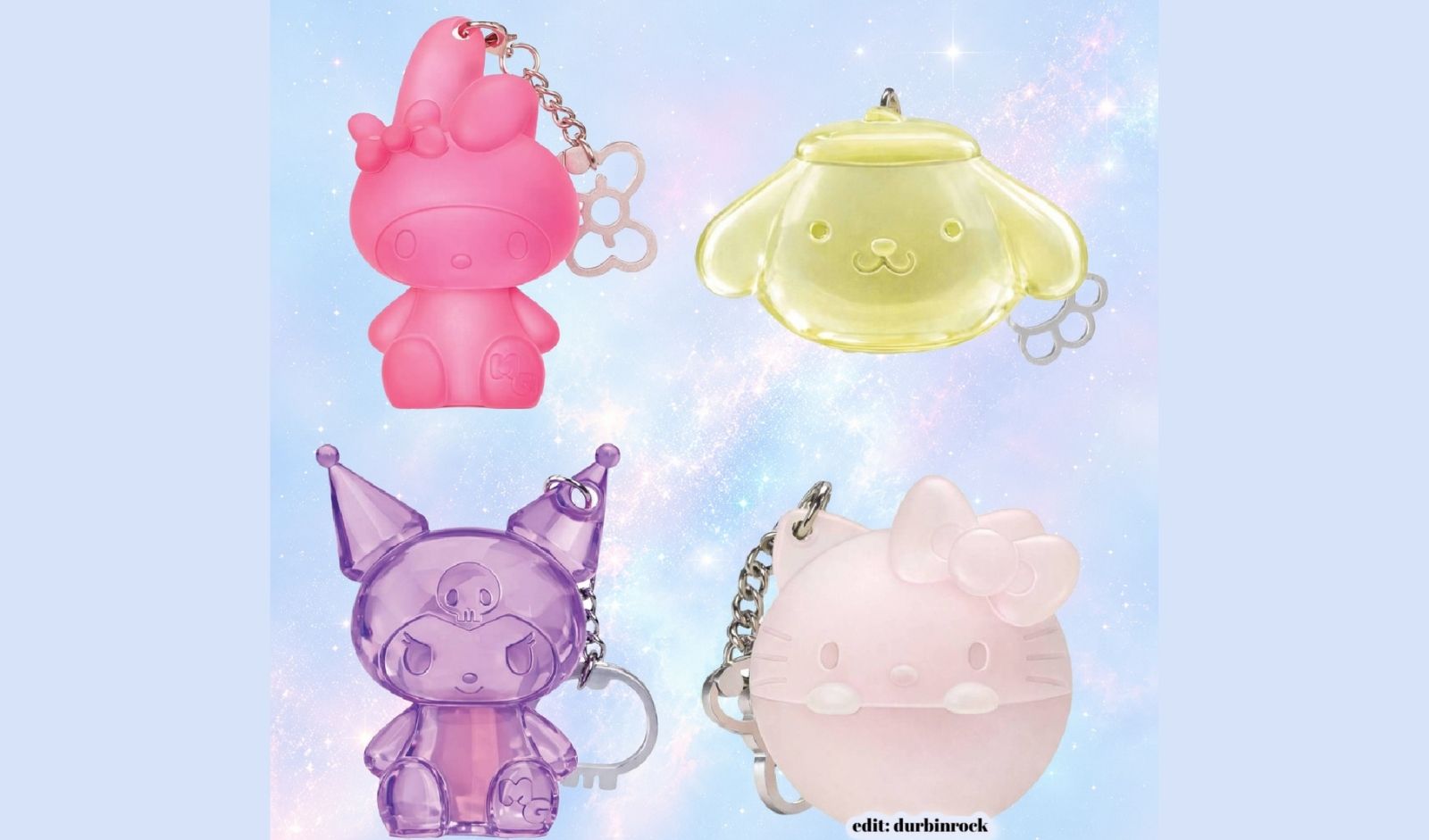
Mini Glam partnered with Sanrio in 2026 to launch the Hello Kitty and Friends Collection, a beauty and accessories range designed for younger consumers and fans of the iconic character franchise. Inspired by popular Sanrio characters including Hello Kitty, My Melody, Kuromi, Cinnamoroll, and Pompompurin, the collection combined playful beauty products with collectible elements. The lineup featured character-themed lip glosses, lip balms, shimmer highlights, shimmer lotions, and a Hello Kitty makeup bag, with many products packaged in portable containers that doubled as keychains. By blending age-appropriate beauty products with the growing popularity of character licensing and collectible merchandise, the collaboration tapped into demand for nostalgic, entertainment-driven beauty experiences.
The partnership highlights how beloved entertainment properties continue to shape beauty trends by turning everyday products into fandom-inspired keepsakes.
The Future of Beauty and Entertainment Partnerships
As 2026 progresses, the intersection of beauty and entertainment shows no signs of slowing down. From film franchises and streaming hits to animated classics and iconic characters, entertainment-inspired beauty collections are becoming a core part of brand strategy across the industry.
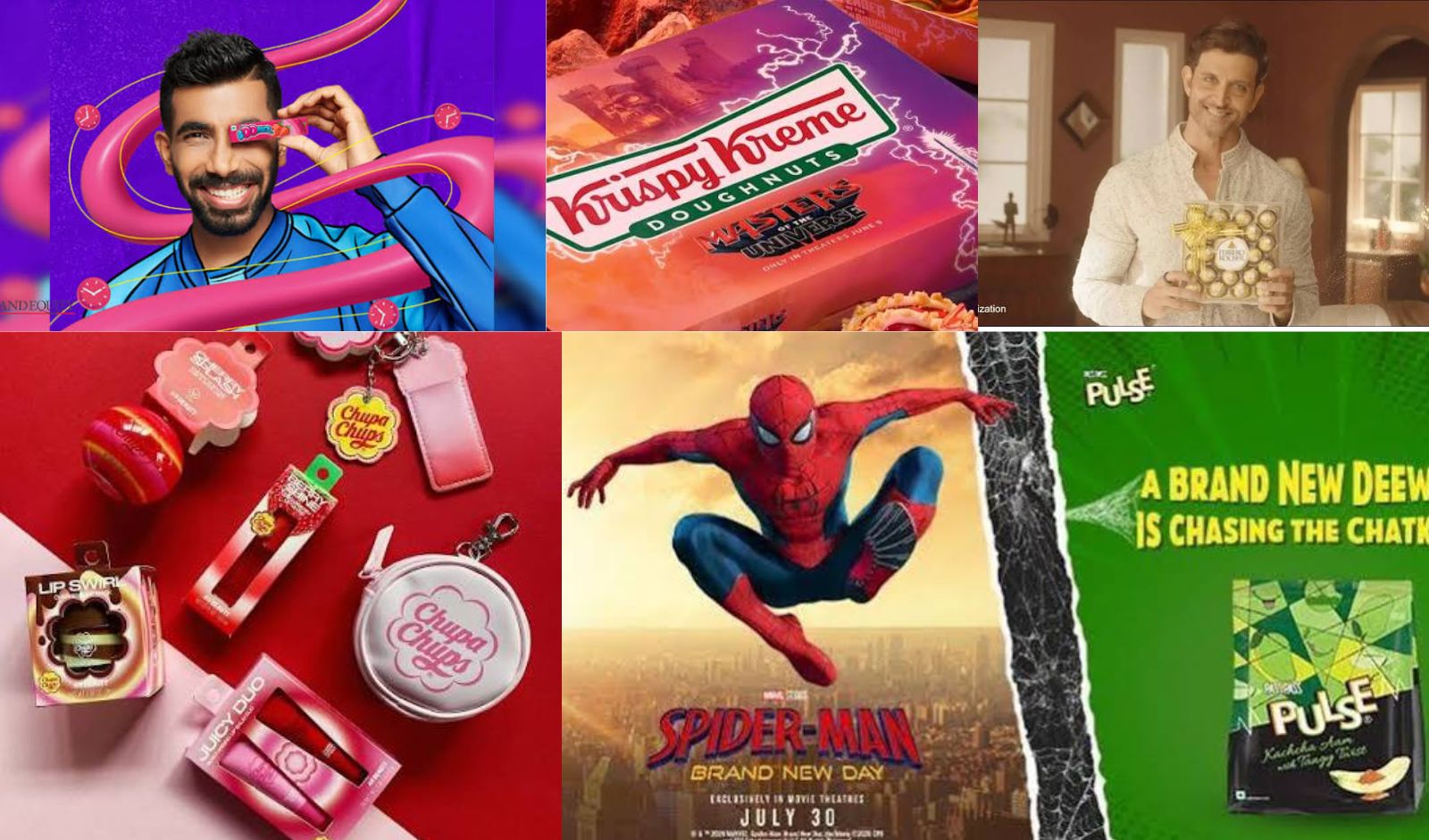
Confectionery brands are increasingly moving beyond traditional advertising to build stronger connections with consumers through collaborations, celebrity associations and popular culture. From cricket and Bollywood to global entertainment franchises and fashion, these partnerships are helping brands turn everyday treats into experiences.
In India, the trend has become particularly visible as confectionery companies look to engage younger consumers and remain culturally relevant. Mondelez India, Ferrero India, Pulse, Mars Wrigley and other leading names have explored associations spanning sports, entertainment and celebrities, while international brands such as Krispy Kreme and Chupa Chups have expanded their appeal through collaborations with major entertainment and fashion players.
Here are some of the notable confectionery brand collaborations and associations that highlight how the category is evolving.
Mondelez India X IPL 2026
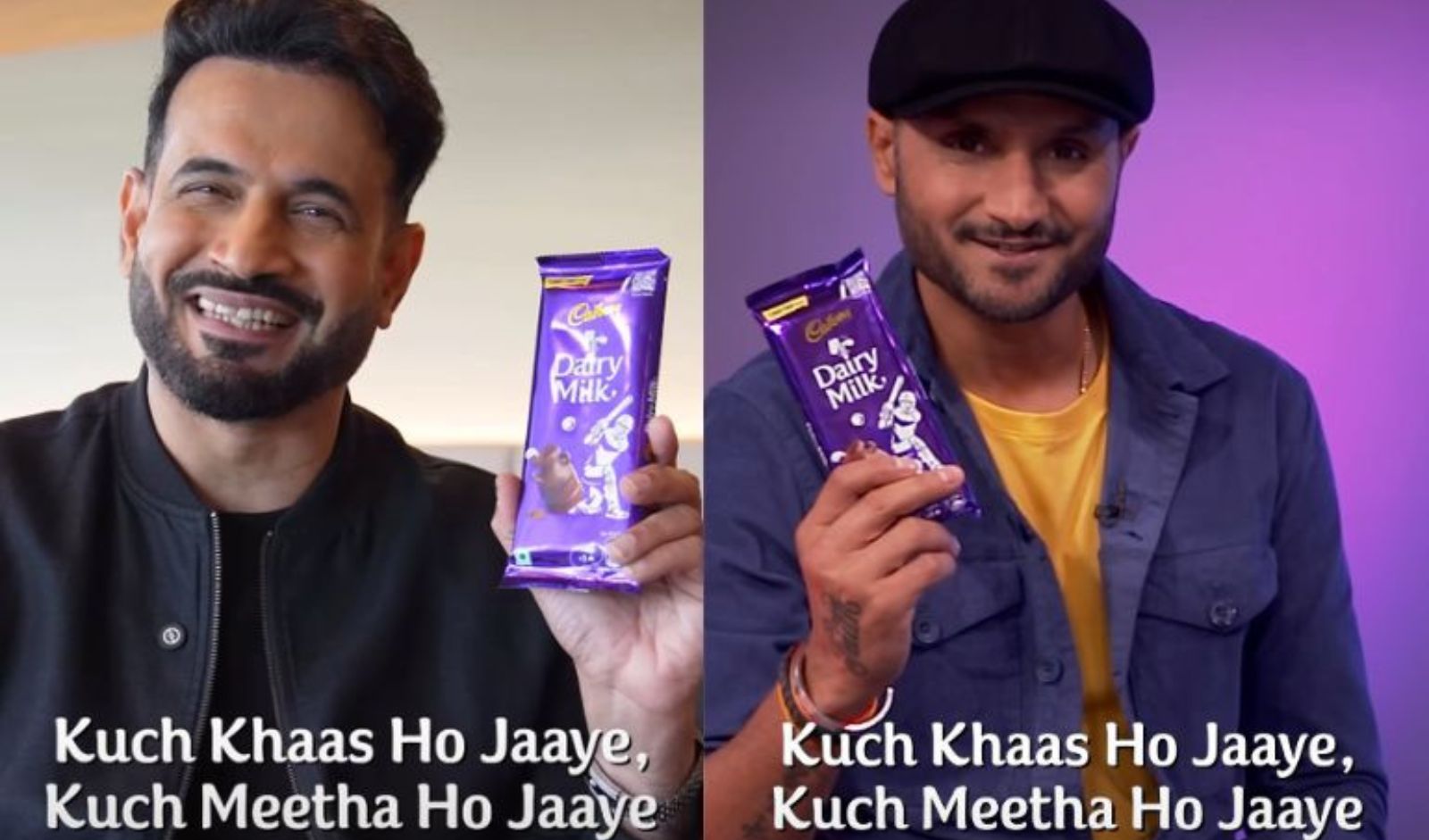
Cadbury Dairy Milk brought its signature sweetness to IPL 2026 with its ‘Khaas Seat’ campaign, celebrating the experience of watching a live cricket match for the first time. The initiative introduced a dedicated ‘Khaas Seat’ section at Mumbai’s Wankhede Stadium for first-time IPL attendees, in collaboration with Mumbai Indians. Consumers could participate through QR codes placed on Cadbury Dairy Milk packs, with selected winners receiving match tickets, player-signed team merchandise and meet-and-greet opportunities. The campaign was supported by two films highlighting memorable first-match experiences, including a father-son outing and a young fan seeing herself on live television.
Cadbury also introduced limited-edition cricket-themed packs on quick-commerce platforms. The initiative was available for Mumbai Indians’ home matches at Wankhede during IPL 2026.
Ferrero India X Hrithik Roshan
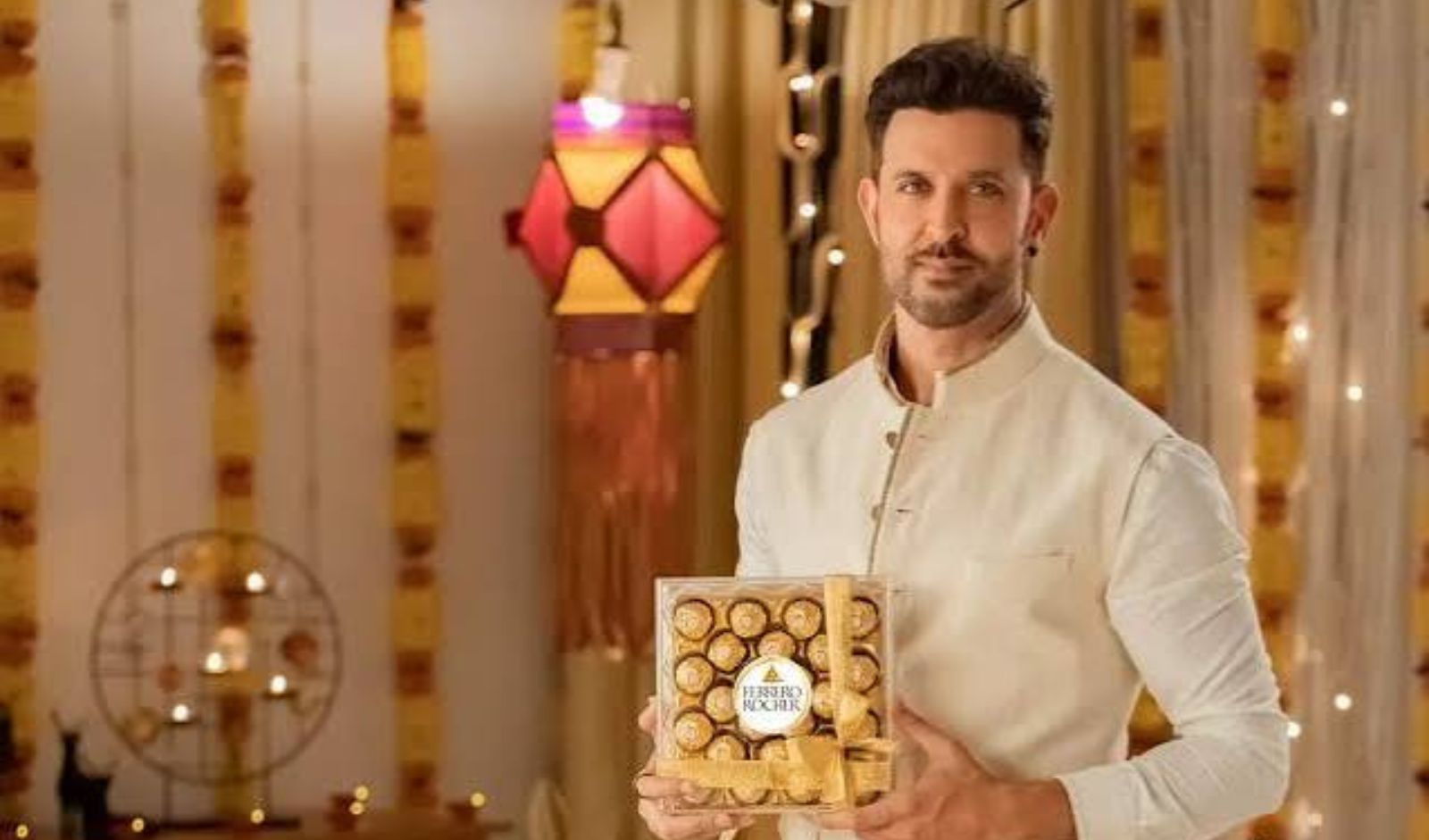
Ferrero India brought Hrithik Roshan on board for a festive digital film featuring Ferrero Rocher as part of its year-end communication. Set against a warm, intimate soirée, the film follows a group of friends preparing for a quiet celebration, with Hrithik’s arrival introducing Ferrero Rocher into the gathering. The visual narrative moves through poolside moments, conversations, gifting and a central dessert arrangement featuring the chocolate, with gold accents reflecting Ferrero Rocher’s signature identity. Rather than making the product the sole focus, the campaign uses storytelling to highlight warmth, togetherness, indulgence and gifting.
The film was rolled out across digital platforms during the year-end festive period, reinforcing Ferrero Rocher’s association with meaningful celebrations and positioning the brand as a part of shared occasions.
Krispy Kreme X MGM Studios & Mattel
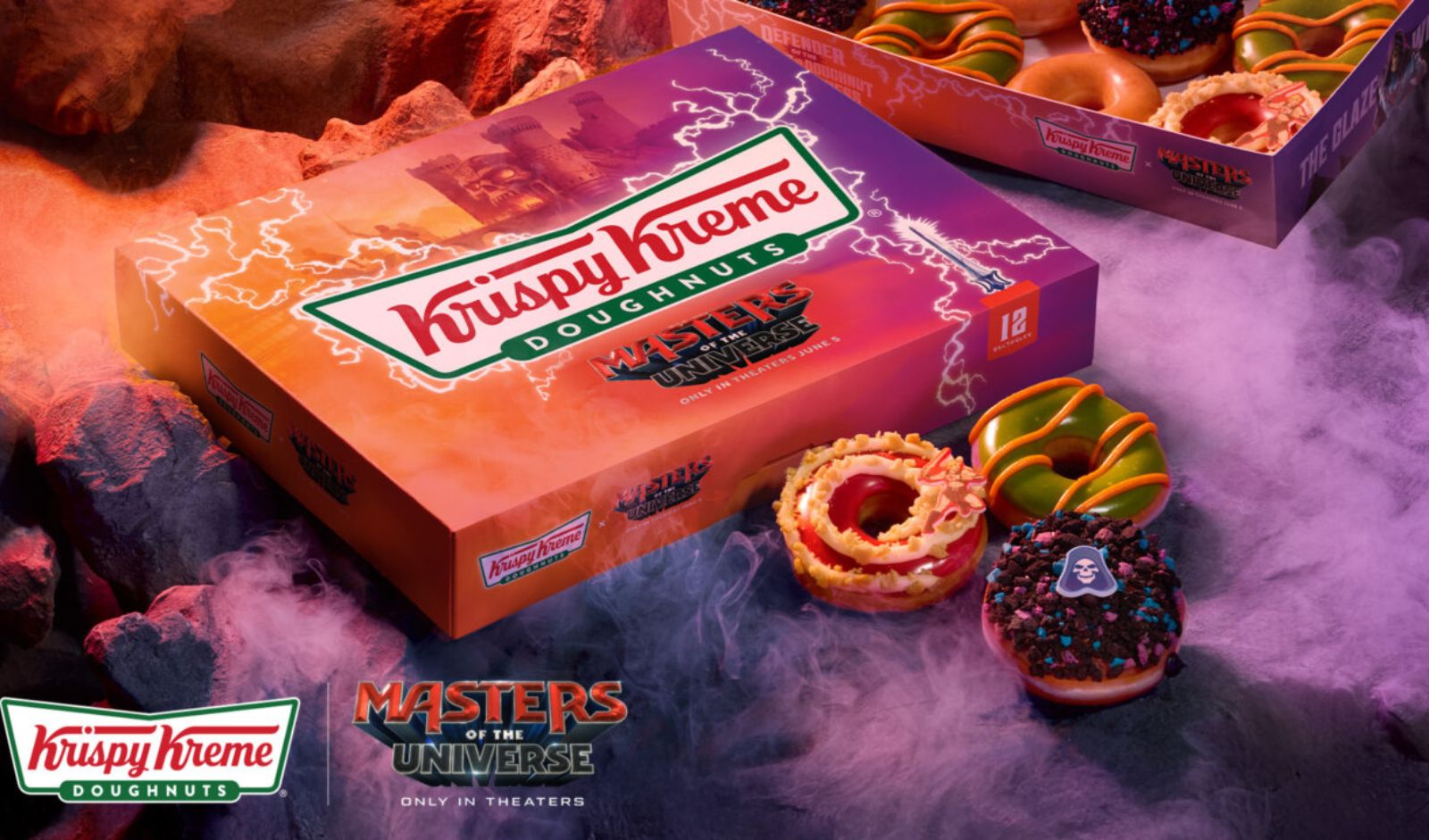
Krispy Kreme had partnered with Mattel, Amazon and MGM Studios to bring the world of He-Man and the Masters of the Universe to its doughnut range in India. The limited-edition collection featured three character-inspired doughnuts and a specially designed box showcasing the heroes and villains of Eternia. The range included the He-Man Caramel Crunch Doughnut, the Skeletor Double Chocolate Doughnut and the Cringer Claw Cookie Dough Doughnut, each drawing inspiration from the iconic characters through distinct flavours, toppings and fillings.
The collaboration marked Krispy Kreme’s foray into pop-culture-led product innovation, combining its food offering with a globally recognised entertainment franchise. The association demonstrated how character licensing can help confectionery and food brands create novelty, engage fandoms and attract younger consumers.
Chupa Chups X H&M
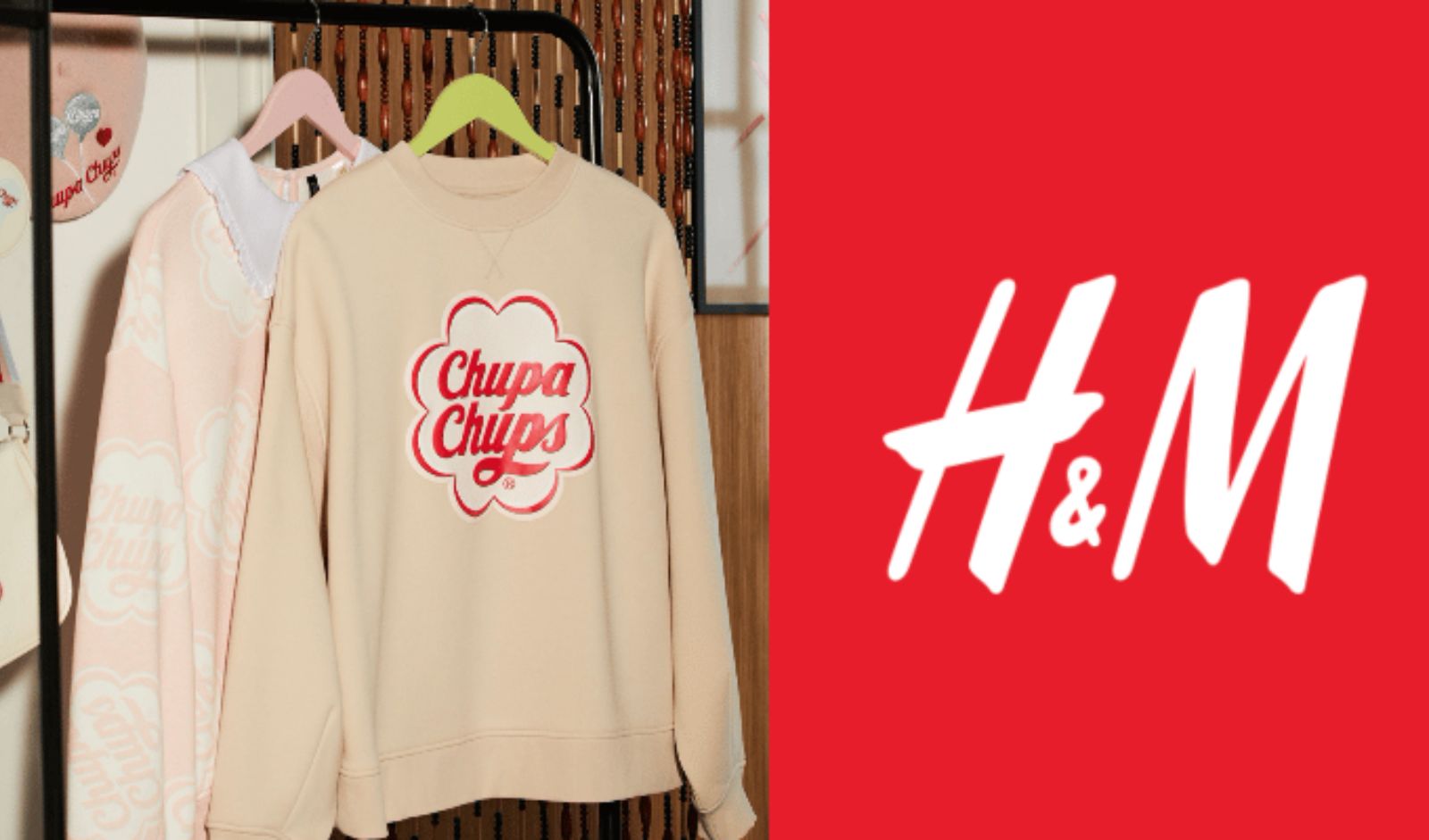
Chupa Chups had partnered with H&M Beauty for its first-ever global beauty limited edition, bringing the confectionery brand’s playful identity and popular flavours into everyday beauty products. Launched in July 2025, the collection featured candy-inspired products including the Lip Swirl Overnight Lip Mask, Juicy Duo Lip Balm, Fruity Fusion Lip Oil Trio and Cherry Splash Hair & Body Mist. The range also included Chupa Chups-inspired accessories such as a Lip Gloss Charm and Water Bottle. From formulations to packaging, the collaboration blended the nostalgia associated with the iconic lollipop brand with contemporary beauty trends.
Available online and at selected H&M stores, the partnership demonstrated how confectionery brands can extend their identities beyond food through cross-category licensing and lifestyle collaborations.
Pulse X Spiderman
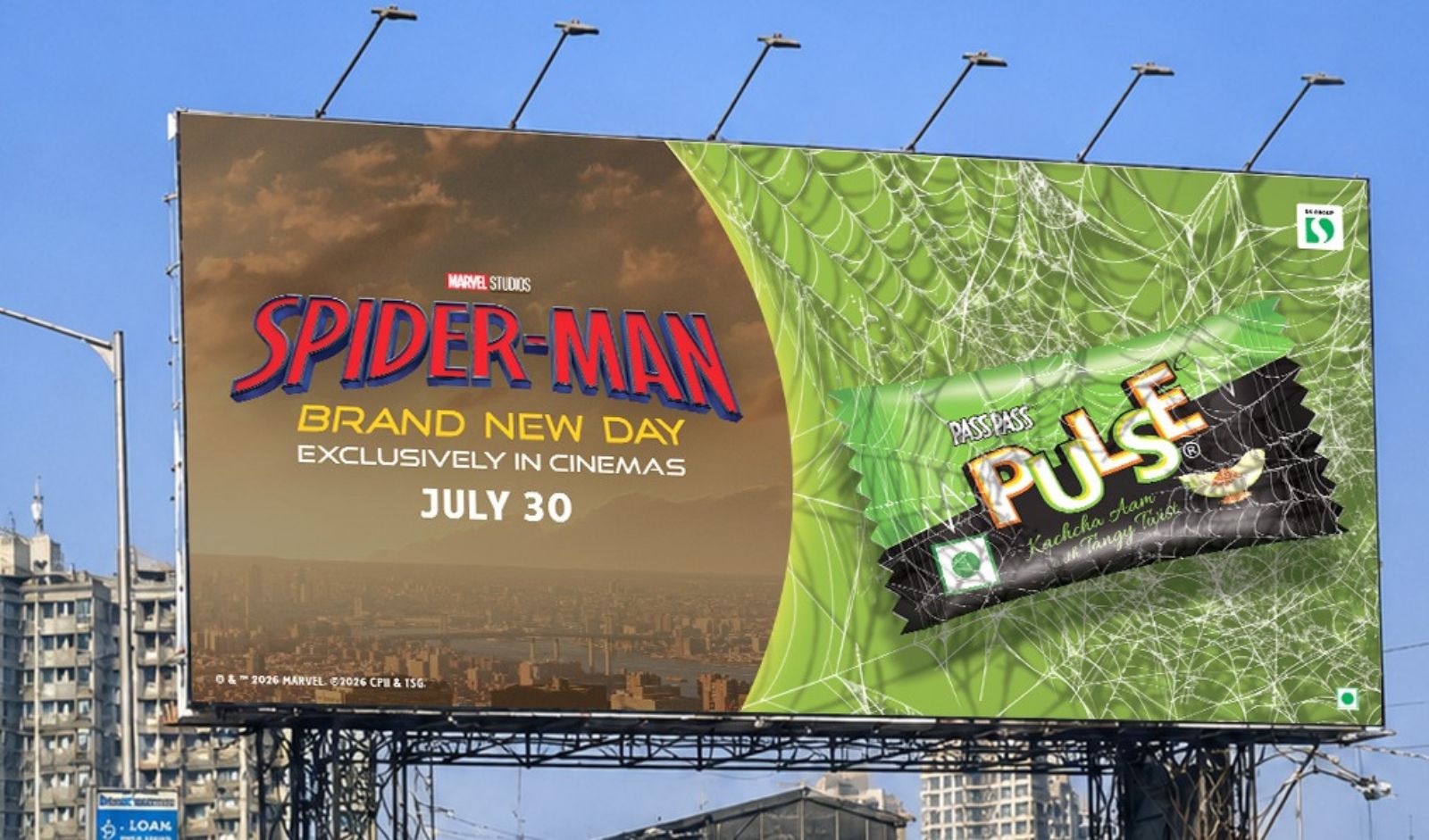
Pulse Candy joined hands with Spider-Man: Brand New Day for a nationwide 360-degree marketing campaign designed to build excitement around the film while strengthening the confectionery brand’s connection with popular culture. The collaboration featured limited-edition co-branded Pulse packs inspired by Spider-Man, along with a brand film built around the message, “Even Spider-Man Cannot Resist Pulse.” The campaign extended across digital platforms, outdoor advertising, cinema, retail and social media, with eye-catching outdoor installations showing Spider-Man reaching for Pulse Candy across adjoining billboards. Running from the last week of July through August 30, 2026, the campaign aimed to engage Gen Z while leveraging Spider-Man’s strong cross-generational appeal.
The association reflects Pulse Candy’s strategy of using entertainment partnerships to deepen consumer engagement and strengthen brand affinity.
Mars Wrigley X Jaspreet Bumrah
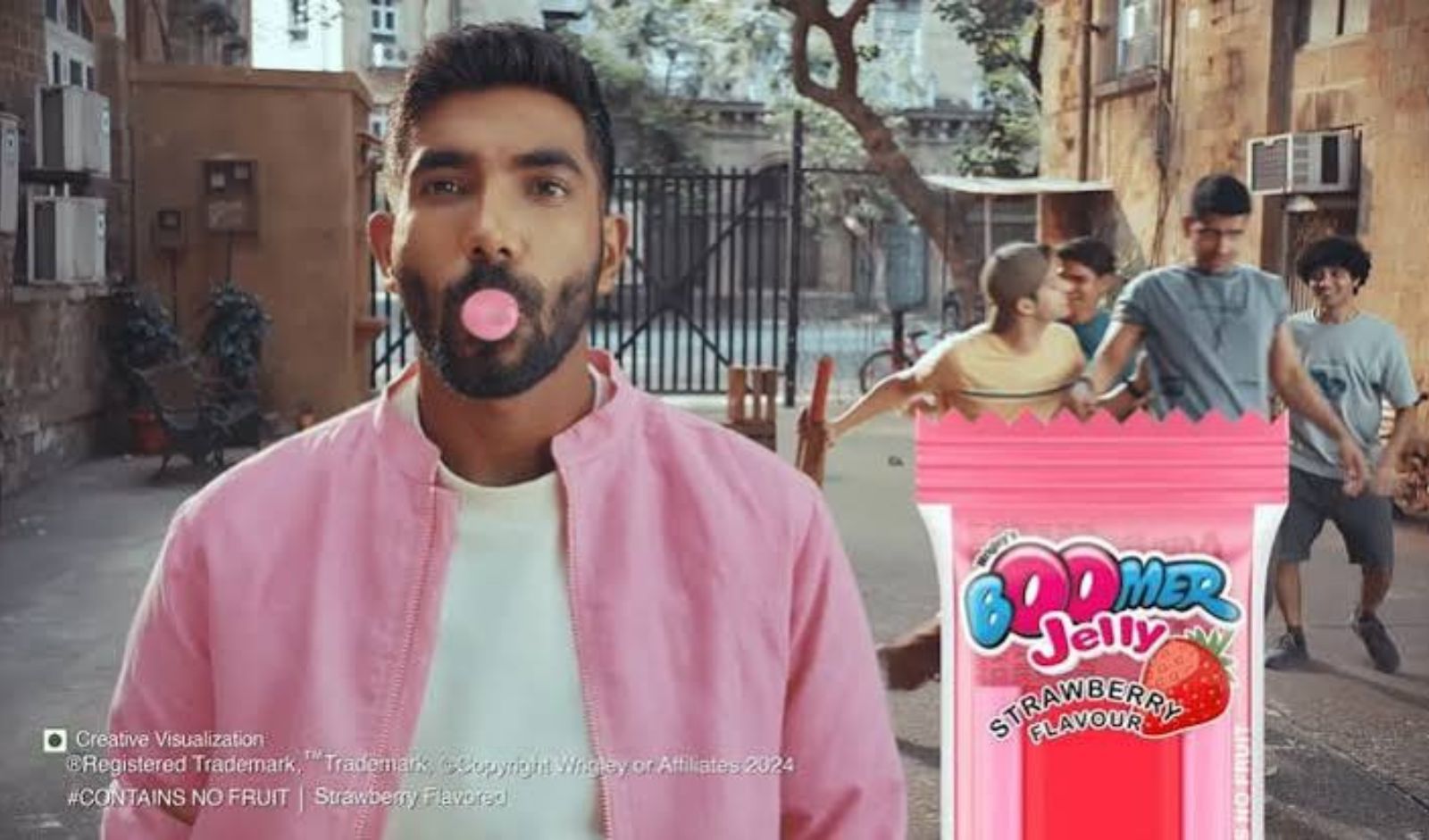
Mars Wrigley India rolled out a new Boomer campaign featuring cricketer Jasprit Bumrah in June 2025, using cricket and bubble-blowing to present the chewing gum as a symbol of confidence and self-expression for Gen Z. Set during a high-energy cricket match, the campaign film shows Bumrah facing taunts from the crowd before casually chewing Boomer and blowing a bubble. The moment transforms the atmosphere, with the crowd's boos turning into the familiar “BOOOOOOO-MRAHH... BUMRAH!” chant. The campaign built on Boomer’s long-standing association with bubble-blowing while giving it a contemporary attitude.
It followed the launch of Boomer Lollipops in Strawberry, Orange and Watermelon flavours, further expanding the brand’s appeal among younger consumers.
Why Confectionery Brands Are Embracing Collaborations
The growing number of partnerships across confectionery highlights a broader shift in how brands approach marketing. Instead of communicating only around taste, price or product features, confectionery companies are increasingly looking for ways to become part of consumers' interests and lifestyles.
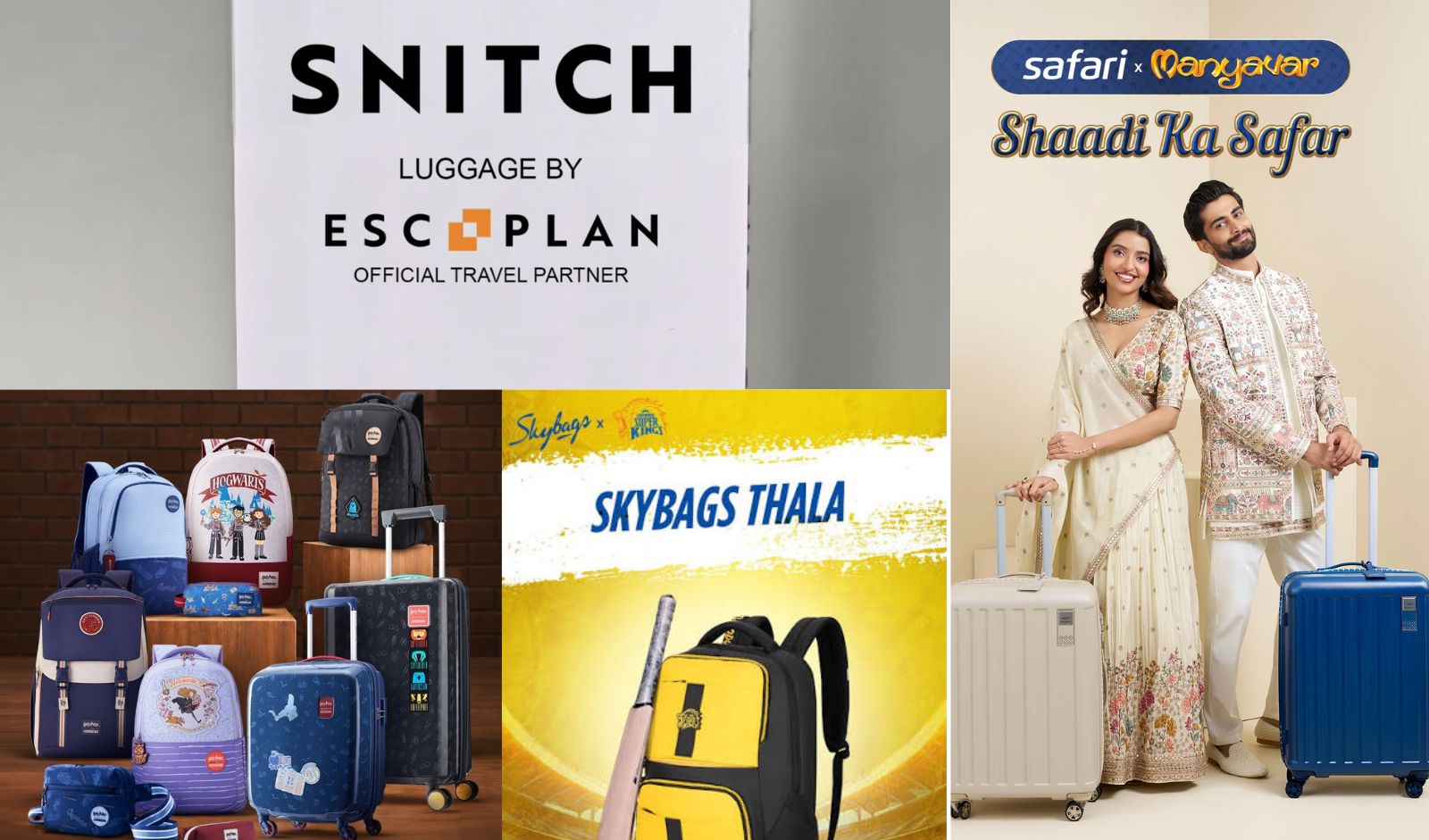
The luggage industry in India is evolving beyond functionality, with brands increasingly turning to collaborations to connect with consumers through fashion, culture, entertainment, sports, and sustainability. As travel continues to rebound and consumer preferences shift toward personalized and lifestyle-driven purchases, luggage brands are partnering with apparel labels, sports franchises, entertainment properties, and sustainable fashion startups to create unique offerings.
These collaborations are helping brands expand their reach, attract younger audiences, and strengthen their position in India's growing travel accessories market. From cricket-inspired collections to fashion-led travel gear, several partnerships have stood out in 2026 for their creativity and market impact.
Here are some of the most notable luggage brand collaborations making headlines in 2026.
Escape Plan X Snitch
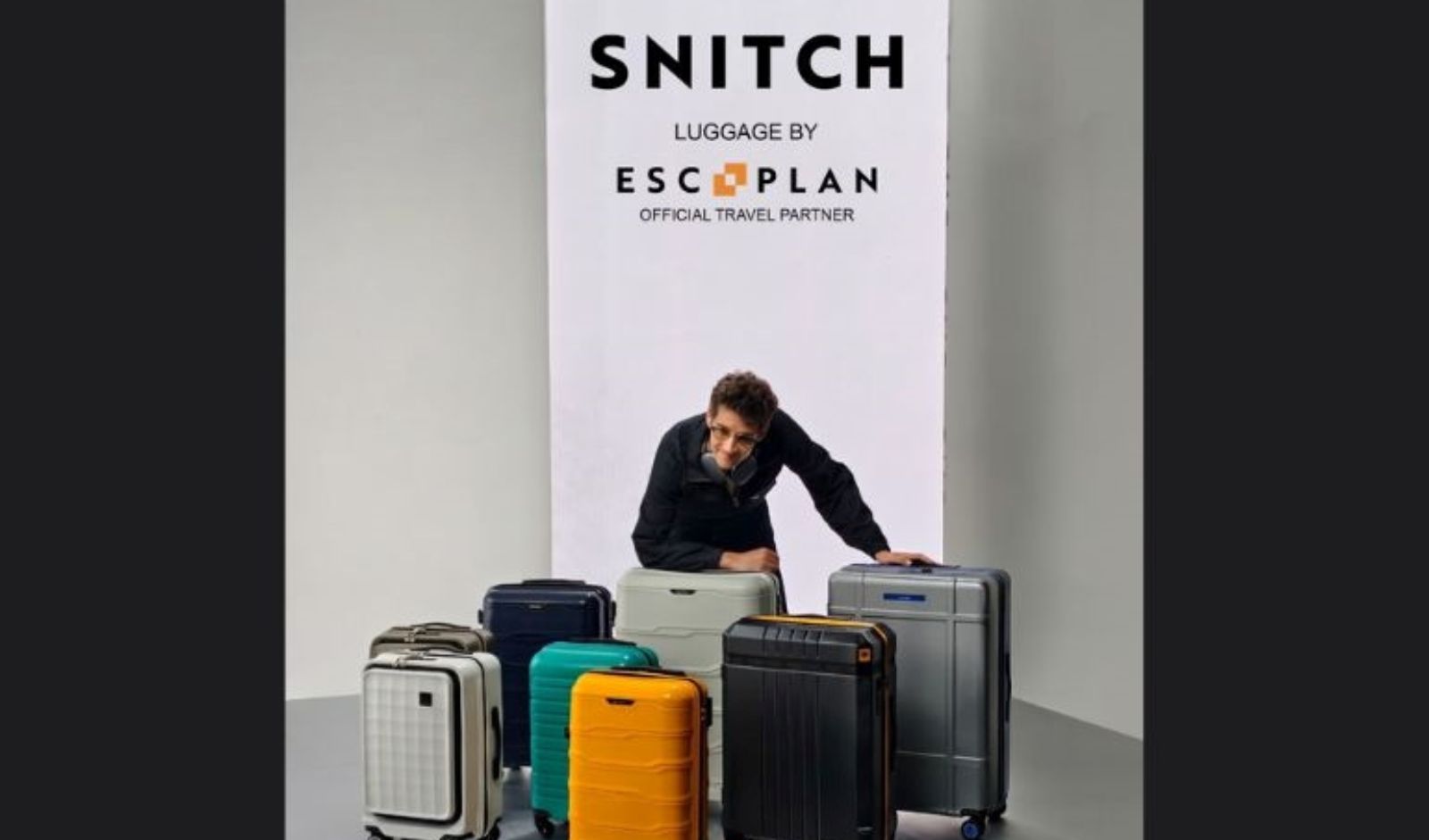
The SNITCH x Escape Plan collaboration marks SNITCH’s entry into the travel luggage category through a partnership with travel platform Escape Plan. The collection combines SNITCH’s fashion-first approach with Escape Plan’s expertise in travel gear, targeting consumers who view luggage as an extension of personal style rather than just a utility product. The range focuses on modern design, durability, and functionality, catering to India's growing community of young and frequent travelers. The partnership aligns with changing consumer preferences, where travel accessories are increasingly influenced by fashion trends. For Escape Plan, the collaboration supports its vision of building a broader travel ecosystem, while for SNITCH, it expands the brand beyond apparel and accessories into lifestyle-led travel products.
The collection reflects the growing convergence of fashion and travel in India's evolving luggage market.
Read more: The Spider-Man Effect: Collaborations Driving Buzz Across Industries
Top Fashion Brands Partnering with Pop Culture Icons to Drive Retail Growth
When Gadgets Meet Icons: 6 Tech Brand Collaborations Worth Knowing
American Tourister X Warner Bros
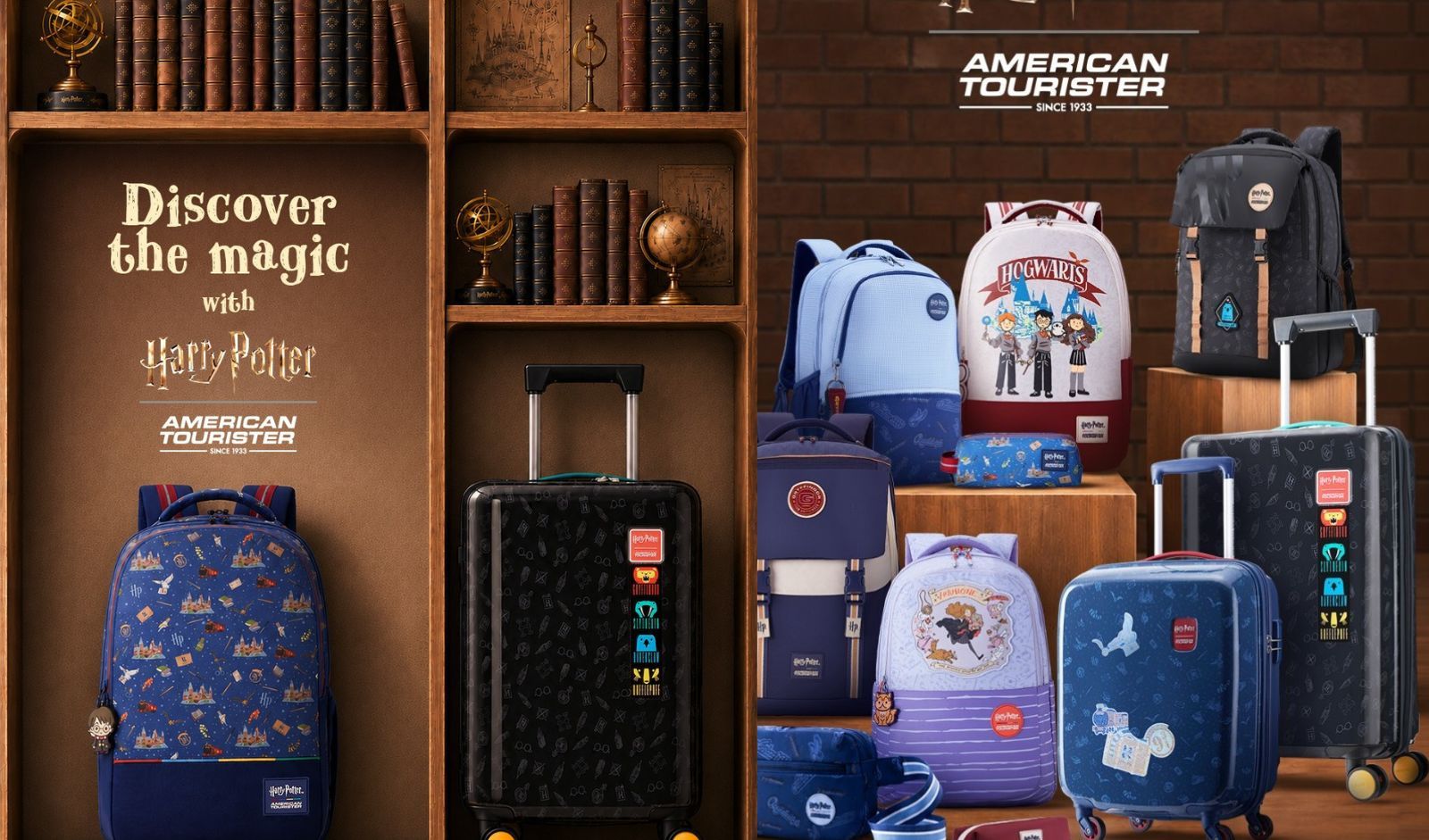
The American Tourister x Warner Bros. Discovery Global Consumer Products collaboration brought the magic of the Harry Potter universe into India's travel accessories market through a dedicated collection of luggage, backpacks, crossbody bags, drawstring bags, and stationery accessories. Designed for two age groups, the range features Hogwarts-inspired products for children under 10 and house-themed designs for pre-teens. The collection includes Harry Potter graphics, silicone zip pullers, interchangeable Hogwarts house badges, Quidditch-themed stickers, and character-inspired details that allow personalization. By combining travel functionality with one of the world's most popular entertainment franchises, American Tourister successfully tapped into the growing demand for licensed merchandise and fandom-driven products.
The partnership demonstrates how entertainment licensing can transform everyday travel gear into lifestyle products that resonate with both young consumers and Harry Potter fans across generations.
Safari X Manyavar
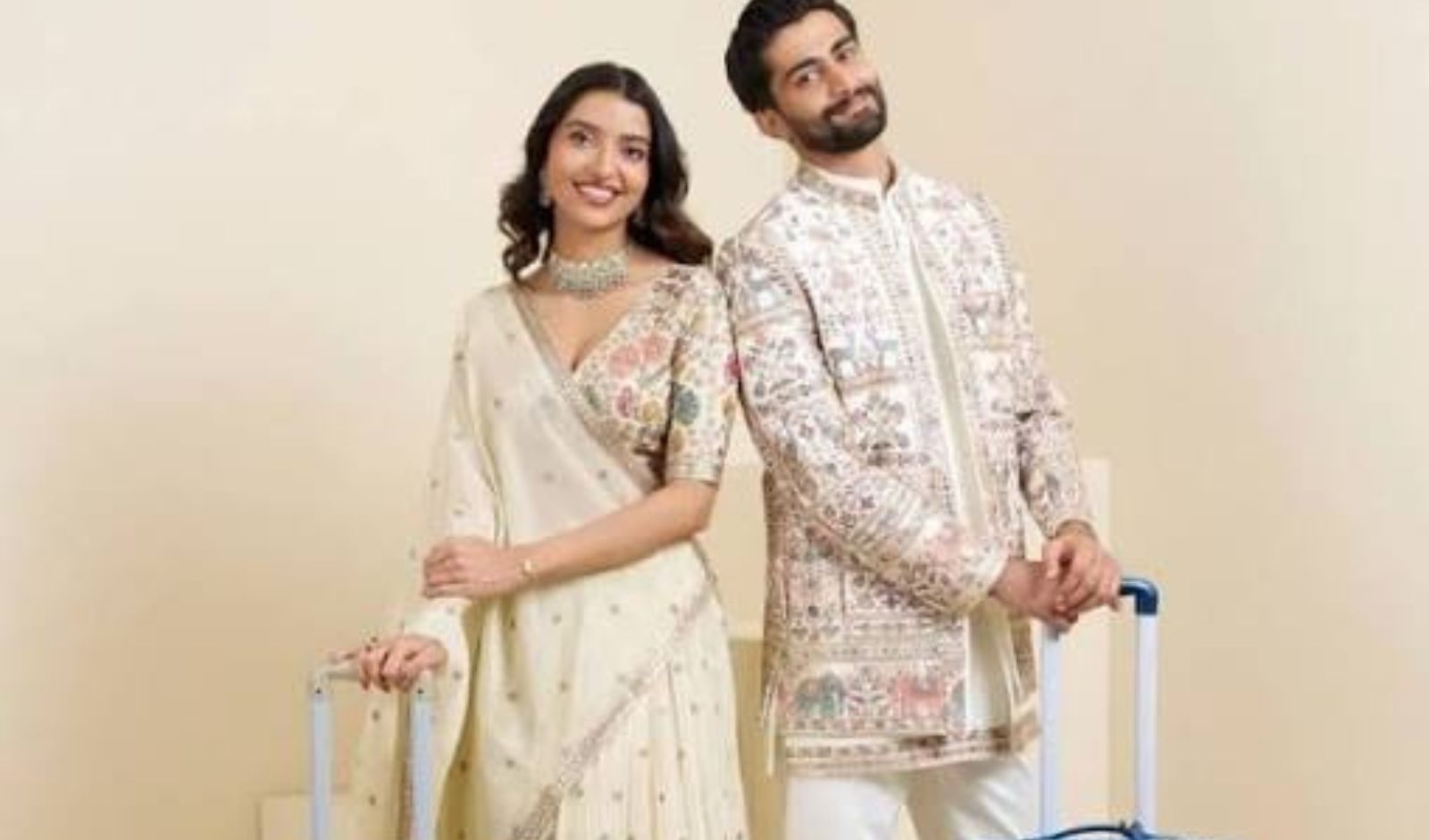
The Safari x Manyavar collaboration introduced ‘Shaadi Ka Safar’, a wedding-themed luggage collection designed specifically for India's growing wedding and destination wedding market. Bringing together Safari’s expertise in travel luggage and Manyavar’s deep understanding of wedding fashion and celebrations, the partnership aims to make luggage a meaningful part of the wedding journey rather than just a travel necessity. The collection caters to bridal trousseau packing, family gifting, newlywed travel, and wedding-related journeys. A standout feature is the Eterna collection, inspired by Indian wedding aesthetics and featuring lotus motifs, spacious interiors for wedding attire, TSA-approved locks, and premium travel features.
Supported by a marketing campaign featuring Mukti Mohan and Kunal Thakur, the collaboration reflects how travel, fashion, and celebration are increasingly converging in India's lifestyle and retail markets.
Skybags X Chennai Super Kings
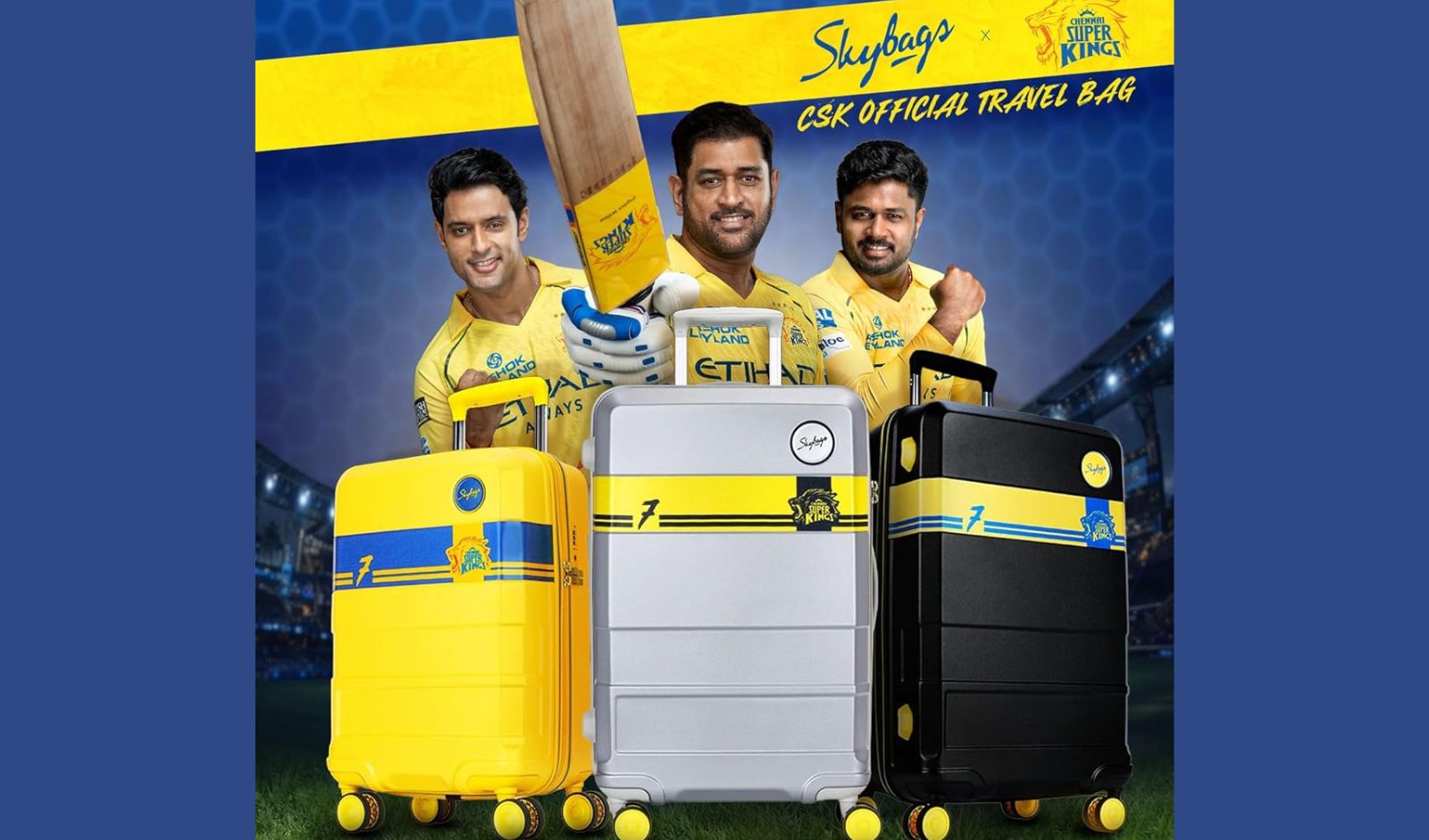
The Skybags x Chennai Super Kings (CSK) partnership marked Skybags' entry into the sports licensing space, with the luggage brand becoming the franchise's Official Luggage Partner for the 2026 cricket season. As part of the collaboration, Skybags launched an exclusive range of officially licensed CSK luggage and backpacks inspired by the team's iconic identity and designed for young, mobile consumers. The co-branded collection combines travel functionality with team pride, allowing fans to showcase their support beyond the stadium. The partnership also integrates Skybags into CSK's fan engagement initiatives throughout the season, while the merchandise remains available across retail and e-commerce channels even after the tournament concludes.
Uppercase X Virgio
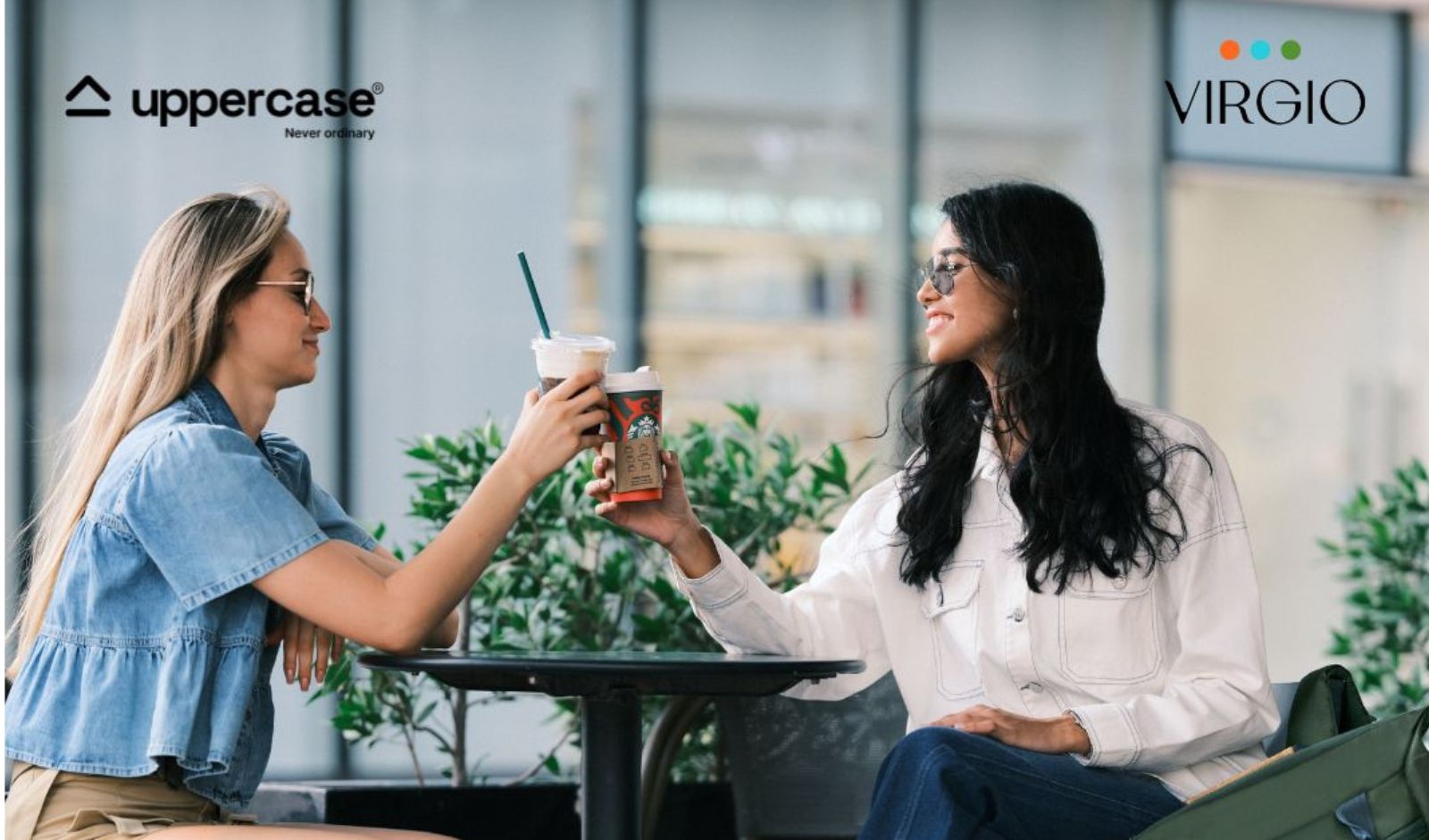
The Virgio x Uppercase collaboration brings together sustainable fashion and eco-conscious travel gear, reflecting a shared commitment to responsible consumption and modern lifestyles. The collection includes a cabin trolley, backpack, and laptop sleeve designed for both work and travel, all crafted from recycled, water-resistant materials. Key features include a hard-shell trolley with a detachable laundry compartment and toiletry pouch, alongside travel-friendly organizational elements for everyday mobility. Rather than a traditional co-branding exercise, the partnership focuses on integrating sustainability across fashion, travel, and daily life, encouraging consumers to invest in durable, thoughtfully designed products.
The Future of Luggage Brand Collaborations in India
As India's travel and tourism sector continues to expand, collaborations are likely to play an increasingly important role in shaping consumer preferences. Brands are expected to explore partnerships across categories including fashion, entertainment, sports, technology, and sustainability.
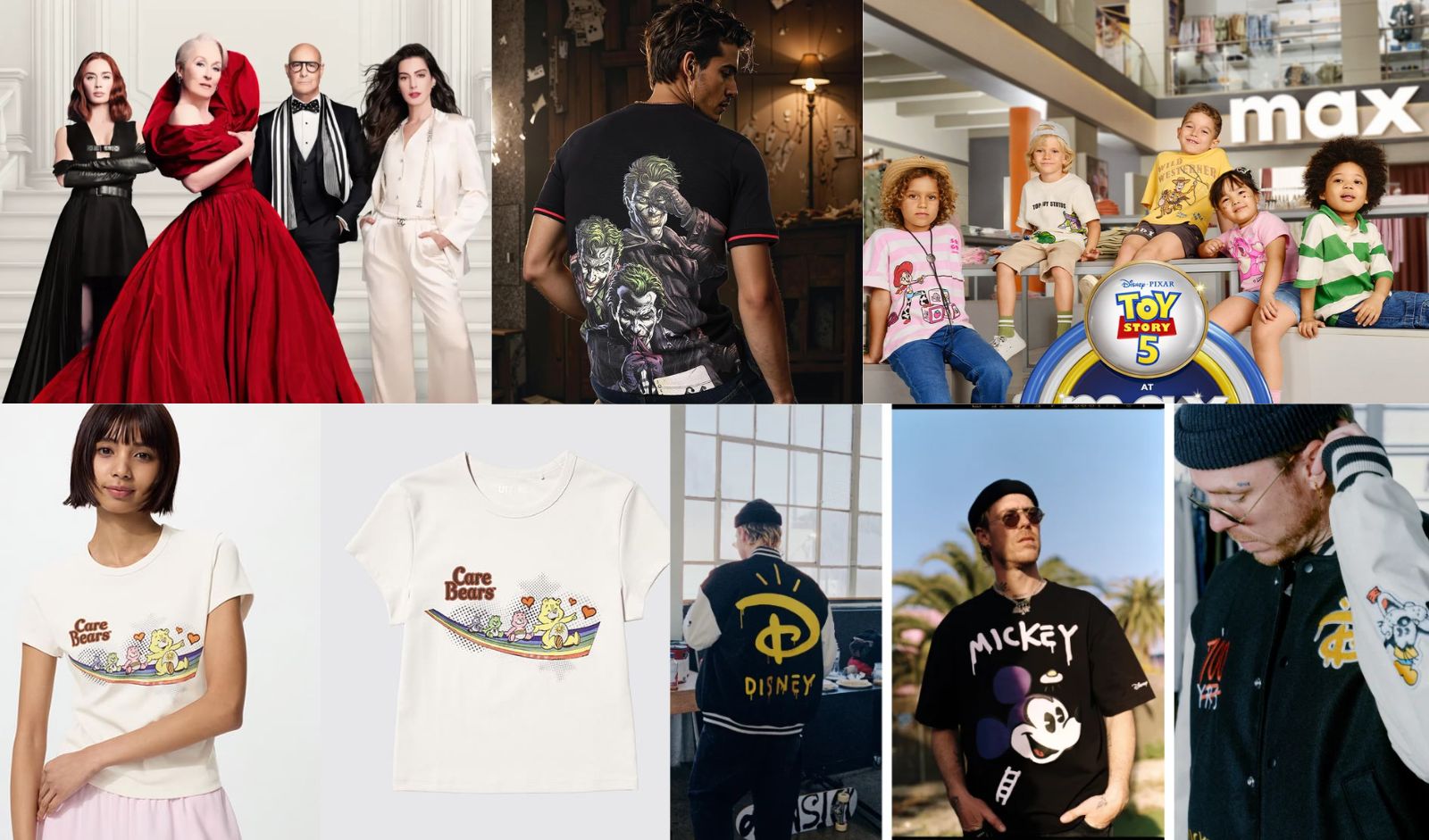
Fashion has always borrowed inspiration from entertainment, but in recent years, collaborations between fashion brands and pop culture franchises have become one of the biggest drivers of consumer demand. Whether it's iconic movie characters, nostalgic cartoons, blockbuster films, or celebrity partnerships, these limited-edition collections are helping brands connect with younger audiences while creating excitement in the fashion retail industry.
In India and across global markets, fashion collaborations have evolved into strategic brand-building exercises rather than simple merchandise launches. These partnerships generate social media buzz, encourage impulse purchases, attract collectors, and introduce brands to entirely new customer segments. For retailers, pop culture licensing has emerged as an effective way to increase store traffic and strengthen customer engagement. Here are six of the biggest fashion and pop culture collaborations making headlines in 2026.
Uniqlo X Care Bears
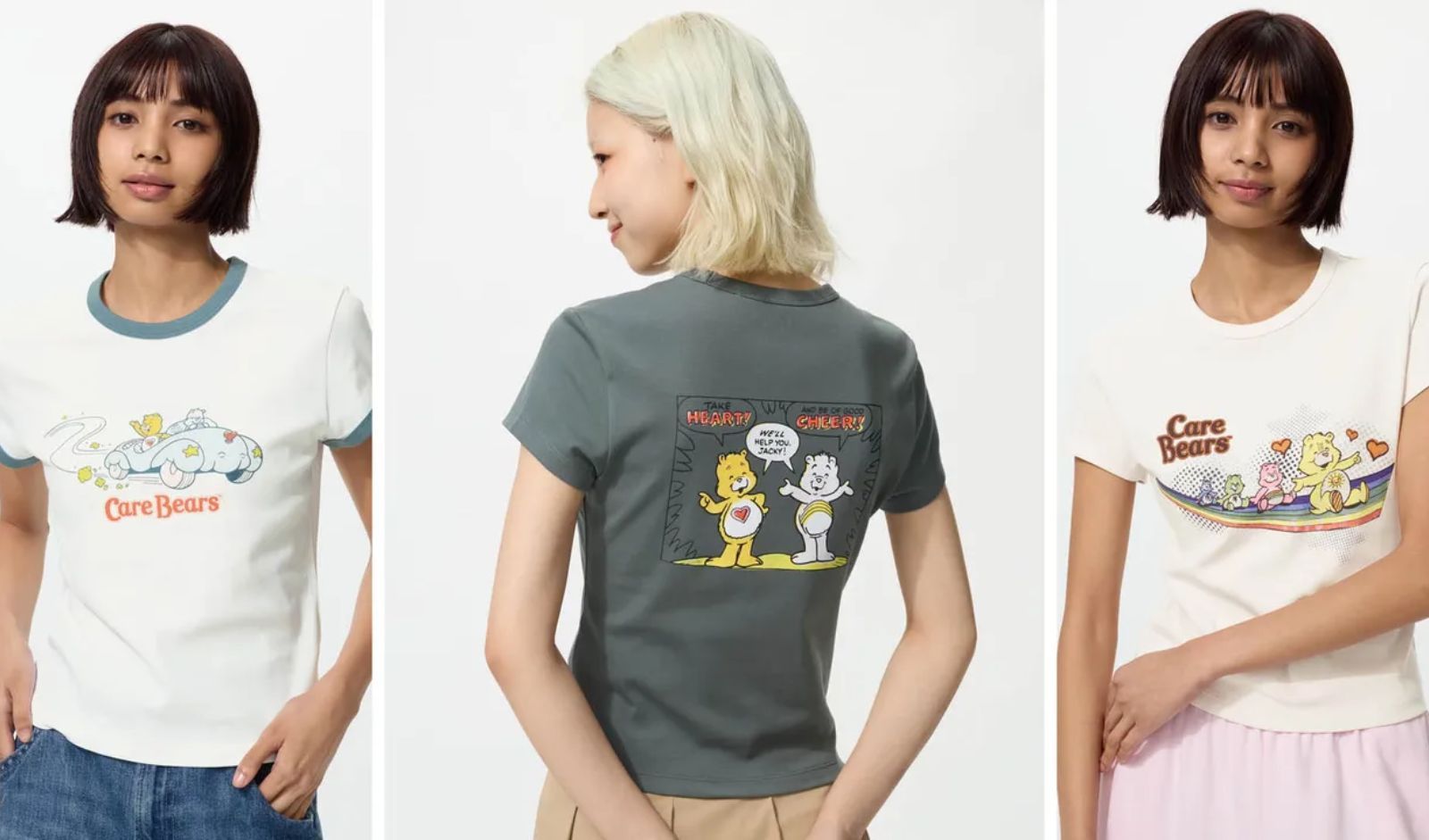
Japanese apparel retailer Uniqlo partnered with Care Bears and Cloudco Entertainment to introduce a new capsule collection under its popular UT (Uniqlo T-shirt) line, known for collaborations inspired by global pop culture and iconic characters. The collection features women's graphic T-shirts showcasing Care Bears-inspired artwork, including signature characters, playful slogans, and elements from the fictional world of Care-A-Lot, such as the Cloudmobile. Crafted from soft cotton in classic crew-neck silhouettes, the collection is designed for everyday comfort and layering. The launch aligns with Care Bears' 2026 "Colors of Caring" campaign, which celebrates individuality, emotions, and kindness through vibrant colours.
The collaboration reflects Uniqlo's continued focus on entertainment licensing, using globally recognised franchises to strengthen its UT portfolio and connect with younger consumers and pop culture enthusiasts.
H&M x Disney
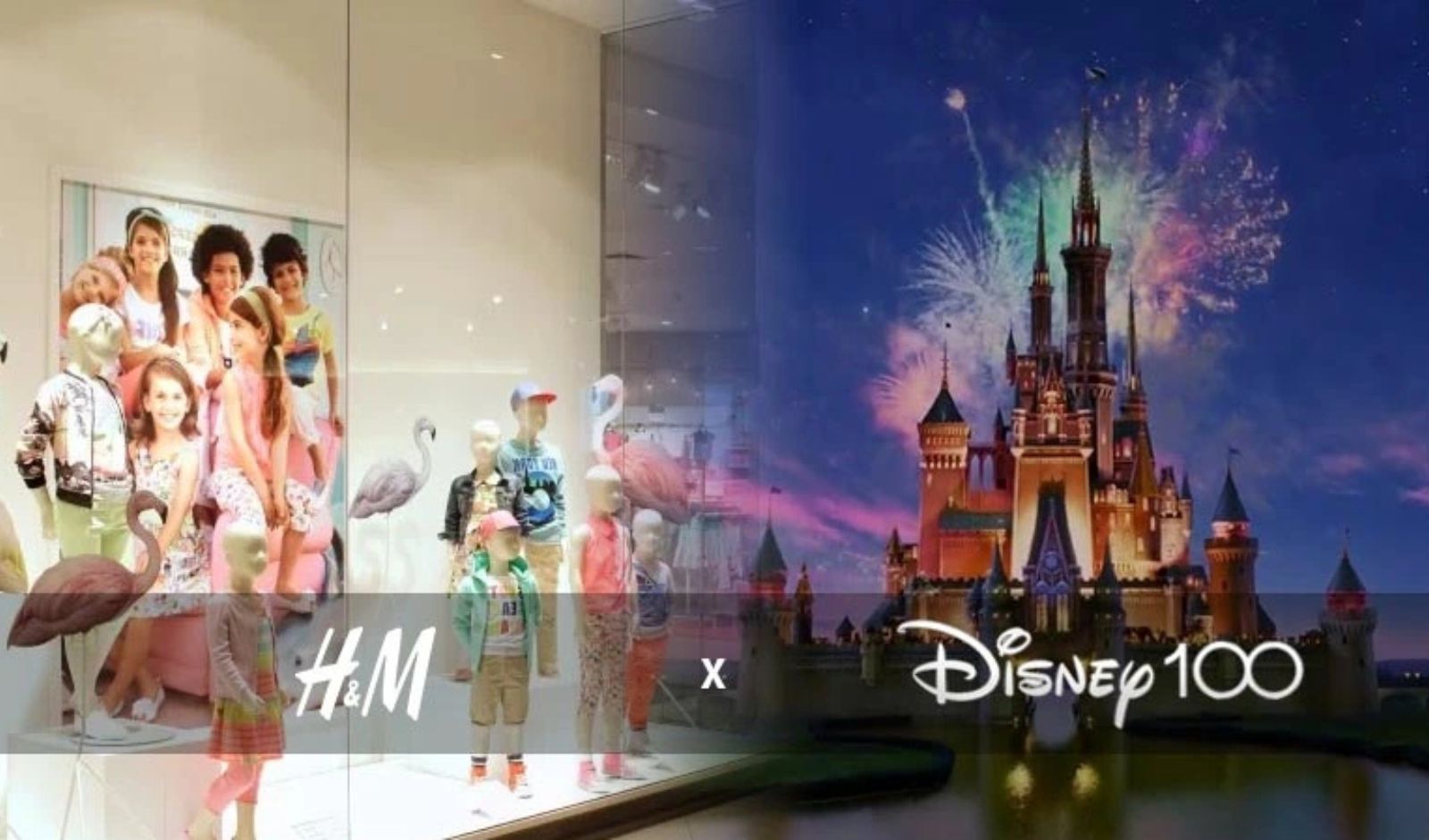
Global fashion retailer H&M has strengthened its long-standing relationship with Disney through another collection inspired by the entertainment giant's iconic characters. The collaboration brings together contemporary fashion silhouettes with beloved Disney storytelling, offering apparel and accessories for kids, teenagers, and adults. Featuring popular Disney-inspired graphics, the collection reflects H&M's strategy of making licensed fashion accessible to a broad audience. Disney remains one of the strongest licensing brands in the world, making it a valuable partner for retailers looking to expand their appeal. Through collaborations like this, H&M continues to attract family shoppers while also tapping into the growing demand for nostalgic fashion.
The partnership demonstrates how entertainment licensing can create emotional connections with consumers while driving seasonal retail sales.
The Indian Garage Co. x Warner Bros
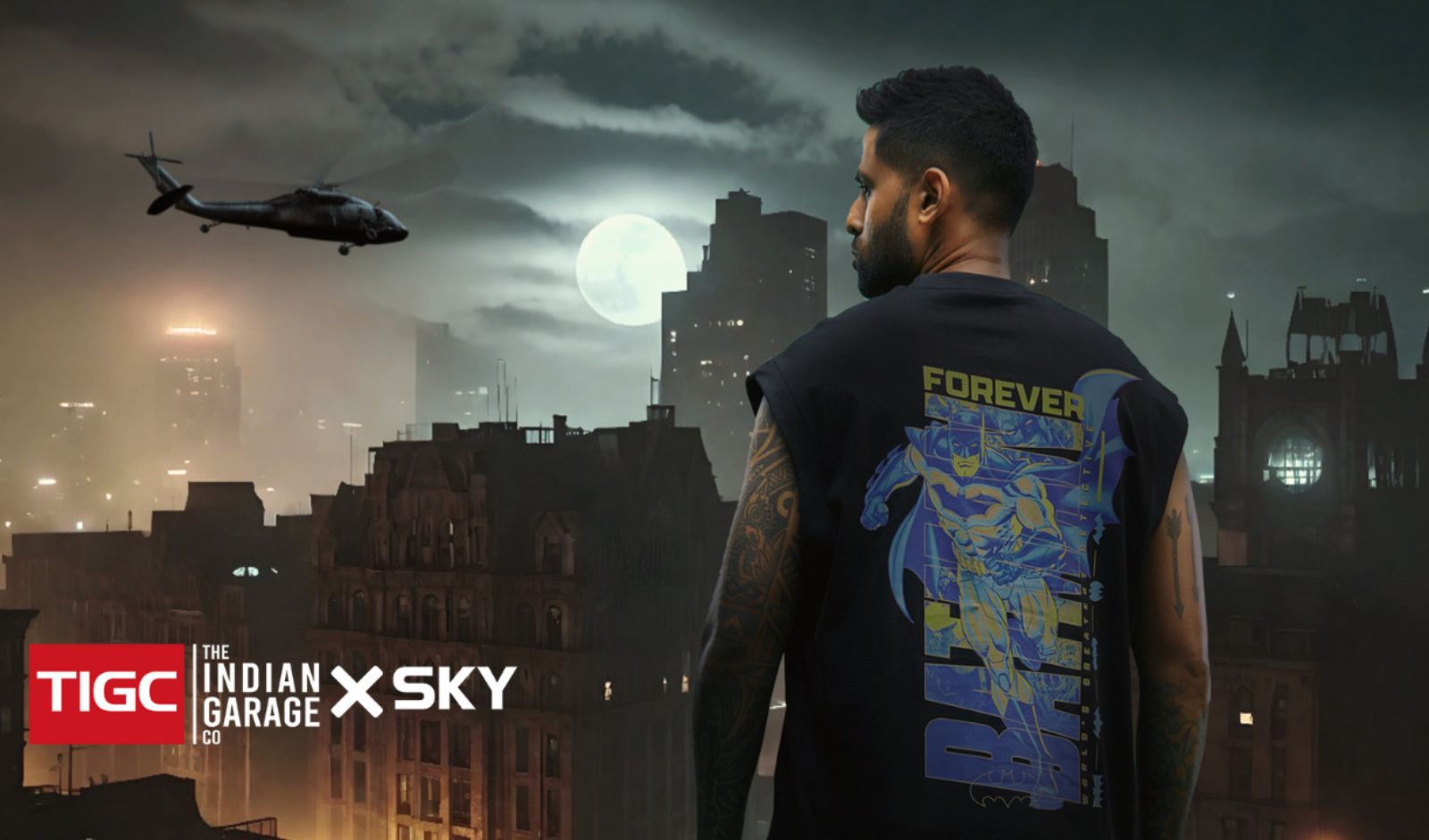
The Indian Garage Co. (TIGC) partnered with Warner Bros. Discovery Global Consumer Products to launch an exclusive fashion collection inspired by some of the world's most iconic entertainment franchises. Designed for Gen Z consumers, the collection blends nostalgia with contemporary streetwear, featuring apparel such as T-shirts, polo shirts, shirts, joggers, shorts, and co-ord sets. It showcases characters and superheroes from DC, Batman, Superman, Cartoon Network, Looney Tunes, and Tom and Jerry, reimagined through modern, trend-forward designs. Available through TIGC's direct-to-consumer website and major marketplaces, the collaboration reflects the growing influence of entertainment licensing in India's fashion industry.
By combining globally recognised intellectual properties with accessible fashion, TIGC aims to strengthen its appeal among young consumers seeking expressive, fandom-inspired everyday wear.
Gap x Hailey Bieber
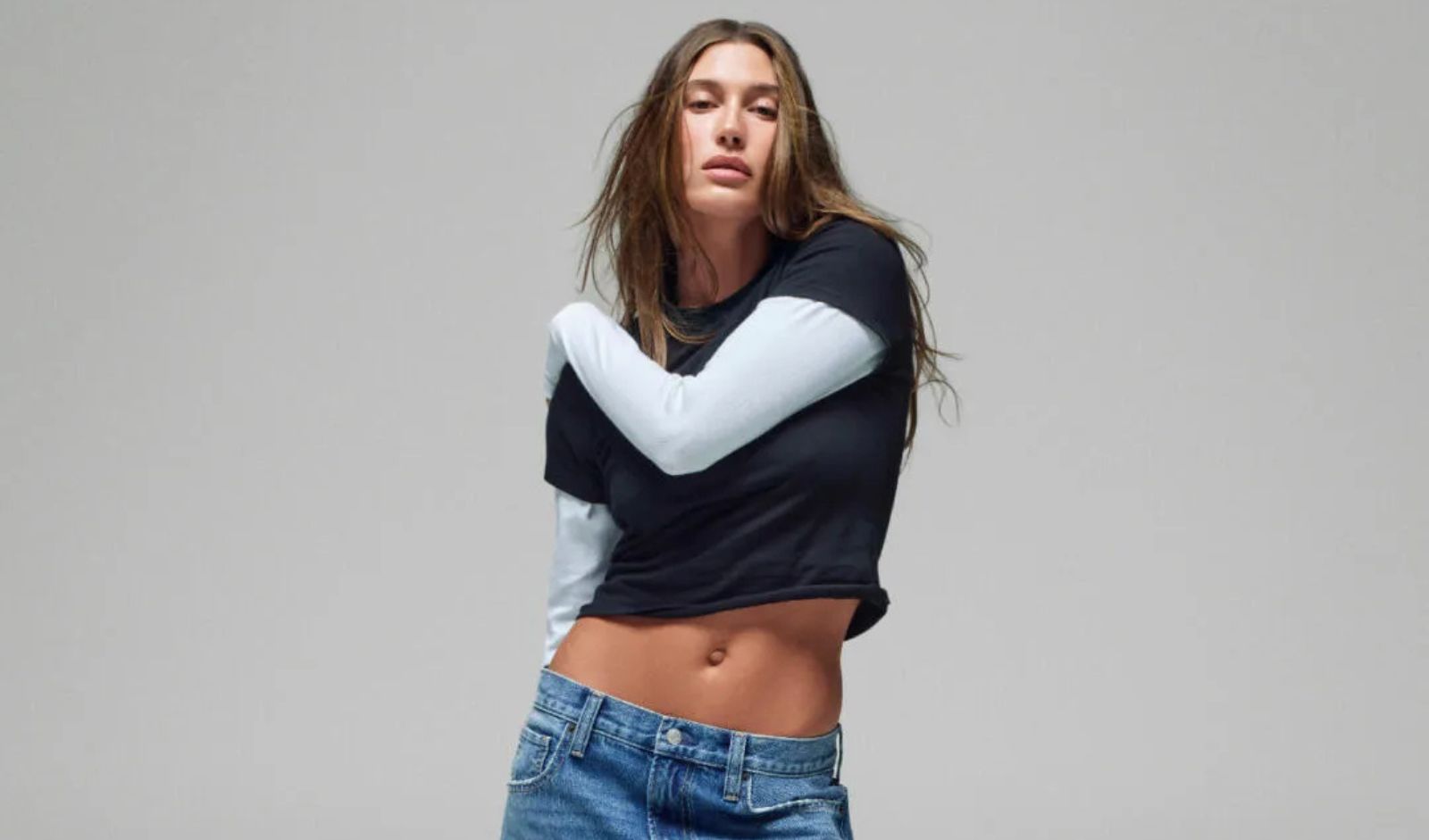
Gap partnered with model and entrepreneur Hailey Bieber to launch The Hailey Jean, a limited-edition denim capsule inspired by the effortless style of the 1990s and Gap's rich denim heritage. Centered around the year 1996—both the year Bieber was born and a nod to the brand's iconic '90s denim era—the collection features two relaxed silhouettes: the Extra Baggy and '90s Low Rise Loose jeans. Available in six washes, the designs incorporate updated fits, custom detailing, "1996" branding, and Bieber's signature inside the pocket lining. Developed with creative studio Bolded and photographed by Mario Sorrenti, the campaign embraces minimalist nostalgia, reinforced by The Cranberries' classic track Linger.
The collaboration reflects Gap's strategy of blending celebrity influence with heritage fashion to reconnect with younger consumers while celebrating timeless denim style.
Max Fashion x Toy Story 5
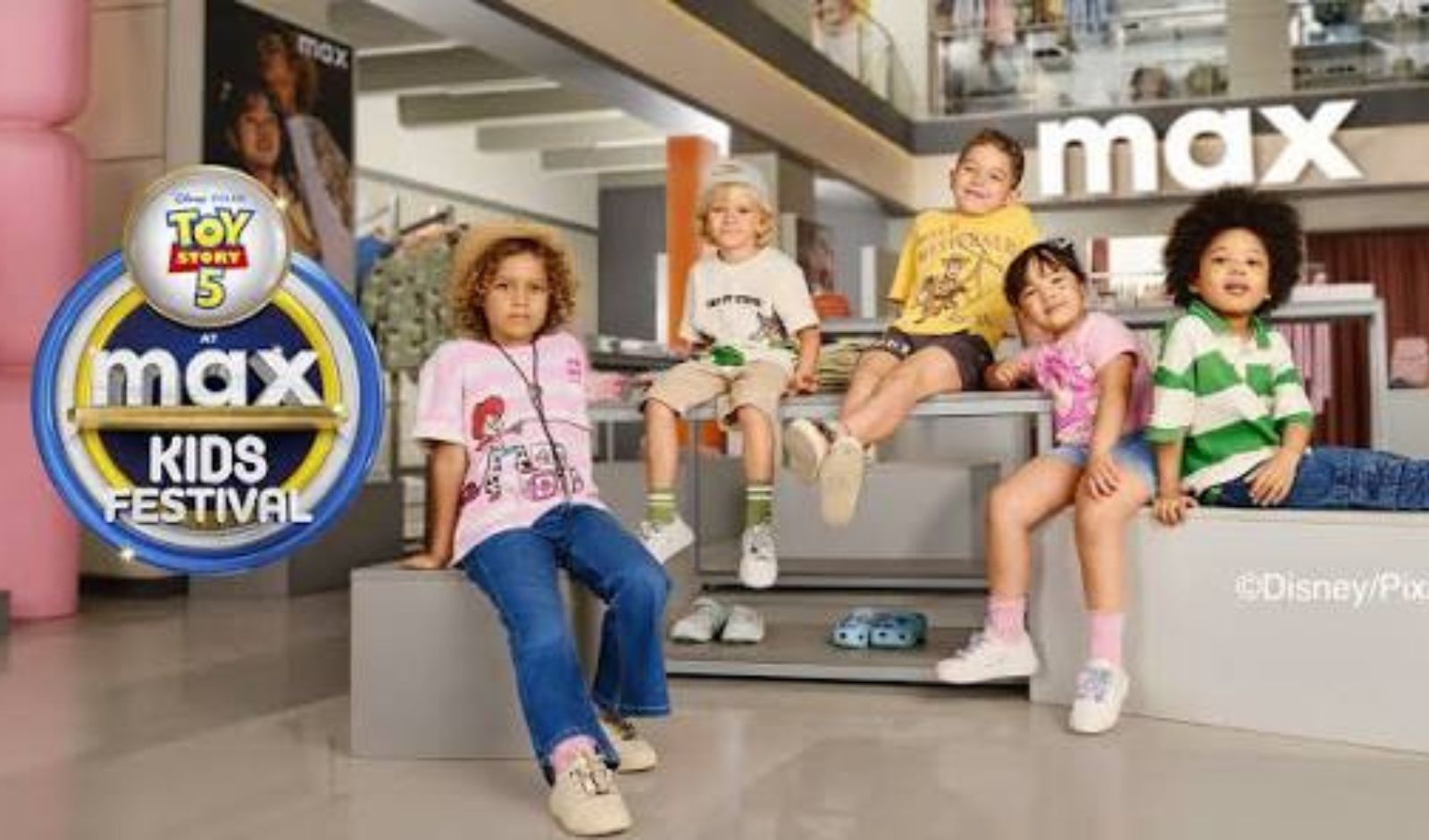
Max Fashion partnered with Disney and Pixar to launch a Toy Story 5-inspired collection as part of the Max Kids Festival 2026, celebrating the retailer's 20 years in India. Timed with the theatrical release of Toy Story 5, the collection features more than 50 styles for infants, children, and teenagers, including coordinated sets, graphic T-shirts, playful prints, and everyday essentials inspired by beloved characters such as Woody and Buzz Lightyear. Available across 530+ Max Fashion stores and online, the launch was complemented by immersive in-store experiences, a Paint & Win creative contest across multiple cities, and family-focused activations.
The collaboration highlights Max Fashion's strategy of combining entertainment licensing with experiential retail to engage families and strengthen its position in India's growing kidswear market.
Virgio x The Devil Wears Prada 2
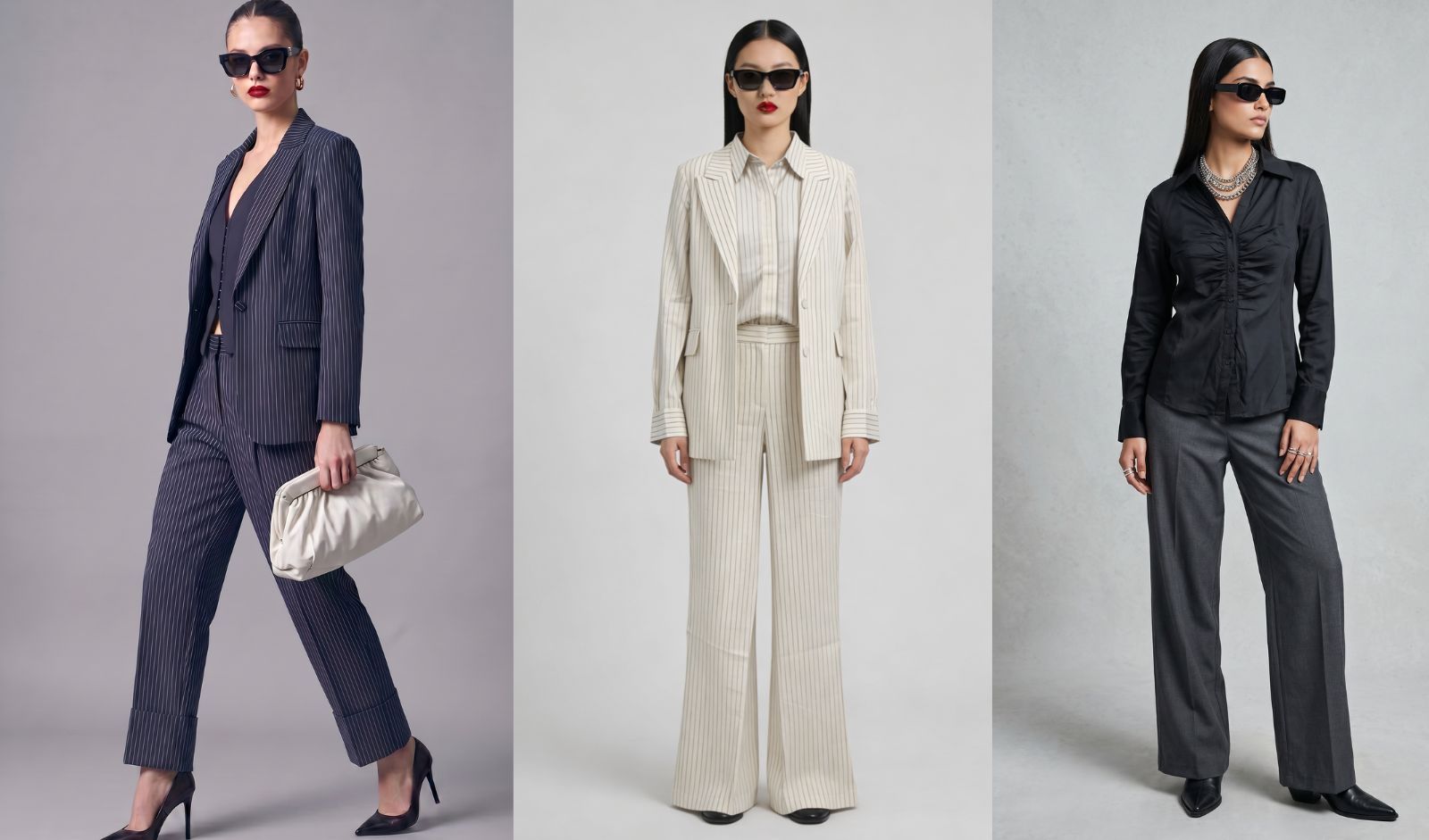
Sustainable fashion brand Virgio has entered the spotlight through its collaboration inspired by The Devil Wears Prada 2, one of the most anticipated fashion films in recent years. Drawing inspiration from the film's luxury aesthetic and contemporary fashion storytelling, the collection reflects modern silhouettes, elevated essentials, and trend-focused designs. The collaboration aligns naturally with Virgio's positioning as a contemporary fashion brand that combines sustainability with premium style. Hollywood has long influenced fashion trends, but collaborations inspired by major film franchises now extend beyond costume-inspired merchandise. Instead, brands are translating cinematic aesthetics into wearable collections designed for everyday consumers.
Virgio's association with The Devil Wears Prada 2 demonstrates how entertainment partnerships can strengthen brand storytelling while increasing visibility among fashion-conscious audiences.
The Future of Fashion Lies in Storytelling
As the fashion industry continues to evolve, collaborations with pop culture icons, entertainment franchises, and influential personalities are expected to become even more prominent. These partnerships allow brands to create memorable collections that go beyond seasonal trends, transforming clothing into cultural statements.
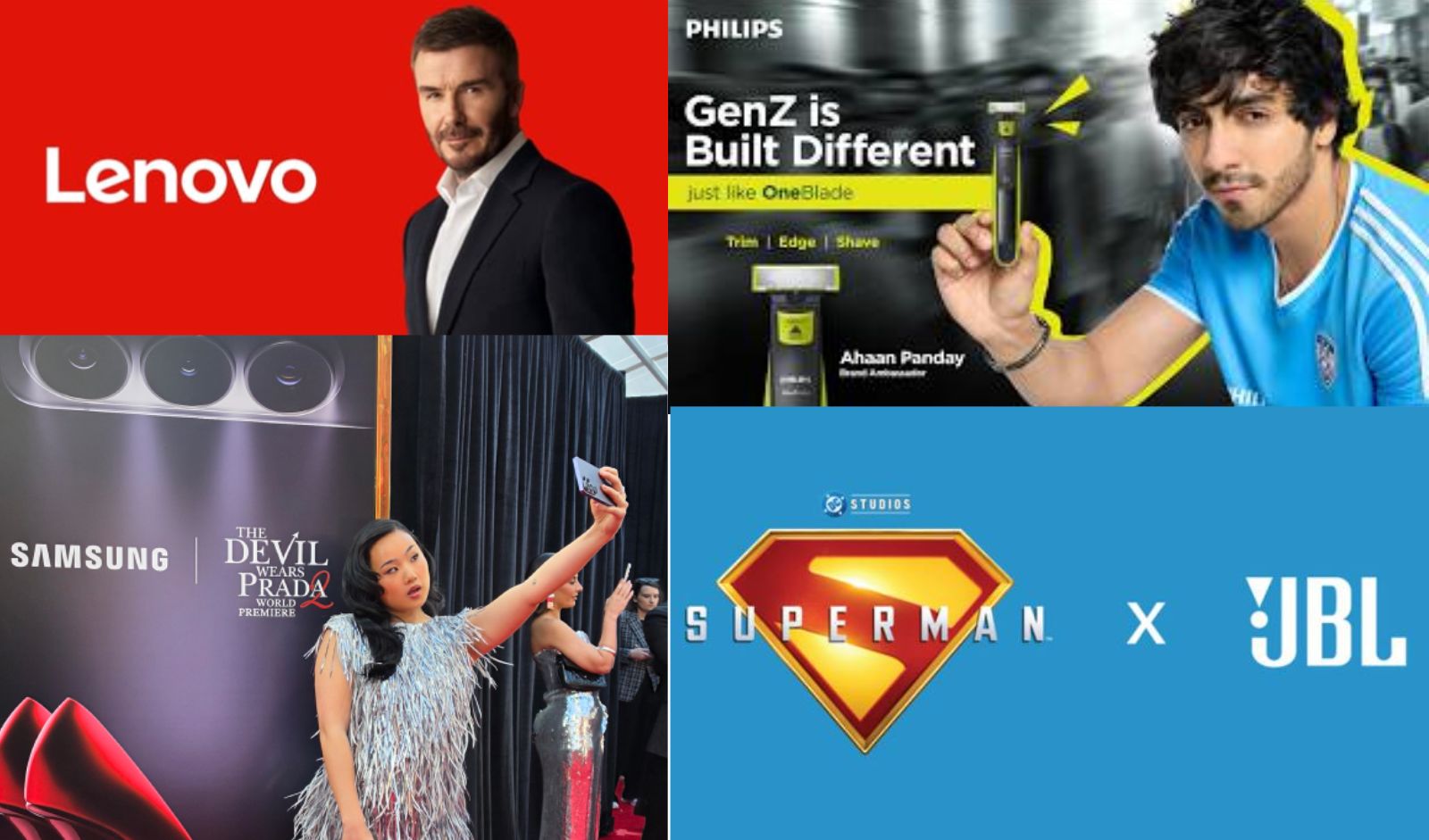
Technology is increasingly becoming an extension of personal identity. Smartphones, headphones, earbuds, grooming devices and other everyday gadgets are no longer purchased only for specifications or utility. For younger consumers in particular, design, culture, entertainment and the personalities associated with a product can play an important role in purchase decisions.
This shift has encouraged tech accessories brands to explore collaborations with entertainment franchises, musicians, actors, sports personalities and popular fictional characters. From Marvel superheroes appearing on smartphone cases to Superman entering the world of audio and David Beckham becoming the face of AI-led technology, collaborations are bringing technology closer to pop culture.
For the tech accessories market in India, these associations also create new opportunities around licensing, limited-edition merchandise, fandom and experiential retail. Here are some of the notable collaborations demonstrating how technology brands are tapping into characters and cultural personalities.
CASETiFY x Marvel: Spider-Man Moves into Tech Accessories
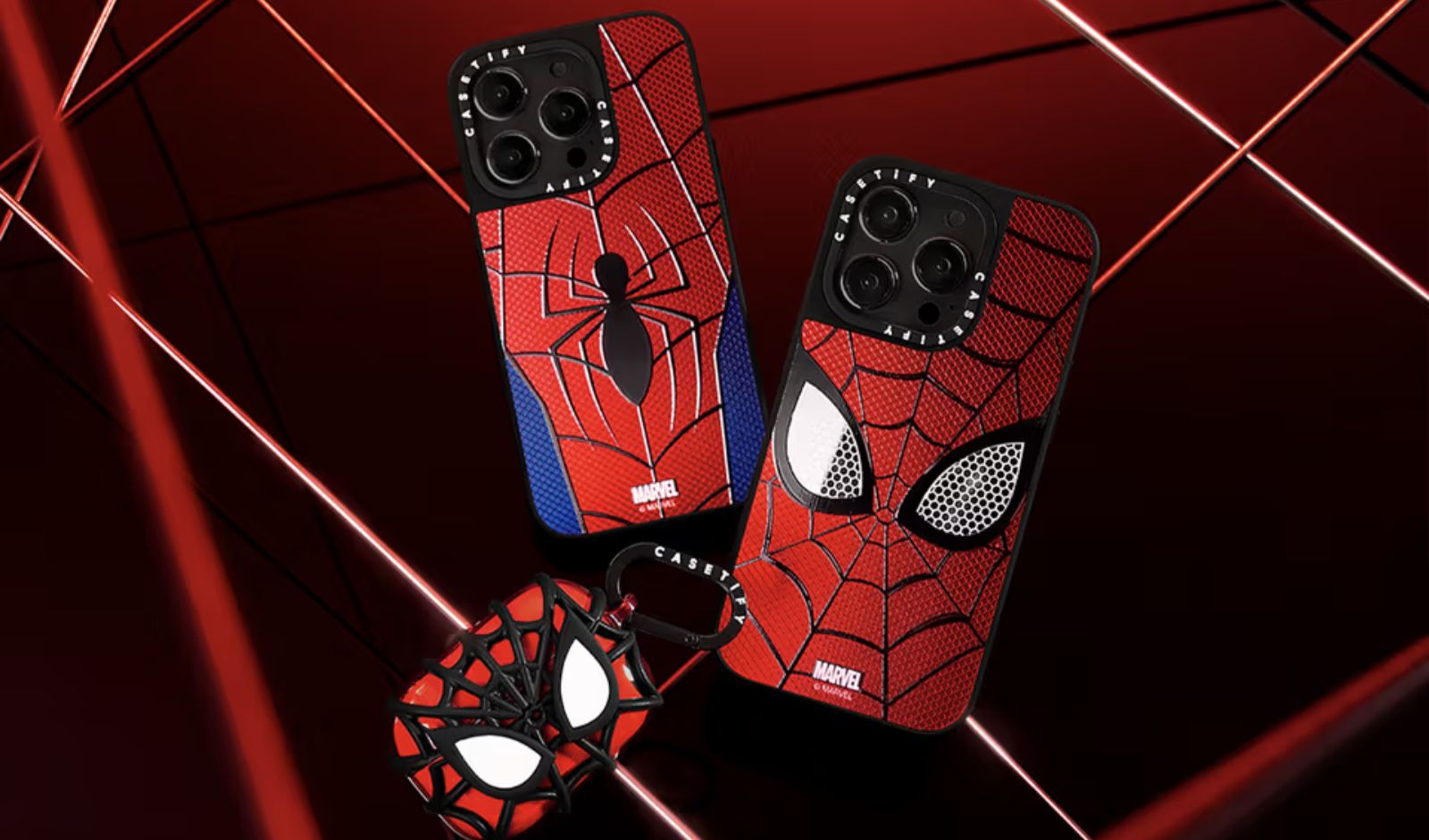
CASETiFY has partnered with Marvel for a new Spider-Man-themed tech accessories collection, its first based on the superhero franchise since 2023. Timed alongside Sony Pictures’ Spider-Man: Brand New Day, the collection brings elements inspired by Spider-Man’s suit and films across phone and tablet cases, MagSafe accessories, earbuds cases, watchbands, laptop sleeves and wireless chargers. Key products include the 2.5D Silicone Case and Aluminum Spider-Man Mask Case for the iPhone 17 Pro and Pro Max, alongside five printed case designs. Consumers can also personalise cases through CASETiFY’s Custom Sticker Feature.
The collection further includes MagSafe grip stands, cardholder stands, wallets and charging stands, and is available through CASETiFY’s website, Co-Lab App and CASETiFY STUDiO locations worldwide.
boAt x KR$NA and Raftaar: Connecting Audio with Indian Hip-Hop
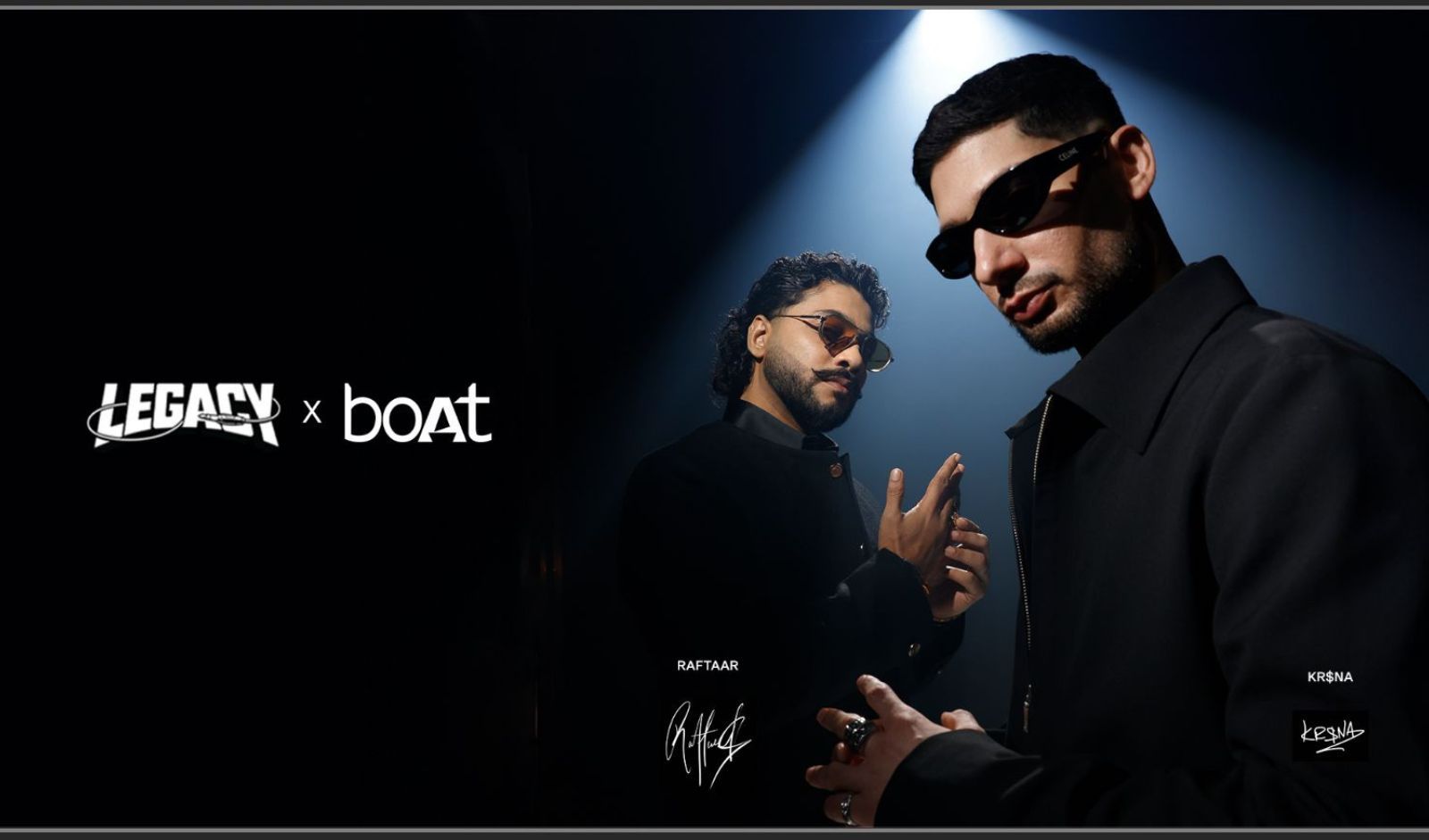
boAt has partnered with Legacy, a community-led talent platform judged by Indian hip-hop artists KR$NA and Raftaar, strengthening the audio brand’s association with music, creators and youth culture. The partnership focuses on discovering and nurturing emerging artists within India’s growing hip-hop ecosystem while supporting creator-led communities. KR$NA’s involvement also extends his existing relationship with boAt as a brand ambassador, taking the association beyond conventional brand campaigns. Through Legacy, boAt is positioning itself within the wider community shaping India’s independent music culture rather than limiting its presence to audio products.
The collaboration comes as independent music platforms and creator communities gain momentum in India, highlighting how consumer technology and audio brands are increasingly using artist partnerships to build stronger connections with younger, music-focused audiences.
JBL x Warner Bros.: Superman Meets the World of Audio
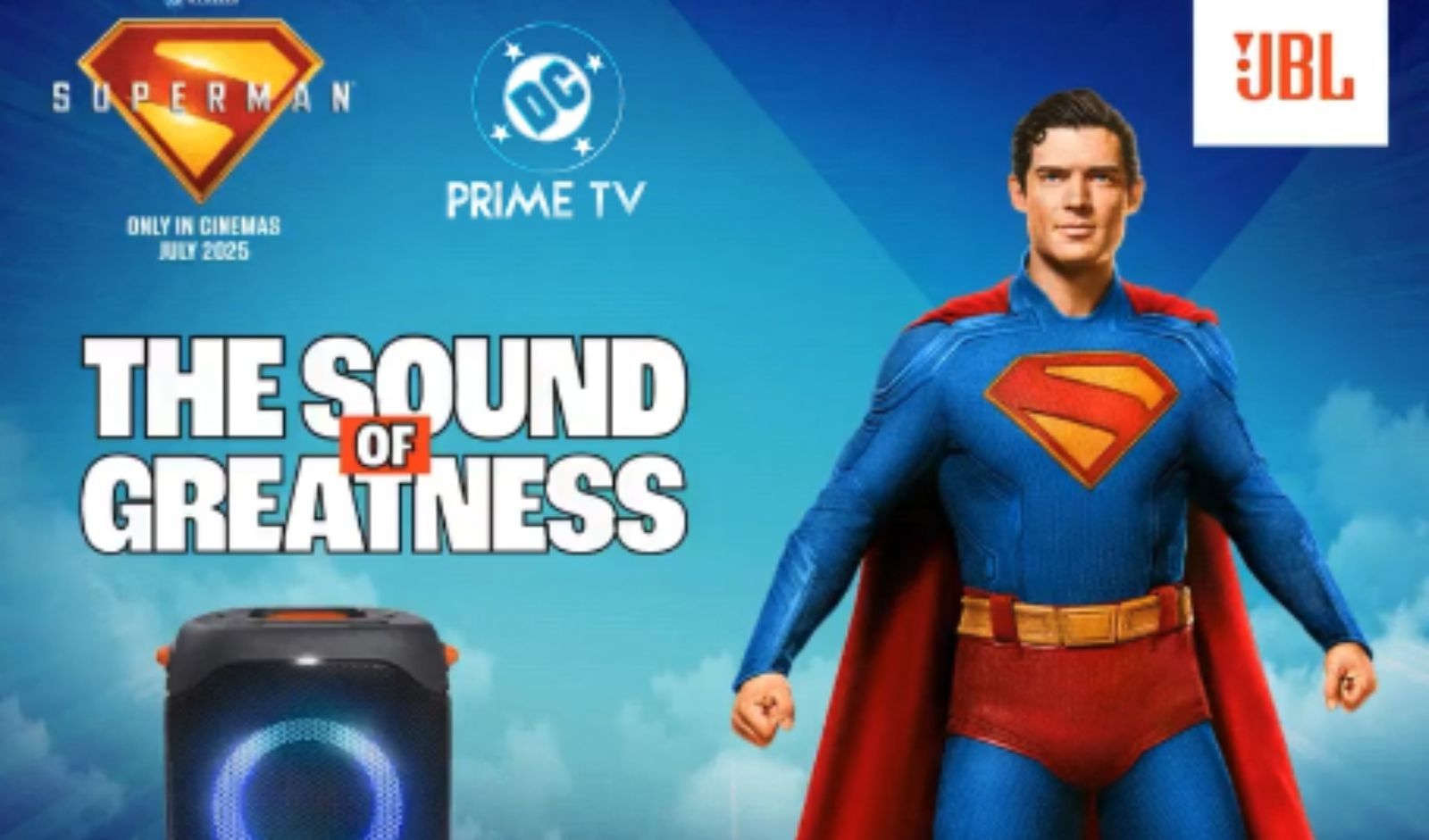
JBL partnered with Warner Bros. Discovery Global Consumer Products India for “The Sound of Greatness” campaign ahead of James Gunn’s Superman theatrical release. The collaboration connected the iconic DC superhero with JBL’s Live Series headphones, True Wireless earbuds and soundbars. Across more than 2,000 retail outlets in India, JBL introduced interactive Experience Zones and dedicated display walls where consumers could watch the Superman trailer using JBL soundbars featuring Dolby Atmos and MultiBeam technologies. The campaign also included a points-based retail rewards programme offering JBL products and official Superman merchandise.
Extending across physical and digital channels, the partnership featured co-branded displays, themed merchandise and the #TheSoundofGreatness social media campaign, giving participants opportunities to win tickets to watch Superman in theatres.
Samsung x The Devil Wears Prada 2: Where Fashion Meets Smartphones
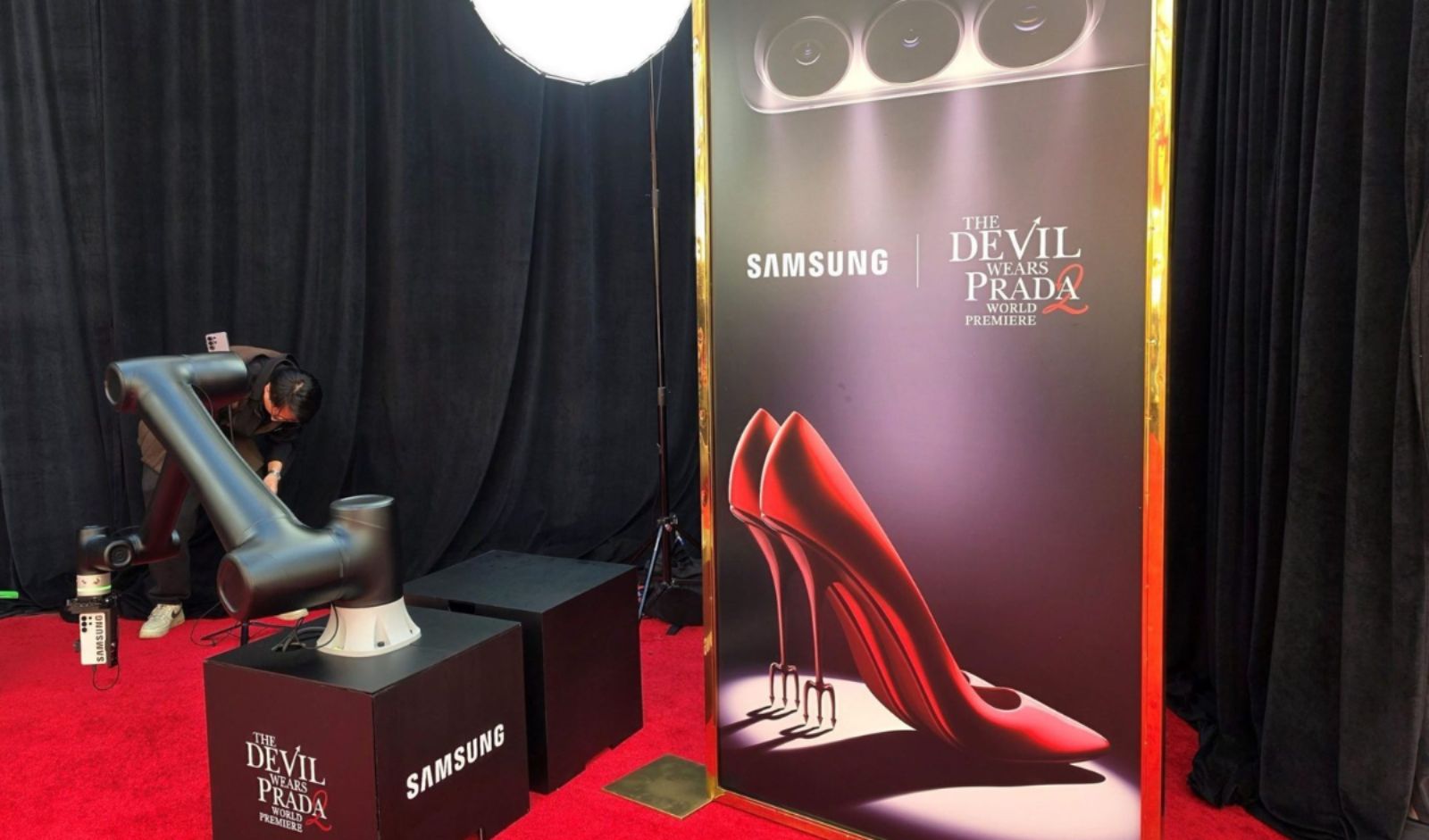
Samsung Electronics collaborated with The Devil Wears Prada 2 for a global campaign connecting fashion with its Bespoke AI Laundry Combo. The campaign uses high-fashion visuals to highlight Samsung’s AI-powered fabric care technology, with a red garment at the centre of the campaign film. The Bespoke AI Laundry Combo features AI Wash & Dry+, which can detect fabric types in smaller loads and automatically adjust water levels, spin speed and cycle duration based on load characteristics. Samsung also extended the campaign through a digital out-of-home activation at Piccadilly Circus, followed by displays across multiple regions, including high-traffic locations in Seoul such as Myeongdong and Gangnam Station.
The collaboration positions appliance technology alongside the fashion-focused identity of the film franchise.
Philips x Ahaan Panday: Bringing Gen Z into Personal Grooming Tech
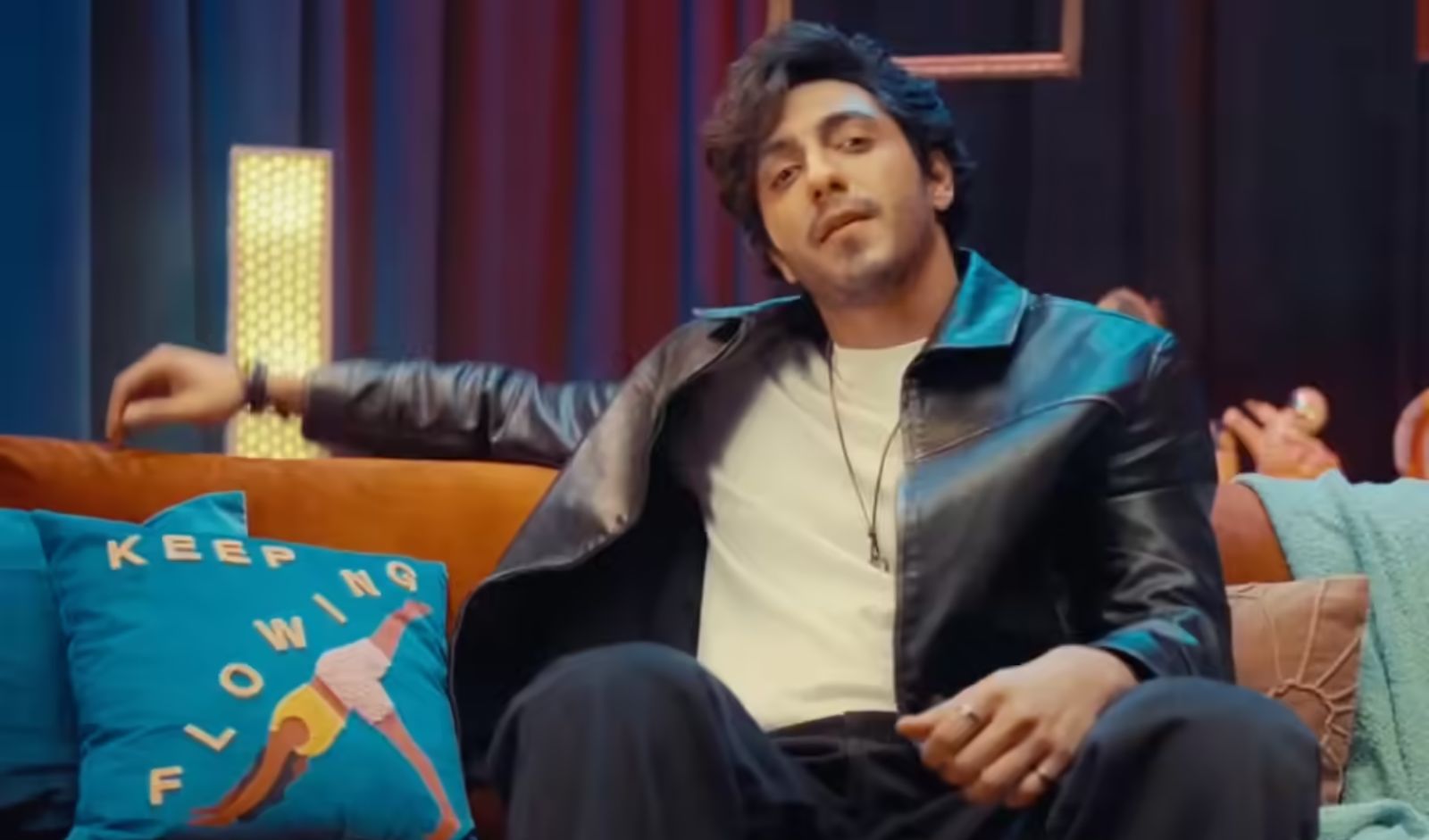
Technology collaborations are not restricted to smartphones and audio products. Philips India brought actor Ahaan Panday on board as the brand ambassador for Philips OneBlade in April 2026. The association was introduced through the “Built Different, just like my Philips OneBlade” campaign, positioning the grooming device towards younger consumers and linking its communication with Gen Z ideas around individual style and self-expression.
The partnership reflects the expanding definition of tech accessories. Personal grooming devices increasingly compete through design, portability, convenience and lifestyle positioning alongside their functional capabilities.
Lenovo x David Beckham: Taking AI Technology into Global Culture
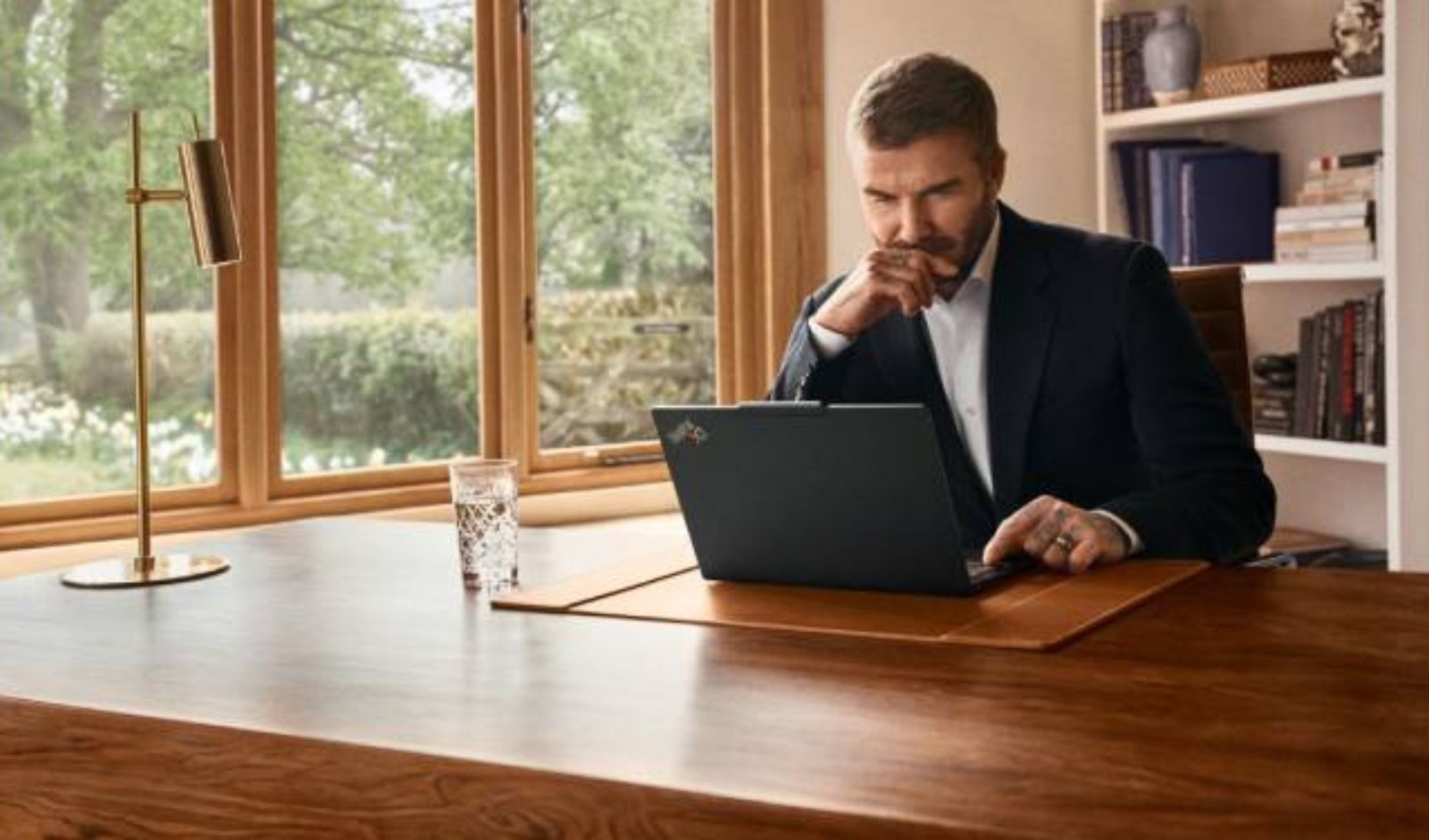
Lenovo announced a global partnership with football and cultural personality David Beckham in March 2026. The collaboration builds on Lenovo's role as Official Technology Partner of the FIFA World Cup 2026 and FIFA Women's World Cup 2027. Beckham is participating in Lenovo's communication around AI-driven technology for sport, businesses and consumers. The company subsequently introduced its “Maximum David” global campaign, showcasing Lenovo's AI portfolio across devices, solutions and services.
This association differs from conventional celebrity endorsement because Lenovo is using Beckham's presence across football, business and popular culture to explain the broader applications of technology.
Why Character and Celebrity Collaborations Matter for Tech Brands
The growing intersection between technology brands, character licensing and celebrity partnerships reflects a larger change in consumer electronics. Hardware specifications remain important, but brands are also competing for cultural relevance. Entertainment properties such as Marvel, Superman and The Devil Wears Prada 2 bring existing fan communities, while personalities such as KR$NA, Raftaar, Ahaan Panday and David Beckham give brands access to audiences built around music, cinema, sport and youth culture.
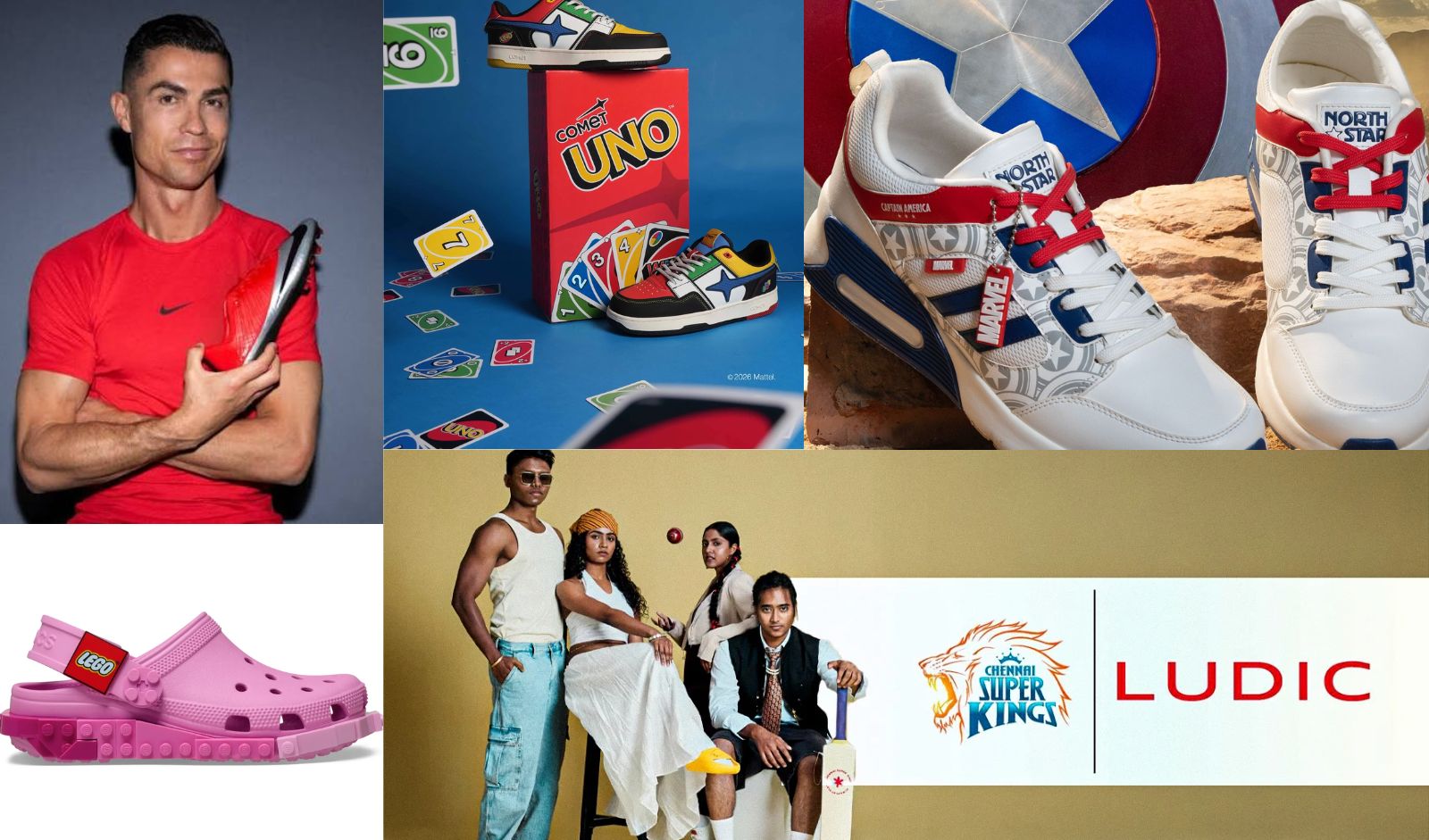
The global footwear industry is witnessing a major shift as brands increasingly leverage licensing collaborations to strengthen consumer engagement and expand their market presence. From sports icons and entertainment franchises to popular cartoon characters and sports teams, licensing has become an effective strategy for footwear companies to create exclusive collections that resonate with diverse consumer groups.
In India, the trend is gaining significant traction as consumers look beyond functionality and seek footwear that reflects their personalities, interests, and lifestyles. Whether it is limited-edition sneakers inspired by global toy brands or collections celebrating iconic sports franchises, licensing partnerships are helping footwear labels capture new audiences while driving brand visibility.
Here are some of the most notable footwear licensing collaborations that are reshaping the market.
Crocs X Lego
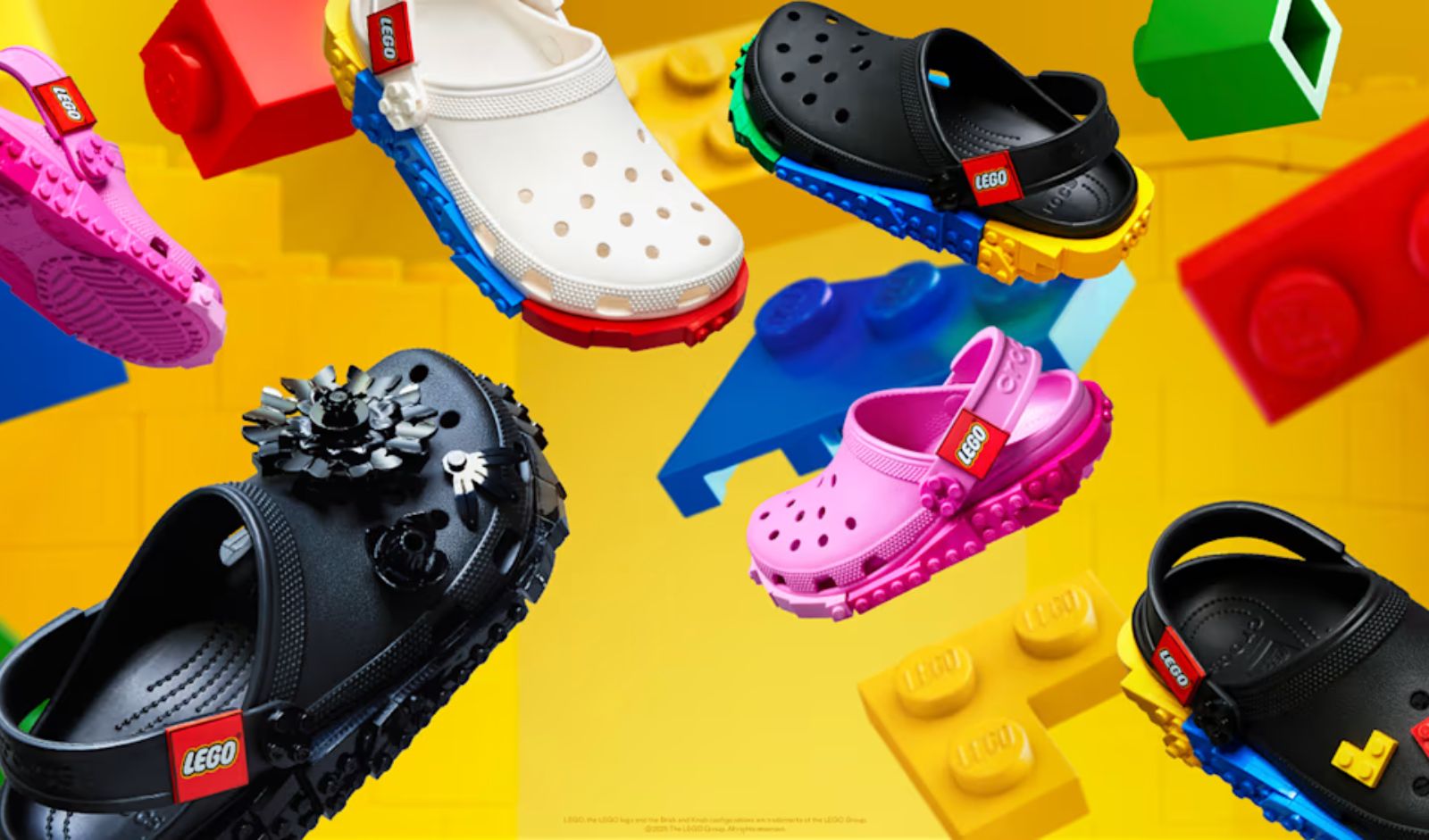
The Crocs x LEGO collaboration marks the expansion of the two brands' multi-year global partnership into India, bringing together Crocs' signature comfort and LEGO's playful creativity. The collection debuted with a digital-exclusive pre-launch on April 13, 2026, followed by a wider retail rollout across select Crocs stores, VegNonVeg, and Foot Locker locations from May. It features four styles, including the LEGO Masterbrand Creativity Clog, LEGO Midnight Garden Creativity Clog, LEGO Creativity Clog, and Kids' LEGO Creativity Clog. Designed with LEGO-inspired detailing and customizable Jibbitz charms across the upper and sole, the footwear encourages self-expression and personalization. Customers purchasing during the pre-launch also received an exclusive LEGO minifigure, adding a collectible element.
The launch was further supported through creator-led campaigns, in-store activations, and visual merchandising initiatives, reinforcing the collaboration's focus on creativity and consumer engagement.
Comet X UNO
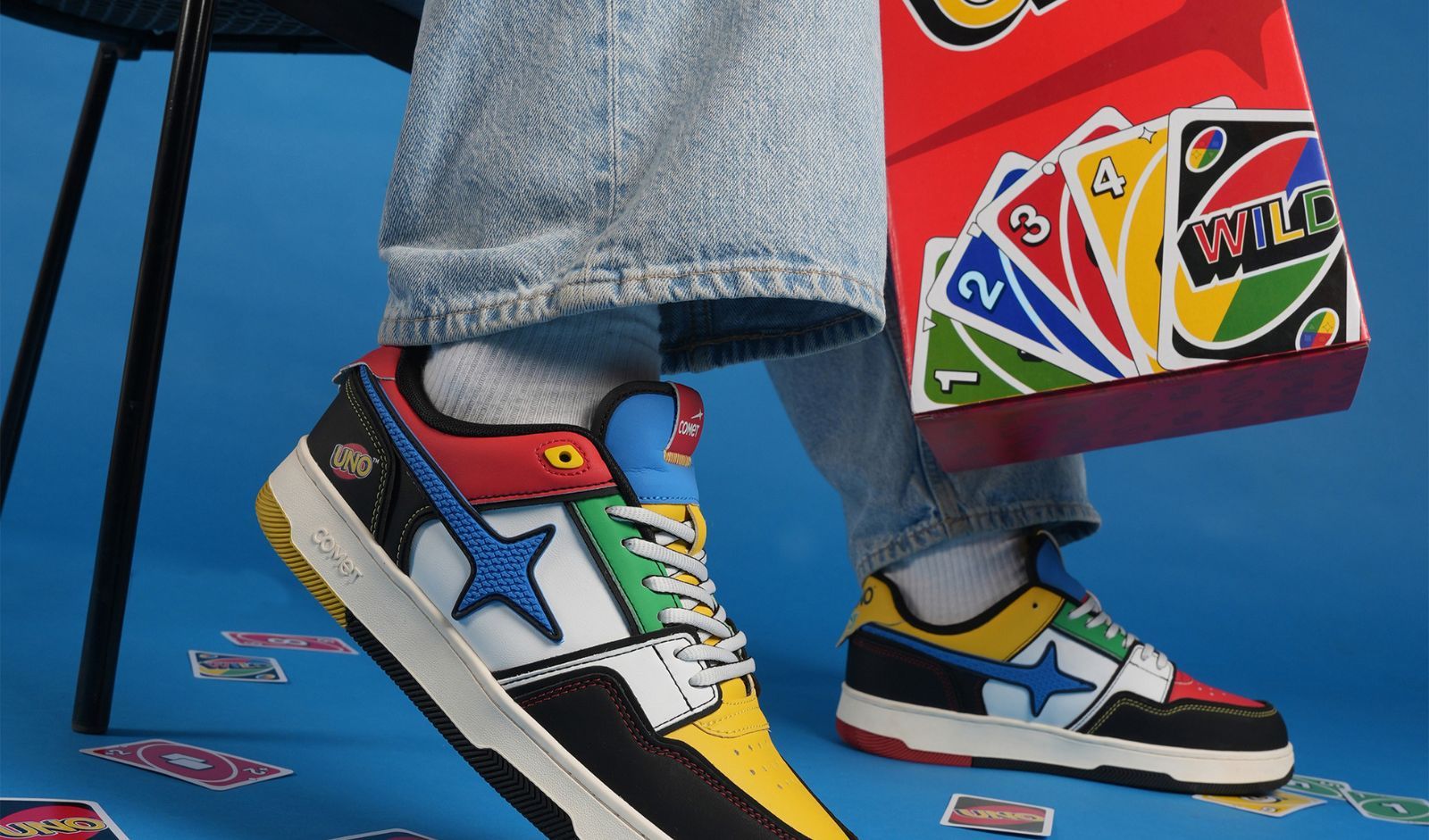
The Comet x UNO collaboration brings together streetwear culture and one of the world's most iconic card games through a limited-edition collectible sneaker release. Inspired by the fun, unpredictability, and bold colours of UNO, the collection incorporates vibrant design elements, premium materials, and game-inspired details that reflect the spirit of the classic card game. Beyond the sneakers, the collaboration extends to custom packaging and collectible accessories, enhancing its appeal among sneaker enthusiasts and UNO fans alike. Positioned as a limited-edition drop, the collection targets consumers who value exclusivity and storytelling in fashion.
By combining nostalgia with contemporary sneaker design, Comet reinforces its reputation for creative collaborations while showcasing how licensing partnerships can transform globally recognised entertainment brands into desirable lifestyle products within India's growing sneaker market.
Ludic X Chennai Super Kings
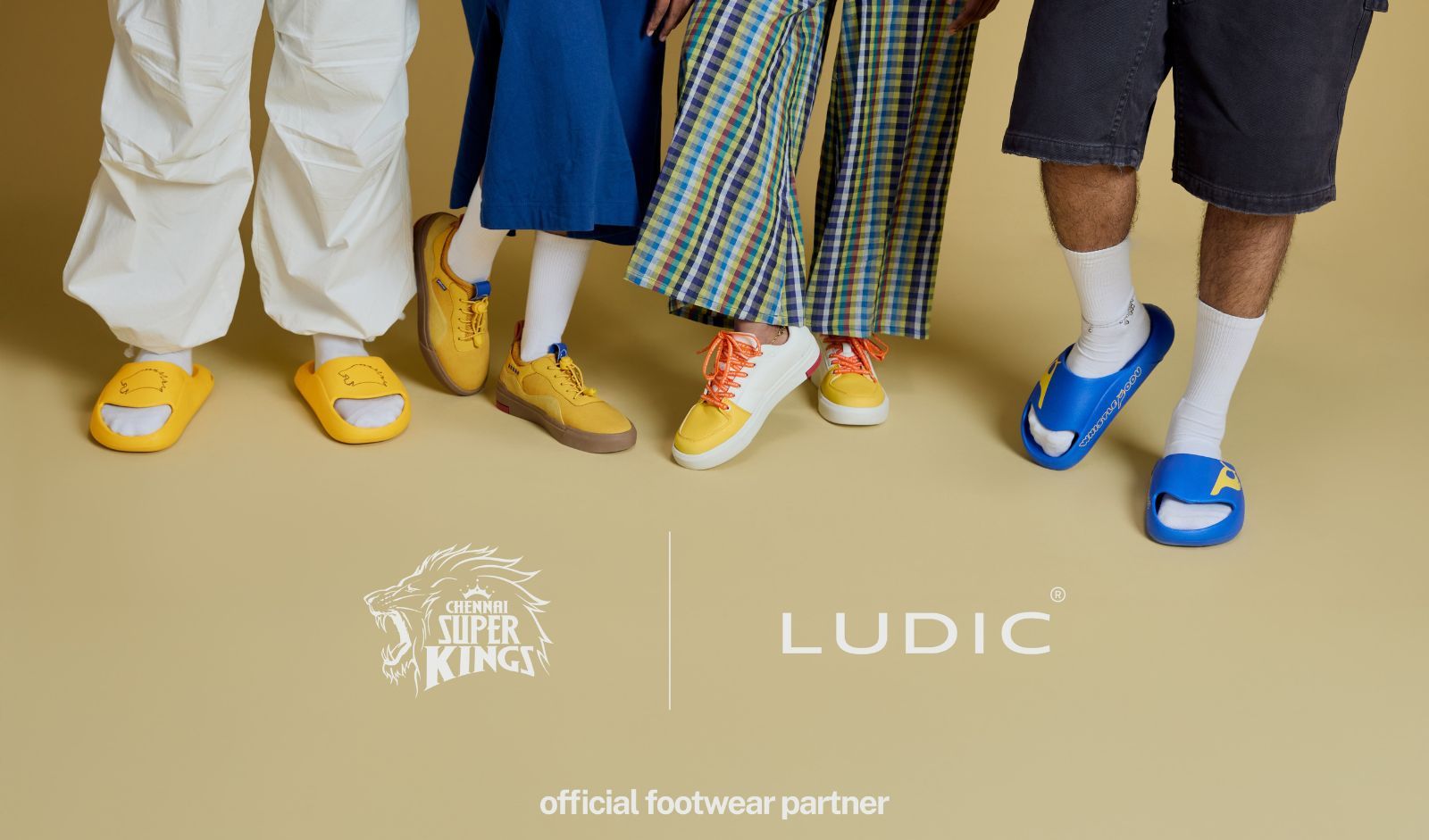
The Ludic x Chennai Super Kings (CSK) collaboration marked CSK's first-ever official footwear partnership, with Ludic becoming the franchise's official footwear partner for the 2025 and 2026 seasons. To celebrate the association, the brand launched an exclusive #Yellove-inspired capsule featuring sneakers and sliders designed in CSK's iconic yellow colour palette. The collection includes the Manjal sneaker with a sock-like upper and no-tie laces, the Yellove Toe sneaker with vegan leather detailing, and Banana Chips and Marina Blue sliders built with CloudFrame technology for enhanced comfort. Expanding beyond footwear, the partnership also introduced a premium fragrance range inspired by Chennai's culture.
Available through Ludic's website, CSK's digital store, select retail outlets, and Chepauk Stadium kiosks, the collaboration strengthened fan engagement by blending sports licensing with lifestyle products.
Bata X Marvel
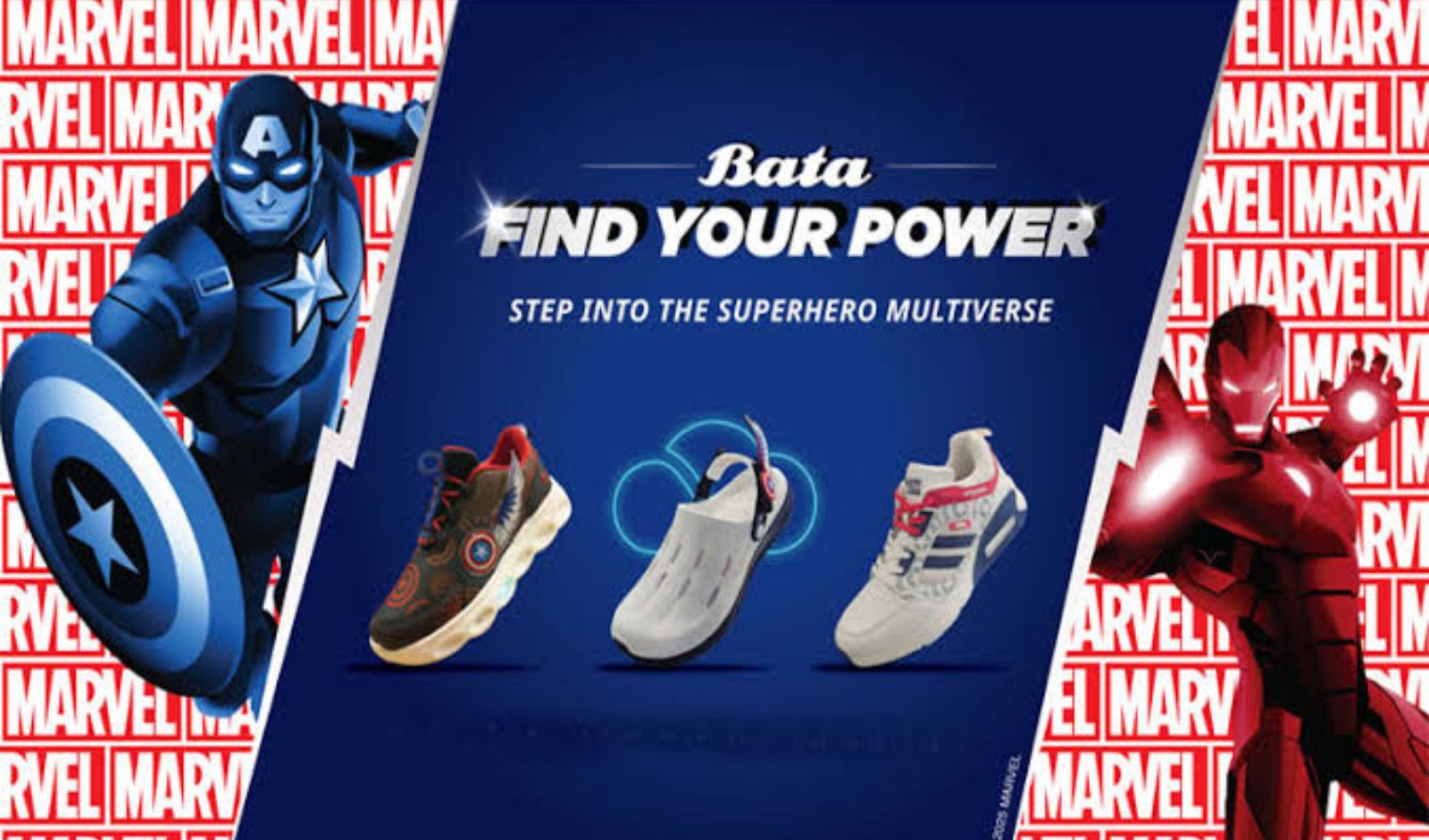
The Bata x Marvel collaboration brought together one of India's leading footwear brands and the globally popular Marvel franchise to introduce a limited-edition collection inspired by iconic superheroes. Timed with the release of Captain America: Brave New World in India, the range includes Bubblegummers, Floatz, and North Star footwear designed for children, teens, and adults. The collection features superhero-inspired elements such as Captain America shield accents, wing motifs, and bold graphics representing Marvel's legendary characters, while maintaining Bata's focus on comfort and durability. With prices starting at Rs. 1,499, the collection offers fans an accessible way to showcase their favourite superheroes through everyday footwear.
Available across select Bata stores and online, the collaboration highlights how entertainment licensing enables footwear brands to strengthen consumer engagement while expanding their appeal across multiple age groups.
Nike X Cristiano Ronaldo
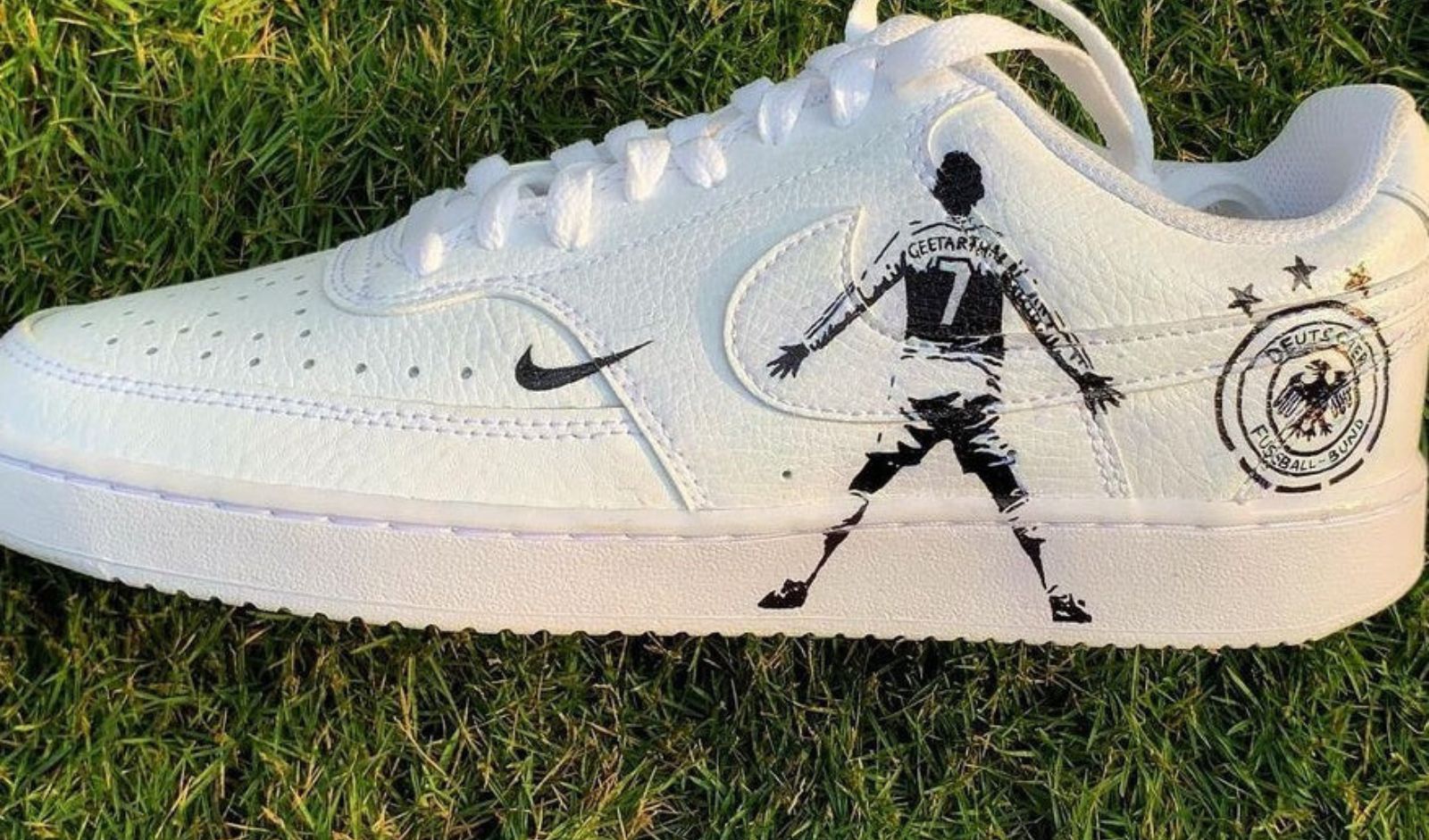
The Nike x Cristiano Ronaldo partnership continues to set the benchmark for athlete-led licensing collaborations with the launch of the limited-edition CR7 Mercurial Superfly RGN "Gold" football boots. Created to celebrate Ronaldo becoming the first footballer to score in six different FIFA World Cups, the commemorative release features a premium metallic gold finish, bold CR7 branding, and custom "GOAT" insoles that honour his historic achievement. The exclusive boots blend Nike's performance innovation with storytelling, reinforcing the brand's long-standing association with one of football's greatest icons. Available through the Nike App in limited quantities, the release targets collectors, football enthusiasts, and sneaker fans alike.
The collaboration highlights how athlete licensing partnerships continue to strengthen brand equity, drive consumer demand, and transform milestone achievements into highly sought-after collectible footwear.
India's Footwear Market is Embracing Licensing
India's footwear market continues to expand, supported by rising disposable incomes, growing fashion awareness, and increasing demand for premium and lifestyle products. Licensing collaborations are becoming an important part of this evolution.
Consumers are increasingly willing to invest in footwear that reflects their interests, whether through entertainment franchises, sports teams, gaming brands, or celebrity partnerships. This shift has encouraged both international and Indian footwear labels to explore licensing opportunities that go beyond conventional product development.
The luxury watch industry has evolved beyond traditional craftsmanship to embrace collaborations that combine fashion, sports, entertainment, and pop culture. Limited-edition collections developed with athletes, celebrities, sports teams, and iconic global brands have become a major strategy for attracting collectors and younger consumers.
These partnerships help watchmakers strengthen brand visibility while offering exclusive designs that appeal to enthusiasts and first-time buyers alike. Whether inspired by motorsports, cricket, heritage sports brands, or globally recognised franchises, collaborative watches continue to create excitement in the premium timepiece market.
Here are some of the most notable watch brand collaborations that have made an impact.
Titan Raga X Alia Bhatt
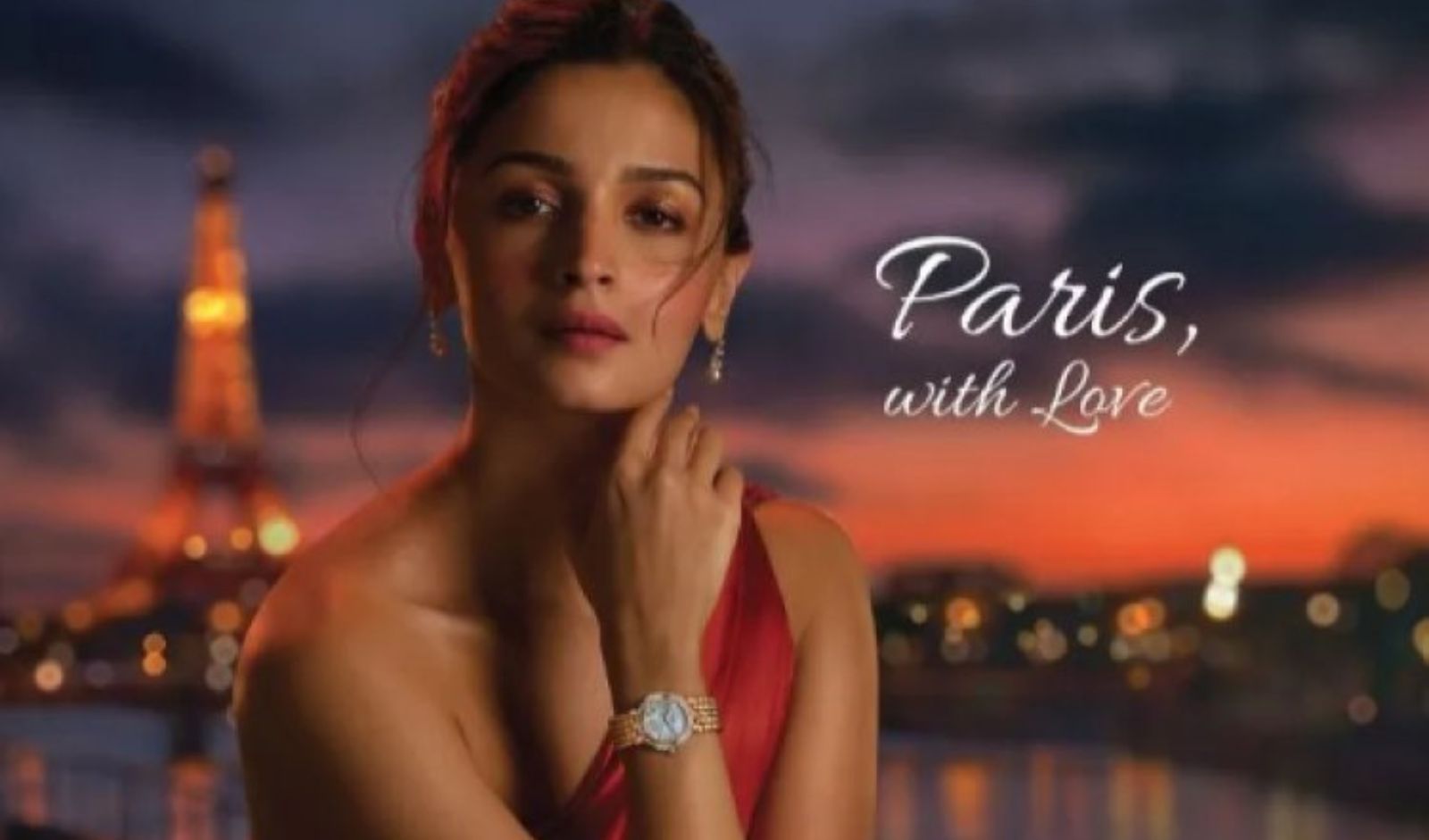
Titan Raga strengthened its premium women's watch portfolio with the launch of the 'Paris, with Love' capsule collection, fronted by brand ambassador Alia Bhatt. Built around the campaign theme 'True Love Begins With Me', the collaboration celebrates self-expression, confidence, and individuality while drawing inspiration from Parisian landmarks such as the River Seine and the Moulin Rouge. The collection comprises three premium timepieces, River's Whisper, Ripples of Desire, and Scarlet's Secret, featuring mother-of-pearl dials, cubic zirconia embellishments, sapphire crystal glass, and stainless steel cases. Through this partnership, Titan Raga combines global design influences with contemporary styling, reinforcing its appeal among modern Indian women seeking elegant, meaningful, and fashion-forward timepieces in the premium watch segment.
Ball Watch Company X Peanuts
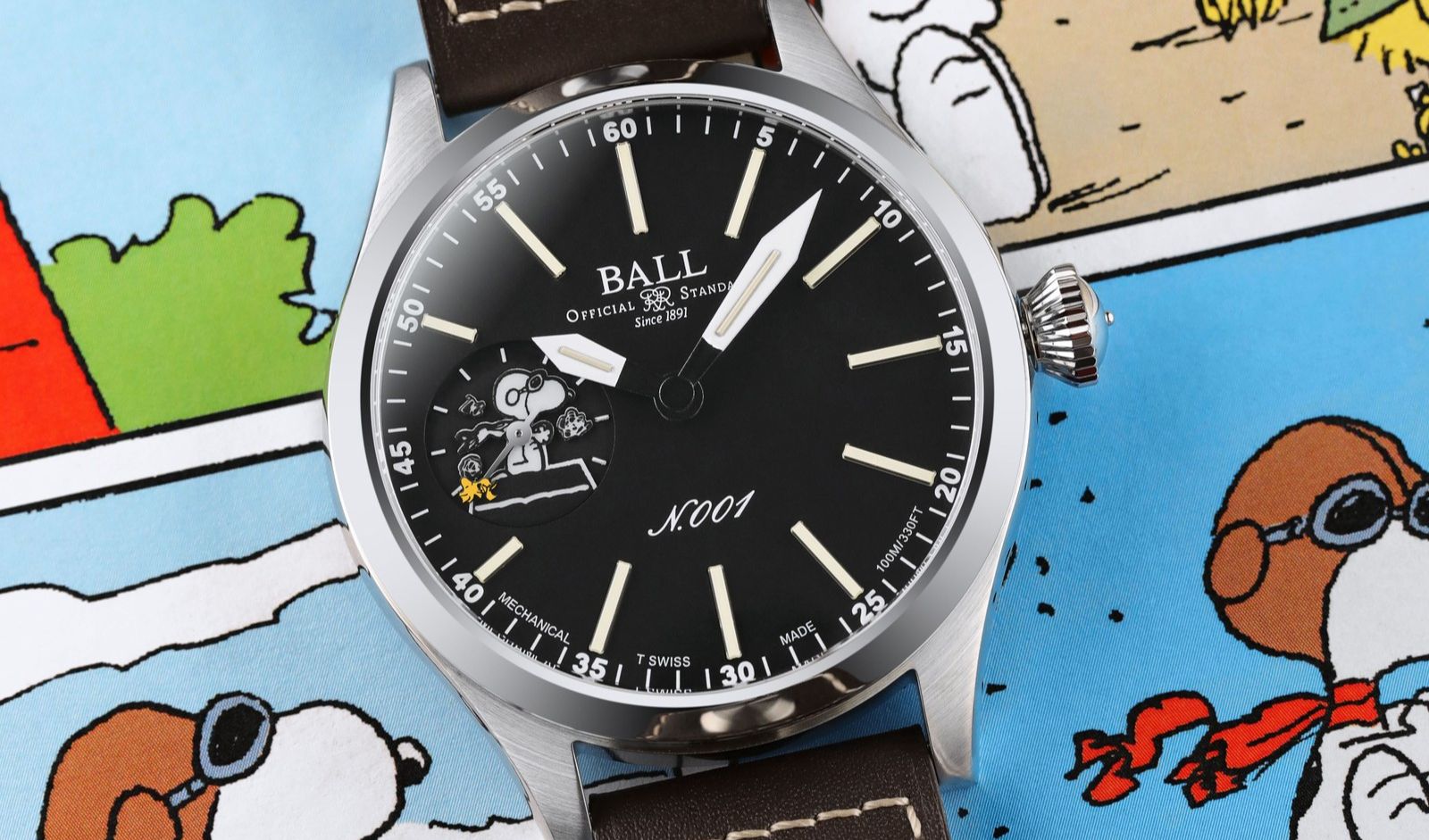
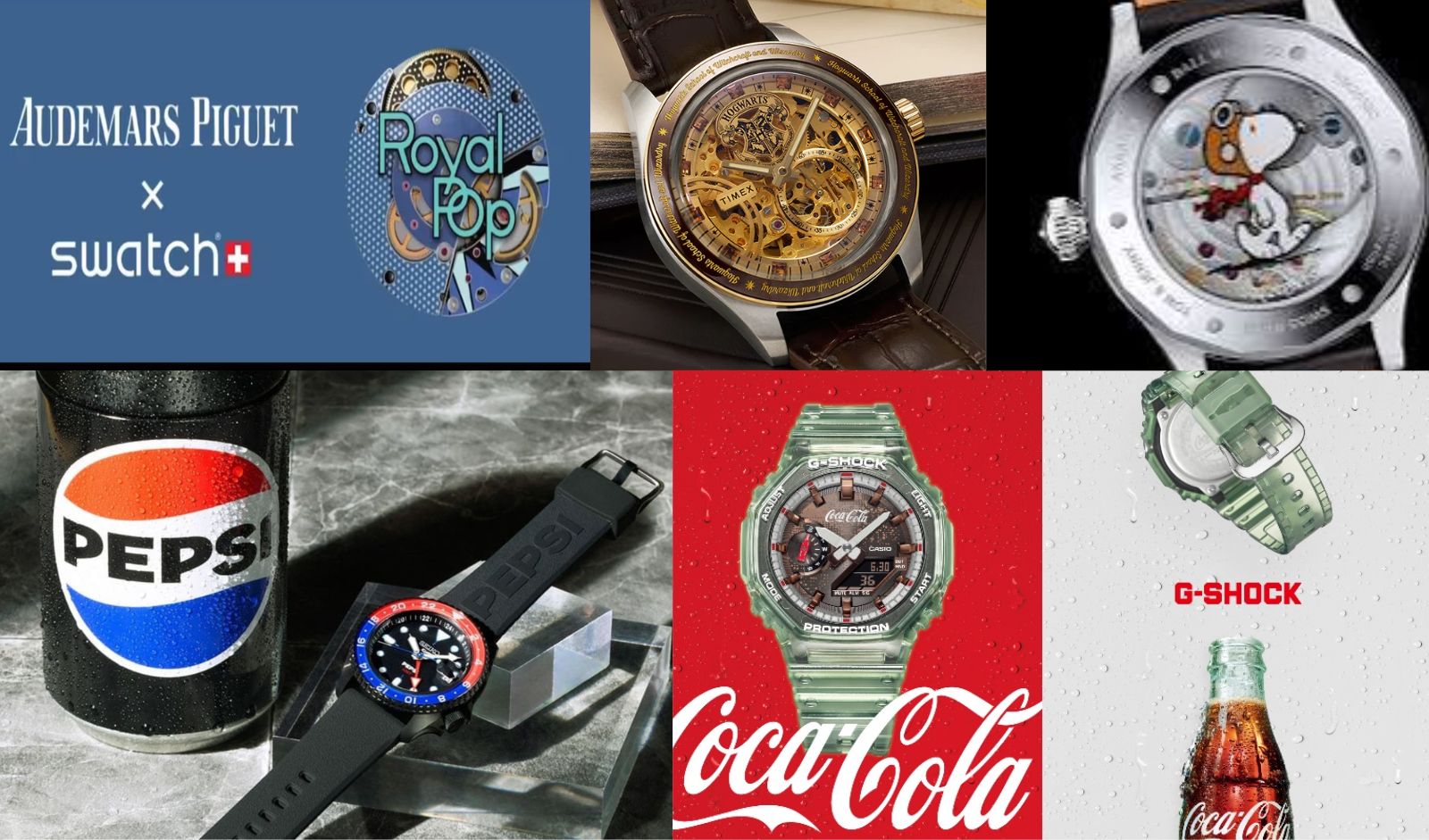
BALL Watch Company partnered with Peanuts to launch the Engineer Master II Snoopy Flying Ace, a limited-edition timepiece inspired by Snoopy's iconic World War I Flying Ace character. Limited to 410 pieces worldwide, the collection commemorates Snoopy's first appearance in the Peanuts comic strip on October 4, 1950. The watch combines BALL's precision watchmaking with playful storytelling, featuring a sub-dial at the 9 o'clock position showcasing Snoopy in aviator gear, while Woodstock appears on the seconds hand. It is powered by the manual-winding BALL RR2102 movement and incorporates the brand's signature micro gas tube technology for continuous illumination in low-light conditions. The collaboration reflects the growing demand for character-led luxury watch collections that blend Swiss craftsmanship with globally recognised entertainment franchises.
Casio India X Coca-Cola
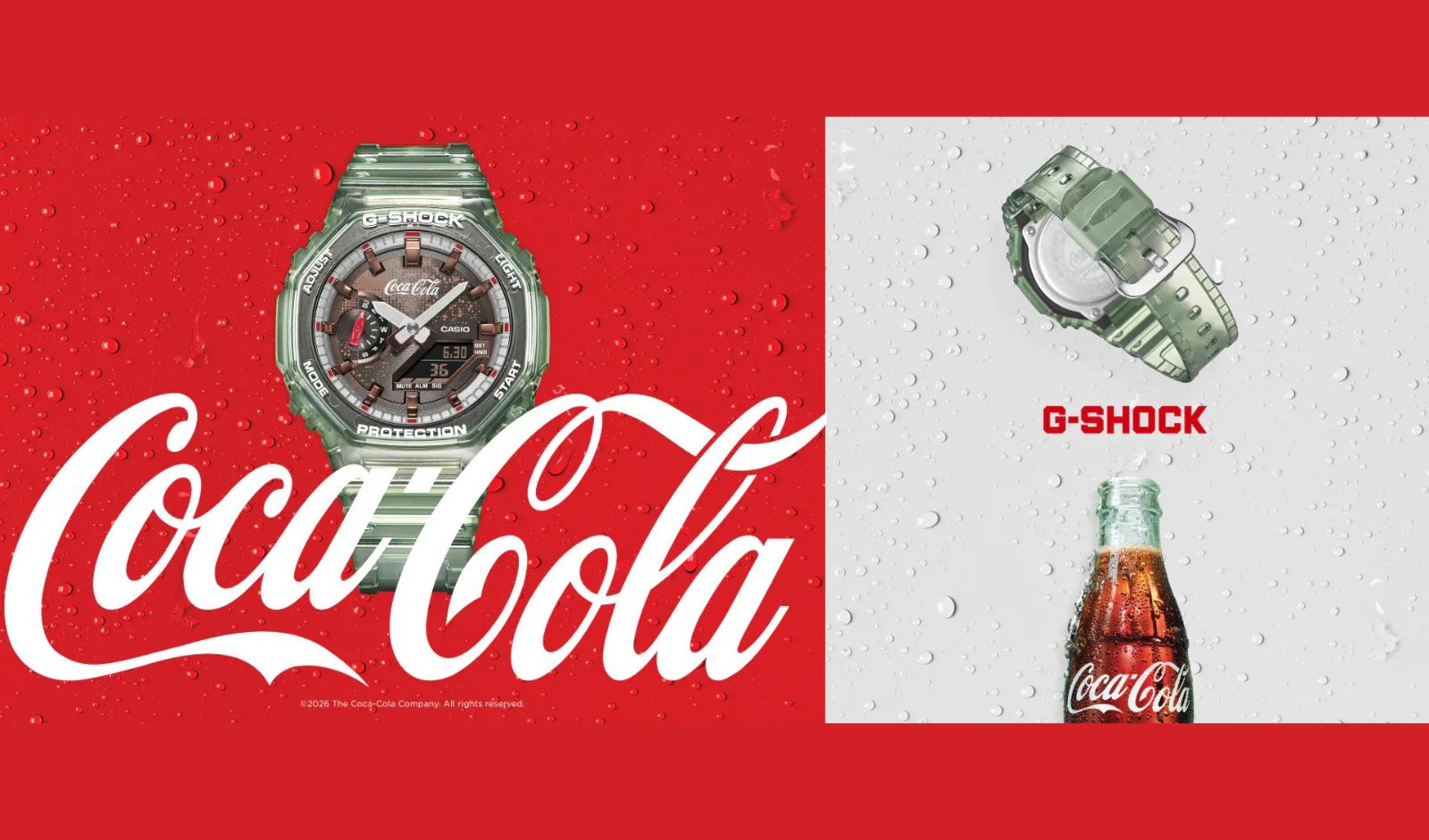
Casio India teamed up with The Coca-Cola Company to introduce the G-SHOCK GA-2100CC, a limited-edition watch celebrating Coca-Cola's 140th anniversary. Built on the popular GA-2100 platform, the timepiece blends G-SHOCK's rugged design with elements inspired by Coca-Cola's iconic contour bottle. The bezel and band feature bottle-inspired colours, while the day indicator hand and band loop incorporate fluted detailing reminiscent of the classic glass bottle. The dial includes graphics that evoke Coca-Cola's signature fizz, and the case back features a bottle cap-inspired engraving. Delivered in exclusive commemorative packaging, the collaboration combines durability with nostalgic branding, appealing to both watch collectors and Coca-Cola enthusiasts while highlighting the growing popularity of limited-edition lifestyle collaborations in the watch industry.
Timex X Harry Potter
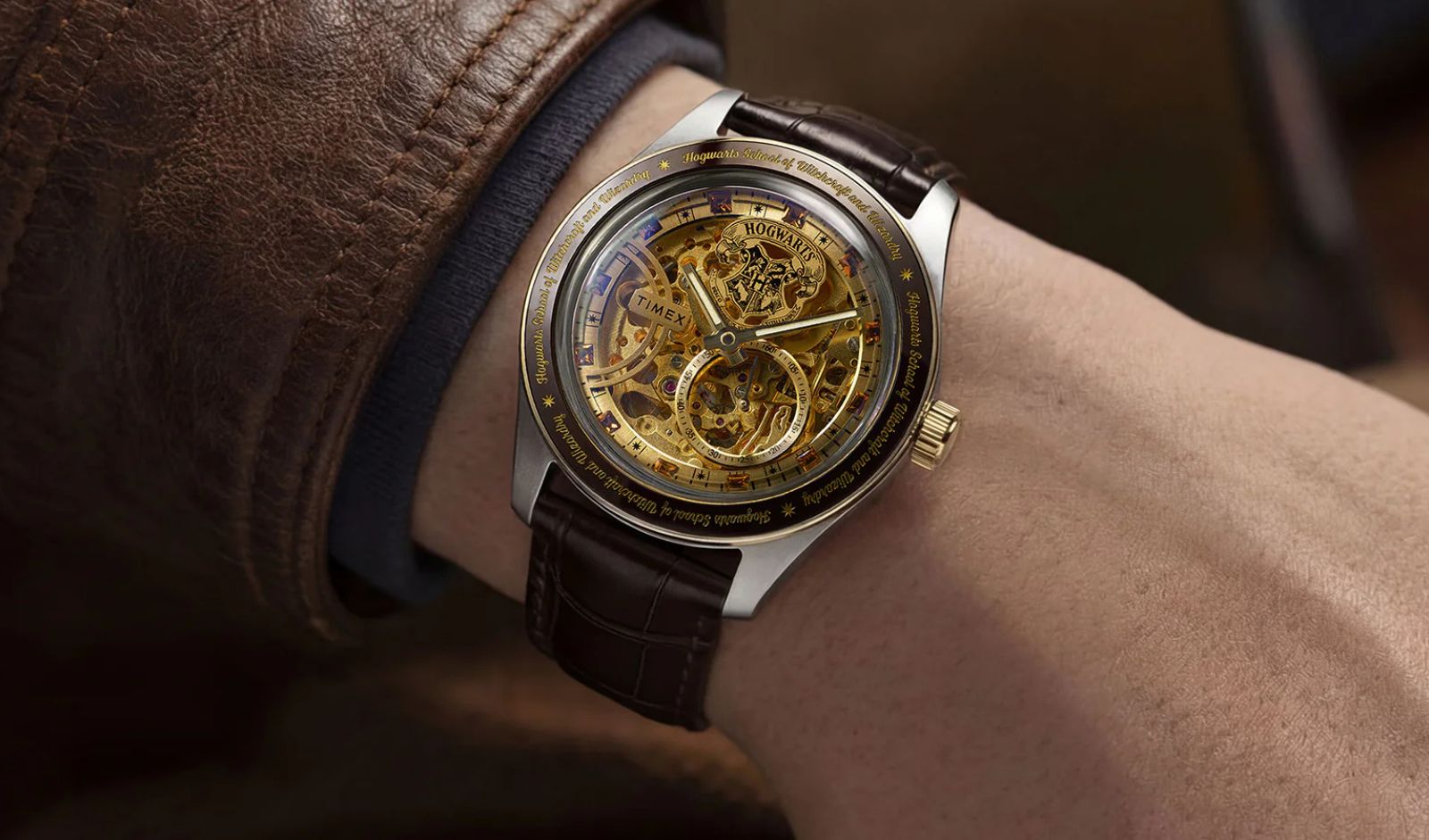
Timex partnered with Warner Bros. Discovery Global Consumer Products to introduce the Harry Potter x Timex Collection in India, bringing the wizarding world to its watch portfolio. The collection spans multiple product lines, including the Waterbury Skeleton Automatic, Weekender, and Weekender House Watches, each featuring details inspired by Hogwarts, Platform 9¾, the Sorting Hat, Butterbeer, and the four Hogwarts houses. The Waterbury Skeleton Automatic showcases a 21-jewel skeletonised automatic movement, a ceramic bezel with Hogwarts-inspired engravings, and an exhibition case back featuring house symbols. The Weekender House editions include INDIGLO backlighting that reveals each house's crest and colours. With prices starting at Rs 12,495, the collaboration blends Timex's watchmaking heritage with one of the world's most recognised entertainment franchises, appealing to both collectors and Harry Potter fans.
Seiko X Pepsi
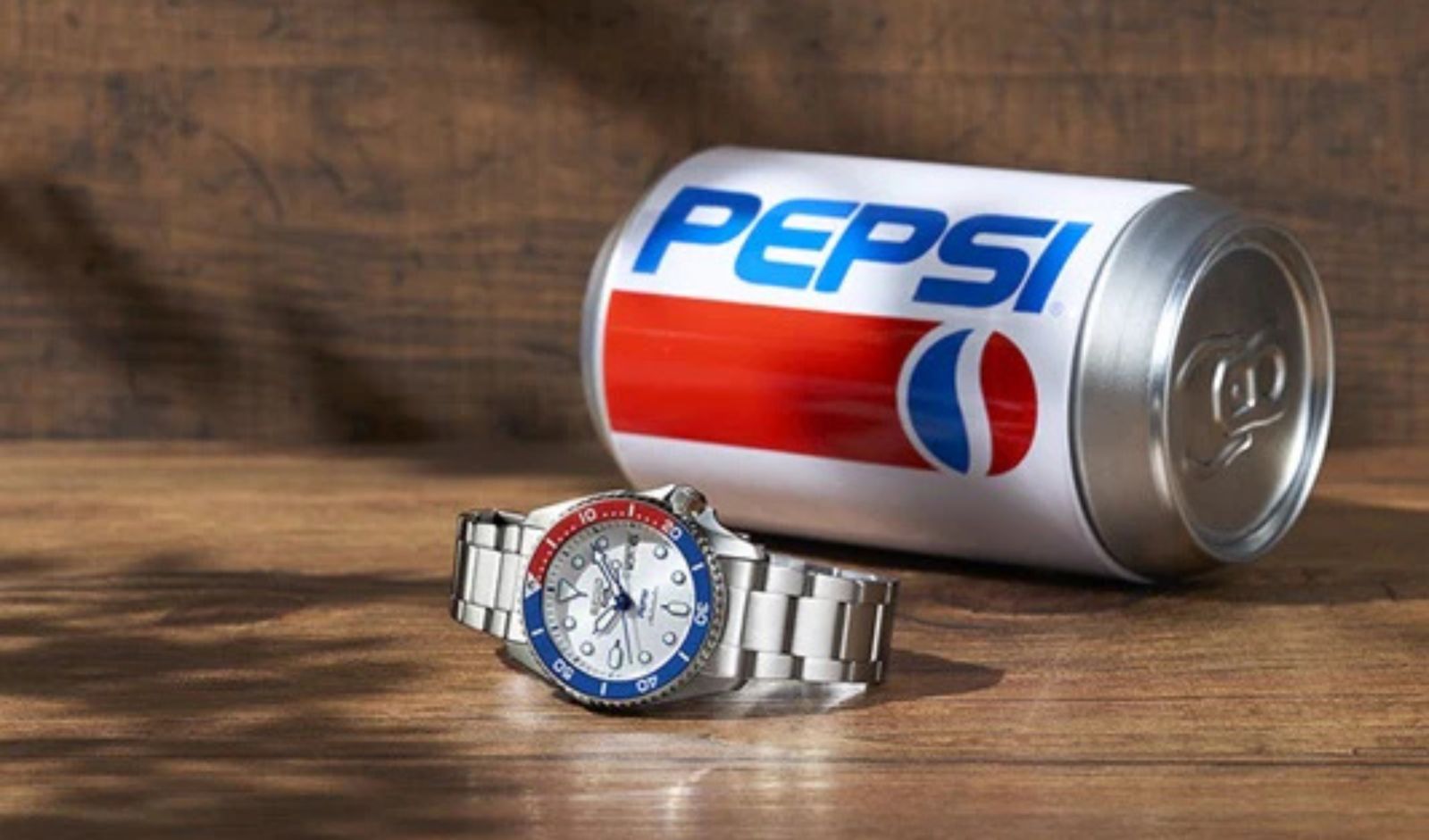
Seiko Watch Corporation partnered with Pepsi to launch two limited-edition Seiko 5 Sports watches that celebrate the heritage of both brands through distinct design themes. Limited to 7,000 pieces each worldwide, the collection includes one model inspired by Pepsi's iconic 1990s branding, featuring a 38 mm case, a silver-white dial, blue accents, and the classic Pepsi logo at the 6 o'clock position. The second model adopts Pepsi's modern visual identity, offering a 42 mm black-coated GMT watch powered by the Caliber 4R34 movement, complete with the first silicone strap in the SKX series embossed with Pepsi branding. Both watches are presented in Pepsi can-inspired packaging, reinforcing their appeal as collector's editions that combine Seiko's watchmaking heritage with one of the world's most recognised consumer brands.
Audemars Piguet X Swatch
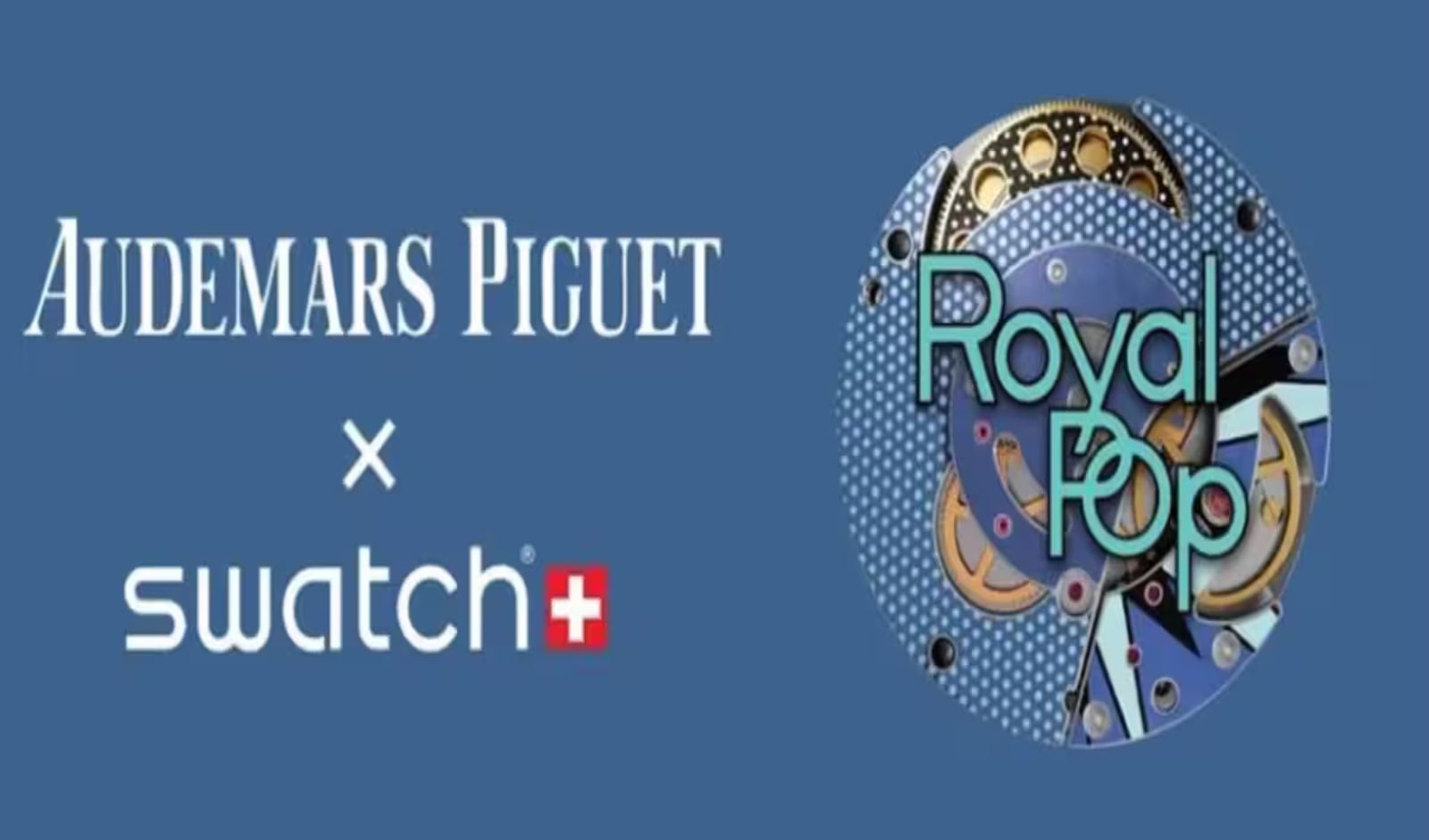
Audemars Piguet and Swatch joined forces to introduce the Royal Pop collection in India, marking the luxury watchmaker's first collaboration with the Swiss mass-market brand. Inspired by Audemars Piguet's iconic Royal Oak and Swatch's 1986 POP concept, the collection features eight colourful Bioceramic models with the Royal Oak's signature octagonal bezel, exposed screws, and textured dial. Powered by a Swiss automatic mechanical movement, each watch includes a detachable modular dial that can be worn as either a wristwatch or a pendant, offering multiple styling options. Available in colours including white, pink, green, orange, yellow, red, light blue, and navy, the Royal Pop collection blends luxury watchmaking with contemporary design, appealing to collectors and a younger generation of watch enthusiasts.
The Future of Luxury Watch Collaborations
The global watch industry is expected to witness more partnerships involving athletes, sports leagues, entertainment franchises, and fashion labels. Younger consumers increasingly seek products that reflect personal interests, making collaborative collections an effective way to build stronger emotional connections.
Luxury brands are also exploring limited production runs, sustainable materials, and digital experiences alongside these collaborations to create greater exclusivity.
Fashion collaborations have become one of the defining trends shaping the global retail industry, enabling brands to go beyond traditional product launches and create collections that resonate with evolving consumer interests. In 2026, these partnerships expanded across fashion, entertainment, hospitality, gaming, and digital culture, bringing together designers, lifestyle brands, blockbuster franchises, streaming platforms, and content creators. By combining creative storytelling with limited-edition offerings, brands were able to reach new audiences, strengthen cultural relevance, and generate significant consumer engagement.
From luxury hospitality collaborations with renowned designers to collections inspired by popular films, gaming personalities, and globally recognised entertainment franchises, the year's biggest partnerships reflected the growing influence of licensing, creator-led marketing, and cross-industry innovation.
Here are some of the most notable fashion collaborations of 2026 that made an impact across the retail landscape.
Fashion Designers Rohit Gandhi & Rahul Khanna X Brij Hotels
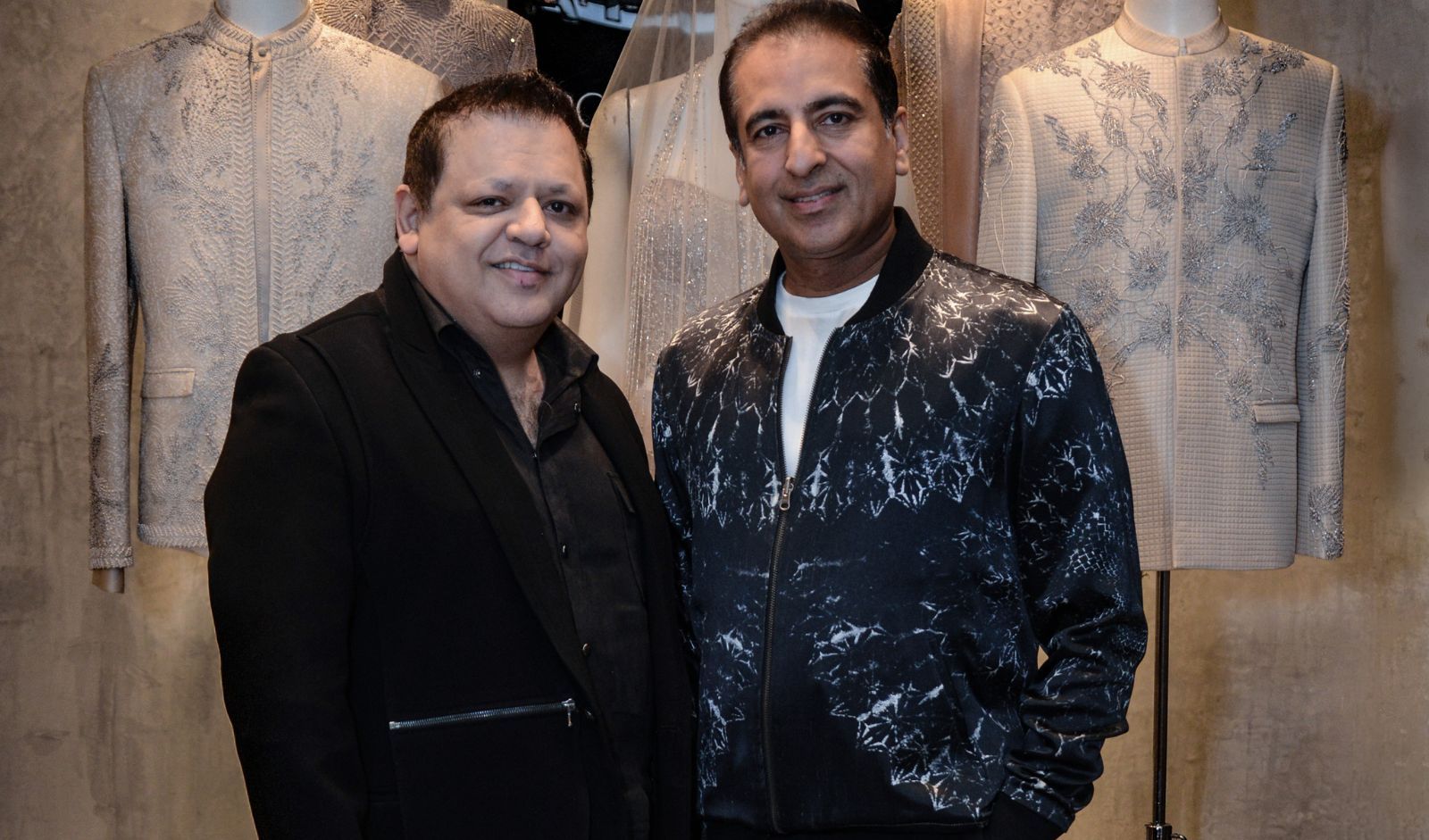
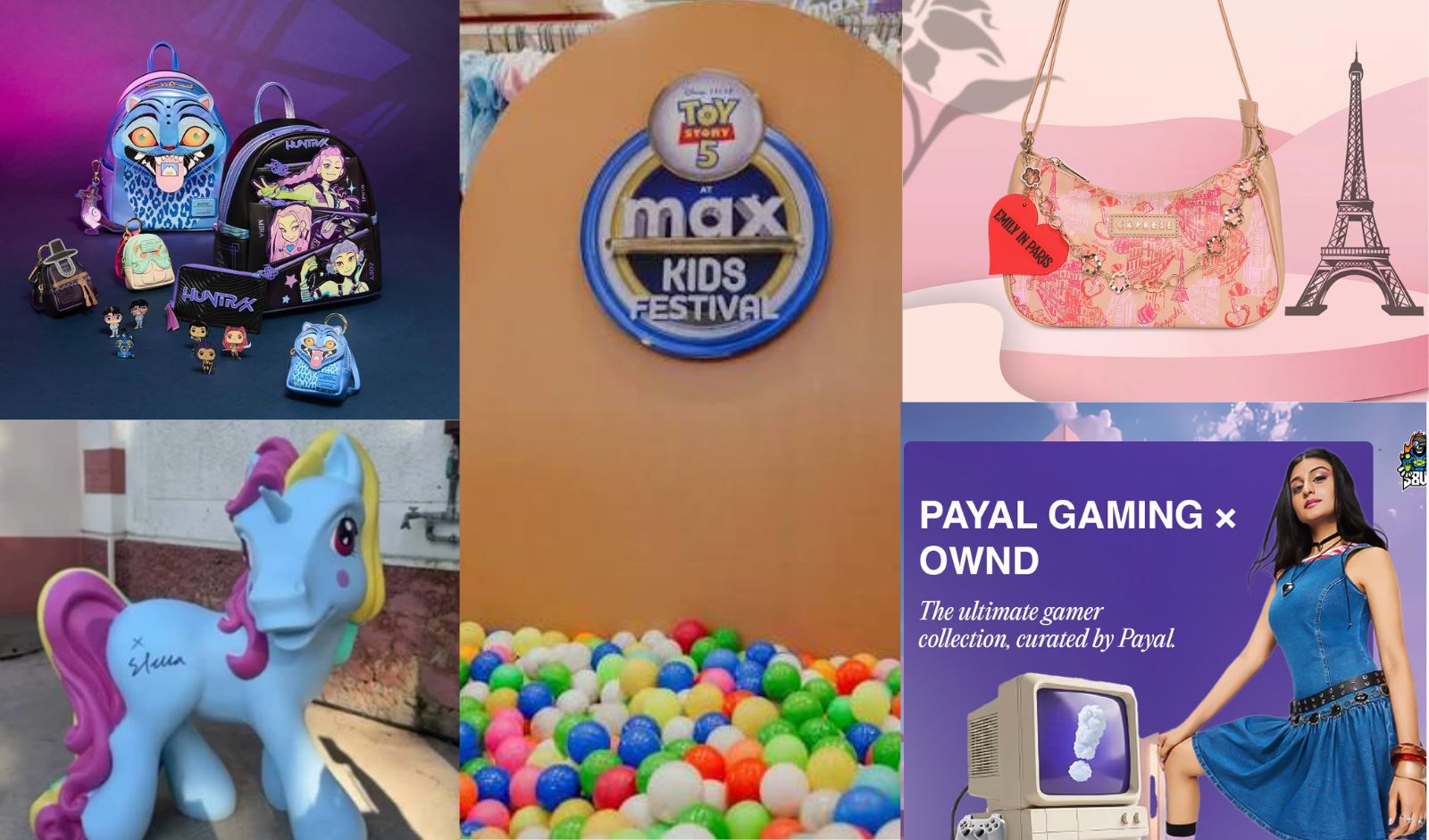
Luxury hospitality brand Brij Hotels partnered with renowned fashion designers Rohit Gandhi and Rahul Khanna in one of 2026's notable cross-industry collaborations, bringing together contemporary Indian fashion and experiential hospitality. Rather than launching a fashion collection, the partnership focused on offering exclusive travel experiences to the designers' VVIP clientele. As part of the collaboration, eligible guests receive complimentary two-night stays across select Brij Hotels properties, including Brij Paraiso in Goa, Brij Sone Bagh in Bandhavgarh National Park, and Brij Pola in Jawai.
The association reflects a growing trend of lifestyle-led partnerships where hospitality and fashion brands collaborate to deliver curated experiences built around luxury, craftsmanship, culture, and personalised guest engagement, extending brand value beyond traditional retail offerings.
Caprese X Emily in Paris
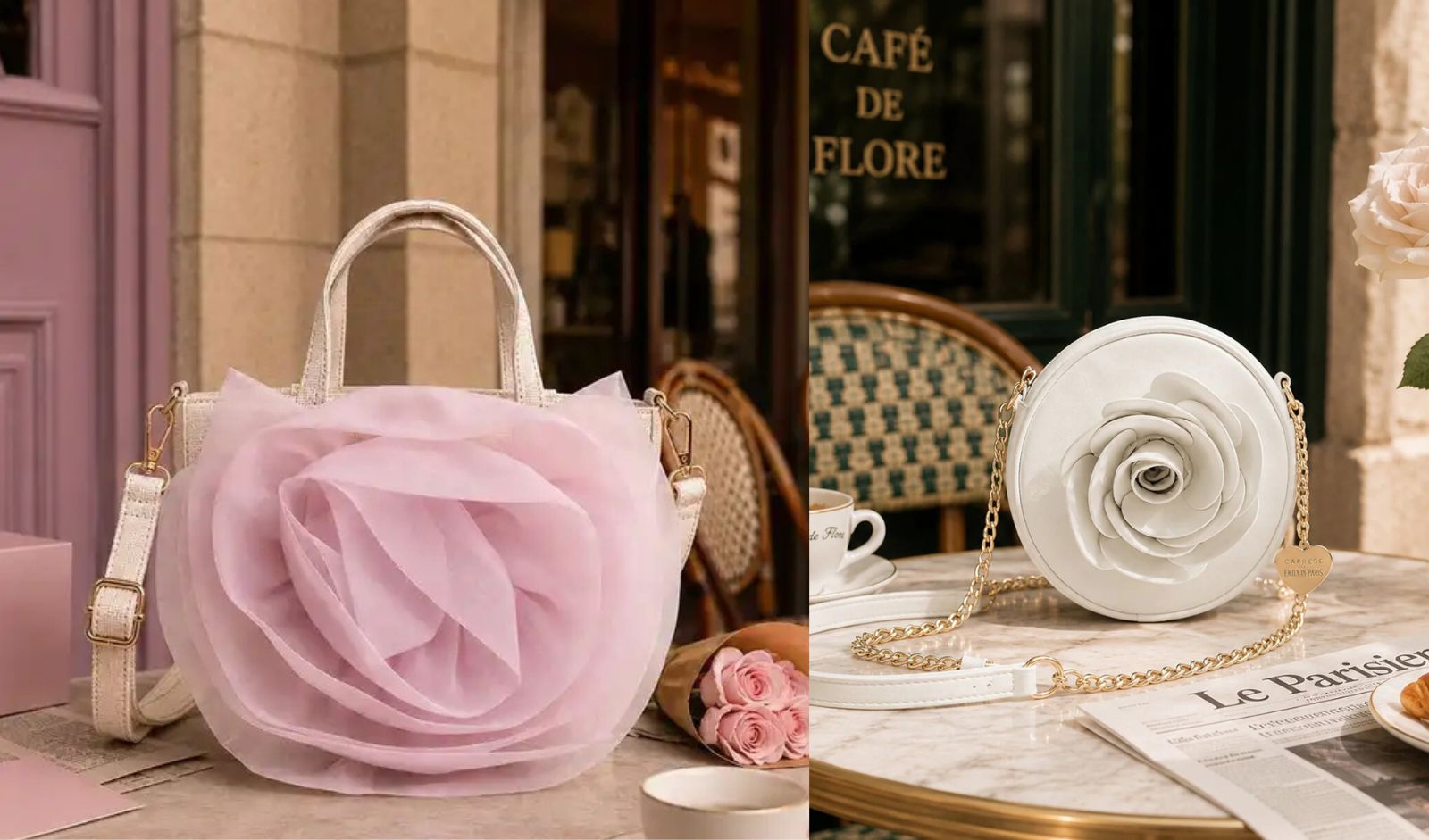
Caprese strengthened its association with Netflix's Emily in Paris by unveiling a new edition of its licensed collection at the second Fashion Fete event in Mumbai. Inspired by Emily Cooper's evolving journey from Paris to Rome, the collection blends European-inspired aesthetics with contemporary handbag designs, reflecting themes of confidence, individuality, and self-expression. Rather than a conventional product launch, Caprese introduced the collection through an immersive retail experience featuring themed installations, interactive activities, and curated lifestyle elements that brought the show's fashion-forward narrative to life.
The collaboration highlights how entertainment licensing continues to influence fashion retail, enabling brands to connect with consumers through storytelling, experiential marketing, and globally recognised pop culture properties.
OWND! X Payal Gaming
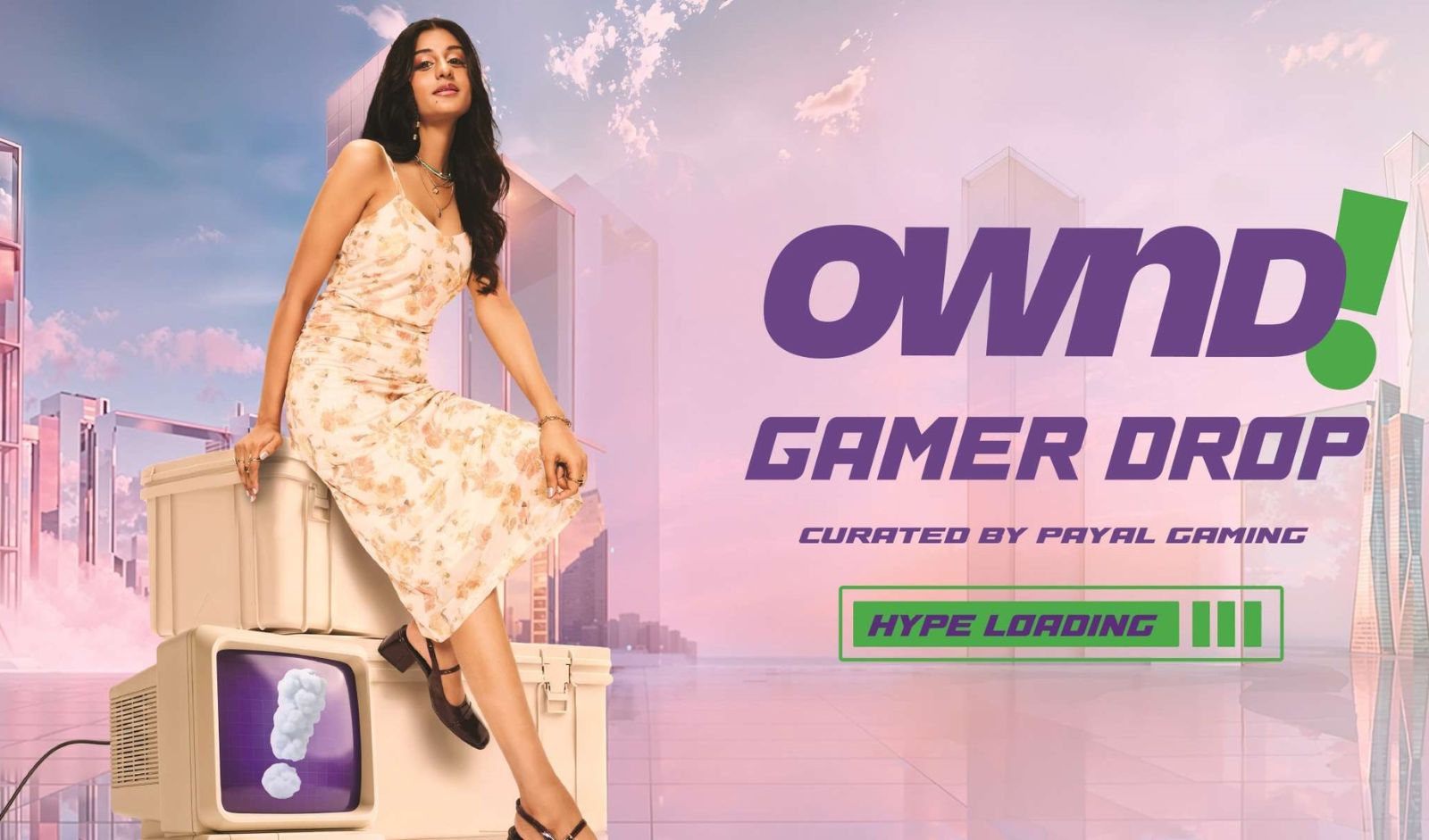
OWND!, the Gen Z-focused fashion brand from Aditya Birla Fashion and Retail, partnered with gaming creator Payal Gaming to launch 'Gamer Drop', a creator-led fashion campaign inspired by gaming culture and streetwear. Positioned as India's first gamer-curated fashion initiative, the collection features menswear and womenswear designed for everyday wear while drawing inspiration from gaming aesthetics and Payal Gaming's personal style.
Rather than traditional creator merchandise, the collaboration celebrates gaming as a cultural movement that influences fashion, music, and digital identity. Supported by digital content, influencer collaborations, gaming communities, and in-store activations, the partnership reflects the growing role of creators in shaping youth fashion trends and highlights how gaming has become an important avenue for fashion brands to engage digitally native consumers.
Max Fashion X Toy Story 5
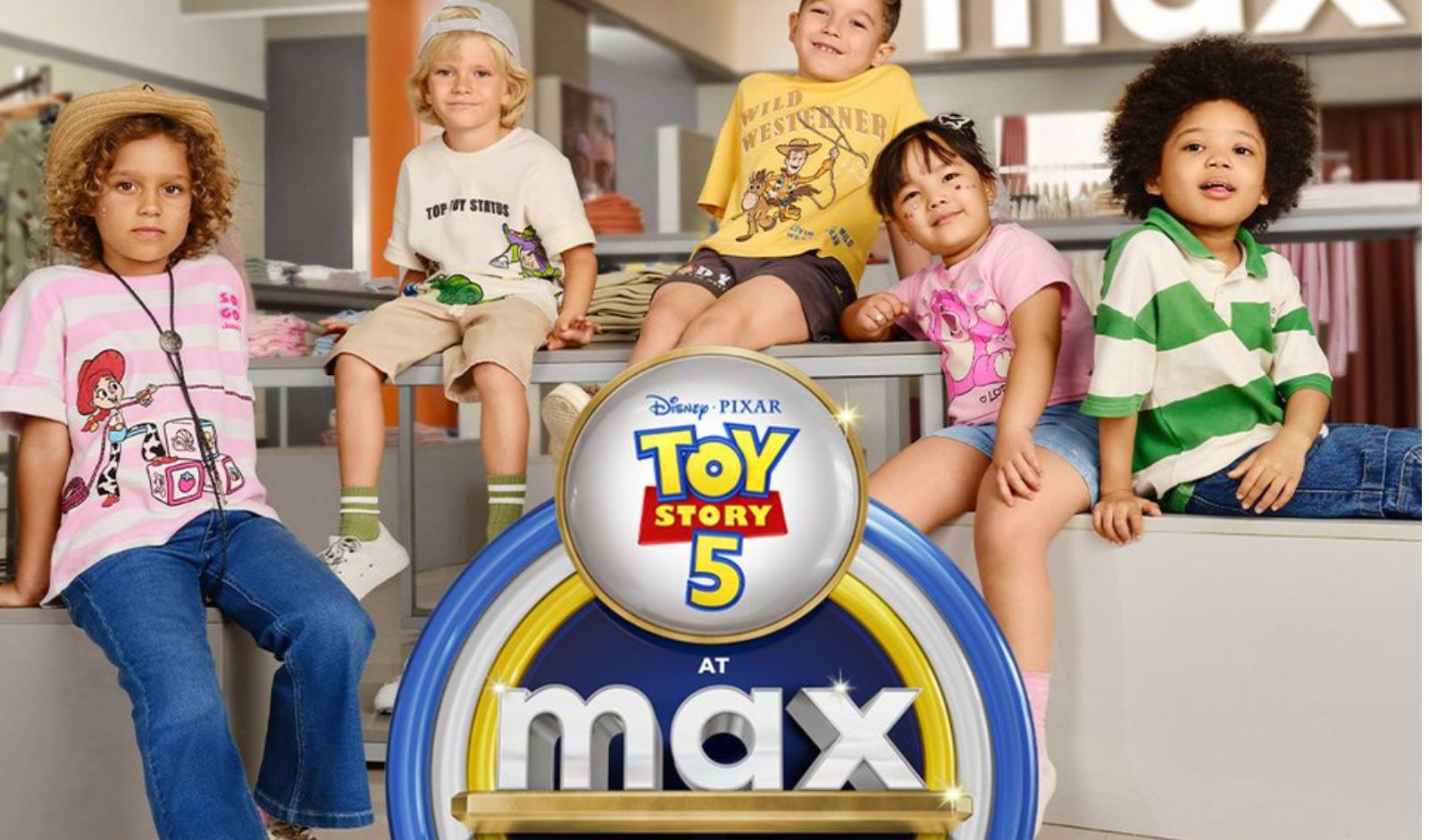
Max Fashion partnered with Disney and Pixar to introduce a Toy Story 5-inspired kidswear collection as part of the 2026 edition of its annual Max Kids Festival. Timed with the film's theatrical release, the collection features more than 50 styles for infants, children, and teenagers, incorporating popular characters such as Woody and Buzz Lightyear into everyday apparel. Beyond the merchandise, the collaboration was supported by immersive in-store experiences, a nationwide Paint & Win creative contest, and family-focused activations across more than 530 Max Fashion stores in India.
By combining licensed character merchandise with experiential retail, the partnership highlights how entertainment franchises continue to shape children's fashion while enhancing consumer engagement through storytelling and interactive shopping experiences.
Stella McCartney X My Little Pony
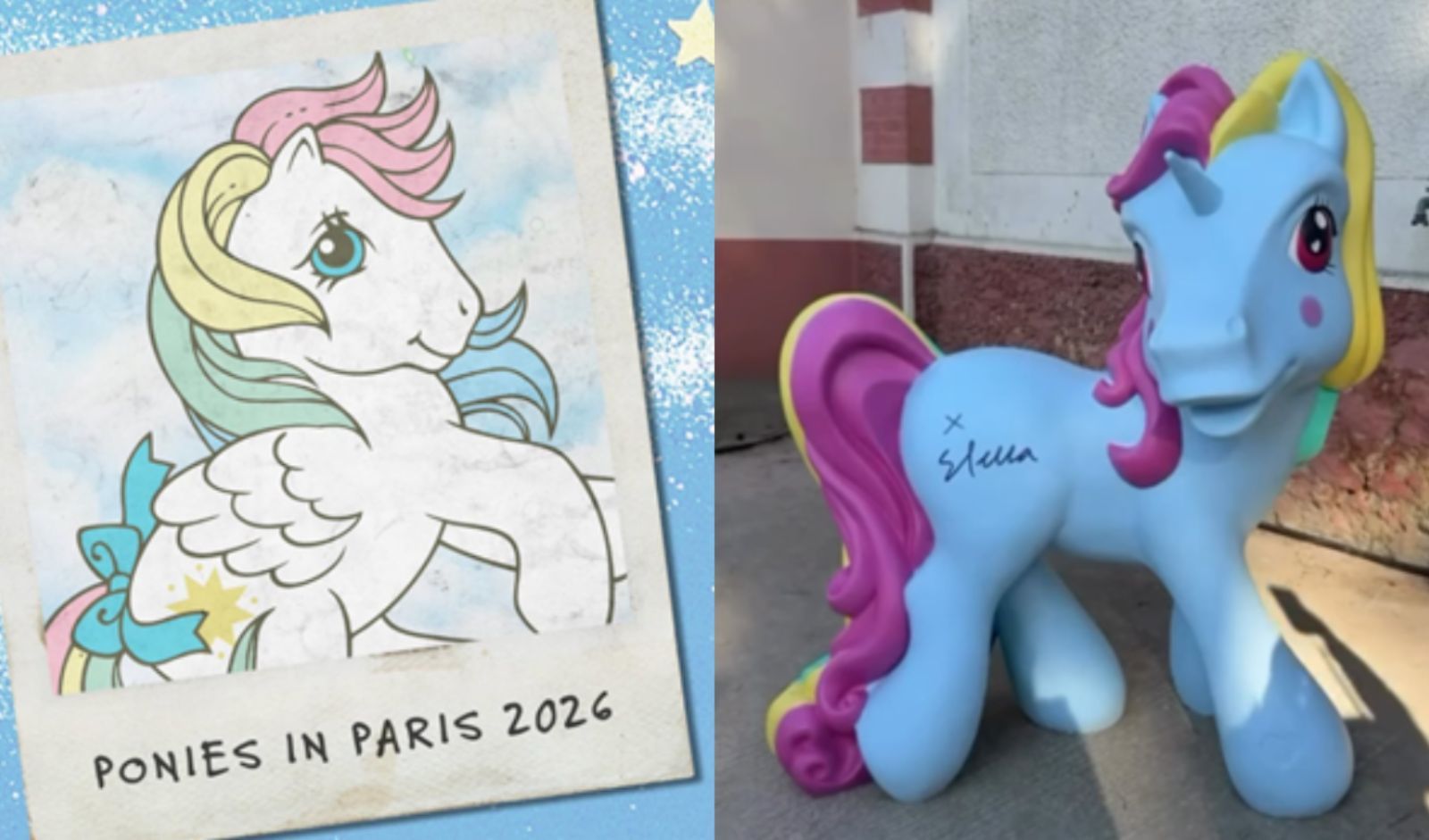
Luxury fashion house Stella McCartney partnered with Hasbro's iconic My Little Pony franchise for its Winter 2026 runway show at Paris Fashion Week, blending high fashion with childhood nostalgia. Presented in an equestrian arena to mark the Year of the Horse, the collection reflected McCartney's lifelong love for horses and her commitment to creativity and compassion. The collaboration incorporated My Little Pony motifs into the runway presentation, while guests received retro My Little Pony toys as invitations, each featuring a Stella McCartney-branded medallion.
The Winter 2026 collection, available globally from July 2026, demonstrates how luxury fashion brands are increasingly embracing entertainment licensing to create emotionally resonant collections that connect heritage, storytelling, and contemporary design.
Loungefly X Neflix
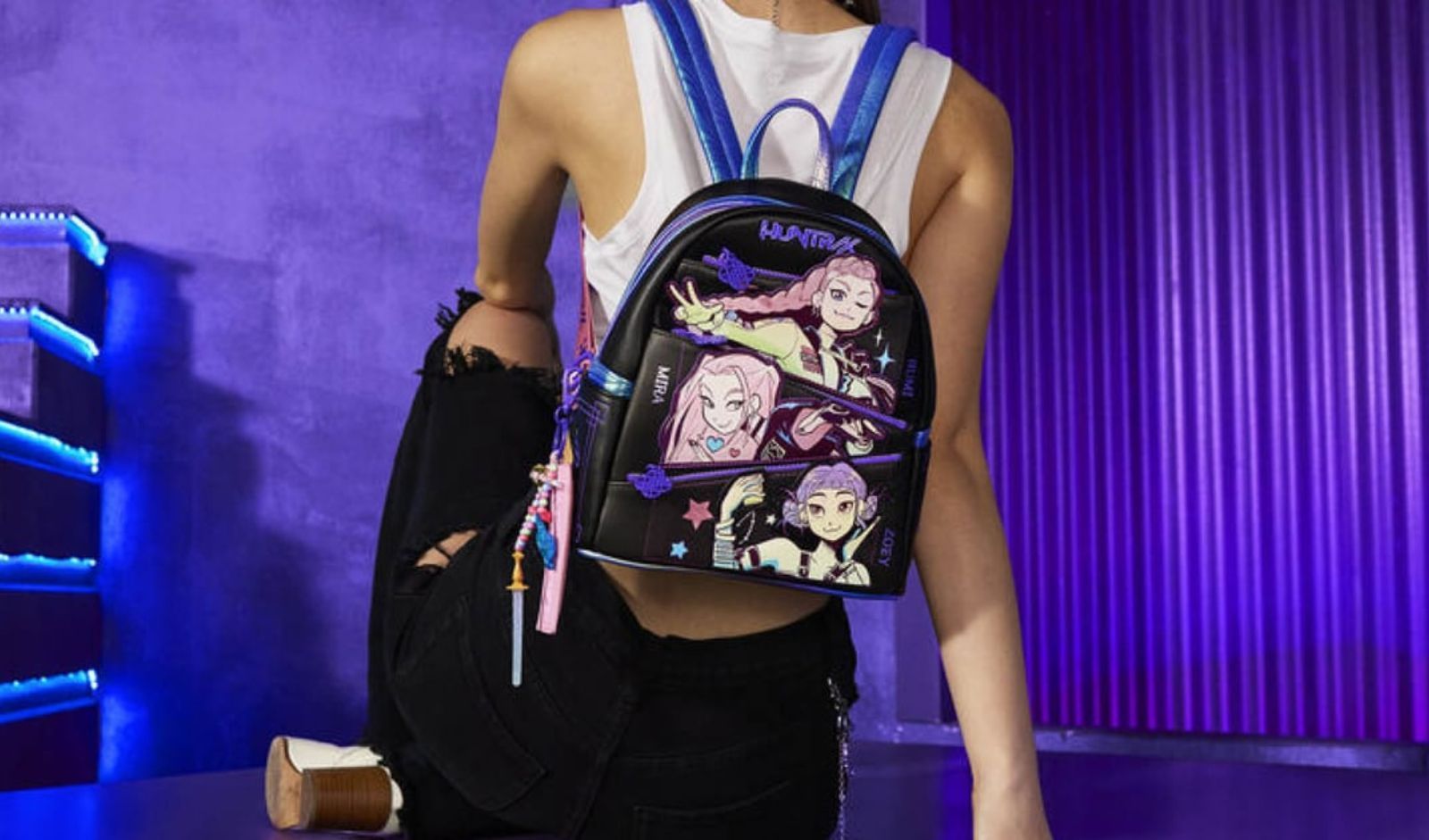
Lifestyle accessories brand Loungefly, owned by Funko, partnered with Netflix to launch a fashion collection inspired by the animated film KPop Demon Hunters. The licensed range translates the film's vibrant visual identity into collectible accessories, including mini backpacks, card holders, bag charms, and character-inspired designs featuring fan favourites Rumi, Mira, Zoey, and the Saja Boys. Drawing from the fictional K-pop group's world and the film's supernatural themes, the collaboration caters to fans seeking merchandise that blends pop culture with everyday fashion.
Available through Loungefly and select global retail partners, the collection underscores the growing influence of streaming content on fashion licensing and highlights how entertainment-inspired accessories continue to drive demand among collectors and fandom communities.
The Growing Role of Pop Culture in Fashion Retail
The fashion collaborations of 2026 demonstrated how partnerships are reshaping the retail landscape by bringing together fashion, entertainment, gaming, hospitality, and digital culture. Collaborations such as Brij Hotels with Rohit Gandhi and Rahul Khanna, Caprese with Emily in Paris, OWND! with Payal Gaming, Max Fashion with Toy Story 5, Stella McCartney with My Little Pony, and Loungefly with Netflix illustrate how brands are finding innovative ways to remain culturally relevant while reaching new audiences.
As licensing, creator partnerships, and cross-industry collaborations continue to gain momentum, fashion collaborations are expected to remain a key strategy for brands seeking to drive consumer engagement, enhance brand value, and create memorable retail experiences in the years ahead.
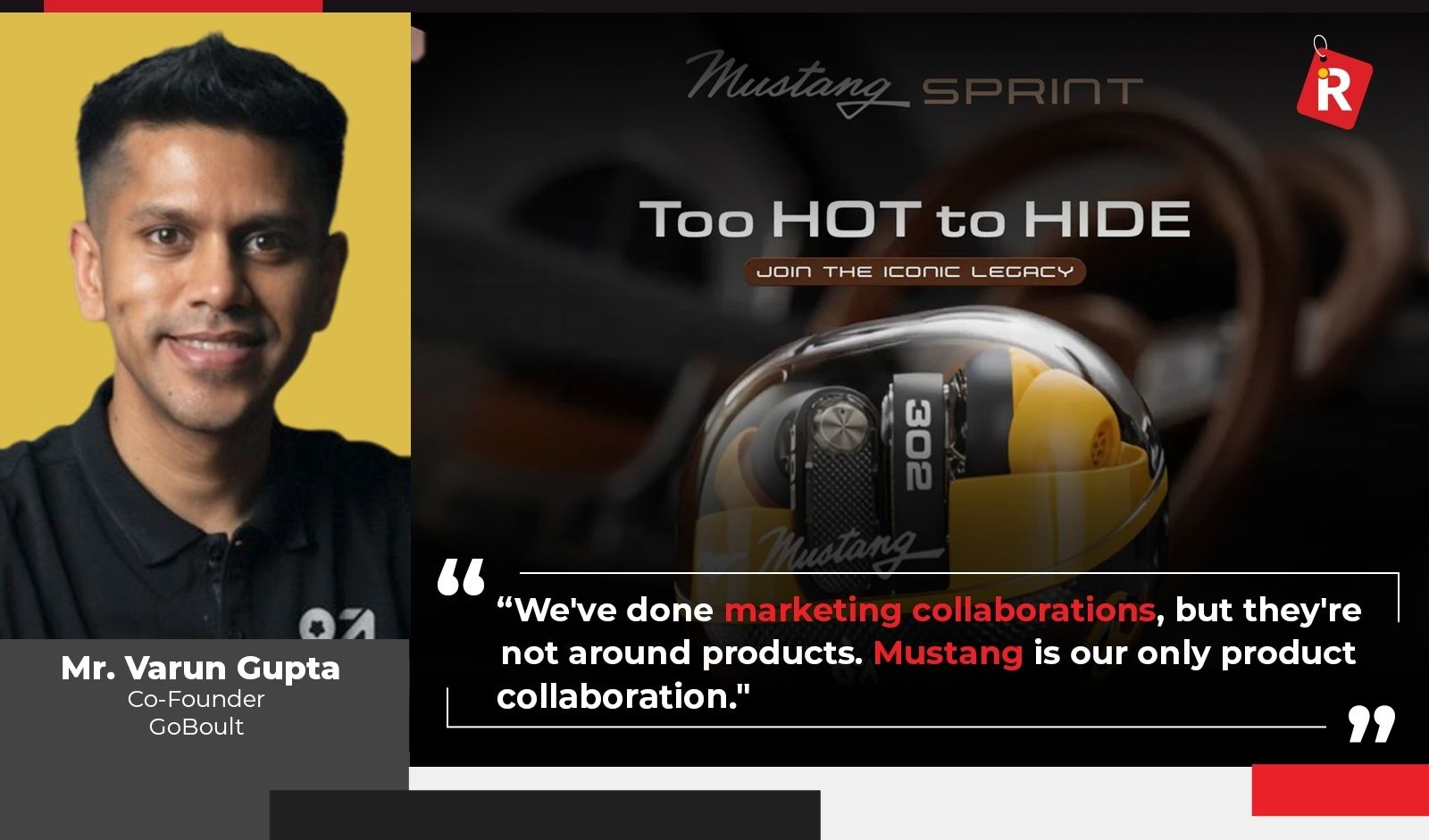
For any brand to carve out a strong position in India’s highly competitive consumer electronics market, product innovation alone is no longer enough. Marketing, branding, and meaningful collaborations have become equally critical in shaping consumer perception. While several consumer tech brands rely on licensing to add global brand appeal, GoBoult is taking a different route. The homegrown brand, now the third-largest player in India's wearables category and the second-largest in audio, believes licensing should influence the product itself—not just the logo on the box.
Speaking about the company's strategy, financial performance, and future roadmap, Varun Gupta, Co-founder of GoBoult, explained how the brand's collaboration with Ford Mustang has influenced everything from industrial design to user experience, while also supporting its premiumisation strategy.
Varun stated, "We've been, we're the second largest player in the audio category, third largest player in the wearables category. And in the year 25-26, we did about 750 crores worth of top line. That over the healthy bottom line, we're the only profitable player in this category."
Varun also shared how the company's collaboration with Ford Mustang goes far beyond branding, becoming an integral part of product design, software, packaging, and user experience. He also discussed the brand's premiumisation strategy, financial performance, expansion plans, and why profitability remains its biggest priority despite a slowing market.
"The category that we operate in is called wearables, which includes audio and smartwatches. Audio is about 75% of our business and smartwatches are about 25% of our business. Wearables, unfortunately, has been a degrowing category, but audio has done decently well," Varun added.
The company, which operates across audio products and smart wearables, is now preparing for international expansion, beginning with the UK, while maintaining a cautious growth strategy amid softer consumer demand.
Staying Profitable in a Challenging Market
GoBoult is prioritising profitability over rapid expansion as the consumer electronics market navigates weak demand and global supply chain disruptions. The company is targeting Rs 800 crore in revenue and Rs 35 crore in profitability this financial year, with a focus on long-term sustainability rather than chasing aggressive growth.
"The idea is not to grow manifold, but to ride through this wave... stay afloat and steer through it right now," said Gupta, highlighting the company's cautious approach amid geopolitical uncertainties, subdued consumer demand, and shipping-related challenges.
Licensing as a Product Innovation Strategy, Not Just Branding
For GoBoult, licensing is not about placing a globally recognised logo on an existing product. Gupta said the Mustang partnership has been built around design, engineering, and consumer experience.
"We've been very selective. Unlike our competition, we don't just take a label and slap the name on our product. We actually get into product innovation. We've designed products and moulds around the Mustang. If you check out our collection of watches and headphones, a lot of them actually look like sports cars and Mustang cars. They carry the Mustang DNA from inside the product, the sound, the watch faces, the software, the UI, the physical design, and even the packaging. Every layer embodies the Mustang DNA."
According to Gupta, this deeper integration enables GoBoult to create products that command higher average selling prices while offering consumers a differentiated experience.
"It allows us to focus on product innovation because a legacy player like Ford Mustang works with us on product design. It helps us build top-quality products and designs that we're able to offer consumers at a reasonable price but at a relatively higher ASP. That works in sync with our premiumisation model."
Why the Mustang Collaboration Has Stood Out
GoBoult partnered with Ford Mustang nearly two years ago, and Gupta described it as the company's strongest licensing partnership to date.
Beyond design, he believes the collaboration has opened doors to an entirely new consumer segment.
"It allows us to tap into the automobile segment and auto enthusiasts. That has been one of the strongest partnerships we've done so far."
While the company has undertaken several marketing collaborations in the past, Gupta clarified that Mustang remains its only product-focused licensing partnership.
"We've done marketing collaborations, but they're not around products. Mustang is our only product collaboration."
The strategy reflects a broader shift within the licensing industry, where partnerships are increasingly expected to deliver meaningful product innovation instead of simply extending brand visibility.
Audio Continues to Drive GoBoult's Business
Alongside its licensing strategy, GoBoult continues to strengthen its position in India's wearable technology market.
Gupta said the company is currently the second-largest player in the audio category and the third-largest in wearables, generating around Rs 750 crore in revenue during FY 2025-26 while remaining profitable.
"We did about Rs 750 crores worth of top line with a healthy bottom line. We're the only profitable player in this category."
The company's portfolio remains heavily weighted towards audio products.
"Audio contributes about 75 percent of our business and smartwatches contribute about 25 percent. Wearables has unfortunately been a de-growing category, but audio has done decently well. Audio has grown while wearables has stayed constant."
Measured Growth Amid Market Challenges
Rather than pursuing aggressive expansion, GoBoult is prioritising profitability and operational stability.
The company has set a revenue target of Rs 800 crore and aims to achieve Rs 35 crore in profitability during FY 2026-27.
Gupta believes current macroeconomic conditions warrant a cautious approach.
"We're not planning or looking at extreme growth because the category is not growing. There are issues around consumer demand and supply constraints. The idea is not to grow manifold but to ride through this wave, stay afloat and steer through it."
South India Leads Domestic Growth
Within India, GoBoult continues to see stronger traction in southern markets.
According to Gupta, South India contributes nearly 40 percent of the company's sales, followed by western India.
"The southern part of the country contributes about 40 percent of our sales and the West is also very strong. North is okay, while East is relatively weak. That's the overall trend in e-commerce as well."
International Expansion Begins with the UK
GoBoult is now entering international markets, beginning with the United Kingdom.
Gupta confirmed that the UK launch marks the company's first overseas expansion, with Europe and the United States expected to follow.
"We're launching in the UK now. From there, we plan to go to Europe and the US. Apart from that, we're not looking at other countries in the coming two quarters, but we're also planning to enter Africa and Southeast Asian markets gradually."
Licensing as a Long-Term Brand Building Tool
As licensing evolves beyond celebrity endorsements and logo placements, GoBoult's strategy illustrates how intellectual property can become an integral part of product development.
Rather than treating licensing as a short-term marketing exercise, the company is using it to influence industrial design, software, packaging, and user experience, creating products that reflect the licensed brand's identity while supporting premium positioning.
With international expansion underway and a continued focus on profitable growth, GoBoult appears to be positioning licensing not merely as a branding opportunity, but as a long-term product and innovation strategy.
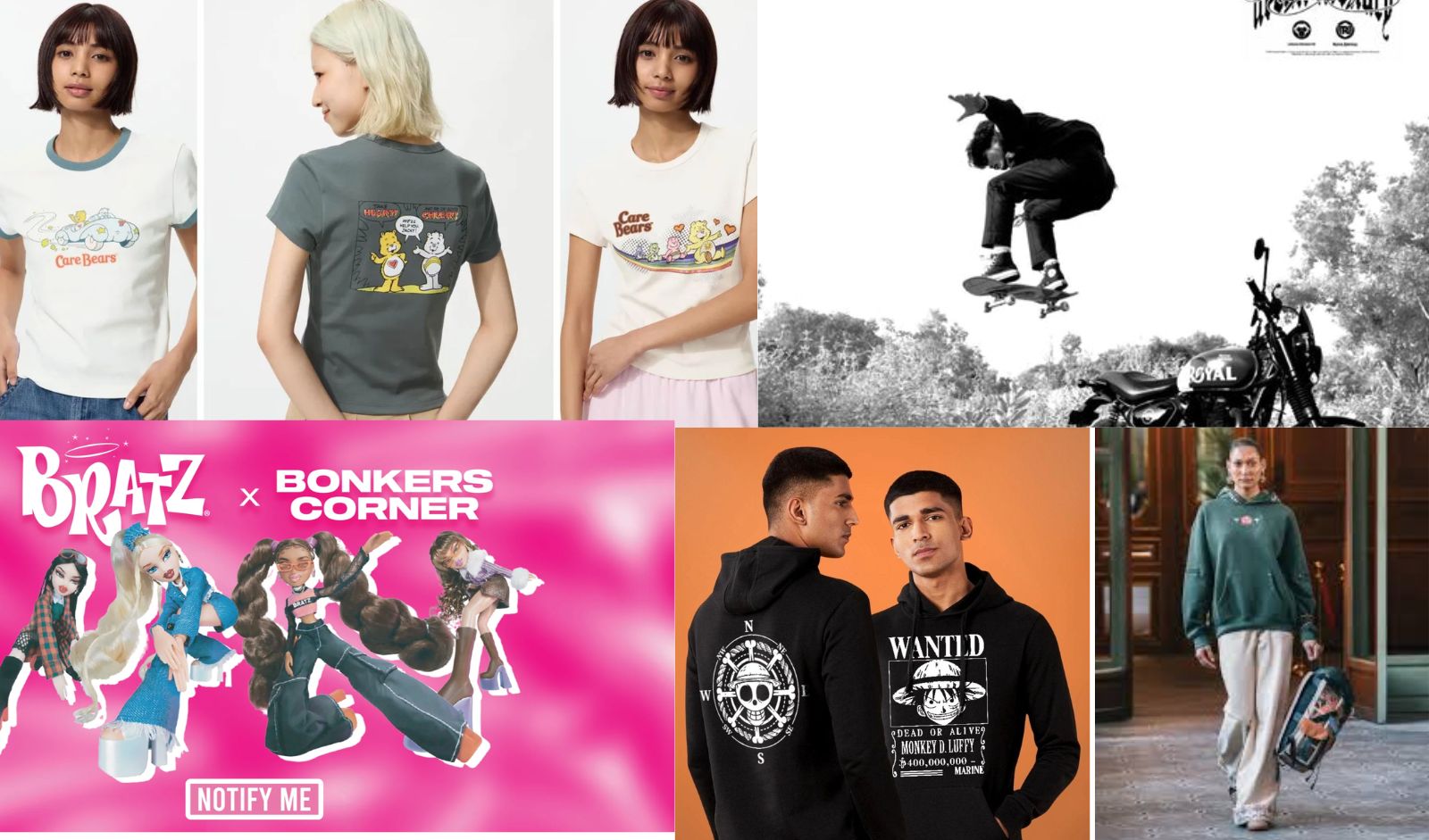
Streetwear has evolved from a niche fashion movement into a mainstream cultural force. What was once associated primarily with skateboarding, hip-hop, and youth subcultures has now become a dominant segment of the global fashion industry. One of the biggest drivers behind this growth has been strategic collaborations between streetwear brands and popular franchises, celebrities, automotive brands, and global fashion platforms.
These partnerships help brands tap into new audiences, generate social media buzz, and create limited-edition collections that often sell out within days. In India and globally, several recent collaborations have captured the attention of fashion enthusiasts and consumers alike.
Here are six streetwear brand collaborations that have created significant hype in the fashion world.
Bonkers Corner X Bratz
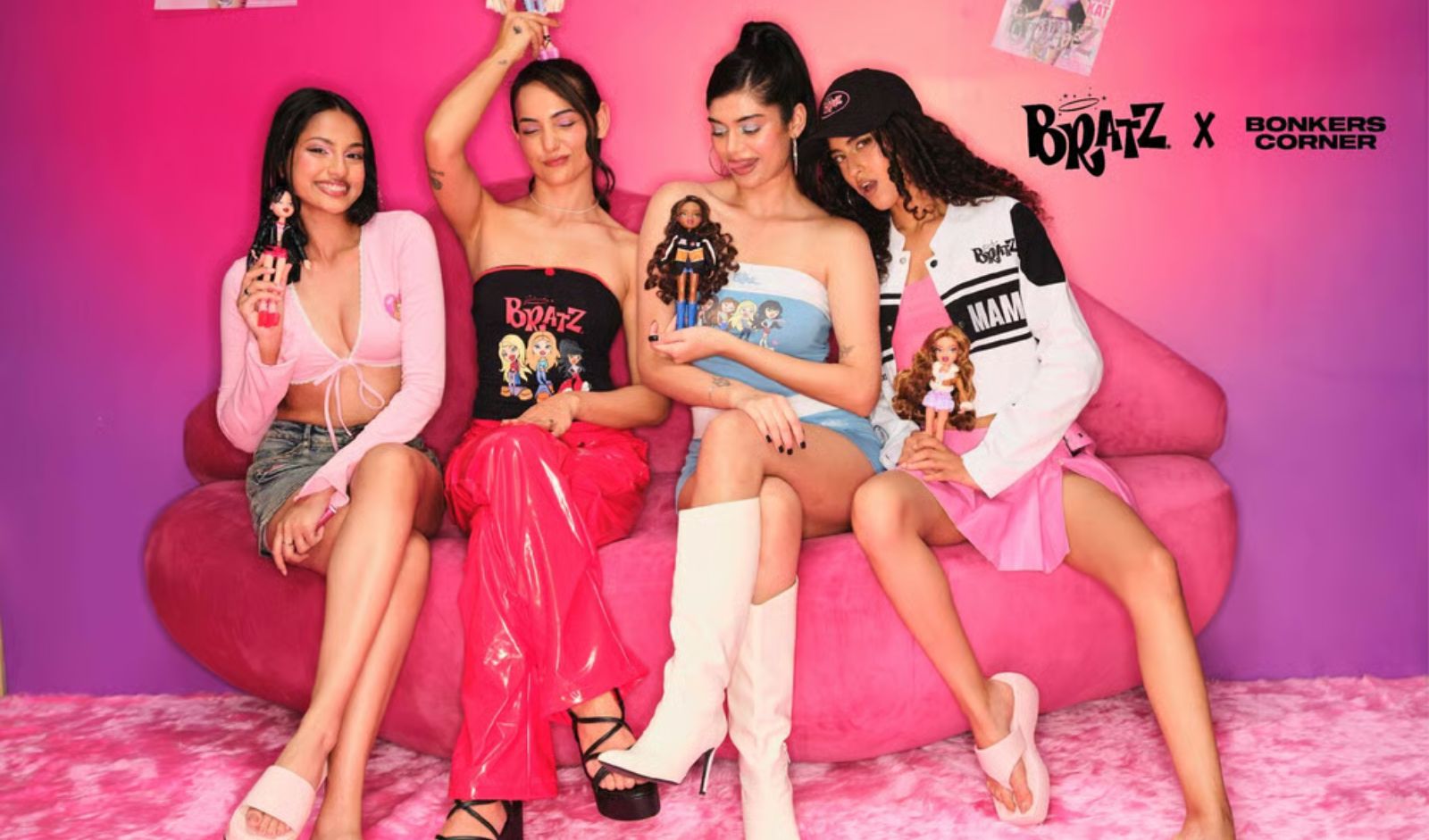
Bonkers Corner partnered with the iconic Bratz franchise to launch a nostalgia-driven summer collection that brought early-2000s fashion back into the spotlight with a modern streetwear twist. The collaboration was built around themes of individuality, confidence, and self-expression, values that both brands strongly represent. Inspired by the bold personalities and fashion-forward attitude of Bratz dolls, the collection featured graphic-heavy designs, oversized tees, cropped tops, singlets, and miniskirts in vibrant colors and statement silhouettes.
The partnership tapped into the growing popularity of Y2K fashion among Gen Z consumers, blending nostalgic elements with contemporary streetwear trends. To amplify the launch, Bonkers Corner collaborated with fashion influencers who recreated Bratz-inspired looks across social media, helping generate significant online buzz. The brand also transformed its stores with Bratz-themed visual merchandising and immersive displays, creating a unique shopping experience.
Read also: Top 5 Denim Brand Collaborations Creating New Fashion Trends in India
Top Jewelry & Watch Brand Collaborations Making Headlines in 2026
5 Candy and Confectionery Brands Expanding Beyond Retail
Bewakoof X One Piece
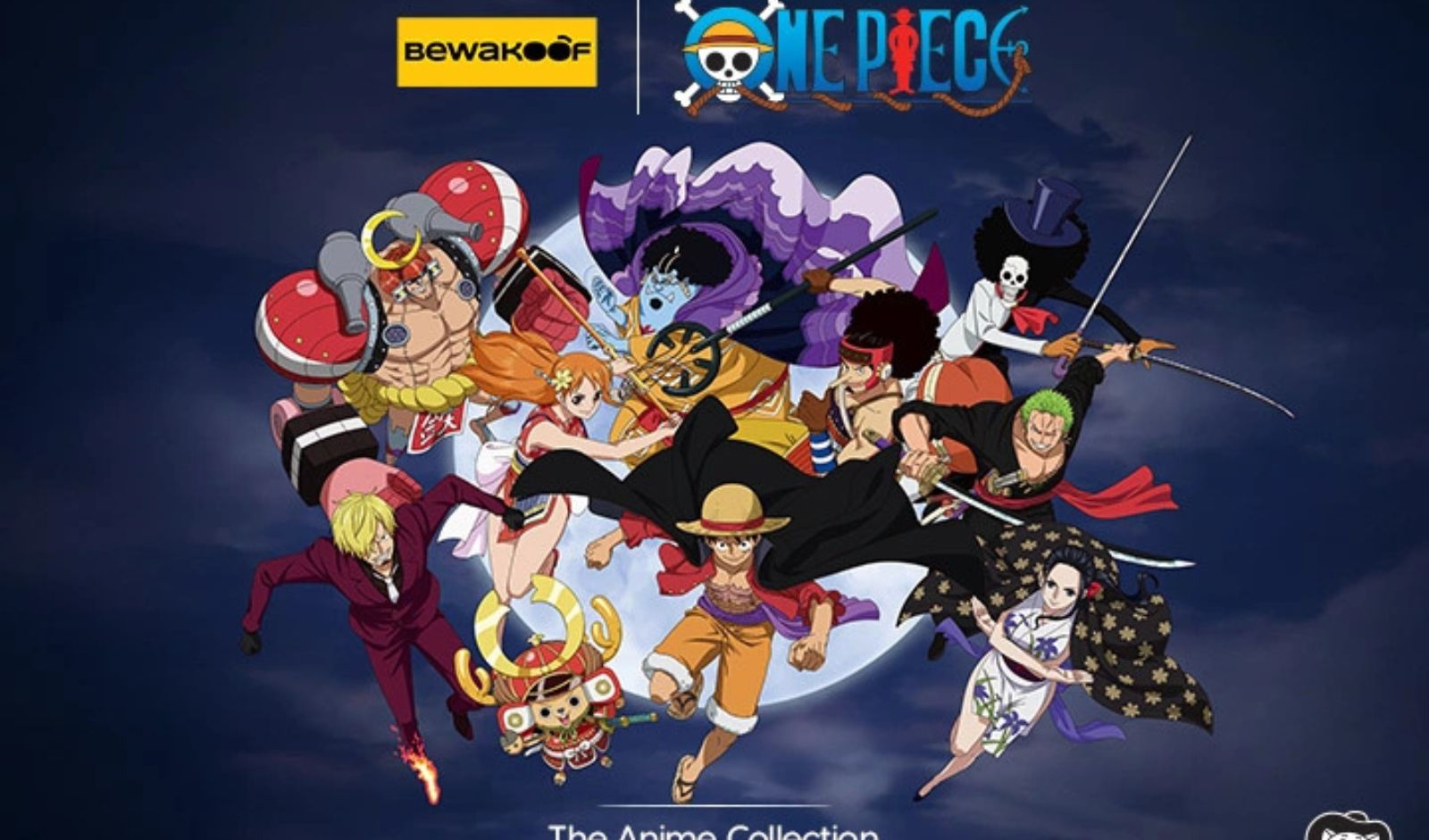
Anime-inspired fashion has witnessed remarkable growth in India, and Bewakoof capitalized on this trend through its collaboration with One Piece, one of the world's most popular anime and manga franchises. The collection featured graphic t-shirts, oversized fits, hoodies, joggers, and accessories inspired by Monkey D. Luffy and the Straw Hat Pirates. Designed specifically for anime fans, the collection allowed consumers to showcase their fandom through everyday fashion.
Anime merchandise has become a significant category within the streetwear segment, particularly among younger consumers. Bewakoof's collaboration successfully merged fandom culture with wearable fashion, making anime-inspired apparel more accessible to Indian audiences.
The Souled Store X Paris Fashion Week
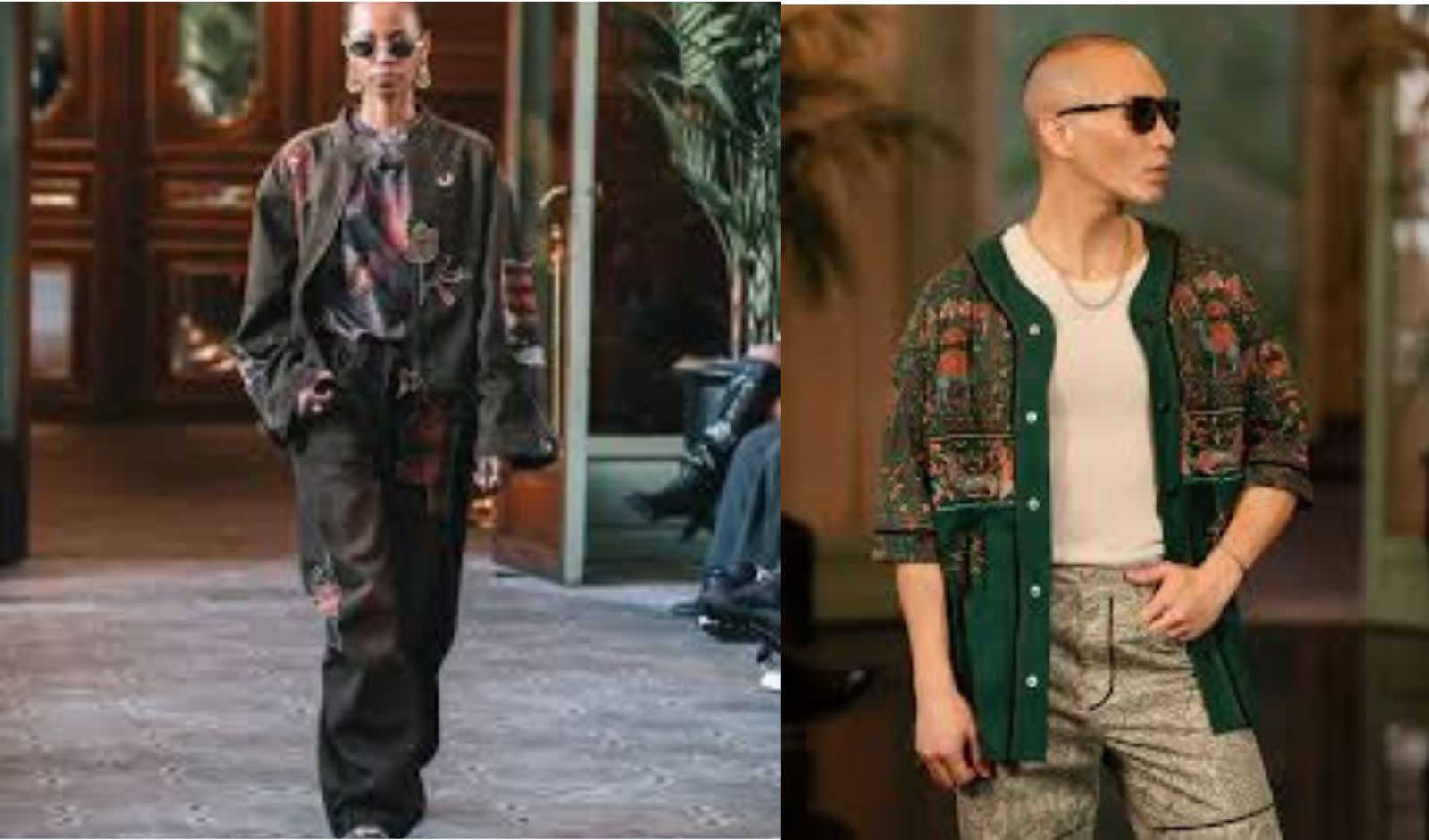
The Souled Store marked a significant milestone for Indian streetwear by showcasing its collection at Paris Fashion Week, becoming one of the few homegrown fashion brands to present its work on a global runway. The showcase featured eight looks inspired by Indian culture, blending traditional craftsmanship with contemporary streetwear aesthetics. Drawing from elements such as Indian mythology, art, and cultural storytelling, the collection highlighted the brand's commitment to creativity, self-expression, and its Made-in-India identity.
The showcase reflected the evolution of The Souled Store from a pop-culture merchandise brand into a fashion label with global ambitions. Through its Paris Fashion Week appearance, the brand demonstrated how Indian streetwear can combine heritage and modern design to appeal to international audiences. The collaboration also underscored the growing recognition of Indian fashion labels on global platforms and showcased the potential of Indian craftsmanship beyond traditional fashion categories.
Urban Monkey X Royal Enfield
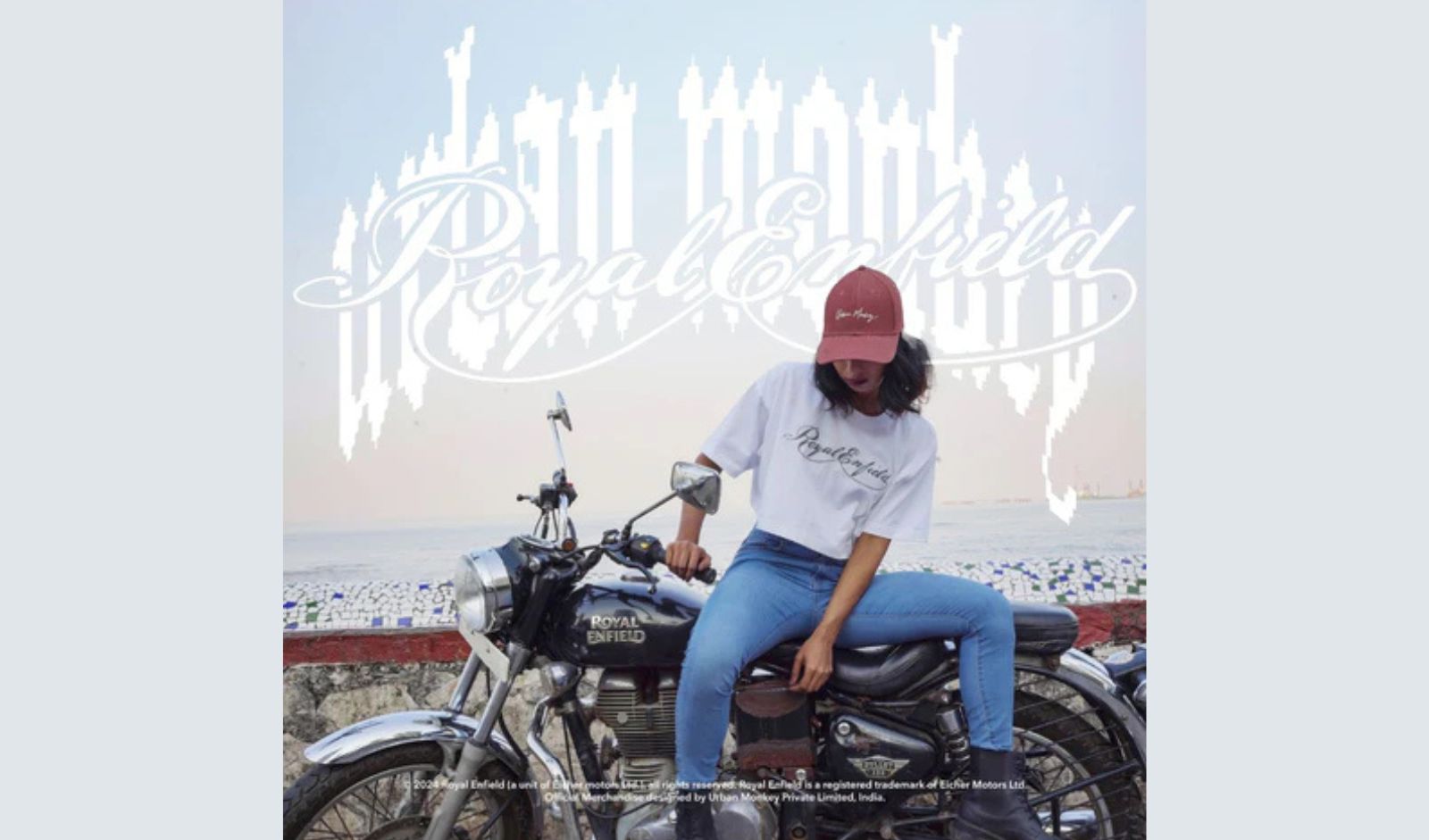
Streetwear and motorcycling culture have shared a strong connection for decades, making the collaboration between Urban Monkey and Royal Enfield a natural fit. The partnership combined Urban Monkey's urban fashion identity with Royal Enfield's legacy in motorcycling. The collection included apparel, accessories, and lifestyle products designed to appeal to riders, adventure enthusiasts, and streetwear consumers.
The collaboration reflected the increasing overlap between fashion and lifestyle branding. Rather than focusing solely on clothing, the collection promoted a broader cultural narrative centered around exploration, freedom, and self-expression. By partnering with a brand that enjoys a loyal community following, Urban Monkey was able to strengthen its positioning within India's growing streetwear ecosystem while reaching a wider audience.
Snitch X Mohammed Siraj
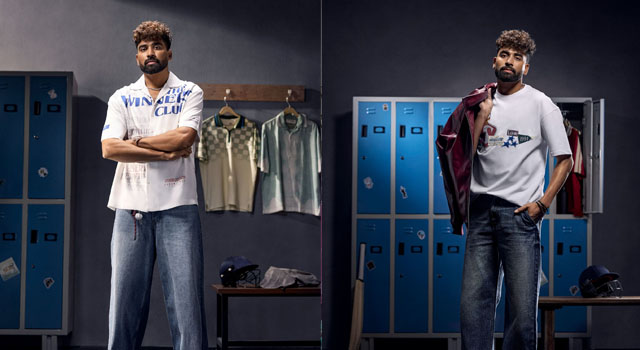
Snitch partnered with Indian cricketer Mohammed Siraj to launch SEVEN:THREE, a sports-inspired streetwear collection built around themes of hard work, resilience, discipline, and self-belief. Rather than being a typical celebrity collaboration, the collection drew inspiration from Siraj's journey from humble beginnings to becoming one of India's leading fast bowlers. Rooted in the philosophy, "It's not what you wish for, it's what you work for," the collection blended athletic influences with contemporary streetwear aesthetics.
The 44-SKU lineup featured oversized and regular-fit t-shirts, polos, shirts, overshirts, cargos, denim, and utility-inspired separates designed for young consumers who value ambition and individuality. Bold graphics and motivational slogans such as "Made for Winners," "Play with Purpose," and "Resilient in Spirit" reinforced the collection's message. Siraj was actively involved in the creative process, helping shape the designs and overall direction.
Uniqlo X Care Bears
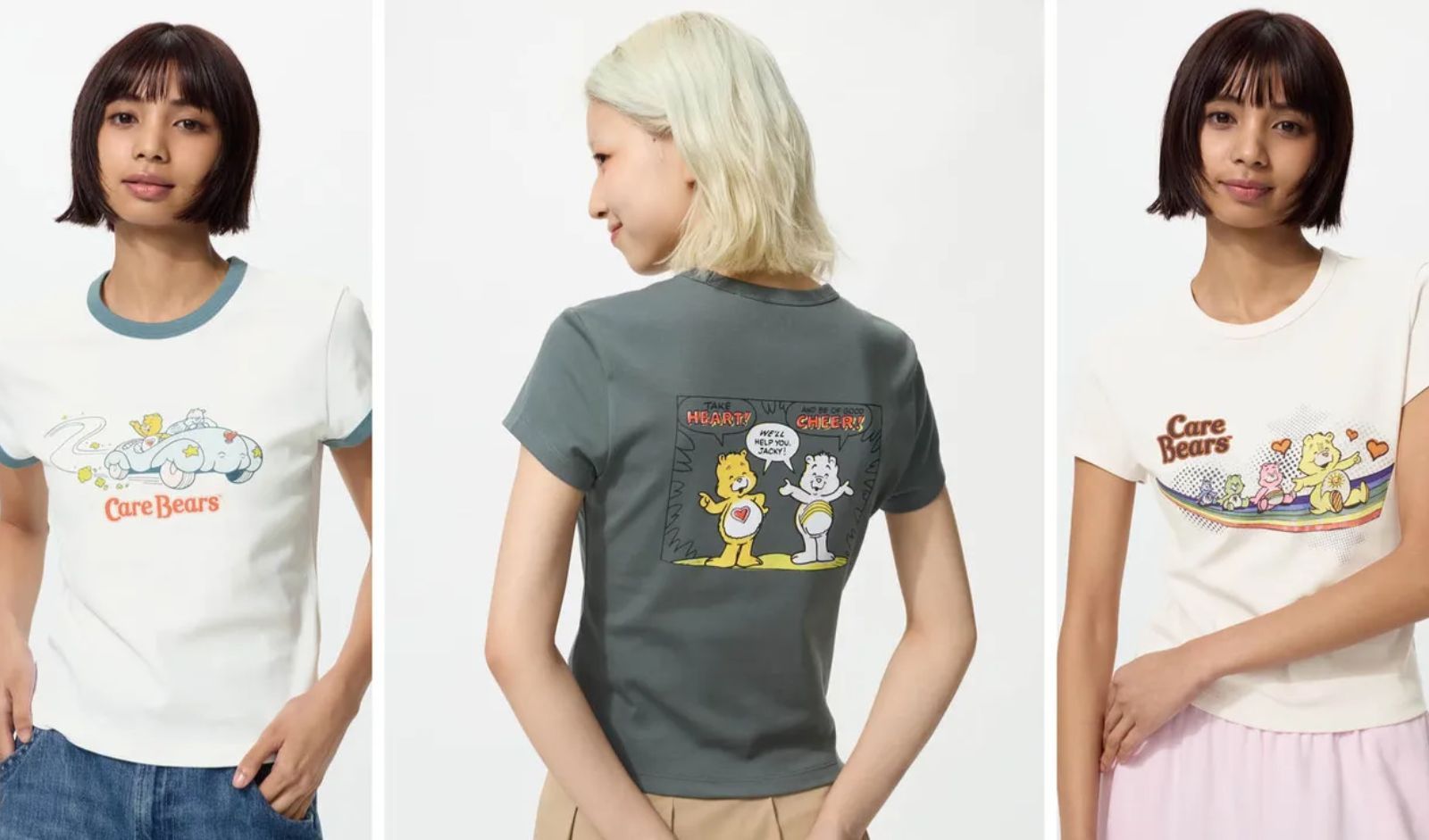
Japanese apparel retailer Uniqlo expanded its popular UT (Uniqlo T-shirt) line through a collaboration with the beloved Care Bears franchise, bringing nostalgia and playful storytelling to everyday fashion. The collection featured graphic T-shirts showcasing iconic Care Bears characters, including Cheer Bear, Grumpy Bear, Tenderheart Bear, and Good Luck Bear, reimagined through vibrant artwork and contemporary design. Aimed at both longtime fans and younger consumers discovering the franchise for the first time, the collection blended pop culture with Uniqlo's minimalist approach to casual wear.
The launch reflected the growing demand for character-driven fashion, where consumers seek apparel that expresses personality, emotions, and childhood memories. By incorporating the Care Bears' themes of kindness, positivity, and friendship, the collection offered more than just graphic merchandise, creating an emotional connection with shoppers.
Know more: Beverage Brands Turn to Strategic Collaborations for Market Growth
Watches Meet Pop Culture in These Big Brand Collaborations
Top Sports Nutrition Brand Collaborations Fueling Fitness Growth in India
Why Streetwear Collaborations Continue to Dominate Fashion
The success of these collaborations highlights a broader shift in the fashion industry. Consumers today are not just buying clothing; they are purchasing stories, identities, and cultural experiences. Collaborations allow brands to create limited-edition products that generate excitement, drive social media engagement, and encourage repeat purchases. They also help brands remain culturally relevant in an increasingly competitive market.
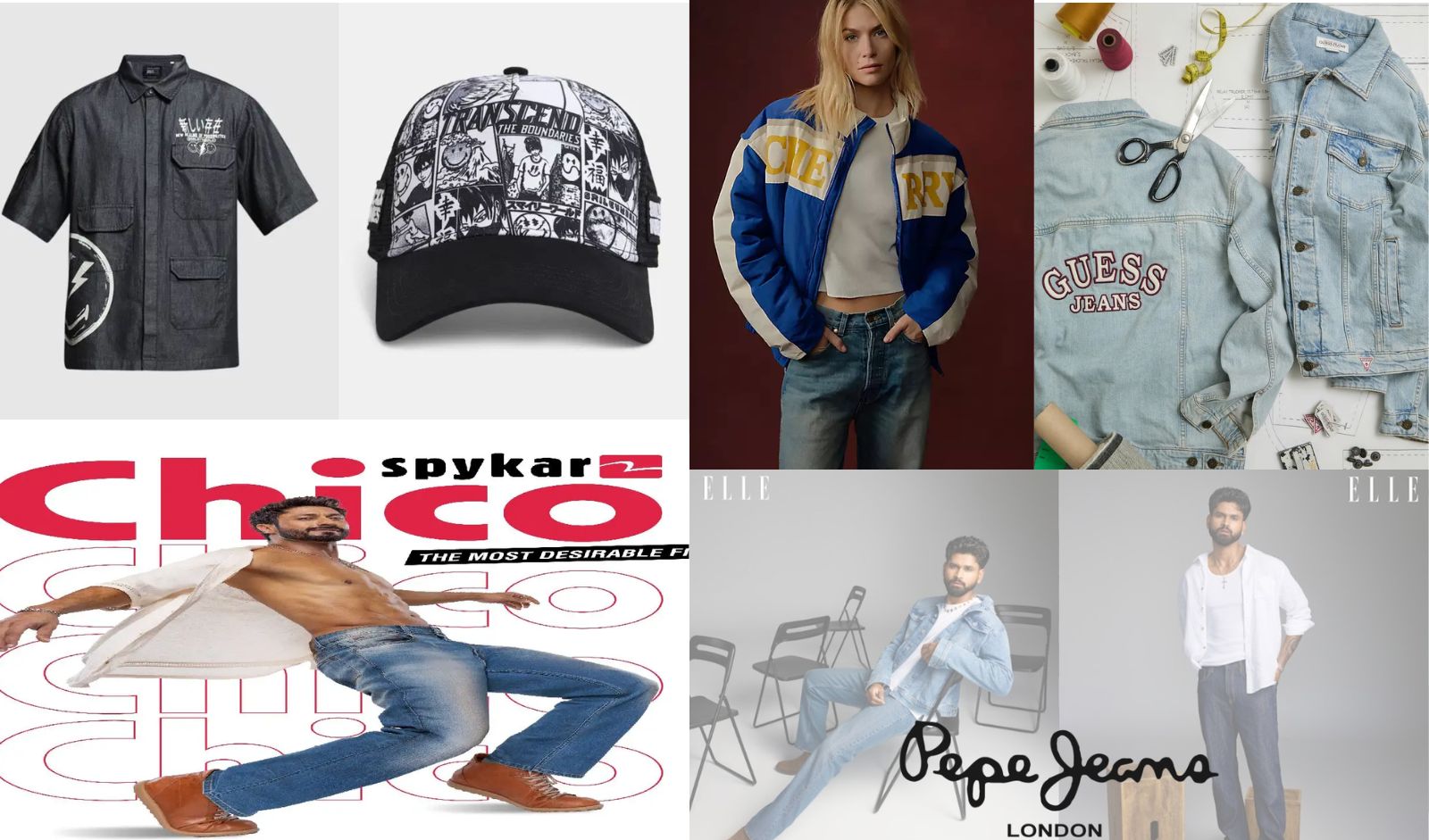
Denim has evolved far beyond its utility roots to become one of fashion's most versatile categories. As consumer preferences shift toward individuality, storytelling, and cultural relevance, brands are increasingly turning to collaborations to create fresh excitement in the market. From celebrity-led collections to lifestyle partnerships and digital-first campaigns, denim brands are using collaborations to stay relevant and engage younger audiences.
In India, where denim remains a wardrobe staple across age groups, collaborations have emerged as an effective strategy to drive visibility, attract new consumers, and create limited-edition offerings that stand out in a crowded market. Several leading denim brands have recently partnered with celebrities, artists, and lifestyle platforms to strengthen their market presence while introducing new fashion narratives.
Here are five denim collaborations that are creating new fashion trends and influencing consumer choices across India.
Wrangler x Cherry
Wrangler's collaboration with contemporary Americana streetwear label Cherry showcased how heritage denim brands can connect with modern fashion audiences through culturally driven storytelling. Launched as a limited-edition apparel and accessories collection, the partnership drew inspiration from the golden era of American motorsport, blending Wrangler's denim heritage with Cherry's modern streetwear aesthetic. The collection featured custom-washed denim, varsity-inspired suede jackets, racing graphics, hoodies, tees, and accessories designed around themes of movement, craftsmanship, and individuality.
Notably, almost the entire collection was manufactured in the United States, reinforcing the brands' commitment to authenticity and Americana-inspired design. Positioned as a dual-gender offering, the collaboration appealed to consumers seeking exclusivity, nostalgia, and contemporary styling. By combining vintage motorsport influences with modern silhouettes, Wrangler and Cherry demonstrated how brand partnerships can refresh classic denim narratives while attracting younger consumers.
Read more: Top Jewelry & Watch Brand Collaborations Making Headlines in 2026
5 Candy and Confectionery Brands Expanding Beyond Retail
Beverage Brands Turn to Strategic Collaborations for Market Growth
Spykar X Vidyut Jamwal
Spykar's collaboration with actor and martial artist Vidyut Jammwal centered around the launch of its new denim fit, Ikemen, reflecting the growing consumer preference for relaxed and loose-fitting silhouettes. Through the nationwide "Stay Hip, Stay Loose" campaign, the brand positioned the collection as a response to changing fashion trends among younger consumers who increasingly prioritize comfort, freedom of movement, and self-expression in their everyday style.
Vidyut Jammwal's association brought authenticity to the campaign, given his image as a fitness enthusiast and advocate of an active lifestyle. The collaboration showcased denim as a versatile wardrobe essential that combines ease with contemporary fashion. Rather than focusing solely on celebrity endorsement, Spykar used the partnership to build a broader cultural narrative around how denim is evolving in India, moving beyond skinny fits toward more relaxed silhouettes.
GUESS Jeans X Tata Clique
The partnership between GUESS Jeans and Tata CLiQ marked the California-based denim brand's formal entry into the Indian market through a long-term franchise agreement. Under the collaboration, Tata CLiQ became the official retail partner for GUESS Jeans in India, supporting the brand's expansion through both online channels and physical stores as part of an omnichannel growth strategy. The move was aimed at increasing accessibility for Indian consumers while helping GUESS Jeans establish a nationwide retail presence.
The collaboration also introduced Indian shoppers to the brand's denim-focused lifestyle portfolio, which includes seasonless wardrobe essentials inspired by California's casual fashion culture. Beyond retail distribution, the partnership highlighted the growing role of e-commerce platforms as strategic growth partners for global fashion brands entering India. By leveraging Tata CLiQ's digital reach, consumer insights, and retail infrastructure, GUESS Jeans strengthened its market entry strategy while targeting a younger customer base with accessible pricing, contemporary denim styles, and innovative technologies such as its GUESS AIRWASH™ denim production process.
Pepe Jeans London X Indian cricketer Shreyas Iyer
Pepe Jeans London's collaboration with Indian cricketer Shreyas Iyer, created in association with ELLE India, highlighted the growing convergence of sport, fashion, and contemporary culture. The editorial-led campaign positioned Iyer as an extension of the brand's modern aesthetic, showcasing a range of elevated casual looks that combined classic denim with contemporary silhouettes, including double-denim styling and relaxed fits. Shot in a clean editorial setting, the campaign focused on versatility, comfort, and confidence while reflecting Iyer's personal approach to fashion, characterized by ease, adaptability, and understated style. Beyond promoting denim, the collaboration aimed to strengthen Pepe Jeans London's cultural relevance among young Indian consumers by connecting with a personality who embodies both performance and individuality.
The partnership also reflected a broader industry trend of leveraging athlete-led storytelling to build stronger consumer engagement, as sports personalities increasingly influence lifestyle and fashion choices. By partnering with ELLE India, Pepe Jeans London further reinforced its positioning at the intersection of sport and style while expanding its appeal across metro and emerging markets in India.
Jack & Jones X Smiley World
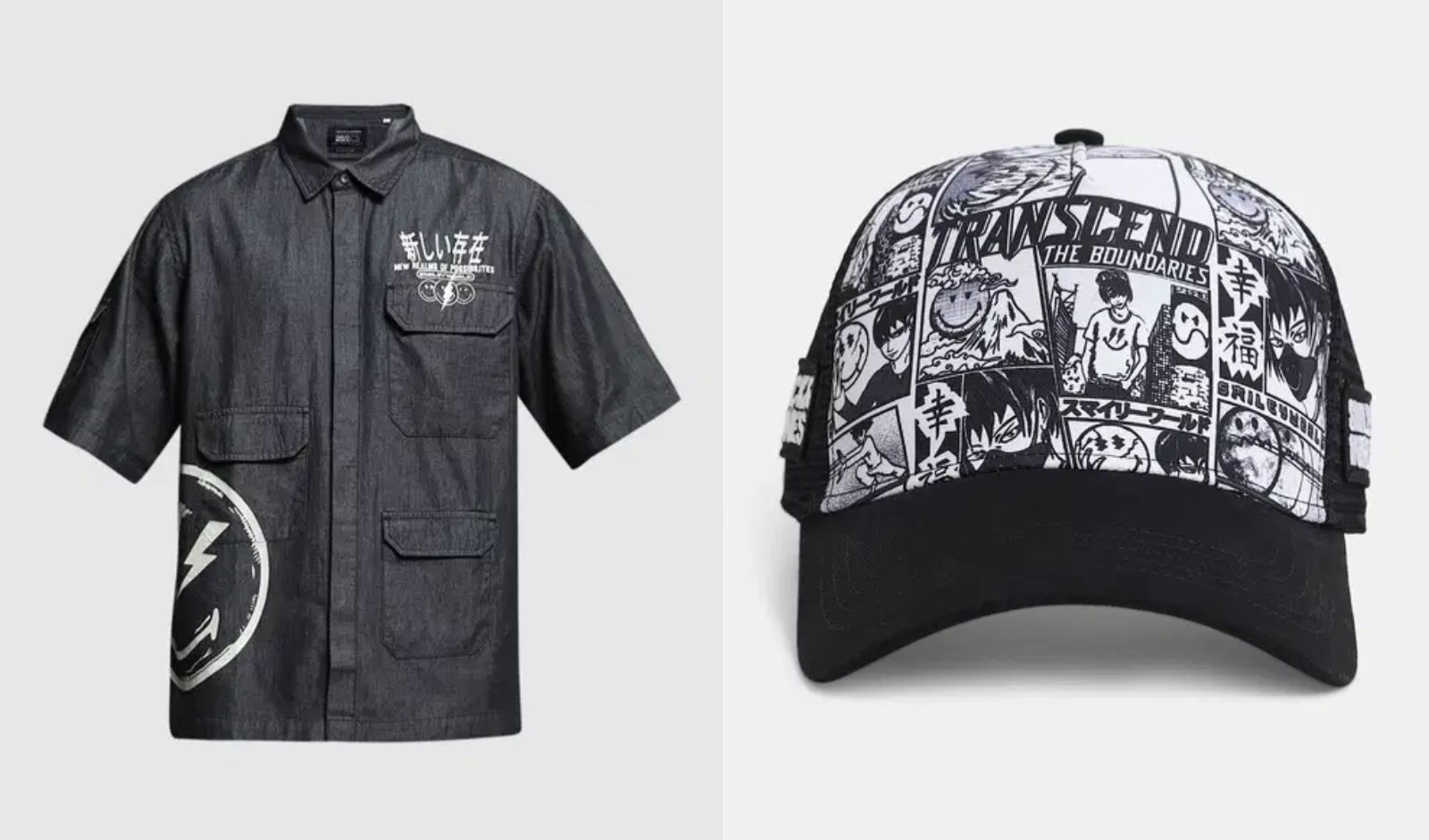
Jack & Jones partnered with SmileyWorld to launch a limited-edition streetwear collection that tapped into the growing popularity of graphic-led fashion, anime-inspired aesthetics, and youth culture. Designed for consumers seeking bold self-expression, the collection featured oversized silhouettes, manga-inspired artwork, striking back prints, graphic tees, shirts, sweatpants, caps, and sliders. The collaboration blended SmileyWorld's globally recognized visual identity with Jack & Jones' streetwear-focused approach, creating a range that resonated with digitally engaged Gen Z shoppers. The collection's design language centered on individuality, creativity, and what the brand described as "main character energy," reflecting the increasing influence of social media and pop culture on fashion trends.
By incorporating oversized fits, vibrant graphics, and street-style elements, the partnership aligned with the broader shift toward casual, expressive dressing among younger consumers. Beyond product innovation, the collaboration demonstrated how lifestyle and character-based partnerships can help fashion brands remain culturally relevant while creating limited-edition offerings that generate excitement and exclusivity.
Know more: Top Sports Nutrition Brand Collaborations Fueling Fitness Growth in India
Limited Drops, Maximum Buzz: The Streetwear Collaborations Winning Consumers
Bradford License India Announces Key Partnership with ‘Z’
The Rising Influence of Strategic Collaborations in Denim
From Wrangler's artistic partnership with Cherry to Jack & Jones' collaboration with SmileyWorld, denim brands are increasingly using strategic alliances to create differentiated fashion experiences. Meanwhile, partnerships such as Spykar with Vidyut Jammwal, GUESS Jeans with Tata CLiQ, and Pepe Jeans London with Shreyas Iyer demonstrate how brands are leveraging culture, celebrity influence, sports, and digital commerce to stay relevant.
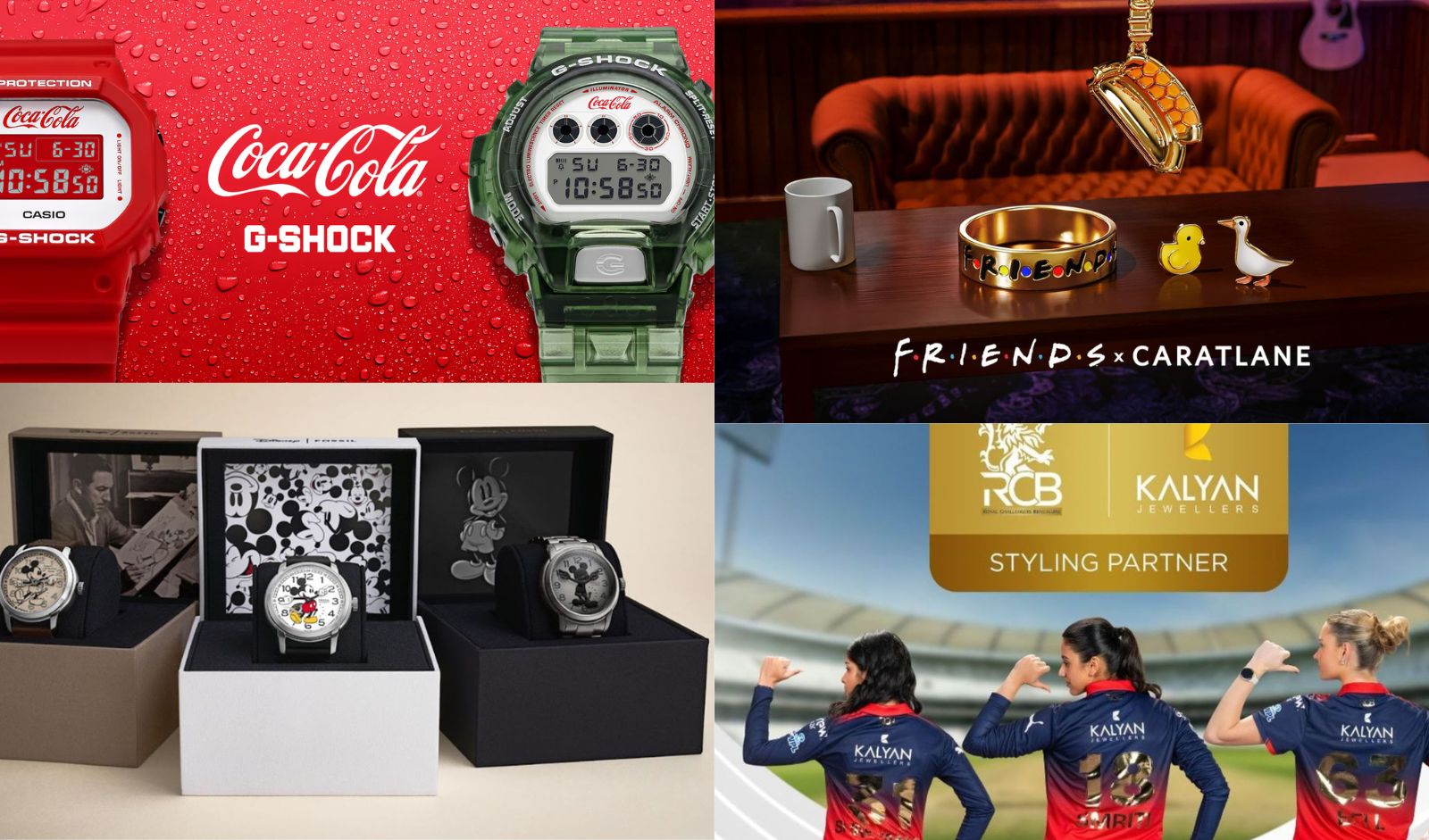
In 2026, collaborations are no longer limited to fashion, footwear, or entertainment merchandise. The jewelry and watch industry is increasingly embracing strategic partnerships to create buzzworthy collections, connect with younger consumers, and expand their cultural relevance. From blockbuster entertainment franchises and beloved cartoon characters to sports associations and iconic beverage brands, collaborations are helping jewelry and watch companies transform products into lifestyle statements.
The growing influence of pop culture, fandoms, sports leagues, and nostalgia-driven marketing has opened new avenues for brands to engage consumers beyond traditional advertising. Whether it is a limited-edition watch inspired by a magical universe or jewelry collections celebrating iconic characters, collaborations are becoming a powerful tool for driving engagement and sales.
Here are five jewelry and watch brand collaborations that are making waves in 2026.
Timex X Harry Potter
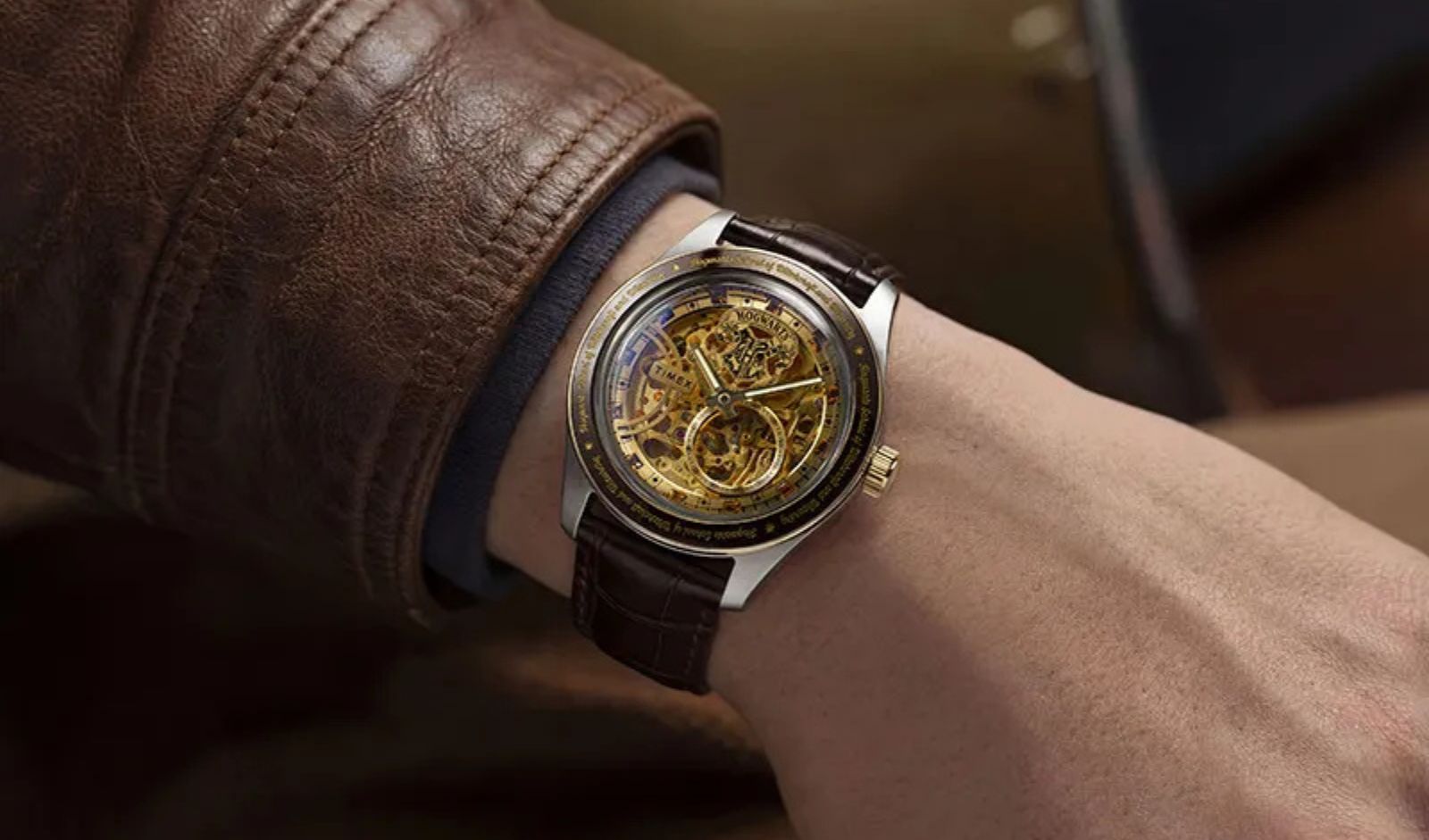
Timex partnered with Warner Bros. Discovery Global Consumer Products to launch the Harry Potter x Timex Collection in India, bringing the magic of the Wizarding World to watch enthusiasts and fans alike. The collection features multiple designs inspired by iconic Harry Potter elements, including Hogwarts, the Sorting Hat, Butterbeer, Platform 9¾, and all four Hogwarts houses. A standout piece is the Harry Potter x Timex Waterbury Skeleton Automatic, showcasing a 21-jewel skeletonized movement, Hogwarts-inspired detailing, house engravings, and a premium leather strap.
The Weekender range offers everyday wearable designs with customized second hands and INDIGLO backlighting that reveals house crests and colors. Available through Timex India and select retail stores, the collection starts at ₹12,495 and blends storytelling, craftsmanship, nostalgia, and collectability into a unique fan-centric offering.
Read more: 5 Candy and Confectionery Brands Expanding Beyond Retail
Beverage Brands Turn to Strategic Collaborations for Market Growth
Kalyan Jewellers X RCB Women
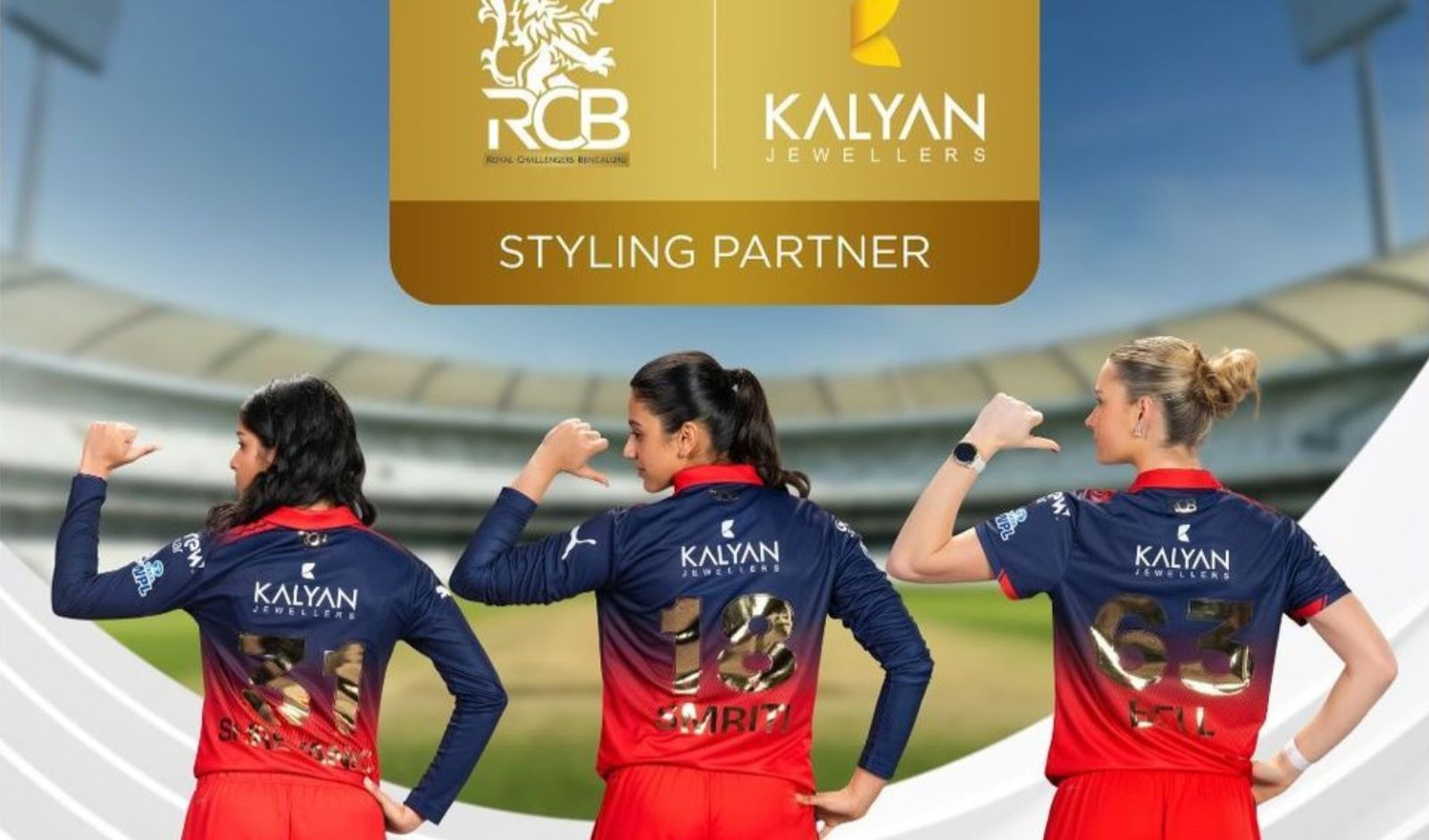
CaratLane X Warner Bros
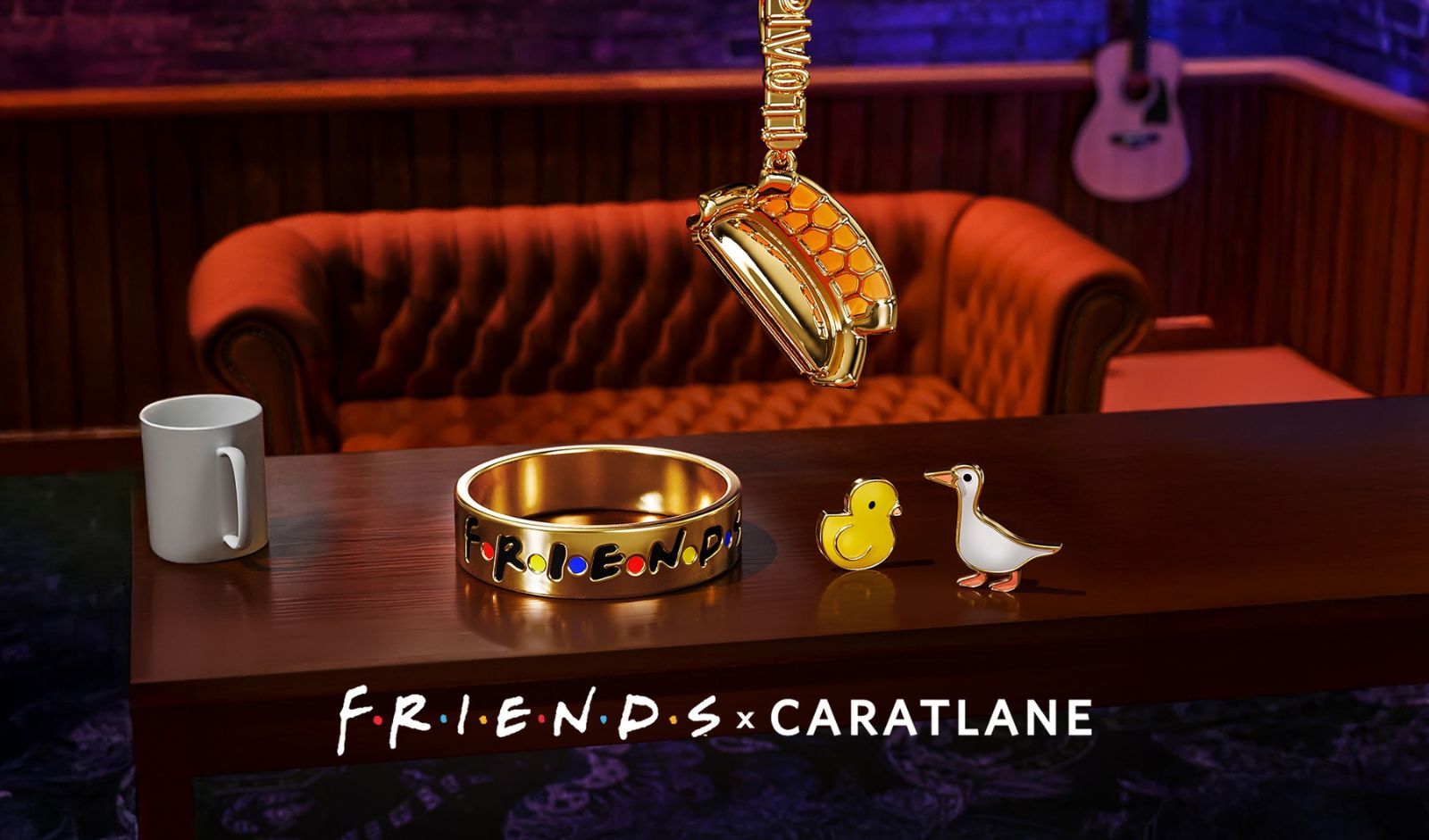
The collaboration taps into the nostalgia of Millennials and Gen Z consumers who grew up with the series while transforming beloved pop-culture moments into wearable jewellery. To enhance fan engagement, CaratLane also hosted immersive activations featuring themed trivia, photo booths, stickers, and interactive experiences, turning the collection into a celebration of friendship, storytelling, and self-expression.
Fossil X Disney
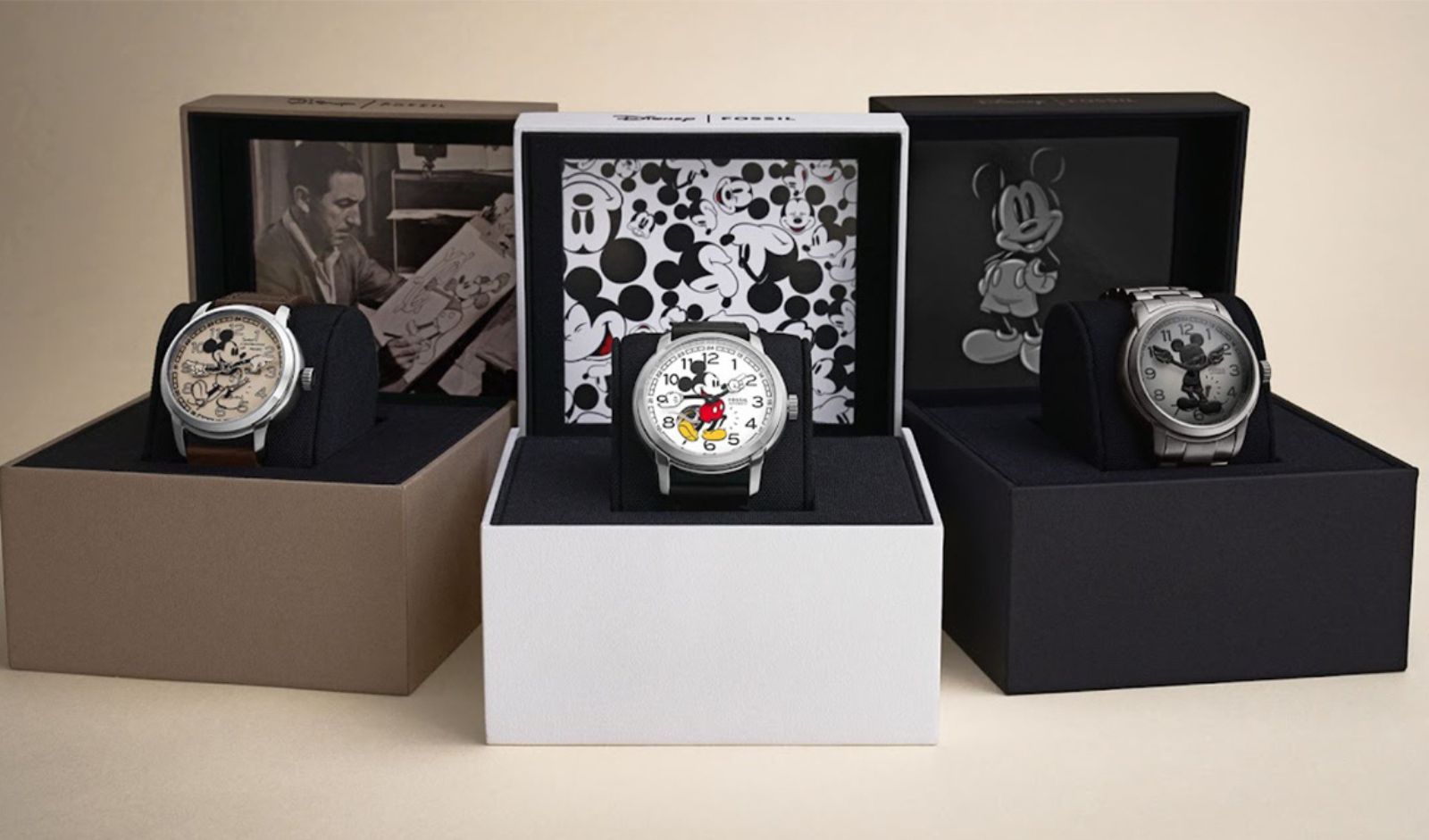
Casio X Coca-Cola
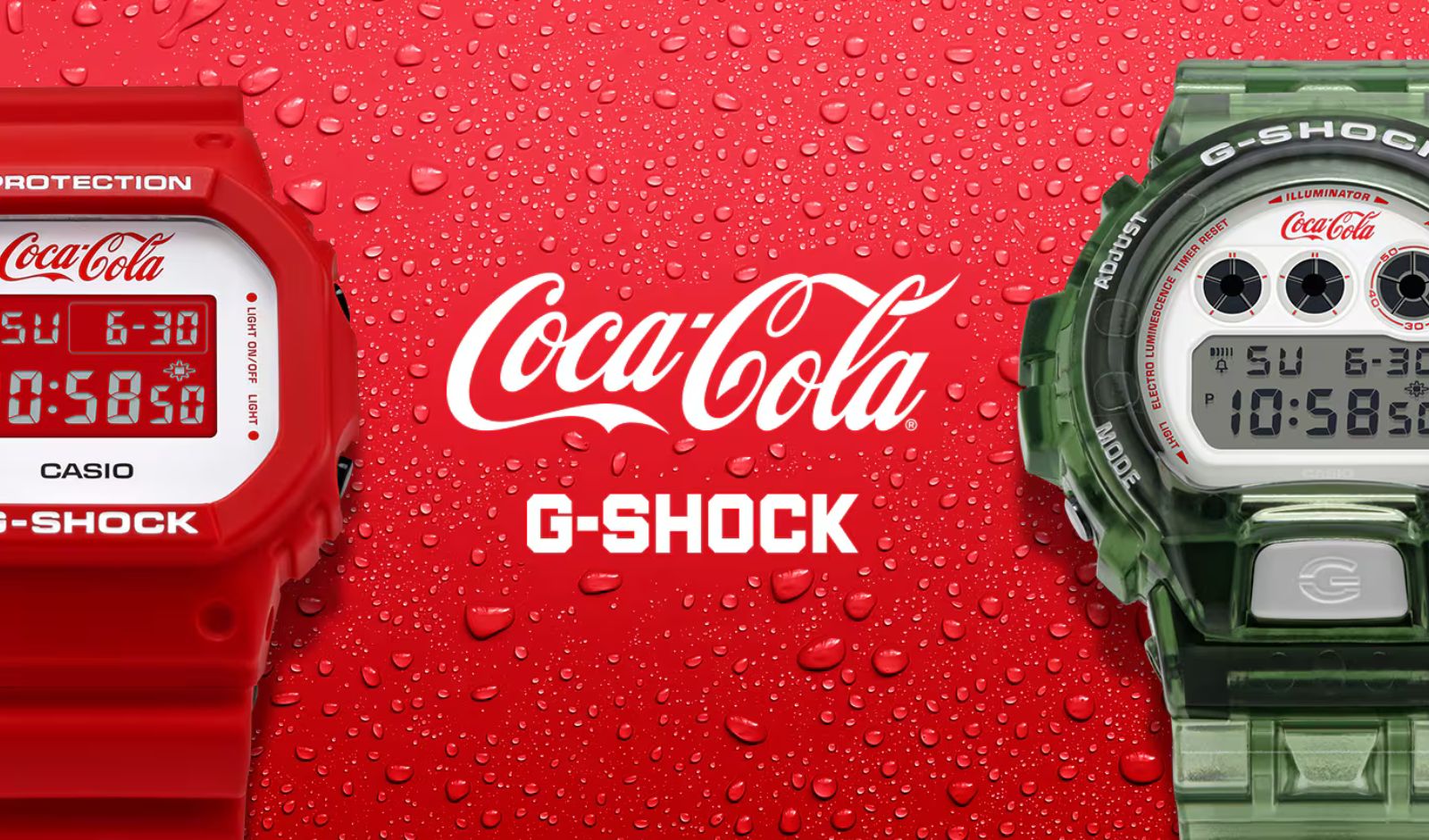
The Devil Wears Prada 2 Mania Takes Over Global Brands
Top Bag and Accessories Collaborations Driving Retail Growth
The Future of Jewelry and Watch Collaborations
The success of these collaborations highlights a broader shift within the jewelry and watch industry. Consumers increasingly seek products that offer more than craftsmanship or functionality—they want experiences, stories, and emotional connections.
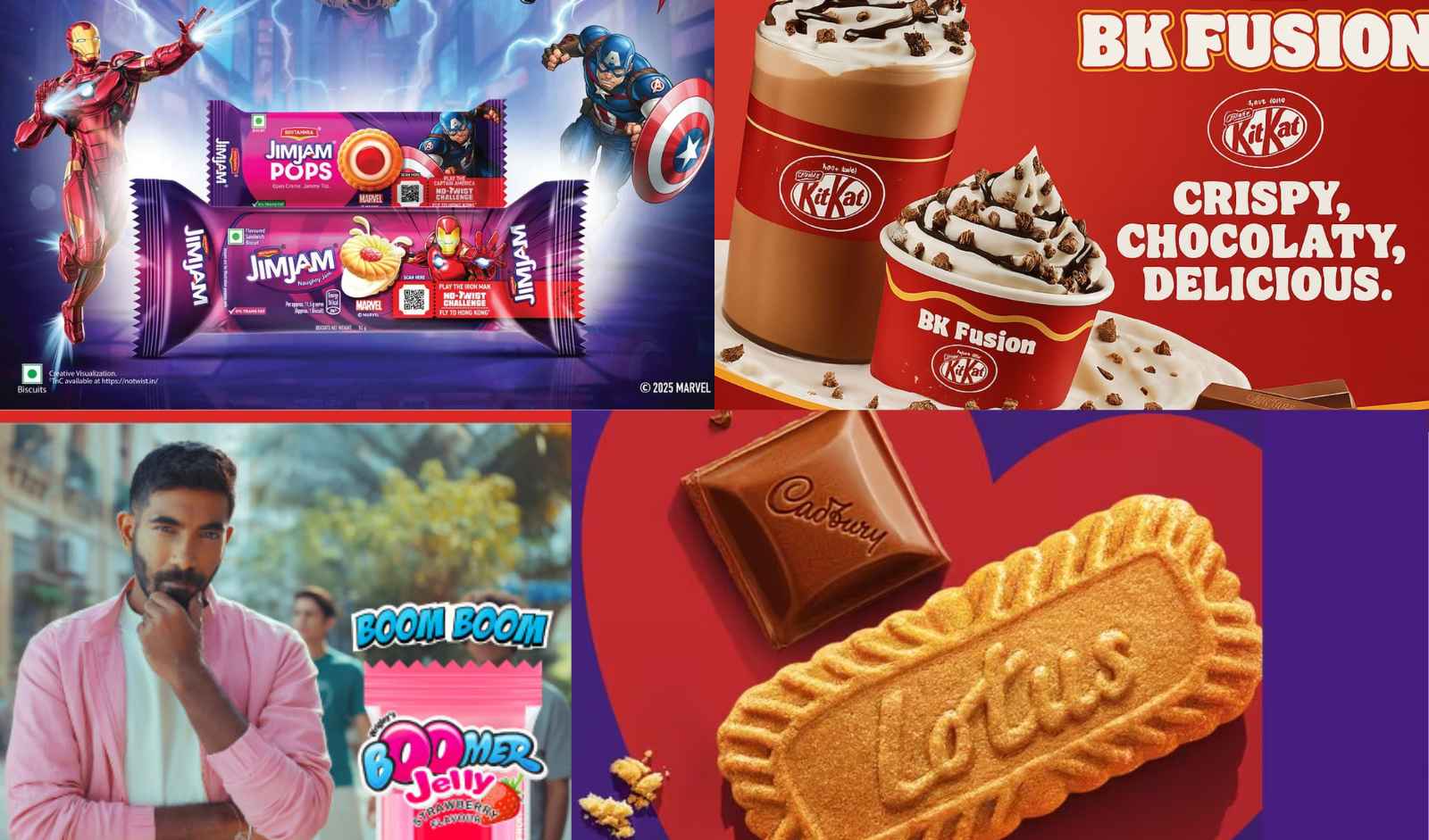
The confectionery industry is no longer relying only on supermarket shelves and traditional retail distribution to drive growth. Across India and global markets, candy and confectionery brands are increasingly turning to strategic collaborations, licensing deals, celebrity associations, and cross-category partnerships to stay relevant and expand consumer engagement.
From entertainment-led licensing and celebrity endorsements to foodservice tie-ups and premium co-branded launches, partnerships have become an important growth strategy for confectionery companies navigating changing consumer preferences and intense market competition.
These collaborations are helping brands move beyond conventional retail touchpoints while creating new consumption occasions and strengthening brand visibility. Here are five collaborations showing how confectionery and food brands with confectionery connections are expanding their reach beyond traditional retail.
Mondelez X Lotus Bakeries
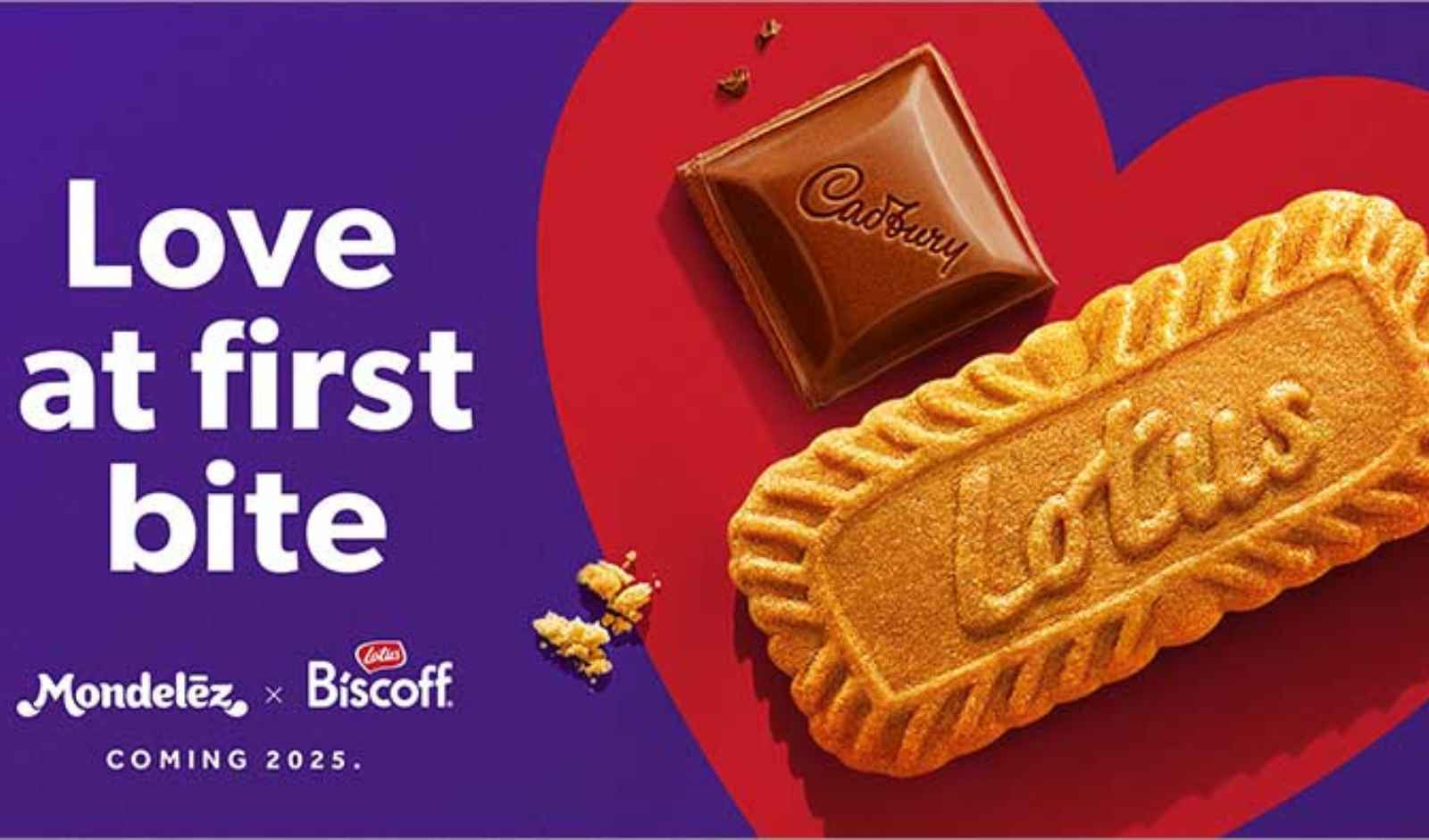
Mondelez International and Lotus Bakeries entered into a strategic partnership in 2025 to expand the Biscoff brand in India and explore co-branded chocolate innovations globally. Under the agreement, Mondelez was given responsibility for manufacturing, marketing, distributing, and selling Biscoff products in India through its extensive retail network and market capabilities. The collaboration marked a global first for Lotus Bakeries, which had not previously partnered with another company for local Biscoff production.
Beyond India, the partnership also focused on developing co-branded chocolate products combining Biscoff with Mondelez brands such as Cadbury and Milka, with initial launches planned across Europe and the UK. The collaboration aligned with Lotus Bakeries’ long-term ambition of building Biscoff into a leading global cookie brand while helping Mondelez strengthen its premium snacking portfolio.
Read more: Top Jewelry & Watch Brand Collaborations Making Headlines in 2026
Beverage Brands Turn to Strategic Collaborations for Market Growth
Watches Meet Pop Culture in These Big Brand Collaborations
Burger King & Nestle
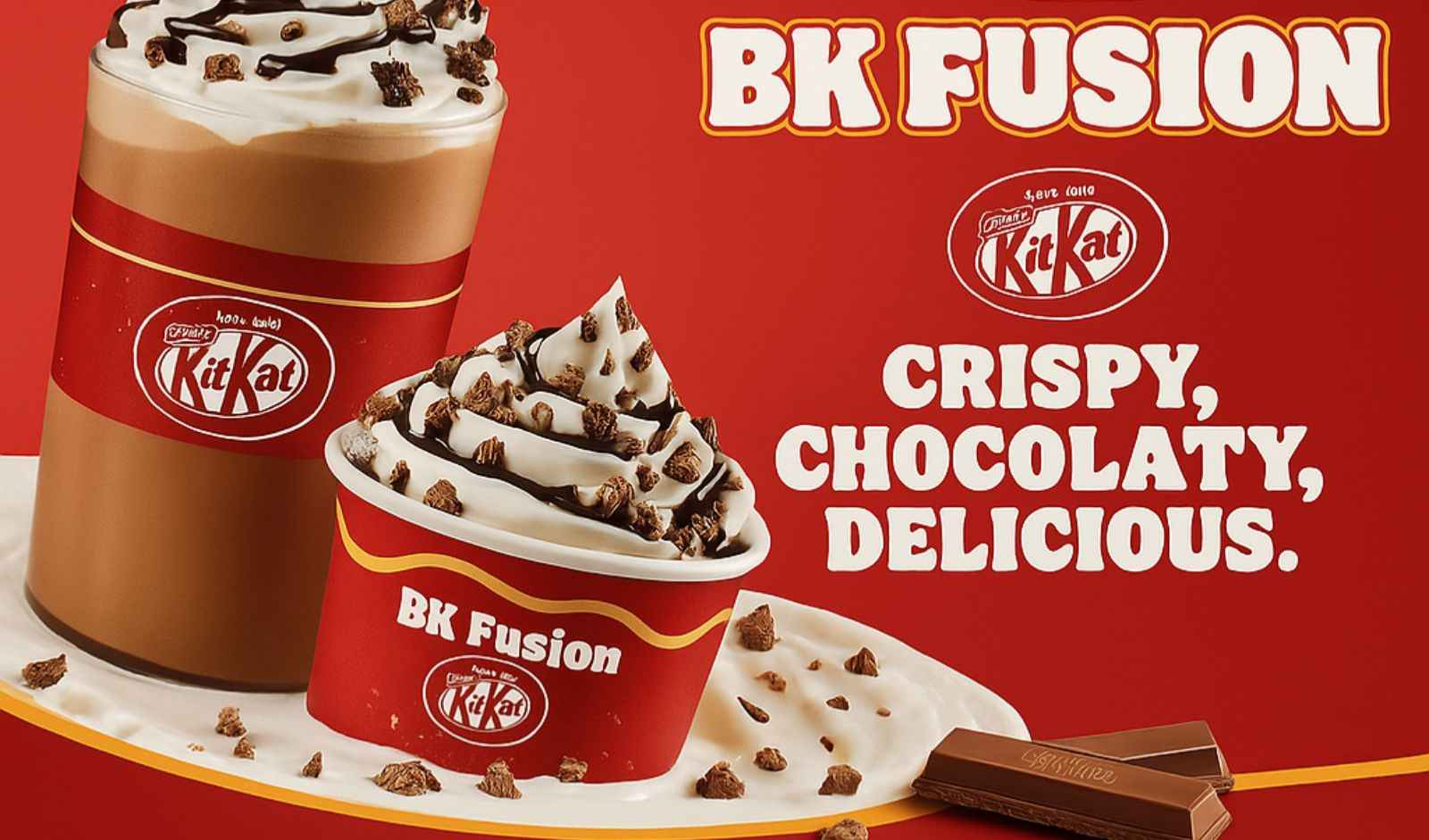
Burger King India partnered with Nestlé’s KitKat to expand its dessert portfolio under the BK Fusion range, reflecting the growing convergence of QSR and confectionery brands. The collaboration introduced two co-branded products, the BK Fusion KitKat Shake and BK Fusion KitKat Sundae, across Burger King outlets in India. The shake combined Burger King’s dessert format with KitKat’s chocolate flavour, while the sundae featured KitKat chunks layered with chocolate sauce.
The partnership aimed to strengthen Burger King’s dessert offerings and attract younger consumers, particularly Gen Z and millennials, through recognised confectionery branding. For Nestlé, the tie-up created additional out-of-home consumption opportunities for KitKat, which remains one of its strongest confectionery brands in India. The collaboration also highlighted how foodservice partnerships are increasingly being used to drive brand visibility beyond traditional retail channels.
Perfetti Van Melle & Black White Orange
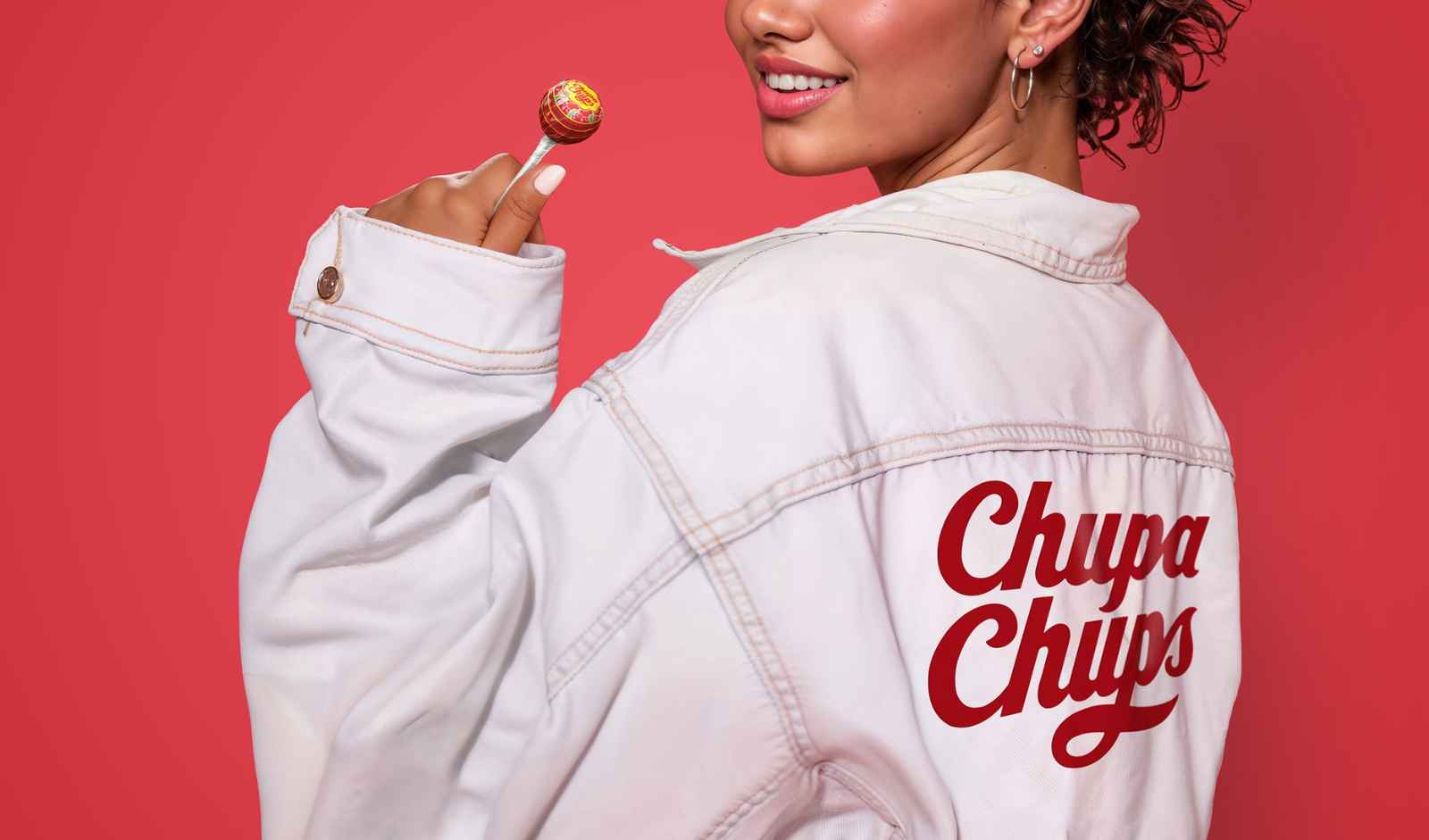
Perfetti Van Melle appointed Black White Orange Brands (BWO) as the official licensing agent for Chupa Chups in India to expand the confectionery brand beyond its traditional product category. Under the partnership, BWO was tasked with developing and managing Chupa Chups’ licensing program across lifestyle and consumer product segments, including apparel, accessories, home goods, personal care, and back-to-school categories.
The collaboration aimed to leverage Chupa Chups’ strong global identity, colourful design language, and pop-culture appeal to create licensed products tailored for Indian consumers. Through the initiative, BWO worked with manufacturers, retailers, and brand partners to explore brand extensions across fashion, retail, lifestyle, and gifting categories. The partnership highlighted how confectionery brands are increasingly using licensing strategies to strengthen visibility and build consumer engagement beyond confectionery retail.
Mars Wrigley & Jaspreet Bumrah
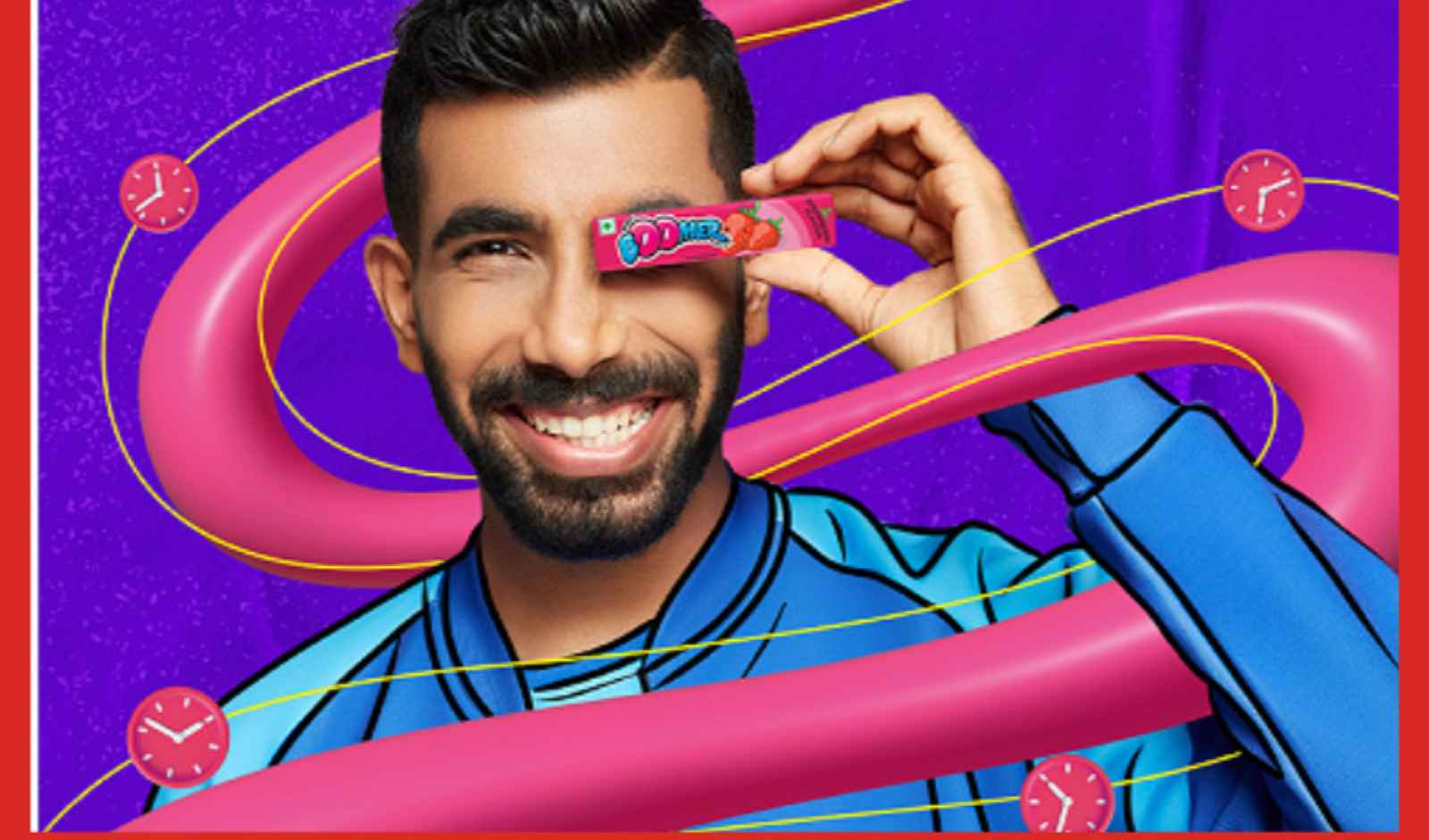
Mars Wrigley India partnered with cricketer Jasprit Bumrah to strengthen the positioning of its Boomer brand among younger consumers and extend its appeal beyond traditional chewing gum marketing. The association supported multiple Boomer campaigns and product innovations, including Boomer Bubblegum and Boomer Lollipop, using Bumrah’s strong youth connect and cricket popularity to reinforce themes of confidence and fun.
The campaigns used the “Boom Boom Boomer, Boom Boom Bumrah” association to build stronger brand recall and cultural relevance. Beyond advertising, the collaboration aligned with Mars Wrigley’s broader strategy of expanding Boomer into adjacent confectionery categories, including the lollipop segment. The partnership highlighted how confectionery brands are increasingly relying on celebrity-led storytelling and sports associations to deepen consumer engagement and maintain visibility in competitive markets.
Britannia x Marvel
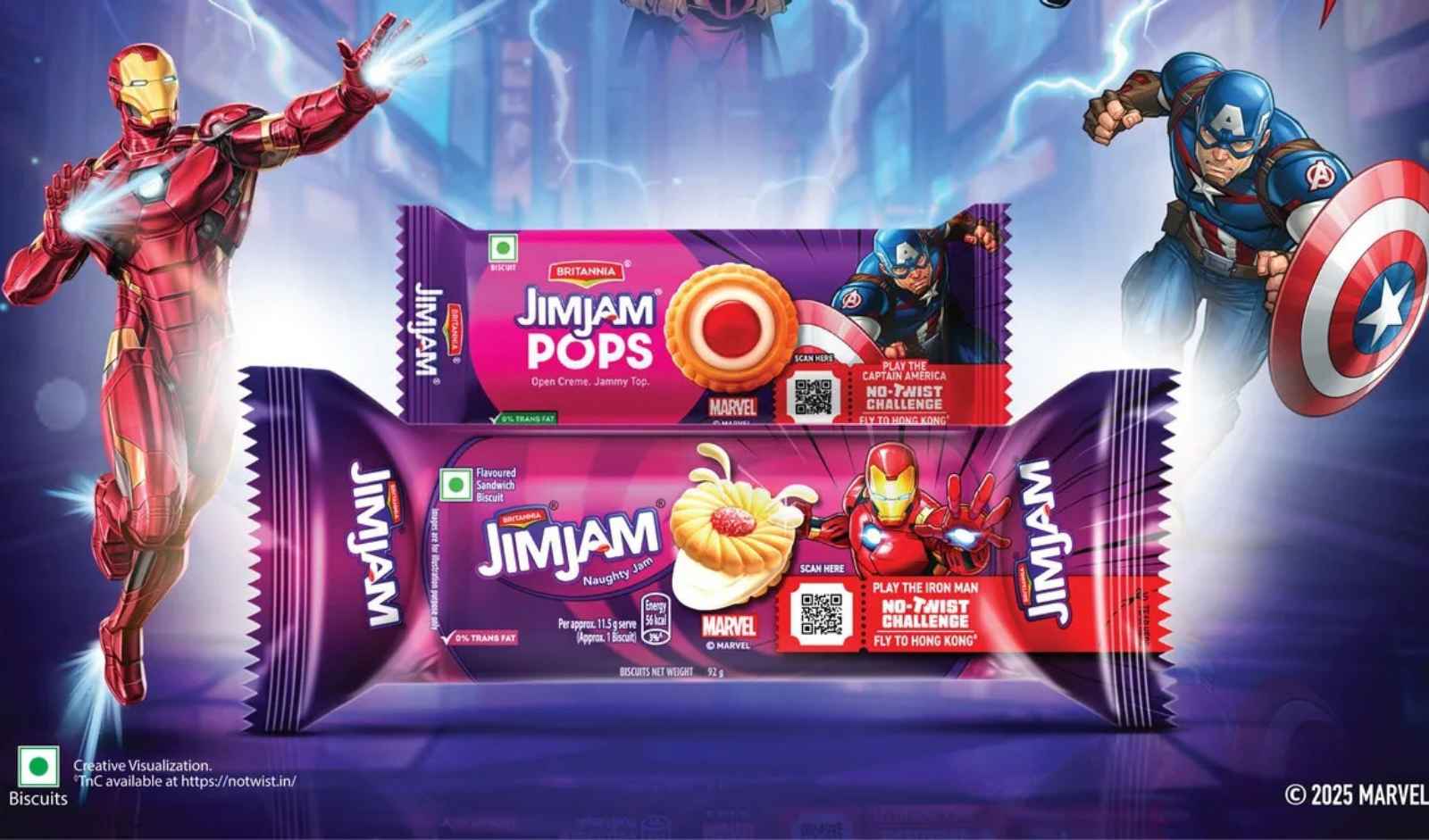
Britannia collaborated with Marvel for a limited-edition Jim Jam range, using entertainment licensing to strengthen engagement with younger consumers and pop-culture audiences. The partnership introduced Marvel-themed packaging across Jim Jam and Jim Jam Pops, featuring characters such as Captain America, Thor, Iron Man, Deadpool, and Wolverine. Beyond packaging, the collaboration extended into an interactive consumer campaign through the “No-Twist Challenge,” where users could scan packs to access a Marvel-themed game and earn rewards.
The association reflected Britannia’s strategy of leveraging entertainment intellectual property to create differentiated consumer experiences beyond conventional retail marketing. For Marvel, the partnership expanded character visibility through mass-market food products, while for Britannia, it helped drive shelf appeal, digital engagement, and stronger cultural relevance among Gen Z and family audiences.
Know more: Top Sports Nutrition Brand Collaborations Fueling Fitness Growth in India
The Devil Wears Prada 2 Mania Takes Over Global Brands
Top Bag and Accessories Collaborations Driving Retail Growth
Collaborations Are Becoming the New Growth Formula
The confectionery industry is witnessing a broader transformation where partnerships are becoming central to growth strategies.
Traditional retail remains important, but brands are now recognising that consumer engagement increasingly happens across multiple touchpoints including restaurants, entertainment platforms, sports ecosystems, digital media, and licensing networks.
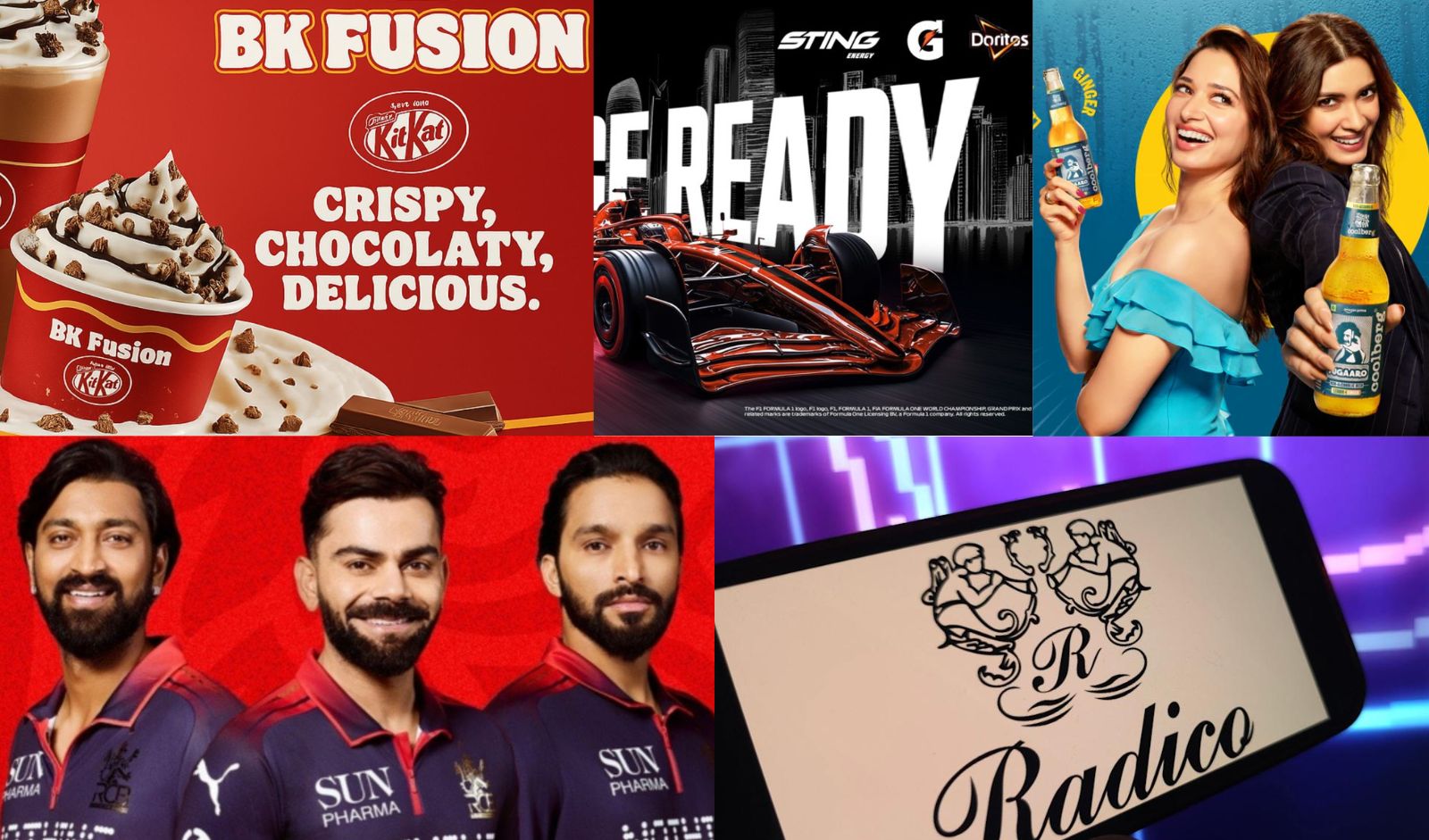
The beverage industry is witnessing a shift in how brands connect with consumers. Traditional advertising and standalone product launches are increasingly being complemented by strategic collaborations that combine entertainment, sports, celebrity influence, and food service partnerships. These alliances are helping beverage companies expand audience reach, improve brand recall, and create stronger consumer engagement across retail and digital platforms.
In India and global markets alike, beverage brands are moving beyond category boundaries to build cultural relevance. Whether through sports sponsorships, celebrity-led ventures, streaming partnerships, or quick-service restaurant tie-ups, collaborations are emerging as a powerful growth strategy. From packaged drinking water and soft drinks to premium beverages and non-alcoholic alternatives, brands are leveraging partnerships to strengthen visibility and influence purchasing behaviour.
Why Strategic Collaborations Matter in the Beverage Industry
The beverage market is highly competitive, with consumers exposed to multiple choices across retail shelves and digital channels. Strategic collaborations provide brands with an opportunity to differentiate themselves while tapping into existing fan communities and loyal audiences.
Bisleri X RCB
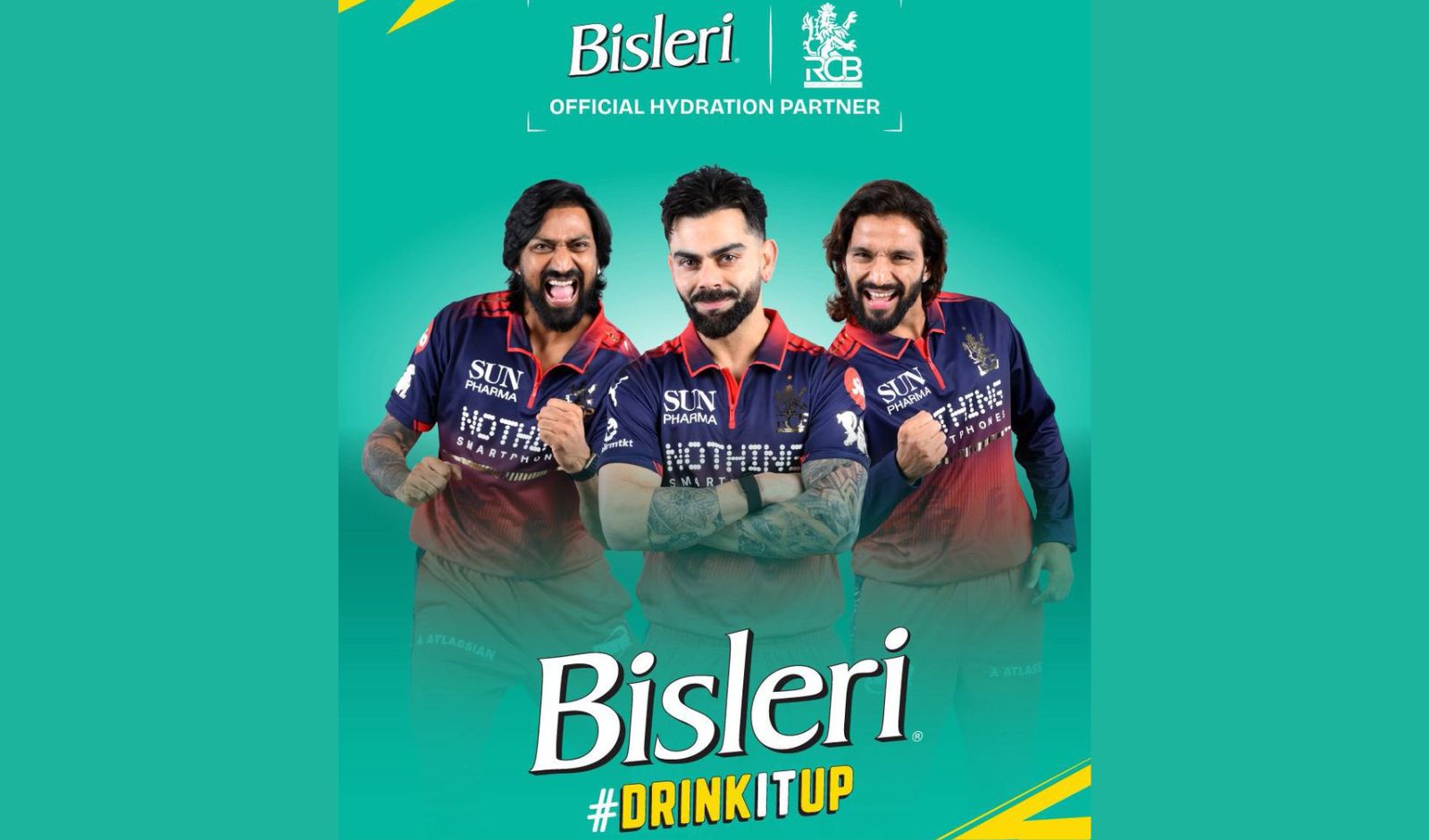
A few months ago, Bisleri strengthened its association with Royal Challengers Bengaluru (RCB) by extending its hydration partnership and launching a limited-edition bottle series backed by a digital-first campaign. The collaboration moved beyond conventional sports sponsorships and focused on storytelling-led engagement. Featuring RCB players Rajat Patidar, Venkatesh Iyer, and Tim David alongside actor Jaideep Ahlawat, the campaign adopted a behind-the-scenes format rather than the typical high-energy cricket commercial. What appeared to be a regular shoot eventually unfolded as a simple water break, placing hydration at the centre of the narrative through humour and relatable storytelling.
The initiative was further amplified through digital content, franchise-led promotions, and on-ground activations aimed at cricket audiences across India. By blending sport, entertainment, and everyday moments, Bisleri used the RCB partnership to strengthen brand recall and reinforce hydration messaging, showing how beverage companies are increasingly using cultural and sports collaborations to build deeper consumer engagement.
Explore more: Top Jewelry & Watch Brand Collaborations Making Headlines in 2026
5 Candy and Confectionery Brands Expanding Beyond Retail
Watches Meet Pop Culture in These Big Brand Collaborations
PepsiCo X Formula 1
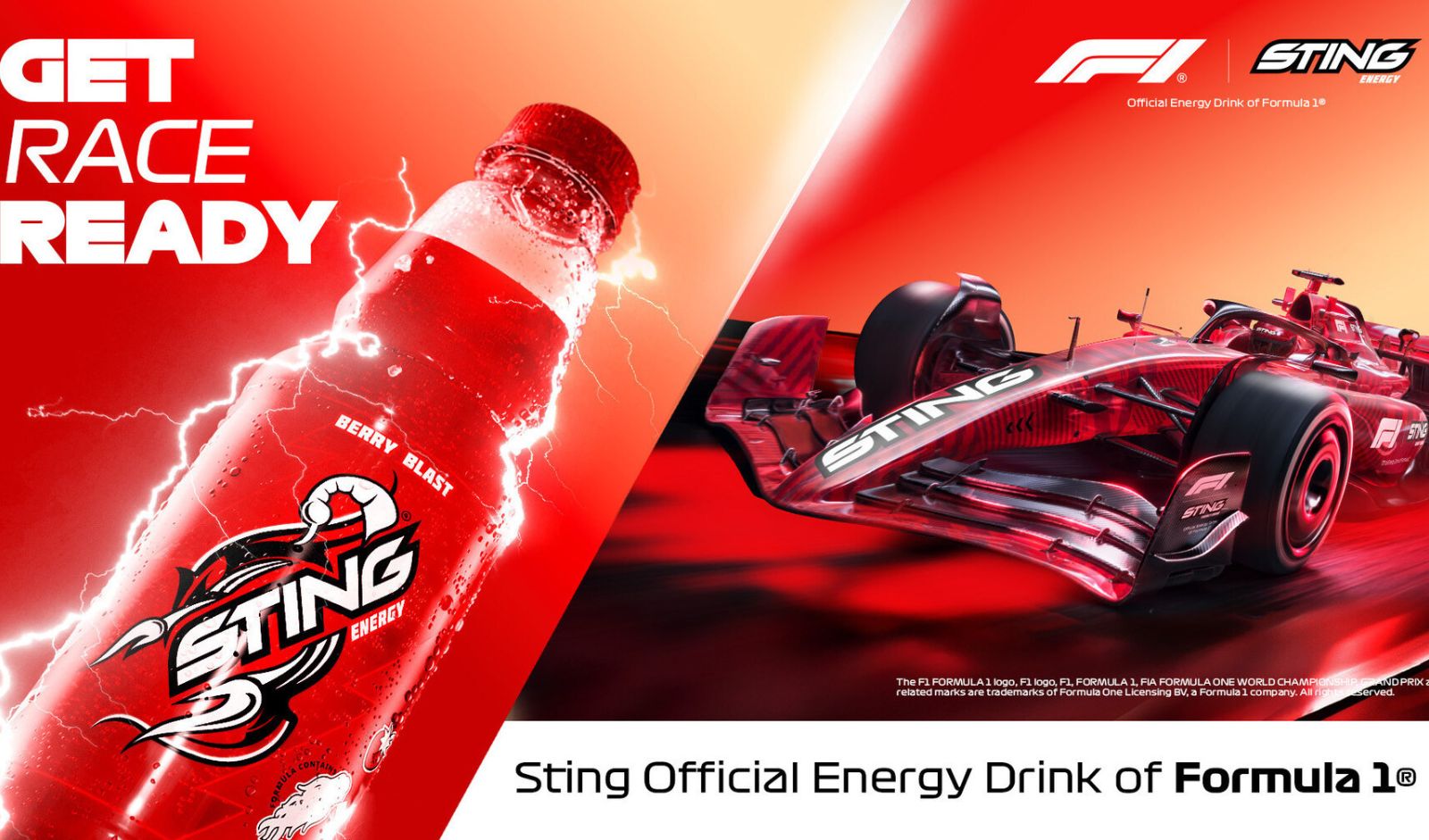
PepsiCo expanded its sports marketing strategy by entering a multi-year global partnership with Formula 1 through 2030. The collaboration brought together Formula 1’s growing global fanbase with PepsiCo’s key brands including Sting Energy, Gatorade, and Doritos. Rather than limiting the partnership to race-day visibility, PepsiCo designed the alliance around fan engagement across both physical and digital platforms. The agreement included access to Formula 1 Fan Zones, co-branded merchandise opportunities, digital campaigns, and on-pack promotions aimed at extending the racing experience beyond the track.
Sting Energy was positioned as Formula 1’s official energy drink, while Gatorade partnered with F1 Sprint events and Doritos became the official savoury snack partner. Looking ahead, PepsiCo also planned retail activations through Formula 1-themed packaging and point-of-sale promotions. The collaboration reflected how beverage and consumer brands are increasingly using global sports properties to build lifestyle relevance and connect with wider audiences.
Prime Video X Coolberg
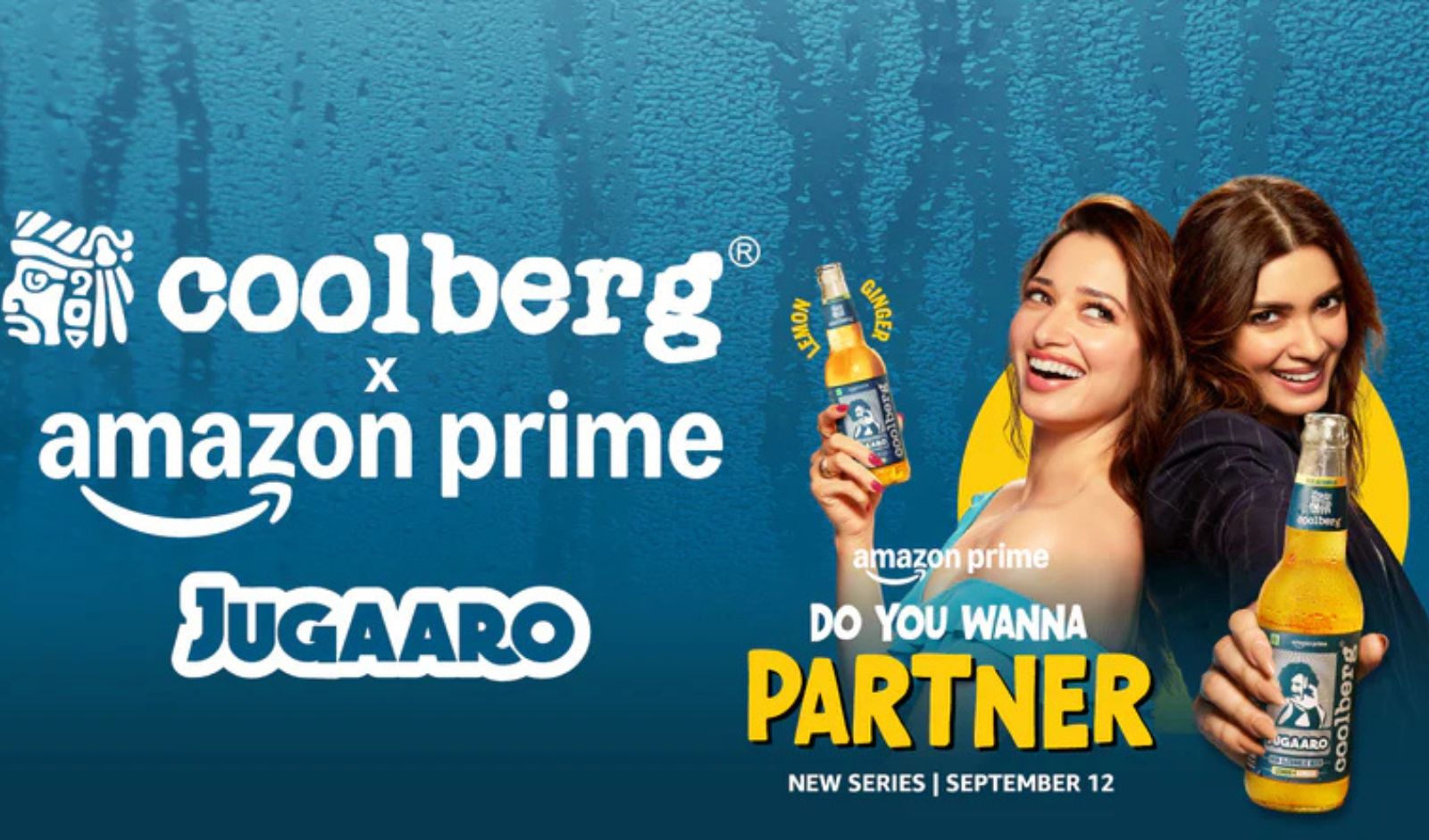
Prime Video and Coolberg partnered for a first-of-its-kind collaboration ahead of the launch of Do You Wanna Partner, an Amazon Original centred around two women building a beer start-up. The partnership brought the show’s fictional beverage to life through the launch of Coolberg Jugaaro Lemon-Ginger, a limited-edition non-alcoholic malt drink. Positioned as a blend of entertainment and product innovation, the collaboration connected storytelling with retail consumption.
Coolberg leveraged the association to engage Gen Z and millennial audiences amid the growing trend of mindful drinking. The launch was supported by wide distribution across 3,500+ general trade stores, 50 modern trade outlets, 800+ HoReCa locations, and quick commerce platforms including Blinkit, Zepto, and Swiggy. The partnership highlighted how entertainment-led collaborations are helping beverage brands build stronger cultural and retail relevance.
Radico Khaitan X D’YAVOL
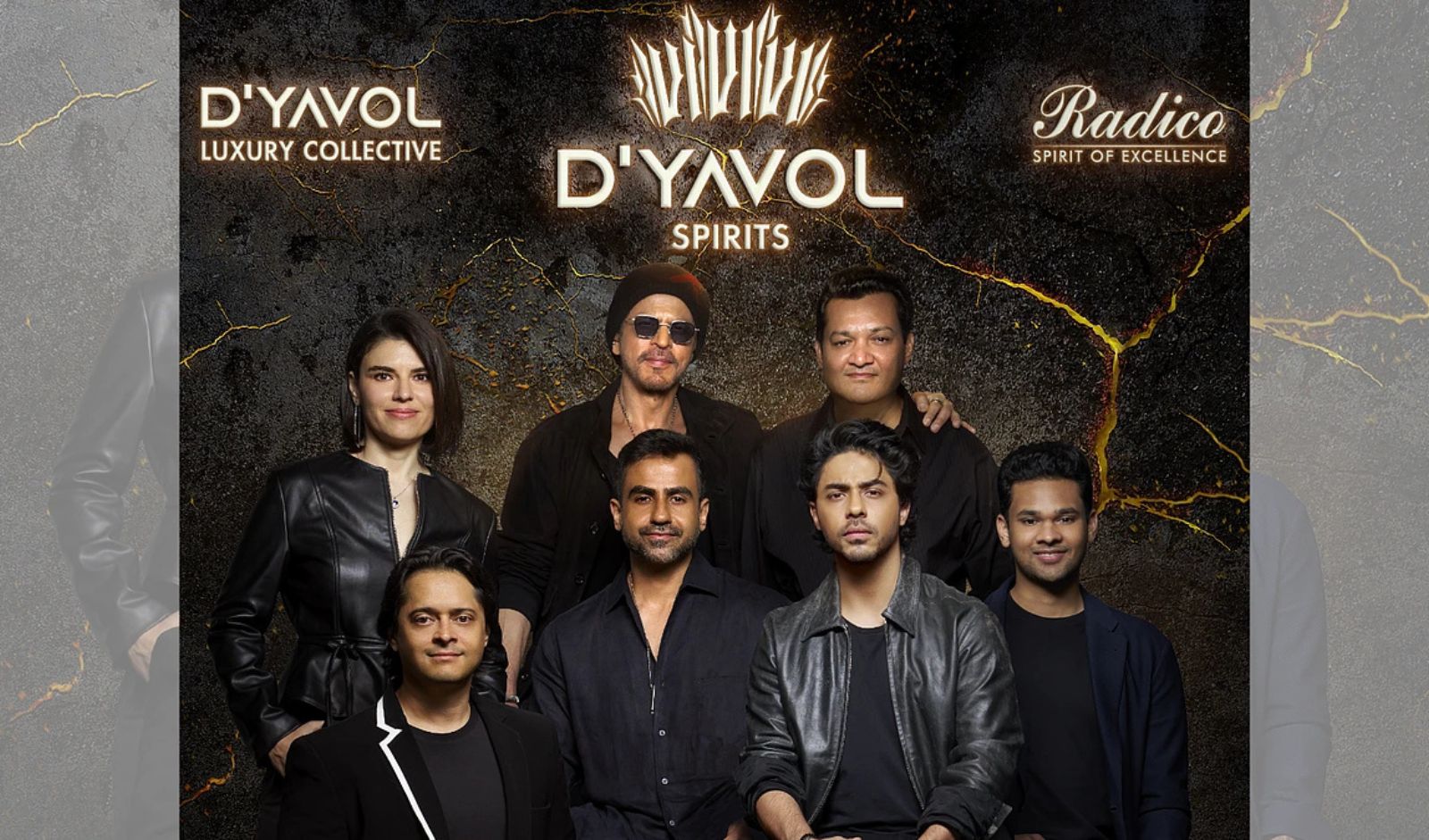
Radico Khaitan partnered with Shah Rukh Khan and Aryan Khan’s D’YAVOL to launch D’YAVOL Spirits, marking a strategic move into the premium global spirits segment. The collaboration also included entrepreneur Nikhil Kamath and combined Radico Khaitan’s manufacturing, distribution, and market expertise with D’YAVOL’s luxury positioning and cultural appeal. Designed as a long-term venture, D’YAVOL Spirits aims to develop internationally relevant, bottled-in-origin premium beverages for Indian and global consumers.
The partnership planned to enter the market with a luxury tequila offering, reflecting growing demand for premium alcohol experiences. Rather than functioning as a conventional celebrity endorsement, the alliance focused on brand-building and category expansion. By blending entertainment influence with industry capability, the collaboration highlighted how beverage companies are increasingly using celebrity-backed partnerships to strengthen premium positioning and connect with aspirational consumer segments.
Nestle X Burger King
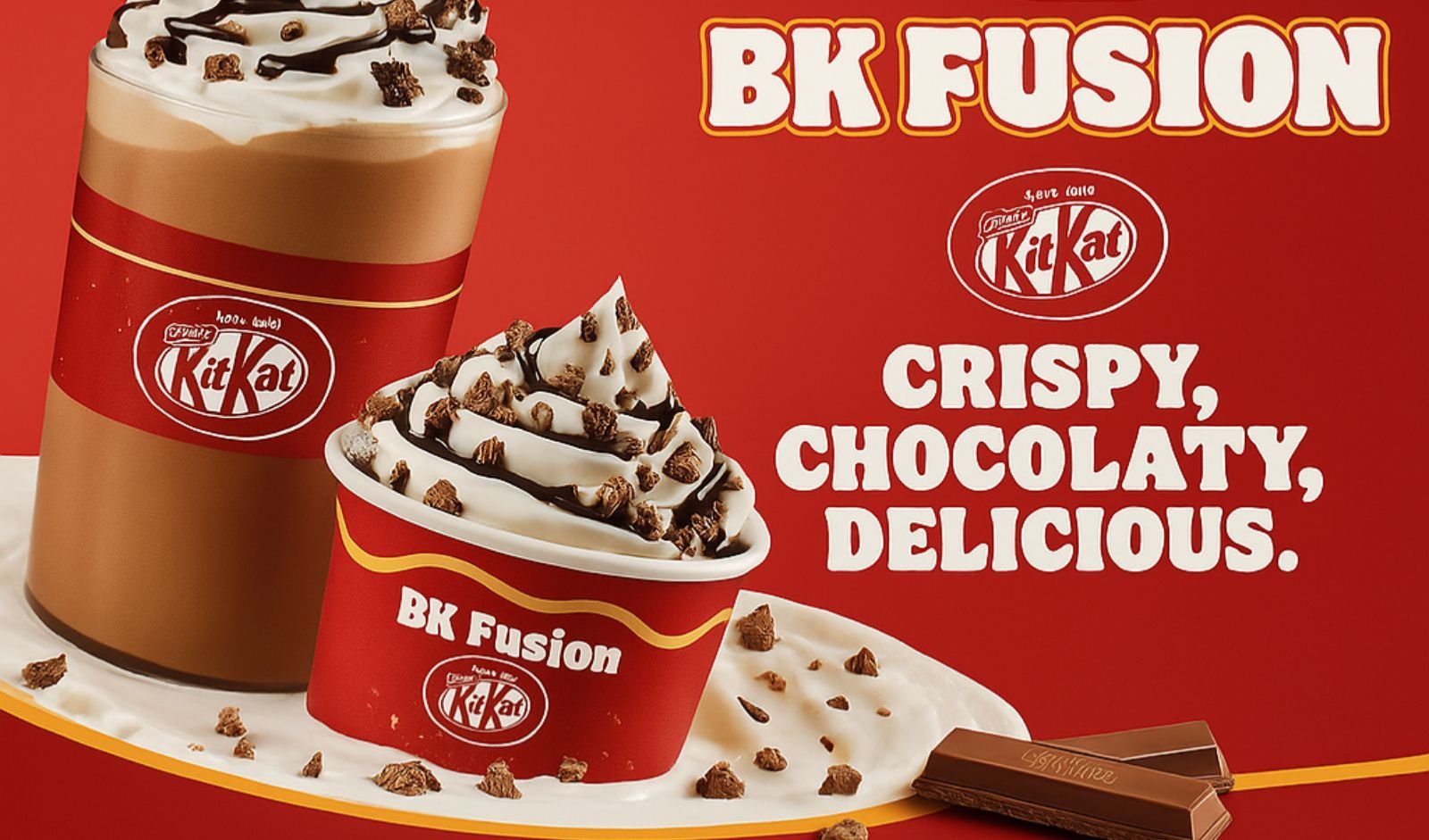
Burger King India partnered with Nestlé’s KitKat to expand its dessert portfolio under the BK Fusion range, reflecting how food and beverage collaborations are creating new retail and consumption opportunities. The partnership introduced BK Fusion KitKat Shake and BK Fusion KitKat Sundae, available across Burger King outlets in India. The shake combines chocolate with KitKat, while the sundae features KitKat chunks layered with chocolate sauce.
Targeted primarily at Gen Z and millennial consumers, the collaboration aimed to strengthen Burger King’s presence in the competitive quick-service restaurant market. Beyond menu innovation, the alliance was supported through influencer-led campaigns, user-generated content, and social media outreach to boost engagement and store traffic. The products were made available for dine-in, takeaway, and delivery through the BK App and leading delivery platforms, reflecting the growing role of cross-category partnerships in driving consumer interaction and retail visibility.
Read more: Top Sports Nutrition Brand Collaborations Fueling Fitness Growth in India
The Devil Wears Prada 2 Mania Takes Over Global Brands
Top Bag and Accessories Collaborations Driving Retail Growth
Collaborations Become a Core Beverage Growth Strategy
Strategic collaborations are becoming an important growth lever for beverage brands navigating an increasingly competitive and fragmented consumer market. From Bisleri’s cricket-led storytelling with RCB and PepsiCo’s global Formula 1 partnership to entertainment-driven campaigns by Coolberg, celebrity-backed ventures such as D’YAVOL Spirits, and cross-category alliances like Nestlé and Burger King, collaborations are evolving beyond short-term marketing exercises.
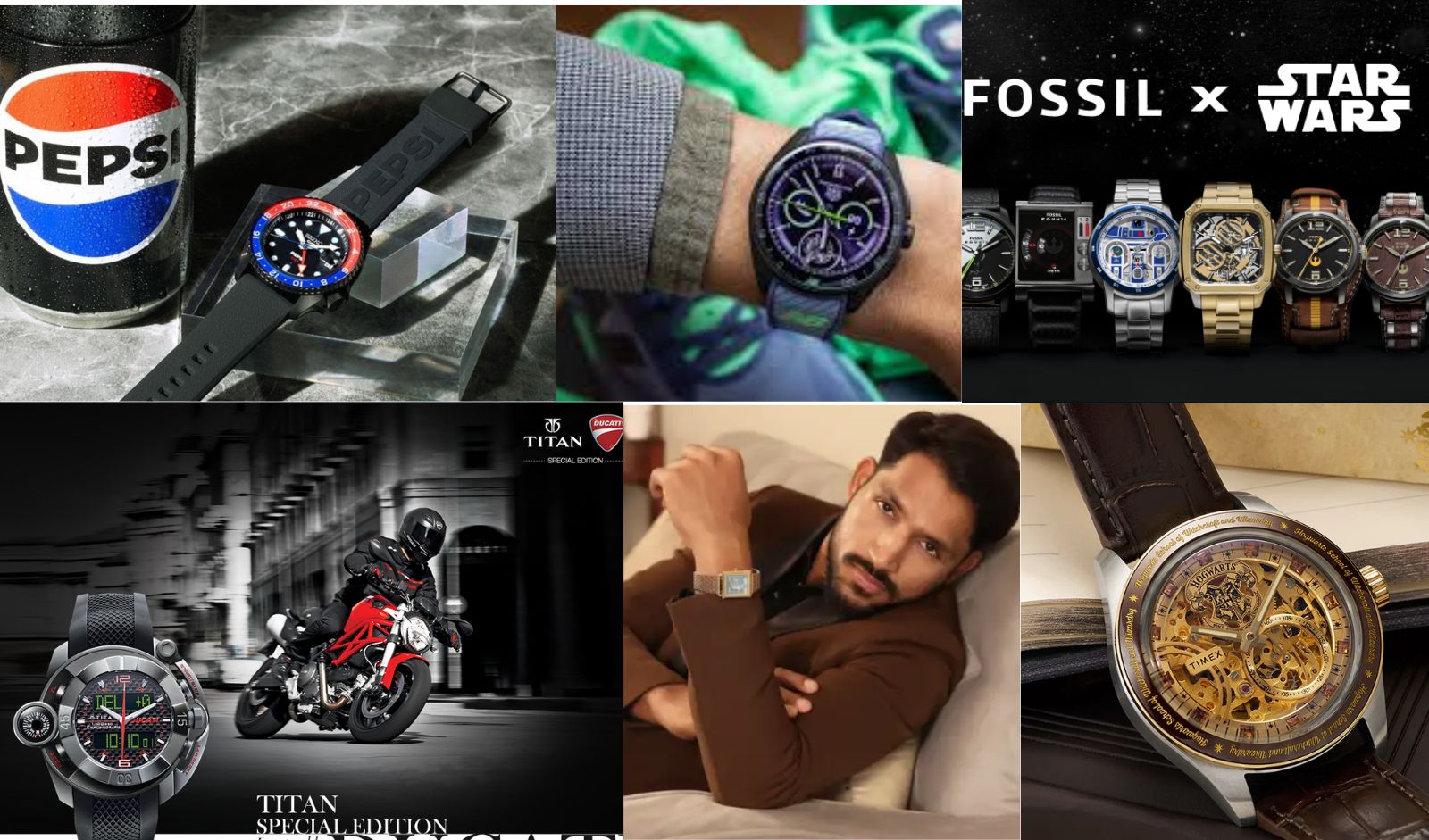
The global watch and accessories industry is witnessing a major shift in 2026 as brands increasingly turn to collaborations to capture consumer attention. From luxury watchmakers partnering with sportswear giants to pop culture-inspired limited editions, collaborations are becoming a key growth strategy across the retail and lifestyle sectors.
Consumers today are looking for more than just functionality in watches and accessories. They want exclusivity, storytelling, cultural relevance, and collectible value. As a result, collaborations between fashion brands, automobile companies, sports icons, entertainment franchises, and watchmakers are driving new demand across India and global retail markets.
Limited-edition collections are also helping brands connect with younger consumers, particularly Gen Z and millennials, who are drawn toward unique designs, nostalgia-driven products, and social media-friendly launches.
Here’s a look at some of the top watch and accessories brand collaborations making headlines in 2026.
Ducati X Titan
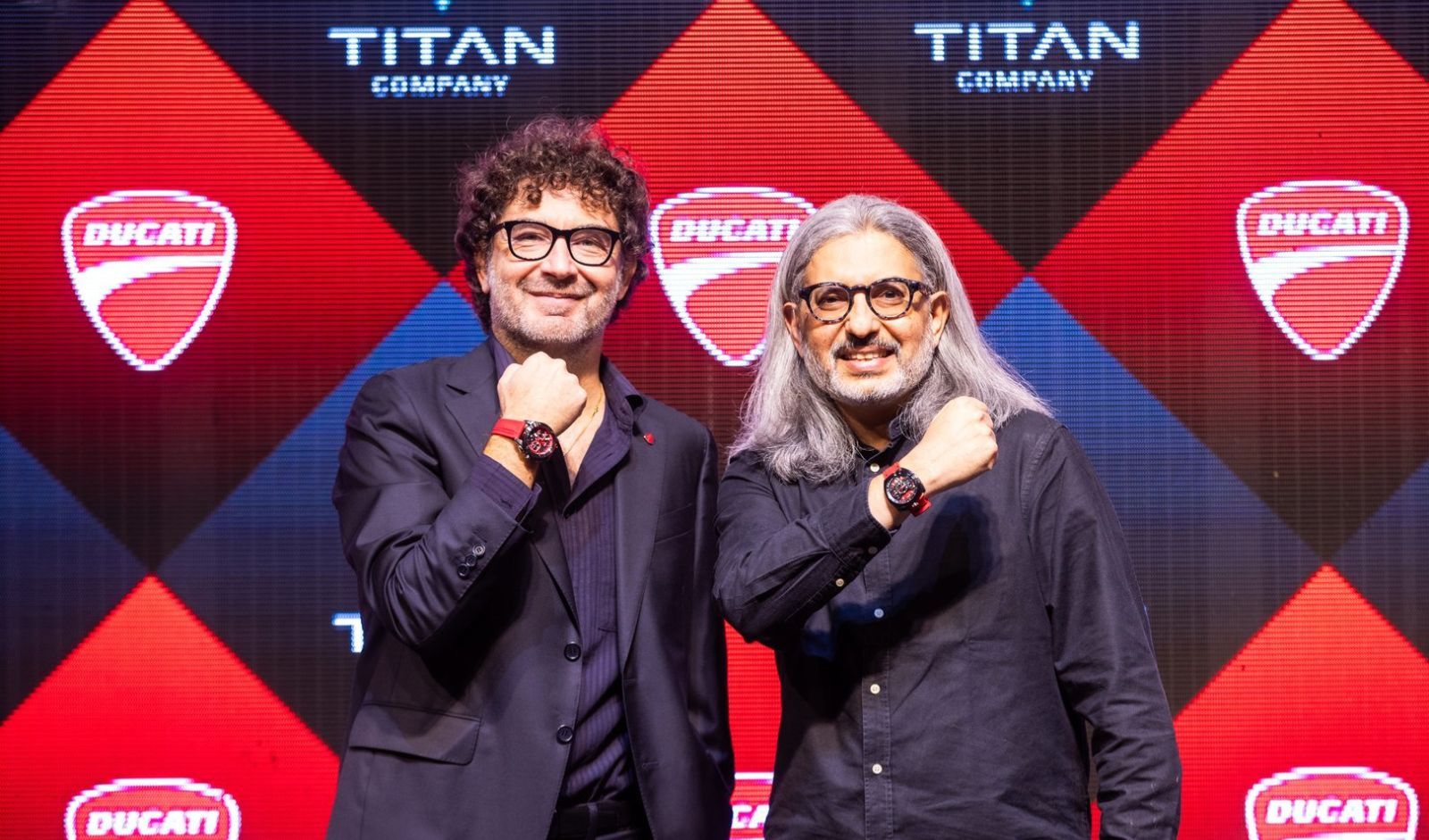
The collaboration between Ducati and Titan marked Ducati’s major expansion into India’s lifestyle accessories segment. The collection, unveiled in December 2025, introduced 43 watch models priced between Rs 14,799 and Rs 27,999 for Indian consumers. Titan was appointed as Ducati’s exclusive licensing and retail distribution partner for the country, leveraging its network across Helios, Titan World, multi-brand outlets, and e-commerce channels.
The watches draw strong inspiration from Ducati motorcycles, featuring instrumentation-style dials, signature red accents, aerodynamic case structures, and motorsport-inspired textures. The range reflects Ducati’s racing DNA while targeting consumers looking for performance-led lifestyle accessories.
Read also: Top Jewelry & Watch Brand Collaborations Making Headlines in 2026
5 Candy and Confectionery Brands Expanding Beyond Retail
Beverage Brands Turn to Strategic Collaborations for Market Growth
Jaipur Watch Company X Dhruv Jurel
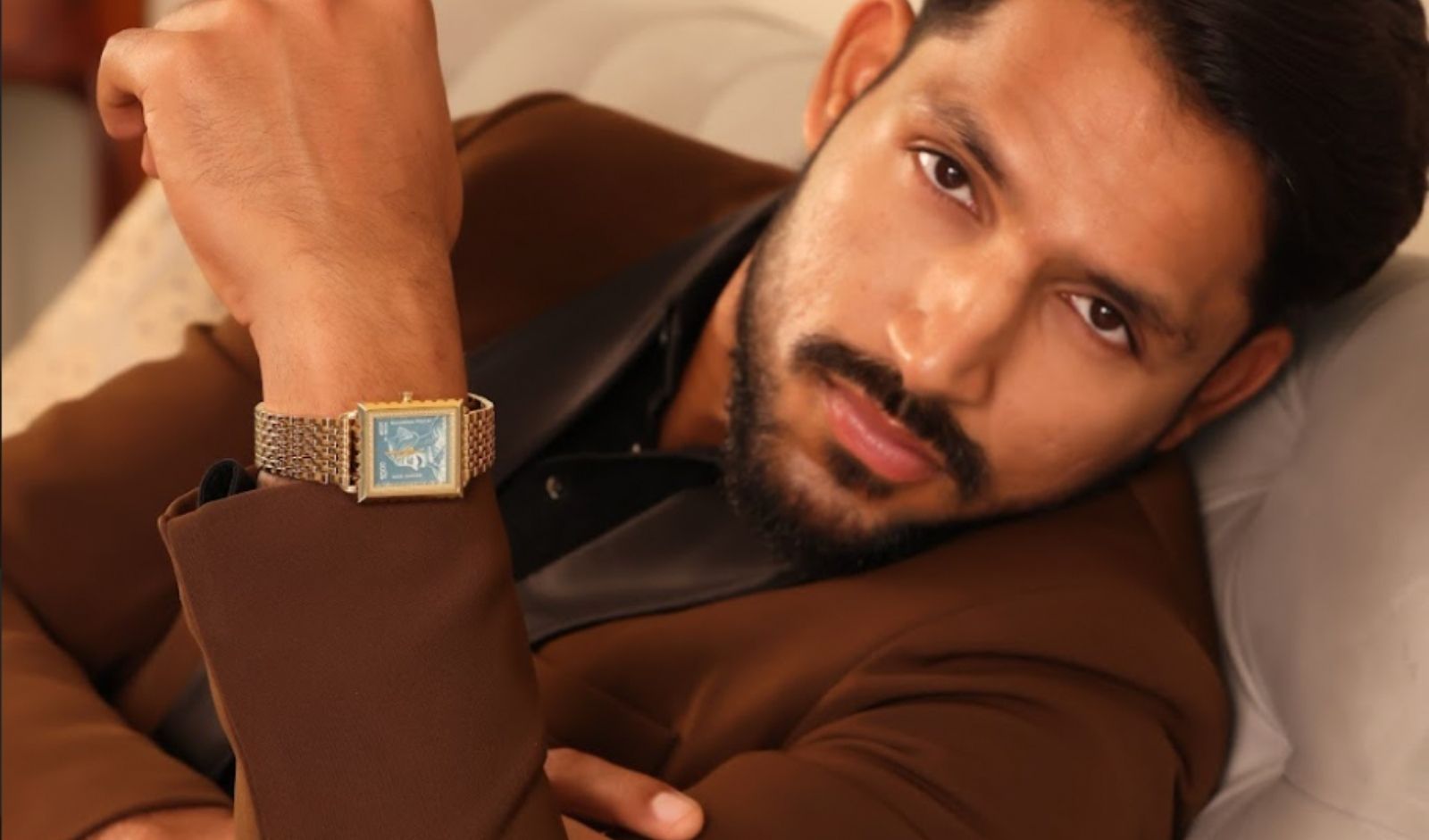
Indian luxury watchmaker Jaipur Watch Company partnered with Indian cricketer Dhruv Jurel ahead of the T20 season to launch a special-edition watch collection inspired by cricket and personal storytelling. The collaboration aimed to combine Jaipur Watch Company’s craftsmanship-led identity with Jurel’s growing popularity among young cricket fans in India.
Known for creating watches featuring rare coins and heritage-inspired elements, the brand introduced designs that reflected sporting ambition, precision, and individuality. The collaboration also highlighted the rising influence of athlete-led partnerships in India’s premium accessories and lifestyle segment, particularly as brands look to engage younger consumers through sports-driven storytelling.
TAG Heuer X New Balance
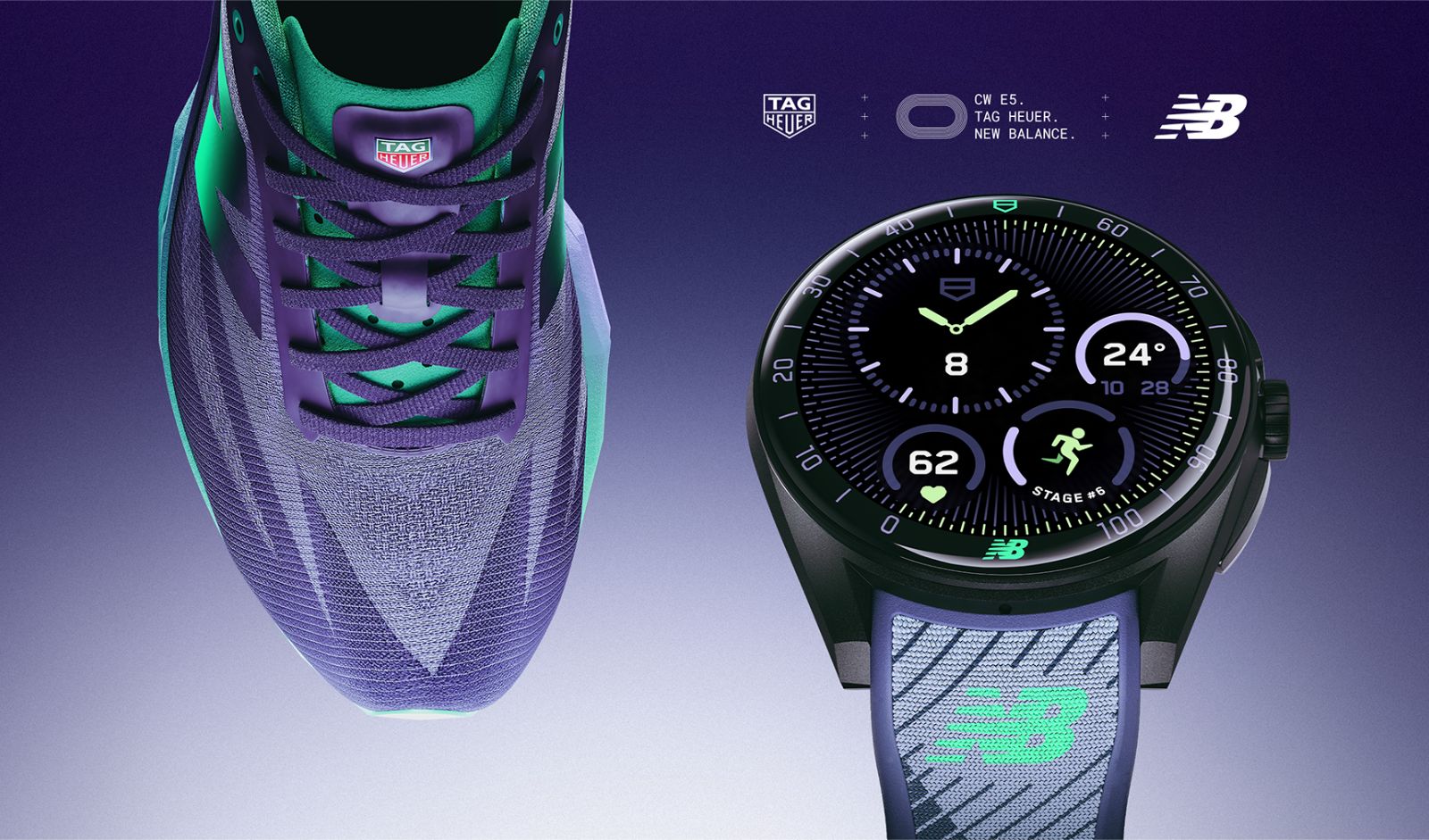
Swiss watchmaker TAG Heuer partnered with sportswear brand New Balance for a performance-focused collaboration that blended luxury watchmaking with athletic innovation. The partnership introduced the TAG Heuer Connected Calibre E5 40 mm × New Balance Edition smartwatch alongside a limited-edition FuelCell SC Elite running shoe. The smartwatch featured a black DLC-coated Grade 2 titanium case, exclusive watch faces, and a comfort strap inspired by New Balance’s Energy Arc technology.
The watch runs on TAG Heuer’s proprietary operating system and includes six New Balance-designed training programs, catering to runners ranging from beginners to marathon athletes. The collaboration was built around the shared philosophy of “The Intelligent Choice,” reflecting both brands’ focus on precision, performance, and innovation.
Timex X Harry Potter
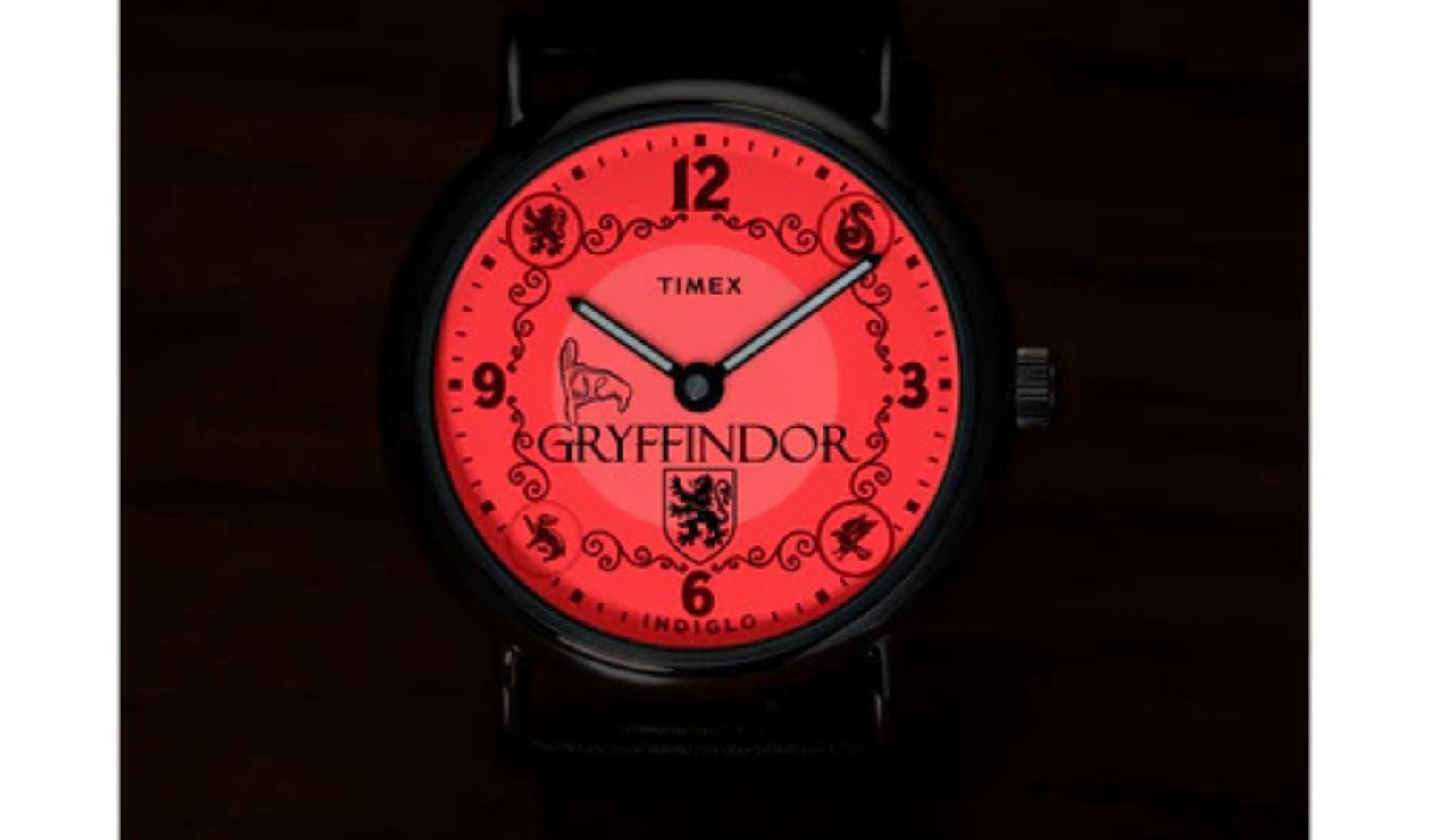
Timex expanded its pop culture portfolio in India with the launch of the Harry Potter-inspired watch collection, blending classic watchmaking with iconic elements from the wizarding world. The collection features multiple themed models inspired by Hogwarts houses, Platform 9¾, the Sorting Hat, Butterbeer, and other recognisable symbols from the franchise. The range includes Weekender, Waterbury Skeleton Automatic, and Hailey series watches designed for both collectors and everyday consumers.
The collaboration combines Timex’s heritage-driven watch designs with storytelling-led details such as house crests, customised second hands, INDIGLO features, and themed leather straps. Premium variants include automatic movements, skeleton dials, and collectible packaging aimed at fans and watch enthusiasts.
Fossil X Star Wars
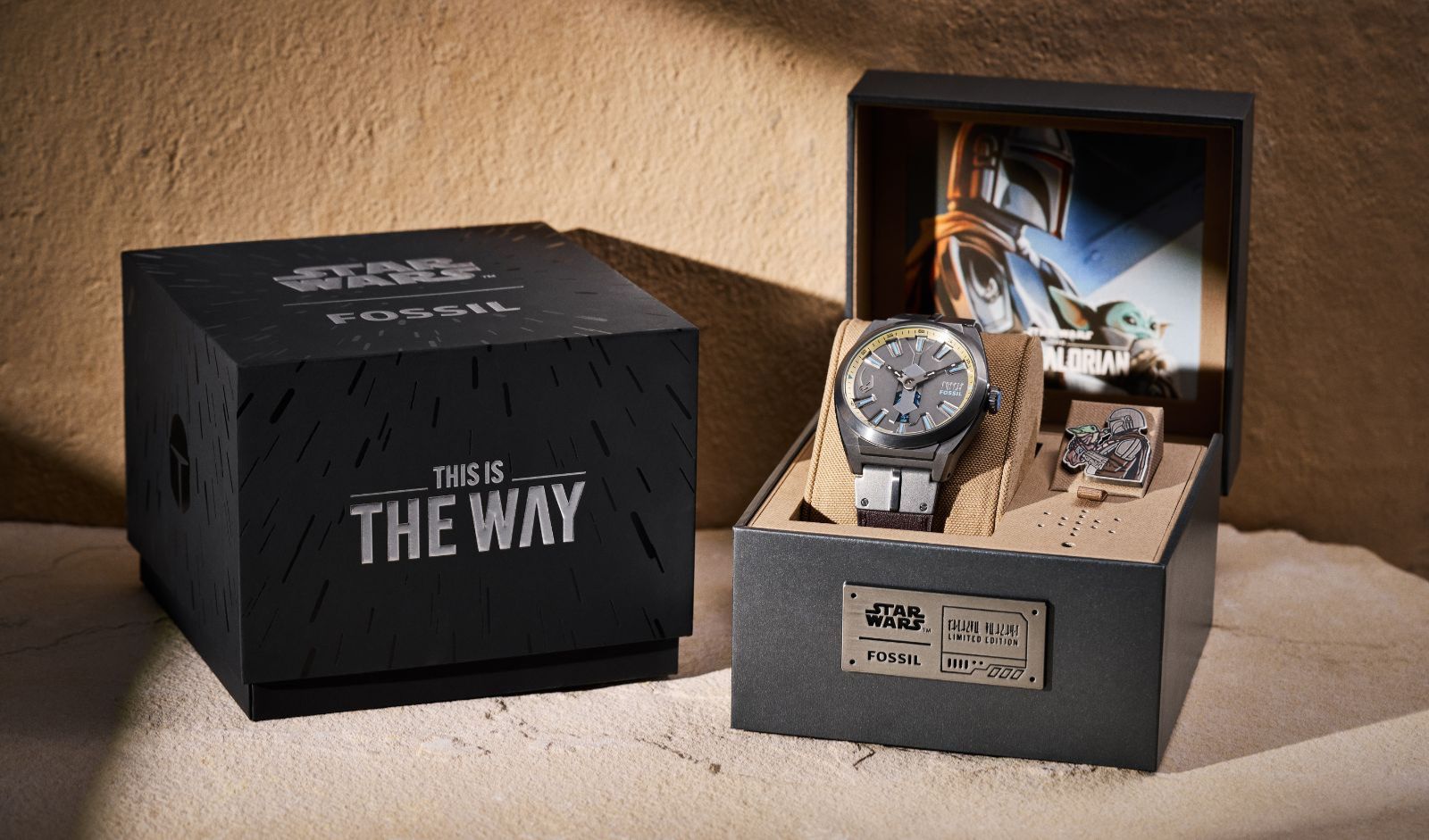
Fossil expanded its collaboration with the Star Wars franchise by launching a Mandalorian-inspired watch collection for Indian consumers, combining pop culture storytelling with collectible watch design. The collection was inspired by characters and visual elements from the Star Wars universe, particularly The Mandalorian series, and included limited-edition timepieces featuring themed dials, casebacks, straps, and packaging.
The watches incorporated design references linked to fan-favourite characters, including Grogu and Din Djarin, alongside signature Star Wars-inspired graphics and metallic finishes. Fossil positioned the collection toward both collectors and mainstream consumers seeking fandom-led lifestyle accessories.
Seiko X Pepsi
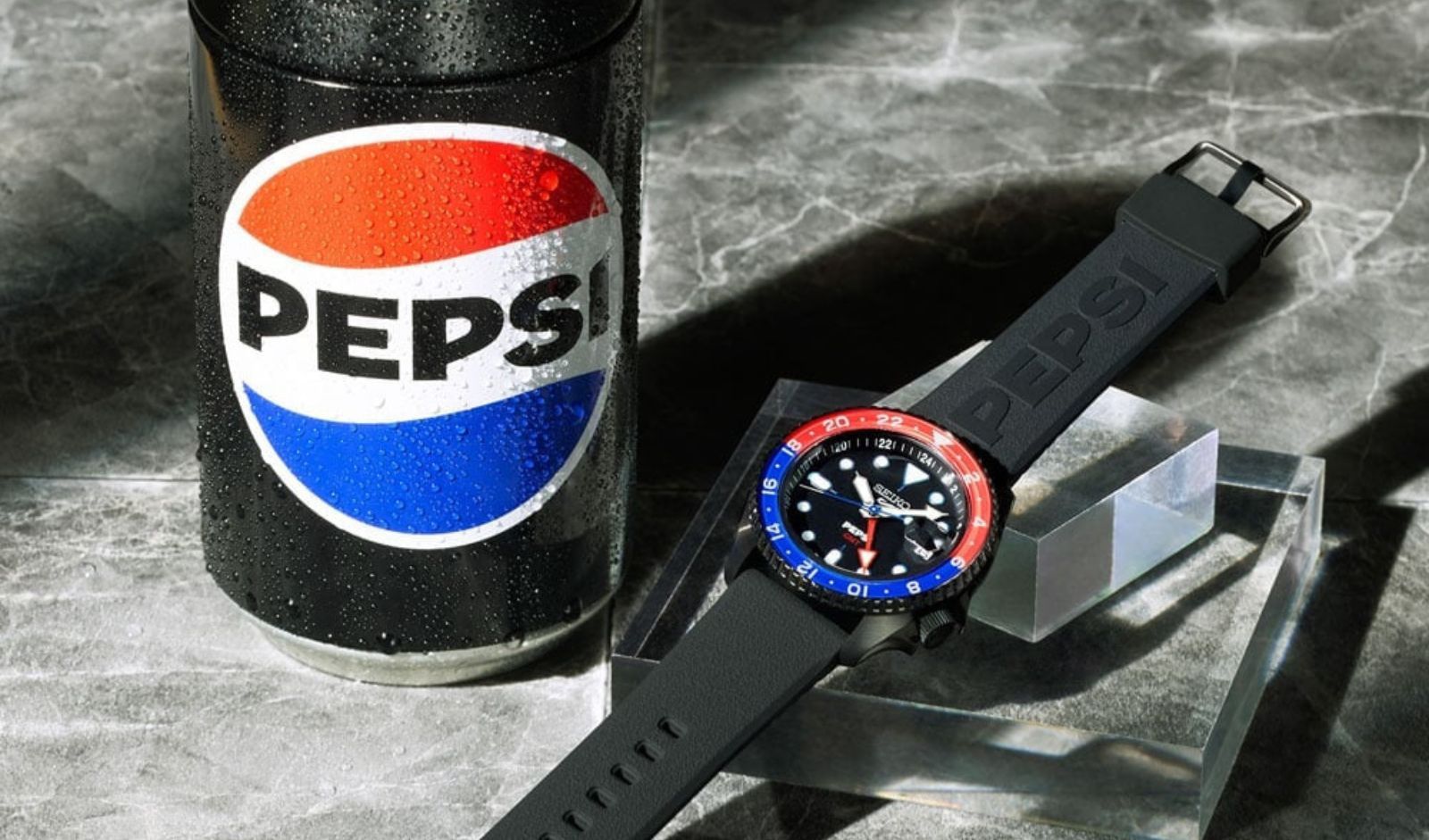
Japanese watchmaker Seiko partnered with Pepsi to launch two limited-edition Seiko 5 Sports watches that combined retro nostalgia with modern sports watch design. Each model was limited to 7,000 pieces globally, positioning the collaboration as a collectible launch for watch enthusiasts and pop culture fans alike.
The first watch drew inspiration from Pepsi’s 1990s branding, featuring a 38mm case, silver-toned dial, blue accents, and vintage-style typography based on the classic Pepsi logo. The second model adopted a more contemporary aesthetic with a 42mm black-and-blue GMT design powered by Seiko’s Caliber 4R34 movement, allowing dual-time-zone functionality. It also became the first SKX-series GMT watch to feature a silicone strap embossed with Pepsi branding.
Explore more: Top Sports Nutrition Brand Collaborations Fueling Fitness Growth in India
The Devil Wears Prada 2 Mania Takes Over Global Brands
Top Bag and Accessories Collaborations Driving Retail Growth
Collaborations Driving the Watch Industry in 2026
The watch and accessories market in 2026 is being shaped by collaborations that blend fashion, sports, entertainment, luxury, and cultural storytelling. Whether it is Ducati partnering with Titan, TAG Heuer joining hands with New Balance, or Timex tapping into Harry Potter nostalgia, collaborations are helping brands stay culturally relevant while attracting new consumer segments.
India’s sports nutrition market is witnessing steady growth as fitness awareness expands beyond athletes and bodybuilders to mainstream consumers. From protein powders and mass gainers to wellness supplements and hydration products, brands are increasingly using collaborations with sports franchises, celebrities, films, and entertainment properties to strengthen visibility and consumer engagement.
The rise of gym culture, home fitness, and sports-driven marketing has also pushed sports nutrition companies to align with personalities and teams that resonate with young consumers. These partnerships are helping brands tap into aspirational fitness lifestyles while expanding their retail and digital presence across India.
Let's take a look at six sports nutrition brand collaborations that are helping drive fitness consumer growth in India.
Optimum Nutrition x Royal Challengers Bengaluru
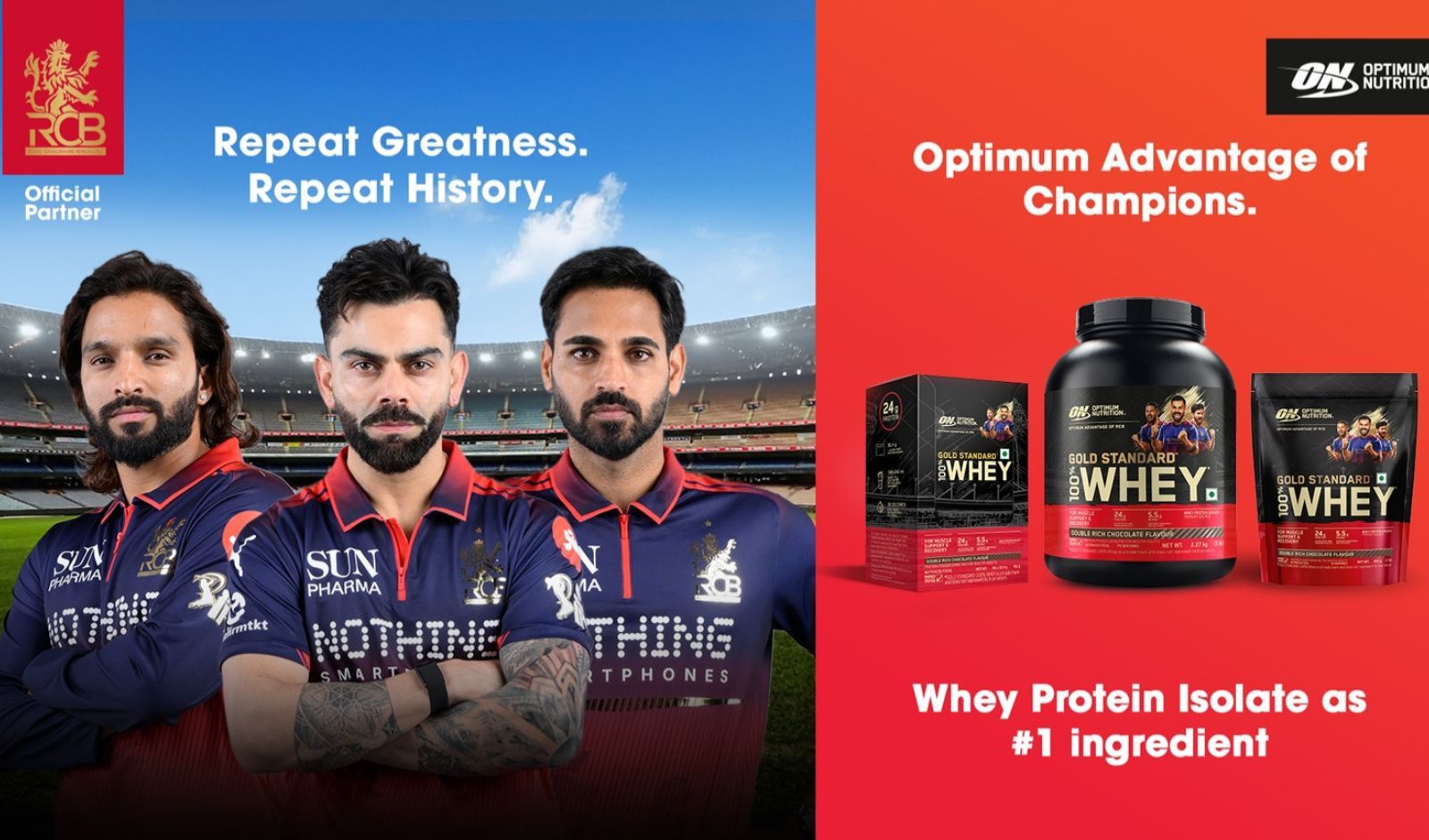
Optimum Nutrition strengthened its partnership with Royal Challengers Bengaluru in 2026 with the launch of the ‘Optimum Advantage of Champions’ campaign. The collaboration marked the second consecutive year of association between the sports nutrition brand and the IPL franchise, following RCB’s title-winning 2025 season.
The partnership focused on performance nutrition, recovery, and consistency in elite sports. As part of the campaign, Optimum Nutrition introduced limited-edition co-branded packs of Gold Standard 100% Whey Protein and Micronised Creatine, along with an augmented reality-led ‘Scan. Play. Win.’ contest offering match experiences, merchandise, and fan rewards. The campaign also featured players, including Virat Kohli, Rajat Patidar, and Philip Salt, in digital promotions highlighting training and recovery routines.
Read more: The Devil Wears Prada 2 Mania Takes Over Global Brands
Top Bag and Accessories Collaborations Driving Retail Growth
Top Beauty Brands Winning India Through Smart Collaborations
BigMuscles Nutrition x Asim Riaz
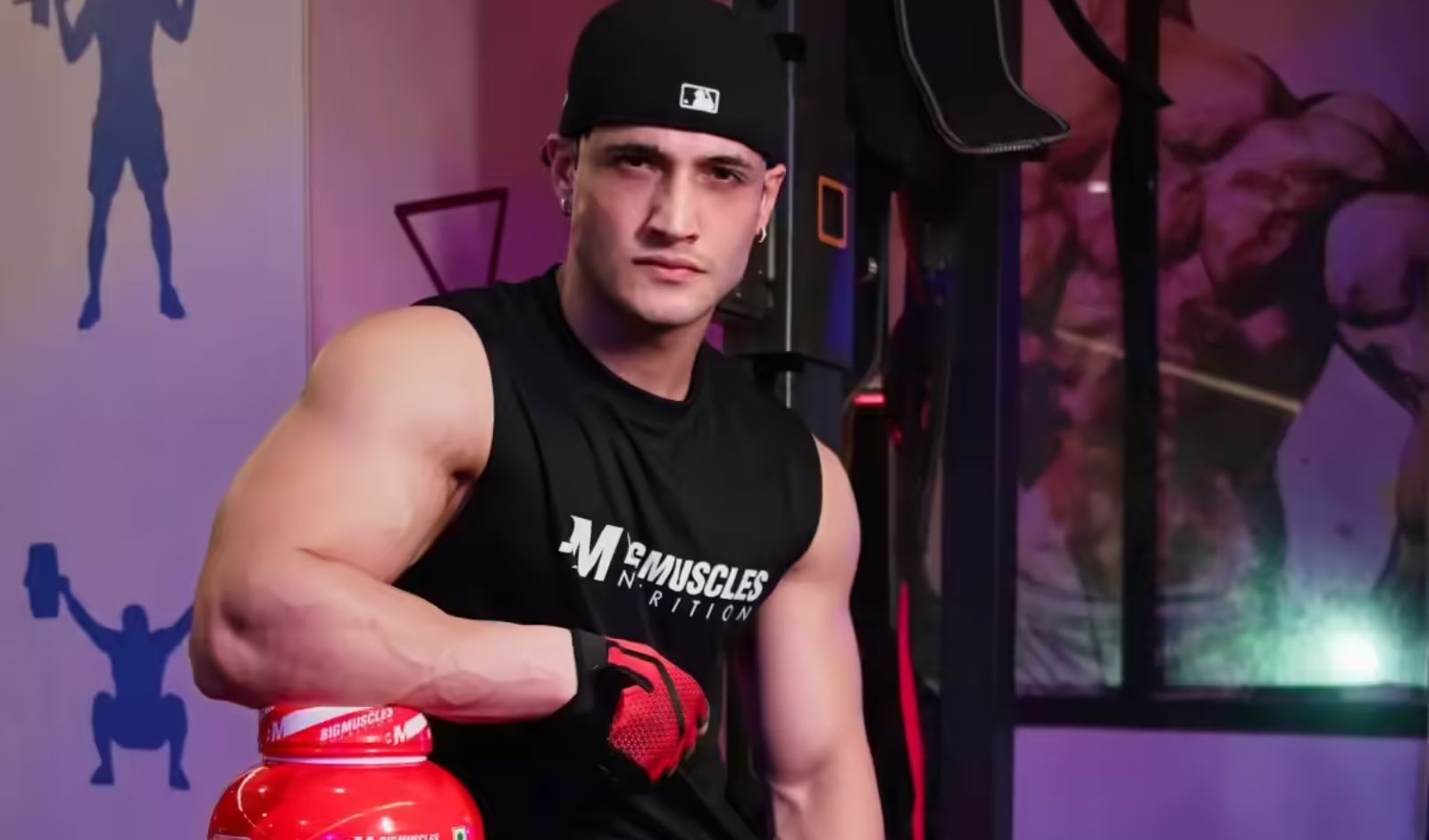
BigMuscles Nutrition partnered with Asim Riaz in 2025 to promote health, fitness, and nutritional awareness among young consumers in India. The collaboration aimed to strengthen the brand’s connection with gym-goers, fitness enthusiasts, and aspiring athletes through influencer-led engagement and digital campaigns.
Known for his fitness-focused image and appearances in reality shows such as Bigg Boss and Khatron Ke Khiladi, Asim Riaz brought strong youth appeal to the partnership. The campaign highlighted workout routines, diet plans, and the role of nutritional supplements in achieving fitness goals. The collaboration also aligned with BigMuscles Nutrition’s broader strategy of expanding its presence through celebrity-led marketing, following earlier campaigns with Hardik Pandya and Nora Fatehi.
Herbalife X TATA WPL 2026
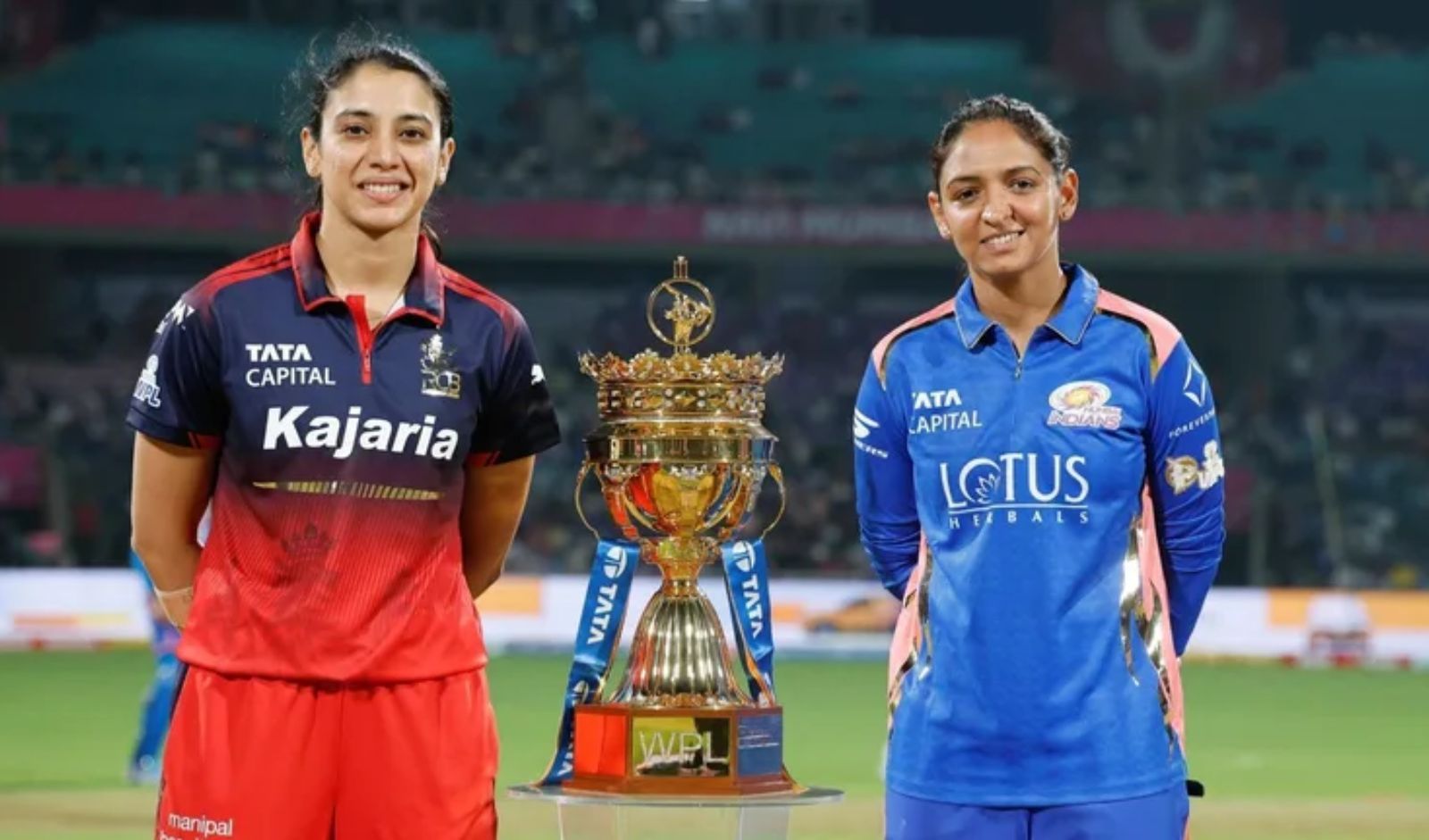
Herbalife continued its association with the Board of Control for Cricket in India (BCCI) as the Official Nutrition Partner for the TATA Women’s Premier League 2026, strengthening its focus on women’s sports and athlete wellness in India. The collaboration aimed to support elite cricketers with science-backed nutrition products designed to improve performance, endurance, and recovery.
The partnership reflects Herbalife’s long-term strategy of aligning with major sporting platforms to build credibility in the fitness and nutrition category. With women’s cricket witnessing rapid growth in participation and viewership, the association helped the brand connect with a broader consumer base focused on active lifestyles and wellness. Herbalife also leveraged the partnership through digital campaigns and sports-led engagement while reinforcing its presence in India’s growing sports nutrition market.
Wellbeing Nutrition X Dhurandhar
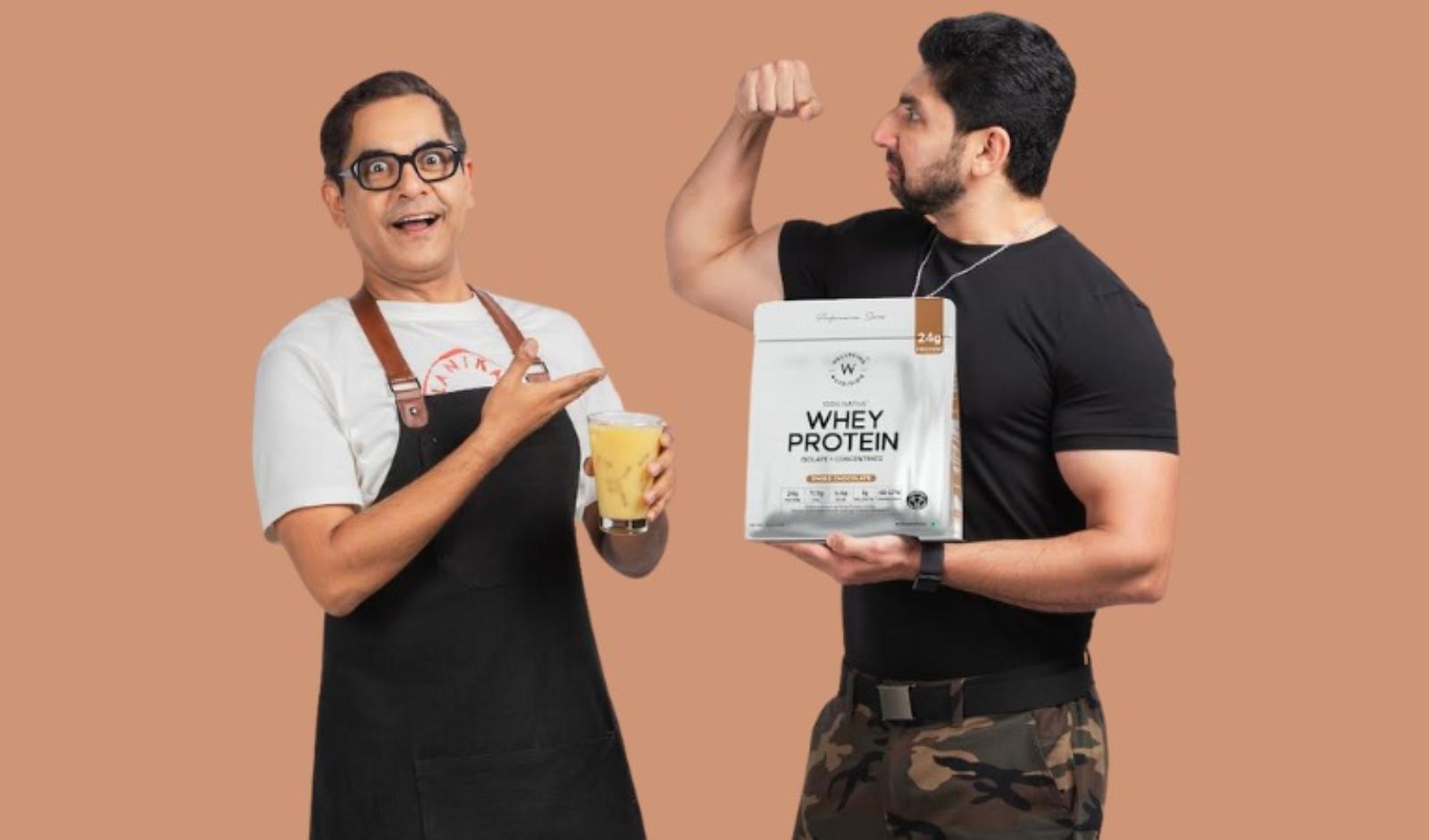
Wellbeing Nutrition partnered with actors Gaurav Gera and Mustafa Ahmed from the film Dhurandhar for a digital campaign promoting its Whey Protein Blend portfolio. The collaboration focused on flavour-led storytelling to make protein consumption more relatable and accessible for everyday consumers.
As part of the campaign, Gaurav Gera promoted the Mango Whey Protein Blend, while Mustafa Ahmed highlighted the Swiss Chocolate variant. The films positioned protein intake as part of daily wellness routines while targeting consumers seeking products that combine taste, clean nutrition, and functionality. The campaign reflected the growing demand for preventive wellness and protein-based nutrition products in India.
Endura Mass x LSG
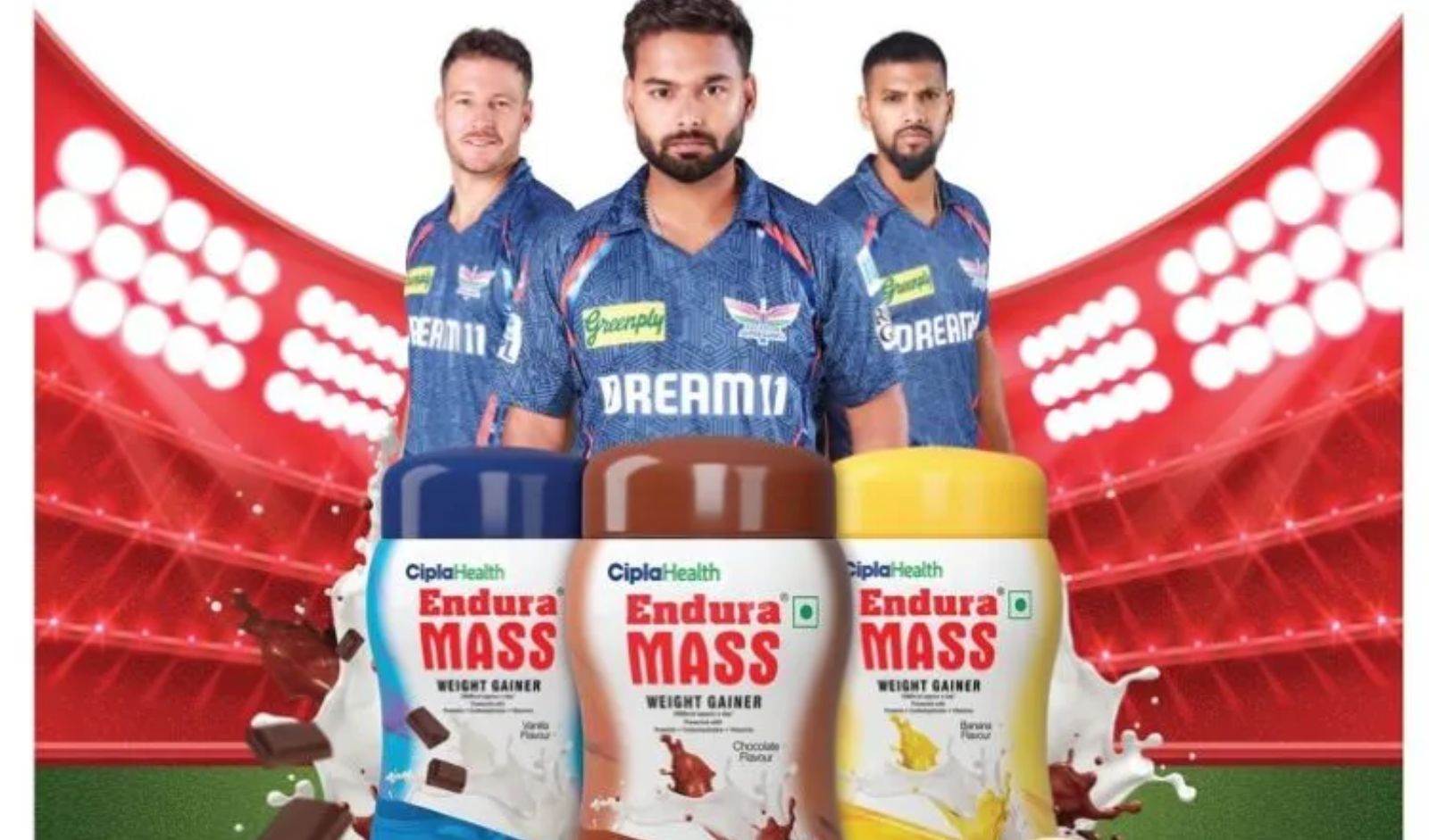
Endura Mass partnered with Lucknow Super Giants to strengthen its association with strength, performance, and active lifestyles. Mass gainer products typically target consumers focused on muscle-building and weight gain, particularly gym-goers and young athletes. By collaborating with an IPL franchise, the brand increased visibility in a highly competitive nutrition category.
Sports franchise partnerships help nutrition brands create aspirational messaging around performance and discipline. IPL collaborations also deliver strong regional visibility, helping companies penetrate Tier II and Tier III markets where fitness adoption is growing rapidly. India’s expanding gym infrastructure, rise of fitness creators, and increasing awareness around protein consumption are contributing to the growth of sports nutrition retail.
Know more: From Screen to Street: How Entertainment Is Reshaping Fashion Industry
Toy Brands Expand Beyond Play with Strategic Collaborations
Top Food and Beverage Brands Partnering with IPL Teams in India
The Road Ahead for Sports Nutrition Marketing in India
India’s sports nutrition industry is expected to see continued growth as health consciousness increases across age groups. Brands are likely to invest further in athlete endorsements, sports leagues, fitness influencers, and entertainment partnerships to maintain relevance in a rapidly evolving market.
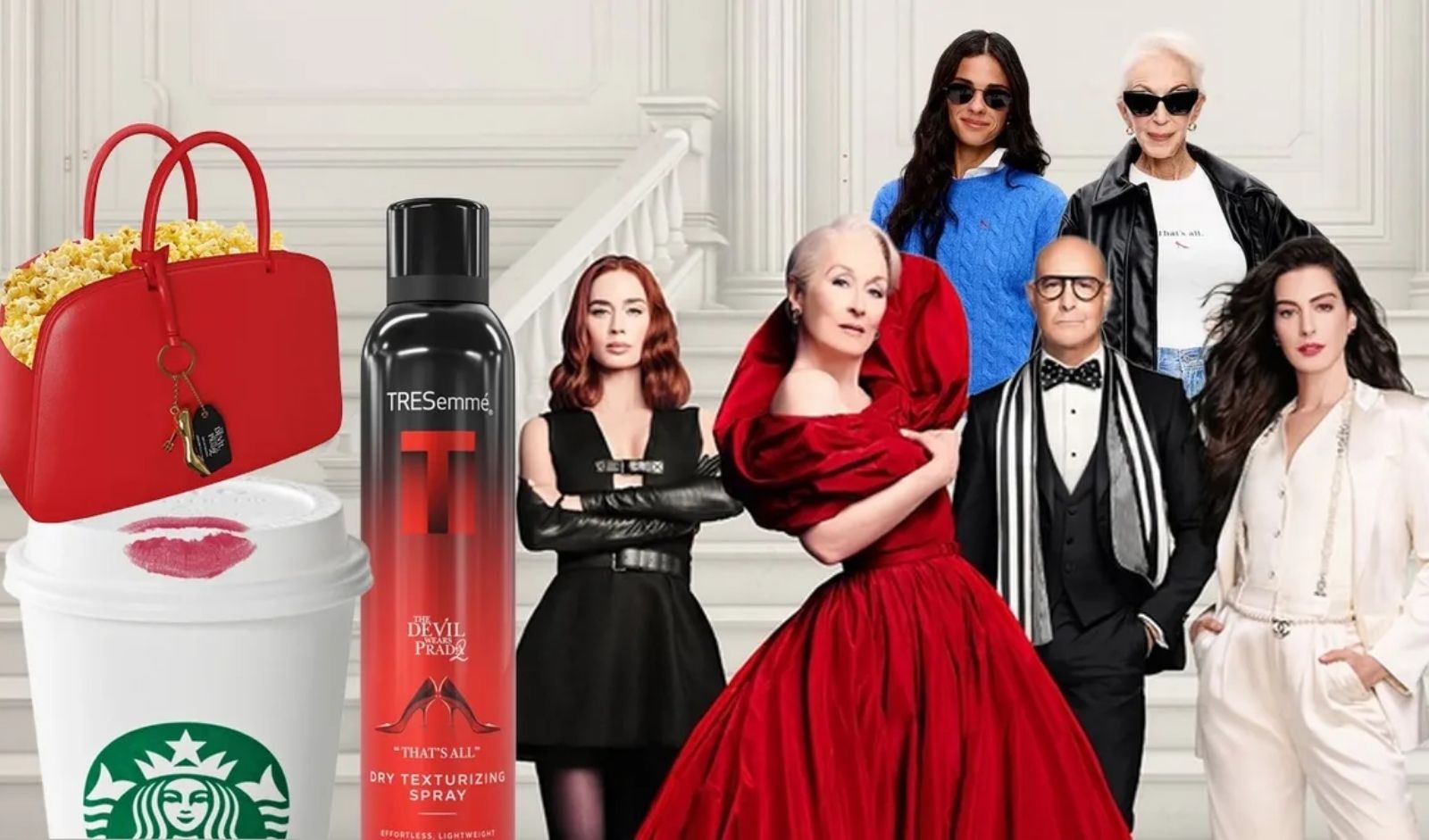
The return of The Devil Wears Prada with its highly anticipated sequel, The Devil Wears Prada 2 (2026), is already creating strong momentum across the global retail and fashion industry. Even before the film’s official release, brands across fashion, beverages, technology, and lifestyle categories are tapping into the franchise’s popularity through themed campaigns, collaborations, and digital activations.
The original film became a defining cultural moment for fashion and luxury storytelling, influencing workplace style, consumer aspirations, and brand communication for nearly two decades. With the sequel now driving renewed conversations online, companies are once again leveraging the film’s relevance to engage younger audiences and nostalgia-driven consumers.
From apparel retailers and beverage companies to global tech giants and café chains, brands are using The Devil Wears Prada 2 to strengthen cultural relevance and social media engagement.
Why The Devil Wears Prada 2 Is Becoming a Brand Magnet
Fashion-based entertainment properties hold significant value for marketers because they naturally connect with lifestyle aspirations. The Devil Wears Prada franchise represents ambition, luxury, personal transformation, workplace culture, and modern fashion identity. These themes remain highly relevant in today’s consumer environment, particularly among Gen Z and millennials.
Social media has further amplified the franchise’s influence. Platforms such as Facebook and Instagram continue to push “office fashion,” “corporate chic,” and luxury-inspired aesthetics, all of which closely align with the film’s branding. The sequel’s release has therefore become more than a cinematic event; it has evolved into a retail and marketing opportunity.
Diet Coke X The Devil Wears Prada Collaboration
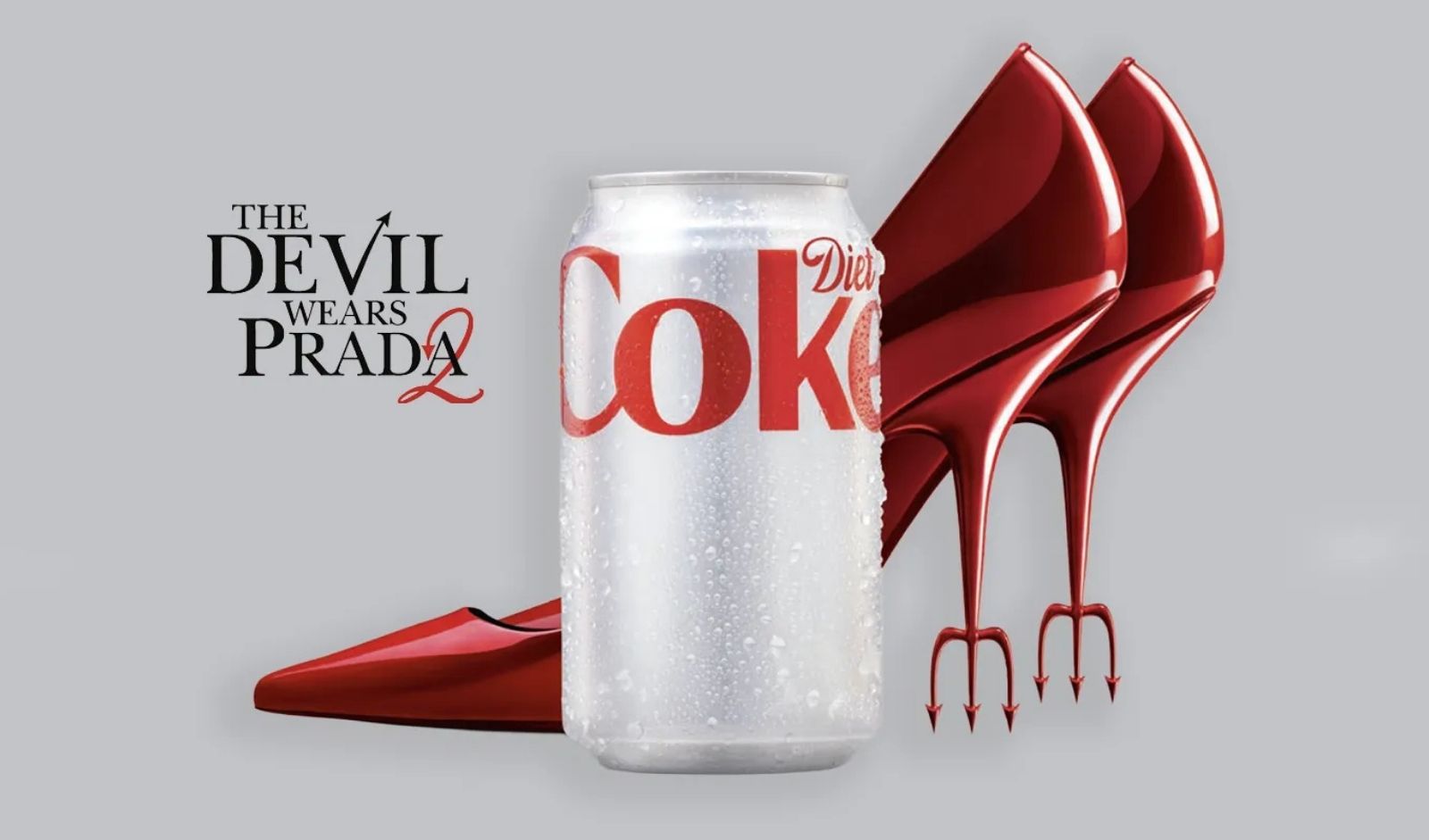
Diet Coke turned fashion nostalgia into a full-scale cultural moment with its collaboration around The Devil Wears Prada and the upcoming sequel The Devil Wears Prada 2. The campaign blended cinema, fashion, and lifestyle branding through limited-edition slim cans, immersive digital storytelling, and the launch of the “Canny Pack,” a fashion-inspired accessory designed to hold Diet Coke cans. Inspired by the iconic Runway Magazine universe, the collaboration recreated the glamour and high-pressure energy associated with Miranda Priestly’s world while positioning Diet Coke as a symbol of style and confidence.
The campaign also included cinematic advertisements, red carpet activations, themed merchandise, and exclusive giveaways aimed at engaging both millennials and Gen Z consumers. By merging pop culture with fashion-led marketing, Diet Coke successfully transformed a beverage campaign into one of the most talked-about entertainment collaborations of 2026.
Read also: Top Sports Nutrition Brand Collaborations Fueling Fitness Growth in India
Top Bag and Accessories Collaborations Driving Retail Growth
Top Beauty Brands Winning India Through Smart Collaborations
Max Fashion X The Devil Wears Prada
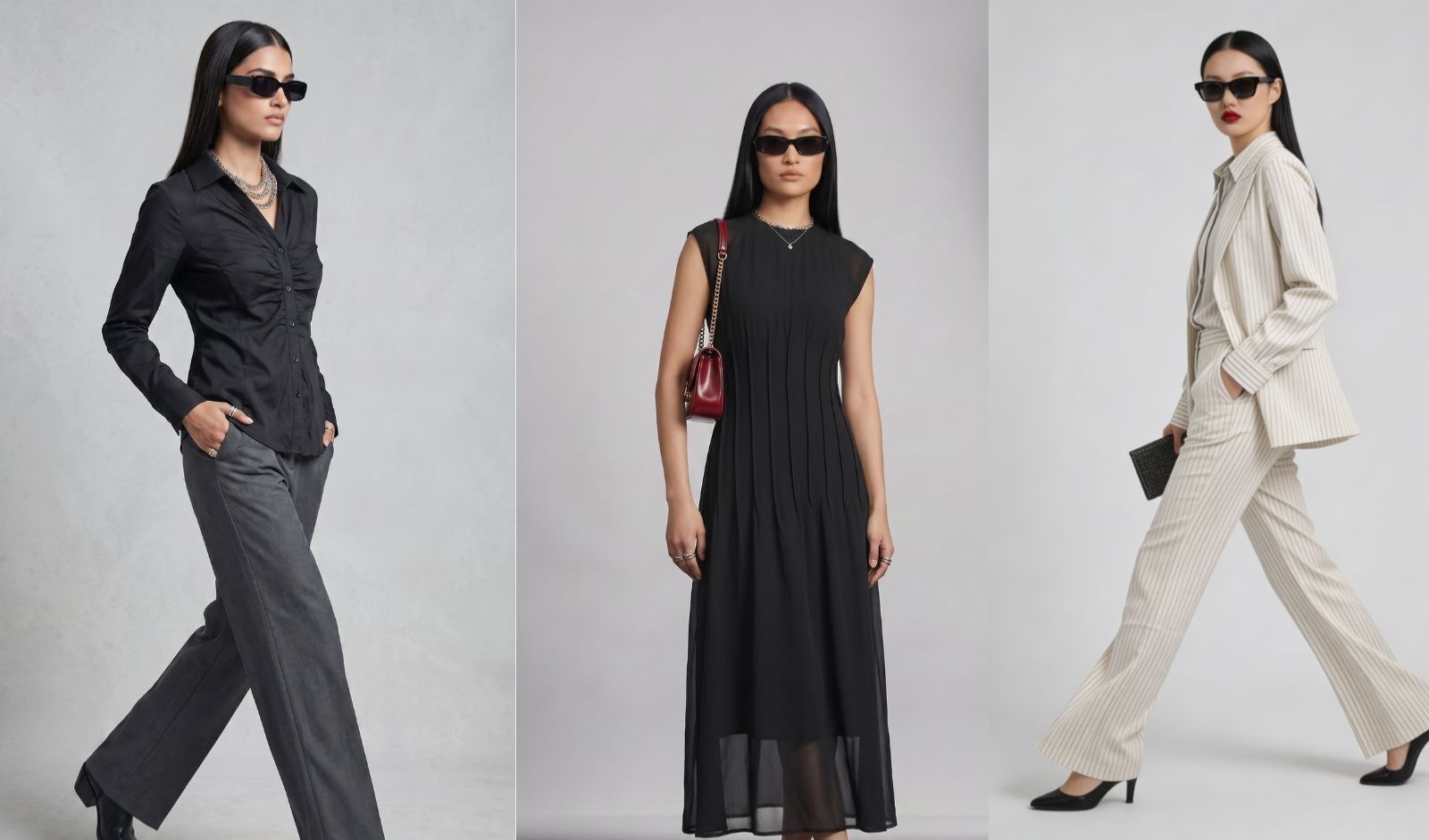
Max Fashion brought the world of The Devil Wears Prada to India’s value fashion market with a limited-edition collection inspired by the cult franchise. Designed around bold typography, graphic-led styles, and fashion-forward streetwear silhouettes, the collection blends cinematic nostalgia with everyday wearable fashion. Featuring oversized tees, statement co-ord sets, shirt dresses, crop tops, and relaxed fits, the range reflects the sharp, confident aesthetic associated with the film’s Runway Magazine universe.
The collection also incorporates black, white, beige, red, and pink colour palettes alongside stiletto-inspired graphics and typography-driven detailing to capture the film’s signature fashion identity. Available across select stores and online platforms, with prices starting at Rs 499, the collaboration highlights how entertainment-inspired fashion is gaining momentum in India’s organised retail sector. By combining pop culture with affordable styling, Max Fashion successfully turned The Devil Wears Prada into a mass-market fashion trend for younger consumers.
Virgio X The Devil Wears Prada
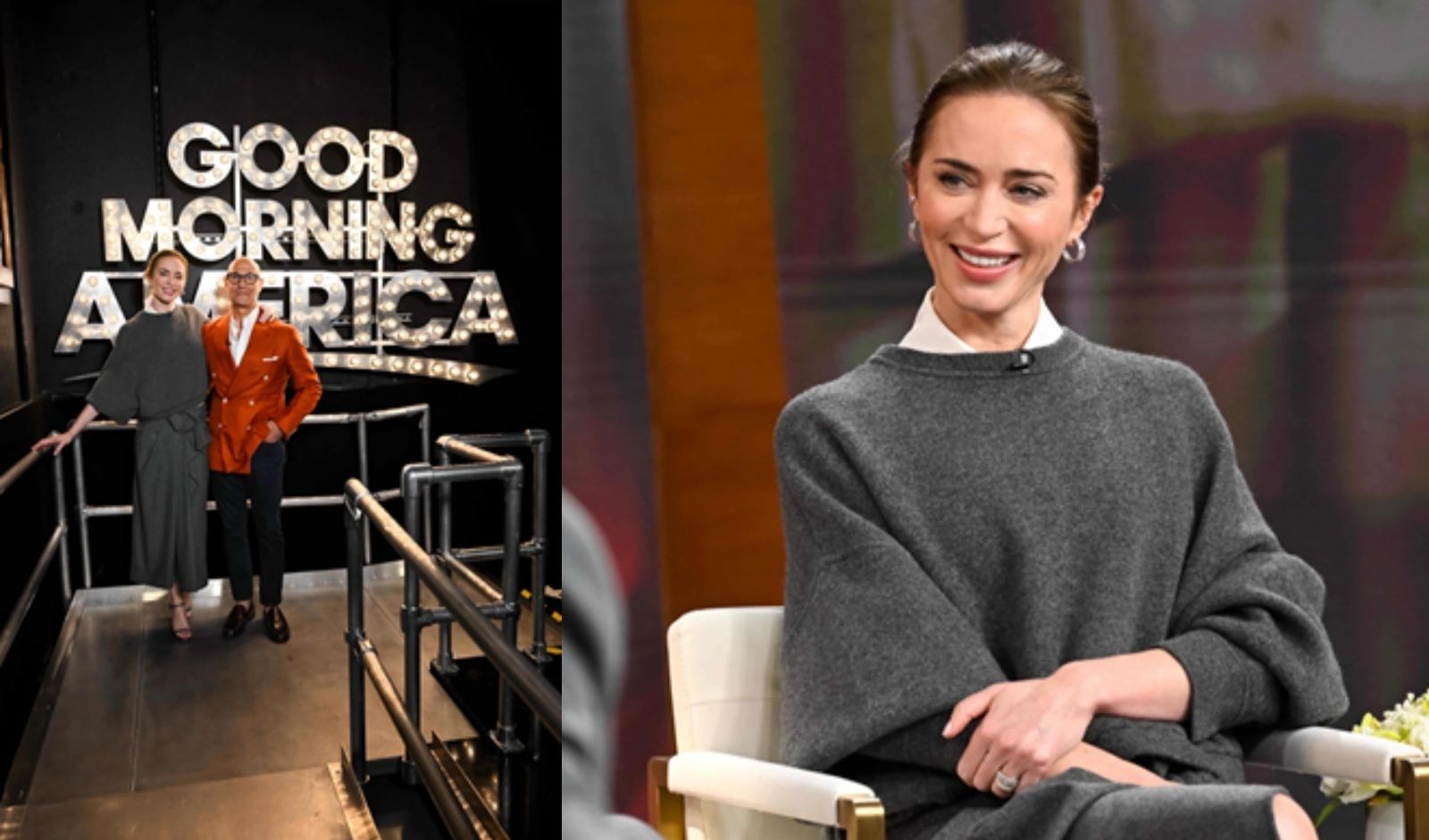
Virgio aligned its fashion positioning with the growing cultural buzz around The Devil Wears Prada by blending trend-driven aesthetics with its “Clean Fashion” philosophy. Inspired by the sharp styling and fashion-first identity associated with the franchise, Virgio focused on promoting conscious fashion choices without compromising on modern silhouettes and design appeal. The brand positioned sustainability as aspirational and mainstream rather than niche, targeting digitally aware consumers who seek both style and accountability in their wardrobes. Through creator-led storytelling, transparent sourcing practices, and fashion-forward collections, Virgio reflected the evolving shift in India’s fashion industry where entertainment, culture, and responsible consumption increasingly intersect.
Samsung X The Devil Wears Prada
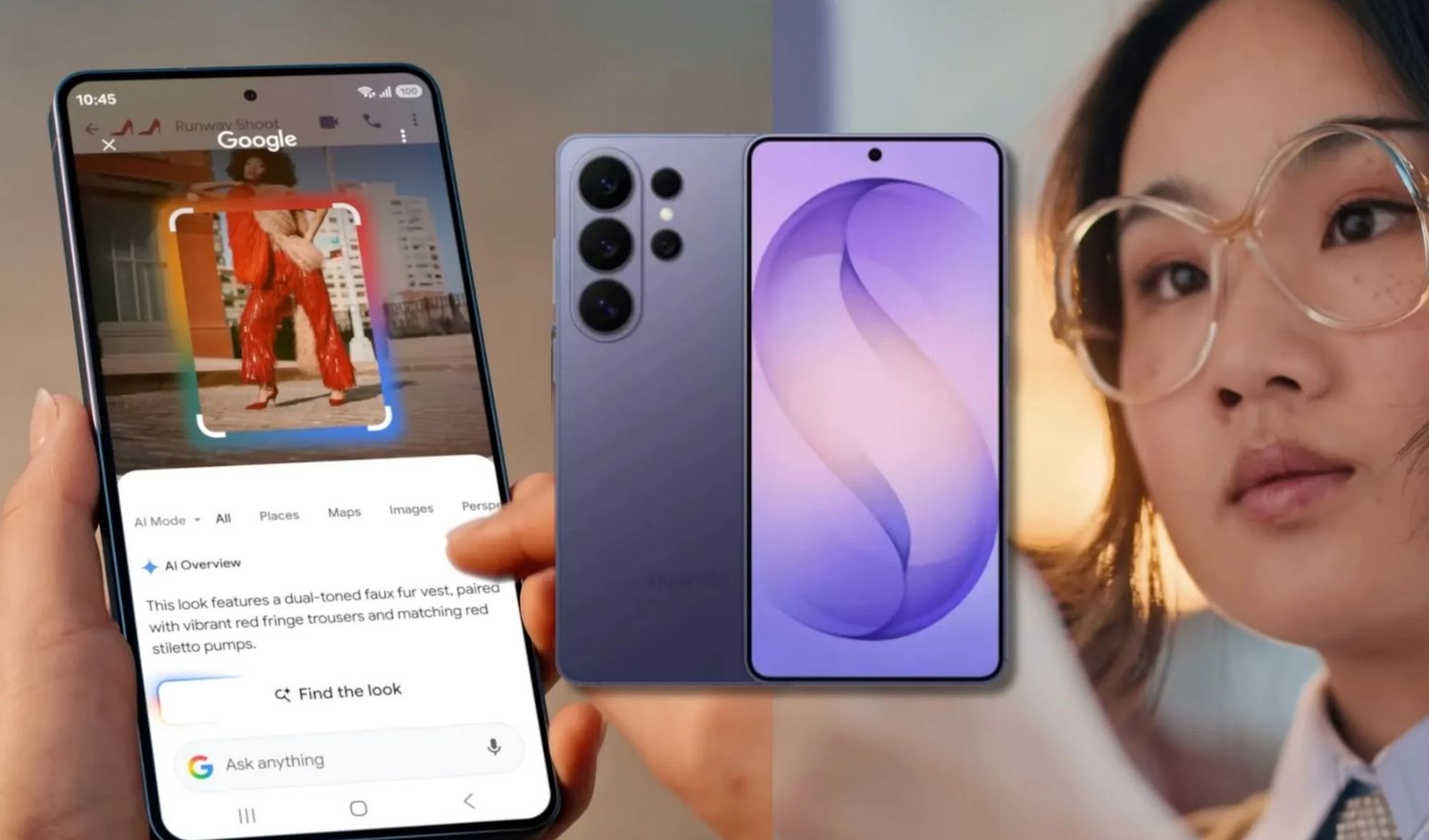
Technology company Samsung has also aligned itself with The Devil Wears Prada through fashion-oriented marketing initiatives tied to premium lifestyle positioning.
The collaboration reflects the growing overlap between technology and fashion. Smartphones, wearables, and digital devices are increasingly marketed as lifestyle accessories rather than purely functional products.
By associating with a franchise known for luxury aesthetics and aspirational storytelling, Samsung strengthens its premium brand identity among younger consumers. The collaboration also supports the company’s strategy of integrating technology into fashion and content creation ecosystems.
Today’s consumers often use smartphones and wearable devices as extensions of personal style. Collaborations connected to entertainment and fashion culture help technology companies create stronger emotional engagement with users.
Starbucks X The Devil Wears Prada
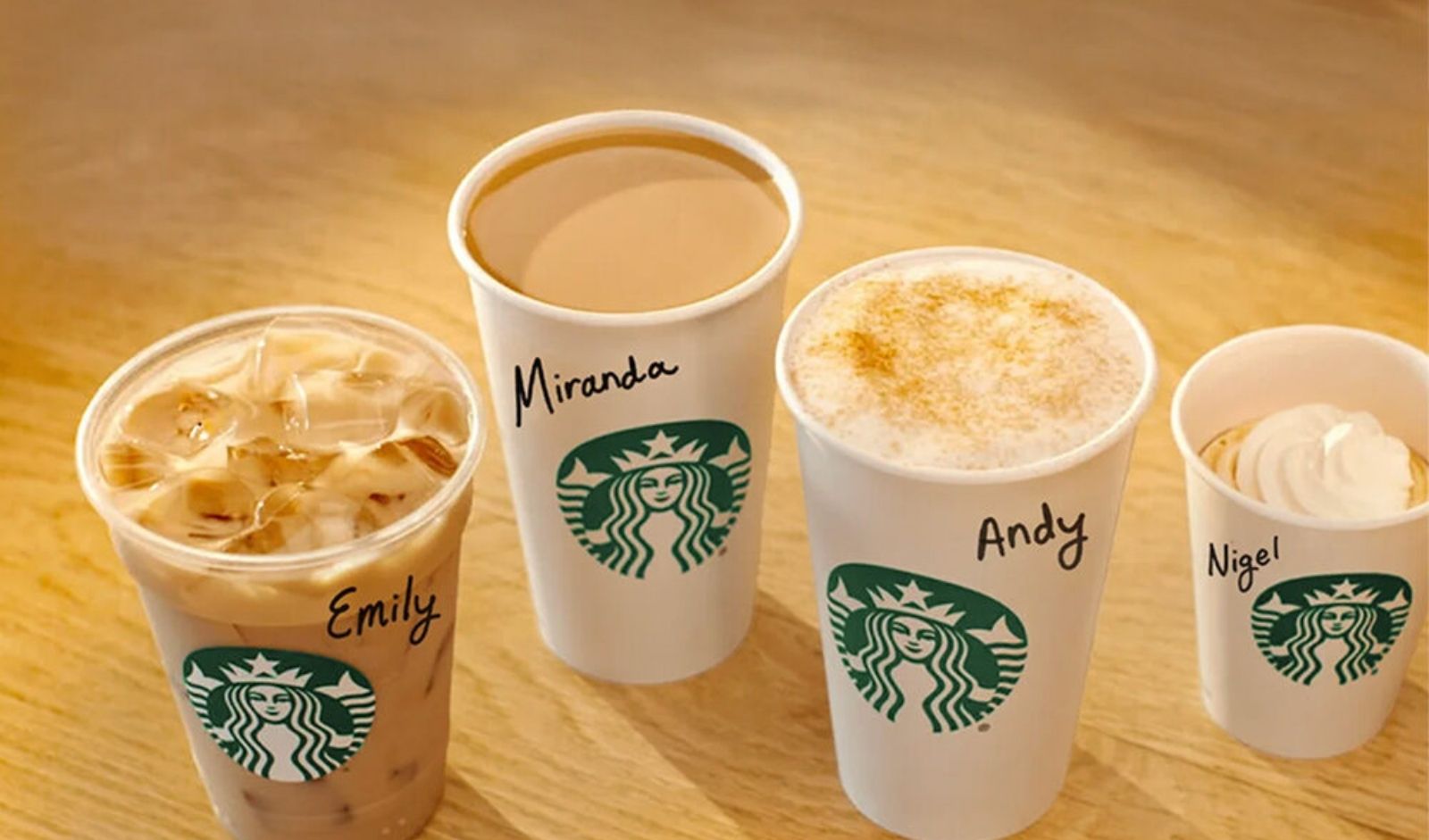
Global café chain Starbucks has also tapped into the franchise’s workplace and urban lifestyle themes through themed engagement campaigns.
Coffee culture remains closely associated with office life, productivity, and metropolitan routines, themes that are central to The Devil Wears Prada universe. Starbucks used the collaboration to drive social engagement, limited-time experiences, and digital conversations around work culture and fashion-inspired lifestyles.
The campaign highlights how food and beverage companies increasingly rely on entertainment collaborations to create seasonal relevance and user-generated content opportunities. Consumers today frequently share café experiences, themed beverages, and branded merchandise online, helping brands achieve wider visibility organically.
For Starbucks, entertainment-linked branding also helps maintain strong emotional connections with younger consumers who actively engage with pop culture trends online.
Know more: From Screen to Street: How Entertainment Is Reshaping Fashion Industry
Toy Brands Expand Beyond Play with Strategic Collaborations
Top Food and Beverage Brands Partnering with IPL Teams in India
Entertainment Collaborations Are Reshaping Retail Marketing
The growing excitement around The Devil Wears Prada and its upcoming sequel, The Devil Wears Prada 2 (2026), is reshaping how brands approach cultural marketing and consumer engagement. Collaborations involving Diet Coke, Max Fashion, Virgio, Samsung, and Starbucks show how entertainment-led partnerships are becoming central to retail, fashion, and lifestyle branding.
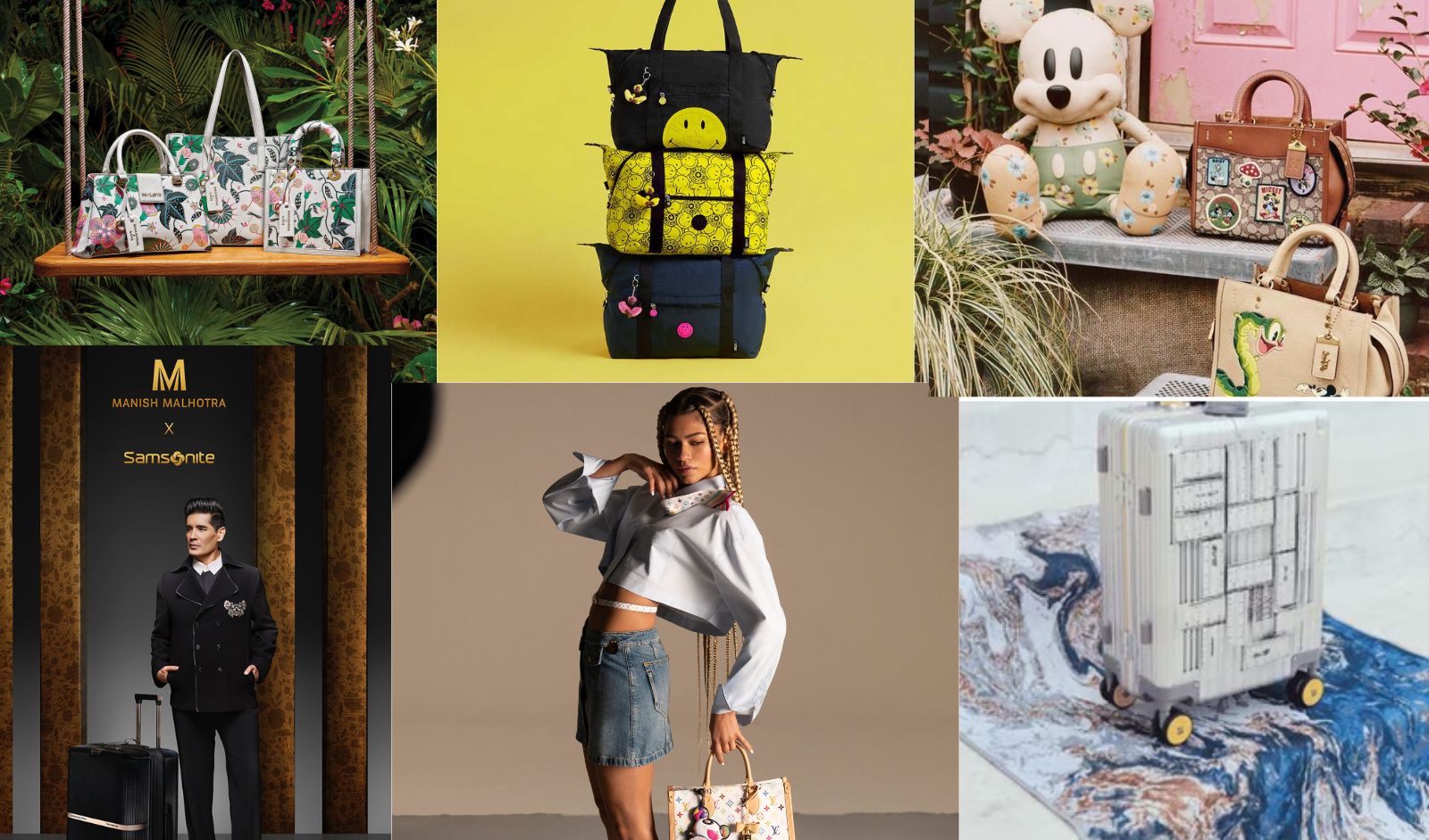
In today’s competitive retail market, bags and accessories brands are moving beyond standalone product launches to create stronger customer engagement through collaborations. These partnerships help brands tap into new audiences, refresh brand perception, and increase add-on retail growth through limited-edition collections, cross-category visibility, and premium positioning.
From luxury houses to homegrown Indian labels, collaborations are becoming a strategic growth lever in the bags and accessories segment. Whether it is travel gear, handbags, backpacks, or lifestyle accessories, these tie-ups are driving impulse purchases and boosting average order values across online and offline channels.
Here is a look at the top 7 bags and accessories brand collaborations driving add-on retail growth.
Lavie X Payal Singal
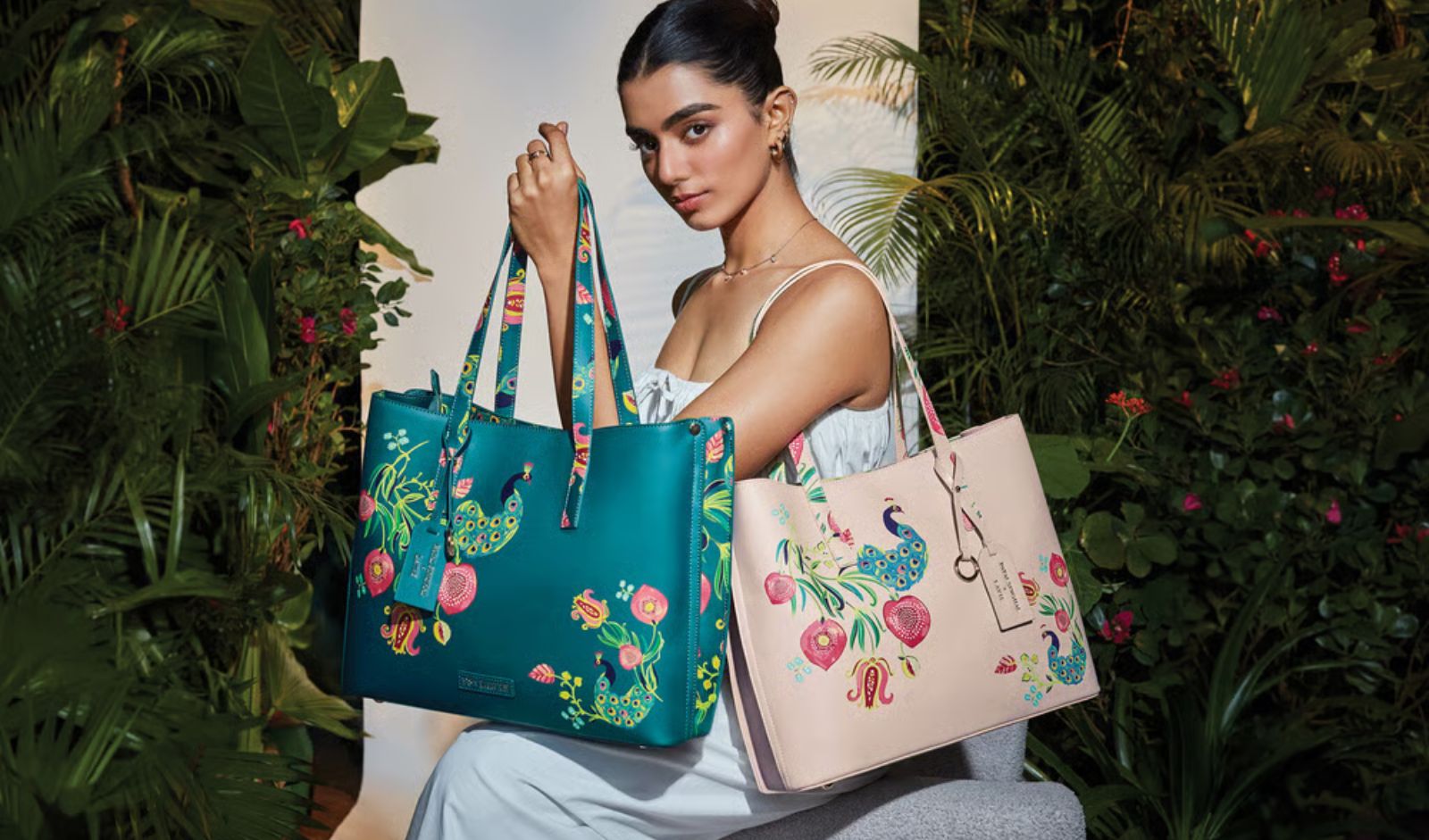
Lavie’s collaboration with Payal Singhal marked a strategic move to make designer handbags more accessible to a wider audience. Launched in January 2025, the limited-edition collection combined Lavie’s contemporary handbag silhouettes with Payal Singhal’s signature prints inspired by heritage, art, and global motifs. The range was designed for modern women seeking premium fashion with everyday usability.
For Lavie, the partnership helped strengthen its presence in the premium accessories segment while attracting younger aspirational consumers. It also highlighted how Indian accessories brands are using designer tie-ups to drive seasonal demand, premium pricing, and stronger brand differentiation in a competitive retail market.
Louis Vuitton and Takashi Murakami
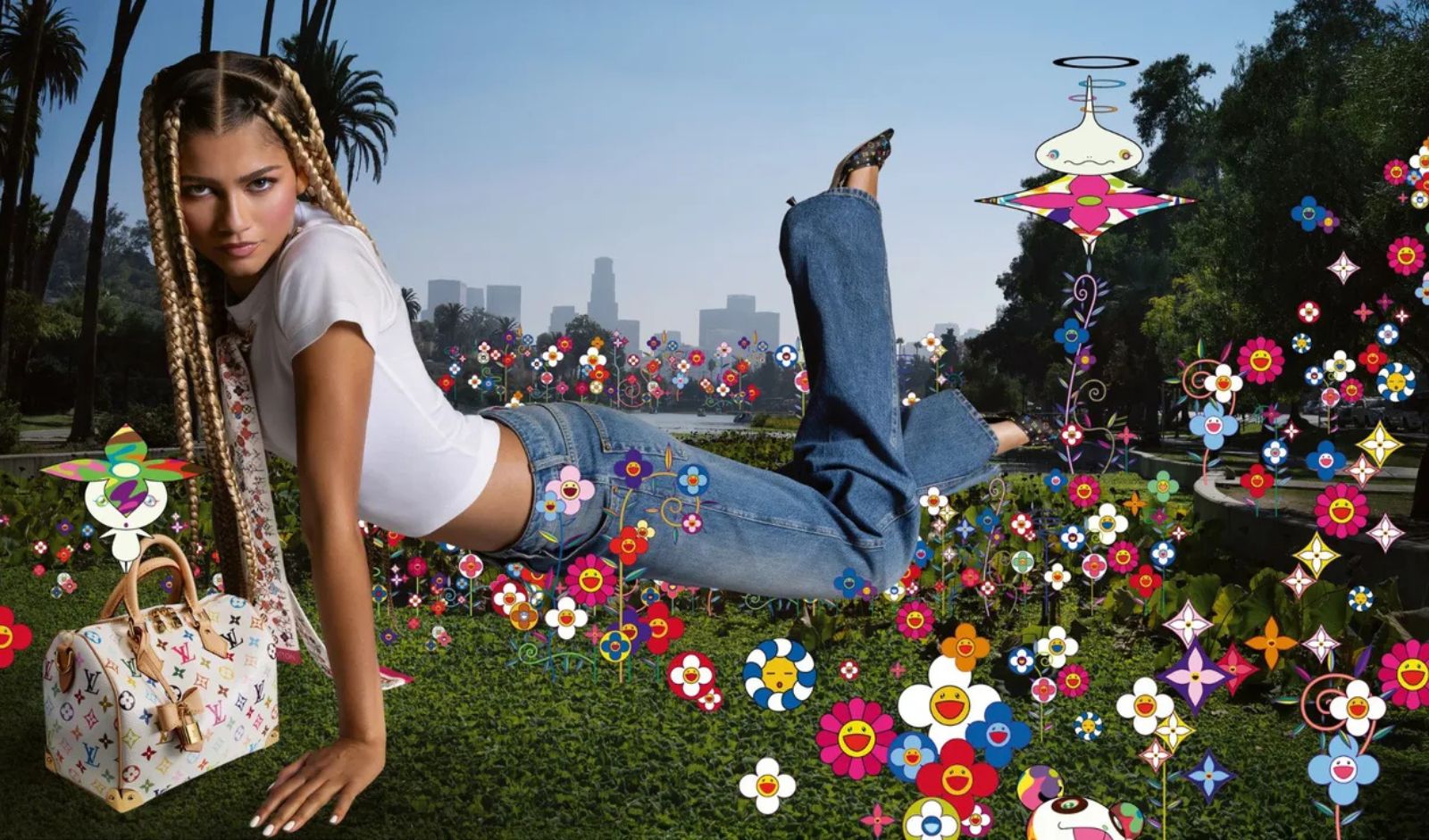
One of the most iconic collaborations in global fashion, Louis Vuitton’s partnership with artist Takashi Murakami transformed luxury accessories through bold colours and pop-art inspired monograms. The collection became highly desirable across handbags, wallets, and travel accessories.
This collaboration demonstrated how art partnerships can significantly enhance accessory sales by turning products into collectible items. Limited availability also increased urgency and repeat demand.
For retailers, such collaborations prove that accessories can become cultural products, not just utility purchases. Even years later, the Louis Vuitton x Takashi Murakami partnership remains a benchmark in collaborative retail success.
Samsonite X Manish Malhotra
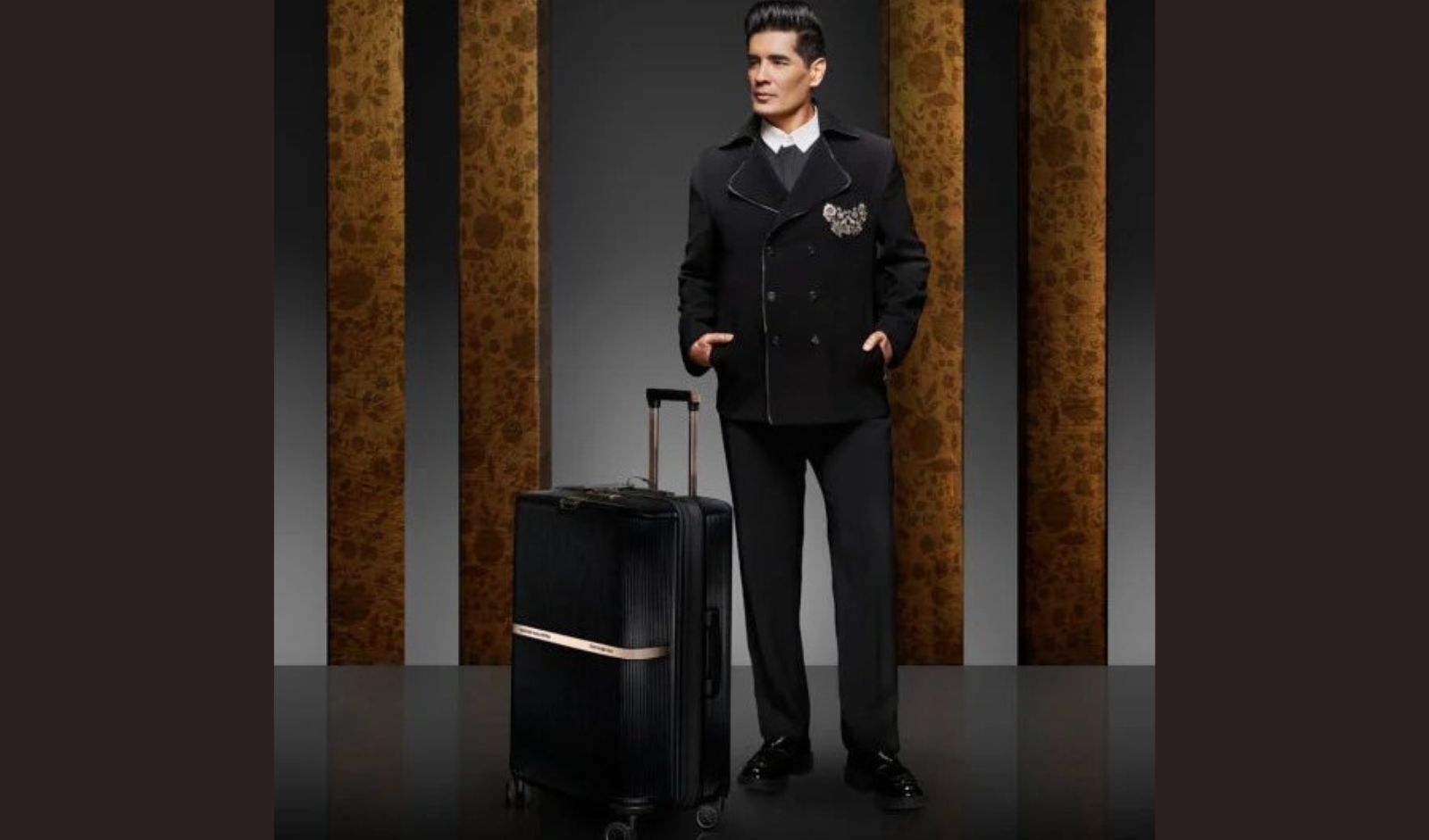
Travel gear brand Samsonite collaborated with designer Manish Malhotra to bring style-led luggage options to aspirational consumers. The partnership merged functional travel products with luxury-inspired aesthetics.
As travel demand continues to rise, premium luggage buyers increasingly seek design differentiation. Collaborations like this help luggage brands move from purely utility-driven purchases to fashion-led buying decisions.
For retailers, such collections can increase basket size through matching travel accessories such as vanity kits, laptop bags, passport holders, and organisers.
Kipling X Smiley
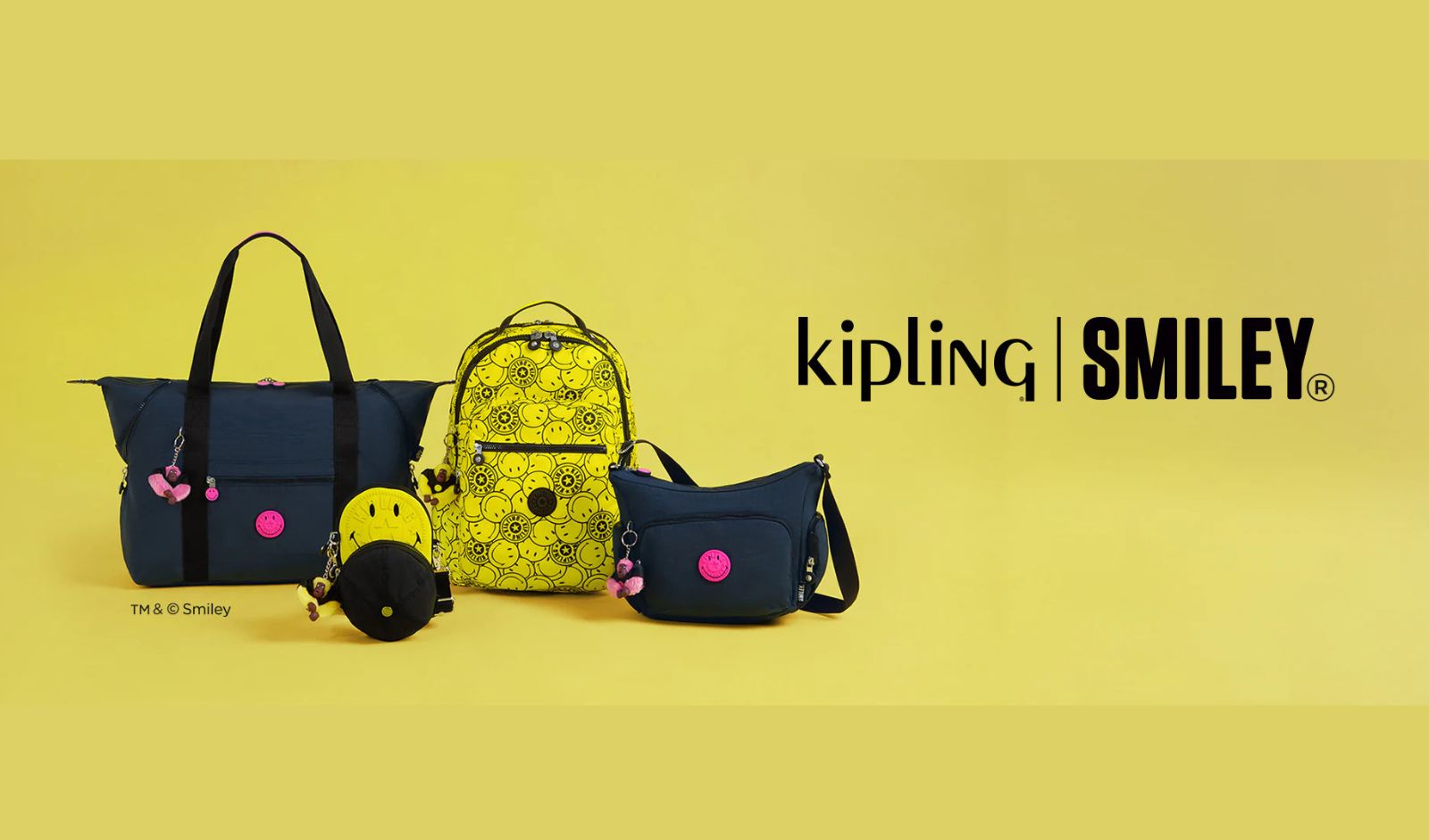
Kipling’s collaboration with Smiley brought playful and youth-focused energy to backpacks, totes, and accessories. The partnership combined Kipling’s practical product DNA with Smiley’s globally recognised cheerful identity.
Collaborations targeting younger consumers often generate strong social media traction, especially in categories like backpacks and casual bags. These collections also perform well in gifting seasons and back-to-school retail periods.
For brands, licensed collaborations like Kipling x Smiley help maintain freshness while attracting first-time buyers.
Mokobara X Bombay Shaving Company
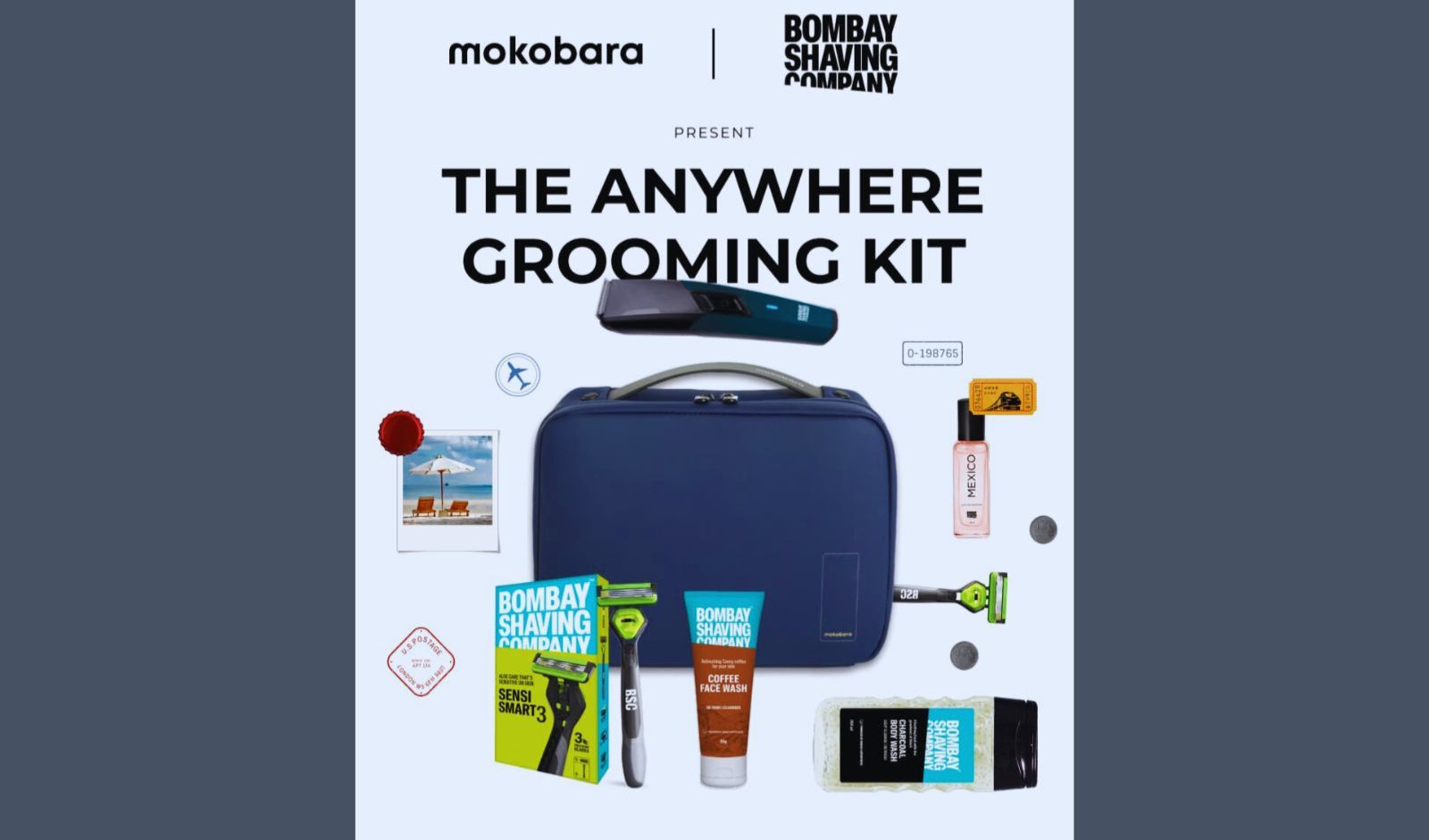
Mokobara partnered with Bombay Shaving Company to create a lifestyle-led travel collaboration that connected luggage with men’s grooming essentials. This kind of cross-category partnership shows how modern retail is moving toward complete consumer experiences rather than isolated products.
For example, a travel luggage purchase can naturally lead to add-on purchases such as toiletry kits, grooming sets, pouches, or organisers. This directly supports average order value growth.
The collaboration also helped both brands access each other’s customer bases, creating mutual acquisition opportunities.
EUME X Met Gala 2025
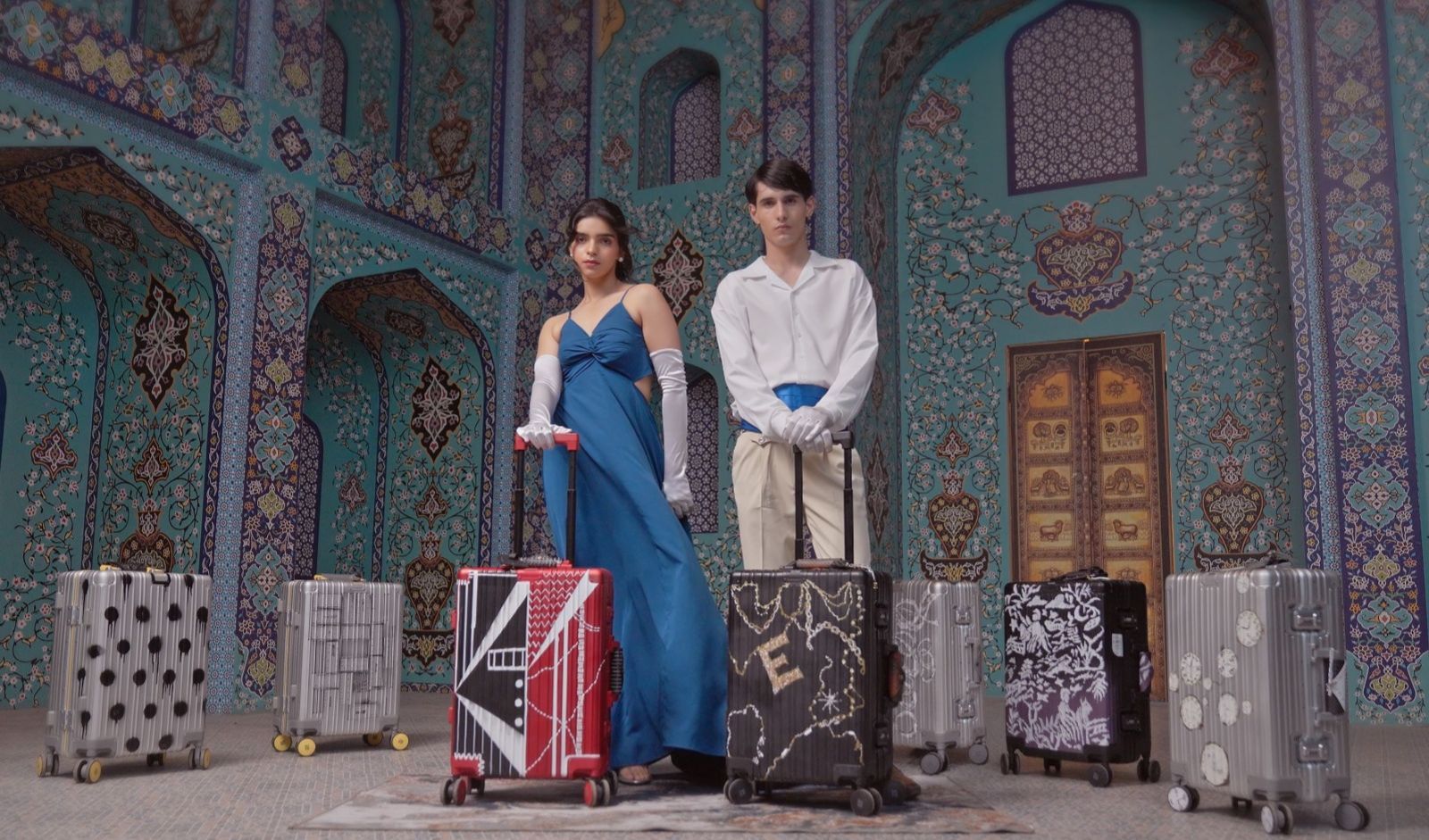
Indian brand EUME leveraged the global visibility of the Met Gala 2025 through themed travel and accessories storytelling. Associating with a globally recognised fashion event allowed the brand to elevate perception and build aspirational appeal.
Fashion-event linked collaborations or campaigns often create premium demand in bags and accessories categories, especially among younger urban consumers. Consumers today want products that reflect style relevance, not just function.
For retail brands, event-based associations can support limited-edition launches, social buzz, and digital commerce traction.
Coach X Disney
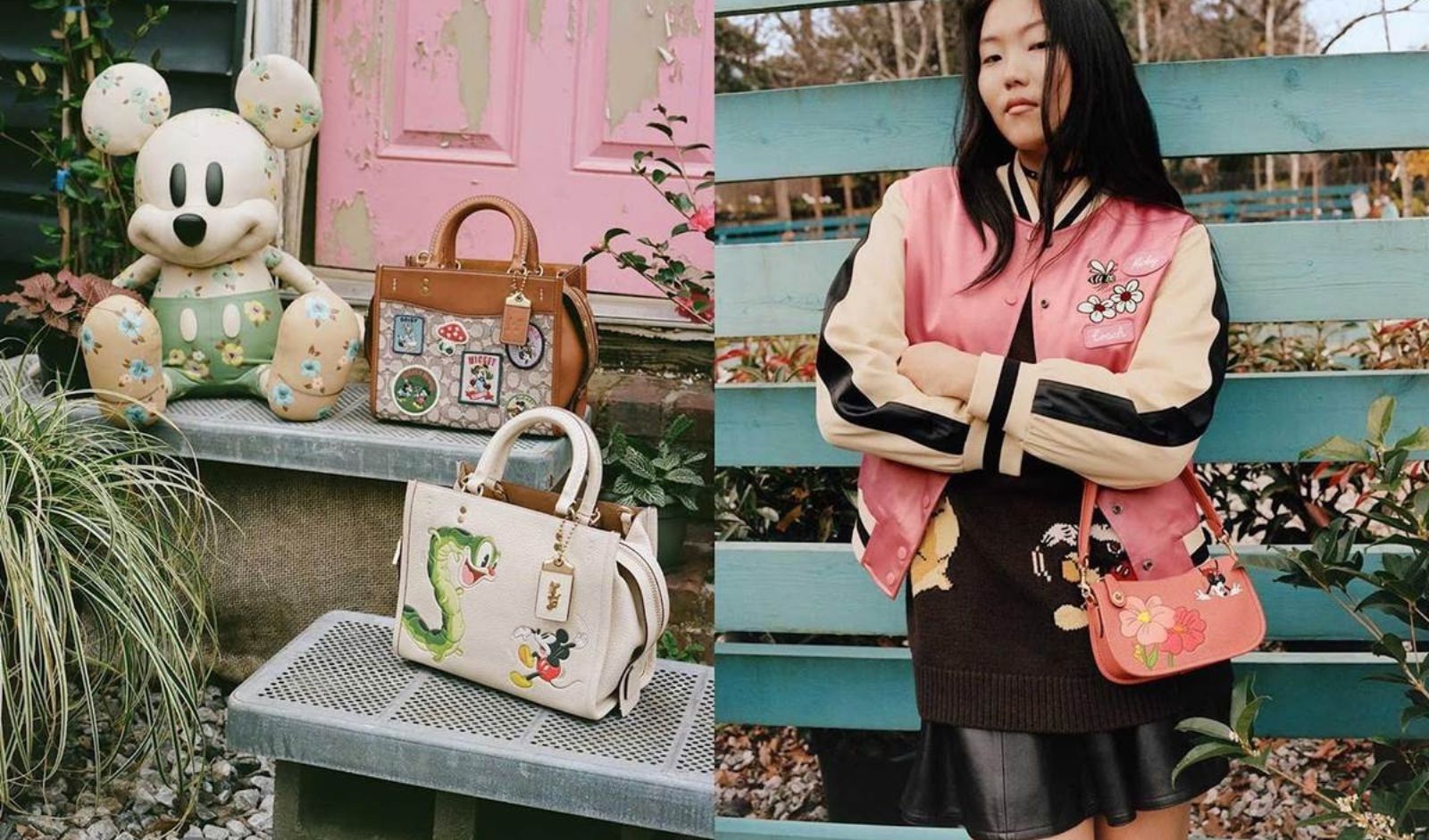
Coach’s collaboration with Disney became a strong example of storytelling-led accessory retail. The collection blended nostalgic characters with modern handbags, wallets, and accessories.
Collaborations rooted in nostalgia often encourage emotional purchases and gifting demand. Consumers are more willing to buy add-on accessories when the products carry familiar cultural value.
This model has inspired many other brands globally to use pop culture tie-ups for incremental accessory sales.
Final Thoughts
The rise of partnerships such as Lavie x Payal Singhal, Samsonite x Manish Malhotra, Mokobara x Bombay Shaving Company, and Louis Vuitton x Takashi Murakami shows that collaborations are no longer optional marketing exercises. They are becoming growth engines for bags and accessories retail.
As consumer preferences shift toward style, experience, and identity-led purchases, brands that use collaborations strategically are better positioned to drive add-on sales, attract new shoppers, and build stronger retail momentum.
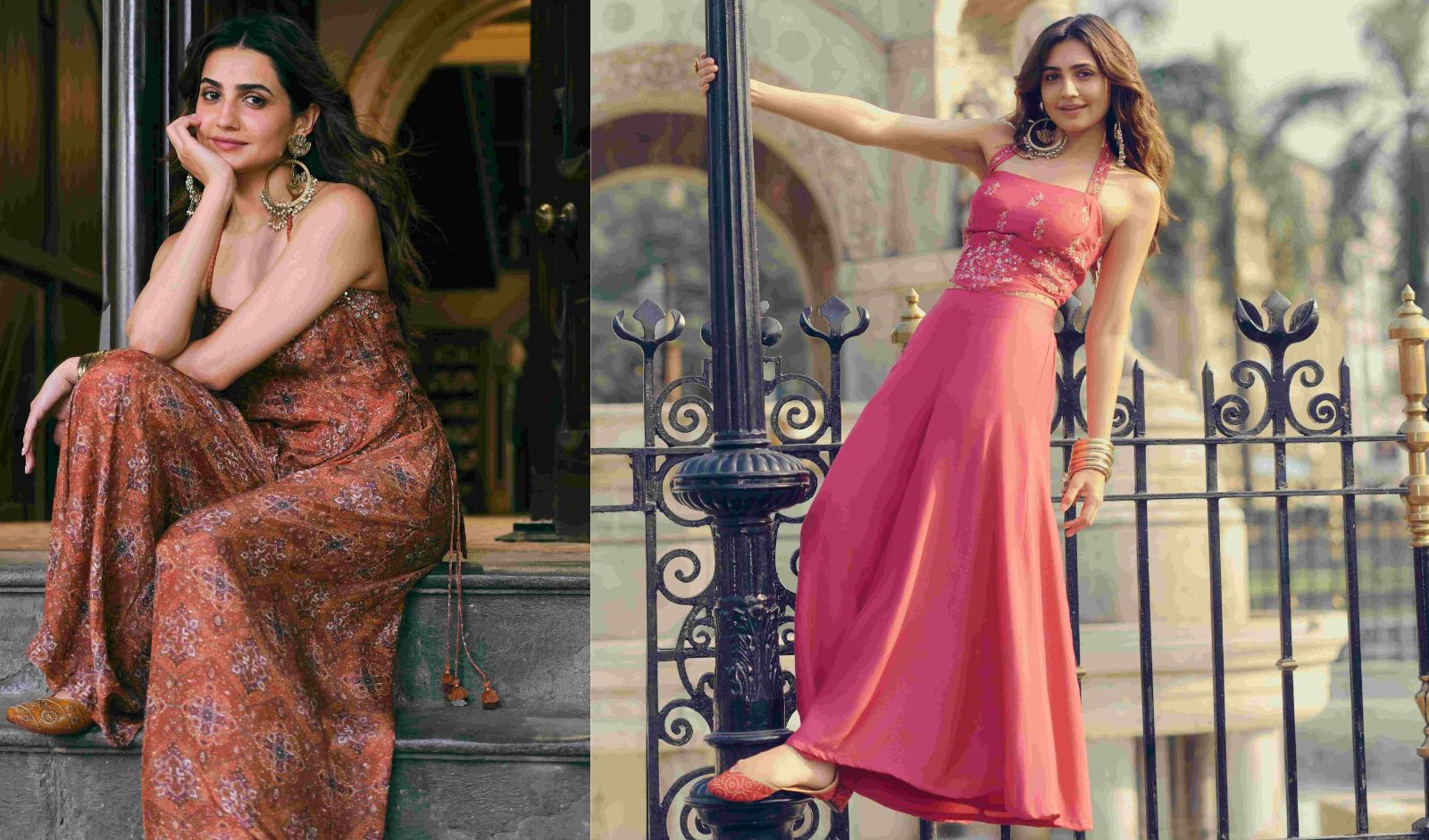 FASHION AND LIFESTYLEThe campaign captures Mumbai's contrasting character through its lively neighbourhoods, familiar landmarks and lesser-known corners.
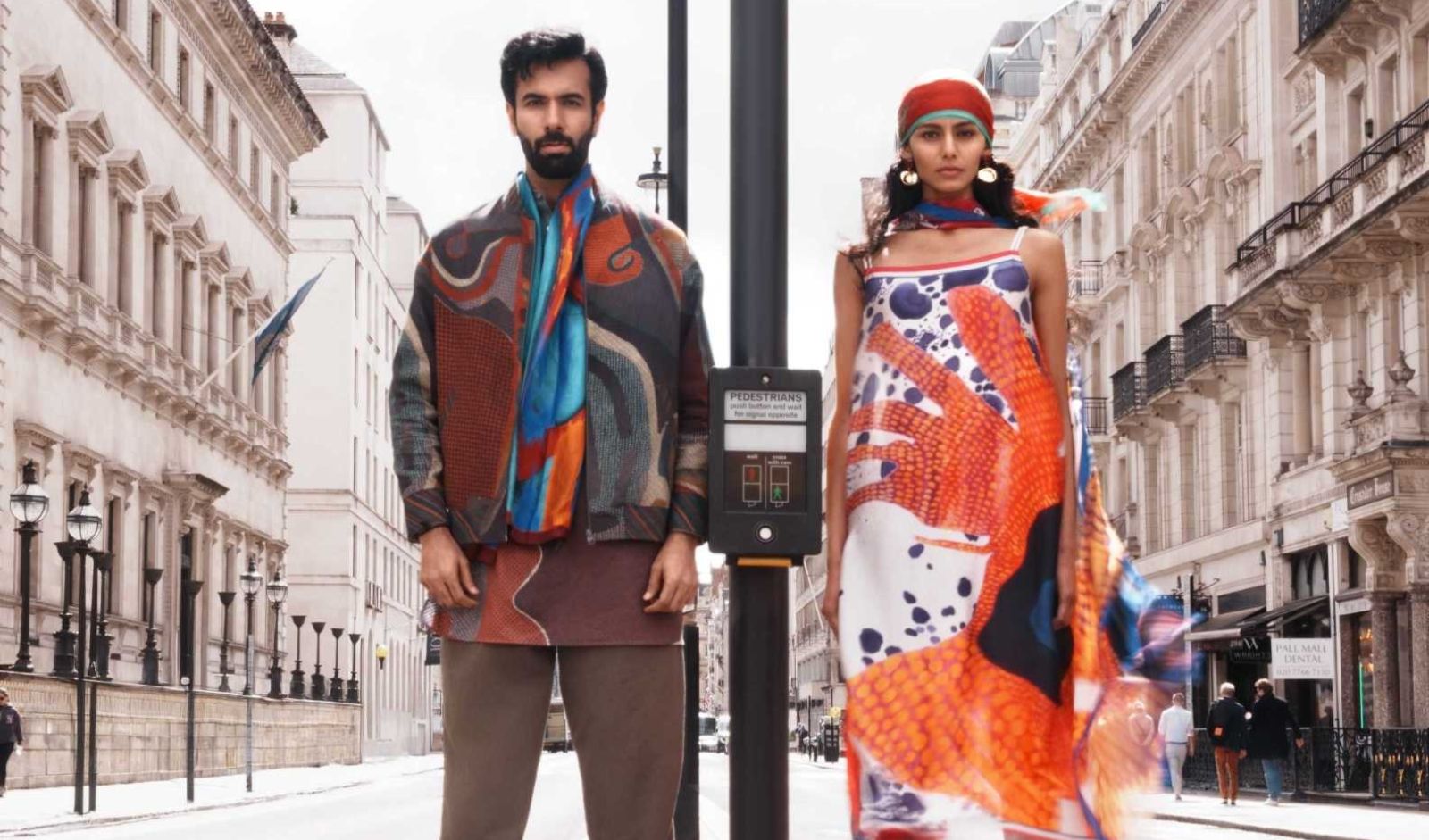 FASHION AND LIFESTYLEActor Danish Pandor, who walked at the London showcase, features in the campaign, reflecting the collection's emphasis on individuality and exploration.
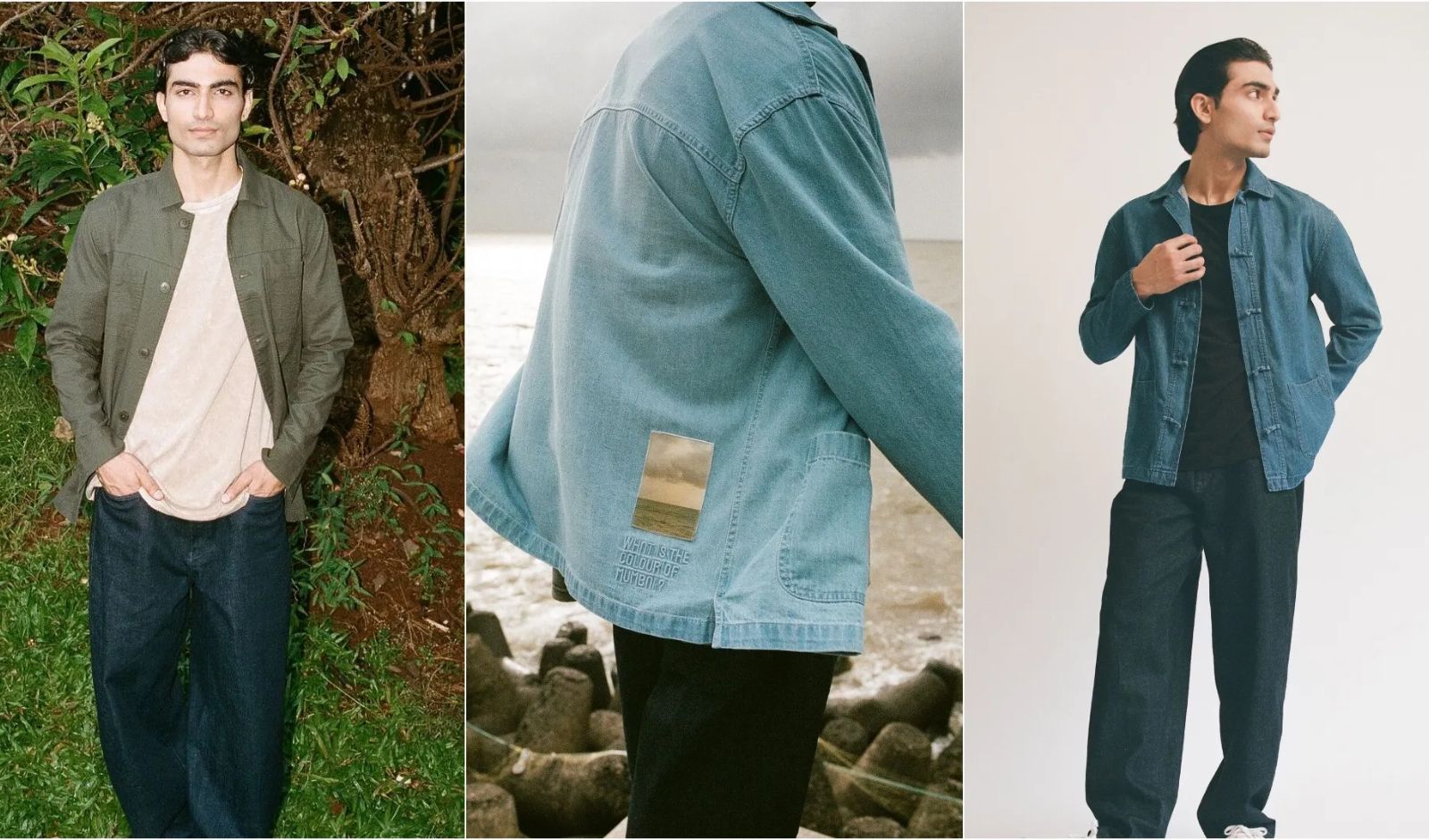 FASHION AND LIFESTYLEThe ready-to-wear collection features chore jackets, vintage-washed denim shackets and soft overshirts.
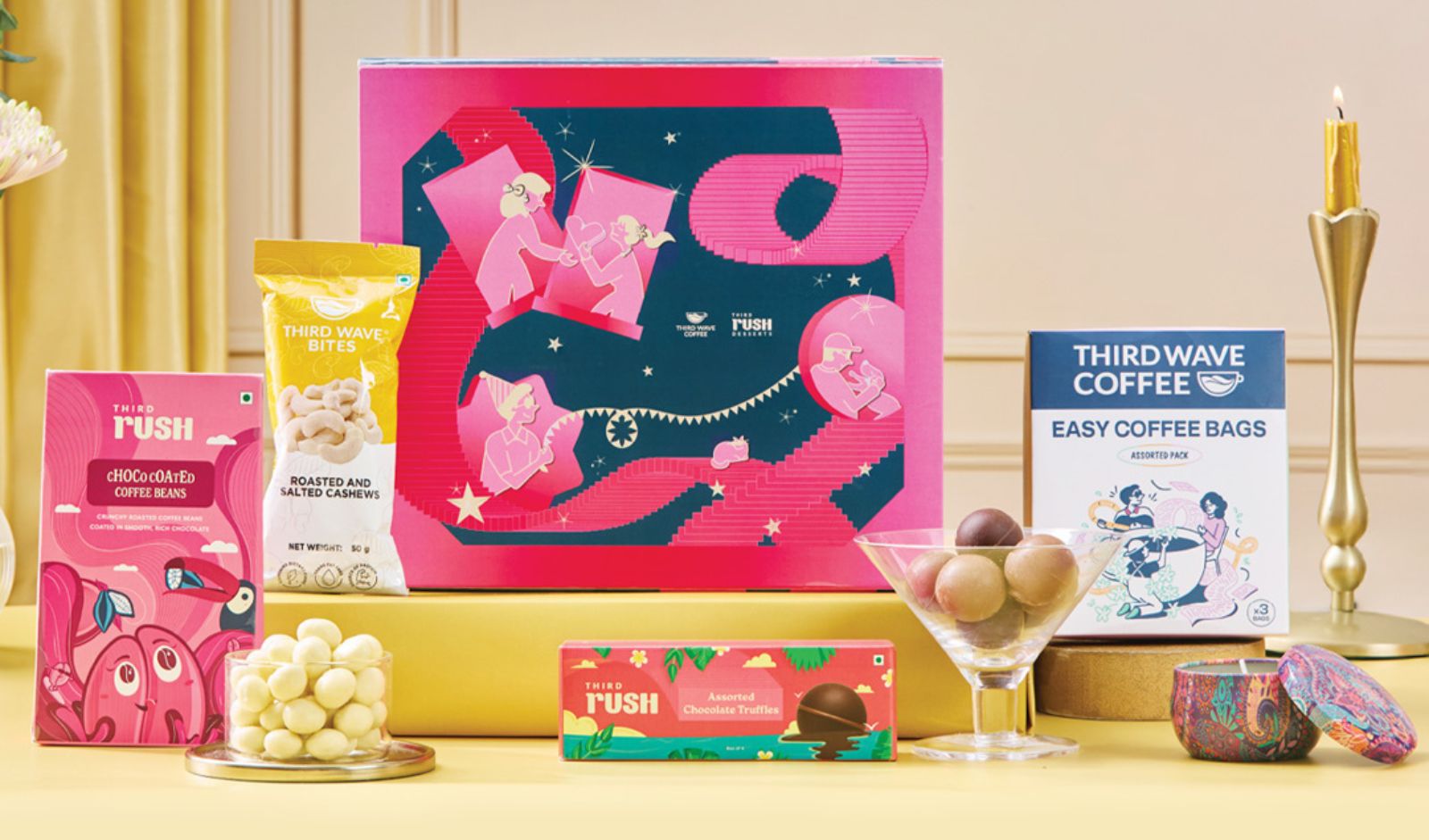 FASHION AND LIFESTYLEThe collection also features products from Third Rush Desserts, the company's recently launched dessert-focused brand.