


Web Content Writer, IndianRetailer.com & License India Apr, 02 2026 /

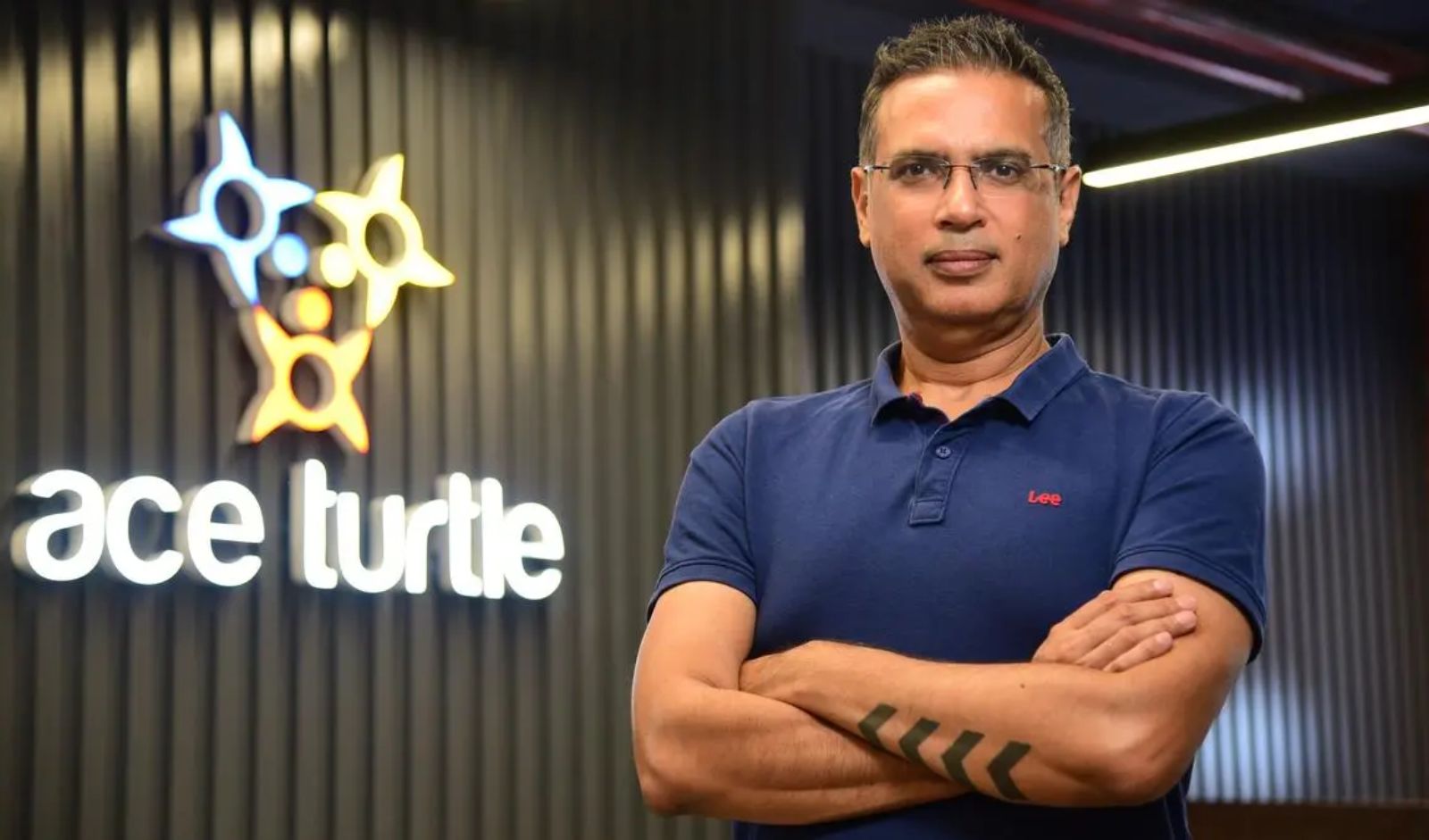
For an emerging platform like Ace Turtle, one of India’s leading tech-native retail companies, the right business strategy is the key to strengthening its presence in global markets. Initially established as a technology-first venture, the company offered subscription-based omnichannel SaaS solutions to major lifestyle brands, helping them manage and scale their retail operations.
“We started off as a tech company offering our software for omnichannel commerce to large lifestyle brands. From 2014 to around 2020, it was largely a software play where we would give our platform to brands and charge a subscription fee on the SaaS model,” stated Nitin Chhabra, CEO, Ace Turtle.
The business model started to evolve around 2019–2020 as brands struggled with operational scalability.
“Some of our clients did not have the operational capability to fulfil orders at scale. In order to help them scale—and to upgrade ourselves—we realized we needed to offer operational capabilities like fulfilment, last-mile logistics, and customer support as well,” explained Nitin.
This transition turned Ace Turtle into a full-stack omnichannel partner for brands.
Bengaluru-based retail technology and brand licensing company Ace Turtle is redefining its growth strategy by combining technology, retail operations, and brand licensing to build a scalable omnichannel business in India.
Reimagining Global Brands for India’s Market
When it comes to balancing the global ethos of international brands with the expectations of Indian consumers, consistency and localization are the most crucial factors. According to the company, most of its client portfolio initially consisted of global brands, with only a few Indian players such as VIP in the mix. Working with international labels meant ensuring that the brand’s global identity and core values remained intact while adapting certain elements to suit the Indian market.
“VIP Luggage and a few other Indian brands were among our clients, while the rest were largely international brands. Our customer support and success teams often faced challenges when introducing new features, as most clients preferred to focus only on the core functionalities. As a result, the adoption of newer and more progressive features remained slow. That’s when we identified an opportunity,” commented Nitin.
Inside Ace Turtle’s Licensed Brand Strategy
Ace Turtle’s first major licensing partnerships included Lee and Wrangler, followed by brands like Toys“R”Us.
“We used our tech model to further scale brands, which is when we started approaching a few of them. We first closed deals with Lee and Wrangler, followed by Toys ‘R’ Us and others. That’s when we shifted our model and moved into the retail side. Interestingly, what we had planned to achieve in the first 12 months was accomplished within just seven months,” stated Nitin.
The company achieved its initial 12-month retail growth targets within just seven months. This success validated the new approach and reinforced the decision to pivot from a pure SaaS company to a brand operator powered by technology.
Starting in April this year, Ace Turtle is all set to reinvent its technology platform in the market with a comprehensive retail-tech suite, merging omnichannel commerce with tools that digitize physical retail operations.
“Now, we have built these products on the front end for the offline world to manage the entire digital operations, rather than running retail operations purely through digital. We are planning to relaunch these products along with our SaaS offering starting this April. From April onwards, we will go back to the market to onboard clients for our technology as well,” said Nitin.
Physical Retail Remains Crucial
Despite the rise of digital commerce, Ace Turtle believes offline retail remains essential for building strong brands and delivering immersive customer experiences. Today, the company operates over 110 physical stores across India through its portfolio of global brands, while also managing a wide network of omnichannel retail touchpoints.
“Today, customers discover brands online, but the purchase can happen either online or offline. Omni-channel remains very important,” Nitin commented.
For Ace Turtle, brick-and-mortar stores function not just as sales channels but also as brand discovery and experience centres, reinforcing its strategy of combining digital discovery with physical retail presence across India.
When it comes to geographic expansion, Ace Turtle is increasingly focusing on Tier II and Tier III cities, where store economics are proving more favourable than metro markets. By combining offline retail expansion in emerging cities with strong omnichannel integration, Ace Turtle continues to position itself as a technology-driven retail partner for scaling global brands in India.
A Clear Strategy for Brand Selection
Currently, Ace Turtle is focused primarily on fashion brands, a category where it believes its capabilities are strongest.
The experience with Toys“R”Us—launched as a joint venture with Flipkart—highlighted the challenges of operating outside its core expertise. Regulatory changes related to BIS certification disrupted toy imports, while local manufacturing was still scaling up.
As a result, Ace Turtle has doubled down on fashion and now evaluates brands based on four key filters including Strong brand awareness across India, flexible local manufacturing and design operations, Alignment with its data-driven circular supply chain model, and the potential to reach Rs 300 crore in revenue within five years.
“Right now we are focusing on fashion, because we tried one non-fashion business, which was Toys R Us. And that didn't really work out well for us. Also, because around the time we launched, it was a JV between Flipkart and us,” said Nitin.
Collaborations That Resonated
Brand collaborations have also played a role in driving engagement. Among the most successful partnerships have been the Hot Wheels collaboration with Wrangler and the Suneet Varma collaboration, both of which delivered strong results in the market.
These collaborations typically begin with identifying overlapping values between the two brands and their customer bases before designing products that resonate with both audiences.
“The Hot Wheels was pretty good, specifically for Angular. We were trying to achieve certain objectives with Sunit Verma,” concluded Nitin.
With a growing portfolio of licensed brands, a renewed SaaS offering, and a retail strategy focused on emerging markets, Ace Turtle is positioning itself at the intersection of technology, licensing, and omnichannel retail.
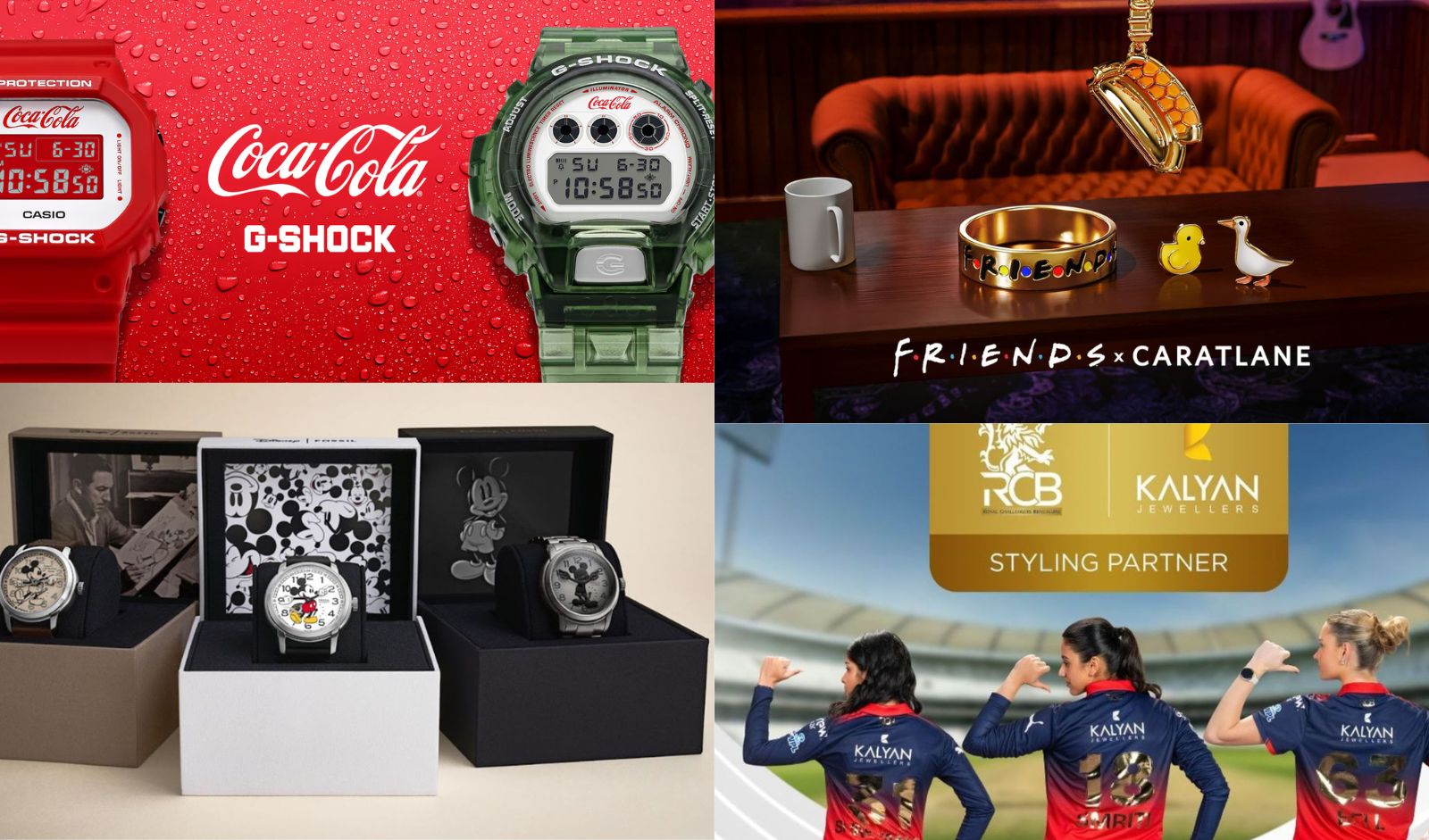 FASHION AND LIFESTYLEThe growing influence of pop culture, fandoms, sports leagues, and nostalgia-driven marketing has opened new avenues for brands to engage consumers beyond traditional advertising.
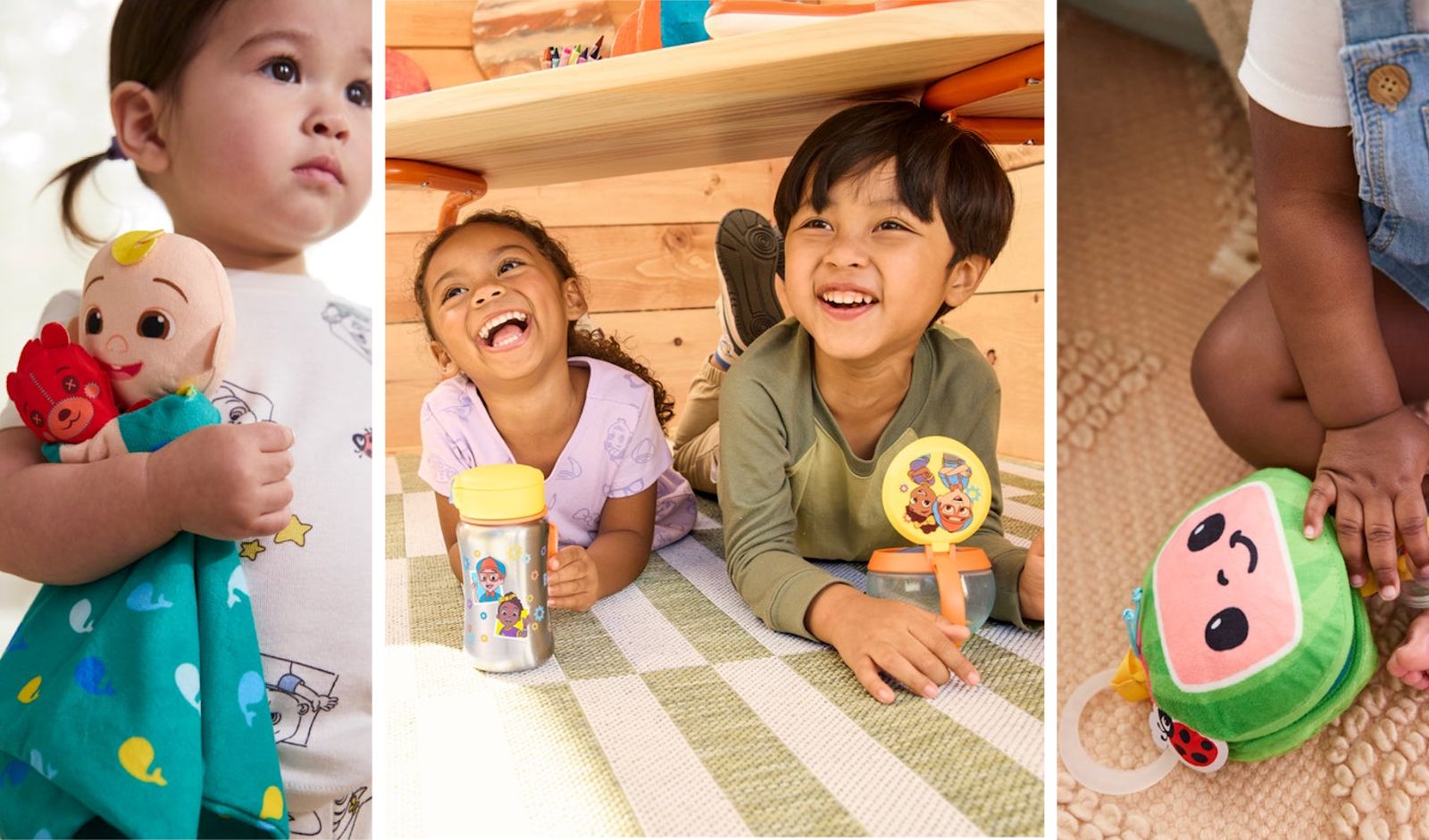 FASHION AND LIFESTYLEThe collaboration comes shortly after Moonbug announced that CoComelon will make its theatrical debut next spring.
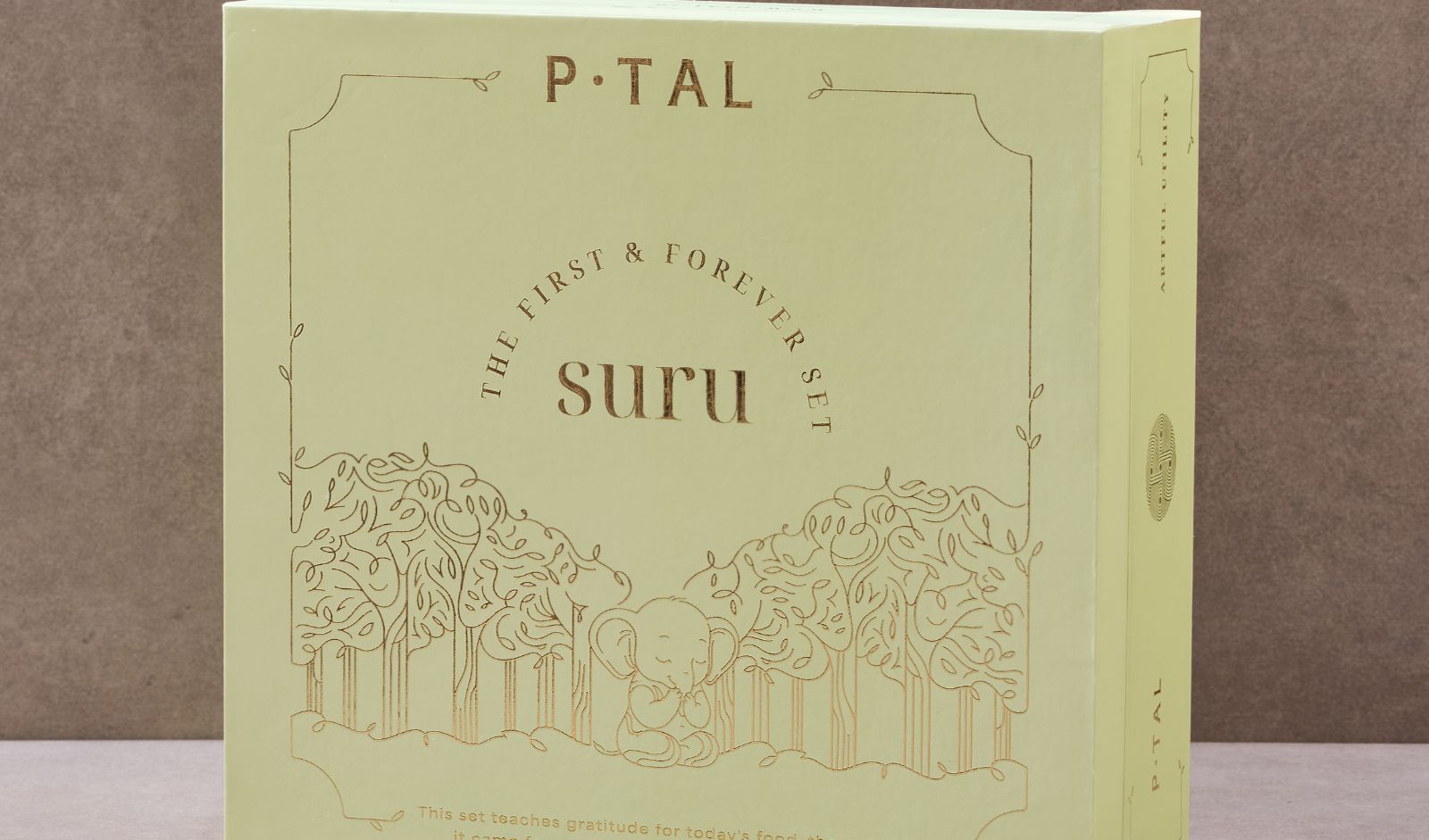 FASHION AND LIFESTYLENamed The First and Forever Set, the collection is positioned as a long-lasting alternative to conventional children's dinnerware.
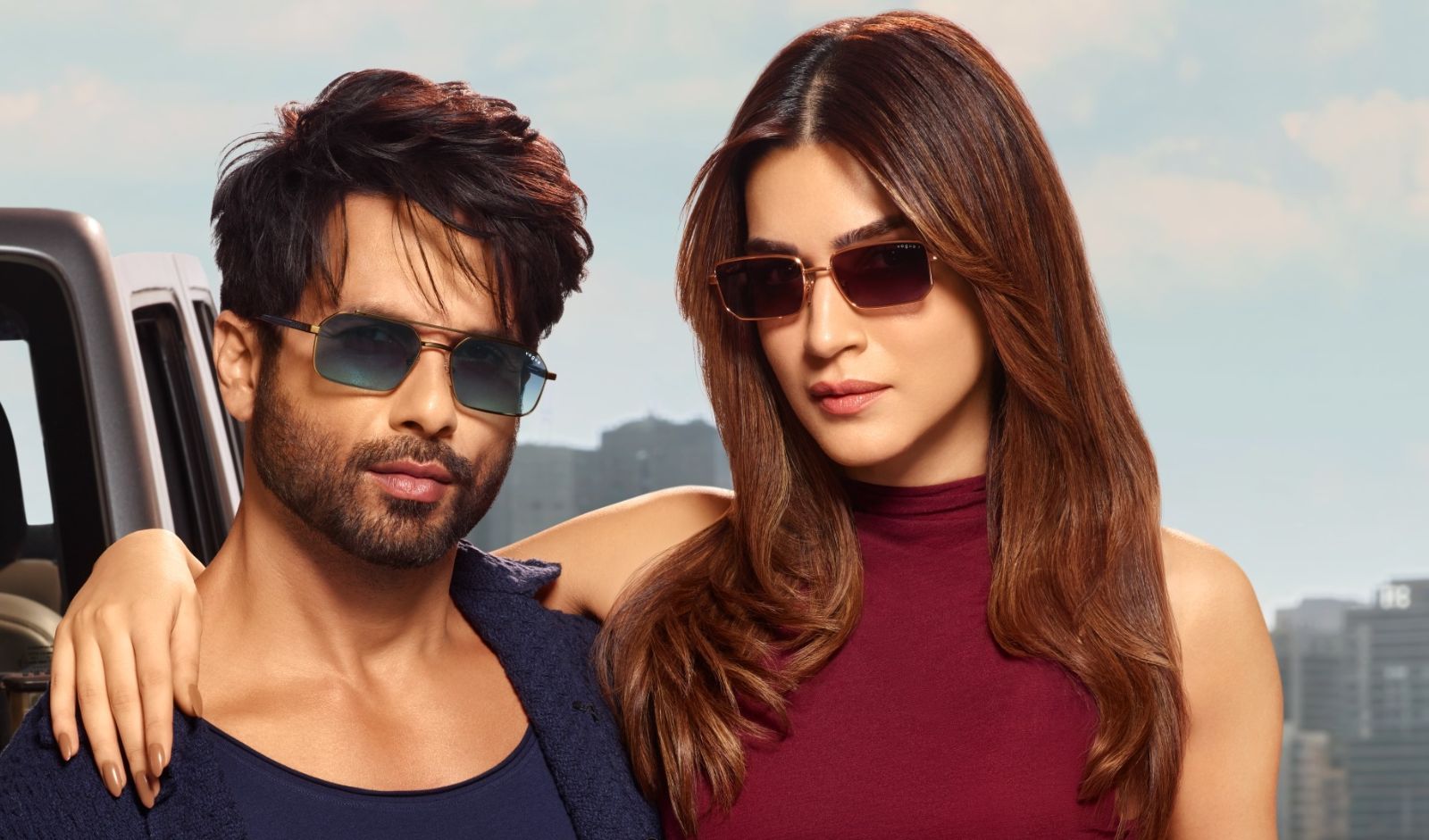 FASHION AND LIFESTYLEThrough the campaign, the brand aims to strengthen its engagement with consumers who view fashion and accessories as extensions of their identity.






Copyright © 2009 - 2026 License India.