


Web Content Writer, IndianRetailer.com & License India Sep, 04 2026 /

For years, India's menswear market was largely divided into two camps. On one side were legacy brands built around formal shirts, trousers, and office dressing. On the other were fashion-forward labels chasing fast-changing trends and younger consumers. The Bear House believes there is a space between the two.
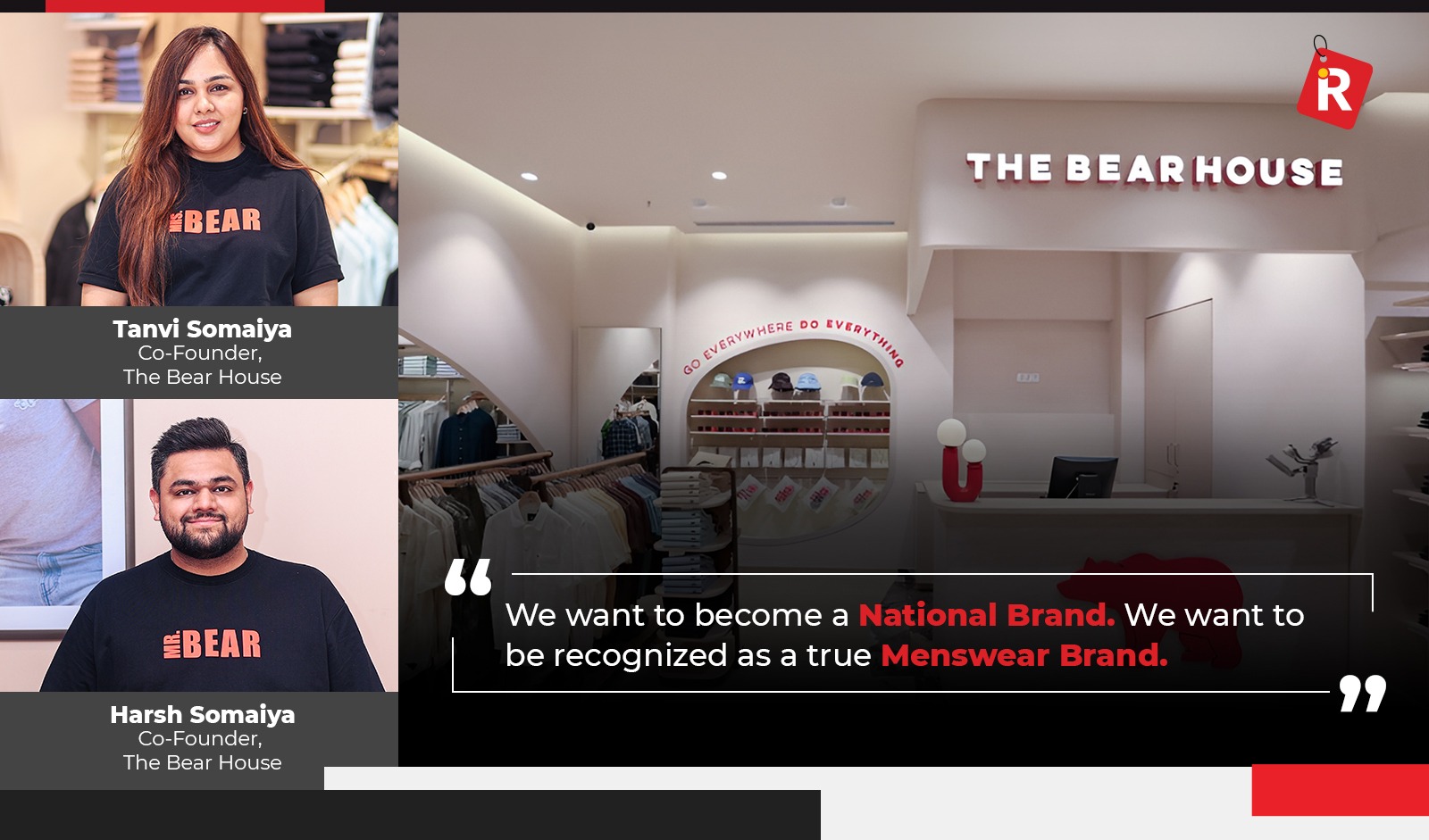
Founded by Harsh and Tanvi Somaiya, the Bengaluru-based menswear brand has built its identity around what it calls "young workwear" and elevated wardrobe staples. The idea is rooted in a broader shift taking place in workplaces across India, where professionals are moving away from rigid formalwear and embracing clothing that balances comfort, versatility, and style. The founders' manufacturing background and understanding of global fashion have helped shape a brand that aims to serve this evolving consumer while staying away from the fast-fashion cycle.
Reading the Shift in Workplace Fashion
According to Harsh Somaiya, the modern office wardrobe looks very different from what it did a decade ago.
"The Bear House is made for the young gentleman, where we are trying to dress the younger Indian audience with the newer office wear. Today, consumers don't want to wear very formal clothes to the office. They like being in their comfort, wearing a polo, wearing a T-shirt, wearing a nice checked shirt."
That consumer insight has become the foundation of the brand's positioning. Instead of designing around seasonal fashion trends, the company focuses on products that can fit into a professional's daily routine while remaining relevant beyond a single season.
The founders describe their approach as building "elevated wardrobe staples" inspired by global fashion philosophies. Having spent years manufacturing garments for international brands before launching The Bear House, they adopted a quality-first approach centred on timelessness and longevity rather than rapid trend adoption.
Finding the Middle Ground Between Legacy and Fast Fashion
One of the biggest opportunities Harsh sees in the market is the gap between traditional menswear brands and new-age D2C players.
While legacy brands continue to be associated with formal dressing, many emerging fashion labels are increasingly driven by trends and social media culture. The Bear House has consciously positioned itself between these two ends of the spectrum.
"We come right in between where we find that stability of trend and formal attire and we try to marry it in a way that you are able to wear it Monday to Friday, 9 to 9."
This positioning also shapes how the company interprets the idea of the "young gentleman", a phrase that frequently appears in its branding. Harsh argues that the definition of a gentleman has evolved significantly.
"Back in the day, a gentleman was defined by the type of clothes he wore. In today's day and age, a gentleman is defined by his nature, by how he is chivalrous, how he is calm and understanding."
For the brand, clothing becomes an extension of that identity rather than a status symbol. The focus is on creating products that fit seamlessly into modern lifestyles rather than making bold fashion statements.
Why Stores Have Become a Growth Engine
Although The Bear House began as a digital-first brand, retail has become a central part of its growth strategy. The company currently operates 32 stores, all integrated into its omnichannel network.
Harsh believes physical retail has evolved far beyond its traditional role as a sales channel.
"Today, if you have to look at The Bear House journey, retail plays a very big role because all 32 stores that I have are omni-enabled."
The integration of stores with digital infrastructure allows the company to offer hyperlocal delivery, faster fulfilment, and better customer experiences. A store in a particular region can effectively serve as a local distribution point, helping reduce delivery timelines while increasing visibility and trust among customers.
Retail has also emerged as an important customer acquisition channel. Surprisingly for a brand that built its early presence online, Harsh says many consumers are now discovering The Bear House for the first time through physical stores rather than digital platforms.
The company has steadily expanded its footprint across India, with particularly strong performance in southern markets. Hyderabad and Bengaluru currently rank among its strongest cities, supported by a relatively young consumer base and growing demand for premium yet accessible menswear.
The Tier II and Tier III Opportunity
If retail is the growth engine, then Tier II and Tier III cities represent the next major frontier.
Harsh describes these markets as "the next India" and sees them playing a defining role in the company's future expansion plans.
"In a tier two, tier three city, your share of wallet is much bigger. It makes more sense because your rental revenue ratios are much better, your throughputs are much better, your churns are much better, and your reach is much better."
The rationale goes beyond economics. Consumers in smaller cities have traditionally travelled to larger metros to access premium brands. As organised retail expands and consumer aspirations rise, brands like The Bear House are finding opportunities to establish a stronger local presence.
The company plans to open nearly 150 additional stores in Tier II and Tier III markets, focusing on state capitals and high-potential secondary cities. This expansion forms a significant part of its ambition to reach nearly 200 stores over the next three years.
Growth Beyond Celebrity Culture
The Bear House has gained visibility through platforms such as Shark Tank India, where the founders secured an investment from Namita Thapar, helping introduce the brand to a wider audience.
Yet when it comes to partnerships and collaborations, the company appears cautious about following the celebrity-led playbook adopted by many fashion brands.
Instead, it is exploring category-focused collaborations that align with consumer interests. One example is its upcoming golf range, where the brand is looking to associate itself with the sport rather than a specific celebrity.
"We want to associate with the sport, which is golf."
The broader philosophy remains centred on customer advocacy.
"For us, it is all about making the customer the brand ambassador."
Building a National Menswear Brand
Despite testing international markets such as the GCC region, where the brand has expanded its online reach and established an early retail presence, India remains the company's primary focus.
For Harsh, the long-term objective is straightforward.
"We want to become a national brand. We want to be recognized as a true menswear brand."
As workplace fashion continues to evolve and consumers increasingly seek clothing that blends comfort with versatility, The Bear House is positioning itself around a category it believes is still underserved. Rather than competing solely on trends or tradition, the brand is betting that the future of menswear lies somewhere in between. With aggressive retail expansion, deeper penetration into emerging cities, and a growing omnichannel network, that bet is now entering its next phase.
Connect With Us for
Licensing Collaborations
 FASHION AND LIFESTYLEThe campaign captures Mumbai's contrasting character through its lively neighbourhoods, familiar landmarks and lesser-known corners.
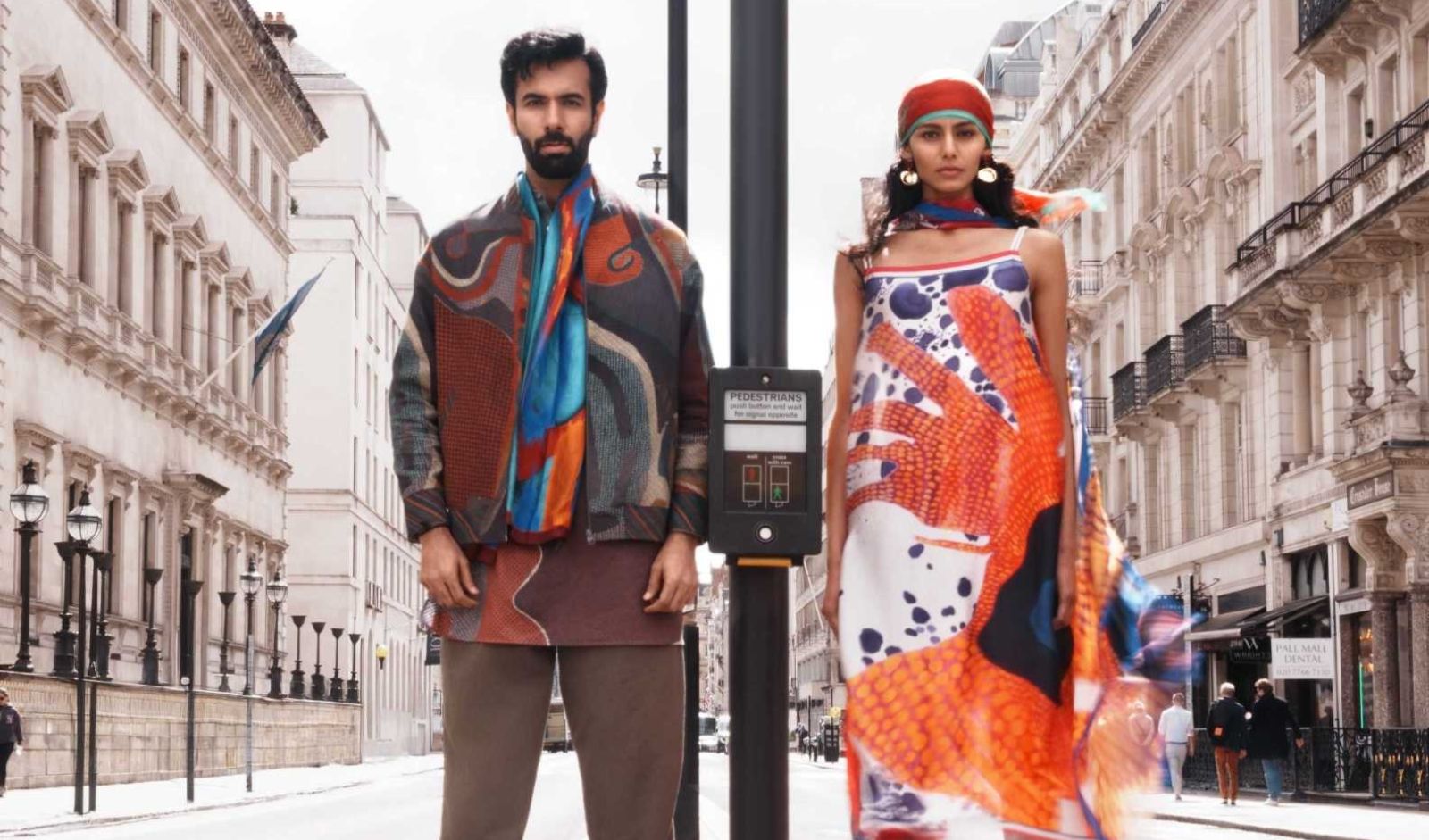 FASHION AND LIFESTYLEActor Danish Pandor, who walked at the London showcase, features in the campaign, reflecting the collection's emphasis on individuality and exploration.
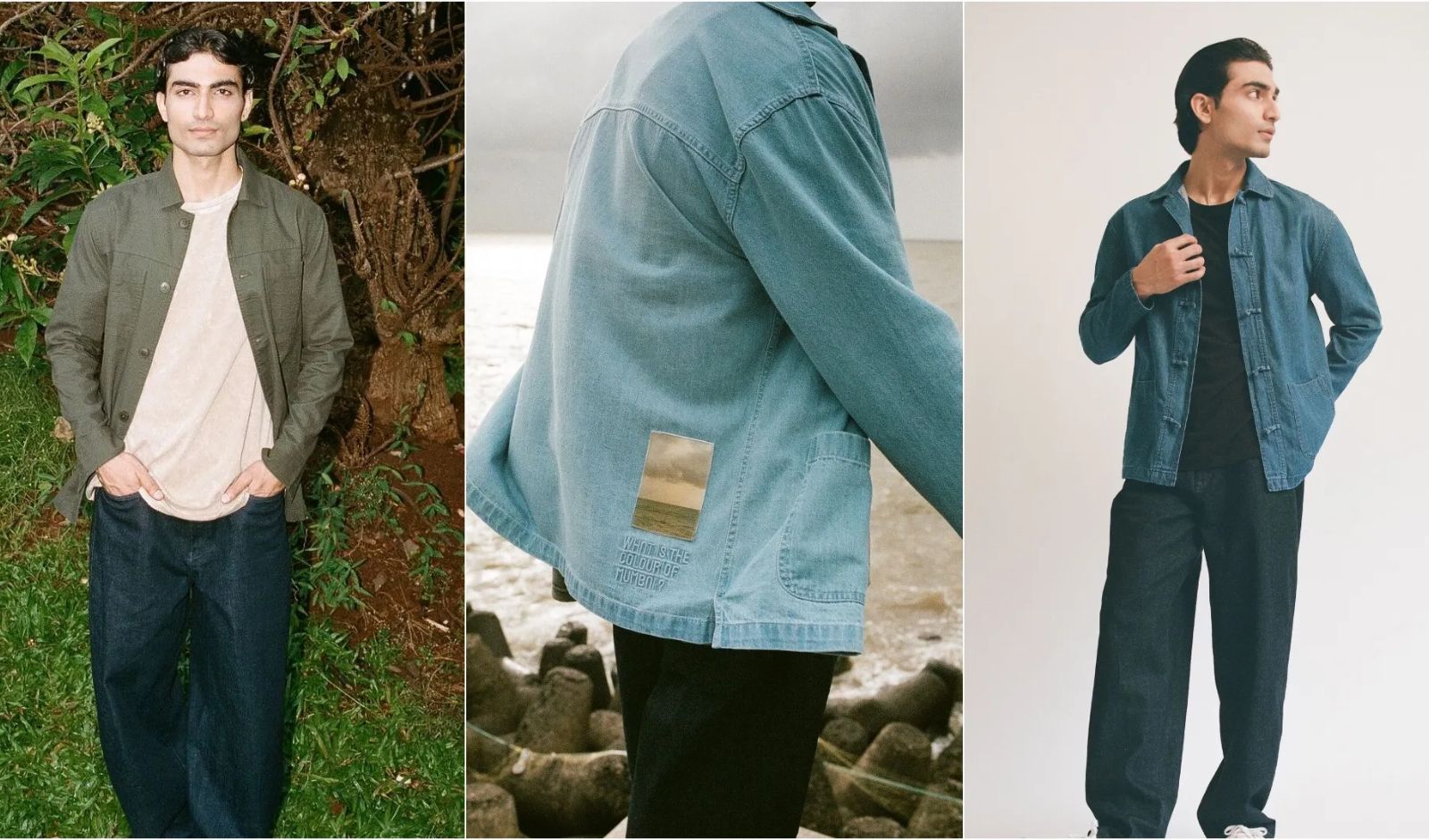 FASHION AND LIFESTYLEThe ready-to-wear collection features chore jackets, vintage-washed denim shackets and soft overshirts.
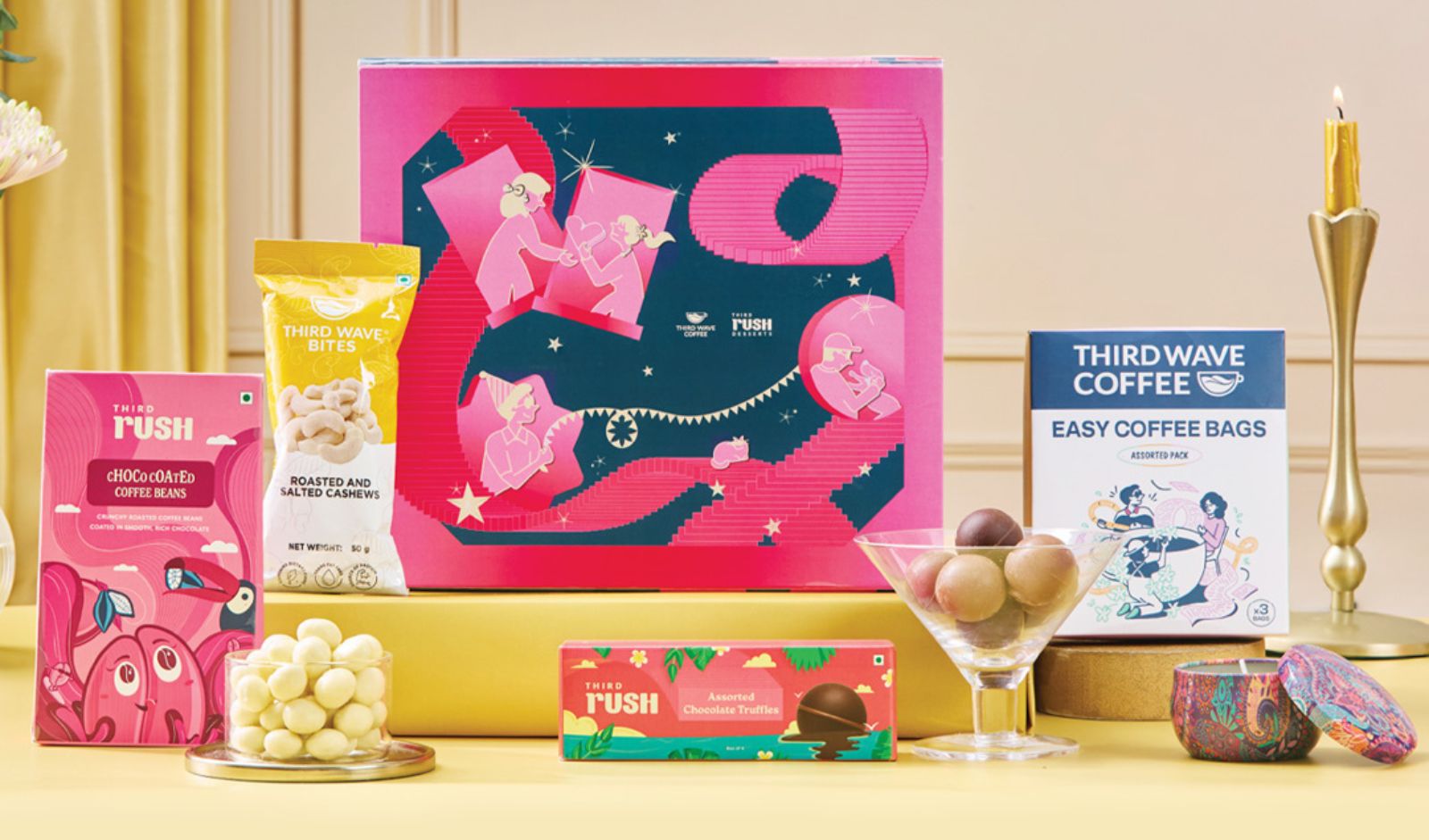 FASHION AND LIFESTYLEThe collection also features products from Third Rush Desserts, the company's recently launched dessert-focused brand.





Copyright © 2009 - 2026 License India.