


Web Content Writer, IndianRetailer.com & License India May, 03 2026 /

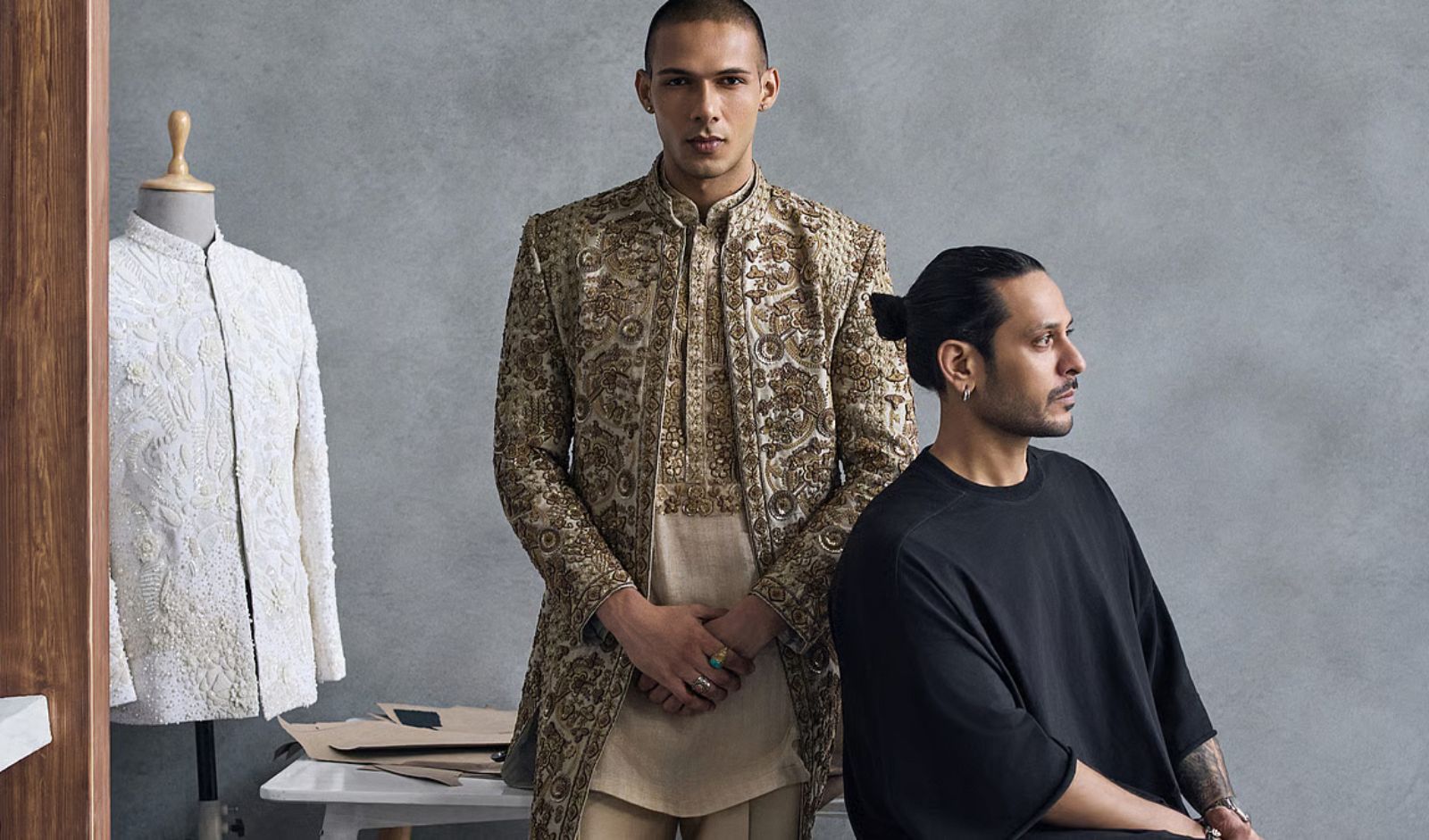
When the talks are about India’s couture market, designer Saggar Mehra is a name that cannot be overlooked. Mehra is aligning his brand strategy with a structural shift in the wedding economy. India’s retail and luxury fashion landscape is currently undergoing a shift, with weddings emerging as a consistent demand driver rather than a seasonal opportunity.
As Sagar Mehra highlighted, “We are now handling larger weddings, designing wardrobes for clients as well as planning entire wedding looks. That has become the focus. Weddings have always been strong, but the market has changed.”
This shift is creating more opportunities for couture players, particularly in men's fashion, where occasion-based dressing is becoming more frequent and varied. This transformation is also reflective of evolving consumer behaviour, where spending on weddings has increased significantly, making it a key consumption category within luxury retail.
Craft-Led Design with an Indian Core
The brand’s core focused area is Indian craftsmanship, aligned with evolving consumer preferences in the domestic couture market. The label crafts its designer offerings, minding the fashionable preferences of its Indian audience, while integrating traditional elements such as handlooms, embroidery, and artisanal techniques.
This approach is not limited to aesthetics; it also extends to building a broader ecosystem that works in support of weavers, craftsmen, and local production networks. By anchoring its collections in Indian culture and heritage, the brand has established itself within a growing segment of couture that values authenticity and origin.
“Our focus is also on 'Made in India.” For me, it is important to celebrate Indian culture, craftsmanship, handlooms, weavers, and artisans who work with us. We are building an ecosystem centred around Indian luxury, craftsmanship, and culture and presenting it to a global audience,” stated Saggar.
At the same time, the brand has moved towards a design language that is being adapted for a global audience, balancing traditional craftsmanship with contemporary silhouettes. This enables the brand to remain relevant across markets while retaining a strong Indian identity at its core.
Product Expansion and Collaboration Strategy
While menswear remains the core category, the brand is gradually expanding into adjacent segments. This includes entry into men’s jewellery, such as cufflinks, brooches, lapel pins, and malas, through collaborations with specialised designers.
“We are entering men’s jewellery… Instead of building everything internally, we are collaborating with a jewellery designer to develop this category,” Mehra shares.
Apart from the Jewelry, the brand is also making its entry into the Accessories segment, such as wallets, duffle bags, laptop bags, and card holders, which are also being explored as part of the broader product strategy. Designer Saggar is majorly focusing on establishing partnerships with established players to leverage manufacturing and distribution capabilities while retaining design control.
Saggar commented, “Some senior designers have worked in this direction earlier, but newer couture brands are still evolving in this space. Weddings are deeply rooted in culture, so celebrating Indian heritage naturally becomes part of the design philosophy.”
The brand remains open to collaborations but has consciously avoided licensing. “We are not focused on licensing because the brand is highly personal and involves direct consultation. Licensing can dilute this approach,” Saggar added.
Retail Presence and Expansion Plans
The brand currently operates two boutiques in Delhi, located in Defence Colony and near Chattarpur, offering clients an intimate setting to experience its bespoke craftsmanship and couture offerings. Rather than pursuing rapid retail expansion, the label is adopting a measured approach, focusing on establishing a presence in key luxury destinations that align with its premium positioning. As part of its growth roadmap, the brand is also exploring opportunities to expand into other major fashion markets in the coming years while maintaining its emphasis on exclusivity.
“Currently, we have two stores in Delhi—one in Defence Colony and another near Chhatarpur. We are planning to expand to Mumbai next year. Our retail strategy is selective. Instead of opening many stores, we prefer exclusive, destination boutiques that offer a complete luxury experience,” explained Mehra.
Despite having an online presence, the brand does not enable e-commerce transactions due to the nature of its products. With price points starting from Rs 2 lakh, customers prefer in-store consultations and physical interaction with garments.
Strengthening Menswear Focus
The current product portfolio includes ceremonial tuxedos, Indian contemporary wear, sherwanis, bespoke suits, and kurtas, with tailor-made suits emerging as a strong category.
The immediate focus remains on strengthening menswear and building a distinct design identity. Womenswear is not a priority at this stage and may be explored in the future.
“We are creating designs that are fluid across age groups. The idea is to cater from the groom to the family, without limiting the brand to a specific audience,” he explains.
Basra 2026 Marks a New Chapter for Saggar Mehra
Further reinforcing its design direction, the brand has also introduced its latest couture collection titled “Basra 2026.” The collection reflects the label’s evolving design language while staying rooted in Indian craftsmanship and cultural storytelling.
The collection brings together structured silhouettes and handcrafted detailing, with pieces designed primarily for ceremonial and wedding occasions. From intricately crafted sherwanis to contemporary ceremonial jackets and tailored ensembles, the line emphasises texture, embroidery, and sculptural detailing.
“We are launching a men’s jewellery line, including buttons, cufflinks, lapel pins, brooches, and malas designed for grooms and ceremonial dressing. Instead of developing everything independently, we are collaborating with a jewellery designer to shape this category,” Saggar commented.
Funding and Future Outlook
Looking ahead, Mehra is exploring strategic partnerships with larger business groups such as Aditya Birla Group and Reliance Industries to support expansion and brand building.
The model reflects a broader trend in the couture industry, where corporate backing enables scale while designers retain creative direction.
“We are also considering partnerships with brands like Raymond and Manyavar, as they have strong distribution and resources,” he adds.
For Mehra, couture is positioned as a long-term, generational business rather than a short-term venture. With a focus on controlled expansion, high-value offerings, and Indian craftsmanship, the brand aims to build a distinct identity within the evolving luxury fashion landscape.
As weddings continue to drive consumption and shape demand patterns, couture brands that balance craft, exclusivity, and scalability are likely to define the next phase of growth in India’s retail market.
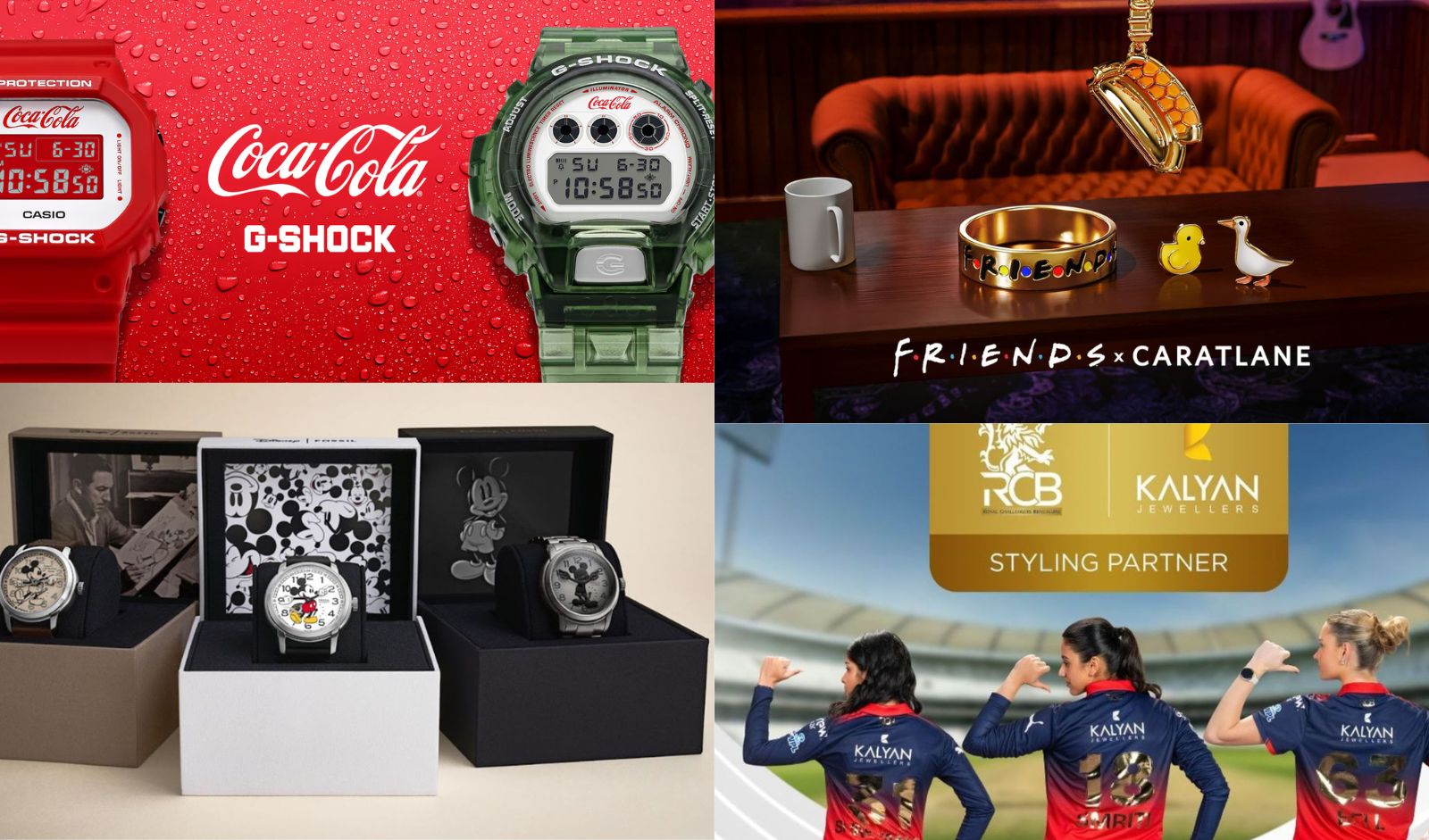 FASHION AND LIFESTYLEThe growing influence of pop culture, fandoms, sports leagues, and nostalgia-driven marketing has opened new avenues for brands to engage consumers beyond traditional advertising.
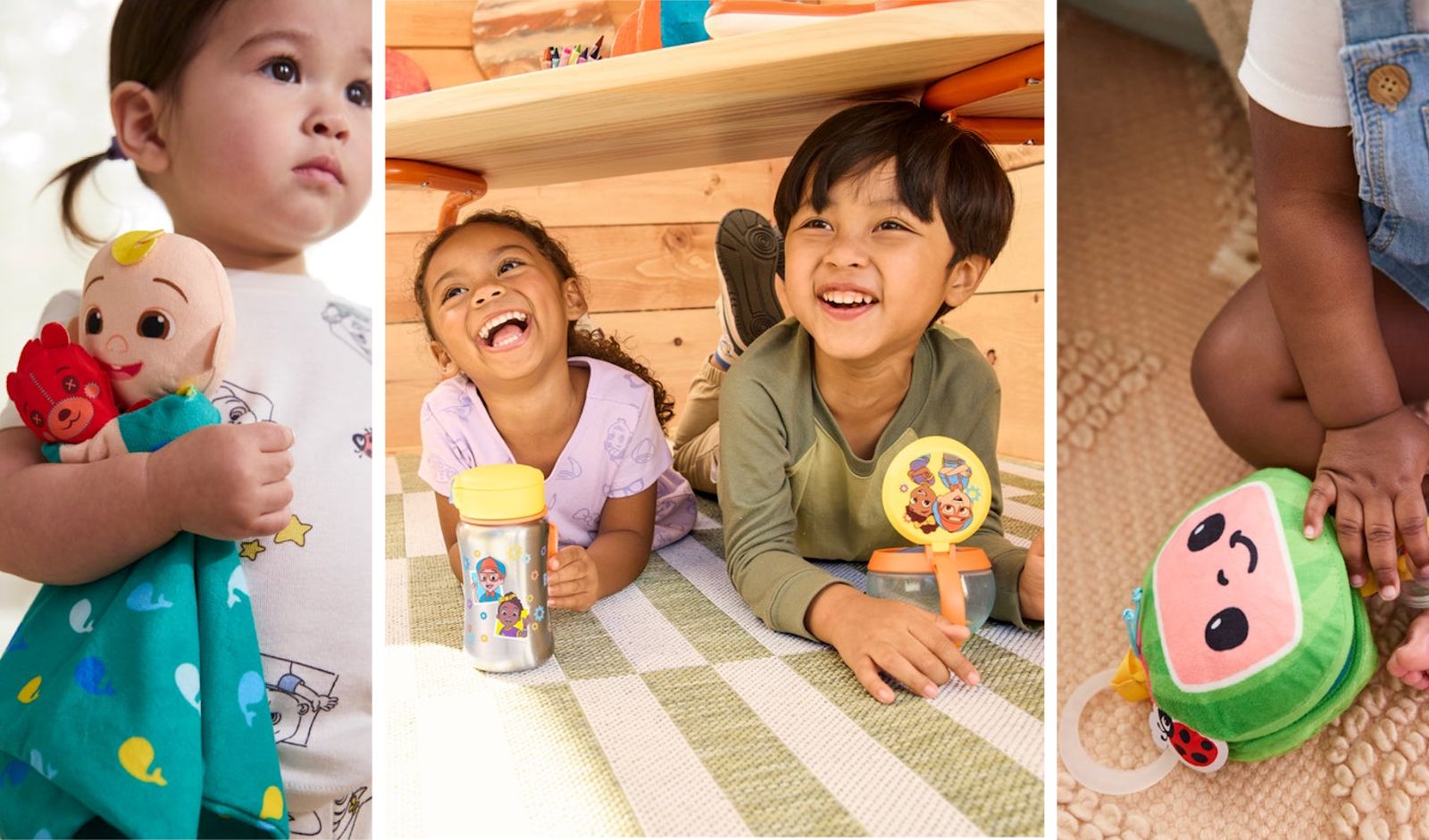 FASHION AND LIFESTYLEThe collaboration comes shortly after Moonbug announced that CoComelon will make its theatrical debut next spring.
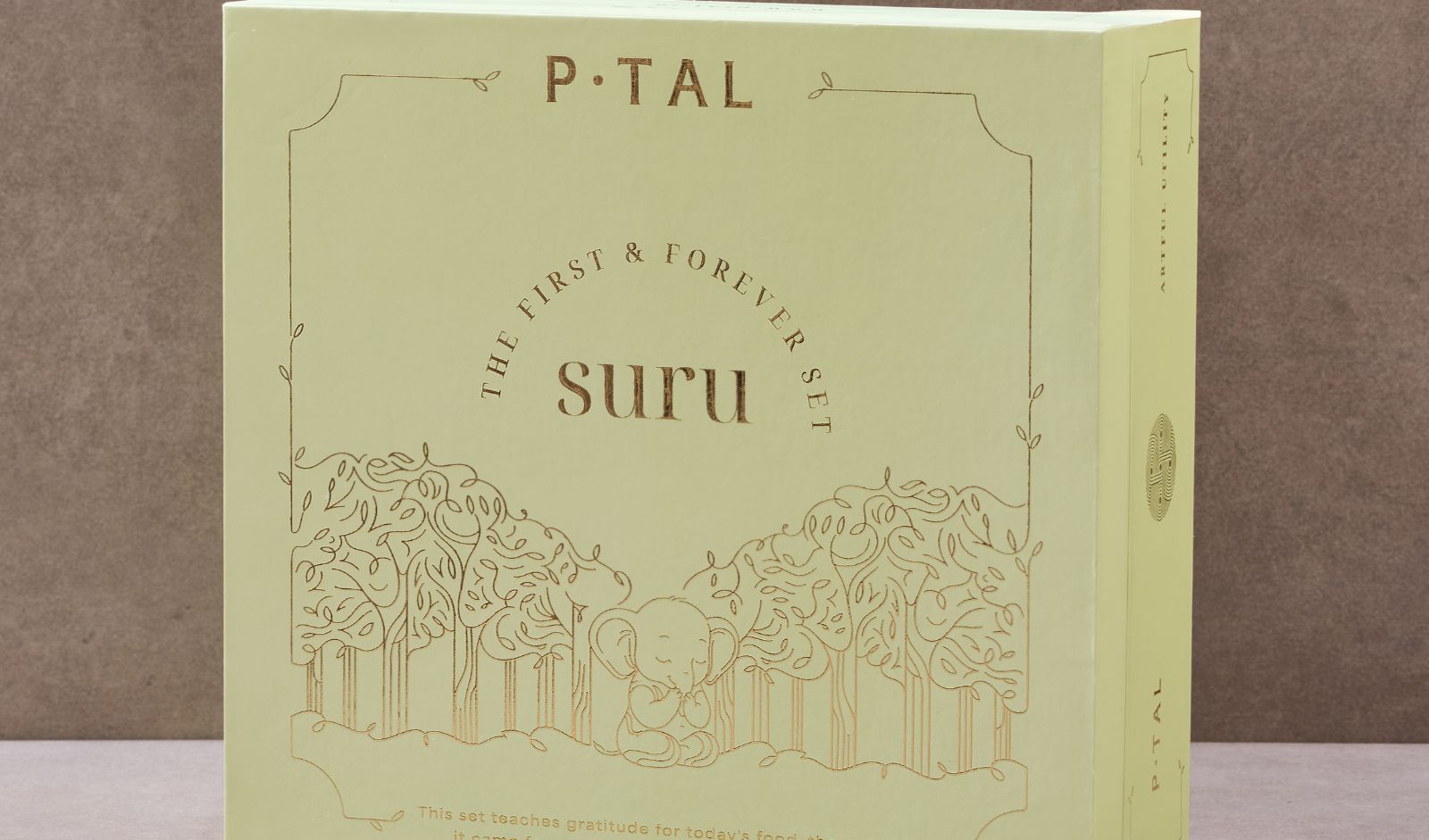 FASHION AND LIFESTYLENamed The First and Forever Set, the collection is positioned as a long-lasting alternative to conventional children's dinnerware.
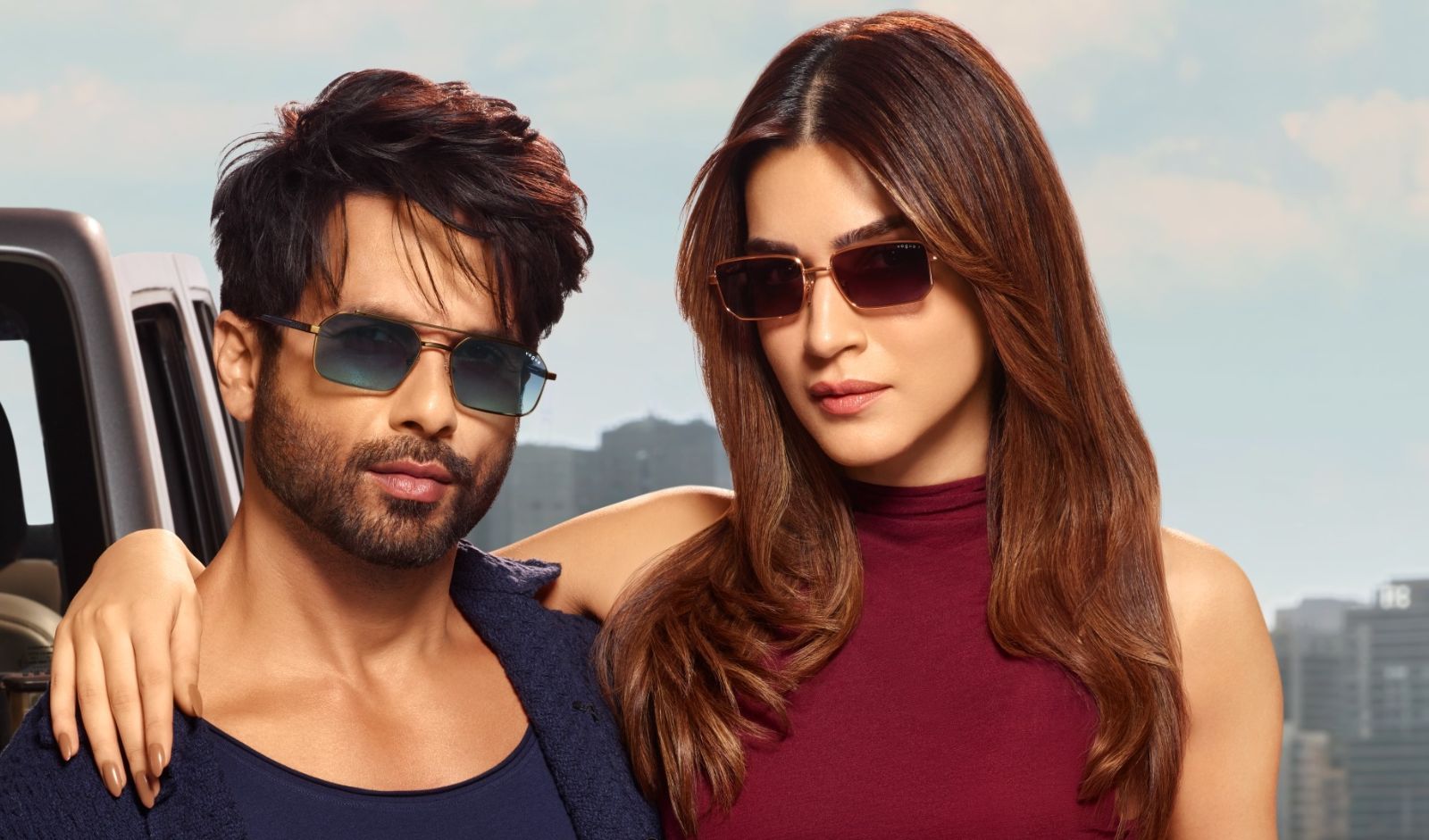 FASHION AND LIFESTYLEThrough the campaign, the brand aims to strengthen its engagement with consumers who view fashion and accessories as extensions of their identity.





Copyright © 2009 - 2026 License India.