


Web Content Writer, IndianRetailer.com & License India Apr, 18 2025 /


WeSC - short for We Are the Superlative Conspiracy—a name that has long echoed through the alleys of European skateparks, underground music venues, and art collectives—is now listening closely to the rhythm of a rising new market: India. Born in Stockholm in 1999 at the intersection of skateboarding, street culture, and rebellion, WESC has grown into a globally admired streetwear brand. But today, its cultural compass is pointing toward a country teeming with untapped creative energy.
Today, WeSC is steered by CEO Joseph Janus, who has been in the business for 16 years and continues to uphold the brand’s founding ethos. Shedding light on the emergence of WeSC, the brand initially brought skate culture to Europe, which made it recognised as a European-based street and skatewear company.
“The founders were trying to bring skate culture to Europe because they had been importers of other skate brands from the States inside of Europe. And they wanted to invent and create a skate community and brand that came from Europe. The vision is to take superlatives, people who are special in what they do, whether it be skate, music, could even be in fashion, could be a chef. We Are the Superlative Conspiracy is a whole bunch of great people getting together to do great things together and promote a sort of counterculture starting with roots in skate, but then leading itself to counterculture completely, ” explained Joseph Janus, CEO, WeSC.
Crafting Culture Through Community
WESC was never just about clothes—it’s always been about creating a community of "superlatives"—individuals excelling in their own creative lanes. Be it skating, music, fashion, or art, WESC seeks out those who disrupt, create, and redefine norms. These values align seamlessly with India’s next-gen creators—young Indians who are building their own narrative through streetwear, independent films, digital art, and hip-hop.
Janus further explained, “It's really about building up a community. Everywhere we're distributed, we built up a community of like-minded people, whom we call activists, but sort of influencers doing great things. Whether it's music, sports, skate, we are building up a community of people to be behind the brand.”
What’s in a Name? The Story Behind ‘We Are the Superlative Conspiracy’
The brand’s identity is unapologetically rebellious, yet intentionally selective. Despite streetwear's shift from underground to mainstream, WESC has stayed true to its roots. It’s not about being everywhere; it’s about being in the right places—festivals, skate parks, underground venues—where culture is born, not bought.
“WeSC is an acronym for we are the superlative conspiracy. And that's exactly it. ‘We’ is the sense of community, meaning more than one. People are doing special things. Conspiracy is just funny. It's like when you get a bunch of interesting people together doing cool things, it's like a little bit of a conspiracy. I think it meant something different in 1999 than I think what conspiracy means today,” Janus explained.
Back in 1999, when the brand was born, the word “conspiracy” had a different cultural flavor. It wasn’t tainted by internet rabbit holes or shadowy theories. Instead, it hinted at something rebellious, underground, and full of potential.
Standing Out in a Crowded Space
In today’s world of streetwear fashion, where trends shift overnight and hype can fizzle just as fast as it sparks, authenticity is the key to everything for a brand like WeSC. WESC’s approach isn’t about flashy campaigns or chasing the next viral moment. It’s about showing up for the community in real, tangible ways—whether that’s sponsoring underground skate events, supporting indie music festivals, or collaborating with local artists and creatives.
In India, where fashion and identity are increasingly shaped by community-driven narratives, this approach could strike a powerful chord. India’s youth aren’t just consumers—they’re curators of culture. The brand’s focus on grassroots connections, local artistry, and purpose-driven storytelling makes it uniquely poised to integrate authentically into India’s creative landscape.
Skateboarding Meets High Fashion: A Revolution in Street Culture
WESC was among the first to recognize the cultural synergy between skateboarding, music, and fashion—long before it became mainstream. Today, these worlds are more connected than ever, with skate culture influencing everything from streetwear to soundtracks and runways.
The shift in fashion is unmistakable: luxury brands are no longer just catering to the traditional elite. They’re speaking to a new generation of consumers who value versatility, authenticity, and cultural relevance. Sneakers, once confined to skateparks and sidewalks, now account for a significant share of luxury fashion sales.
In this evolving landscape, fashion isn’t just about aesthetics or the runway—it’s about resonating with the lifestyle, music, and sports that define our everyday lives. Brands like WESC didn’t just witness this shift—they helped spark it.
Joseph Janus further shared, “high fashion or luxury goods are connected with music and fashion realized the connection that brands like WeSC were able to make with these communities. WeSC sort of showed and connected the world of fashion, music, sports, and skating together. And the whole world sort of followed suit since. And now that's just changed the way that fashion is connected to your everyday life.”
WESC’s Collab Strategy: Innovation Over Imitation
At WESC, collaborations have never been about chasing hype or maximizing sales—they’ve always been about self-expression. Unlike today’s trend-driven collabs that are all about combining brand equity for commercial gain, WESC has always taken a more instinctive, authentic route.
This is particularly relevant at a time when luxury fashion is no longer reserved for elite silos—it’s becoming a lifestyle expression. Streetwear’s rise in India, led by local labels and global collaborations, has opened up a new space for brands like WESC that bring both legacy and subcultural cred.
"Today, a lot of collaborations are more about selling. It's more like, 'Oh, can we take two things that go together and sell them differently to our consumer?' We've never really approached things that way. We simply get involved with people we find interesting," highlighted Janus.
For WESC, the most memorable collaborations are those that reflect their ethos: genuine, offbeat, and unapologetically cool. Because when partnerships are rooted in creativity rather than commerce, the result is something far more powerful than product—it’s culture.
A Return to Retail — On Their Own Terms
WeSC closed its last few physical locations during the pandemic, and is now preparing for a brick-and-mortar comeback — but this time, with intention. The brand envisions its stores as hubs of culture, not just commerce — places where music, skate, and street style converge to tell a story that’s distinctly theirs.
"We've been around for twenty-five years, and we're now at a point where we're revisiting a lot of markets that were with us from the beginning. We're re-entering many markets we hadn't been in for a while. And the number one thing we're focused on right now is really direct-to-consumer," Janus shared.
While WESC has long thrived on a wholesale model, its delay in pursuing direct-to-consumer was deliberate — a decision rooted in community and culture.
Direct, But Distinct: WESC’s E-Com Play
While WESC is actively growing its direct-to-consumer (D2C) business, wholesale continues to be its stronghold, accounting for nearly 75% of its operations. The brand has successfully maintained a solid presence in department and specialty stores globally, including partnerships with key retailers.
Janus added, “25 percent of our business is direct to consumer. But two years ago, 100 percent of our business was wholesale, and very small was direct to consumer. We're just trying to balance out the direct-to-consumer with our wholesale business.”
When it comes to D2C, the brand is primarily focused on owned e-commerce rather than third-party marketplaces. WESC remains cautious about platform partnerships, carefully evaluating brand positioning and consumer experience.
Built to Last, Designed to Lead
As Streetwear is continuously evolving in an era of rapid trends and fleeting virality, WESC stands as a testament to authenticity, culture, and creative rebellion. With a vision that celebrates individuality and community, the brand has successfully evolved into a global cultural symbol. In a world where hype fades fast, WESC’s authenticity is its anchor. And for India’s creative youth searching for fashion that reflects their fearless individuality, it may be just the voice they’ve been waiting to hear.
 FASHION AND LIFESTYLEThe growing influence of pop culture, fandoms, sports leagues, and nostalgia-driven marketing has opened new avenues for brands to engage consumers beyond traditional advertising.
 FASHION AND LIFESTYLEThe collaboration comes shortly after Moonbug announced that CoComelon will make its theatrical debut next spring.
 FASHION AND LIFESTYLENamed The First and Forever Set, the collection is positioned as a long-lasting alternative to conventional children's dinnerware.
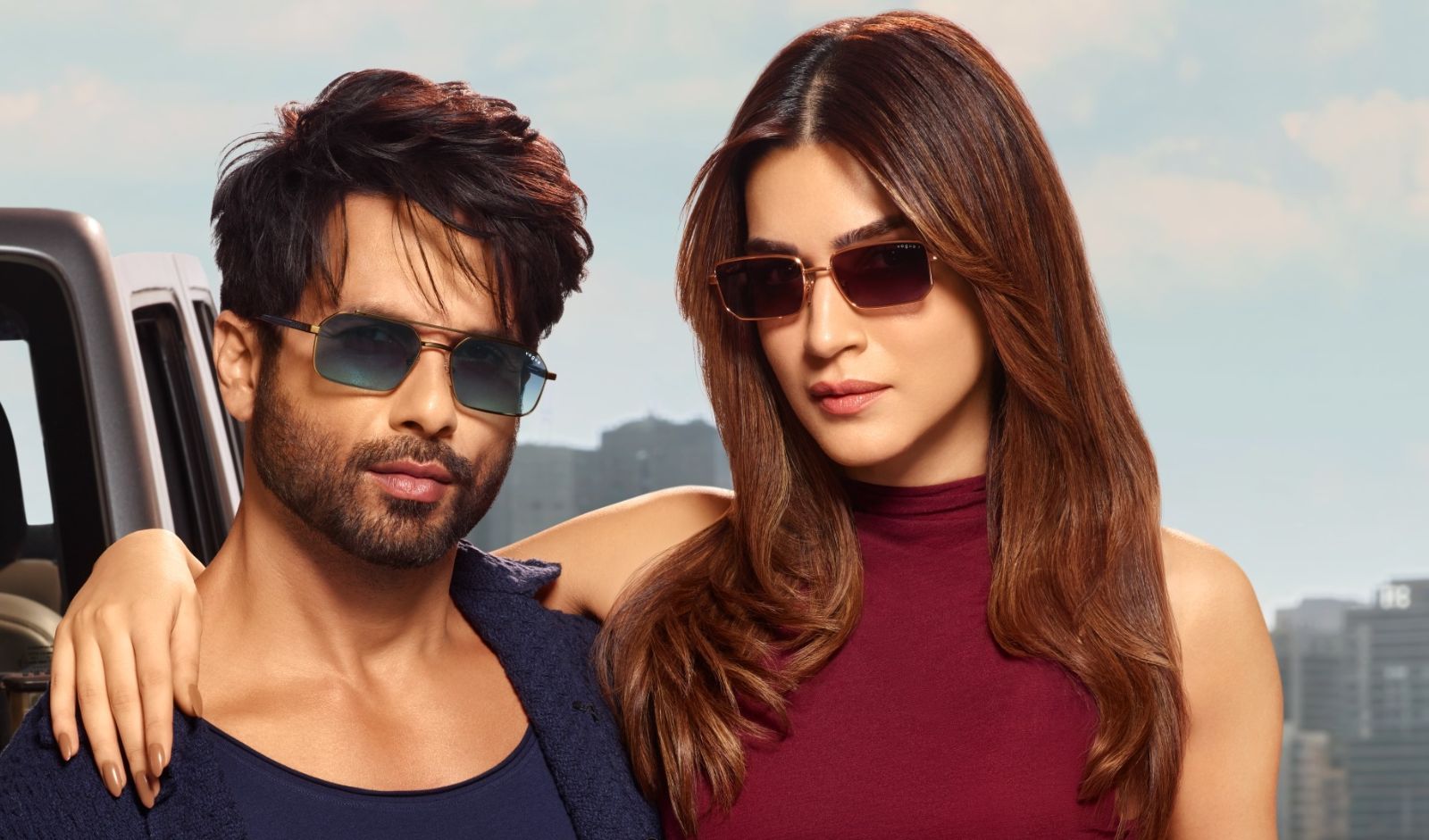 FASHION AND LIFESTYLEThrough the campaign, the brand aims to strengthen its engagement with consumers who view fashion and accessories as extensions of their identity.





Copyright © 2009 - 2026 License India.