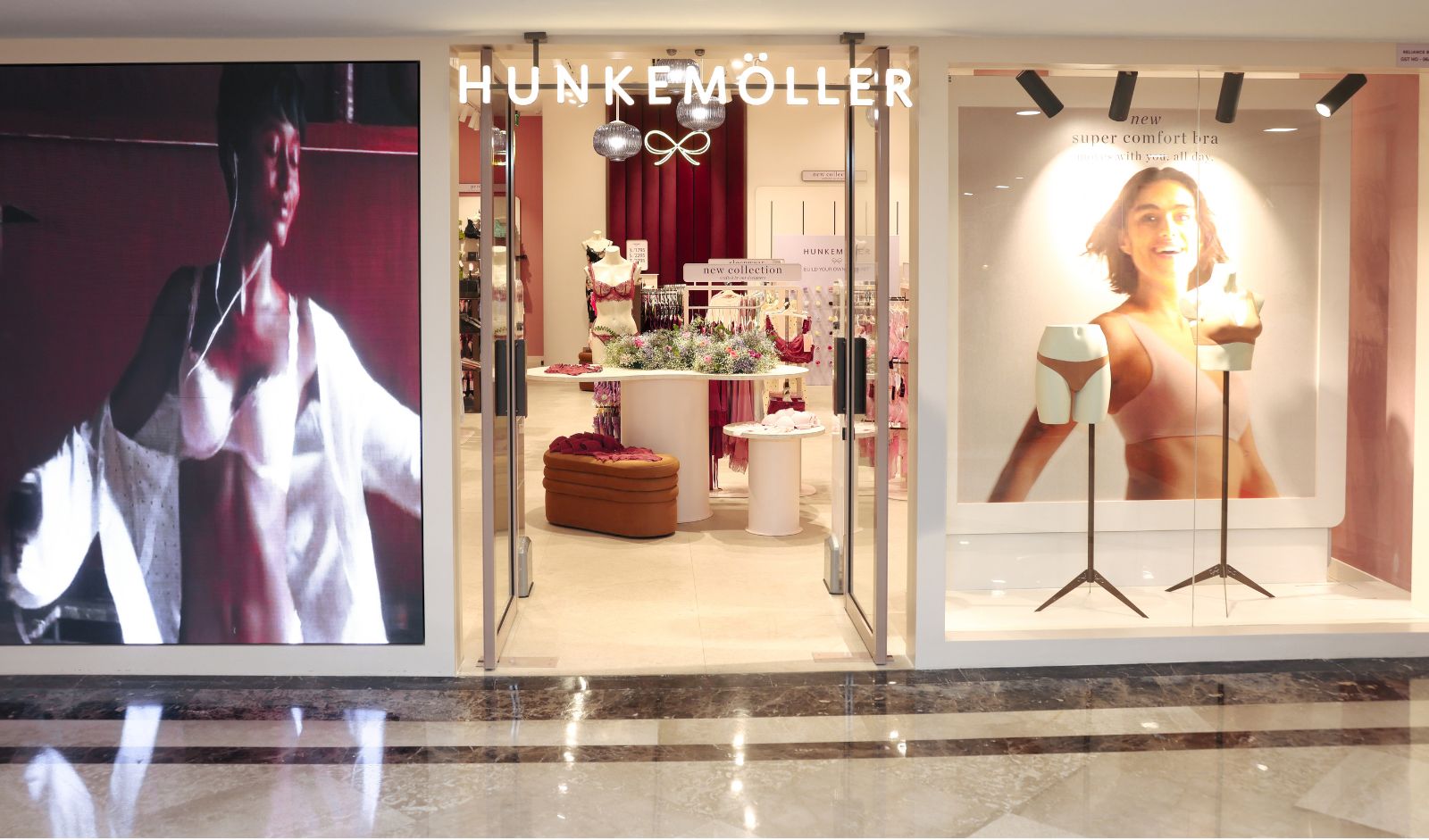
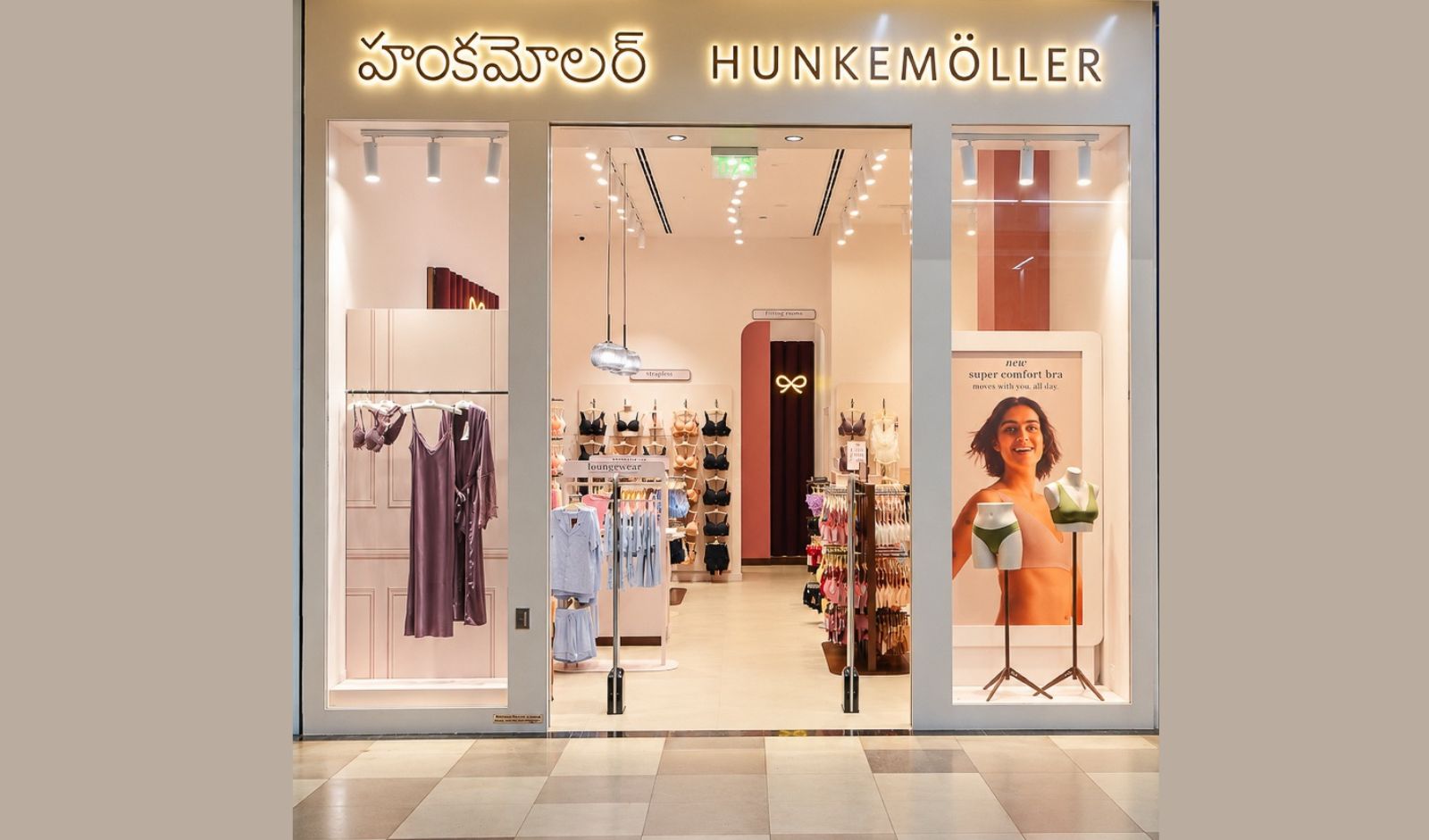
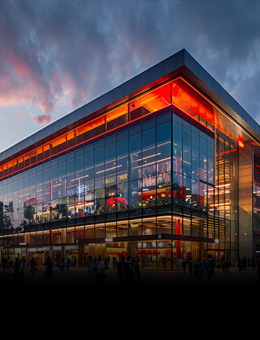
Hunkemöller, the European luxury lingerie brand, has unveiled its new store at Inorbit Vizag, introducing its latest global retail concept to the city. Designed around a more personalised approach to lingerie shopping, the new store brings together Hunkemöller’s premium collections, expert fit guidance, and an elevated retail environment, creating an experience where fashion, comfort, and confidence come together. Vizag is an evolving retail and lifestyle destination, with consumers increasingly seeking premium international brands and elevated shopping experiences.
The opening at Inorbit Vizag allows Hunkemöller to bring its distinctive combination of fashion, comfort, expertise, and personalised service to a new community of women in the region.
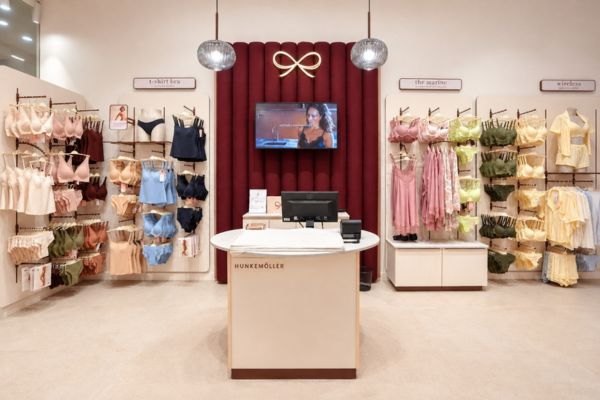
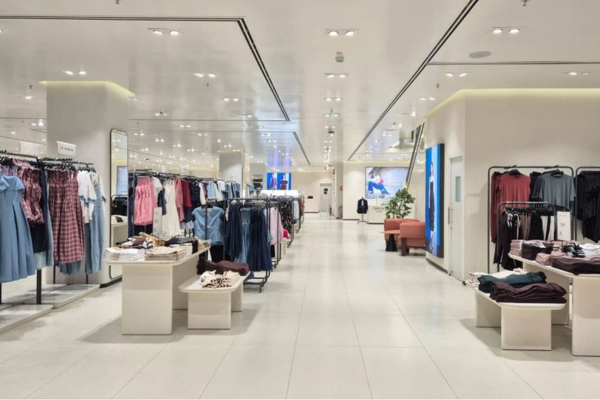
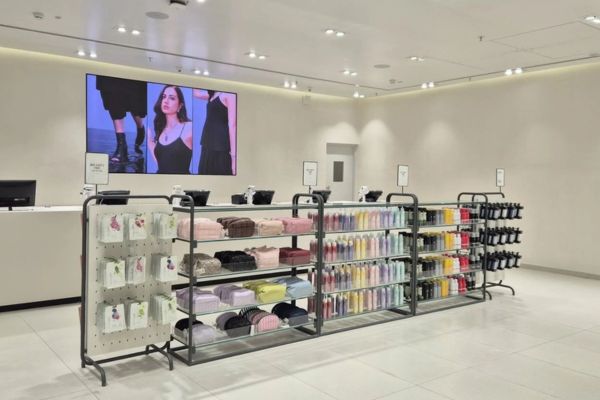
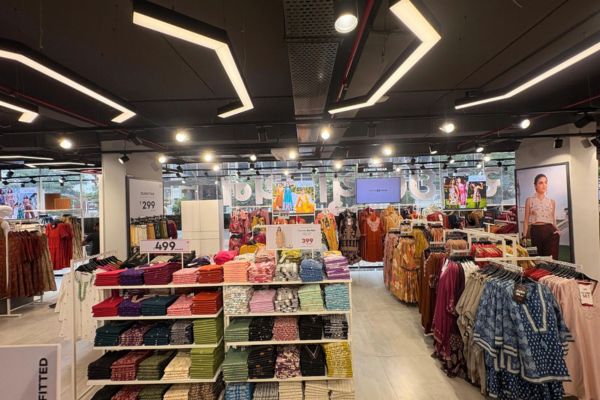
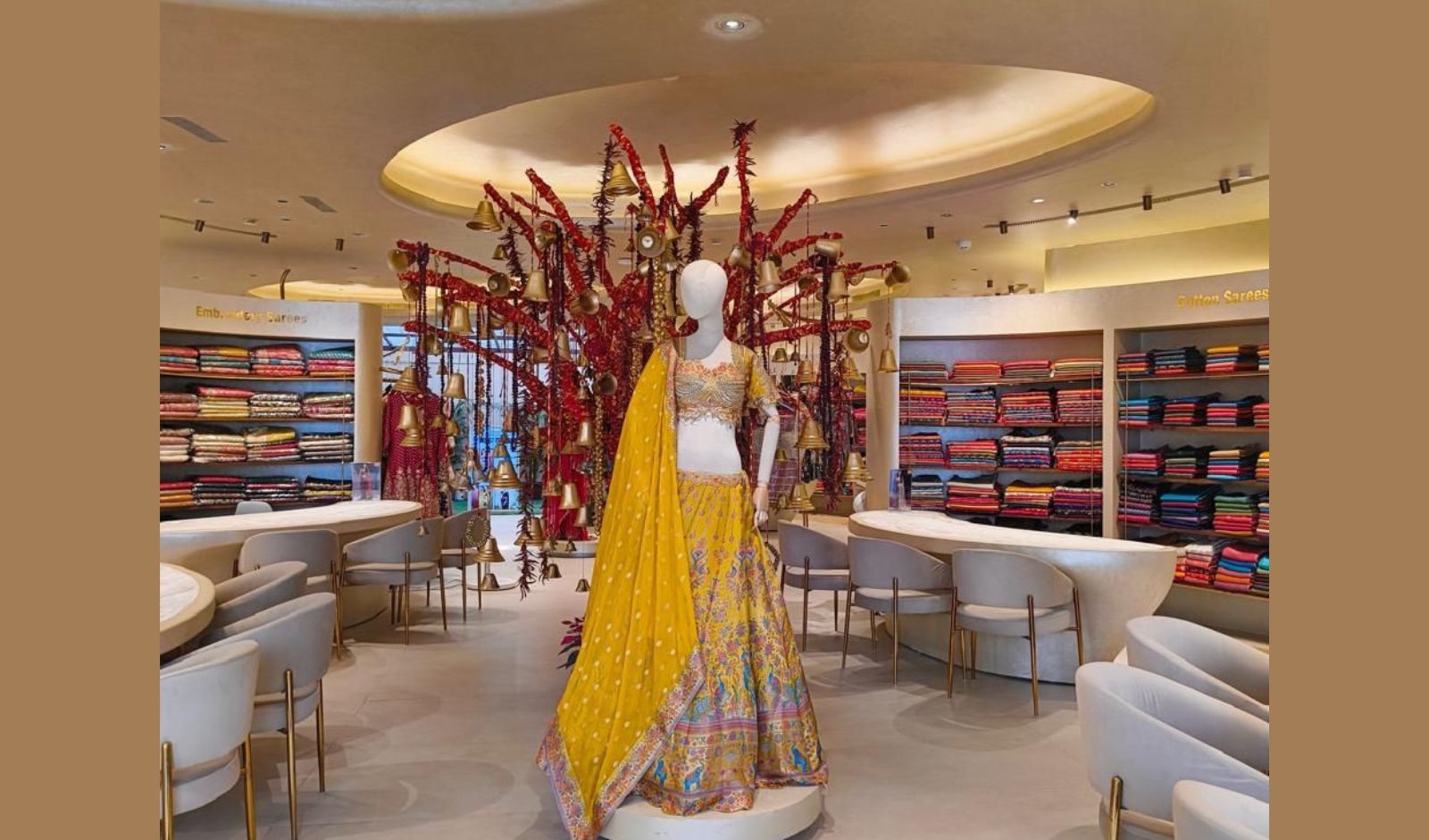
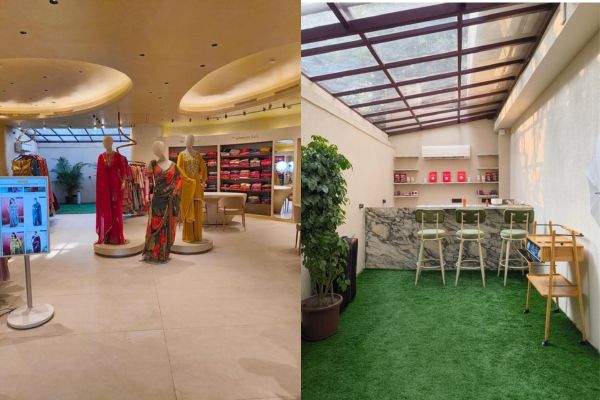
The new Inorbit Vizag store brings Hunkemöller’s refreshed identity to life through a softer colour palette, modern finishes, and an elevated store design. Dedicated category zones and enhanced visual merchandising make the shopping journey seamless, while the thoughtfully designed space allows customers to explore the collections with ease.
At the crux of the experience is Hunkemöller’s personalised bra-fitting service, designed to help women discover a fit that works for them. Customers can be professionally measured by trained store associates, understand their correct size, and receive tailored recommendations based on their individual needs and preferences. From finding the right level of support to exploring styles that suit their requirements, the service brings expertise and personal attention to every fitting.
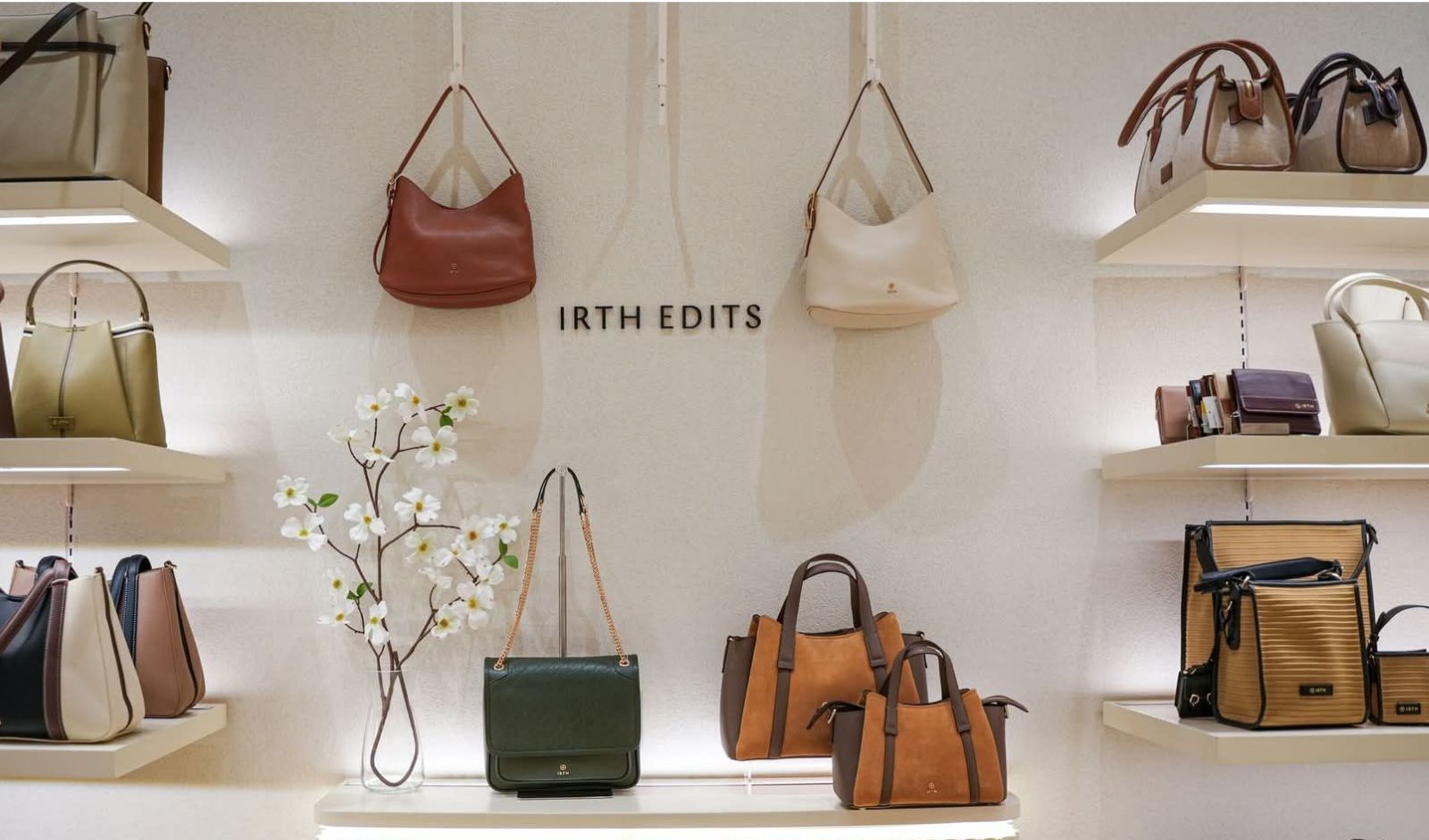
The store brings together Hunkemöller’s complete range of lingerie, sleepwear, swimwear, shapewear, and accessories under one roof. Customers can explore everything from everyday essentials to the signature Super Comfort collection, created to deliver exceptional comfort without compromising on style.
The personalized service extends across the shopping experience, with trained store associates helping customers navigate the collections and discover products suited to their lifestyles, preferences, and body types. This makes lingerie shopping more intuitive while ensuring that every woman can find pieces that offer the right balance of support, functionality, and fashion.
Hunkemöller’s approach is rooted in the belief that women should never have to choose between style and comfort. Its collections combine fashion-forward design, innovative fits, and premium materials to create pieces that feel as good as they look.
This philosophy comes through in the new Vizag store, where the product assortment and personalized fit service work together to create a shopping experience centred on comfort, confidence, and self-expression. Whether discovering everyday lingerie or exploring sleepwear, swimwear, and shapewear, customers can find products designed to fit seamlessly into their lives.
The launch also marks another step in Hunkemöller’s continued expansion across India. As the brand explores opportunities across both established and emerging retail destinations, its focus remains on creating meaningful retail experiences and bringing a world-class lingerie and lifestyle shopping experience to more women across the country.
Hunkemöller celebrates a legacy of over 140 years, built on expertise, craftsmanship, and fashion innovation. Founded in 1886, Hunkemöller is Europe’s leading lingerie brand, renowned for its commitment to comfort, quality, and empowering women.
With a diverse range of lingerie, nightwear, swimwear, and accessories, Hunkemöller ensures women of all shapes, sizes, and styles find designs that resonate with their individuality. Brought to India through a partnership with Reliance Brands Limited, Hunkemöller is proudly celebrating 10 years of presence in the country, offering Indian women the perfect blend of European luxury, style, and fit.