




 1504
/ 8 MIN READ
1504
/ 8 MIN READ
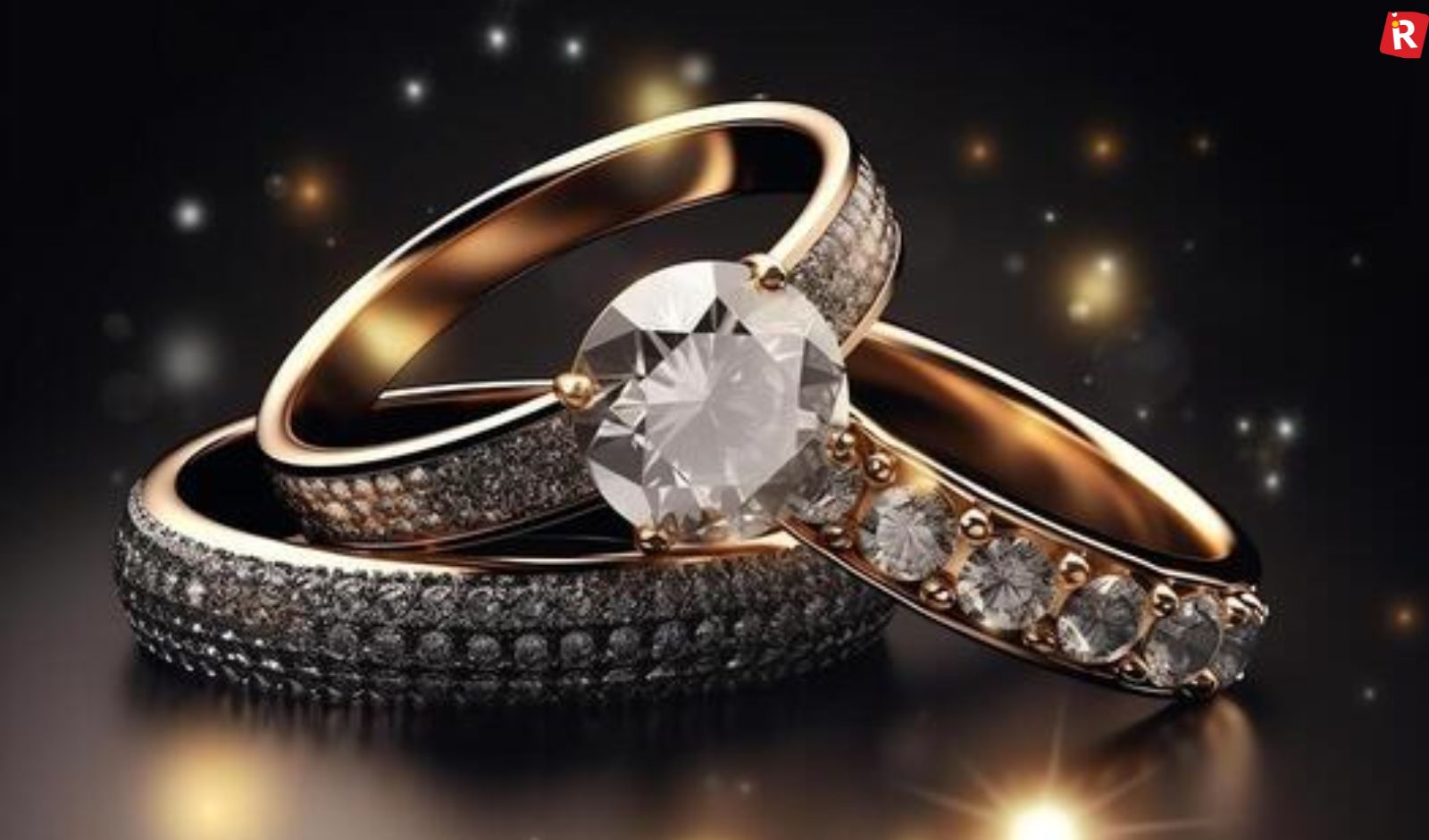
India has always had an intimate relationship with jewelry - emotional, cultural, and generational. But today, I’m witnessing a very different landscape unfold. For the first time, global luxury brands aren’t just looking at India with curiosity; they’re recognising it as one of the most exciting and fast-evolving jewelry markets in the world.
And honestly, this moment has been a long time coming.
India’s Luxury Jewelry Moment Is Here
Industry estimates now place India’s jewelry market at over US$80 billion, with the potential to nearly triple by 2030. Recent global luxury reports highlight India as one of the only markets expected to grow 3–5x by 2030, a pace far outstripping Western luxury markets.
Even outside jewelry, global beauty and lifestyle giants are scaling manufacturing and local production in India due to strong, sustained premium demand. This broader premiumisation across categories is directly influencing how Indians approach jewelry as well.
But the more interesting shift isn’t in the numbers, it’s in the mindset.
A young, confident generation is redefining why, how, and what they buy. Jewelry is no longer reserved only for big milestones or investments. It has become a form of personal luxury, something expressive, wearable, and modern.
What I see today is an India that wants pieces that move seamlessly across its many identities: from boardrooms to brunches, from intimate celebrations to everyday routines. Jewelry has moved from being stored away to being lived in.
The Global Aesthetic is No Longer ‘Global’; It’s Indian Now
There’s a clear design evolution happening across the country. Consumers are quickly evolving, gravitating towards contemporary silhouettes, clean gold lines, diamond minimalism, sculptural pieces, and European-style detailing.
This doesn’t replace our heritage, it complements it. The modern Indian consumer wants both: the emotional weight of traditional craftsmanship and the sophistication of global luxury. It’s this blend that’s making India such an interesting market for international and design-forward brands. And India is more than ready for it.
Why the World Is Suddenly Paying Attention
A few years ago, global jewelry houses saw India through a narrow lens, as a wedding market or a gold-heavy market. Today, the perception has shifted completely.
Recent international analyses show three major reasons:
1. A New Luxury Consumer Has Arrived
Young professionals, dual-income households, and independent buyers are entering the luxury segment much earlier and they’re willing to spend on quality, design, and identity.
2. Luxury Is Becoming Digital-First
Discovery now starts online. From virtual try-ons to mood-based curation, the digital journey has become the first and often the most influential touchpoint. This has opened the door for global brands to reach India more easily, even before establishing a major offline presence.
3. Trust Has Been Rebuilt Through Transparency
Certifications, tech-enabled verification, and transparent pricing have removed the barriers that once made luxury jewelry feel intimidating.
In many ways, India has leapfrogged into a hybrid luxury model faster than anyone expected. Platforms where discovery, trust, and experience come together will thrive. It’s about giving our users access to the kind of contemporary, global-inspired pieces they’re increasingly seeking in an integrated, curated environment.
The New India Shops With Intuition, Not Obligation
One of the biggest behavioural shifts I see daily is that jewelry buying is no longer driven by obligation “I need a set for this occasion,” or “I should buy gold.”
Instead, it’s driven by emotion and style.
Consumers today ask:
- Does this piece reflect me?
- Will I wear it often?
- Does it fit my aesthetic?
- Does it feel personal?
And because of this, categories like demi-fine jewelry, lightweight diamonds, and contemporary gold have taken off. The rise of lab-grown diamonds is another strong indicator, a category that aligns with value, design, and modern ethics.
Technology Is Quietly Leading This Shift
If there is one thing I’m absolutely certain about, it’s this: the next phase of luxury jewelry growth will be technology-led. Tools such as Virtual Try-On, Virtual Ring Sizer, Swipe-based discovery can make the jewelry shopping experience smoother. Brands must also invest in deeper curation across materials, moods, and occasions as well as personalised recommendations powered by behaviour and design preference.
The goal isn’t to replace traditional buying. It’s to elevate it, by removing overwhelm, bridging trust gaps, and making the journey intuitive.
And this is exactly what global brands find compelling about India right now: a market that is both emotionally rich and digitally mature.
India’s Jewelry Future: A Blend of Craft and Contemporary
Here’s what I believe will define India’s luxury jewelry landscape over the next decade:
1. Hybrid Luxury Will Become the Norm
Consumers will continue blending Indian craftsmanship with global minimalism.
2. Lifestyle Luxury Will Outpace Occasion Luxury
More day-to-night, work-to-wedding jewelry.
Less locker-bound gold.
3. Global Brands Will Localise for India
Not just enter India but adapt to India’s cultural and aesthetic nuances.
4. Indian Designers Will Go Global
The world hasn’t yet seen the full depth of India’s contemporary jewelry talent but they will.
5. Marketplaces Will Become the Discovery Hubs
Platforms like ours will act as the bridge between Indian taste and global design.
This Is India’s Luxury Era
The global attention India is receiving today is not a trend, it’s a recognition of our cultural depth, our new confidence, and our evolving aesthetic.
We’re no longer waiting to be discovered. We’re shaping the global luxury conversation on our own terms.
Global brands eye India because this is where the next chapter of jewelry innovation will be written. And with every shift in taste, design, and technology, we’re only getting started.
Authored By

Arthi Ramalingam, Founder & CEO, Eternz